How to Enjoy Seville on a Budget: Sights, Tapas and Where to Stay
The Alcázar, the cathedral and Giralda, Plaza de España, Triana, free flamenco and cheap tapas – how to enjoy Seville without overspending.
Some links in this guide are partner links: if you buy through them we may earn a small commission, at no extra cost to you. It never affects what we recommend. How we make money
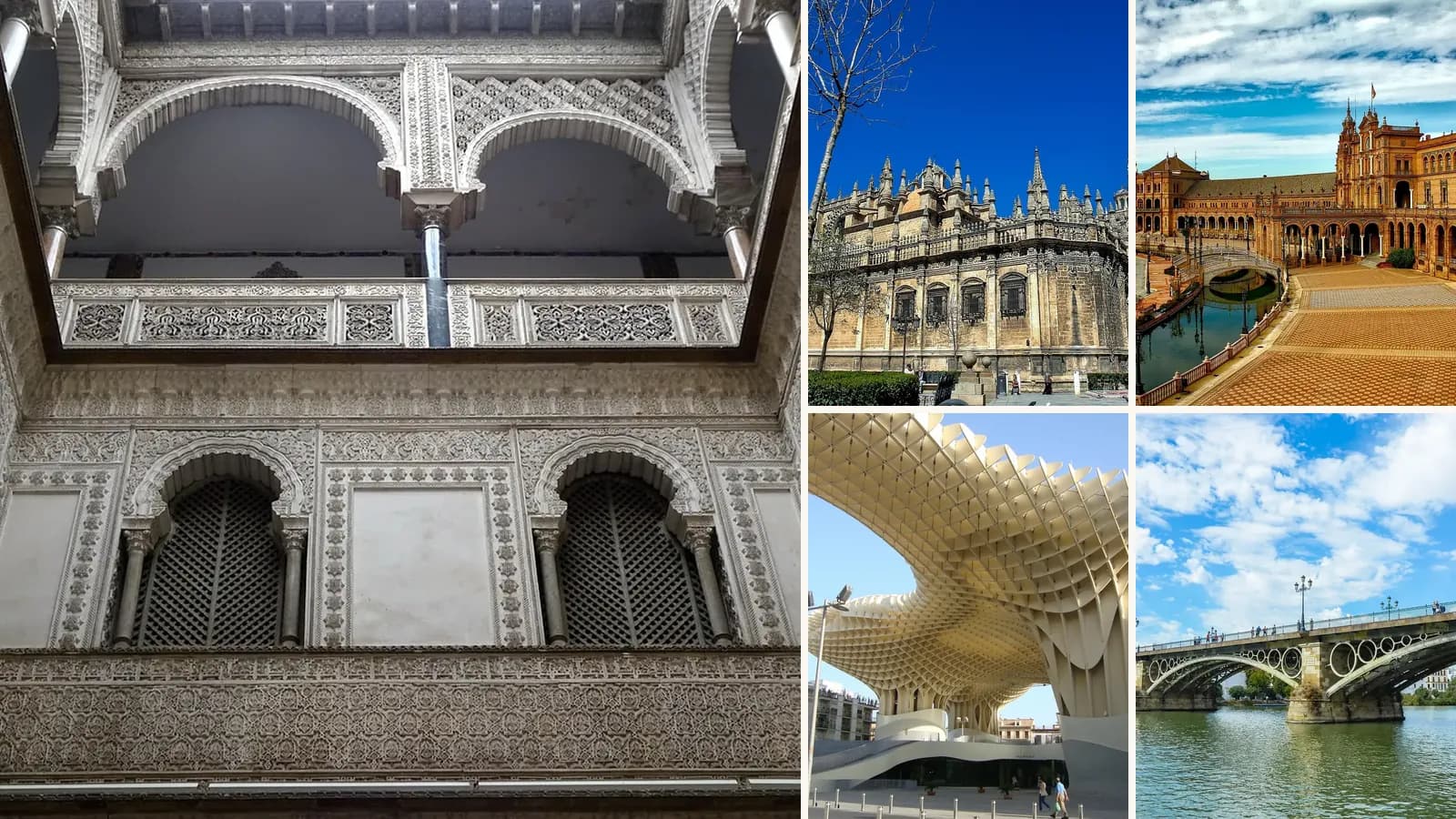
Seville is the city most people picture when they think of Andalusia: orange trees, tiled courtyards, flamenco and tapas bars spilling onto the street. It is also a city where you can eat and drink well for little money – if you know where to go and when.
When to go
Spring and autumn are ideal, with warm days and cool evenings. Rooms become expensive and scarce during Holy Week and the April Fair, so avoid those dates if you're watching your budget. Summer is fiercely hot; if you go then, sightsee in the morning and do as the locals do in the afternoon – rest.
What to see
1. The Real Alcázar
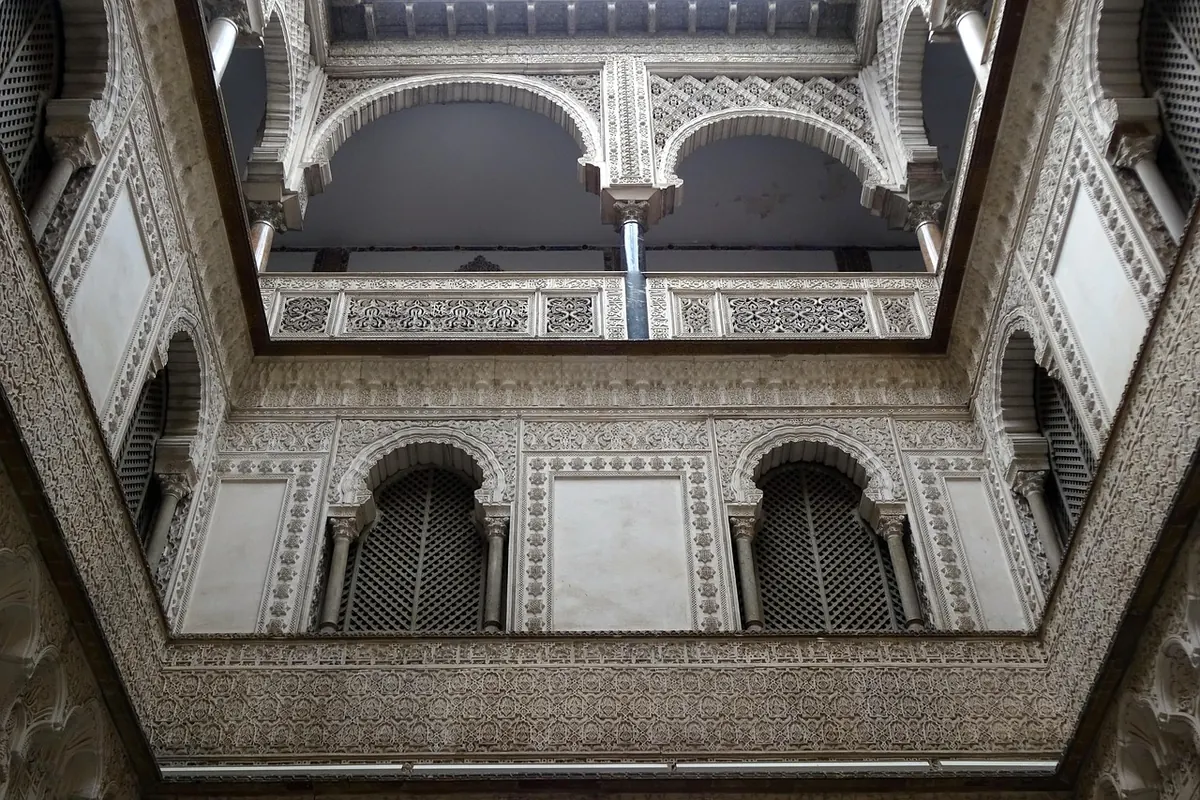
The royal palace is one of Spain's greatest buildings: Mudéjar courtyards, intricate plasterwork and gardens full of fountains and palm trees. Book a timed ticket online and go at opening time for the quietest visit.
2. The cathedral and the Giralda
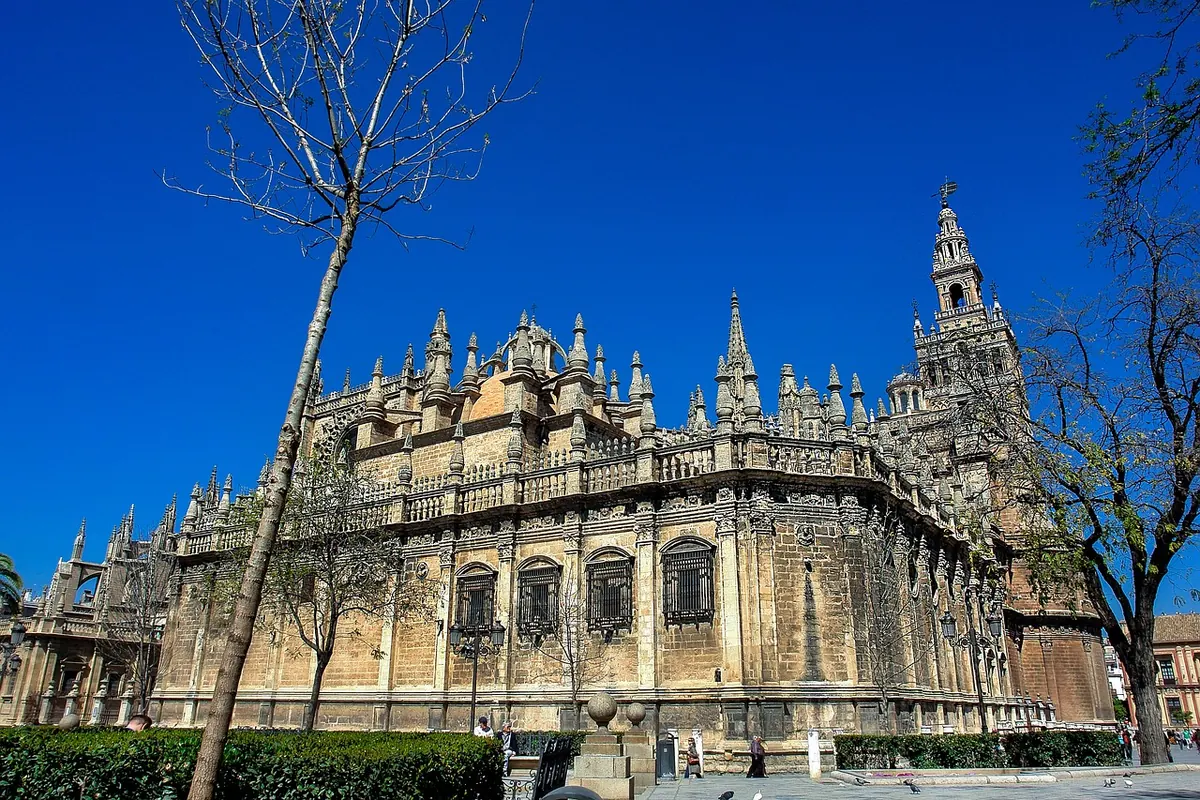
Seville Cathedral is one of the largest Gothic churches in the world and holds a monument to Christopher Columbus. The Giralda bell tower, a former minaret, has ramps instead of stairs and gives the best view over the old town. Buy tickets online to skip the queue.
3. Plaza de España and María Luisa Park
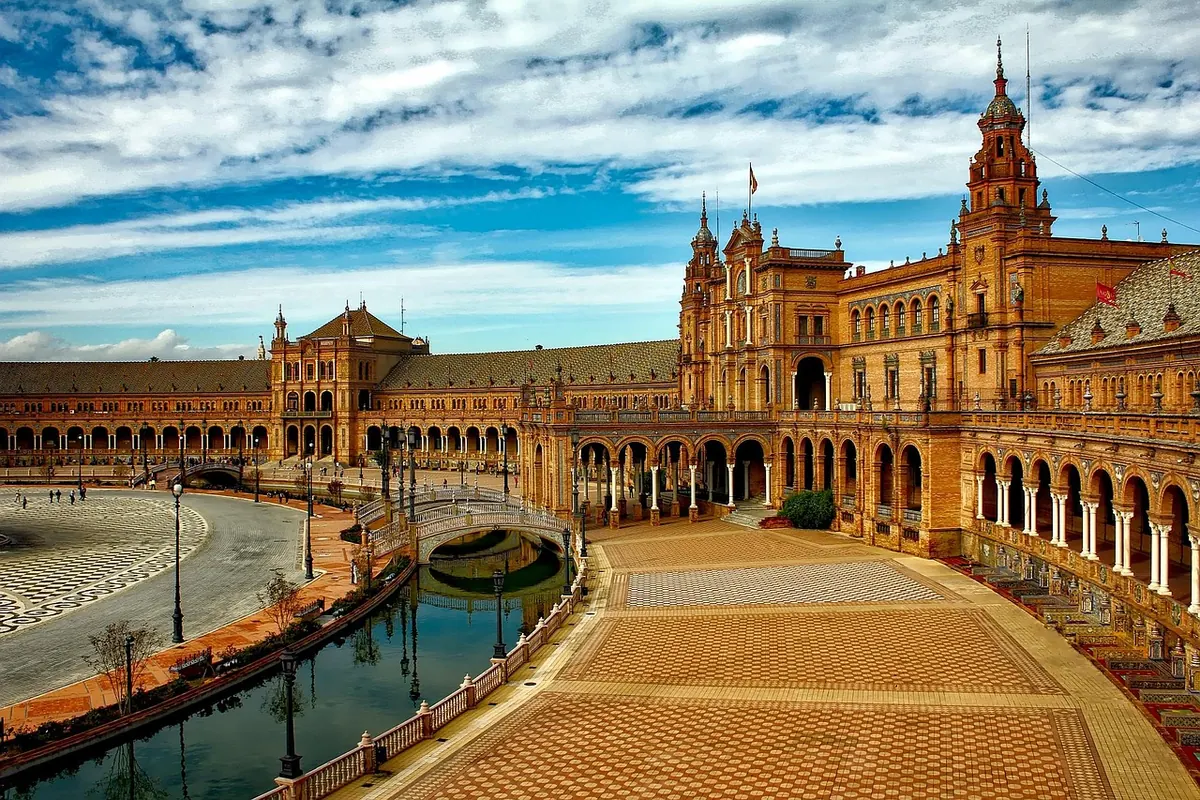
Built for the 1929 Ibero-American Exposition, the semicircular Plaza de España is decorated with tiled alcoves for each Spanish province. It's free to visit, and the shady María Luisa Park next door is perfect for a break or a picnic.
4. The Archivo de Indias
Next to the cathedral, this elegant building holds the archive of Spain's empire in the Americas. Entry is free, and it's cool and quiet on a hot day.
5. Santa Cruz and the old Jewish quarter
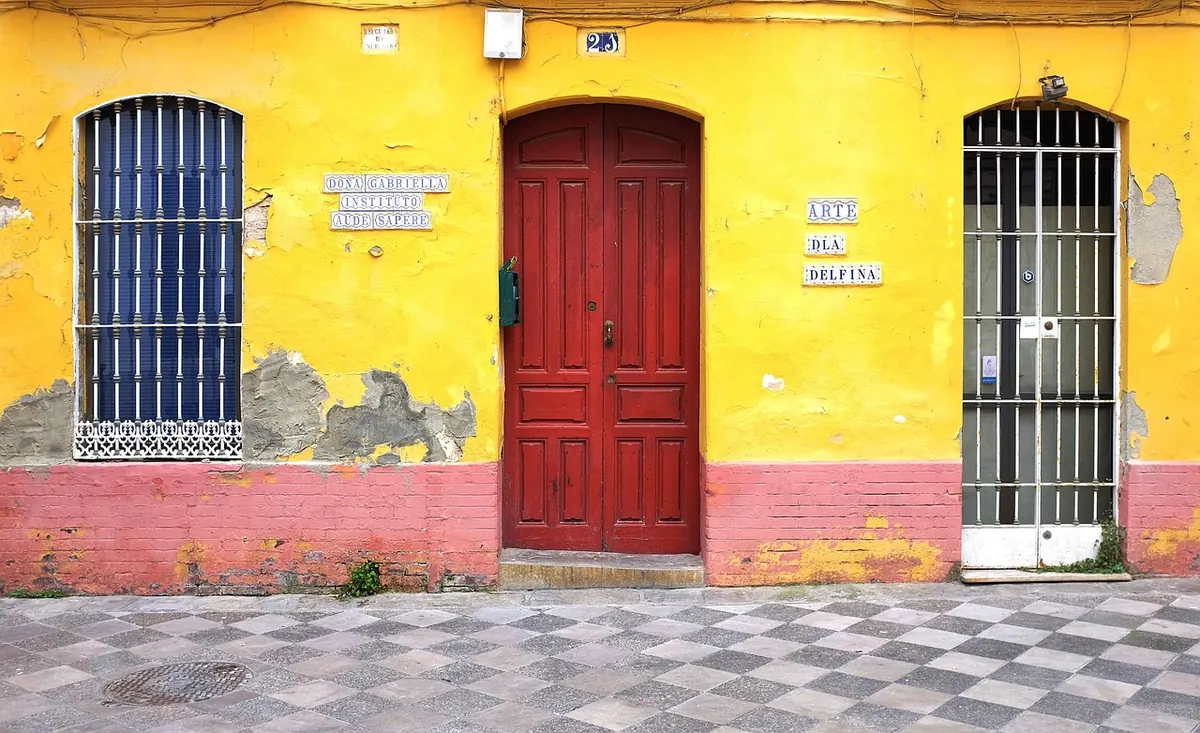
Get lost in the narrow lanes, tiny squares and whitewashed houses of Santa Cruz. It's touristy around the main sights, but step a few streets away and it becomes peaceful again.
6. Setas de Sevilla
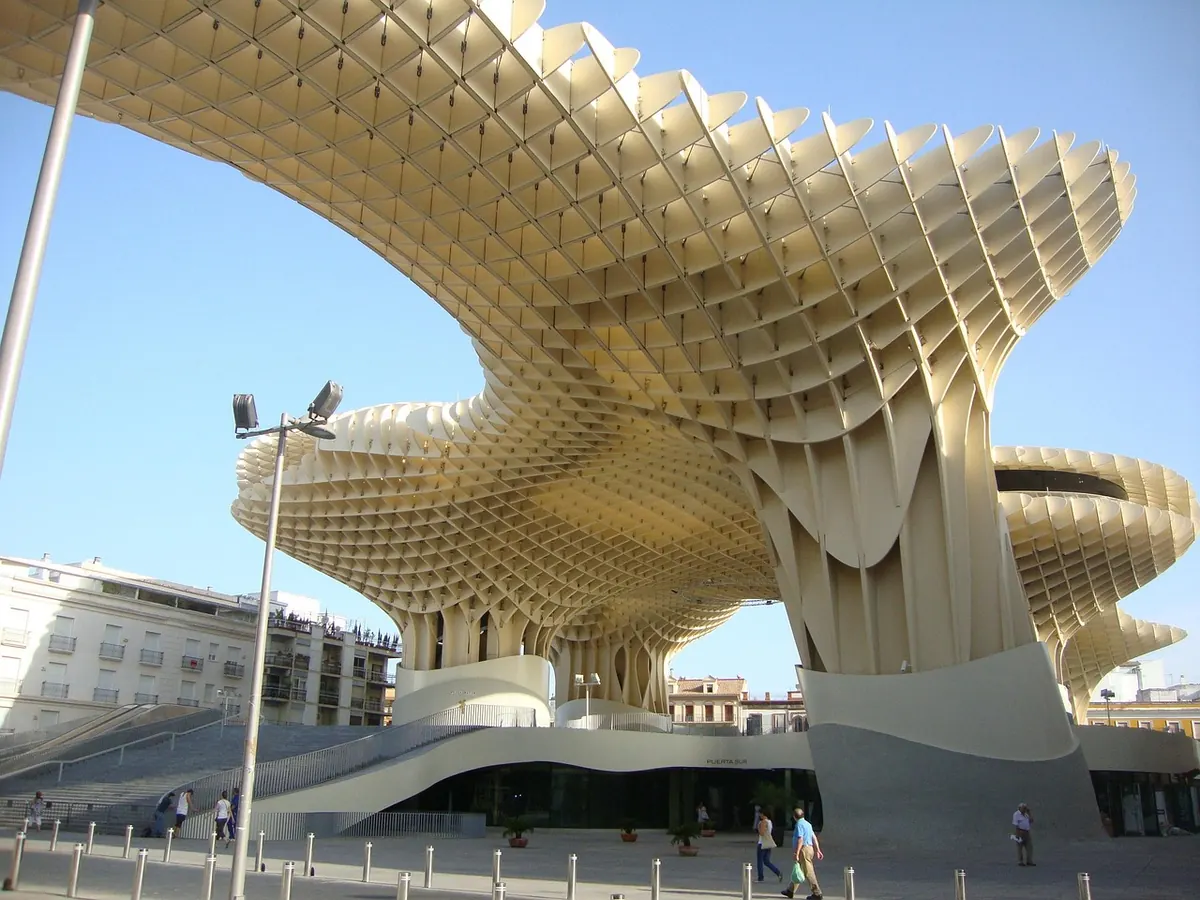
The giant wooden "mushrooms" at Plaza de la Encarnación are a striking modern contrast to the old town. A walkway on top offers great views, especially at sunset.
7. Triana
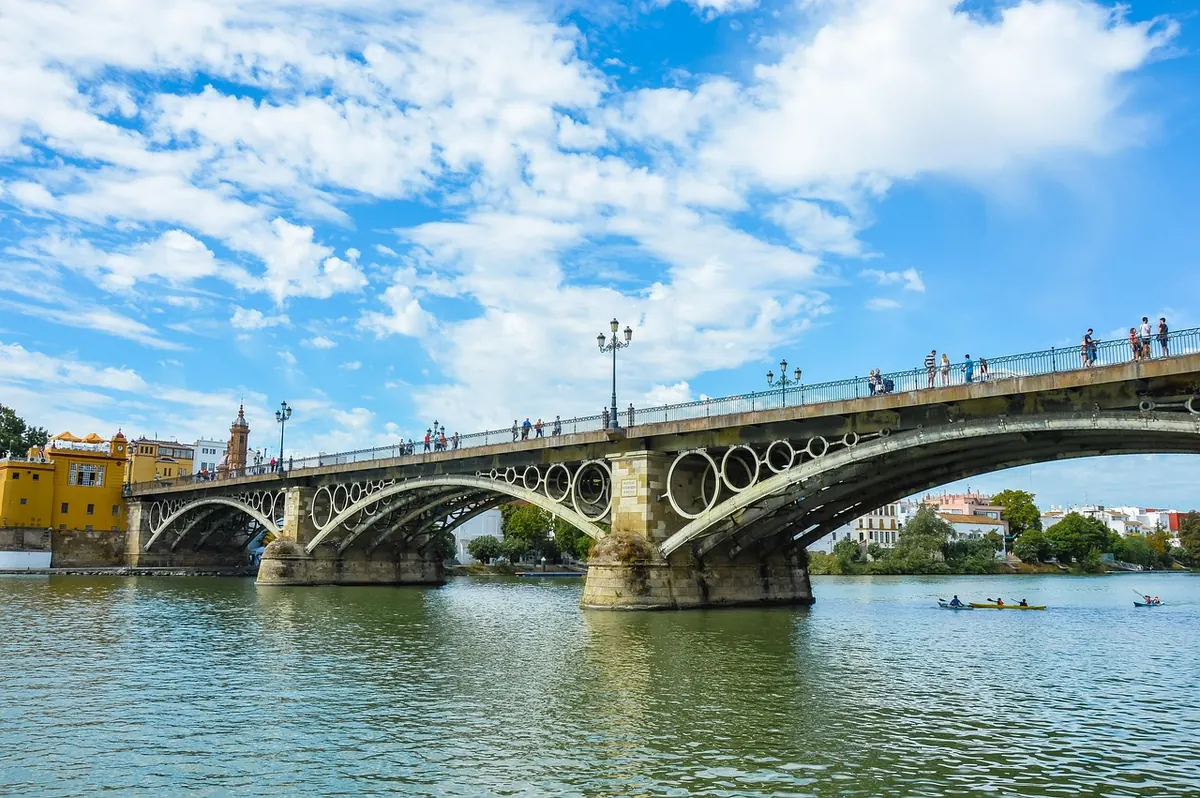
Cross the Isabel II bridge to Triana, the old quarter of sailors, potters and flamenco artists. Visit the Mercado de Triana for breakfast, browse the ceramic shops on Calle Alfarería and watch the sunset over the river from Calle Betis.
Flamenco
Seville is the heart of flamenco. You'll often see street performers near the cathedral – it's polite to leave a tip. For a proper show, small venues and cultural associations ("peñas") offer intimate performances at lower prices than the big dinner shows. The Flamenco Dance Museum in Santa Cruz also holds nightly shows.
Where to eat cheaply
Tapas are the cheapest and best way to eat in Seville. Order at the bar, standing up, and move on after a couple of dishes. Classics to try include espinacas con garbanzos (spinach with chickpeas), salmorejo (a thick cold tomato soup), pringá (slow-cooked meats in a roll), fried fish and solomillo al whisky. Many bars in Triana and around the Alameda de Hércules are cheaper than those beside the cathedral. Lunchtime "menú del día" set menus are excellent value.
Where to stay
- Santa Cruz and the centre – walk to everything; pick a small hotel or hostal in a converted townhouse.
- Triana – more local, often cheaper, ten minutes' walk from the cathedral.
- Alameda de Hércules – lively bars and a younger crowd; good value apartments.
Book early for spring weekends. A courtyard or a rooftop terrace makes a big difference in the heat.
Getting there and around
Seville Airport is about 10 km from the centre and linked by an airport bus. High-speed AVE trains connect Seville with Córdoba, Madrid and Málaga. The old town is best explored on foot; trams and buses cover longer distances, and the city has a public bike-share scheme.
Frequently asked questions
How many days do you need in Seville?
Two to three days is enough to see the Alcázar, the cathedral, Plaza de España and Triana at a relaxed pace. Add a day if you want to visit Córdoba or Cádiz by train.
When is the cheapest time to visit Seville?
Hotel prices peak during Holy Week (Semana Santa) and the April Fair (Feria de Abril). Late autumn and winter are cheaper and still mild. July and August are very hot, which keeps some prices down but makes sightseeing hard work.
Do I need to book the Real Alcázar in advance?
Yes, ideally. Entry is by timed ticket and queues can be long. Buy only on the official website.
Keep reading
A Local's Guide to Granada: 10 Top Tips
How to get Alhambra tickets, the best sunset viewpoint, free tapas, real flamenco in Sacromonte and more – a local's guide to Granada, Spain.
A Local's Guide to Córdoba, Spain: 10 Top Tips
How to see the Mezquita at its quietest, where to find Córdoba's flower-filled patios, what to eat and the best day trip – 10 top tips for Córdoba, Spain.
Marbella and the Costa del Sol: 12 Best Things to Do
Marbella's old town, Puerto Banús, beach clubs, Málaga, Ronda, Nerja's caves and Caminito del Rey – the best things to do on Spain's Costa del Sol.

30 Best Things to Do in Las Vegas, On and Off the Strip
From the Bellagio fountains and the Sphere to Fremont Street, Red Rock Canyon and the Hoover Dam – the best things to do in Las Vegas, with practical tips.