A Local's Guide to Córdoba, Spain: 10 Top Tips
How to see the Mezquita at its quietest, where to find Córdoba's flower-filled patios, what to eat and the best day trip – 10 top tips for Córdoba, Spain.

Some links in this guide are partner links: if you buy through them we may earn a small commission, at no extra cost to you. It never affects what we recommend. How we make money
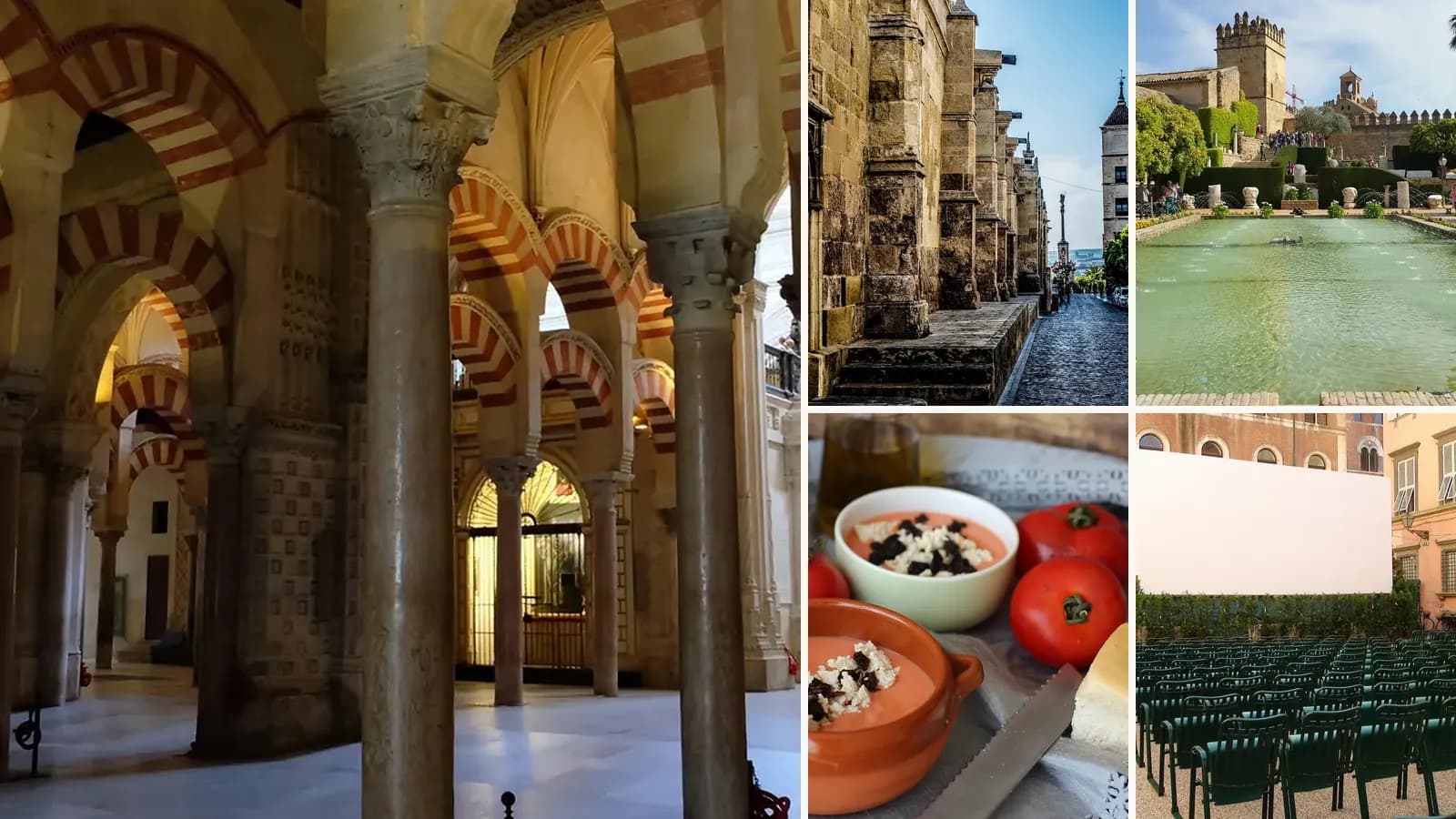
Córdoba was once one of the largest and most cultured cities in Europe, the capital of Al-Andalus. Today it's a compact, sun-baked city of whitewashed lanes and flower-filled courtyards, smaller and calmer than Seville or Granada. These tips will help you see it like a local.
1. Visit the Mezquita early
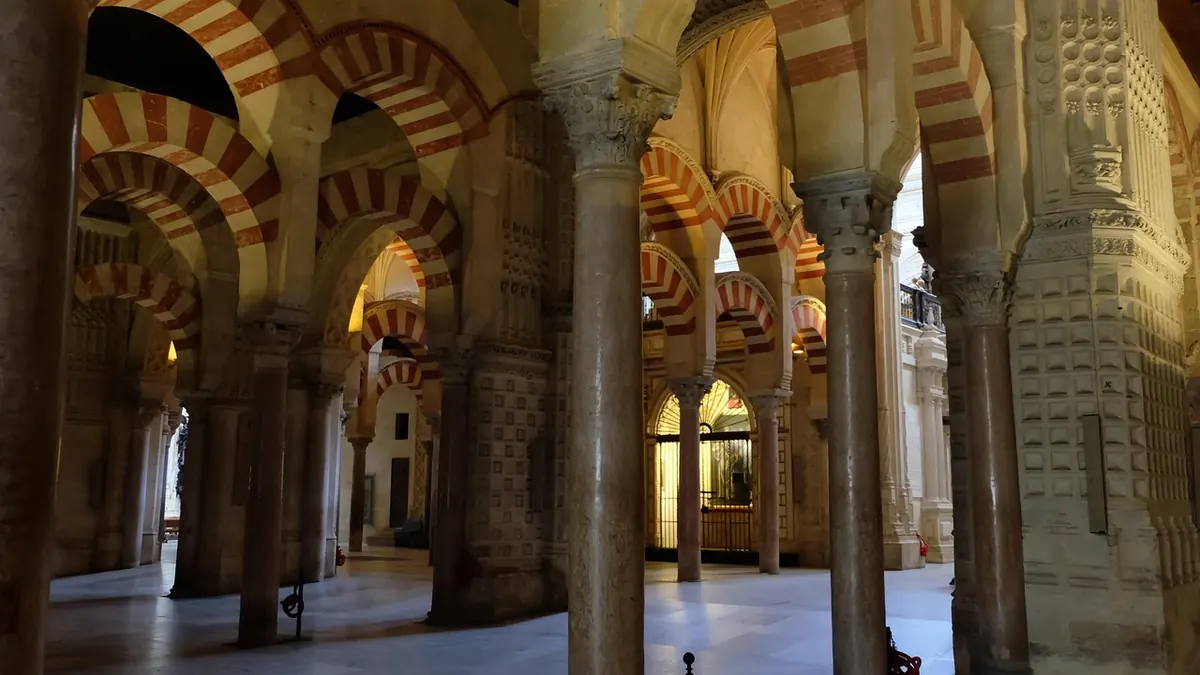
The Mosque-Cathedral is one of the world's great buildings: a forest of red-and-white striped arches, with a Renaissance cathedral built into its centre. Go at opening time, before the tour groups, and spend a few minutes standing still among the columns. Climb the bell tower for views over the old town, and come back at night if there's a sound-and-light show.
Step inside and your eyes need a moment to adjust: a forest of more than 800 columns stretching into the dim light, red-and-white striped arches repeating as far as you can see, and silence broken only by footsteps. Then, in the middle, the soaring Christian cathedral appears. The first hour is the quietest.
2. Walk the Roman bridge at sunset
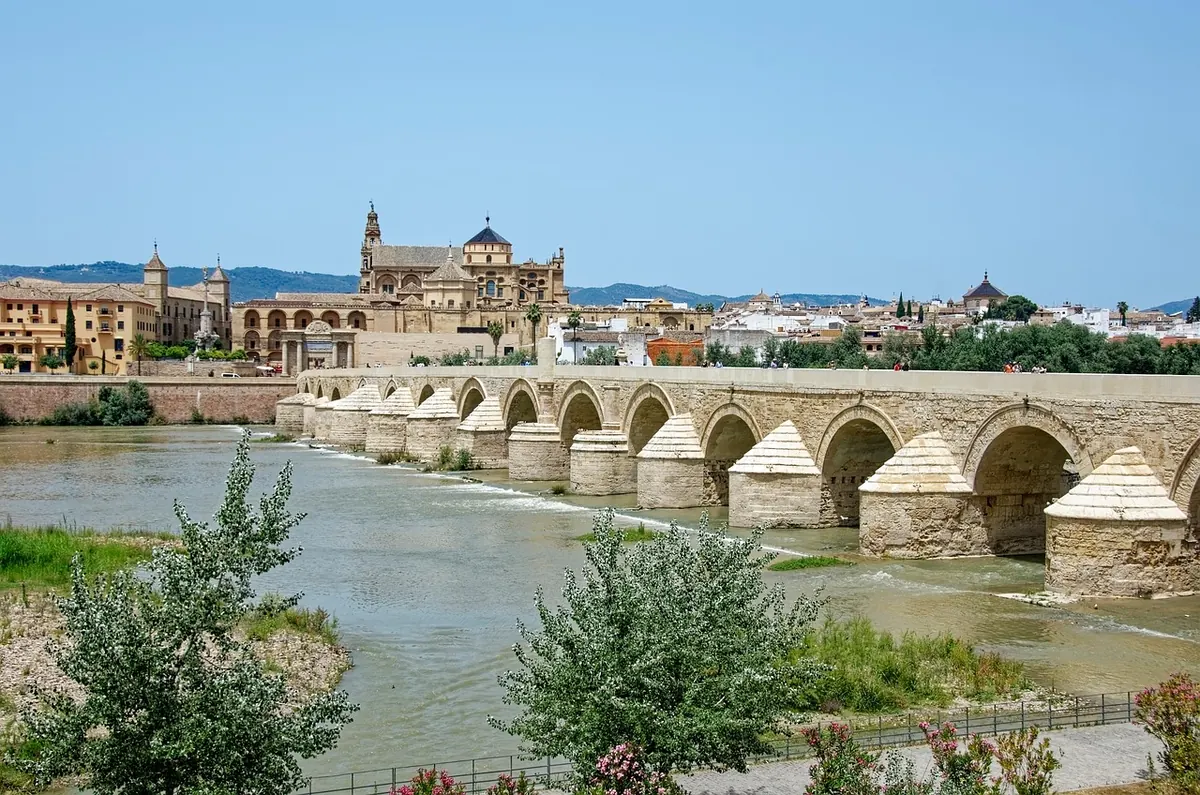
The Puente Romano crosses the Guadalquivir towards the Calahorra Tower, a fortified gate that now houses a small museum. At sunset, the view back to the Mezquita across the river is the classic picture of Córdoba.
As the sun sets, the Mezquita and the old town glow gold on the far bank of the Guadalquivir, street musicians play and swallows swoop low over the water.
3. Explore the Judería
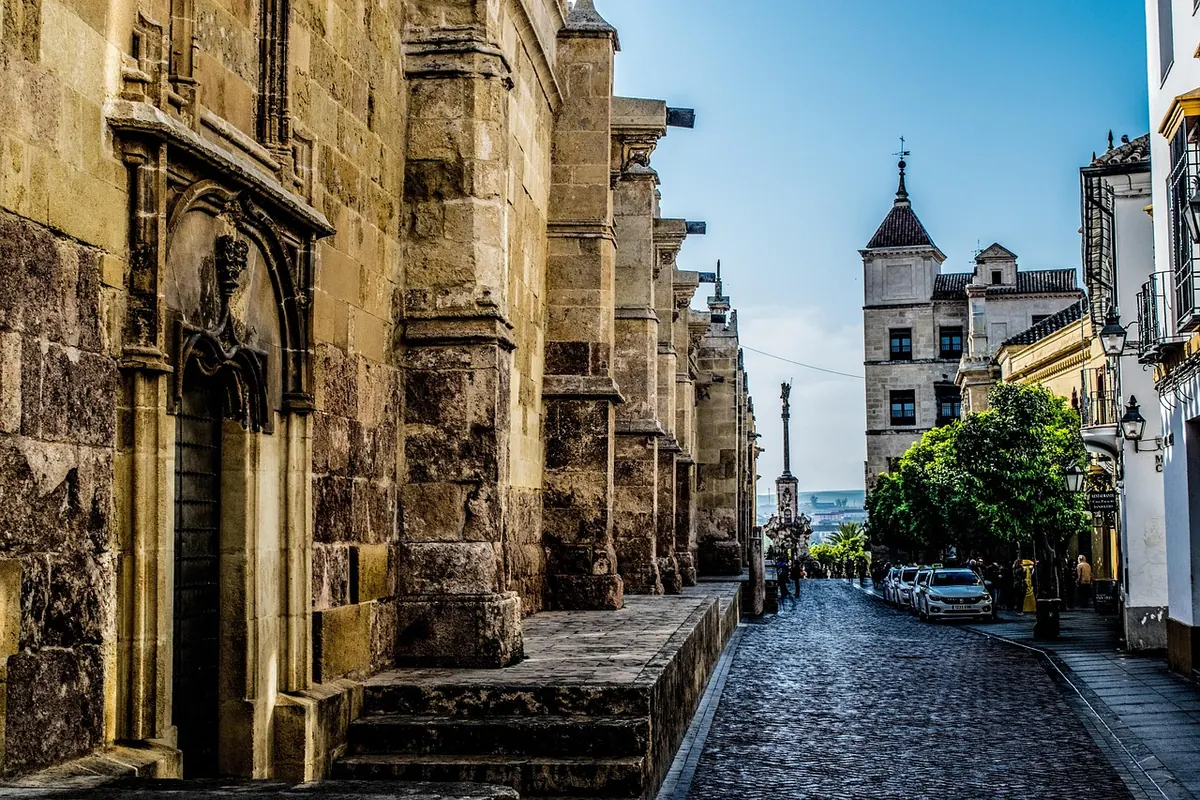
The old Jewish quarter is a maze of lanes just north of the Mezquita. Find the tiny Calleja de las Flores, with its view of the bell tower framed by flowerpots, and the medieval synagogue – one of only a handful left in Spain.
The narrow, whitewashed lanes twist and turn, flower pots hang from the walls and every so often you glimpse a cool courtyard through an open gate. Calleja de las Flores is busy, but the side streets are often empty.
4. Tour the patios
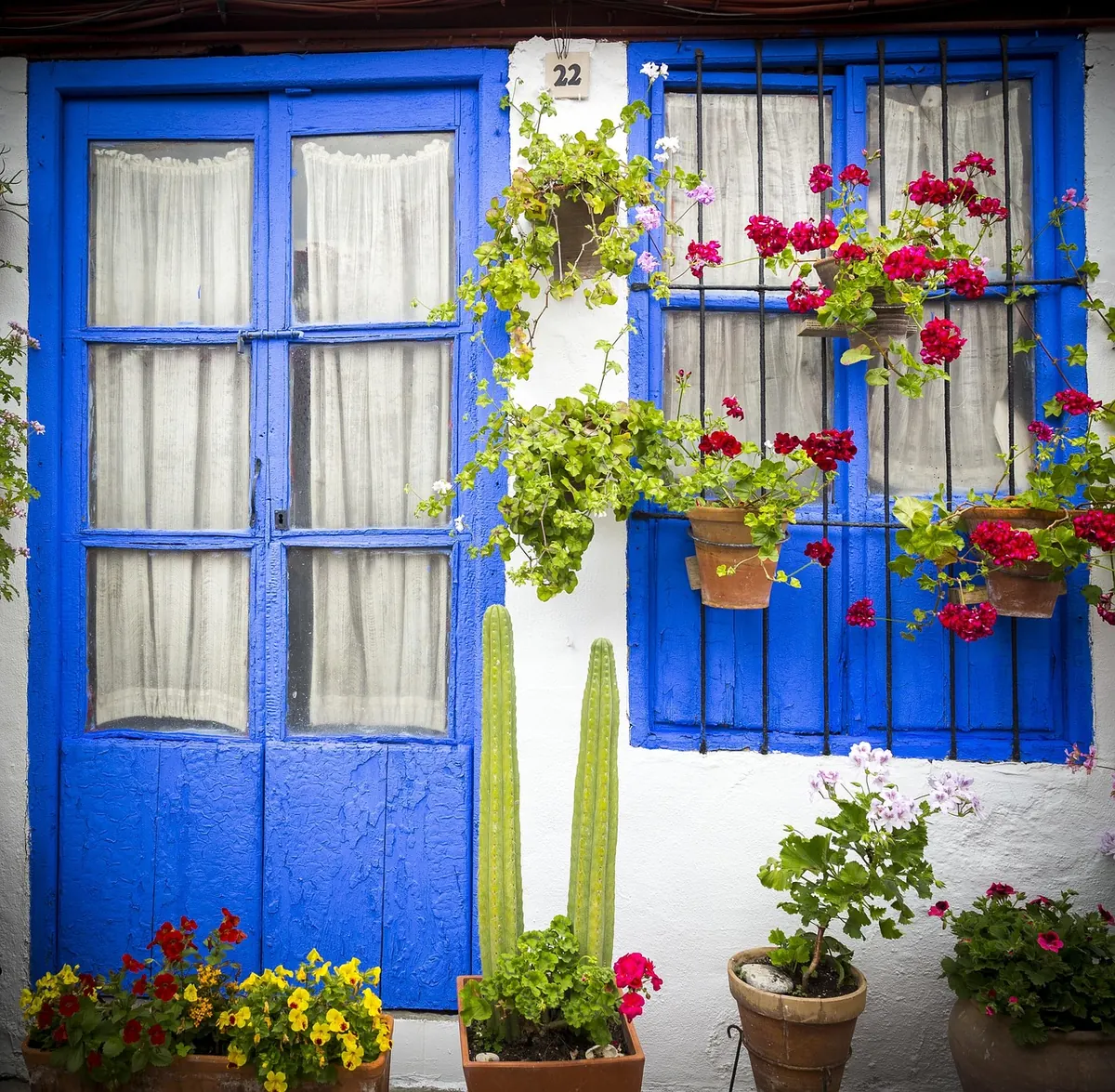
Córdoba's courtyards, covered in geraniums and climbing plants, are famous across Spain. During the May festival, owners open them to visitors and they compete for prizes. If you're here at another time of year, some patios in the San Basilio area open all year, and guided routes are available.
In May, hundreds of pots of geraniums, roses and jasmine cover the walls of the courtyards, fountains splash and the scent is intoxicating. Even outside the festival, some patios are open to visitors all year.
5. Stroll the gardens of the Alcázar
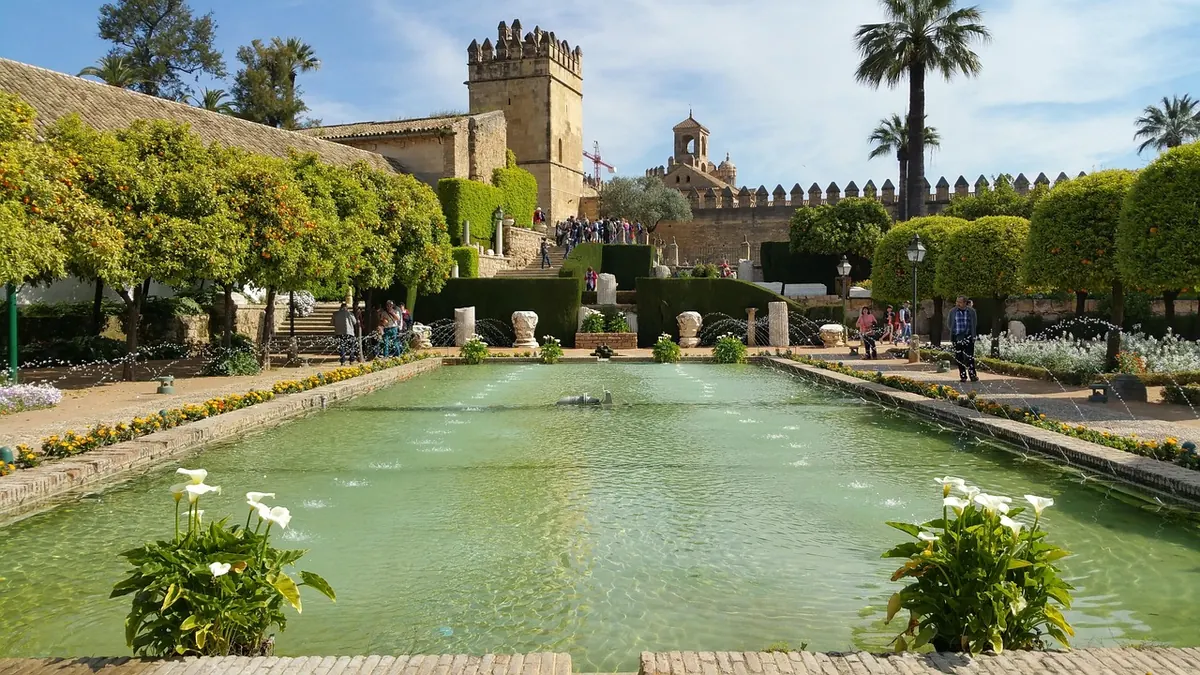
The Alcázar de los Reyes Cristianos was a royal fortress and later the seat of the Inquisition. Its terraced gardens, with long pools, fountains and orange trees, are the highlight – and much cooler than the streets outside.
Long pools reflect the walls and cypress trees, fountains gurgle and the scent of orange blossom fills the air in spring. Climb the tower for views over the gardens and the city.
6. Eat salmorejo where it was invented
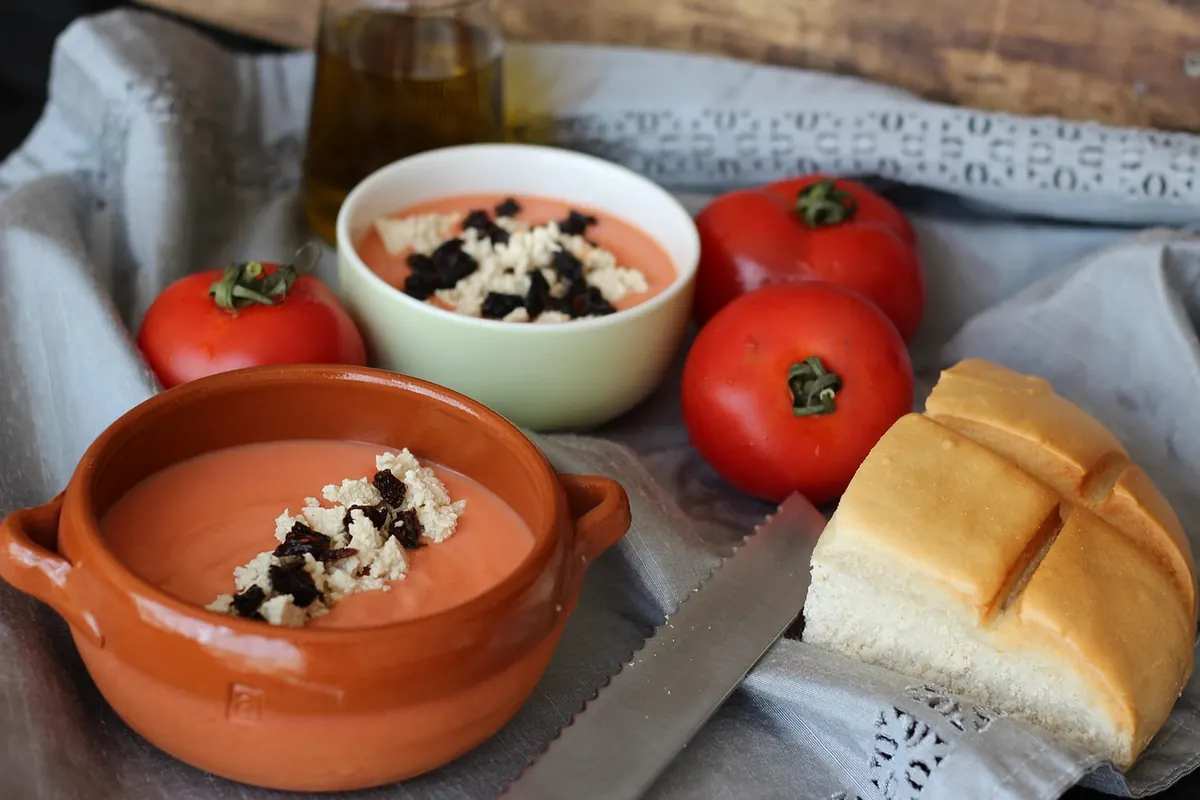
Córdoba's own cold soup is thicker than gazpacho, made from tomato, bread, olive oil and garlic and topped with egg and ham. Also try flamenquín (rolled pork and ham, breaded and fried) and a glass of the local Montilla-Moriles wine in an old taberna.
A bowl of thick, ice-cold tomato cream arrives topped with chopped egg and ham, drizzled with olive oil – perfect on a hot afternoon, with a glass of local Montilla wine.
7. Find the quieter squares
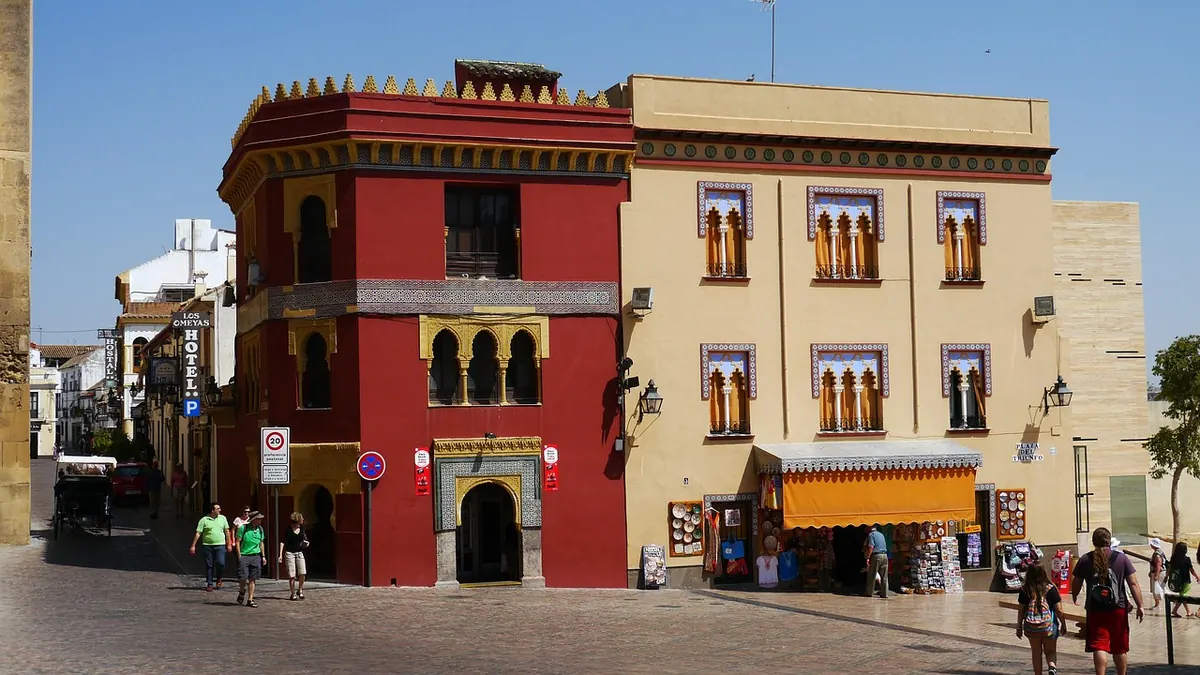
Plaza de la Corredera, an arcaded square with a morning market, feels like a smaller Plaza Mayor. Plaza del Potro, mentioned by Cervantes in Don Quixote, is home to the Julio Romero de Torres Museum.
In Plaza del Potro or Plaza de la Corredera, locals drink coffee in the shade, children play football and the tourist crowds feel far away.
8. See a film under the stars
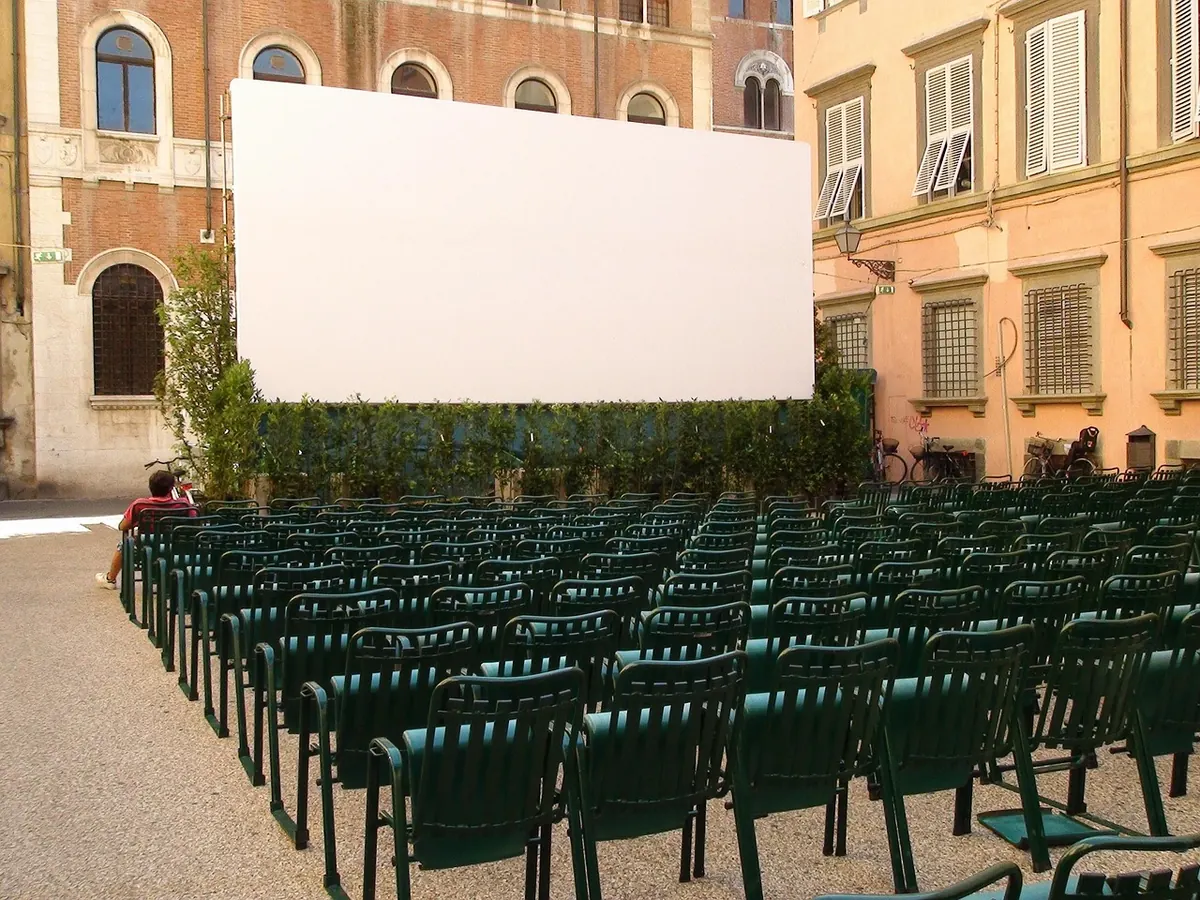
From June to September, Córdoba's open-air summer cinemas show films in courtyards after dark. It's a cheap, very local night out – and a welcome escape from the heat of indoor rooms.
Sitting in an open-air cinema surrounded by jasmine and bougainvillea, with a cold drink in hand and the warm summer night around you, is a very Córdoban pleasure.
9. Take a day trip to Medina Azahara
The ruins of a 10th-century palace-city lie in the hills just outside Córdoba and are a UNESCO World Heritage Site. A shuttle bus runs from the city centre; check times before you go.
The ruins of the caliph's palace city spread across the hillside, with horseshoe arches and carved stone halls that hint at its lost splendour. It's exposed and hot – bring water and a hat.
10. Get around on foot (or by bike)
The old town is small and best explored on foot, early in the morning or in the evening when it's cooler. Riverside paths make bike rides easy and give you good views back over the city.
The old town is compact, and the narrow, shady lanes are best explored slowly on foot, stopping for a coffee or a cold drink in a quiet square.
Getting there
Córdoba is on the high-speed rail line between Madrid, Seville and Málaga, making it easy to combine with other Andalusian cities. The nearest airports are Seville and Málaga.
Frequently asked questions
Is Córdoba worth a day trip from Seville?
Yes. The high-speed train takes about 45 minutes, so a day is enough for the Mezquita, the Jewish quarter and the Roman bridge. Stay overnight if you can – the old town is magical in the evening.
When is the Córdoba patio festival?
The Festival of the Patios takes place in May, usually in the first half of the month. Dates change each year, so check the official city tourism website.
How hot is Córdoba in summer?
Very hot – it is one of the hottest cities in Europe, often well above 40°C in July and August. Spring and autumn are far more comfortable.
Keep reading
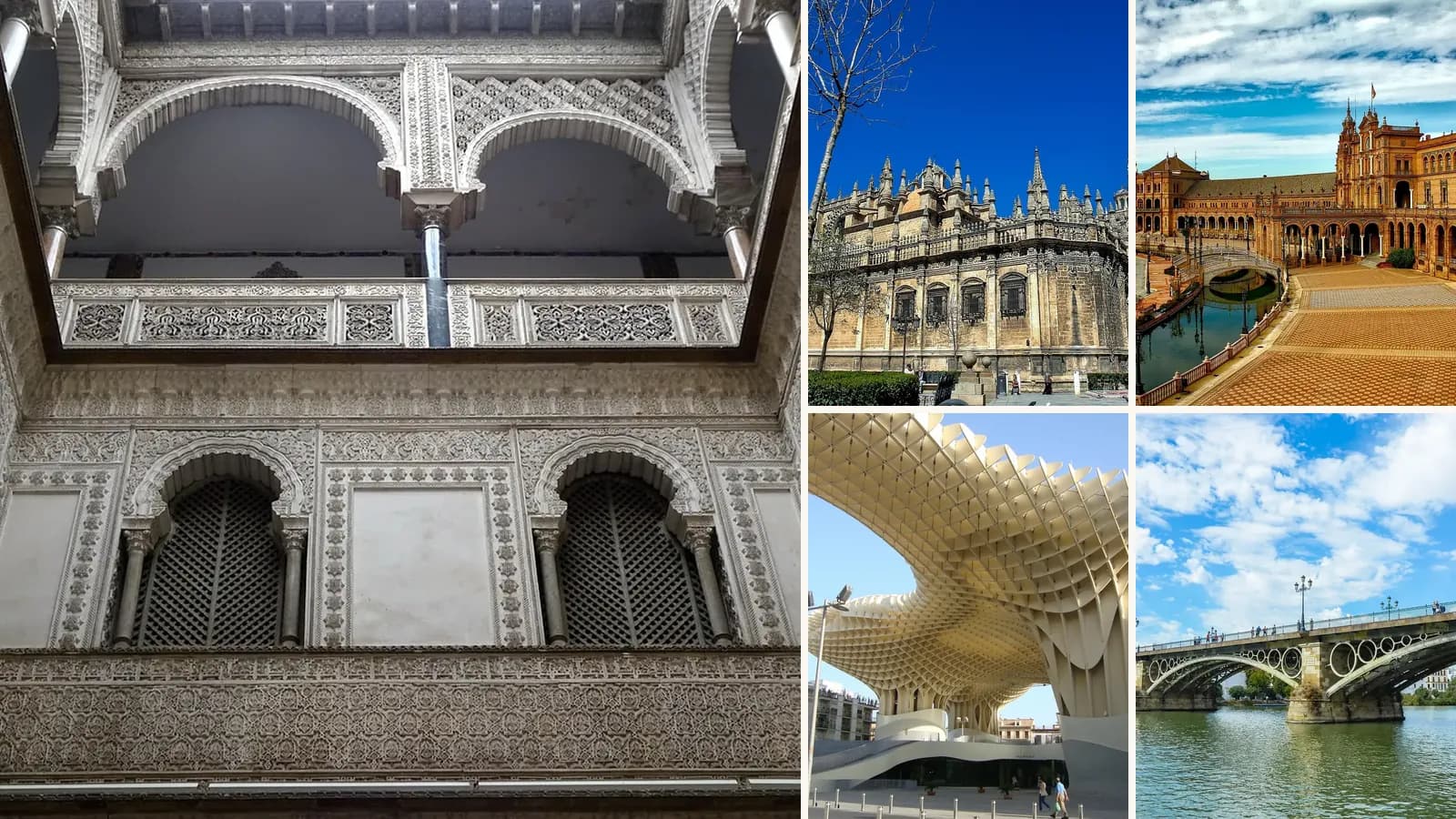
How to Enjoy Seville on a Budget: Sights, Tapas and Where to Stay
The Alcázar, the cathedral and Giralda, Plaza de España, Triana, free flamenco and cheap tapas – how to enjoy Seville without overspending.
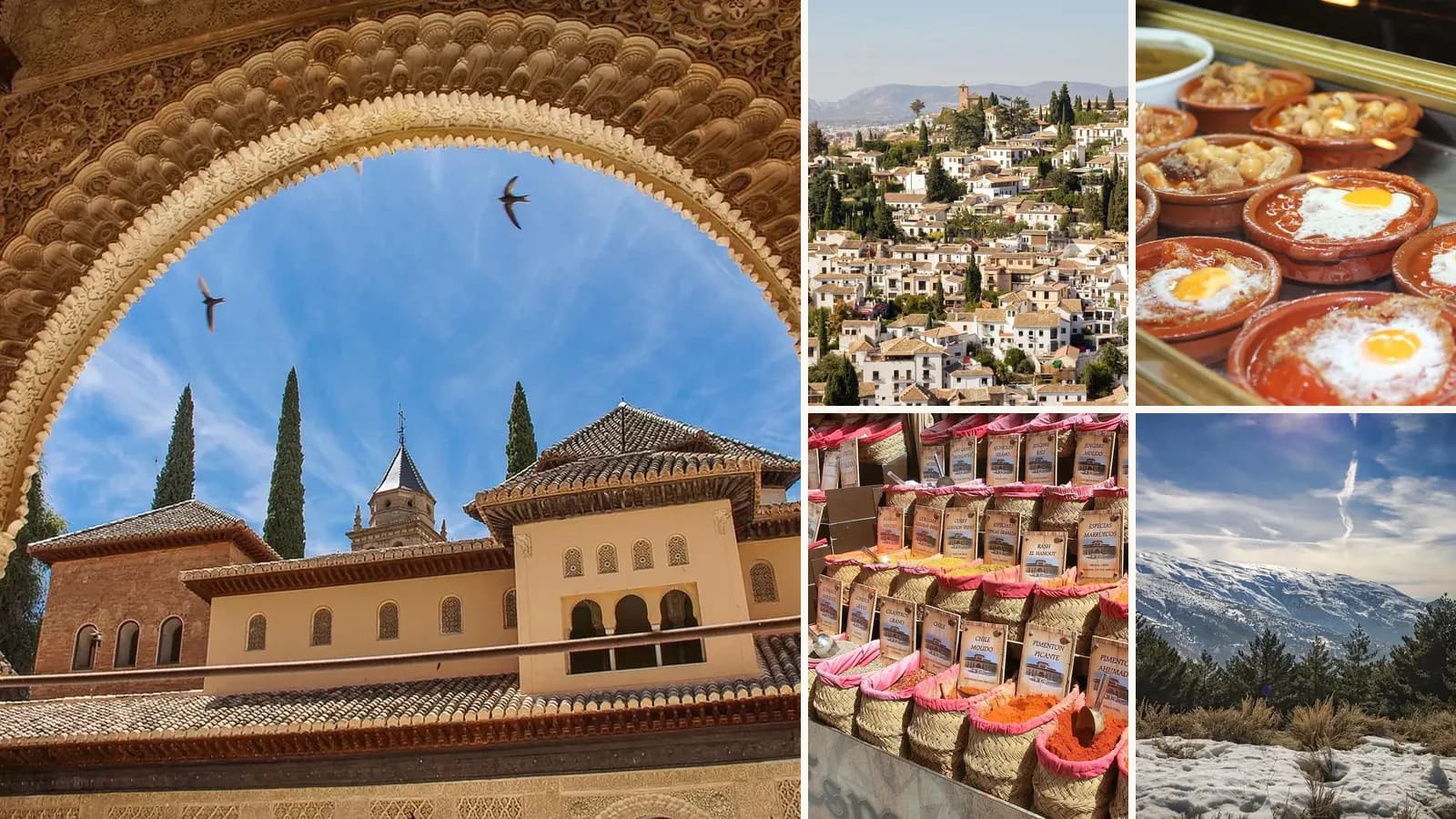
A Local's Guide to Granada: 10 Top Tips
How to get Alhambra tickets, the best sunset viewpoint, free tapas, real flamenco in Sacromonte and more – a local's guide to Granada, Spain.

Spanish Food Explained: 12 Tapas You Need to Try (and How to Order Them)
Tortilla, patatas bravas, croquetas, jamón ibérico, pintxos, salmorejo and more – a simple guide to Spain's classic tapas, regional specialities and bar etiquette.
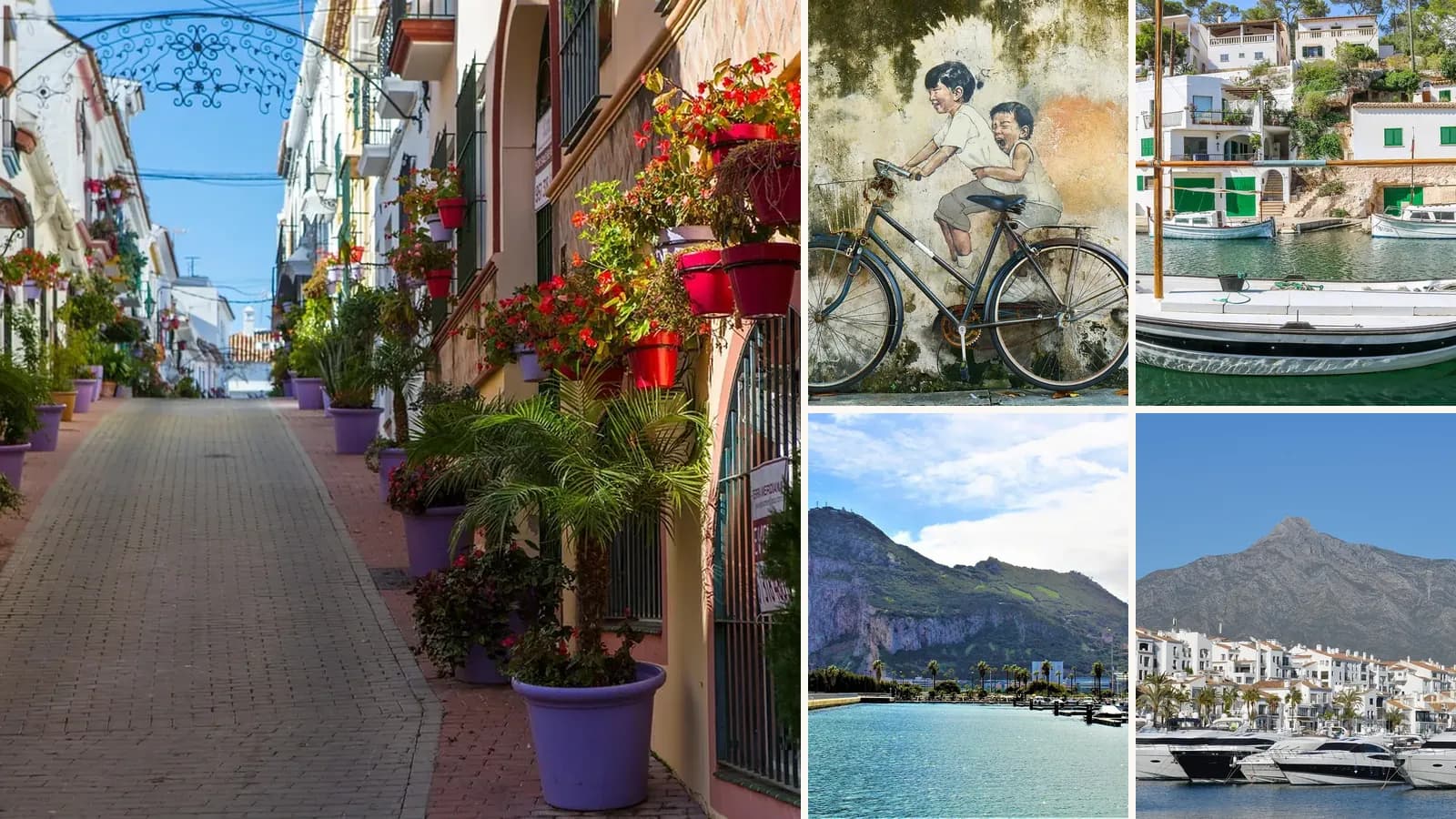
Estepona: The Costa del Sol Town Where Spaniards Go on Holiday
Flower-filled streets, a long sandy seafront, murals, a lively port and easy day trips to Gibraltar and Ronda – why Estepona is the Costa del Sol's prettiest town.