Madrid Travel Guide: 10 Great Ways to Enjoy the Spanish Capital
The Prado and the Golden Triangle of Art, Retiro Park, the Royal Palace, tapas in La Latina, flamenco and day trips to Toledo – 10 great ways to enjoy Madrid.

Some links in this guide are partner links: if you buy through them we may earn a small commission, at no extra cost to you. It never affects what we recommend. How we make money
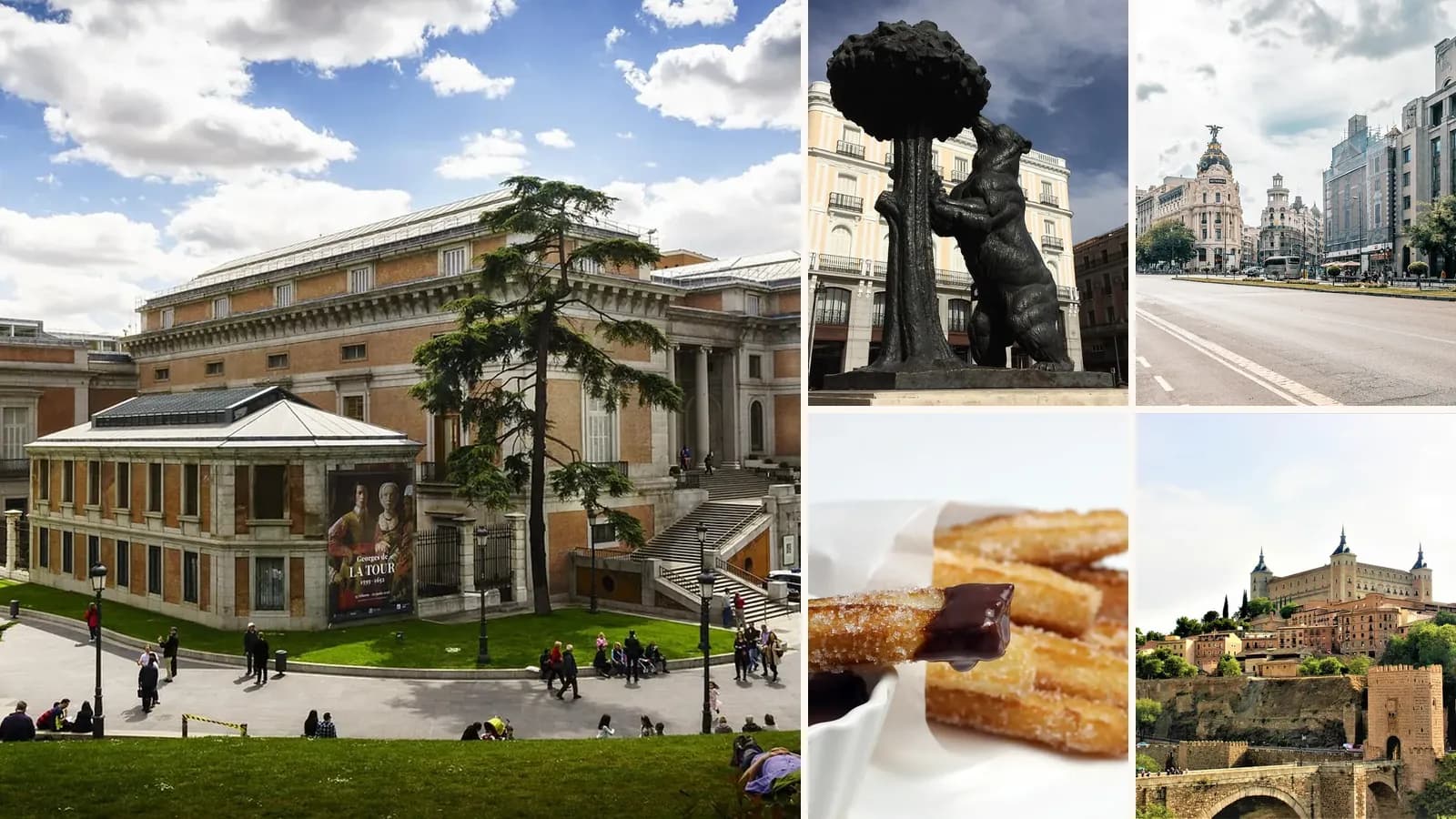
Madrid moves to its own rhythm. Mornings start slowly, lunch runs well into the afternoon and the city only really comes alive after dark. In between, it has some of the world's greatest art museums, elegant boulevards and a food scene to rival anywhere in Spain.
Art and history
1. The Prado
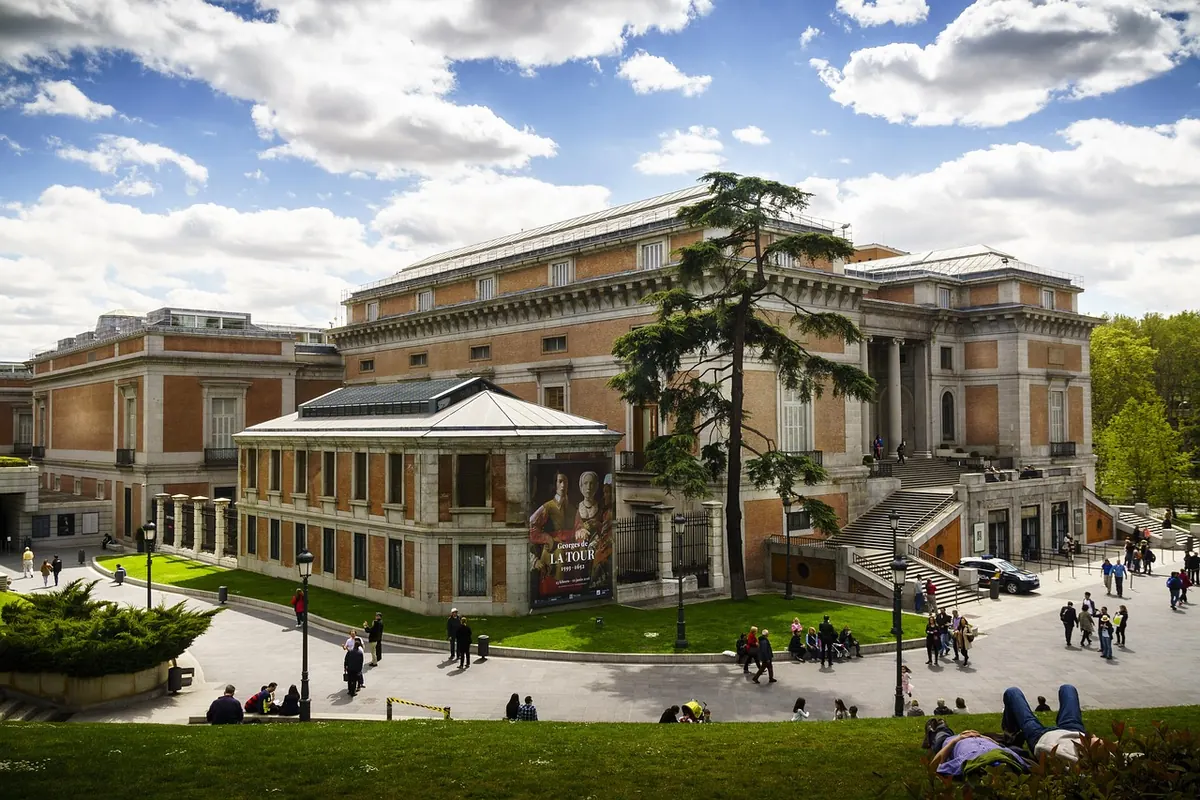
One of the world's great art museums, with masterpieces by Velázquez, Goya, El Greco, Rubens and Bosch. Don't try to see it all: pick a few highlights such as Las Meninas and The Garden of Earthly Delights. Book a timed ticket online.
The galleries are vast and hushed, and then you turn into the room with Velázquez's Las Meninas and find a crowd standing in silence. Goya's dark paintings, Bosch's strange Garden of Earthly Delights – it's overwhelming in the best way. Book tickets online and pick a few highlights rather than trying to see it all.
2. The Reina Sofía and the Thyssen-Bornemisza
Together with the Prado, these make up Madrid's "Golden Triangle of Art" along the Paseo del Prado. The Reina Sofía holds Picasso's Guernica and modern Spanish art; the Thyssen fills the gaps with a private collection that runs from the Renaissance to Pop Art. A combined ticket, the Paseo del Arte card, covers all three.
In front of Guernica, the huge black, white and grey canvas fills the wall, and the room falls quiet. The Thyssen next door is calmer, with a wonderful journey from the old masters to Impressionism.
3. The Royal Palace and Almudena Cathedral
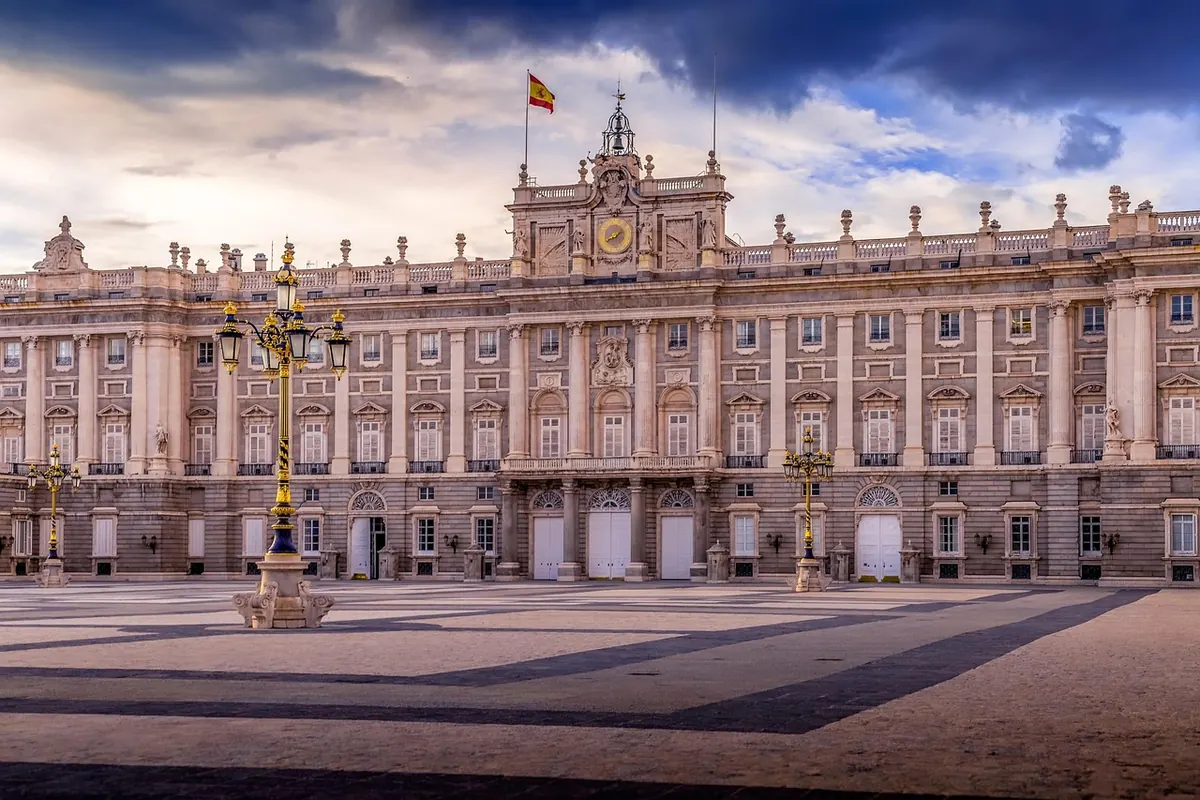
The official residence of the Spanish royal family (used today for ceremonies) has more than 3,000 rooms; the tour takes in the grandest. Next door, the Almudena Cathedral and the Sabatini Gardens are free to visit, and the Templo de Debod, an Egyptian temple rebuilt in a park nearby, is the best place in the city to watch the sunset.
Room after room is covered in silk, gold and crystal, with ceilings painted by Tiepolo. Outside, the great square between the palace and the cathedral is a perfect spot for sunset, with views over the Casa de Campo.
4. Plaza Mayor and Puerta del Sol
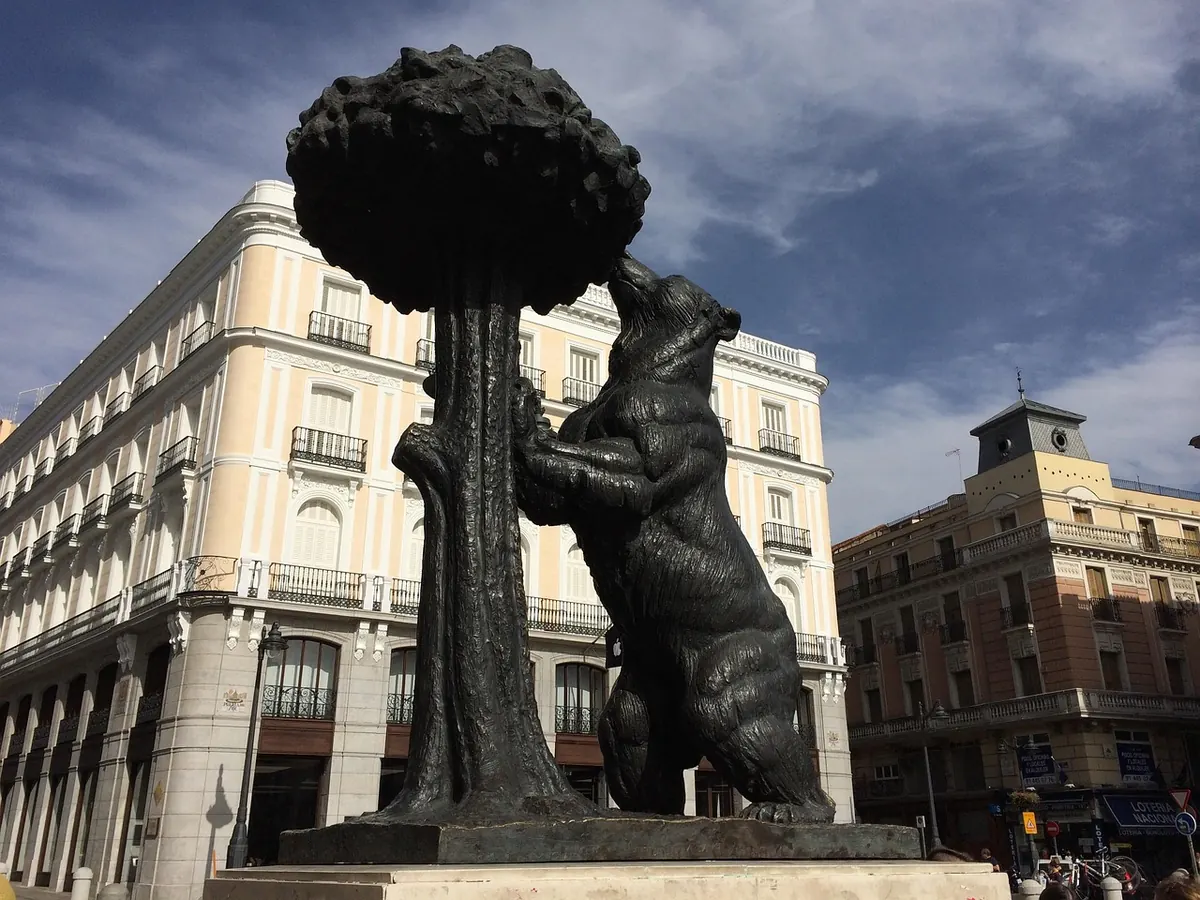
Plaza Mayor, an arcaded square dating from the 17th century, is the historic heart of the old town. A short walk away, Puerta del Sol has the "Kilometre Zero" marker from which Spain's roads are measured, and the clock that Spaniards watch at New Year.
Plaza Mayor's red facades and balconies frame the huge square, where street performers gather and cafés spill onto the cobbles. Prices on the square are high – grab a calamari sandwich in a bar on the side streets instead.
Parks and neighbourhoods
5. Retiro Park
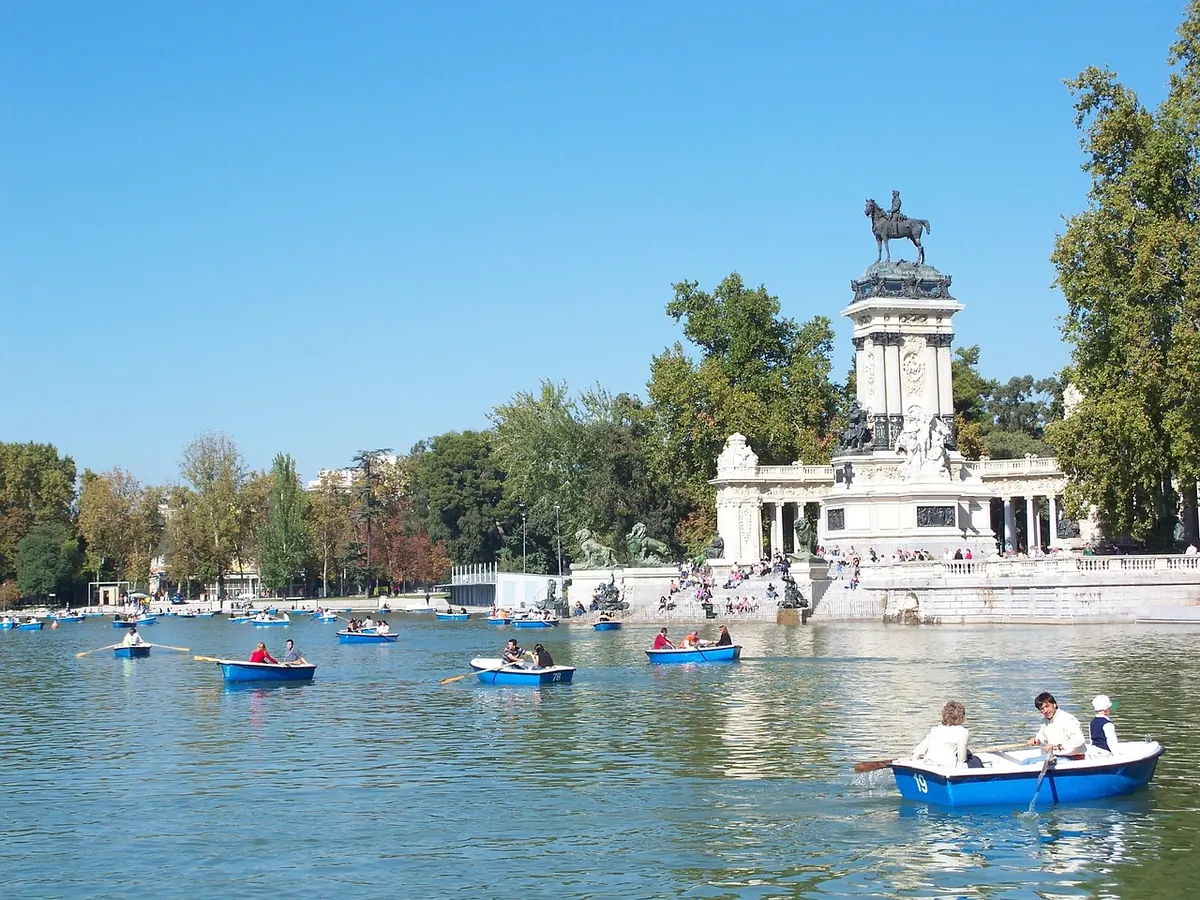
Madrid's green lung was once a royal garden. Rent a rowing boat on the lake, visit the Crystal Palace – a 19th-century glasshouse used for art exhibitions – and join the locals strolling on Sunday afternoons.
On Sunday afternoons the park is full of families, rowing boats on the lake, street musicians and puppet shows. The Crystal Palace glitters among the trees – a peaceful moment in the middle of the city.
6. Malasaña, Chueca and La Latina
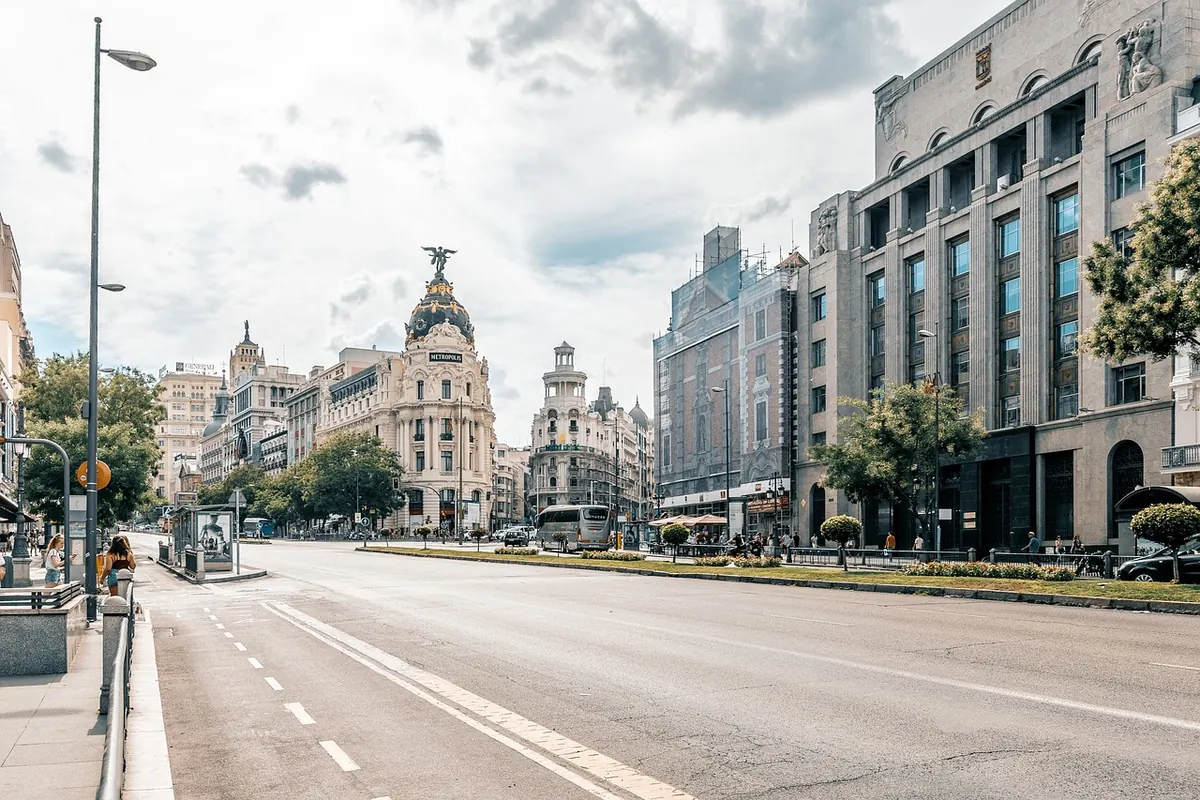
Each neighbourhood has its own character: Malasaña is young and alternative, Chueca is lively and stylish, and La Latina is the place for a tapas crawl along Calle Cava Baja. On Sunday mornings, the El Rastro flea market fills the streets nearby.
In Malasaña, vintage shops and bars spill into the squares; Chueca is colourful and lively; and on Sunday, La Latina's tapas bars are packed after the Rastro market.
Food and nightlife
7. Go on a tapas crawl
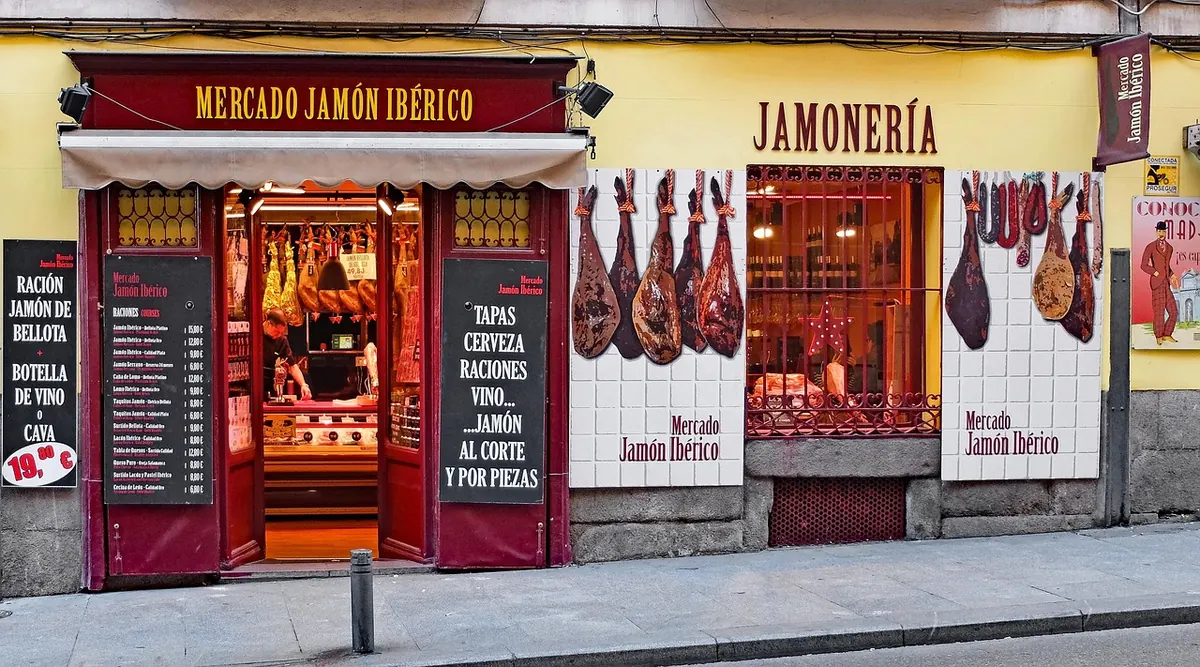
Order a drink and a small plate in each bar, then move on. Try patatas bravas, croquetas, jamón ibérico and a bocadillo de calamares (a fried squid sandwich), Madrid's favourite snack. The Mercado de San Miguel near Plaza Mayor is touristy but a good place to try many things at once.
Stand at the bar, order a caña and the tapa that comes with it, then move on to the next place. The noise, the napkins on the floor and the plates of jamón, croquetas and patatas bravas are all part of the fun.
8. Chocolate con churros
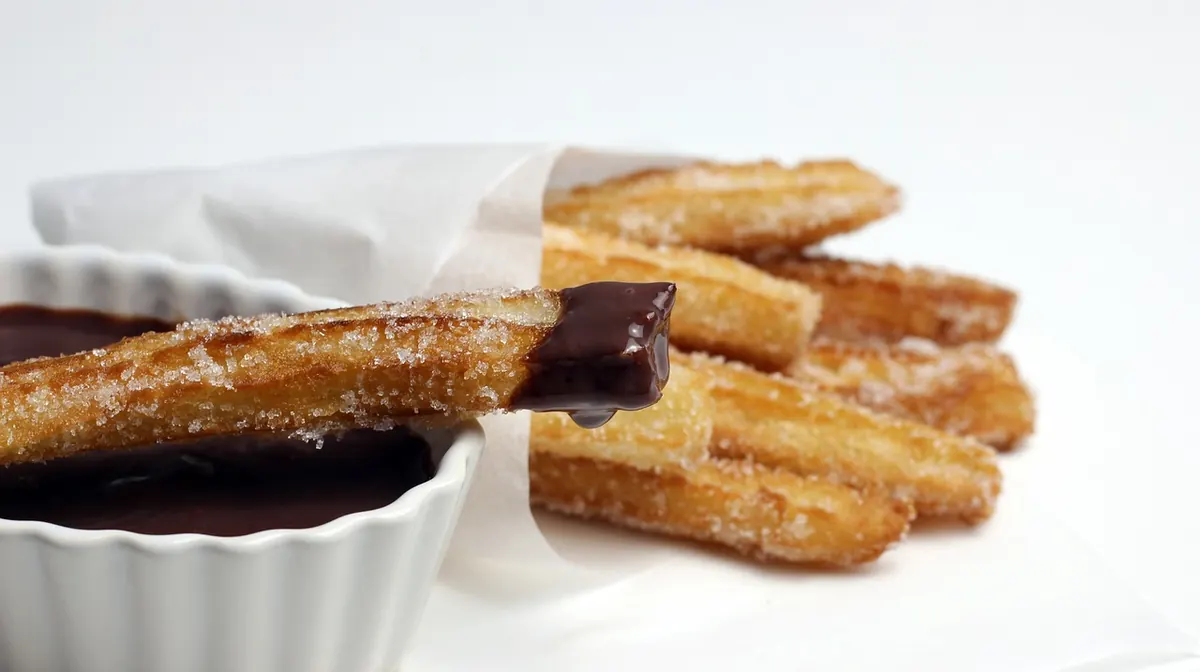
A Madrid ritual, especially late at night or on a cold morning. Thick hot chocolate with crisp fried dough – the classic address is San Ginés, open around the clock near Puerta del Sol.
Thick, hot chocolate you could stand a spoon in, and crisp, golden churros for dipping – at the historic San Ginés, it's served all day and late into the night.
9. See a flamenco show
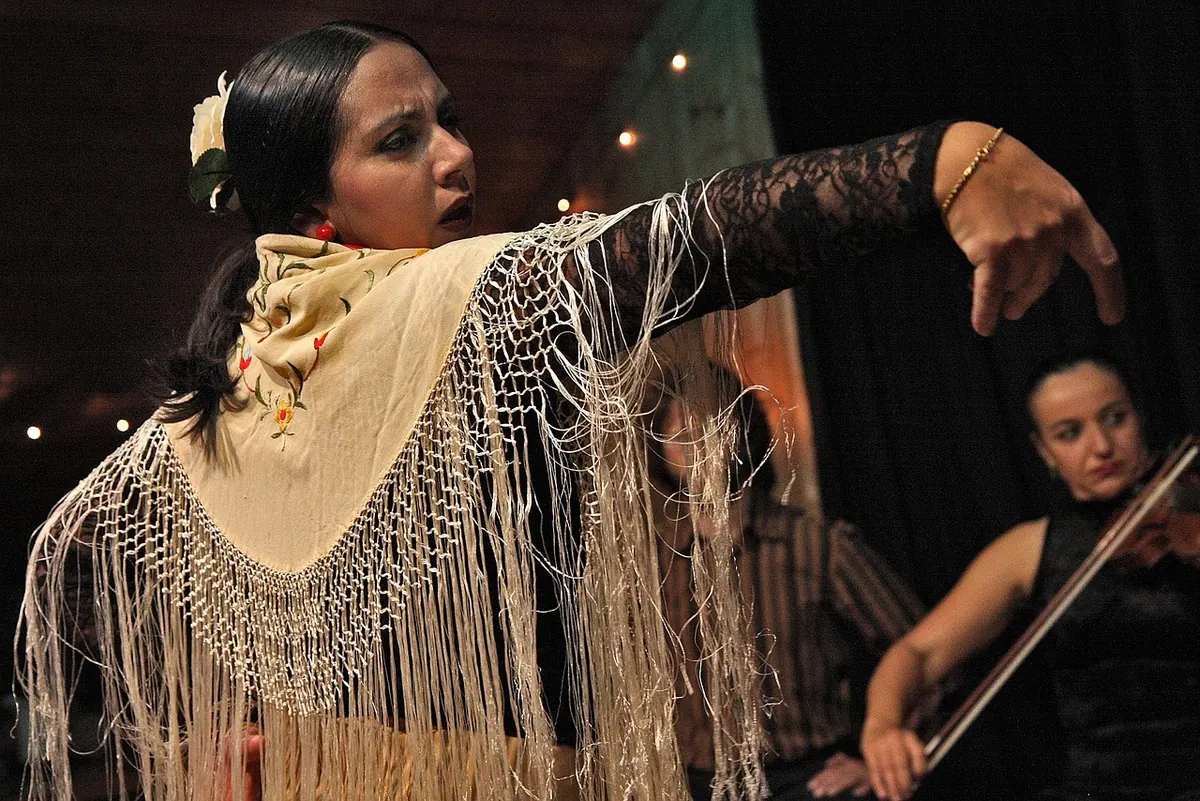
Flamenco is from Andalusia, but Madrid has some of the best venues in Spain, known as tablaos. Book ahead and choose a smaller venue for a more intense performance.
In a small, dark tablao, the guitar starts, the clapping builds and the dancer's heels hammer the floor faster and faster until the room seems to vibrate. It's raw, passionate and intense.
Beyond the city
10. Day trips to Toledo, Segovia and El Escorial
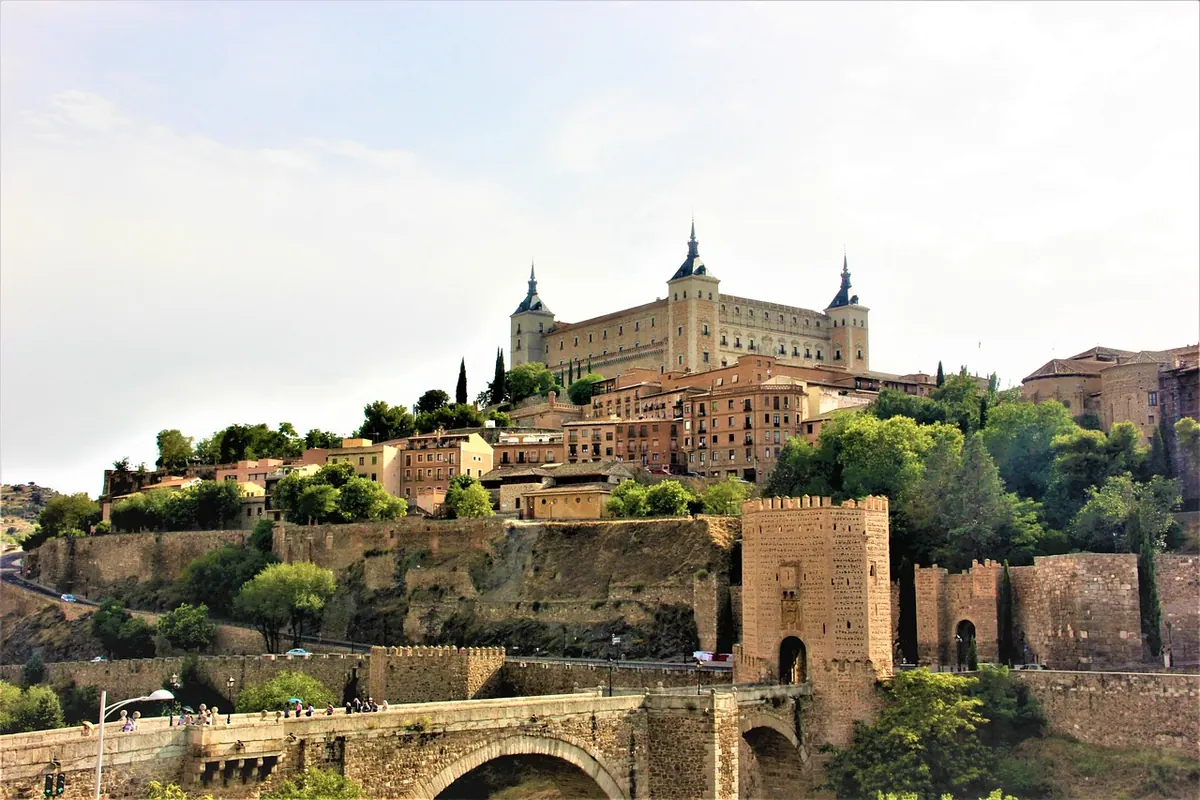
High-speed trains reach Toledo, the medieval "city of three cultures", in about half an hour. Segovia, with its Roman aqueduct and fairytale Alcázar, is equally easy, and El Escorial, Philip II's vast monastery-palace, is reached by suburban train.
Toledo's skyline appears on its hill above the river, a jumble of towers and walls; in Segovia, the Roman aqueduct towers over the square, and the castle looks like it's from a fairy tale.
Getting around
Madrid-Barajas Airport is linked to the centre by metro, suburban train and an express bus. The metro is fast and cheap, and the old town is easy to explore on foot.
Frequently asked questions
How many days do you need in Madrid?
Three days covers the main museums, the Royal Palace, Retiro Park and the old town. Add a day or two for trips to Toledo, Segovia or El Escorial.
Is the Prado free?
The Prado has free entry during the last two hours of most days, but queues form early. Buying a ticket online lets you choose your time and visit without waiting.
What time do people eat in Madrid?
Late. Lunch is usually between 2pm and 4pm and dinner from around 9pm. Many restaurants don't open for dinner before 8.30pm.
Keep reading
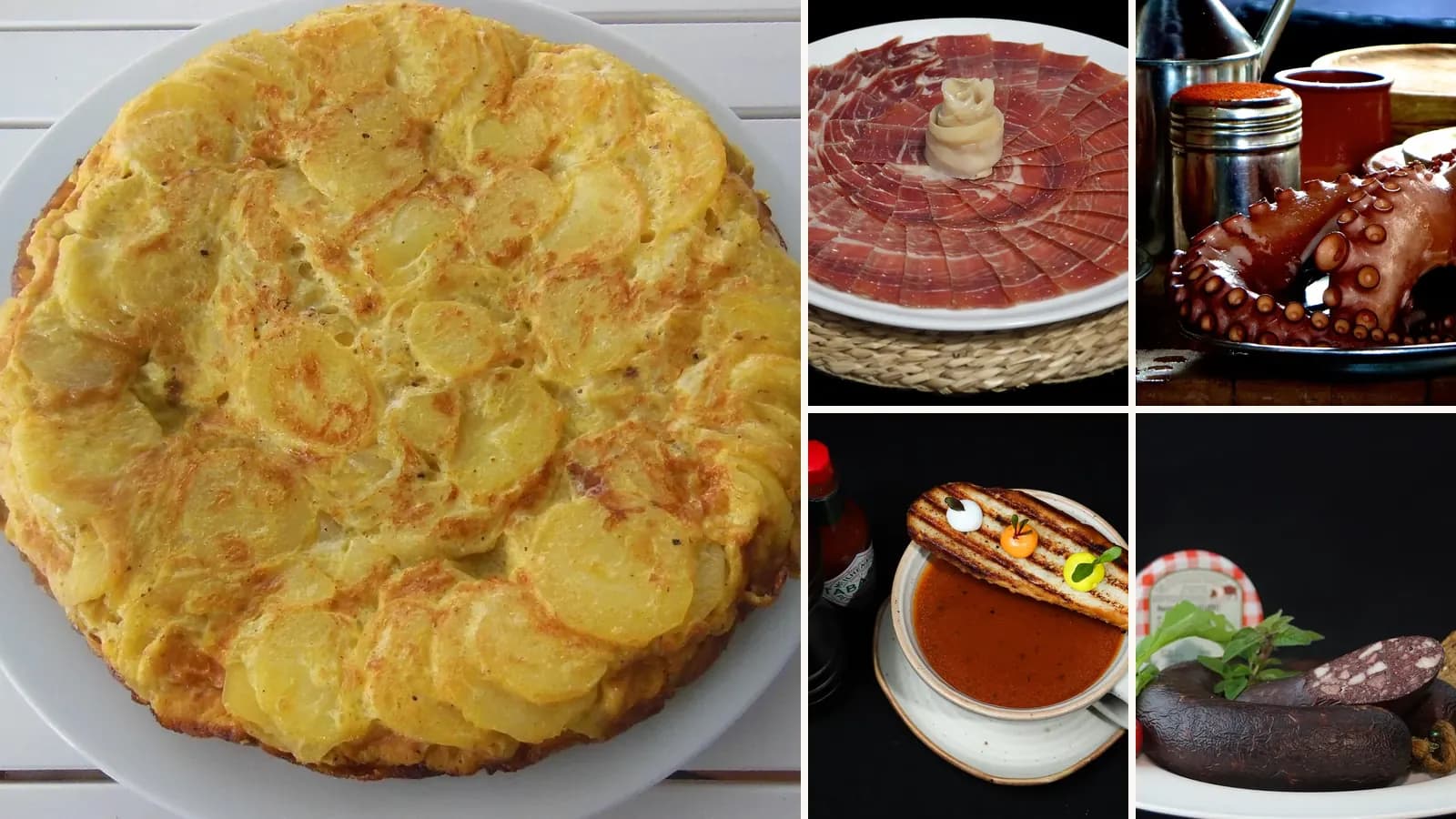
Spanish Food Explained: 12 Tapas You Need to Try (and How to Order Them)
Tortilla, patatas bravas, croquetas, jamón ibérico, pintxos, salmorejo and more – a simple guide to Spain's classic tapas, regional specialities and bar etiquette.
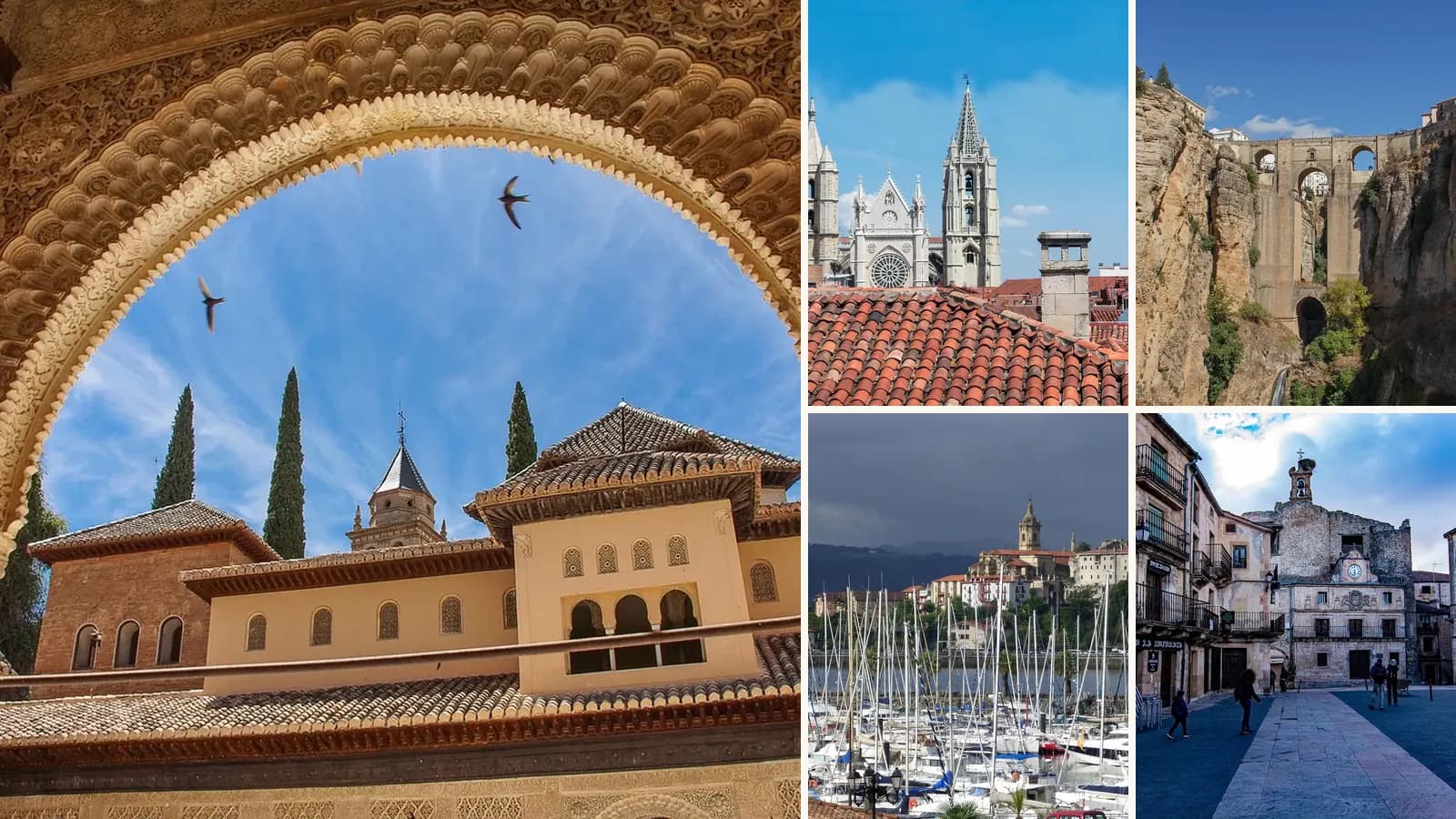
10 of the Most Stunning Paradors in Spain: Castles, Convents and Palaces
Sleep inside the Alhambra, a pilgrims' hospital in Santiago or a hanging-house clifftop in Cuenca – 10 of the most stunning paradors in Spain, with booking tips.
Barcelona Travel Guide: 15 Best Things to Do, from Gaudí to Hidden Gems
The Sagrada Família, Park Güell, the Gothic Quarter, El Born, Montjuïc, the beaches and lesser-known gems – the best things to do in Barcelona, with booking tips.
Cairo Travel Guide: 12 Best Things to Do, from Zamalek to Islamic Cairo
Escape to Zamalek and Gezira Island, sail a felucca at sunset, explore Islamic and Coptic Cairo, the Citadel and the city's great museums – a practical guide to Cairo.