Spanish Food Explained: 12 Tapas You Need to Try (and How to Order Them)
Tortilla, patatas bravas, croquetas, jamón ibérico, pintxos, salmorejo and more – a simple guide to Spain's classic tapas, regional specialities and bar etiquette.

Some links in this guide are partner links: if you buy through them we may earn a small commission, at no extra cost to you. It never affects what we recommend. How we make money
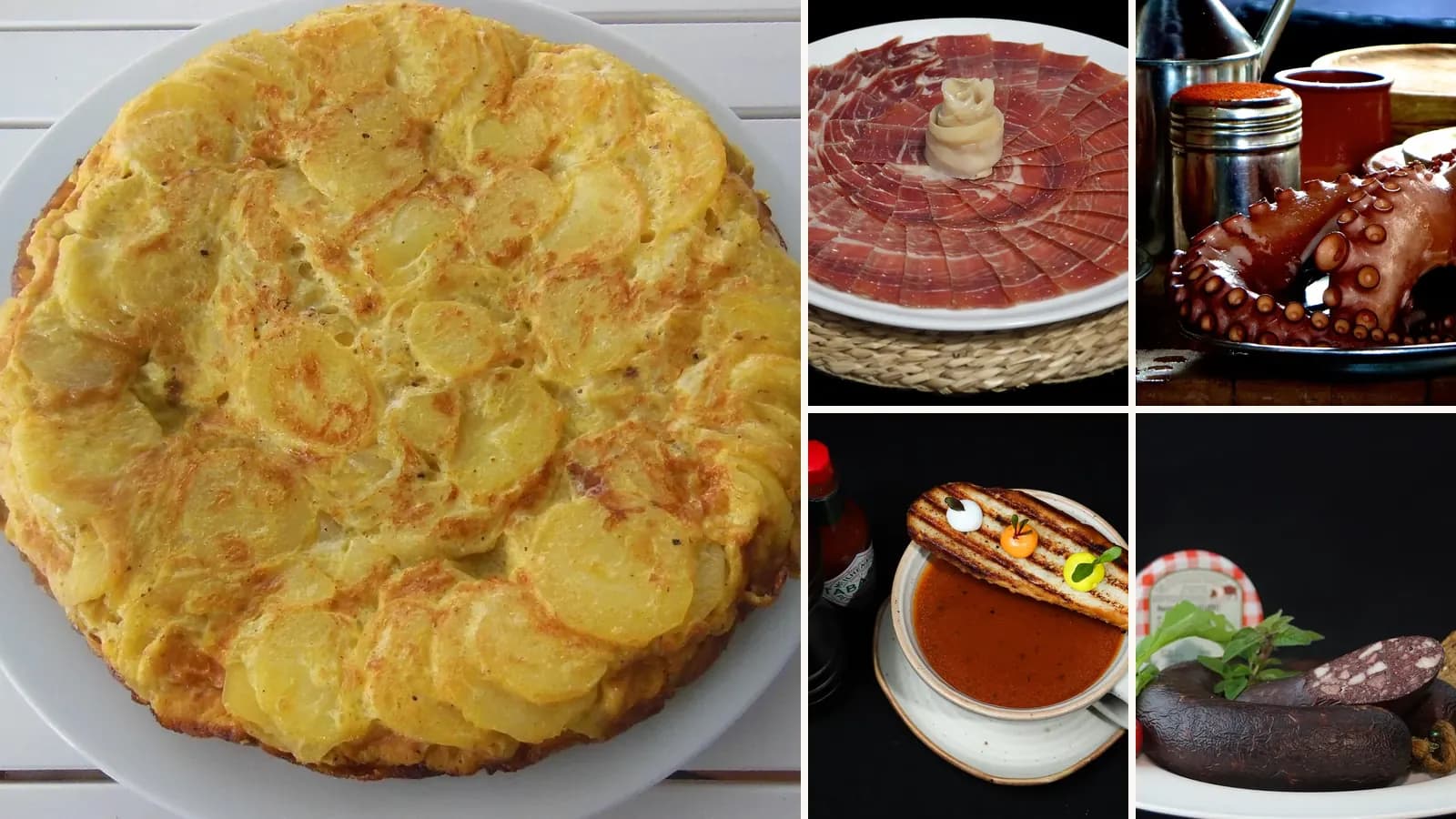
Tapas are less a type of food than a way of eating: a drink, a small plate, conversation, then on to the next bar. Every region has its own specialities, but some dishes appear all over Spain. Here's what to order – and how.
The classics
1. Tortilla de patatas
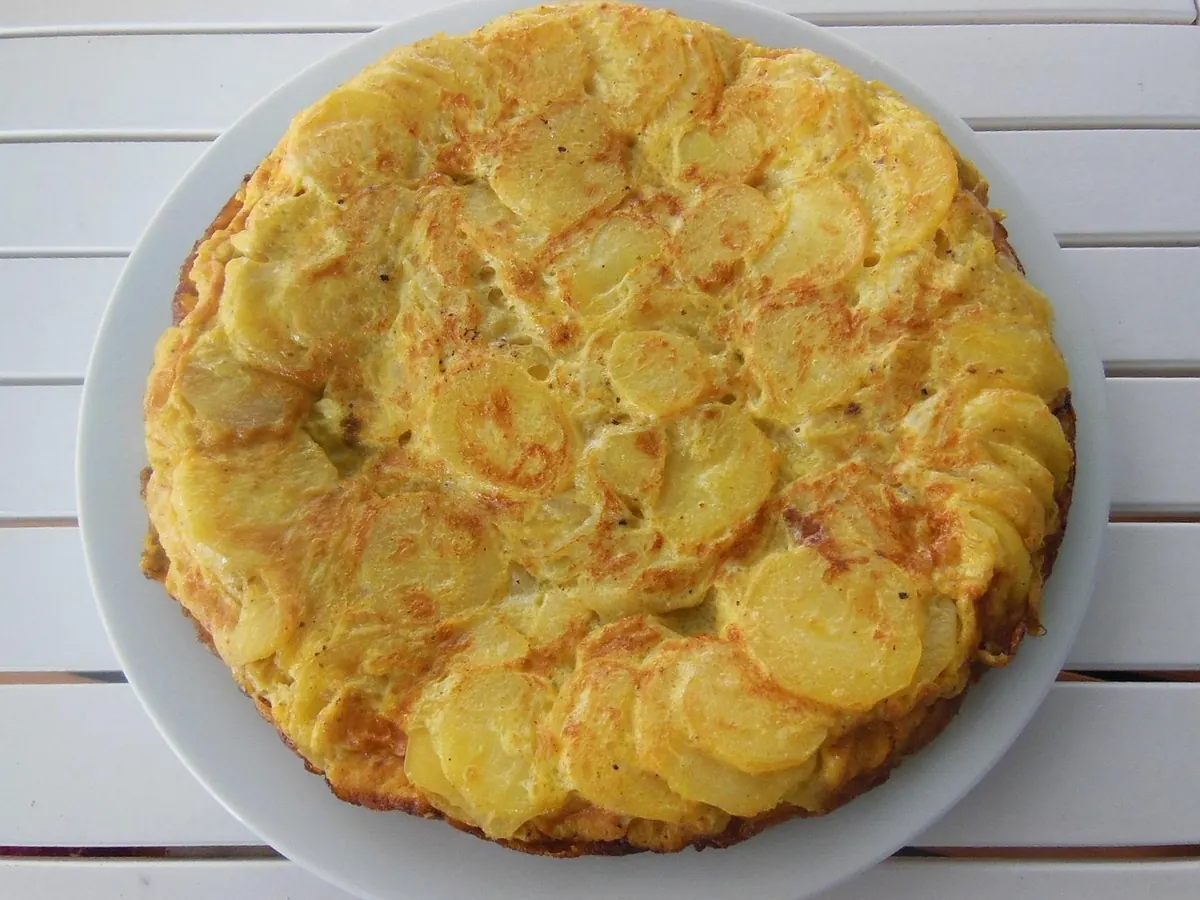
Spain's potato omelette, made with eggs, potatoes, olive oil and – depending on whom you ask – onion. The best are thick, golden outside and slightly runny in the middle. It's eaten at any time of day, often as a slice on bread.
A thick wedge arrives still warm, golden on the outside and soft and slightly runny in the middle, the potatoes melting into the egg. Locals argue endlessly about onion or no onion – try both.
2. Patatas bravas
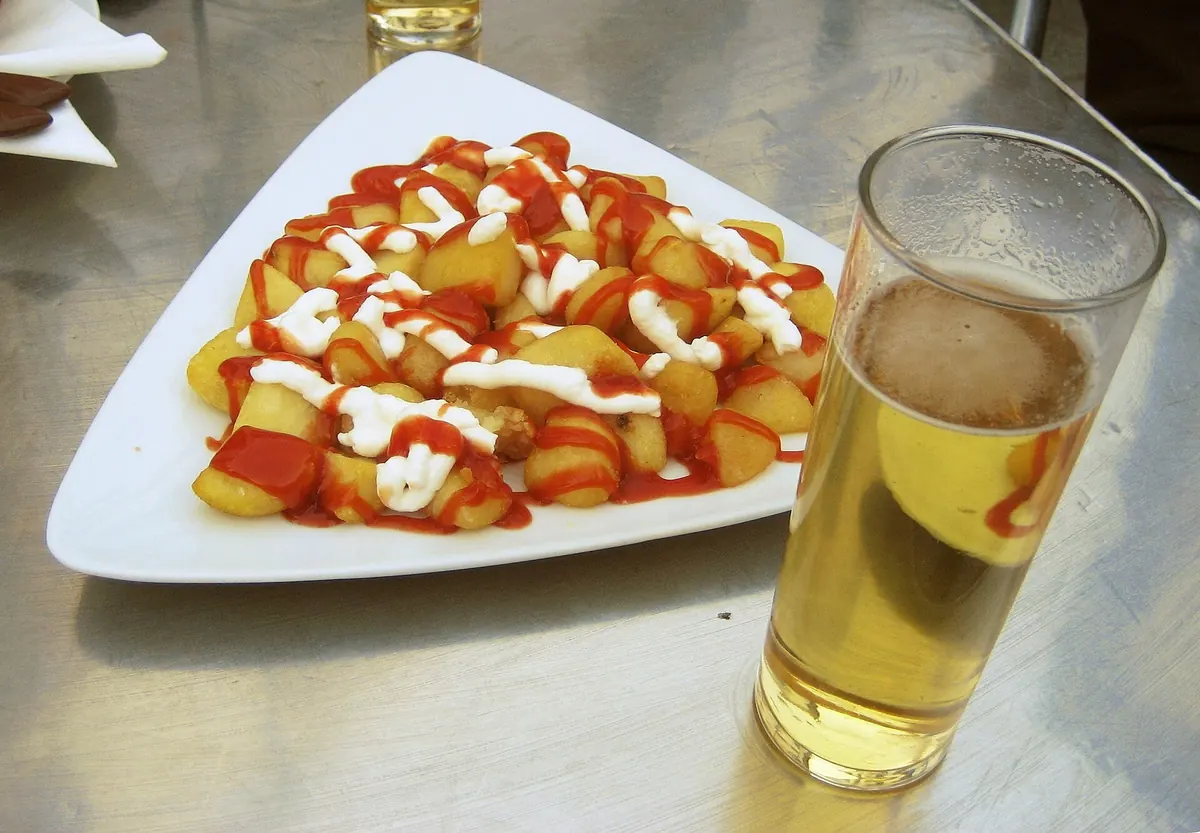
Fried potato chunks with a spicy tomato-based sauce (and often garlic mayonnaise). Every bar in Madrid claims to make the best.
Crisp, golden potato chunks under a spicy red sauce and sometimes garlic alioli – each bar has its own version, and finding your favourite is half the fun.
3. Croquetas
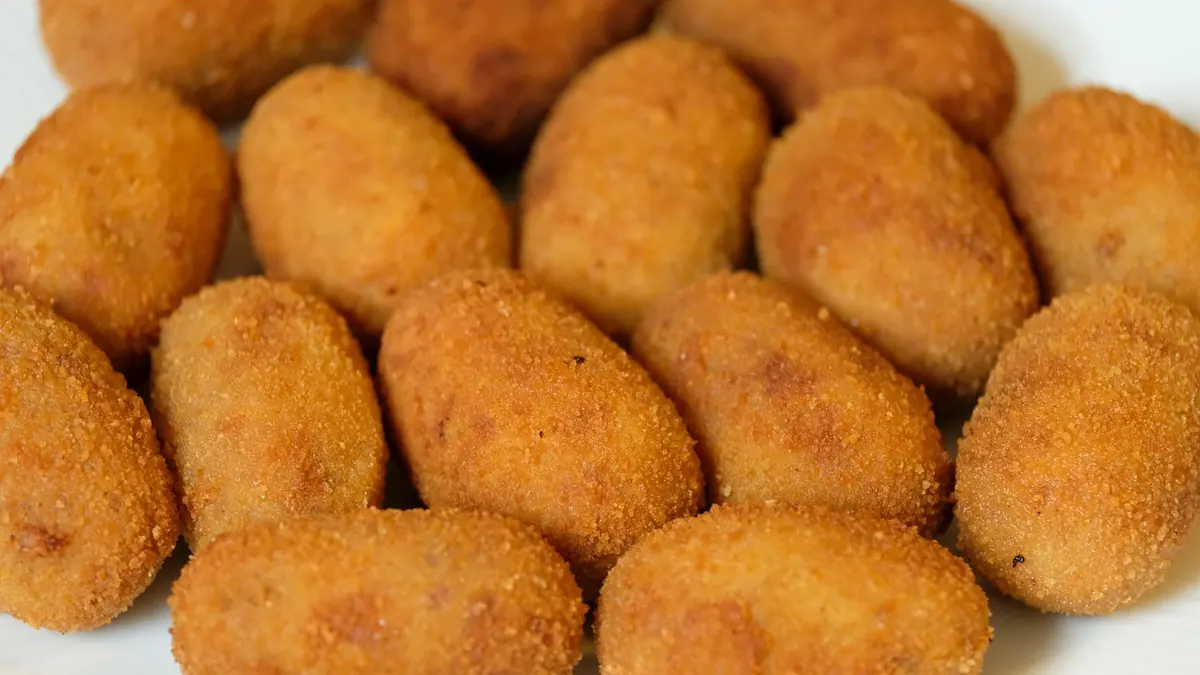
Creamy béchamel croquettes, breaded and fried, usually with ham, salt cod, chicken or mushrooms. A good croqueta is the sign of a good kitchen.
The thin crust crackles, and inside is a hot, creamy béchamel with ham, chicken or cod. Let them cool for a minute – they're molten.
4. Jamón ibérico
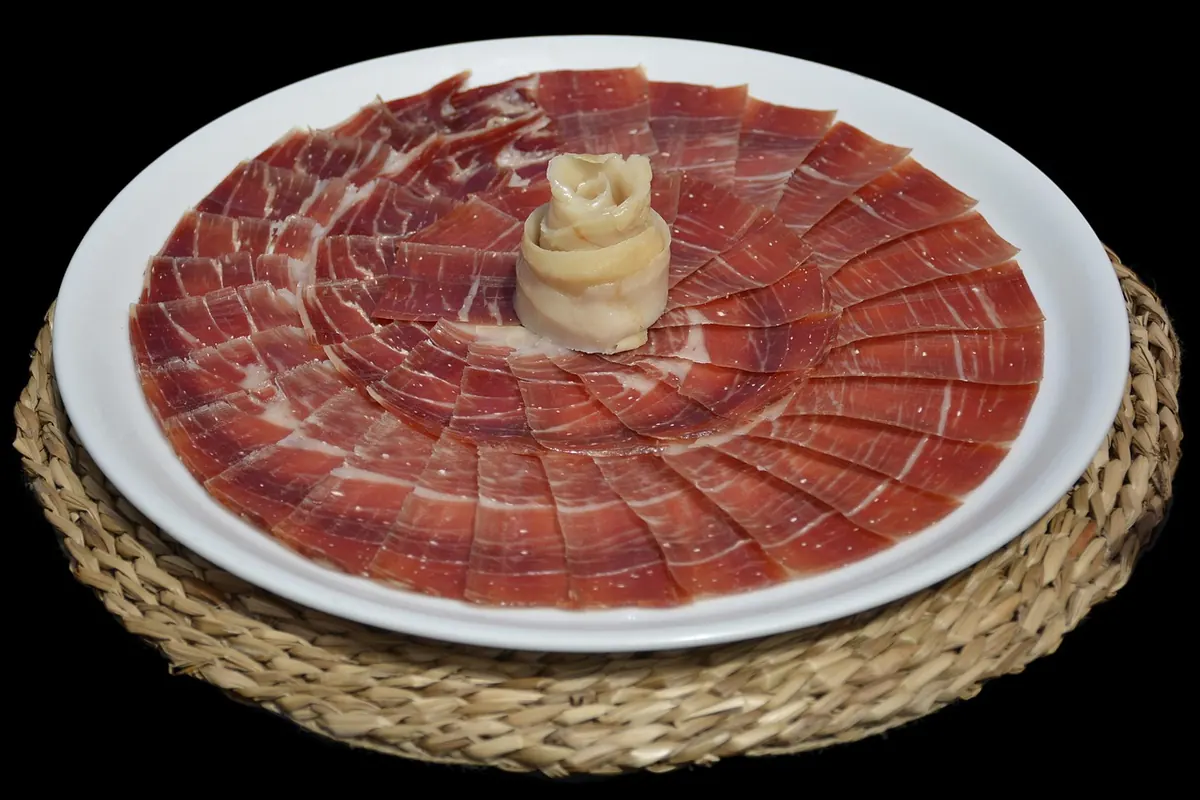
Cured ham from Iberian pigs, sliced by hand into thin, glossy pieces. The finest, labelled "de bellota", comes from acorn-fed pigs. Eat it at room temperature, with bread and a glass of wine.
Slices so thin they're almost translucent, carved by hand from the leg on the counter, glistening and melting on the tongue with a deep, nutty flavour. Eat it at room temperature with a glass of wine.
5. Gambas al ajillo
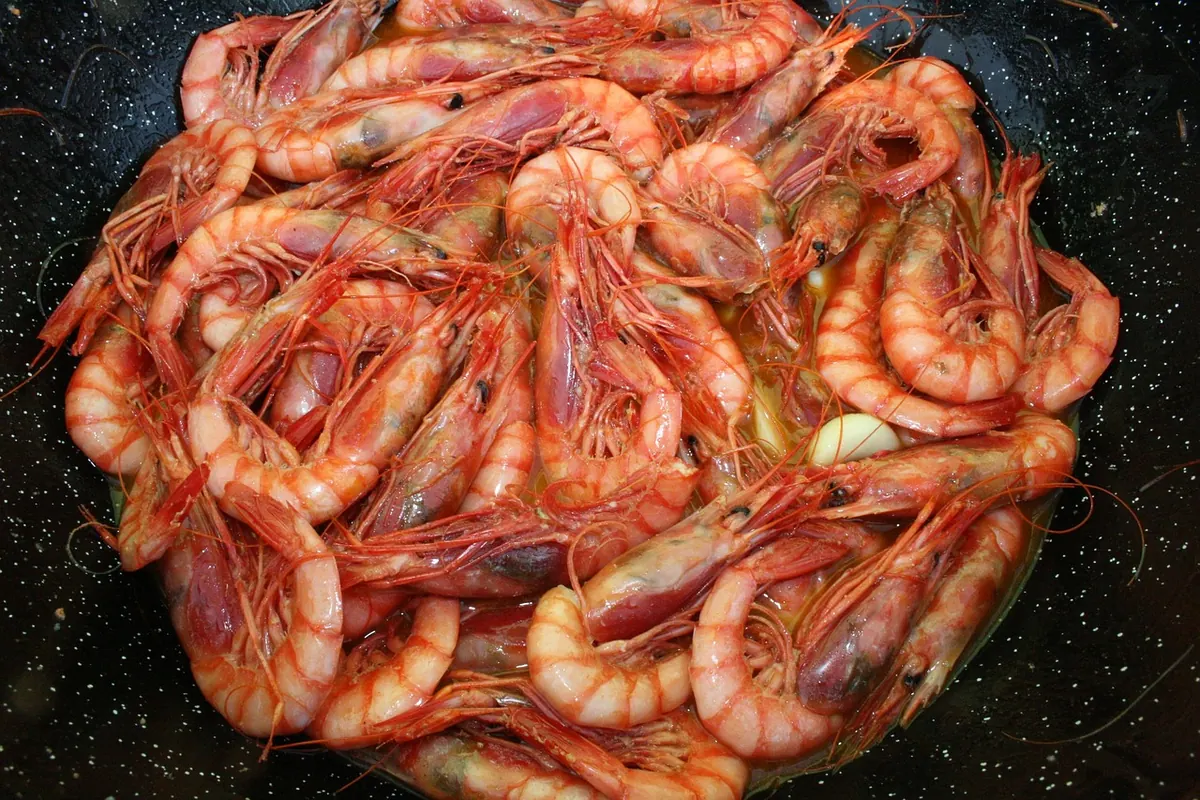
Prawns sizzling in olive oil with garlic and chilli, served in a small clay dish. Keep some bread to mop up the oil.
The clay dish arrives sizzling, prawns bubbling in olive oil with slices of garlic and chilli. Order extra bread to mop up the oil.
6. Pimientos de Padrón
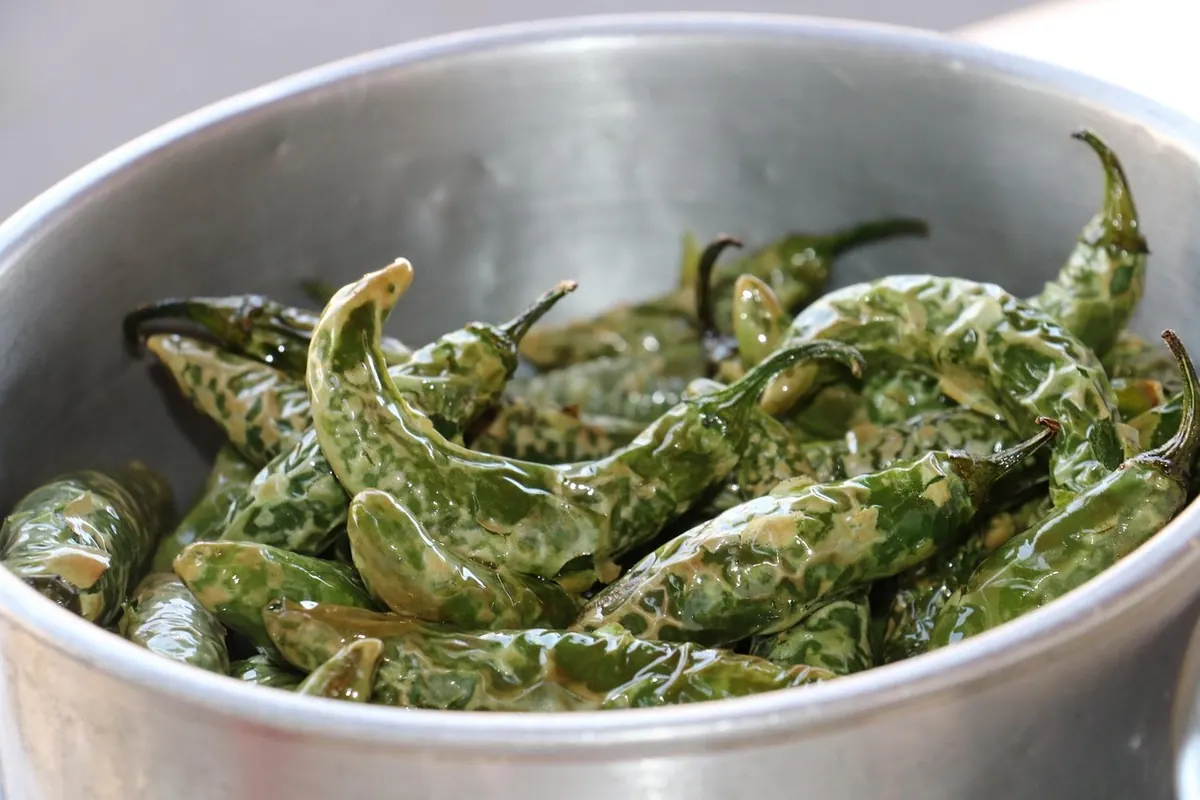
Small green peppers from Galicia, fried and salted. Most are mild – but, as the saying goes, "some are hot and some are not".
Small green peppers, blistered in hot oil and sprinkled with coarse salt. Most are mild – but every so often one is fiery, and the whole table laughs.
7. Pulpo a la gallega
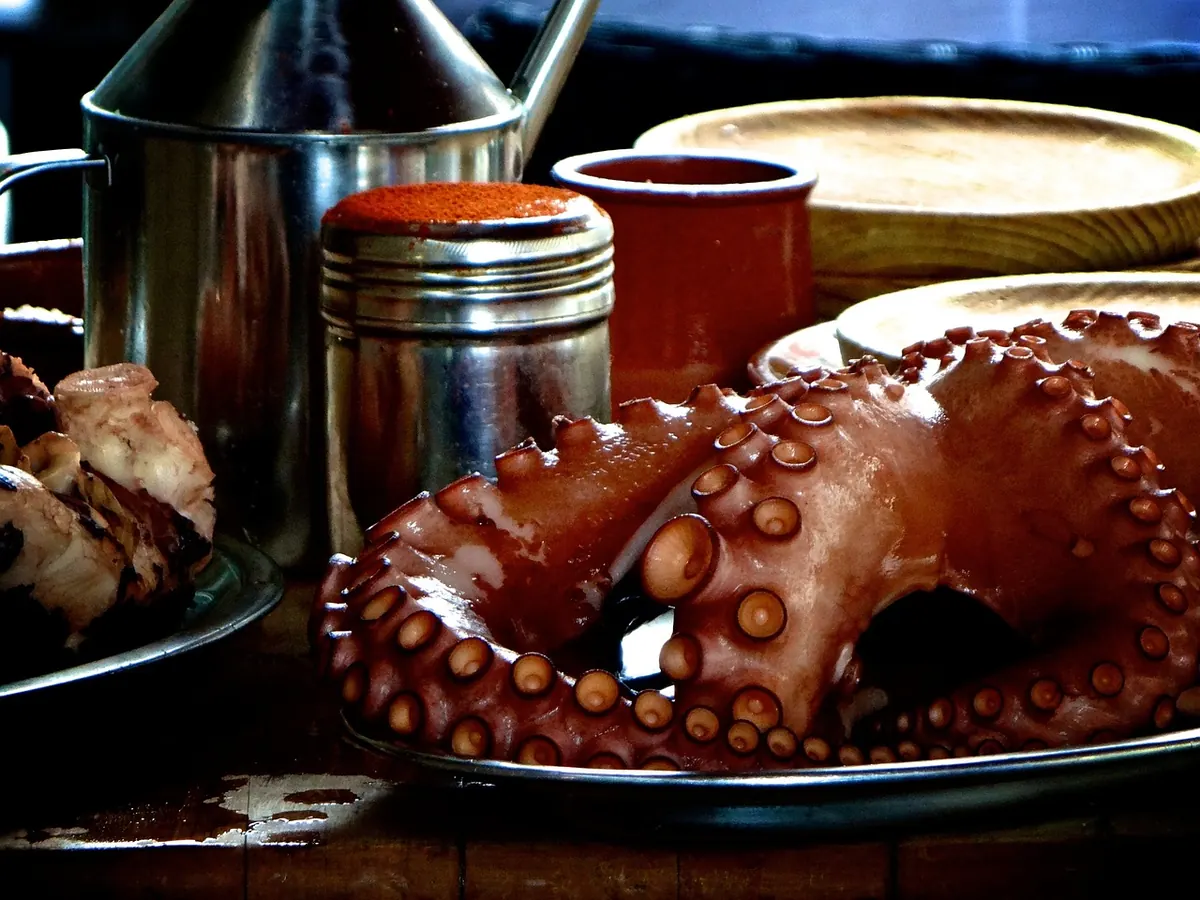
Galician-style octopus: boiled, sliced and served on a wooden plate with olive oil, paprika and coarse salt.
Tender slices of octopus on a wooden plate, drizzled with olive oil and dusted with smoked paprika, served on boiled potatoes – simple and perfect.
8. Albóndigas
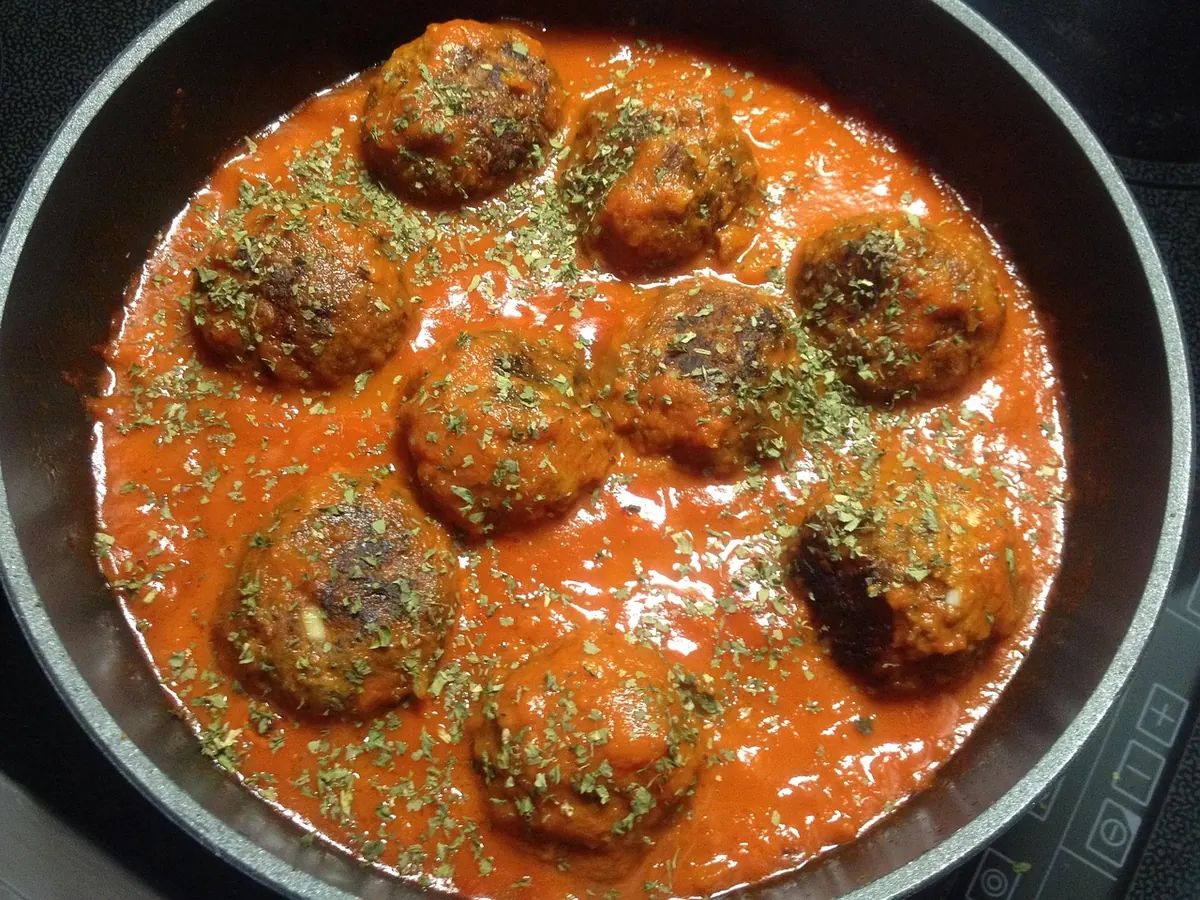
Meatballs in tomato or almond sauce – home cooking in a small dish.
Meatballs simmered slowly in a rich tomato or almond sauce, served in a small clay dish – comfort food with plenty of bread.
Regional specialities
9. Pintxos in the Basque Country
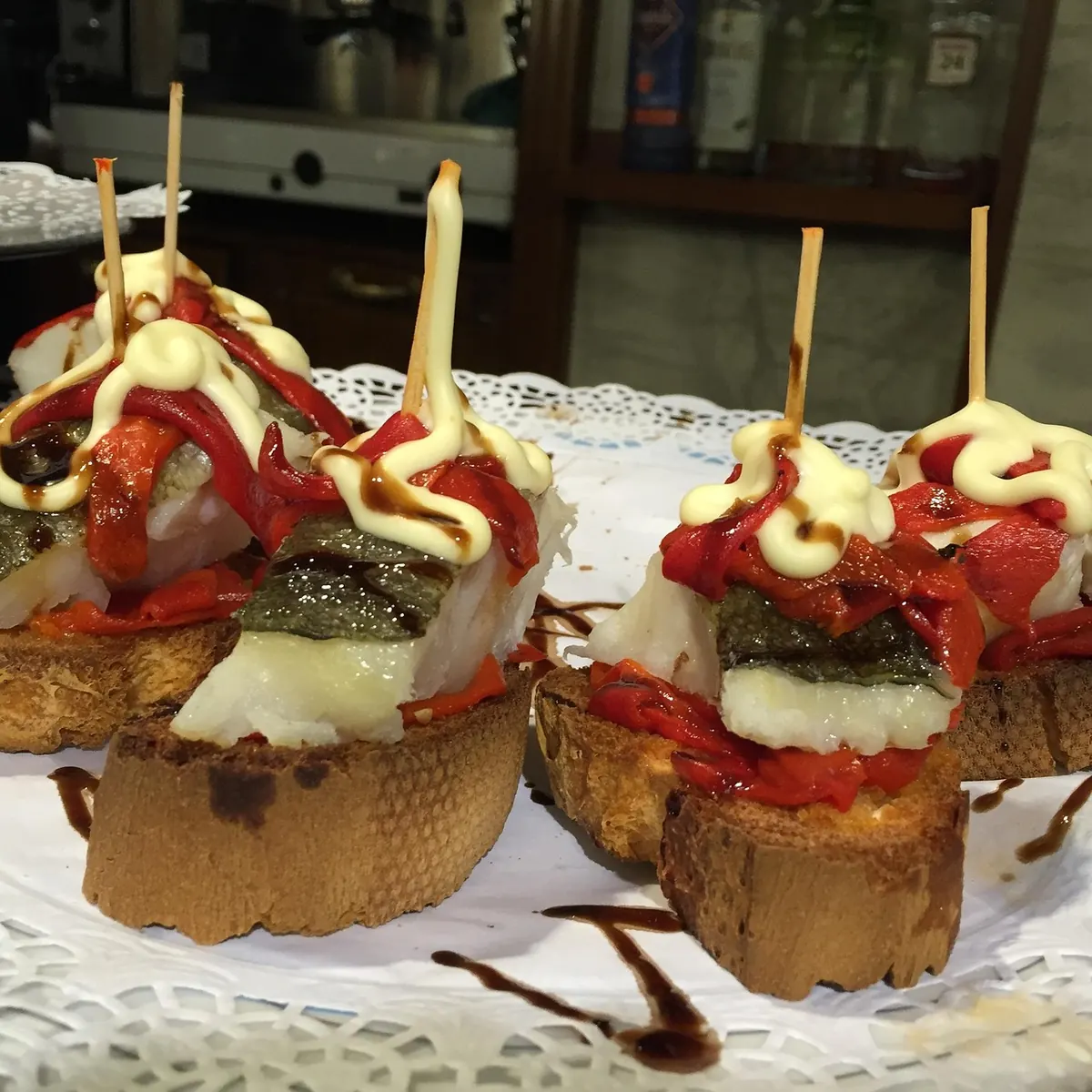
In San Sebastián and Bilbao, bars cover their counters with pintxos: small, often elaborate bites on bread. Take what you like and tell the bartender what you had when you pay – or ask for the hot pintxos made to order.
The bar counter is covered with platters of small works of art on bread, each held with a toothpick. You take what you like, keep the toothpicks and pay at the end – and then move on to the next bar.
10. Salmorejo from Córdoba
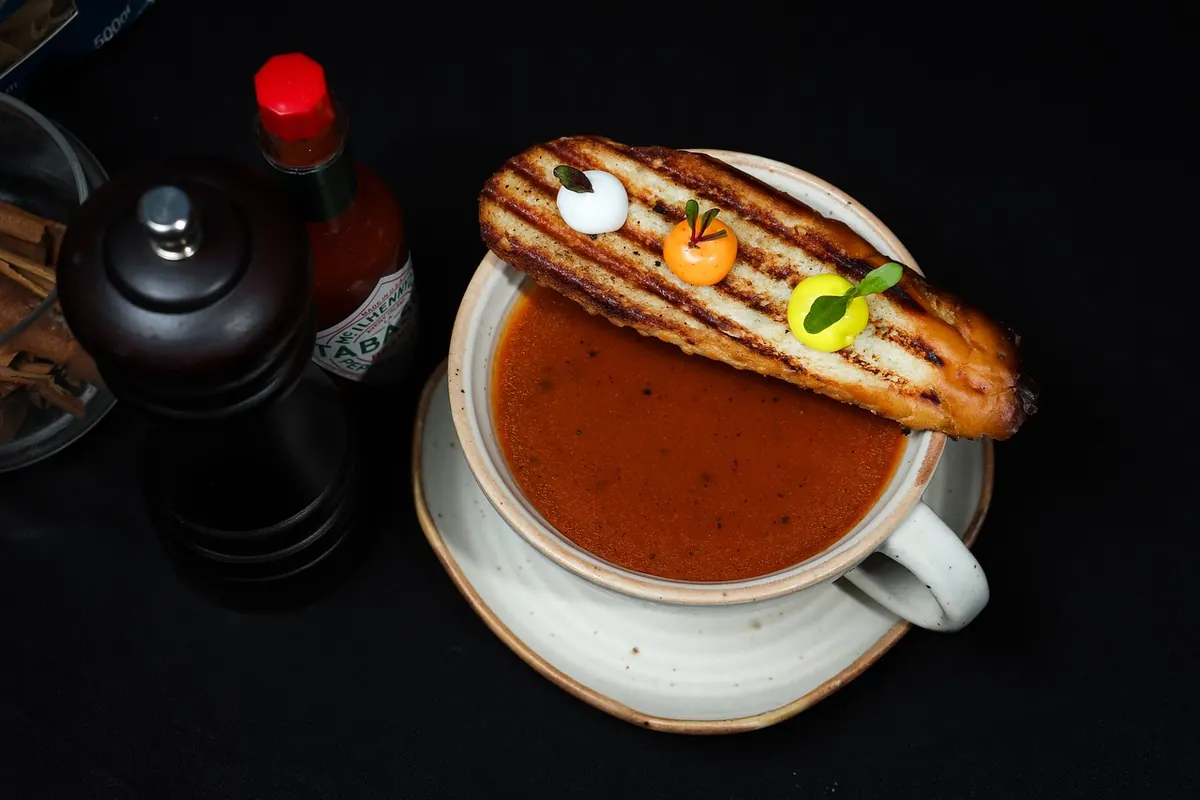
A thick, cold tomato and bread soup topped with egg and ham – perfect on a hot day in Andalusia.
Ice-cold, thick and creamy, topped with egg and ham and drizzled with olive oil – the perfect dish on a hot Andalusian day.
11. Pescaíto frito in Andalusia
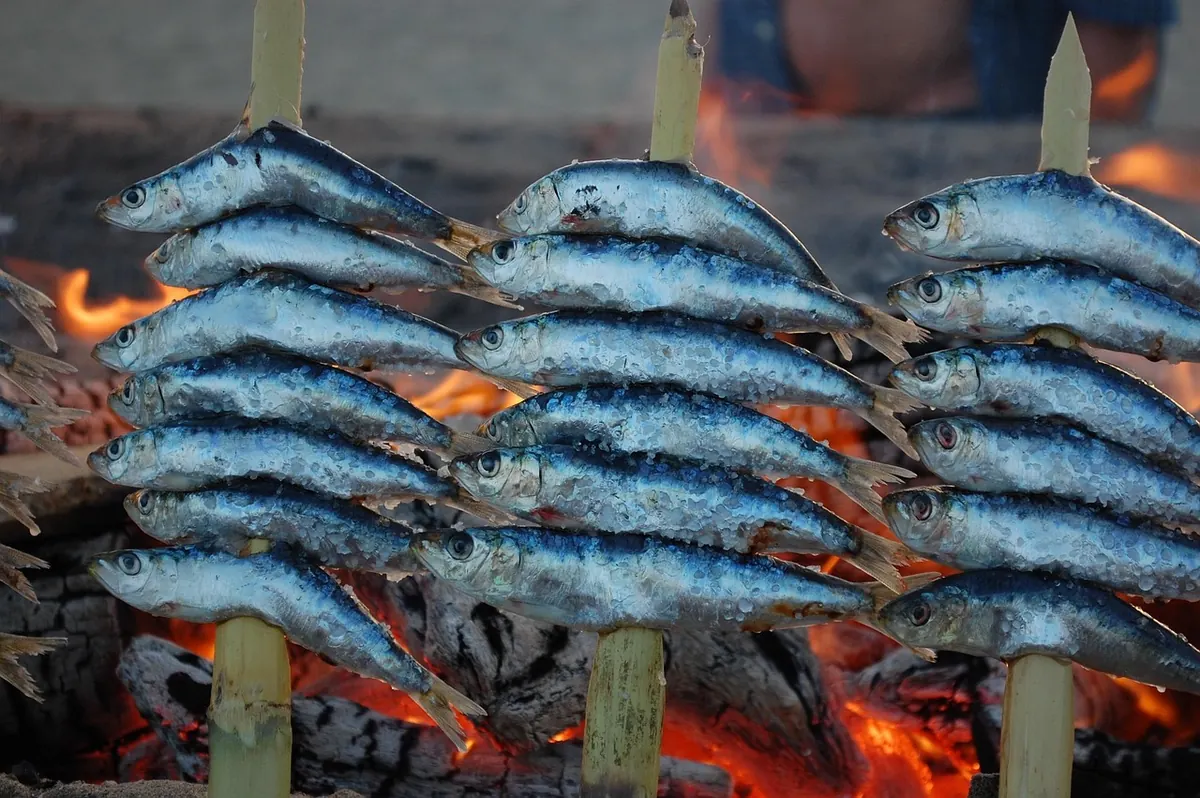
Mixed fried fish, best eaten by the sea in Málaga or Cádiz. In Málaga, look out for espetos – sardines grilled on skewers over an open fire on the beach.
A paper cone of small fried fish, squid and anchovies, crisp and salty, eaten with a squeeze of lemon at a beach bar with a cold beer.
12. Morcilla de Burgos
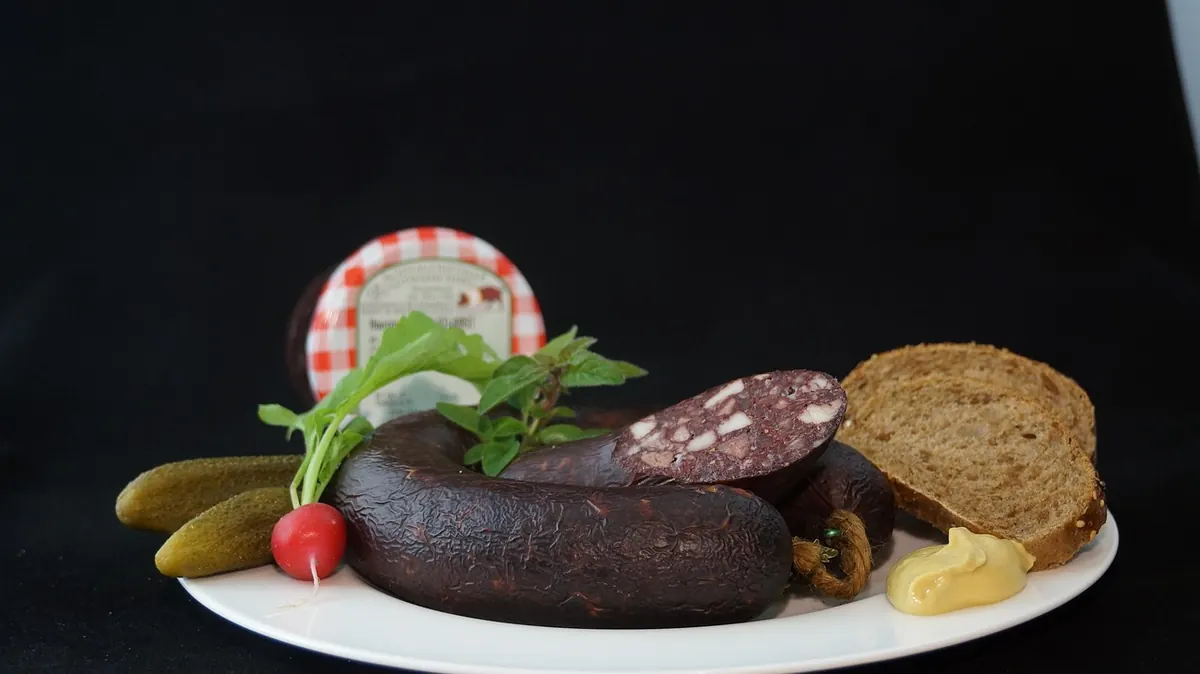
Blood sausage with rice from Castile, sliced and fried until crisp. Not for everyone, but a classic.
The black pudding is sliced and fried until crisp, with rice inside that gives it a unique texture – rich, spiced and very filling.
Where to eat tapas in Spain
- Madrid: tapas crawls along Calle Cava Baja in La Latina, and bocadillos de calamares near Plaza Mayor. See our Madrid guide.
- Seville: tiny bars in Santa Cruz, Triana and around the Alameda de Hércules – see our Seville guide.
- Granada: famous for free tapas with every drink – see our Granada guide.
- San Sebastián and Bilbao: the pintxo bars of the old towns are a world-class food experience.
- Barcelona: modern tapas bars and classics in El Born and Barceloneta – see our Barcelona guide.
- Málaga and the Costa del Sol: fried fish and espetos by the sea.
What to drink with tapas
Order a caña (a small draught beer), a glass of house wine (vino de la casa), vermouth (vermut) on Sunday lunchtime, or fino and manzanilla sherry in Andalusia. In the Basque Country, try txakoli, a lightly sparkling white wine poured from a height. Non-drinkers can order mosto (grape juice) or tinto de verano made without alcohol.
Tapas vocabulary
| Word | Meaning |
|---|---|
| Tapa | A small plate |
| Ración / media ración | A sharing portion / half portion |
| Pincho / pintxo | A bite-sized snack, often on bread |
| La cuenta | The bill |
| Caña | A small draught beer |
| Para picar | Something to nibble |
How to order tapas like a local
- Stand at the bar. It's often cheaper and livelier than a table.
- Order little and often. One or two dishes per bar, then move on.
- Watch the times. Tapas bars are busiest from around 1pm to 3.30pm and from 8.30pm to late.
- Share. Order raciones or medias raciones for the table.
- Pay at the end. Ask for "la cuenta" – bars usually keep track of what you had.
- Free tapas. In Granada, a small tapa comes with every drink you order.
Frequently asked questions
What is the difference between tapas and pintxos?
Tapas are small dishes served across Spain. Pintxos are the Basque version – usually bite-sized snacks on bread, often held together with a cocktail stick – laid out on the bar for you to choose from.
Are tapas free in Spain?
In some cities, notably Granada, Jaén and parts of León, a small tapa comes free with each drink. Elsewhere you pay for each dish.
What is a ración?
A ración is a larger, sharing-size portion of a tapa. A media ración is half that size – good for two people who want to try several dishes.
Keep reading
9 of the Best Austrian Cakes and Where to Eat Them in Vienna
Sachertorte, Imperial Torte, Linzer Torte, Punschkrapfen and more: nine classic Austrian cakes, what makes each one special and the Vienna cafés that serve the best.
Madrid Travel Guide: 10 Great Ways to Enjoy the Spanish Capital
The Prado and the Golden Triangle of Art, Retiro Park, the Royal Palace, tapas in La Latina, flamenco and day trips to Toledo – 10 great ways to enjoy Madrid.
A Local's Guide to Granada: 10 Top Tips
How to get Alhambra tickets, the best sunset viewpoint, free tapas, real flamenco in Sacromonte and more – a local's guide to Granada, Spain.
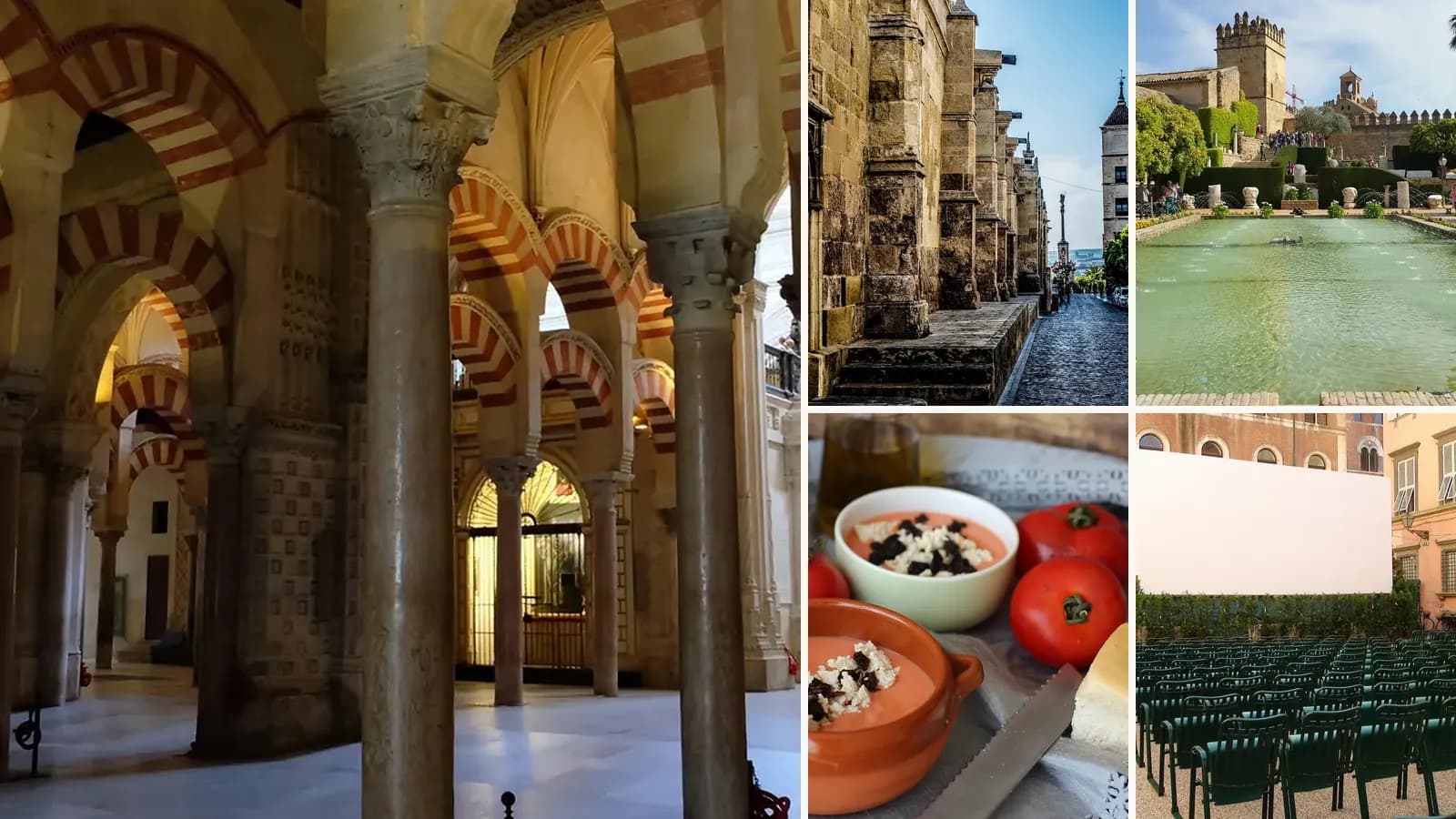
A Local's Guide to Córdoba, Spain: 10 Top Tips
How to see the Mezquita at its quietest, where to find Córdoba's flower-filled patios, what to eat and the best day trip – 10 top tips for Córdoba, Spain.