Marbella and the Costa del Sol: 12 Best Things to Do
Marbella's old town, Puerto Banús, beach clubs, Málaga, Ronda, Nerja's caves and Caminito del Rey – the best things to do on Spain's Costa del Sol.

Some links in this guide are partner links: if you buy through them we may earn a small commission, at no extra cost to you. It never affects what we recommend. How we make money
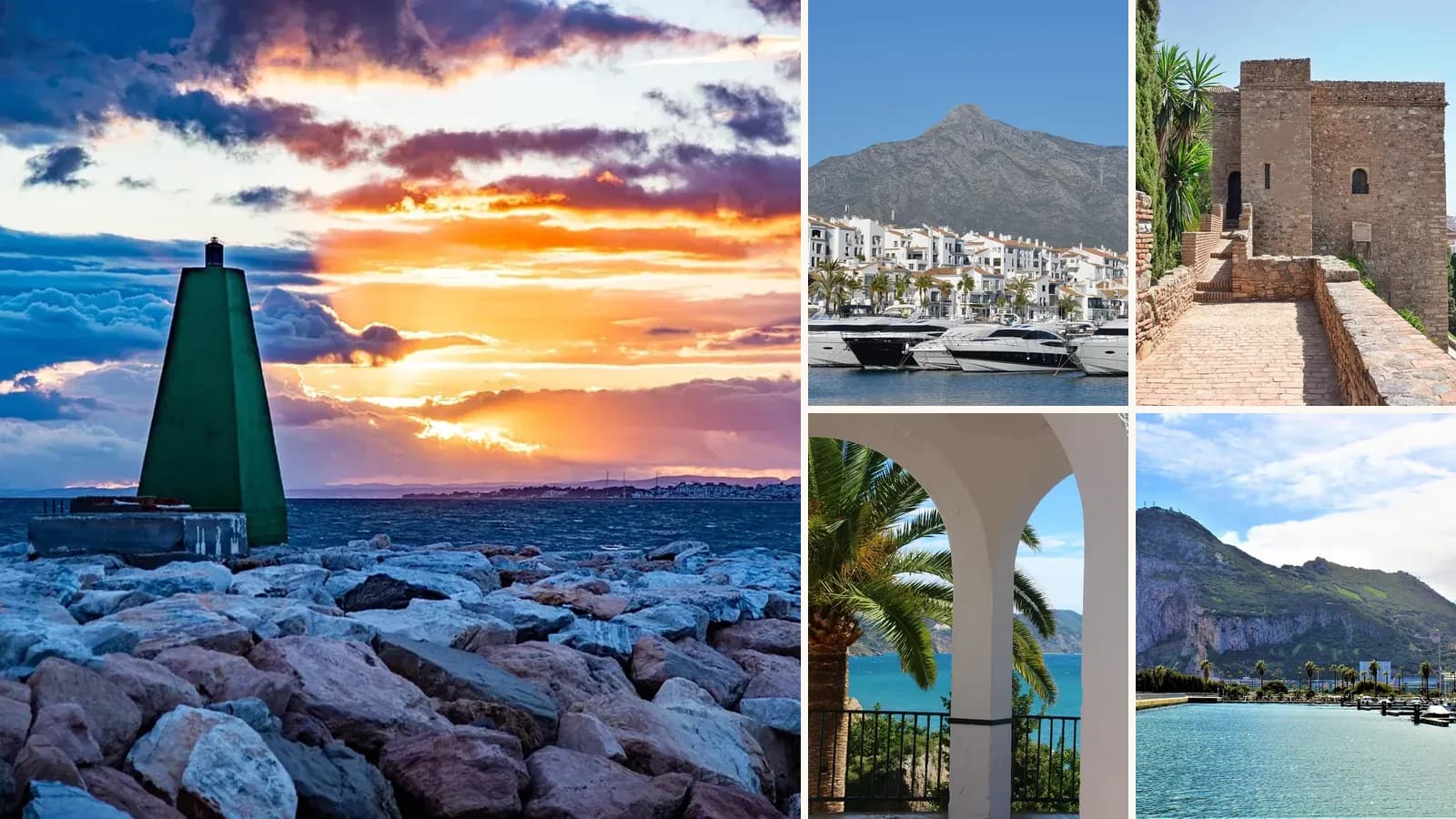
The Costa del Sol – Andalusia's "Sun Coast" – stretches along the Mediterranean either side of Málaga, with around 300 days of sunshine a year. Marbella is its glamorous heart: a pretty old town, a marina full of superyachts and beach clubs along the shore. Within an hour or so you'll find white villages, mountain gorges and one of Spain's most exciting cities.
Costa del Sol at a glance
| Quick facts | |
|---|---|
| Best time to visit | April–June and September–October; winter is mild |
| Airport | Málaga, about 45–60 minutes from Marbella |
| How long to stay | 5–7 days with day trips |
| Best for | Beaches, golf, food, nightlife, day trips to Andalusia's cities |
Marbella
1. Wander Marbella's Old Town
Behind the busy coast road, the Casco Antiguo is a maze of whitewashed lanes, flower pots and little squares. Have a drink in the orange-tree-shaded Plaza de los Naranjos.
Whitewashed lanes, flower pots on the walls and the orange trees of Plaza de los Naranjos – it's the most charming part of the town. Have a drink in the square in the evening, when the heat fades.
2. Walk the seafront promenade
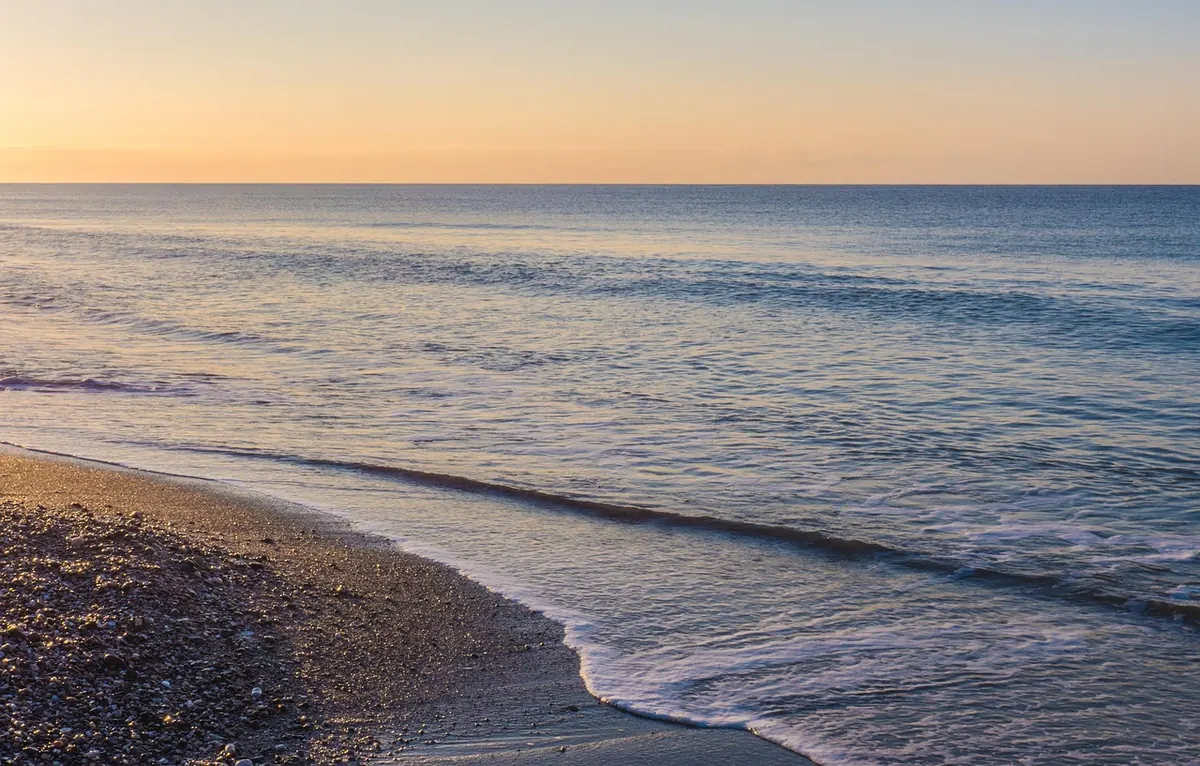
A long promenade runs along Marbella's beaches, past cafés and chiringuitos – beach restaurants serving grilled sardines on skewers, the local speciality.
The promenade runs for kilometres along the sea, lined with palm trees, cafés and chiringuitos, and in the evening joggers, cyclists and families come out to enjoy the cooler air.
3. See Puerto Banús
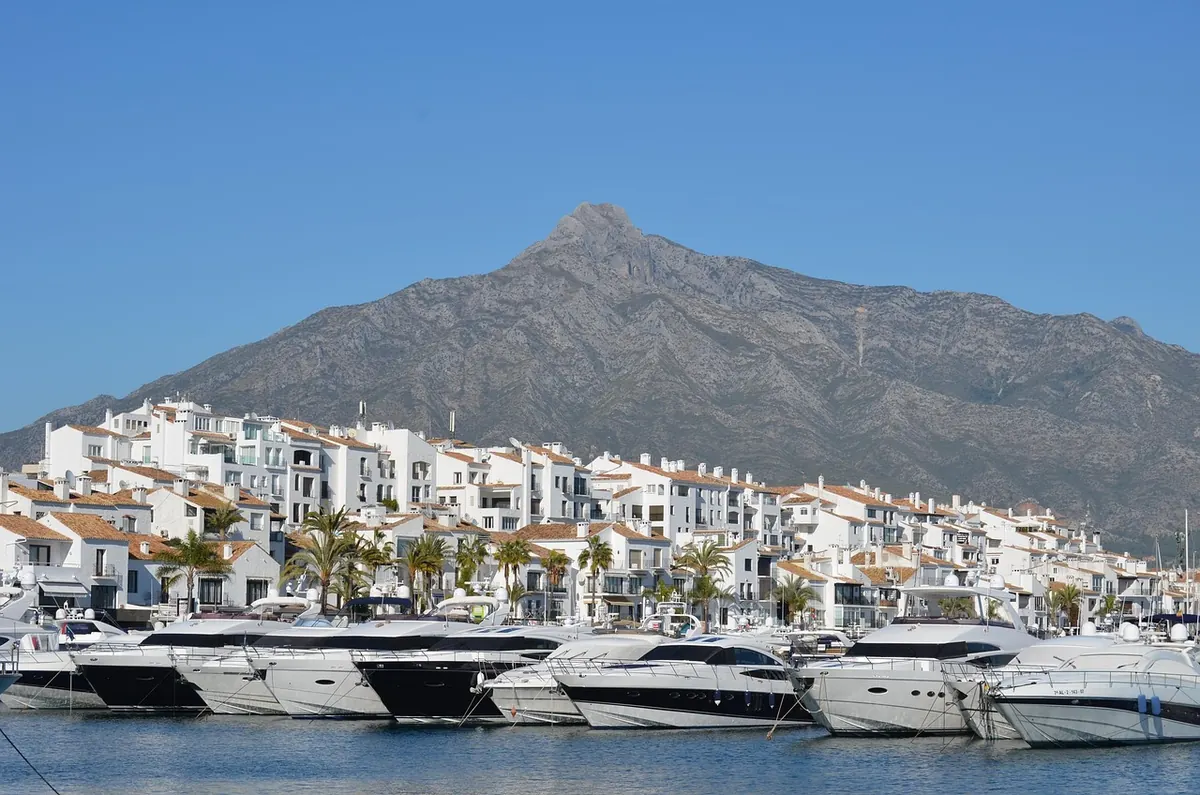
West of town, Puerto Banús is a marina of luxury yachts, designer shops and people-watching. Go for a drink at sunset rather than a full evening if you're on a budget.
Superyachts, Lamborghinis and designer shops – people-watching here is entertainment in itself. Drinks are expensive; enjoy a stroll and an ice cream.
4. Spend a day at a beach club
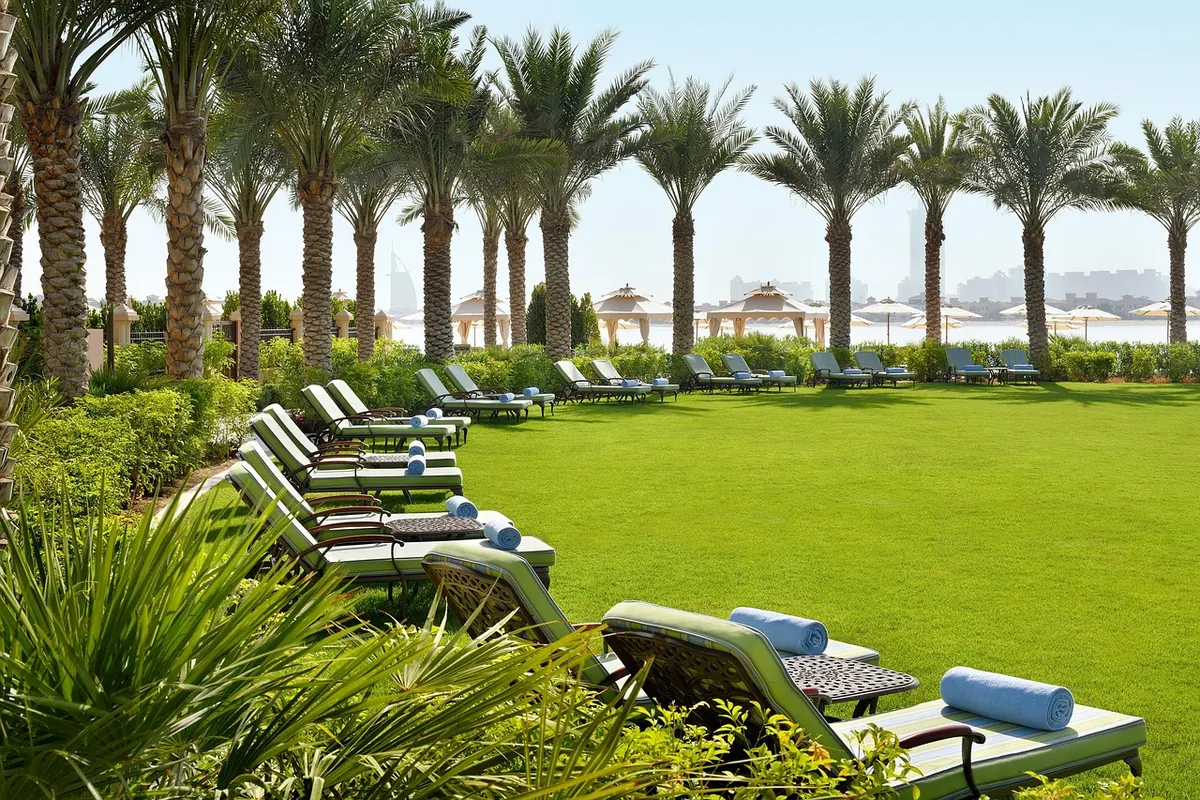
Marbella is famous for its beach clubs, with sunbeds, pools, restaurants and music – from family-friendly to glamorous party spots. Book sunbeds ahead in summer.
White cushions, cocktails, DJ music and attentive waiters – a day at a beach club is glamorous but pricey, so book a bed and check the minimum spend first.
5. Visit Estepona
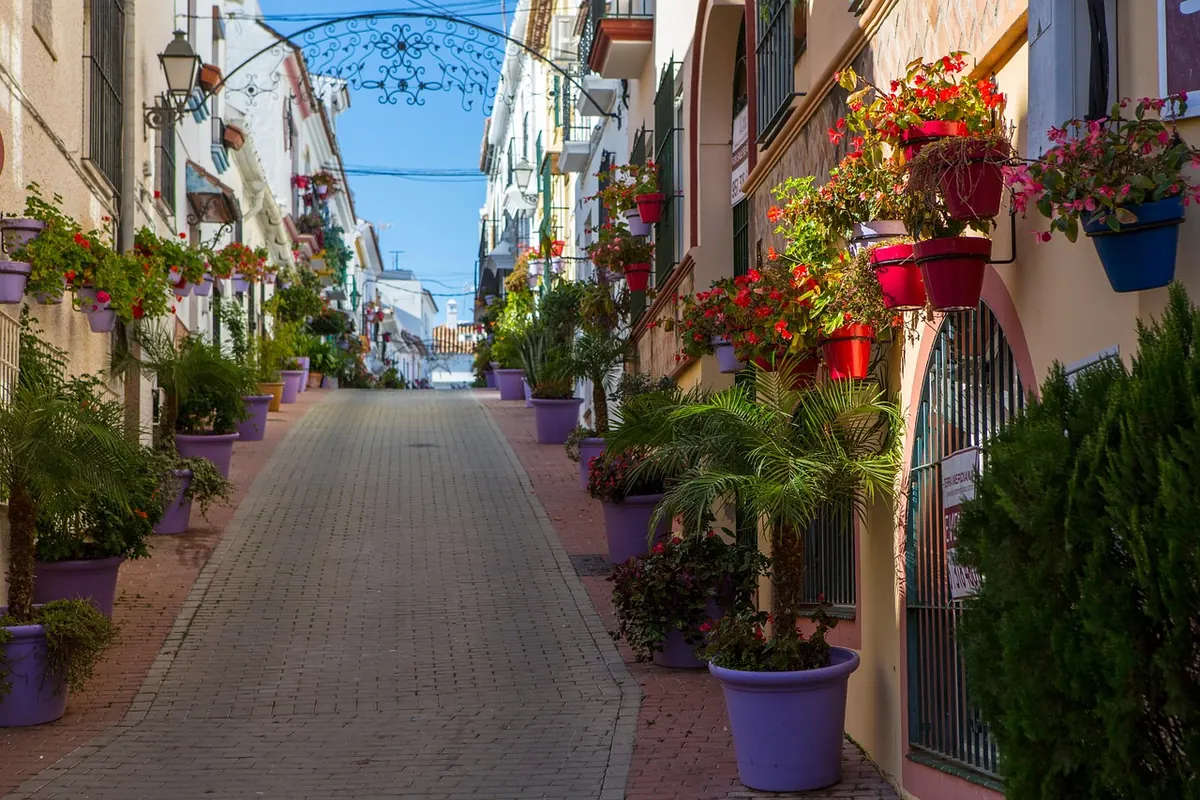
Quieter than Marbella, Estepona has an old town decorated with flower pots and large murals, a long beach and a good Sunday market.
The old town's streets are covered in flower pots, and colourful murals decorate the buildings. It feels more relaxed and authentic than Marbella.
Málaga
6. Explore Málaga
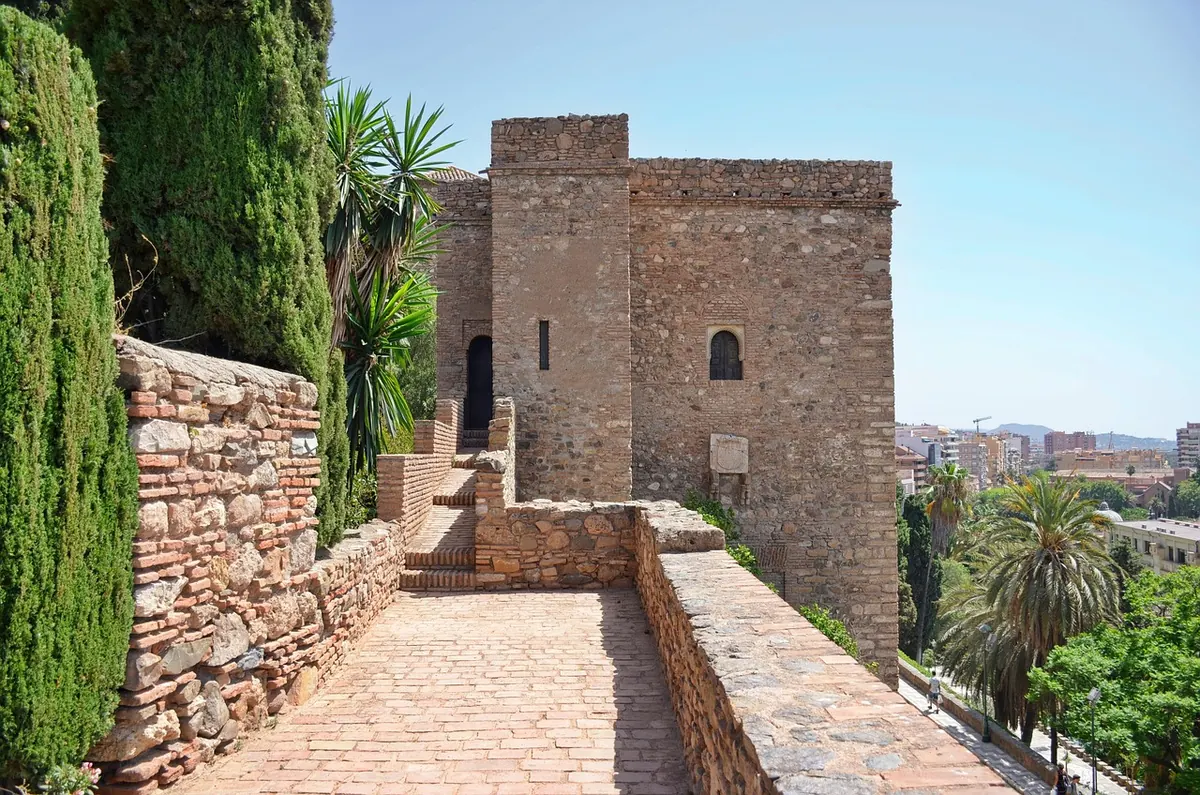
Picasso's birthplace has become one of Spain's most exciting cities, with the Alcazaba fortress, a hilltop Gibralfaro castle, the Picasso Museum and the Centre Pompidou Málaga, plus great tapas bars and a lively port.
Climb to the Alcazaba and Gibralfaro for views over the port, see Picasso's birthplace and eat fried fish in a beach bar on the Malagueta.
7. Eat at the Atarazanas Market

Málaga's central market, in a 19th-century iron-and-glass hall, is perfect for a tapas lunch of fried fish, olives and local cheese.
Under the iron roof and stained-glass window, stalls are piled with fish, olives, cheese and fruit, and at the bars you can eat freshly fried seafood with a cold drink.
Day trips
8. Ronda
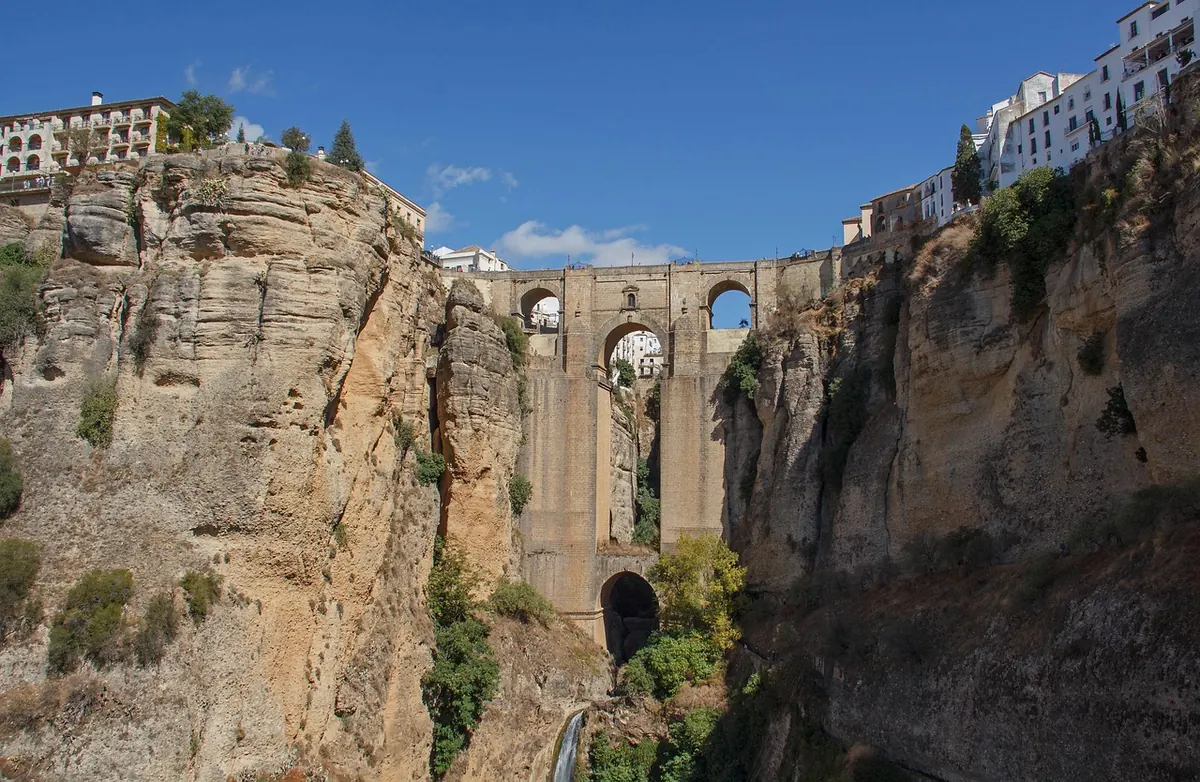
A white town perched on a cliff, split by a deep gorge spanned by the dramatic Puente Nuevo bridge. Allow a full day, about an hour from Marbella.
Standing on the Puente Nuevo, you look straight down into the gorge, more than 100 metres deep, with the white town perched on the cliffs. Come early or stay overnight to avoid the tour buses.
9. Caminito del Rey
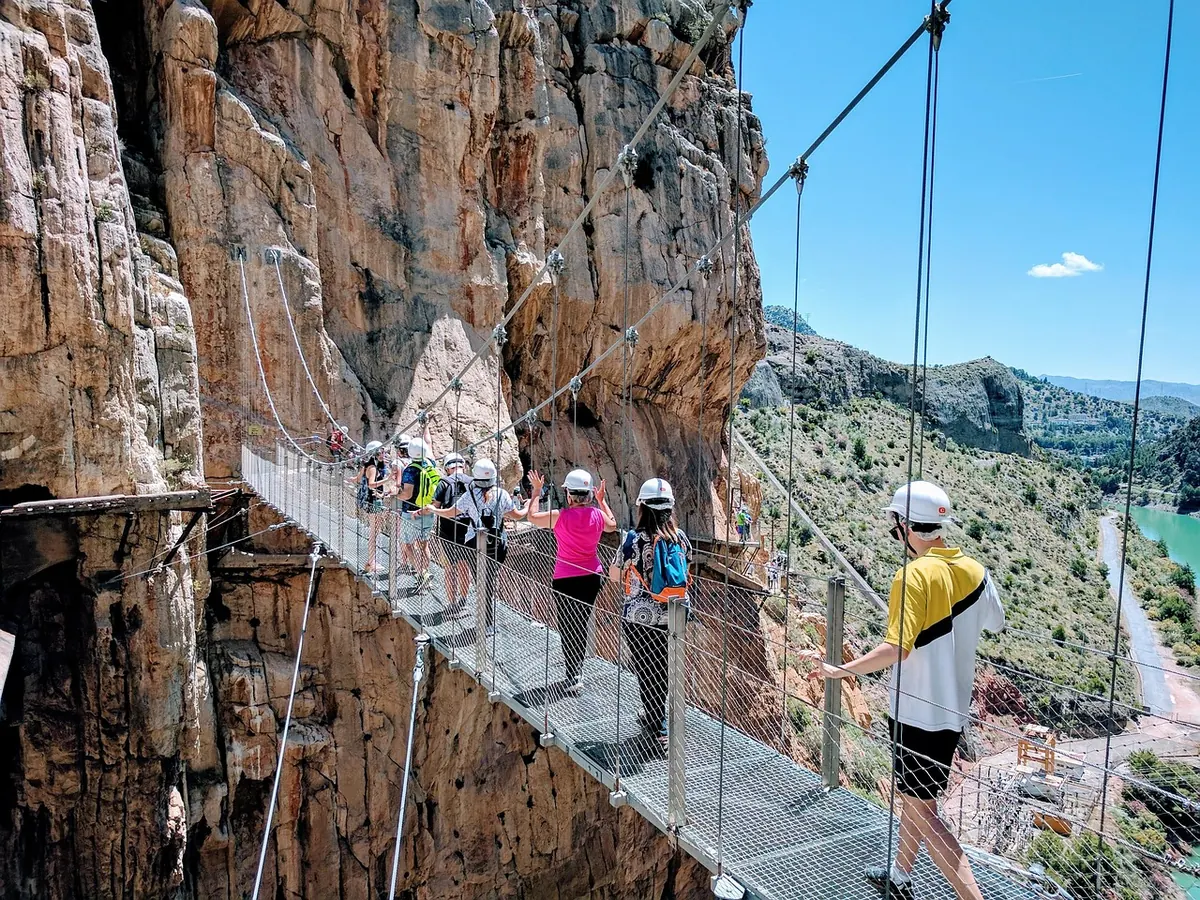
A once-infamous walkway pinned to the walls of a narrow gorge, now a safe, spectacular trail with timed tickets. Book well ahead.
The boardwalk clings to the side of the gorge, with the river roaring far below and the rock walls rising above. It's exhilarating but safe – book tickets well in advance.
10. Nerja and its caves
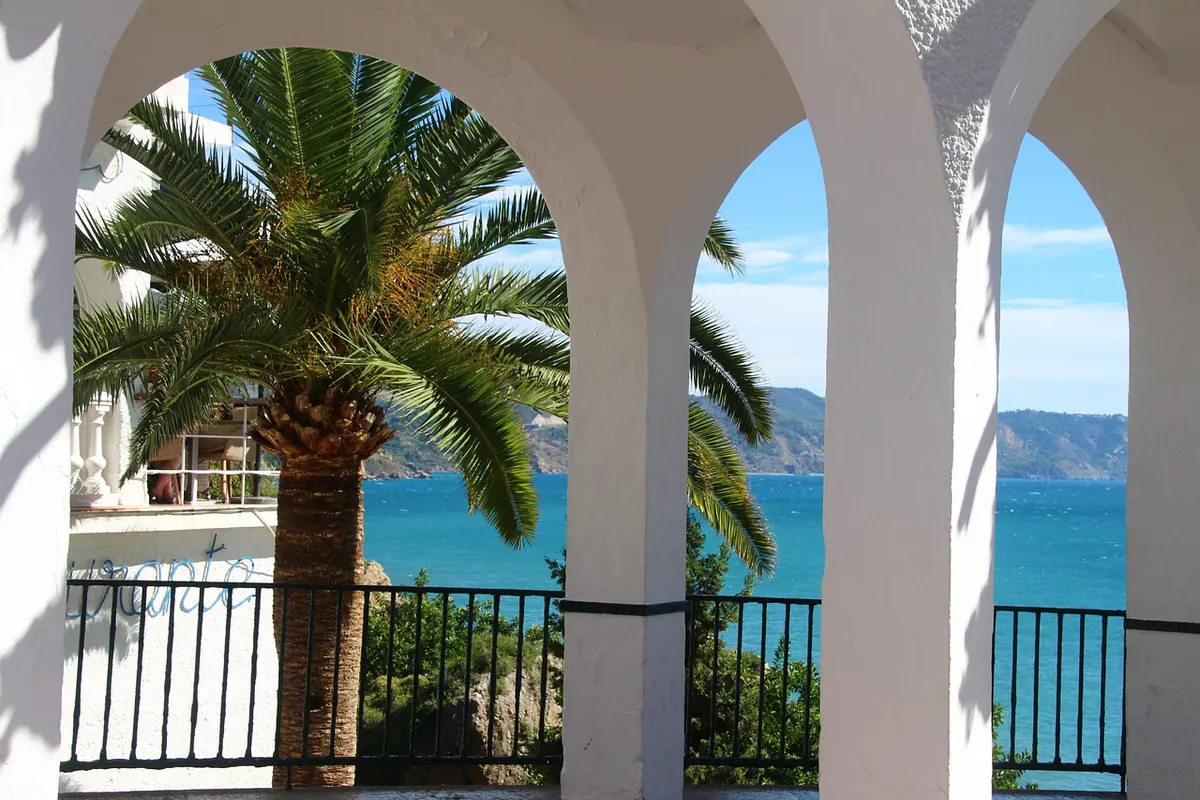
East of Málaga, Nerja has the "Balcony of Europe" viewpoint, pretty coves and vast caves with remarkable rock formations.
From the Balcón de Europa, the sea sparkles in every direction. In the caves below the town, enormous stalactites and stalagmites form a cathedral of stone.
11. Mijas Pueblo
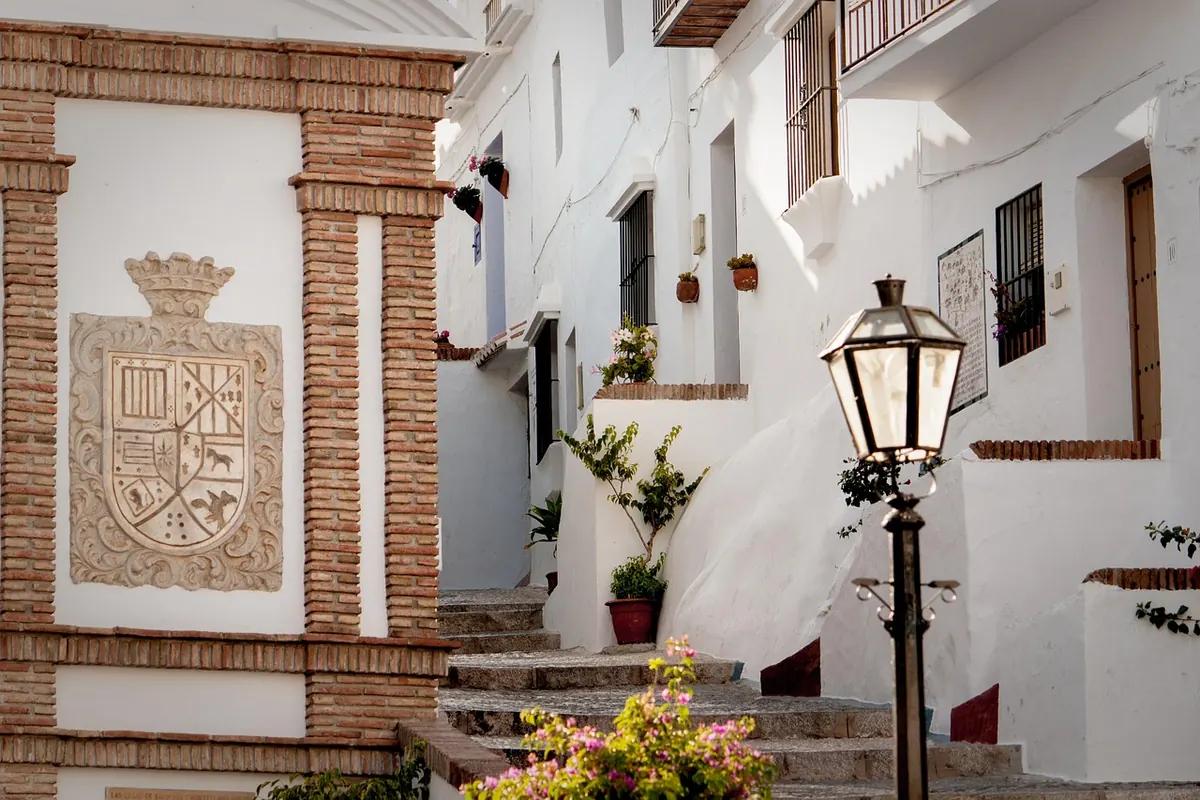
A classic Andalusian white village in the hills above Fuengirola, with views across the coast.
A white village on the mountainside, with views down to the coast, cobbled streets and pots of red geraniums on every wall.
12. Gibraltar
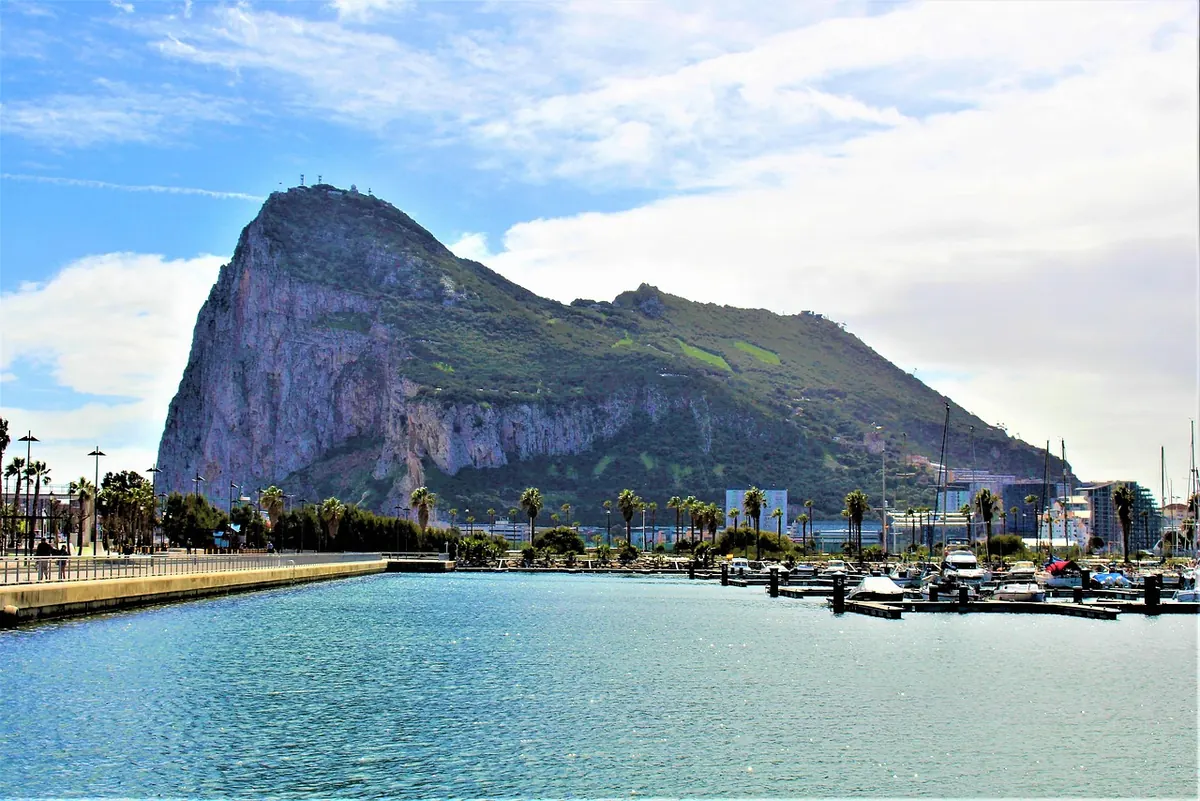
The British territory and its famous Rock, with Barbary macaques and a cable car, makes an unusual day trip – bring your passport.
The cable car climbs to the top of the Rock, where Barbary macaques sit on the walls – watch your bags and snacks, as they steal. The view across to Africa is breathtaking.
When to visit
The Costa del Sol has more than 300 days of sunshine a year. July and August are hot and busy, with the liveliest beach clubs and nightlife. May, June, September and October offer warm sea and fewer crowds. Winter is mild – often around 16–18°C – making it popular for golf and long stays, though the sea is cool.
Where to stay
| Area | Atmosphere | Best for |
|---|---|---|
| Marbella old town | Historic, walkable | Couples, culture |
| Golden Mile & Puerto Banús | Luxury hotels, marina | Luxury, nightlife |
| Nueva Andalucía | Golf, villas | Golfers, families |
| Estepona | Traditional, quieter | Couples, families, value |
| Málaga city | Culture, food | City break plus beach |
| Nerja | Cliffs, coves | Couples, scenery |
Golf
The Costa del Sol is nicknamed the "Costa del Golf", with dozens of courses within easy reach of Marbella – especially in Nueva Andalucía's "Golf Valley". Winter and spring are the main golf seasons; book tee times in advance.
Getting there and around
Málaga Airport is the gateway to the whole coast. Trains run from the airport to Málaga and along part of the coast to Fuengirola; buses connect Marbella and Estepona. A hire car is best for day trips inland. Continue to Granada for the Alhambra – about two hours by road.
Frequently asked questions
How far is Marbella from Málaga Airport?
About 50 km – roughly 40–50 minutes by car, depending on traffic. Buses also connect the airport with Marbella.
When is the best time to visit the Costa del Sol?
May, June, September and October are warm and less crowded than high summer. Winters are mild and sunny, ideal for golf, walking and city trips.
Do I need tickets for the Caminito del Rey?
Yes. Visits are by timed ticket, and helmets are provided. Book well ahead on the official website, especially at weekends and in spring and autumn.
Is Marbella expensive?
Puerto Banús and the Golden Mile are among Spain's most expensive areas, but Marbella's old town, Estepona and Málaga offer good-value restaurants and hotels.
Keep reading
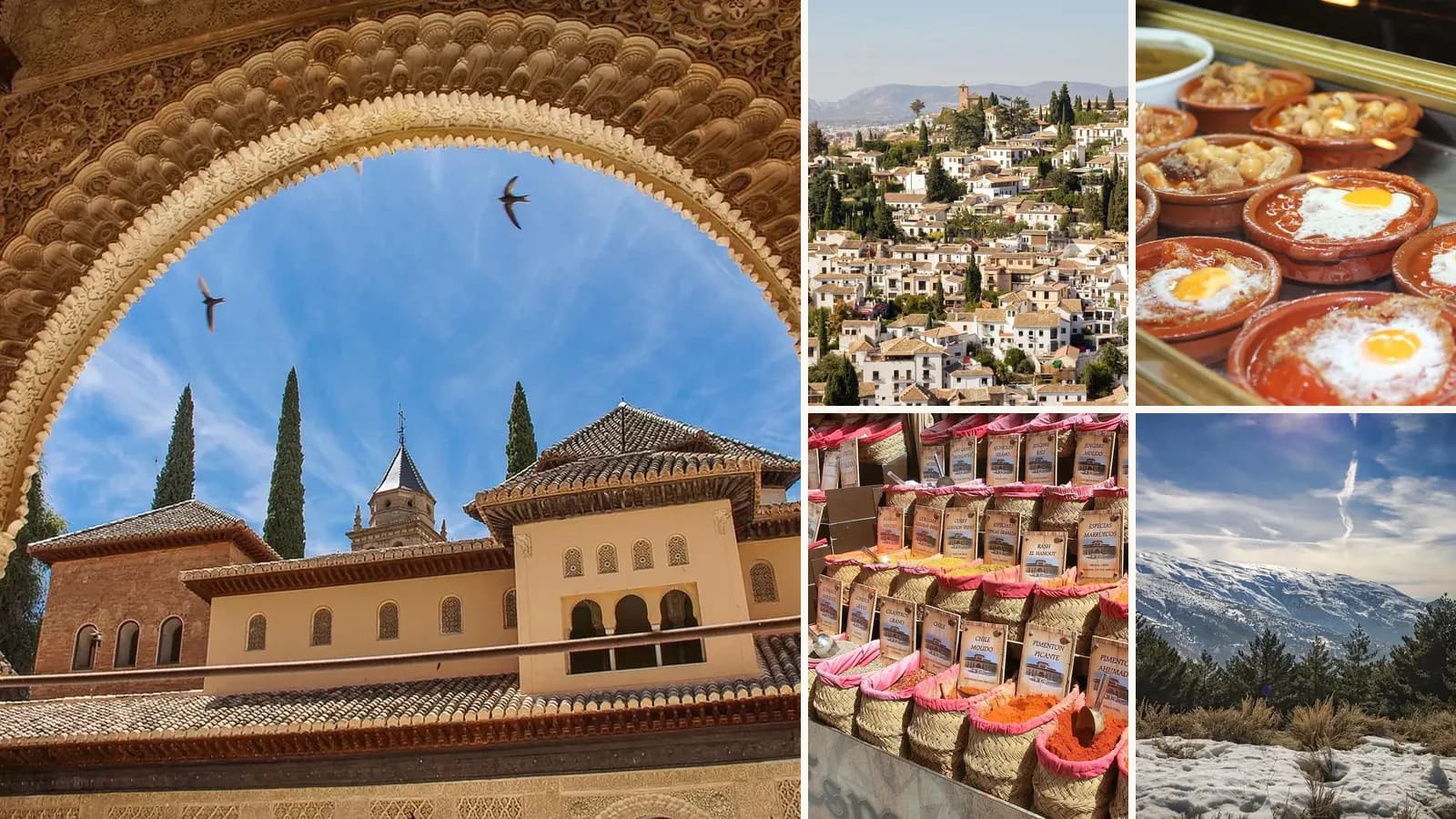
A Local's Guide to Granada: 10 Top Tips
How to get Alhambra tickets, the best sunset viewpoint, free tapas, real flamenco in Sacromonte and more – a local's guide to Granada, Spain.
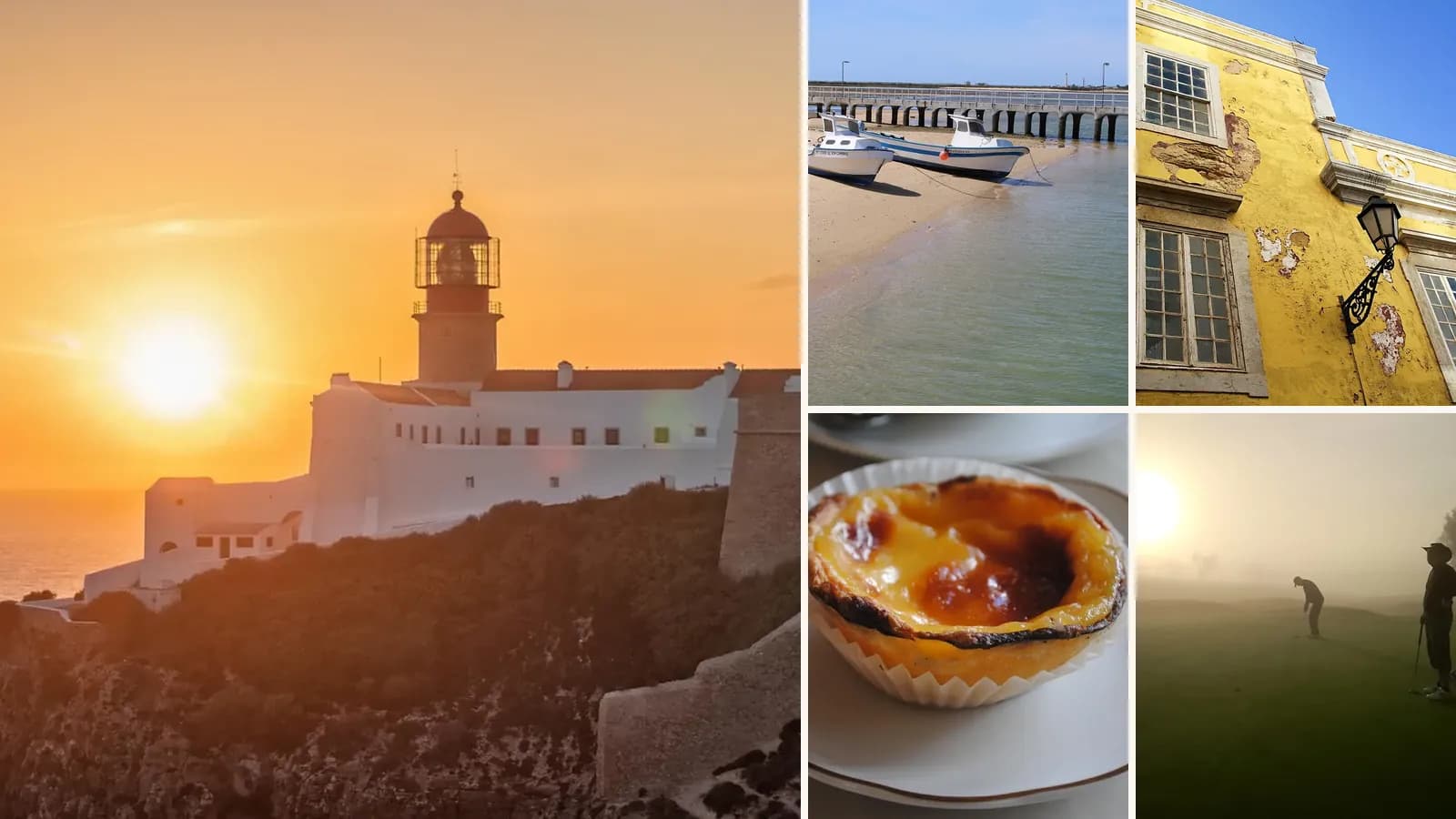
The Algarve Bucket List: 20 Things to Do in Portugal's Paradise
Benagil Cave, Ponta da Piedade, the Seven Hanging Valleys, Ria Formosa islands, piri-piri chicken and sunset at Cape St Vincent – 20 best things to do in the Algarve.
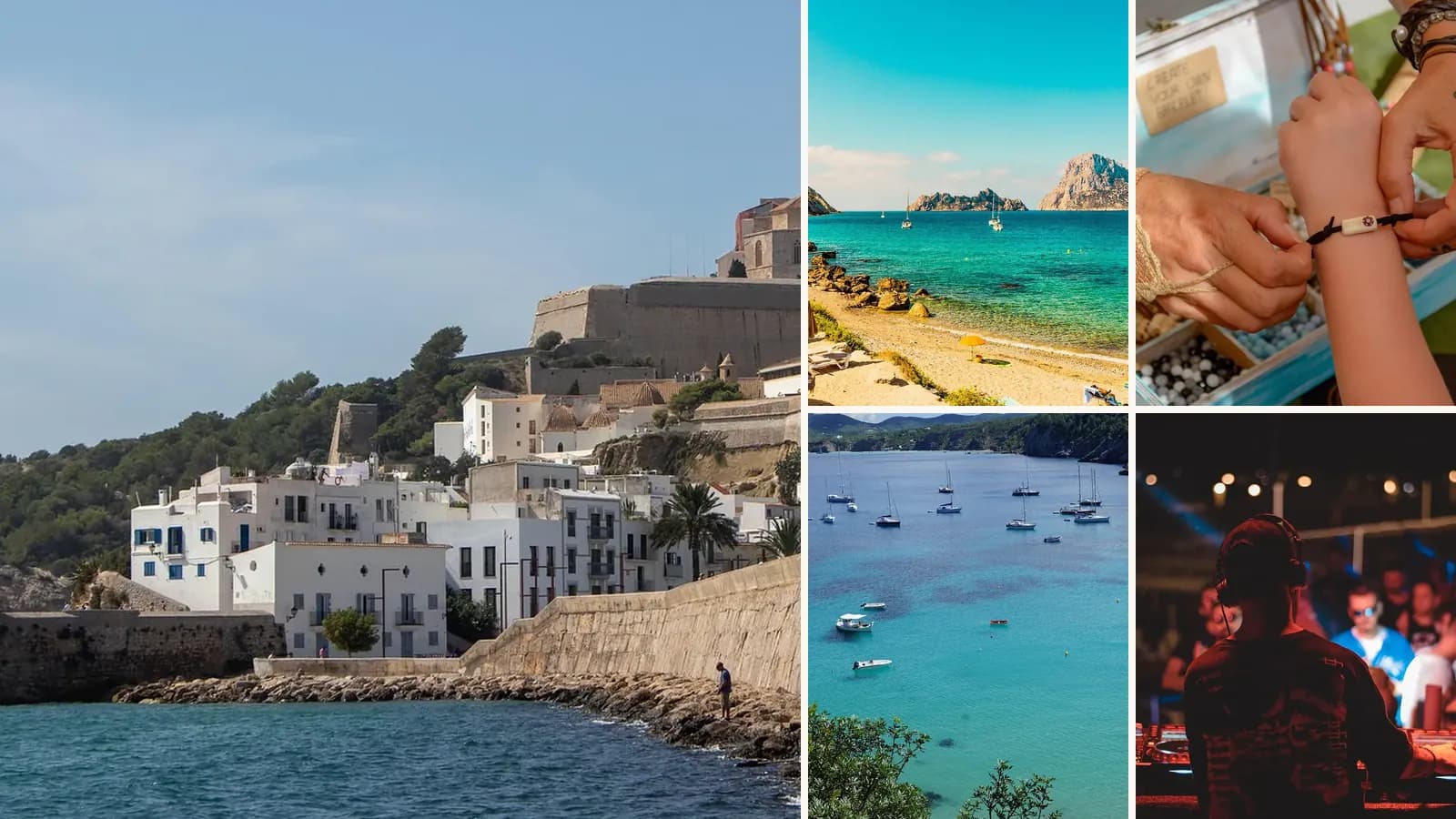
Ibiza Beyond the Clubs: 10 Best Things to Do on the White Isle
Dalt Vila, hidden coves, Es Vedrà at sunset, hippy markets, Formentera and the quiet north – the best things to do in Ibiza, beyond the superclubs.
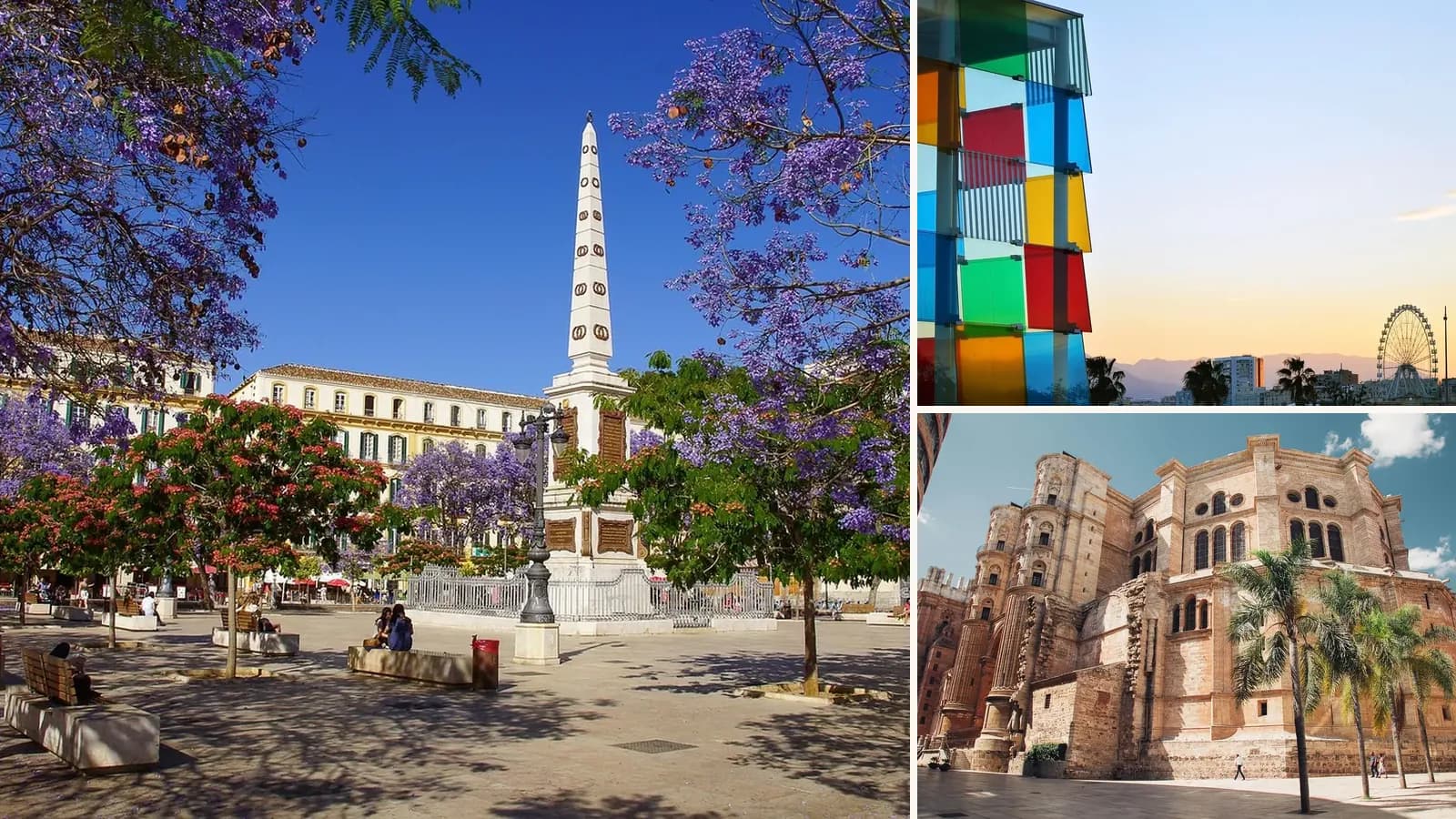
Málaga for Art Lovers: The Best Museums and Galleries
The Picasso Museum and his birthplace, the Carmen Thyssen, the Centre Pompidou, the Museo de Málaga and the Soho street art district – Málaga's best art.