Estepona: The Costa del Sol Town Where Spaniards Go on Holiday
Flower-filled streets, a long sandy seafront, murals, a lively port and easy day trips to Gibraltar and Ronda – why Estepona is the Costa del Sol's prettiest town.

Some links in this guide are partner links: if you buy through them we may earn a small commission, at no extra cost to you. It never affects what we recommend. How we make money
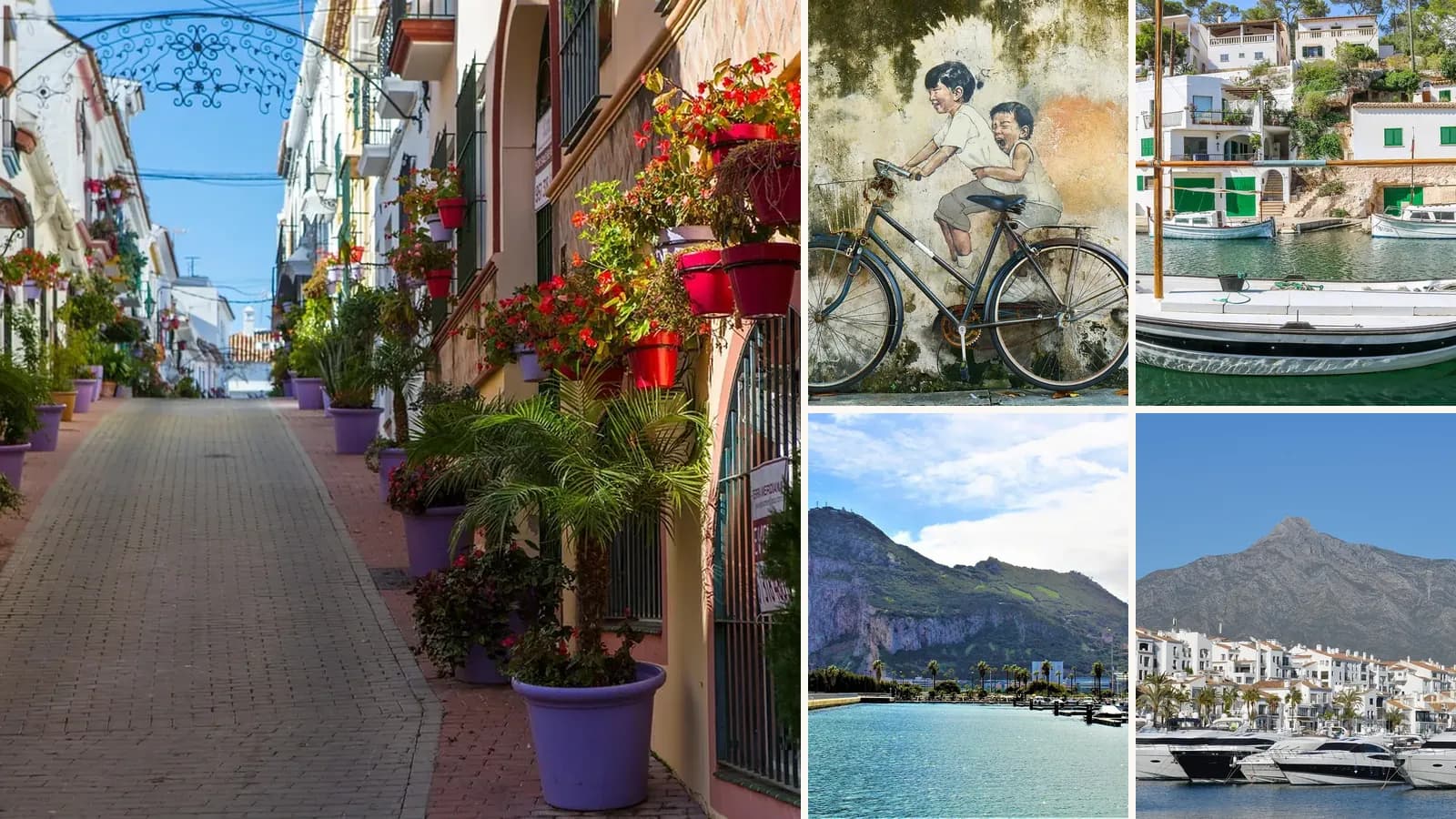
West of Marbella, the Costa del Sol's high-rises give way to something more traditional. Estepona has kept the feel of an Andalusian pueblo blanco: whitewashed lanes hung with hundreds of flowerpots, plazas shaded by orange trees and a seafront where Spanish families stroll in the evening. It's nicknamed "the Garden of the Costa del Sol" – and it's a favourite with Spanish holidaymakers, who come for its beaches, food and relaxed pace.
Estepona has around 20 km of coastline, a working fishing port, a growing collection of giant murals and easy access to Gibraltar, Ronda and the white villages of the mountains. This guide covers the best things to do, day trips, when to go, where to stay and how to get there.
Estepona at a glance
| Quick facts | |
|---|---|
| Best time to visit | May–June and September–October; winter is mild and sunny |
| How long to stay | 3–4 days for the town and beaches; a week with day trips |
| Nearest airports | Málaga (about an hour) and Gibraltar (about 45 minutes) |
| Getting around | On foot in town; car, bus or tours for day trips |
| Best for | Couples, families, food lovers, a quieter Costa del Sol |
Things to do
1. Get lost in the old town
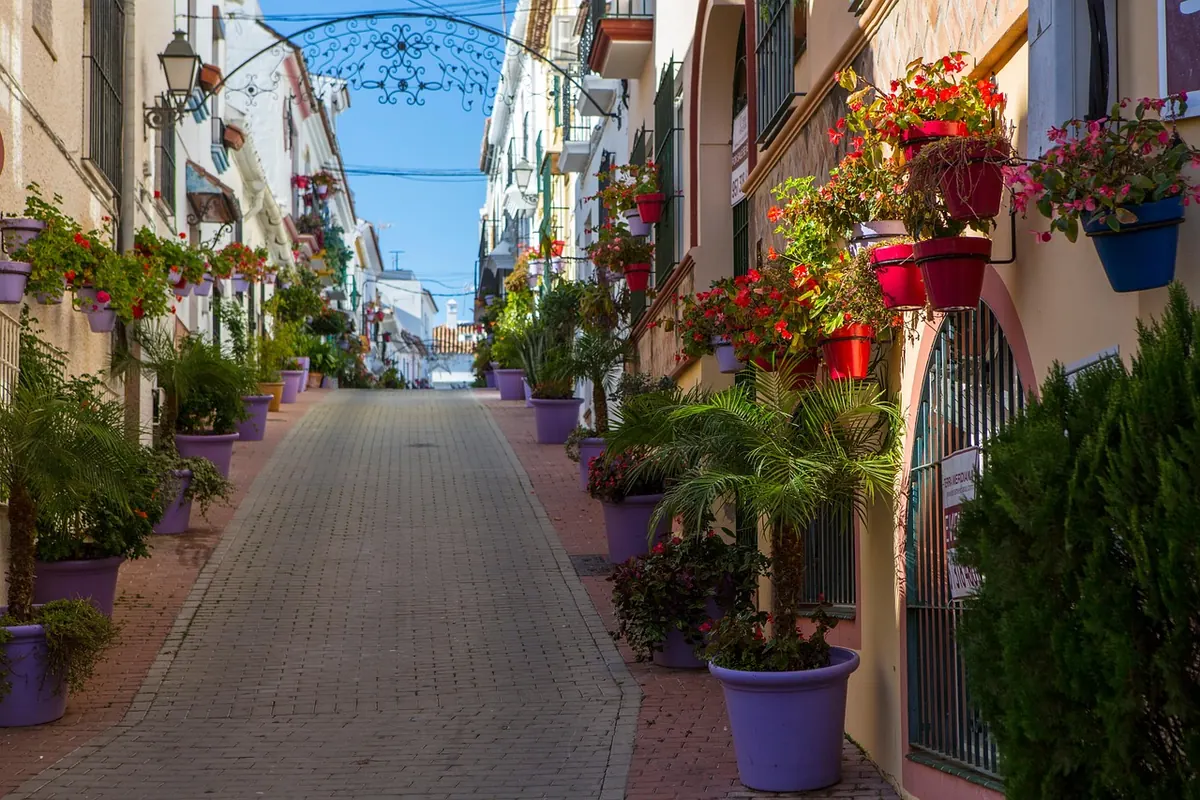
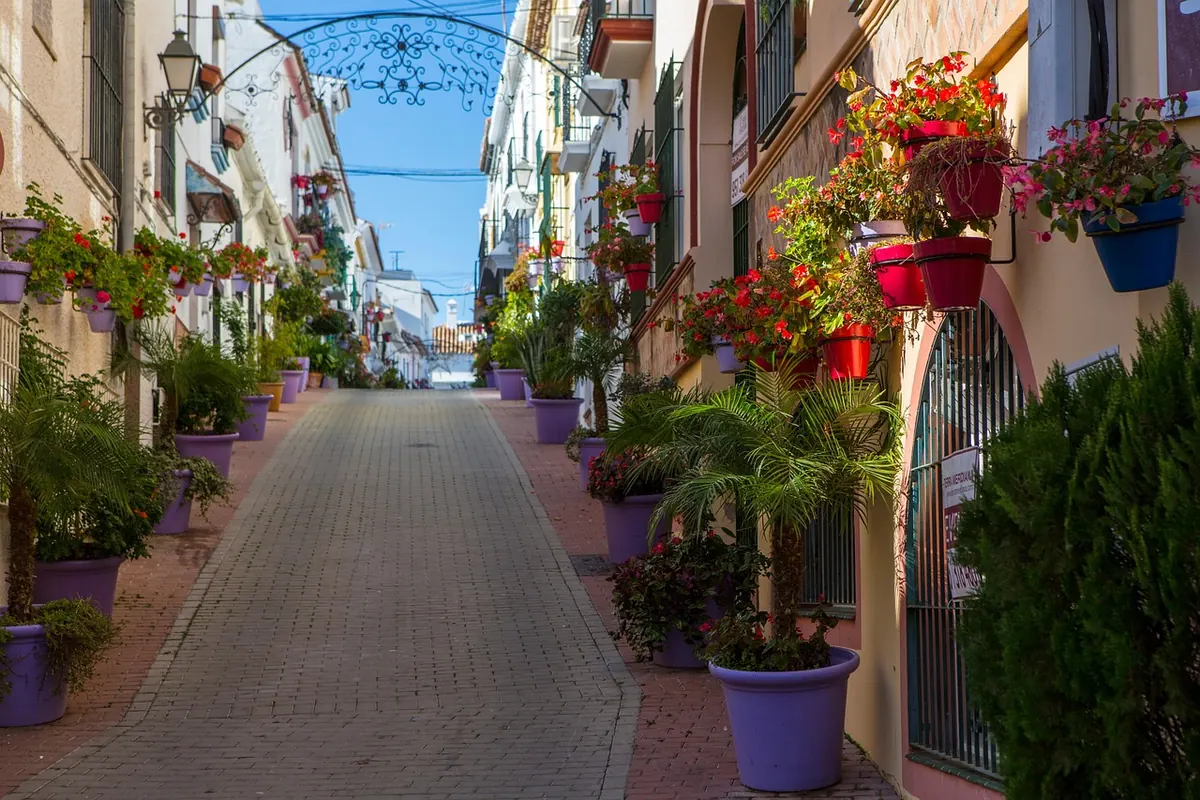
The historic centre is a maze of narrow streets painted white, with flowerpots lining the walls – many streets have their own colour of pots, and the town holds a competition for the best-decorated street. Start at Plaza de las Flores, the main square with its fountain and cafés, and wander towards the Church of Nuestra Señora de los Remedios and the remains of the castle and watchtower.
Look out for the small tiled plaques with poems on the walls – Estepona calls itself a "city of poetry". The old town is at its best in the early morning and the evening, when locals sit outside their doors.
Every street is lined with whitewashed houses and hundreds of flower pots, each street with pots in its own colour – walk slowly and take photos.
2. Walk the Paseo Marítimo
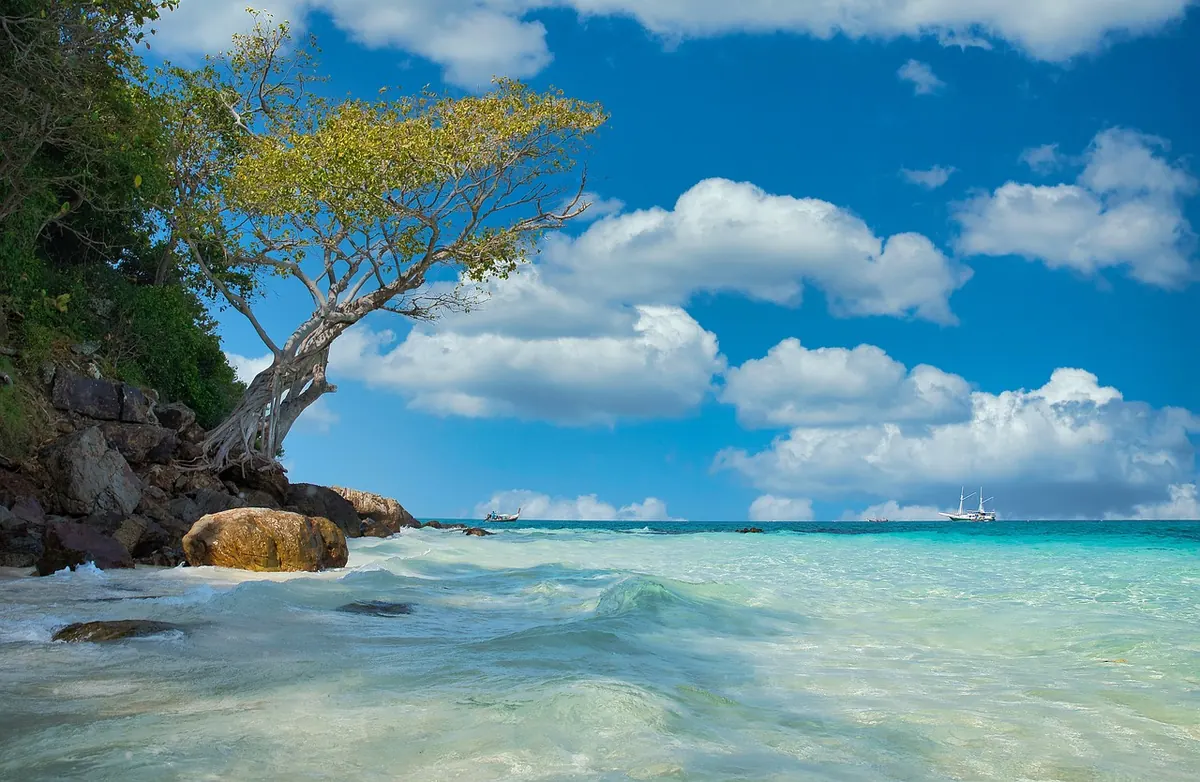
A long promenade runs beside La Rada beach, lined with palm trees, cafés, ice-cream shops and fish restaurants (chiringuitos). It's flat and car-free – perfect for walking, jogging and cycling – and at its best in the early evening, when Spanish families come out for their paseo.
The promenade runs alongside the beach, with views to Gibraltar and Africa on clear days, and in the evening the whole town comes out for a stroll.
3. Follow the mural route

Dozens of huge murals cover the sides of apartment blocks around the town as part of a project that has turned Estepona into an open-air gallery. They range from flowers and landscapes to portraits and scenes of local life. The tourist office has a map of the route, which also takes you through quieter residential neighbourhoods.
Huge murals cover the walls of buildings around the town, turning a walk into a treasure hunt for art.
4. Visit the Orchid House
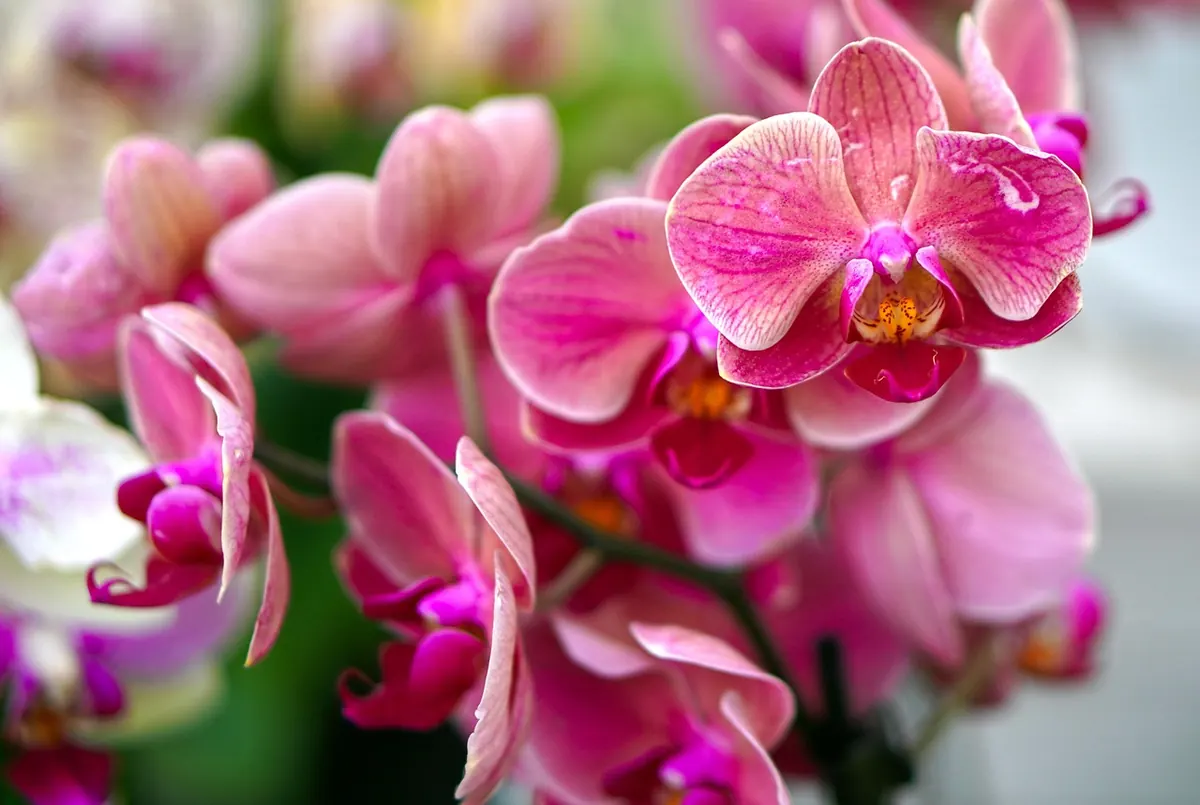
The Orquidario, a striking glass dome in the town centre, houses thousands of orchids from around the world, a waterfall and tropical plants – one of the largest orchid collections in Europe. It's a peaceful escape on a hot afternoon. Check opening hours before you go.
Under a glass dome, a waterfall cascades among thousands of orchids, and the air is warm and humid – a peaceful green escape.
5. Relax on the beaches
La Rada is the main town beach: long, sandy and with gentle water, sunbeds and lifeguards in summer. El Cristo, a small, sheltered cove to the west near the marina, is popular with families because the water is calm and shallow. The beaches towards Casares and Guadalmansa are long and quieter. Many chiringuitos serve espetos – sardines grilled on skewers over an open fire.
The beaches are long and relaxed, with chiringuitos serving grilled sardines on skewers and cold drinks right on the sand.
6. Eat at the port
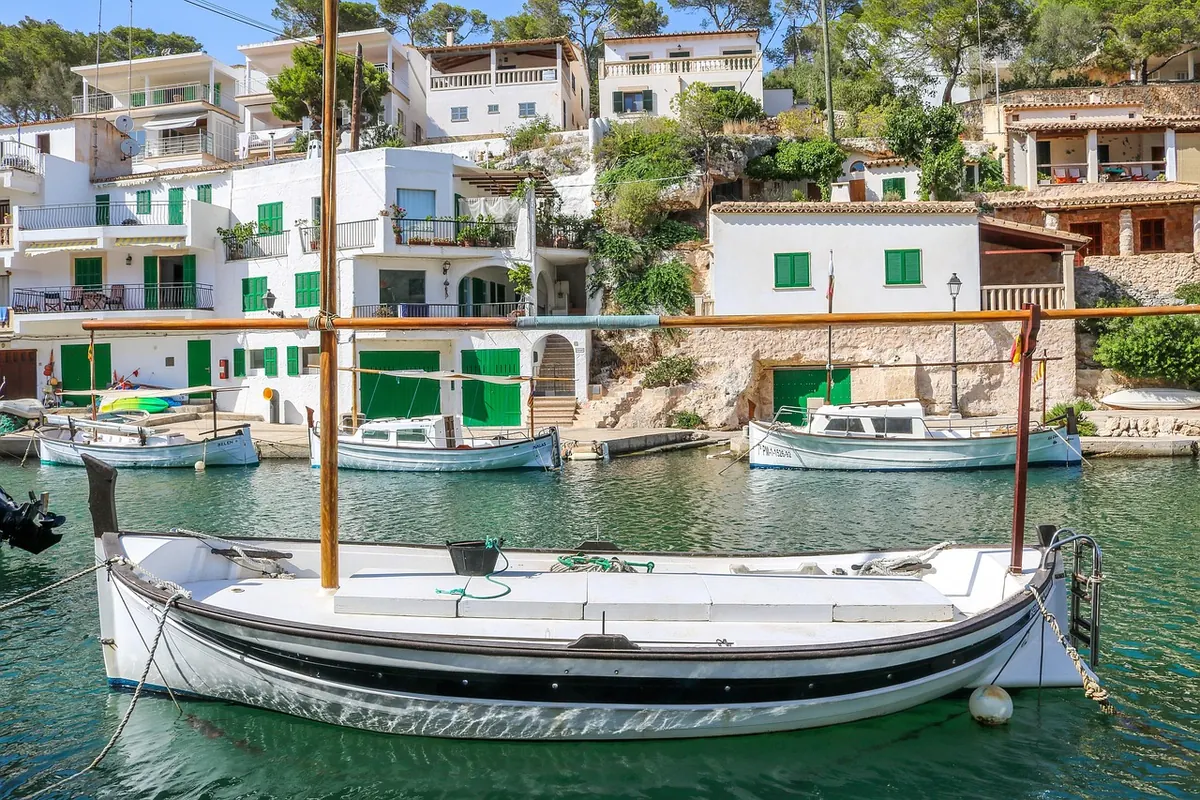
Estepona's working fishing port has a daily fish market and a row of restaurants serving fried fish (pescaíto frito), grilled sardines and seafood rice. Next to it, the marina has bars and restaurants with views of the yachts. A large market is held near the port on Sunday mornings.
Fishing boats unload at the port, and nearby restaurants serve the day's catch – fresh, simple and good value.
Day trips
7. Gibraltar
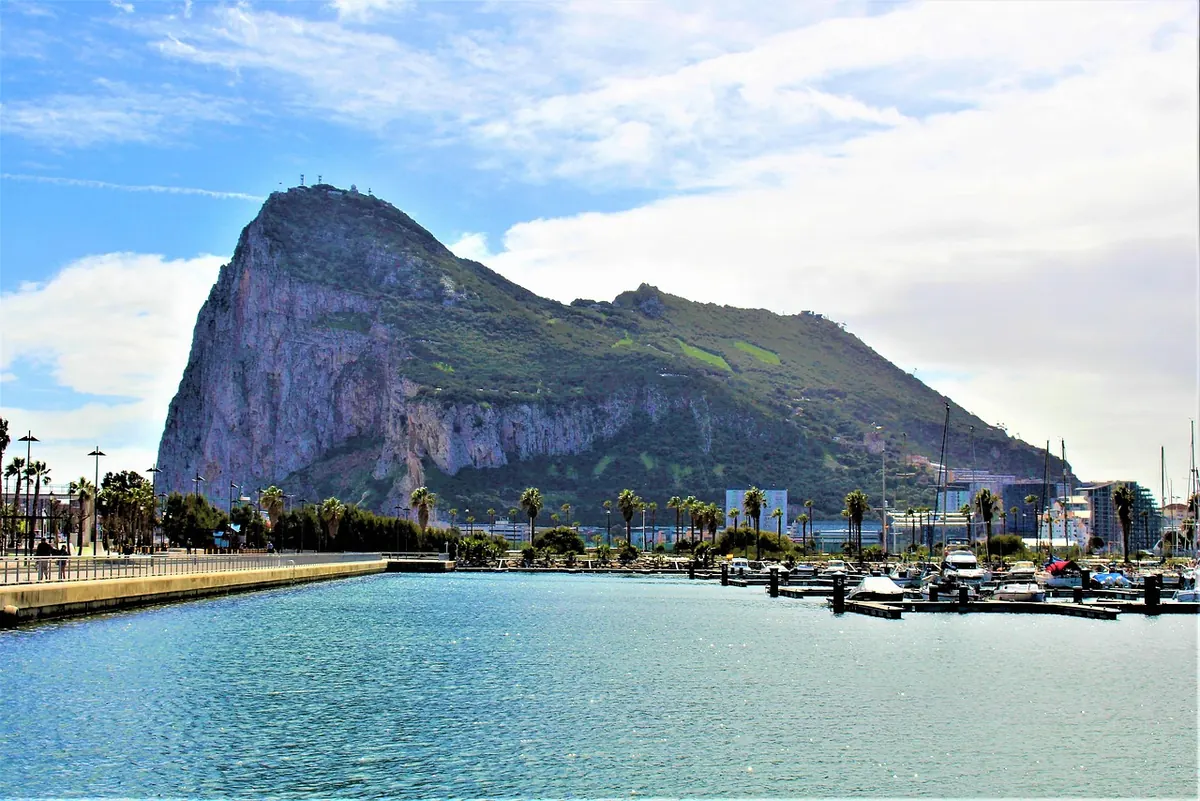
The Rock is around 45 minutes away by road. Take the cable car or a tour up the Rock to see the Barbary macaques and the views over the strait to Africa, then explore Main Street. Bring your passport – Gibraltar is a British Overseas Territory with its own border controls.
Watch the macaques at the top of the Rock and look across the strait to Africa – just watch your bags and snacks.
8. Ronda and the white villages
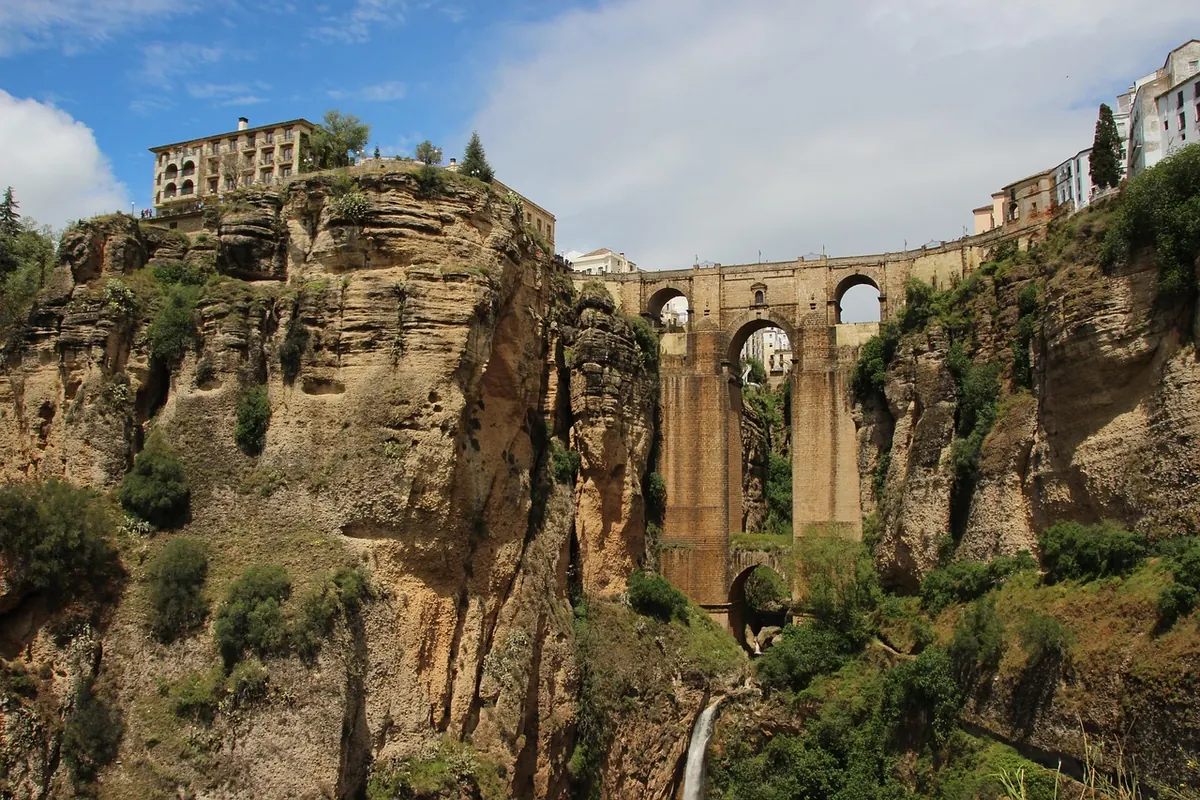
A winding mountain road leads from the coast to Ronda, famous for its dramatic gorge and the Puente Nuevo bridge, about an hour and a quarter away. On the way, stop at white villages such as Casares, perched on a hilltop with a ruined castle, and Gaucín, with views to Africa on clear days.
The road climbs into the mountains, past white villages perched on hillsides, before the gorge of Ronda opens up below the old bridge.
9. Marbella and Puerto Banús
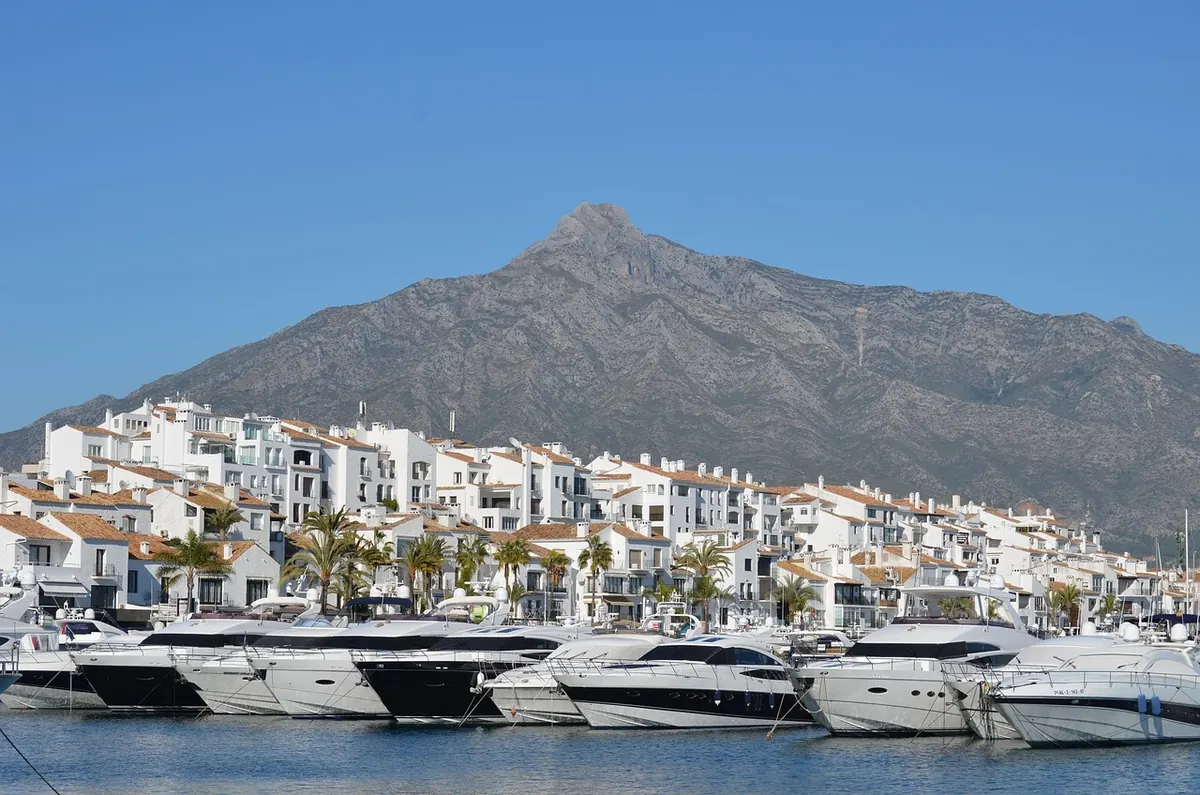
Just 20–30 minutes east, Marbella's old town, with its Plaza de los Naranjos, and the luxury marina of Puerto Banús make an easy evening out. See our Marbella and Costa del Sol guide.
The flower-filled old town of Marbella and the superyachts of Puerto Banús are just a short drive away.
When to visit
Estepona enjoys around 300 days of sunshine a year. Summer (June–August) is hot and busy with Spanish families; May, June, September and October are warm and quieter. Winter is mild – often around 16–18°C during the day – making it a popular escape from northern Europe, though the sea is cool.
Where to stay
- Old town: small hotels and apartments in the historic centre, walking distance to everything.
- Seafront (La Rada): beach hotels and apartments with sea views.
- Marina and El Cristo: close to restaurants and the calmest beach.
- Along the coast towards Marbella and Casares: larger resorts and golf hotels – a car is useful.
Food and drink
Try espetos de sardinas, pescaíto frito, gazpacho and ajoblanco (a cold almond soup), and finish with churros and hot chocolate. Tapas bars in the old town are cheaper and more local than the seafront.
Getting there
Most visitors fly into Málaga Airport, about 85 km and roughly an hour away. Gibraltar Airport is closer but has fewer flights. Buses run from Málaga and Marbella, but with luggage a pre-booked airport transfer or a hire car is the easiest way to reach your hotel. In town, everything in the centre is walkable, and local buses and taxis cover the rest.
Frequently asked questions
How far is Estepona from Málaga Airport?
About 85 km, usually around an hour by road. Gibraltar Airport is closer, roughly 45 km away, but has fewer flights.
Is Estepona better than Marbella?
Estepona is quieter, more traditional and usually cheaper, with a prettier old town. Marbella has more nightlife, beach clubs and luxury shopping. Many visitors stay in Estepona and visit Marbella for an evening.
Is Estepona good for families?
Yes. The beaches are long and sandy, the seafront promenade is flat and car-free, and the town has a relaxed, local feel.
Does Estepona have a sandy beach?
Yes. La Rada, the main town beach, is long and sandy, and El Cristo is a small sheltered sandy cove that's ideal for children.
Is Estepona good for a winter stay?
Yes. Winters are mild and sunny, the town stays open all year, and many visitors from northern Europe spend weeks or months there.
Keep reading
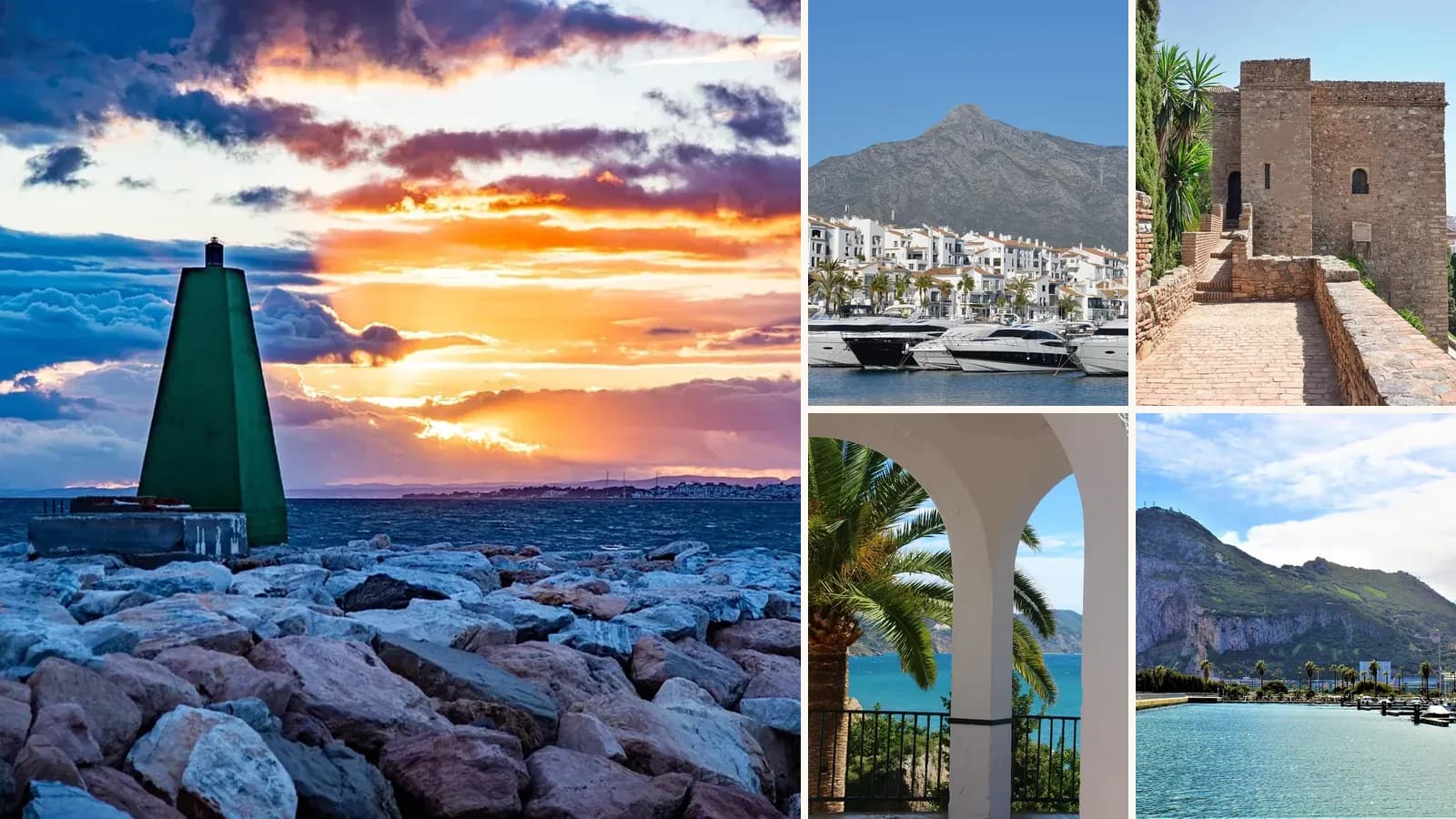
Marbella and the Costa del Sol: 12 Best Things to Do
Marbella's old town, Puerto Banús, beach clubs, Málaga, Ronda, Nerja's caves and Caminito del Rey – the best things to do on Spain's Costa del Sol.
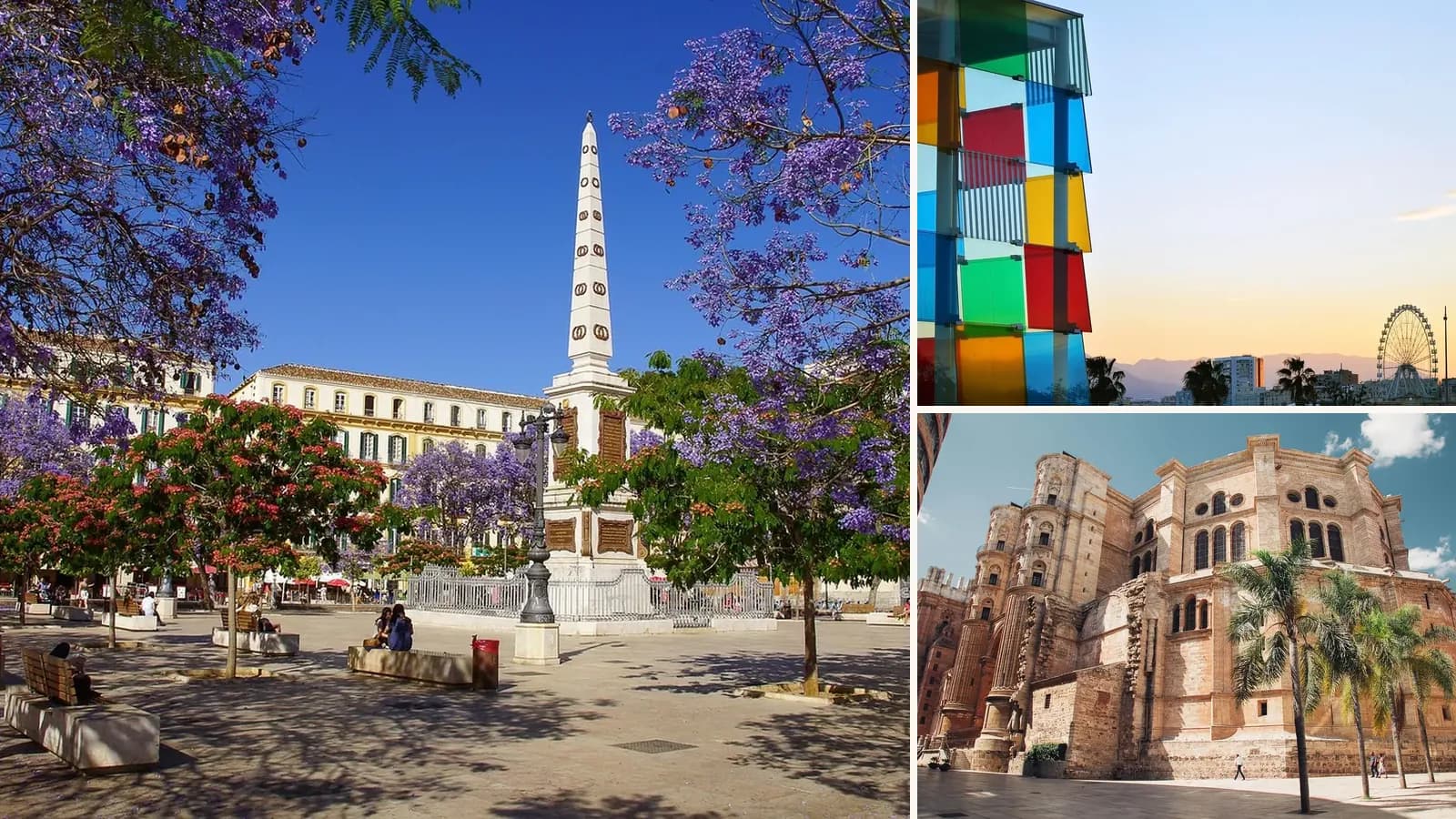
Málaga for Art Lovers: The Best Museums and Galleries
The Picasso Museum and his birthplace, the Carmen Thyssen, the Centre Pompidou, the Museo de Málaga and the Soho street art district – Málaga's best art.
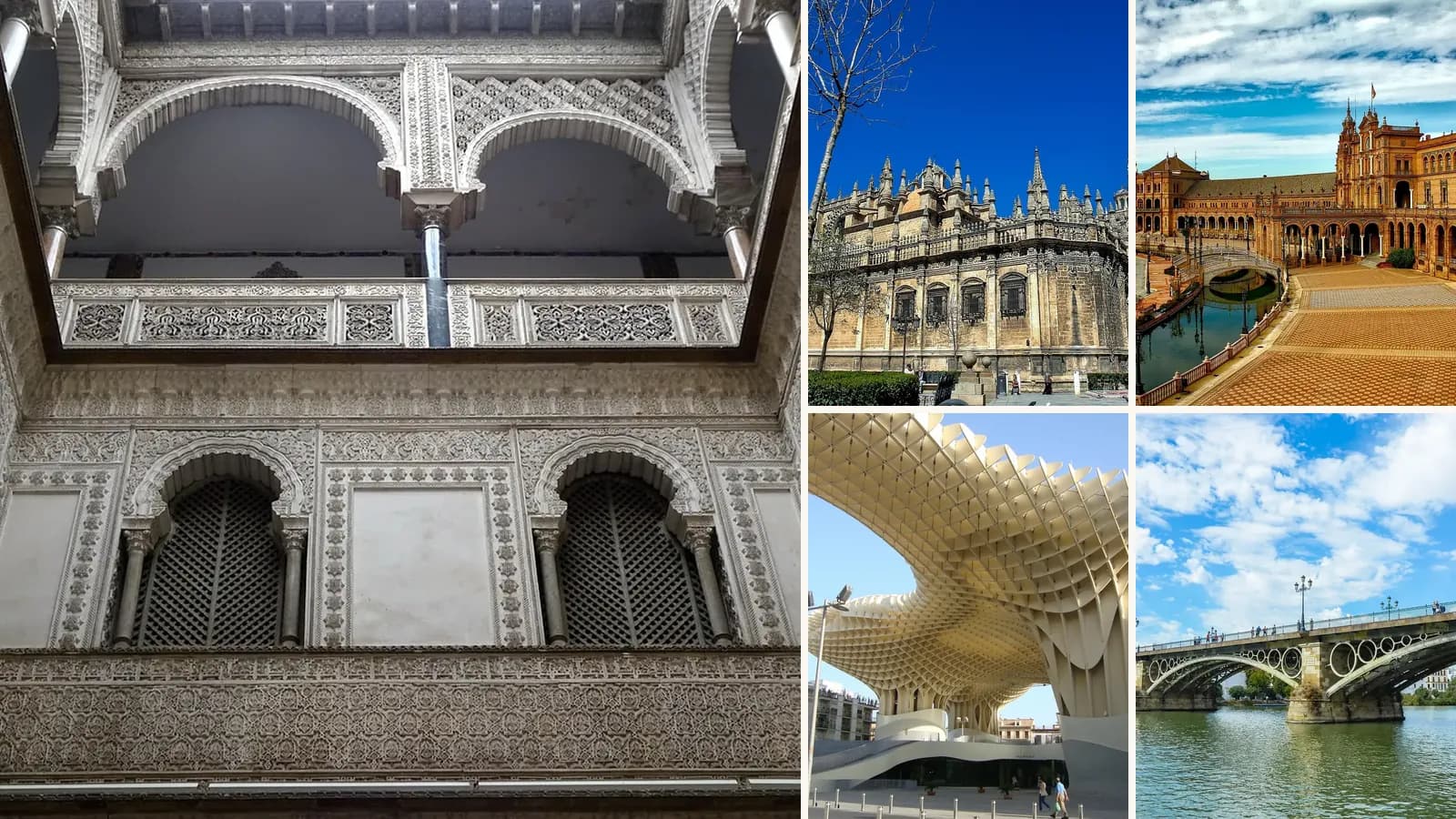
How to Enjoy Seville on a Budget: Sights, Tapas and Where to Stay
The Alcázar, the cathedral and Giralda, Plaza de España, Triana, free flamenco and cheap tapas – how to enjoy Seville without overspending.
Costa Brava Travel Guide: Coves, Medieval Villages and Dalí
Tossa de Mar, Calella de Palafrugell, Cadaqués, Girona and the Dalí museum – where to go on the Costa Brava, Catalonia's rugged coast between Barcelona and France.