Barcelona Travel Guide: 15 Best Things to Do, from Gaudí to Hidden Gems
The Sagrada Família, Park Güell, the Gothic Quarter, El Born, Montjuïc, the beaches and lesser-known gems – the best things to do in Barcelona, with booking tips.

Some links in this guide are partner links: if you buy through them we may earn a small commission, at no extra cost to you. It never affects what we recommend. How we make money
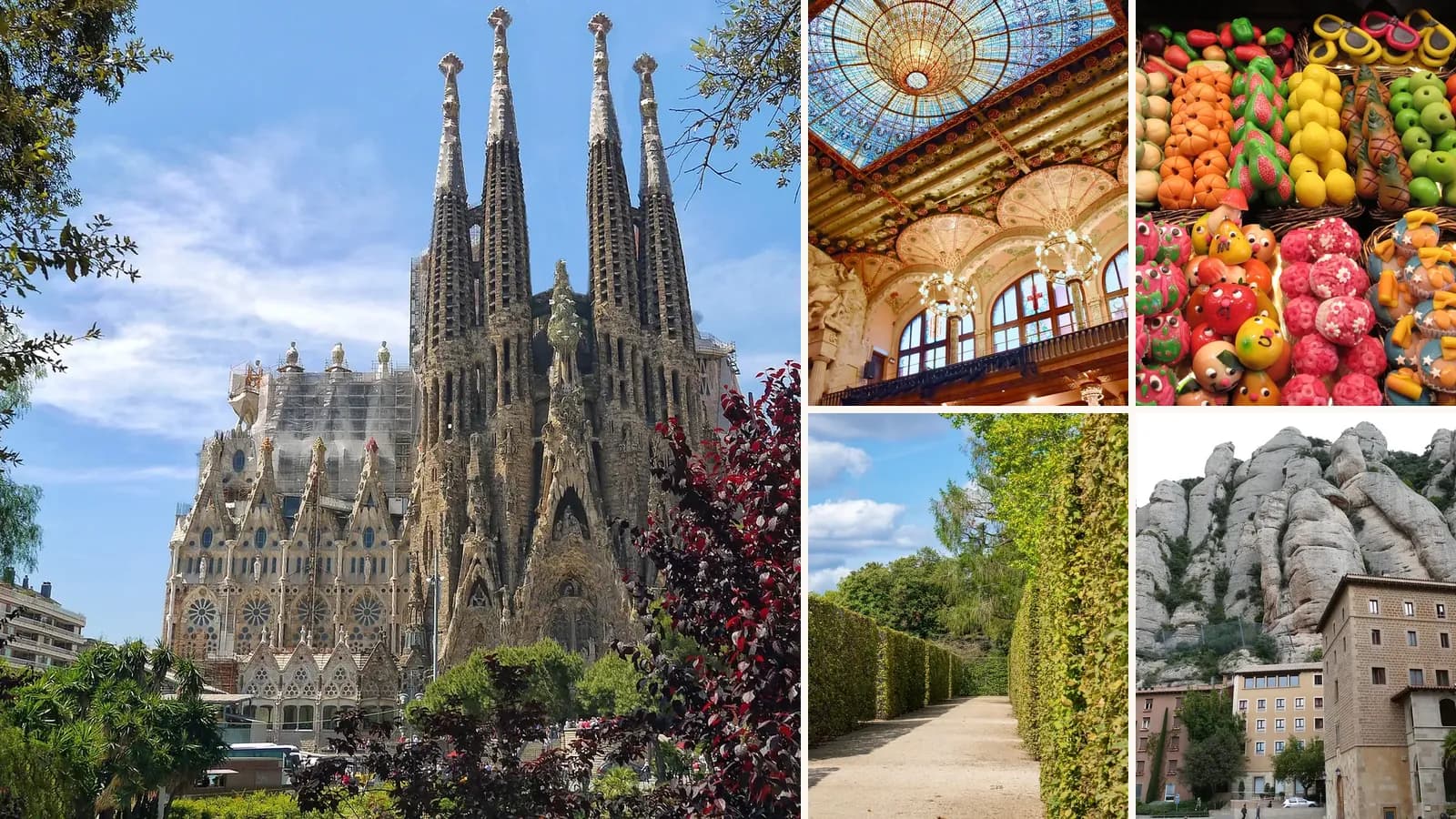
Barcelona has everything: Gaudí's extraordinary buildings, a medieval old town, city beaches, superb food and a buzzing street life that goes on late into the night. Here are the essential sights – plus the quieter corners most visitors miss.
Barcelona at a glance
| Quick facts | |
|---|---|
| Best time to visit | April–June and September–October |
| How long to stay | 3–4 days |
| Airport | Barcelona–El Prat, about 20–30 minutes from the centre |
| Getting around | Metro, buses, walking; taxis are reasonably priced |
| Best for | Architecture, food, beaches, nightlife, culture |
Gaudí and Modernisme
1. The Sagrada Família
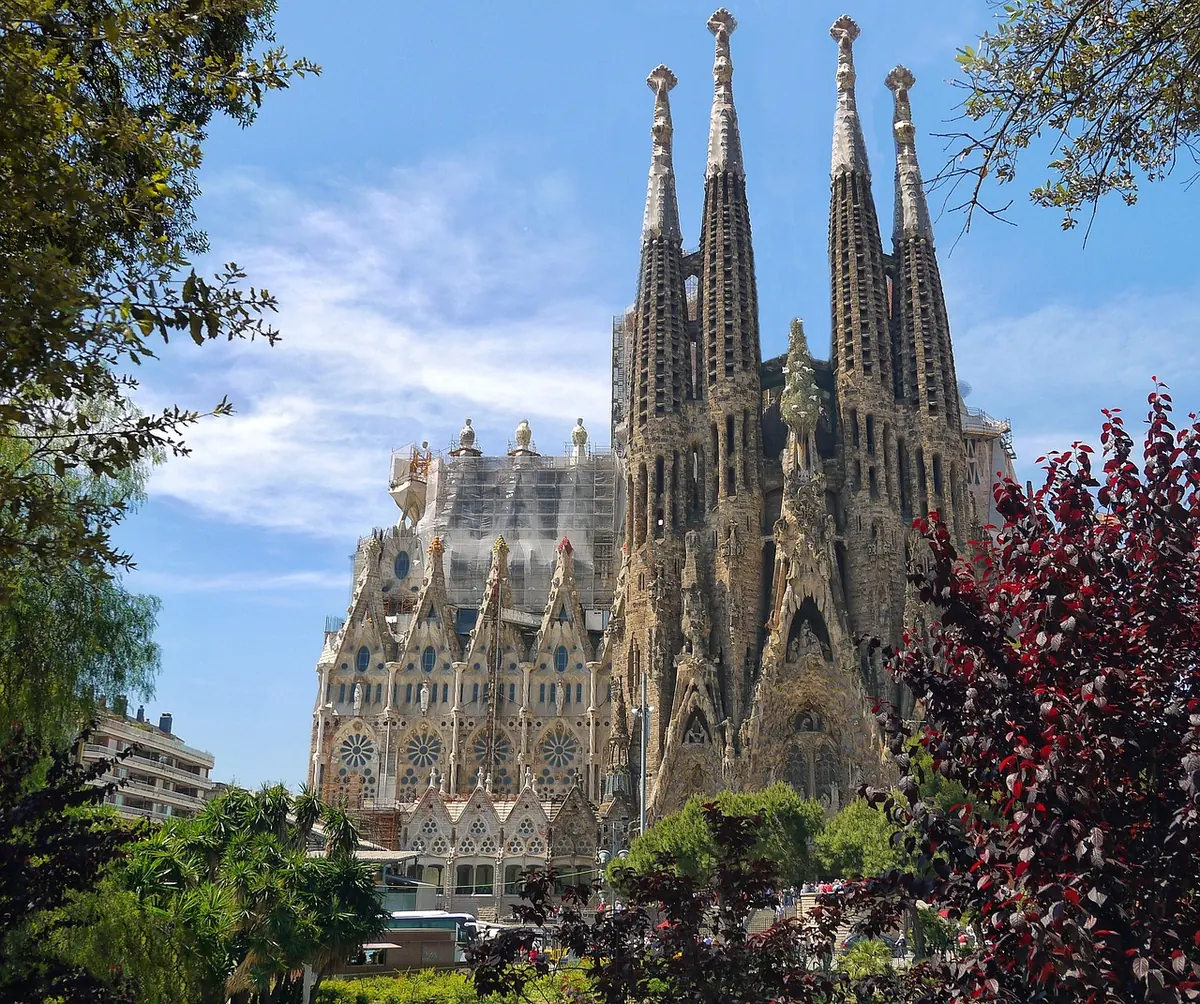
Gaudí's unfinished basilica is Barcelona's most famous landmark, with forest-like columns and stained glass that fills the interior with colour. Book a timed ticket on the official website.
Step inside and you're in a forest of stone: columns branch like trees towards the ceiling, and the light through the stained glass bathes the interior in blue and green on one side, orange and red on the other. Book your time slot online well in advance and come in the late afternoon for the warmest light.
2. Park Güell
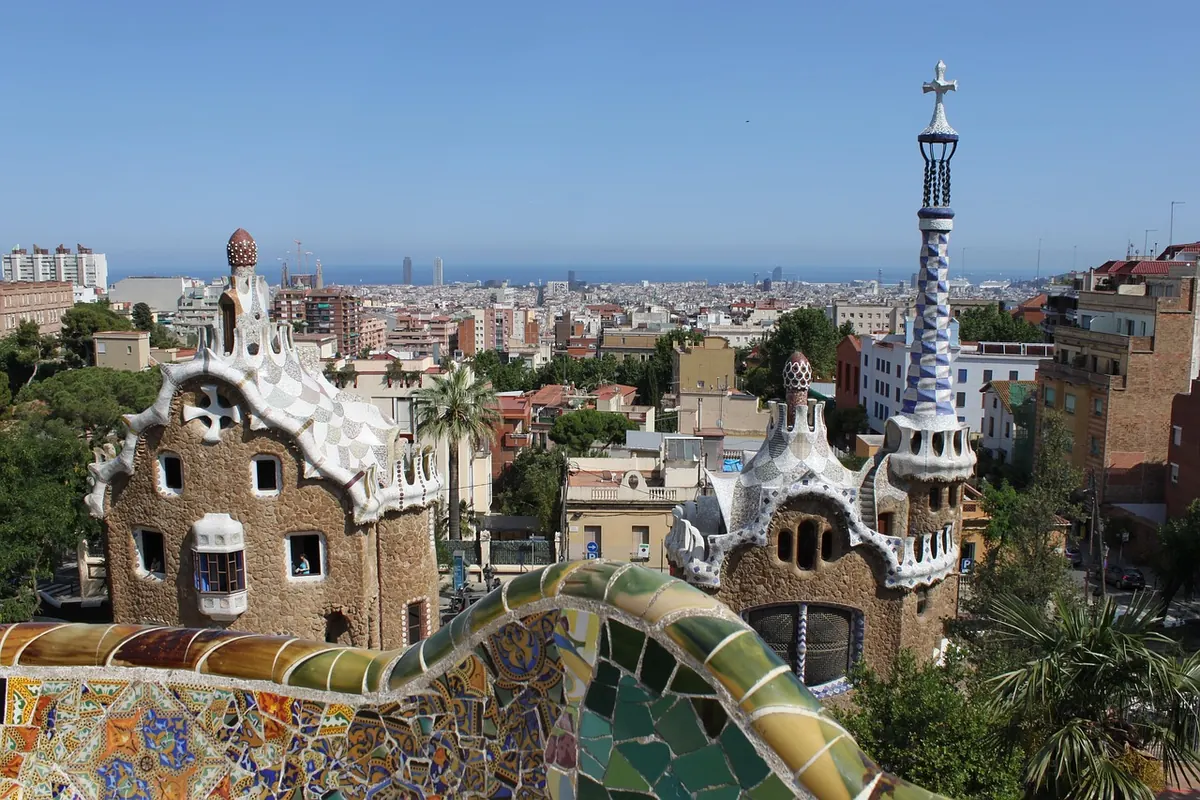
Gaudí's hilltop park has mosaic terraces, a famous lizard and views over the city. The monumental zone needs a timed ticket.
The mosaic dragon on the stairs, the wavy ceramic bench and the gingerbread-like houses at the entrance look like a dream. Timed tickets are essential, and the views over the city to the sea are best in the morning.
3. Casa Batlló and Casa Milà
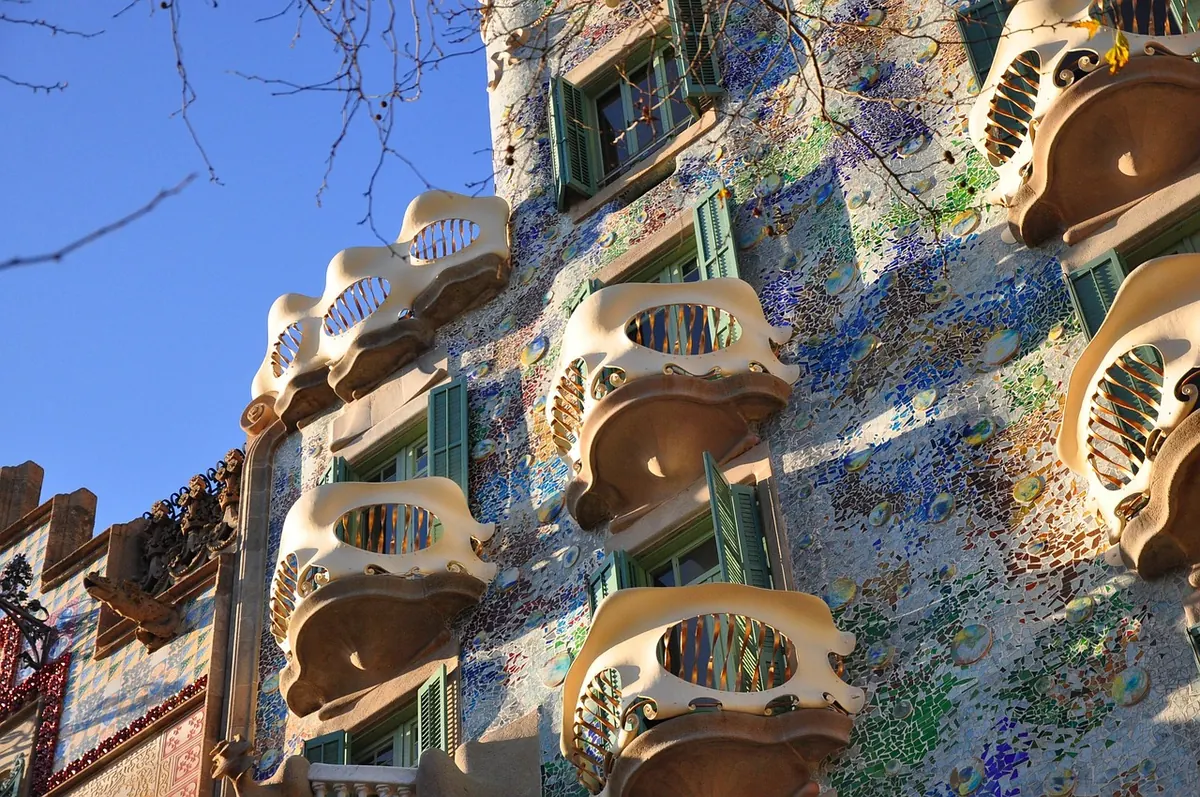
On the elegant Passeig de Gràcia, Casa Batlló's façade looks like a dragon's back, and Casa Milà (La Pedrera) has a rooftop of surreal chimneys.
Casa Batlló's facade shimmers like the scales of a dragon, while on the roof of Casa Milà, the chimneys look like warriors guarding the city. Inside, every curve and window feels alive.
4. Palau de la Música Catalana
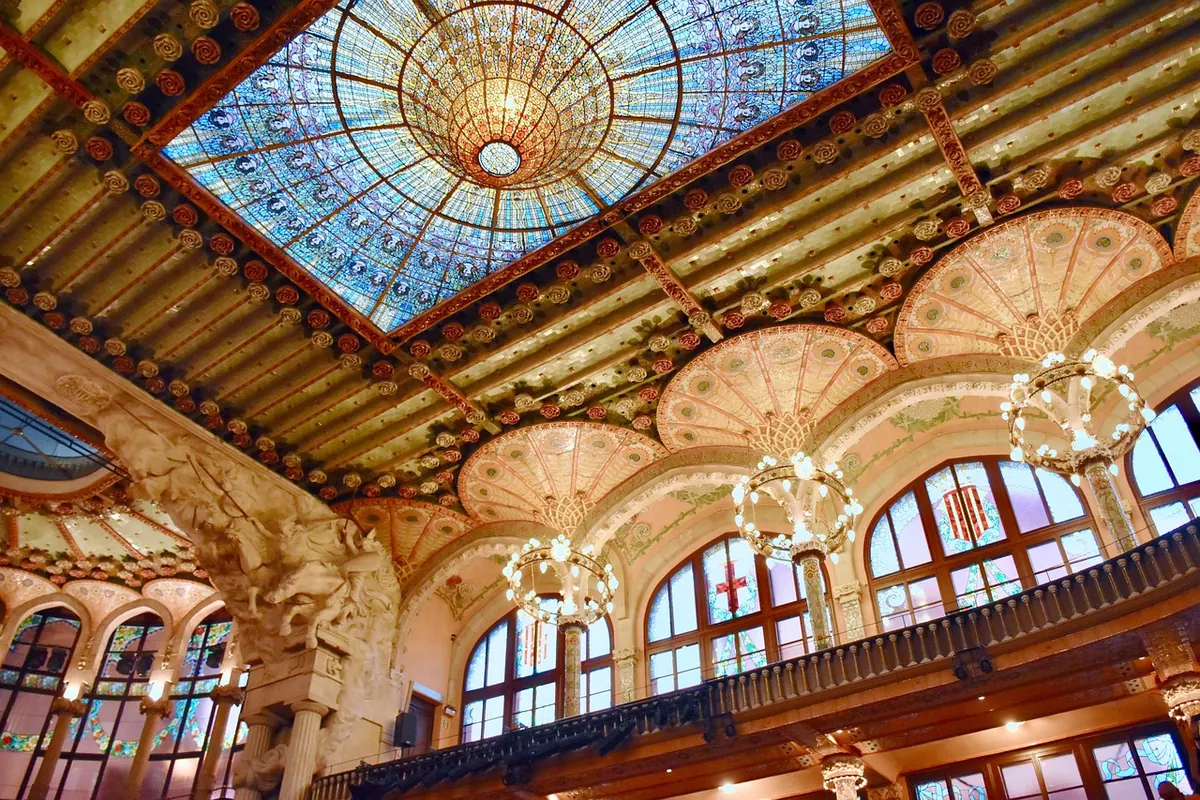
This concert hall is a riot of mosaics and stained glass. Take a guided tour or, better, attend a concert.
The concert hall is an explosion of colour – stained-glass skylights, mosaic muses and floral columns. Hearing a concert here is unforgettable; if you can't, take the guided tour.
The old city
5. Wander the Gothic Quarter
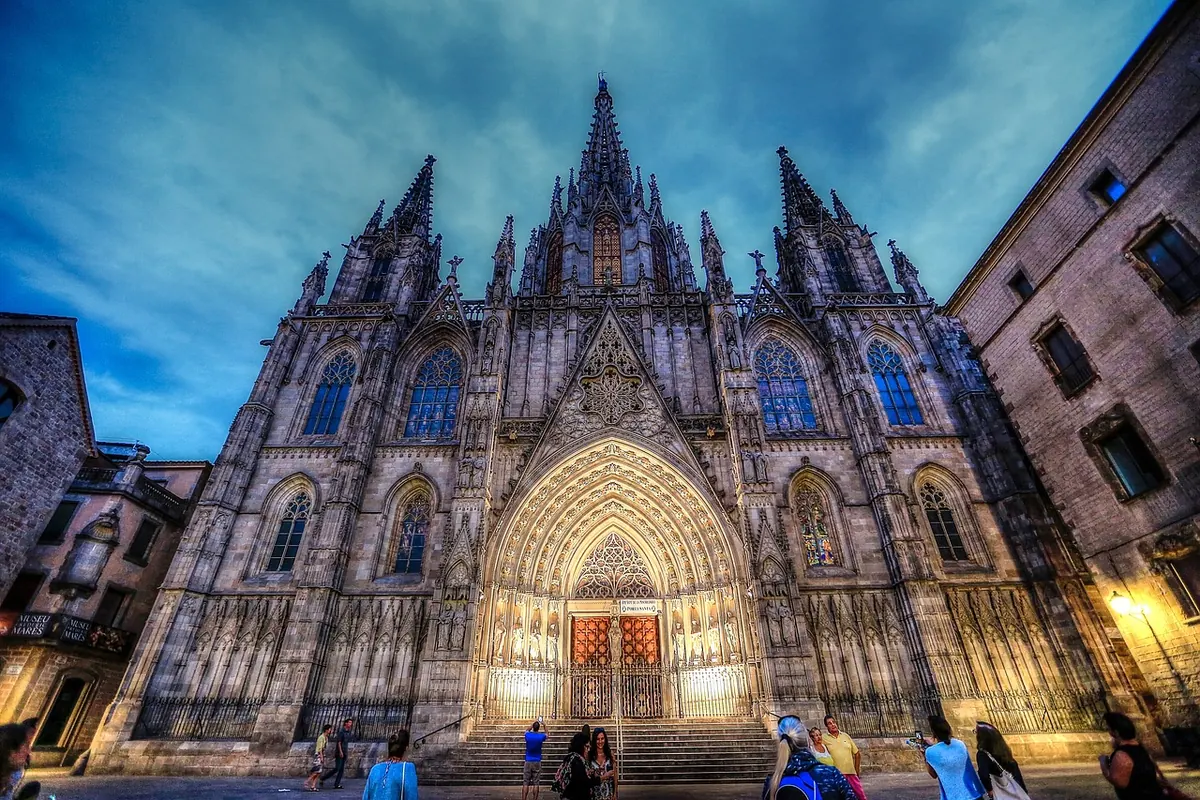
The Barri Gòtic is a maze of medieval lanes around the cathedral. Find the peaceful Plaça Sant Felip Neri and the Roman temple columns hidden in a courtyard.
The narrow lanes are cool and shady, with medieval stone walls, hidden squares and the sound of a street guitarist echoing off the cathedral. Keep an eye on your bag in the crowds.
6. Explore El Born
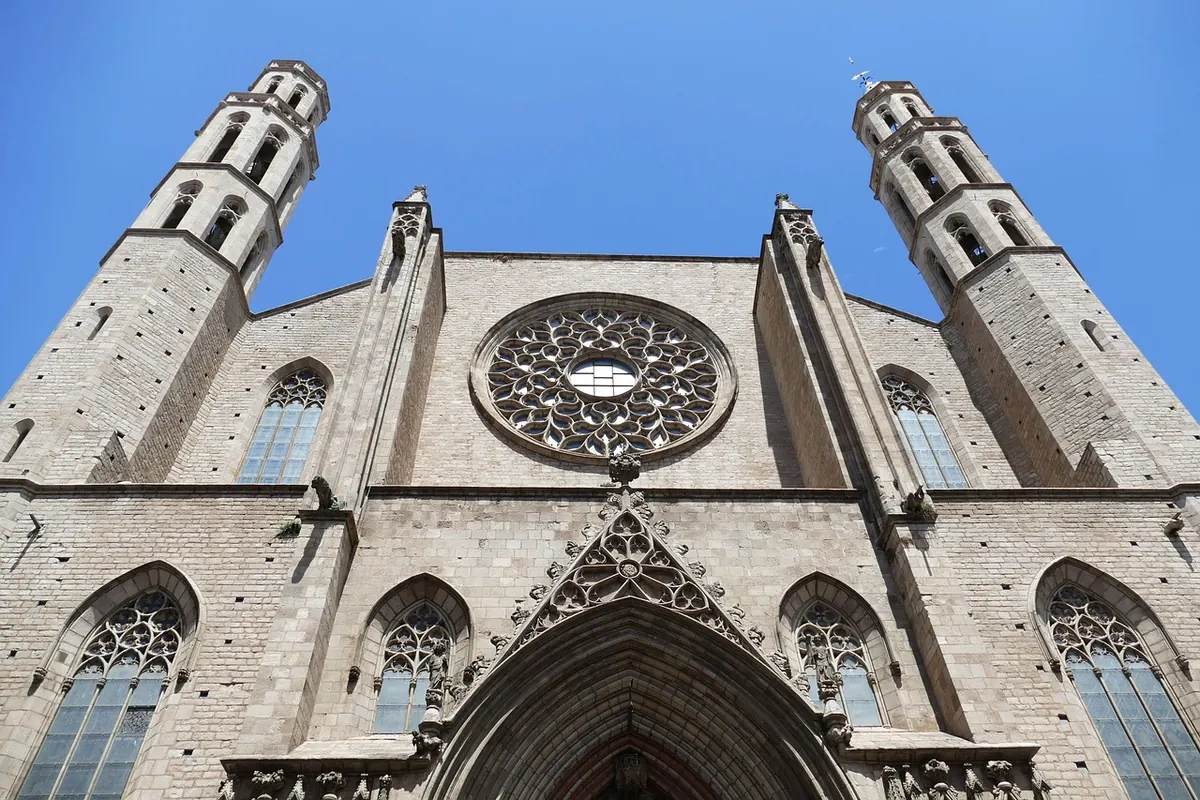
Trendy El Born has boutiques, tapas bars and the beautiful Gothic church of Santa Maria del Mar. The Picasso Museum is here too.
Craft shops, small galleries and tapas bars line the streets around the stunning Santa Maria del Mar church. In the evening, the bars fill up and the atmosphere is lively and relaxed.
7. Eat at La Boqueria – then find a local market
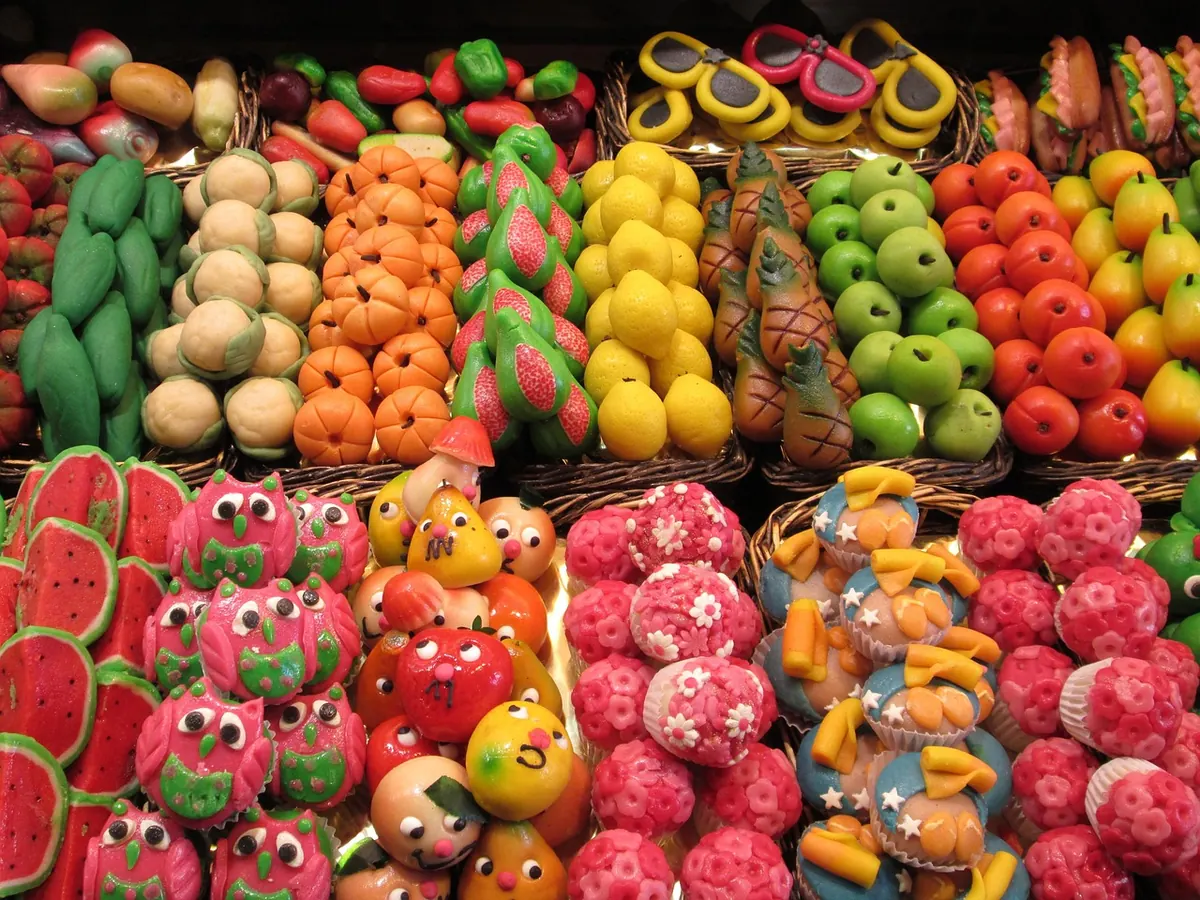
La Boqueria off Las Ramblas is famous but crowded. For a more local experience, try the Mercat de Santa Caterina or Mercat de Sant Antoni.
The colours and smells hit you at once: piles of fruit, legs of jamón, fresh fish on ice and the sizzle of the market bars. La Boqueria is busy and touristy; Santa Caterina or Sant Antoni feel more local.
Views and hidden gems
8. Bunkers del Carmel
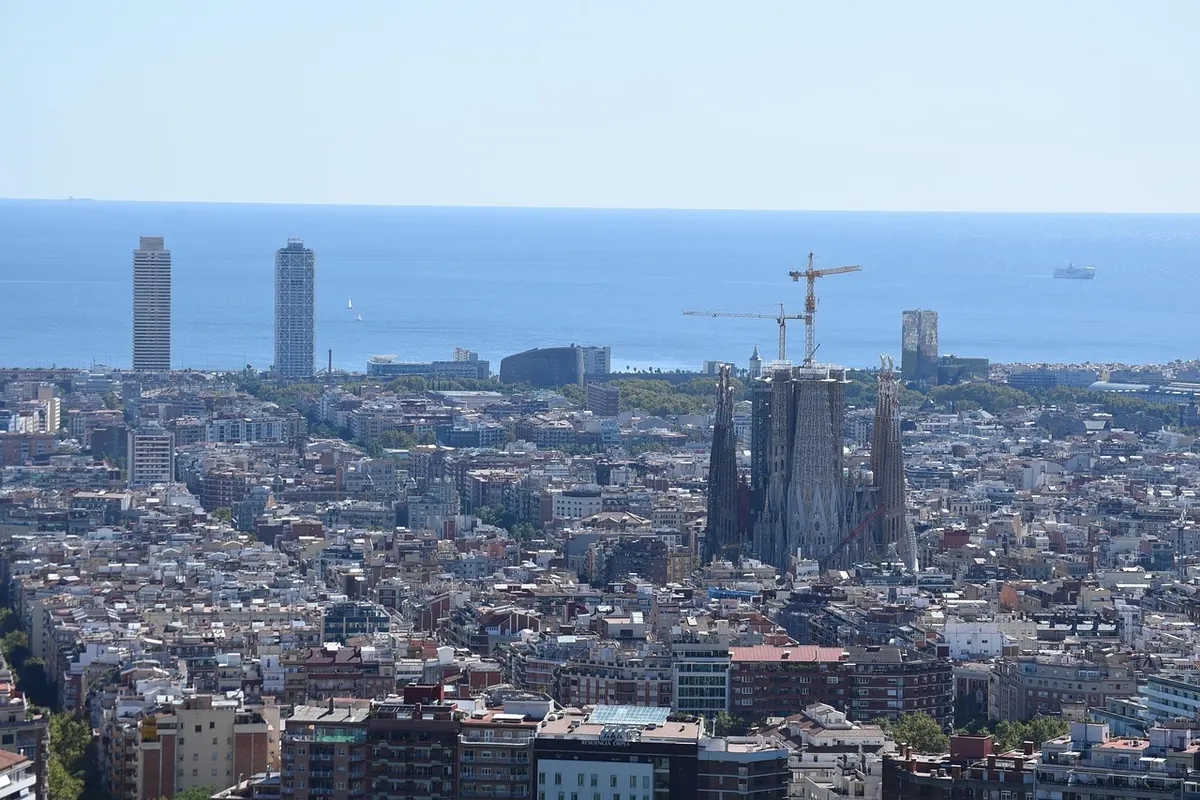
Old anti-aircraft bunkers on a hilltop offer a 360-degree panorama of the city – one of the best sunset spots.
Climb to the old anti-aircraft battery at sunset and the whole city spreads out below – the Sagrada Família, the grid of Eixample and the sea – while locals sit on the concrete with drinks and guitars.
9. Hospital de Sant Pau
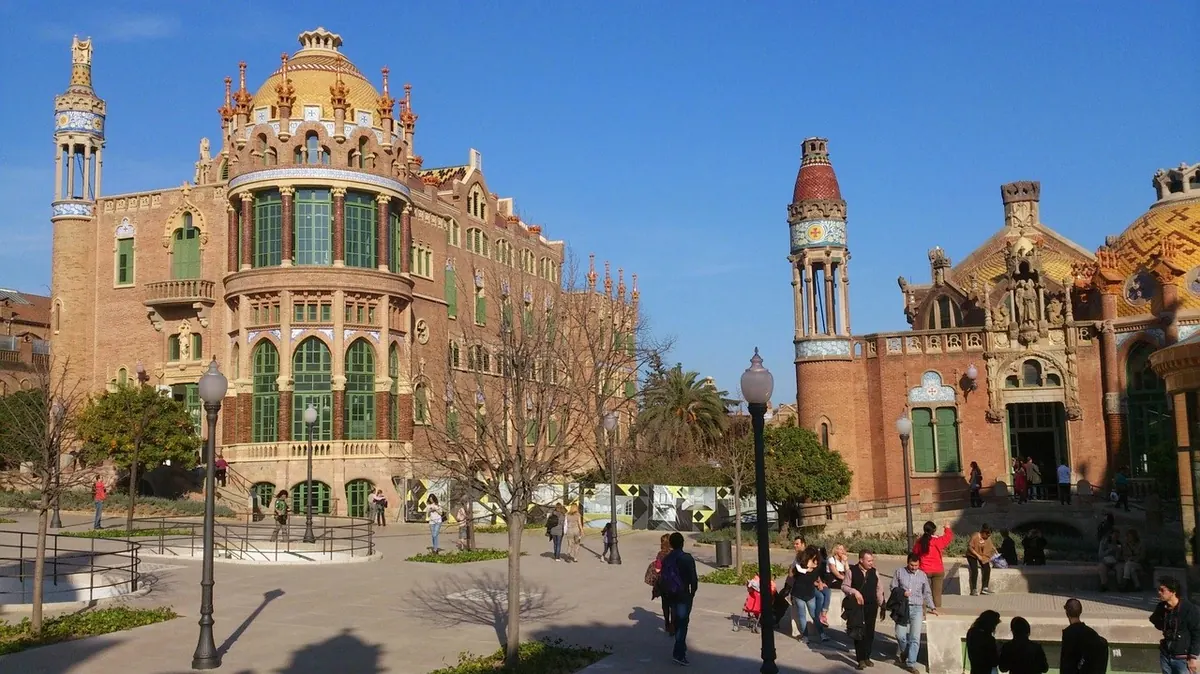
A spectacular modernista hospital complex with domed pavilions and gardens – far quieter than Gaudí's buildings.
Mosaic domes, colourful tiles and garden pathways make this modernist complex feel like a fairy-tale town – and it's much quieter than the Gaudí sites.
10. Montjuïc
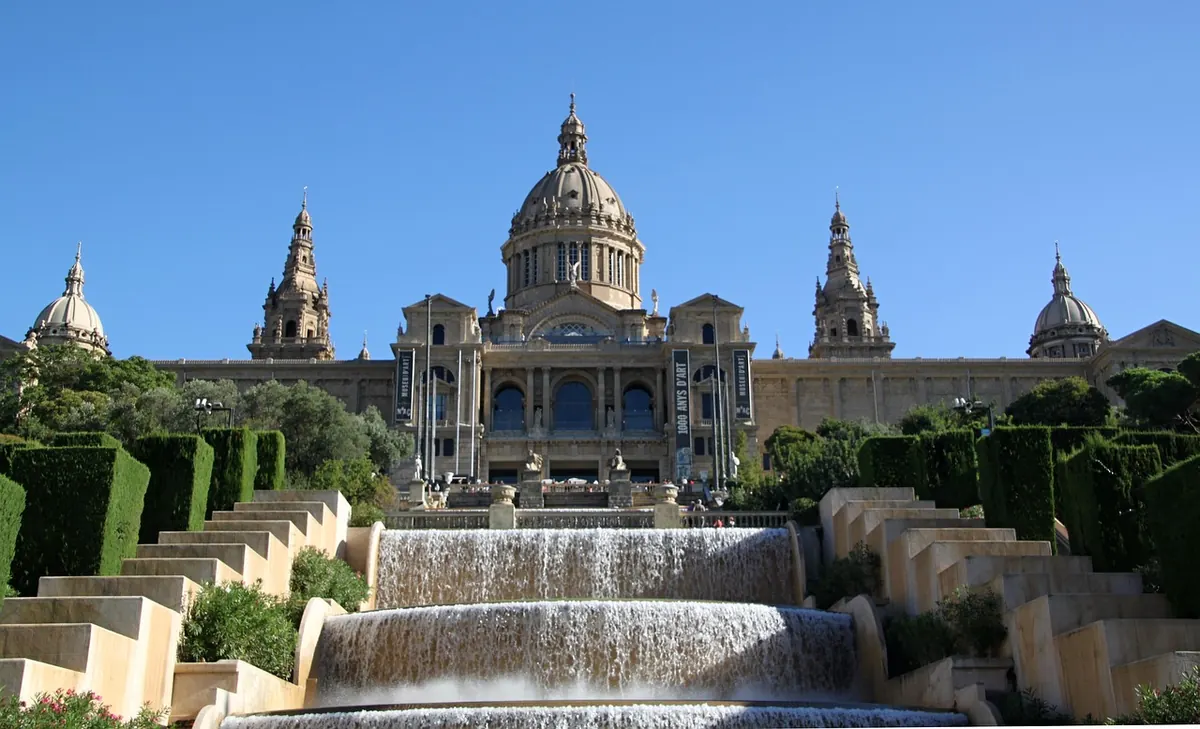
The hill above the port has the Joan Miró Foundation, the National Art Museum of Catalonia, the Olympic stadium and gardens. Ride the cable car up.
Ride the cable car up the hill for views over the port, walk through peaceful gardens and visit the castle. In the evening, the Magic Fountain show lights up the sky with music and colour.
11. Gràcia
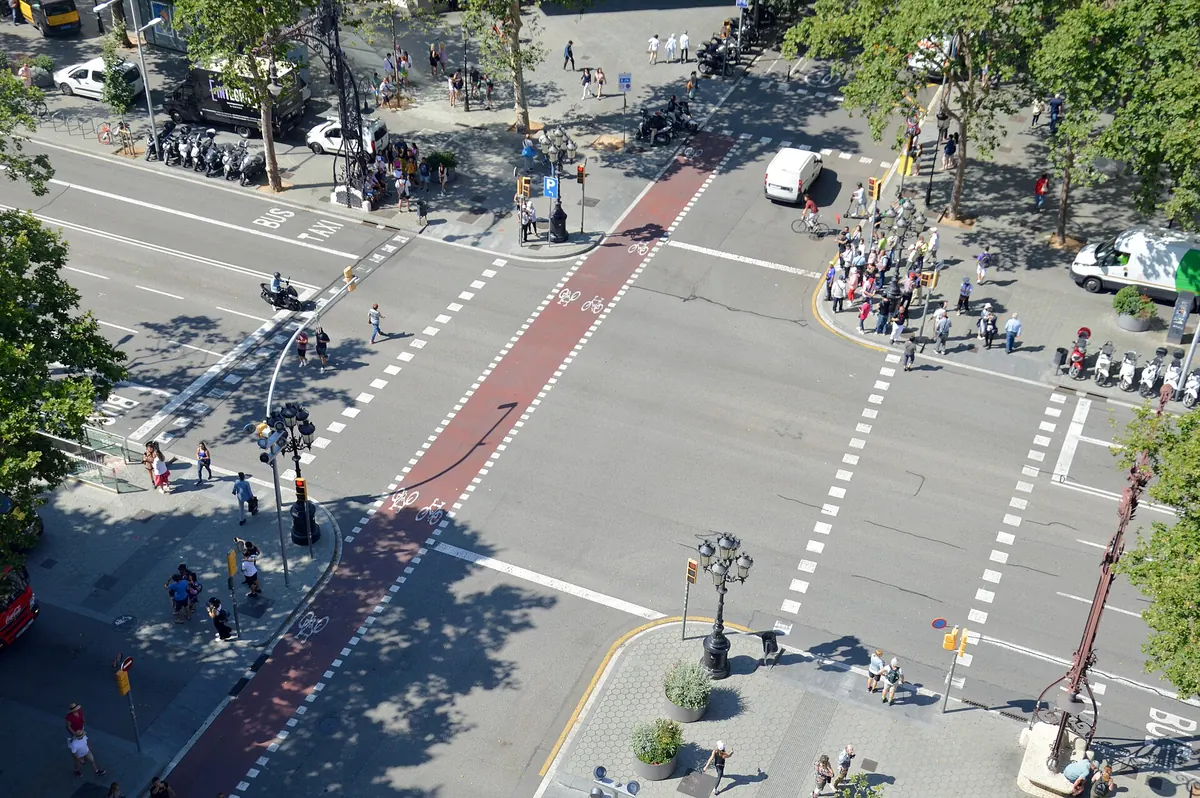
This village-like neighbourhood has leafy squares, independent shops and a relaxed bar scene.
Small squares full of cafés and children playing, narrow streets with independent shops and a village atmosphere in the middle of the city – especially in the evening.
12. The Laberint d'Horta
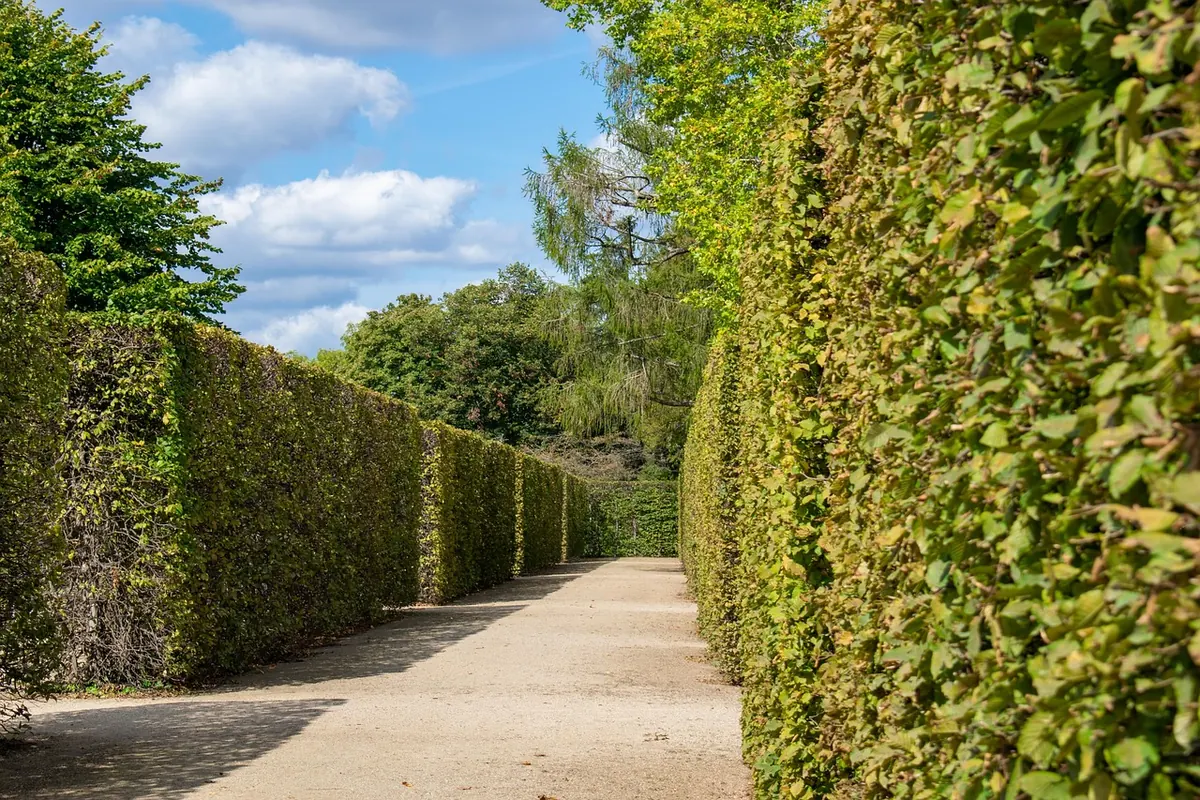
Barcelona's oldest garden hides a hedge maze and neoclassical pavilions on the city's edge.
Cypress hedges, fountains and statues in a peaceful 18th-century garden on the edge of the city – get lost in the maze and enjoy the quiet.
Sea and food
13. Hit the beaches
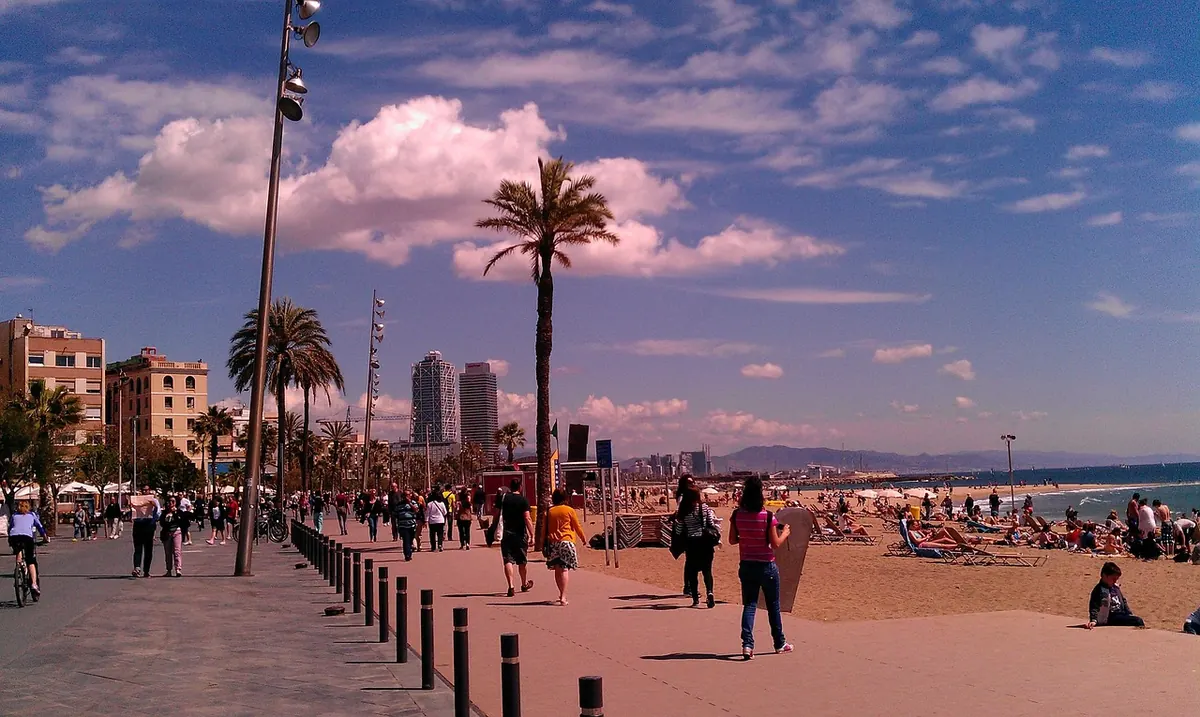
Barceloneta is the busiest beach; walk further north to Bogatell or Nova Icària for more space.
The sand is busy, the promenade is full of cyclists and skaters, and the beach bars serve cold drinks with the sea breeze. Watch your belongings closely.
14. Go on a tapas crawl
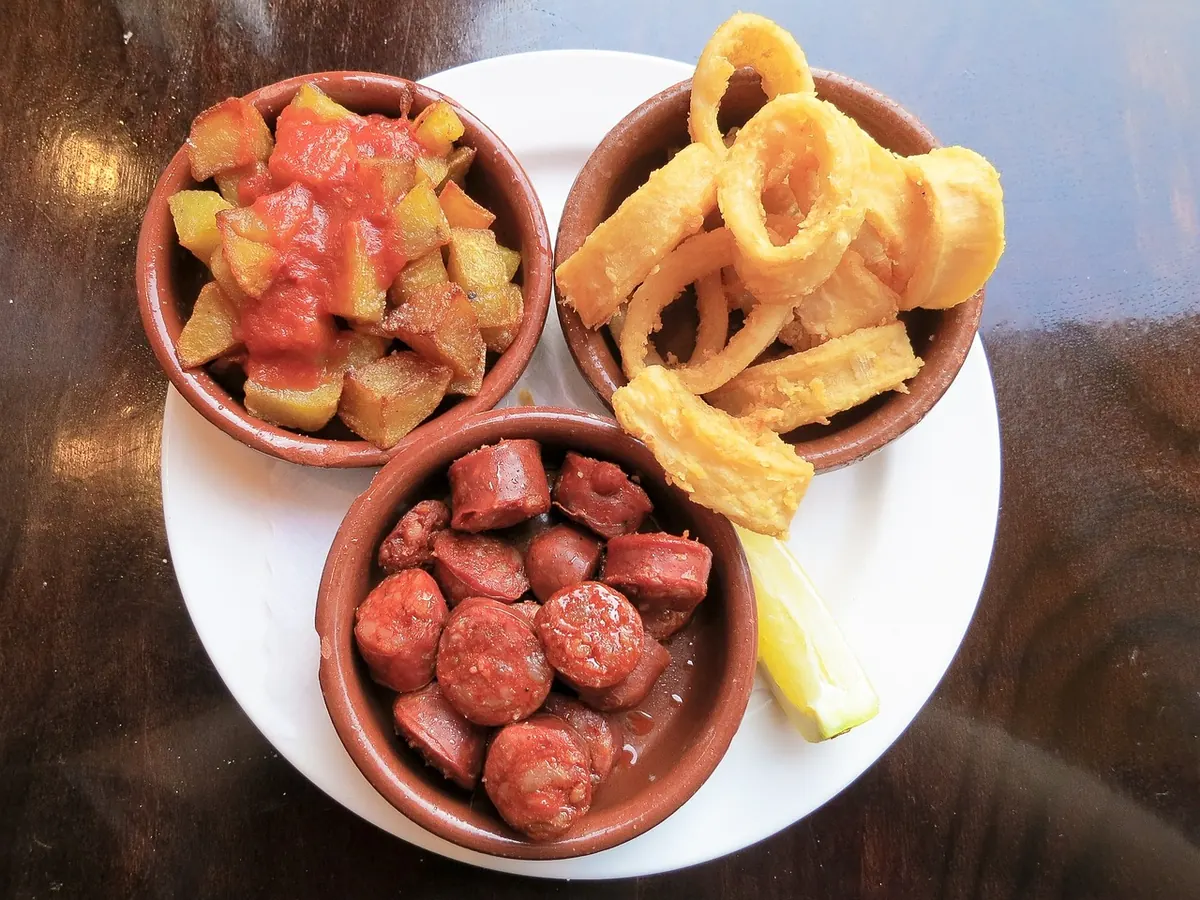
Try pa amb tomàquet, patatas bravas, croquetes and vermouth at a traditional bodega. A food tour is a great introduction.
Pintxos on toothpicks, patatas bravas, bombas and a glass of vermouth – move from bar to bar, eating standing up among the locals.
15. Day trip to Montserrat
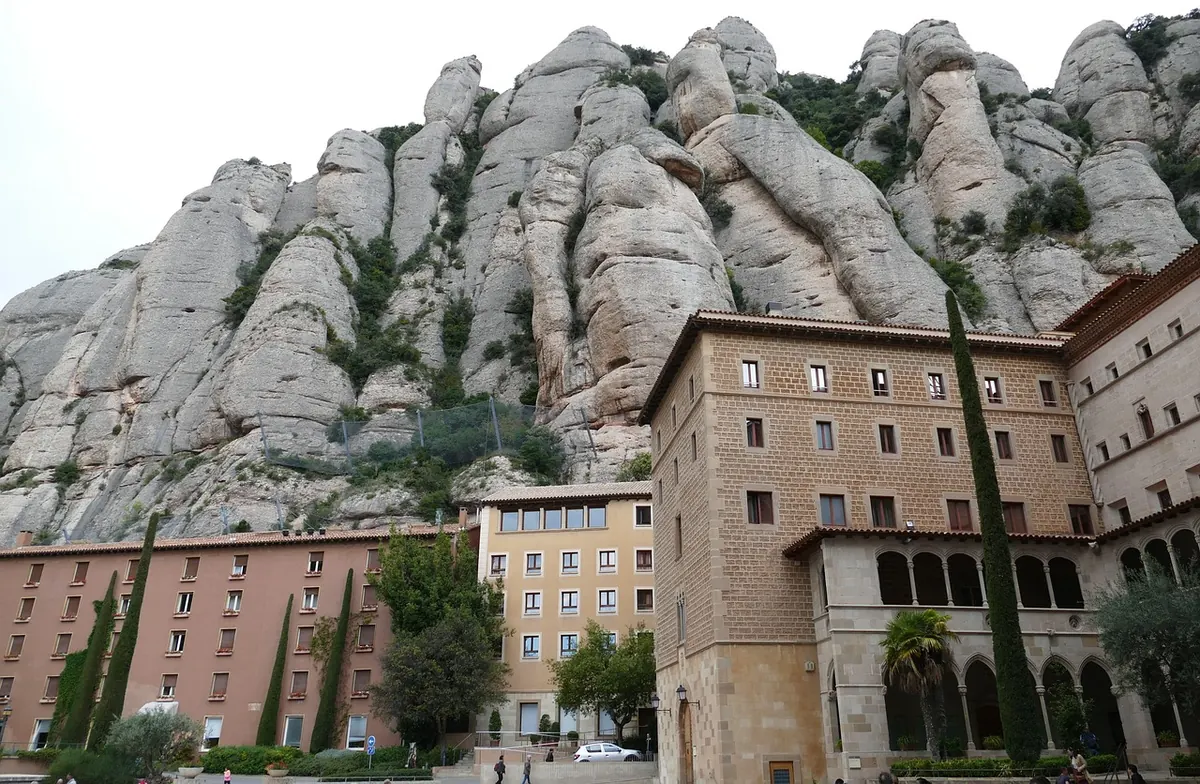
The serrated mountain and monastery of Montserrat are about an hour away by train and rack railway.
The train or cable car climbs to the monastery, clinging to jagged pink rock pinnacles, and if you're lucky, you'll hear the boys' choir singing in the basilica. Walk the trails to the viewpoints for the best views.
When to visit
Spring and autumn are ideal: warm, sunny and comfortable for walking. July and August are hot, humid and very busy, with many locals on holiday in August. Winter is mild and quieter, a good time for museums and Gaudí buildings without the crowds. Look out for La Mercè, the city's biggest festival, in late September.
A three-day itinerary
Day 1: the Sagrada Família at opening time, Casa Batlló and Casa Milà (La Pedrera) on Passeig de Gràcia, and dinner in Gràcia. Day 2: the Gothic Quarter and the cathedral, El Born and the Picasso Museum, Santa Maria del Mar and tapas in the evening. Day 3: Park Güell in the morning, the Bunkers del Carmel for the view, then an afternoon at Barceloneta beach and seafood by the sea.
Where to stay
- Eixample: elegant streets, Modernista buildings, close to Passeig de Gràcia.
- Gothic Quarter and El Born: historic and atmospheric, but can be noisy.
- Gràcia: village feel, local squares and bars.
- Poblenou and Barceloneta: near the beaches.
Staying safe
Barcelona is generally safe, but pickpocketing is common in crowded areas such as Las Ramblas, the metro, the beaches and around major sights. Keep valuables zipped away, never leave bags unattended and be wary of distraction tricks.
Getting around
The metro is fast and efficient; buy a multi-trip card. Most sights in the old city are best explored on foot. Heading south? Catch the train to Granada or the Costa del Sol.
Frequently asked questions
Do I need to book the Sagrada Família in advance?
Yes. Entry is by timed ticket, and popular times sell out days or weeks ahead. Buy only from the official website. Park Güell's monumental zone also requires a timed ticket.
How many days do you need in Barcelona?
Three to four days lets you see the main Gaudí buildings, the Gothic Quarter and El Born, Montjuïc and spend time at the beach.
Is Barcelona safe?
Barcelona is generally safe, but pickpocketing is common in crowded areas such as Las Ramblas, the metro and the beaches. Keep valuables zipped away and never leave bags unattended.
Is the Barcelona Card worth it?
It includes public transport and discounts or free entry to some museums, but not most Gaudí sites. Add up the places you plan to visit before buying.
Keep reading
Marbella and the Costa del Sol: 12 Best Things to Do
Marbella's old town, Puerto Banús, beach clubs, Málaga, Ronda, Nerja's caves and Caminito del Rey – the best things to do on Spain's Costa del Sol.
A Local's Guide to Granada: 10 Top Tips
How to get Alhambra tickets, the best sunset viewpoint, free tapas, real flamenco in Sacromonte and more – a local's guide to Granada, Spain.
10 of the Best Scenic Rail Journeys in Europe
Alpine passes, Norwegian fjords, Scottish viaducts and Portuguese vineyards – ten of the most beautiful train journeys in Europe and tips for booking them.
Madrid Travel Guide: 10 Great Ways to Enjoy the Spanish Capital
The Prado and the Golden Triangle of Art, Retiro Park, the Royal Palace, tapas in La Latina, flamenco and day trips to Toledo – 10 great ways to enjoy Madrid.