9 of the Best Austrian Cakes and Where to Eat Them in Vienna
Sachertorte, Imperial Torte, Linzer Torte, Punschkrapfen and more: nine classic Austrian cakes, what makes each one special and the Vienna cafés that serve the best.
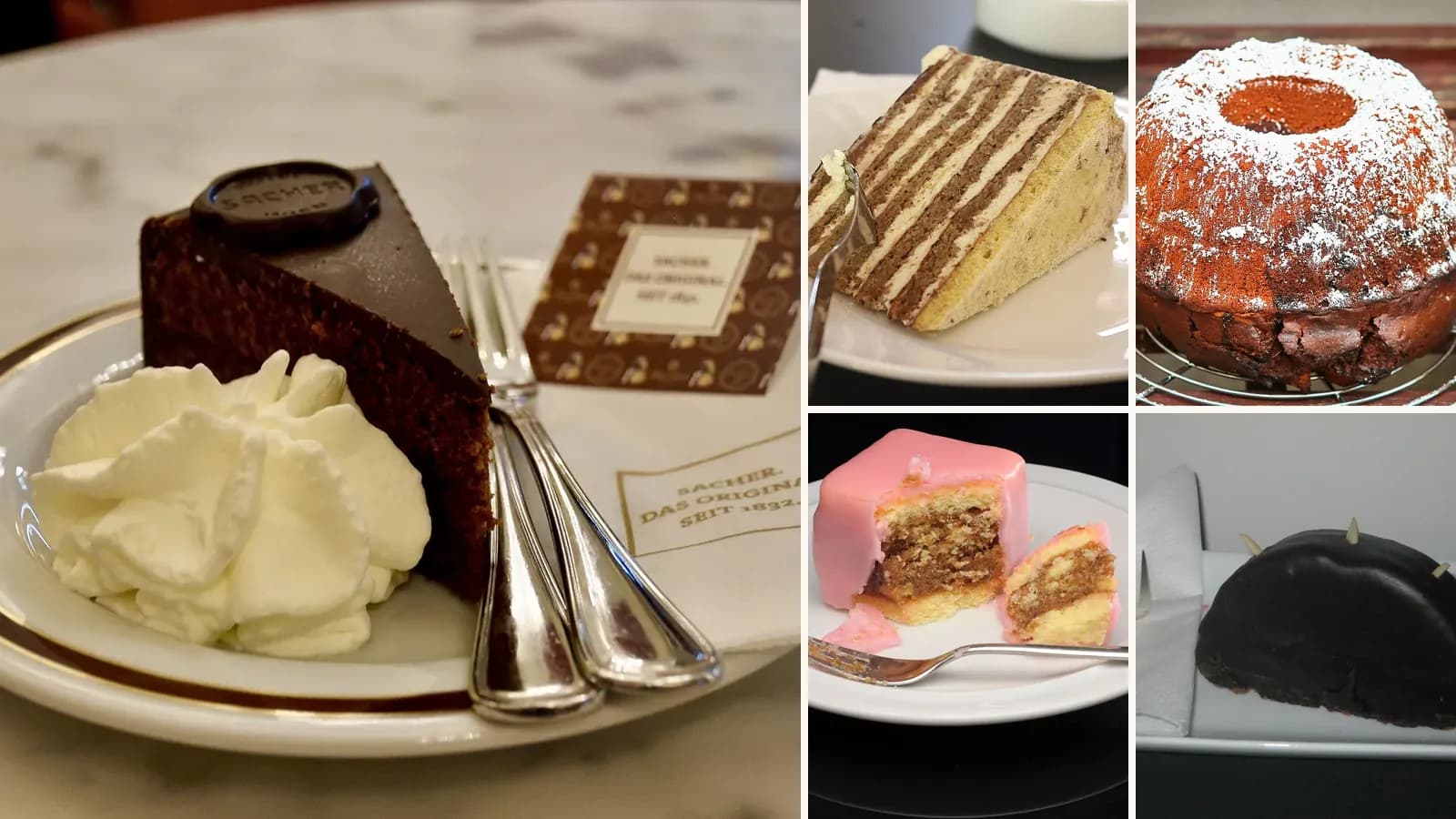
In Vienna, cake is not an afterthought. Coffee houses and confectioners have been perfecting their Torten for two centuries, emperors had their favourites, and one chocolate cake was the subject of a court case that lasted years. A slice in a grand café is one of the great affordable luxuries of any trip to Austria.
Here are nine of the most famous Austrian cakes, what makes each one special, and where in Vienna to try them.
1. Sachertorte
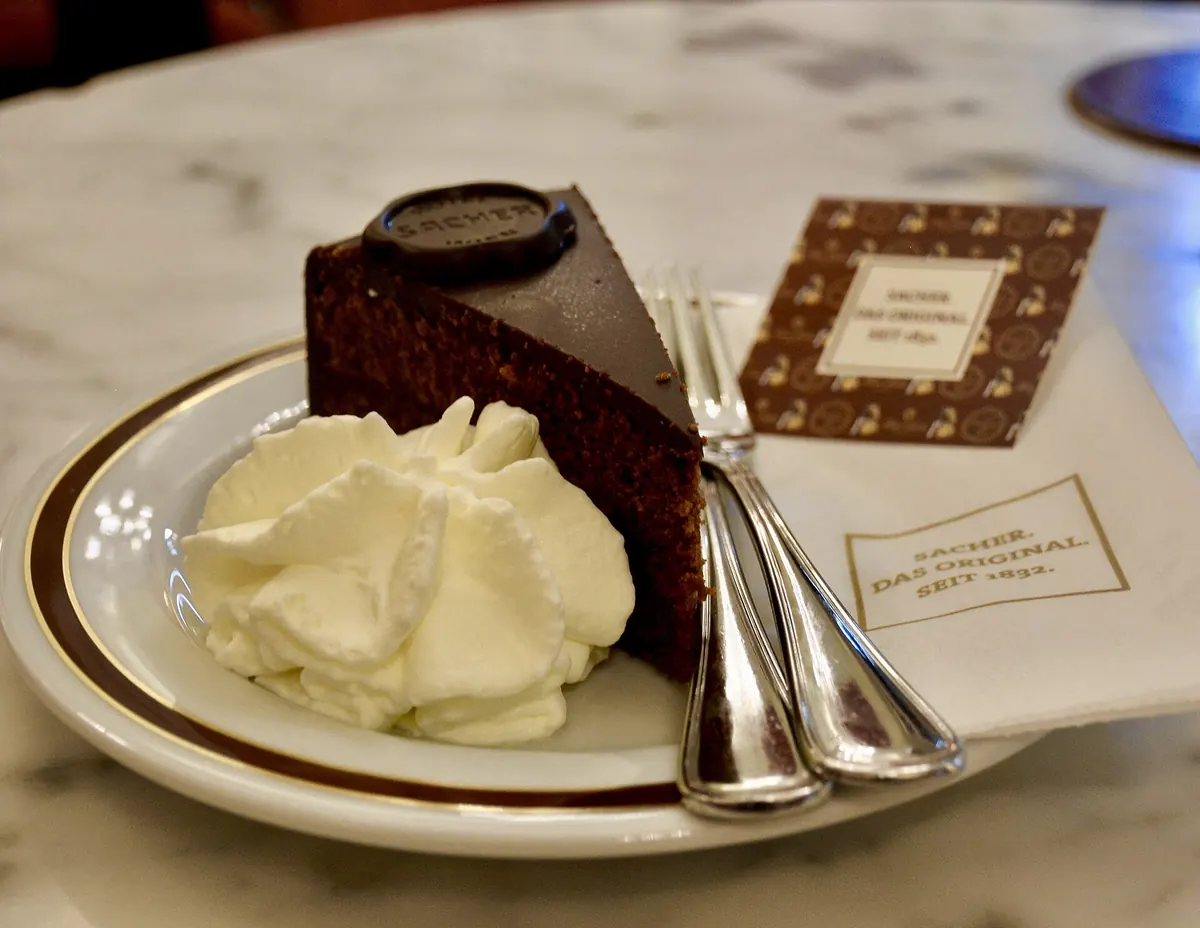
Vienna's signature cake is a dense chocolate sponge with a thin layer of apricot jam, coated in a shiny dark chocolate glaze. It was created in 1832 by Franz Sacher, then a 16-year-old kitchen apprentice, who stepped in for a sick chef to make a dessert for Prince Metternich.
His son Eduard later founded Hotel Sacher, and the cake became the subject of a long legal battle between the hotel and the court confectioner Demel. Today Hotel Sacher sells the "Original Sacher-Torte", with jam in the middle and under the glaze, while Demel's version has a single layer of jam just under the icing. Try both and pick your side. It is always served with unsweetened whipped cream.
Where to eat it: Café Sacher at Hotel Sacher, behind the State Opera; Demel on Kohlmarkt.
2. Imperial Torte
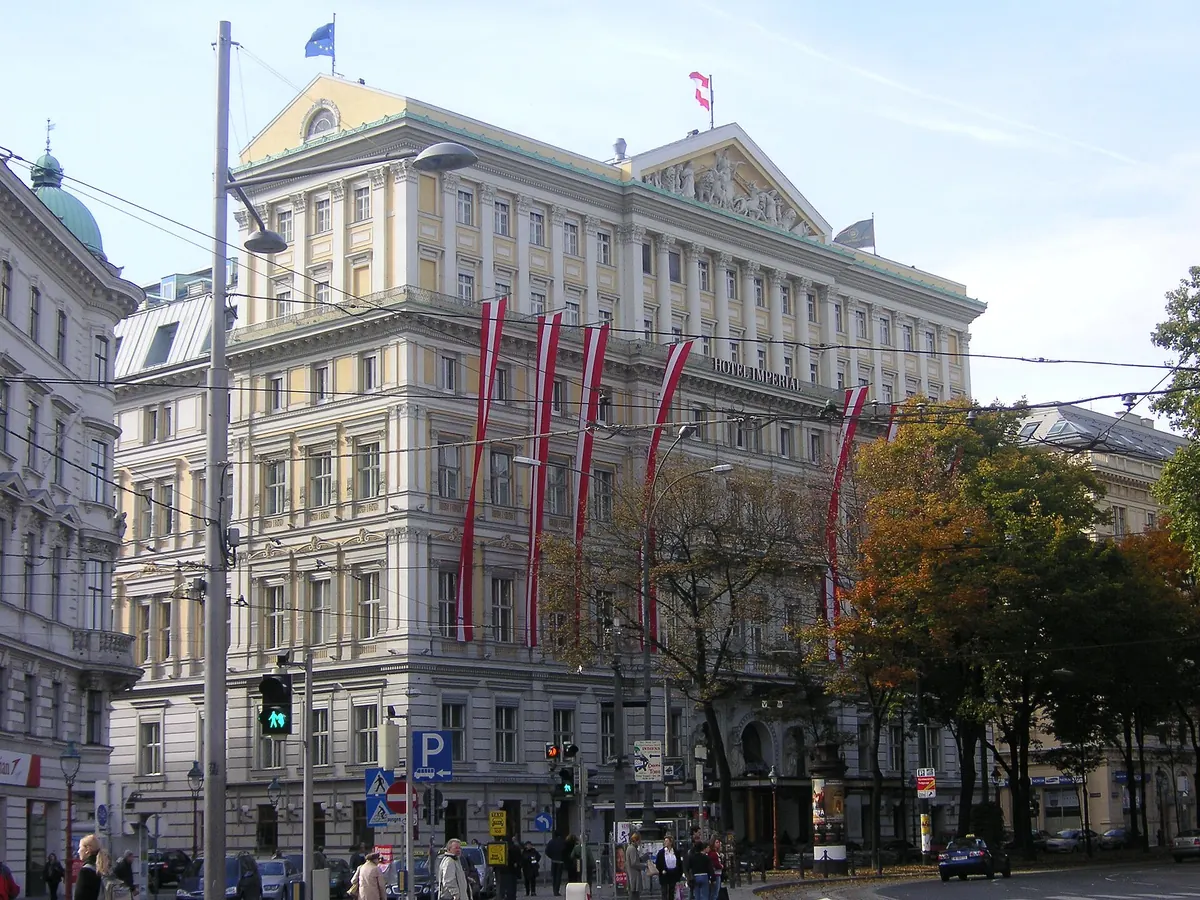
Hotel Imperial on the Ringstrasse created its own cake, according to legend, for the hotel's opening in 1873 in honour of Emperor Franz Joseph. Unlike most Torten, it is square. Thin layers of almond biscuit alternate with chocolate cream under a coat of marzipan and chocolate glaze, so it is closer to a sweet than a sponge cake.
It comes in sizes from a full cake to small cubes that travel well as a gift, as well as orange and raspberry versions.
Where to eat it: Café Imperial at Hotel Imperial, Kärntner Ring.
3. Esterházy Torte
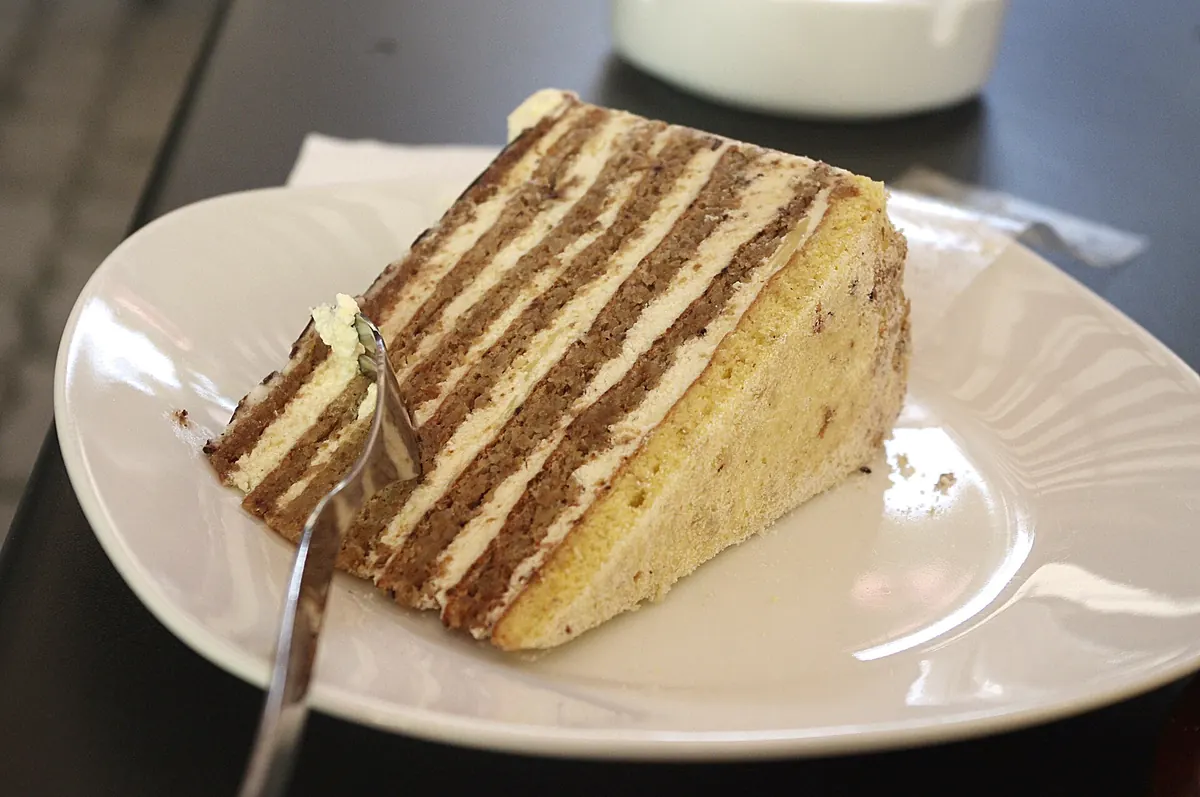
Named after the Hungarian noble Esterházy family, this cake is made of thin layers of almond or nut meringue filled with buttercream. Its white fondant top is decorated with a distinctive feathered pattern of chocolate lines, and the sides are usually coated with flaked almonds.
It is lighter than it looks, with notes of vanilla and nuts, and is a classic in both Austria and Hungary.
Where to eat it: Gerstner, the former imperial court confectioner, opposite the State Opera; Café Landtmann on the Ringstrasse, next to the Burgtheater.
4. Gugelhupf
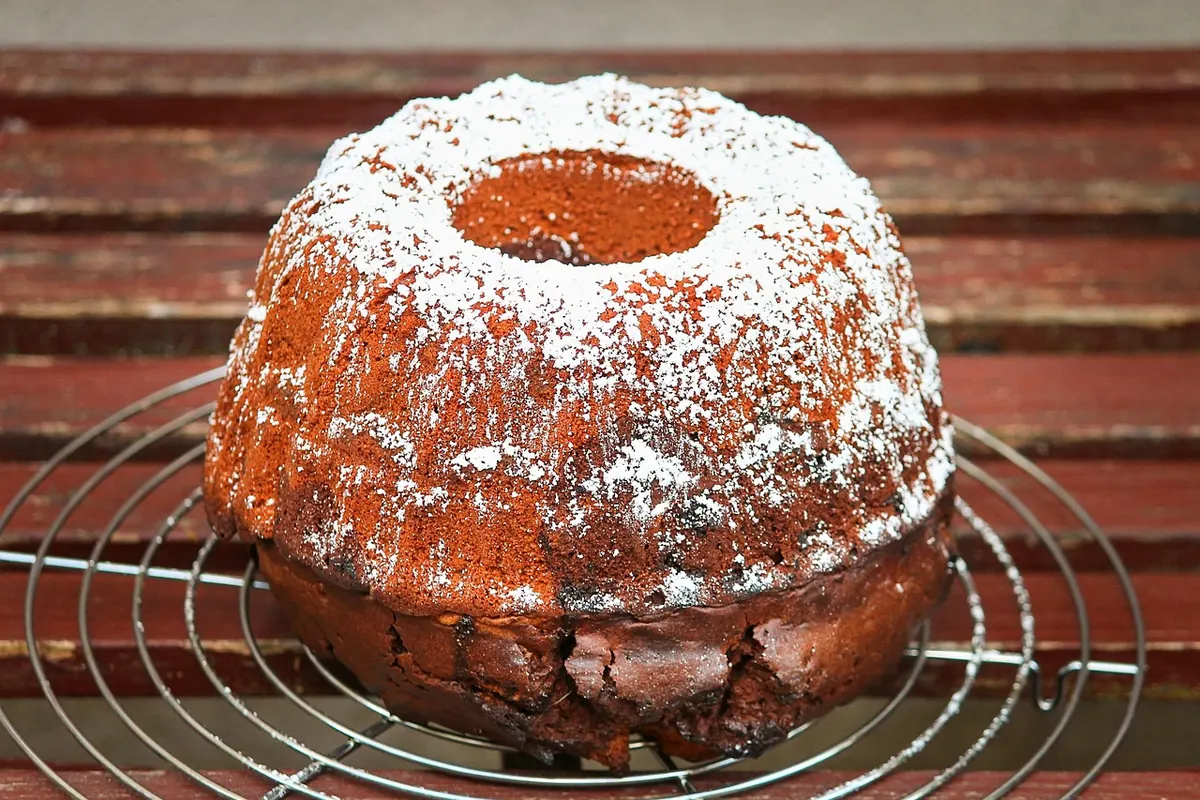
The Gugelhupf is a ring-shaped cake baked in a fluted mould, found all over Central Europe. Emperor Franz Joseph is said to have loved it for breakfast, and the Viennese middle classes made it a favourite for afternoon coffee. The most elegant versions are marbled with chocolate.
The Grand Hotel Wien on the Ringstrasse serves its own Grand Gugelhupf, a marbled cake flavoured with cinnamon and topped with flaked almonds.
Where to eat it: the Grand Hotel Wien on Kärntner Ring; the pink-themed Aida cafés around the city.
5. Punschkrapfen
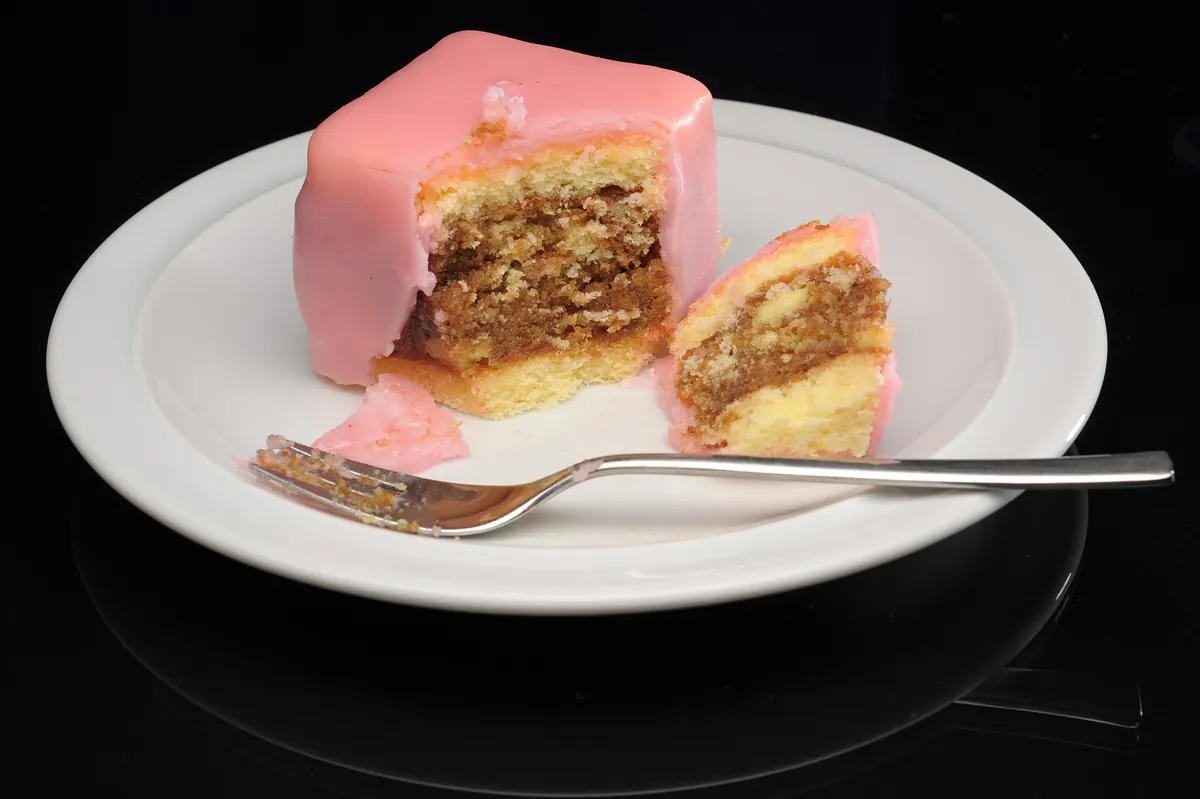
Not quite a cake but more than a pastry, the Punschkrapfen is a small cube of sponge soaked in rum punch, filled with jam and cake crumbs, and covered in bright pink icing. It is sweet, boozy and impossible to miss in any Viennese cake display.
Where to eat it: Kurkonditorei Oberlaa on Neuer Markt; Café Museum, with its Adolf Loos interior, near the Karlsplatz.
6. Wiener Nusstorte
Austrian confectioners love nuts, and the walnut cake is one of the best examples. Layers of nut sponge are filled with a cream that is often flavoured with rum, and the best versions are crowned with a ring of walnut halves.
Where to eat it: K.u.K. Hofzuckerbäcker L. Heiner, on Wollzeile and Kärntner Strasse; Café Diglas on Wollzeile.
7. Linzer Torte
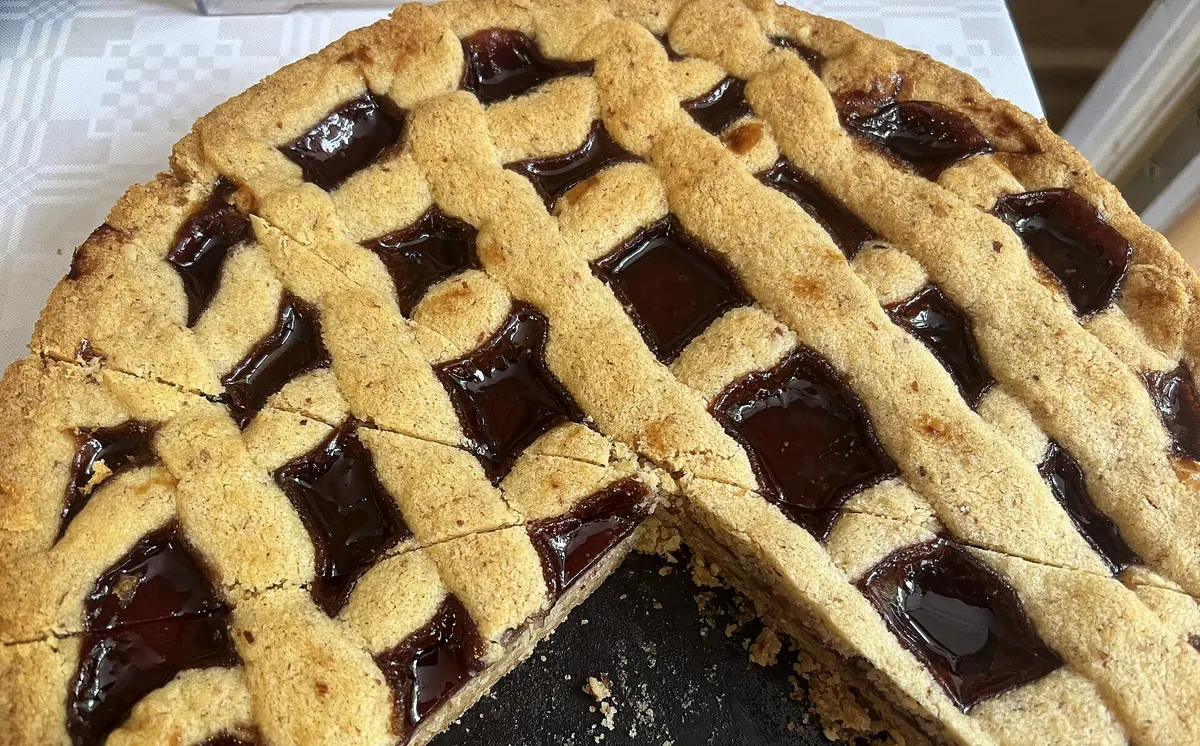
From Linz in Upper Austria comes one of the oldest known cake recipes in the world, with written versions going back to the 17th century. The pastry is made with ground nuts and spices such as cinnamon and cloves, filled with redcurrant jam and topped with a lattice of dough. The finer the lattice, the more skilled the baker.
It keeps well, which makes it a good cake to take home.
Where to eat it: the Aida cafés in Vienna, or in Linz itself at one of the traditional confectioners in the old town.
8. Rehrücken
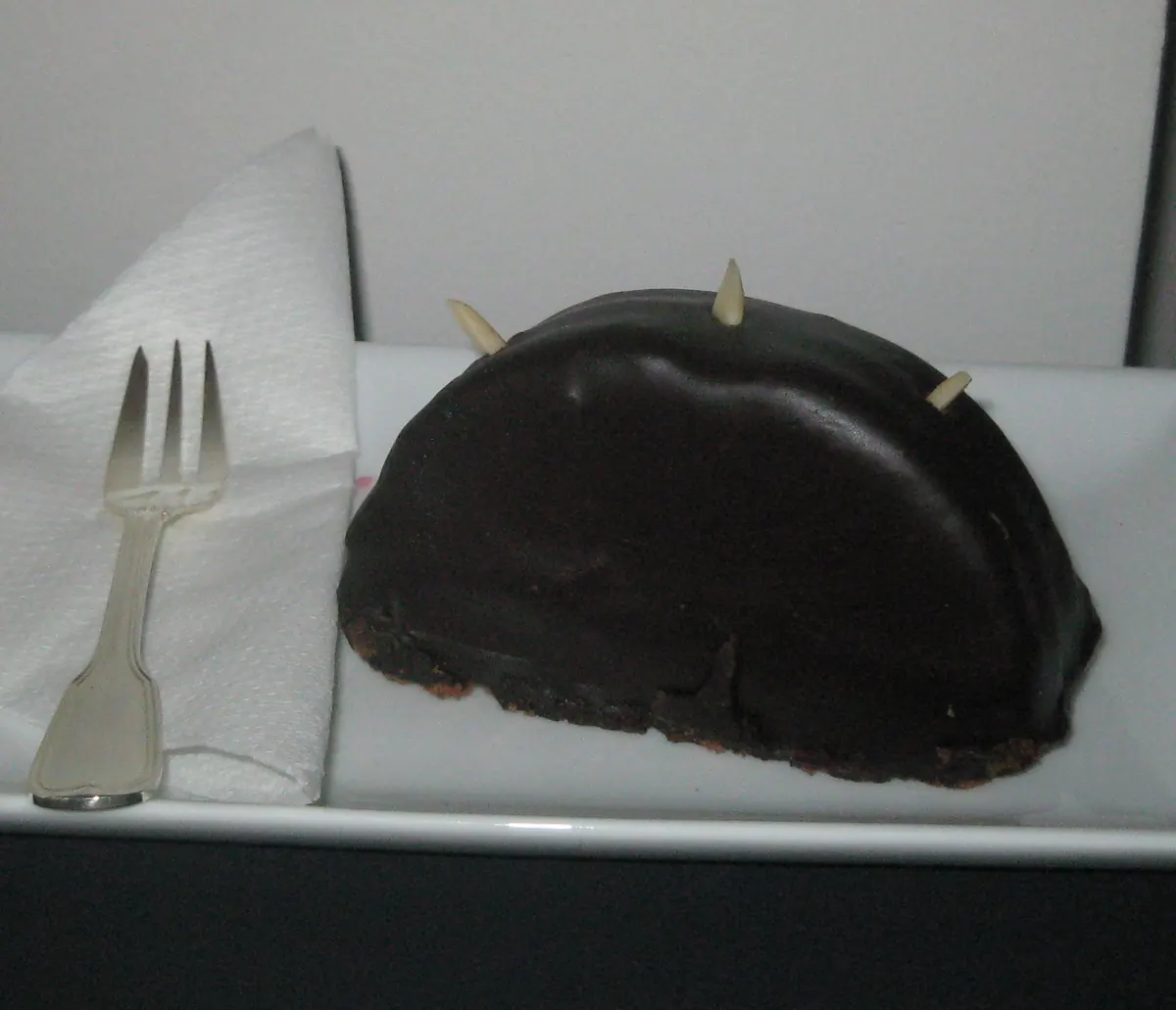
The Rehrücken, or "saddle of venison", is a chocolate almond cake baked in a long ridged mould that gives it the shape of a deer's back. Ground almonds keep it moist without any cream filling, and it is covered in chocolate glaze and studded with almond slivers that imitate the larding on a roast.
It is an old-fashioned favourite in Austrian homes and less often seen on café menus, which makes it worth looking for.
Where to eat it: Café Landtmann; Heindl, the Viennese chocolate maker with shops across the city.
9. Mohr im Hemd
This warm chocolate pudding-cake is steamed in a mould and served with hot chocolate sauce and whipped cream, which is the "shirt" (Hemd) in its name. Made with chocolate, eggs, nuts and breadcrumbs, it is closer to a lava cake than a sponge.
The traditional name uses an old word for a person of African origin that is now widely seen as offensive, and many Viennese cafés now list the dessert under other names, such as "Schokoladenpudding" or "Schoko im Hemd". Ask the waiter if you do not see it on the menu.
Where to eat it: traditional coffee houses and wine taverns, where it appears as a winter dessert; Konditorei Heiner.
Tips for a Viennese cake tour
- Go in the afternoon: coffee and cake (Jause) is an afternoon ritual, and the famous cafés are busiest around 3pm. Arrive earlier or later to avoid queues at Café Sacher and Demel.
- Order coffee properly: a Melange is the classic choice; a Verlängerter is a black coffee topped up with water; every coffee comes with a glass of water.
- Ask for "Schlag": whipped cream is the standard partner for most cakes.
- Take cake home: Sachertorte, Imperial Torte and Linzer Torte all travel well and come in gift boxes.
- Try a Kardinalschnitte too: layers of meringue and sponge with coffee cream, created by the Heiner confectioners in the 1930s.
Frequently asked questions
What is the most famous cake in Vienna?
The Sachertorte, a dense chocolate cake with apricot jam under a dark chocolate glaze, created for Prince Metternich in 1832 by the young Franz Sacher. Hotel Sacher and Demel both serve their own version.
What is the difference between the Sacher and the Demel Sachertorte?
Hotel Sacher's Original Sacher-Torte has apricot jam in the middle of the cake as well as under the glaze; Demel's version has a single layer of jam just under the glaze. After a long legal dispute, only Hotel Sacher may call its cake the 'Original'.
How do you order cake in a Viennese coffee house?
Take a seat and order from the waiter, or choose your cake at the display counter first. Ask for it 'mit Schlag' (with whipped cream) and pair it with a Melange, Vienna's version of a cappuccino.
Keep reading
Spanish Food Explained: 12 Tapas You Need to Try (and How to Order Them)
Tortilla, patatas bravas, croquetas, jamón ibérico, pintxos, salmorejo and more – a simple guide to Spain's classic tapas, regional specialities and bar etiquette.
10 of the Best Scenic Rail Journeys in Europe
Alpine passes, Norwegian fjords, Scottish viaducts and Portuguese vineyards – ten of the most beautiful train journeys in Europe and tips for booking them.
Europe's Best Night Trains: Routes, Cabins and Booking Tips
Ten of Europe's best night trains – Nightjet, the Caledonian Sleeper, the European Sleeper, Sweden's Arctic line and more – with cabin types, booking tips and costs.

6 Best US Landmarks to Visit in Spring (and When Each One Is at Its Best)
Cherry blossoms on the National Mall, Niagara at full flow, Yellowstone's spring wildlife: six US landmarks for a spring trip, with opening dates and timing tips.