Top 10 Things to Do in Lanzarote: Volcanoes, Beaches and César Manrique
Timanfaya's volcanoes, La Geria's wine country, Jameos del Agua, the underwater museum, La Graciosa and the best beaches – the top things to do in Lanzarote.

Some links in this guide are partner links: if you buy through them we may earn a small commission, at no extra cost to you. It never affects what we recommend. How we make money
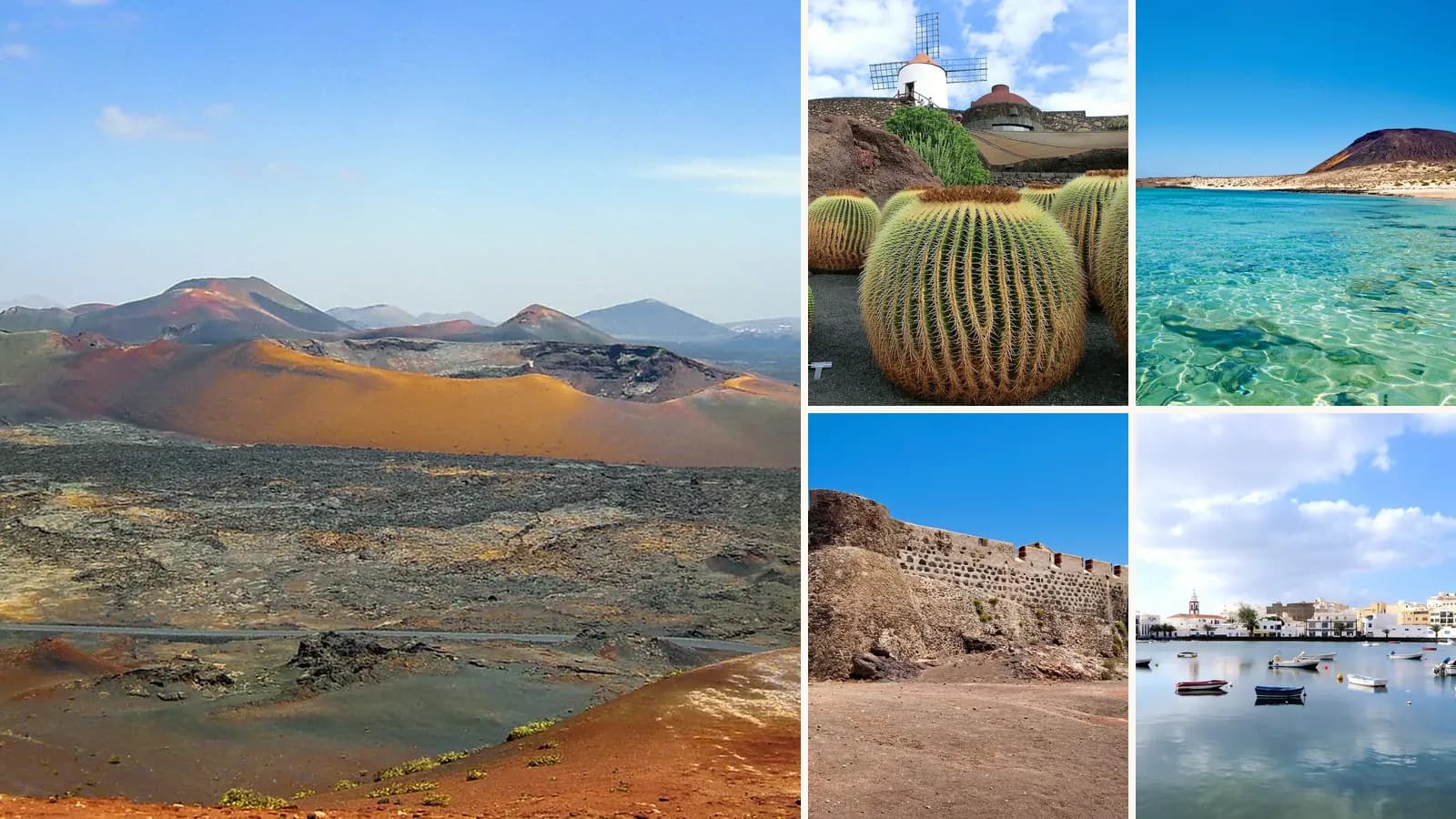
Lanzarote looks like nowhere else in Europe. Black lava fields, rust-coloured volcanoes and low white villages sit under an almost permanently blue sky, and the work of one local artist, César Manrique, is stamped on the whole island. Many visitors never leave their resort – here's what they miss.
Volcanoes and lava
1. Explore Timanfaya National Park
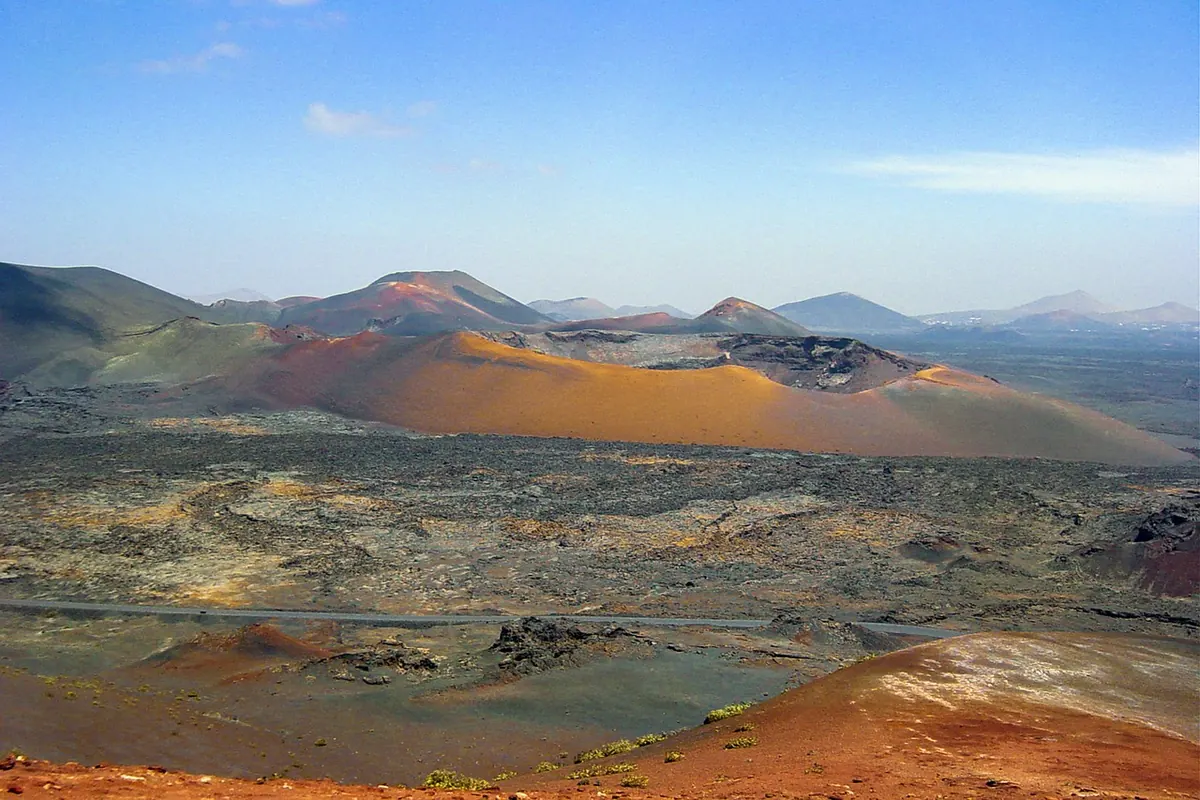
The Fire Mountains (Montañas del Fuego) were created by eruptions in the 18th and 19th centuries, and the landscape still looks freshly cooled. Access to the heart of the park is by the official coach route that leaves from the Islote de Hilario visitor point, where staff demonstrate how hot the ground is just below the surface. Arrive early to avoid queues at the entrance.
The coach winds through a landscape of black, red and rust-coloured lava, so lunar it looks unreal. At the visitor centre, a guide pours water into a hole in the ground and it shoots up as steam, while chicken is grilled over the heat of the volcano.
2. Walk into the lava tubes at Jameos del Agua and Cueva de los Verdes
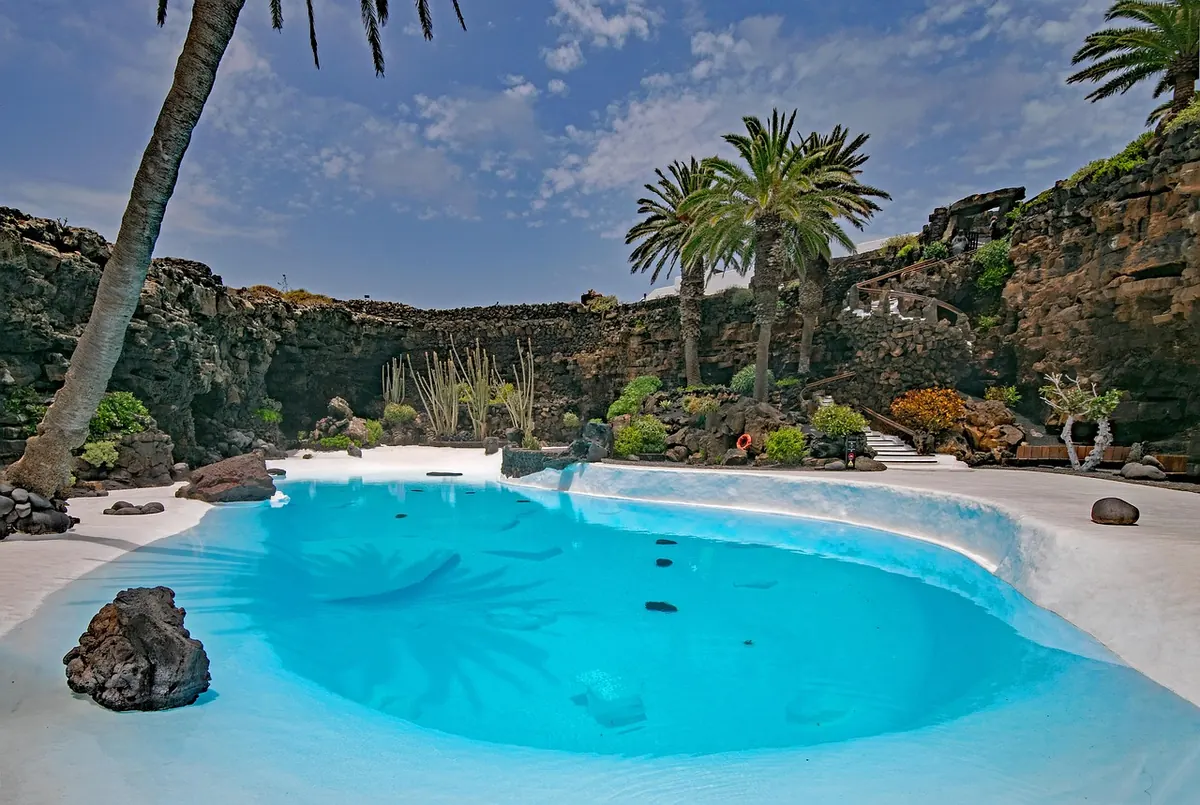
A lava tube several kilometres long runs from the La Corona volcano to the sea. At Jameos del Agua, Manrique turned a collapsed section into a cave pool, garden and concert hall; nearby, guided tours lead through the galleries of the Cueva de los Verdes, once a hiding place from pirates.
In the cool darkness of the lava tube, a still lagoon reflects the rock so perfectly that it looks like an abyss. Tiny white blind crabs, found almost nowhere else on Earth, dot the rocks under the water at Jameos del Agua.
3. See the island through César Manrique's eyes
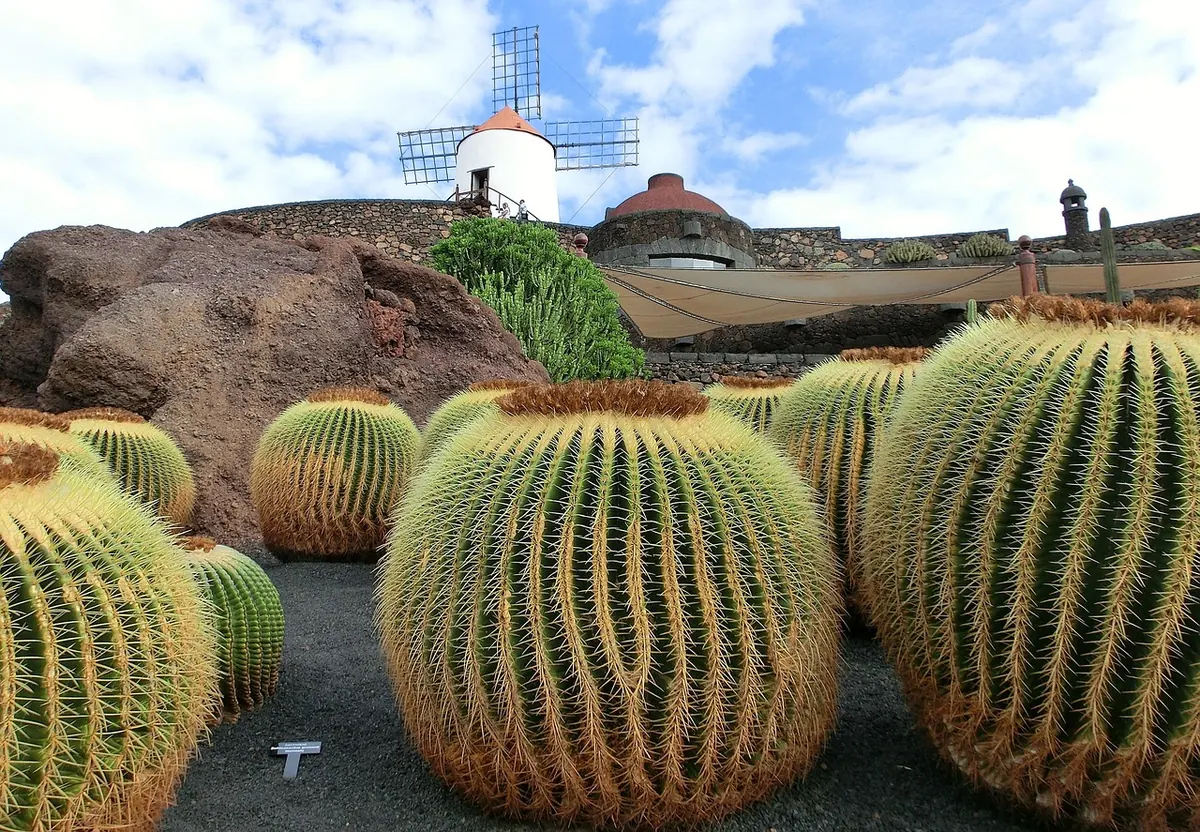
Manrique fought to keep Lanzarote low-rise and in harmony with its landscape. His former home in Tahíche, built into five lava bubbles, is now the César Manrique Foundation. The cactus garden at Guatiza and the Mirador del Río viewpoint over La Graciosa belong to the island's network of art and nature centres – a combined ticket saves money if you plan to see several.
At his former home, rooms are built into volcanic bubbles, with white walls, plants and pools in the lava – a perfect harmony of art and nature.
Beaches and the sea
4. Find your beach
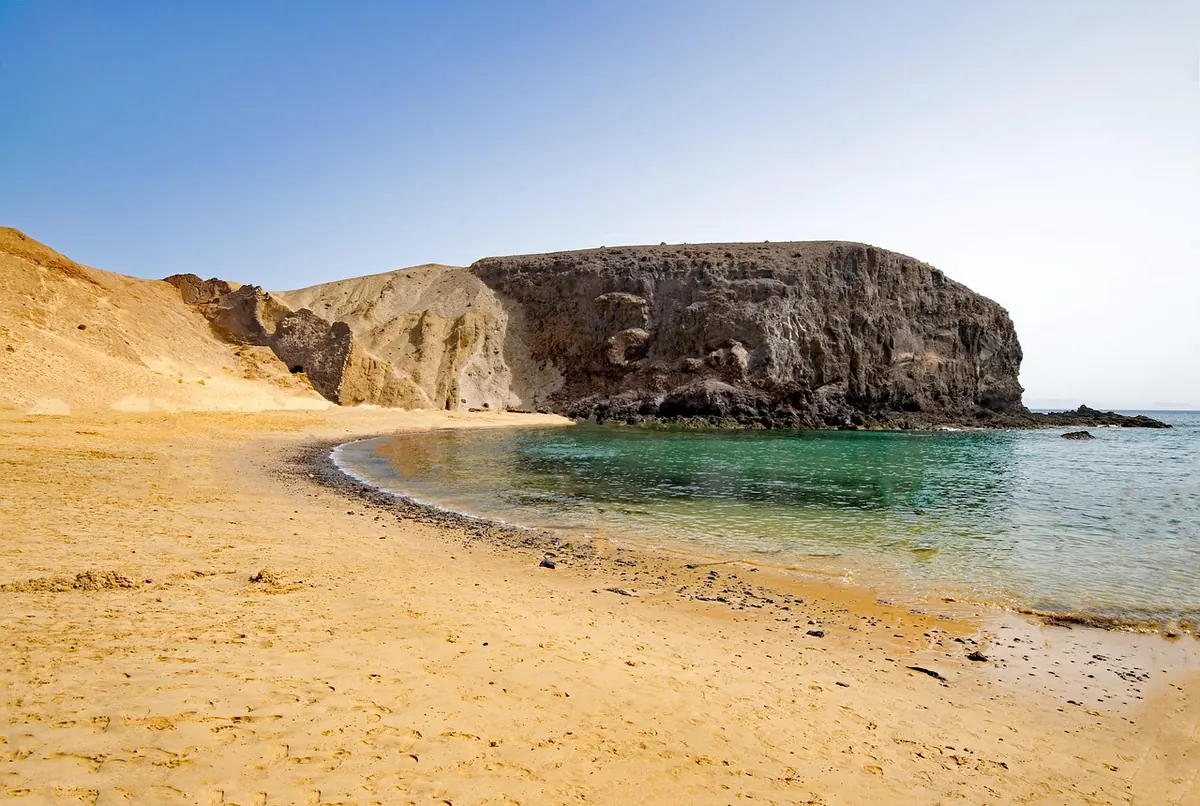
The coves of Papagayo near Playa Blanca have calm, clear water and golden sand. Famara in the north is a wild, surf-pounded beach backed by cliffs, while Playa Chica in Puerto del Carmen is small but sheltered and good for snorkelling. For drama, visit the black beach and green lagoon at El Golfo on the west coast.
Golden sand at Papagayo, the wild surf of Famara and the black sand of El Golfo – each beach has a different colour and character.
5. Dive or snorkel the Museo Atlántico
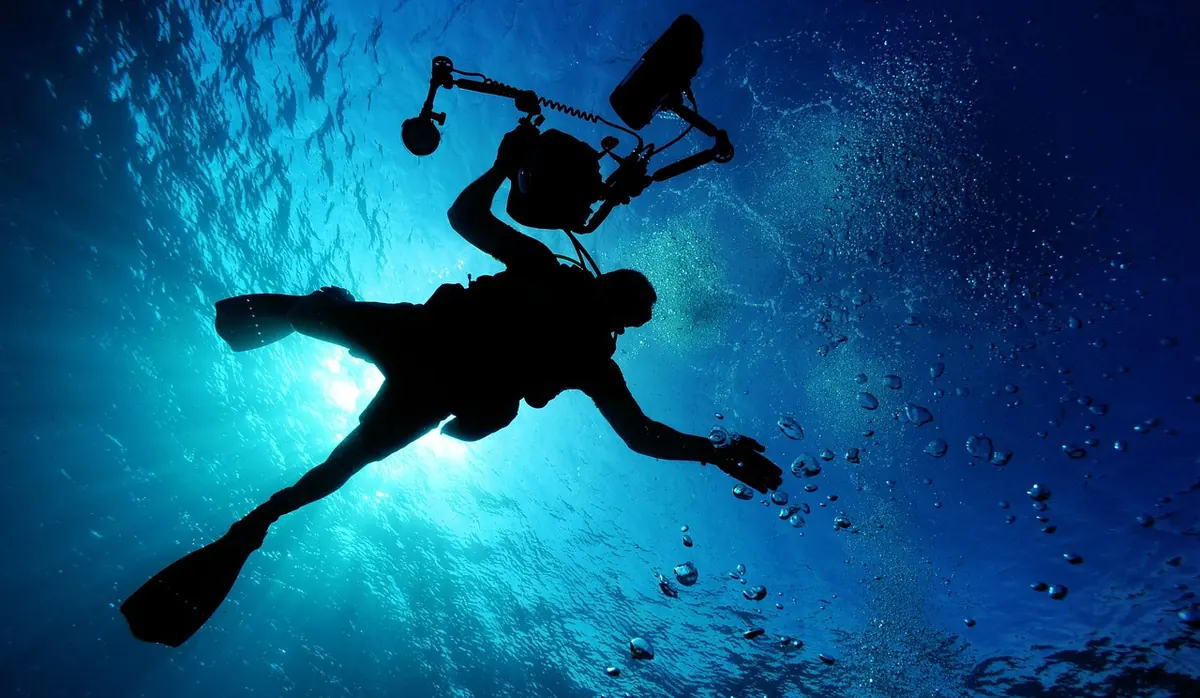
Off Playa Blanca, sculptor Jason deCaires Taylor created Europe's first underwater museum – hundreds of figures on the seabed, now covered in marine life. It sits at around 12–15 metres, so you need to dive with a local centre; beginners can usually arrange an introductory dive.
6. Take the ferry to La Graciosa
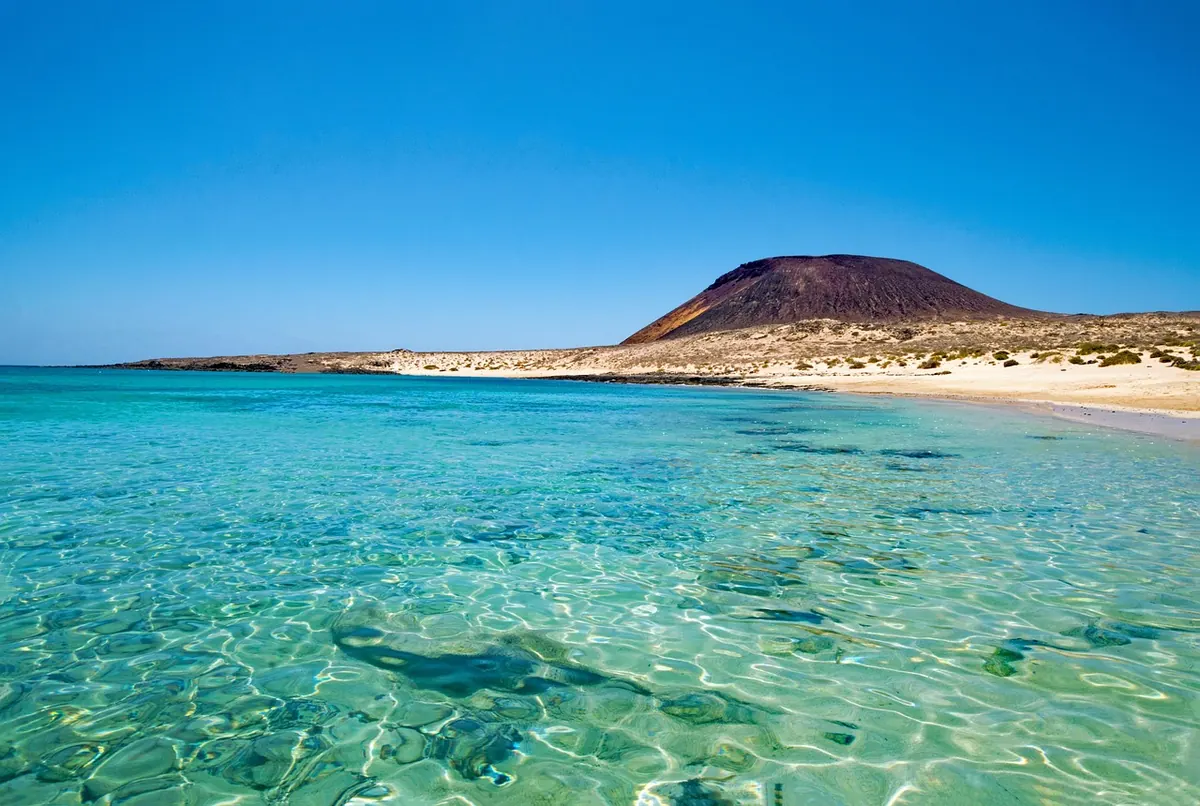
From Órzola in the far north, a short ferry crossing brings you to La Graciosa, a tiny island with sand tracks instead of roads. Hire a bike or a 4x4 taxi to reach the beaches on the north coast, such as Playa de las Conchas – strong currents mean it's for admiring rather than swimming on rough days.
There are no paved roads on the island, only sandy tracks, white houses and beaches of golden sand and turquoise water – it feels like the end of the world.
Inland Lanzarote
7. Taste wine in La Geria
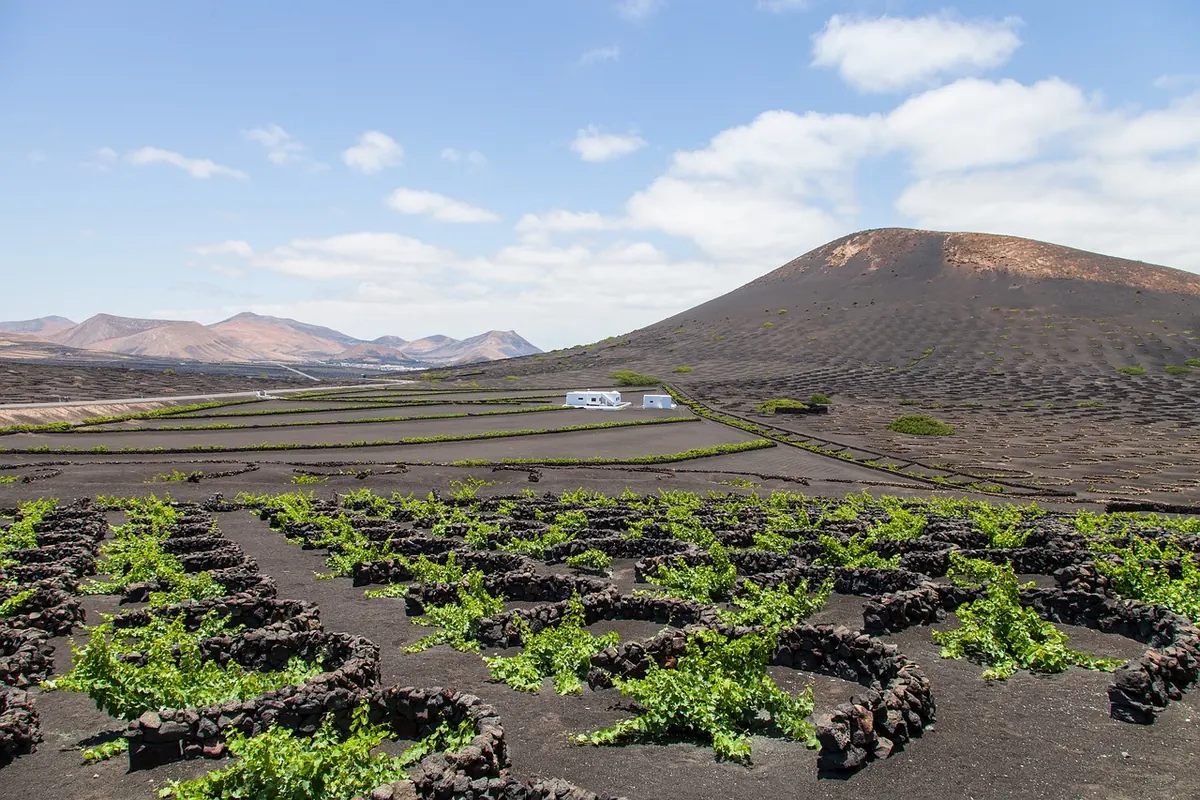
Lanzarote's vines grow in hollows dug into the volcanic ash, each protected from the wind by a semicircular stone wall. The result is one of Europe's strangest wine landscapes. Several bodegas along the LZ-30 road offer tastings – look out for the local Malvasía.
Vines grow in hollows dug into the black volcanic ash, each protected by a semicircular stone wall – a strange and beautiful landscape. Taste the local Malvasía in the bodegas.
8. Visit Teguise and its Sunday market
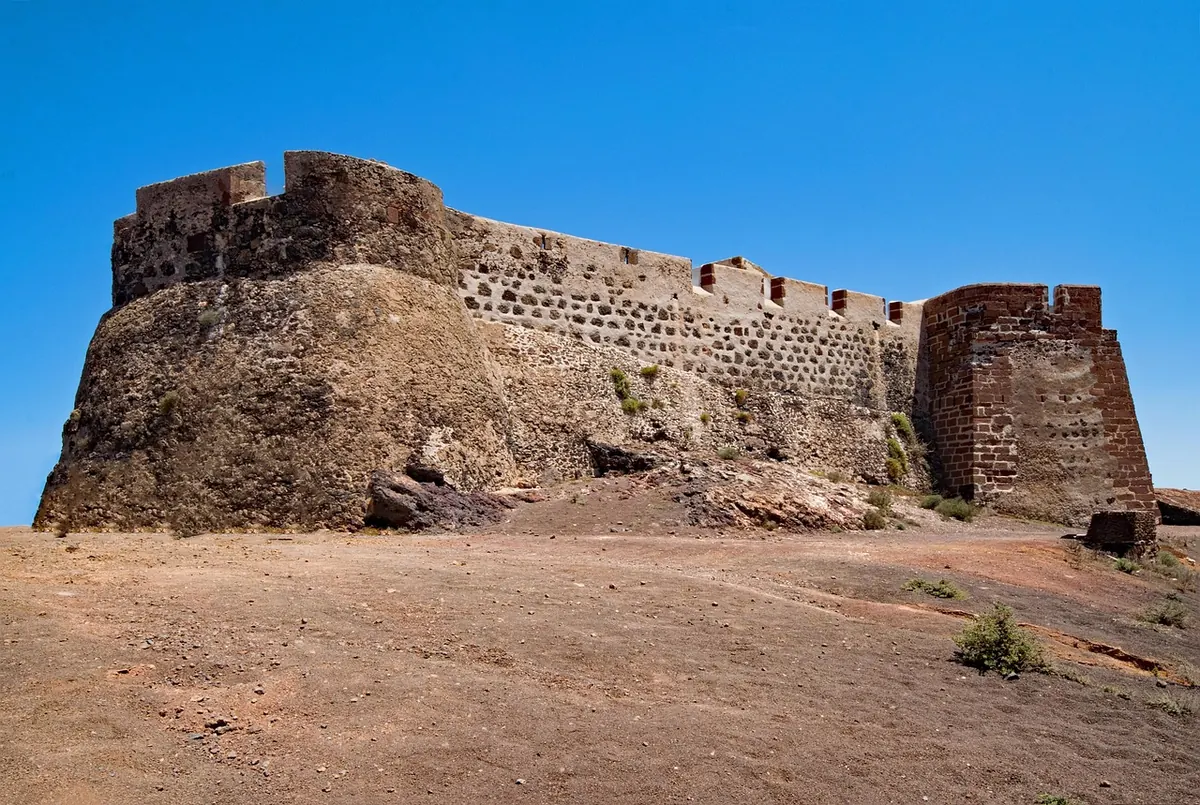
The former capital is the island's best-preserved old town, with a castle on the volcano above it. On Sunday mornings its streets fill with a large craft and food market – go early, before the coach tours arrive.
The old capital's streets fill with stalls selling crafts, cheese and souvenirs, and music plays in the squares. Arrive early for parking.
9. Hike a volcano
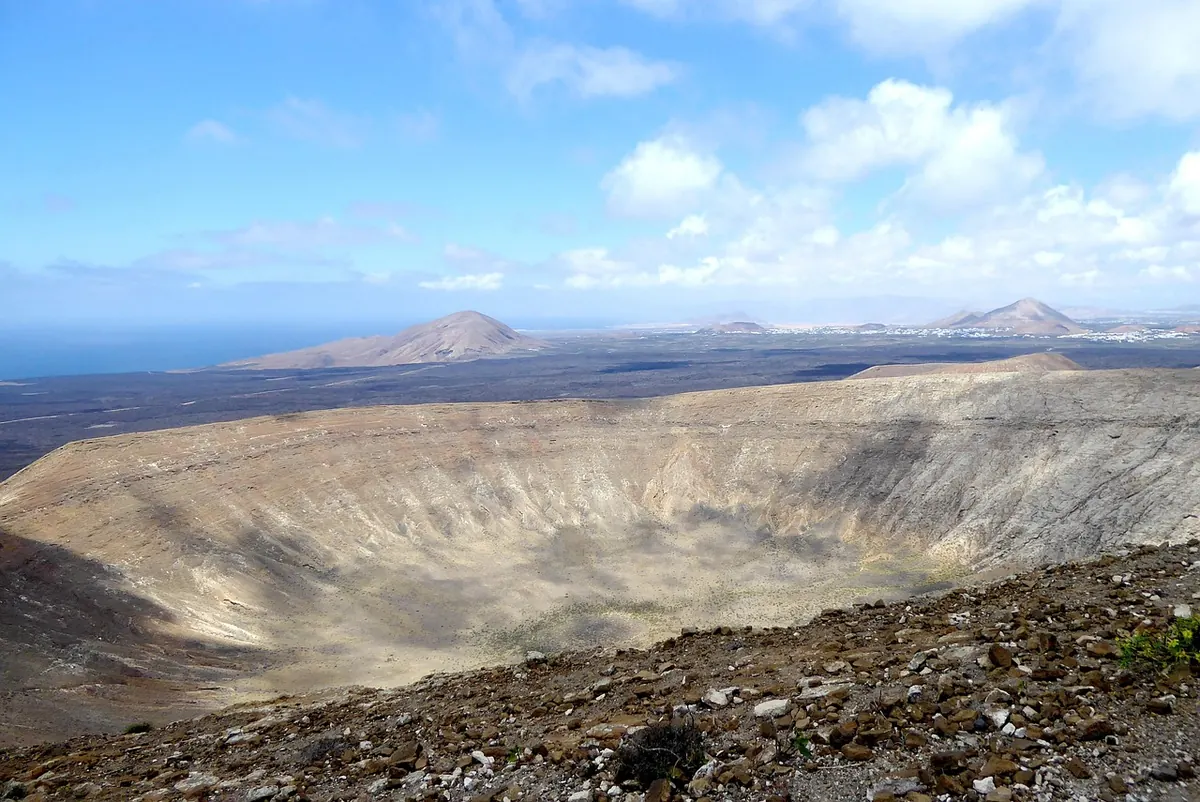
Outside the restricted zone of Timanfaya you can walk freely. The Caldera Blanca trail from Mancha Blanca crosses a lava field to a huge crater, and Montaña Colorada has an easy loop. Take water, a hat and good shoes: there's little shade.
The walk around the crater rim of Caldera Blanca or Montaña Colorada crosses black and red lava fields, with the Atlantic on the horizon and the wind in your face.
10. Spend an evening in Arrecife
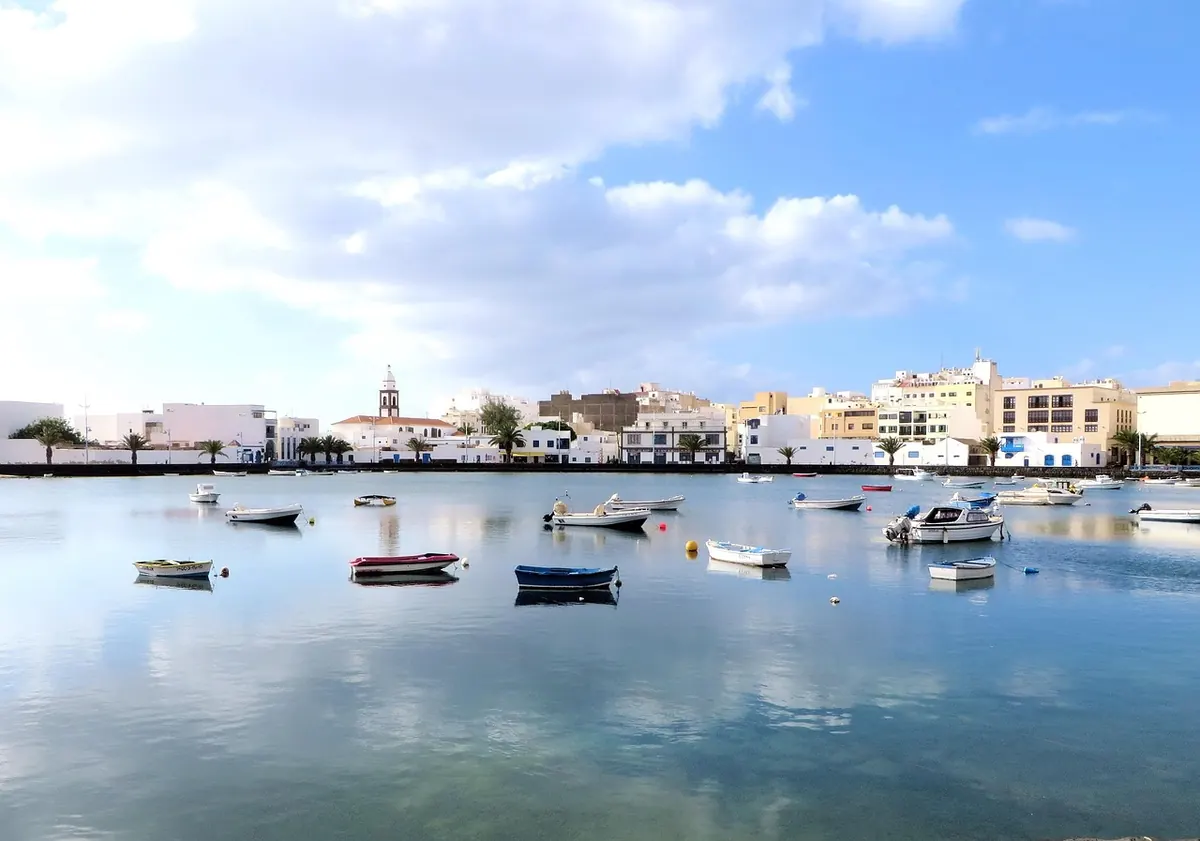
The capital is not pretty, but it is real. Stroll the Charco de San Ginés lagoon with its fishing boats and bars, and visit the Castillo de San José, which houses the island's contemporary art museum and a restaurant with harbour views.
Around the Charco de San Ginés lagoon, fishing boats bob, and restaurants and bars fill up with locals in the evening.
Getting around
Lanzarote Airport is close to Arrecife and the resorts of Puerto del Carmen and Costa Teguise. Buses connect the airport, the capital and the main towns, but a hire car gives you the freedom to see the whole island in a few days. Book tickets for the most popular art and nature centres online in high season.
Frequently asked questions
When is the best time to visit Lanzarote?
Lanzarote is a year-round destination. Winter days are usually mild and sunny, while summer is hot but cooled by the trade winds. Spring and autumn are the most comfortable months for hiking and sightseeing.
Do I need a car in Lanzarote?
A hire car is the easiest way to see the island. Buses link the airport, Arrecife and the main resorts, but Timanfaya National Park has no public bus and several sights are hard to reach without a car.
Which is the best resort in Lanzarote?
Puerto del Carmen has the most choice of hotels, restaurants and nightlife. Playa Blanca is quieter and close to the Papagayo beaches, and Costa Teguise is popular with families and windsurfers.
Keep reading
Which Canary Island Is Best? A Guide to All Seven Islands
Tenerife, Gran Canaria, Lanzarote, Fuerteventura, La Palma, La Gomera and El Hierro compared – beaches, nature, families, nightlife and when to go.
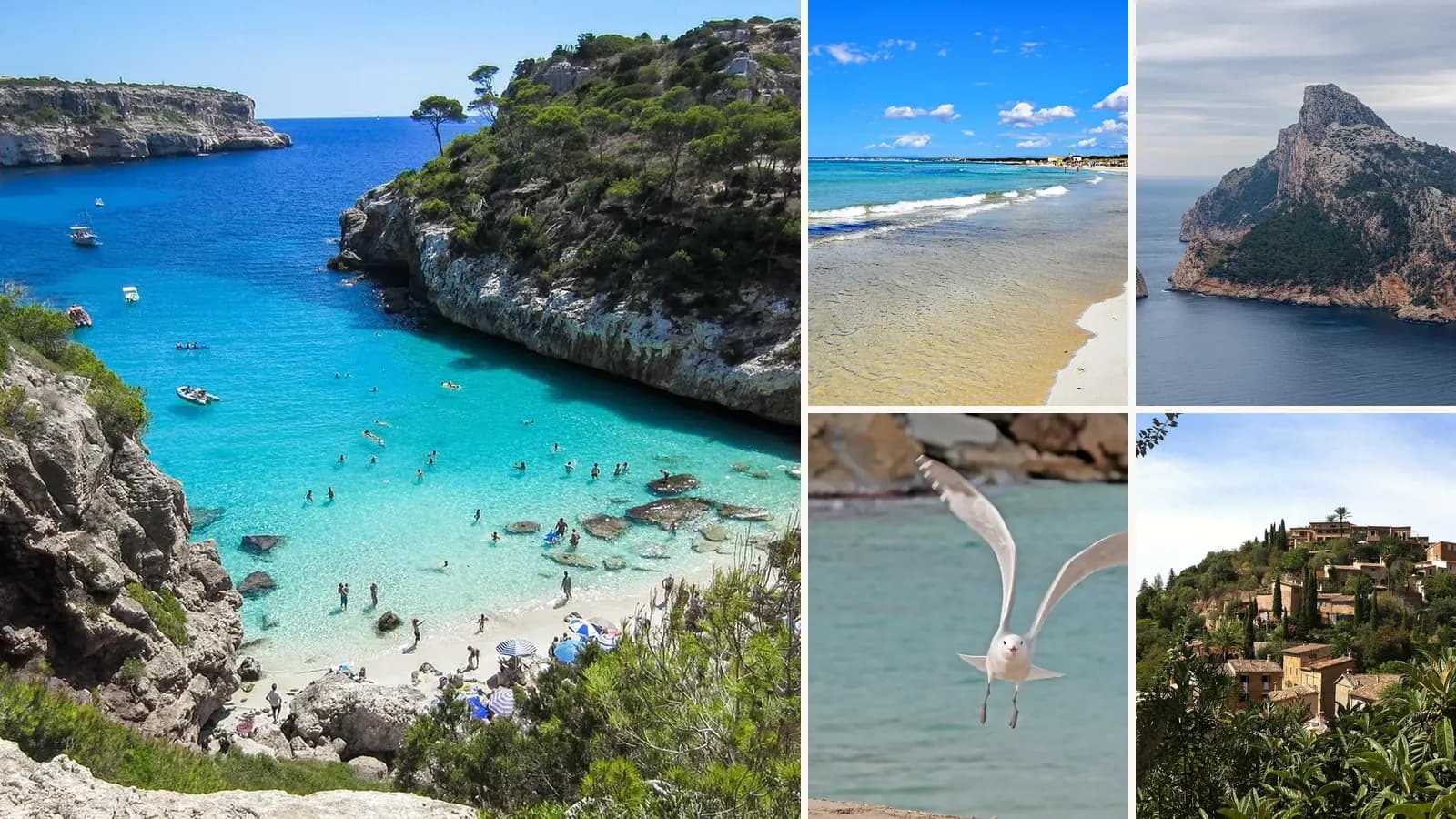
12 of the Best Beaches in Majorca
Caló des Moro, Cala Mesquida, Formentor, Es Trenc, Playa de Muro and Sant Elm – the best beaches in Majorca, from turquoise coves to long family-friendly bays.
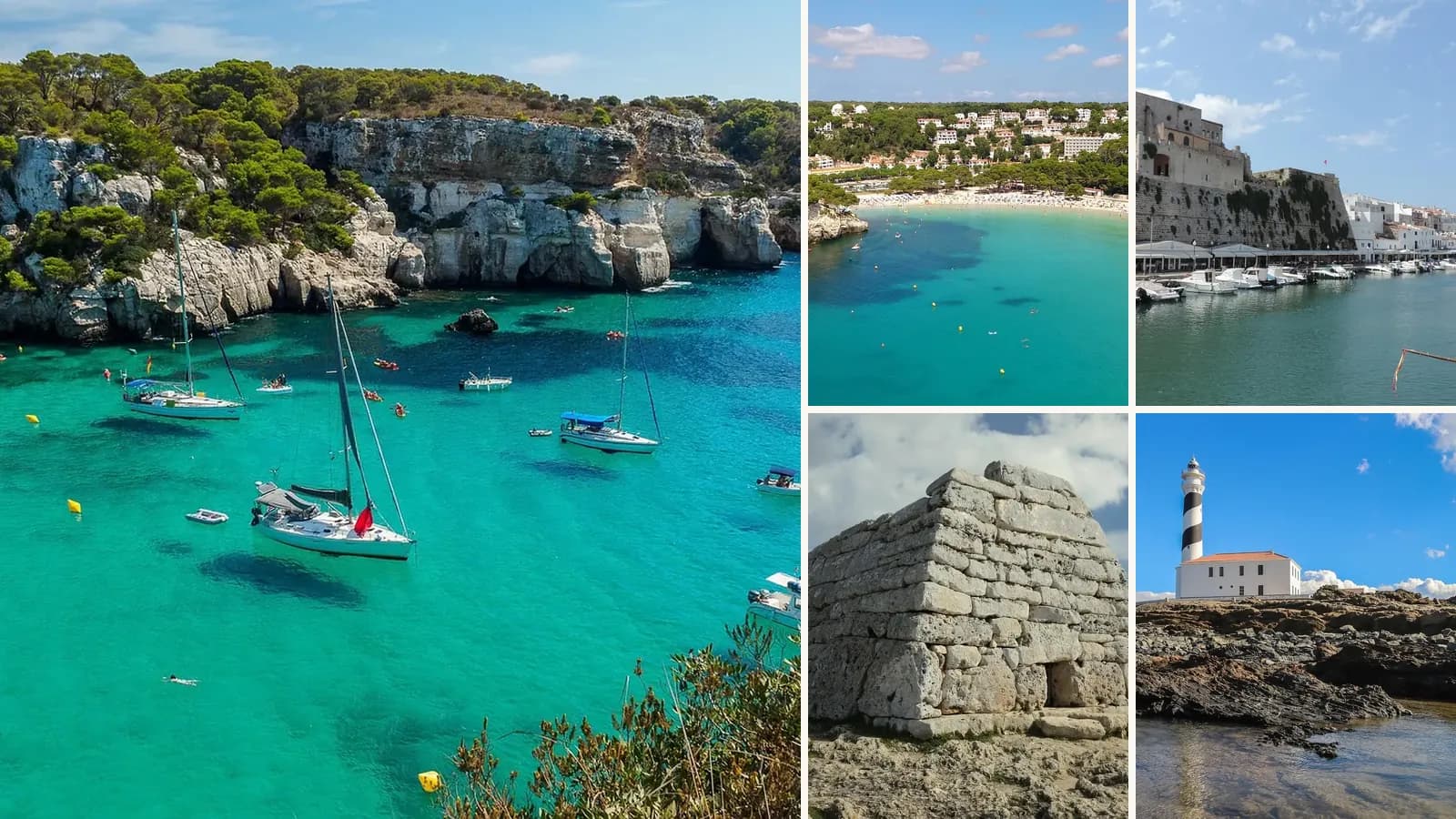
Menorca Travel Guide: 10 Reasons to Visit the Quiet Balearic Island
Turquoise coves, the Camí de Cavalls trail, Ciutadella and Mahón, ancient Talayotic sites and great seafood – why Menorca is the Balearics' most relaxing island.
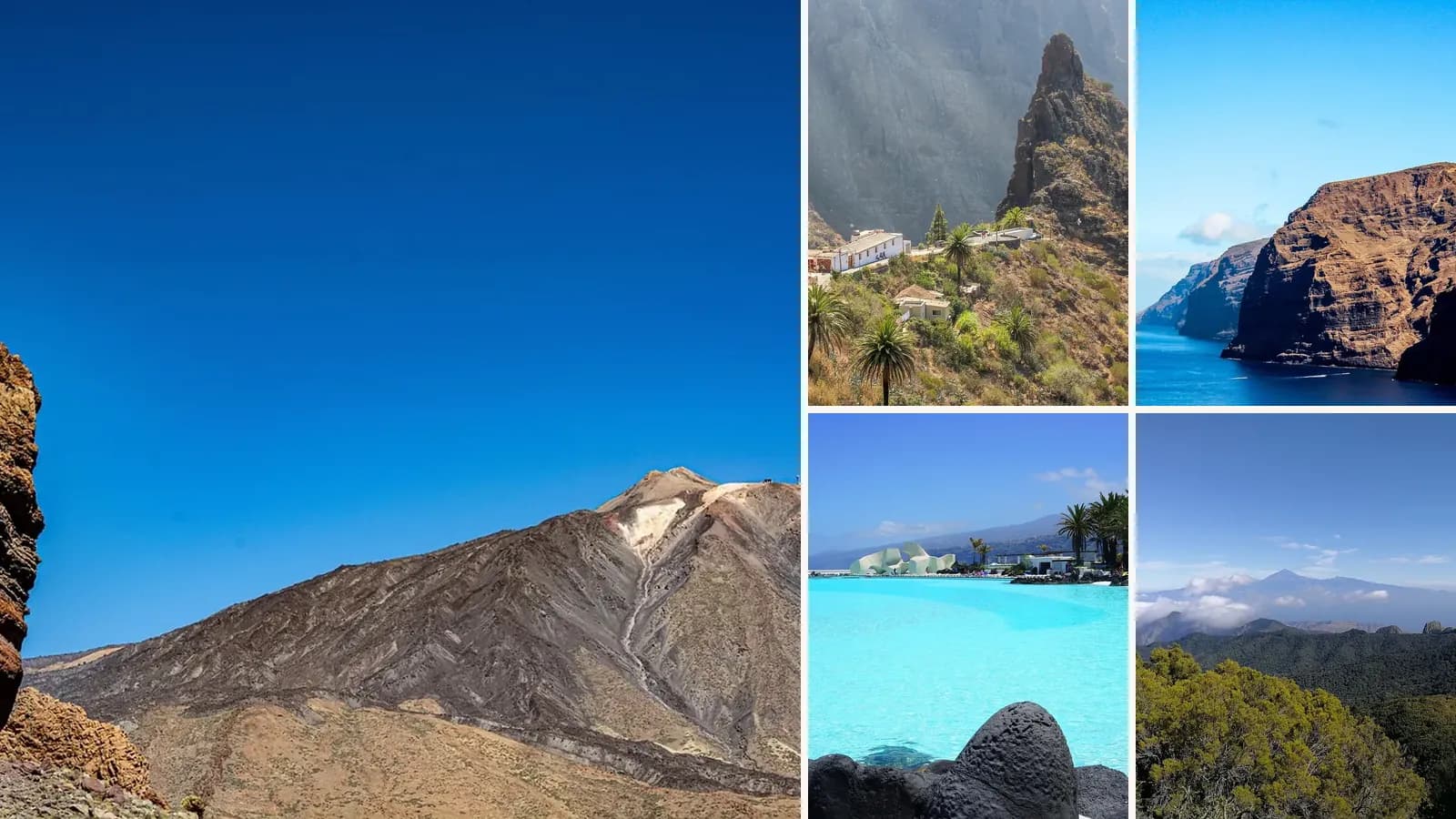
Tenerife Travel Guide: Teide, Beaches, Whale Watching and Where to Stay
Mount Teide, Los Gigantes, Masca, La Laguna, Anaga, the beaches and whale watching – the best things to do in Tenerife, plus where to stay.