12 of the Best Beaches in Majorca
Caló des Moro, Cala Mesquida, Formentor, Es Trenc, Playa de Muro and Sant Elm – the best beaches in Majorca, from turquoise coves to long family-friendly bays.

Some links in this guide are partner links: if you buy through them we may earn a small commission, at no extra cost to you. It never affects what we recommend. How we make money
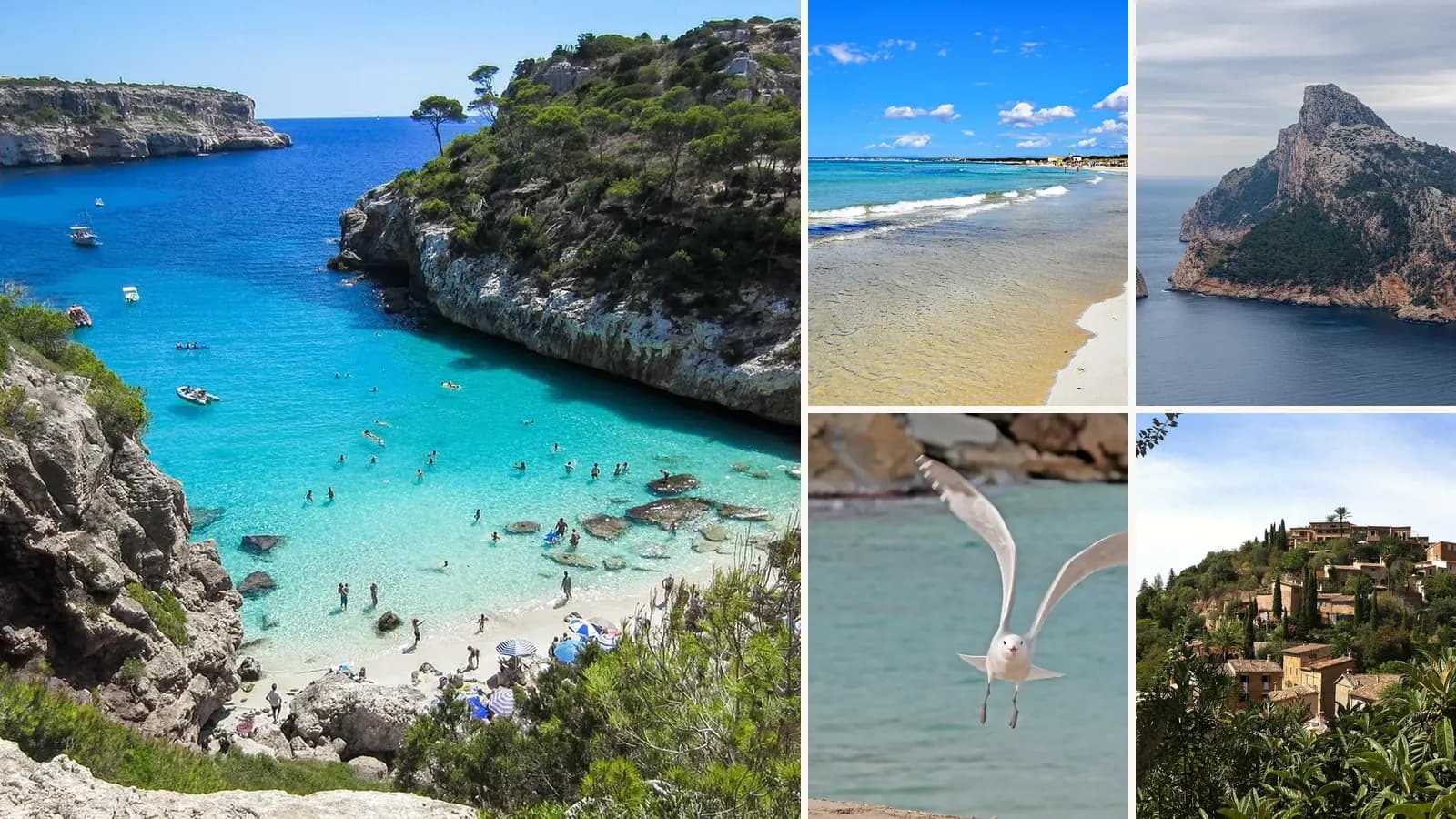
Majorca has more than 200 beaches, from wide golden bays with lifeguards and sunbeds to tiny turquoise coves reached on foot through pine woods. Here are the best, whether you want space for the kids, a snorkelling spot or a postcard cove.
Majorca's beaches at a glance
| Area | Beach type | Best for |
|---|---|---|
| South-east | Small coves, pine trees, turquoise water | Couples, snorkelling, photography |
| South | Long white-sand beaches, dunes | Natural beauty, families |
| North & north-east | Long shallow bays | Families, water sports |
| West | Rocky coves below mountains | Scenery, quiet swims |
The south-east coves
1. Caló des Moro
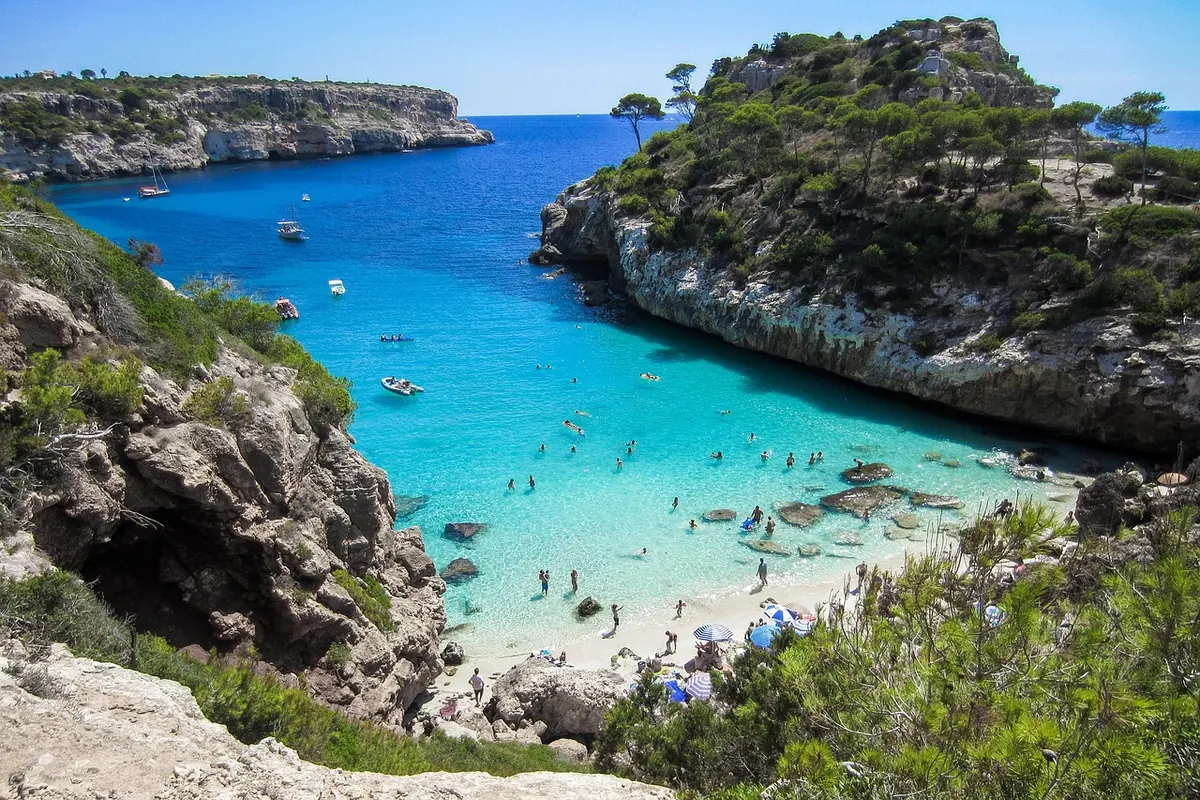
Perhaps Majorca's most photographed cove: a narrow inlet of turquoise water between pine-covered cliffs near Santanyí. It's tiny and very popular – come early in the morning or out of season, and be prepared for a short, rocky walk.
After a short walk down a rocky path through pine trees, the cove appears below you: a tiny strip of white sand and water in shades of turquoise so bright it looks like a swimming pool. In summer it's crowded by mid-morning and parking is limited – come very early or out of season, and bring water shoes for the rocks.
2. Cala Llombards
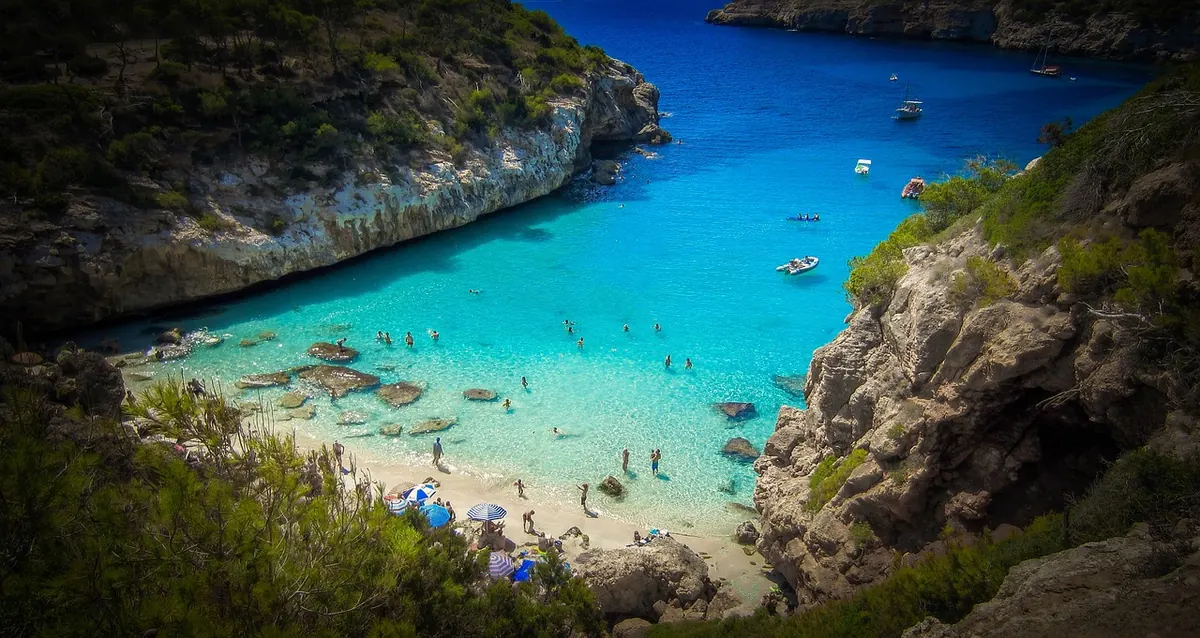
A pretty, sheltered cove with fine sand, a beach bar and clear water, a little quieter than its famous neighbour.
Fishermen's boathouses line the rocks, pine trees shade the sand and the water is calm and clear in the narrow inlet. It has a small beach bar and sunbeds, but feels more relaxed than its famous neighbours.
3. Cala Mondragó
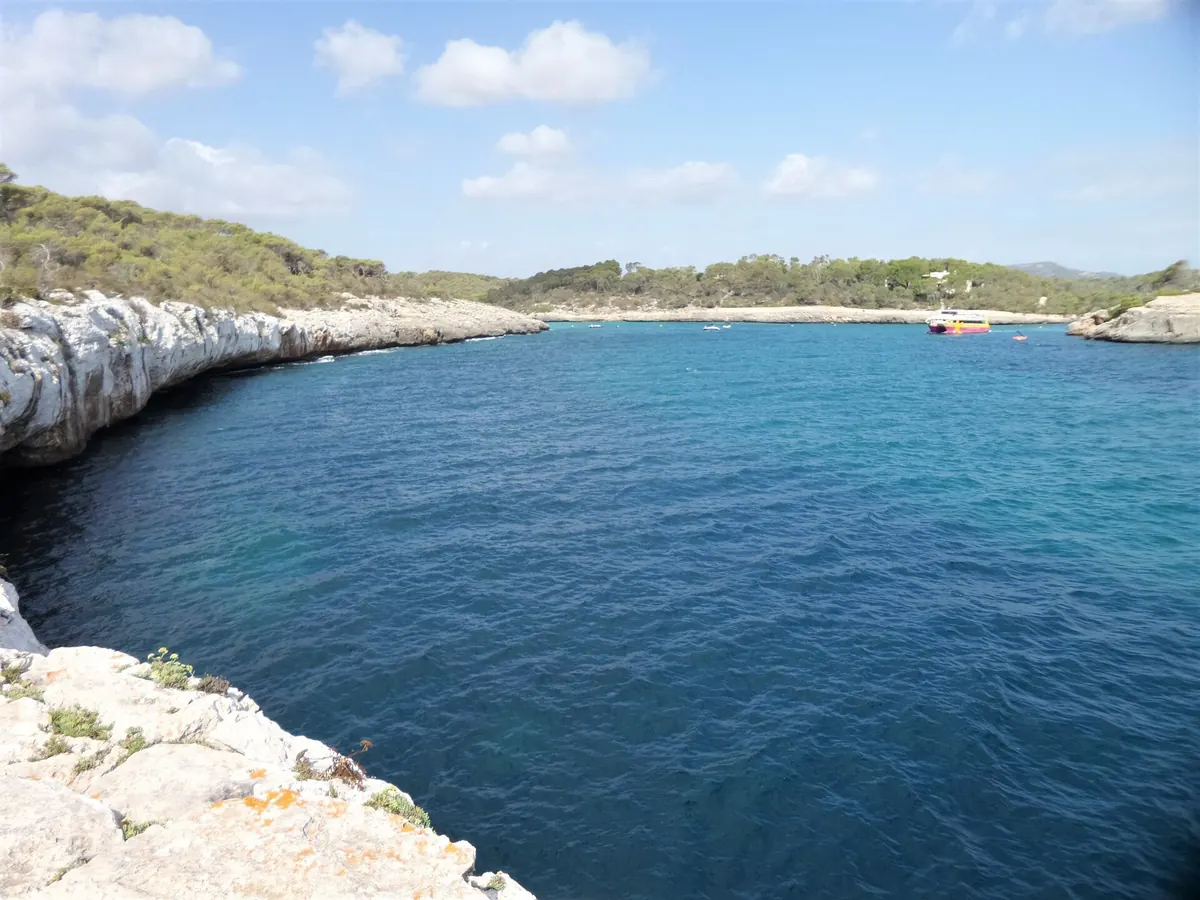
Inside a natural park, Mondragó has two sandy coves linked by a coastal path, with calm water and pine trees for shade – great for families.
Inside the natural park, the bay is sheltered by pine-covered cliffs, the sand is soft and the water is calm and shallow – great for families. Walk the coastal path to the smaller coves nearby for more space.
4. Cala Varques
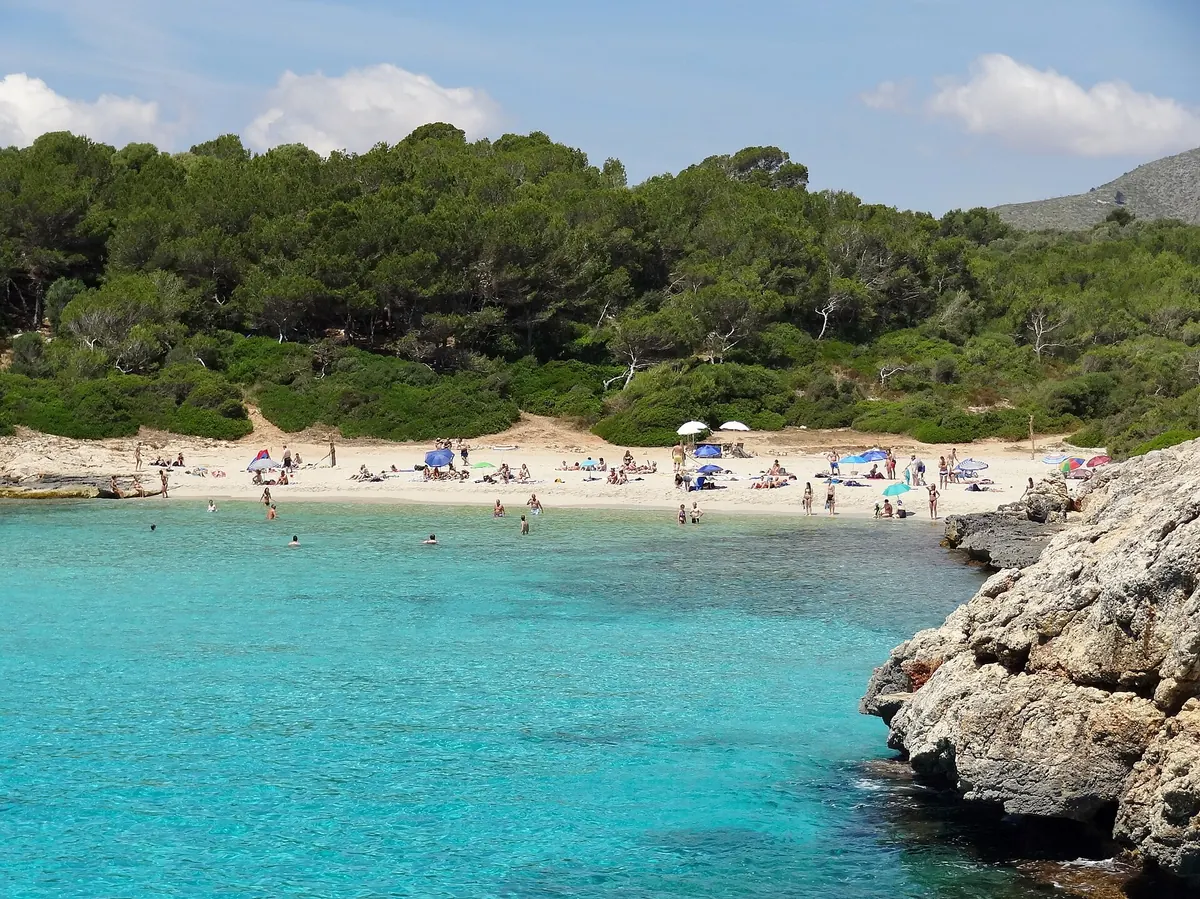
Reached by a walk through the countryside, this unspoilt cove with sea caves nearby feels wild and remote.
The walk through the countryside takes about 20 minutes, and then the wild, unspoilt cove opens up with no hotels in sight. There are no facilities, so bring water, food and shade.
The south
5. Es Trenc
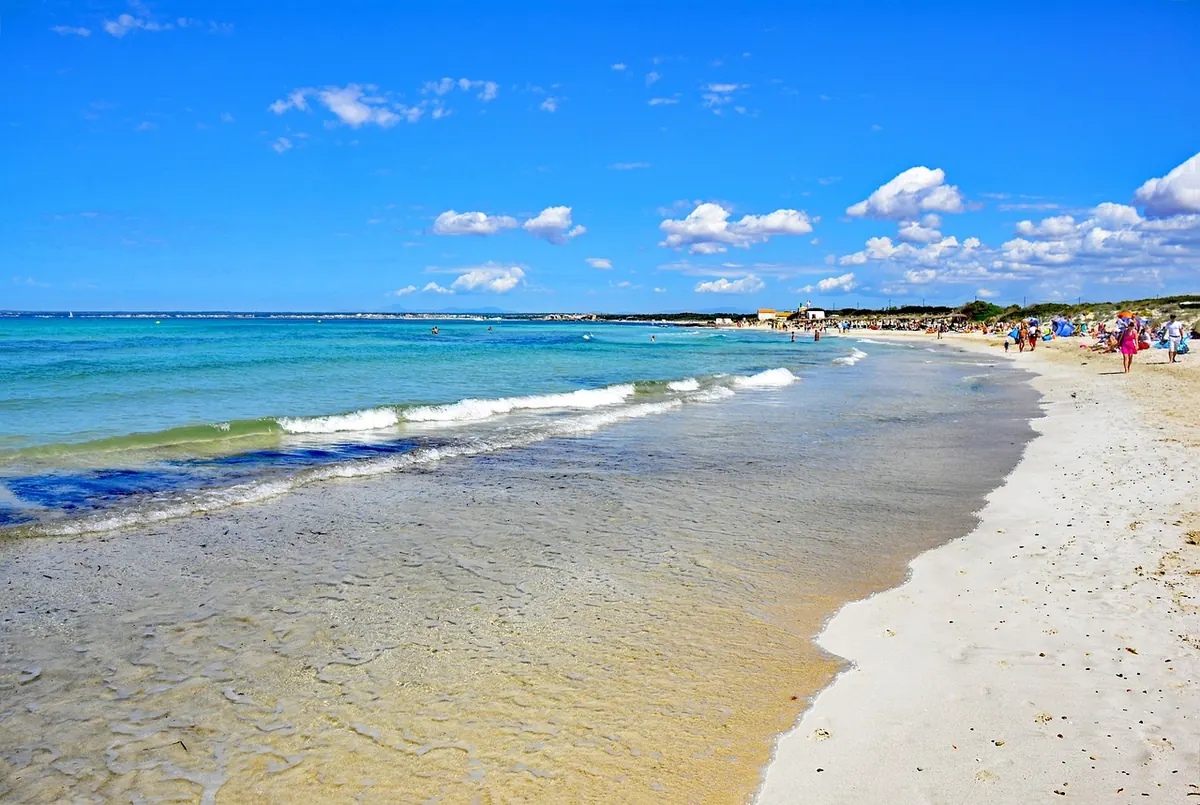
A long stretch of white sand and shallow turquoise water backed by dunes – the closest Majorca gets to the Caribbean. It's protected and undeveloped, with only a few beach bars.
Kilometres of white sand and dunes, with water so clear and pale it looks Caribbean. It's natural and undeveloped, but the parking is paid and the beach gets busy in high season – walk away from the access points for space.
6. Sant Elm
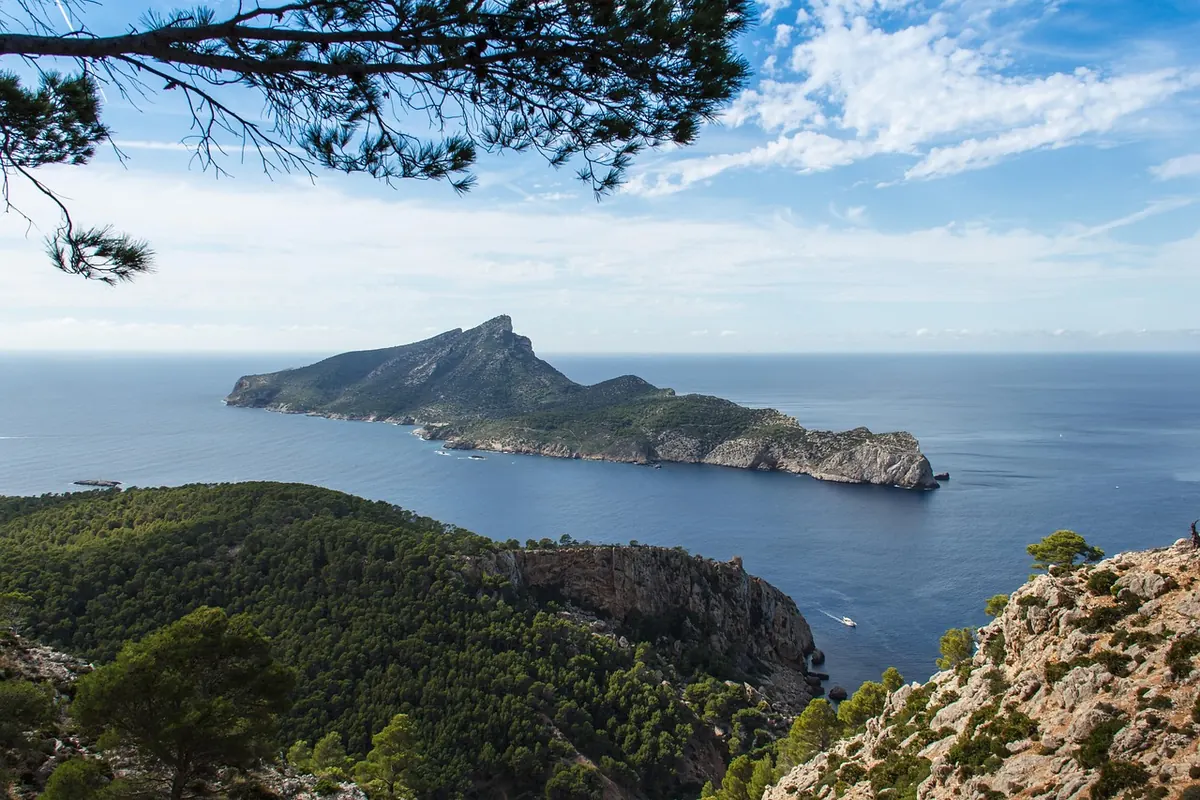
In the far south-west, the small resort of Sant Elm has a sandy beach facing the dramatic island of Sa Dragonera, which you can visit by boat.
From the small beach you look straight across to Sa Dragonera island, a long dragon-shaped silhouette in the sea. In the evening, the sun sets behind it while the restaurants on the seafront fill up.
The north and north-east
7. Cala Formentor
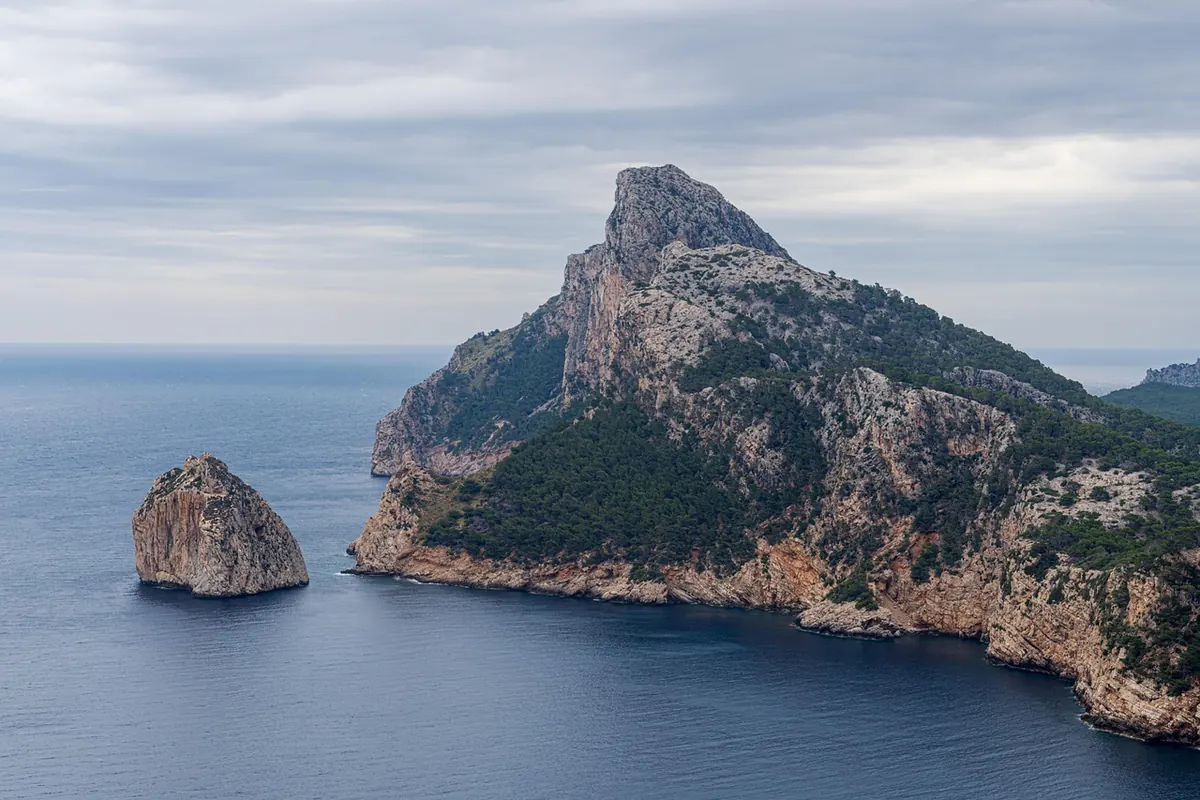
A long, narrow beach shaded by pines on the Formentor Peninsula, with calm, clear water and views across the bay. In summer, access by car to the peninsula can be restricted – check before you go and consider the bus or a boat from Port de Pollença.
Pine trees reach almost to the water, which is calm and crystal clear. The drive along the Formentor peninsula is spectacular – but in summer, access by car is restricted, so check before you go or take the boat from Port de Pollença.
8. Playa de Muro
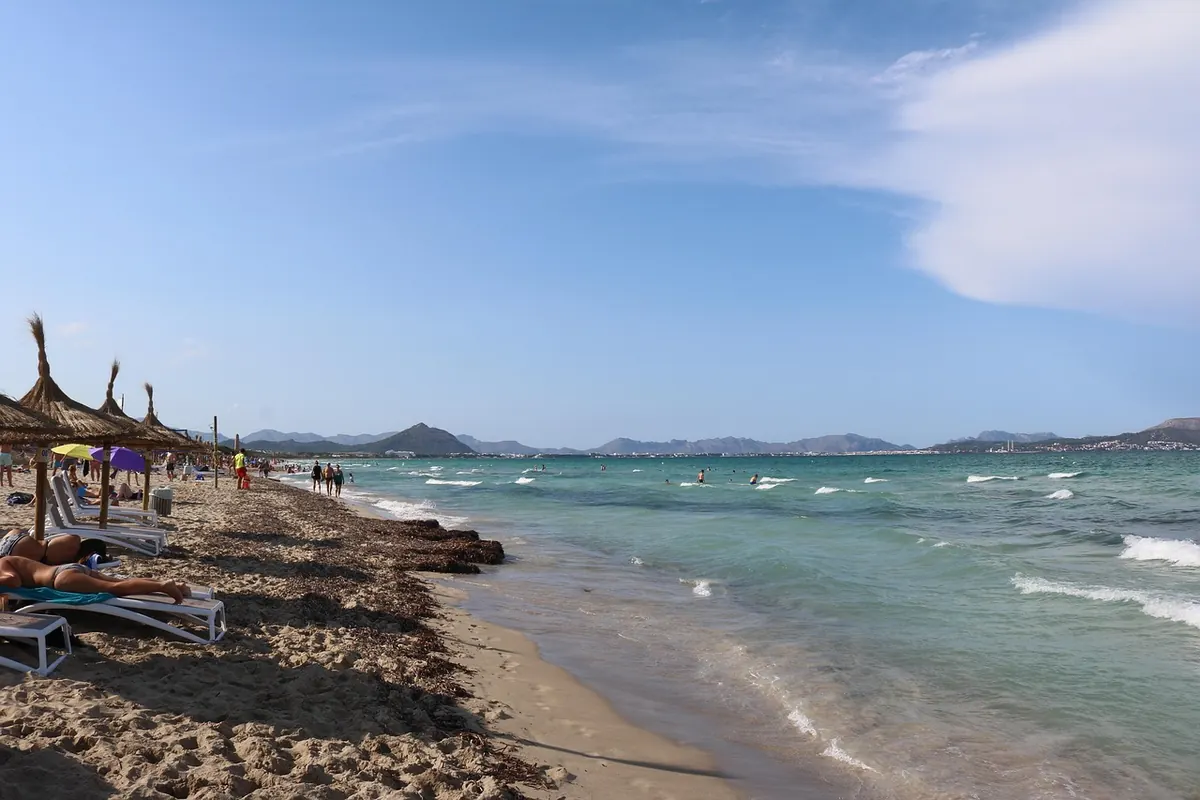
Kilometres of fine sand and very shallow water make this one of the best family beaches on the island, next to the S'Albufera wetlands.
Long, wide, fine sand and very shallow water make it perfect for small children – you can wade a long way out and the water stays at waist height.
9. Playa de Alcúdia
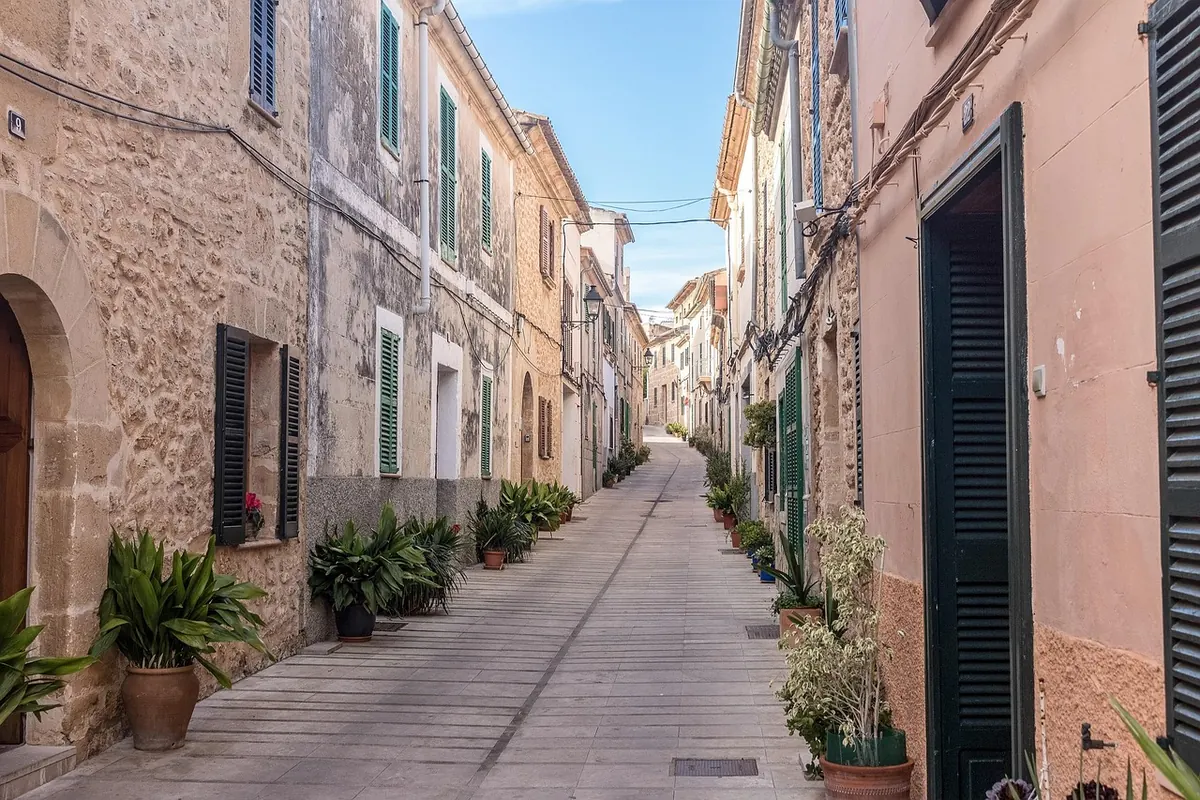
A long, gently sloping bay with every facility, water sports and a lively promenade, next to the medieval walled town of Alcúdia.
A long sweep of golden sand with a promenade, cafés and water sports – lively and practical, with calm water in the morning.
10. Cala Mesquida
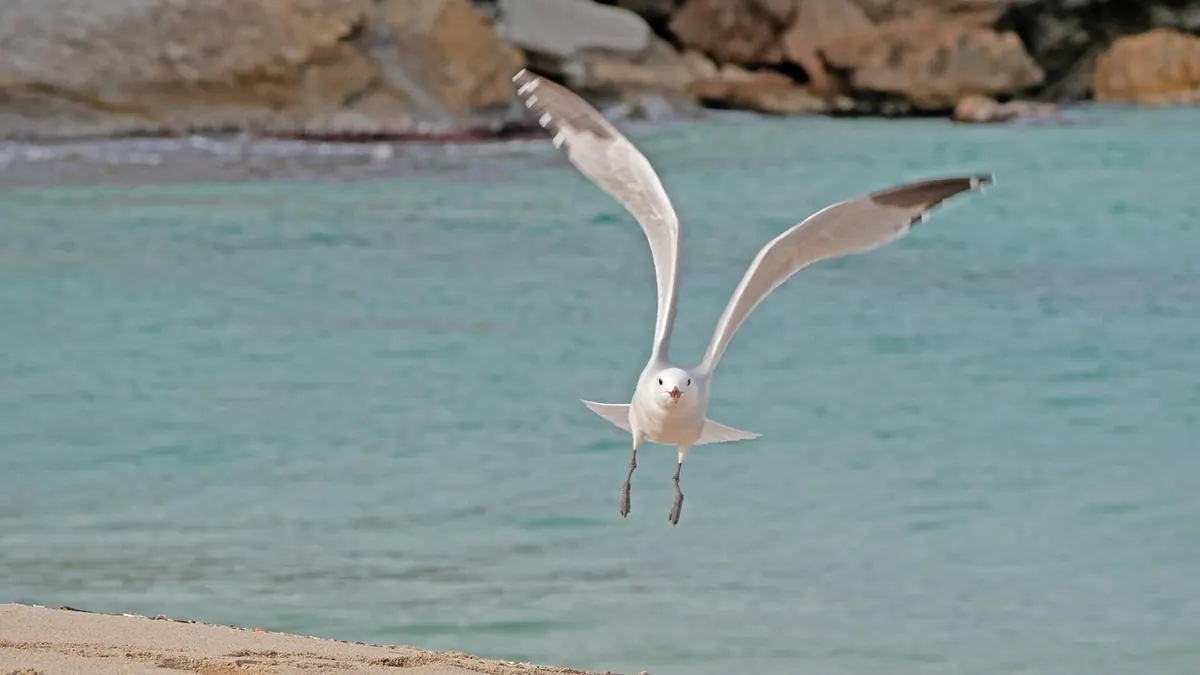
A wide, natural beach backed by dunes in the north-east, popular with families and bodyboarders on windy days.
Dunes rise behind the beach, the sand is soft and the waves are a little bigger here, so the sea feels wild and fresh. Check the flags before swimming.
11. Cala Agulla
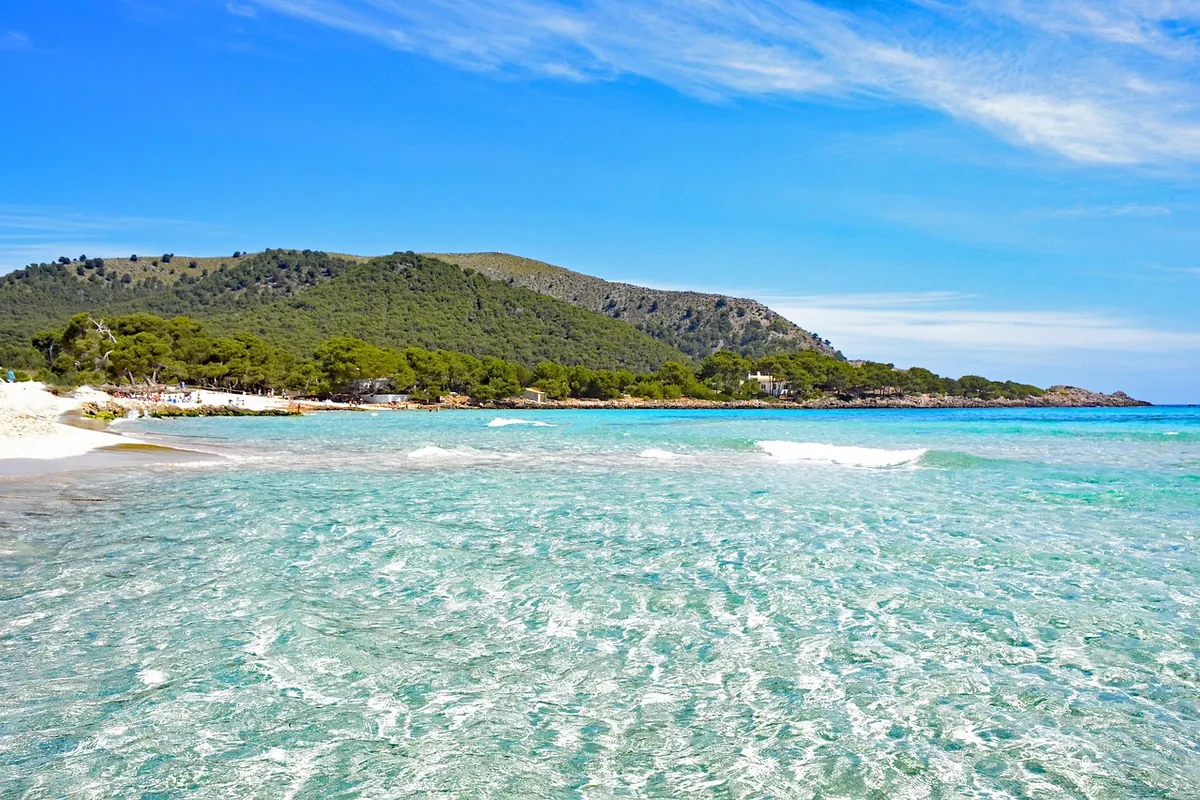
Near Cala Rajada, this beautiful sandy bay is surrounded by pine forest, with walking paths to quieter coves nearby.
Pine trees frame the long arc of white sand, and walking paths lead into the natural park behind – a peaceful place to escape the heat after a swim.
The west coast
12. Cala Deià
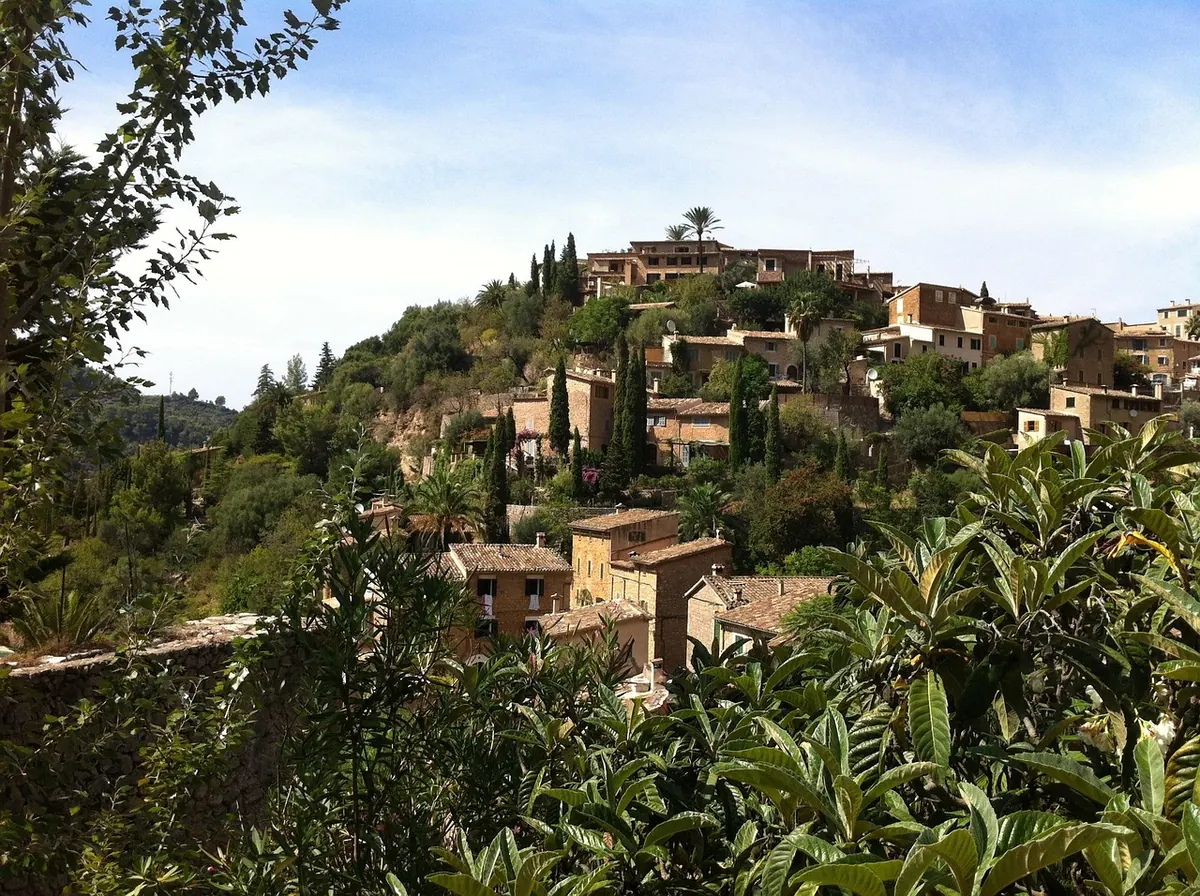
Not a sandy beach but a pebble cove with crystal-clear water below the artists' village of Deià, with two simple fish restaurants above the rocks – a favourite for a long lunch.
Steep mountains surround a tiny rocky cove, and fishermen's huts and a couple of simple restaurants serve grilled fish right above the water. The water is deep and clear – perfect for snorkelling – and the walk down from the village is beautiful.
When to go
The beach season runs from May to October. June and September have warm water and fewer crowds; July and August are hottest, and popular coves are packed by mid-morning. In May and October, the sea is cooler but the coves are wonderfully quiet.
Beyond the beach
- Palma: the Gothic cathedral (La Seu), the old town and the Almudaina Palace.
- The Serra de Tramuntana: a UNESCO-listed mountain range with villages such as Valldemossa, Deià and Sóller, best explored on the vintage Sóller train and tram.
- Caves: the Caves of Drach near Porto Cristo, with an underground lake concert.
- Markets: weekly markets in towns such as Sineu, Alcúdia and Santanyí.
Getting around
Palma Airport is about 15 minutes from Palma and 45–60 minutes from most beach resorts. A pre-booked transfer is easiest on arrival, especially in summer when taxi queues can be long. A hire car is the best way to explore the coves – but parking near the most popular beaches fills early in summer, and some, like Caló des Moro, have restricted access. Buses link Palma with the main resorts.
Island-hopping? See our guides to Menorca and Ibiza.
Beach tips
- Arrive early at the coves – car parks fill by mid-morning in summer.
- Bring water shoes for the pebble and rocky coves.
- Respect protected areas: stay on paths through the dunes and pine woods.
Island-hopping? Read why Menorca is worth a visit, or discover the quieter side of Ibiza.
Frequently asked questions
Which part of Majorca has the best beaches?
The north-east (Alcúdia, Playa de Muro, Cala Mesquida) has long sandy bays ideal for families, while the south-east coast around Santanyí is famous for small turquoise coves. The south has the Caribbean-like Es Trenc.
When is the best time for a beach holiday in Majorca?
June and September offer warm sea and fewer crowds than July and August. The sea is usually warm enough for swimming from late May to October.
Do I need a car in Majorca?
A car makes it much easier to reach the coves, many of which have limited bus connections. In peak season, arrive early – car parks at popular coves fill up quickly.
Keep reading
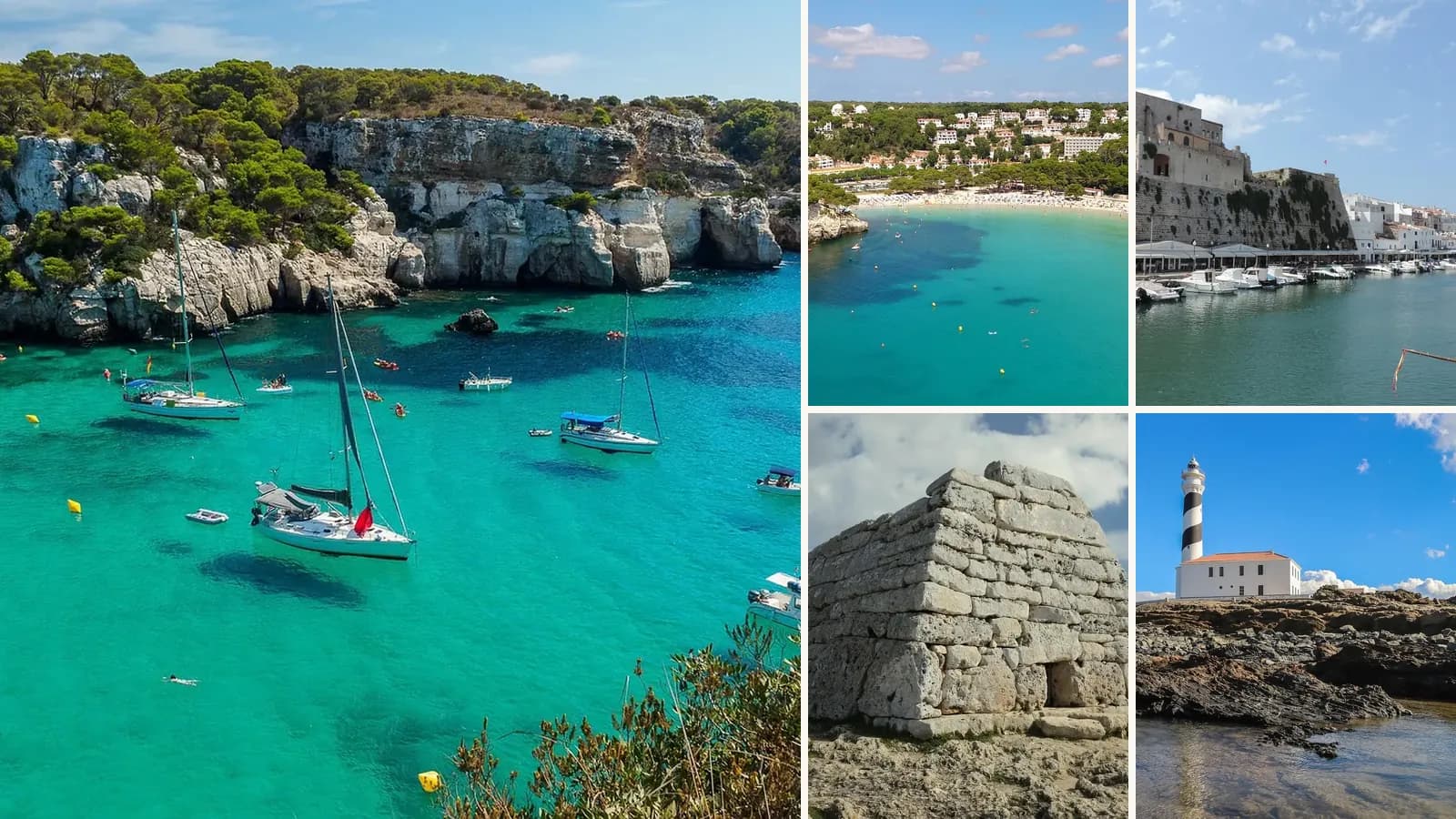
Menorca Travel Guide: 10 Reasons to Visit the Quiet Balearic Island
Turquoise coves, the Camí de Cavalls trail, Ciutadella and Mahón, ancient Talayotic sites and great seafood – why Menorca is the Balearics' most relaxing island.
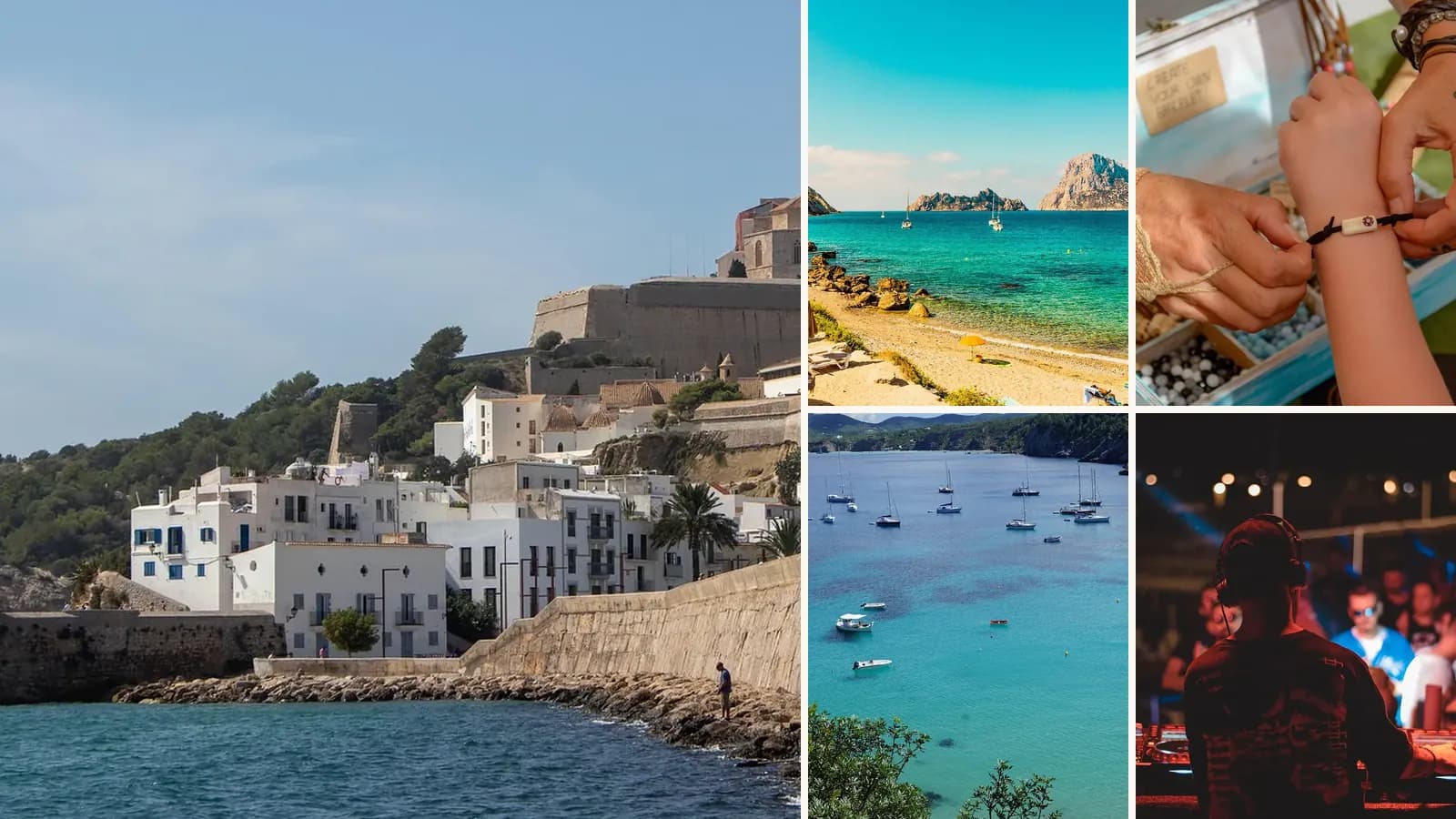
Ibiza Beyond the Clubs: 10 Best Things to Do on the White Isle
Dalt Vila, hidden coves, Es Vedrà at sunset, hippy markets, Formentera and the quiet north – the best things to do in Ibiza, beyond the superclubs.
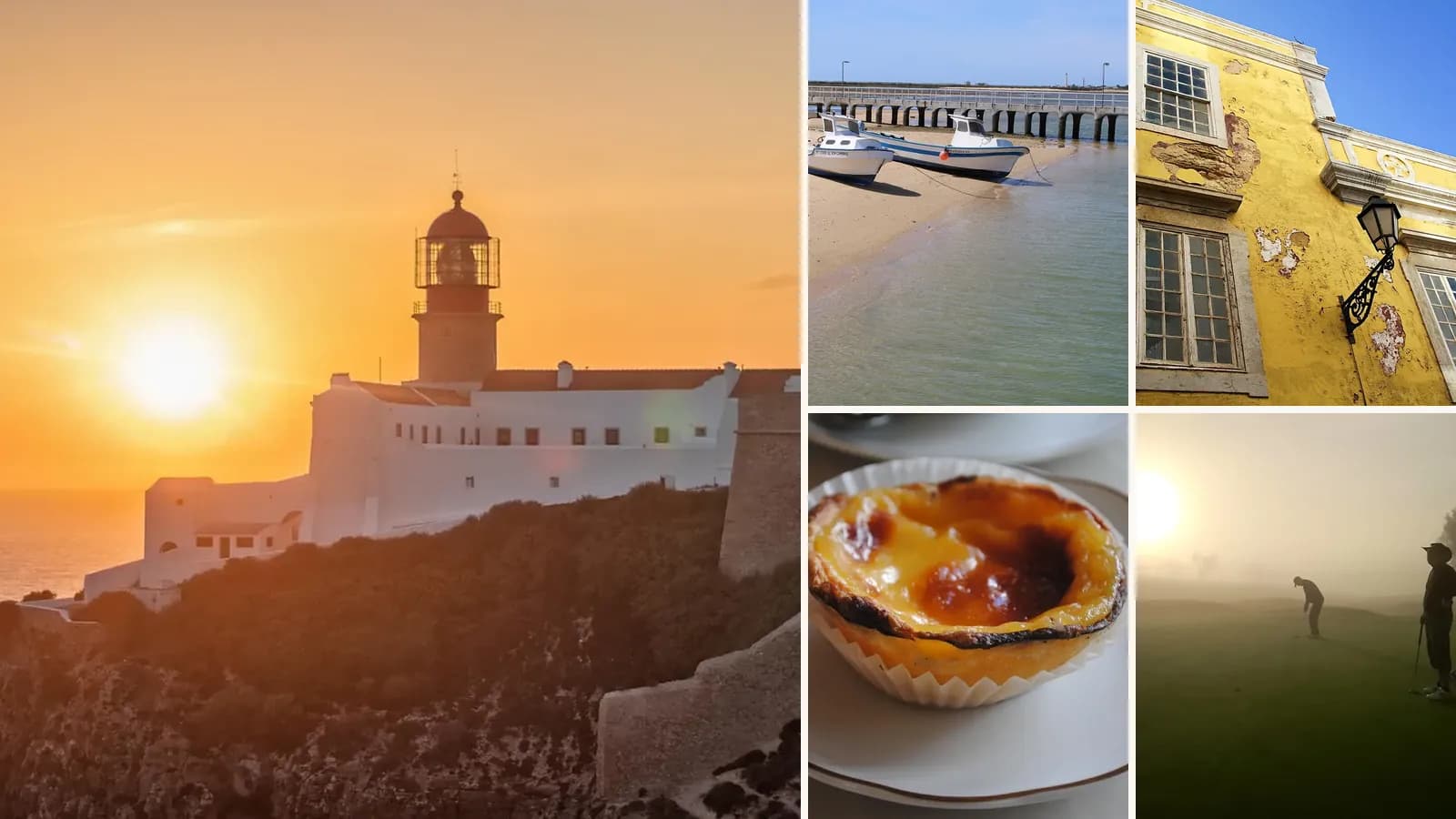
The Algarve Bucket List: 20 Things to Do in Portugal's Paradise
Benagil Cave, Ponta da Piedade, the Seven Hanging Valleys, Ria Formosa islands, piri-piri chicken and sunset at Cape St Vincent – 20 best things to do in the Algarve.
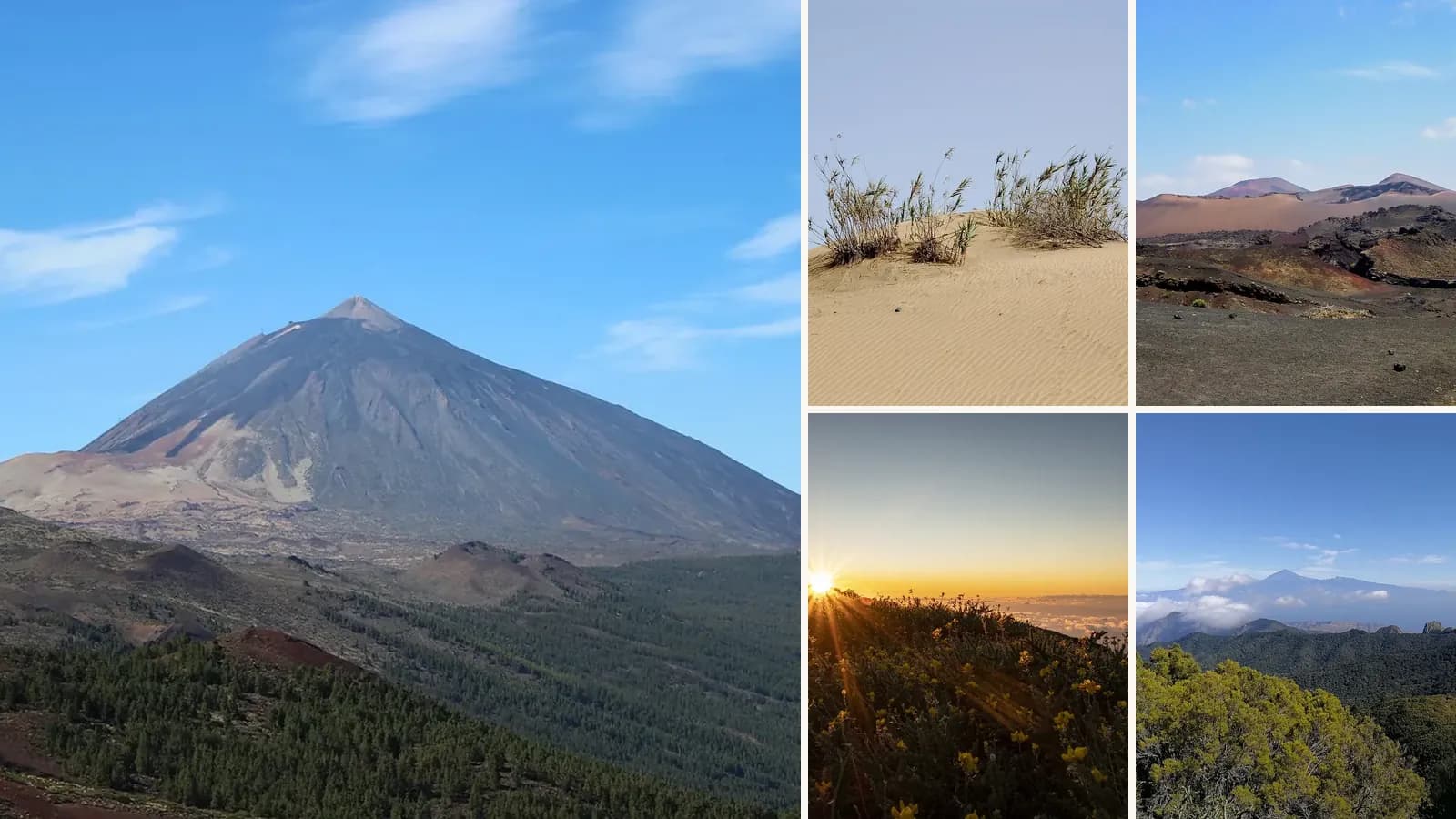
Which Canary Island Is Best? A Guide to All Seven Islands
Tenerife, Gran Canaria, Lanzarote, Fuerteventura, La Palma, La Gomera and El Hierro compared – beaches, nature, families, nightlife and when to go.