Menorca Travel Guide: 10 Reasons to Visit the Quiet Balearic Island
Turquoise coves, the Camí de Cavalls trail, Ciutadella and Mahón, ancient Talayotic sites and great seafood – why Menorca is the Balearics' most relaxing island.

Some links in this guide are partner links: if you buy through them we may earn a small commission, at no extra cost to you. It never affects what we recommend. How we make money
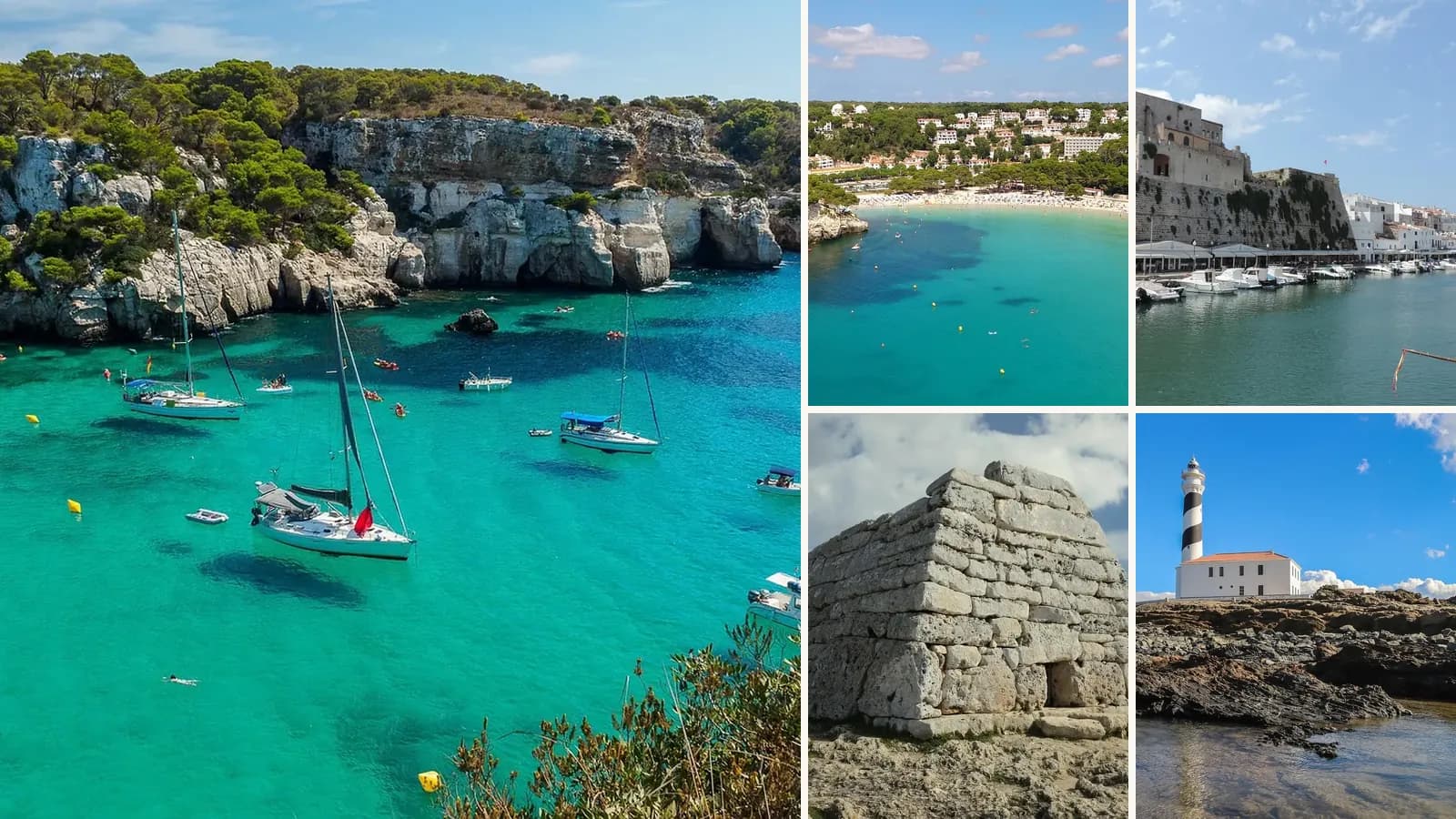
Less built-up than Majorca and quieter than Ibiza, Menorca is the Balearics' most relaxing island. The whole island has been a UNESCO Biosphere Reserve since 1993, which has kept large-scale development in check: instead of high-rise resorts you'll find turquoise coves backed by pine trees, green countryside criss-crossed by dry-stone walls, prehistoric monuments and two beautiful historic towns at either end of the island.
It's small enough to cross in under an hour, so you can stay in one place and still explore everything. This guide covers ten reasons to go, followed by practical advice on when to visit, where to stay and how to get around.
Menorca at a glance
| Quick facts | |
|---|---|
| Best time to visit | June and September for warm sea and fewer crowds; May and October for walking |
| How long to stay | A week is ideal; 4–5 days for the highlights |
| Airport | Menorca (MAH), just outside Mahón |
| Getting around | Hire car or public buses; walking the coastal path |
| Best for | Families, couples, walkers, beach lovers looking for calm |
1. The turquoise coves of the south
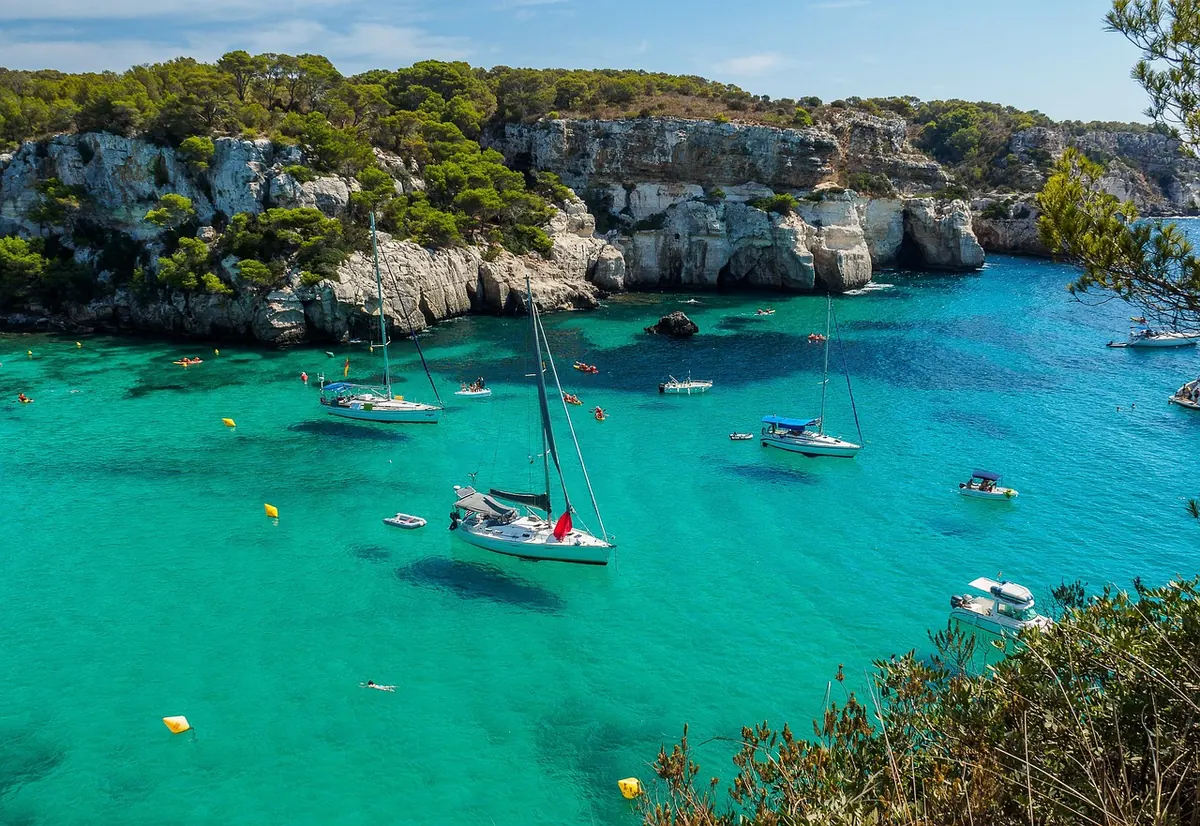
The south coast is lined with small coves of white sand, pine trees and astonishingly clear water – some of the most beautiful beaches in the Mediterranean. The most famous are Cala Macarella and its little sister Cala Macarelleta, Cala Turqueta, Cala Mitjana and the smaller coves between them along the coastal path.
Their popularity means access is managed in summer: parking near some coves is limited and fills early, and certain coves are reached by seasonal shuttle buses from Ciutadella or by walking from a car park. Arrive early in the morning, bring water and shade (there are few facilities), and take your rubbish home. Out of season, you may have them almost to yourself.
Walk through pine trees and suddenly you see Cala Macarella or Cala Turqueta below, with white sand and water so clear it's almost invisible. Arrive early – parking fills quickly in summer.
2. Family beaches
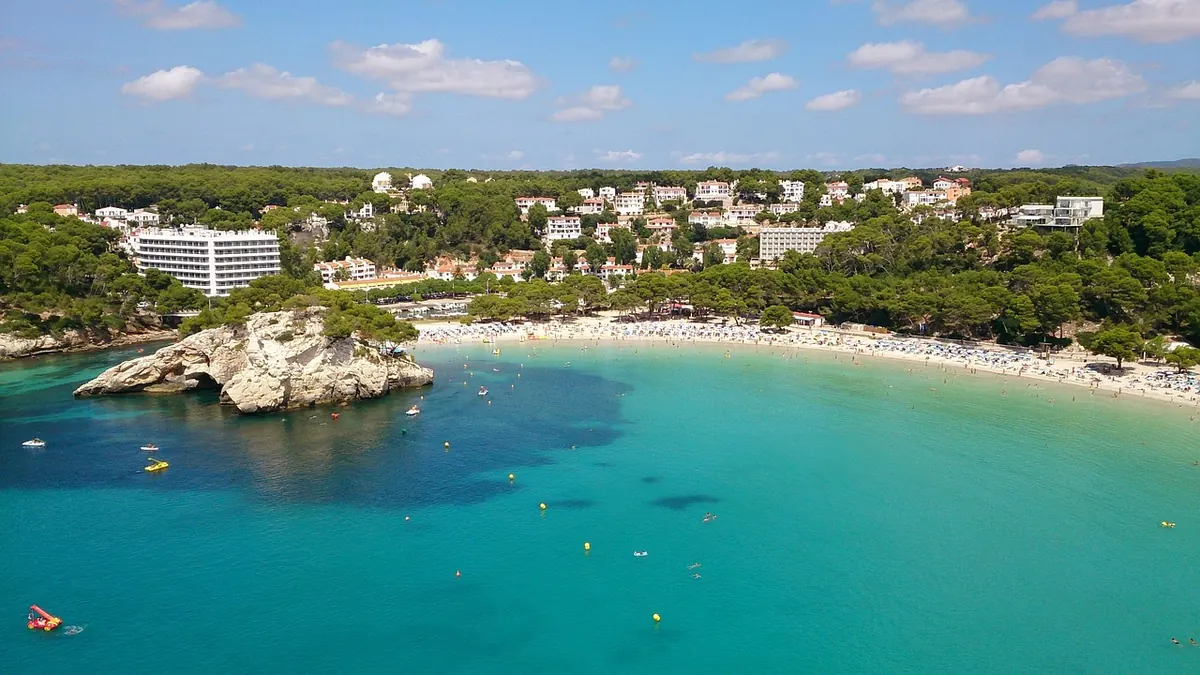
Menorca is excellent for families. Long, shallow sandy beaches such as Son Bou – the island's longest – Cala Galdana and Son Saura have gentle water, and many have lifeguards, sunbeds and cafés in summer. In the north, the sheltered bay of Fornells and beaches such as Arenal d'en Castell are calm on most days.
Tip: the north and south coasts face different winds. If one side is wavy, the other is often calm – check the forecast before choosing your beach.
Shallow, calm water and soft sand make beaches like Son Bou and Cala Galdana perfect for small children.
3. The Camí de Cavalls
This historic bridleway, once used by soldiers patrolling the coast, runs right around the island – about 185 km, divided into around 20 stages. It links coves, cliffs, lighthouses, watchtowers and wetlands, and is waymarked throughout.
You can walk short sections between beaches, cycle certain stages or tackle the whole route over about ten days. The stretch between Cala Galdana and Cala Turqueta in the south is one of the most beautiful. Walk in spring or autumn, wear proper shoes and carry plenty of water.
The old path runs around the whole island, through pine forests, past lighthouses and hidden coves – walk a stretch at sunrise.
4. Ciutadella
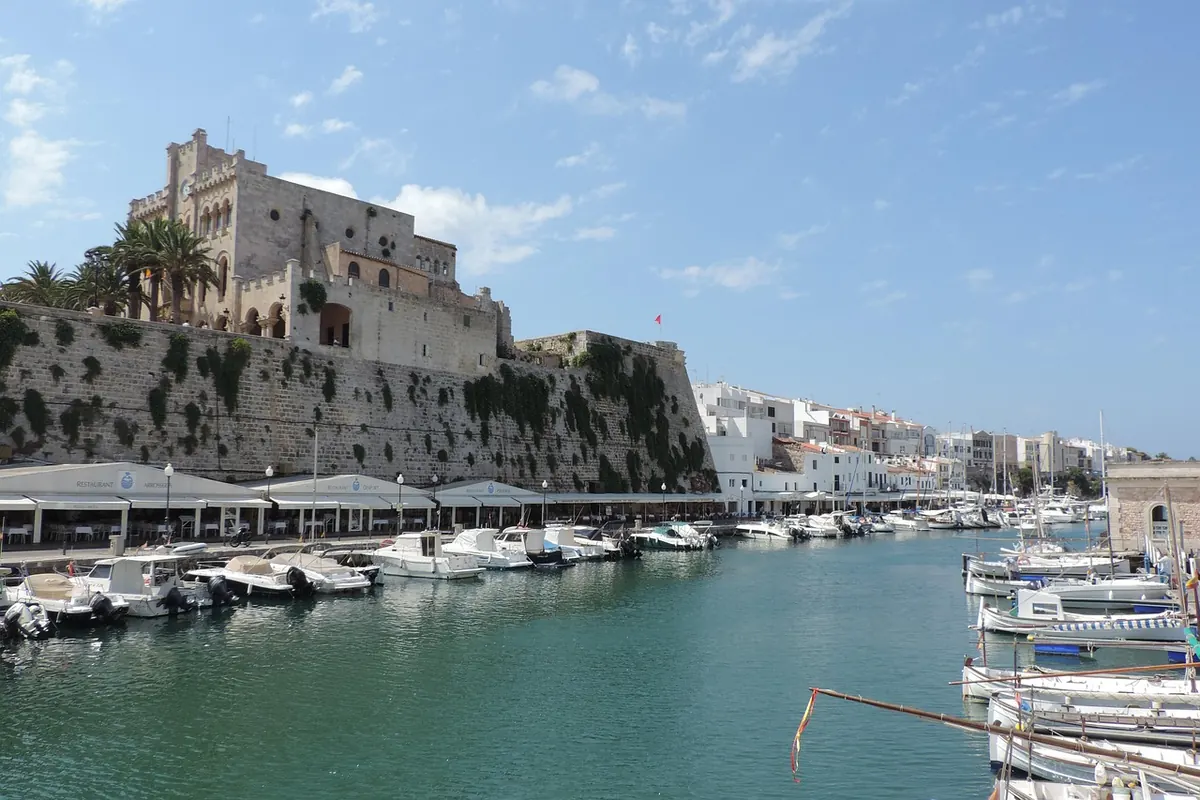
The former capital at the western end of the island has a pretty harbour, narrow streets with arcades, a Gothic cathedral and elegant aristocratic palaces. Its main square, Plaça des Born, is surrounded by fine buildings, and the old harbour is lined with restaurants – the perfect place for dinner after watching the sunset.
In late June, Ciutadella's Sant Joan festival, with horses and riders in the streets, is one of the most spectacular in Spain – book accommodation early if you want to see it.
The old town's stone streets, palaces and cathedral glow golden in the evening, and the port is lined with restaurants.
5. Mahón (Maó)
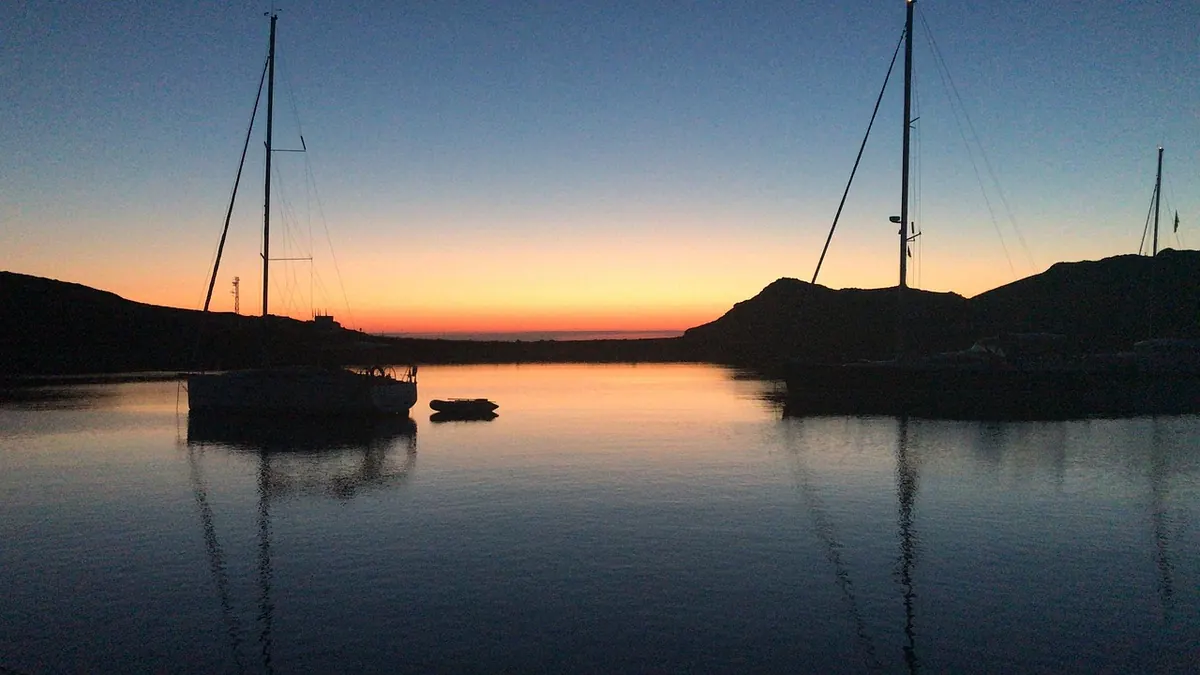
Menorca's capital sits above one of the largest natural harbours in the world. Its Georgian-style houses and sash windows are a reminder of British rule in the 18th century. Take a boat trip around the harbour to see the forts and islands, explore the old town's markets and churches, and visit the Xoriguer distillery to try Menorca's famous gin – often mixed with lemonade as a "pomada".
The waterfront below the old town is lined with restaurants and bars, and it's a lovely place for an evening walk.
The natural harbour is one of the largest in the world, and from the town above, you look down on boats and old warehouses.
6. Ancient Talayotic sites
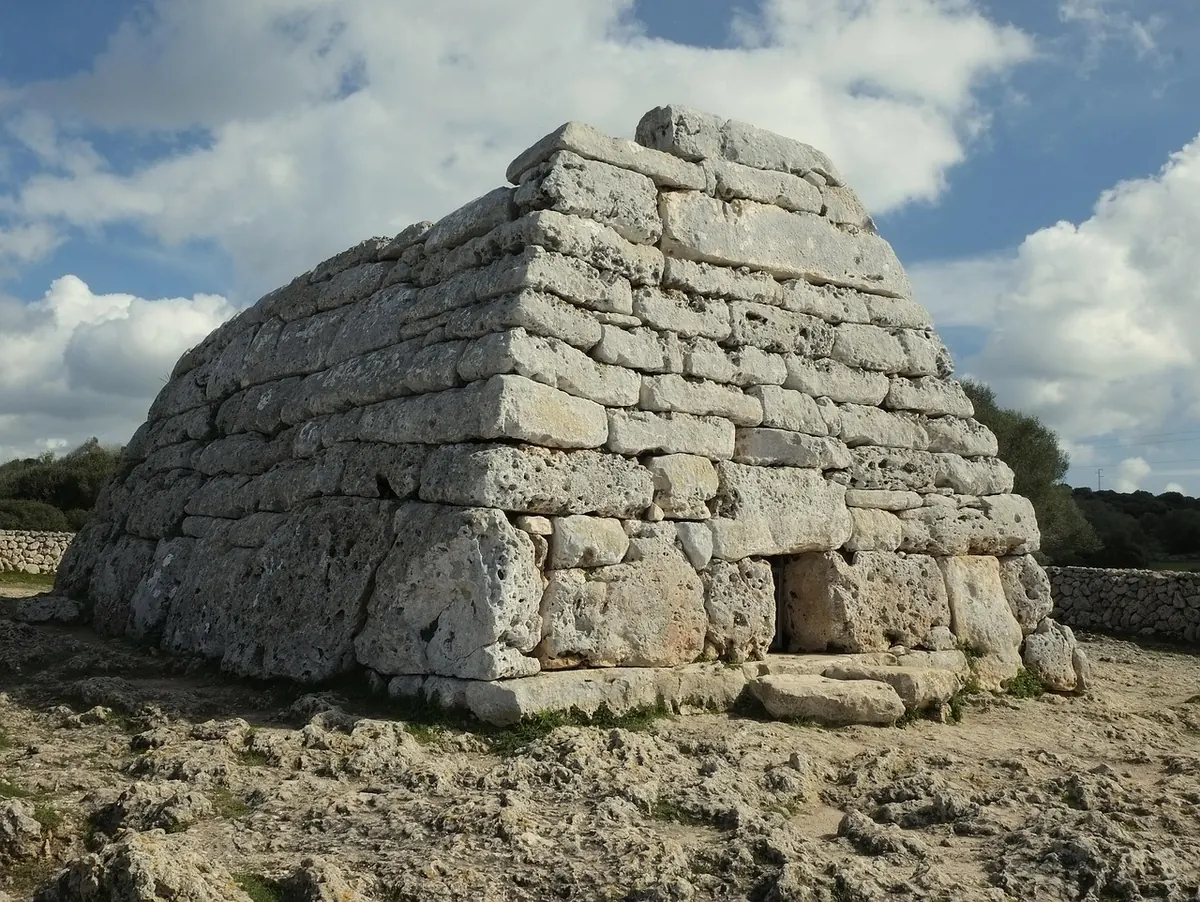
Menorca has one of the highest concentrations of prehistoric monuments in the Mediterranean, built by the Talayotic culture around 3,000 years ago. Highlights include the Naveta des Tudons, a boat-shaped burial chamber; the T-shaped stone taulas at sites such as Torralba d'en Salord and Talatí de Dalt; and the settlement of Torre d'en Galmés. Together they were listed as a UNESCO World Heritage Site in 2023.
Many sites are in open countryside and easy to visit on a drive across the island. Go in the morning or late afternoon, when the light is softer.
Mysterious T-shaped stone monuments stand among olive trees and stone walls – quiet and fascinating.
7. Fornells and its lobster stew
The whitewashed fishing village of Fornells, on a deep bay in the north, is famous for caldereta de langosta, a rich lobster stew served in earthenware pots. It's expensive – lobster always is – but a memorable treat.
The calm water of the bay is great for kayaking, paddleboarding, windsurfing and sailing lessons.
In the small fishing village, the restaurants serve caldereta de langosta, a rich lobster stew, on terraces by the water.
8. Cova d'en Xoroi
At Cala en Porter on the south coast, a bar and club have been set inside caves in the cliff face, high above the sea. It's famous for sunset drinks with a view over the water; in the evening it becomes a club. Book or arrive early for sunset in summer.
A cave bar in the cliffs, high above the sea – watch the sunset with a cocktail and chill-out music.
9. Lighthouses
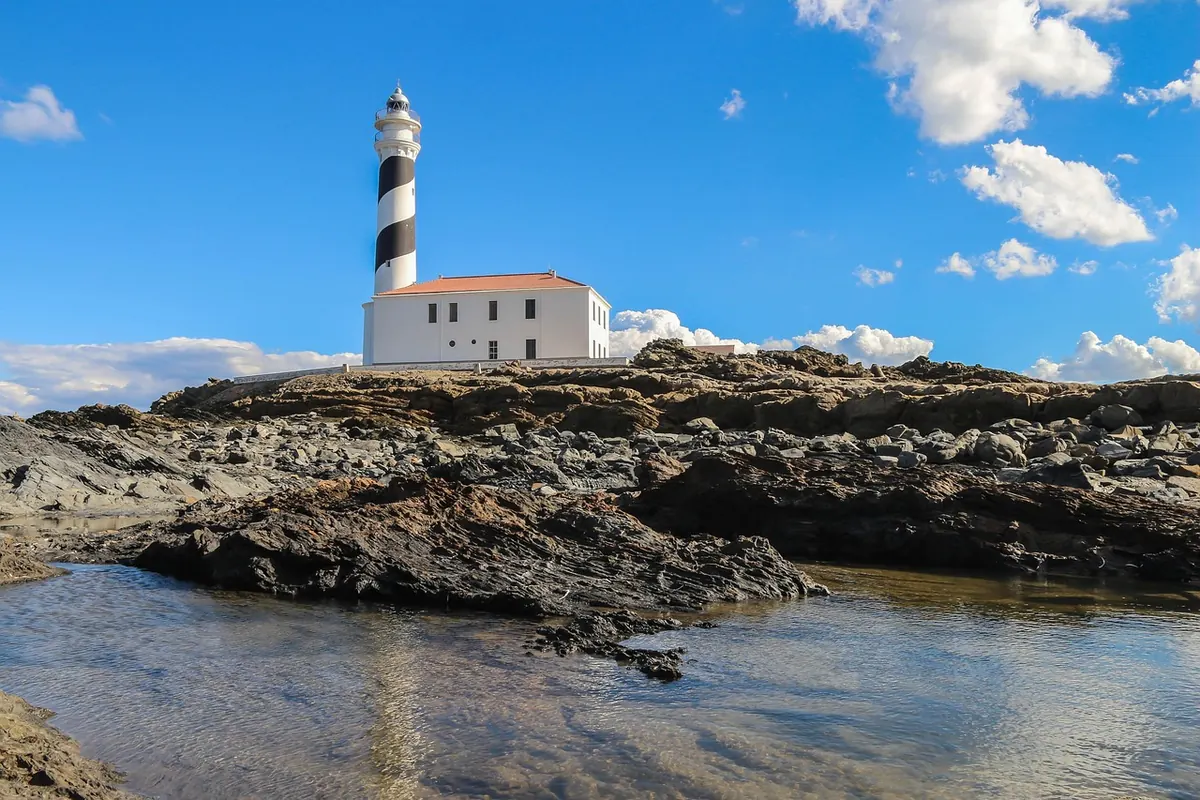
Menorca's lighthouses mark the edges of the island and make wonderful places for sunrise and sunset. Favàritx, in the north-east, stands in a dark, moon-like landscape of slate inside a natural park. Cap d'Artrutx, near Ciutadella, is a classic sunset spot, and Cavalleria in the north has dramatic cliffs.
The lighthouses of Favàritx and Cavalleria stand on wild, rocky headlands – perfect for sunrise or sunset.
10. Peace and quiet
There are no big party resorts here – just small towns, local food and long, slow days by the sea. Try Mahón cheese, sobrassada sausage and ensaïmada pastries, and buy a pair of avarques, the island's traditional leather sandals. Climb Monte Toro, the island's highest point, for a view over the whole island.
When to visit
- May and June: warm, green and quiet – the best time for walking and wild flowers.
- July and August: hot and busy, with the warmest sea; book cars and accommodation early.
- September: warm sea and calmer beaches – ideal for most visitors.
- October: still warm enough for the beach on many days.
- Winter: quiet and mild, with many hotels and restaurants closed.
Where to stay
| Area | Atmosphere | Best for |
|---|---|---|
| Ciutadella | Historic, sunsets, restaurants | Couples, culture |
| Mahón | Capital, harbour, markets | Short stays, culture |
| Cala Galdana | Resort bay, central south coast | Families, coves |
| Fornells | Fishing village, calm bay | Water sports, food |
| Son Bou | Long sandy beach | Families |
| Rural agroturismos | Farmhouses in the countryside | Peace and quiet |
A four-day itinerary
Day 1: Mahón's old town, the harbour boat trip and the Xoriguer distillery. Day 2: the south coast coves – Cala Mitjana and Cala Turqueta – with a walk on the Camí de Cavalls. Day 3: Ciutadella in the morning, a Talayotic site in the afternoon and sunset at Cap d'Artrutx. Day 4: Fornells for lunch, Favàritx lighthouse and a final swim in the north.
Getting around
Menorca Airport is just outside Mahón, and nowhere on the island is more than about an hour's drive away. Book an airport transfer or a hire car in advance, especially in summer.
A hire car gives the most freedom to reach the coves and countryside. Public buses link Mahón, Ciutadella and the main resorts, and seasonal buses serve some popular beaches. Cycling is popular on quiet country roads. Compare with neighbouring Majorca's beaches and Ibiza.
Frequently asked questions
Is Menorca good for families?
Yes. Menorca is calm and safe, with shallow sandy bays such as Son Bou, Cala Galdana and Fornells, and plenty of family-friendly resorts.
Do you need a car in Menorca?
A car is the easiest way to reach the coves. In summer, buses connect the main towns and some beaches, and access by car to a few popular coves is restricted with shuttle buses.
When is the best time to visit Menorca?
June and September are ideal. July and August are hottest and busiest; spring and autumn are perfect for walking the Camí de Cavalls.
Is Menorca quieter than Majorca?
Yes. Menorca is smaller and much less developed, with no large party resorts – ideal for families, couples and anyone looking for a relaxed holiday.
Can you drive to the south coast coves?
Some coves have car parks that fill up early in summer; others are reached by seasonal shuttle buses or on foot along the Camí de Cavalls. Check access rules before you go.
Keep reading
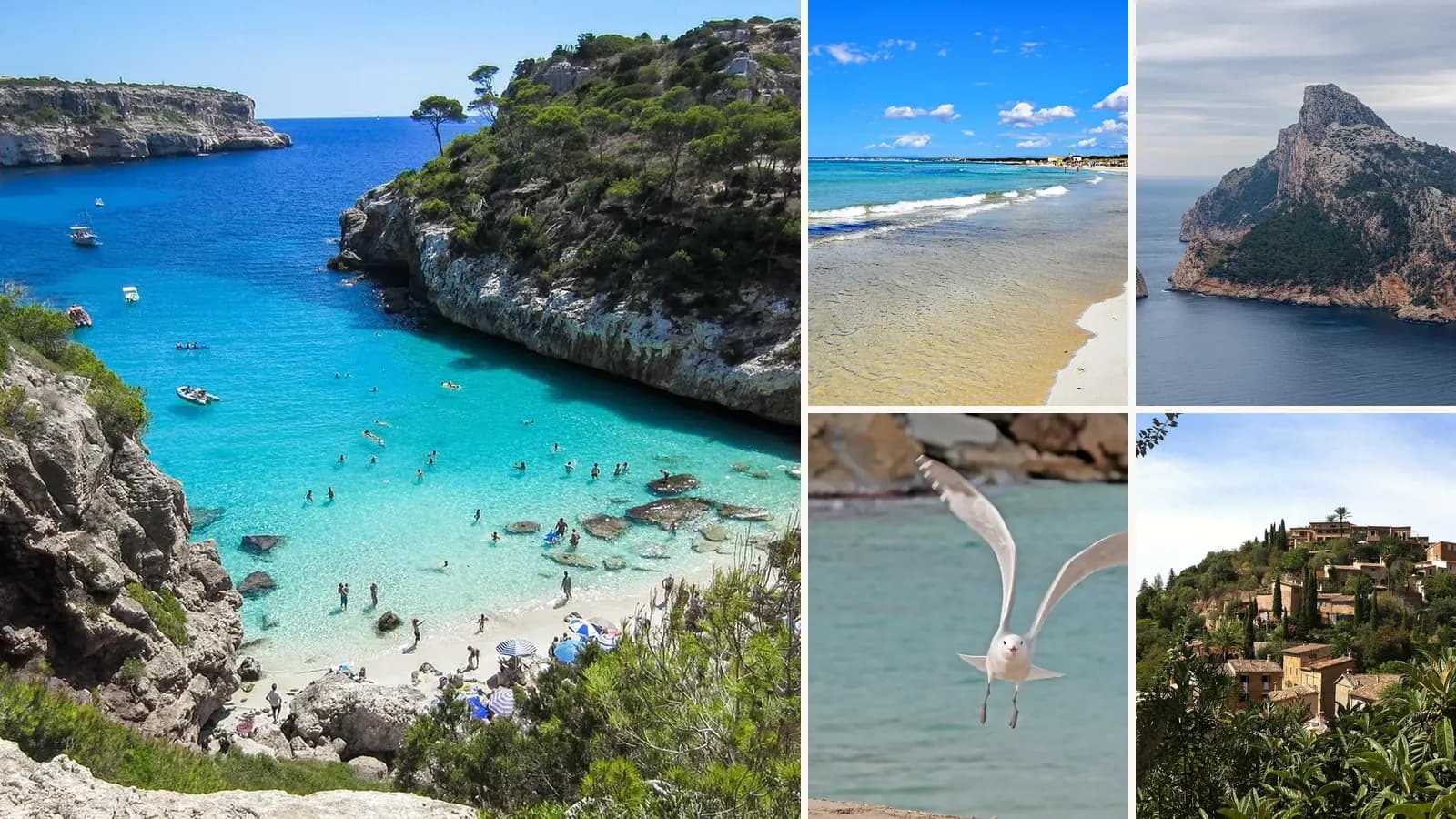
12 of the Best Beaches in Majorca
Caló des Moro, Cala Mesquida, Formentor, Es Trenc, Playa de Muro and Sant Elm – the best beaches in Majorca, from turquoise coves to long family-friendly bays.
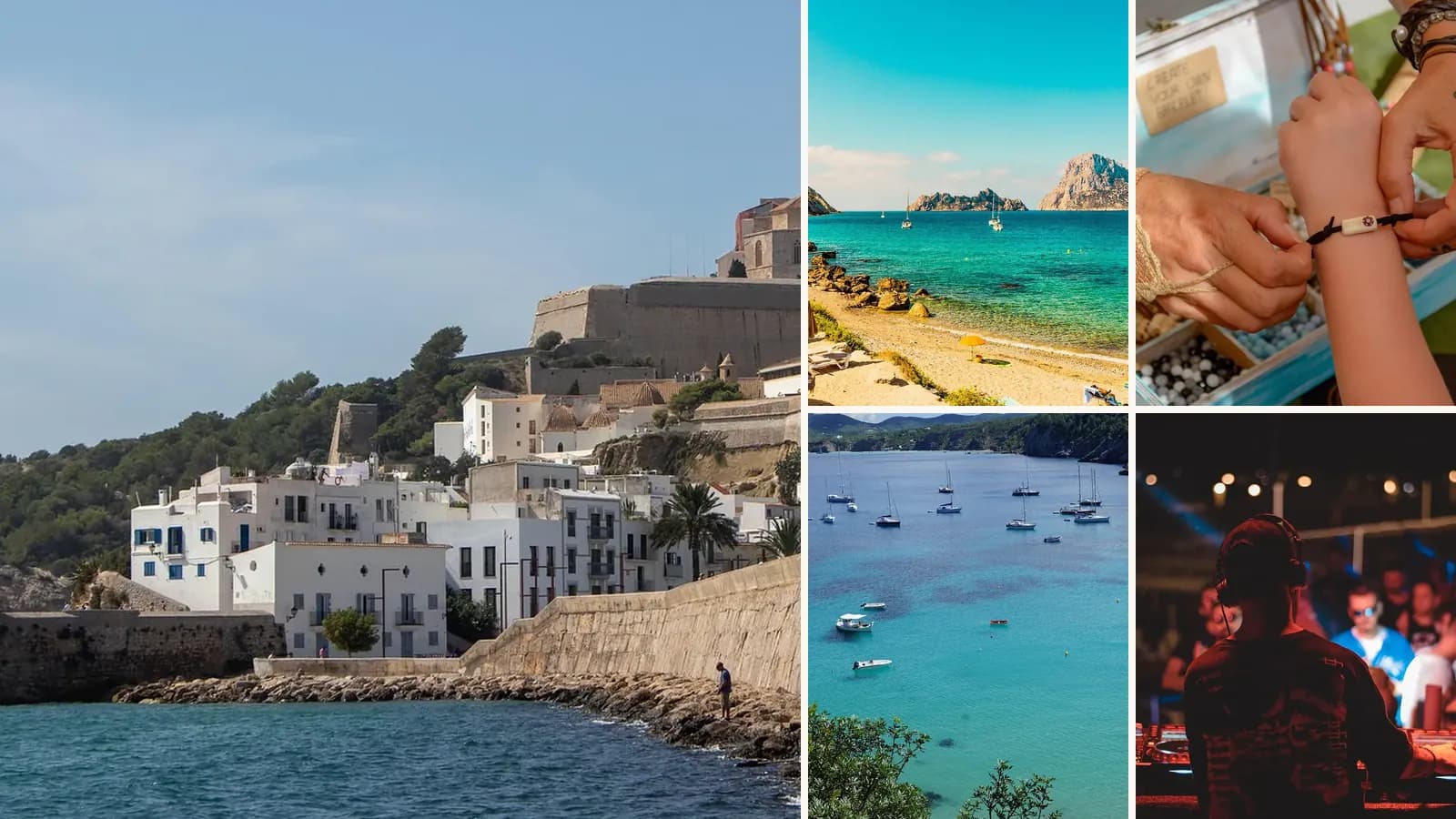
Ibiza Beyond the Clubs: 10 Best Things to Do on the White Isle
Dalt Vila, hidden coves, Es Vedrà at sunset, hippy markets, Formentera and the quiet north – the best things to do in Ibiza, beyond the superclubs.
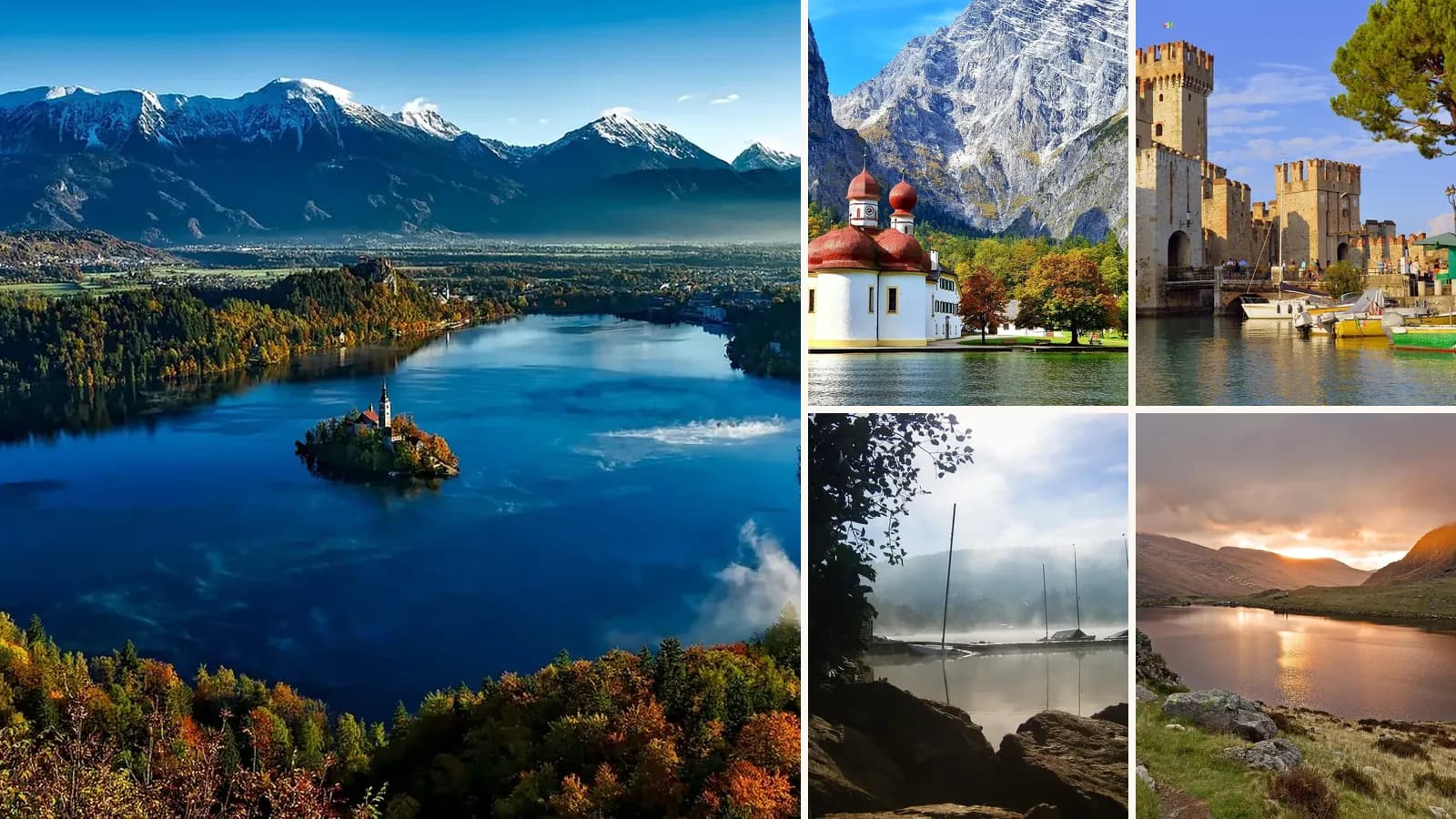
20 of the Best Lakes to Visit in Europe
Lake Bled, Hallstatt, Lake Como, Plitvice, Ohrid, Annecy and quieter gems for swimming and hiking – 20 of the most beautiful lakes in Europe.
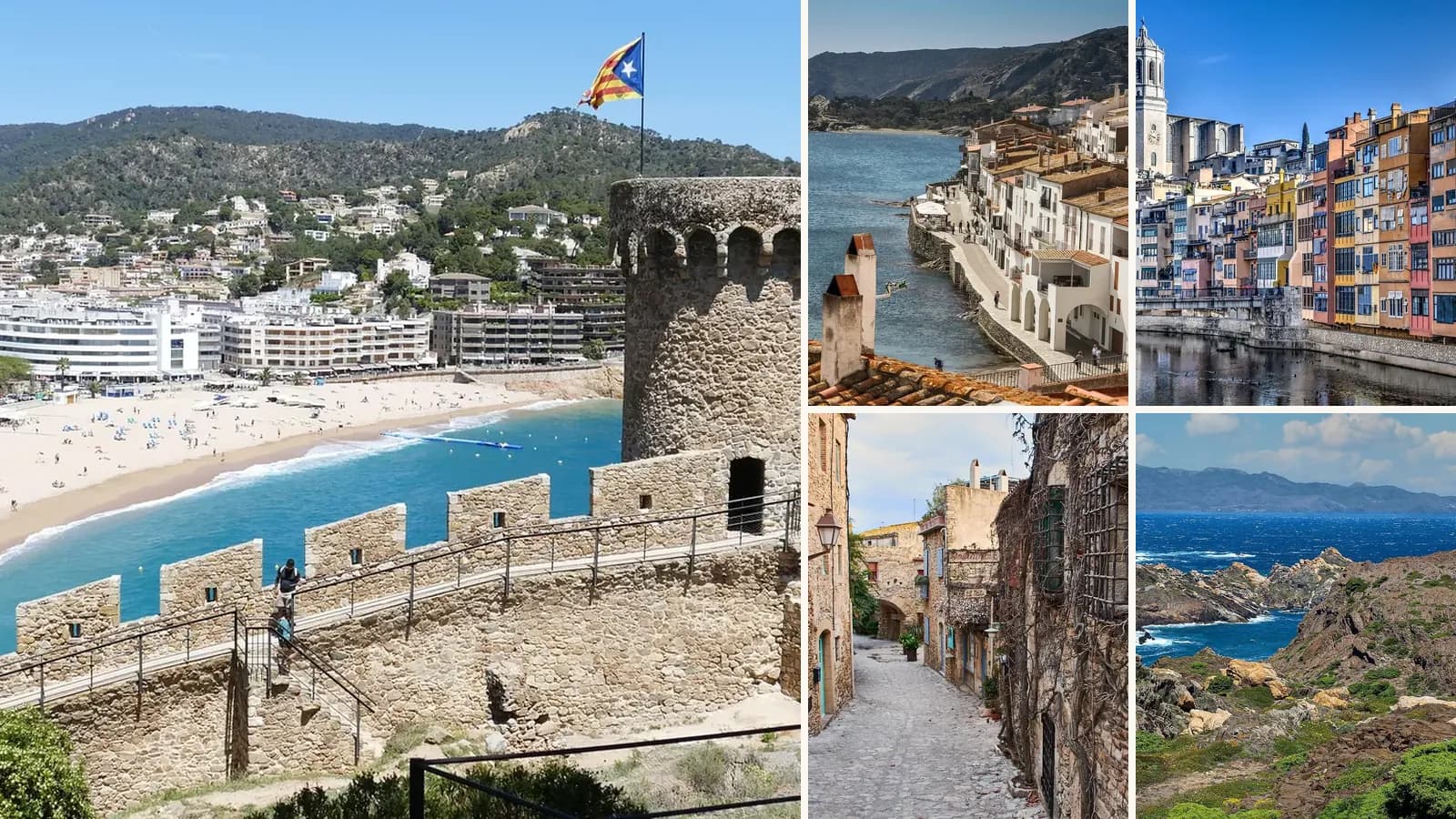
Costa Brava Travel Guide: Coves, Medieval Villages and Dalí
Tossa de Mar, Calella de Palafrugell, Cadaqués, Girona and the Dalí museum – where to go on the Costa Brava, Catalonia's rugged coast between Barcelona and France.