Which Canary Island Is Best? A Guide to All Seven Islands
Tenerife, Gran Canaria, Lanzarote, Fuerteventura, La Palma, La Gomera and El Hierro compared – beaches, nature, families, nightlife and when to go.

Some links in this guide are partner links: if you buy through them we may earn a small commission, at no extra cost to you. It never affects what we recommend. How we make money
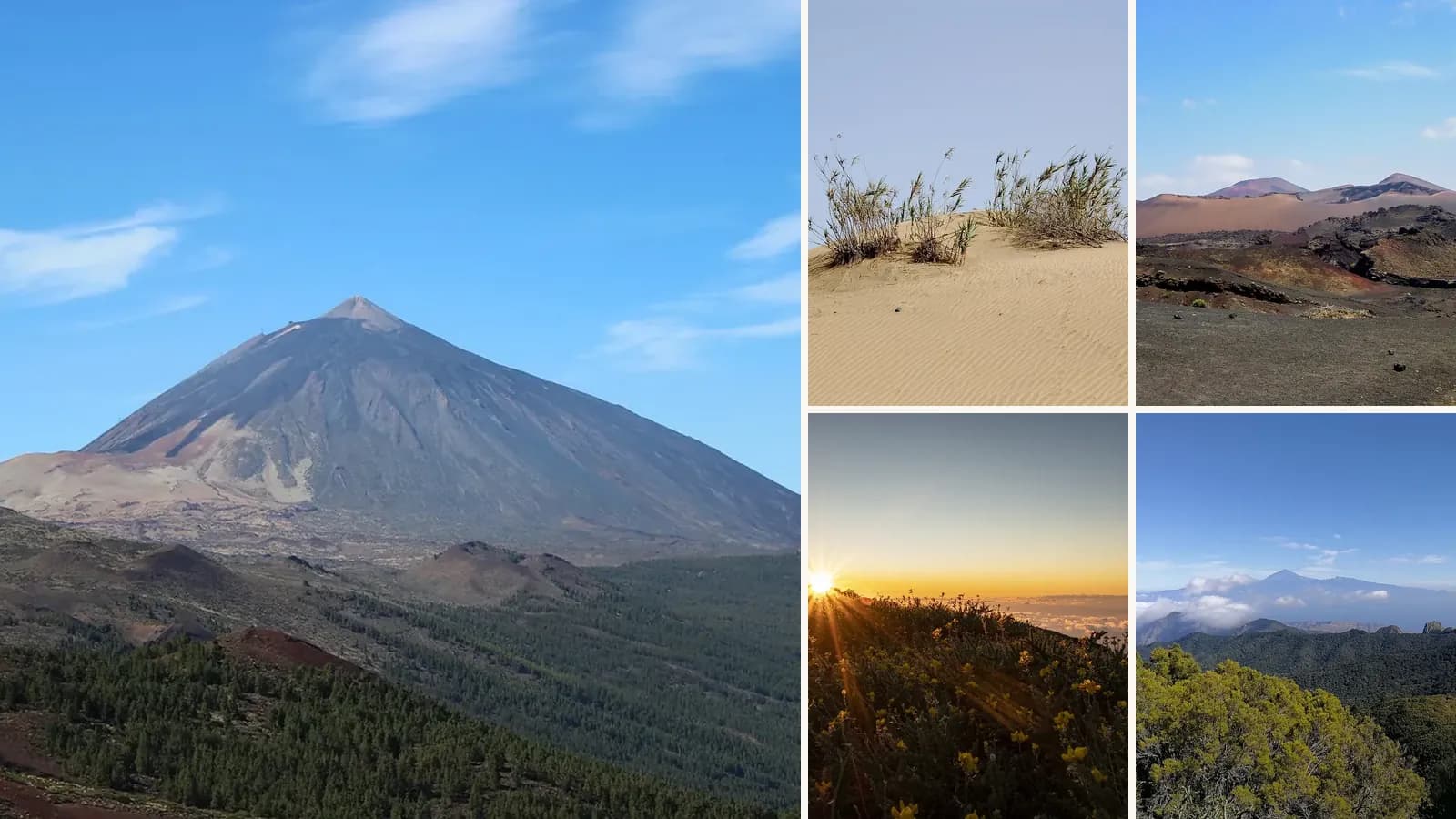
Thanks to their subtropical climate, the Canary Islands offer sunshine all year – which makes them Europe's favourite winter-sun destination. But the seven main islands are very different: volcanic moonscapes, endless sand dunes, laurel forests and lively resorts. Here's how to choose.
Which island at a glance
| Island | Best for | Beaches | Vibe |
|---|---|---|---|
| Tenerife | All-rounders, families, hiking | Mix of black and golden sand | Varied, from lively to rural |
| Gran Canaria | Variety, city and dunes | Golden sand, dunes | Lively south, green north |
| Lanzarote | Design, volcanoes, families | Golden coves and black beaches | Calm, low-rise |
| Fuerteventura | Long beaches, wind sports | Huge sandy beaches | Relaxed, windy |
| La Palma | Hiking, stargazing | Few, mostly black sand | Green, quiet |
| La Gomera | Walking, peace | Small black-sand coves | Traditional, very quiet |
| El Hierro | Diving, total escape | Rocky coves, natural pools | Remote |
1. Tenerife – best all-rounder
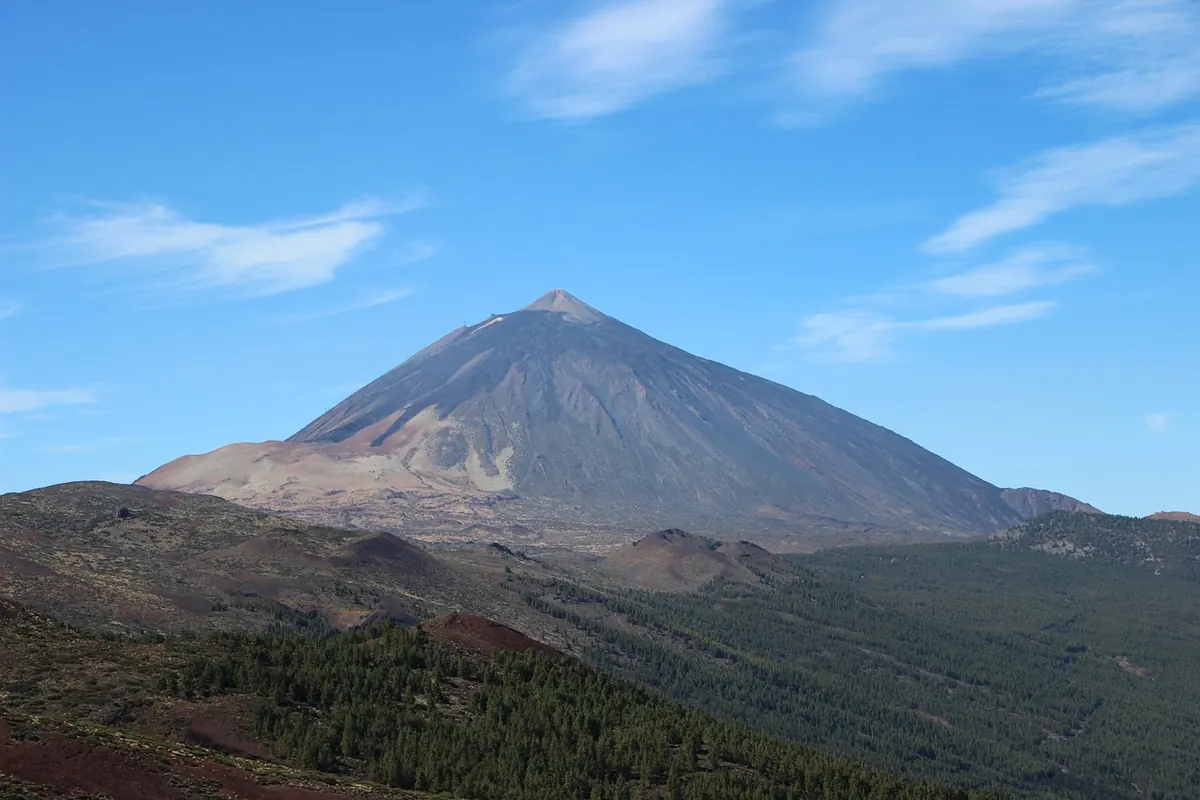
The largest island has it all: lively resorts in the south (Playa de las Américas, Los Cristianos, Costa Adeje), Spain's highest mountain, Mount Teide, theme parks, and greener, more traditional towns in the north such as Puerto de la Cruz and La Orotava.
Best for: families, first-timers, hikers, winter sun.
Sunny beaches in the south, the volcanic landscape of Teide above the clouds and green forests in the north.
2. Gran Canaria – a continent in miniature
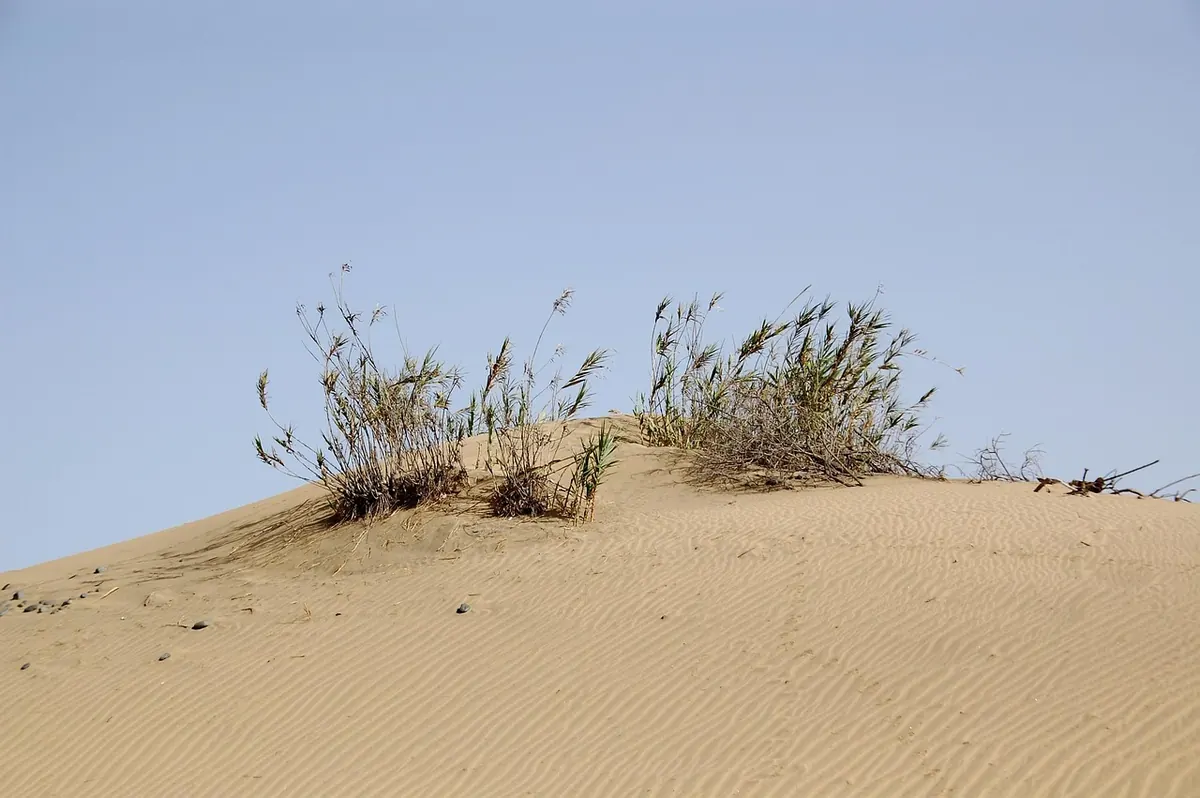
Gran Canaria combines the giant sand dunes of Maspalomas, busy resorts in the south, a cosmopolitan capital, Las Palmas, with the city beach of Las Canteras, and a mountainous interior of pine forests and villages.
Best for: variety, city and beach, year-round sun.
Golden dunes at Maspalomas, mountain villages and the lively city of Las Palmas.
3. Lanzarote – volcanoes and design
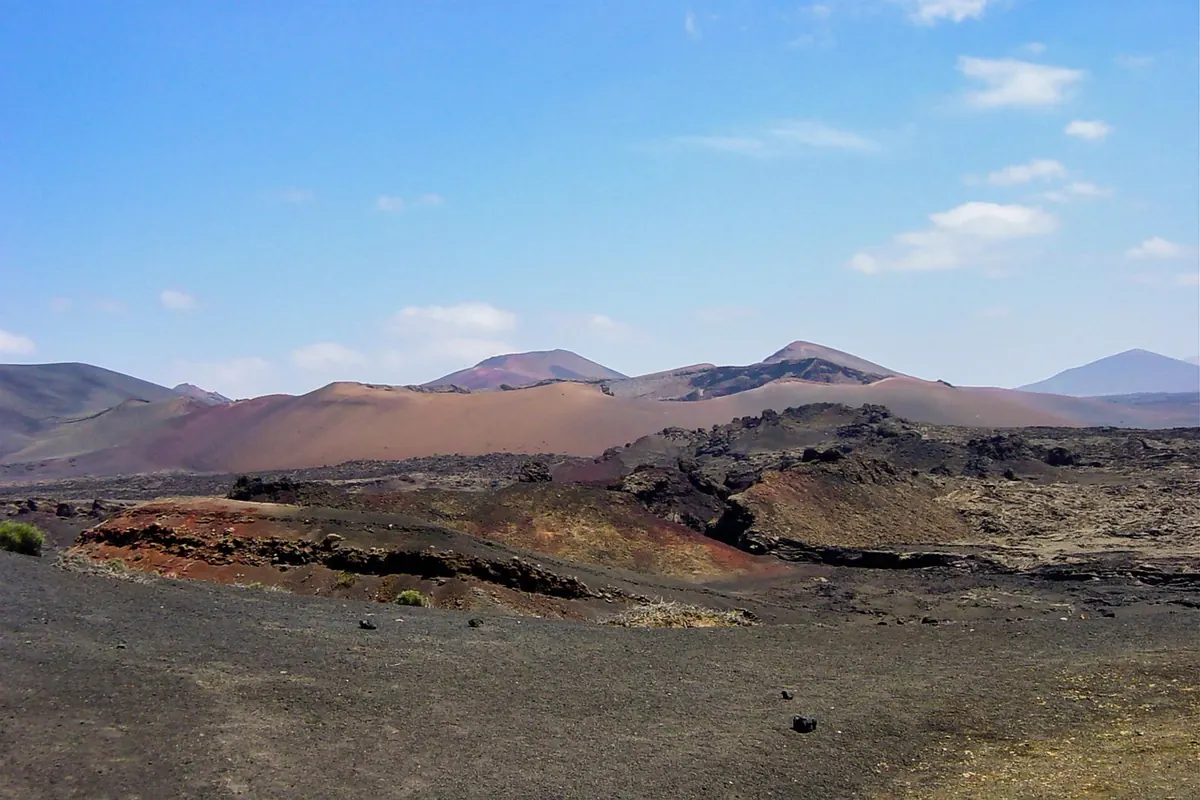
Lava fields, black-sand beaches and whitewashed villages shaped by the artist César Manrique. Visit Timanfaya National Park, the Jameos del Agua caves and the vineyards of La Geria, grown in volcanic ash.
Best for: couples, culture, unusual landscapes.
Black lava fields, white houses and César Manrique's art in harmony with nature.
4. Fuerteventura – beaches and wind
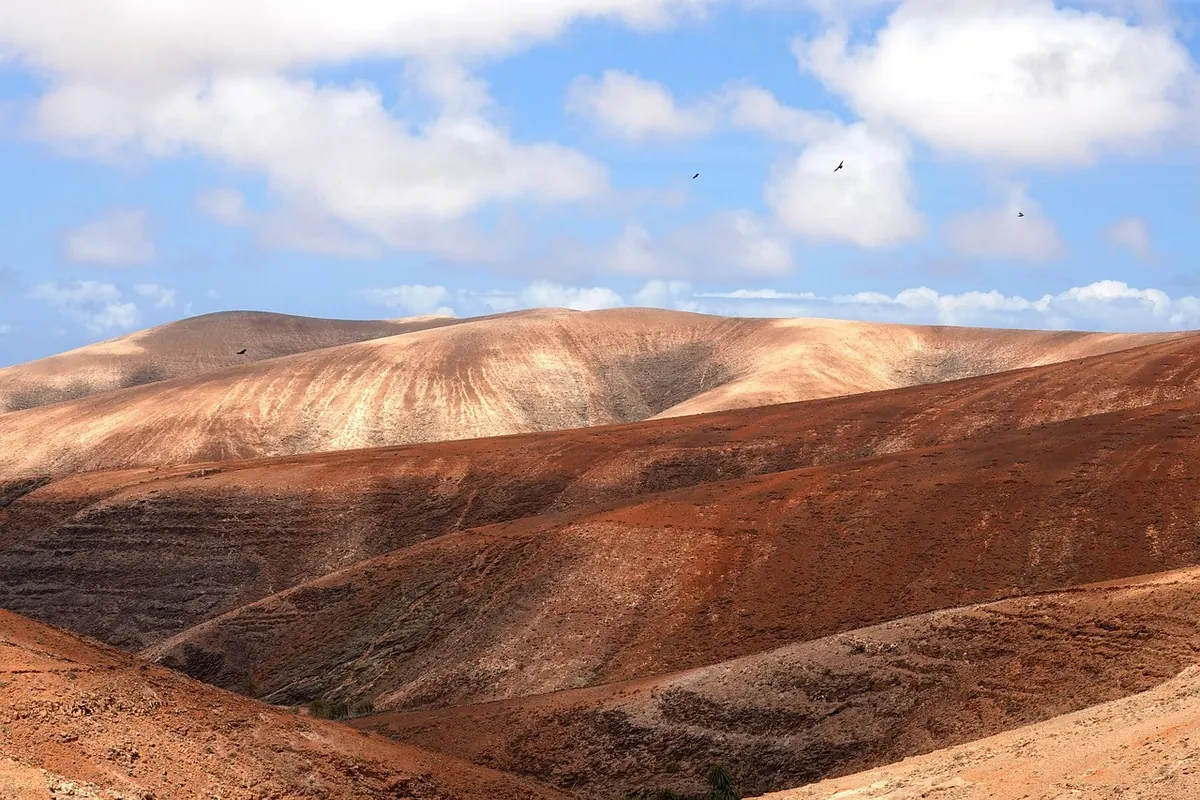
Long white beaches, turquoise lagoons and steady winds make Fuerteventura a paradise for beach lovers, windsurfers and kitesurfers. Corralejo's dunes in the north and the beaches of Jandía in the south are highlights.
Best for: beaches, water sports, relaxing.
Endless golden beaches and dunes, with kitesurfers riding the wind.
5. La Palma – the green island
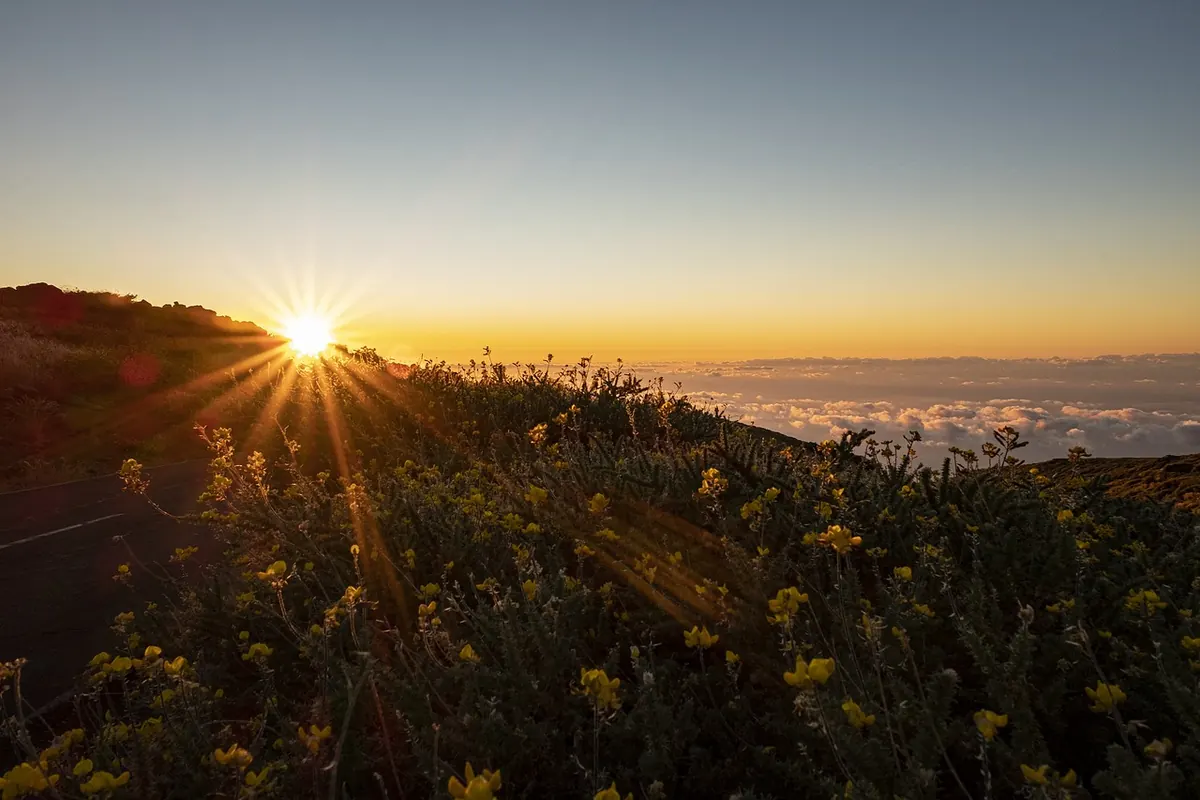
Steep, lush and dramatic, La Palma is a UNESCO biosphere reserve with world-class stargazing and superb hiking around the Caldera de Taburiente.
Best for: hikers, nature lovers, stargazers.
Pine forests, volcanoes and some of the clearest night skies in the world.
6. La Gomera – quiet and traditional
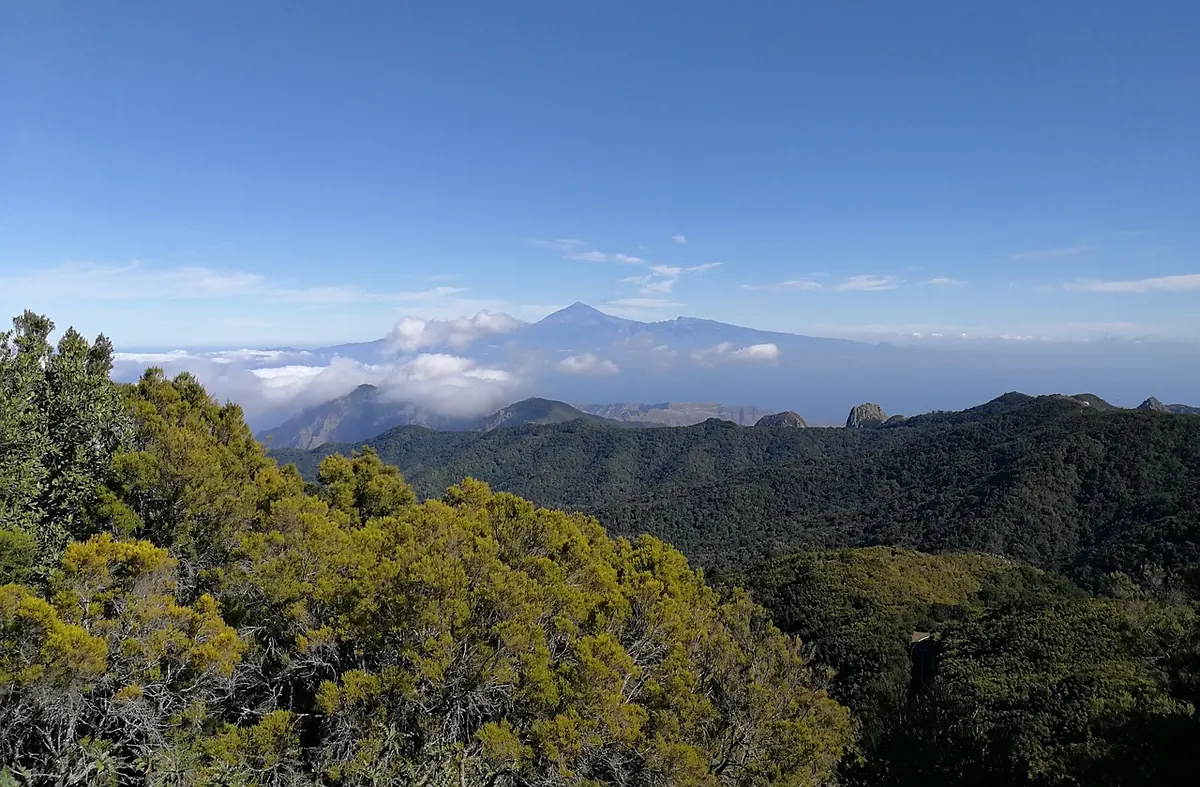
A short ferry ride from Tenerife, La Gomera has deep ravines, terraced valleys and the ancient laurel forest of Garajonay National Park. It's peaceful and traditional.
Best for: walking, slow travel, day trips from Tenerife.
Deep green valleys, terraced hillsides and the misty laurel forest of Garajonay.
7. El Hierro – the remote one
The smallest and least visited island is known for its sustainable energy, dramatic cliffs and some of the best diving in Spain in the marine reserve of La Restinga.
Best for: divers, getting away from it all.
Volcanic coastline, natural pools and excellent diving – quiet and wild.
When to go
The Canaries are known as the islands of eternal spring. Winter days are usually around 20–24°C, which makes them Europe's favourite winter-sun destination – so prices peak at Christmas, New Year and February half-term. Summer is warm but rarely extreme thanks to the trade winds. Spring and autumn are often the best value. The south of each island is generally sunnier and drier than the north.
How to find good deals
- Travel outside school holidays: prices for flights and hotels can be much lower in January (after New Year), May, June and October–November.
- Compare packages and DIY: package holidays are often good value to Tenerife, Gran Canaria and Lanzarote; booking separately can work better for the smaller islands.
- Look at apartments: self-catering apartments in resorts such as Puerto del Carmen, Corralejo or Los Cristianos cut food costs.
- Consider the smaller islands: La Palma, La Gomera and El Hierro are less touristy, with local prices.
- Book transfers in advance: at busy airports such as Tenerife South, taxi queues can be long at peak times.
Island-hopping
Ferries link most islands – for example Tenerife to La Gomera (under an hour) and Lanzarote to Fuerteventura (about 30 minutes). Inter-island flights connect the larger airports. Combining two islands – such as Tenerife and La Gomera, or Lanzarote and Fuerteventura – is easy in a week or two.
See our detailed guides to Tenerife and Lanzarote.
Tips
- Winter sun: the south coasts of Tenerife and Gran Canaria are the most reliably sunny.
- Island-hopping: ferries and short inter-island flights connect all the islands.
- The sea is cooler than you might expect: around 19–20°C in winter and up to about 23°C in late summer.
Looking for more sun? See our Algarve bucket list or the best beaches in Majorca.
Frequently asked questions
Which Canary Island is warmest in winter?
The south of Tenerife and the south of Gran Canaria are usually the warmest and sunniest in winter, with daytime temperatures often in the low to mid-20s °C.
Which Canary Island is best for families?
Tenerife and Gran Canaria have the most family attractions and resorts, while Fuerteventura's long sandy beaches and calm lagoons are great for young children.
Which Canary Island is best for hiking?
La Palma, La Gomera and Tenerife (Teide National Park and the Anaga mountains) are the best islands for walking.
Which Canary Island is warmest in winter?
The south coasts of Tenerife and Gran Canaria are usually the sunniest and warmest in winter, with Fuerteventura and Lanzarote close behind.
Keep reading
12 of the Best Beaches in Majorca
Caló des Moro, Cala Mesquida, Formentor, Es Trenc, Playa de Muro and Sant Elm – the best beaches in Majorca, from turquoise coves to long family-friendly bays.
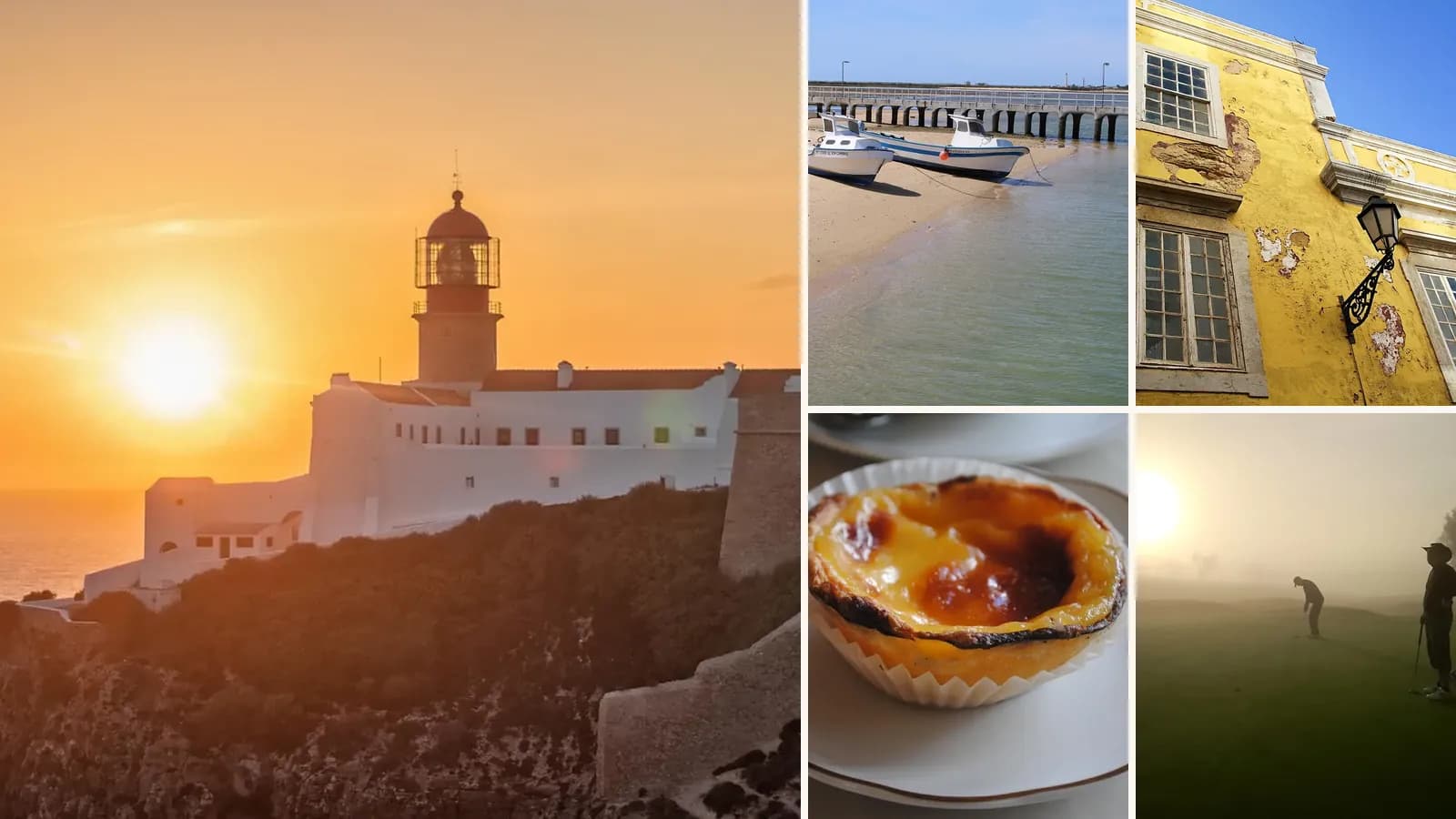
The Algarve Bucket List: 20 Things to Do in Portugal's Paradise
Benagil Cave, Ponta da Piedade, the Seven Hanging Valleys, Ria Formosa islands, piri-piri chicken and sunset at Cape St Vincent – 20 best things to do in the Algarve.
11 Tips on Packing Light for Winter Travel
Bulky coats don't need a huge suitcase. Eleven practical tips for packing light for a winter trip, from layering and fabrics to what to wear.
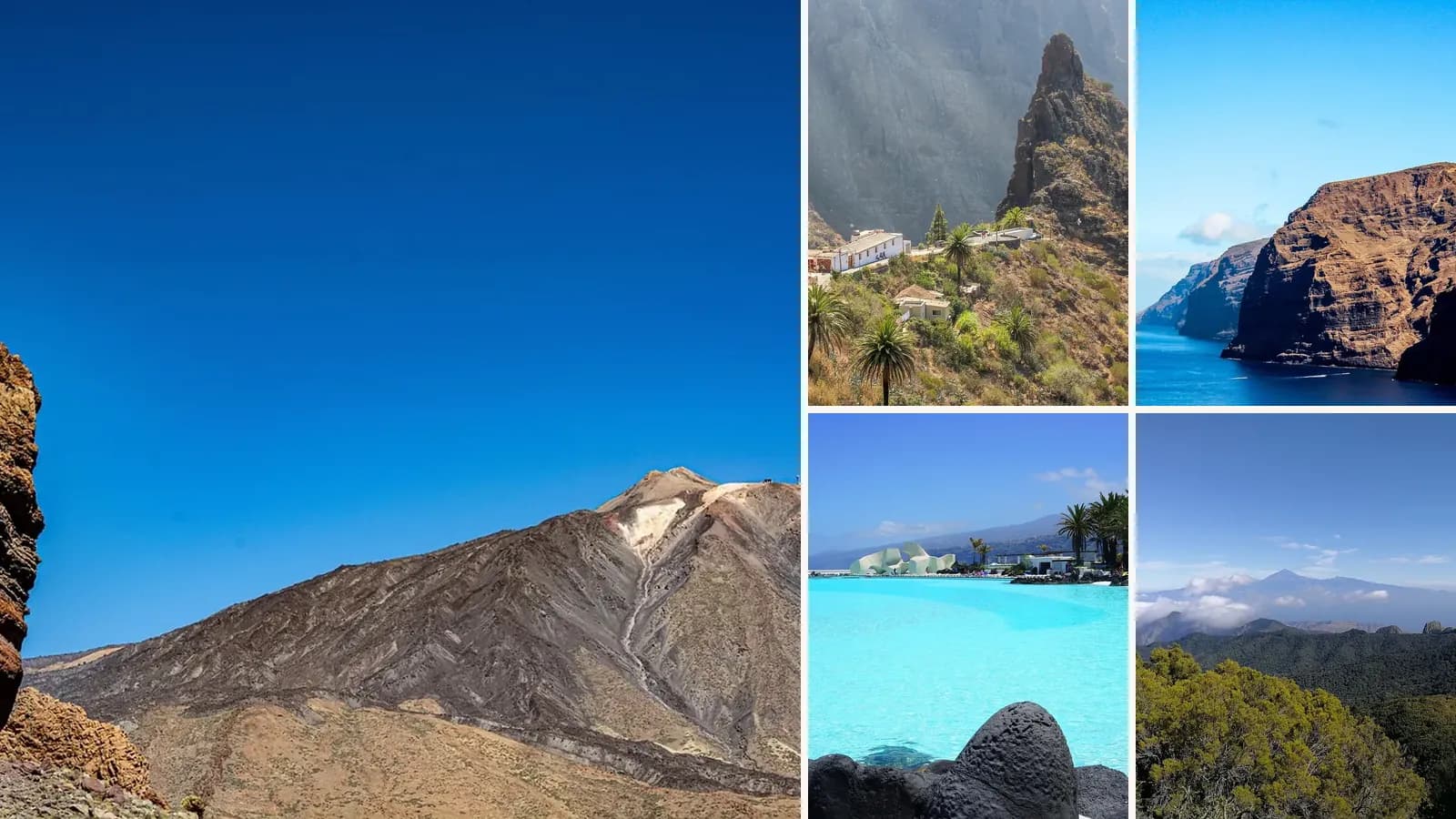
Tenerife Travel Guide: Teide, Beaches, Whale Watching and Where to Stay
Mount Teide, Los Gigantes, Masca, La Laguna, Anaga, the beaches and whale watching – the best things to do in Tenerife, plus where to stay.