Tenerife Travel Guide: Teide, Beaches, Whale Watching and Where to Stay
Mount Teide, Los Gigantes, Masca, La Laguna, Anaga, the beaches and whale watching – the best things to do in Tenerife, plus where to stay.

Some links in this guide are partner links: if you buy through them we may earn a small commission, at no extra cost to you. It never affects what we recommend. How we make money
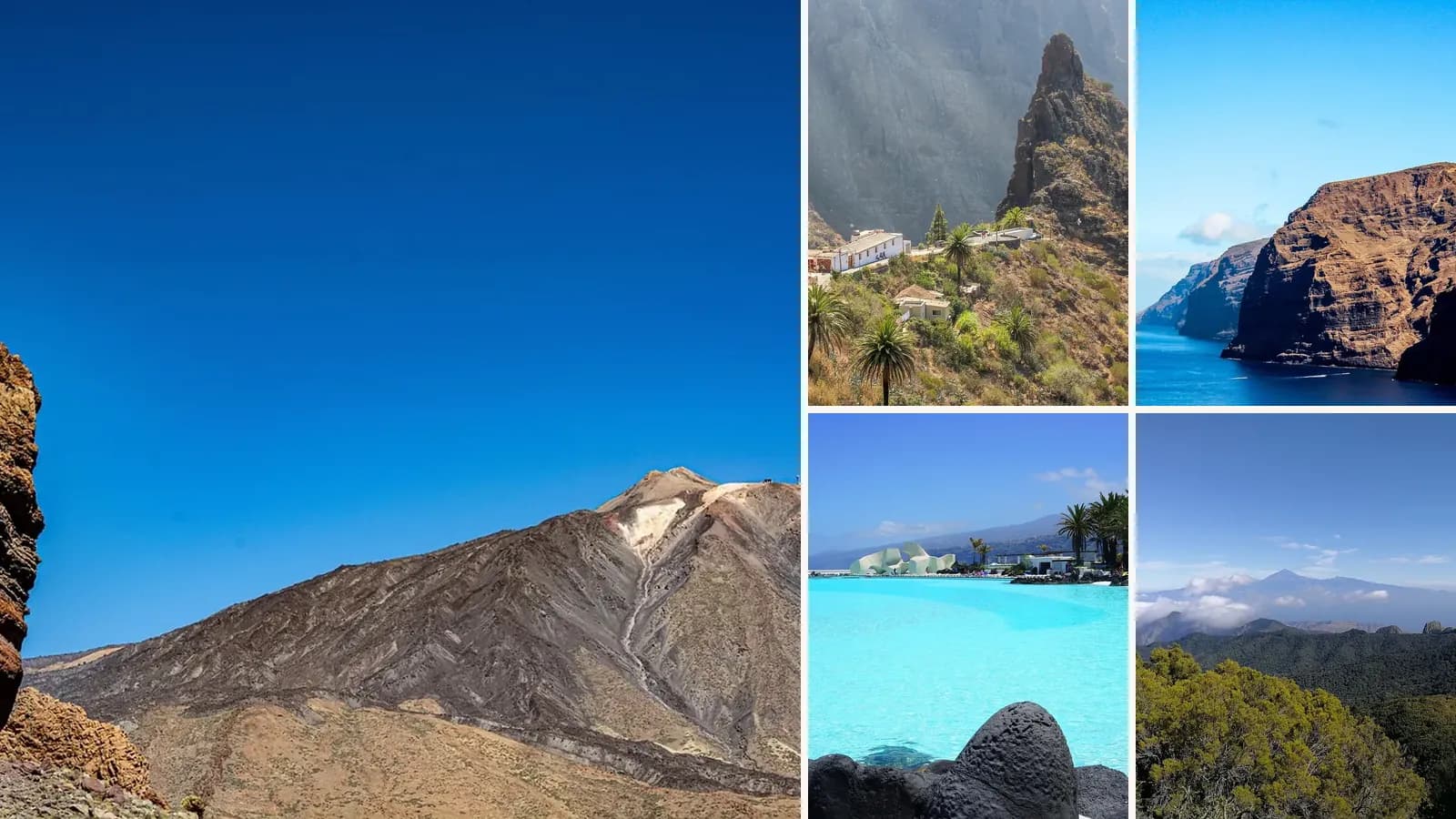
Tenerife is the largest of the Canary Islands and the most varied. Spain's highest mountain rises from its centre, black-sand beaches and resort towns line the sunny south, and the north is a world of laurel forests, banana plantations and colonial towns. With mild weather all year, it's one of Europe's favourite winter-sun escapes.
Mount Teide and the mountains
1. Teide National Park
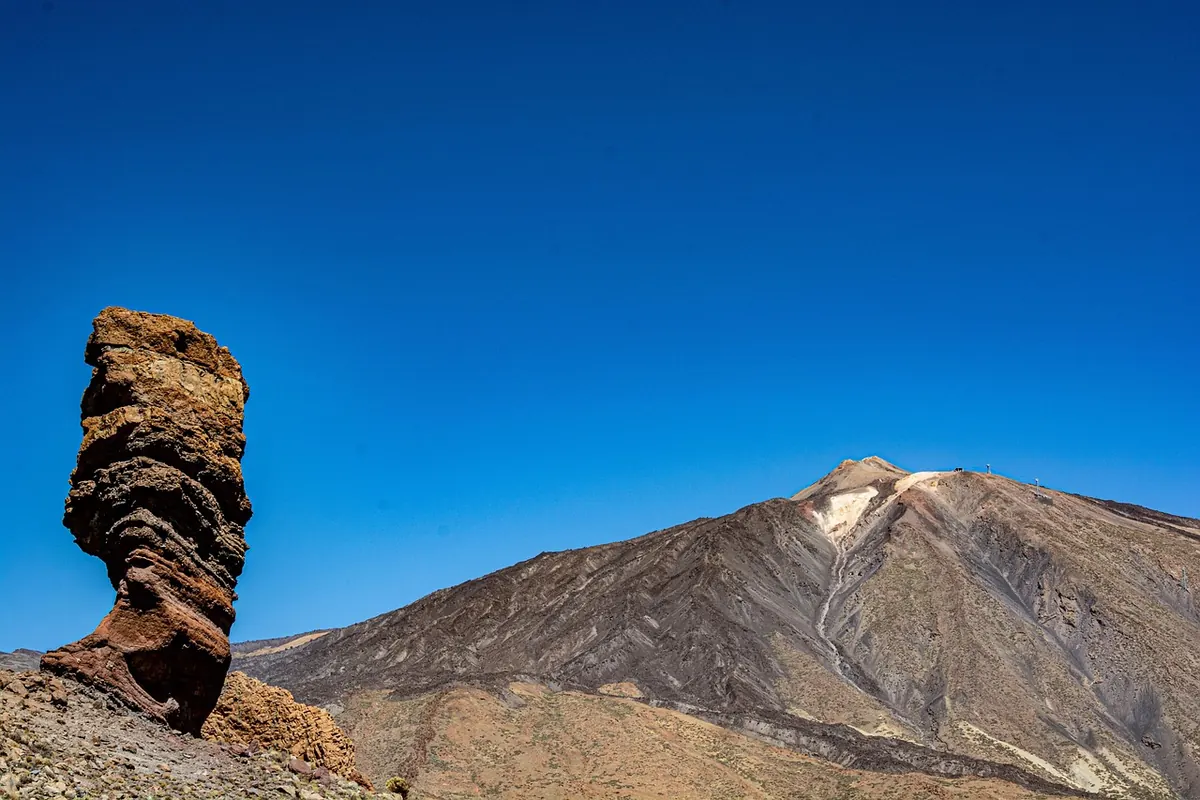
At 3,715 metres, Teide is Spain's highest peak. The road through the national park crosses an otherworldly landscape of lava flows and rock towers such as Roque Cinchado. The cable car climbs close to the summit; to walk the final section to the crater you need a free permit, booked in advance.
The road climbs out of the clouds and suddenly you're in another world: a vast crater of red, black and ochre lava, strange rock towers and the volcano's pale peak rising above it all. The air is thin, dry and noticeably cooler – bring a jacket, sunscreen and water. The cable car queue is long by mid-morning, and the summit path needs a free permit booked well ahead.
2. Stargazing on Teide
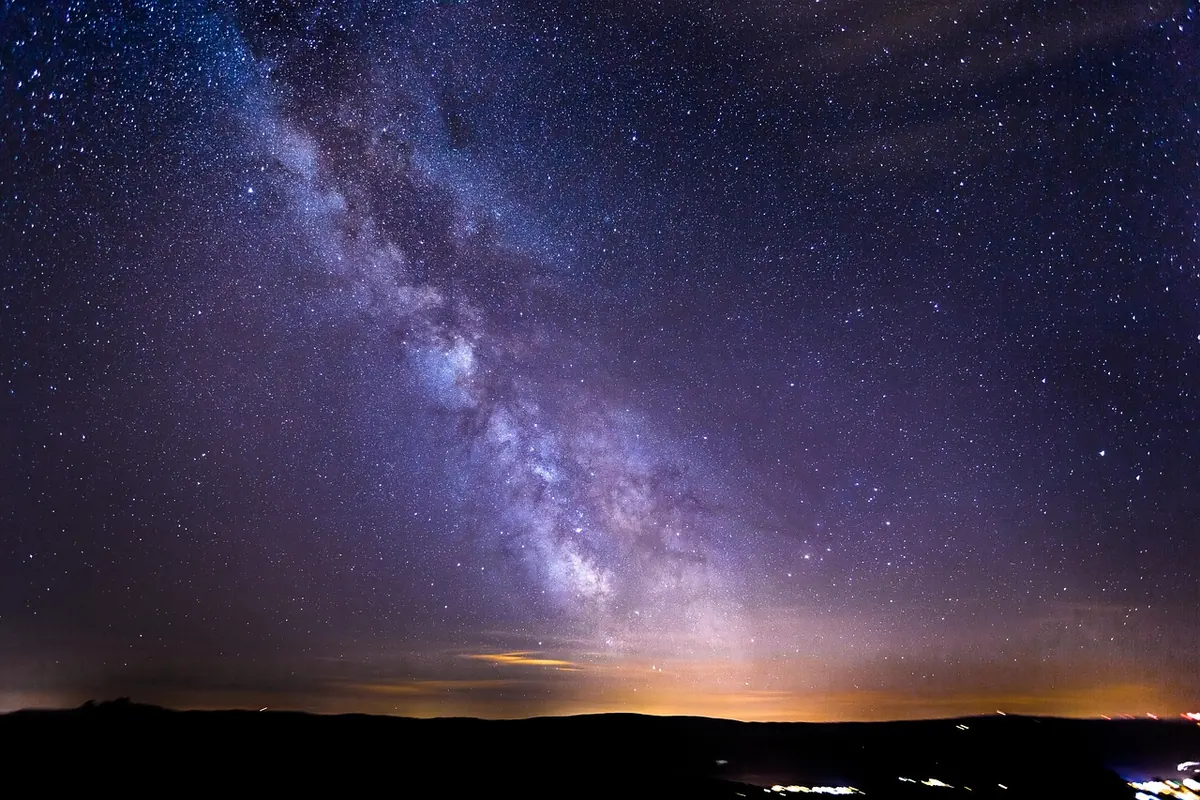
The clear skies above the clouds make Teide one of the world's best places to see the stars. Several operators run sunset and stargazing tours with telescopes – bring warm clothes, as it gets cold at altitude.
As the sun sets below the sea of clouds, the sky turns orange, then deep blue, and the cold arrives quickly. Then the stars come out by the thousand, so bright and close that the Milky Way casts a faint glow. Wrap up warmly – at over 2,000 metres, nights can be close to freezing.
3. Masca
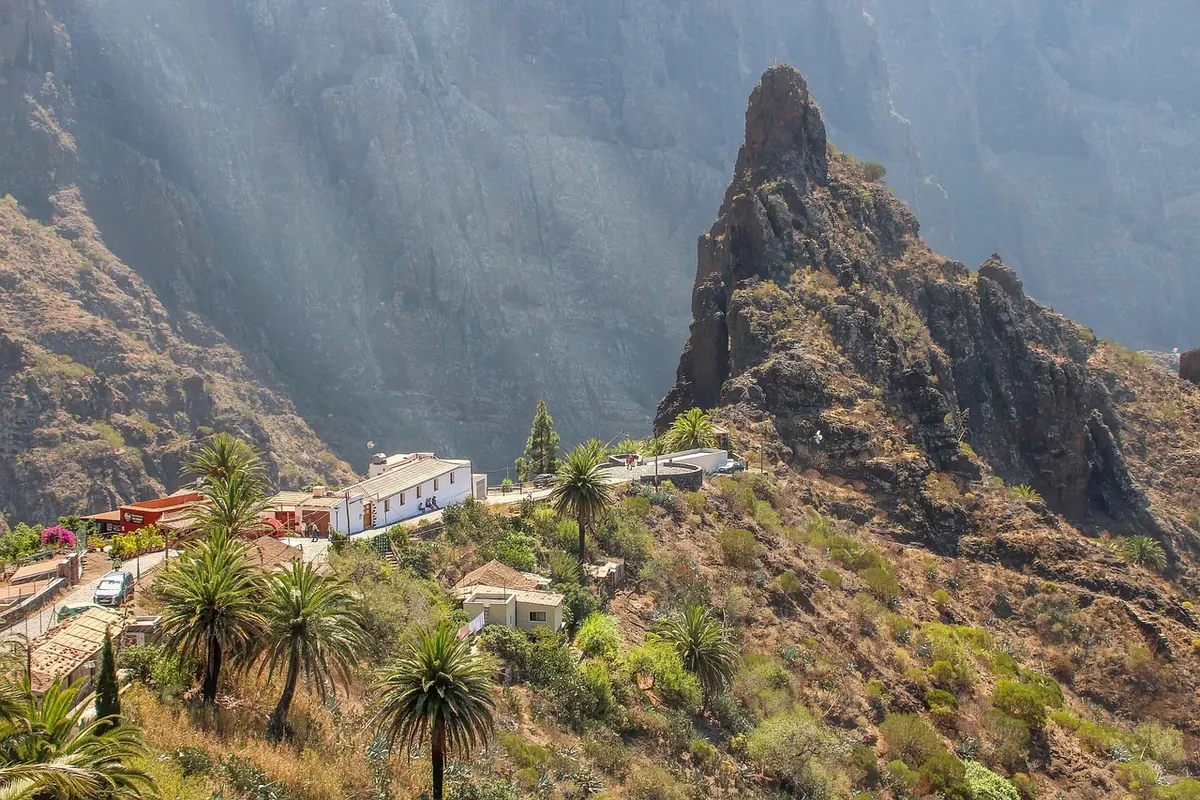
A tiny village clinging to a ridge in the Teno mountains, reached by a dramatic, winding road. The famous ravine hike below the village has an access system and booking rules – check the current conditions before you go.
The road twists down in hairpins to a tiny village perched on a ridge between steep, jagged cliffs, with palm trees and stone houses clinging to the slopes. Drive slowly and park early – the road is narrow and the car park small. Check whether the gorge path is open and if you need to book.
4. Anaga Rural Park
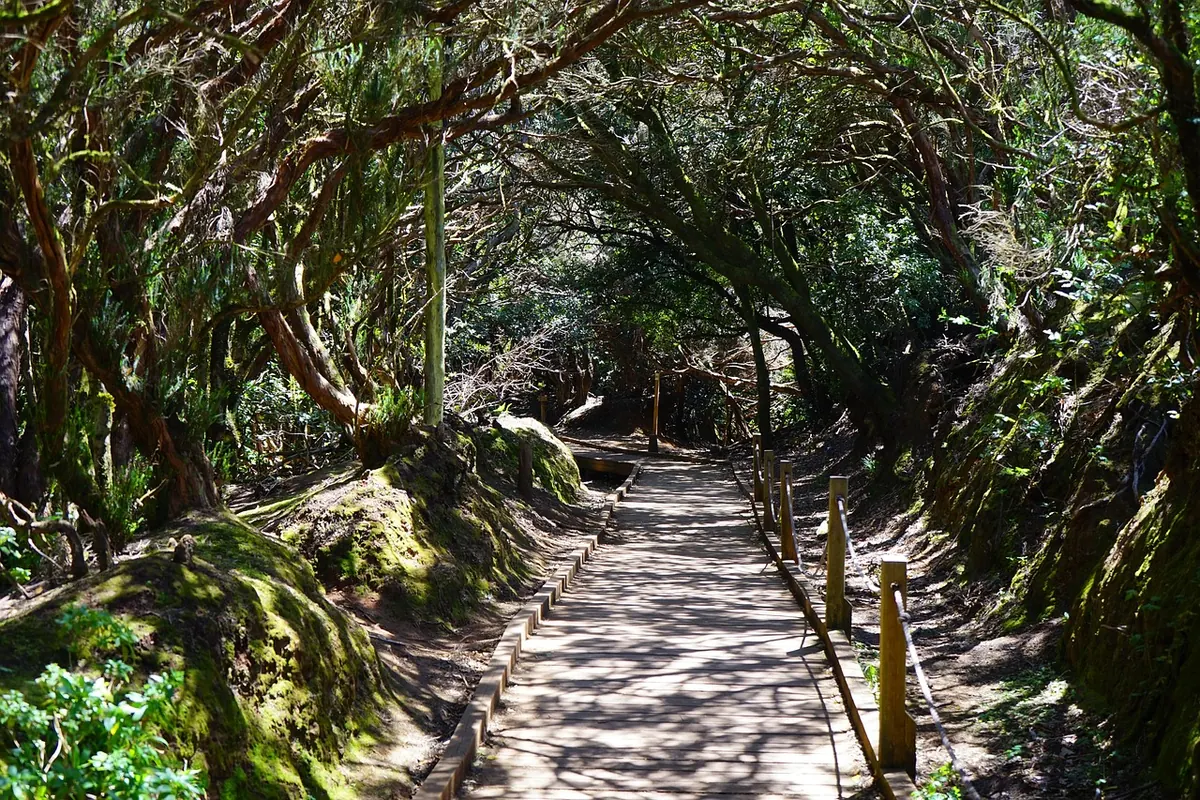
The north-eastern tip of the island is covered in ancient laurel forest, with hiking trails, tiny villages and wild beaches such as Benijo. It's a complete contrast to the south.
Mist drifts through ancient laurel forest, moss hangs from the branches and the air smells damp and green. Then the trail opens onto a ridge with the ocean far below. It's cool and often cloudy – bring a layer and good shoes.
The coast
5. Los Gigantes
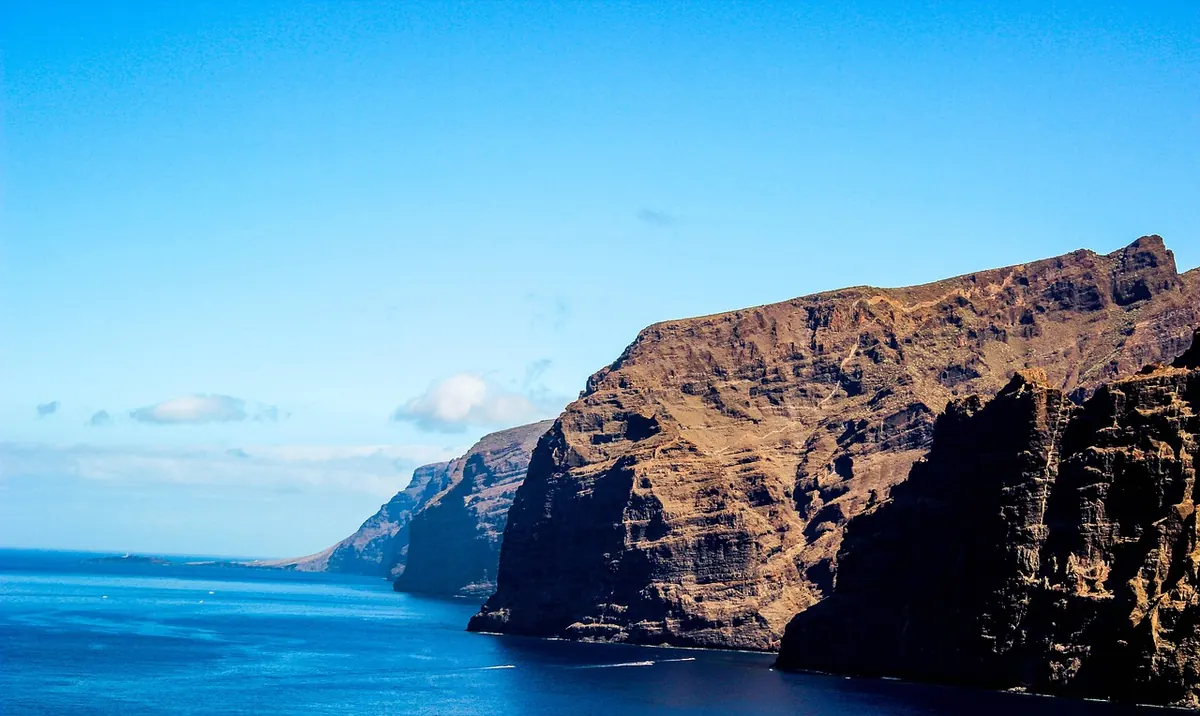
Vertical cliffs up to several hundred metres high drop straight into the sea on the west coast. See them from a boat trip leaving from Los Gigantes marina.
The cliffs rise straight out of the sea, hundreds of metres high and dark against the blue. From a boat at their foot, you feel tiny – and the water here is deep and wonderfully clear.
6. Whale and dolphin watching
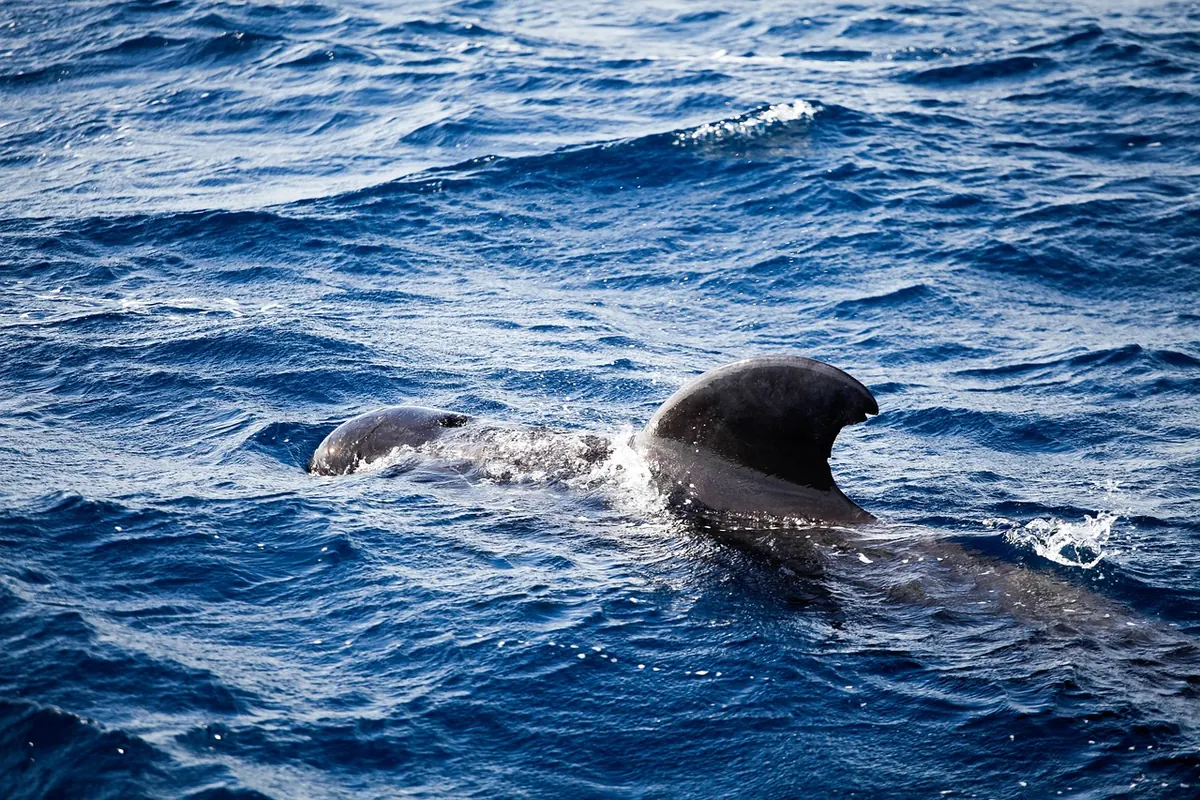
The waters between Tenerife and La Gomera are home to resident pilot whales and several species of dolphin. Choose an operator with the official Blue Boat (Barco Azul) recognition, which follows wildlife-watching rules.
Within minutes of leaving the harbour, the captain points: the dark, rounded backs of pilot whales roll calmly at the surface, sometimes with calves, while dolphins race alongside the bow. Choose a smaller, licensed boat that keeps a respectful distance.
7. Las Teresitas
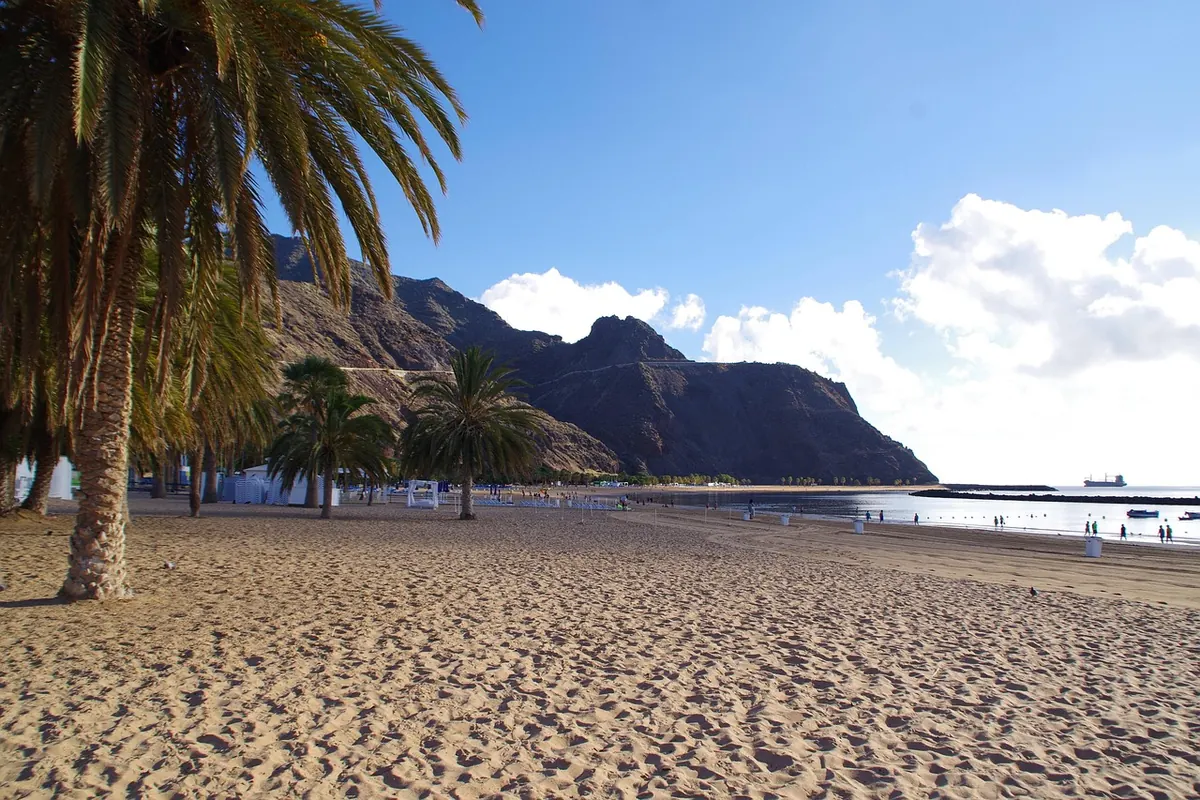
Near Santa Cruz, this long beach of golden sand imported from the Sahara is lined with palm trees and protected by a breakwater – a favourite with locals at weekends.
The golden sand – imported from the Sahara – contrasts with the dark mountains behind, and the calm water inside the breakwater is perfect for swimming. At weekends it's full of local families.
8. The southern beaches
Costa Adeje's beaches, such as Playa del Duque and Playa de Fañabé, have calm water and plenty of facilities. El Médano, on the south-east coast, is known for windsurfing and kitesurfing.
Sunshine almost every day, promenades lined with cafés and bars, and calm water at beaches like El Duque. The south is busy, easy and warm, with views of La Gomera on the horizon at sunset.
Towns and culture
9. San Cristóbal de La Laguna
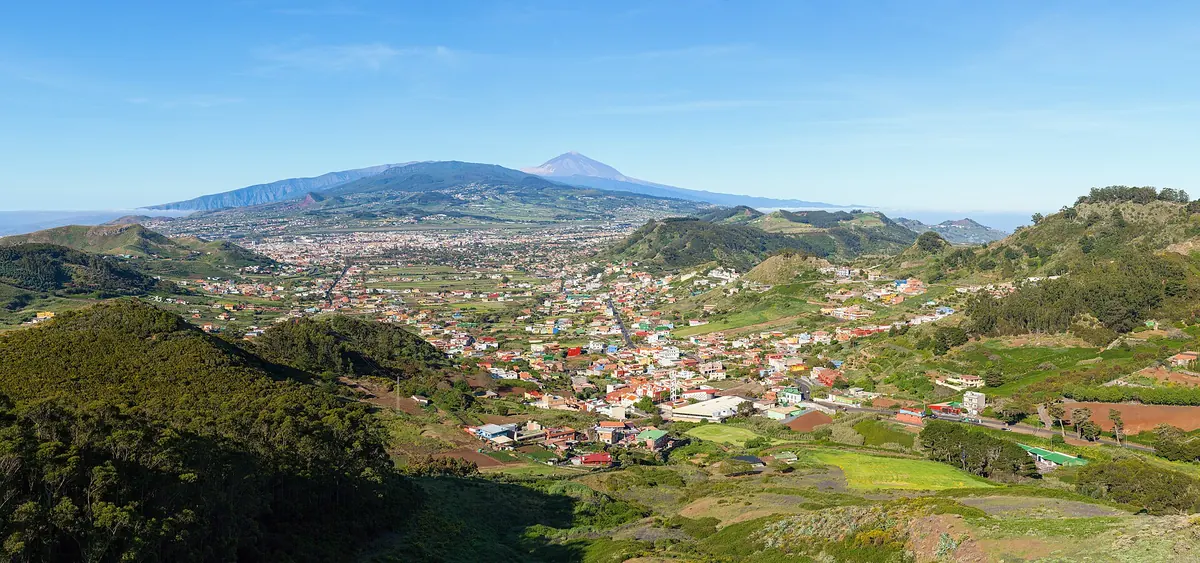
A UNESCO World Heritage city whose colonial street plan was copied across Latin America. Stroll its pastel-coloured streets, churches and lively bars.
Walk the grid of colourful colonial streets, past wooden balconies, hidden courtyards and old churches. It's a university town, so the bars and cafés buzz with students in the evening.
10. Puerto de la Cruz
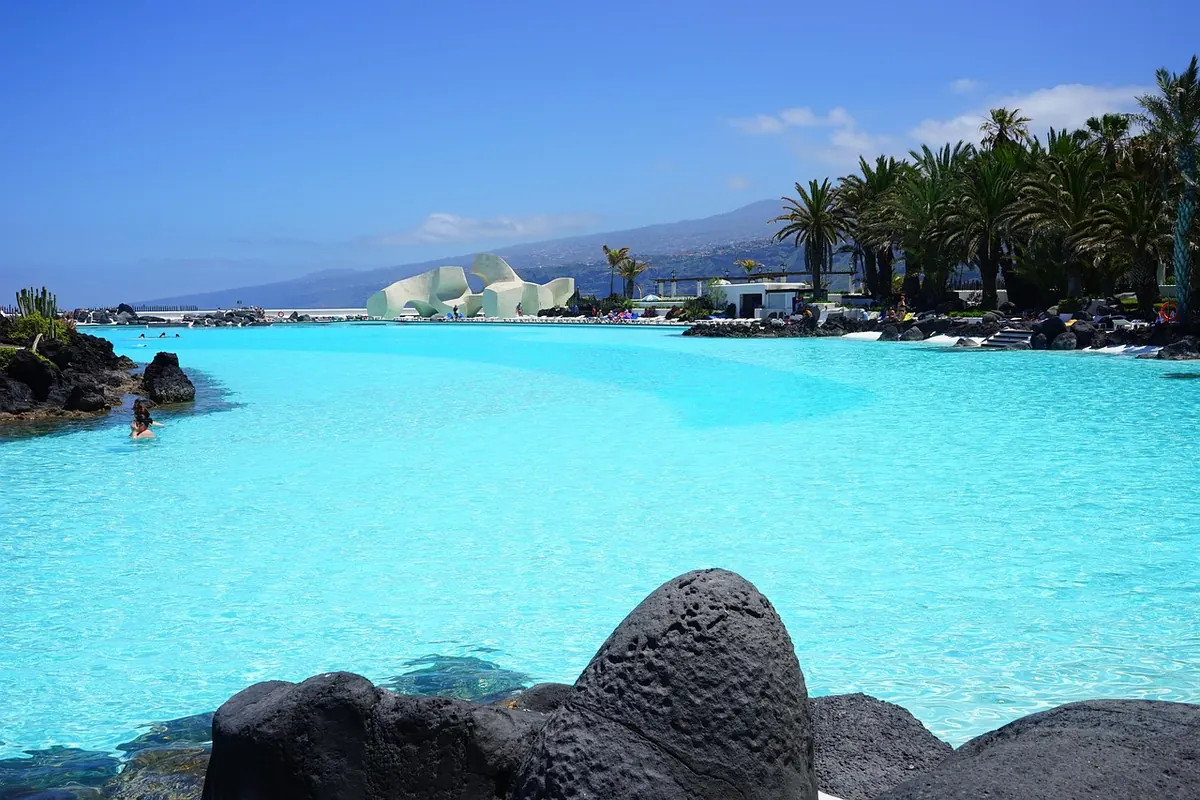
The north's original resort has a charming harbour, the Lago Martiánez sea-water pools designed by César Manrique and a botanical garden.
In Puerto de la Cruz the Atlantic crashes against the black rocks, and the old fishing harbour is lined with cafés. Swim in the Lago Martiánez seawater pools, designed by César Manrique.
11. Garachico
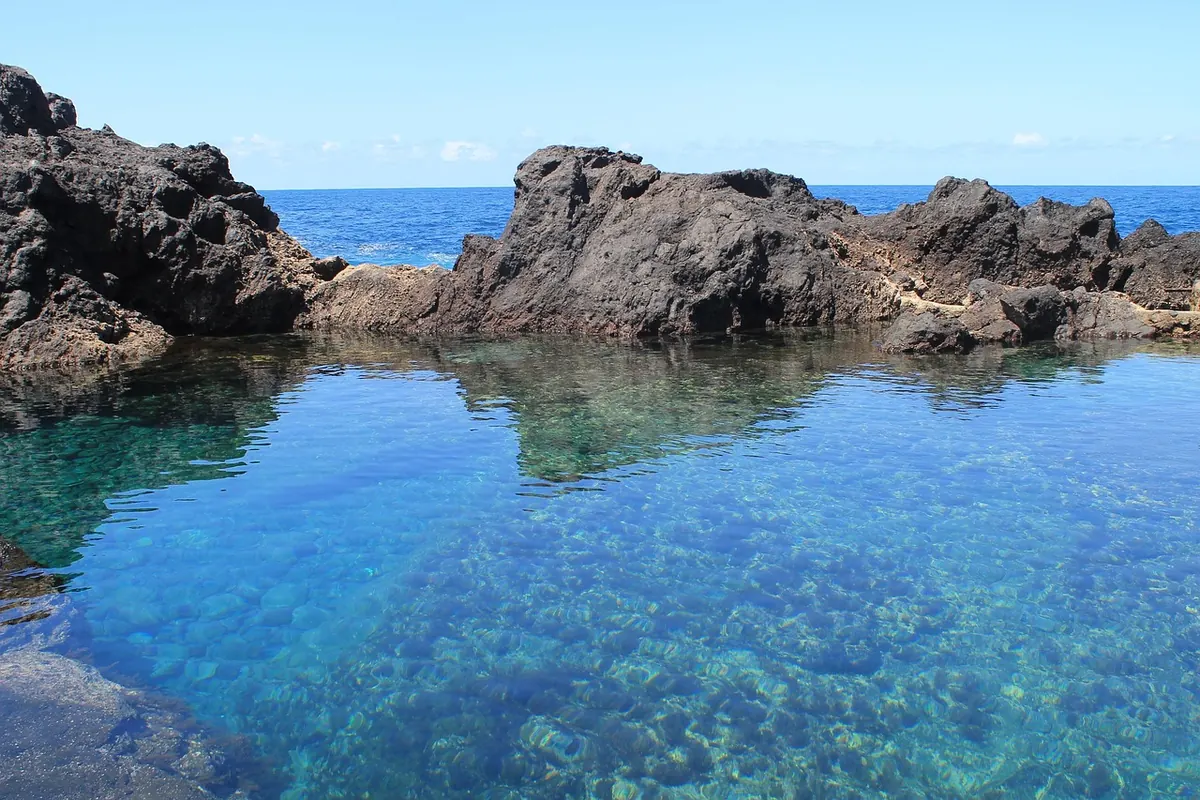
A pretty town on the north coast rebuilt after a volcanic eruption in 1706, with natural rock pools for swimming in calm weather.
A small, peaceful town of cobbled streets and old houses, with natural rock pools formed by lava, where you can swim while the waves break against the rocks beyond. Check the sea conditions first.
12. Day trip to La Gomera
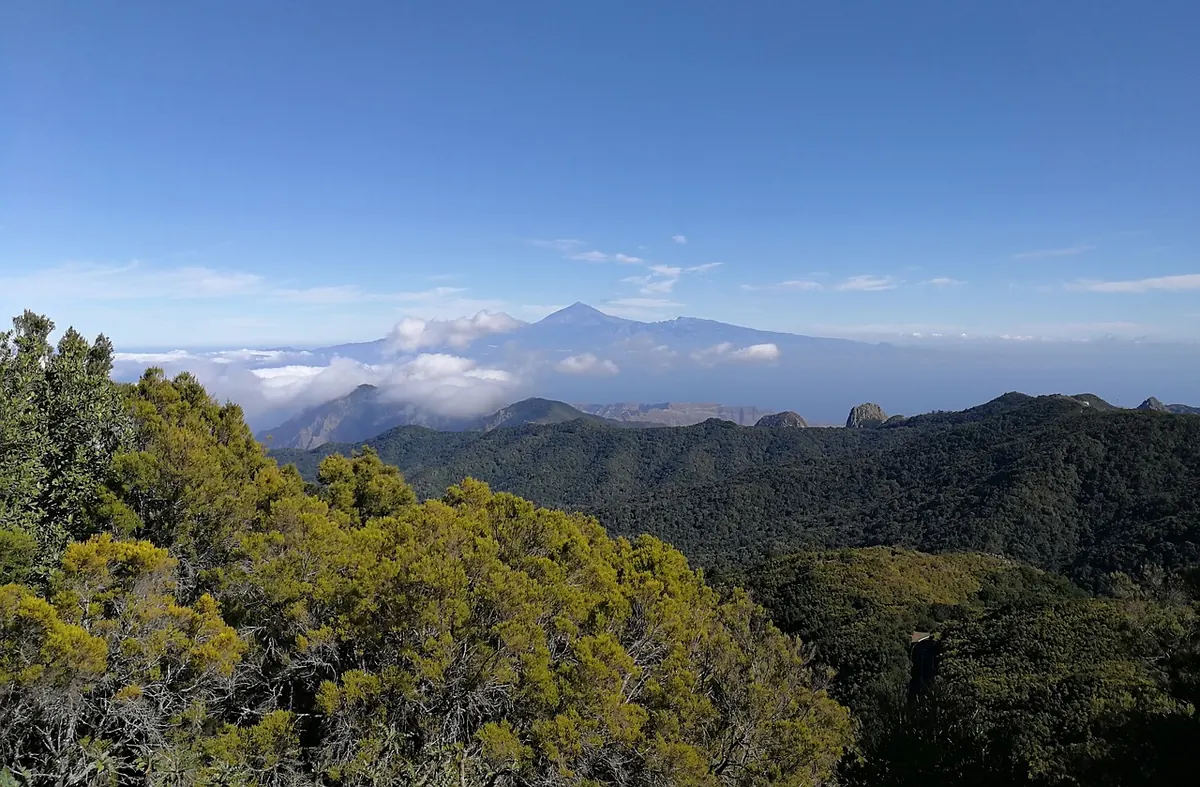
Ferries from Los Cristianos reach La Gomera in under an hour. Explore Garajonay National Park's misty laurel forest and listen out for silbo, the island's whistled language.
The ferry crosses in under an hour, and then you're on a quieter, greener island of deep ravines, terraced valleys and the mist-shrouded Garajonay forest. Listen for the Silbo, the whistled language still taught in schools.
Where to stay
- Costa Adeje – upmarket hotels, the best beaches and restaurants.
- Los Cristianos and Playa de las Américas – lively, good value, close to the airport.
- Puerto de la Cruz – traditional, green and a good base for the north.
- Rural hotels – in the hills and Anaga, for walkers and peace and quiet.
Getting around
Tenerife South Airport is about 20 minutes from Costa Adeje by road. The island has a good TITSA bus network, but a hire car gives you the freedom to reach Teide, Masca and the north. Allow plenty of time: mountain roads are slow.
Frequently asked questions
Is the north or south of Tenerife better?
The south (Costa Adeje, Los Cristianos, Playa de las Américas) is sunnier and has most of the resort hotels and beaches. The north is greener and more traditional, with towns such as Puerto de la Cruz and La Laguna, but it is cloudier.
Do I need a permit to climb Mount Teide?
You need a free permit from the national park to walk the final trail to the summit crater. Permits are limited and should be booked well in advance. Cable car tickets do not include it.
Which airport should I fly into?
Most holiday flights use Tenerife South (TFS), close to the southern resorts. Tenerife North (TFN) near La Laguna mainly handles flights from mainland Spain and the other islands.
Keep reading
Which Canary Island Is Best? A Guide to All Seven Islands
Tenerife, Gran Canaria, Lanzarote, Fuerteventura, La Palma, La Gomera and El Hierro compared – beaches, nature, families, nightlife and when to go.
Top 10 Things to Do in Lanzarote: Volcanoes, Beaches and César Manrique
Timanfaya's volcanoes, La Geria's wine country, Jameos del Agua, the underwater museum, La Graciosa and the best beaches – the top things to do in Lanzarote.
Spain's Best Cruise Ports: What to Do on a Day Ashore
Barcelona, Palma de Mallorca, Málaga, Valencia, Cádiz, Ibiza and the Canary Islands – how far each cruise terminal is from the sights and how to spend a day ashore.
12 of the Best Beaches in Majorca
Caló des Moro, Cala Mesquida, Formentor, Es Trenc, Playa de Muro and Sant Elm – the best beaches in Majorca, from turquoise coves to long family-friendly bays.