Costa Brava Travel Guide: Coves, Medieval Villages and Dalí
Tossa de Mar, Calella de Palafrugell, Cadaqués, Girona and the Dalí museum – where to go on the Costa Brava, Catalonia's rugged coast between Barcelona and France.

Some links in this guide are partner links: if you buy through them we may earn a small commission, at no extra cost to you. It never affects what we recommend. How we make money
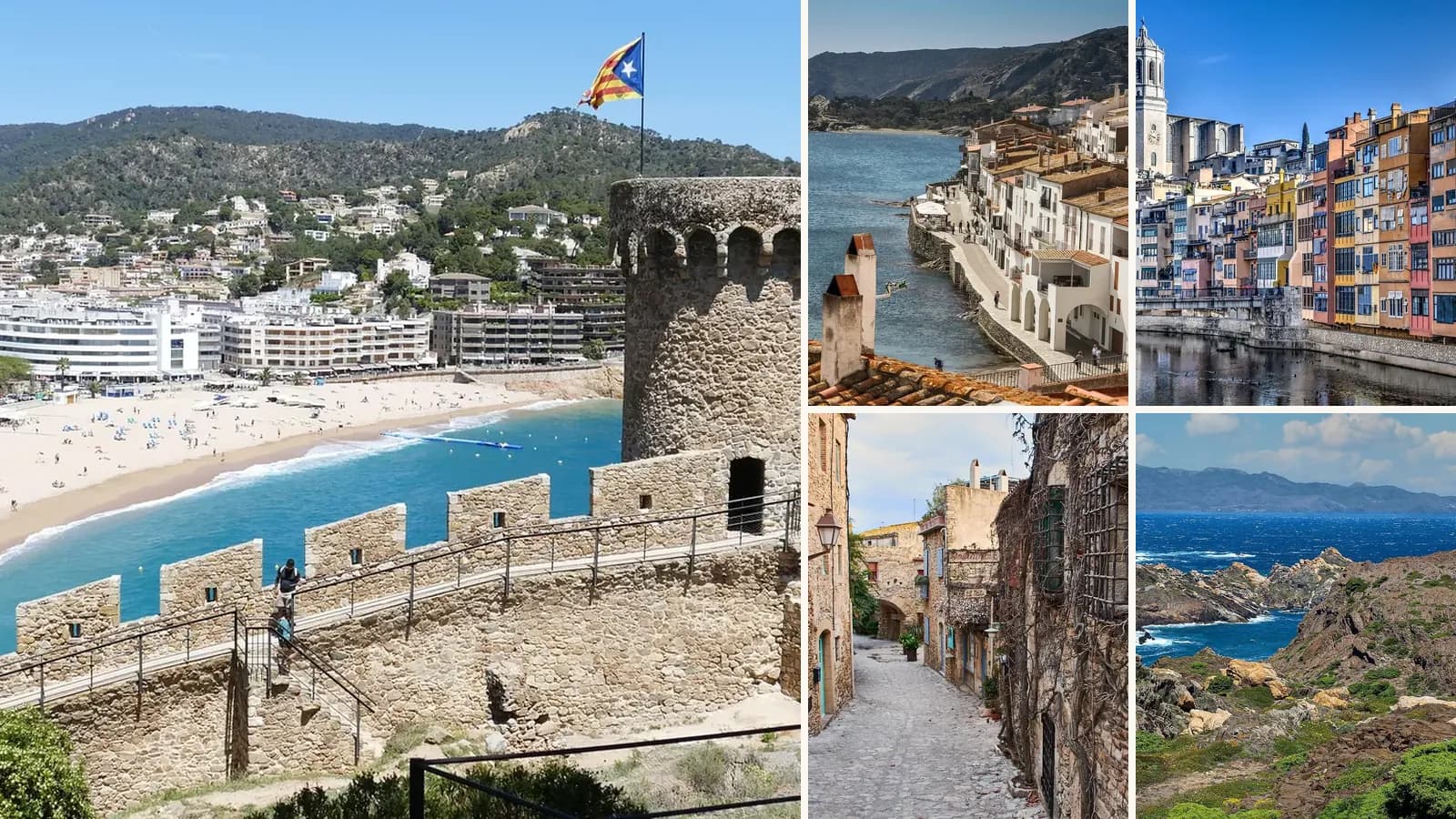
The Costa Brava – the "wild coast" – runs for around 200 km from Blanes, north of Barcelona, to the French border at Portbou. Here the Pyrenees meet the Mediterranean in pine-covered cliffs, hidden coves and whitewashed fishing villages, with medieval towns, vineyards and the surreal world of Salvador Dalí just inland.
It has been a holiday favourite for decades and is also popular with long-stay visitors and retirees, thanks to its mild climate, excellent food, good healthcare and easy access to Barcelona and France. This guide covers the best coastal towns, inland highlights and natural spaces, plus practical advice on when to go, where to stay, living there longer and getting around.
Costa Brava at a glance
| Quick facts | |
|---|---|
| Best time to visit | June and September for swimming; April–May and October for walking |
| How long to stay | 5–7 days to see coastal villages, Girona and Figueres |
| Airports | Girona–Costa Brava (closest) and Barcelona (more flights) |
| Getting around | Car recommended; buses between main towns |
| Best for | Couples, walkers, food lovers, culture, long stays |
Coastal towns
1. Tossa de Mar
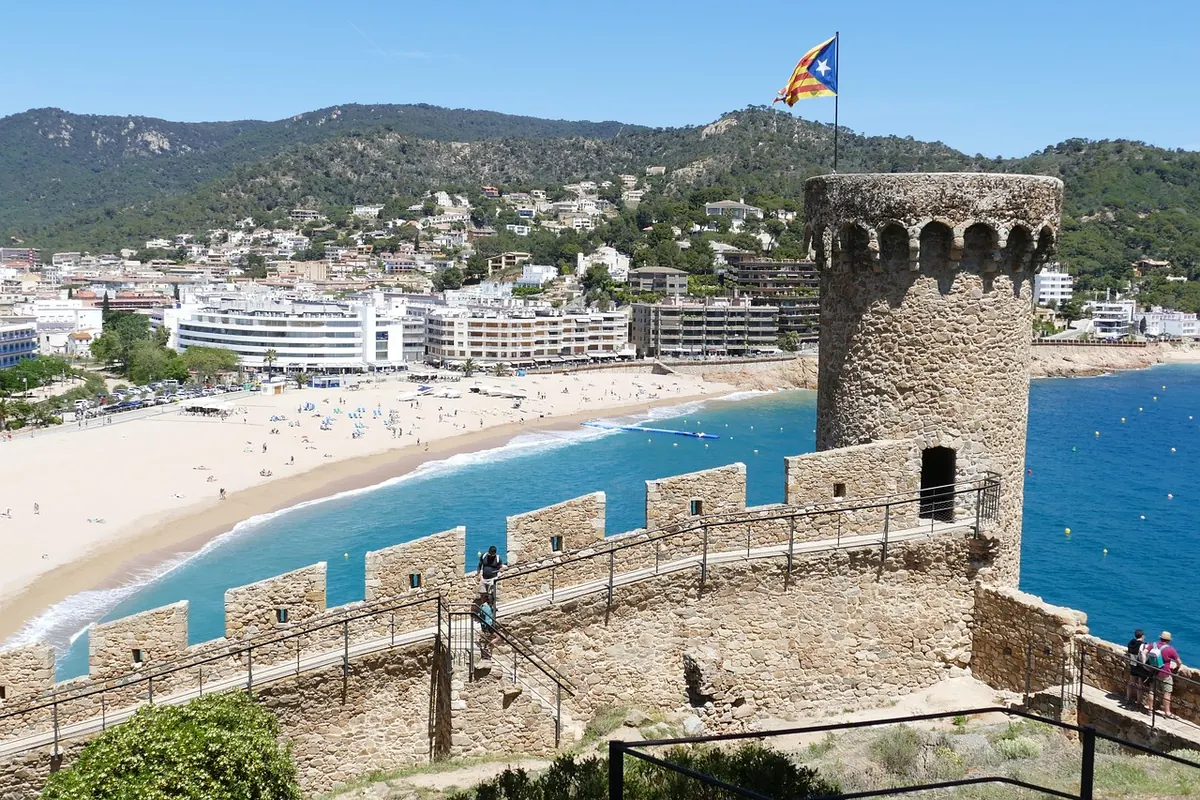
A medieval walled town, the Vila Vella, crowns a headland above a sandy bay – one of the most photographed sights on the coast. Walk the walls and towers for sweeping views, then swim from the main beach or the small coves nearby, such as Cala Pola and Cala Giverola. Tossa gets busy in August; visit early in the day or out of season.
The medieval walls and towers stand on the headland above the bay, and the old town's narrow lanes lead up to views over the turquoise water and the boats on the beach.
2. Calella de Palafrugell and Llafranc
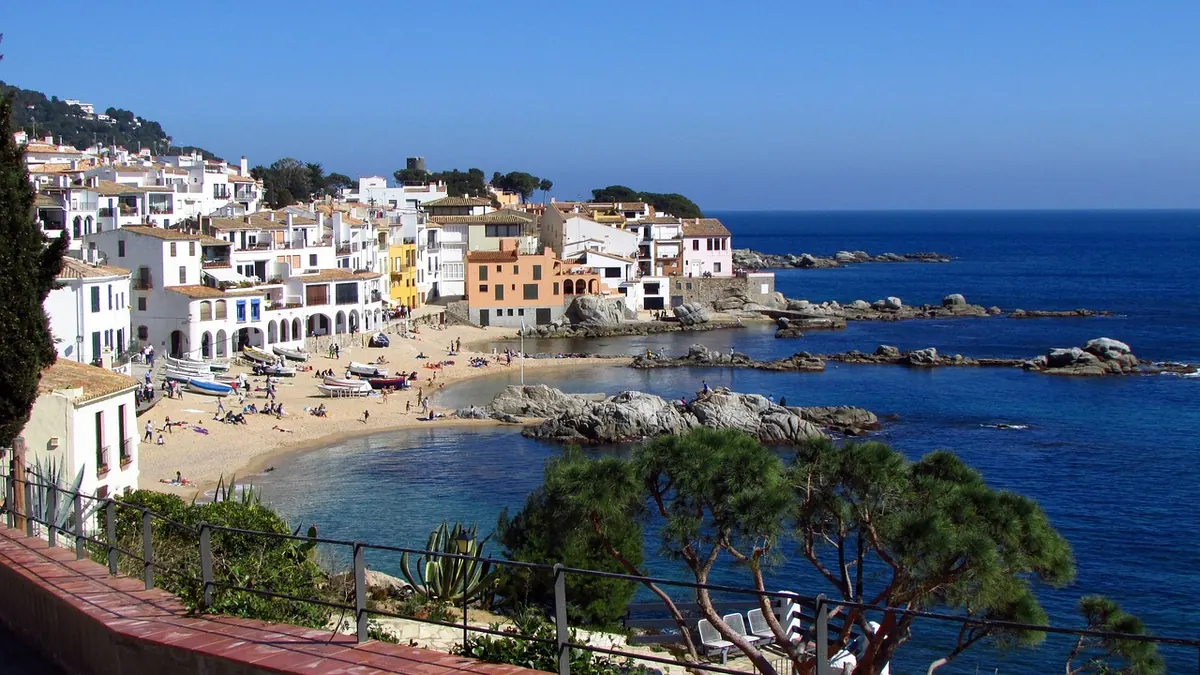
Whitewashed houses, arched seafront terraces and fishing boats pulled up on the sand make Calella de Palafrugell one of the prettiest villages on the coast. A short coastal path leads to the neighbouring bay of Llafranc and up to the Sant Sebastià lighthouse and viewpoint. In July, Calella hosts a festival of habaneras – sea shanties sung on the beach.
Fishing boats on the sand, white arches by the water and small restaurants serving grilled fish – it's the picture of the Costa Brava, especially in the evening.
3. Cadaqués
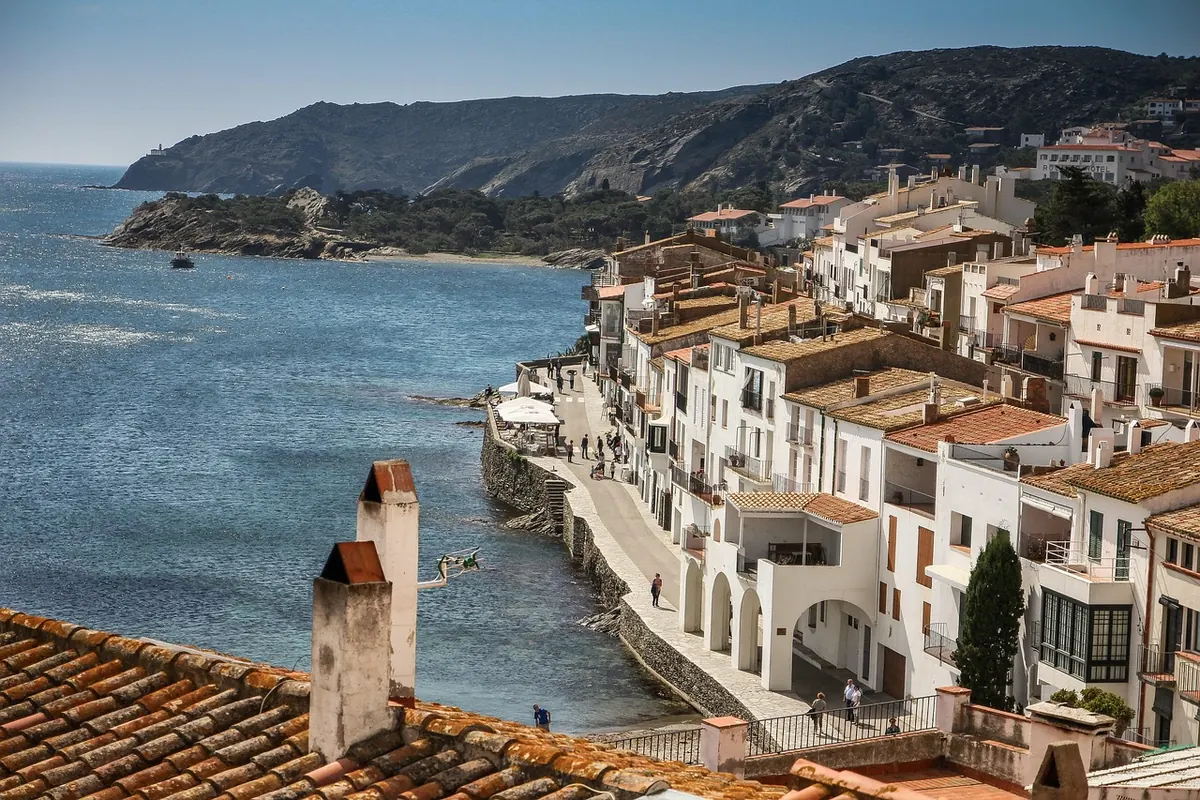
Near the French border, the white fishing village of Cadaqués sits at the end of a winding mountain road, facing a deep blue bay. It was Salvador Dalí's summer home, and his house at Portlligat, a short walk away – a maze of whitewashed fishermen's huts joined together – can be visited on timed tickets. Book well ahead in summer.
White houses tumble down to a bay of blue water and fishing boats, and the light here is so clear that it inspired Dalí and Picasso.
4. Begur and its coves
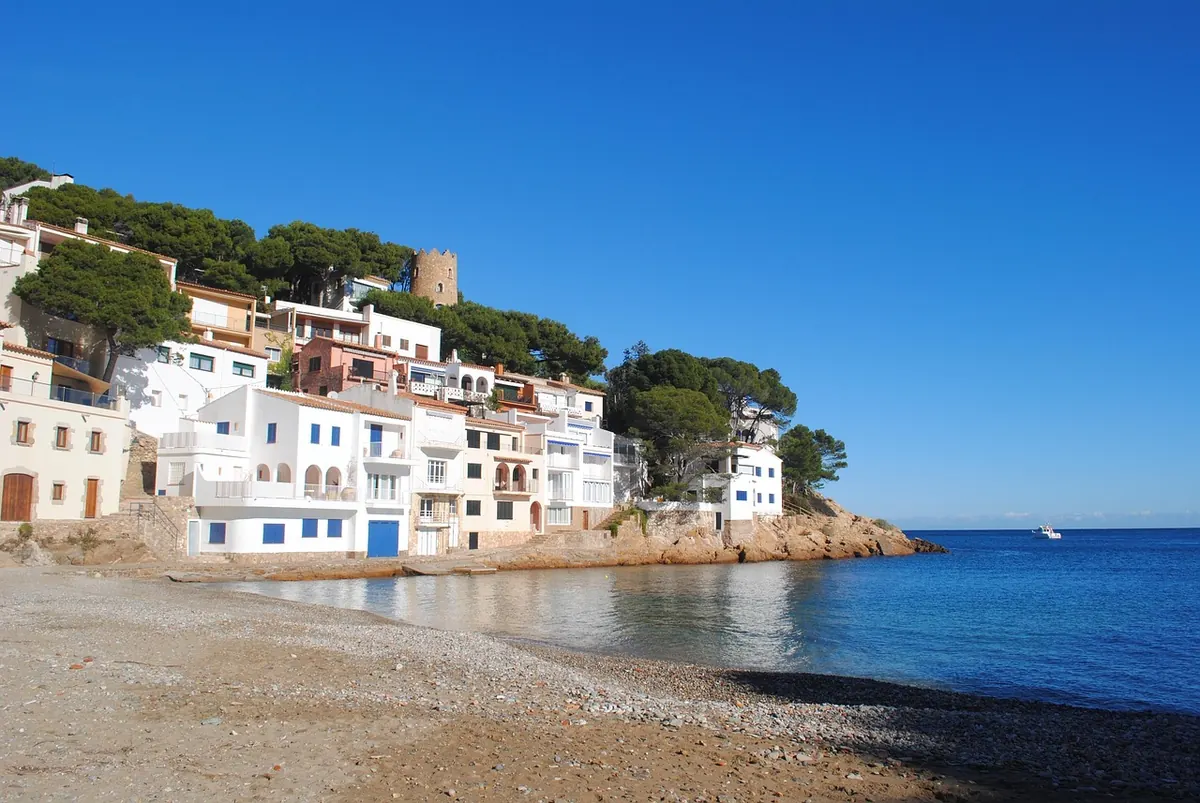
The hilltop village of Begur, crowned by a ruined castle, has colonial-style houses built by locals who made their fortunes in the Americas. It's the base for some of the coast's loveliest coves: Aiguablava, with turquoise water; Sa Tuna, a tiny fishing village; Sa Riera; and Fornells. Parking near the coves is limited in summer – arrive early or use seasonal shuttle buses.
Paths lead down through pine forests to small coves with clear water, while the castle above the village offers views along the coast.
Inland
5. Girona
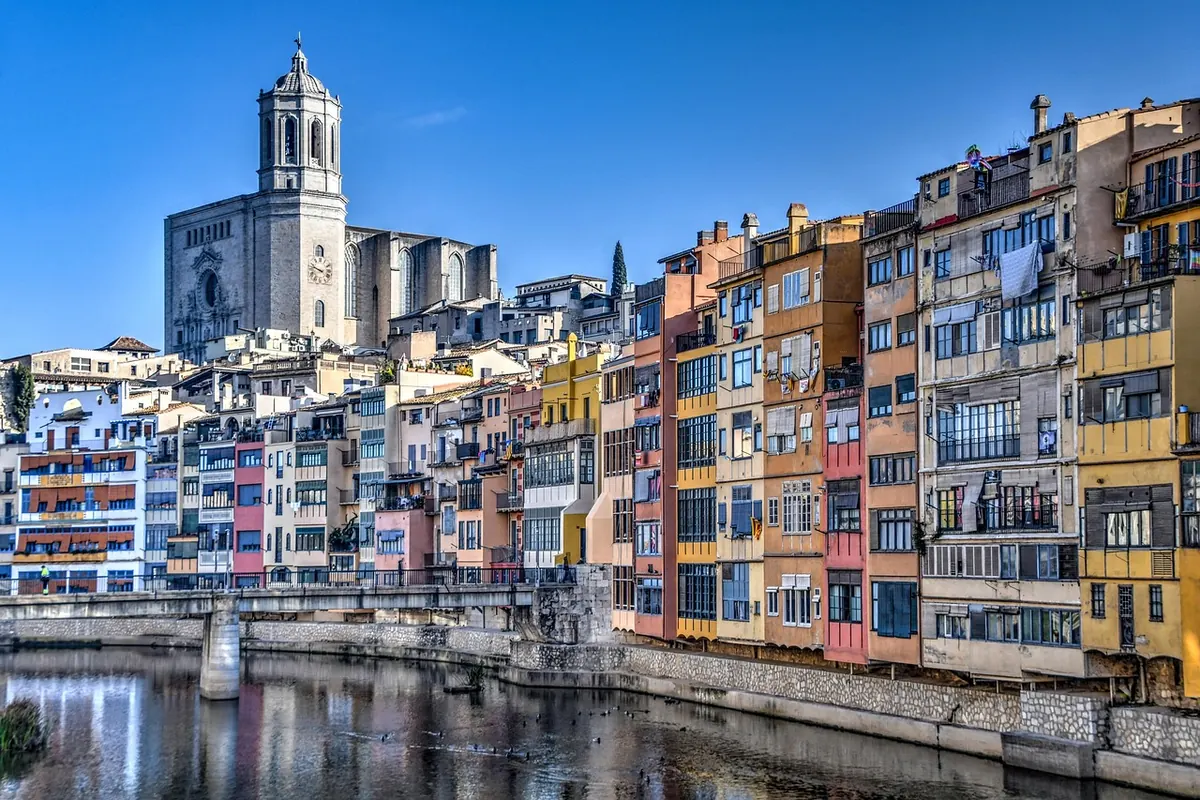
The provincial capital is one of Catalonia's most beautiful cities. Colourful houses line the River Onyar, a Gothic cathedral sits at the top of a grand baroque staircase, and the Call is one of Europe's best-preserved medieval Jewish quarters. Walk the city walls for views over the rooftops, and try the city's excellent restaurants – Girona has a big reputation for food.
Colourful houses line the river, and the medieval old town is a maze of stone lanes, staircases and squares – walk along the city walls for views over the rooftops.
6. Figueres and the Dalí Theatre-Museum
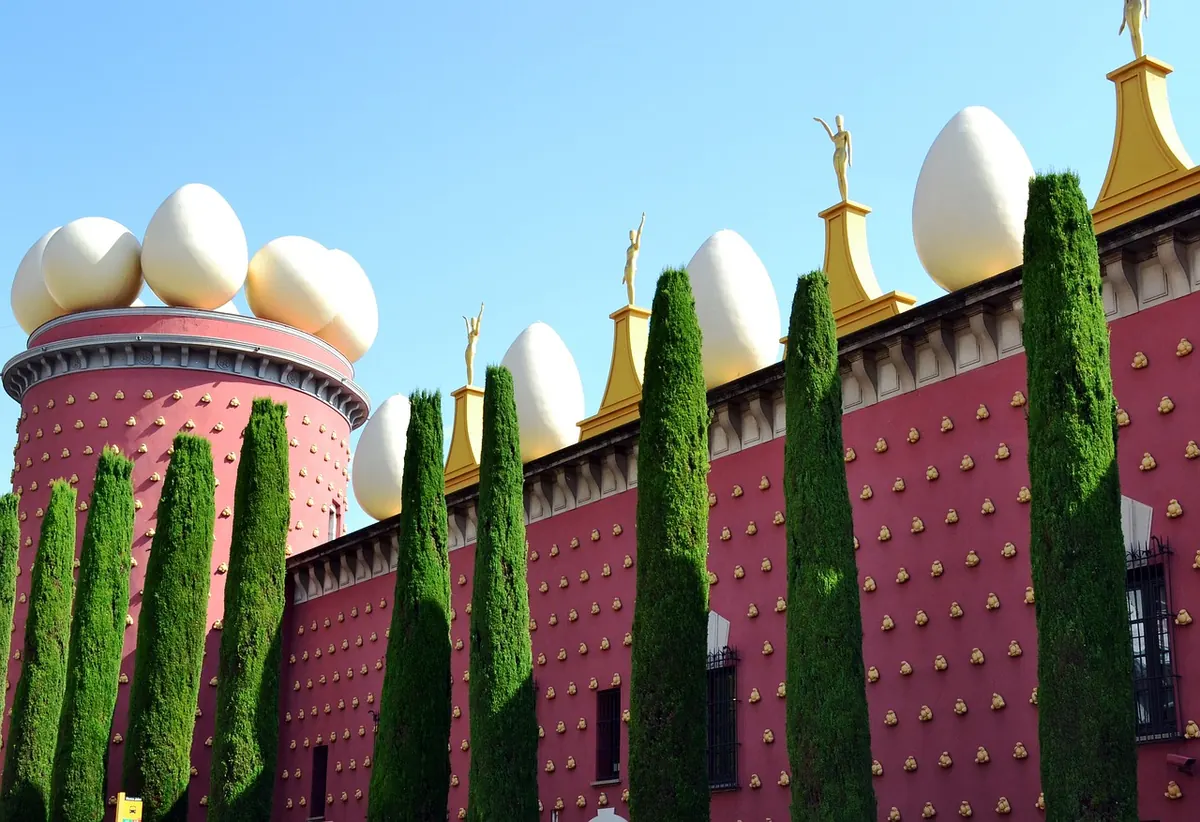
Dalí designed his own museum in his home town, in a former theatre topped with giant eggs and decorated with loaves of bread. Inside are his paintings, sculptures and installations, and his crypt. It's one of the most visited museums in Spain – book a timed ticket in advance.
Giant eggs on the roof, loaves of bread on the walls and surreal rooms inside – a playful, strange and unforgettable museum.
7. Pals and Peratallada
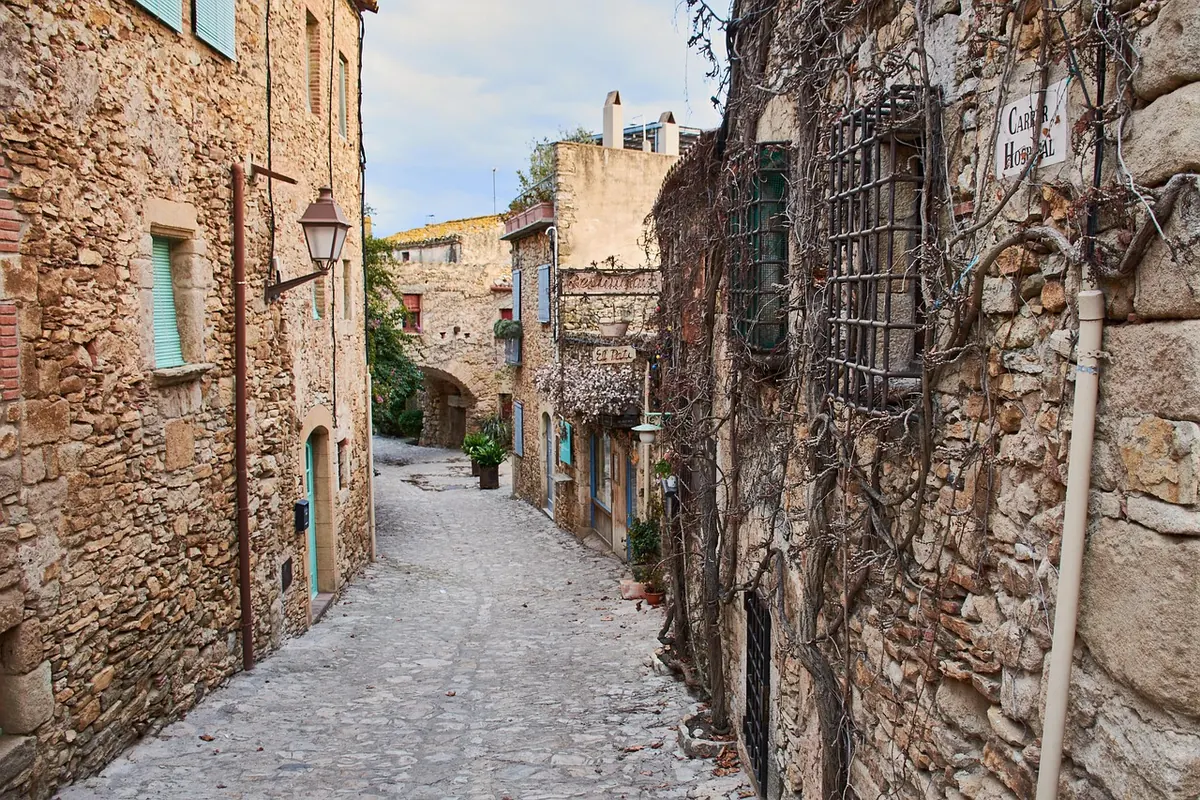
Two beautifully preserved medieval villages of honey-coloured stone, surrounded by rice fields and countryside in the Baix Empordà. Peratallada has a moat cut into the rock and narrow arched lanes; Pals has a Gothic quarter and a tower with views to the sea. Combine them with Begur on a day out.
Stone villages with medieval walls, arches and narrow lanes, where time seems to have stopped – lovely at dusk, when the day visitors leave.
Nature
8. The Camí de Ronda
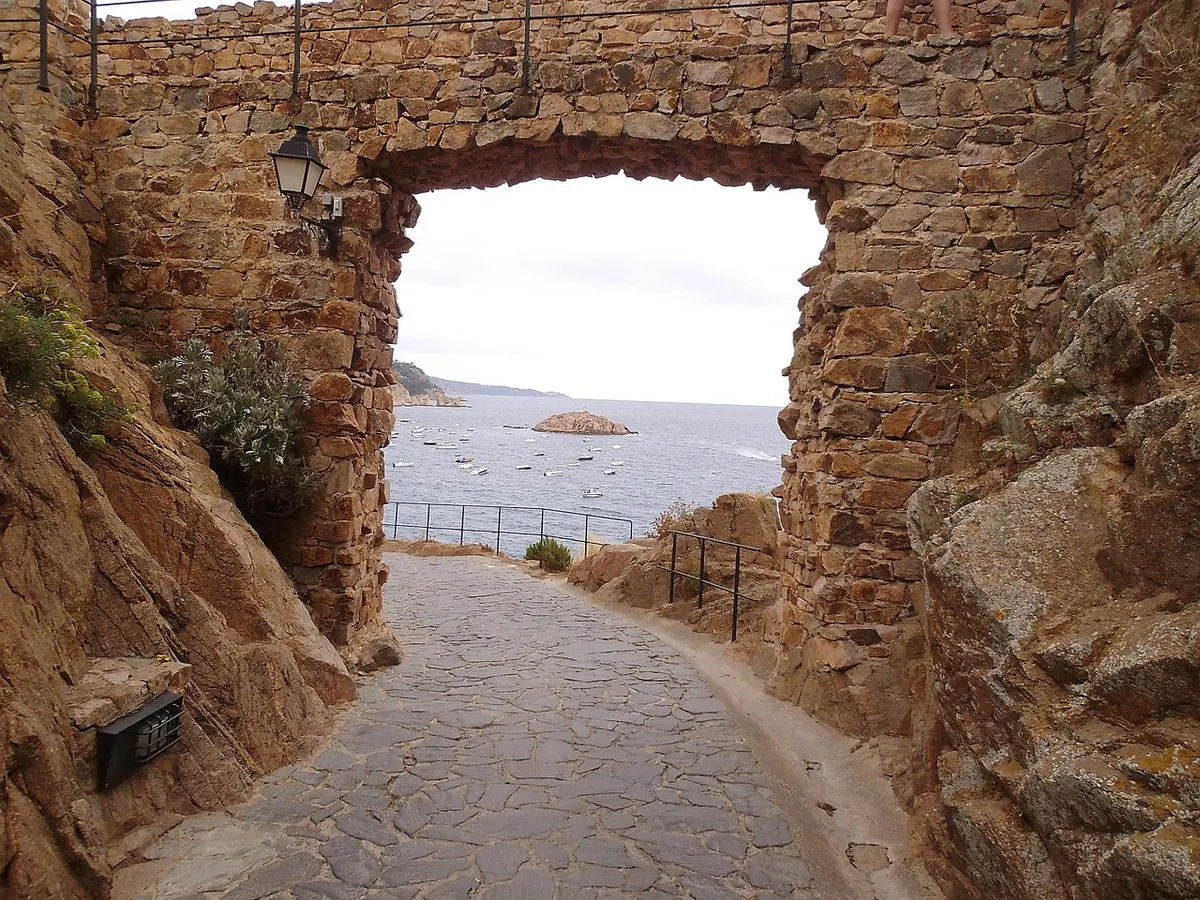
This old coastal path, once used by customs guards watching for smugglers, links many of the Costa Brava's coves and villages. Sections between Calella de Palafrugell and Tamariu, around Begur, and between Sant Feliu de Guíxols and S'Agaró are especially scenic. Wear good shoes – the path can be rocky and steep in places.
The coastal path winds along the cliffs, past pine trees and hidden coves, with the sea glittering below – bring swimwear for a dip on the way.
9. Cap de Creus
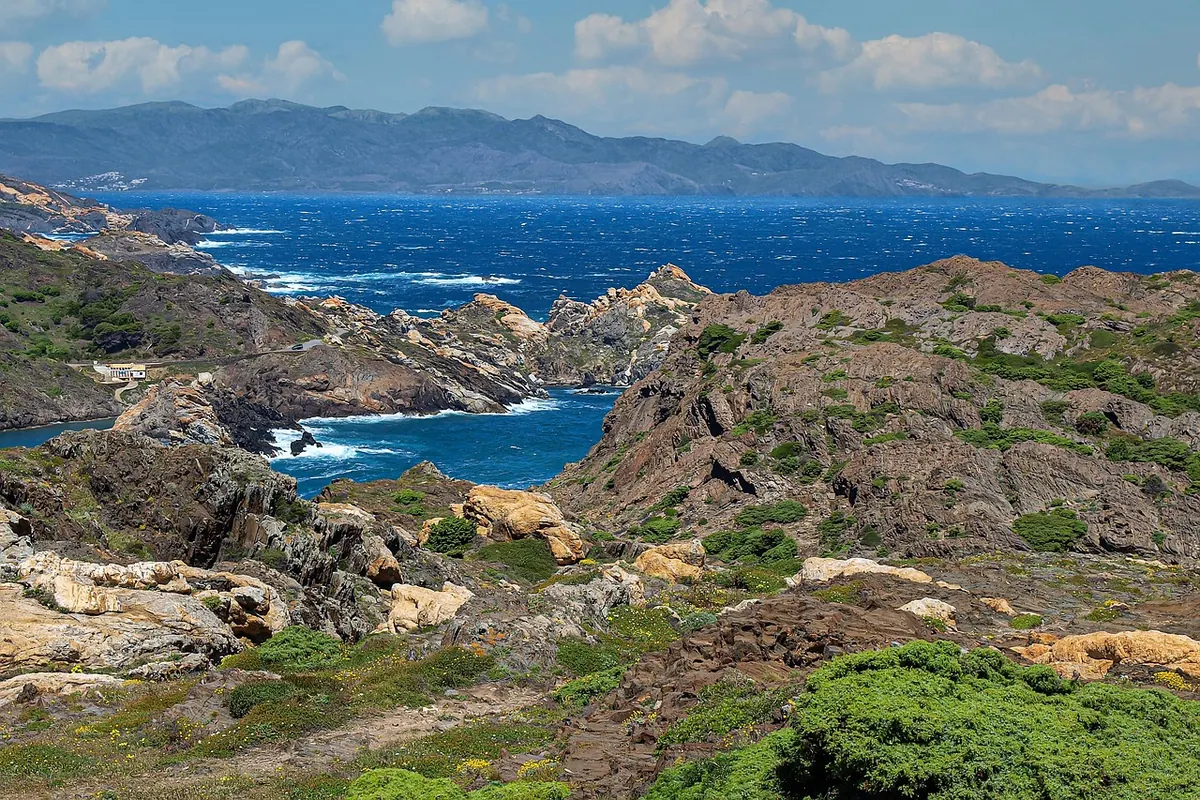
The rocky peninsula at the eastern tip of mainland Spain is a natural park of wind-sculpted rocks, hidden coves and clear water, which inspired many of Dalí's landscapes. It's excellent for walking, snorkelling and kayaking, and the lighthouse is a popular sunset spot. The tramontana wind can be very strong here.
A wild, rocky landscape shaped by the wind, with a lighthouse at the tip – the easternmost point of mainland Spain, magical at sunrise.
Living or staying longer
The Costa Brava is popular with long-stay visitors and retirees for its mild winters, good healthcare, excellent food and transport links to Barcelona and France. Winters are cooler than in southern Spain, with daytime temperatures usually above 10°C and plenty of sunshine, but the tramontana wind can be cold.
Larger towns such as Palafrugell, Roses, L'Escala, Sant Feliu de Guíxols and Girona have services all year, while the smaller villages can be very quiet in winter. If you're thinking of moving, spend time in different seasons, check visa and residency rules for your nationality and learn some Spanish or Catalan. See also our guide to the best Spanish cities for expats.
When to visit
- April and May: wild flowers and pleasant temperatures – ideal for walking the Camí de Ronda.
- June: warm sea and long days before the summer crowds.
- July and August: hot and busy, especially at weekends; book early.
- September: warm sea and calmer villages – often the best month.
- October to March: quiet and mild; many hotels close in the smaller resorts.
Where to stay
| Area | Atmosphere | Best for |
|---|---|---|
| Begur & Palafrugell villages | Pretty coves, boutique hotels | Couples, beaches |
| Tossa de Mar | Historic, sandy bay | Families, first-timers |
| Cadaqués | Artistic, remote | Couples, Dalí fans |
| Girona | City, food, culture | Culture lovers, rainy days |
| L'Escala & Roses | Larger resorts, services | Families, long stays |
Food and wine
The Costa Brava and the Empordà are famous for food. Try suquet de peix (a fish stew), anchovies from L'Escala, rice dishes from the Pals area and "sea and mountain" dishes combining seafood and meat. The Empordà wine region has many small wineries open for tastings.
Getting there
Girona–Costa Brava Airport is the closest to most resorts, about 30–60 minutes away. Barcelona Airport has far more flights and is about 1–2 hours from the main towns by road. A pre-booked transfer is the easiest way to reach your hotel with luggage; buses connect the main towns, but a car makes it much easier to explore the coves and inland villages. High-speed trains link Barcelona, Girona and Figueres with France.
Comparing options? Read our guide to the best countries in the world to retire.
Frequently asked questions
Which airport is best for the Costa Brava?
Girona-Costa Brava Airport is closest to most resorts. Barcelona Airport has far more flights and is about 1–2 hours from the main towns by road.
Is the Costa Brava good for retirees and long stays?
Many people choose it for its mild climate, good healthcare, proximity to Barcelona and France and quieter villages outside summer. Winters are cooler than in southern Spain, with daytime temperatures usually above 10°C.
When is the best time to visit the Costa Brava?
June and September offer warm sea temperatures without the July and August crowds. Spring is ideal for walking the coastal paths.
Is the Costa Brava better than the Costa del Sol?
The Costa Brava is greener and more rugged, with small coves and medieval villages; the Costa del Sol is warmer in winter, with long sandy beaches and bigger resorts.
Can you visit the Costa Brava from Barcelona?
Yes. Tossa de Mar is about 1.5 hours from Barcelona, and Girona and Figueres are reachable by train. A car gives the most freedom to explore the coves.
Keep reading
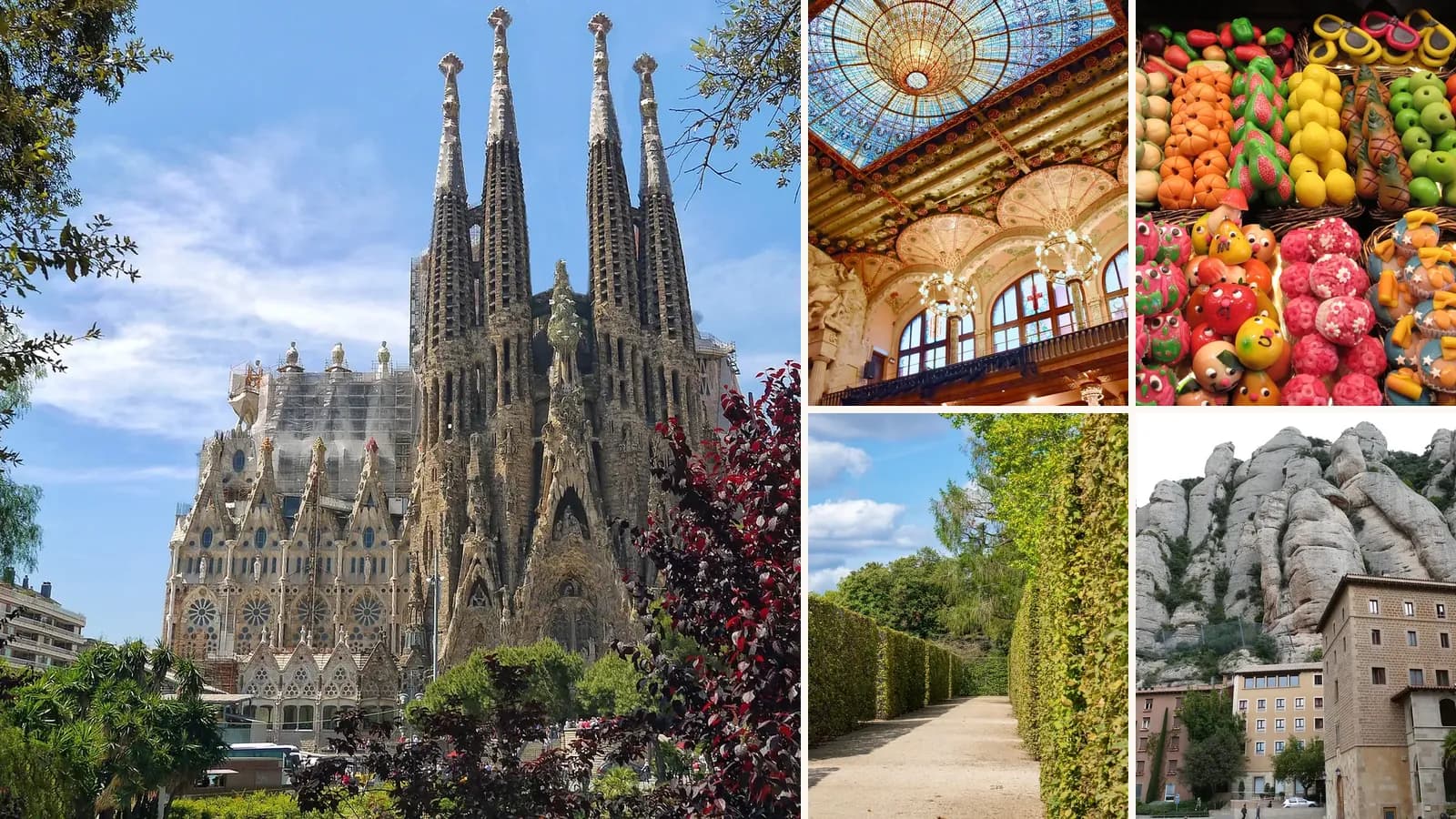
Barcelona Travel Guide: 15 Best Things to Do, from Gaudí to Hidden Gems
The Sagrada Família, Park Güell, the Gothic Quarter, El Born, Montjuïc, the beaches and lesser-known gems – the best things to do in Barcelona, with booking tips.
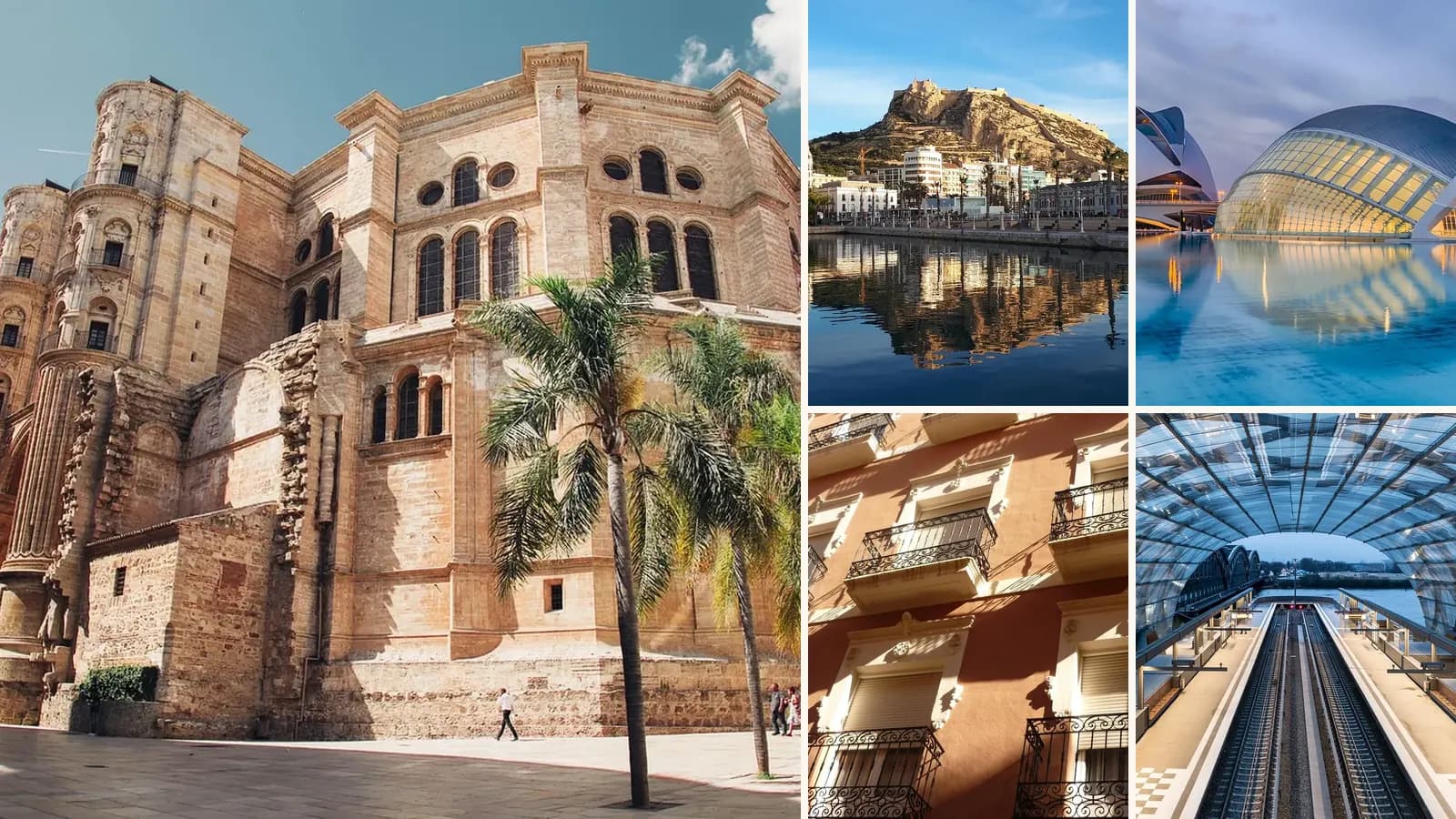
Málaga, Alicante or Valencia? The Best Cities in Spain for Expats
Why Málaga, Alicante and Valencia top expat surveys – climate, cost of living, transport, healthcare and lifestyle compared, plus what to check before you move to Spain.
10 of the Most Stunning Paradors in Spain: Castles, Convents and Palaces
Sleep inside the Alhambra, a pilgrims' hospital in Santiago or a hanging-house clifftop in Cuenca – 10 of the most stunning paradors in Spain, with booking tips.
Menorca Travel Guide: 10 Reasons to Visit the Quiet Balearic Island
Turquoise coves, the Camí de Cavalls trail, Ciutadella and Mahón, ancient Talayotic sites and great seafood – why Menorca is the Balearics' most relaxing island.