The Best Countries in the World to Retire: Beautiful, Safe and Affordable
Croatia, Spain, Portugal, Ireland, Italy, Greece, France and Cyprus – comparing the best countries to retire on safety, cost of living, healthcare, climate and visas.
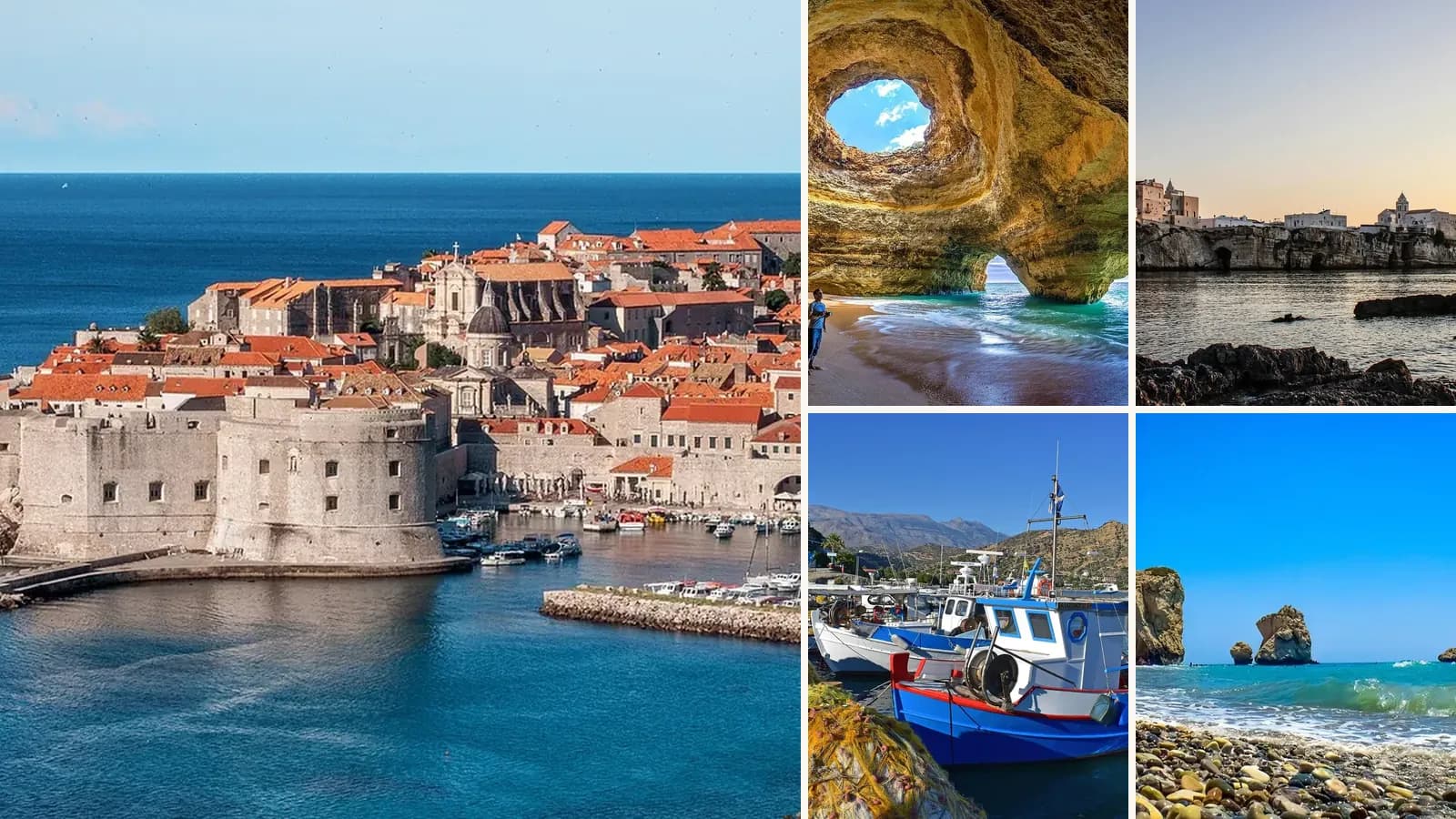
Every year, surveys rank the best countries in the world to retire, and the same names tend to rise to the top: sunny, safe, relatively affordable places with good healthcare and a welcoming attitude to newcomers. One widely reported study from the UK pension provider Penfold ranked Croatia first, followed by Spain, Ireland, Italy and Greece, based on factors such as safety, cost of living, healthcare, climate and quality of life.
Rankings are only a starting point, though. The right place depends on your budget, health, language skills, family and what kind of daily life you want. This guide compares the most popular choices and what to consider before you move.
Important: this is general travel and lifestyle information, not legal, tax or financial advice. Visa rules, tax systems and healthcare rights change and depend on your nationality – always check official sources and consider professional advice before relocating.
Europe's favourites
1. Croatia
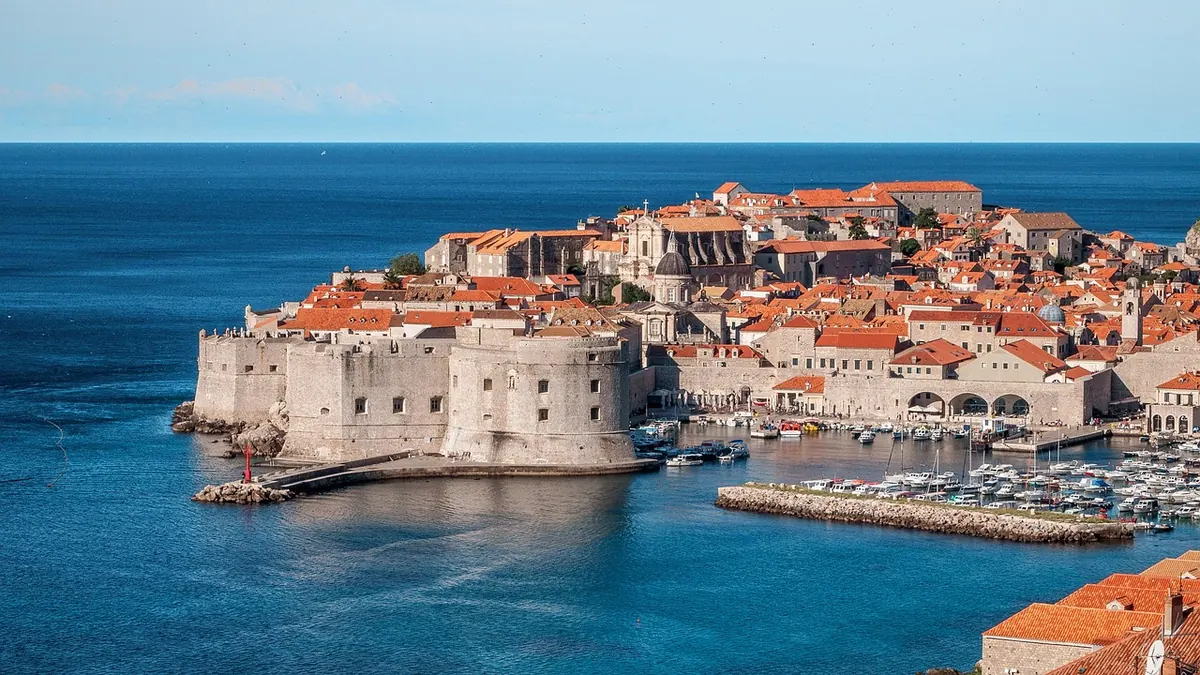
Croatia combines a stunning Adriatic coastline, historic towns, a Mediterranean climate and a high level of safety. Living costs are generally lower than in Western Europe, though coastal hotspots like Dubrovnik and Split are pricier in summer. Smaller towns in Istria and on the islands offer a quieter pace. Learning some Croatian helps, especially outside tourist areas.
2. Spain

Spain has long been Europe's top retirement destination for northern Europeans, thanks to over 300 days of sunshine in many areas, a relaxed lifestyle, excellent food and a well-regarded public health system. Popular areas include the Costa del Sol, Costa Blanca, the Canary Islands and the Balearics, with large expat communities and good flight connections. See our guide to Spain's region for retired expats.
3. Portugal

Portugal is safe, friendly and sunny, with a lower cost of living than much of Western Europe, although housing in Lisbon and the Algarve has become expensive. Many retirees choose the Algarve, the Silver Coast or smaller cities like Coimbra. Tax rules for new residents have changed in recent years, so check the current position. See our guide to Portugal.
4. Ireland

Ireland ranks highly for safety, friendliness and the ease of living in English. The countryside and coast are beautiful, especially in the west along the Wild Atlantic Way, but living costs and housing prices are high and the weather is cool and wet. It's a good choice for those with family ties or who prefer green landscapes to heat.
5. Italy
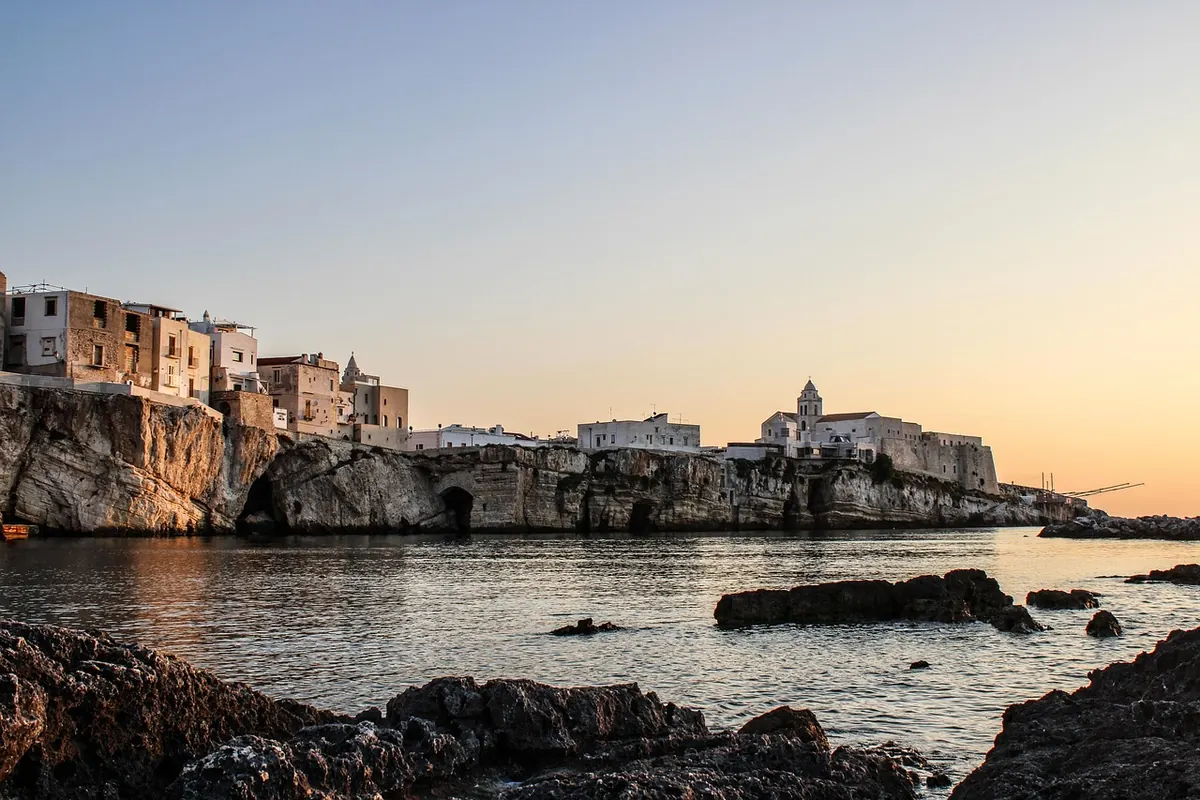
Italy offers culture, food, history and a slower pace of life. Southern regions and smaller towns are much cheaper than Rome, Milan or Tuscany, and some regions offer incentives to attract new residents. Bureaucracy can be slow, so patience – and some Italian – is essential.
6. Greece
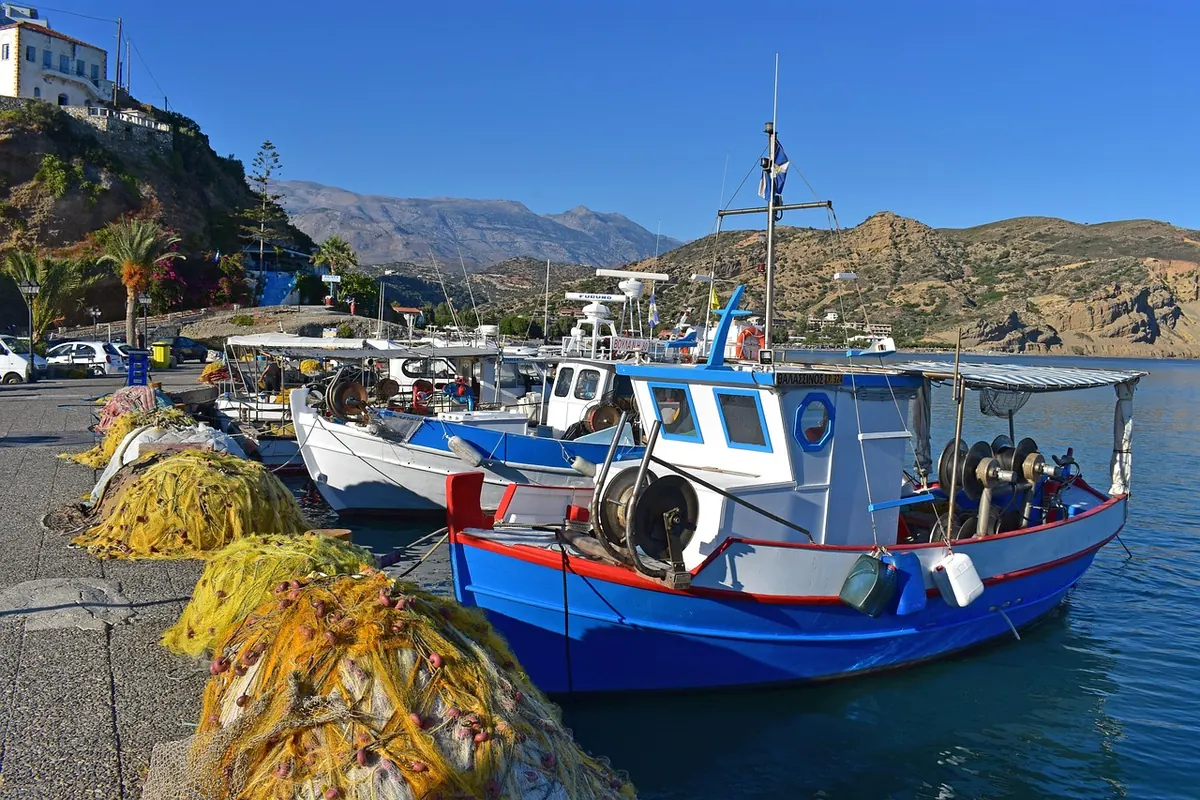
Greece has a warm climate, islands, beaches and a relaxed lifestyle, with living costs generally lower than in Northern Europe. Crete, the Peloponnese and smaller islands are popular, while Athens has the best facilities. Healthcare quality varies, so many retirees combine public and private cover.
7. France
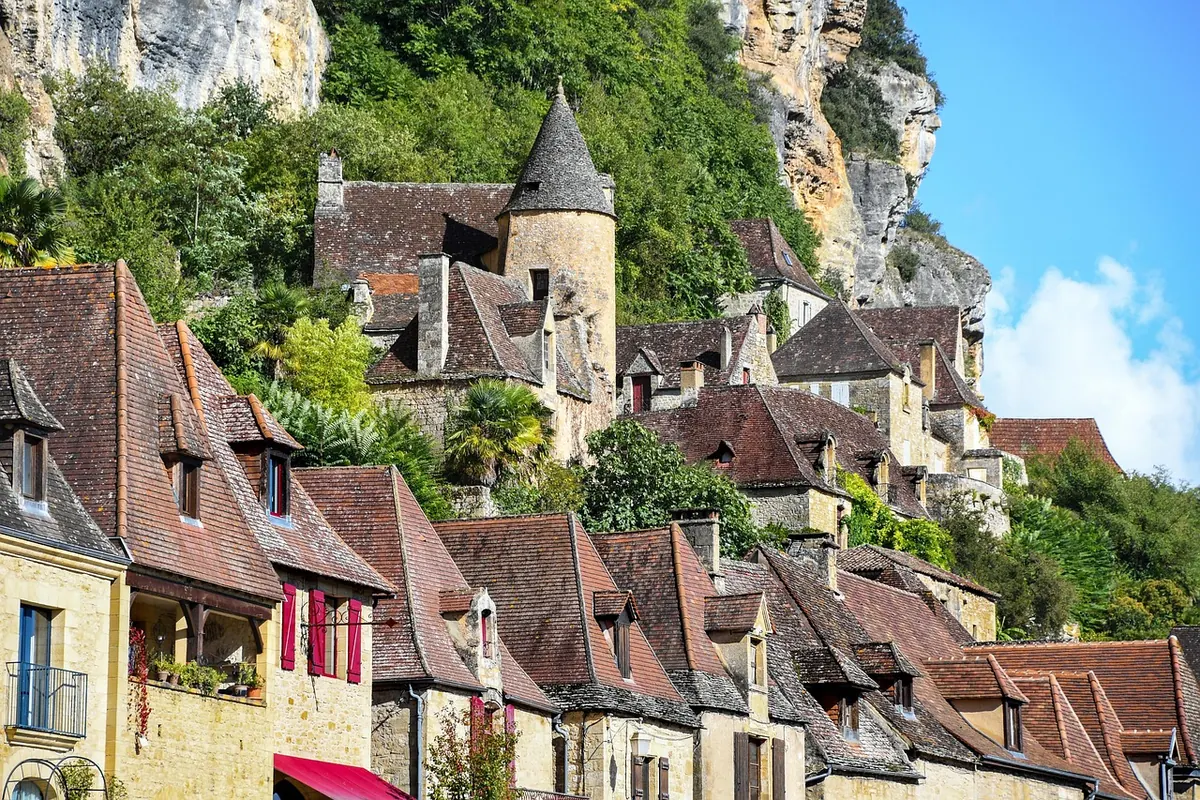
France offers an excellent healthcare system, good infrastructure and a huge variety of landscapes, from Brittany and the Dordogne to Provence and the Côte d'Azur. Rural areas are much more affordable than Paris or the Riviera. French language skills make a big difference to daily life.
8. Cyprus
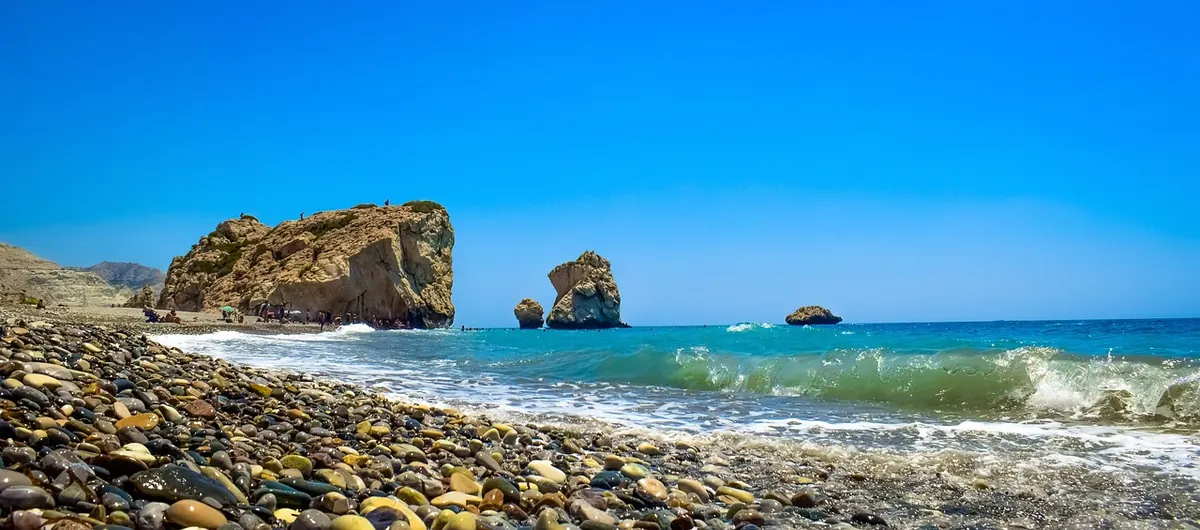
Cyprus has more than 300 days of sunshine, English is widely spoken, and driving is on the left – making it a familiar choice for British retirees. Paphos, Limassol and Larnaca have large expat communities. Living costs are moderate, though rents in Limassol have risen.
Further afield
9. Thailand and the Philippines
Both offer warm climates, low living costs and specific retirement visas for older applicants who meet income or deposit requirements. Healthcare in major cities can be very good, but rural facilities are more limited, and the distance from family is greater.
10. Other popular choices
Malta (English-speaking and sunny), Mexico and Costa Rica (popular with North Americans), and Egypt's Red Sea coast – especially Hurghada and El Gouna, which have growing communities of European long-stay residents and very low living costs compared with Europe – are also worth researching. See our El Gouna guide.
What to consider before you move
- Visas and residency: check what you need as a citizen of your country, including income requirements.
- Healthcare: find out whether you'll have access to public healthcare or need private insurance, and what it costs at your age.
- Taxes and pensions: understand how your pension will be taxed and whether there's a double-taxation agreement.
- Cost of living: visit outside peak season and budget for housing, utilities, healthcare and flights home.
- Language and community: learning the local language helps you integrate, access services and make friends.
- Try before you commit: rent for several months, ideally including winter, before buying property.
Frequently asked questions
What is the safest country to retire to?
Countries such as Portugal, Ireland, Croatia and Spain consistently rank among the safer choices in global peace and safety indexes, but conditions vary by region – research the specific town you're considering.
Do I need a visa to retire abroad?
EU citizens can generally live in other EU countries. Others usually need a residence or retirement visa, often requiring proof of a minimum passive income, health insurance and accommodation. Rules change often, so check official government sources.
Will I get healthcare if I retire abroad?
It depends on your nationality, the country and any agreements between them. Many retirees use the public system once resident, while others need private health insurance – check before you move.
Keep reading
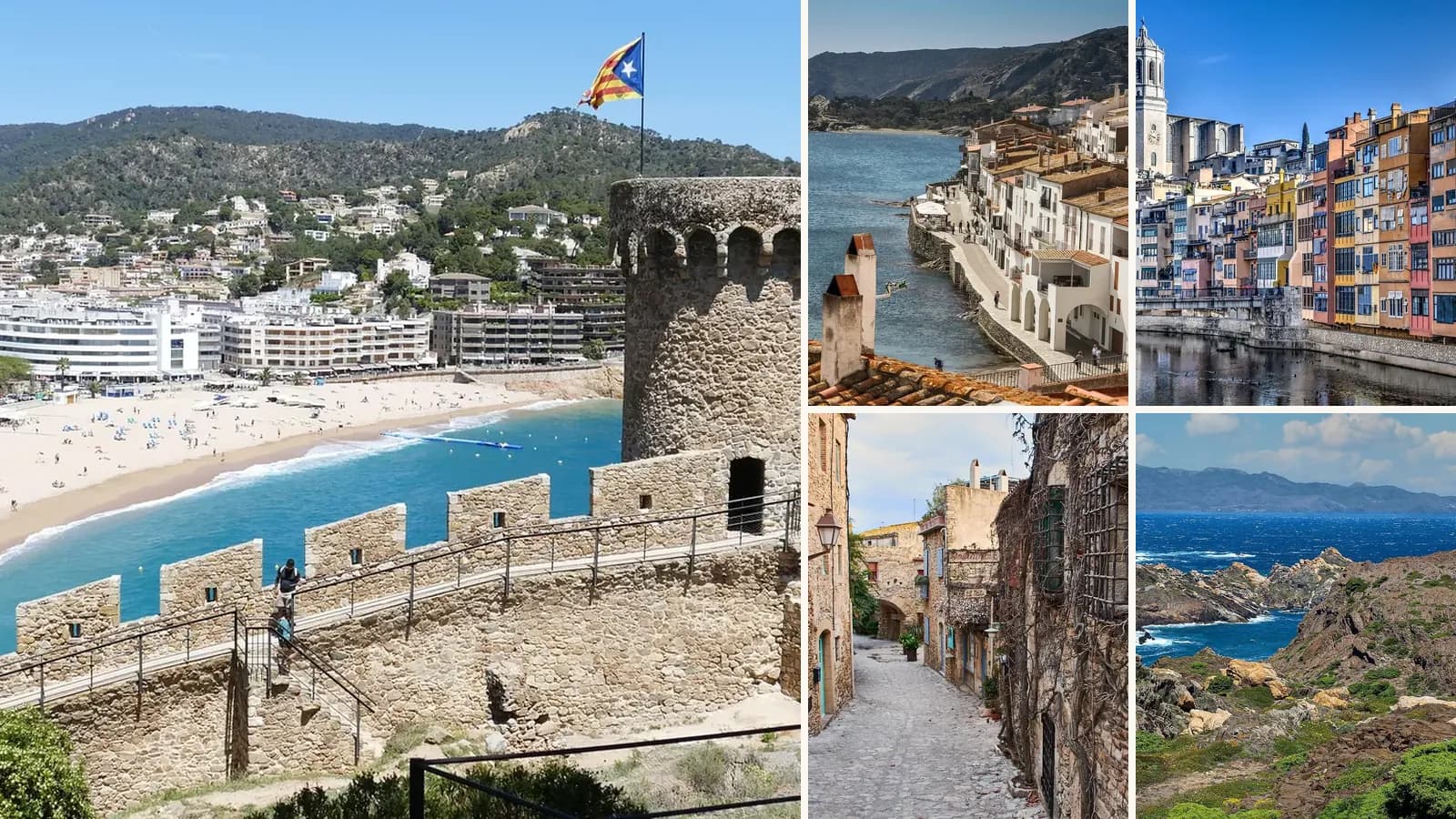
Costa Brava Travel Guide: Coves, Medieval Villages and Dalí
Tossa de Mar, Calella de Palafrugell, Cadaqués, Girona and the Dalí museum – where to go on the Costa Brava, Catalonia's rugged coast between Barcelona and France.

Málaga, Alicante or Valencia? The Best Cities in Spain for Expats
Why Málaga, Alicante and Valencia top expat surveys – climate, cost of living, transport, healthcare and lifestyle compared, plus what to check before you move to Spain.
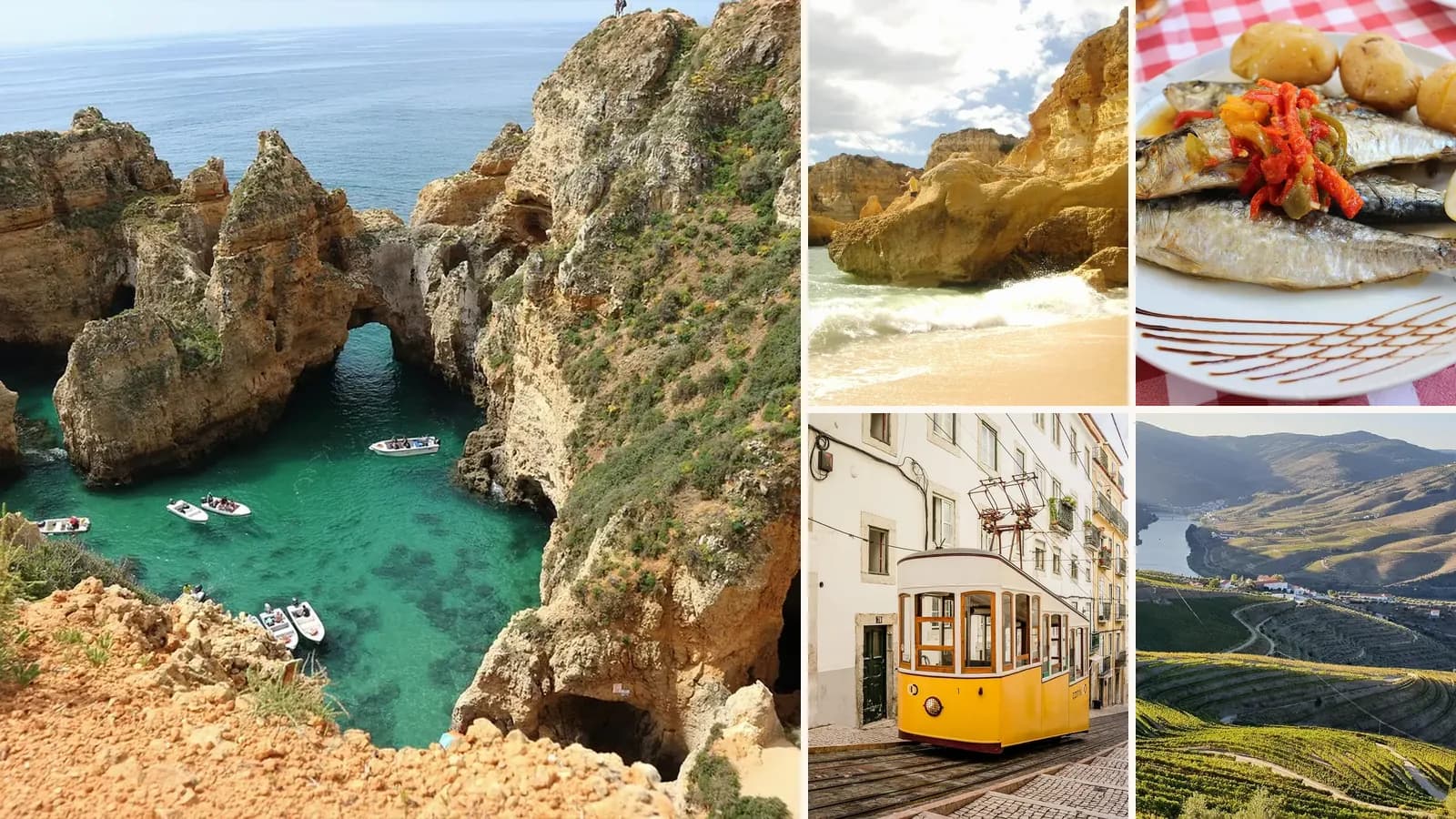
8 Reasons Portugal Is the Perfect Place to Visit
Sunshine, beaches, great value, world-class seafood, pastéis de nata and beautiful towns – eight reasons Portugal is one of Europe's best destinations, plus where to go.
The 17 Most Charming Christmas Markets in Europe
From Strasbourg and Nuremberg to Vienna, Prague, Tallinn and Zagreb – the 17 most charming Christmas markets in Europe, with what to eat and tips for visiting.