Croatia Travel Guide: Dubrovnik, Split, the Islands and Plitvice
Dubrovnik's walls, Diocletian's Palace in Split, Hvar and Korčula, Plitvice Lakes and Istria – the best places to visit in Croatia and how to plan a trip.

Some links in this guide are partner links: if you buy through them we may earn a small commission, at no extra cost to you. It never affects what we recommend. How we make money
Croatia's long Adriatic coastline, more than a thousand islands and beautifully preserved Roman and Venetian towns have made it one of Europe's favourite holiday destinations, regularly named among the best countries to visit. The water is famously clear, the food mixes Mediterranean and Central European traditions, and distances are short enough to combine cities, islands and national parks in a single trip.
This guide covers the best places to visit along the Dalmatian coast, inland and in the north, with practical advice on when to go, how long to stay, how to get around the islands and a suggested itinerary.
Croatia at a glance
| Quick facts | |
|---|---|
| Best time to visit | May–June and September for warm sea without peak crowds |
| How long to stay | 7 days for Dubrovnik, Split and one island; 10–14 days to add Plitvice and Istria |
| Currency | Euro; Croatia is in the Schengen area |
| Main airports | Dubrovnik, Split, Zadar, Zagreb, Pula |
| Best for | Couples, island-hopping, history, sailing, food and wine |
The Dalmatian coast
1. Dubrovnik
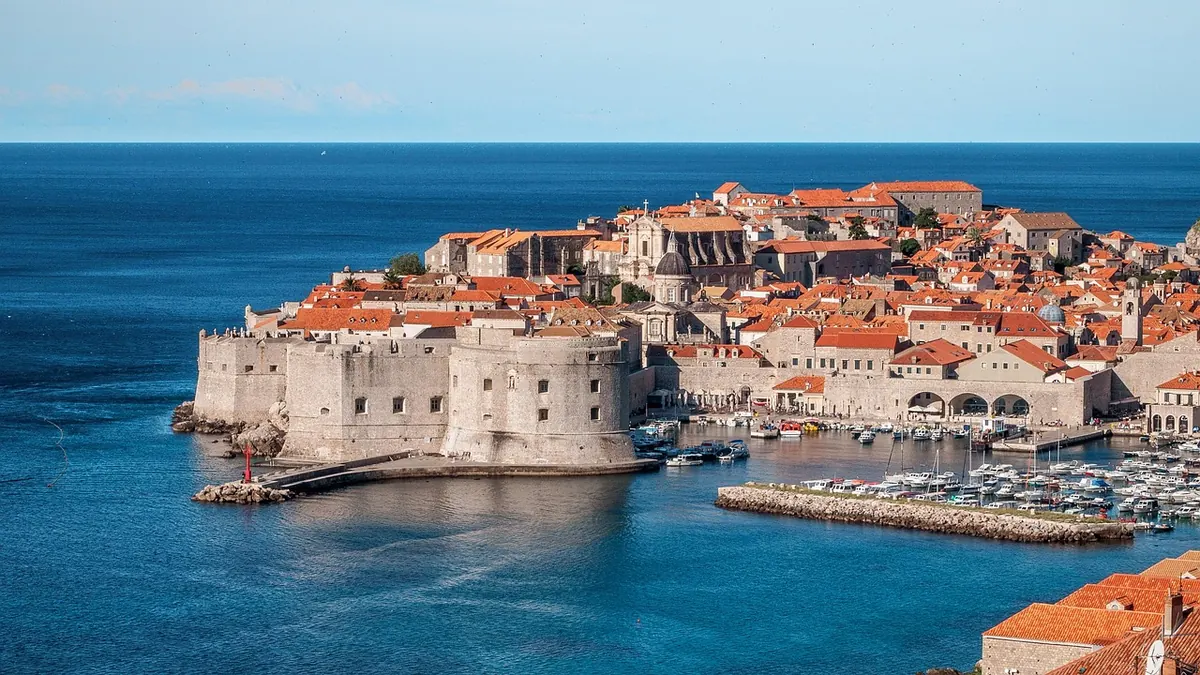
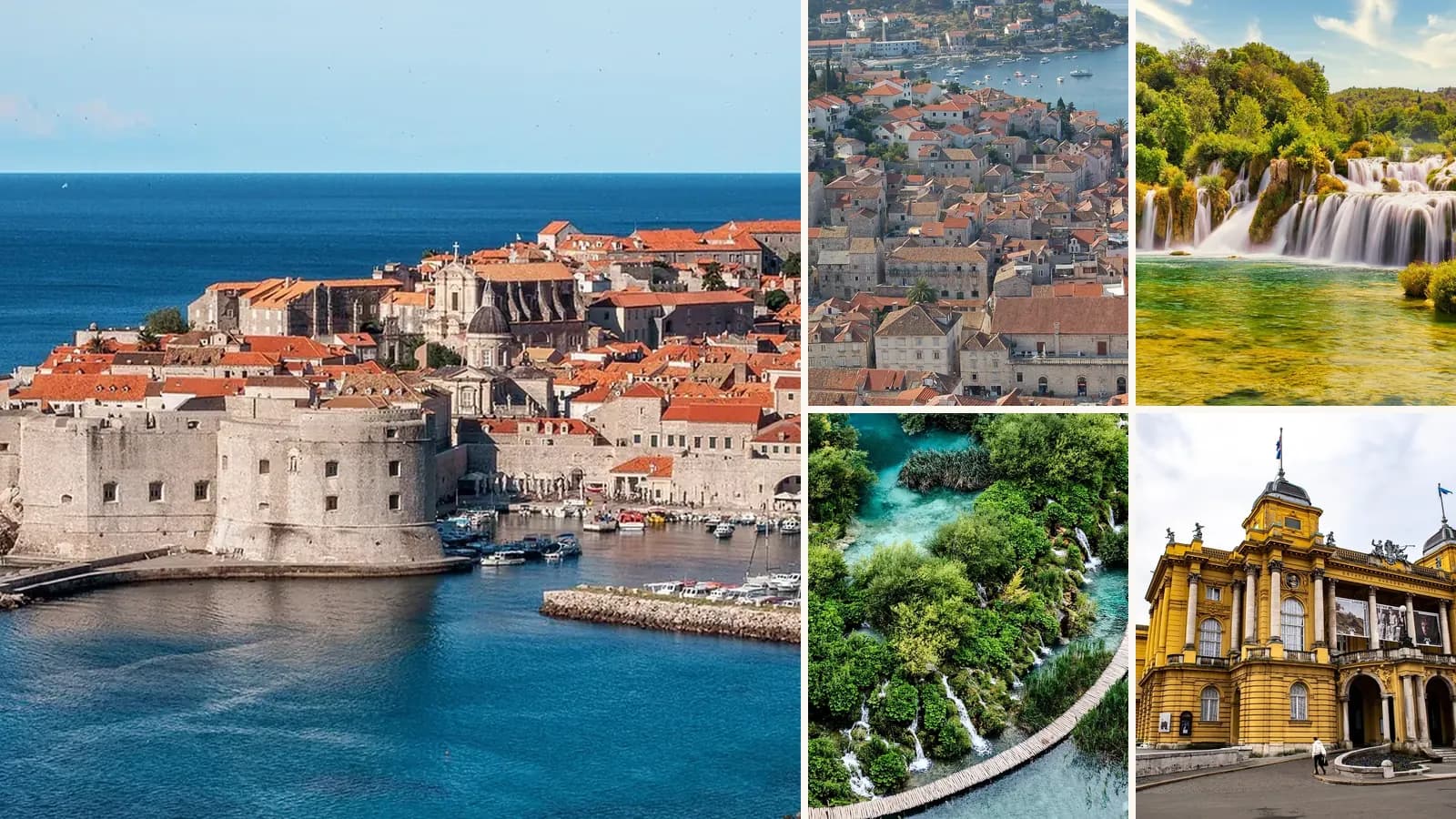
Dubrovnik's old town, enclosed by massive medieval walls, is one of the most beautiful walled cities in the world and a UNESCO World Heritage Site. Walk the full circuit of the walls – about two kilometres – early in the morning, before the heat and the cruise-ship crowds. Then explore the marble-paved Stradun, the Rector's Palace and the Franciscan monastery.
Ride the cable car up Mount Srđ for sunset views over the old town and the islands, swim from the rocks below the walls, and take a boat to the green island of Lokrum. Dubrovnik is busy and expensive in summer; staying outside the old town, in Lapad or Cavtat, is often better value.
Walk the walls above terracotta rooftops and the glittering Adriatic – go early or late to avoid the cruise crowds.
2. Split
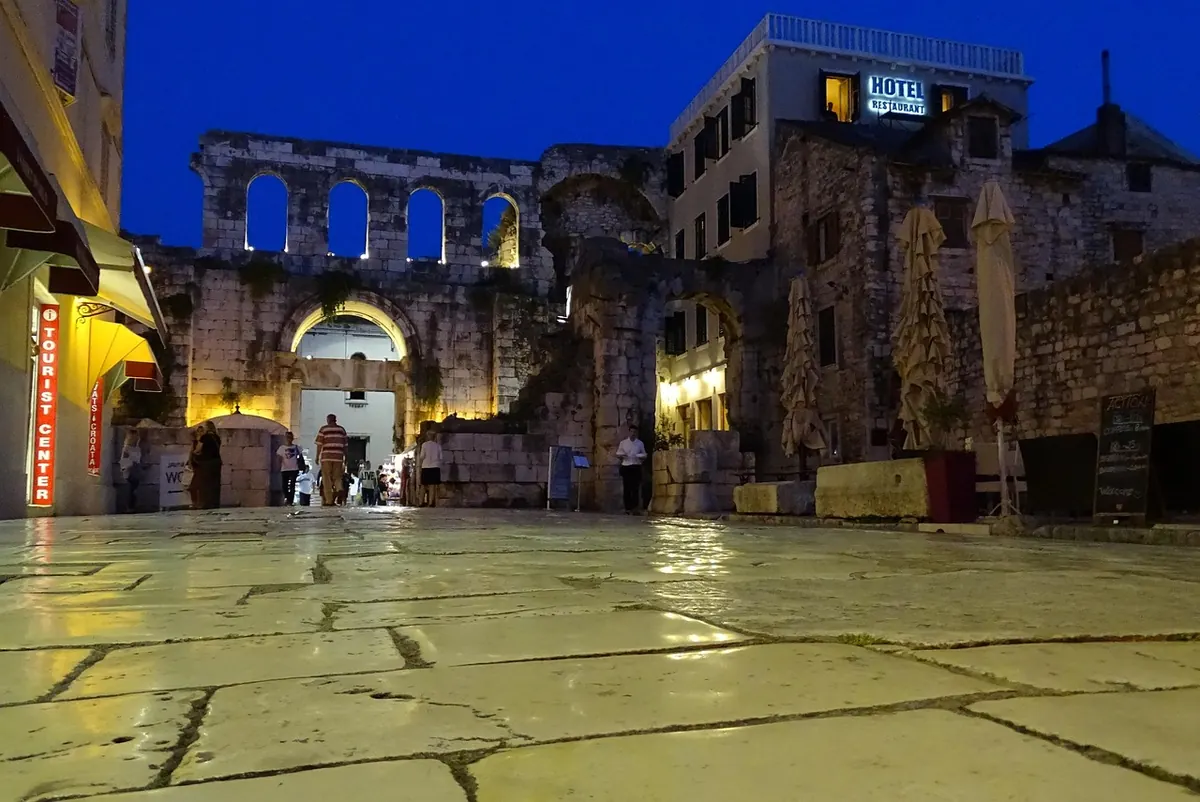
Split's old town is built inside the walls of the palace of the Roman emperor Diocletian, constructed around AD 300. Today cafés, shops and homes fill its ancient streets and courtyards, and the cathedral was once the emperor's mausoleum. Climb the bell tower for views, then walk the Riva waterfront in the evening.
Split is the main ferry hub for the central Dalmatian islands, and Marjan Hill, a forested park on the edge of the city, has walking paths and swimming spots.
People live, eat and drink inside the walls of Diocletian's palace, and the Riva promenade buzzes at night.
3. Hvar
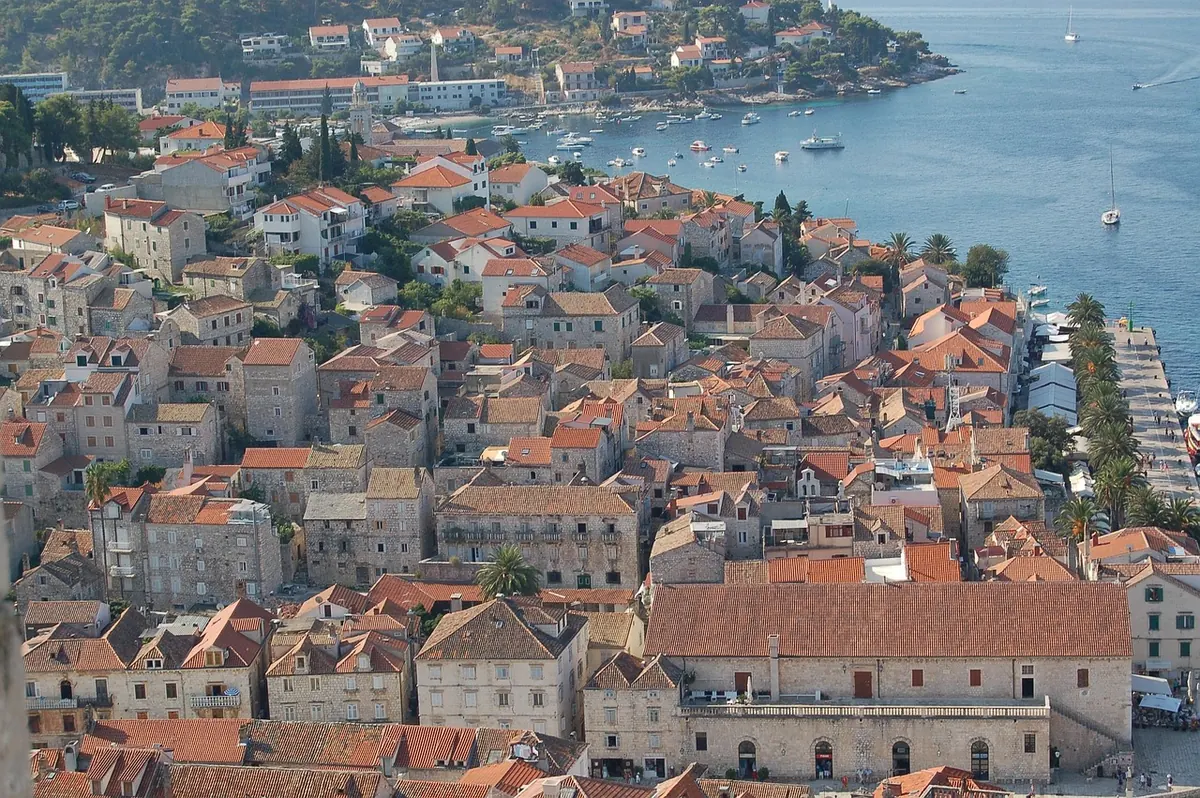
Hvar Town is the most glamorous island town in Croatia, with a Renaissance square, a Spanish fortress above the harbour and lively bars and beach clubs in summer. Inland, lavender fields, vineyards and quiet villages offer a different pace, and Stari Grad's ancient field system is a UNESCO site. Boat trips visit the Pakleni Islands just offshore for swimming in clear coves.
Lavender fields, a lively harbour full of yachts and the Pakleni islands just offshore.
4. Korčula
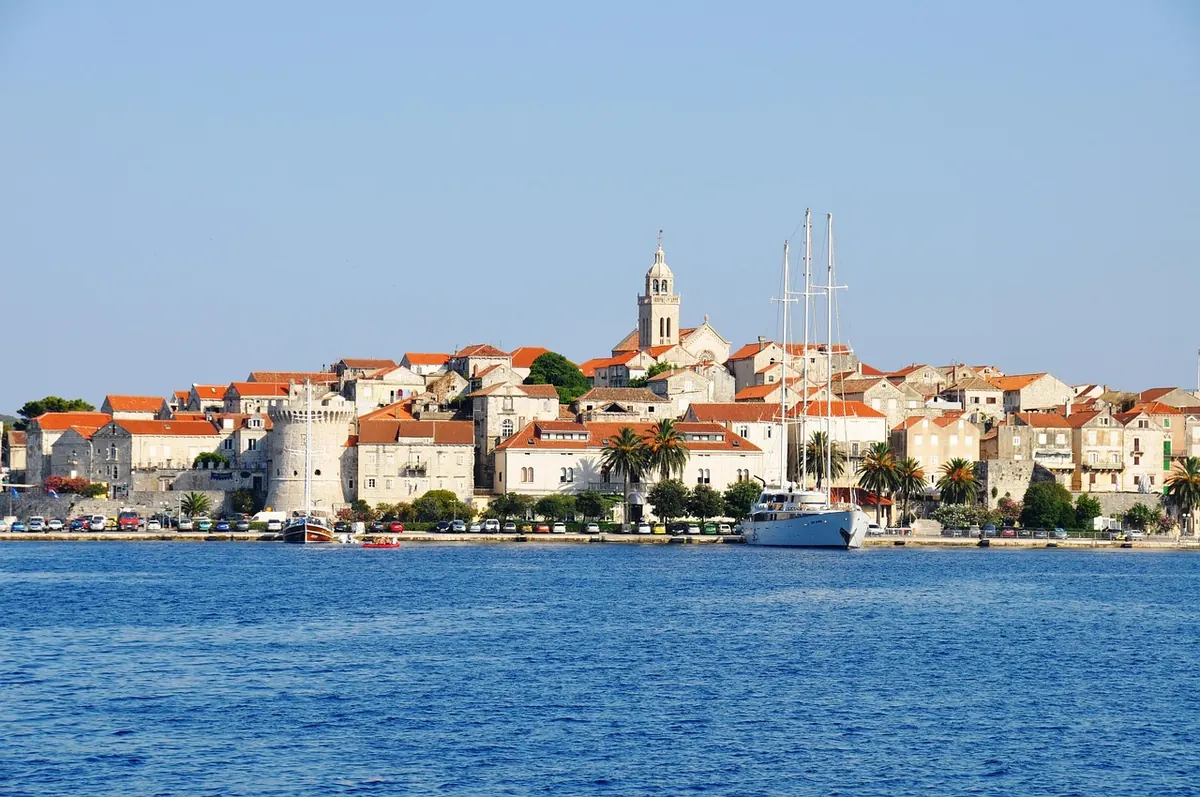
Korčula Town is a miniature walled town on a peninsula, famous for its herringbone street plan, designed to protect it from the wind. It claims to be the birthplace of Marco Polo and is known for its white wines and the traditional moreška sword dance. It's quieter than Hvar and makes a lovely base for exploring the southern islands.
A walled medieval town on a small peninsula, with narrow streets laid out like a fishbone and sunset drinks on the walls.
5. Šibenik and Krka National Park
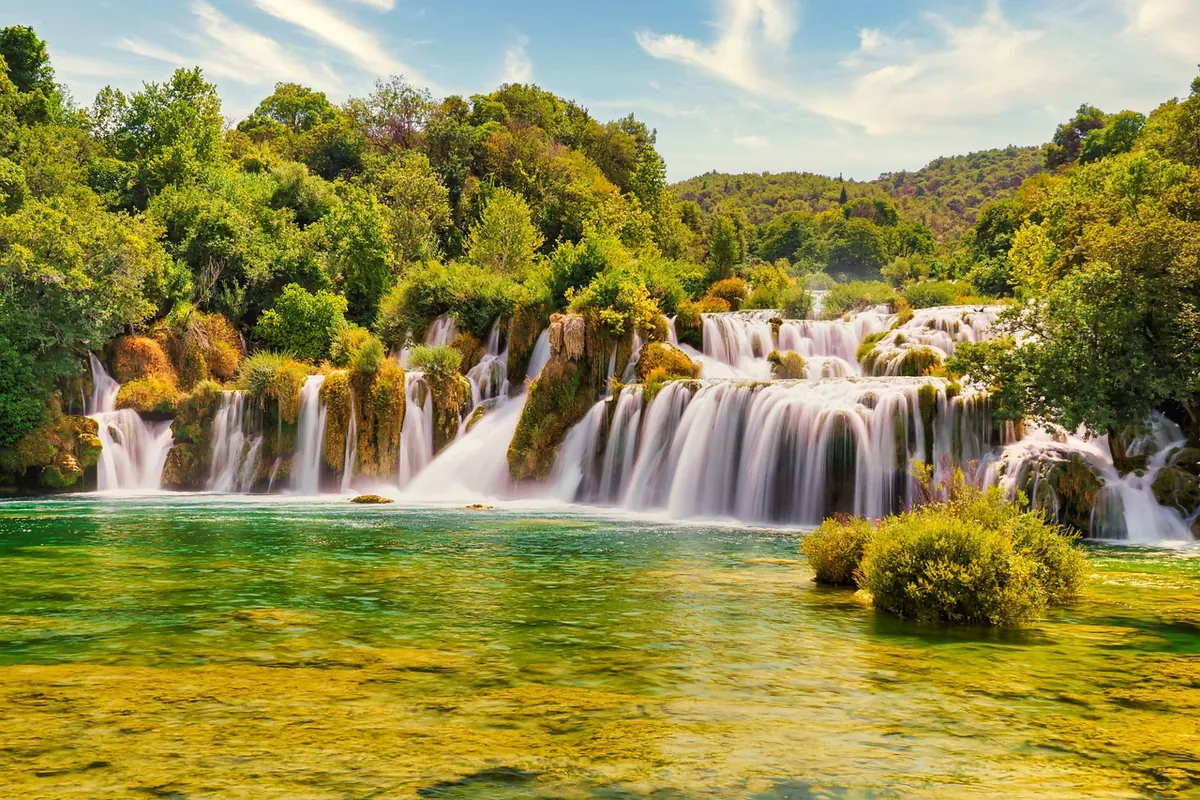
Šibenik has a UNESCO-listed cathedral built entirely of stone, and a charming old town of steep lanes. Close by, Krka National Park has a series of waterfalls and travertine terraces linked by boardwalks, as well as a monastery on a small island. Swimming is no longer allowed at the main falls, but the walks are beautiful.
Wooden walkways lead past turquoise pools and waterfalls cascading through the forest.
Inland and the north
6. Plitvice Lakes National Park
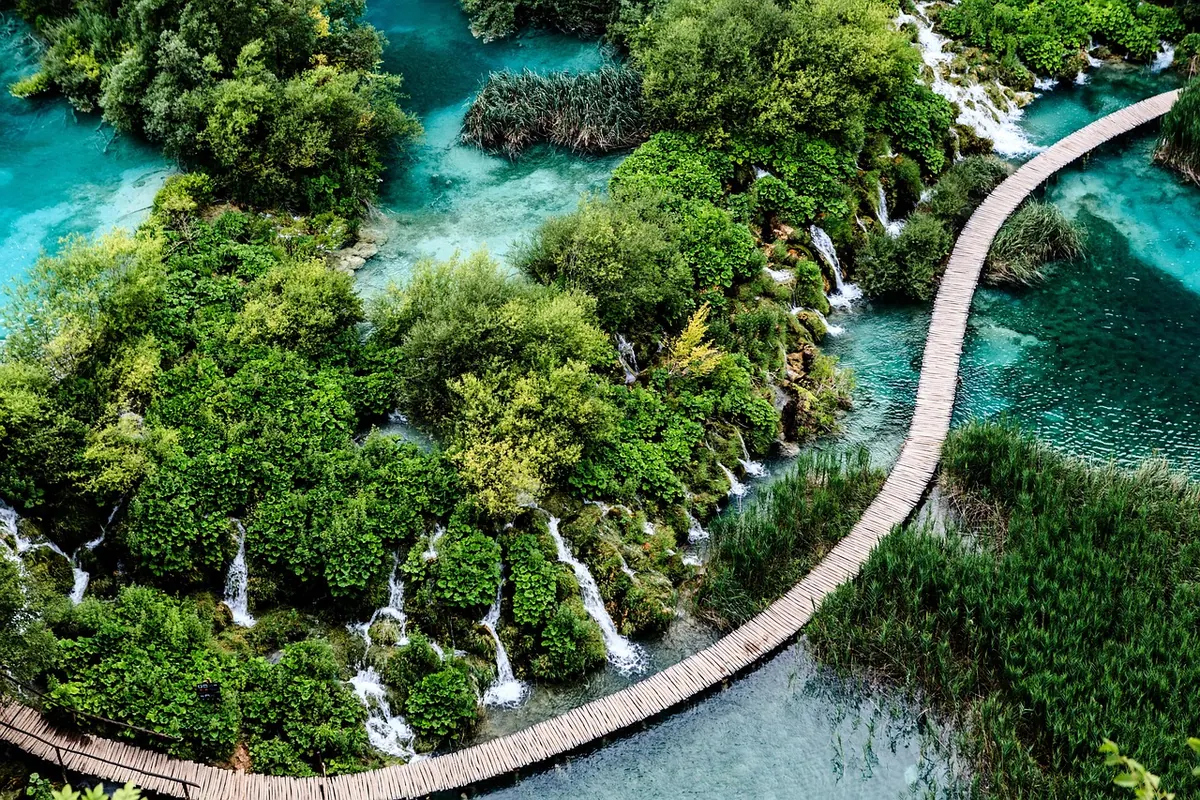
Croatia's most famous national park has sixteen terraced lakes linked by waterfalls, in shades of turquoise and green, with wooden boardwalks running over and around the water. It's a UNESCO World Heritage Site and very popular – buy tickets online in advance, arrive early and allow at least half a day. Swimming is not allowed. Plitvice is roughly halfway between Zagreb and Zadar.
Sixteen lakes linked by waterfalls, in shades of blue and green, connected by wooden boardwalks.
7. Istria
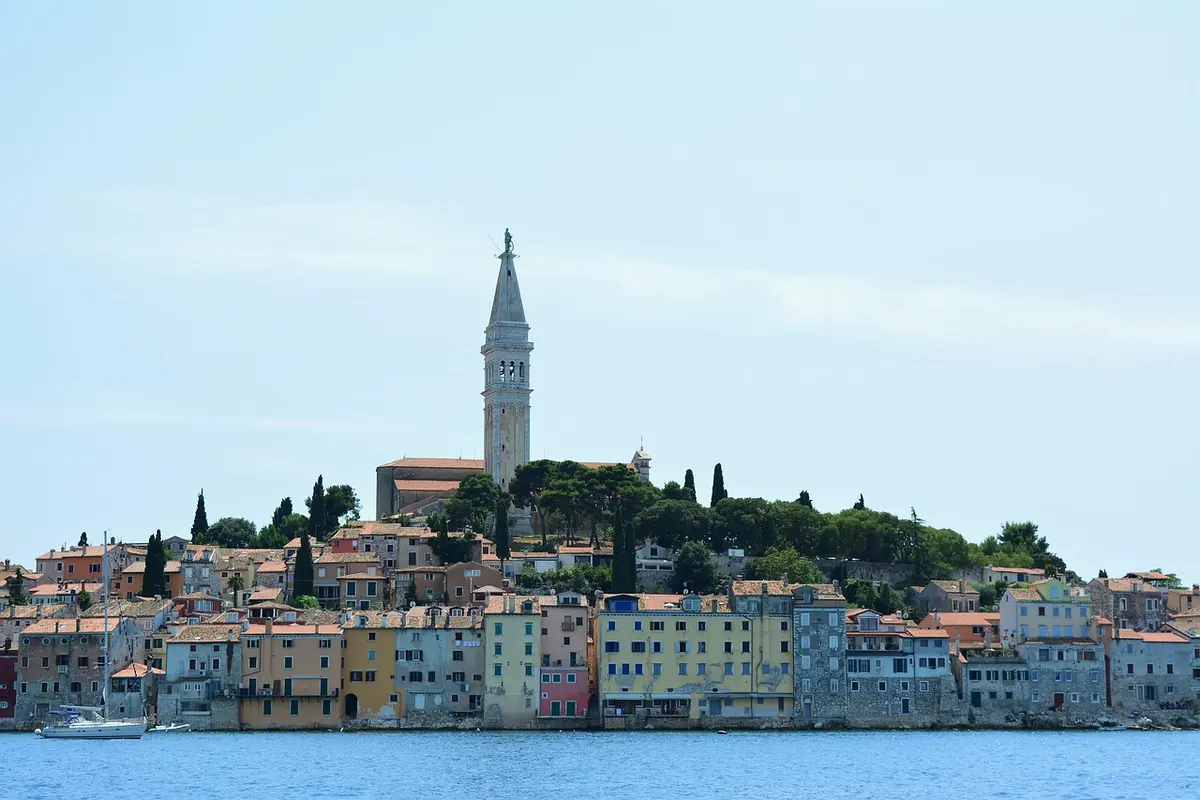
The heart-shaped peninsula in the north-west, close to Italy, has a different character: hilltop towns such as Motovun and Grožnjan, the pastel harbour of Rovinj, truffles, olive oil and excellent wine. Pula has a remarkably complete Roman amphitheatre, and Poreč has a UNESCO-listed basilica with Byzantine mosaics.
Hilltop villages, truffles, olive oil and the Venetian harbour town of Rovinj.
8. Zagreb
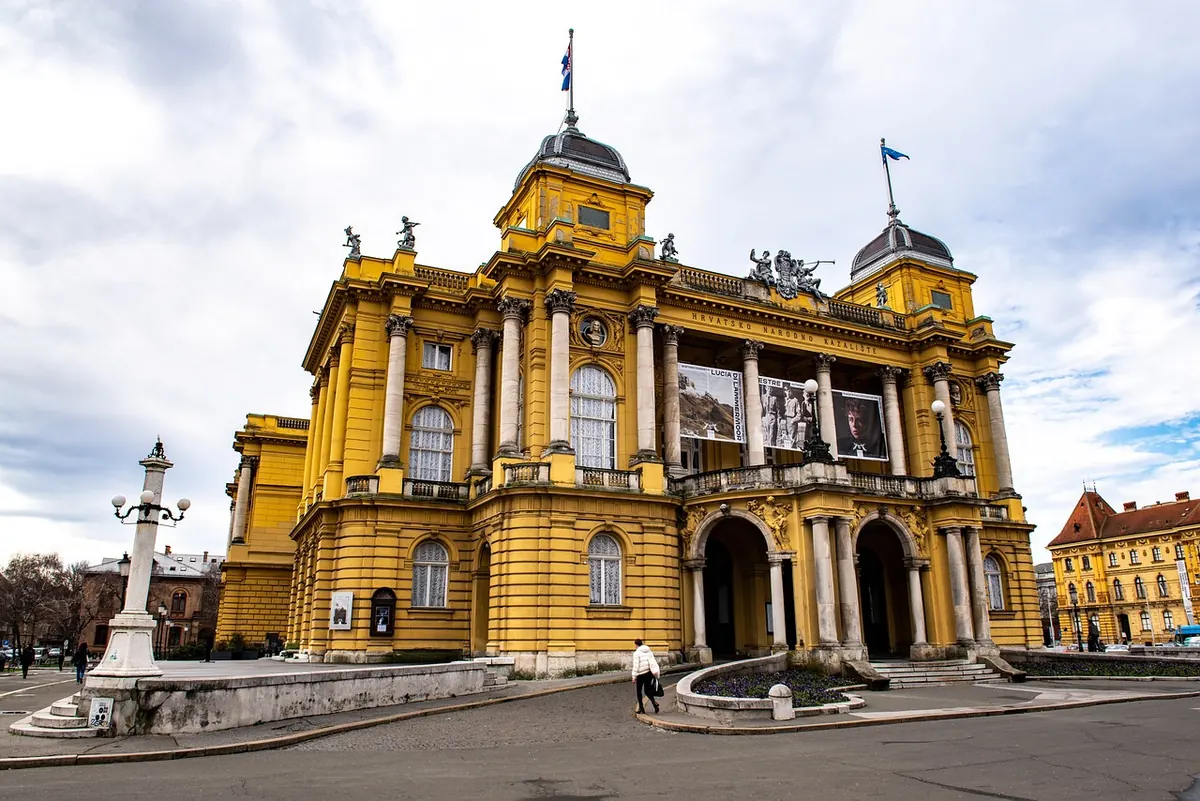
Croatia's capital has a pretty upper town with cobbled streets and the colourful roof of St Mark's Church, a lively lower town of cafés and parks, quirky museums and one of Europe's best-loved Christmas markets. It's a good start or end point for trips to Plitvice.
The Upper Town's cobbled lanes, the colourful roof of St Mark's Church and lively café terraces.
When to visit
- May and June: warm, green and quieter – a great time for sightseeing and swimming from June.
- July and August: hot and busy, with the highest prices; book ferries and accommodation early.
- September: warm sea and fewer crowds – one of the best months.
- October to April: mild on the coast but many island hotels, restaurants and ferries reduce services. Cities like Zagreb, Split and Dubrovnik stay open.
A ten-day itinerary
Days 1–3: Dubrovnik, with a day trip to Lokrum or Cavtat. Days 4–5: ferry to Korčula, then on to Hvar. Days 6–7: Split and a day trip to Krka or Šibenik. Days 8–9: Plitvice Lakes on the way north. Day 10: Zagreb.
Food and wine
Try fresh fish and black risotto on the coast, peka (meat or octopus slow-cooked under a bell-shaped lid) in Dalmatia, truffles and pasta in Istria and štrukli in Zagreb. Croatian wines – such as Plavac Mali reds and Pošip and Malvazija whites – are excellent.
Getting around
Croatia's main airports are Zagreb, Split, Dubrovnik, Zadar and Pula. Car and passenger ferries and fast catamarans link the islands with the mainland – book ahead in summer, especially for car ferries. A car is useful on the mainland and for national parks, but parking in old towns is limited and expensive, so many travellers use transfers between airports, ports and hotels and rely on boats and buses for the islands. Long-distance buses connect the main cities.
Frequently asked questions
When is the best time to visit Croatia?
May, June and September are ideal: warm weather and sea, but fewer crowds than July and August. Many island hotels and ferries reduce services from November to March.
How many days do you need in Croatia?
A week covers Dubrovnik, Split and one island. Ten days to two weeks lets you add Plitvice, Zagreb or Istria.
What currency does Croatia use?
Croatia uses the euro, and it is part of the Schengen area.
Is Croatia expensive?
Prices in Dubrovnik, Hvar and Split are high in summer. Inland areas, smaller islands and the shoulder seasons offer better value.
Do I need a car in Croatia?
Not for the islands and old towns, which are best by ferry and on foot. A car is useful for Istria, national parks and road trips along the coast.
Keep reading
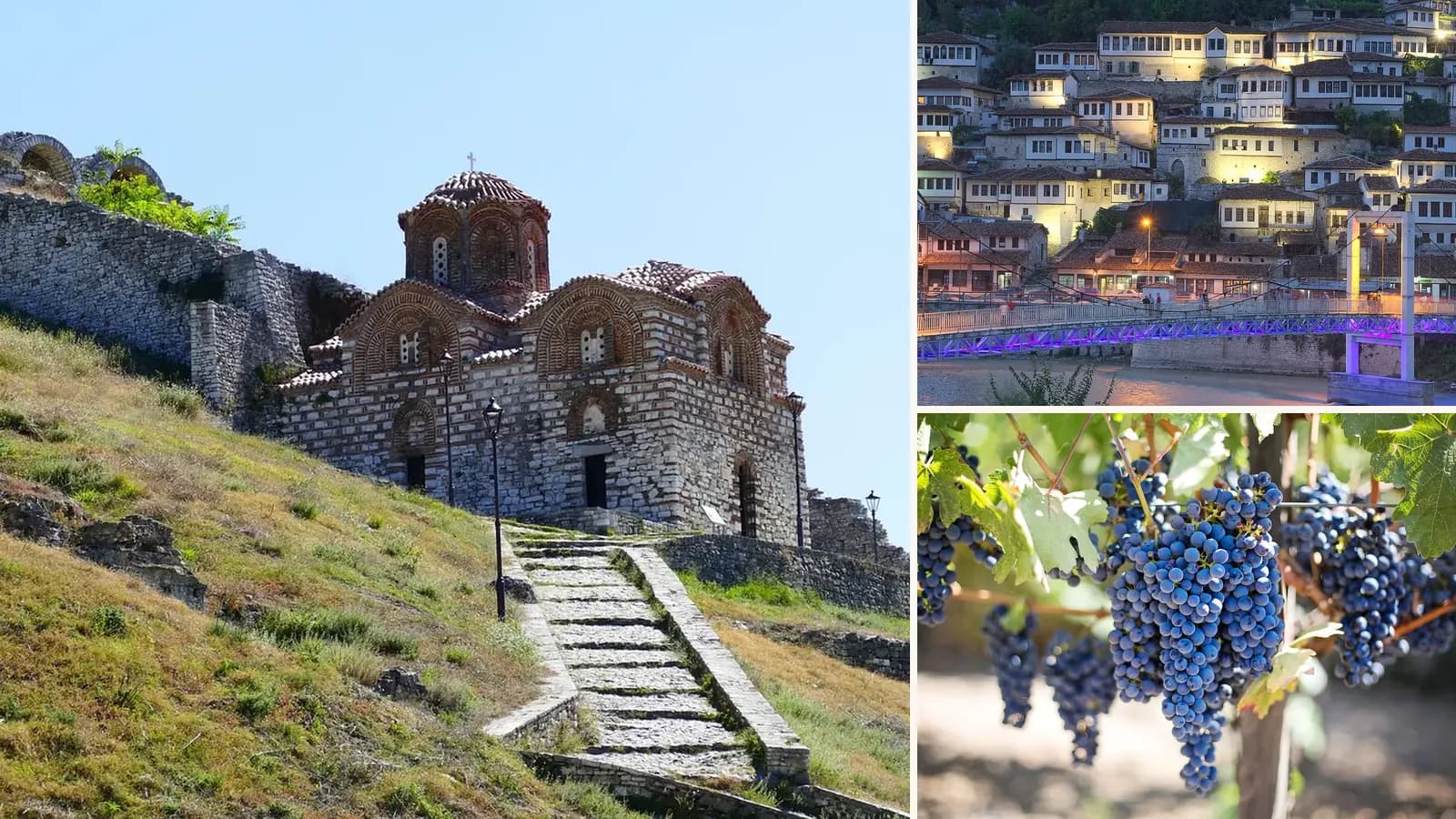
Berat, Albania: A Guide to the Town of a Thousand Windows
Berat's Ottoman houses, the lived-in castle, Onufri Museum, the Osum Canyon and local wineries – how to visit Albania's UNESCO-listed 'Town of a Thousand Windows'.
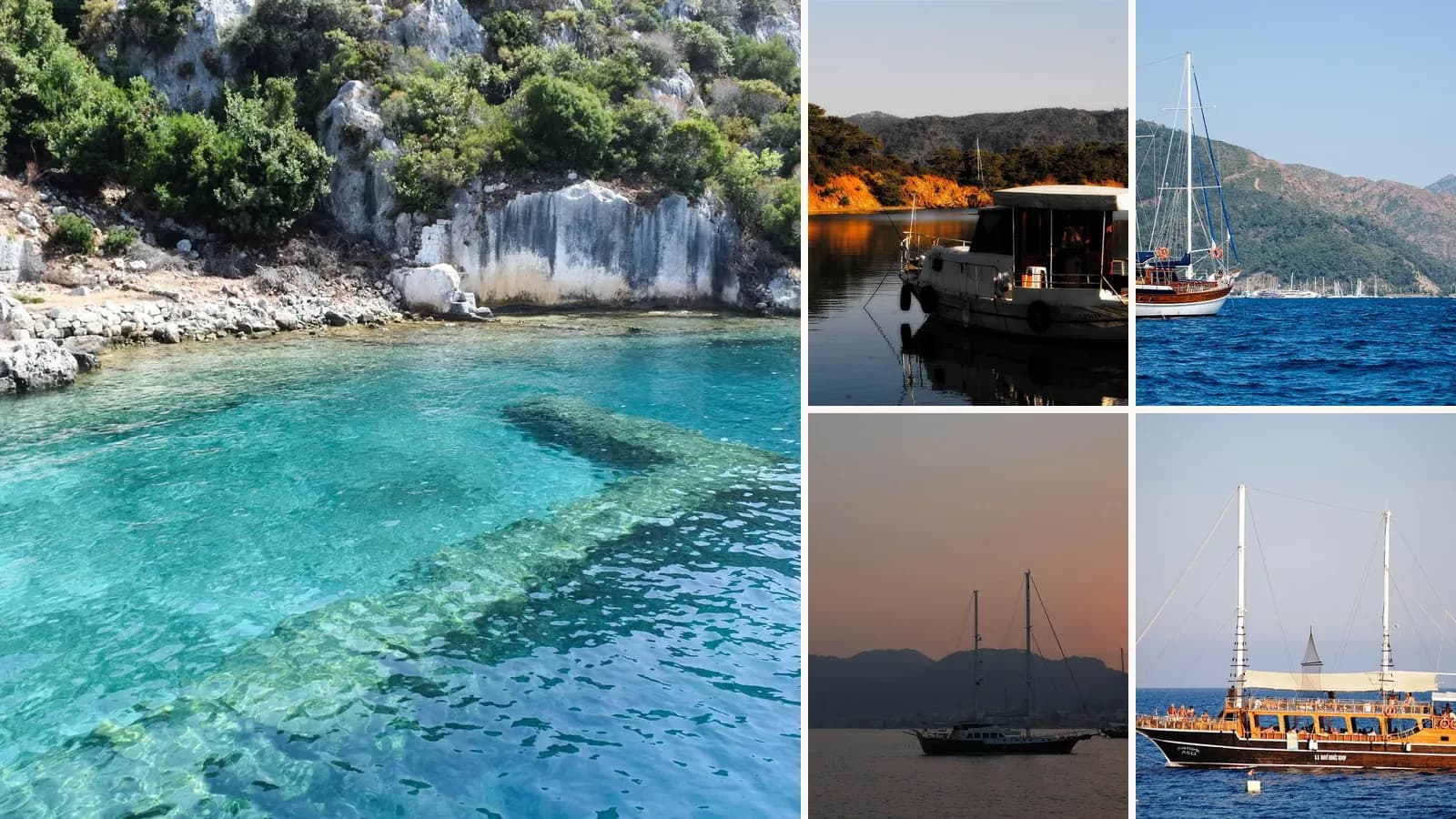
Turkey's Blue Cruise: A Guide to Gulet Holidays on the Turquoise Coast
Bodrum, Göcek, Fethiye or Kaş? How a Turkish gulet cruise works, the best routes and coves, cabin vs private charter, and what to pack for a blue cruise.
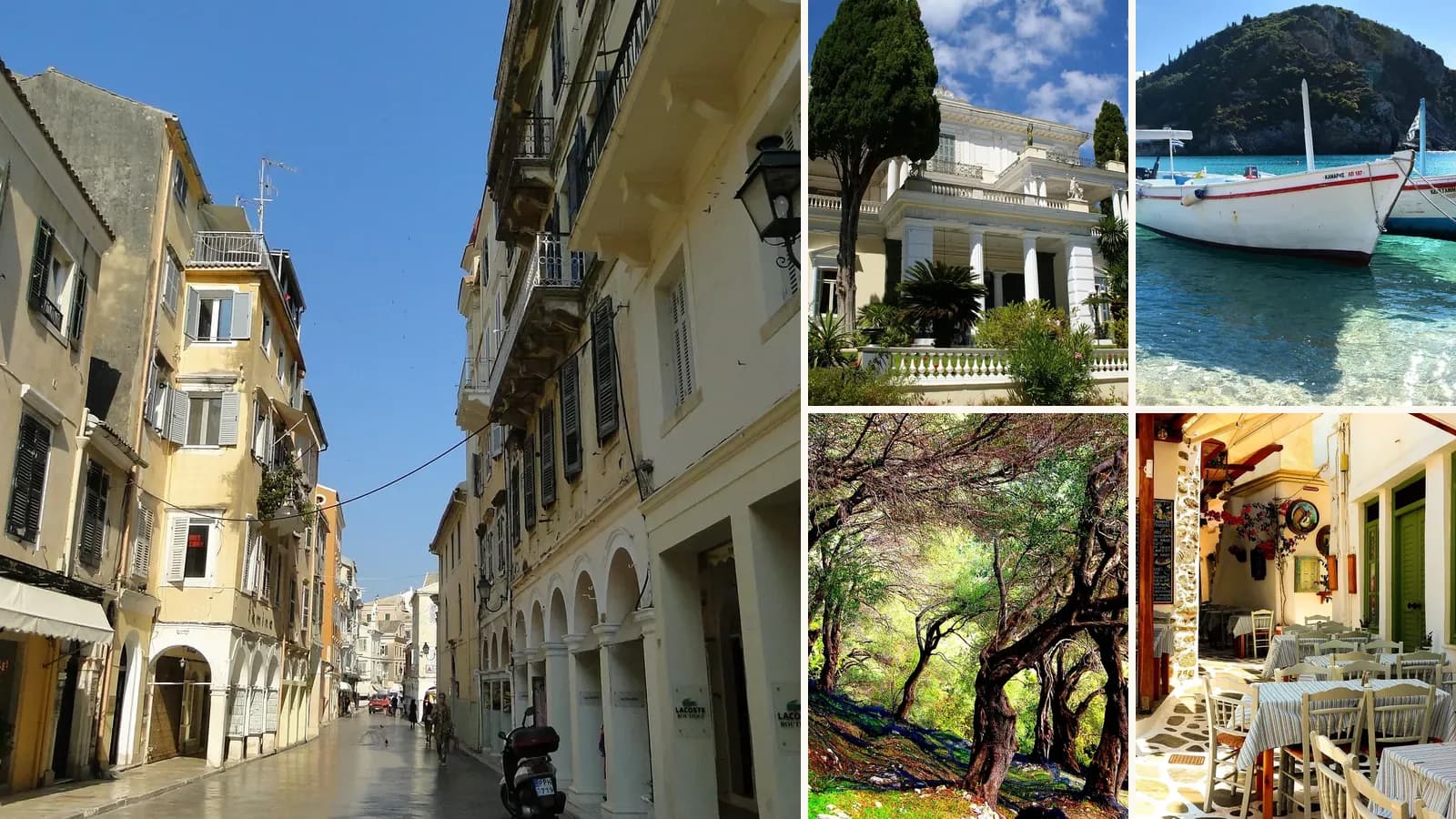
Corfu Out of Season: Why the Greek Island Is Lovely in Autumn and Winter
Mild autumn days, a Venetian old town without crowds, olive groves and coastal walks – what to expect from Corfu in November and winter, and what's open.
Thailand's Quiet Islands: 10 Alternatives to Phuket and Koh Samui
Ten quiet Thai islands for travellers who love peace and hate crowds – Koh Lipe, Koh Kood, Koh Yao Noi, Koh Mook, Koh Lanta and more – with seasons and how to get there.