Yachting on Croatia's Istrian Riviera: Routes, Marinas and Charter Tips
Charter a yacht in Istria, Croatia: a week-long route from Pula to Rovinj, Poreč and the Kvarner islands, the best marinas, charter types, winds and tips.

Some links in this guide are partner links: if you buy through them we may earn a small commission, at no extra cost to you. It never affects what we recommend. How we make money
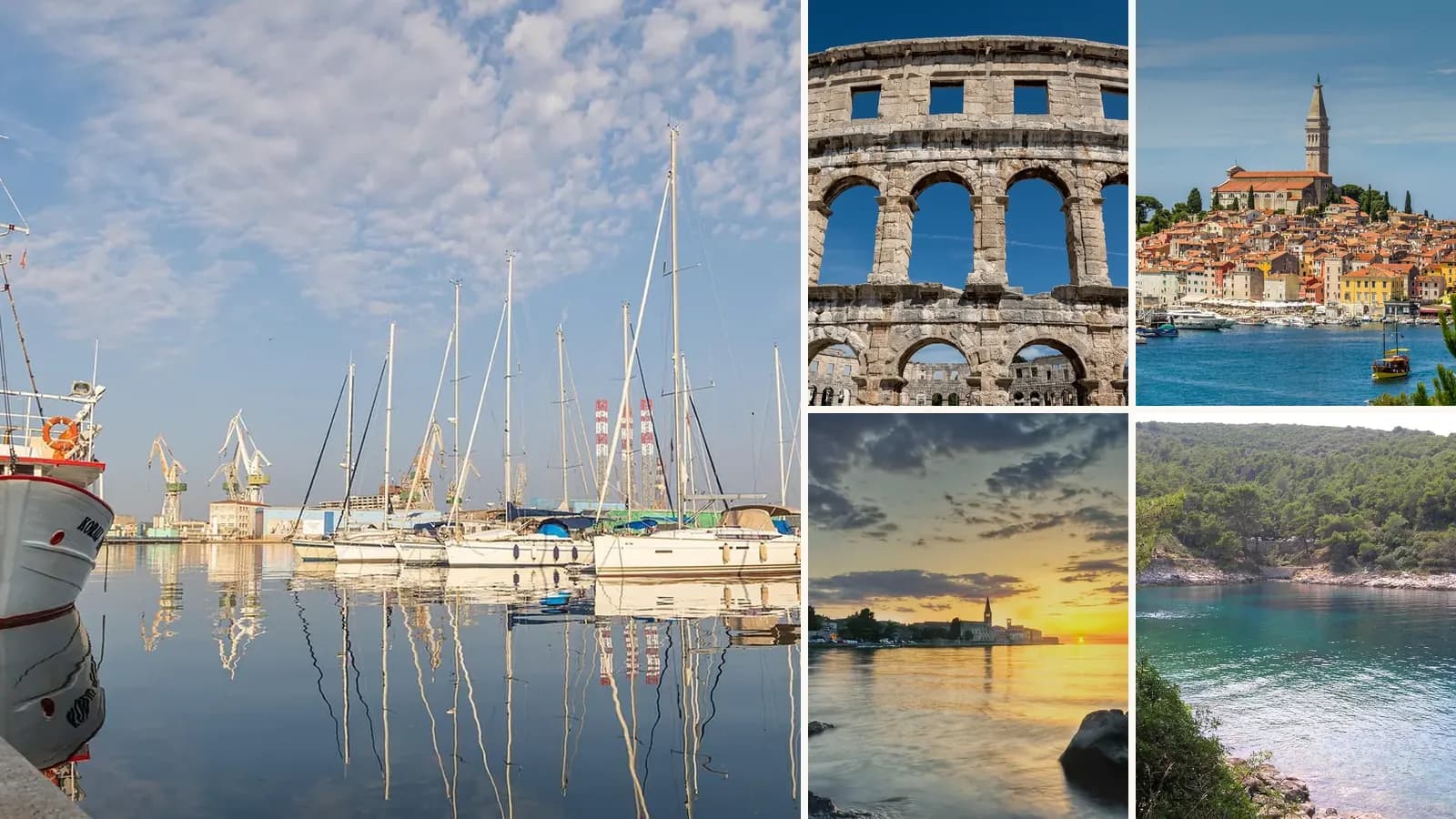
Croatia is one of the world's great sailing destinations, and its northernmost region, Istria, is a gem that many sailors overlook in favour of Split and Dubrovnik. The Istrian coast combines Venetian harbour towns, Roman ruins, a national park of islands, truffle-scented hill villages and short, easy hops between marinas. Here's how to plan a yacht charter on the Istrian Riviera.
Why sail in Istria?
1. Short hops and many marinas
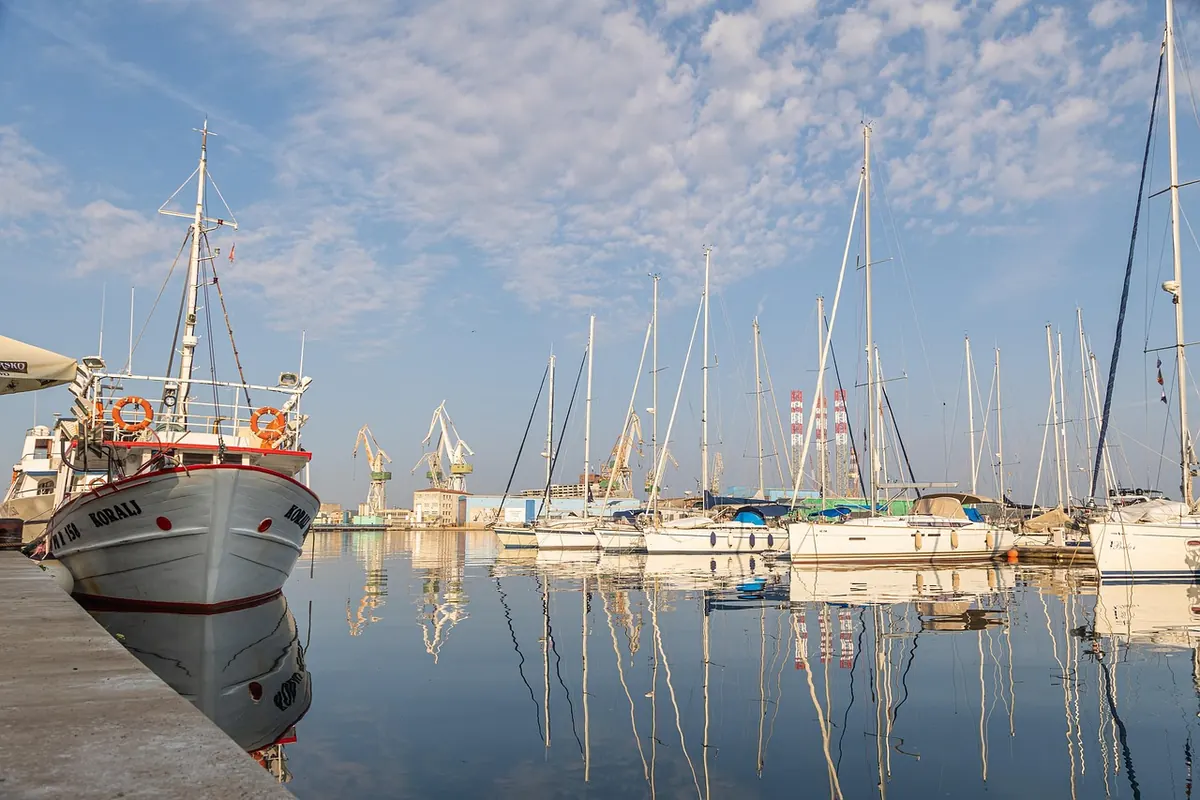
Istria's west coast is lined with harbours a few hours apart, so you can sail in the morning and explore a town in the afternoon. It's ideal for families, first-time charterers and anyone who prefers relaxed days to long passages.
2. Culture at every stop
Each harbour has a story: Pula's Roman amphitheatre, Poreč's UNESCO-listed Euphrasian Basilica with its Byzantine mosaics, and Rovinj's pastel old town crowned by the church of St Euphemia. Inland, hilltop villages such as Motovun and Grožnjan are famous for truffles, olive oil and wine.
A one-week sailing route
3. Days 1–2: Pula and the Brijuni Islands
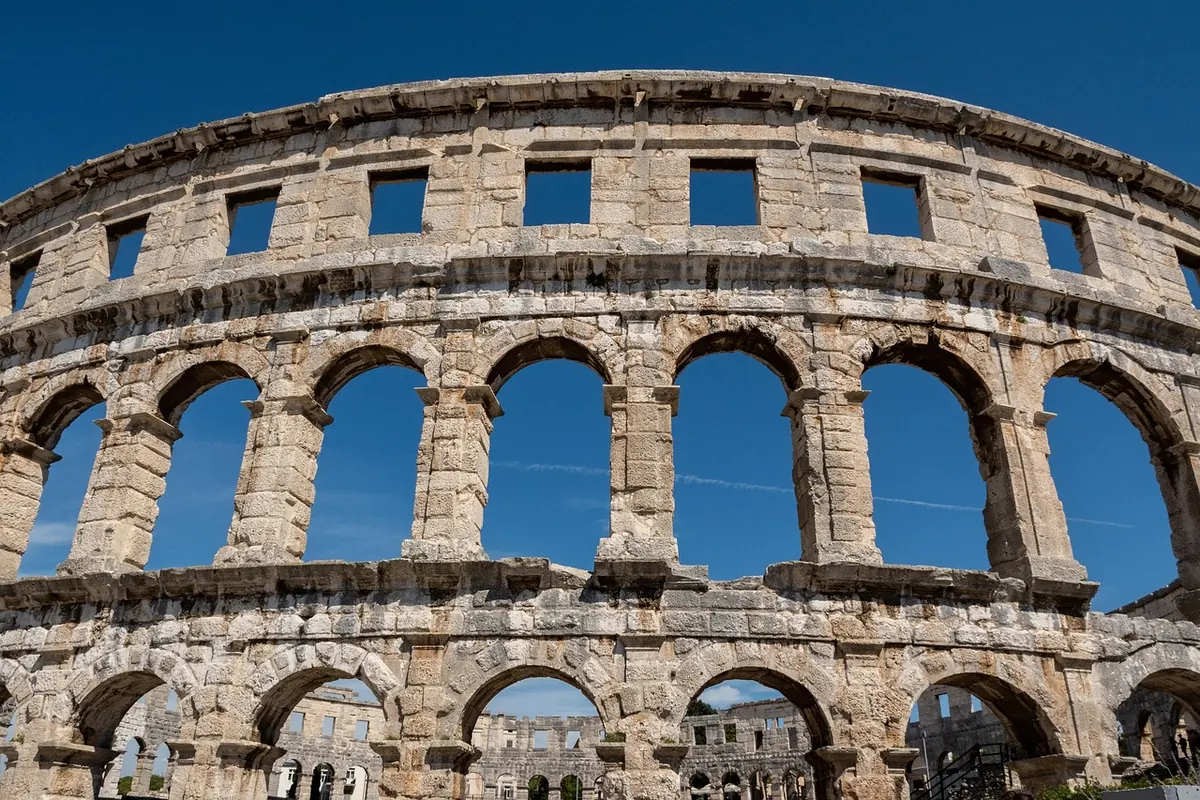
Start in Pula or nearby Medulin. Visit the amphitheatre, then sail to the Brijuni National Park, a group of islands once used as Tito's summer residence, with a safari park and Roman remains. Anchoring is regulated – check rules and permits.
Pula's Roman arena glows gold at sunset, and in the Brijuni Islands, deer graze among Roman ruins by the sea.
4. Days 3–4: Rovinj and the Lim Fjord
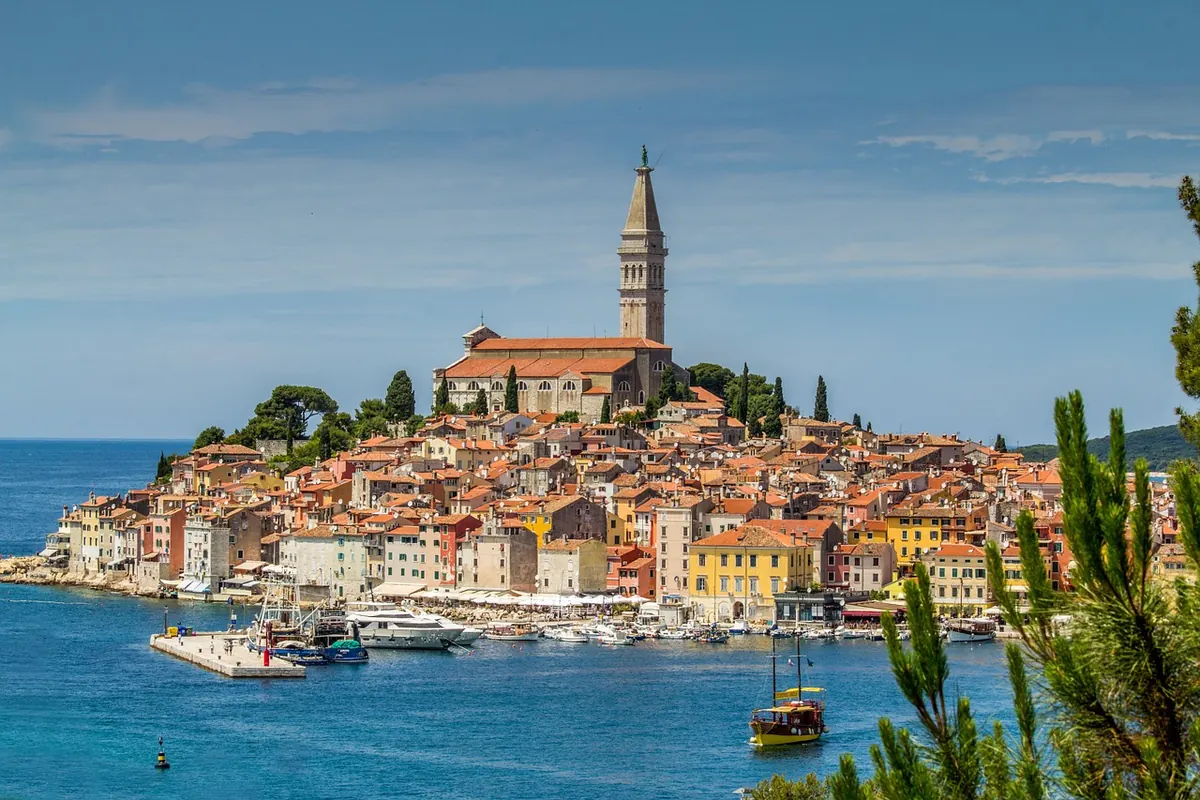
Sail north to Rovinj, one of the most beautiful harbours in the Adriatic. Explore the old town and its waterfront restaurants, then anchor near the mouth of the Lim Fjord, a long, narrow inlet known for oyster and mussel farms.
Rovinj's pastel houses rise from the sea to the church on the hill, and in the Lim Fjord, oysters are served on wooden tables by the water.
5. Day 5: Poreč and Novigrad
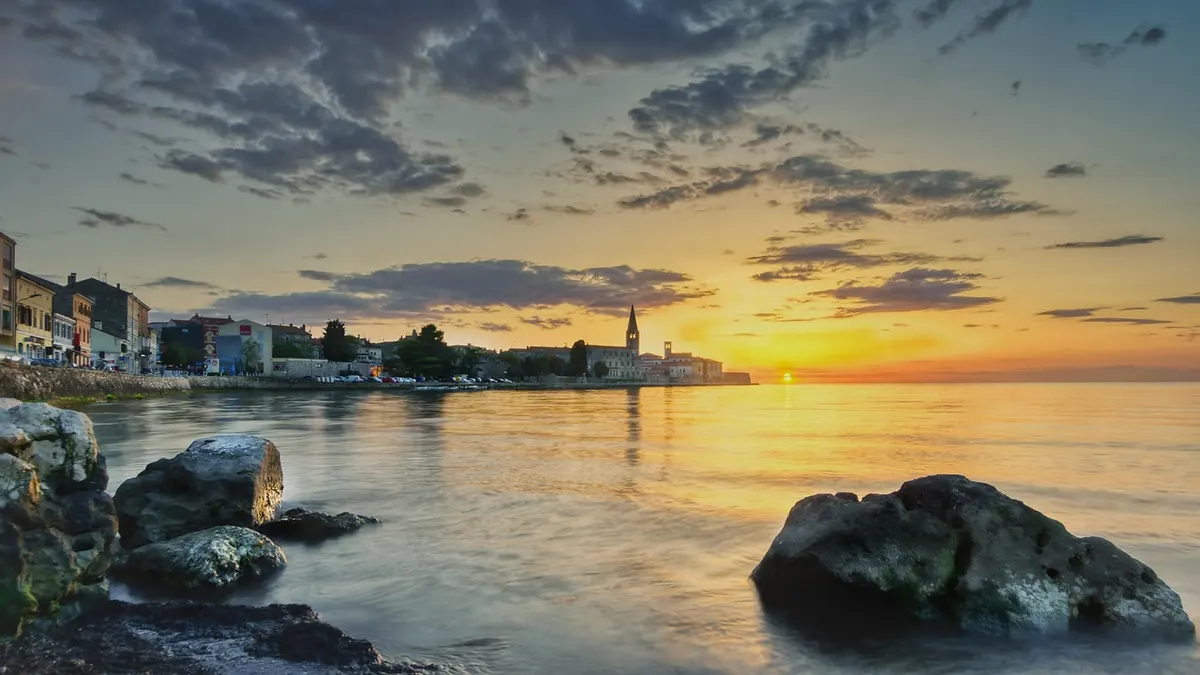
Continue to Poreč for its basilica and lively old town, or the quieter fishing town of Novigrad.
Golden mosaics in Poreč's Byzantine basilica, and fresh fish on the harbour of Novigrad.
6. Days 6–7: Across to Kvarner
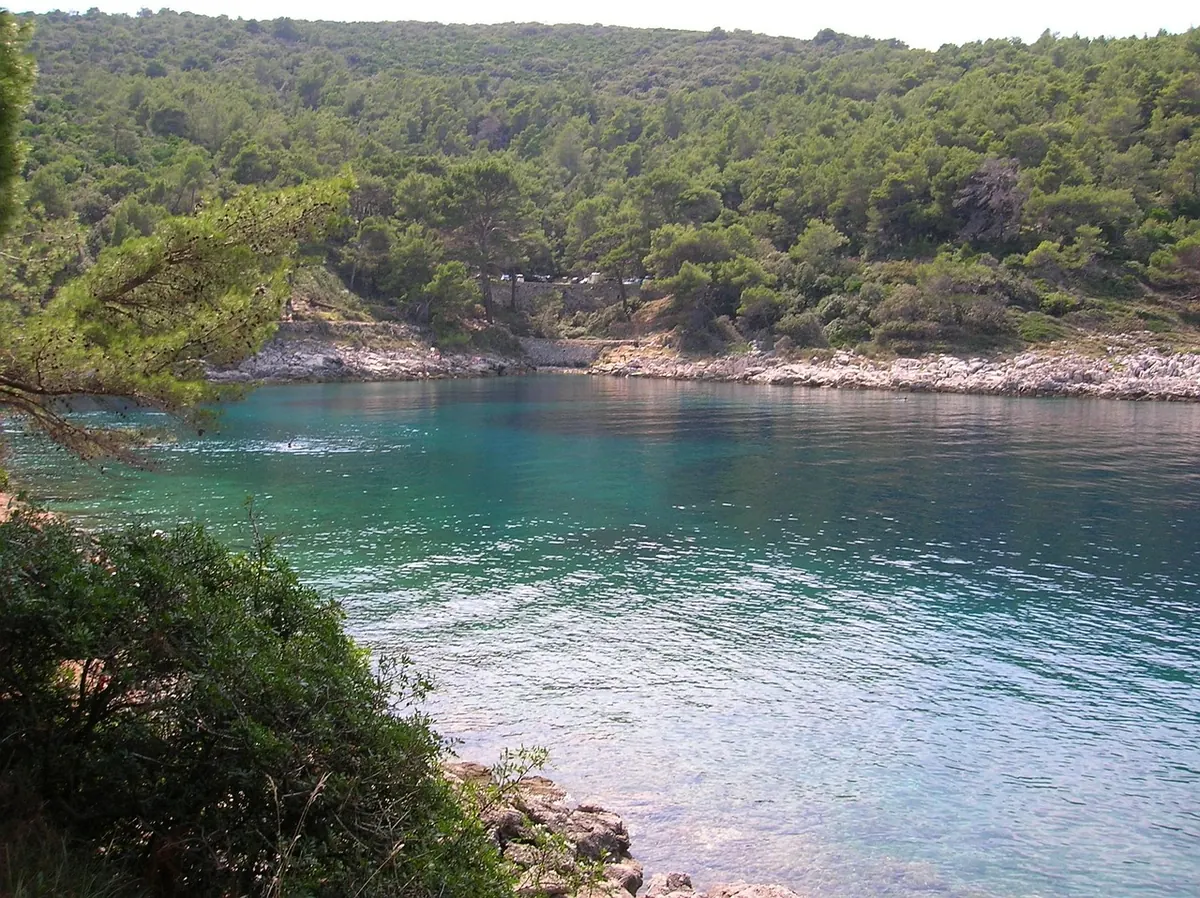
Round the southern tip of Istria at Cape Kamenjak and cross to the Kvarner Gulf: the islands of Cres and Lošinj have quiet bays, dolphins and pine forests, and Opatija offers grand Habsburg-era villas. Return to base on the final day.
Sail across to the islands of Cres and Lošinj, with dolphins playing in the bay.
Choosing a charter
7. Bareboat, skippered or crewed?
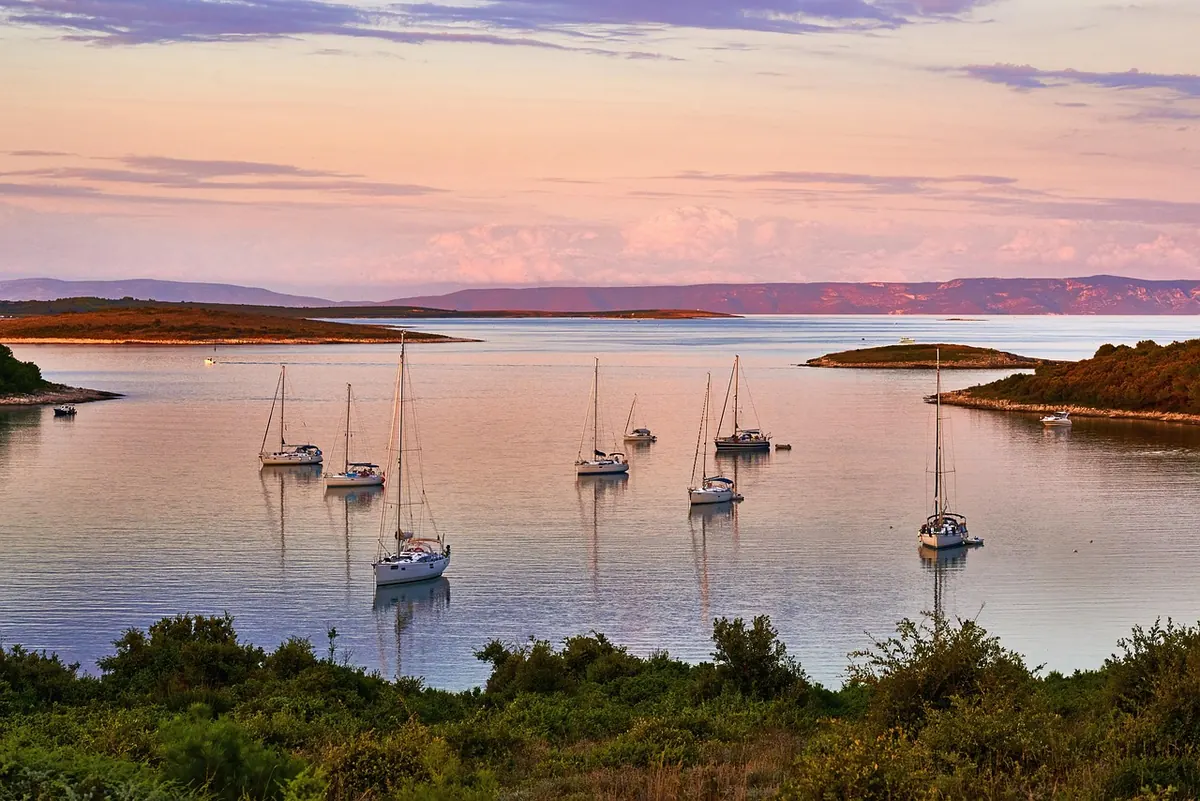
- Bareboat: you sail the yacht yourself – requires a recognised licence and VHF certificate.
- Skippered: a local skipper sails and knows the best anchorages; you relax and help if you like.
- Crewed or luxury: a skipper plus host or chef on a larger yacht, catamaran or motor yacht.
- Gulet: traditional wooden boats with a crew, popular for groups – see our Turkey gulet cruise guide for how they work.
8. Marinas and costs
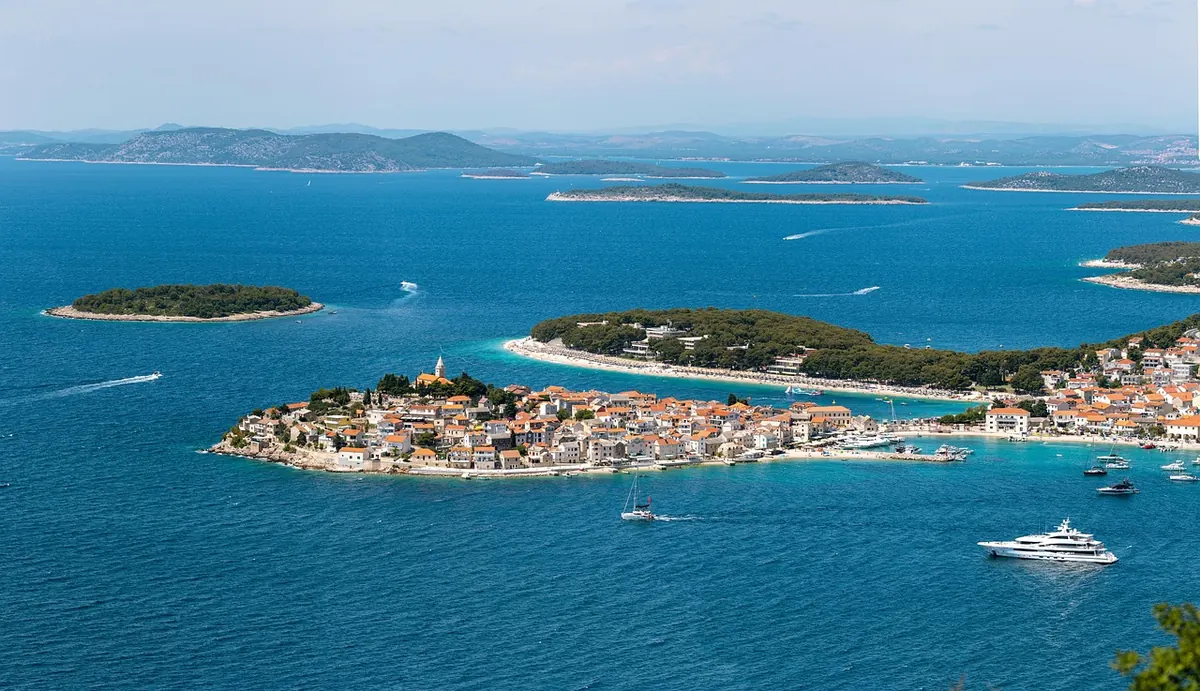
Istria has many full-service marinas, including ACI marinas in Pula and Rovinj, plus town harbours and buoy fields. Budget for marina fees, fuel, the tourist tax, cleaning and provisions on top of the charter price. In peak season, book berths ahead in popular harbours.
When to go and weather
9. Seasons and winds
The season runs from May to October. July and August are hot and busy; June and September are ideal, with a warm sea and fewer boats. The maestral, a north-westerly afternoon breeze, makes for pleasant sailing in summer, while the bora – a strong, gusty north-easterly – can blow up quickly; always check forecasts and listen to local advice.
Tips
- Swim and snorkel in clear bays, but watch for sea urchins near rocks.
- Eat local: fresh fish, Istrian truffles, prosciutto and Malvazija white wine.
- Plan shore time: Rovinj and Pula deserve at least half a day each.
- Thinking of staying longer? Croatia tops many lists of the best countries to retire.
Frequently asked questions
Do I need a licence to charter a yacht in Croatia?
For a bareboat charter, at least one person needs a recognised skipper's licence and another crew member usually needs VHF radio certification. If you don't sail, choose a skippered or fully crewed charter.
When is the best time to sail in Istria?
June and September offer warm weather, warm sea and fewer boats than July and August. May and October are quieter and cheaper but cooler.
Is Istria good for beginner sailors?
Yes. Distances between harbours are short, there are many marinas and the summer maestral wind is generally moderate – but watch for the bora, a strong north-easterly wind.
Where do Istria yacht charters start?
Popular bases include Pula, Medulin, Rovinj and Poreč in Istria, and Opatija and Punat on Krk in the nearby Kvarner Gulf.
Keep reading
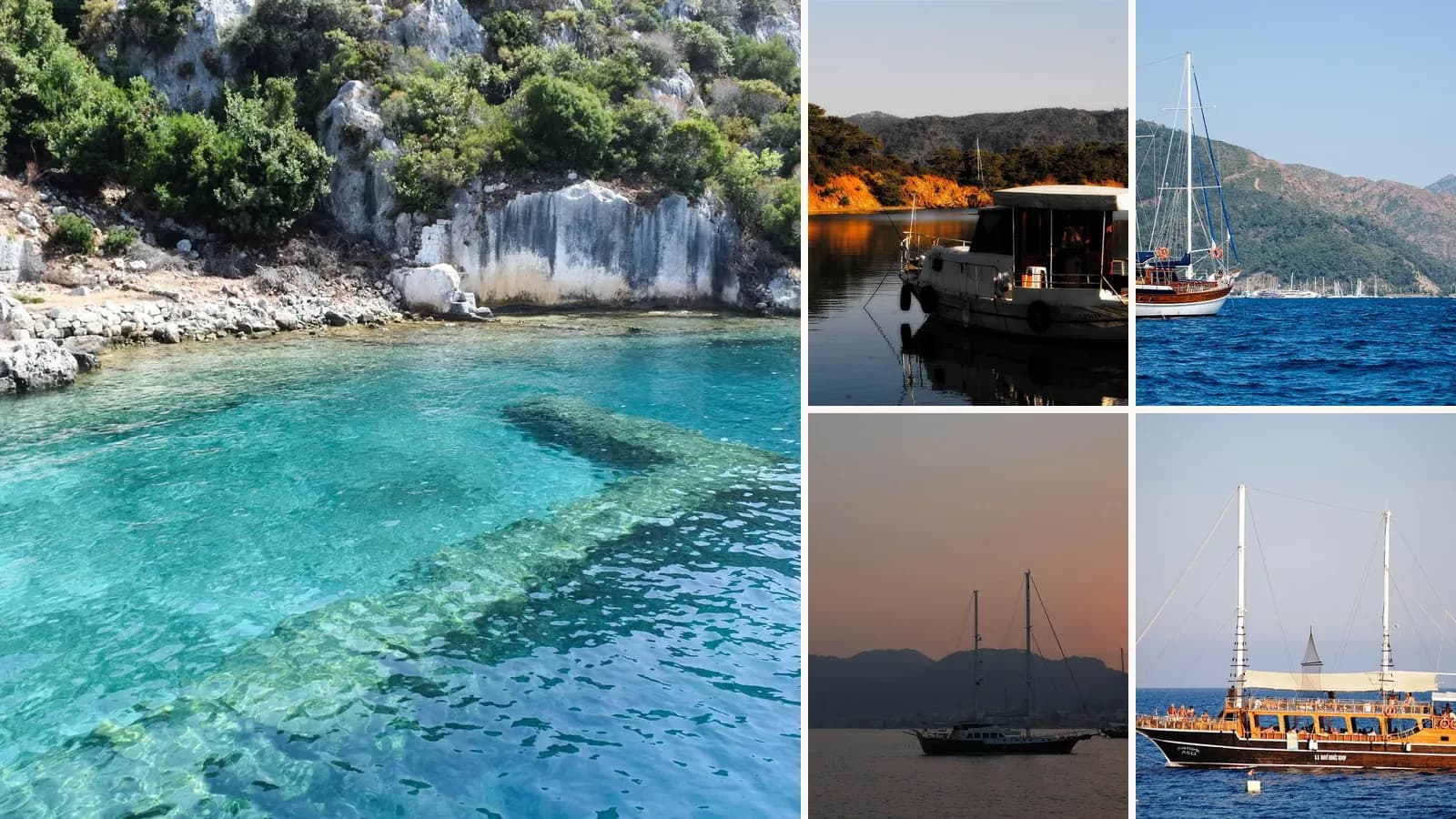
Turkey's Blue Cruise: A Guide to Gulet Holidays on the Turquoise Coast
Bodrum, Göcek, Fethiye or Kaş? How a Turkish gulet cruise works, the best routes and coves, cabin vs private charter, and what to pack for a blue cruise.
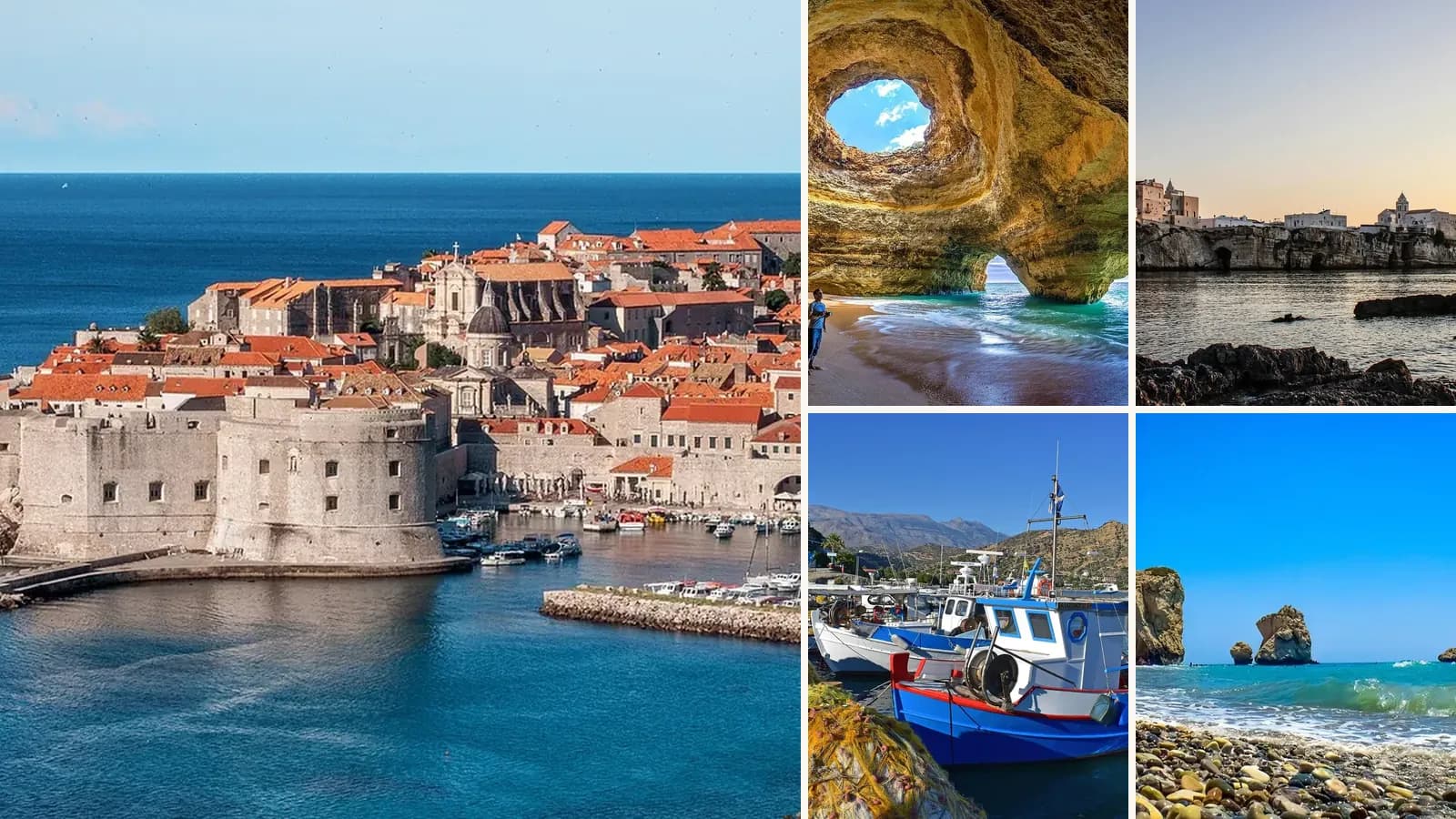
The Best Countries in the World to Retire: Beautiful, Safe and Affordable
Croatia, Spain, Portugal, Ireland, Italy, Greece, France and Cyprus – comparing the best countries to retire on safety, cost of living, healthcare, climate and visas.
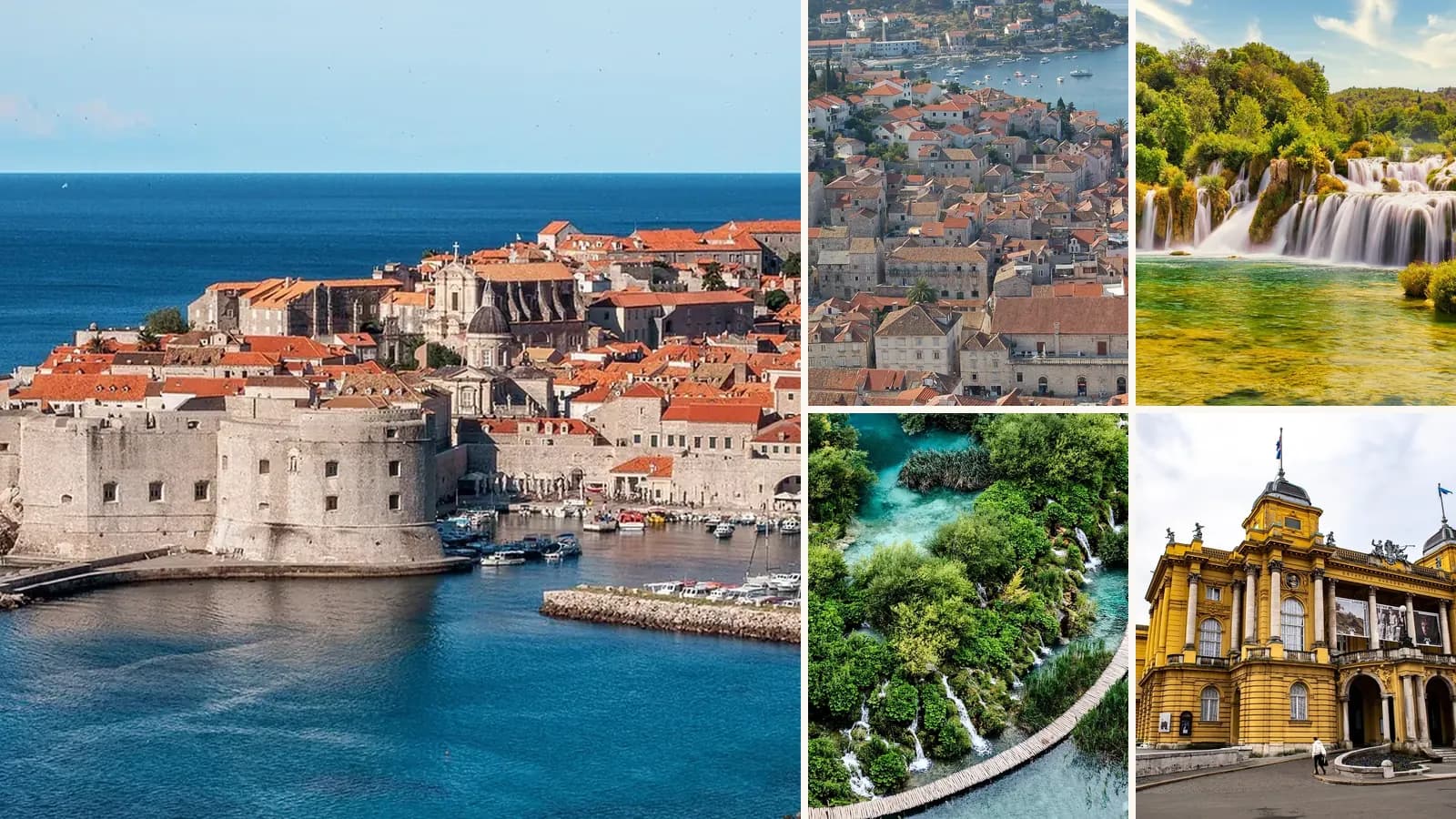
Croatia Travel Guide: Dubrovnik, Split, the Islands and Plitvice
Dubrovnik's walls, Diocletian's Palace in Split, Hvar and Korčula, Plitvice Lakes and Istria – the best places to visit in Croatia and how to plan a trip.
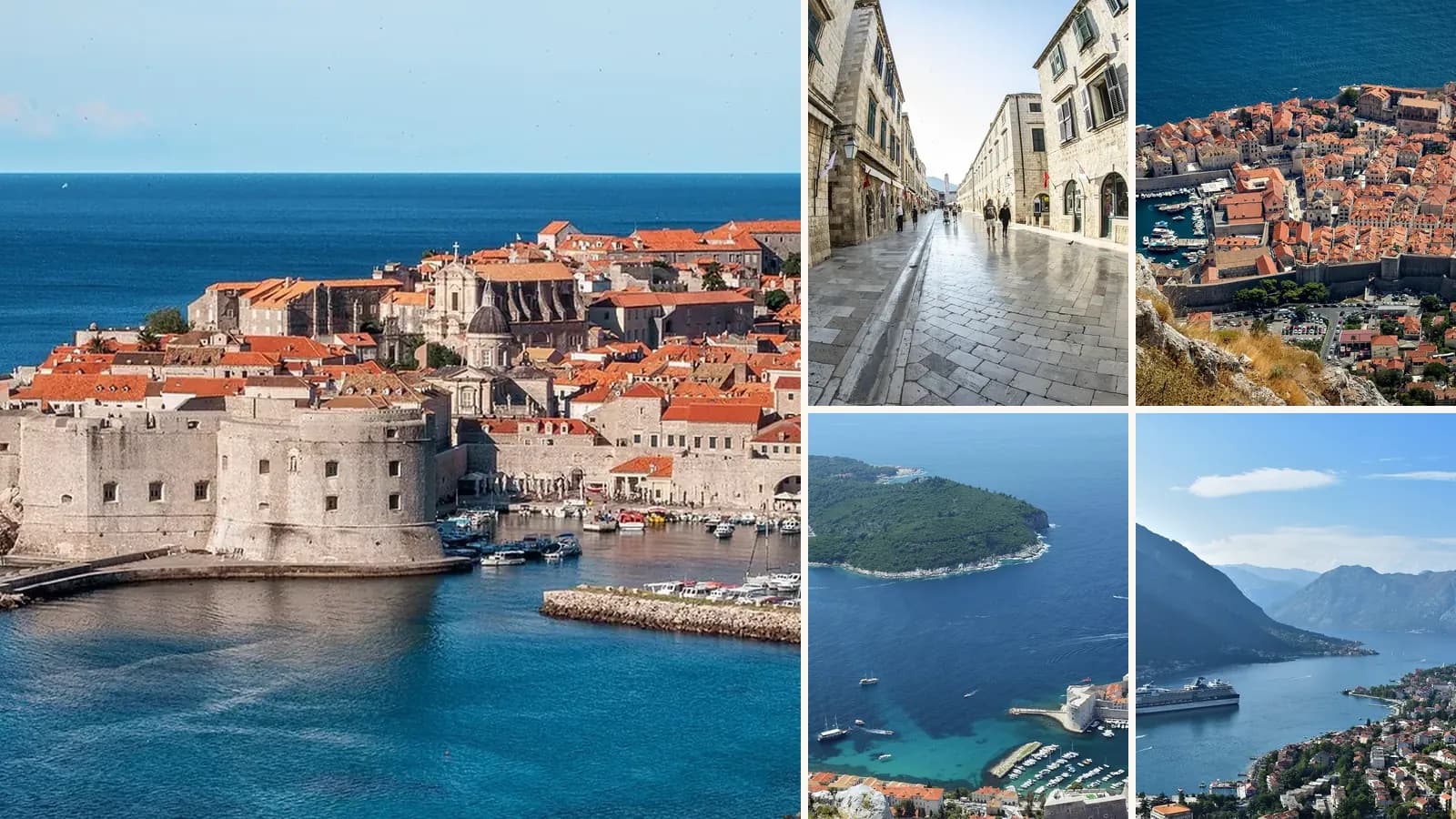
Dubrovnik Travel Guide: City Walls, Islands and Tips to Beat the Crowds
The best things to do in Dubrovnik: the city walls, Stradun, the cable car, Lokrum island, the Elaphiti Islands, kayaking, day trips and how to beat cruise crowds.