The 17 Most Charming Christmas Markets in Europe
From Strasbourg and Nuremberg to Vienna, Prague, Tallinn and Zagreb – the 17 most charming Christmas markets in Europe, with what to eat and tips for visiting.

Some links in this guide are partner links: if you buy through them we may earn a small commission, at no extra cost to you. It never affects what we recommend. How we make money
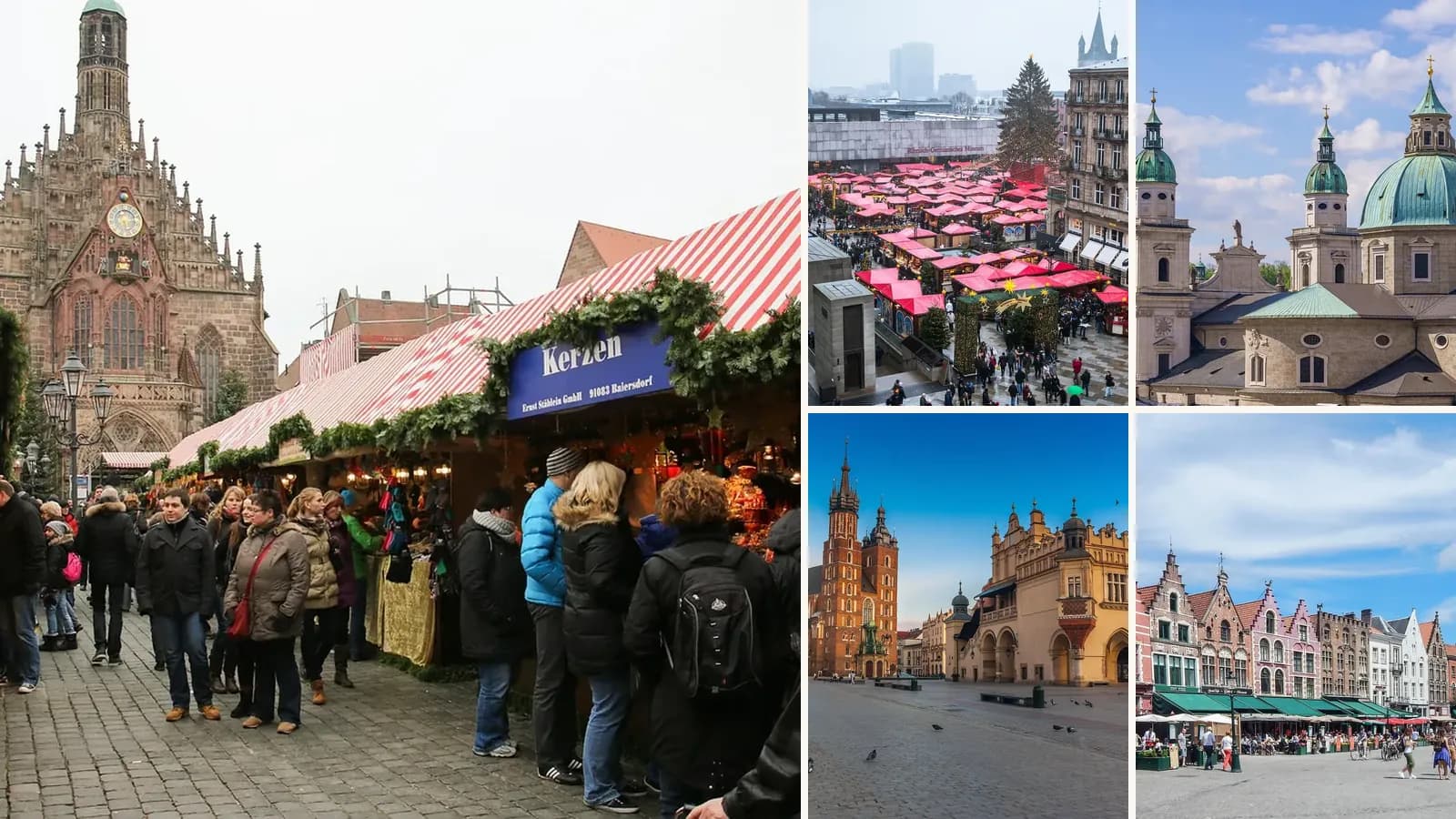
There's nothing quite like a European Christmas market: wooden huts glowing with lights, the smell of mulled wine and roasting chestnuts, carols in the square and handmade decorations to take home. These are 17 of the most charming.
Tip: Market dates change every year. Most run from late November to around Christmas – always check the official city website before you travel.
2026 dates at a glance
| Market | 2026 dates |
|---|---|
| Vienna, Rathausplatz | 13 November – 26 December (24 December until 18:30) |
| Budapest, Advent Feast at the Basilica | 13 November – 1 January 2027 |
| Cologne, market at the cathedral | 16 November – 23 December |
| Colmar | 23 November – 29 December |
| Dresden Striezelmarkt | 25 November – 24 December |
| Basel | 26 November – 23 December |
| Nuremberg Christkindlesmarkt | 27 November – 24 December (24 December until 14:00) |
| Zagreb, Advent in Zagreb | 28 November – 7 January 2027 |
| Strasbourg | Not announced yet – in 2025 it ran 26 November – 24 December |
Dates as published by the organisers or reported in October 2026. For the other markets in this guide, check the official city website closer to the time.
Germany
1. Nuremberg Christkindlesmarkt
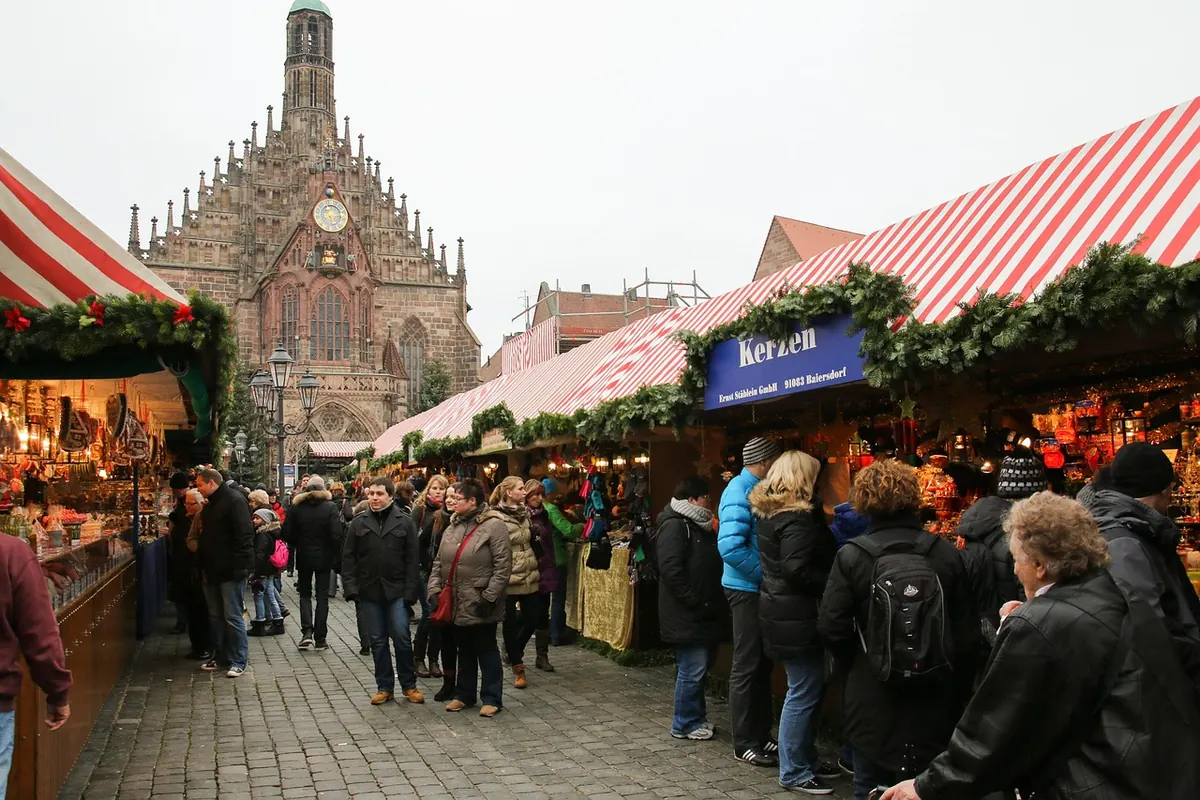
One of the most famous Christmas markets in the world, in the city's main square. It's known for its traditional atmosphere, Lebkuchen gingerbread and small Nuremberg sausages served three in a roll.
Red-and-white striped stalls fill the old market square, the smell of grilled Nürnberger sausages and gingerbread hangs in the cold air and steam rises from mugs of mulled wine. Weekends are packed – go on a weekday afternoon.
2. Dresden Striezelmarkt
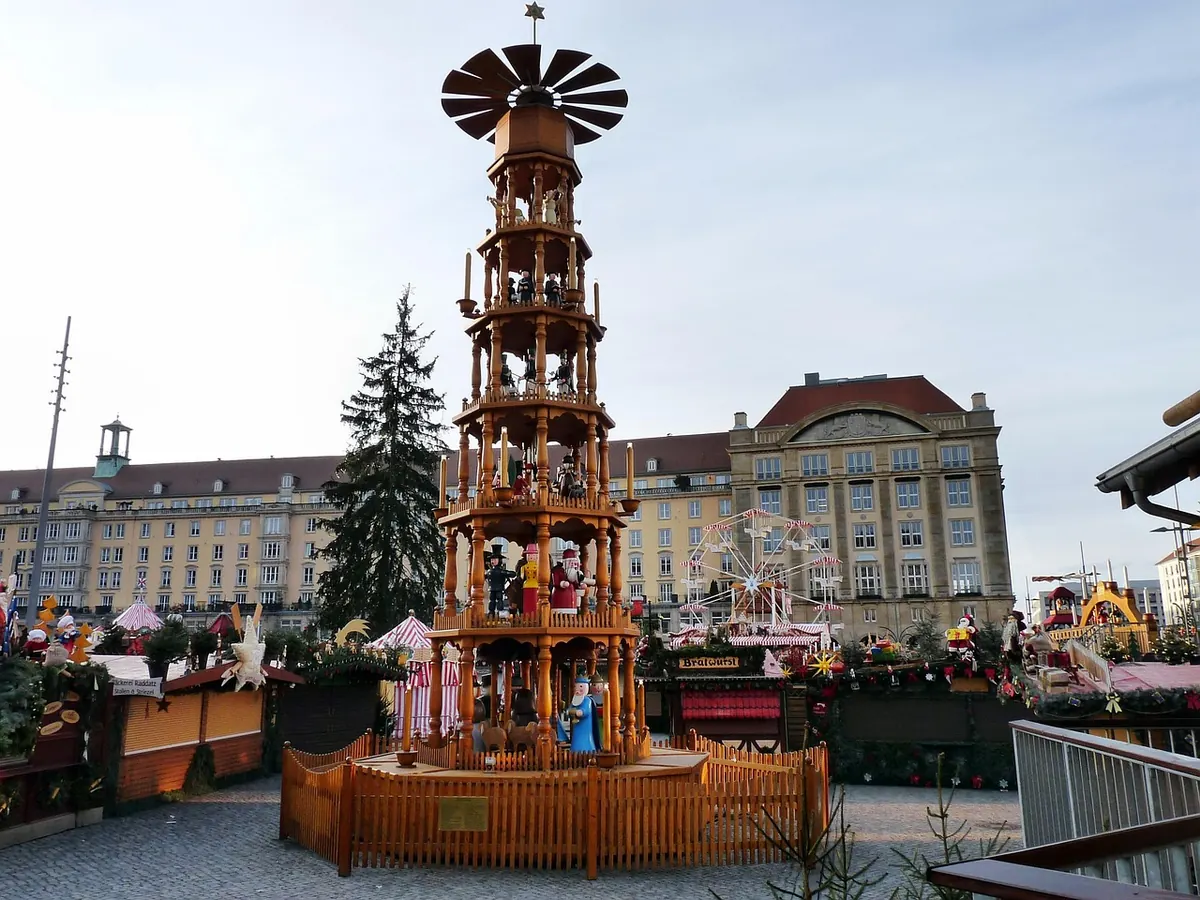
First held in the 15th century, the Striezelmarkt is one of Germany's oldest Christmas markets. It's named after Striezel, the local name for Stollen, the fruit bread that Dresden is famous for.
The giant wooden Christmas pyramid turns slowly in the middle of the market, and the stalls sell carved figures from the Ore Mountains and buttery Stollen.
3. Cologne
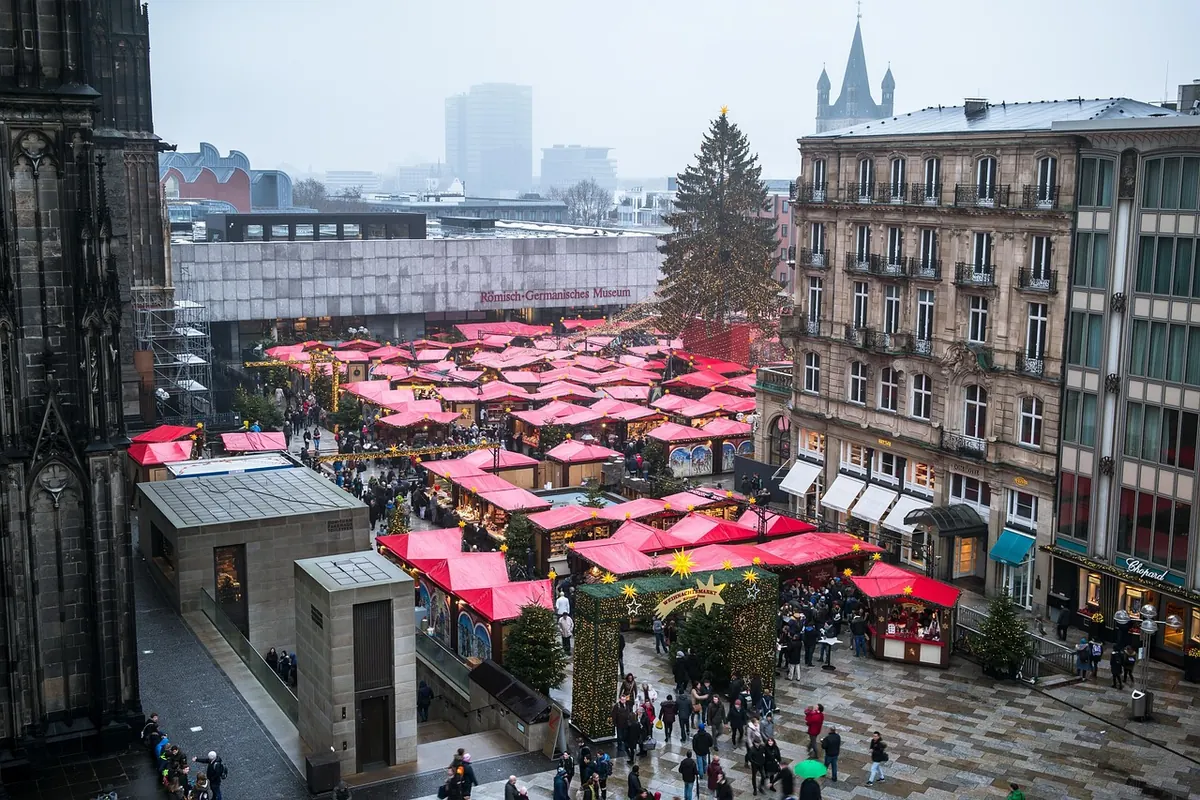
Cologne has several markets, but the one in front of the Gothic cathedral, with its huge Christmas tree and canopy of lights, is the most spectacular.
In the shadow of the cathedral's dark twin spires, thousands of lights glitter above the stalls, and the smell of roasted almonds and Glühwein fills the square.
France
4. Strasbourg
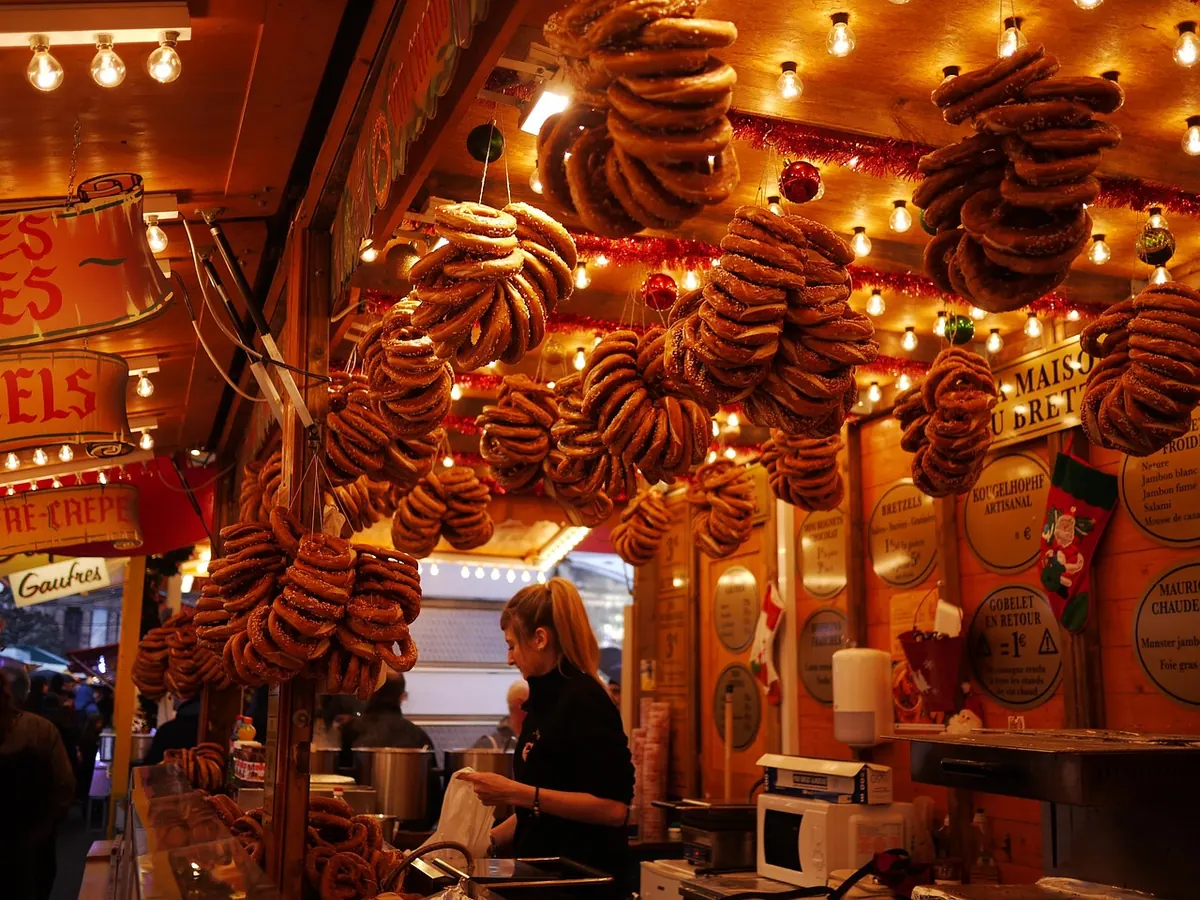
Strasbourg calls itself the "Capital of Christmas", and its markets spread across the old town. Don't miss the giant tree on Place Kléber and the bredele, Alsatian Christmas biscuits.
Every street seems to have its own market, and the half-timbered houses are decorated with lights, teddy bears and giant baubles.
5. Colmar
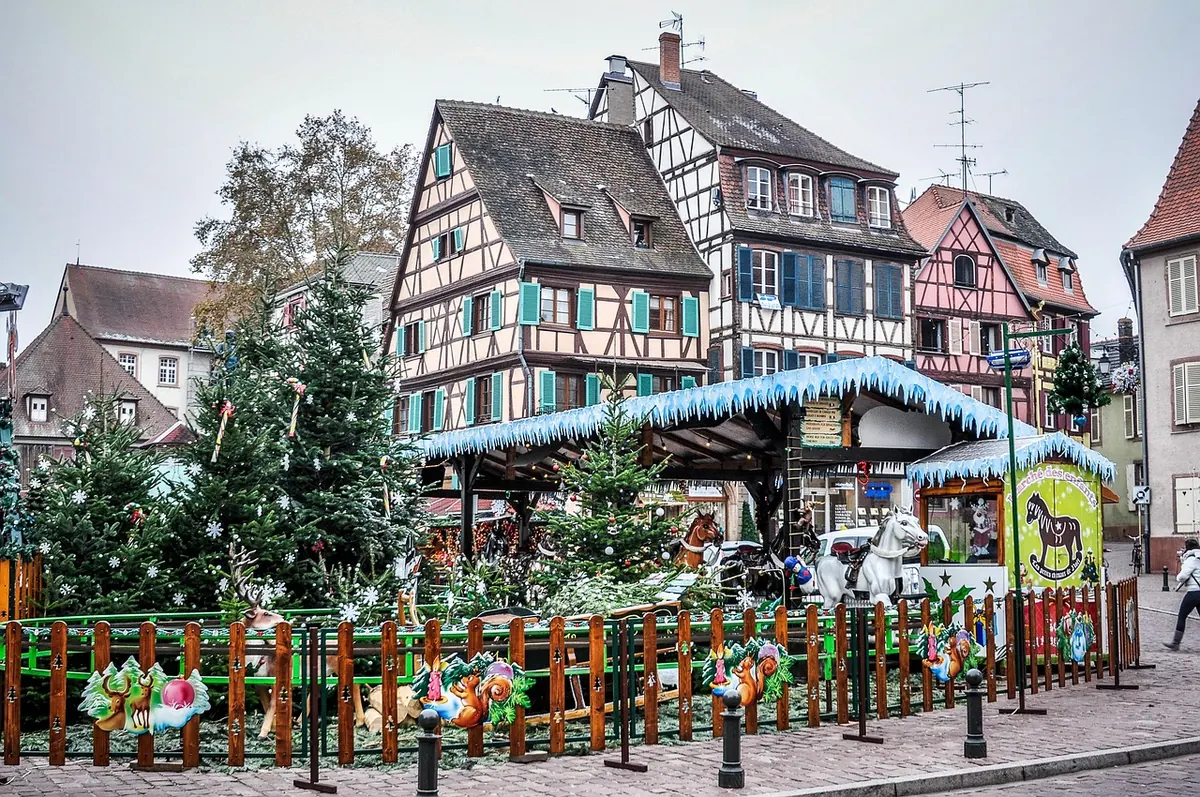
A short train ride from Strasbourg, Colmar's half-timbered houses and canals look like a storybook in December, with several small markets spread around the old town.
The canals of Little Venice reflect the lights and decorations, and the small markets in each square feel like something from a fairy tale.
Austria and Switzerland
6. Vienna
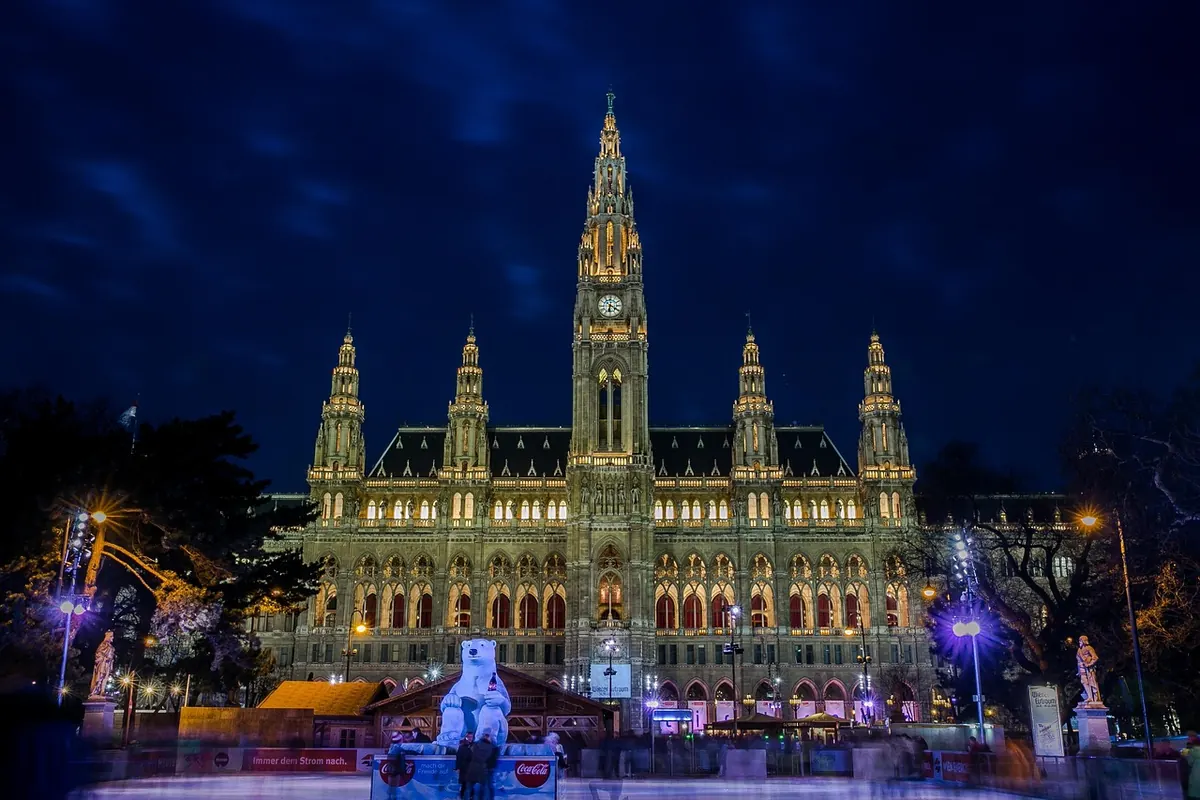
The market in front of the City Hall is the best known, with an ice rink and a park full of lights, but Vienna has many smaller, quieter markets too, including at Schönbrunn Palace. Warm up between stalls with a slice of Sachertorte – our guide to Austrian cakes and where to eat them in Vienna lists the best cafés.
In front of the Rathaus, the trees are hung with glowing hearts, an ice rink winds through the park and the stalls sell Punsch in Christmas mugs.
7. Salzburg
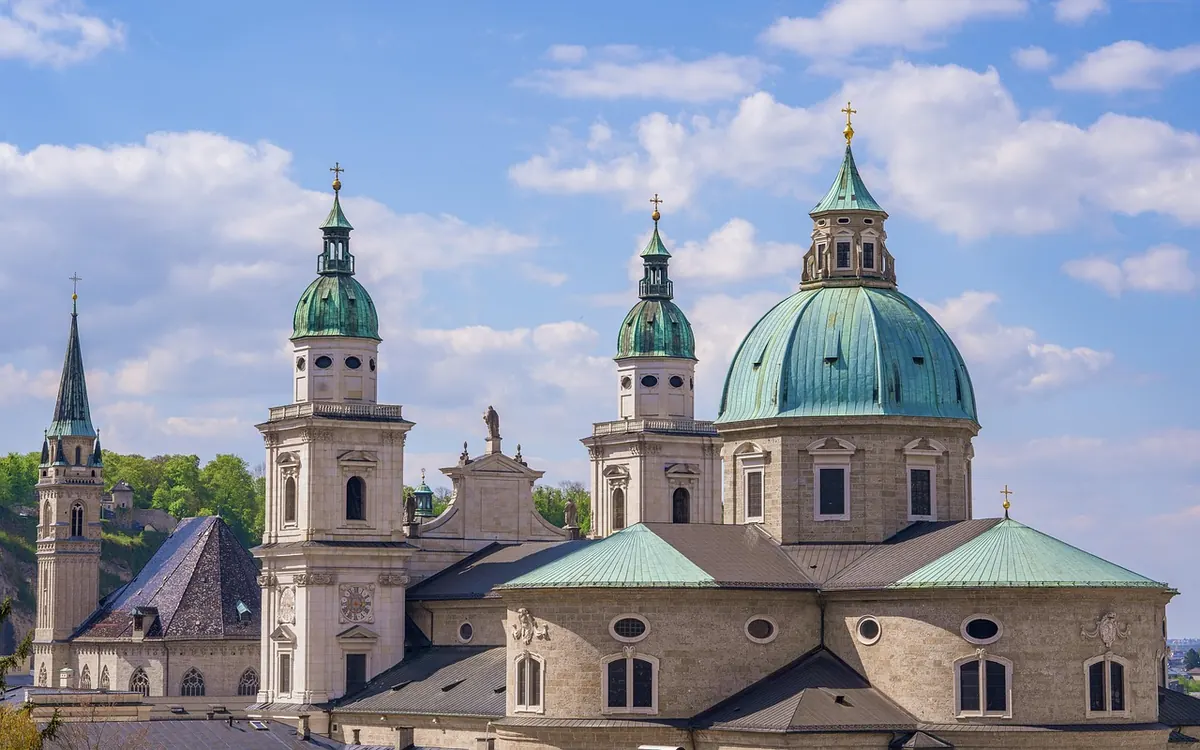
The Christkindlmarkt sits between the cathedral and the Residenz, with the fortress lit up above it. Salzburg is the home of the carol "Silent Night", which adds to the magic.
Brass bands play in front of the cathedral, the fortress glows above the city and the smell of roasted chestnuts drifts through the square.
8. Basel
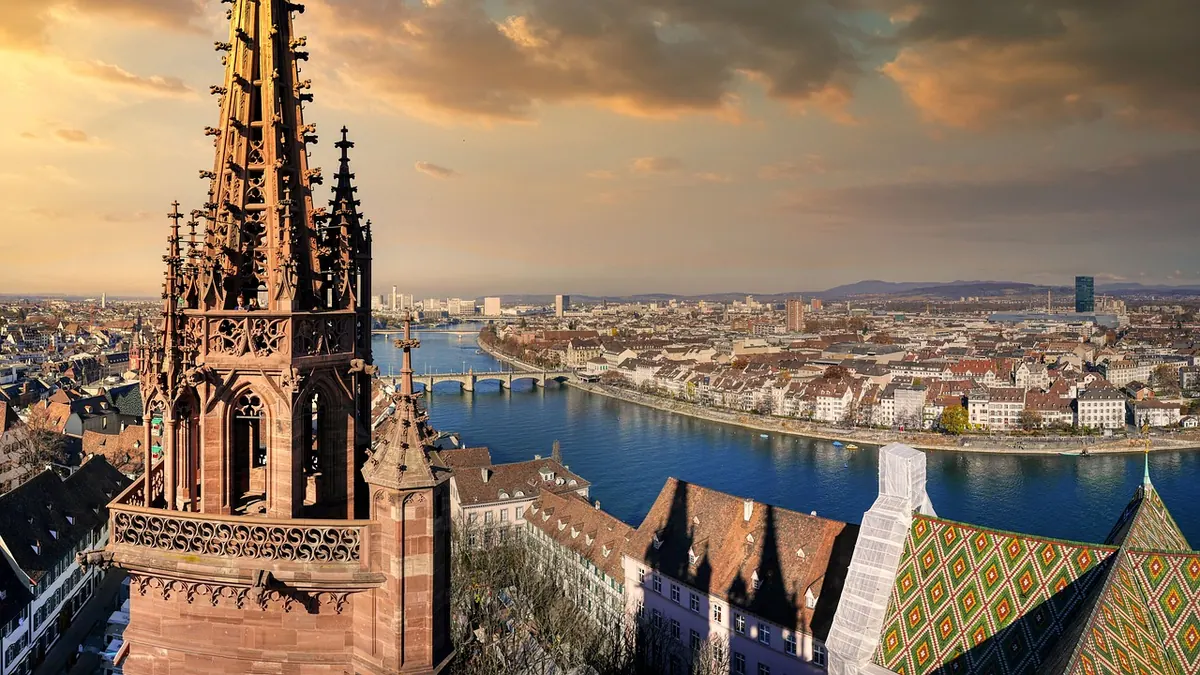
Switzerland's best-known Christmas market fills two squares in the old town, with a strong focus on crafts and local food.
The cathedral square glows with warm lights, the stalls are elegant and the Swiss Läckerli biscuits are irresistible.
Central and Eastern Europe
9. Prague
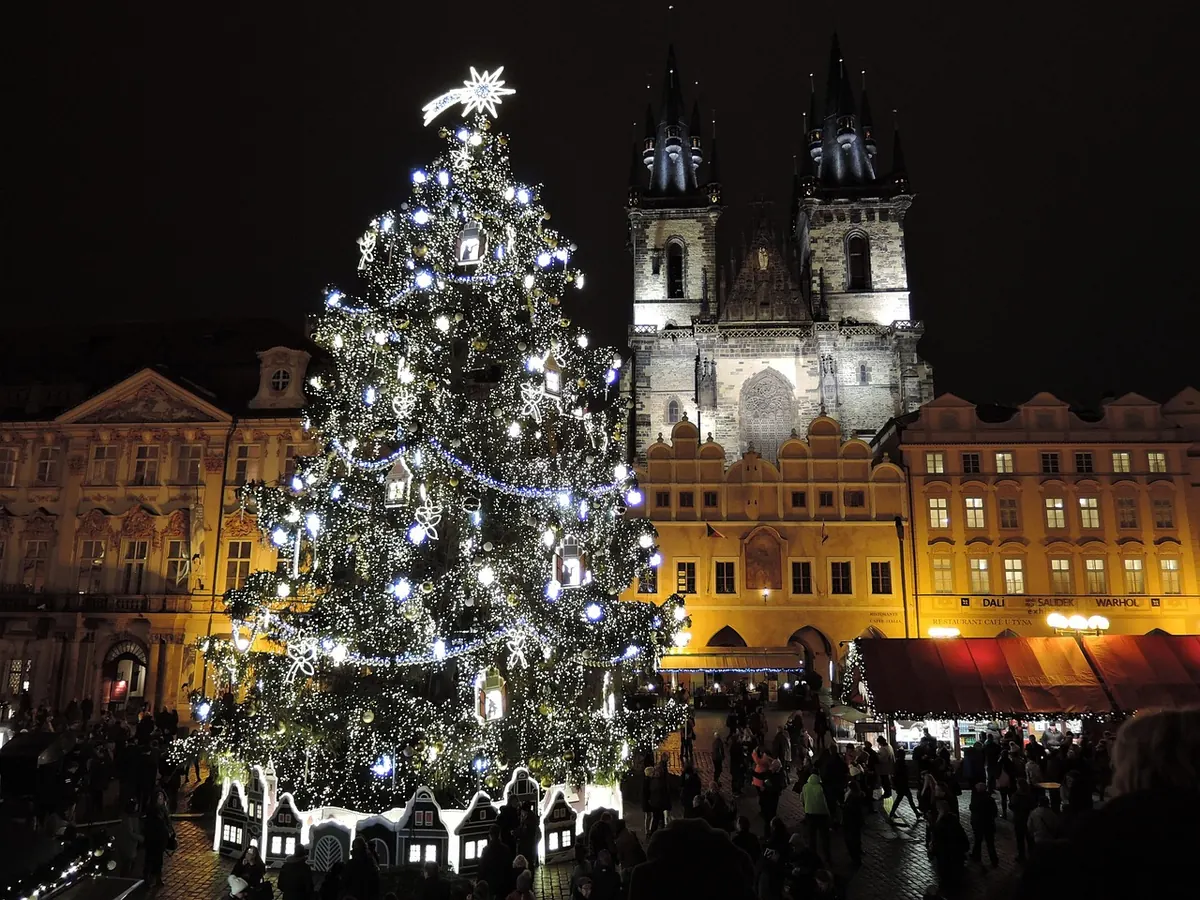
The Old Town Square market, beneath the Gothic towers of the Týn Church, is one of the most photographed in Europe. Try trdelník, a sweet pastry cooked over coals.
The huge Christmas tree in Old Town Square lights up beneath the Gothic towers of Týn Church, and the smell of trdelník and grilled ham fills the air.
10. Budapest
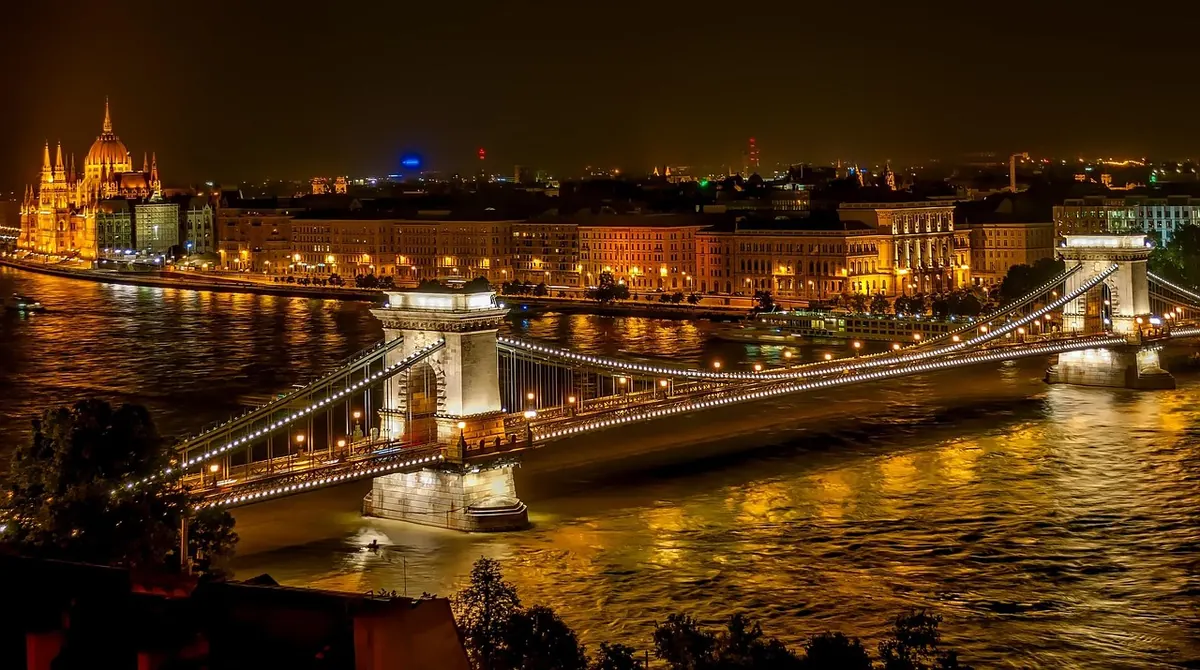
Vörösmarty Square and the square in front of St Stephen's Basilica host the city's main markets, with light shows projected onto the basilica and plenty of Hungarian comfort food.
In Vörösmarty Square, the stalls are piled with handicrafts, and chimney cakes and lángos sizzle on the grills. The facade of St Stephen's Basilica turns into a light show.
11. Kraków
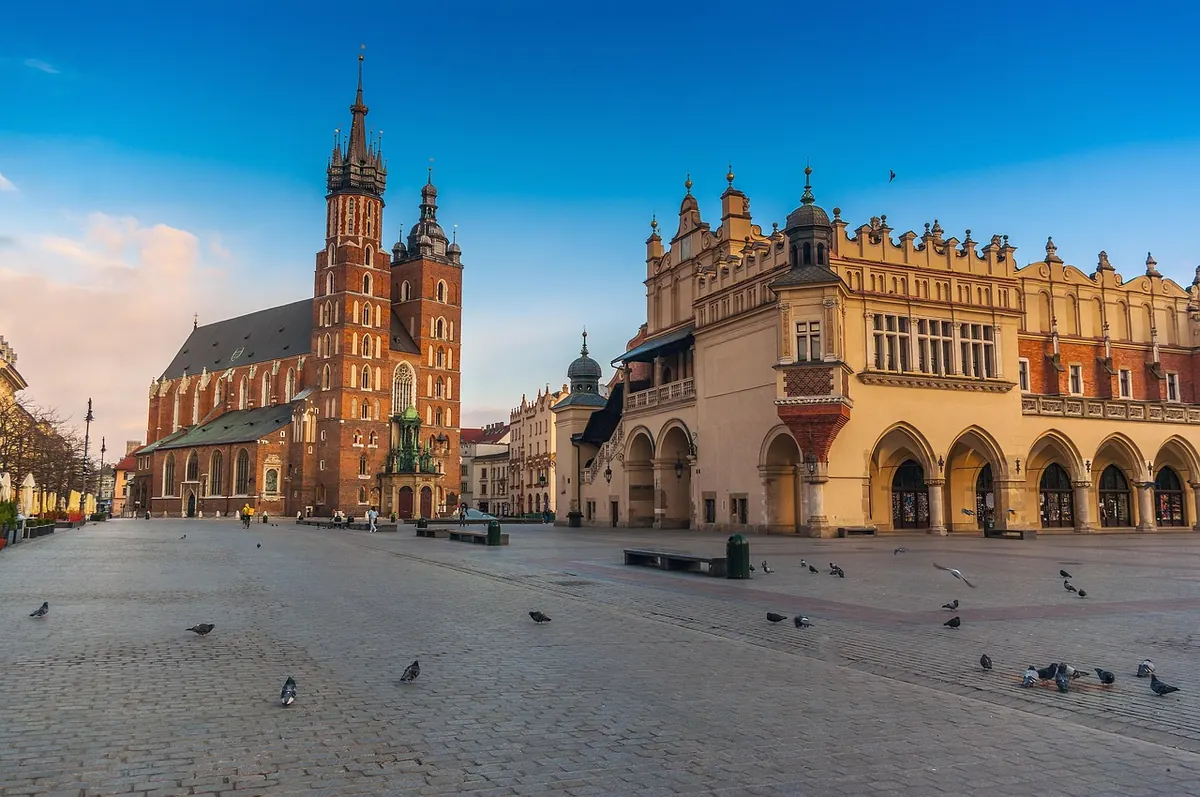
The market fills Kraków's huge medieval Main Square, surrounded by historic buildings and the twin towers of St Mary's Basilica.
In the Main Square, stalls glow beneath the towers of St Mary's Basilica, and the smell of grilled oscypek cheese with cranberry is everywhere.
12. Zagreb
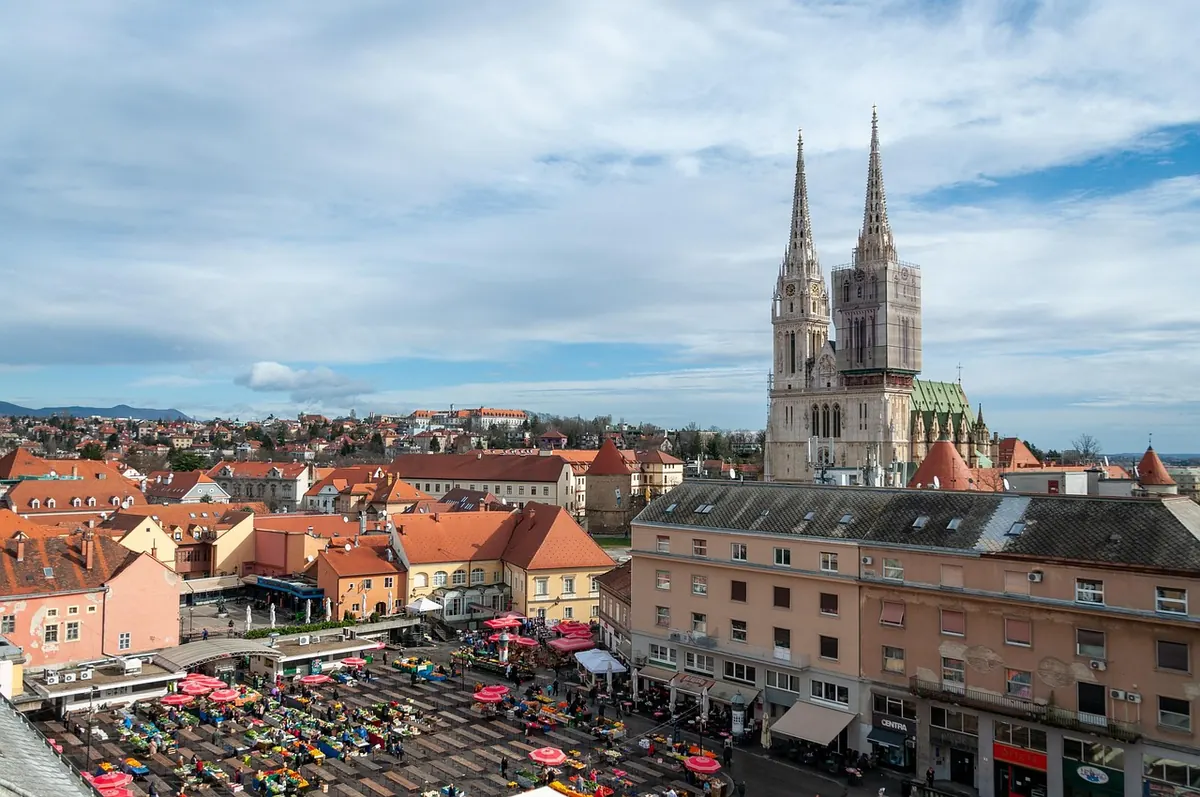
Zagreb's Advent has been voted among Europe's best Christmas markets several times, with events spread across the city's squares and parks.
The whole city becomes a market, from the lights of the Zrinjevac park to the outdoor concerts and the skating rink.
13. Tallinn
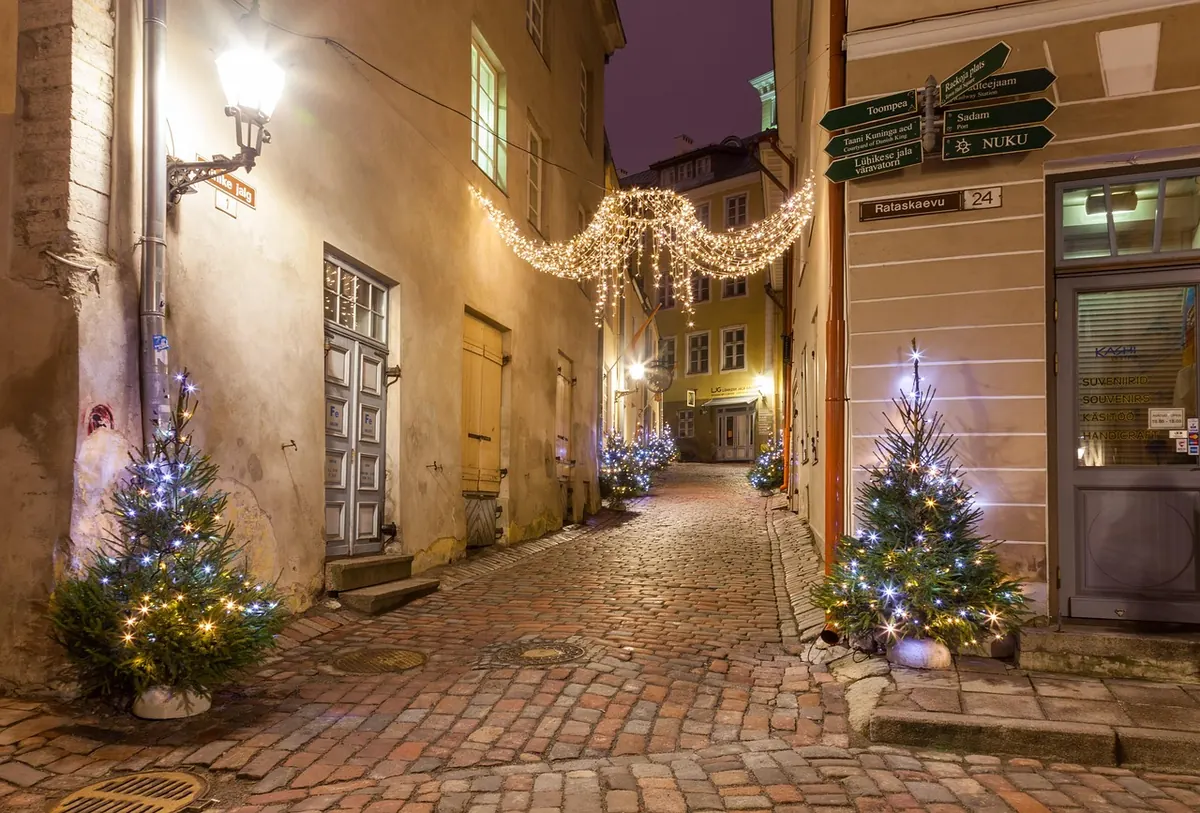
The market in Tallinn's medieval Town Hall Square feels like stepping back in time, especially when it snows.
The medieval Town Hall Square, surrounded by pastel houses, often covered in snow, feels like a scene from a Christmas card.
Northern and Western Europe
14. Copenhagen – Tivoli Gardens
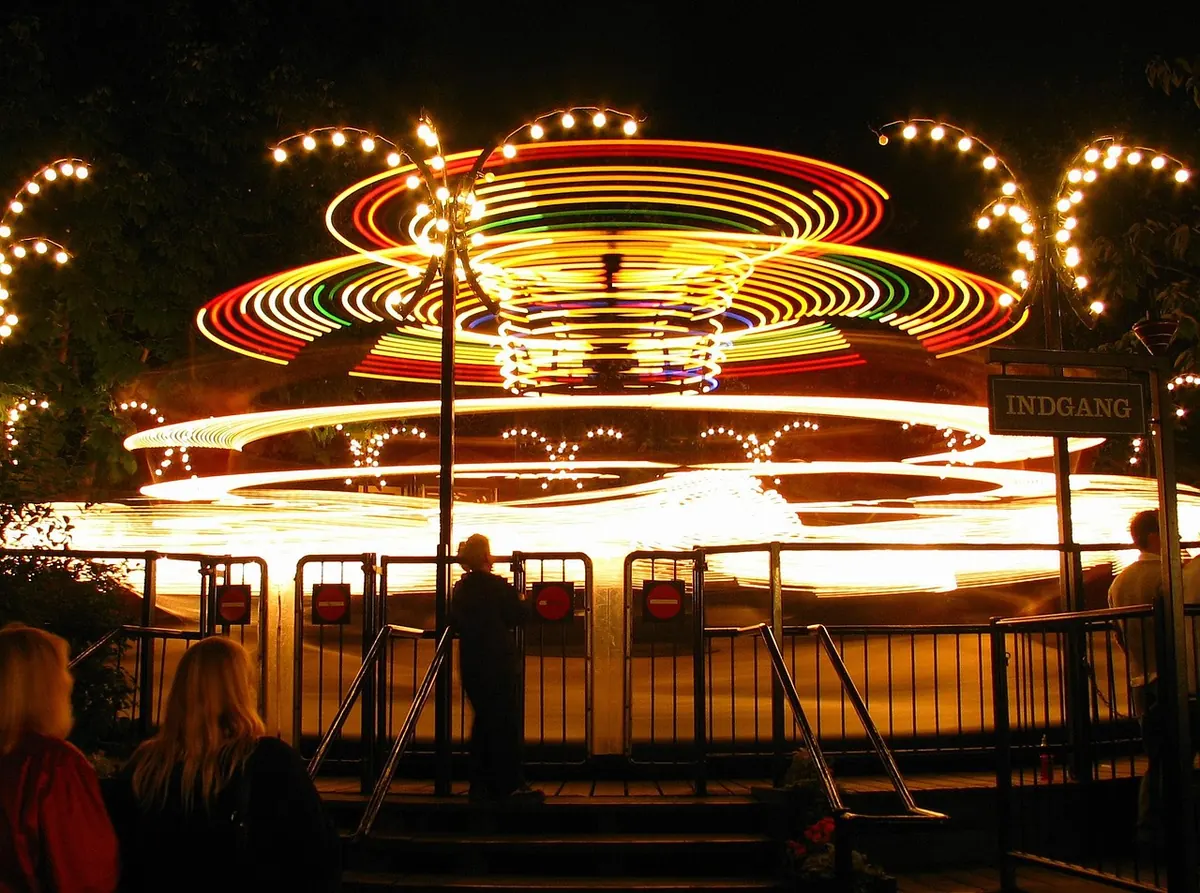
The historic Tivoli amusement park becomes a Christmas wonderland of lights, stalls and rides.
Millions of lights, old wooden rides and the smell of æbleskiver – Tivoli at Christmas is pure magic, especially for children.
15. Brussels
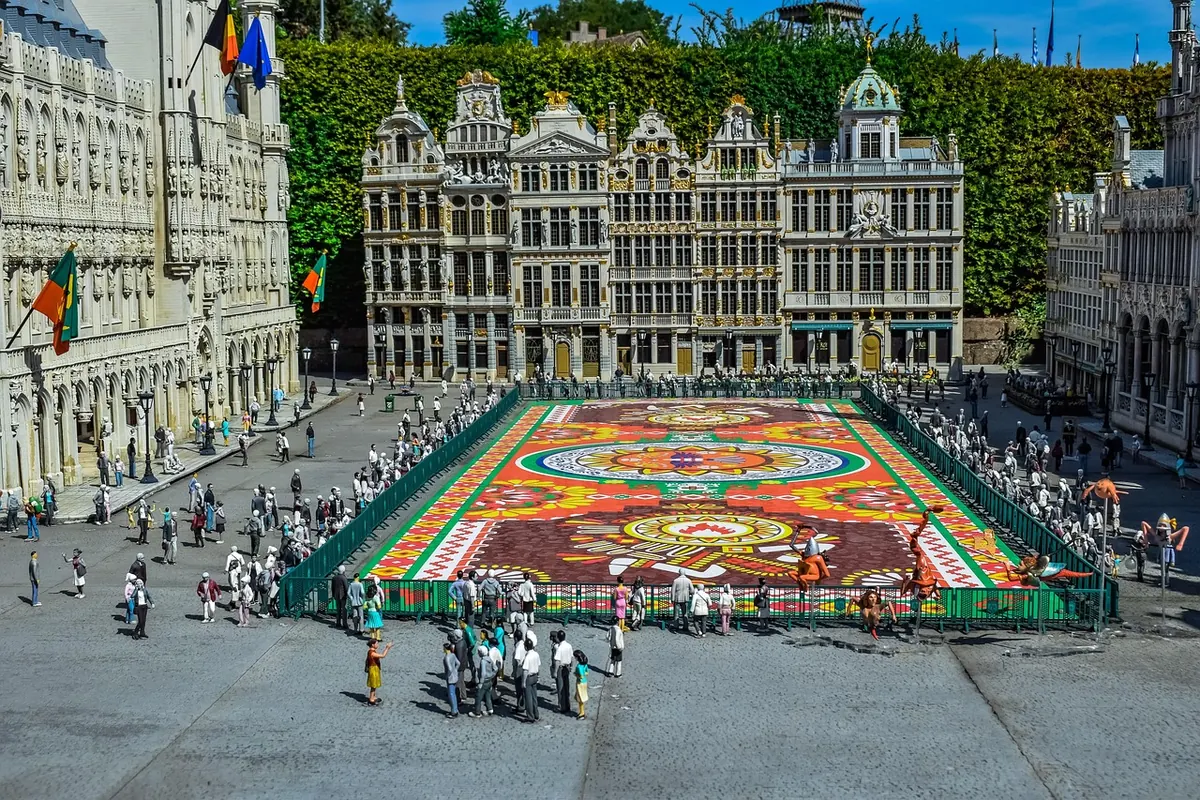
Winter Wonders spreads through the city centre, with a big wheel, an ice rink and a sound-and-light show on the Grand-Place.
The light show on the Grand Place transforms the gilded guildhalls, and the stalls sell waffles, chocolate and mulled wine.
16. Bruges
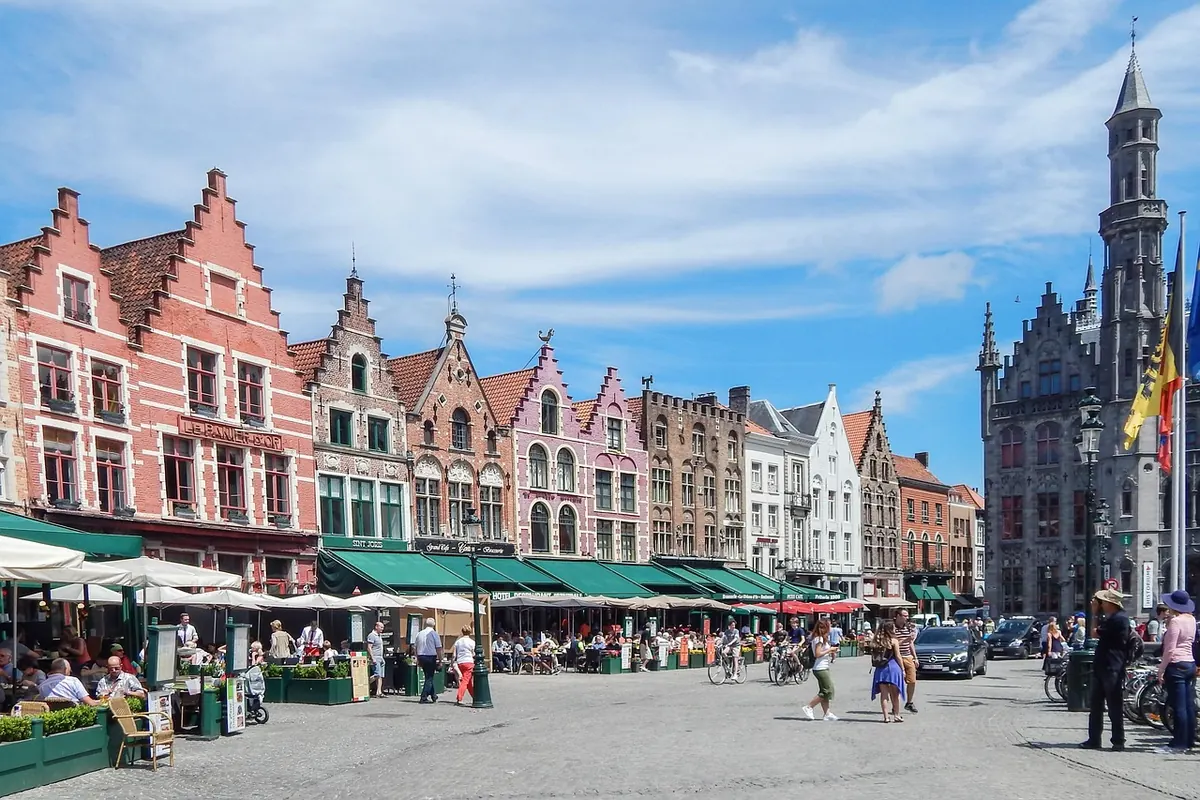
Bruges's markets on the Markt and Simon Stevinplein are small but magical, set among medieval buildings and canals.
Ice skaters glide around the rink beneath the belfry, and the canals and lit-up houses make the whole city feel like a postcard.
Italy
17. Trento
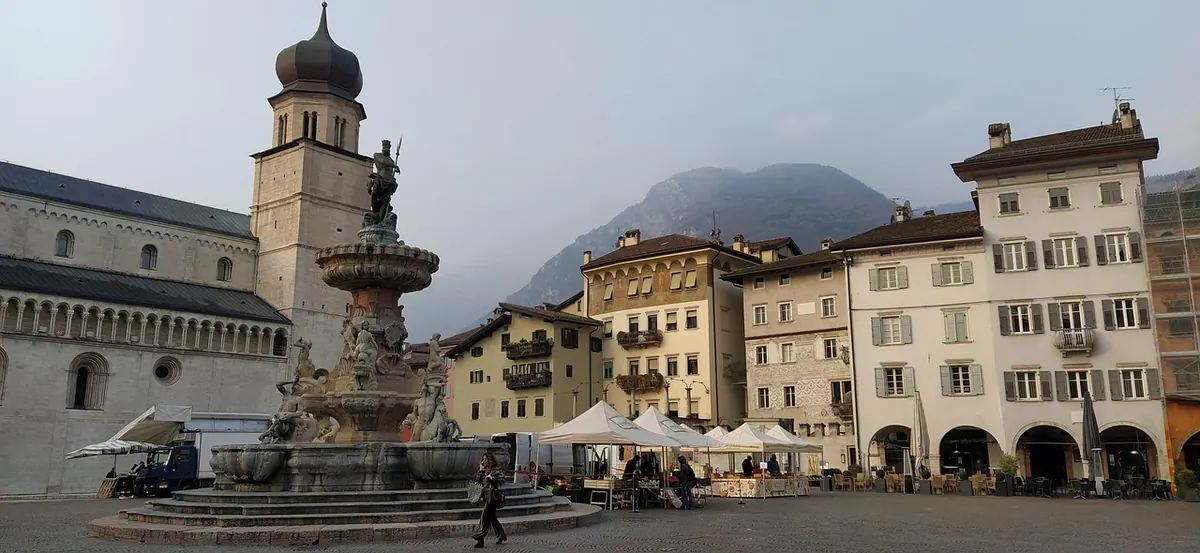
Alpine Trento's market is one of the best in Italy, with wooden chalets, regional food and mountains all around.
Wooden huts beneath the Dolomites sell Alpine crafts, speck and strudel – smaller and calmer than the big German markets.
Plan your trip
Combine two or three markets in one trip by train – Strasbourg and Colmar, Vienna and Salzburg, or Prague and Dresden all work well. Pack warm layers but keep your luggage light with our winter packing tips, and see our list of Europe's best scenic rail journeys for a festive train trip.
Frequently asked questions
Which Christmas markets in Europe open first in 2026?
Vienna's Rathausplatz market and the Advent Feast in Budapest open on 13 November 2026, followed by Cologne on 16 November. Nuremberg opens on 27 November and Zagreb's Advent on 28 November.
When do Christmas markets in Europe open?
Most open in late November, around the start of Advent, and run until just before or just after Christmas. Some continue into early January. Exact dates change every year, so check the official city website before you book.
What is the best day to visit a Christmas market?
Weekdays, especially in the late afternoon as the lights come on, are much calmer than weekends. Popular markets such as Strasbourg, Cologne and Vienna can be very crowded on Saturday evenings.
What should I eat at a European Christmas market?
Try mulled wine (Glühwein or vin chaud), roasted chestnuts, grilled sausages, gingerbread, potato pancakes and local specialities such as Nuremberg's Lebkuchen or Dresden's Stollen.
Keep reading
11 Tips on Packing Light for Winter Travel
Bulky coats don't need a huge suitcase. Eleven practical tips for packing light for a winter trip, from layering and fabrics to what to wear.
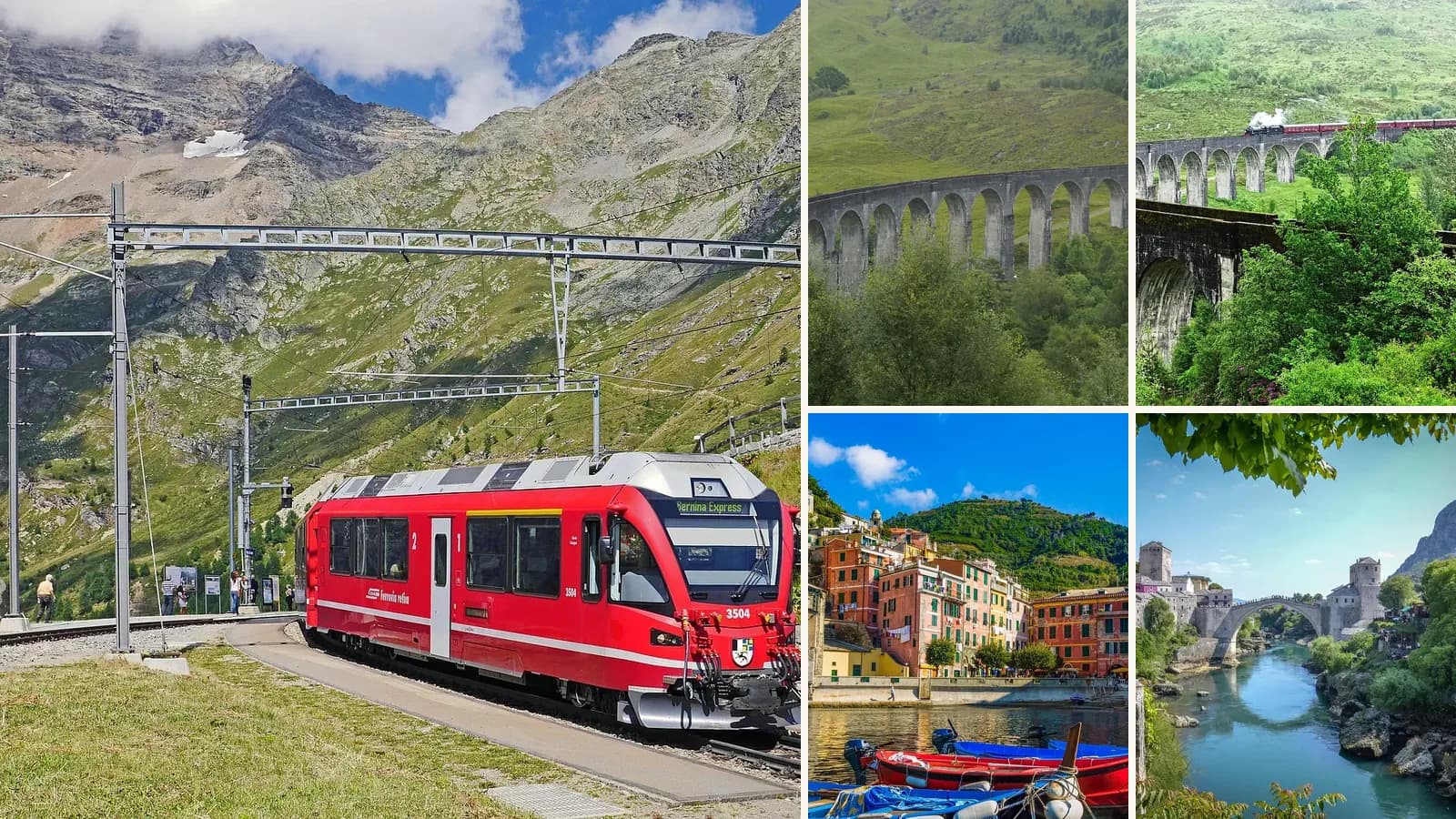
10 of the Best Scenic Rail Journeys in Europe
Alpine passes, Norwegian fjords, Scottish viaducts and Portuguese vineyards – ten of the most beautiful train journeys in Europe and tips for booking them.
8 Reasons Portugal Is the Perfect Place to Visit
Sunshine, beaches, great value, world-class seafood, pastéis de nata and beautiful towns – eight reasons Portugal is one of Europe's best destinations, plus where to go.
20 Stunning Alternative Cities You've Never Thought to Visit (But Really Should)
Skip the obvious capitals: 20 underrated cities from Plovdiv and Leipzig to Hobart and Valparaíso, with what makes each special and what to see first.