Dingle, Ireland: A Guide to the Wild Atlantic Way's Most Charming Town
Colourful pubs with live music, the Slea Head Drive, Gallarus Oratory, boat trips and beaches – the best things to do in Dingle on Ireland's Wild Atlantic Way.

Some links in this guide are partner links: if you buy through them we may earn a small commission, at no extra cost to you. It never affects what we recommend. How we make money
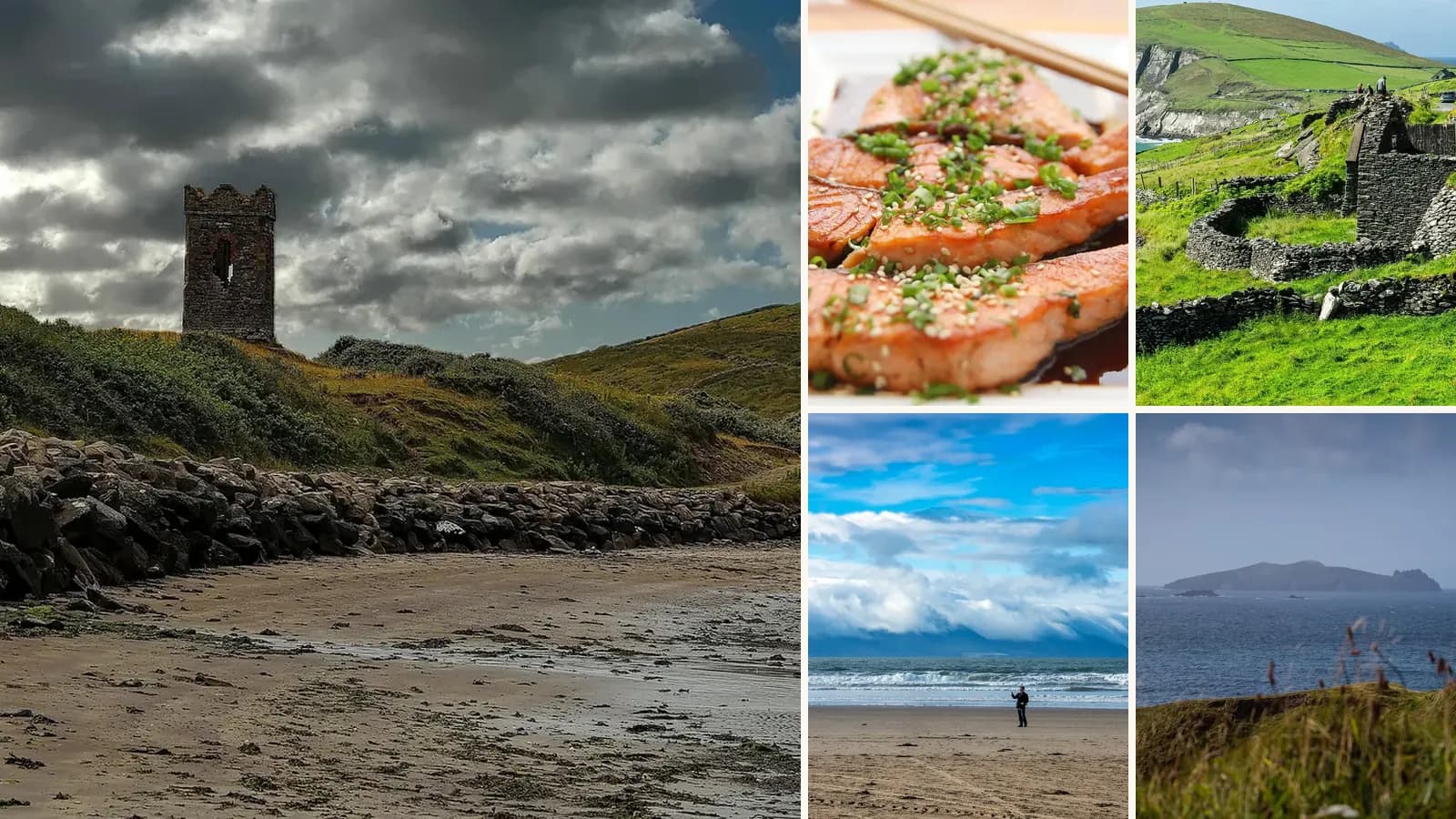
On the Dingle Peninsula in County Kerry, at the far western edge of Europe, the little town of Dingle (An Daingean) packs in brightly painted shops, cosy pubs with traditional music and a busy fishing harbour. It has been named one of the world's most underrated places to visit, and once you've spent an evening in a Dingle pub listening to fiddles and tin whistles, it's easy to see why.
The town is part of the Gaeltacht, where Irish is spoken as an everyday language, and the peninsula around it has more than 2,000 archaeological sites, from stone beehive huts to early Christian churches. It's one of the highlights of the Wild Atlantic Way, the coastal route that runs the length of Ireland's west coast. This guide covers the best things to do in town and around the peninsula, plus when to go and how to get there.
Dingle at a glance
| Quick facts | |
|---|---|
| Best time to visit | May–September for long days; spring and autumn for fewer crowds |
| How long to stay | 2–3 nights |
| Nearest airport | Kerry, about an hour away; Shannon and Cork are 2.5–3 hours |
| Getting around | Car recommended; tours and cycling also popular |
| Best for | Music, scenery, food, road trips, walking |
In town
1. Pubs and live music
Dingle has a remarkable number of pubs for a town of its size, and some are still shops by day – you can buy hardware or boots at the counter and then stay for a pint. Traditional music sessions are held most evenings, especially in summer, and anyone with an instrument is welcome to join in. Sessions usually start around 9.30pm. Respect the musicians by keeping conversation down while they play.
Fiddles, tin whistles and bodhrán drums play in the corner, the fire crackles and everyone joins in – some pubs are still part hardware shop.
2. The harbour and boat trips
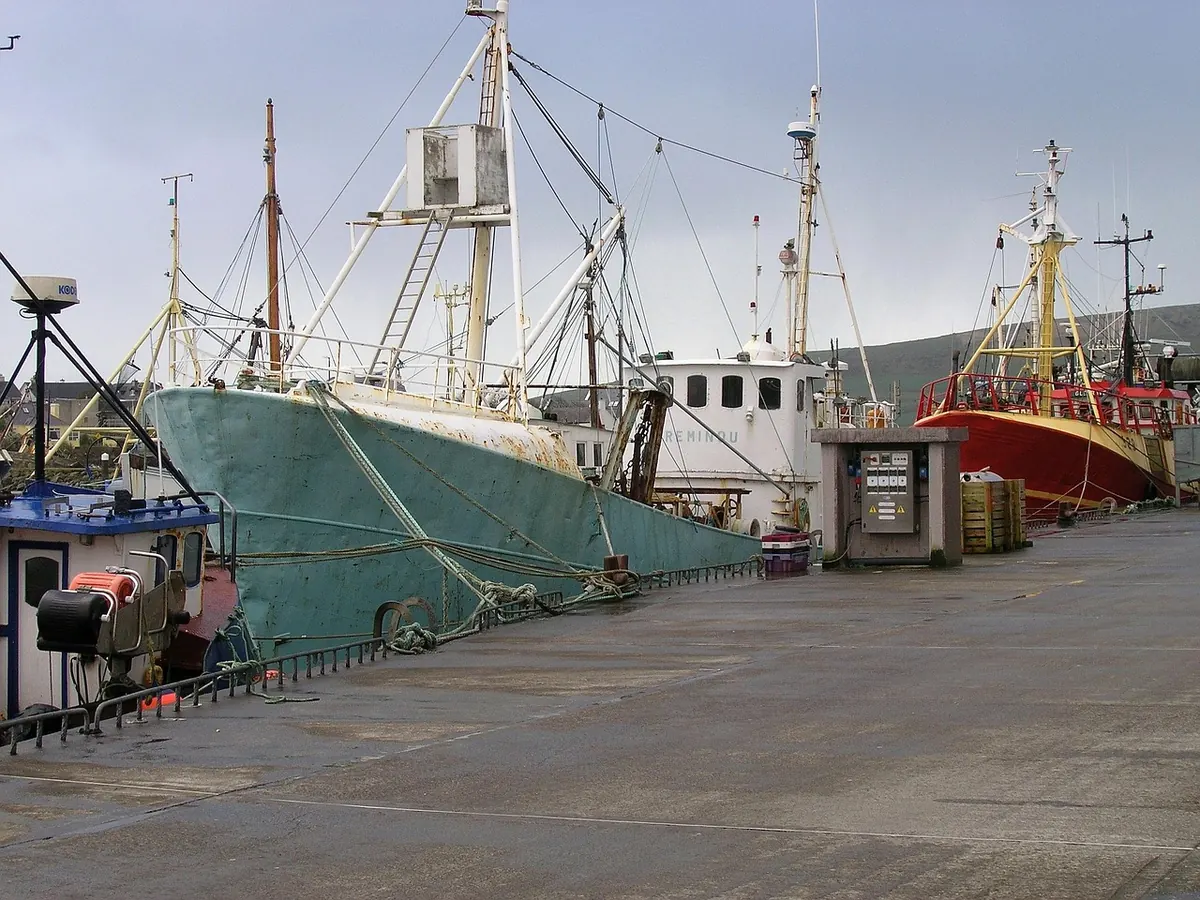
Dingle's harbour is still a working fishing port. Boat trips explore the coastline, sea caves and cliffs, and in summer seabirds and seals are often seen. For decades, Fungie the dolphin lived in the bay and became world-famous, but he hasn't been seen since 2020; today's trips focus on the scenery and other marine wildlife.
Dingle Oceanworld Aquarium, by the harbour, is a good stop with children, especially on a rainy day.
Fishing boats bob in the harbour, and on the boat trips, dolphins sometimes play in the bay.
3. Food and drink

Dingle has an excellent food scene for a small town. Try fresh seafood – crab claws, mussels and fish and chips by the harbour – local lamb, and black pudding at breakfast. Dingle Distillery produces gin, vodka and whiskey and offers tours, and Murphy's Ice Cream, with flavours such as sea salt and brown bread, started here. The town also hosts a food festival in early autumn.
Fresh fish and chips on the harbour, and handmade ice cream with flavours like sea salt and brown bread.
Around the peninsula
4. Slea Head Drive
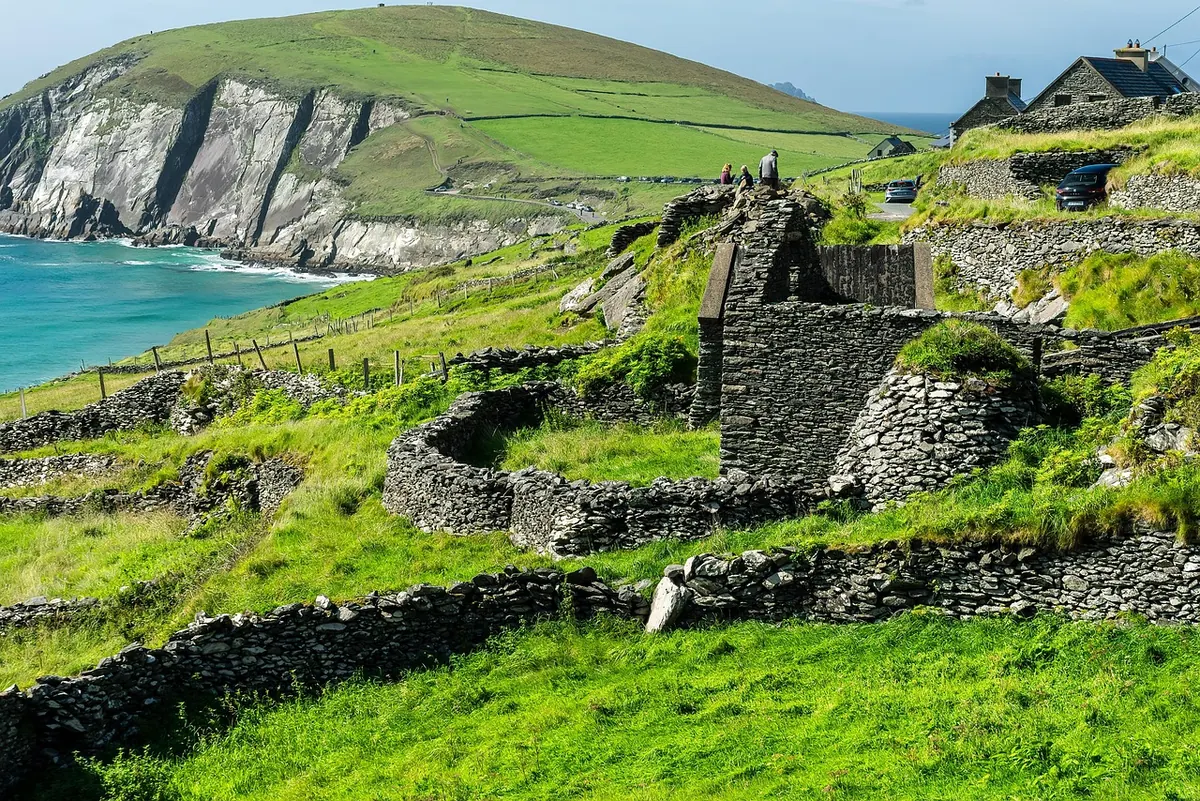
This circular road loops around the western end of the peninsula for around 47 km, with cliffs, beaches, stone beehive huts (clocháns) and views of the Blasket Islands. Drive it clockwise, as recommended locally – tour buses go the same way, and the roads are narrow. Allow at least half a day for stops, and look out for Dunbeg Fort, Coumeenoole Beach and the Blasket Centre in Dunquin.
The road hugs the cliffs, with views of the Blasket Islands and the Atlantic crashing below – stop at every viewpoint.
5. Gallarus Oratory
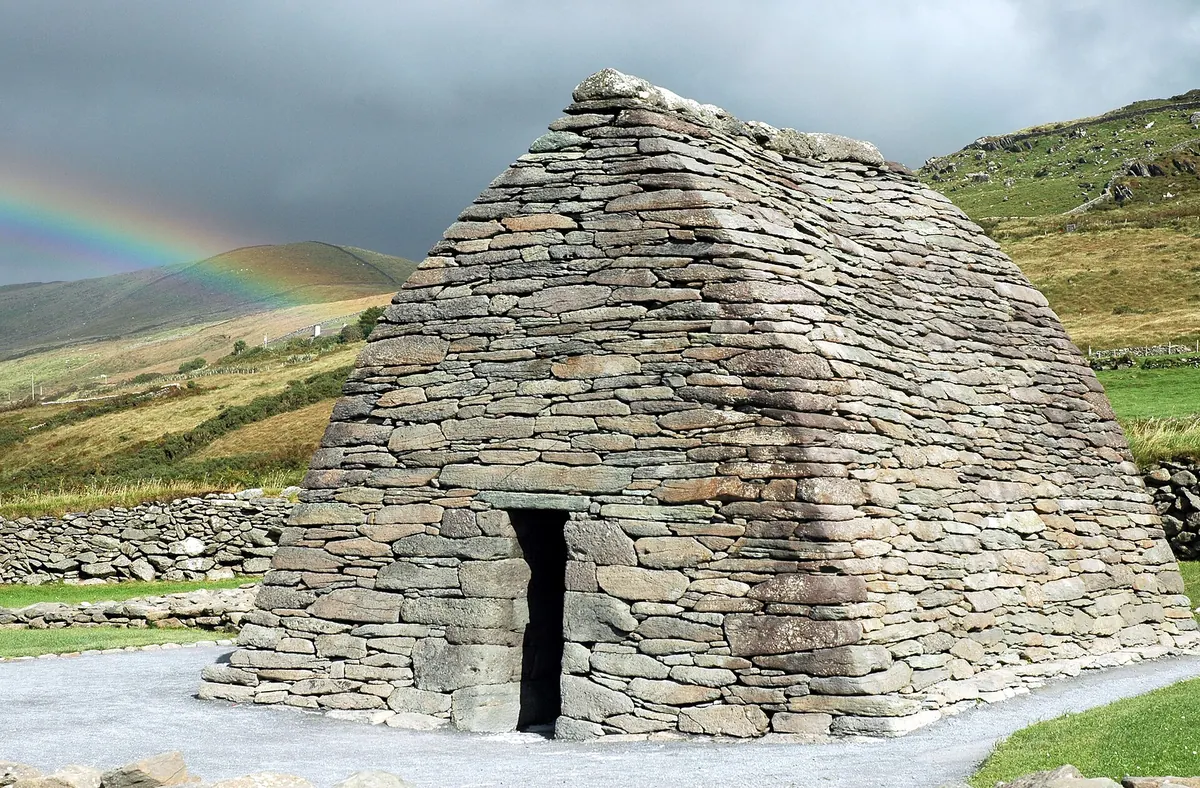
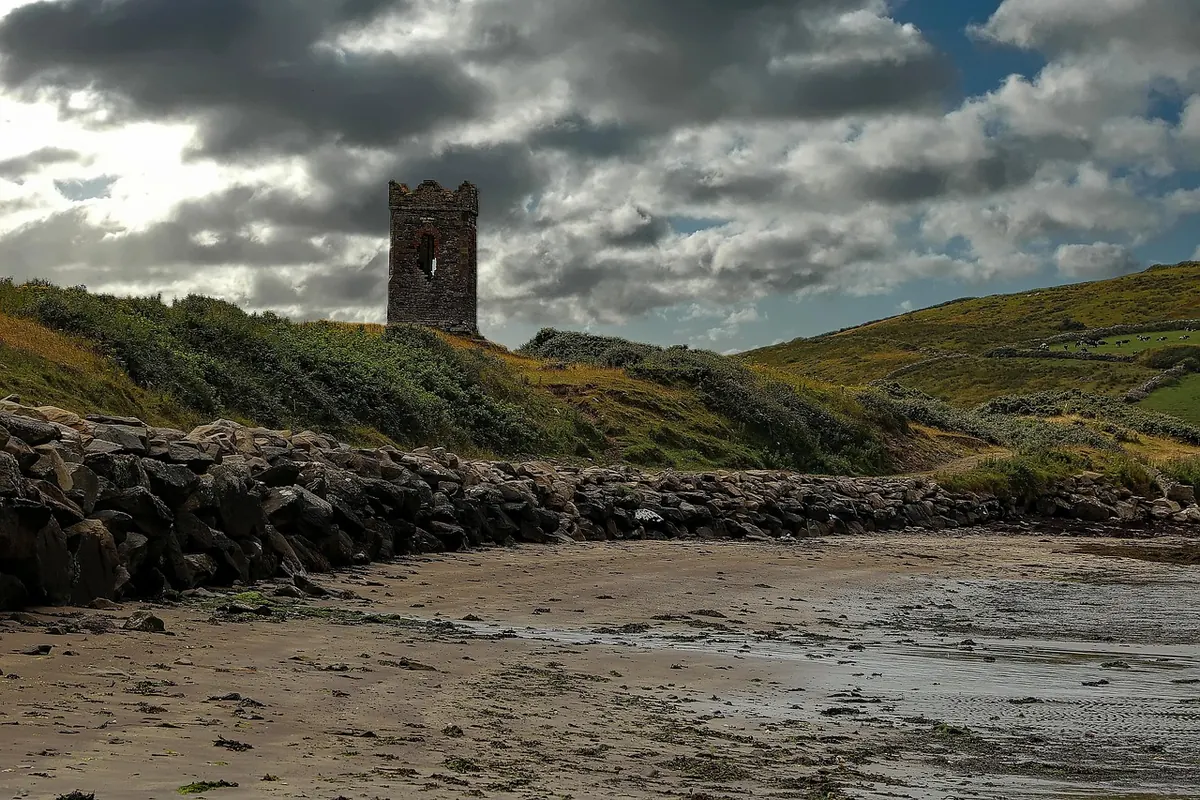
This remarkable early Christian stone church, shaped like an upturned boat, was built without mortar and has stayed watertight for more than a thousand years. Nearby, Kilmalkedar church has a Romanesque doorway and an ancient alphabet stone.
A small stone church shaped like an upturned boat, built without mortar more than 1,000 years ago and still waterproof.
6. Inch Beach and Coumeenoole
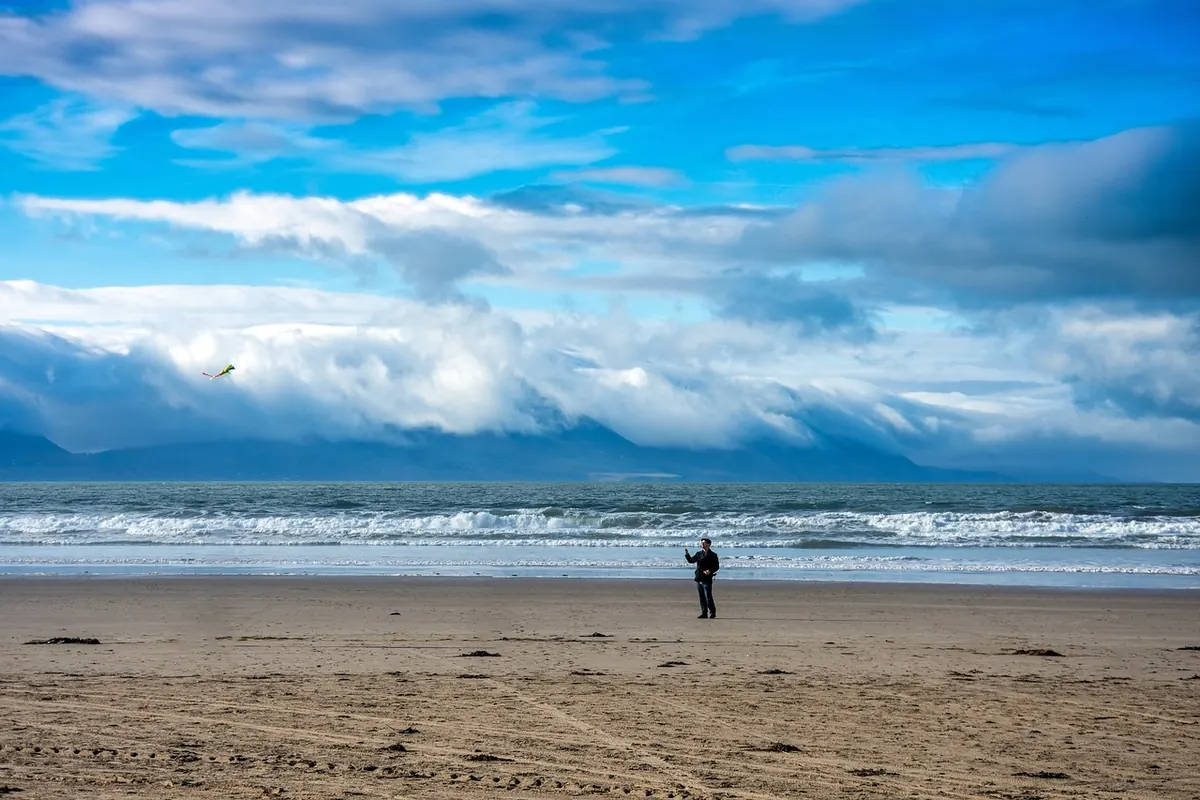
Inch is a 5 km sandy spit on the south side of the peninsula, popular with surfers, walkers and families – you can even drive onto the beach in places. Coumeenoole, near Slea Head, is a small, dramatic cove with turquoise water, but strong currents make it unsafe for swimming.
Inch is a long stretch of golden sand; Coumeenoole is a small, dramatic cove beneath the cliffs.
7. The Conor Pass
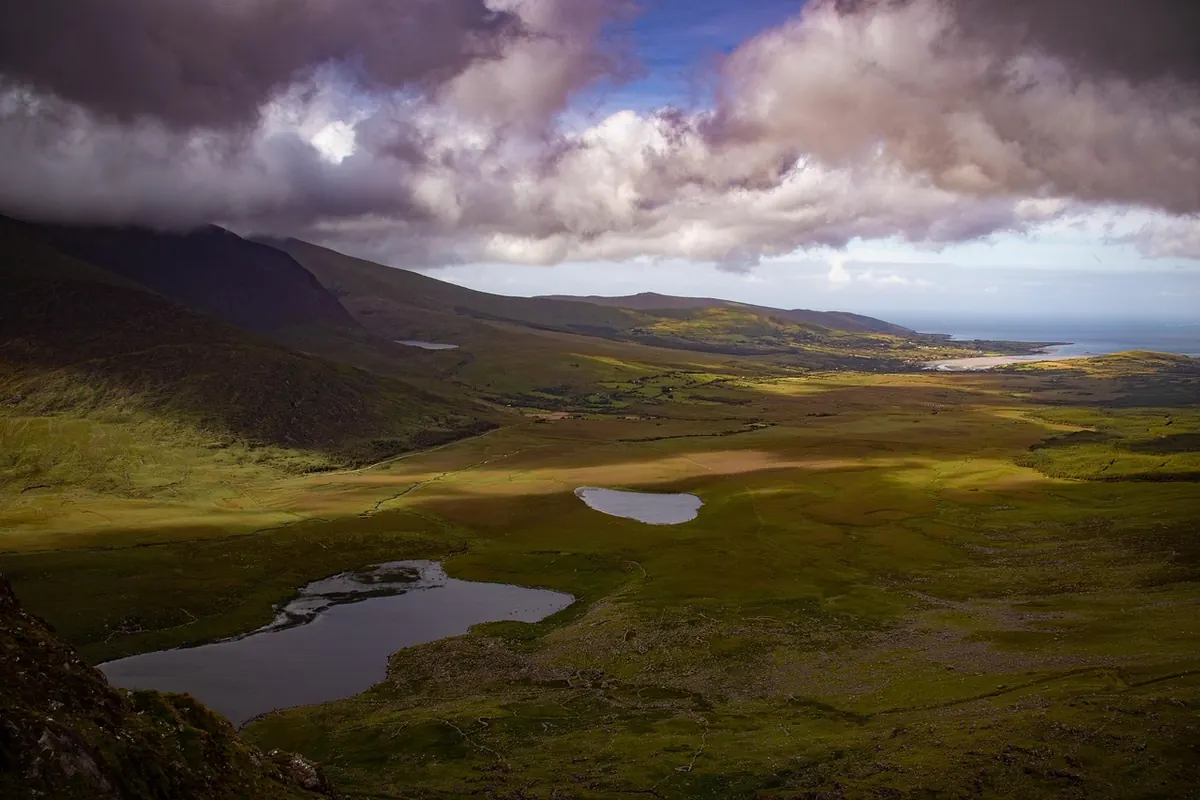
One of Ireland's highest mountain passes, the Conor Pass climbs from Dingle over the spine of the peninsula, with views over glacial lakes and both coasts. The road is very narrow in places, with steep drops – it isn't suitable for large vehicles or caravans. Stop at the car park at the top for the view.
The narrow road climbs over the mountains, with lakes and the sea far below – drive carefully.
8. The Blasket Islands
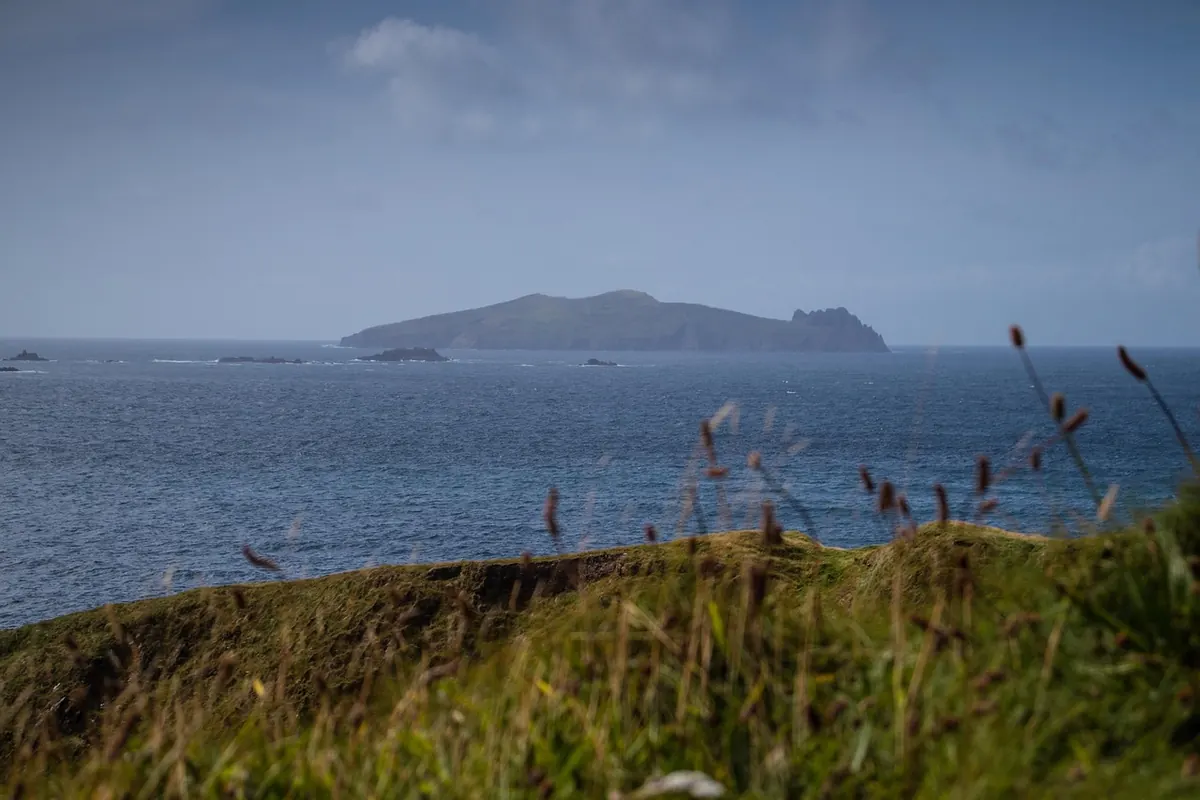
The Great Blasket was inhabited until 1953, when the last islanders moved to the mainland. The island produced a remarkable number of writers, whose books about island life are classics of Irish literature. In summer, boats run from Dunquin and Dingle; check sailings, as they're weather-dependent. The Blasket Centre in Dunquin tells the islanders' story.
Ruined houses on the green slopes, seals on the beach and wild, empty landscapes.
Getting around
A car is the best way to explore the peninsula, but drive carefully on narrow roads. Guided tours run from Dingle, and cycling the Slea Head Drive is popular in good weather. The Dingle Way, a long-distance walking route of about 160 km, circles the peninsula.
Kerry Airport is the nearest airport, about an hour away; Shannon and Cork are around two and a half to three hours by road, and Dublin about four and a half hours. Trains run from Dublin to Tralee, about an hour from Dingle by bus. Book accommodation early for July and August.
For more Irish ideas, see our Dublin bucket list.
Planning the whole coast? See our complete Wild Atlantic Way guide and our Ireland road trip itinerary.
Frequently asked questions
How do you get to Dingle?
The nearest airport is Kerry Airport, about an hour away. Shannon and Cork are around two and a half to three hours by road, and Dublin is about four and a half hours.
How long is the Slea Head Drive?
The loop from Dingle is around 47 km. It takes an hour to drive without stops, but most people take half a day or more. Drive clockwise, as recommended locally.
Can you still see Fungie the dolphin?
Fungie, the dolphin who lived in Dingle harbour for decades, has not been seen since 2020. Boat trips now focus on the coastline and other marine wildlife.
What is the best time to visit Dingle?
May to September has the longest days and the most music sessions and boat trips. Spring and autumn are quieter. The weather is changeable all year – pack waterproofs.
Keep reading

The Dublin Bucket List: 20 Things to Do in the City
Trinity College and the Book of Kells, Kilmainham Gaol, the perfect pint and coastal walks by DART – 20 unmissable things to do in Dublin, with practical tips.
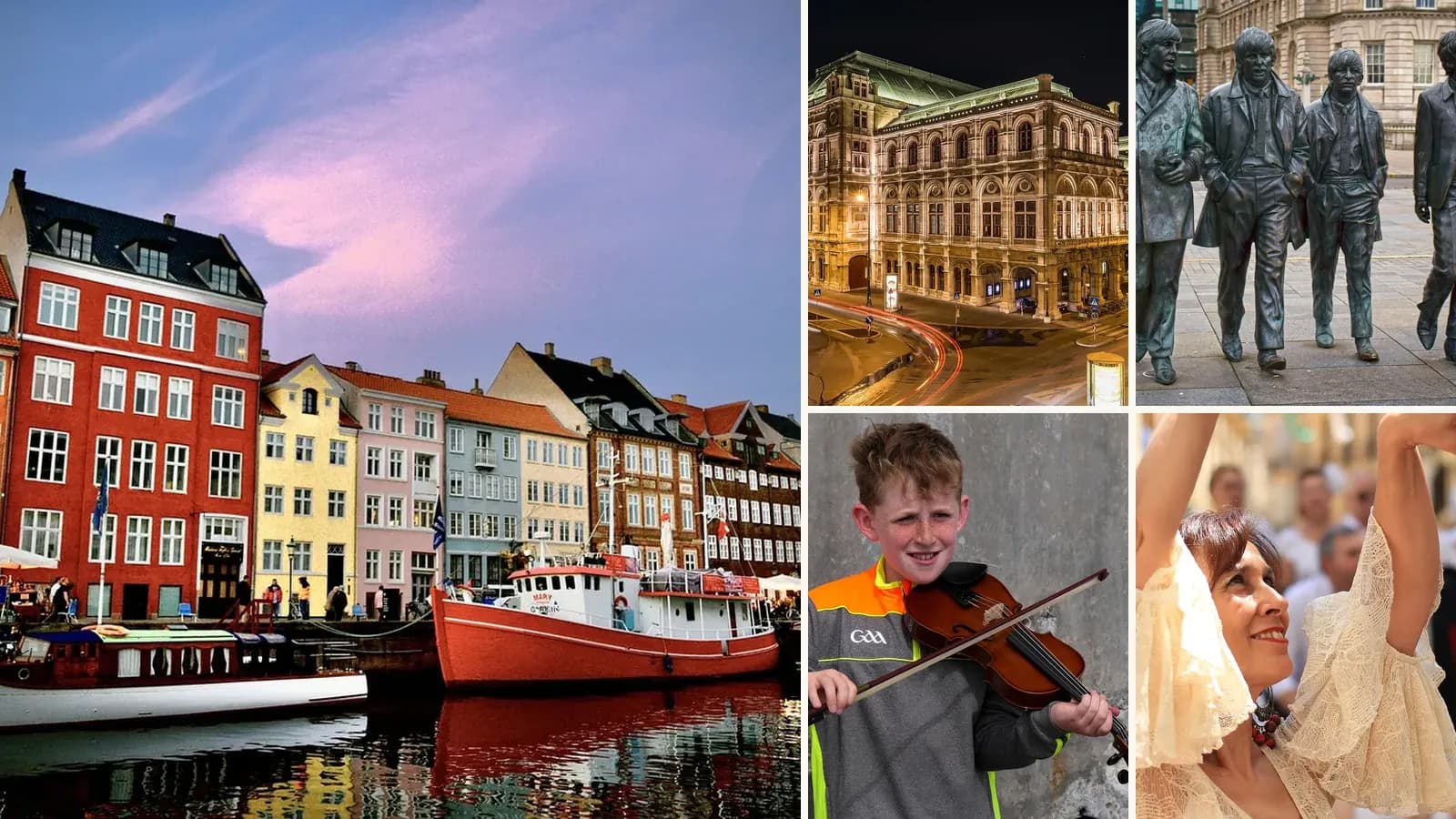
The Best European Cities for Music Lovers: Record Shops, Venues and Festivals
Copenhagen, Berlin, Vienna, Liverpool, Dublin and Lisbon – the best cities in Europe for live music, record shopping and music history, with what to see in each.
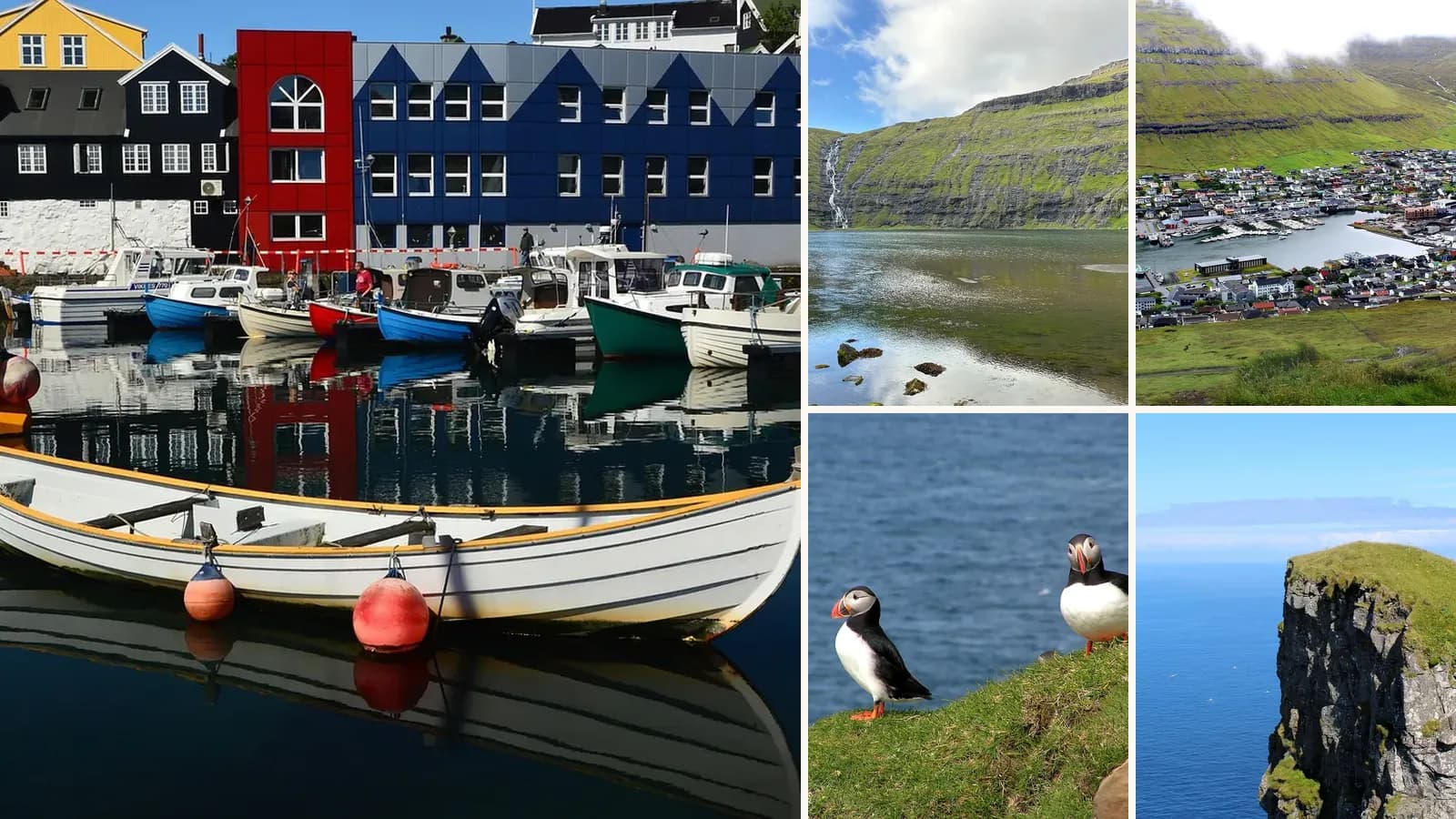
Faroe Islands Road Trip: Europe's Most Breathtaking Drive
Sea tunnels, sheer cliffs, puffins and turf-roofed villages – how to plan a road trip around the Faroe Islands, with a suggested route and driving tips.
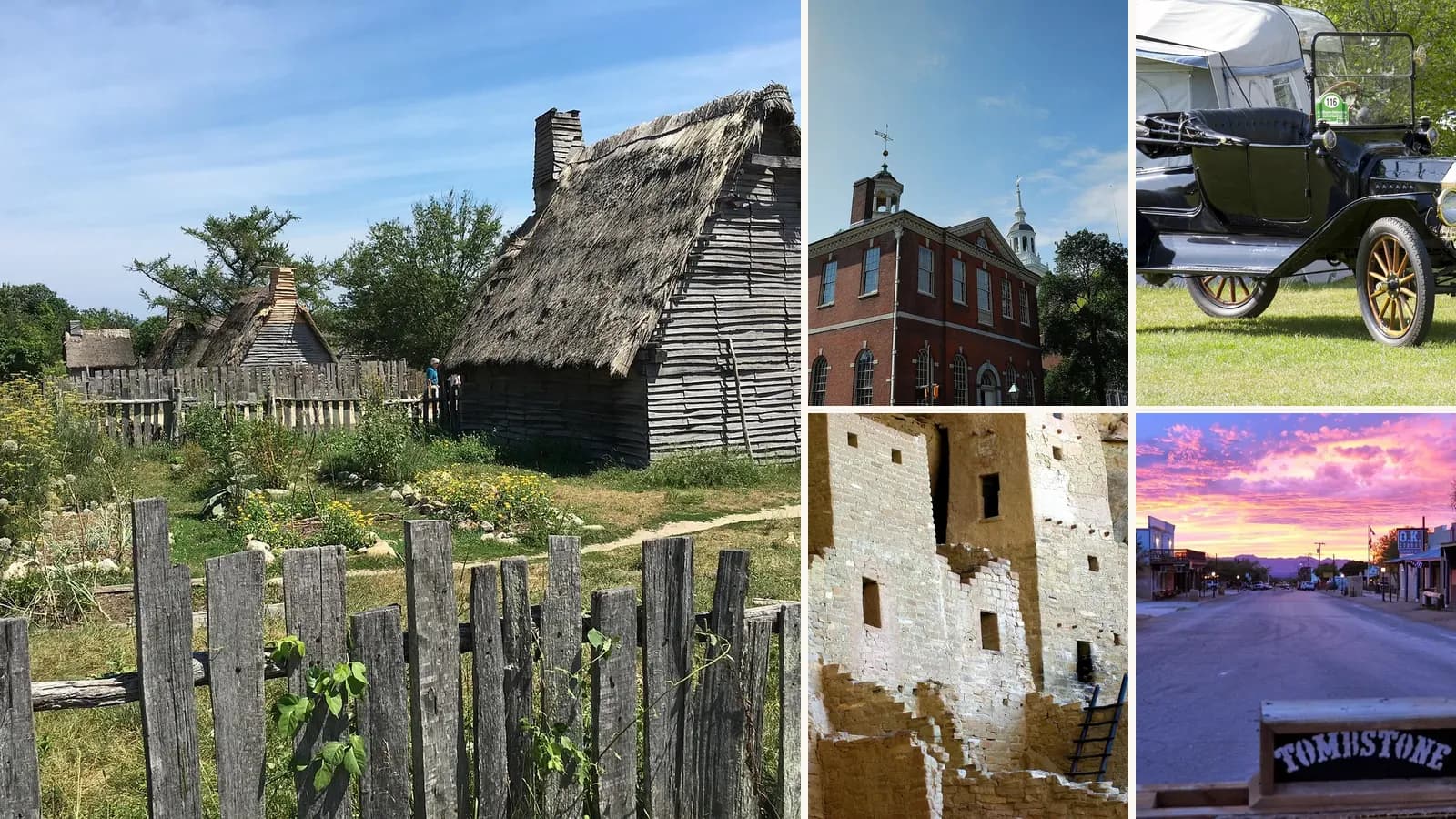
The Best Places in America to Travel Back in Time: 20 Living-History Sites
Plimoth Patuxet, Colonial Williamsburg, Mystic Seaport, Greenfield Village, Bodie ghost town and more – the best living-history sites in the USA.