The Perfect Ireland Road Trip: 7, 10 and 14-Day Itineraries
Plan a road trip through Ireland: a 14-day loop from Dublin, shorter 7 and 10-day routes, the best stops, driving tips, costs and when to go.

Some links in this guide are partner links: if you buy through them we may earn a small commission, at no extra cost to you. It never affects what we recommend. How we make money
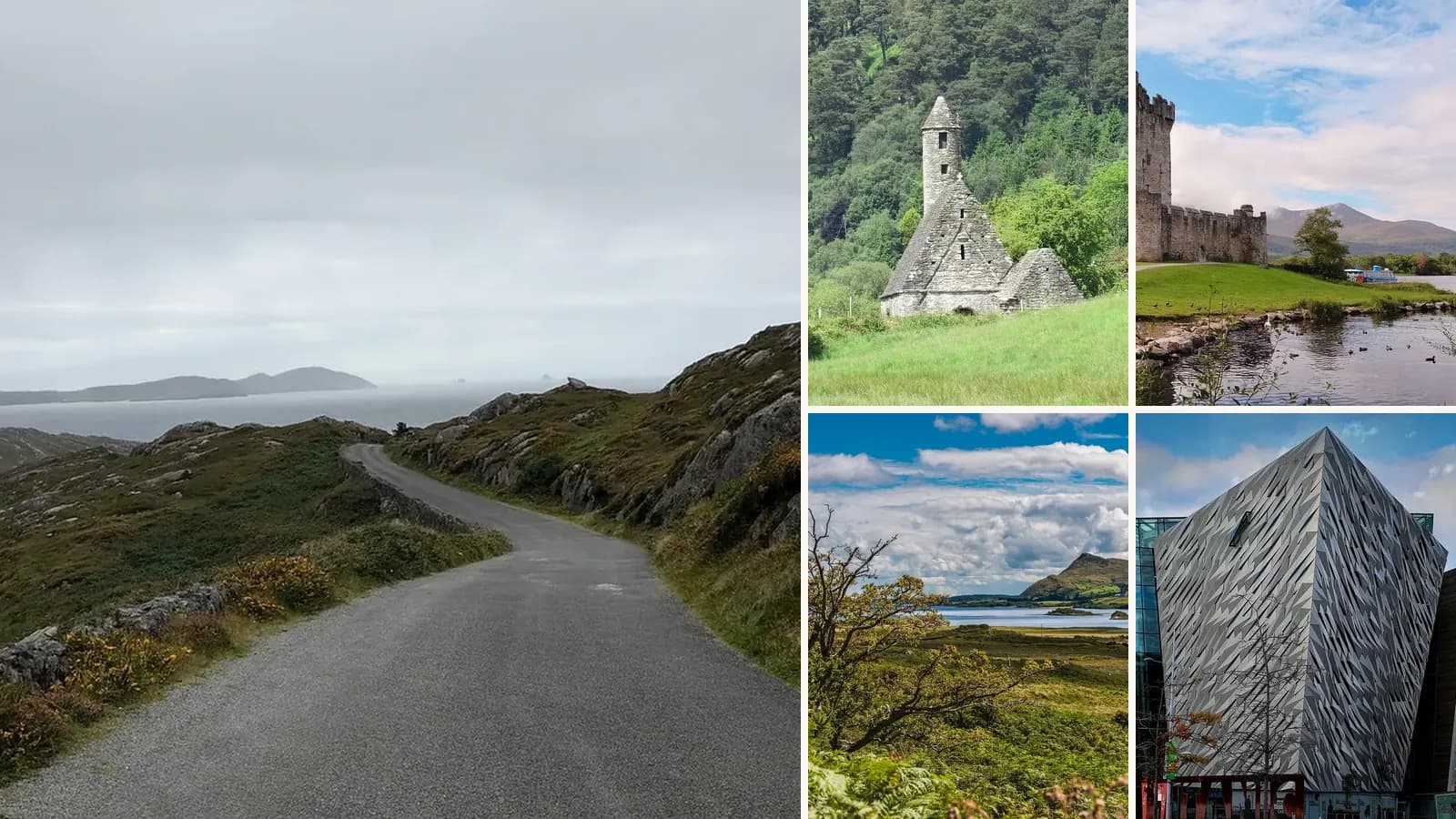
A road trip is the best way to see Ireland. Distances are short, the scenery changes every hour, and the real highlights – sea cliffs, empty beaches, mountain passes and village pubs with live music – are far from the train lines. This guide gives you a complete 14-day loop, shorter 7- and 10-day versions, and practical tips on driving, costs and the best time to go.
Planning basics
1. Where to start
Most visitors fly into Dublin, which has the most flights and the biggest choice of rental cars. Shannon airport in the west is ideal for routes focused on the Wild Atlantic Way, and Cork and Belfast are good alternatives. One-way rentals are possible but often cost extra.
2. Hiring a car
Book early, especially for summer and for automatic cars, which are less common and more expensive. Check what the insurance covers – Irish rental prices often look low until collision damage cover is added – and whether you can cross into Northern Ireland. A smaller car is much easier on narrow lanes.
3. Driving in Ireland
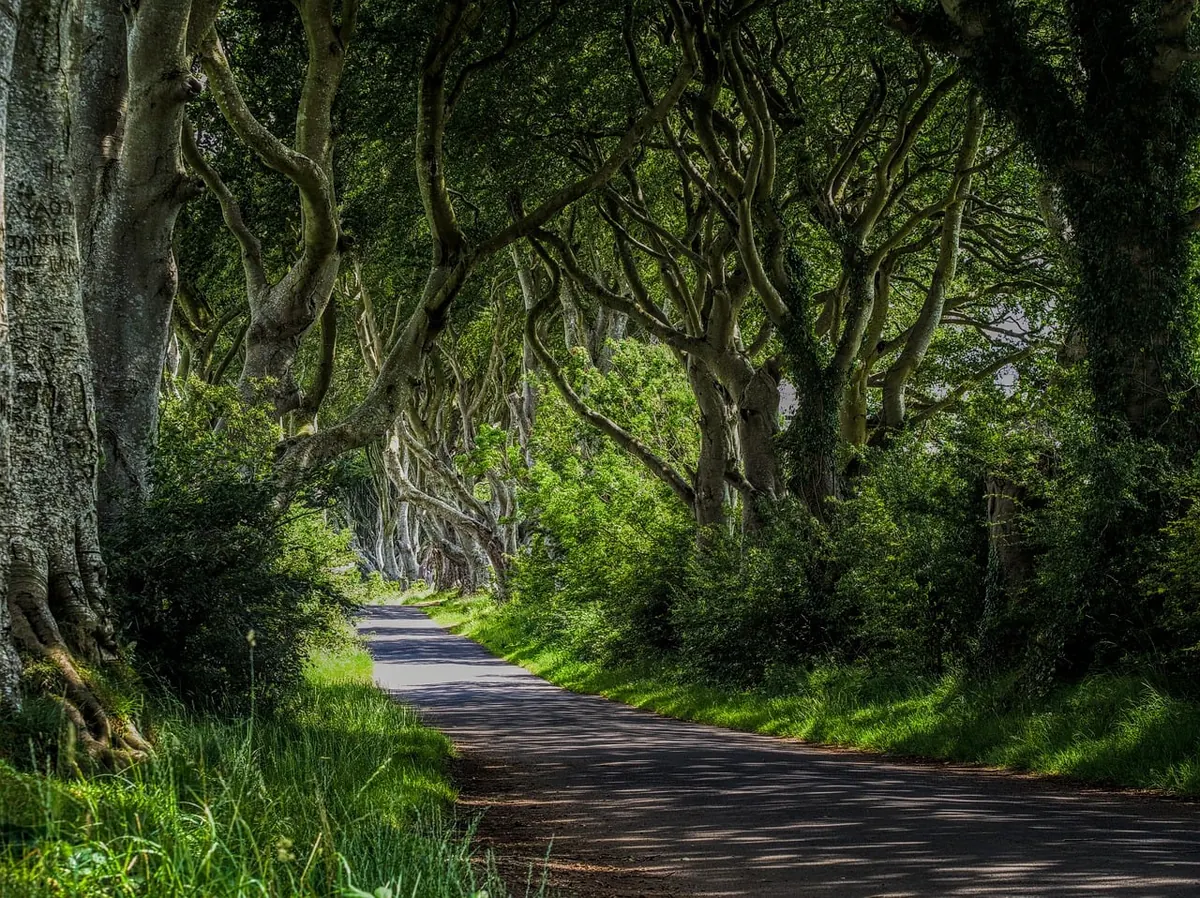
- Drive on the left and give way to the right at roundabouts.
- Speed limits in the Republic are in kilometres per hour; in Northern Ireland they're in miles per hour.
- Rural roads are often narrow, winding and bordered by stone walls or hedges – go slowly and use passing places.
- Tolls: some motorways have tolls, and the M50 around Dublin uses a barrier-free toll you must pay online by the next day.
The 14-day Ireland road trip
This loop covers the east, the whole west coast and the north, starting and ending in Dublin.
4. Days 1–2: Dublin
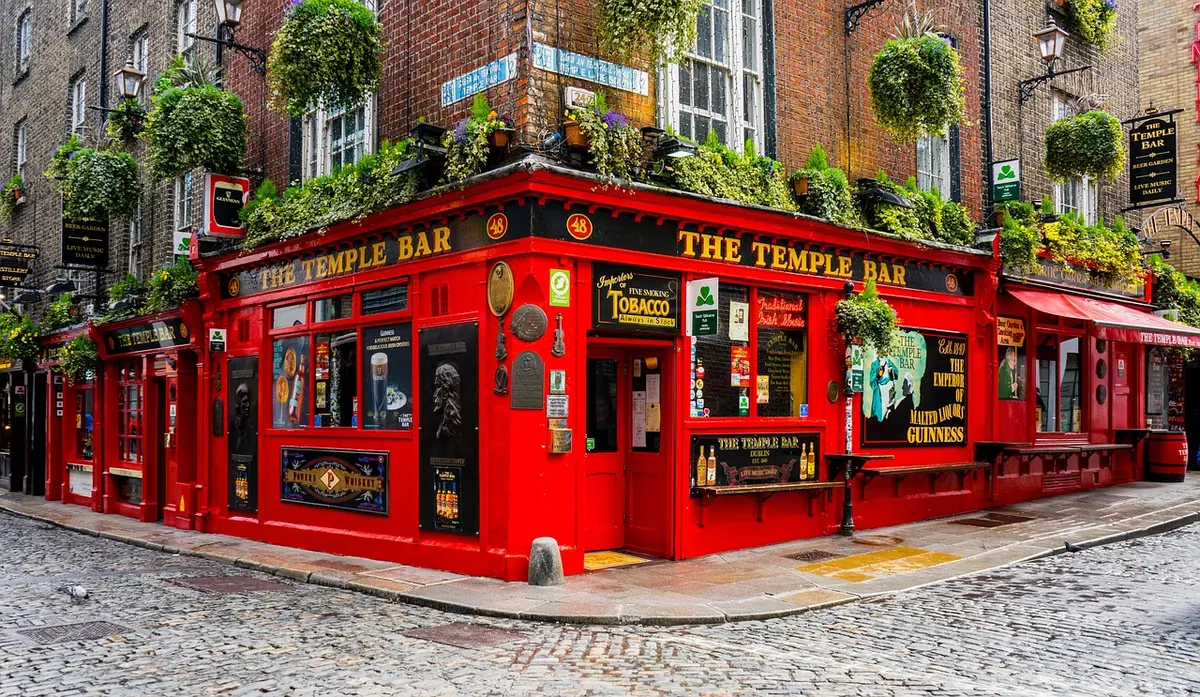
Explore Trinity College and the Book of Kells, the Guinness Storehouse, St Patrick's Cathedral, the Georgian squares and the pubs of the city centre. Pick up your car on day 3 rather than paying for parking in the city. See our Dublin bucket list.
Georgian doors in every colour, the hum of buskers on Grafton Street and pints in pubs with crackling fires – Dublin is friendly, compact and easy to love.
5. Day 3: Wicklow Mountains to Kilkenny
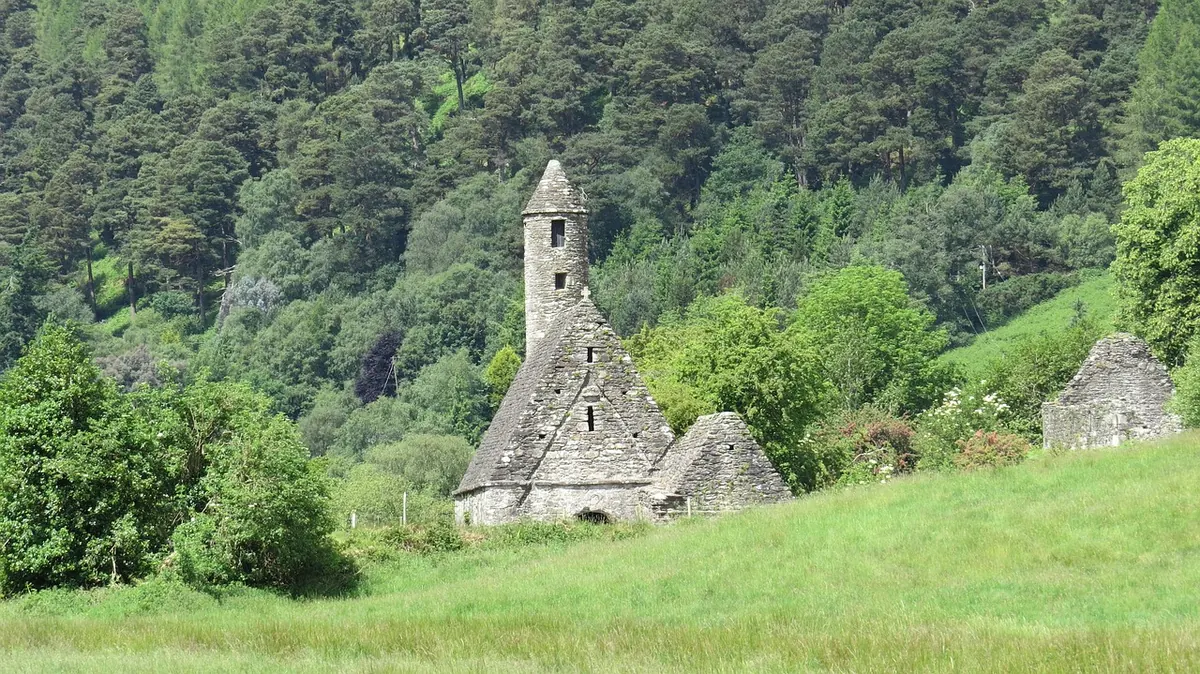
Drive south through the Wicklow Mountains to Glendalough, a monastic site in a glacial valley with lakeside walks. Continue to Kilkenny, a medieval city with a castle and lively pubs.
The road climbs over moorland of heather and bog, mist hangs in the valleys and the round tower of Glendalough rises among the trees beside a dark lake.
6. Day 4: Rock of Cashel to Cork or Kinsale
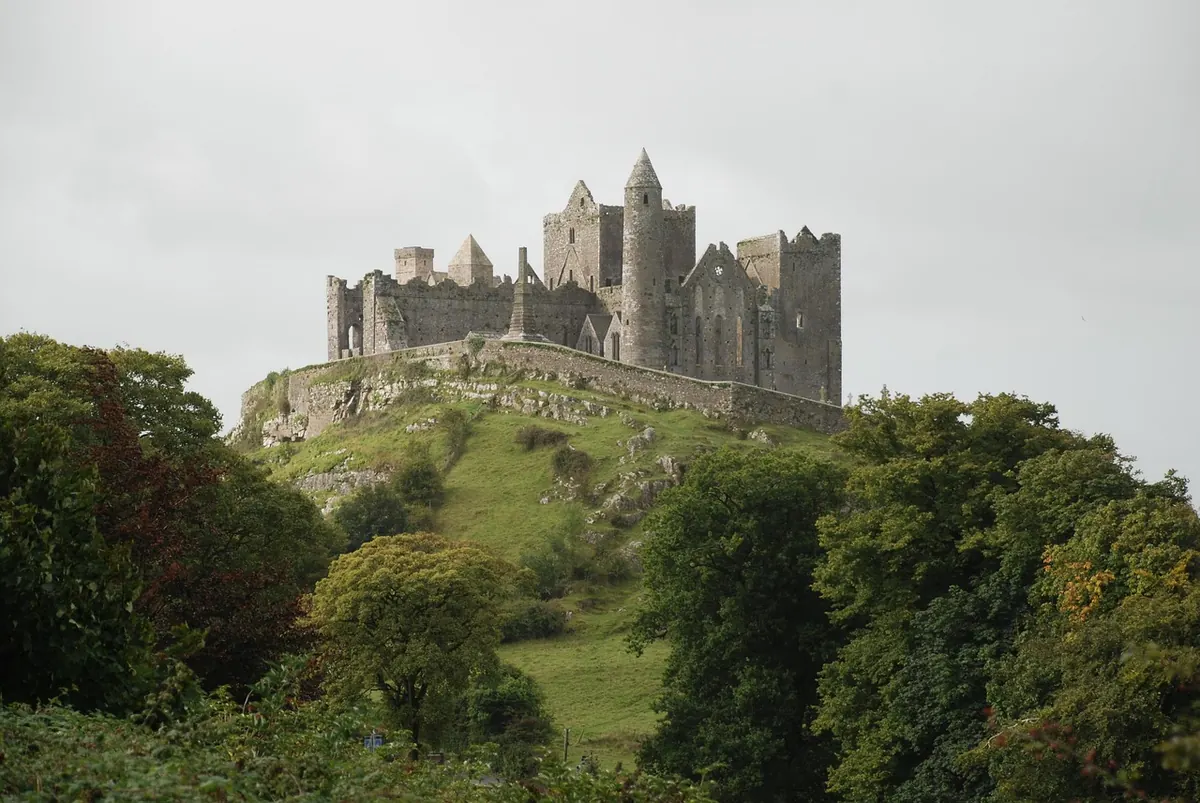
Stop at the Rock of Cashel, a group of medieval buildings on a limestone outcrop. Continue to Cork, Ireland's food capital (visit the English Market), or to the harbour town of Kinsale.
The ruined cathedral of Cashel stands on its rock above green fields, and in Kinsale, the colourful houses and fishing boats make the perfect stop for seafood.
7. Days 5–6: West Cork and the Ring of Kerry
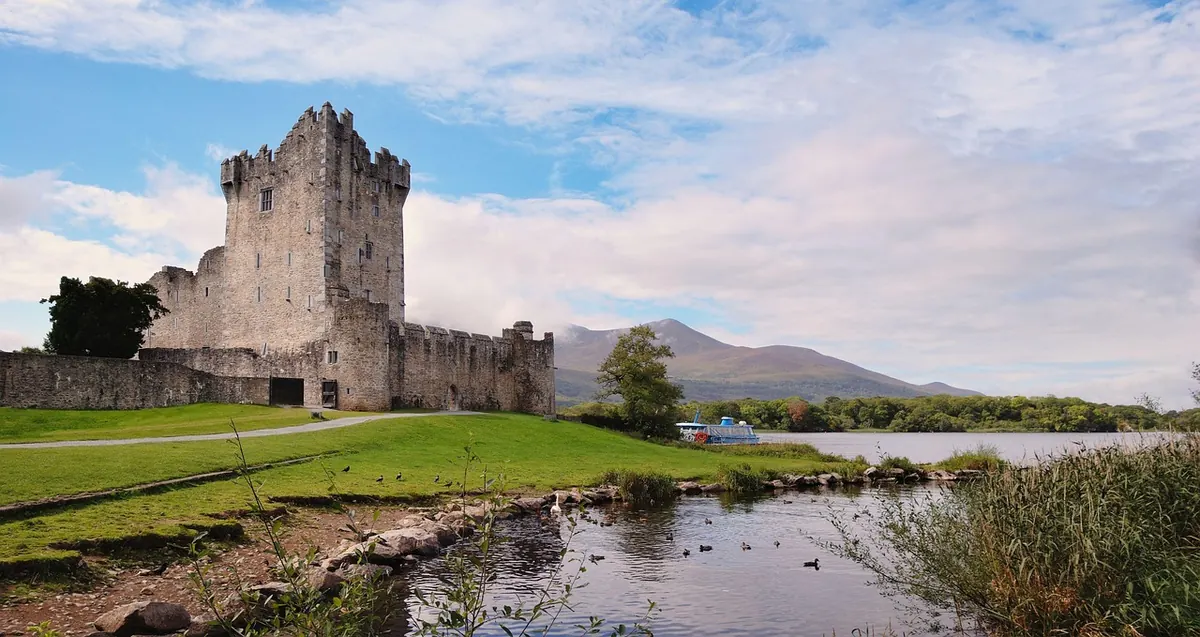
Drive through West Cork's colourful villages to Kenmare, then circle the Ring of Kerry with its mountain passes and ocean views. Base yourself in Killarney and explore Killarney National Park, Muckross House and the Gap of Dunloe.
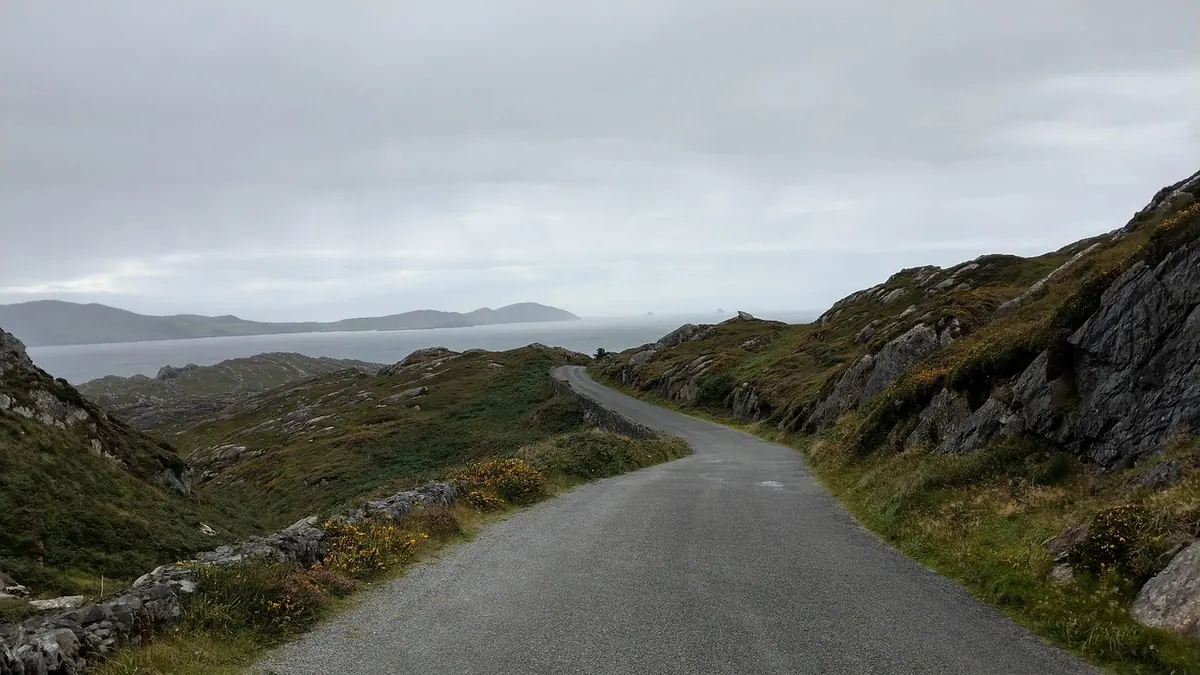
The road winds around mountains, lakes and bays with sheep wandering onto the tarmac, and every bend brings another view of the Atlantic.
8. Day 7: The Dingle Peninsula
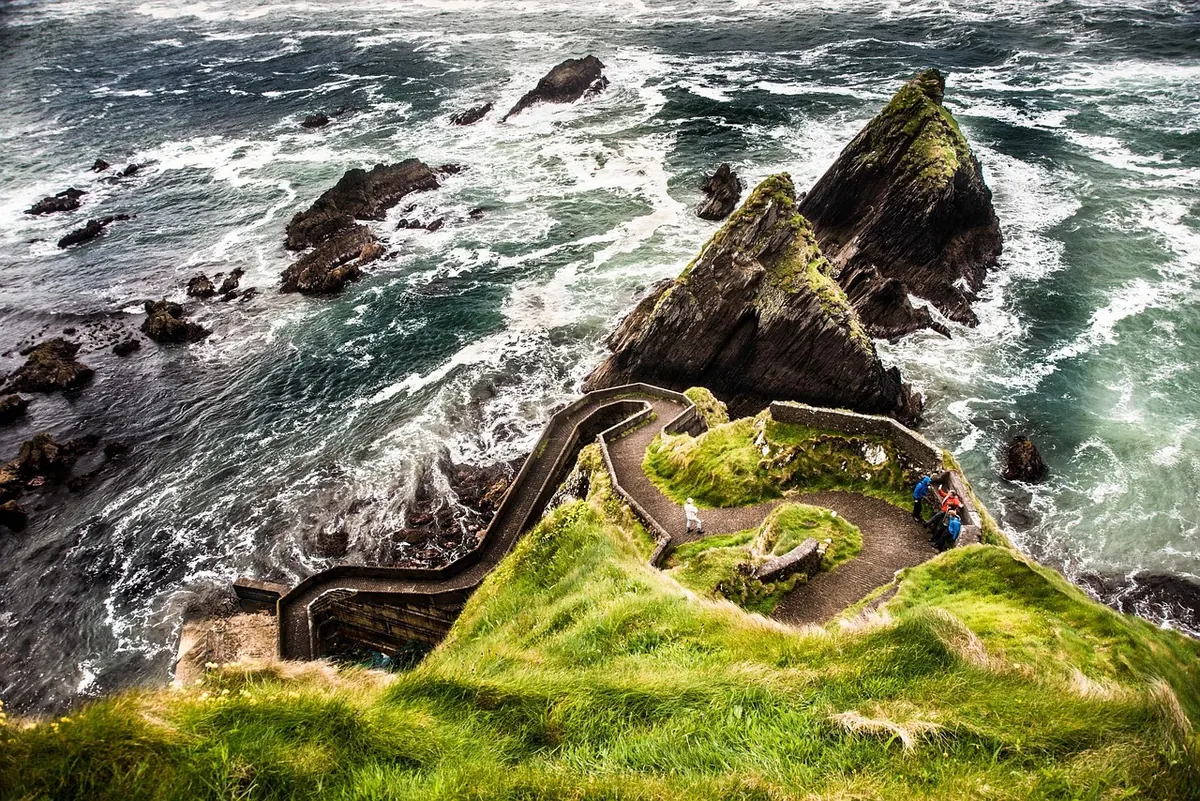
Drive the Slea Head loop with its beehive huts, beaches and views of the Blasket Islands, then spend the evening in Dingle's music pubs. See our Dingle guide.
Slea Head Drive hugs the cliffs, the Blasket Islands float offshore, and in the evening, Dingle's pubs fill with music and laughter.
9. Day 8: Cliffs of Moher and the Burren
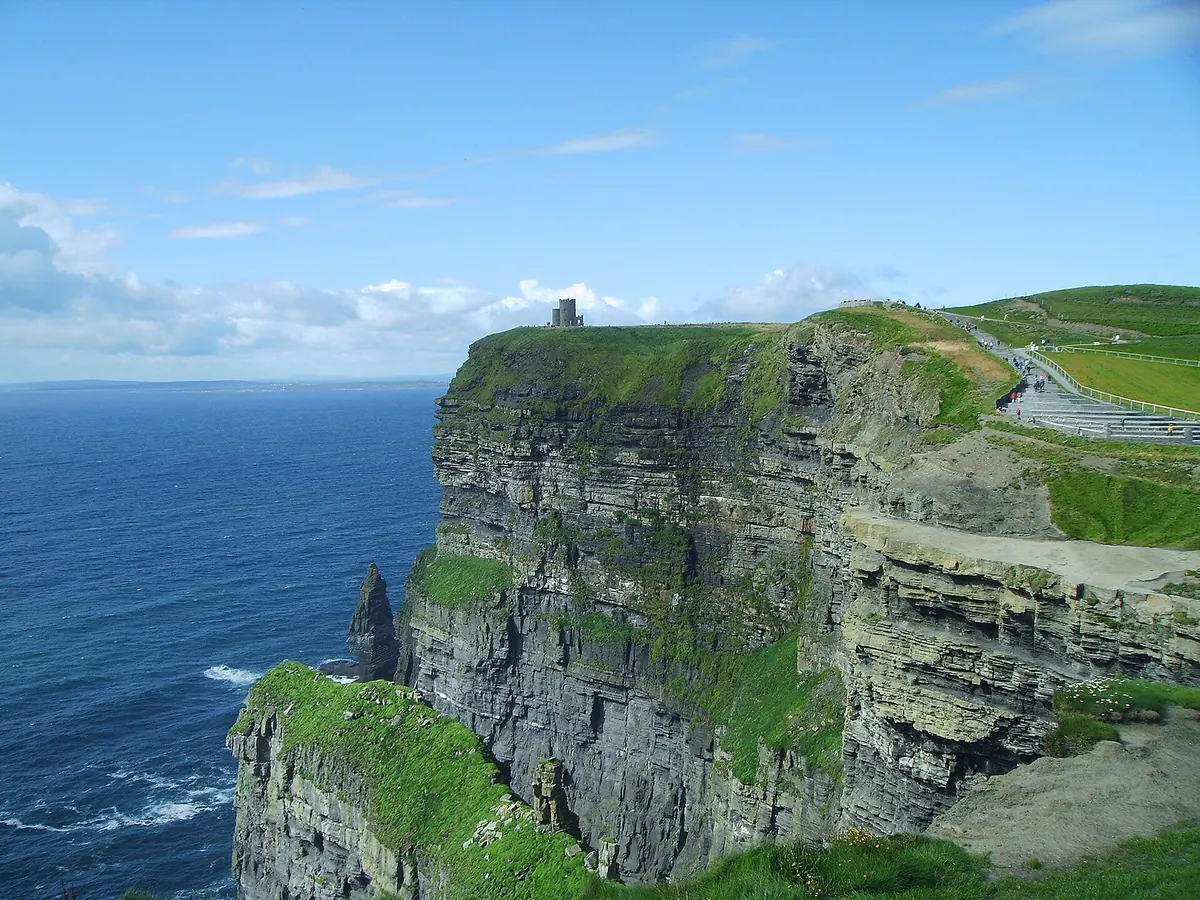
Take the car ferry across the Shannon estuary from Tarbert to Killimer, then visit the Cliffs of Moher and the limestone landscapes of the Burren. Stay in Doolin for traditional music.
The wind whips at your jacket, seabirds wheel over the cliffs and the Atlantic pounds the rocks 200 metres below. Walk along the cliff path away from the visitor centre for quieter views.
10. Days 9–10: Galway and Connemara
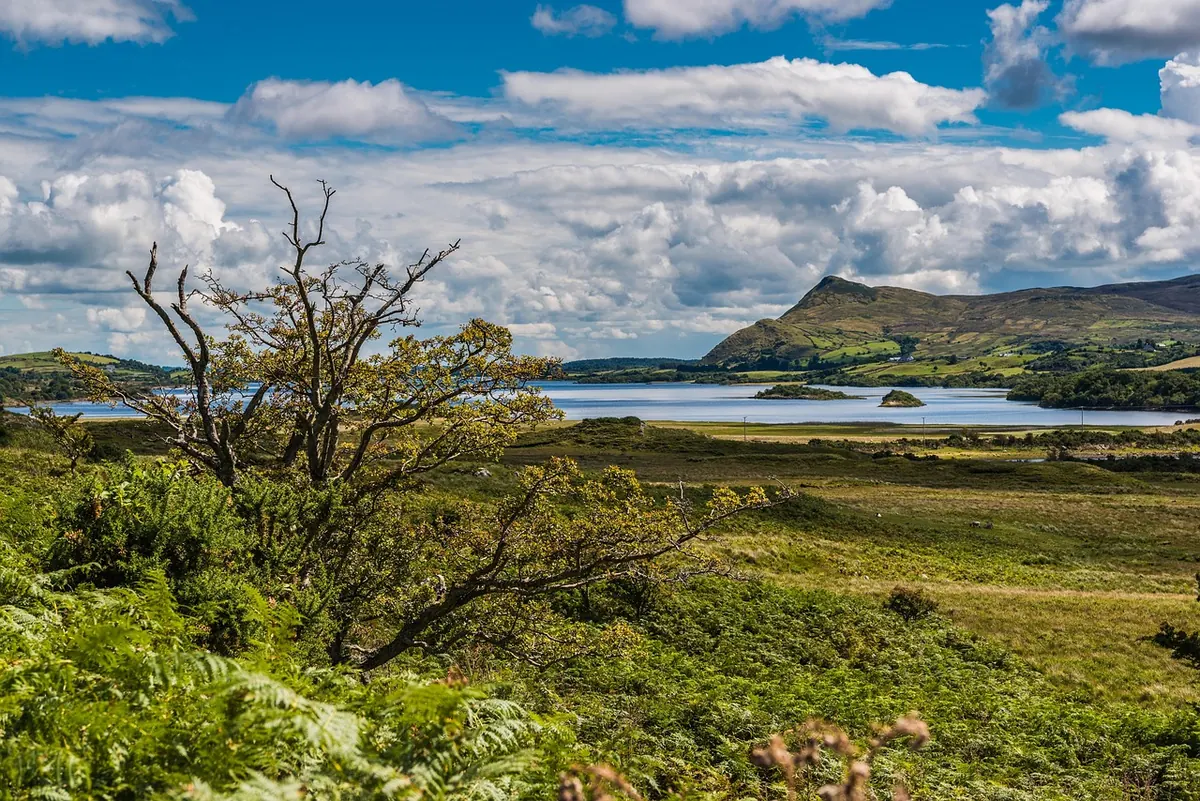
Spend an evening in Galway's Latin Quarter, then drive the Connemara loop: Kylemore Abbey, Killary Harbour, Connemara National Park and the Sky Road near Clifden. If you have time, take a day trip to the Aran Islands.
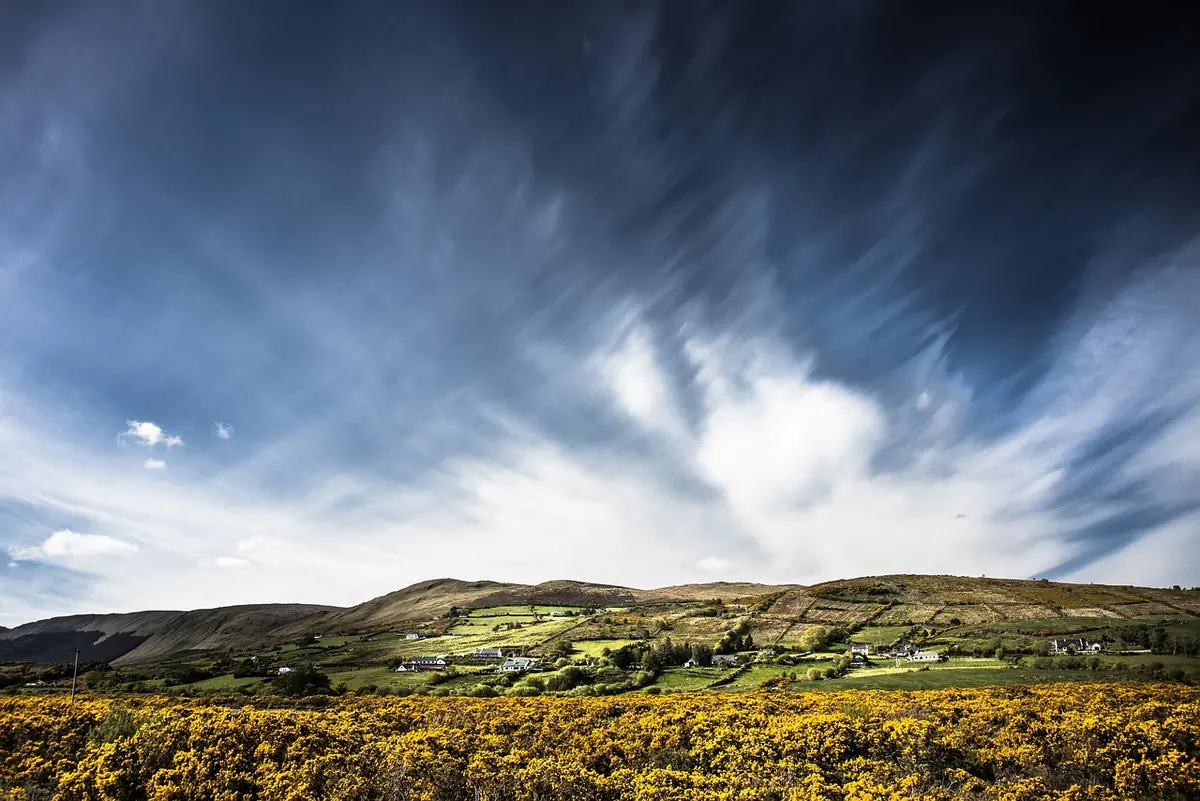
Galway's streets ring with buskers and pub music, while Connemara's empty roads wind past lakes, bogs and stone walls under huge skies.
11. Day 11: Westport and Achill Island
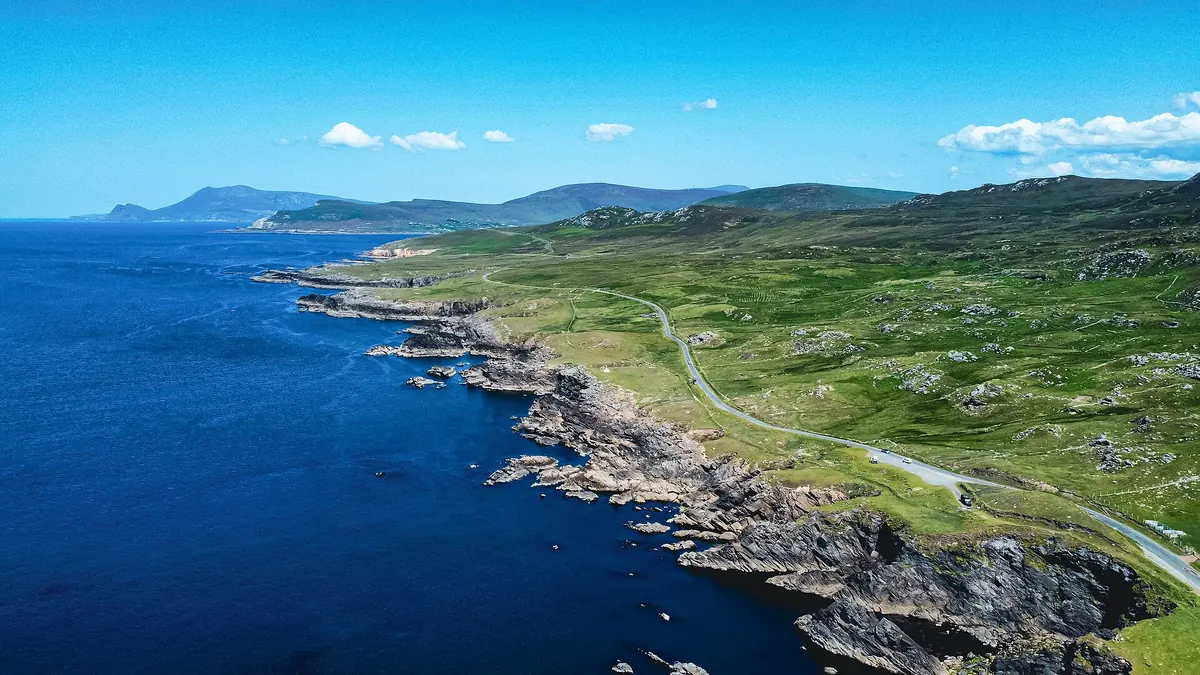
Drive north to Westport, a lively Georgian town below Croagh Patrick, and over the bridge to Achill Island for Keem Bay and the Atlantic Drive.
Westport's colourful streets and pubs are full of life, and on Achill, white beaches, cliffs and empty roads make you feel at the edge of the world.
12. Day 12: Sligo and Donegal
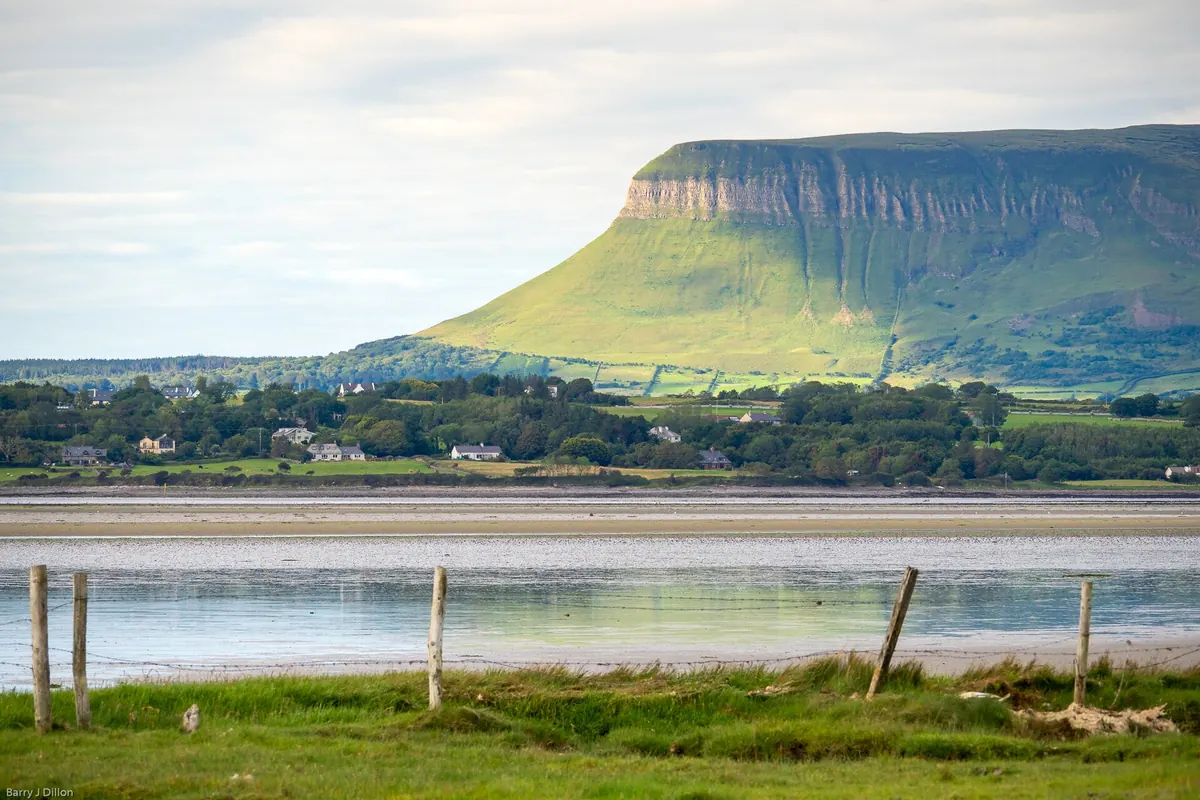
Continue through Yeats Country past Benbulben mountain to Donegal, stopping at the sea cliffs of Sliabh Liag or Glenveagh National Park.
Benbulbin's flat-topped mountain dominates the landscape, and further north, Donegal is wild, remote and spectacular.
13. Day 13: The Causeway Coast
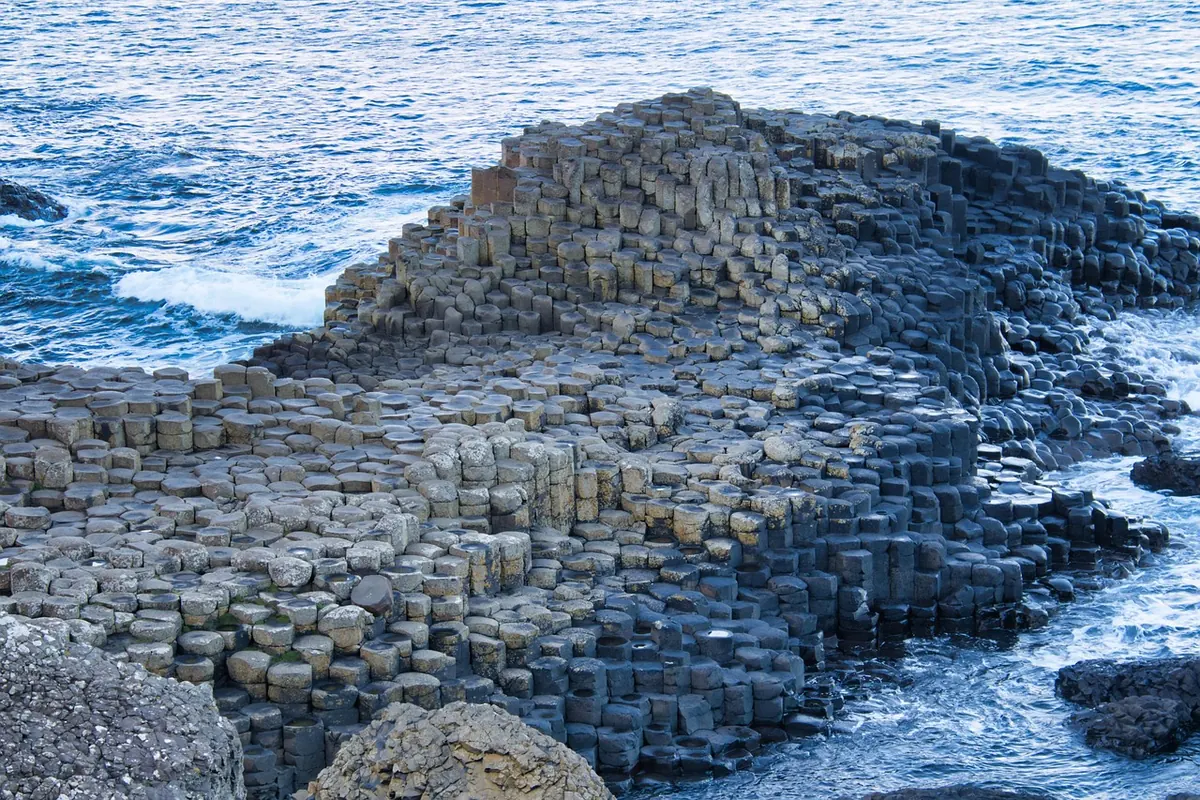
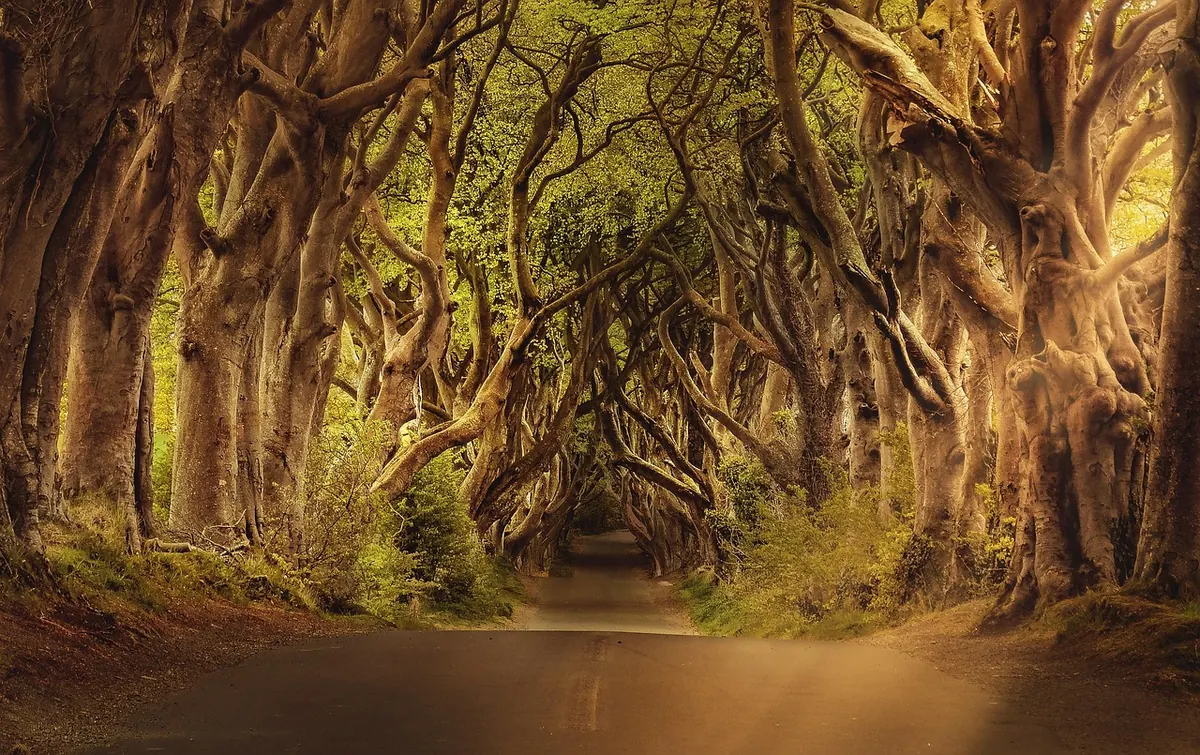
Cross into Northern Ireland for the Causeway Coastal Route: the Giant's Causeway's basalt columns, the Carrick-a-Rede rope bridge, Dunluce Castle and the Dark Hedges.
At the Giant's Causeway, you step from one hexagonal column to the next, waves crashing around you. The rope bridge at Carrick-a-Rede sways over the sea – hold on tight.
14. Day 14: Belfast and back to Dublin
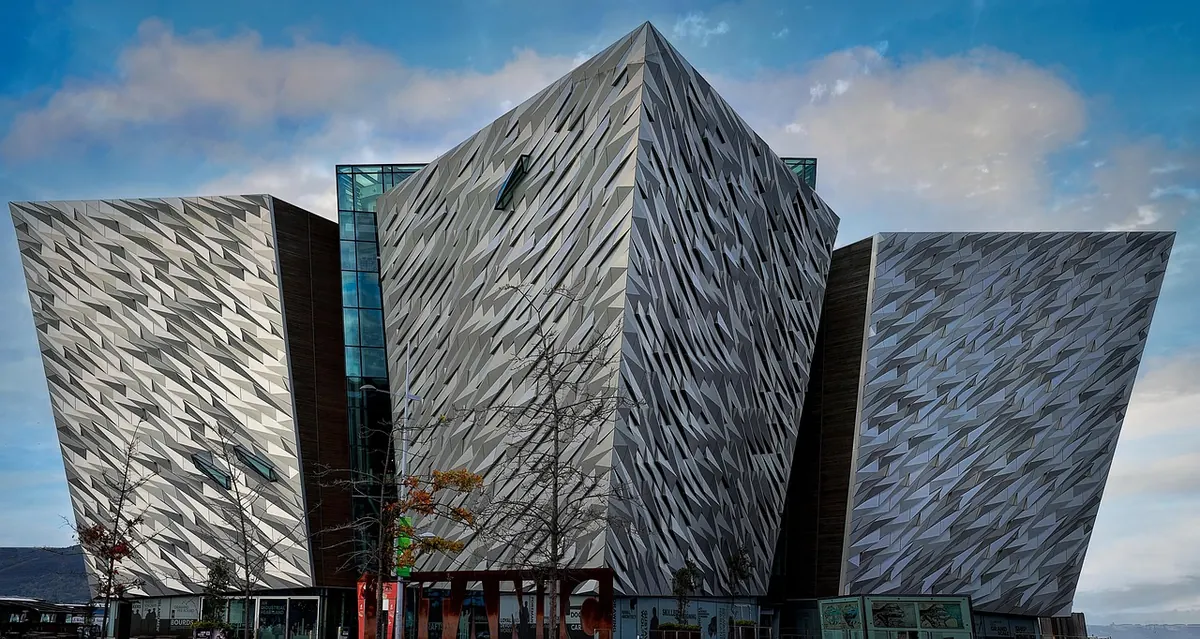
Visit Titanic Belfast and the city's murals, then drive about two hours back to Dublin.
The Titanic Belfast building shines like the bow of a ship, and the city's murals tell stories of its history.
Shorter itineraries
15. The 7-day road trip
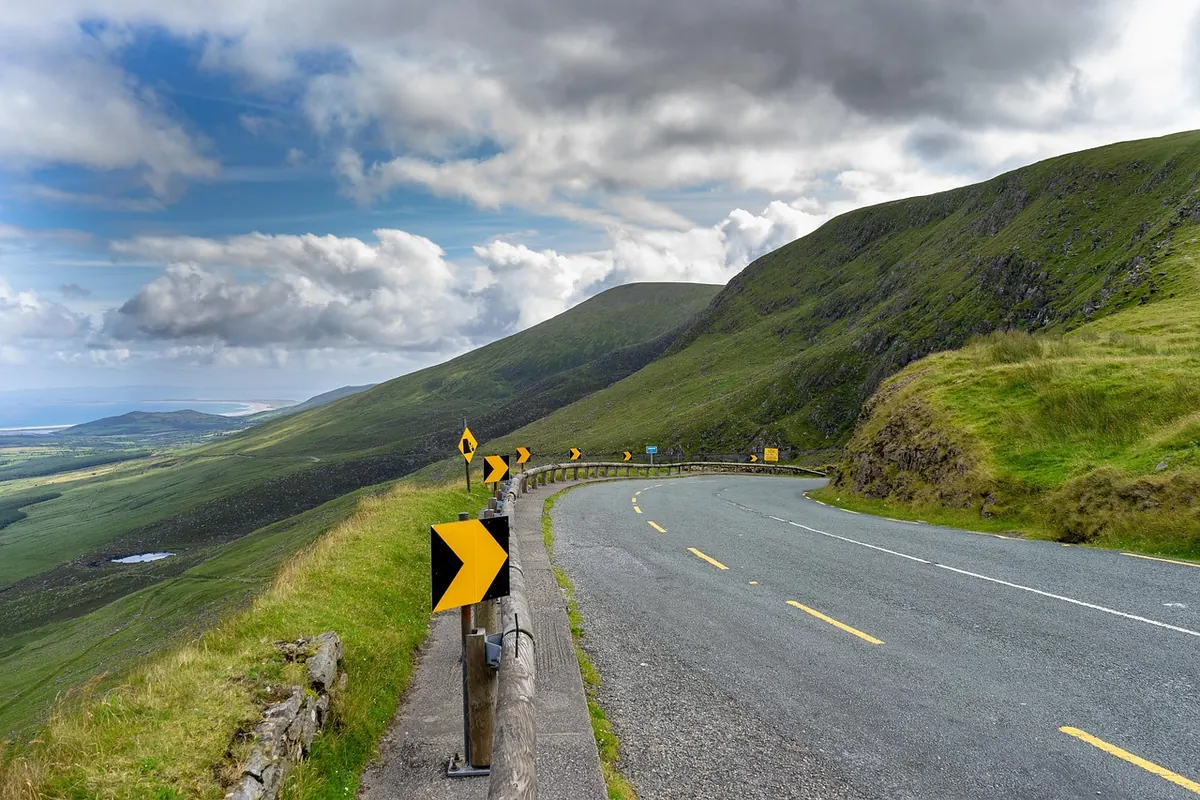
- Day 1: Dublin.
- Day 2: drive to Galway via Clonmacnoise, the monastic site on the Shannon.
- Day 3: Connemara loop.
- Day 4: the Burren and the Cliffs of Moher.
- Day 5: ferry to Kerry; Dingle.
- Day 6: Ring of Kerry from Killarney.
- Day 7: drive back to Dublin (about 3.5–4 hours) or fly home from Shannon or Cork.
16. The 10-day road trip
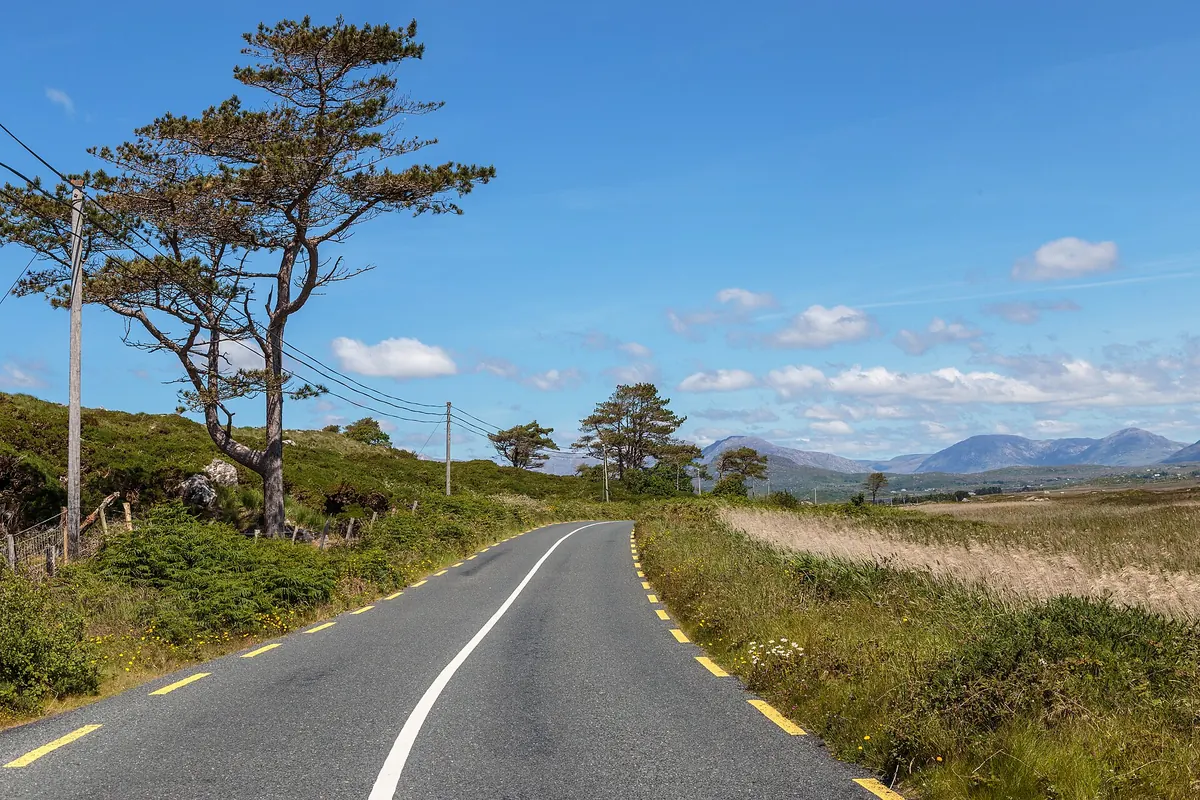
Follow the 7-day route, then add a day in the Wicklow Mountains and Kilkenny at the start, an Aran Islands day trip from Galway, and Kinsale and the Rock of Cashel on the way back to Dublin. For a coast-only version, see our Wild Atlantic Way guide.
Budget and where to stay
- Accommodation: B&Bs and guesthouses are the classic choice and usually include a full Irish breakfast; hotels, self-catering cottages and hostels are also widely available. Book ahead for July, August and weekends.
- Food: pub meals are good value; seafood chowder and fresh fish on the coast are highlights.
- Fuel and tolls: Ireland is relatively expensive, so budget for fuel, parking in cities and tolls.
- Heritage Card: if you plan to visit several state-run sites (such as the Rock of Cashel and Kilkenny Castle), the OPW Heritage Card can save money.
When to go
- May, June and September offer the best balance of weather, long days and fewer crowds.
- July and August are the busiest and most expensive months.
- Spring and autumn are quieter, with lower prices; winter is atmospheric but many attractions have reduced hours.
- Pack for rain at any time of year – layers and a good waterproof jacket are essential.
Frequently asked questions
How many days do you need for a road trip in Ireland?
Seven days covers Dublin and the highlights of the west; 10 days lets you add Connemara or Kerry at a relaxed pace; 14 days is enough for a full loop including the Causeway Coast.
Is it easy to drive in Ireland?
Main roads and motorways are good, but rural and coastal roads can be very narrow. Drive on the left, allow extra time, and consider an automatic car if you're not used to manual gears.
Do I need an international driving permit for Ireland?
EU and UK licences are valid. Many other licences are accepted for short visits, but rental companies set their own rules – check with your rental company before you travel.
Can I take a rental car from Ireland into Northern Ireland?
Usually yes, but tell the rental company in advance; some charge a cross-border fee or require extra insurance.
Keep reading
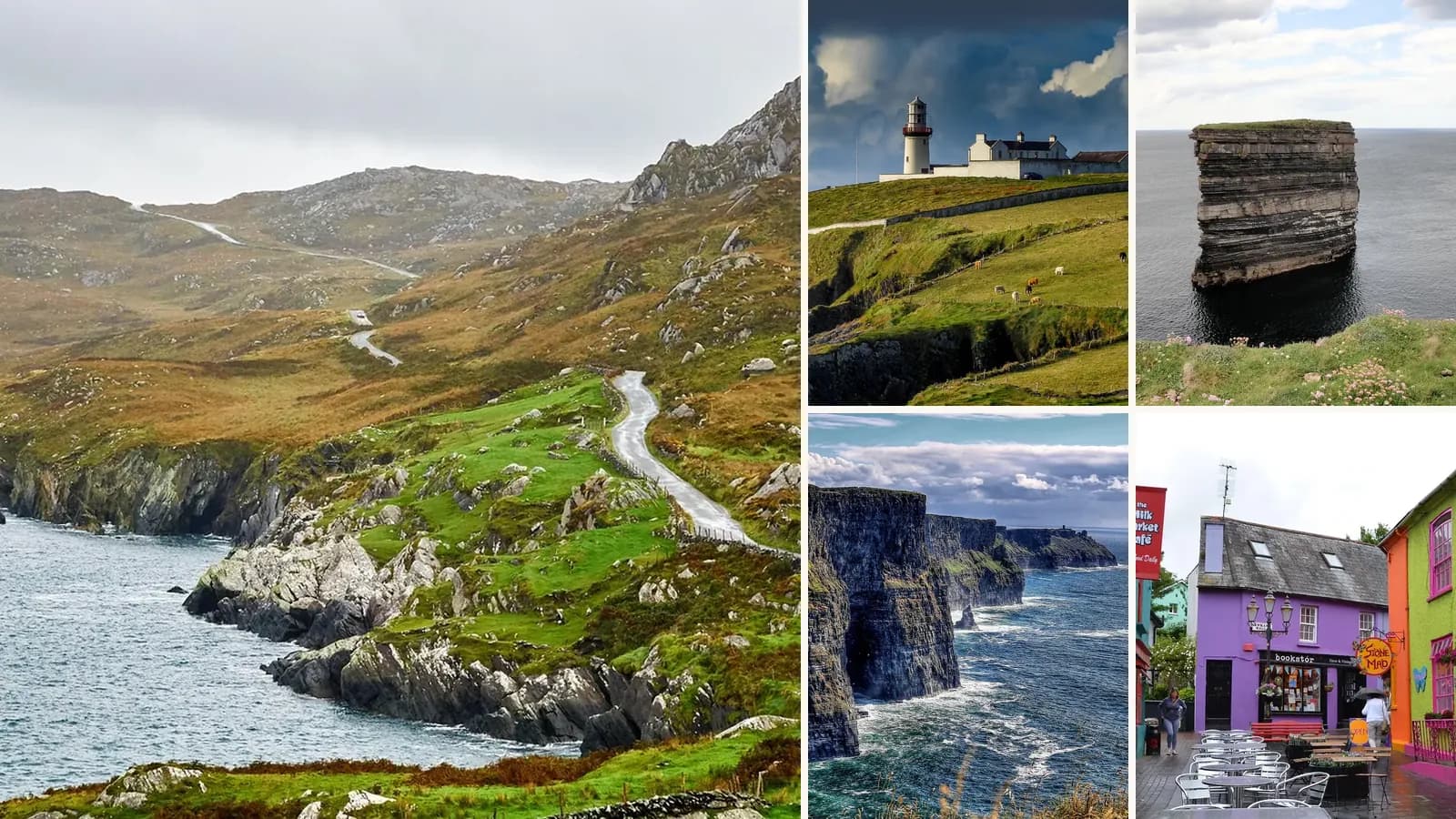
The Wild Atlantic Way: Route, Map, Signature Discovery Points and Itinerary
Plan your Wild Atlantic Way road trip: the 2,500 km route, its six regions, the 15 Signature Discovery Points, how the signs work and a 10-day itinerary.
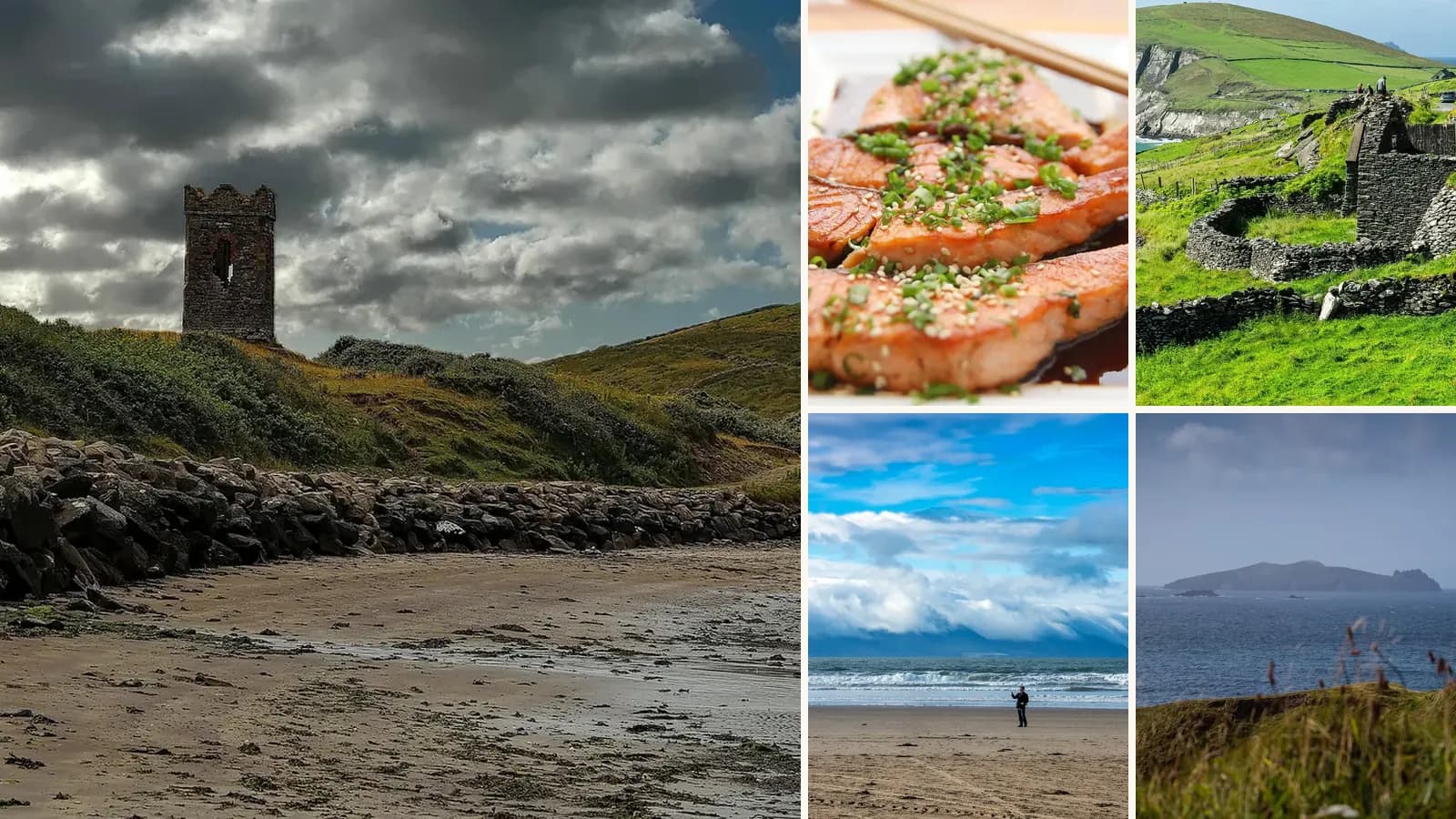
Dingle, Ireland: A Guide to the Wild Atlantic Way's Most Charming Town
Colourful pubs with live music, the Slea Head Drive, Gallarus Oratory, boat trips and beaches – the best things to do in Dingle on Ireland's Wild Atlantic Way.
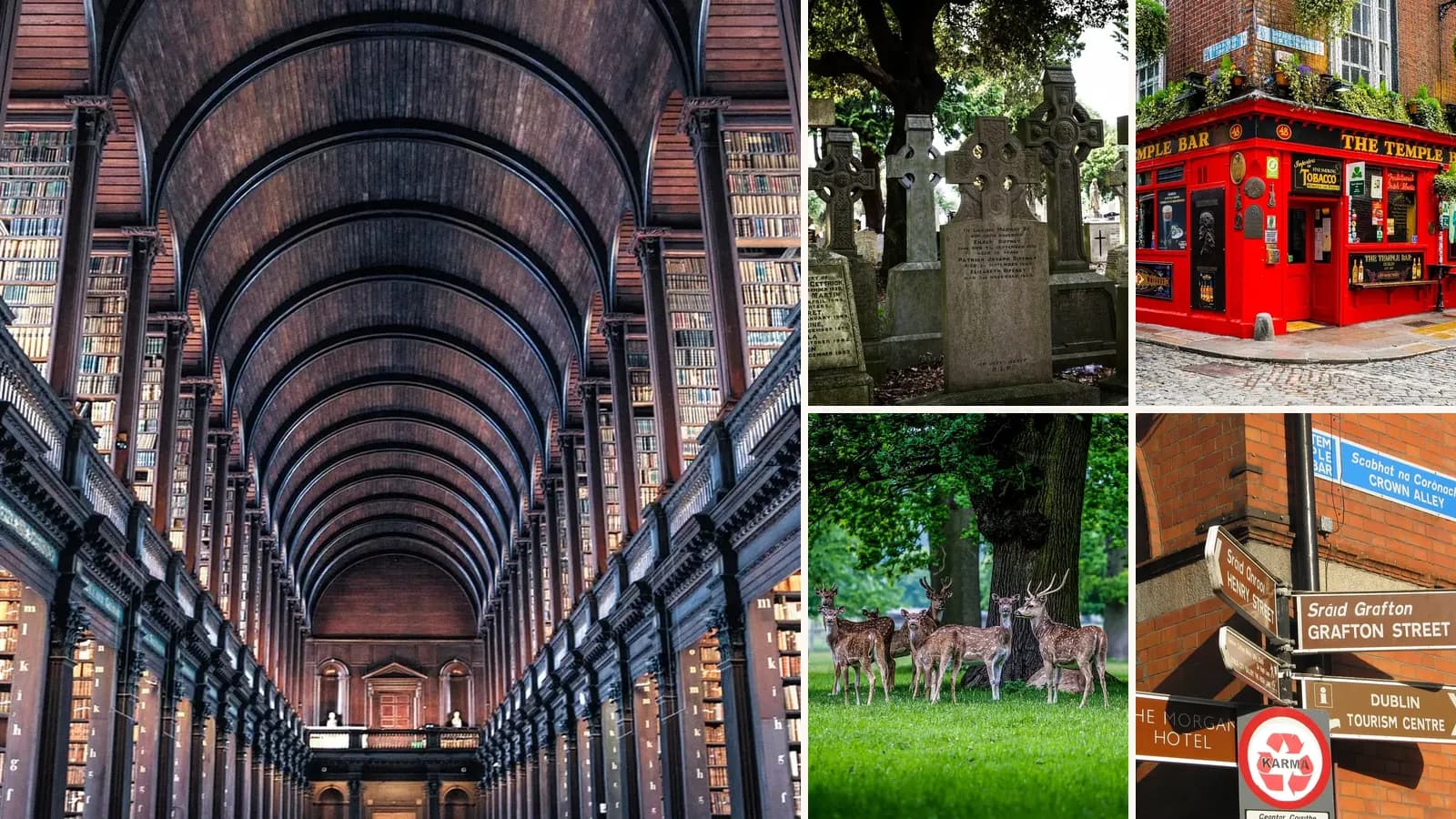
The Dublin Bucket List: 20 Things to Do in the City
Trinity College and the Book of Kells, Kilmainham Gaol, the perfect pint and coastal walks by DART – 20 unmissable things to do in Dublin, with practical tips.
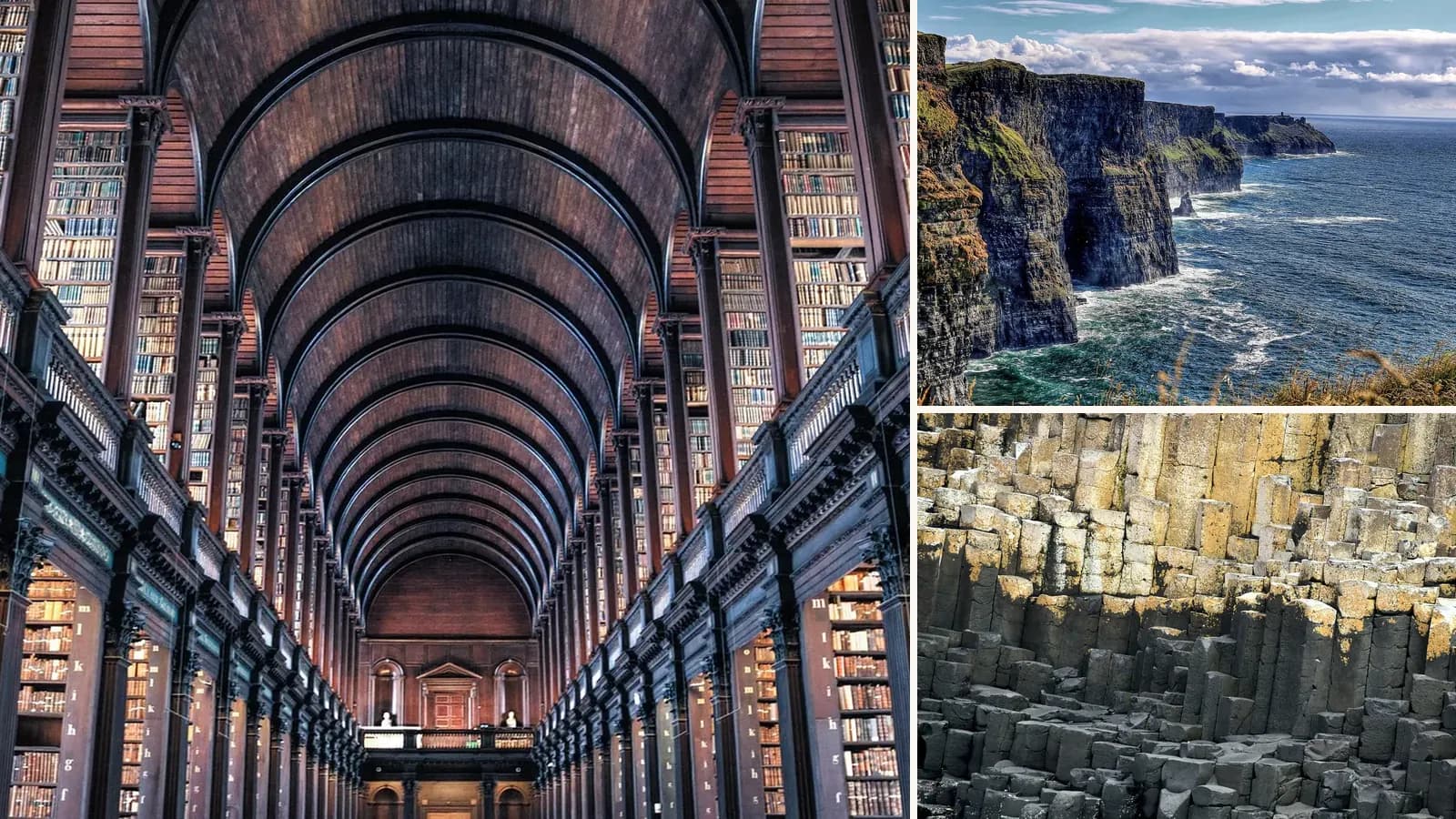
Ireland Bucket List: 30 Unforgettable Experiences
Thirty Ireland bucket-list experiences – from the Cliffs of Moher and Skellig Michael to the Giant's Causeway, trad music in Doolin, Dublin and the Wild Atlantic Way.