The Algarve Bucket List: 20 Things to Do in Portugal's Paradise
Benagil Cave, Ponta da Piedade, the Seven Hanging Valleys, Ria Formosa islands, piri-piri chicken and sunset at Cape St Vincent – 20 best things to do in the Algarve.

Some links in this guide are partner links: if you buy through them we may earn a small commission, at no extra cost to you. It never affects what we recommend. How we make money
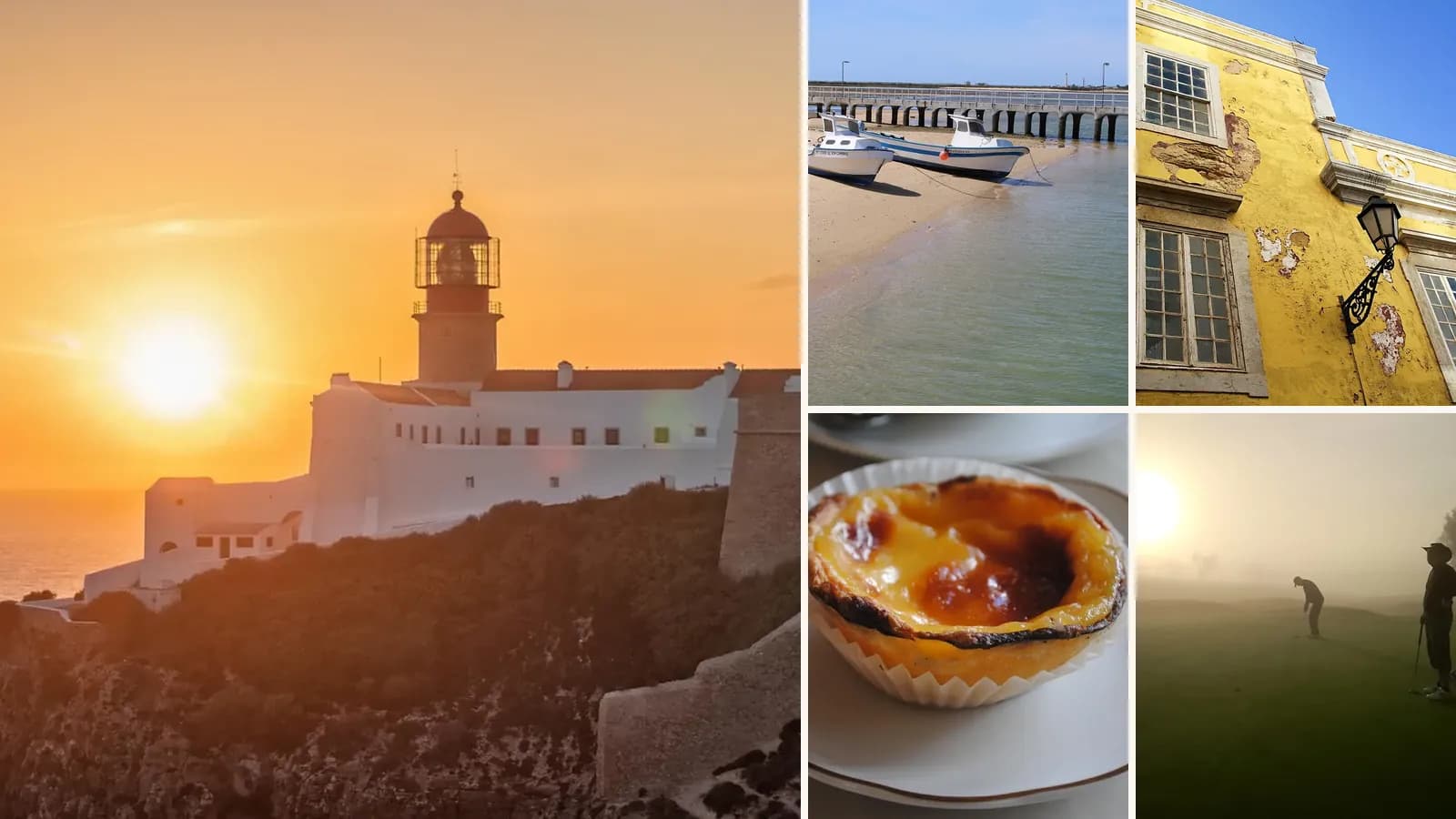
Golden cliffs, hidden coves, sleepy islands and some of the sunniest weather in Europe – the Algarve is far more than a beach holiday. From the wild west coast to the lagoons of the east, these are the experiences that make Portugal's southern coast unforgettable.
Coast and caves
1. Watch the sunset at Cape St Vincent
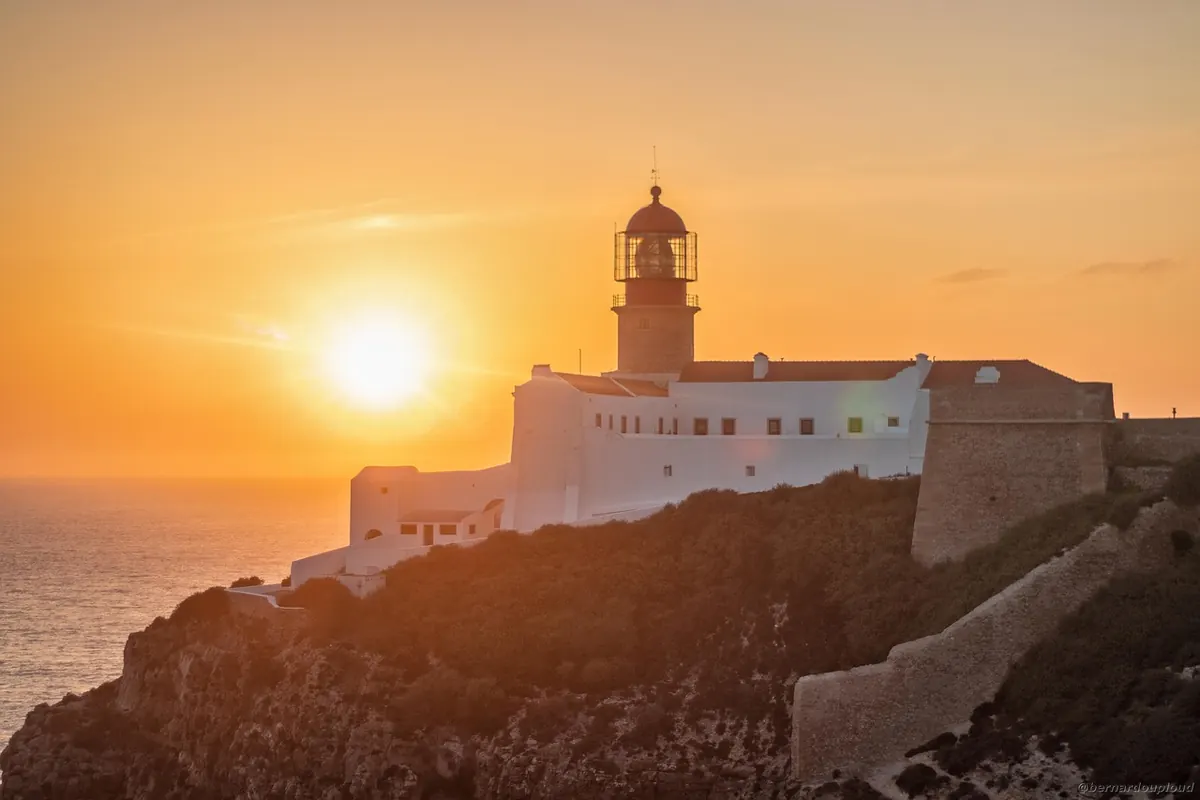
Mainland Europe's south-western tip, near Sagres, ends in dramatic cliffs and a lighthouse. Come for sunset – and bring a jacket, it's windy. Food trucks sell warm sausages for the "last bratwurst before America".
At the 'end of the world', the wind whips over the cliffs, the lighthouse stands against the sky, and the sun sinks into the Atlantic while everyone falls silent. Bring a jacket – it's cold and windy, even in summer.
2. Explore Ponta da Piedade
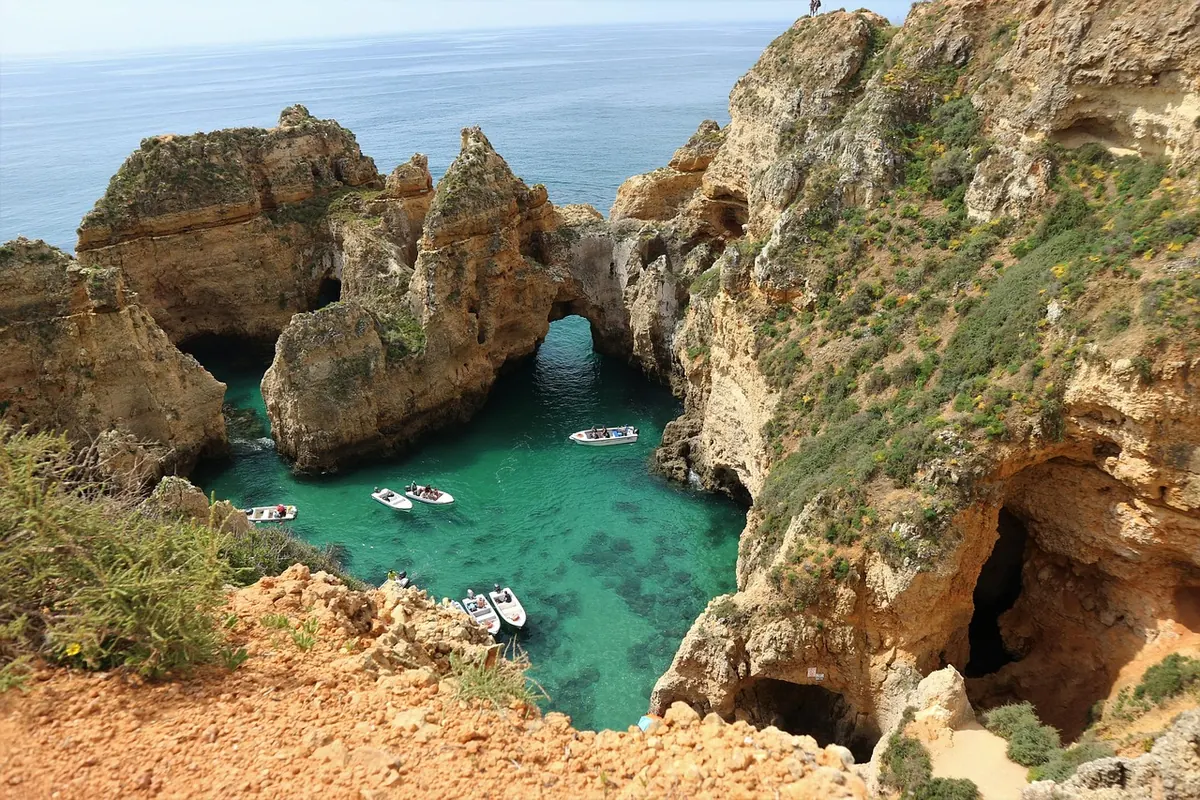
Just south of Lagos, golden rock arches and sea stacks rise from turquoise water. Walk the clifftop paths, take the steps down to the sea, or see the grottoes from a small boat or kayak.
Golden rock arches, pillars and grottoes rise from emerald water – take a small boat or kayak through the caves, or walk down the steps to the lighthouse.
3. See Benagil Cave
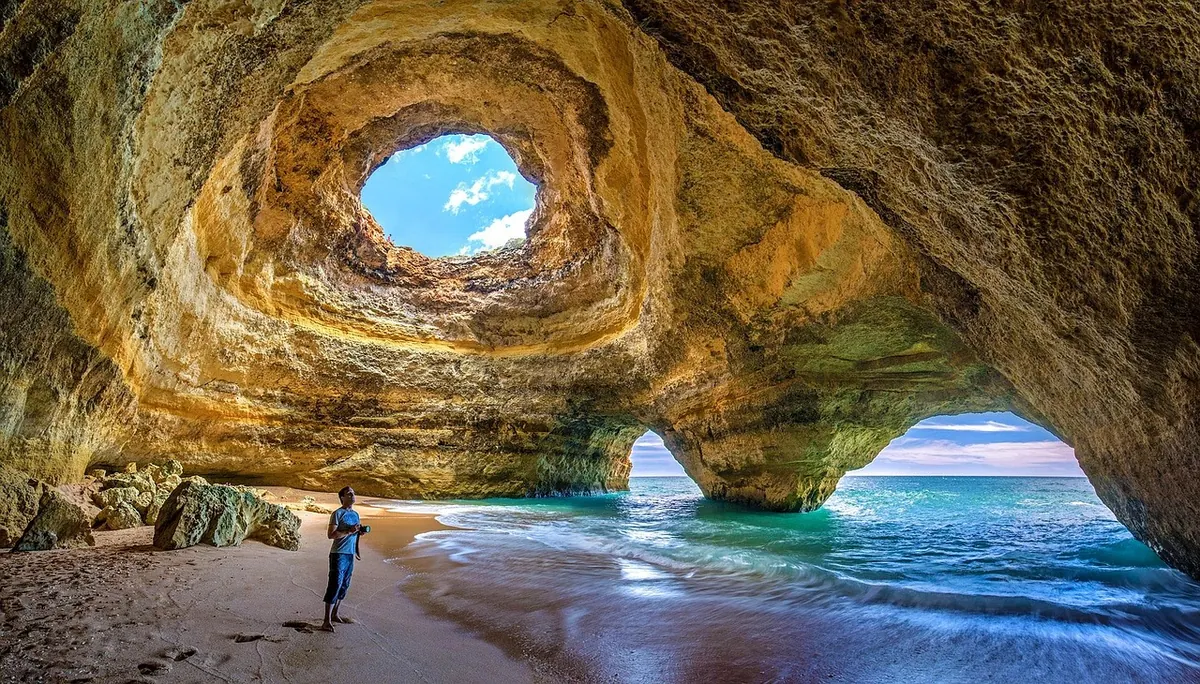
The Algarve's most famous sea cave, with a round "eye" in its roof, is reached from the sea. Join a boat or kayak tour from Benagil, Carvoeiro or Portimão, and follow the operator's guidance – access rules inside the cave have been tightened to protect it.
Inside the cave, a hole in the roof lets in a shaft of sunlight onto a golden beach – kayaking in is magical, but landing is now restricted, so check the rules before you go.
4. Hike the Seven Hanging Valleys Trail
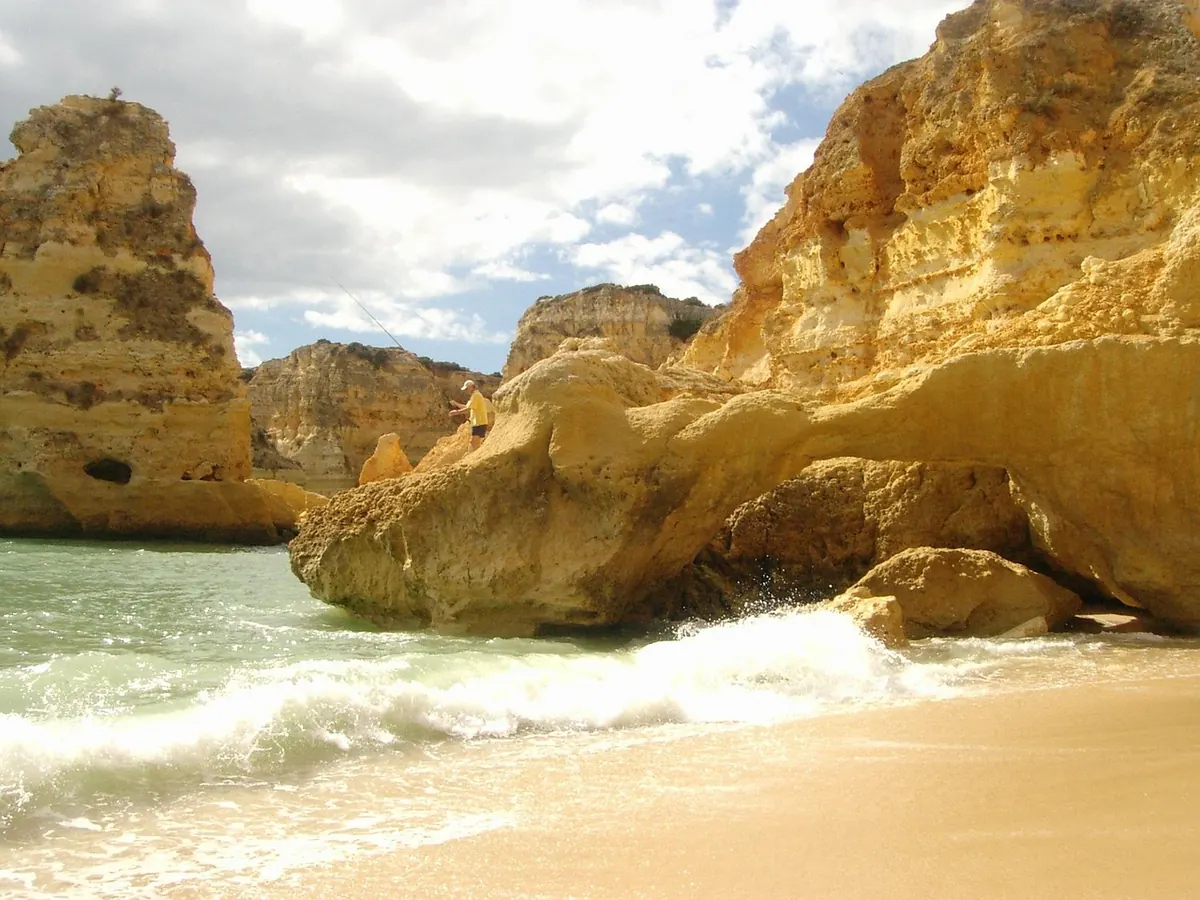
This clifftop path between Praia da Marinha and Vale Centeanes is one of the most beautiful coastal walks in Europe, passing hidden beaches and viewpoints over Benagil.
The clifftop path winds past golden rock formations, secret beaches and turquoise water, with the smell of wild herbs in the air. Go early – there's no shade.
5. Escape to Culatra Island
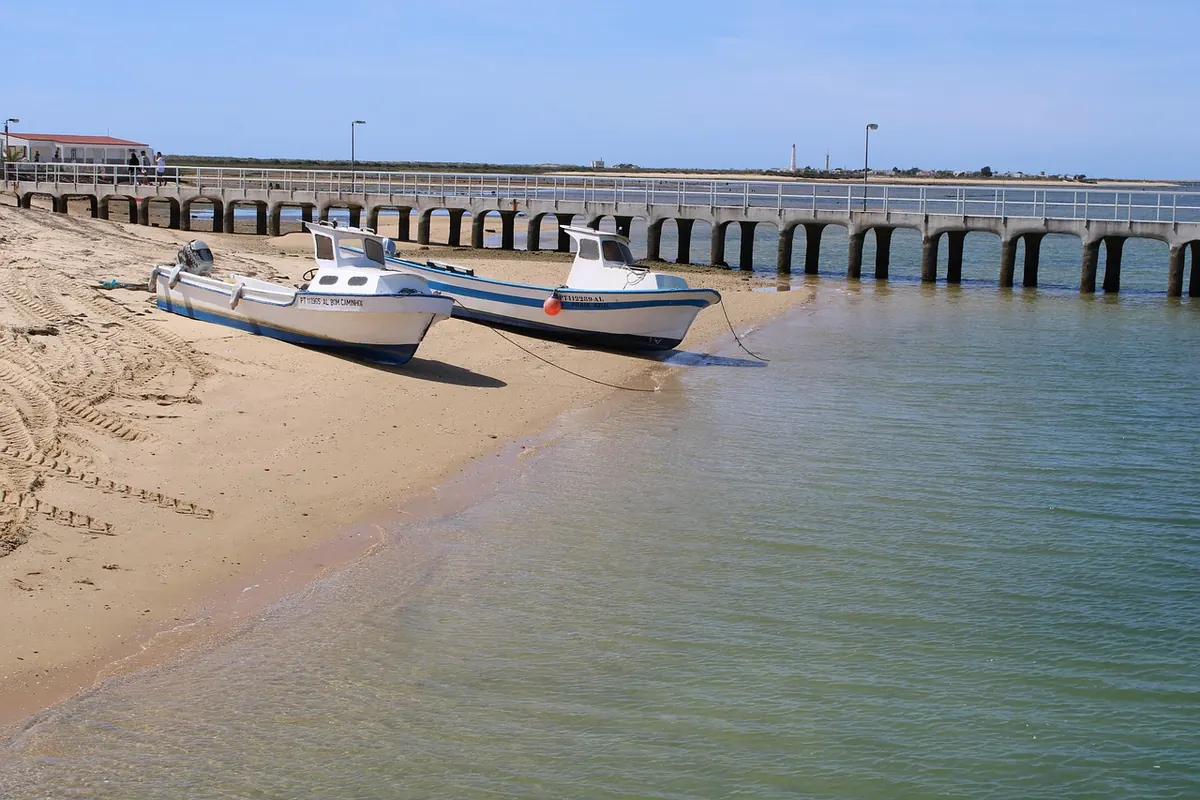
Take a ferry from Olhão or Faro into the Ria Formosa lagoon to Culatra, a car-free island of fishing villages and endless sandy beaches.
No cars, only sandy paths, fishermen's houses and long, empty beaches – the ferry from Olhão takes you into another world.
6. Go surfing in Sagres
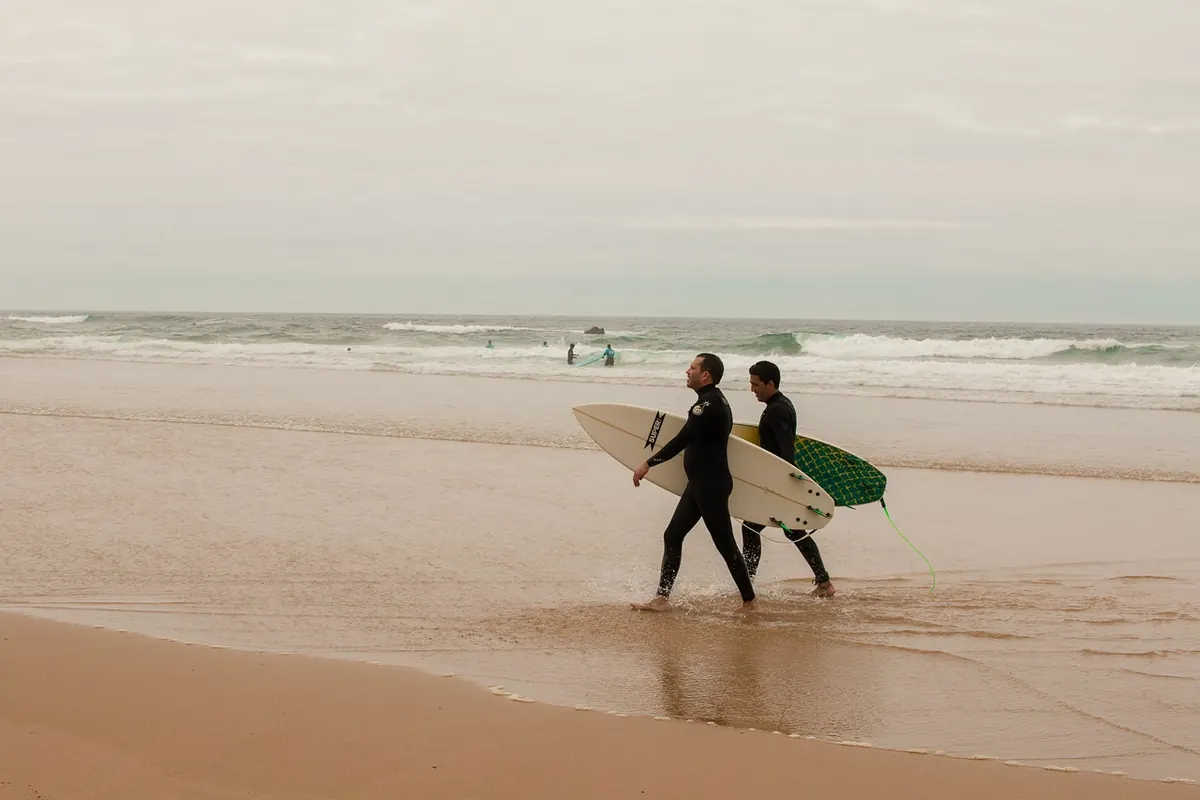
The west coast catches the Atlantic swell. Surf schools in Sagres and along the Costa Vicentina run lessons for every level, with beaches facing different directions for every wind.
The waves roll in on wild, unspoilt beaches surrounded by cliffs – surf schools offer lessons for beginners.
7. Spot birds in the Ria Formosa
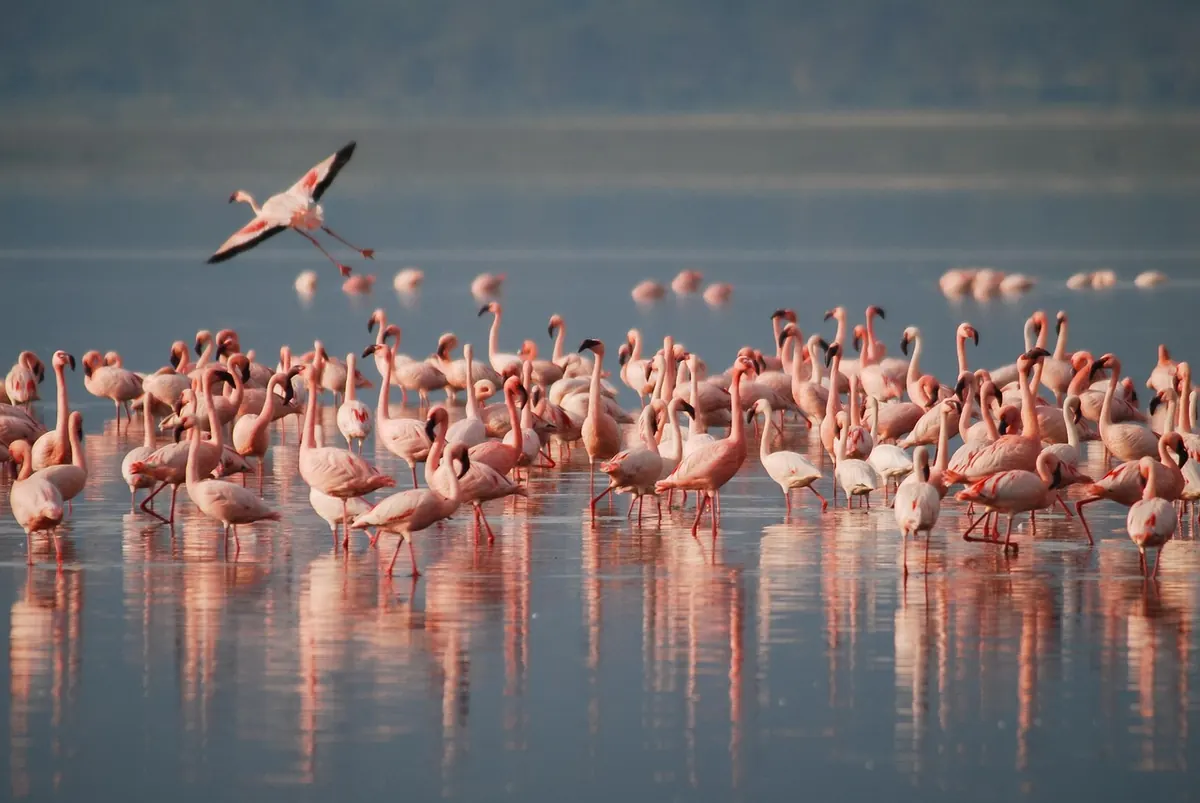
The protected lagoons of the Ria Formosa Natural Park attract flamingos, spoonbills and huge numbers of wading birds, especially in spring and autumn.
Flamingos, spoonbills and herons feed in the lagoons and salt pans – go early in the morning, when they're most active.
Towns and villages
8. Wander Lagos old town
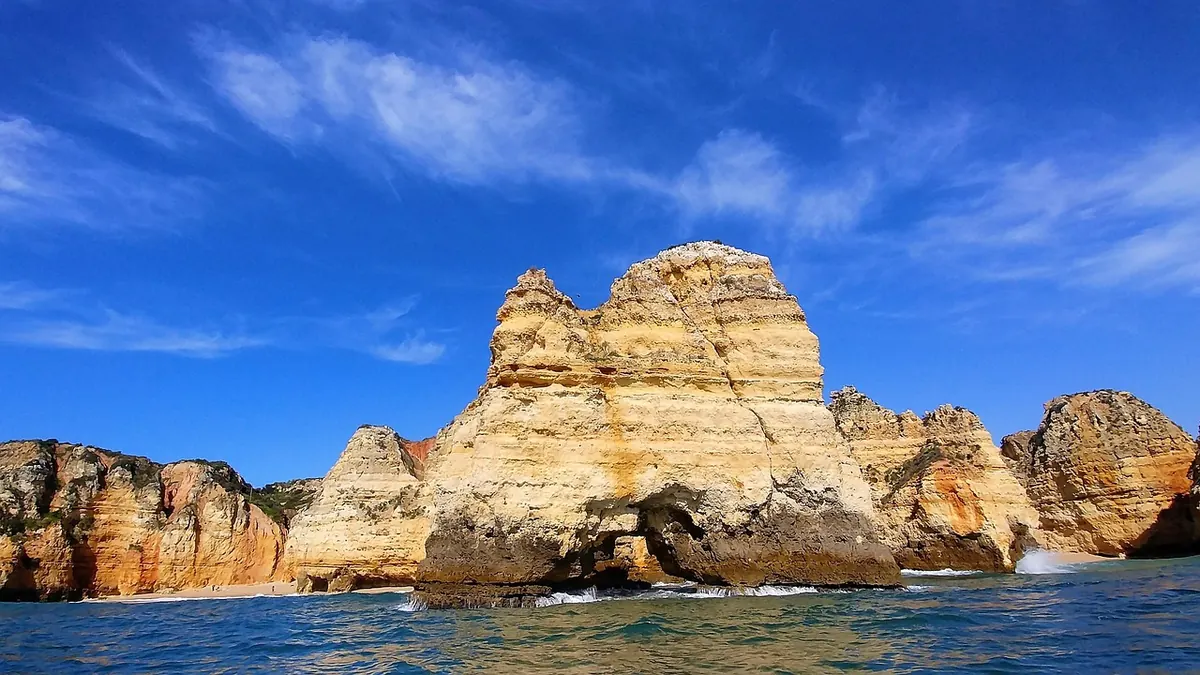
Behind its walls, Lagos has cobbled lanes, the golden Church of Santo António and a lively bar scene, with some of the region's best beaches a short walk away.
Whitewashed streets, colourful tiles, lively bars and restaurants – and the old walls overlooking the sea.
9. Fall for Tavira
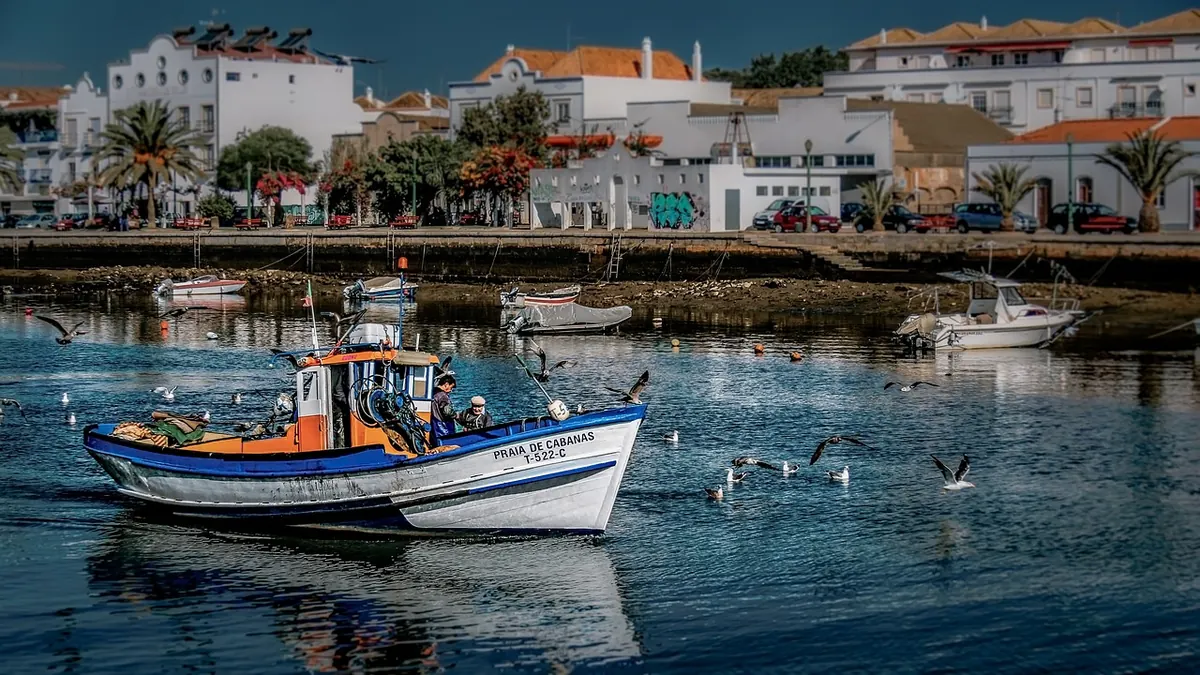
The east's most charming town has a Roman bridge, dozens of churches and whitewashed houses with tiled façades. Catch the ferry to Ilha de Tavira for its long sandy beach.
The Roman bridge, the tiled churches and the river lined with old houses make Tavira the Algarve's most charming town.
10. Explore Faro's old town
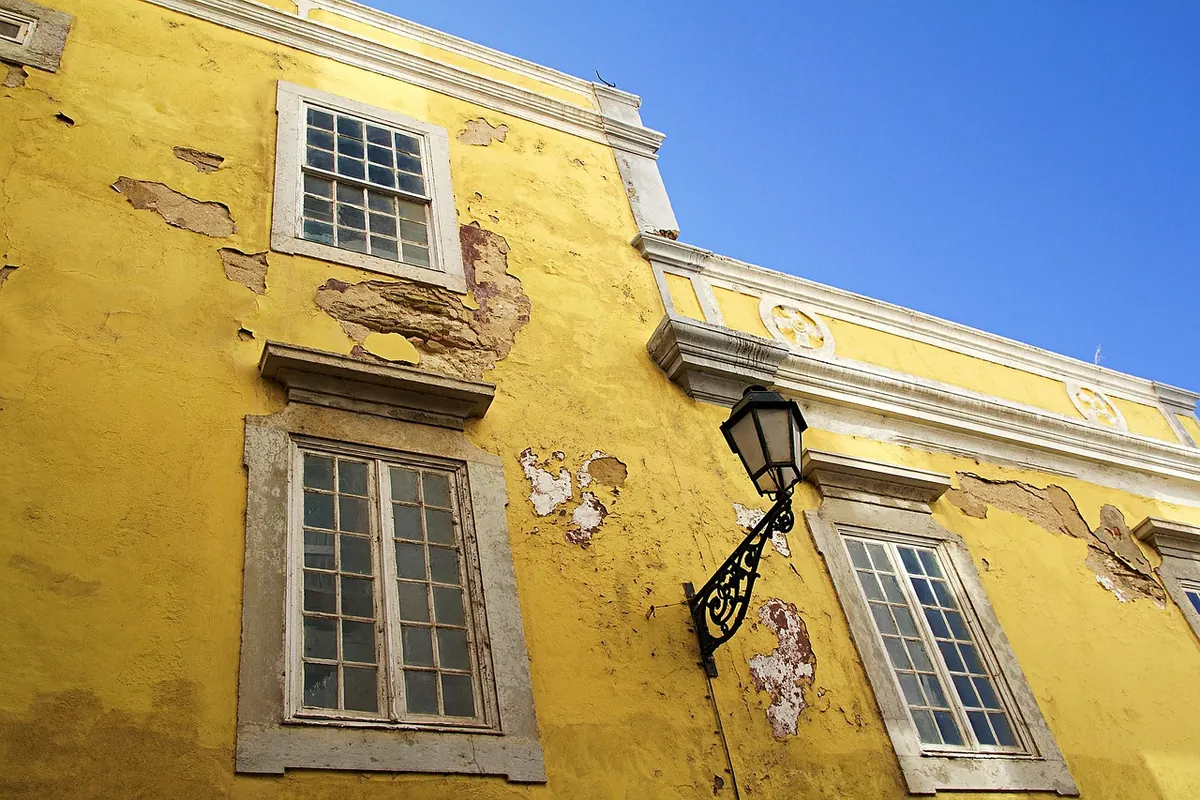
Many visitors only see Faro's airport, but its walled old town, cathedral views and the bone chapel (Capela dos Ossos) in the Church of Carmo are worth a morning.
Inside the walls, storks nest on the cathedral, and the Chapel of Bones is eerie and unforgettable.
11. Climb Silves Castle
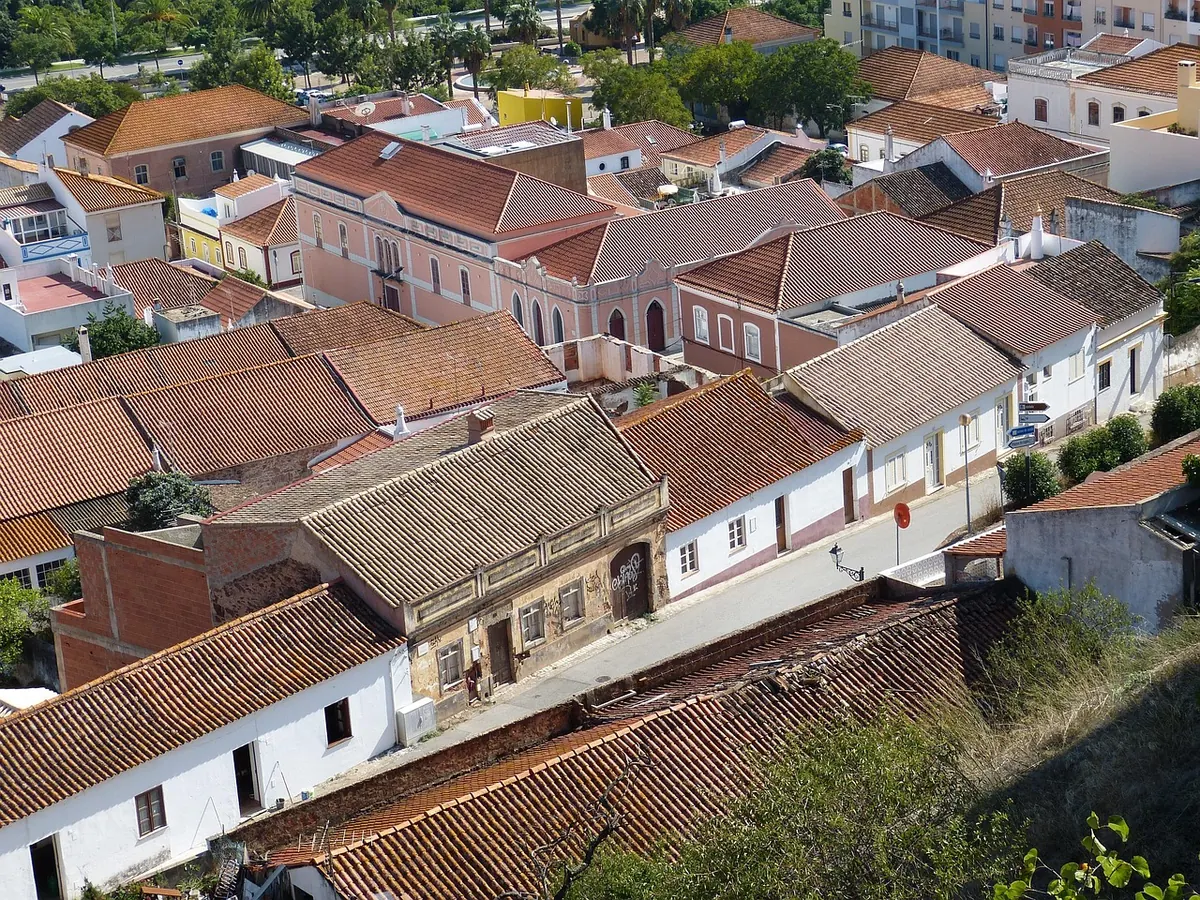
The red sandstone castle above Silves, once the Moorish capital of the region, is the best preserved in the Algarve.
The red sandstone walls of the Moorish castle glow in the sun, with views over the town and the orange groves.
12. Shop at Loulé market
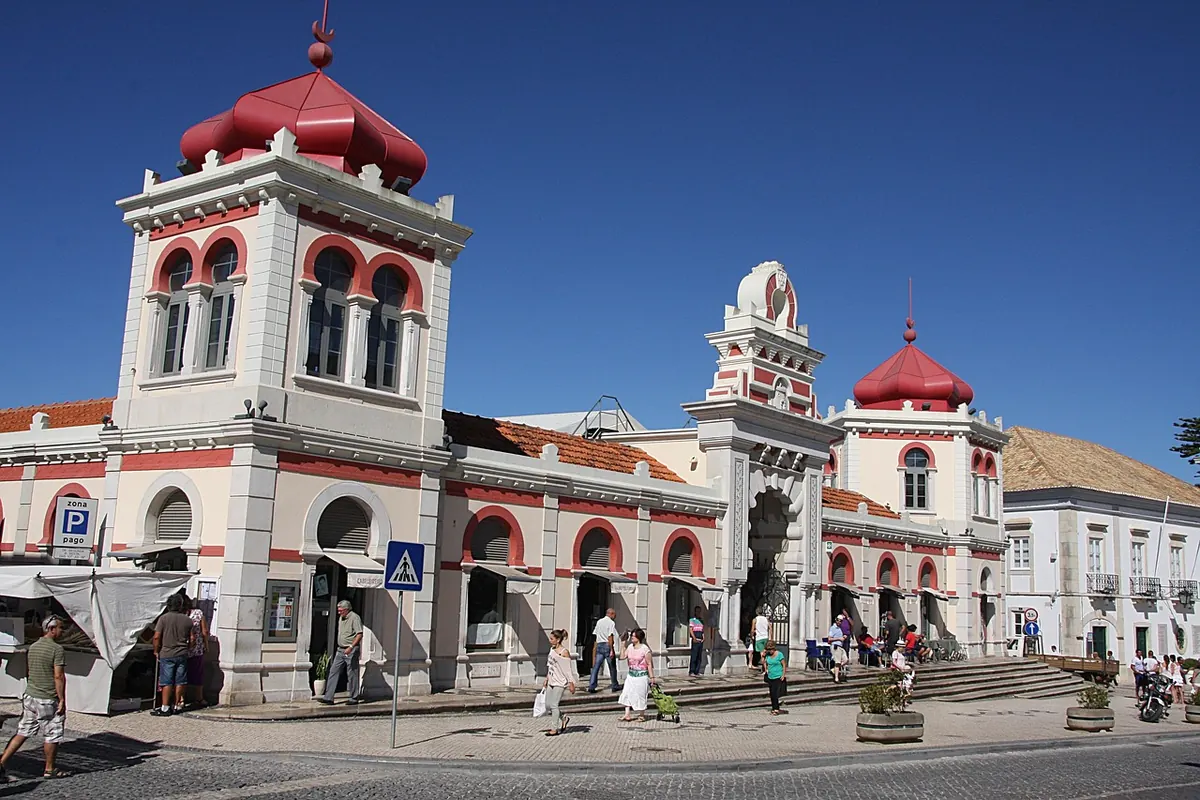
Loulé's Moorish-style market hall sells fish, fruit, cheese and local crafts every day except Sunday. On Saturday mornings, a big farmers' market spreads around it.
Under the red domes of the market hall, stalls sell fresh fish, fruit, honey and almond sweets – on Saturday, the gypsy market spills into the streets.
Food and drink
13. Eat piri-piri chicken in Guia

The village of Guia, near Albufeira, is famous for chicken grilled over charcoal and brushed with spicy piri-piri sauce.
The chicken is grilled over charcoal and brushed with fiery piri-piri sauce, smoky and juicy, served with chips and a cold beer.
14. Share a cataplana
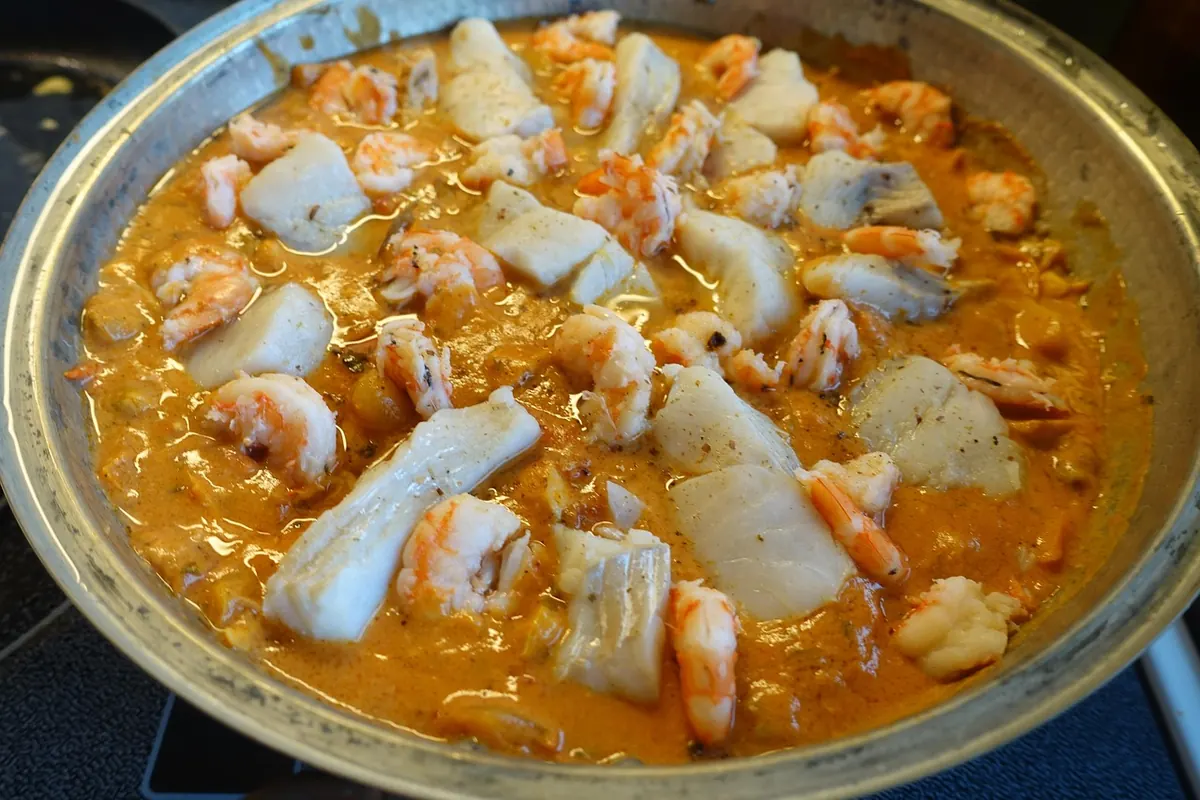
This copper pot dish of seafood, pork or fish stewed with tomatoes, peppers and herbs is the taste of the Algarve. Fishing towns such as Olhão and Portimão are the places to try it.
The copper pot is opened at the table, releasing a cloud of steam and the smell of seafood, tomatoes and coriander.
15. Start the day with a pastel de nata
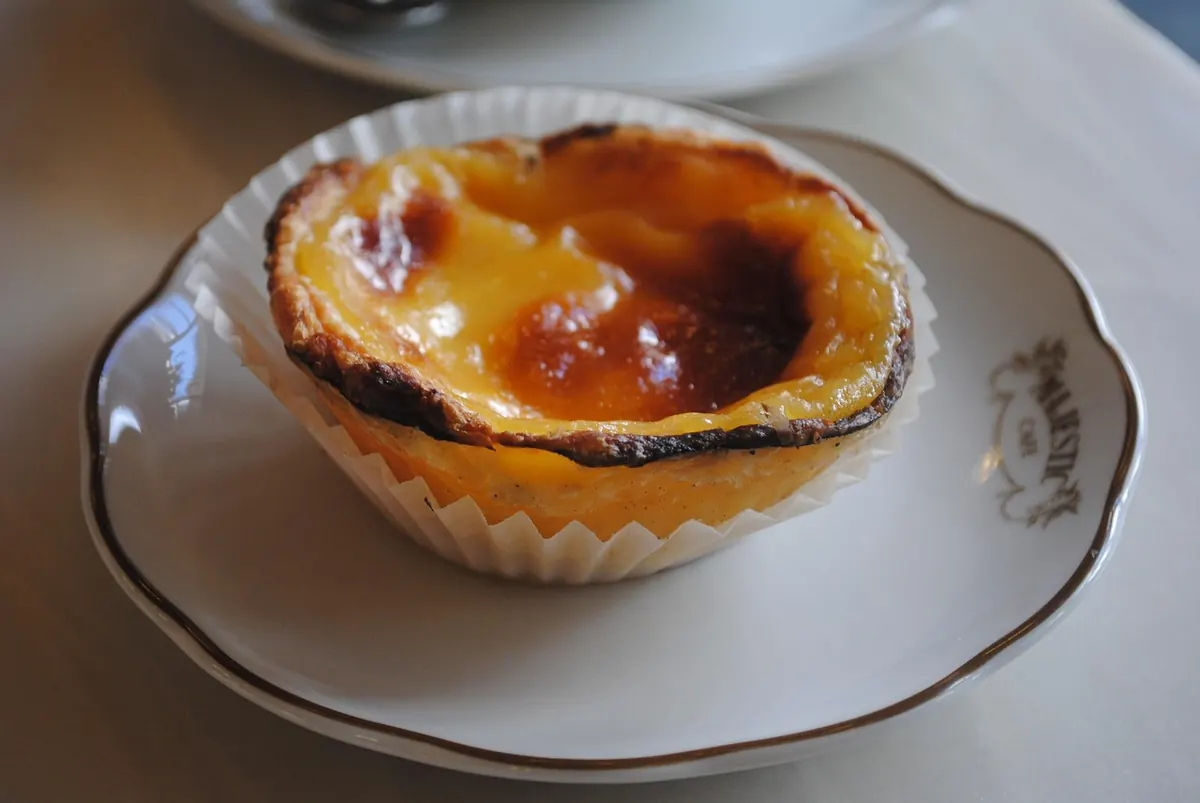
A custard tart and a "bica" – a strong espresso – at the counter of a local café is the Portuguese way to begin the day.
Crisp, flaky pastry and warm, creamy custard with a caramelised top, dusted with cinnamon – breakfast doesn't get better.
16. Taste Algarve wines
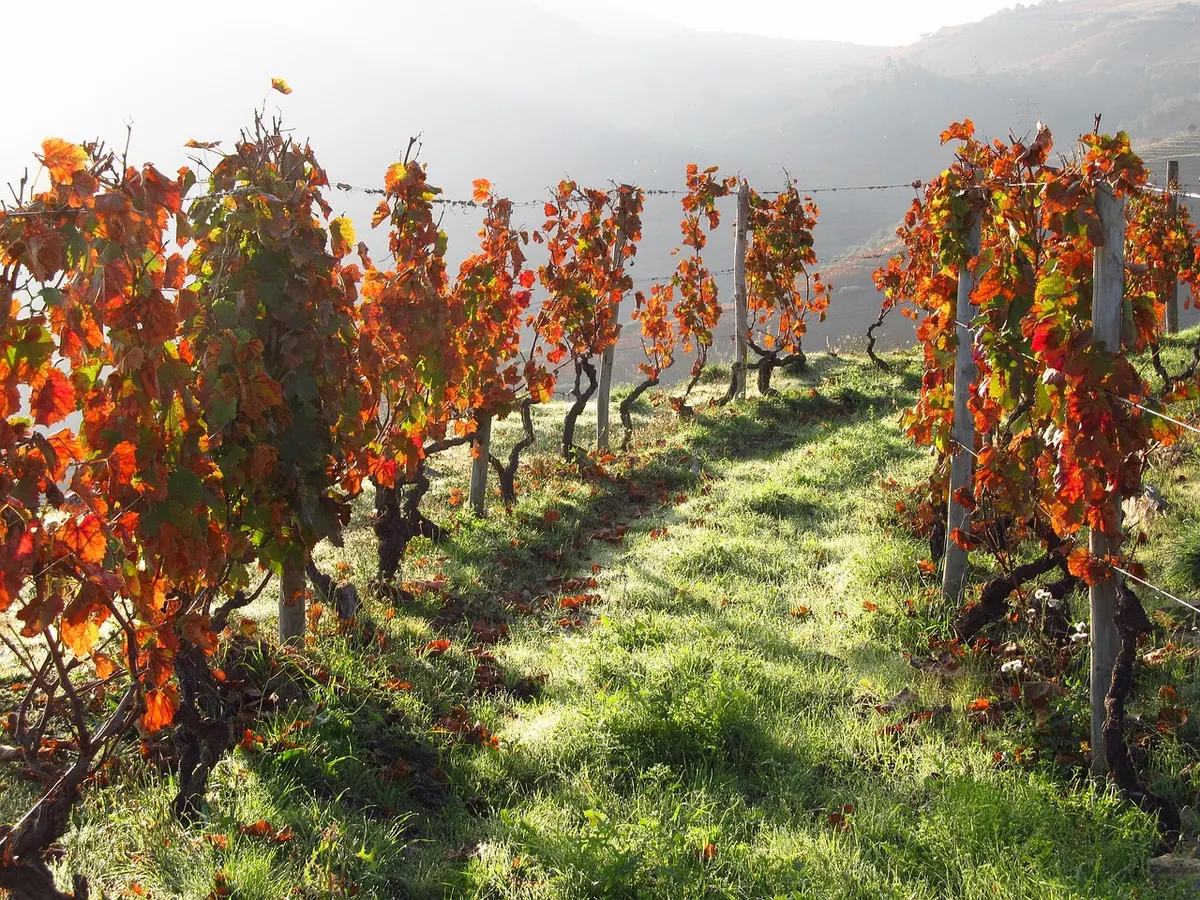
The Algarve's wineries are small and welcoming, many around Lagoa and Silves. Book a tasting and try the region's rosés and reds.
Inland and active
17. Drink medronho in Monchique
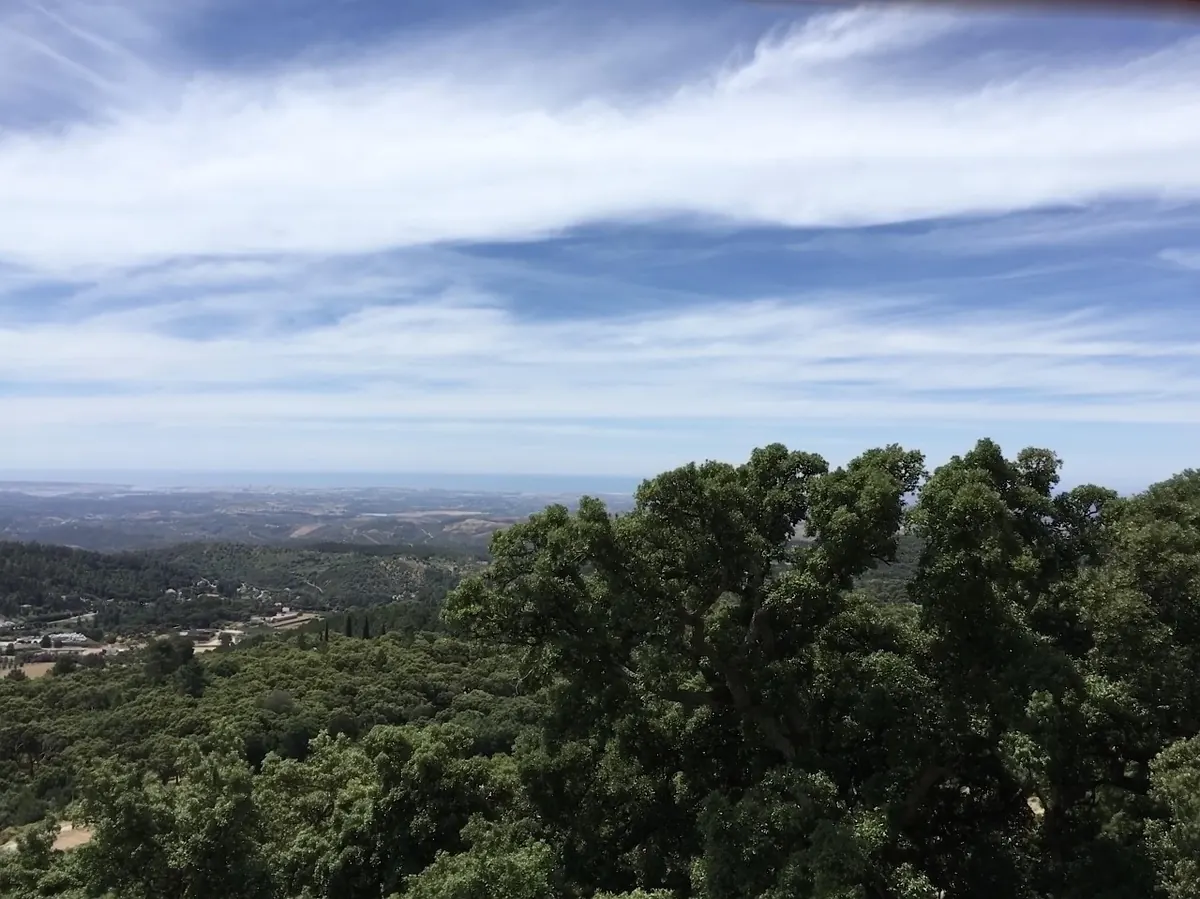
In the green Monchique hills, locals distil a strong spirit from the fruit of the strawberry tree. Drive up to Fóia, the region's highest point, for views to the sea.
The strong fruit brandy burns your throat and warms your stomach – in the cool mountain air of Monchique, it's the perfect drink.
18. Hike Rocha da Pena
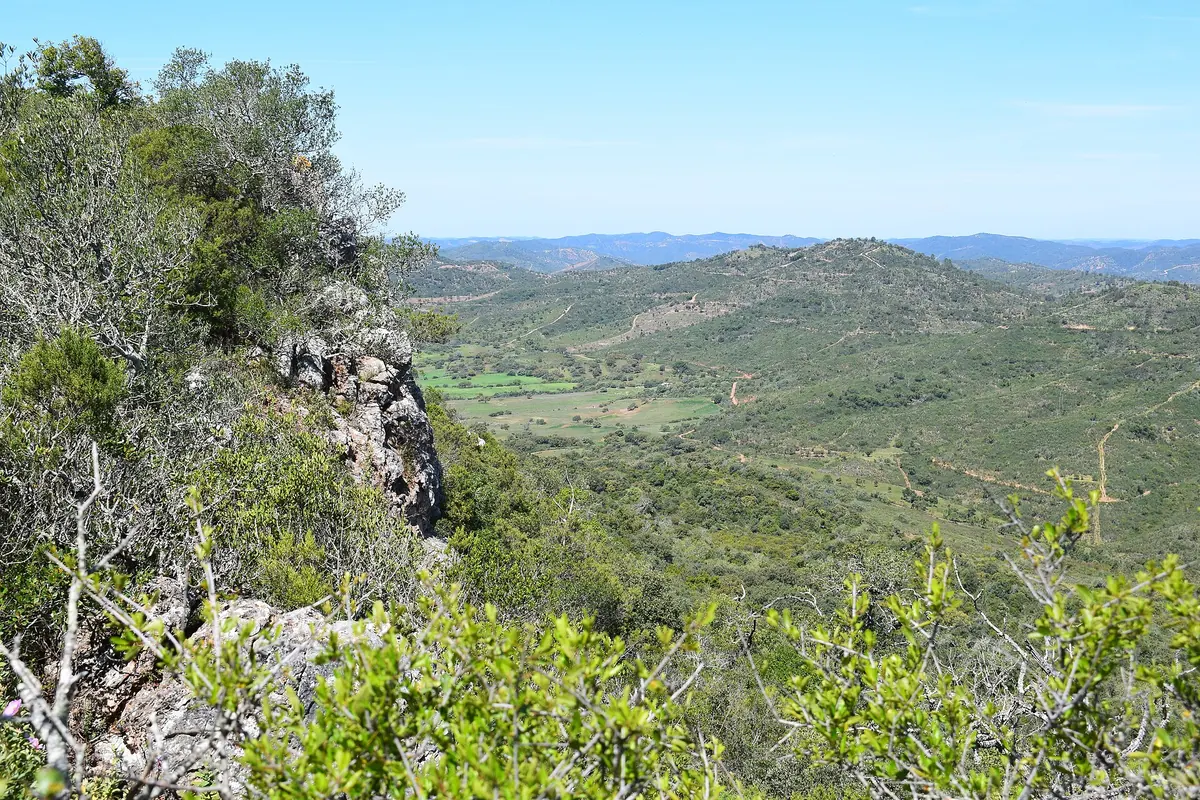
This limestone plateau inland from Loulé offers an easy, rewarding loop walk with wide views over the hills and coast.
The trail climbs to a limestone plateau with wide views over the hills and to the sea – peaceful and green, especially in spring.
19. Buy hand-painted pottery in Porches
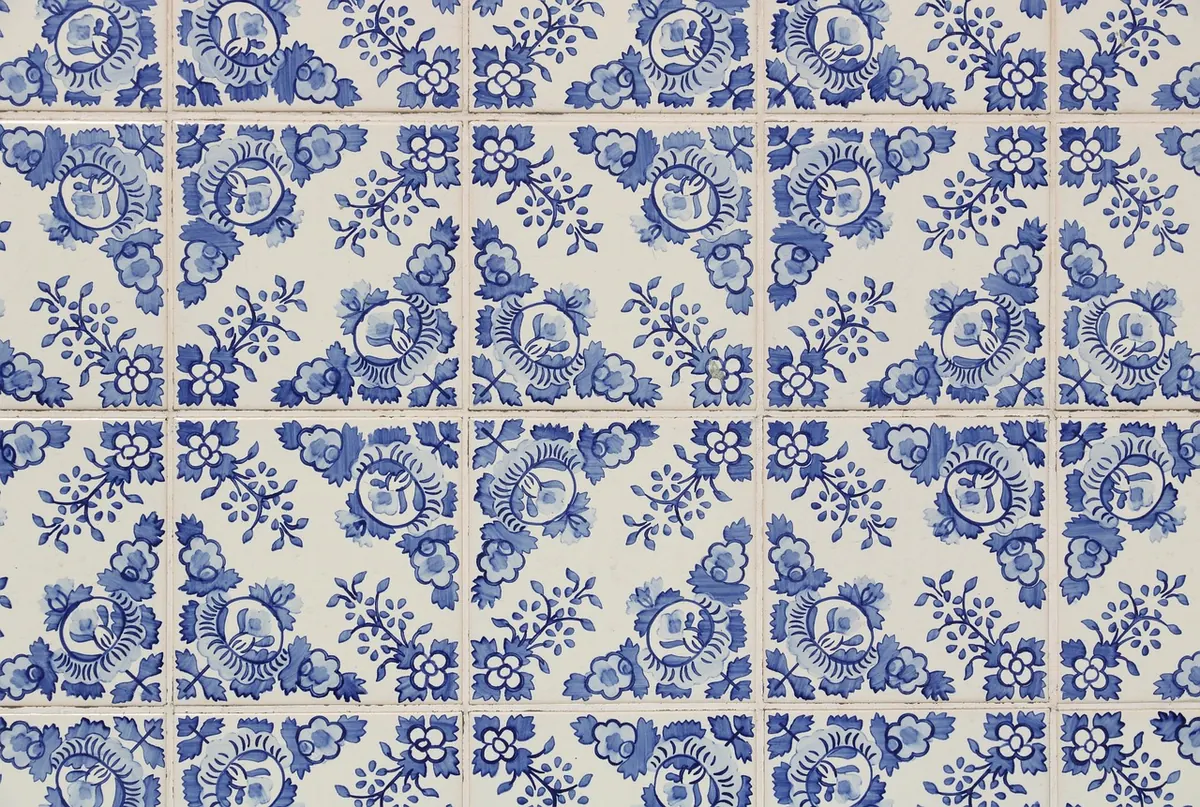
Workshops around the village of Porches sell colourful hand-painted ceramics – a perfect souvenir.
In the workshops, artists paint plates and bowls by hand in bright colours – watch them at work and take home a piece of the Algarve.
20. Play a round of golf

The Algarve has dozens of golf courses, many with sea views. Winter and spring, when it's mild and sunny, are the best seasons to play.
Getting there and around
Faro Airport serves the whole region. A regional railway runs along the coast from Lagos to Vila Real de Santo António, and buses connect most towns – but a hire car gives you the freedom to find the quieter beaches. For more of the country, read our 8 reasons to visit Portugal.
Frequently asked questions
When is the best time to visit the Algarve?
May, June and September are ideal: warm sea, long days and fewer crowds than July and August. Winter is mild and sunny – good for walking, golf and quiet beaches, though too cool for most people to swim.
Do you need a car in the Algarve?
A car makes it much easier to reach the best beaches, viewpoints and inland villages. Trains and buses link the main towns along the coast if you prefer not to drive.
Where is the best base in the Algarve?
Lagos is great for beaches and nightlife in the west, Tavira for a quieter, traditional town in the east, and Carvoeiro or Ferragudo for a small-village feel in the middle.
Keep reading
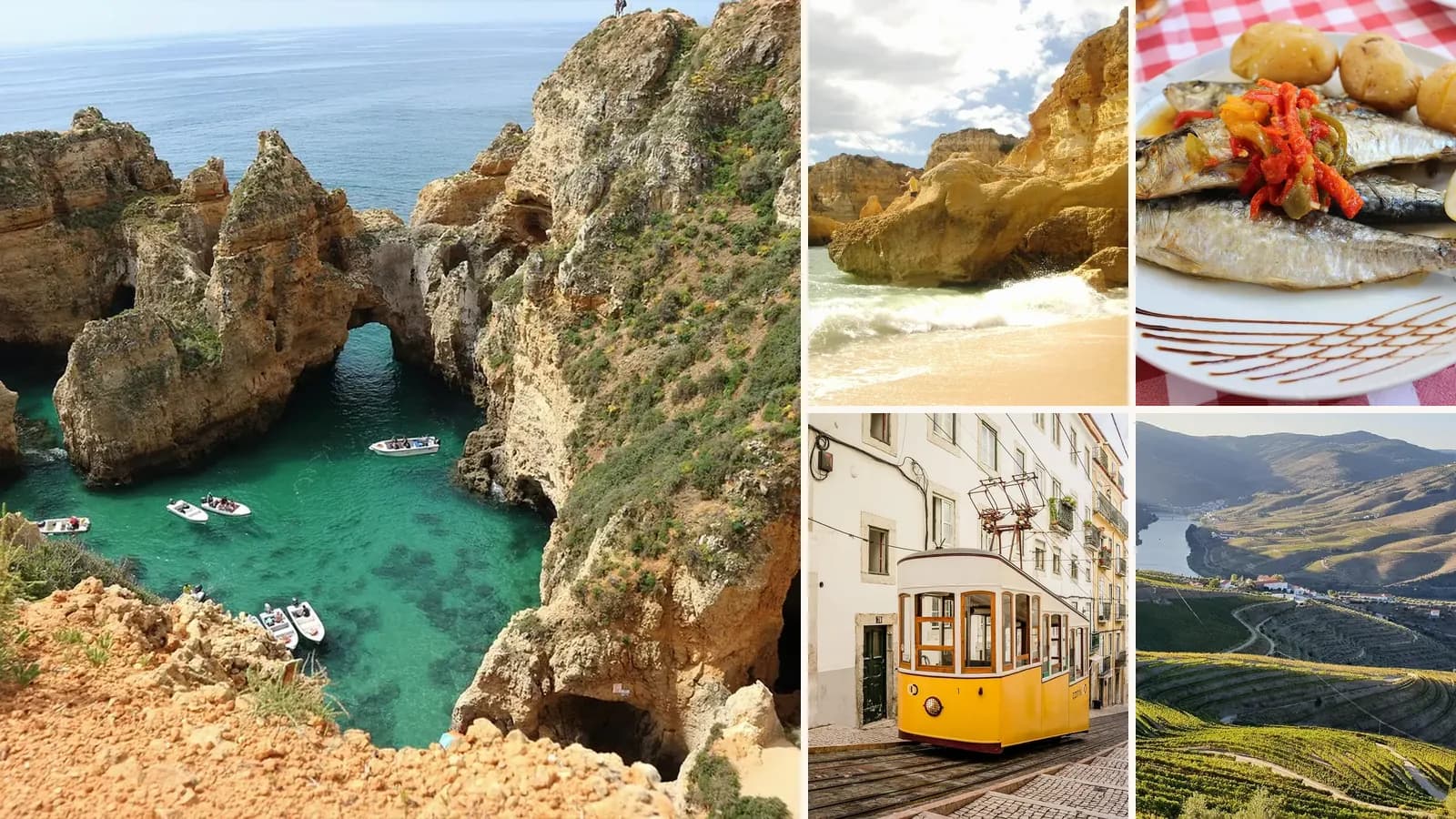
8 Reasons Portugal Is the Perfect Place to Visit
Sunshine, beaches, great value, world-class seafood, pastéis de nata and beautiful towns – eight reasons Portugal is one of Europe's best destinations, plus where to go.
10 of the Best Scenic Rail Journeys in Europe
Alpine passes, Norwegian fjords, Scottish viaducts and Portuguese vineyards – ten of the most beautiful train journeys in Europe and tips for booking them.
The Dublin Bucket List: 20 Things to Do in the City
Trinity College and the Book of Kells, Kilmainham Gaol, the perfect pint and coastal walks by DART – 20 unmissable things to do in Dublin, with practical tips.
14 Best Christmas Markets in the UK
From Bath and Winchester to Edinburgh, Manchester and Belfast – the best Christmas markets in the UK, with tips on when to go and what to eat and buy.