Naples City Break: Pizza, Pompeii and the Old Town
Plan a Naples city break: the historic centre, Spaccanapoli, Naples Underground, the Archaeological Museum, the Veiled Christ, pizza, Pompeii, Vesuvius and Capri.

Some links in this guide are partner links: if you buy through them we may earn a small commission, at no extra cost to you. It never affects what we recommend. How we make money
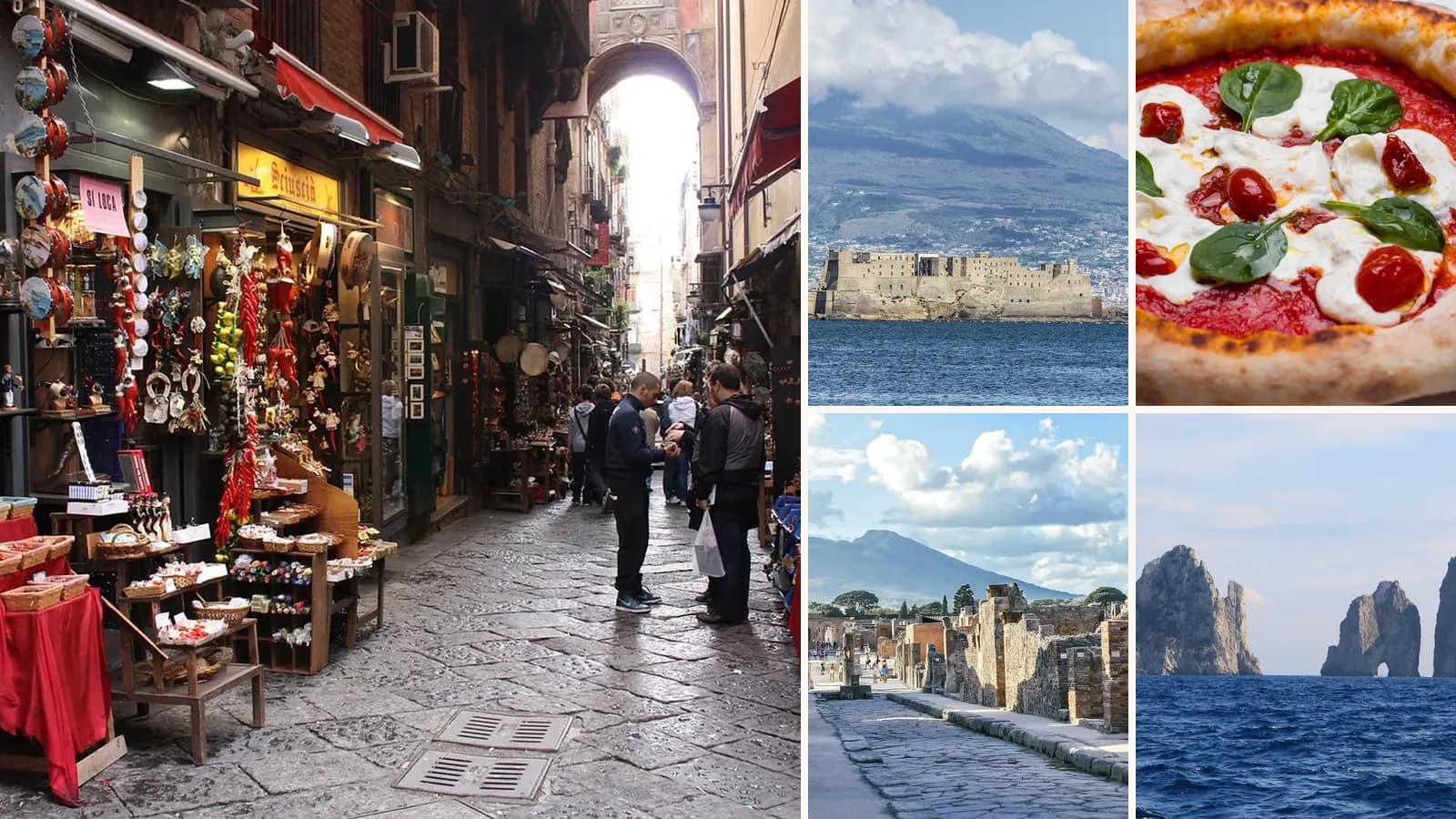
Loud, chaotic, beautiful and endlessly alive, Naples is one of Europe's most fascinating cities. It's the birthplace of pizza, home to one of the world's greatest archaeological museums and the gateway to Pompeii, Vesuvius, Capri and the Amalfi Coast. Here's how to enjoy a city break in Naples.
In the city
1. The historic centre and Spaccanapoli
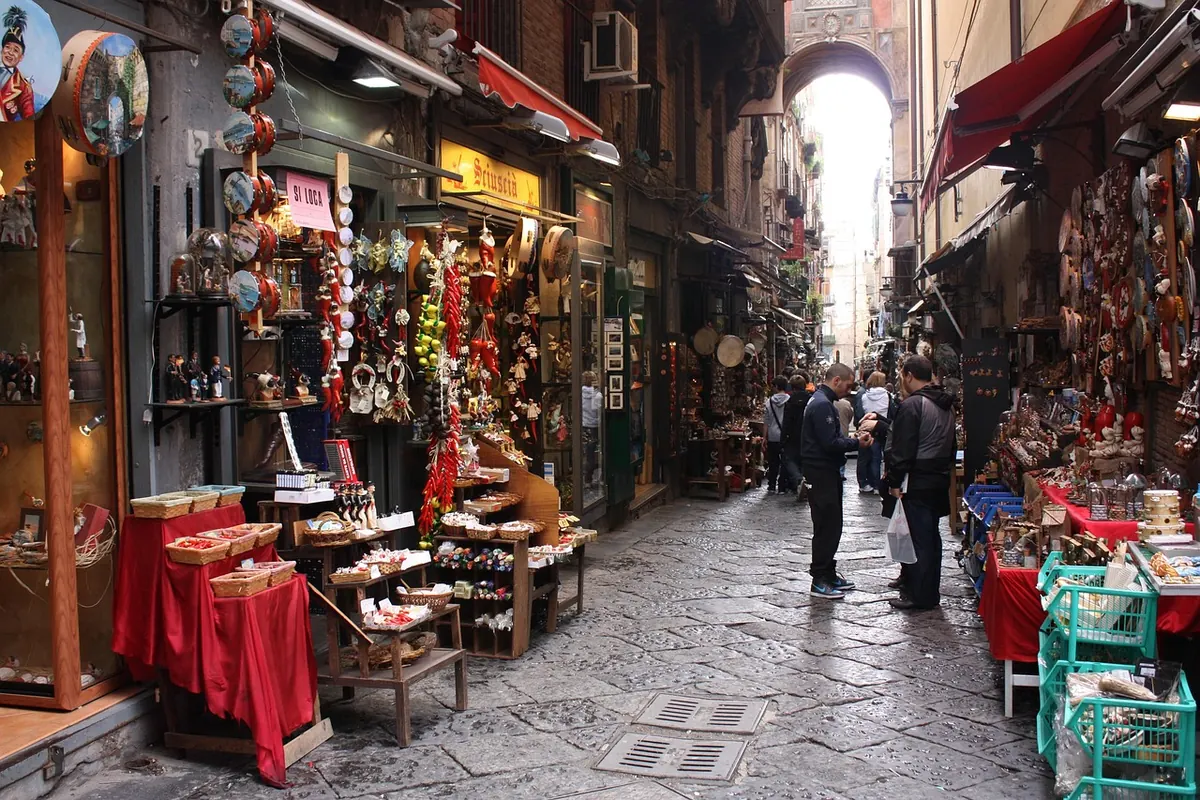
The UNESCO-listed centro storico is crossed by Spaccanapoli, a long, narrow street that "splits Naples" in two. Wander past churches, shrines, street food stalls and Via San Gregorio Armeno, famous for its nativity scene workshops.
Scooters buzz through narrow streets hung with washing, the smell of frying pizza and espresso drifts from doorways and shrines decorate the corners. It's noisy, chaotic and completely alive – keep your bag close.
2. The Veiled Christ
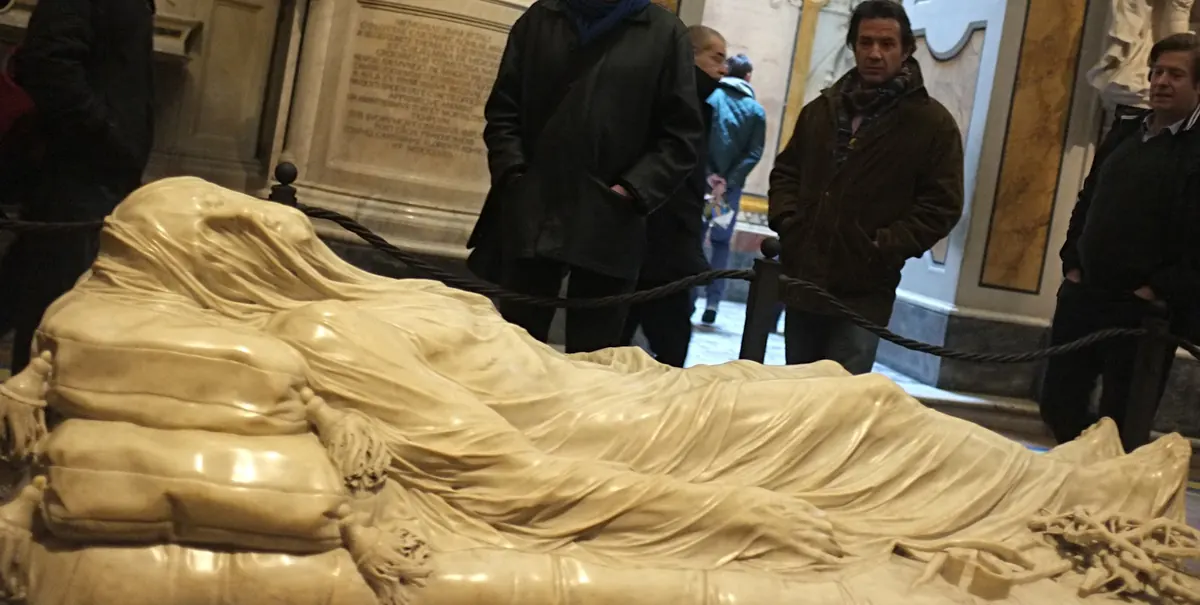
In the Cappella Sansevero, Giuseppe Sanmartino's 18th-century marble sculpture of Christ under a transparent-looking veil is one of the most astonishing artworks in Italy. Book tickets in advance.
In a small, hushed chapel, the marble veil over the body of Christ looks so thin and transparent that it seems impossible it's carved from stone. Photos aren't allowed, so just stand and look.
3. The National Archaeological Museum
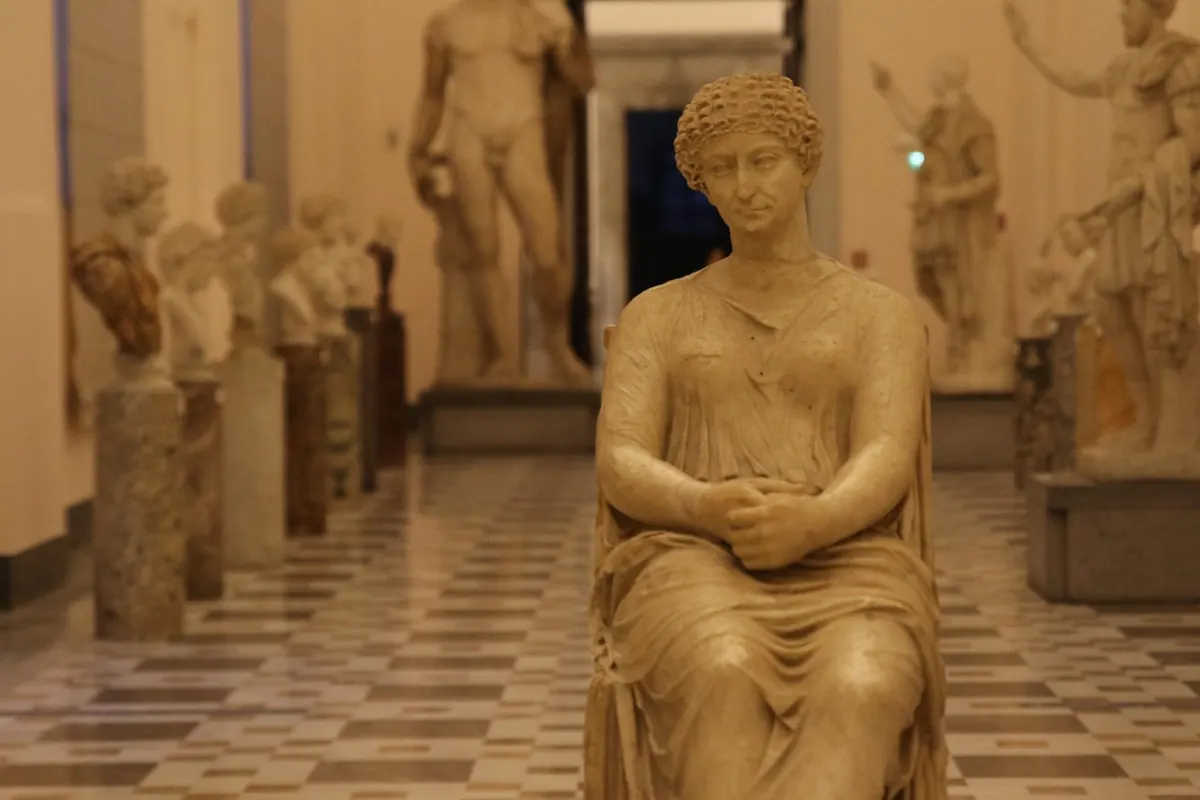
Many of the best finds from Pompeii and Herculaneum – mosaics, frescoes and sculptures – are here, including the Alexander Mosaic. Visit before or after Pompeii.
Mosaics, frescoes and statues from Pompeii and Herculaneum fill the galleries – the giant Alexander mosaic, the colourful frescoes and the famous 'Secret Cabinet'.
4. Naples Underground
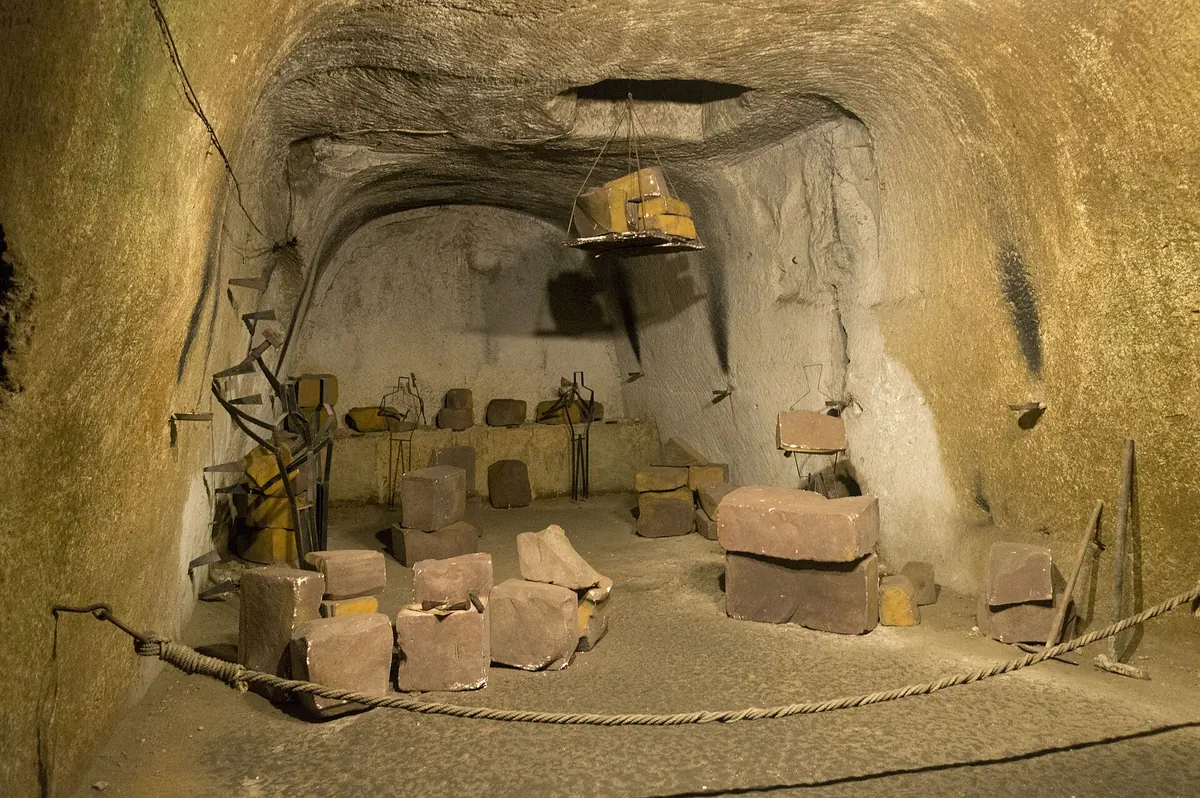
Guided tours lead you into the Greek and Roman cisterns and tunnels beneath the city, later used as air-raid shelters.
Descend into the cool, damp tunnels beneath the city – Greek aqueducts and wartime shelters, some passages so narrow you squeeze through by candlelight.
5. Castles and the waterfront
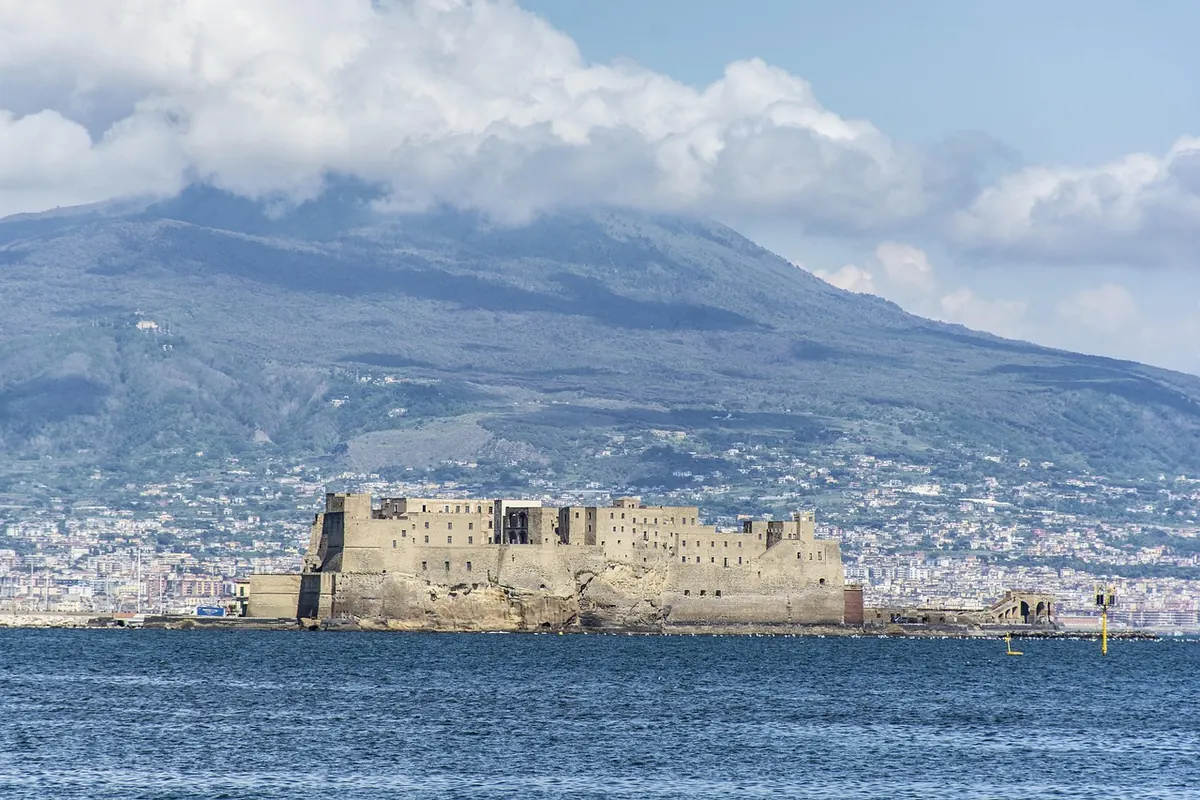
Walk the seafront Lungomare to Castel dell'Ovo, then climb to Castel Sant'Elmo and the Certosa di San Martino for views over the bay and Vesuvius.
Walk along the seafront from Castel dell'Ovo to Mergellina at sunset, with Vesuvius in the distance and fishermen on the rocks.
6. Quartieri Spagnoli and Maradona
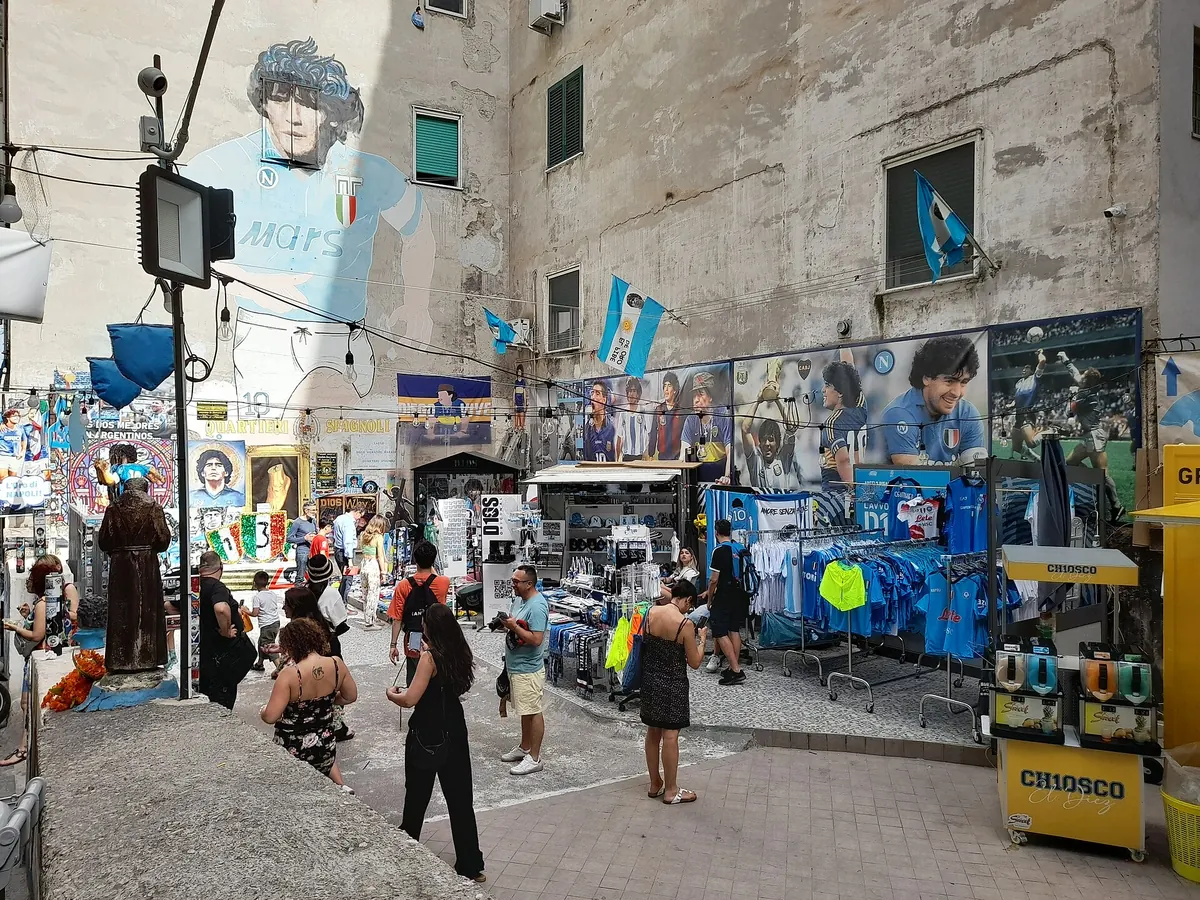
The lively Spanish Quarter is full of street life, and its famous Diego Maradona mural is a pilgrimage site for football fans.
In the steep, narrow streets, washing lines cross overhead, and the Maradona mural is a shrine of football, scarves and candles.
Food
7. Pizza and more

Neapolitan pizza – soft, blistered and simple – is on UNESCO's list of intangible cultural heritage (the art of the pizzaiuolo). Try a margherita or marinara, a pizza fritta (fried pizza), sfogliatella pastries and espresso at a standing bar.
The oven roars, the dough puffs and blisters in seconds and the pizza arrives soft, chewy and smoky. Expect queues at famous pizzerias – they move fast.
Day trips
8. Pompeii and Herculaneum
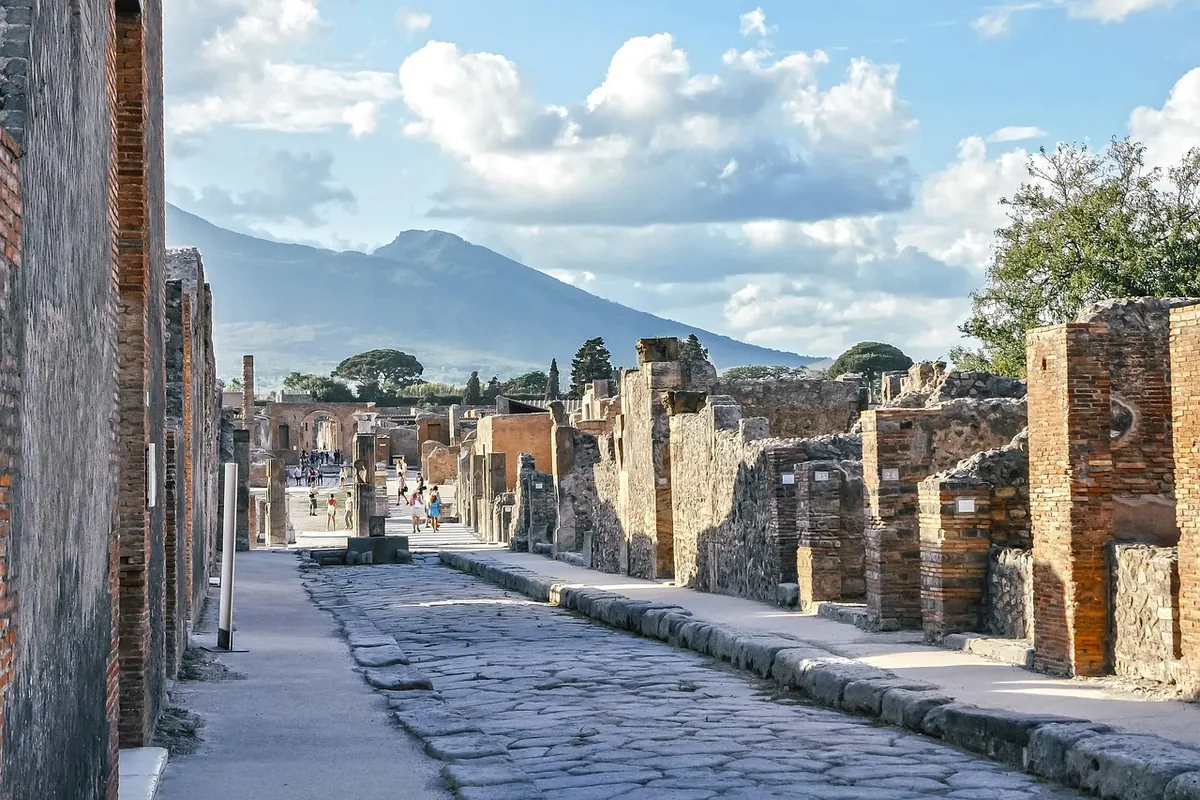
The Roman cities buried by Vesuvius in AD 79 are easily reached by Circumvesuviana train. Pompeii is vast – allow half a day; Herculaneum is smaller and better preserved.
Walking the streets of Pompeii, with ruts left by carts and frescoes still on the walls, the past feels very close. It's huge and hot – bring water and comfortable shoes.
9. Vesuvius
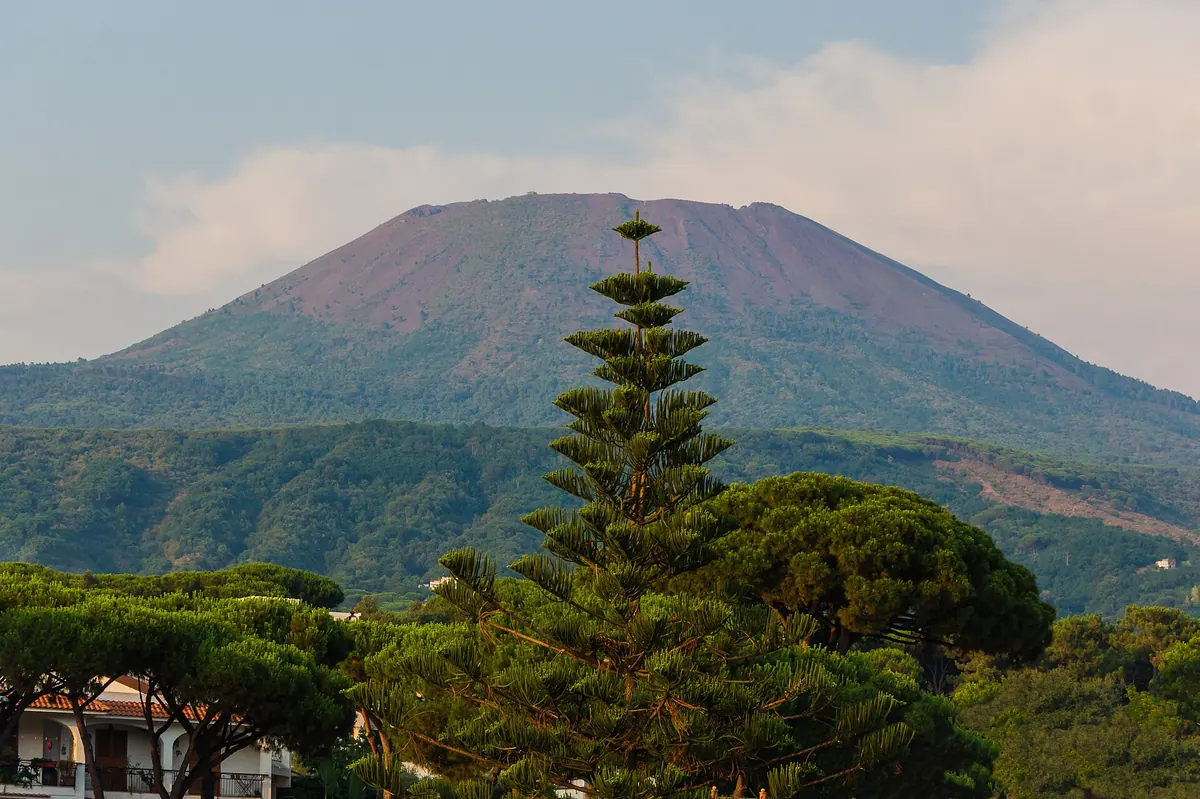
Hike to the crater rim of the volcano on a short but steep trail – tickets must be booked online.
The path up the crater is dusty and steep, but at the top you look down into the volcano and out over the whole bay.
10. Capri and the Amalfi Coast
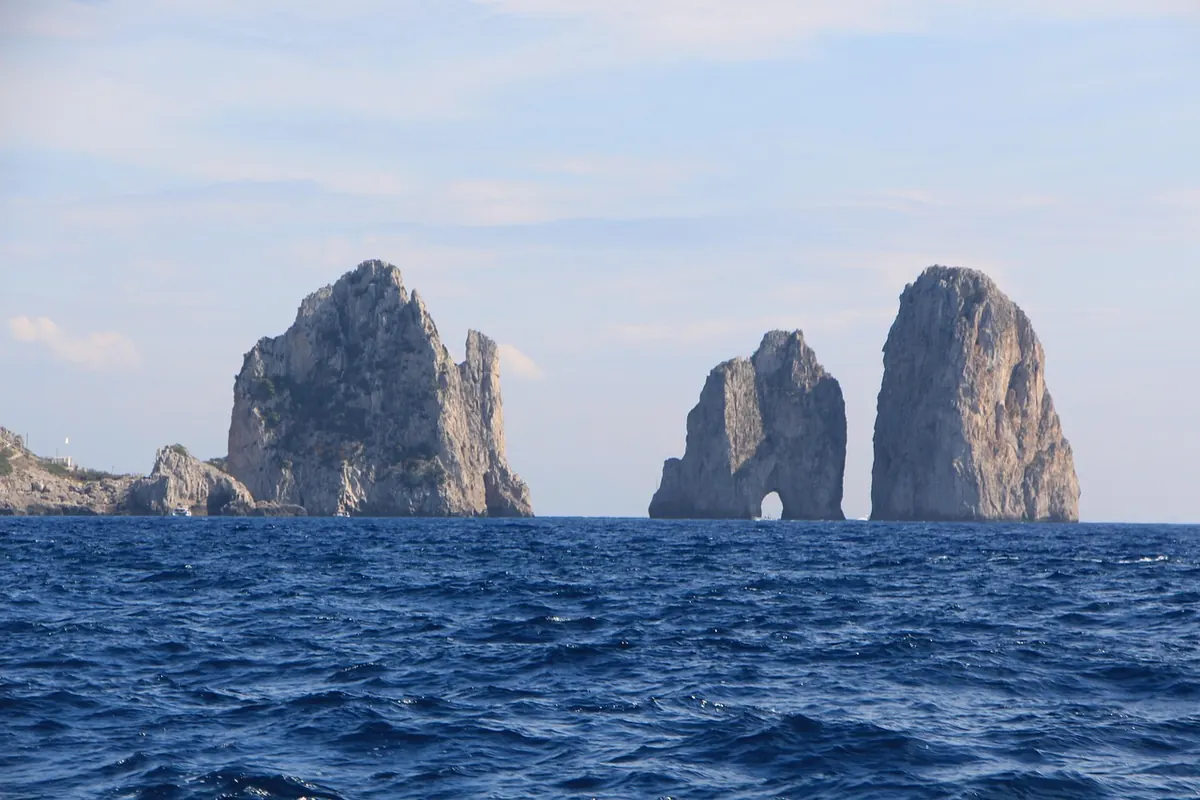
Ferries run from Naples to Capri; the Amalfi Coast and Sorrento are reached by train, bus and boat.
Colourful villages tumble down the cliffs, lemon trees fill the terraces and the sea sparkles far below – one of the most beautiful coastlines in the world.
Practical tips
- Getting around: walk the centre; use the metro (some stations are works of art).
- Stay: in the historic centre for atmosphere or Chiaia for a calmer seafront base.
- Pickpockets: be careful on buses and at the station.
- More Italy: see Italy's hidden gems and our Palermo guide.
Frequently asked questions
Is Naples safe for tourists?
Naples is generally safe for visitors who take normal city precautions. Watch out for pickpockets on crowded buses and at the station, and keep valuables out of sight.
How many days do you need in Naples?
Two days for the city, plus a day each for Pompeii and Vesuvius and for Capri or the Amalfi Coast.
Where is the best pizza in Naples?
Historic pizzerias such as Da Michele, Sorbillo and Starita are famous, but almost every neighbourhood pizzeria makes excellent Neapolitan pizza.
Keep reading
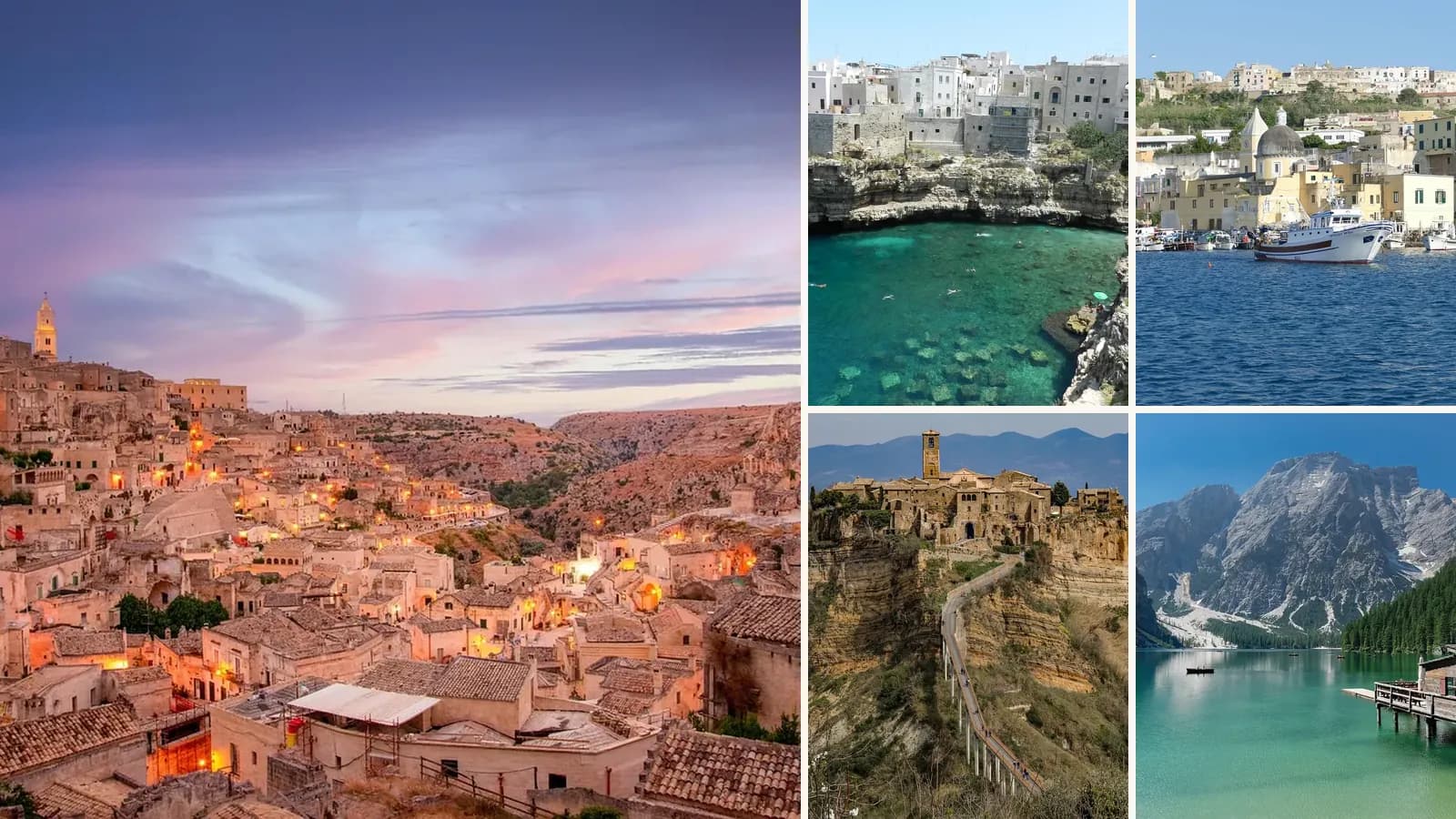
Italy's Hidden Gems: 12 Places Beyond Rome, Florence and Venice
Twelve of Italy's hidden gems – Matera, Puglia's Polignano, Procida, Civita di Bagnoregio, Lake Orta, Trieste, Bologna, the Dolomites and more – with tips.
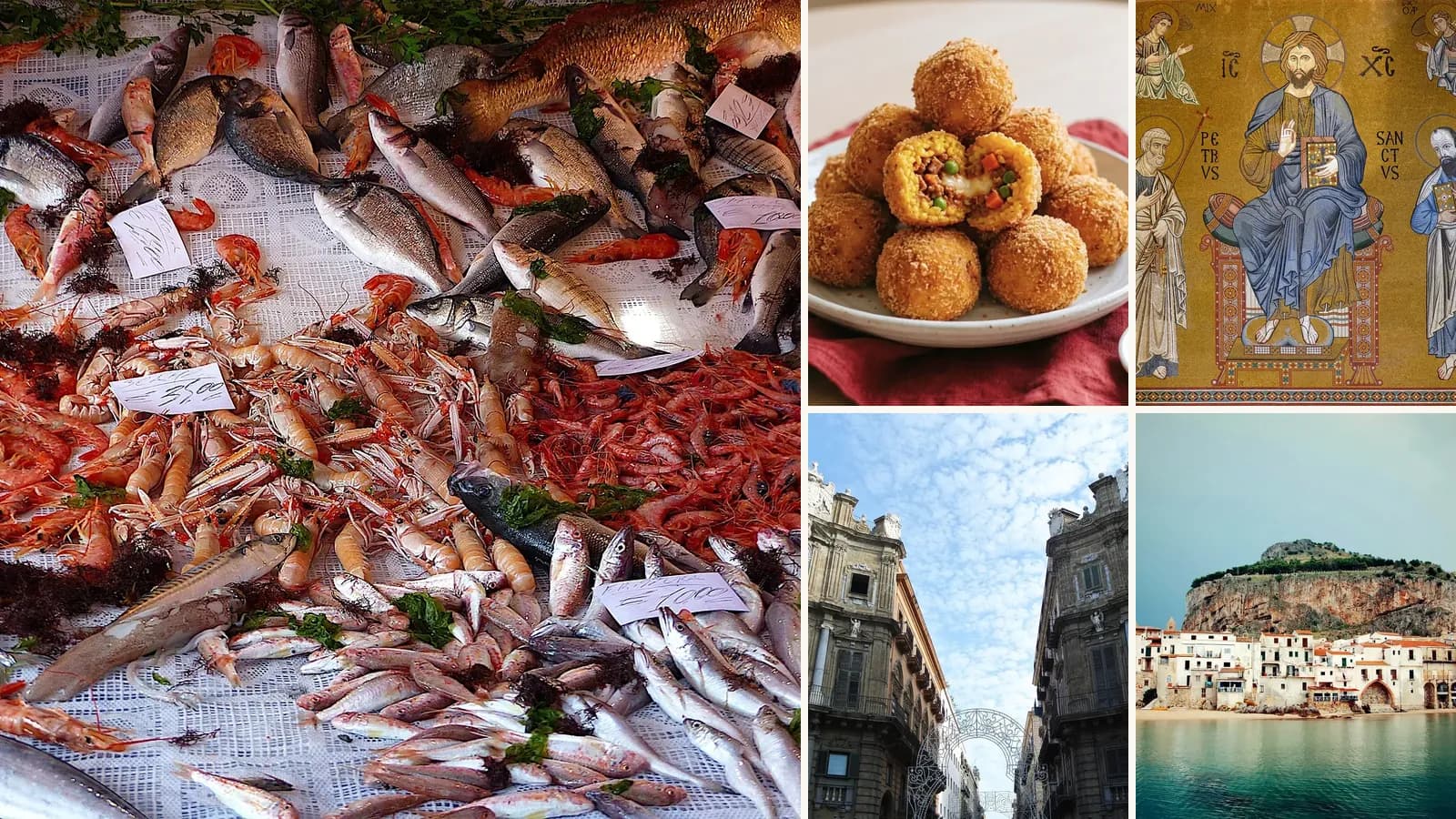
Palermo, Sicily: Markets, Street Food and the Best Things to Do
The best things to do in Palermo, Sicily: Ballarò and Vucciria markets, street food, the Norman Palace, Monreale, Quattro Canti, the catacombs, Mondello and Cefalù.
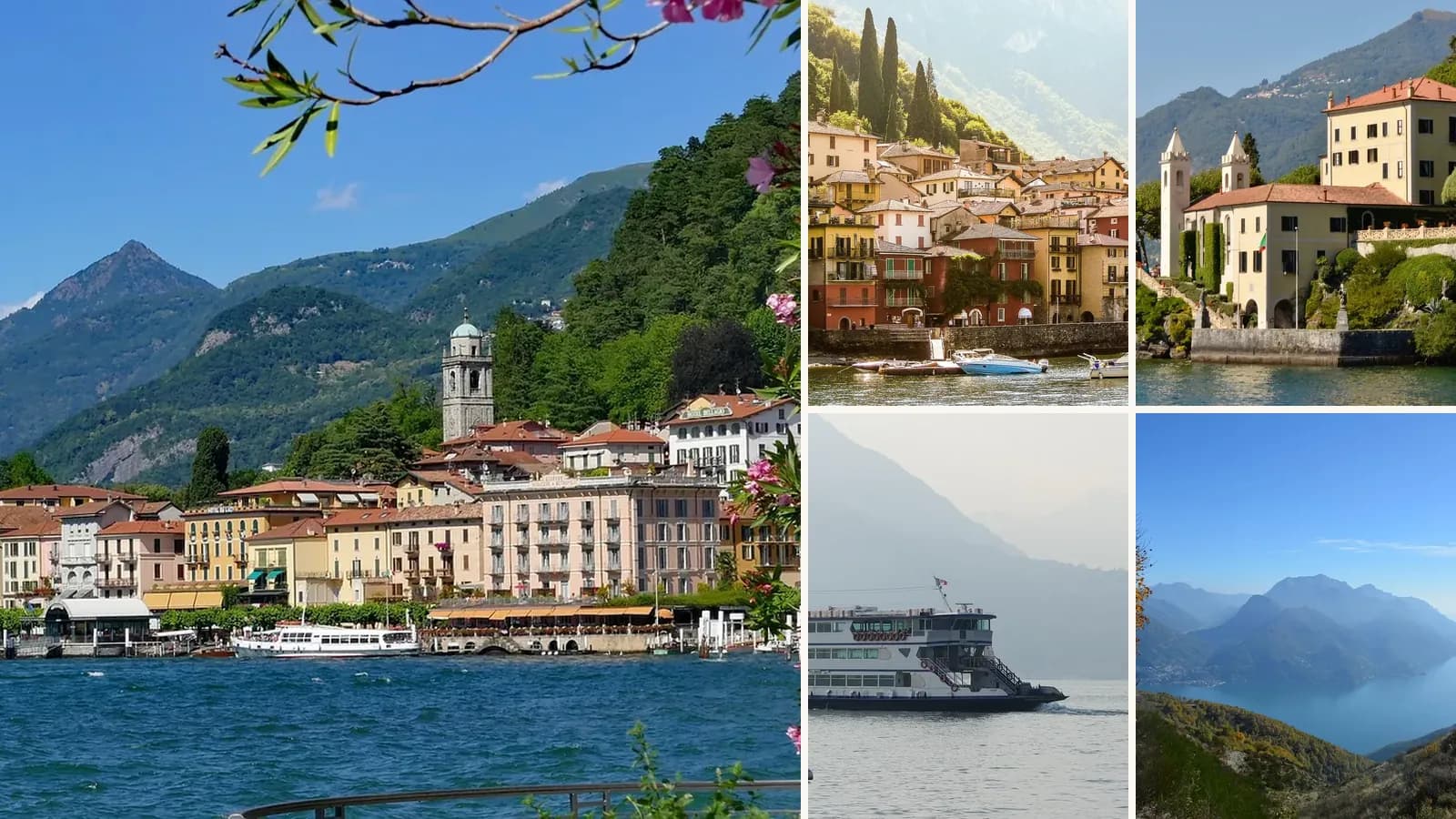
Lazy Lakeside Days: An Insider's Guide to Lake Como
An insider's guide to Lake Como: Bellagio, Varenna and Menaggio, the best villas and gardens, ferries, swimming spots, hikes and where to stay.
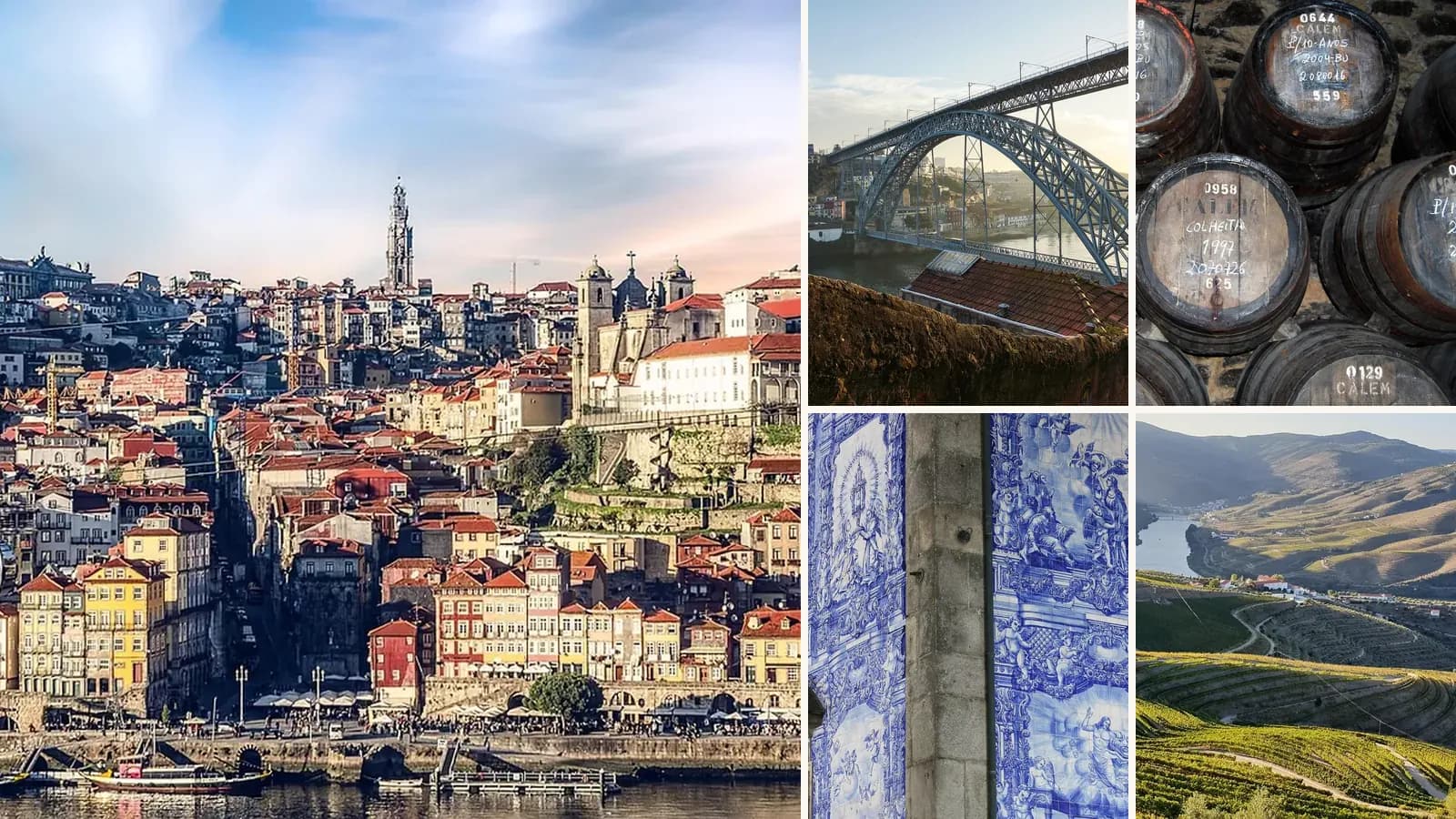
Porto City Break: Ribeira, Port Cellars, Food and Day Trips
Plan a Porto city break: the Ribeira, Dom Luís I Bridge, port wine cellars in Gaia, azulejo churches, Livraria Lello, francesinha, beaches and Douro Valley day trips.