Palermo, Sicily: Markets, Street Food and the Best Things to Do
The best things to do in Palermo, Sicily: Ballarò and Vucciria markets, street food, the Norman Palace, Monreale, Quattro Canti, the catacombs, Mondello and Cefalù.

Some links in this guide are partner links: if you buy through them we may earn a small commission, at no extra cost to you. It never affects what we recommend. How we make money
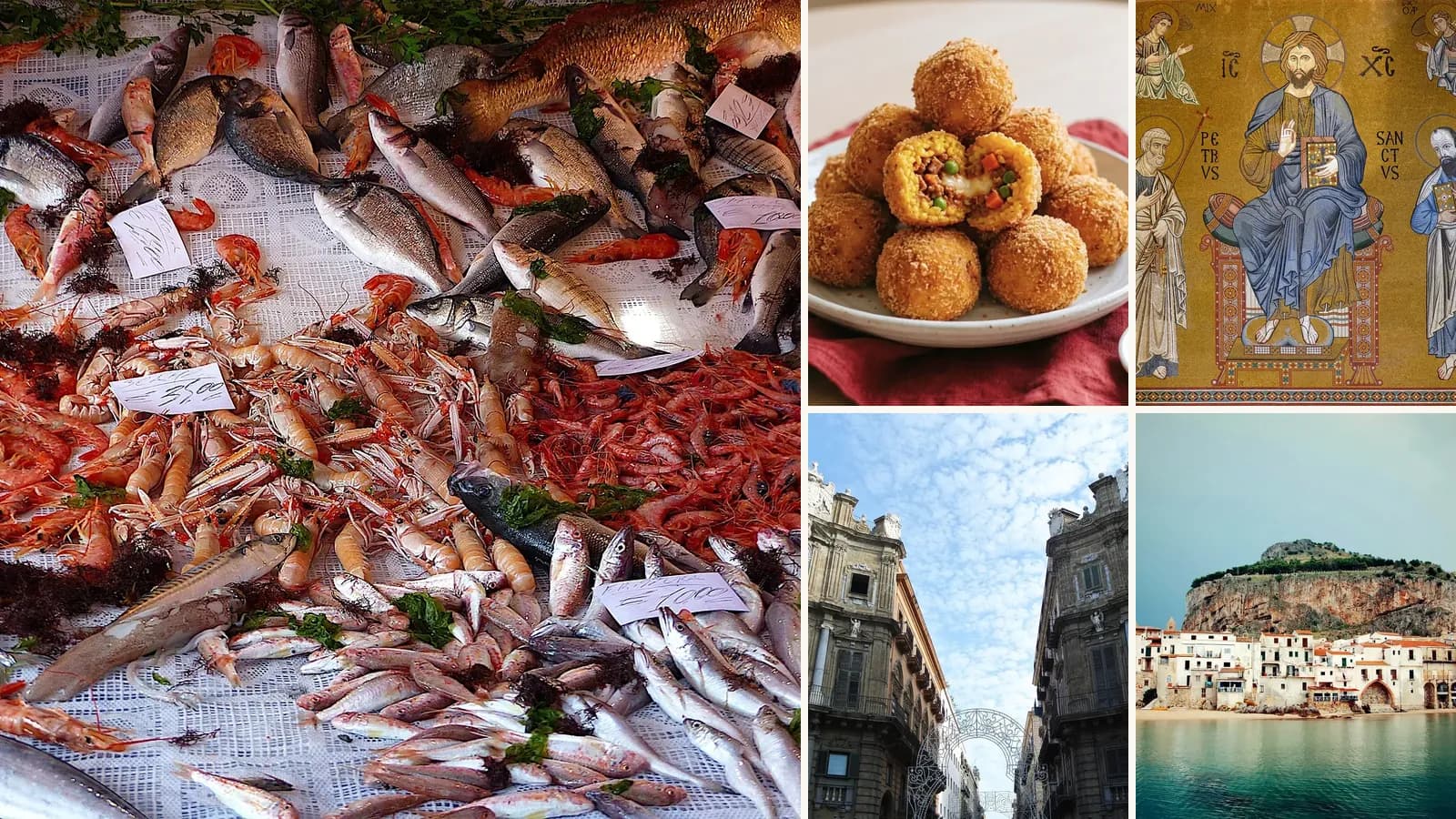
Palermo is a city of layers: Phoenician, Arab, Norman, Spanish and Baroque, all crammed into a chaotic, beautiful port on Sicily's north coast. It has some of Italy's best street food, golden mosaics, noisy markets and a beach just 20 minutes away. Here's how to enjoy it.
Markets and street food
1. Ballarò market
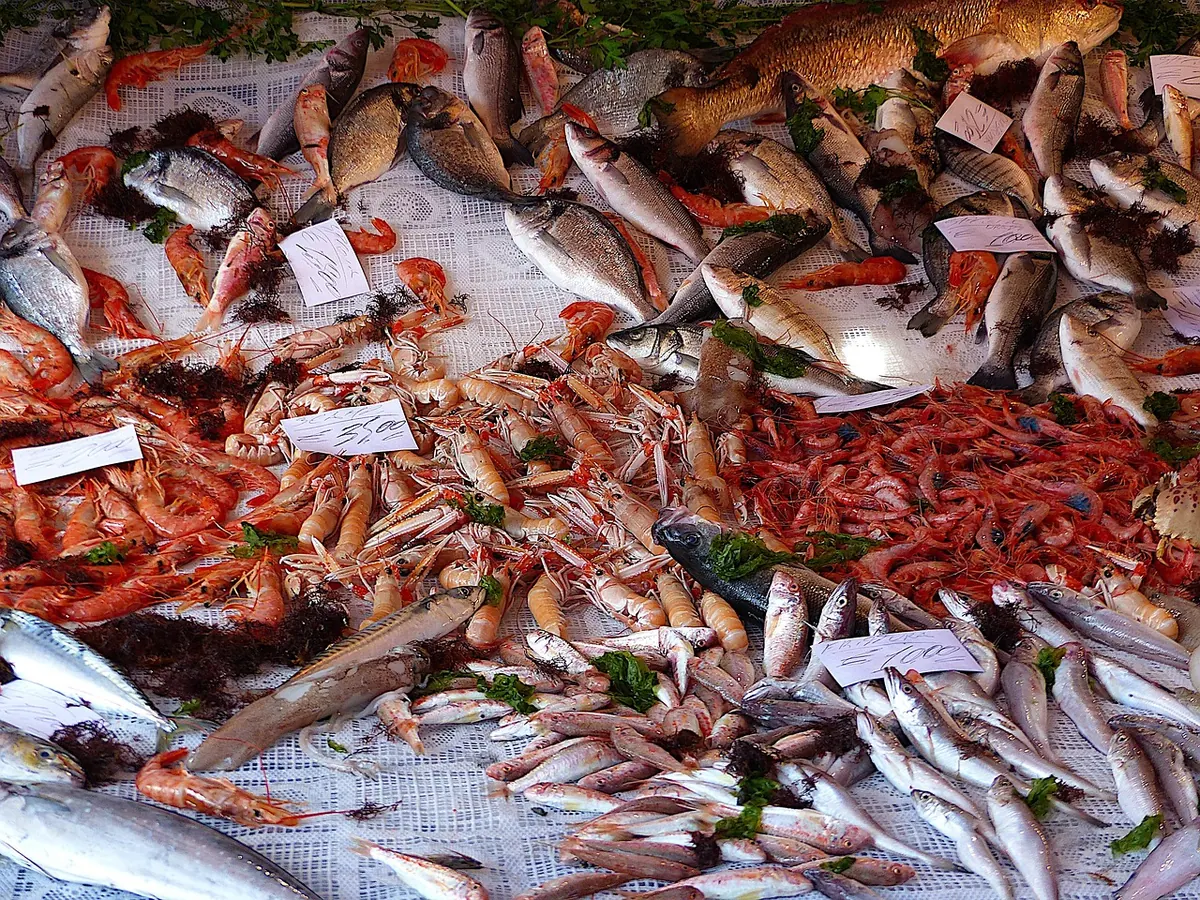
Palermo's oldest market is a feast of sound and colour: vendors shouting prices, fish on ice, mountains of fruit and stalls frying snacks. Go in the morning.
Vendors bellow their prices in a sing-song dialect, swordfish heads stare from the ice and piles of lemons, aubergines and olives spill into the street. Arrive hungry and point at whatever smells best.
2. Vucciria and Capo
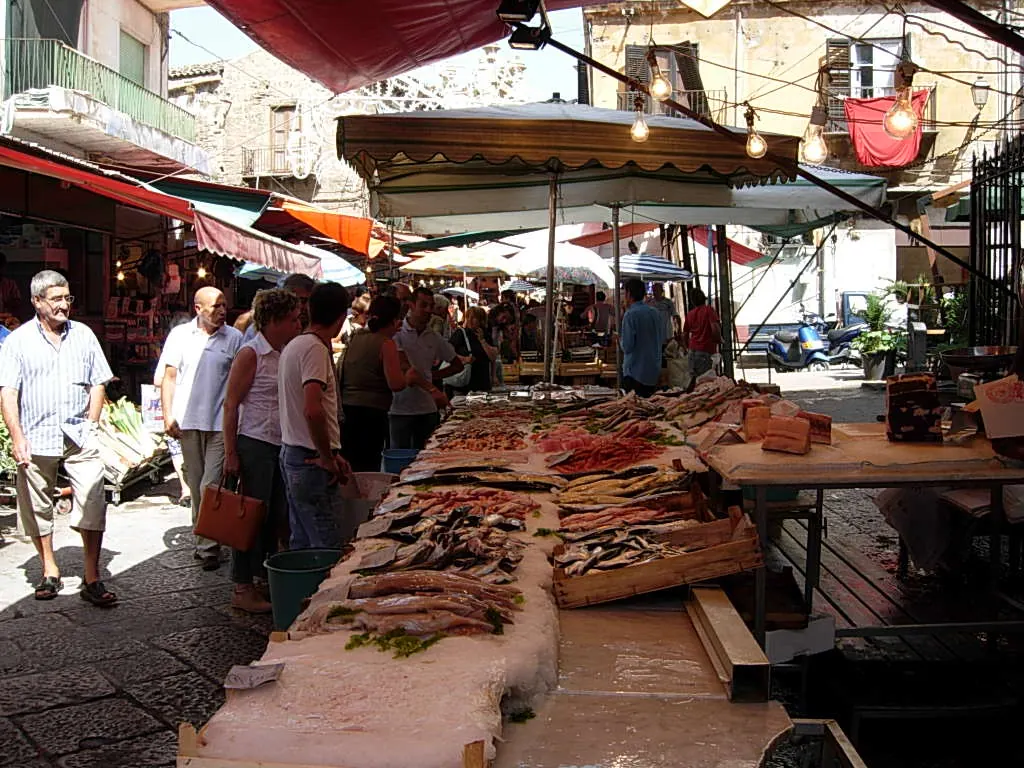
The Vucciria comes alive at night with street food and bars; the Capo market is a good morning alternative.
In the evening, Vucciria turns into an open-air party, with barbecues smoking on the pavement and music playing. Capo is calmer by day, with colourful stalls in narrow lanes.
3. Street food
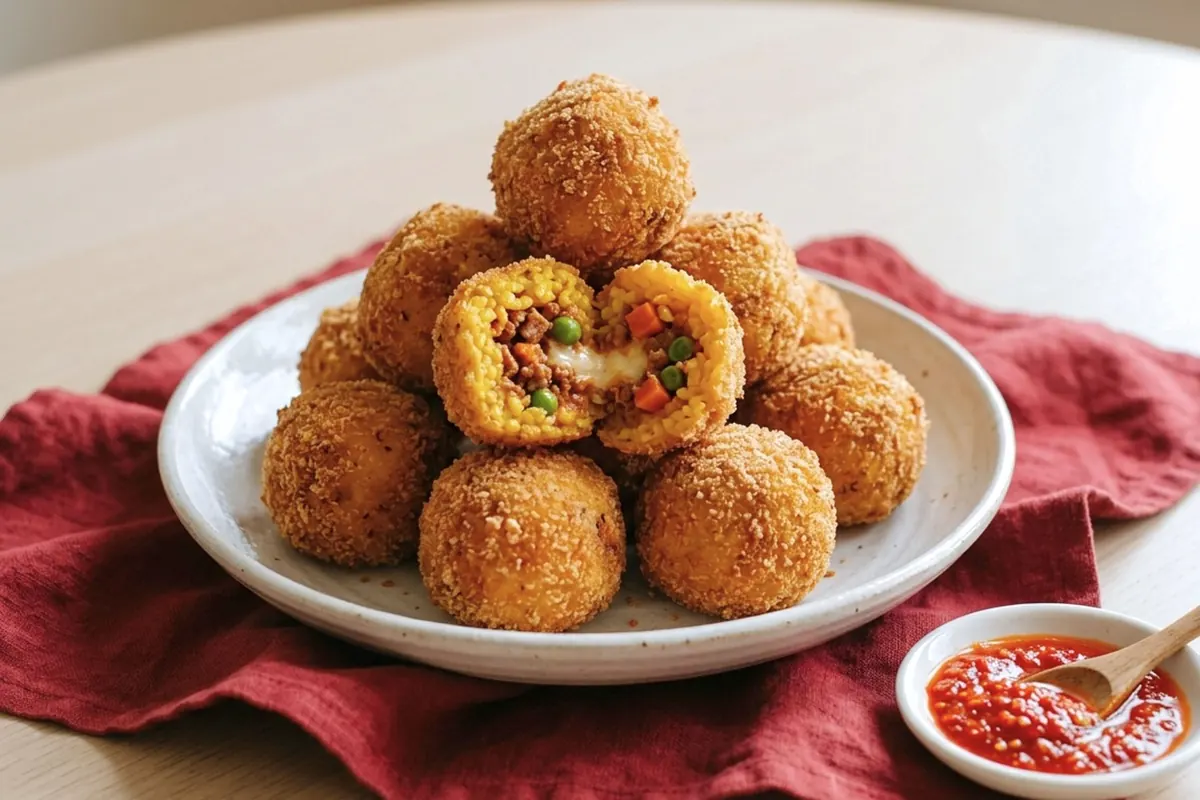
Try arancine, panelle, crocchè, sfincione and, if you're brave, pani câ meusa. Finish with a cannolo or a brioche filled with granita or gelato. A street food tour is a fun way to taste everything.
Hot arancine stuffed with ragù, panelle chickpea fritters in a bun and the brave pani ca meusa (spleen sandwich) – eat on the street like the locals.
History and architecture
4. The Norman Palace and Palatine Chapel
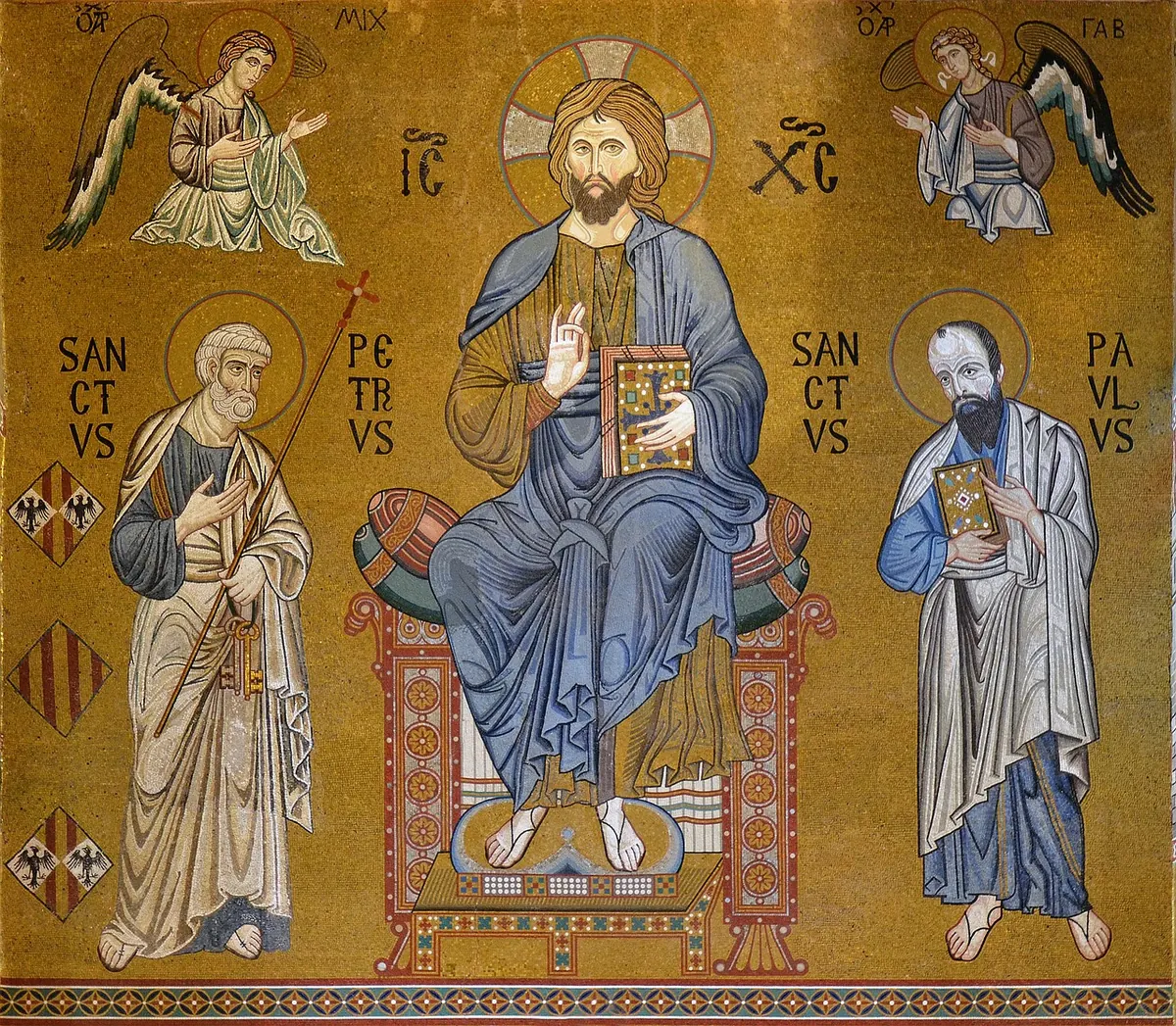
The Palazzo dei Normanni houses the Cappella Palatina, covered in glittering Byzantine mosaics – one of the most beautiful rooms in Italy. Palermo's Arab-Norman monuments are a UNESCO site.
The chapel's walls and ceiling glow with gold mosaics, and the carved wooden ceiling mixes Arab, Norman and Byzantine art – breathtaking in its richness.
5. Monreale Cathedral
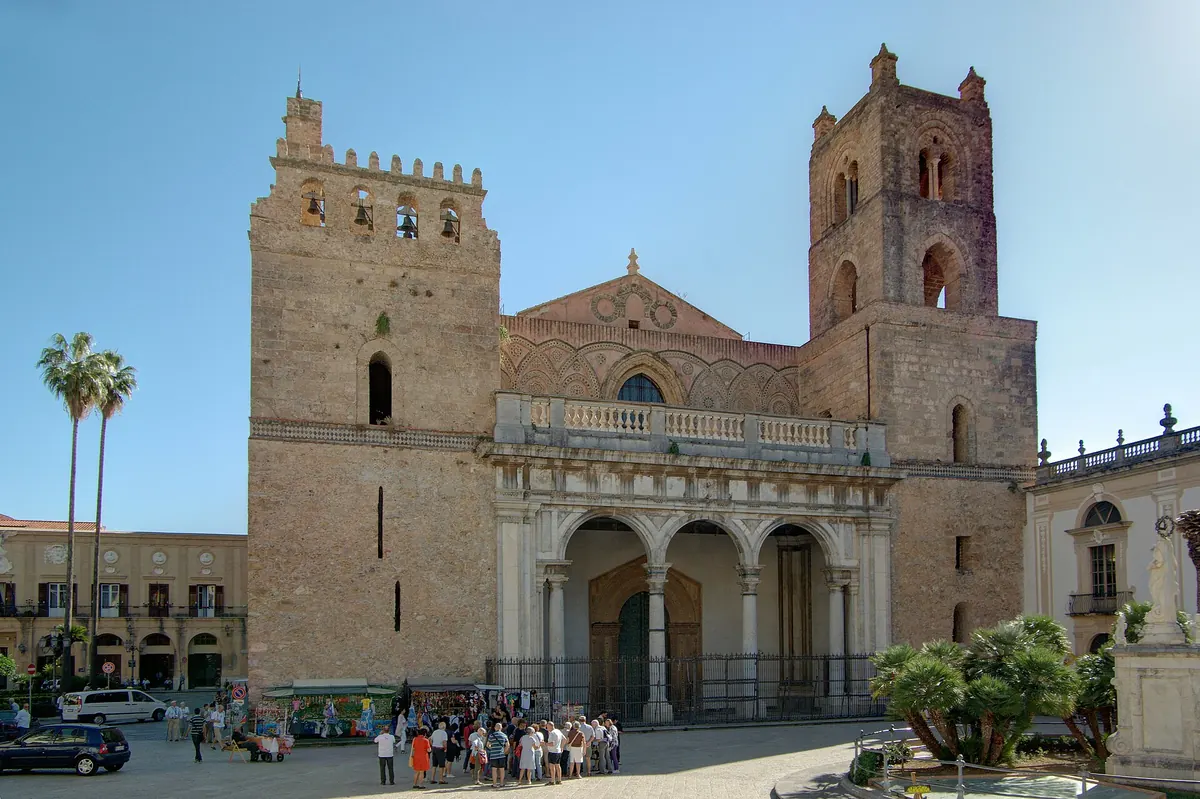
Just above the city, Monreale's cathedral has more than 6,000 square metres of gold mosaics and a beautiful cloister.
Inside, gold mosaics cover almost every wall, with a huge Christ looking down from the apse. Climb to the roof for views over the Conca d'Oro.
6. Quattro Canti and Piazza Pretoria
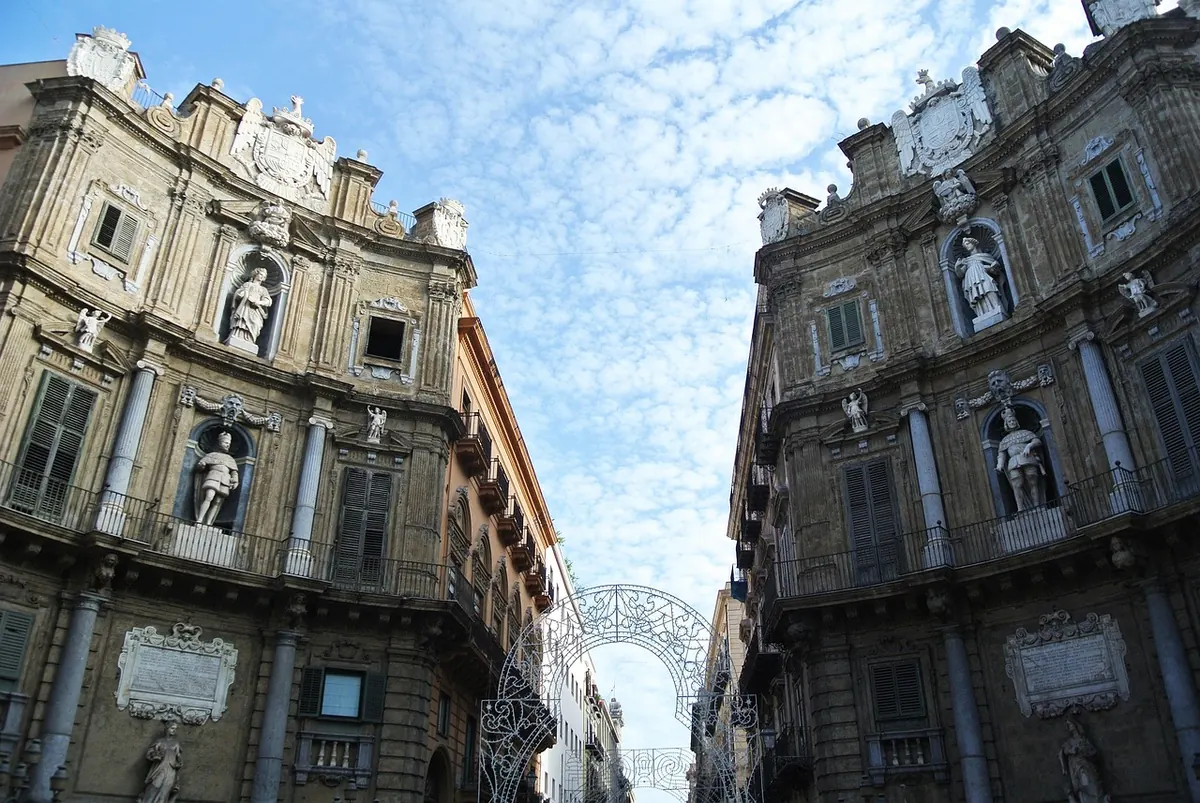
The Baroque crossroads of Quattro Canti and the nearby Fontana Pretoria, with its naked statues once called the "Fountain of Shame", are at the heart of the old town.
At the baroque crossroads of Quattro Canti, the four facades curve around you, and nearby, the fountain of Piazza Pretoria is crowded with marble nudes.
7. Teatro Massimo
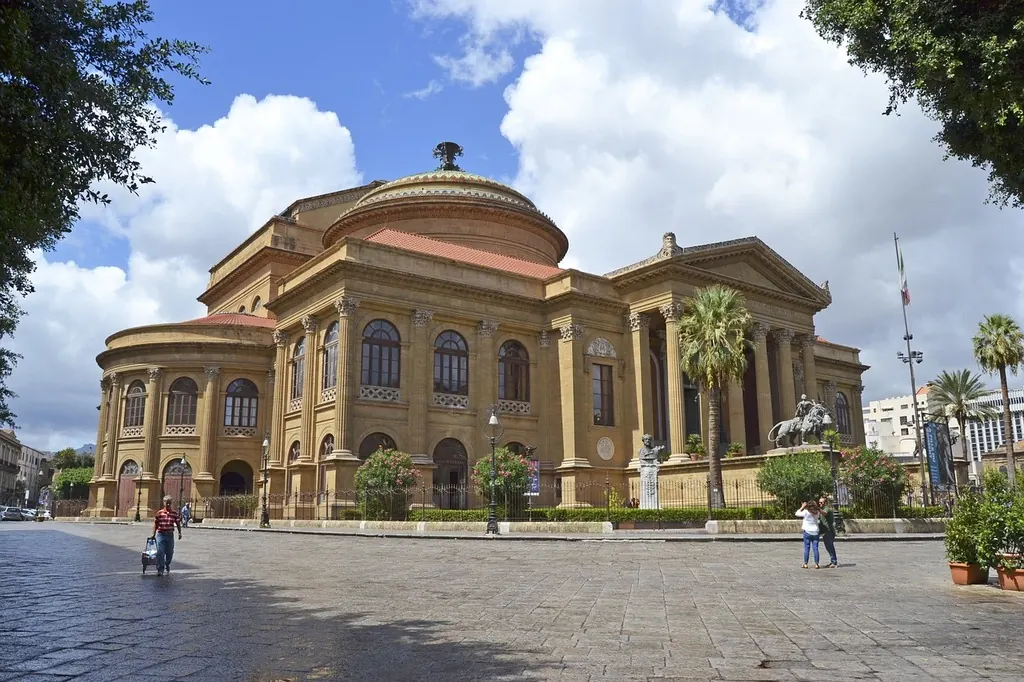
Italy's largest opera house featured in The Godfather Part III. Take a guided tour or catch a performance.
The opera house's staircase, lions and dome are magnificent – take a guided tour or, better, see a performance.
8. The Capuchin Catacombs
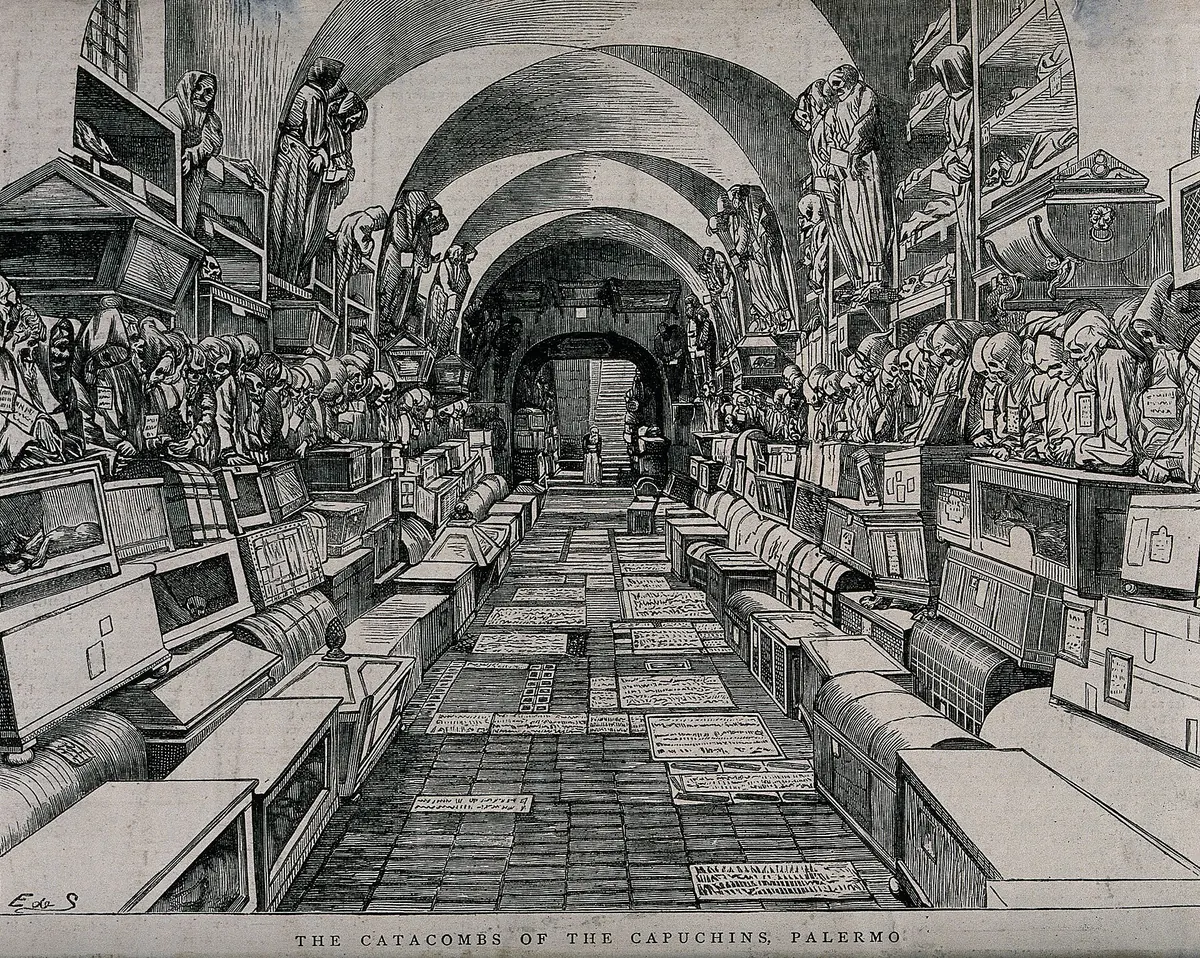
Not for the faint-hearted: thousands of mummified bodies, dressed in their clothes, line the corridors beneath a Capuchin monastery.
Rows of preserved bodies in their clothes line the dim corridors – eerie and fascinating, but not for everyone.
Beaches and day trips
9. Mondello
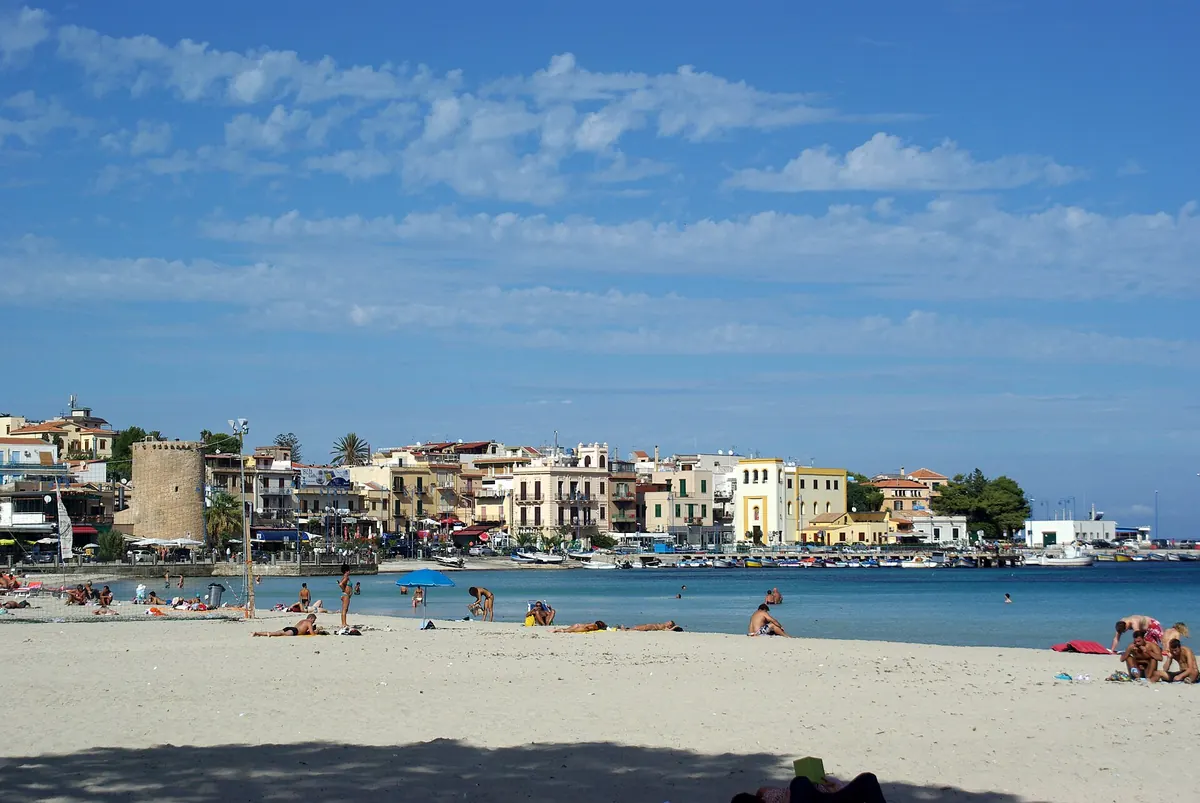
Palermo's beach suburb has fine white sand and turquoise water, with Art Nouveau villas along the seafront.
Turquoise water, white sand and Art Nouveau villas – on summer weekends, the whole city comes here to swim.
10. Cefalù
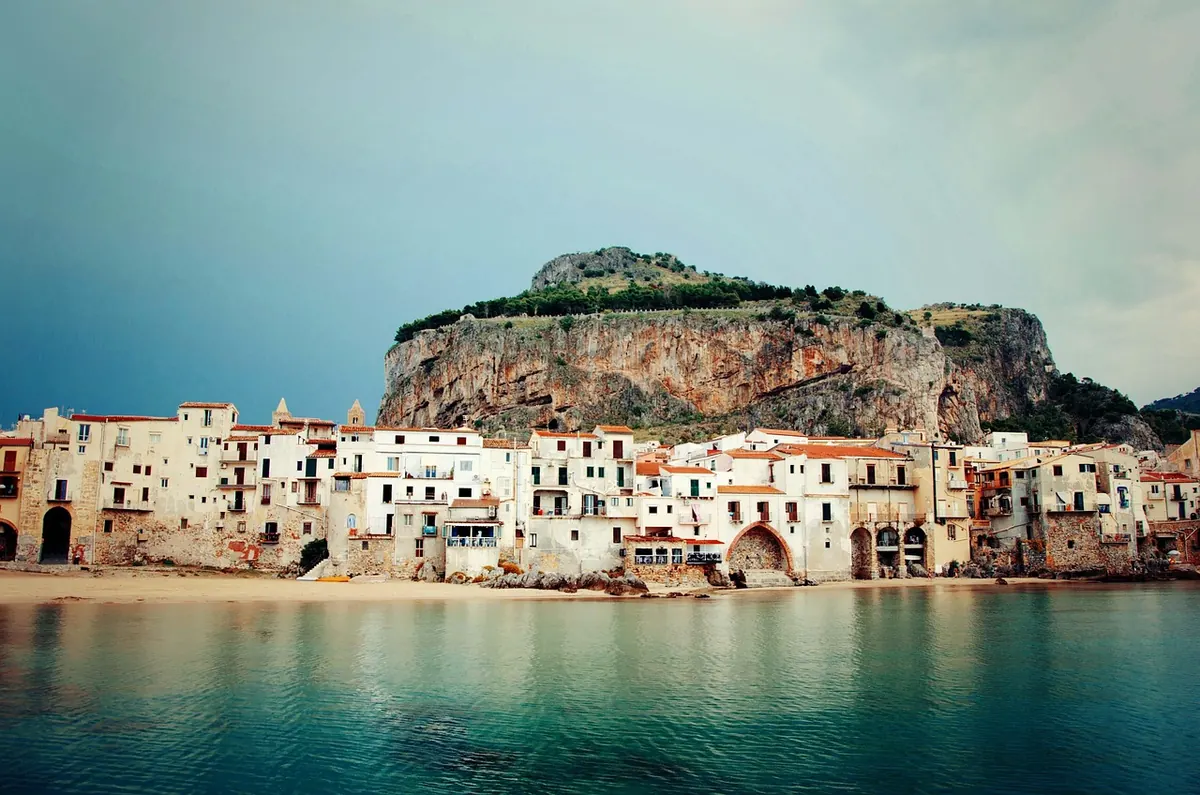
An hour east by train, Cefalù combines a Norman cathedral, a medieval centre and a sandy beach. See our pick of Italy's hidden gems.
The medieval town sits under a huge rock, with a Norman cathedral and a sandy beach right below the old houses.
Practical tips
- Getting there: fly to Palermo, or take the overnight train from Rome or a ferry from Naples – see our Naples guide.
- Driving: avoid driving in the centre; parking is difficult.
- Best time: spring and autumn; summer is very hot.
- Nearby islands: ferries and flights connect Sicily with Malta – see our Malta guide.
Frequently asked questions
How many days do you need in Palermo?
Three days covers the historic centre, markets and Monreale, with time for a beach afternoon at Mondello. Add a day for Cefalù.
What food is Palermo famous for?
Street food: arancine (rice balls), panelle (chickpea fritters), sfincione (Sicilian pizza), pani câ meusa (spleen sandwich) and cannoli.
Is Palermo safe?
Palermo is generally safe for tourists. Take normal precautions against pickpockets in markets and on buses.
Keep reading
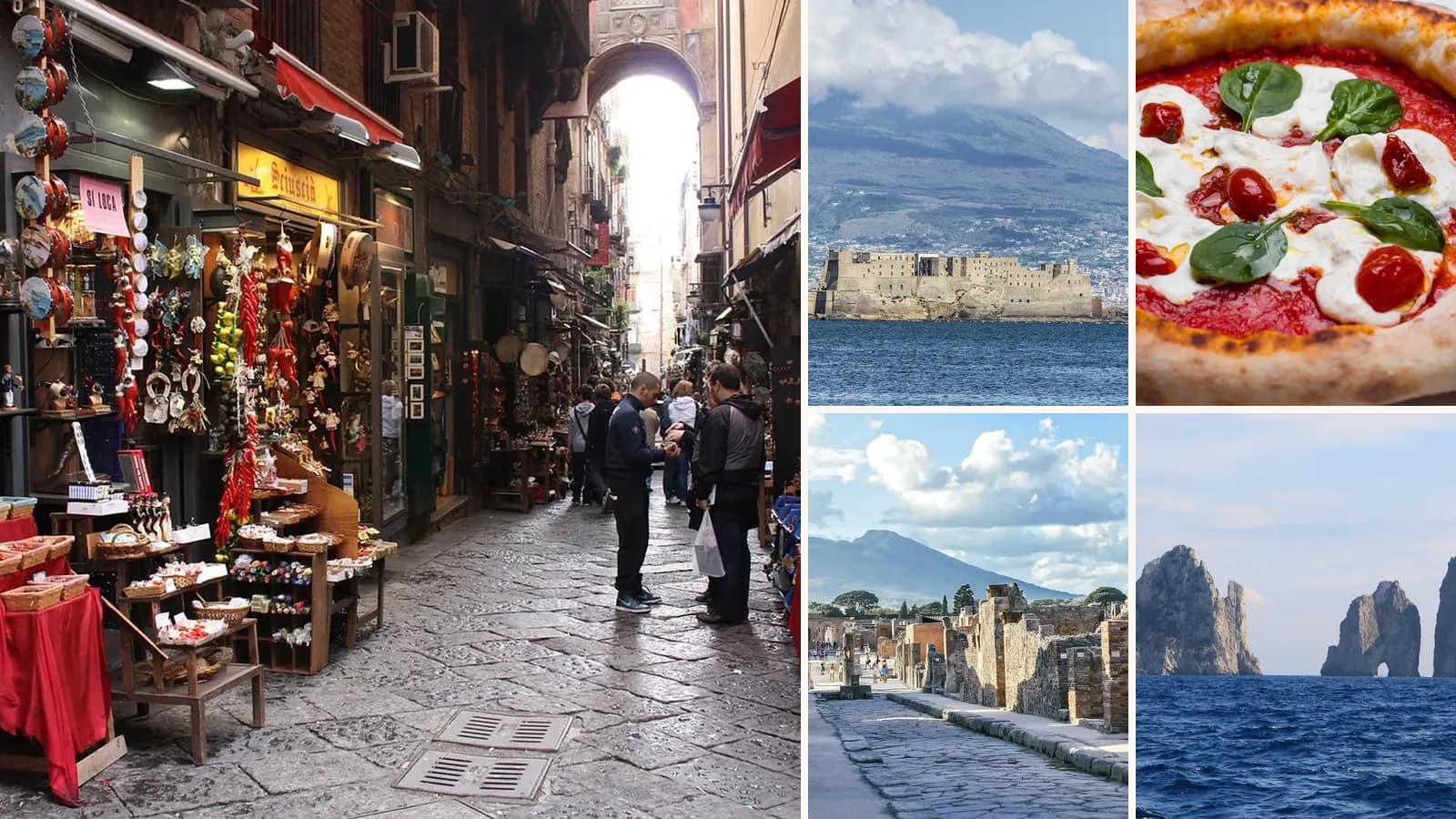
Naples City Break: Pizza, Pompeii and the Old Town
Plan a Naples city break: the historic centre, Spaccanapoli, Naples Underground, the Archaeological Museum, the Veiled Christ, pizza, Pompeii, Vesuvius and Capri.
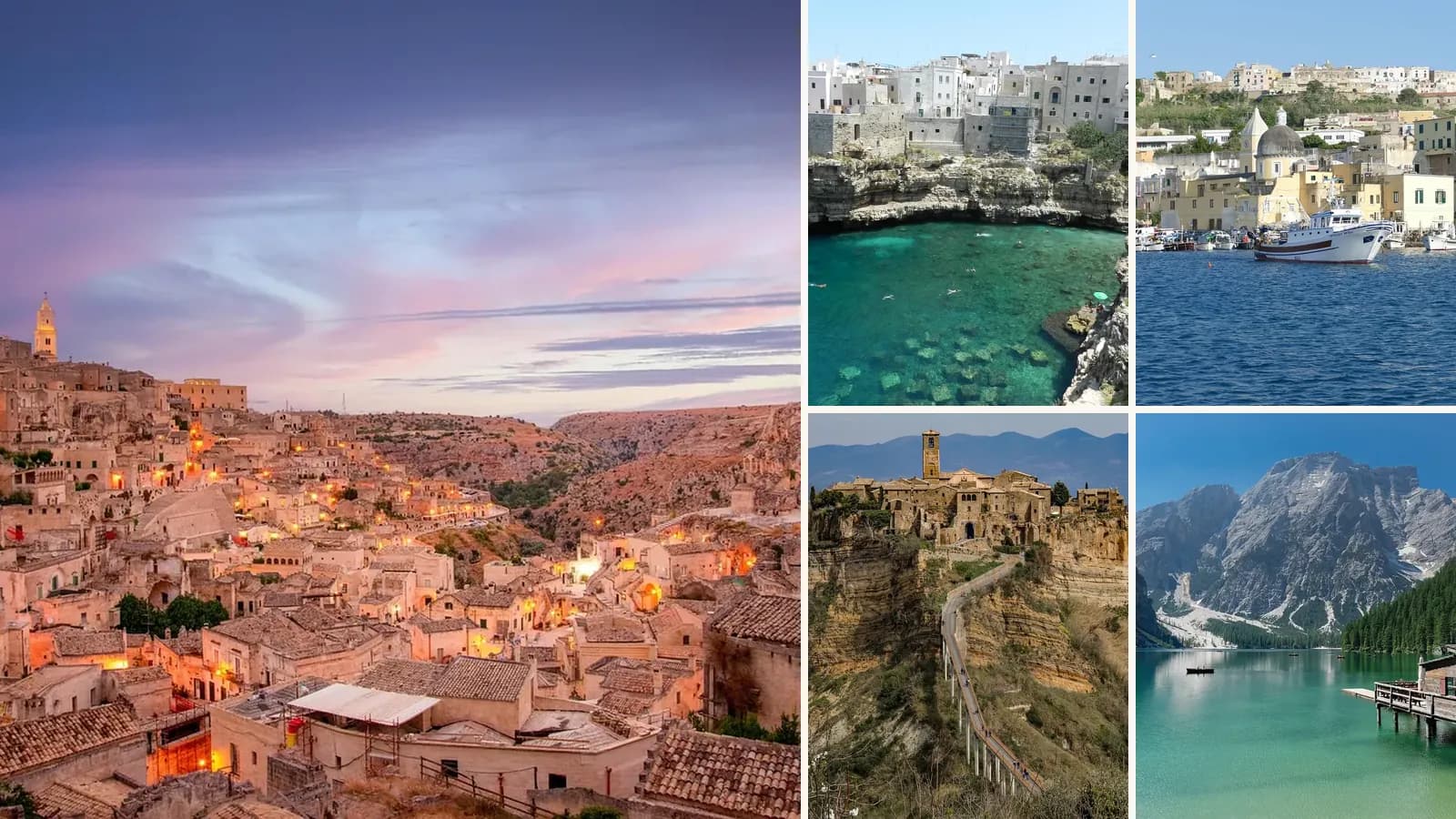
Italy's Hidden Gems: 12 Places Beyond Rome, Florence and Venice
Twelve of Italy's hidden gems – Matera, Puglia's Polignano, Procida, Civita di Bagnoregio, Lake Orta, Trieste, Bologna, the Dolomites and more – with tips.
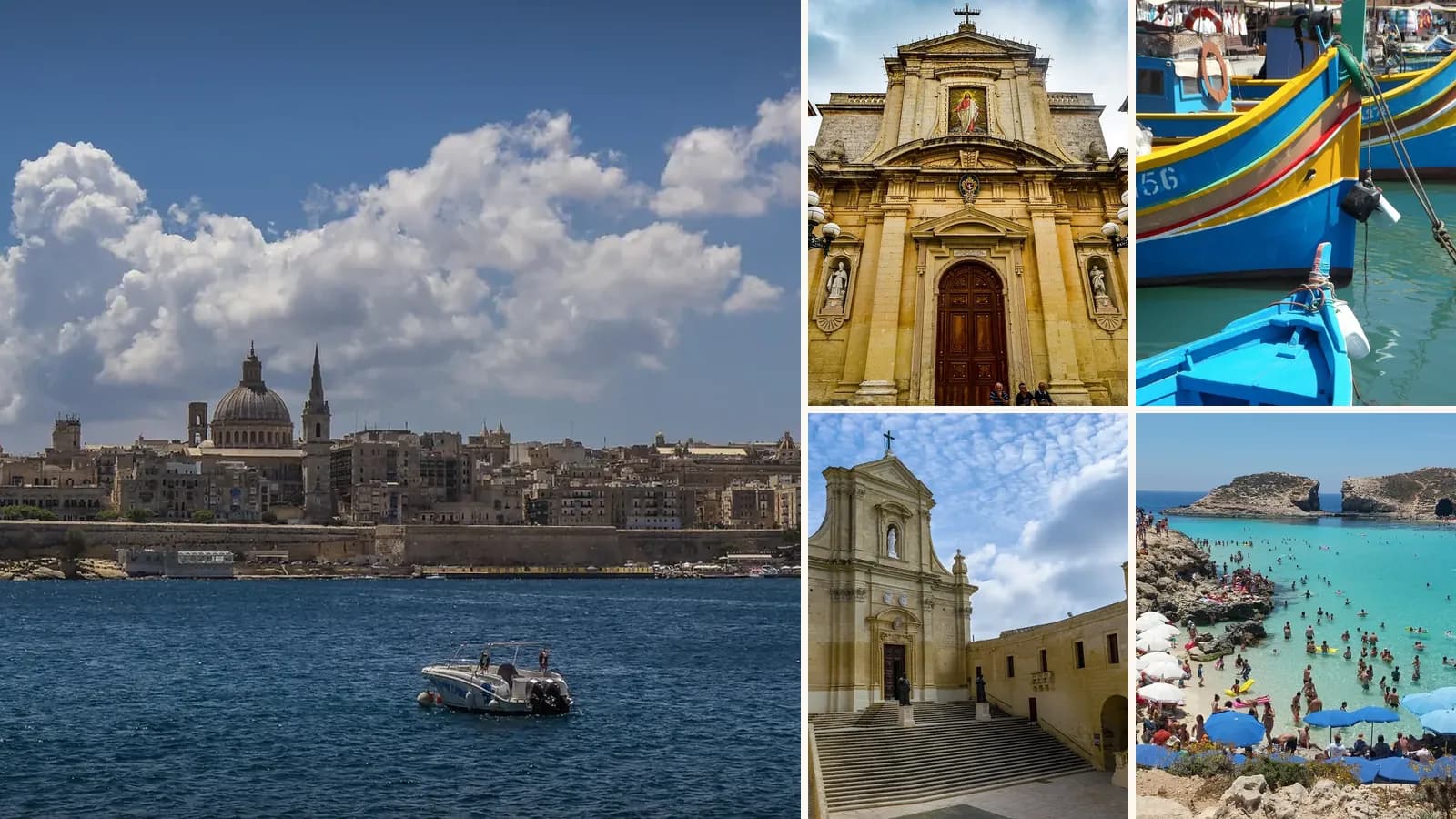
Malta Travel Guide: Valletta, Gozo, the Blue Lagoon and More
Plan a trip to Malta: Valletta, Mdina, the Three Cities, Gozo, Comino's Blue Lagoon, prehistoric temples, diving, food, getting around and the best time to go.
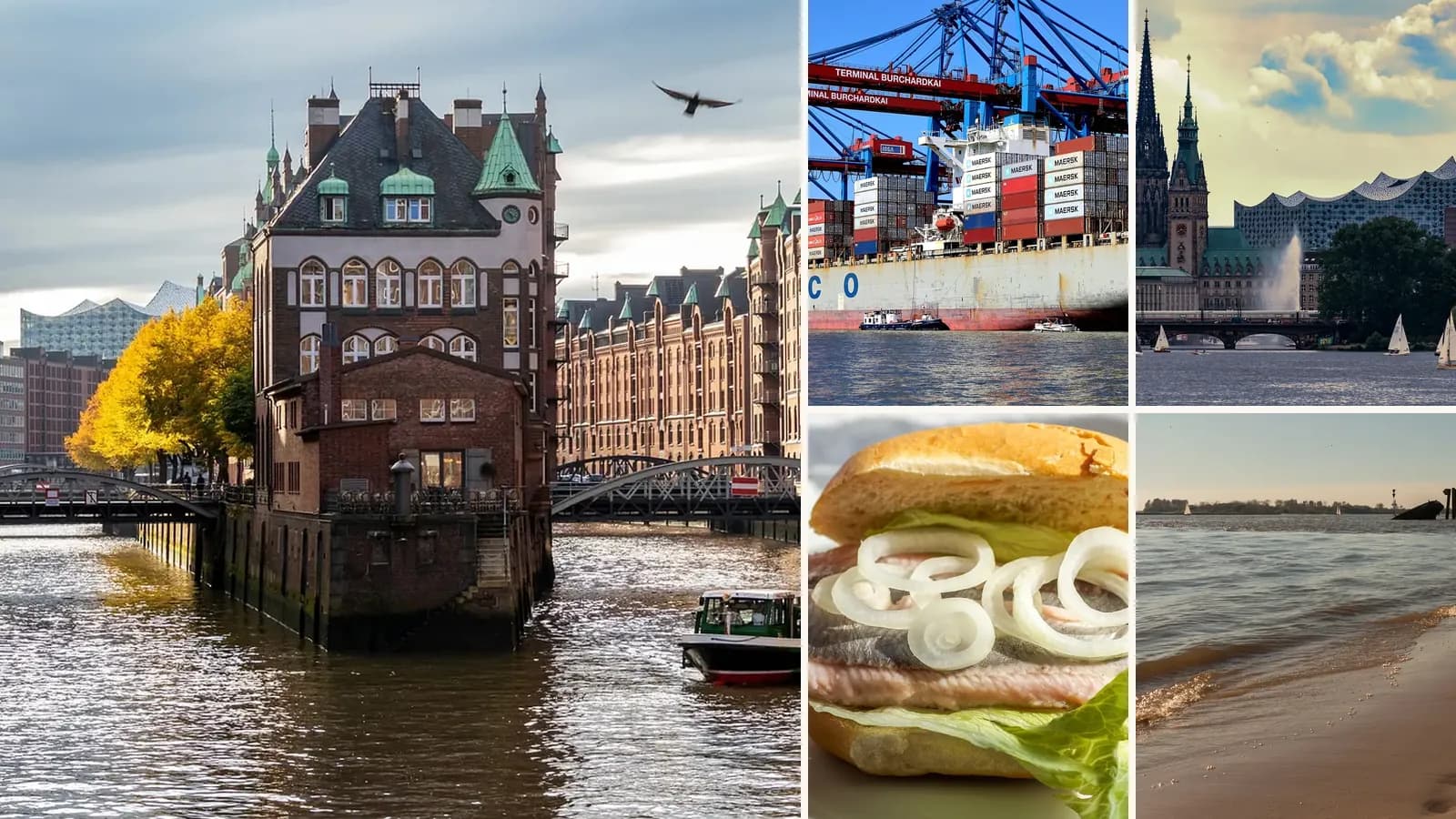
10 of the Best Things to Do in Hamburg
Miniatur Wunderland, the Elbphilharmonie, Speicherstadt, the Fish Market, St Pauli and the Alster – the best things to do in Hamburg, with tips for families.