Italy's Hidden Gems: 12 Places Beyond Rome, Florence and Venice
Twelve of Italy's hidden gems – Matera, Puglia's Polignano, Procida, Civita di Bagnoregio, Lake Orta, Trieste, Bologna, the Dolomites and more – with tips.

Some links in this guide are partner links: if you buy through them we may earn a small commission, at no extra cost to you. It never affects what we recommend. How we make money
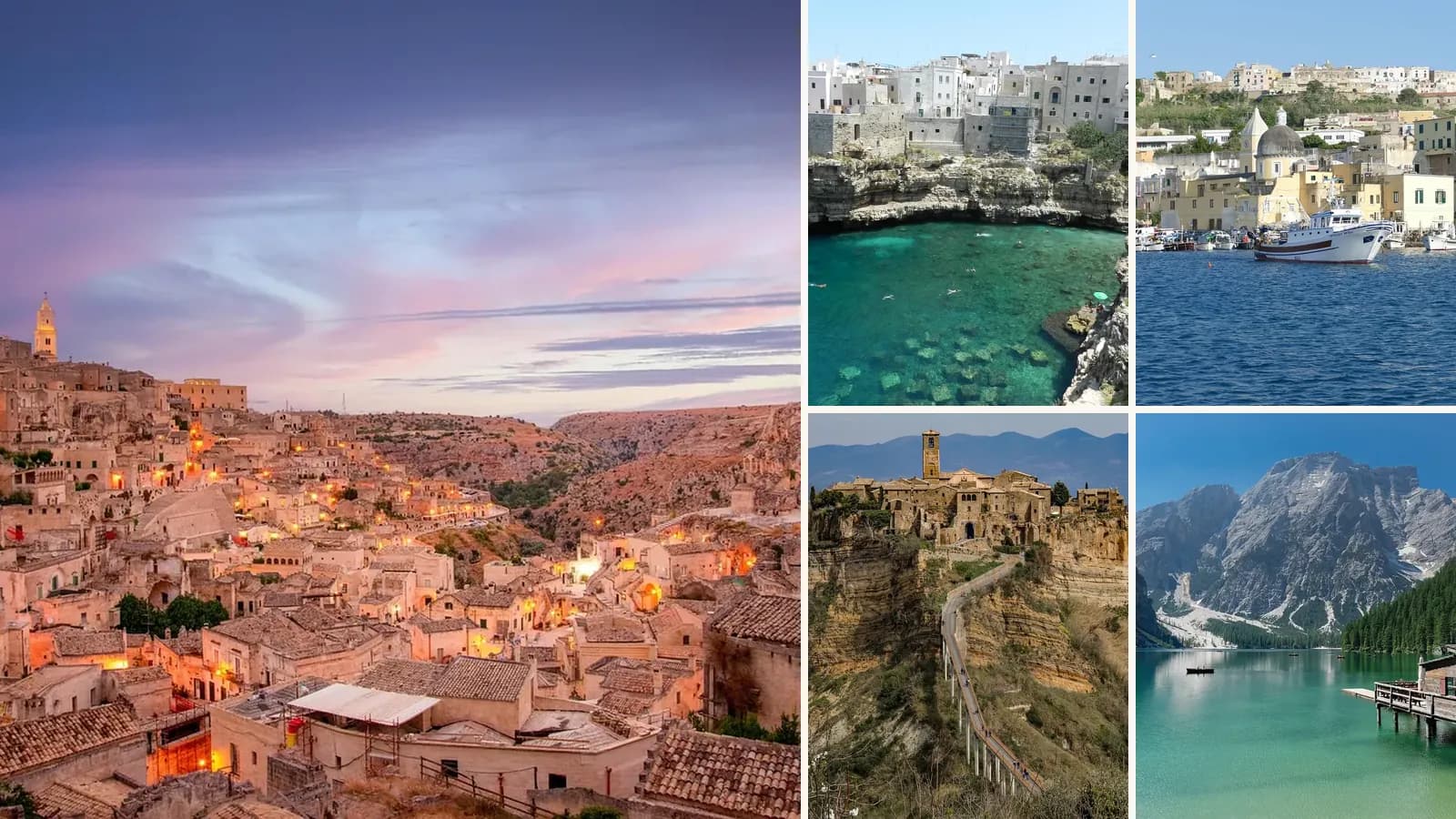
Rome, Florence and Venice deserve their fame – but they're also crowded and expensive. Italy is full of places just as beautiful that most visitors never see. These twelve hidden gems, from cave towns to island villages, show a quieter, more local side of the country.
Southern Italy
1. Matera, Basilicata
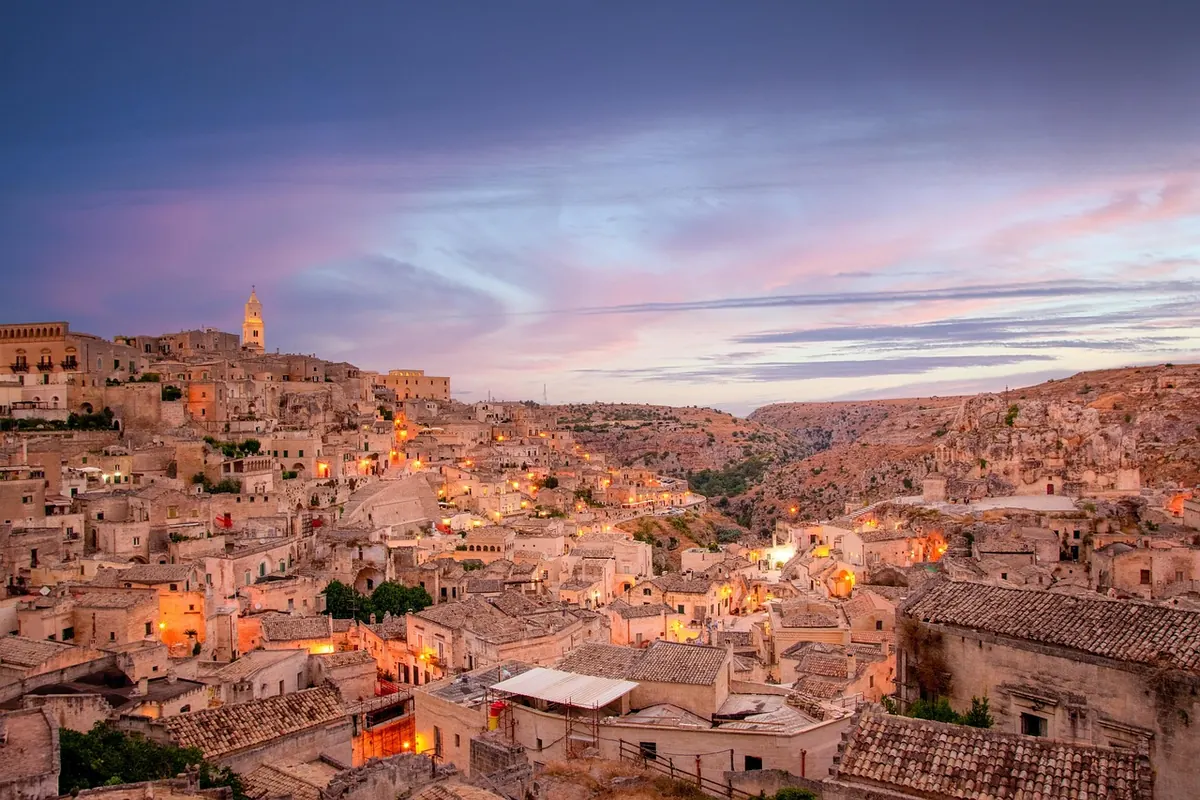
The Sassi of Matera – ancient cave dwellings carved into a ravine – were once a symbol of poverty and are now a UNESCO site with cave hotels and restaurants. At dusk, when the lights come on, it's unforgettable.
The cave houses of the Sassi tumble down the ravine, honey-coloured by day and glittering with lights at night – like a nativity scene come to life. Sleeping in a cave hotel is unforgettable.
2. Polignano a Mare and the Itria Valley, Puglia
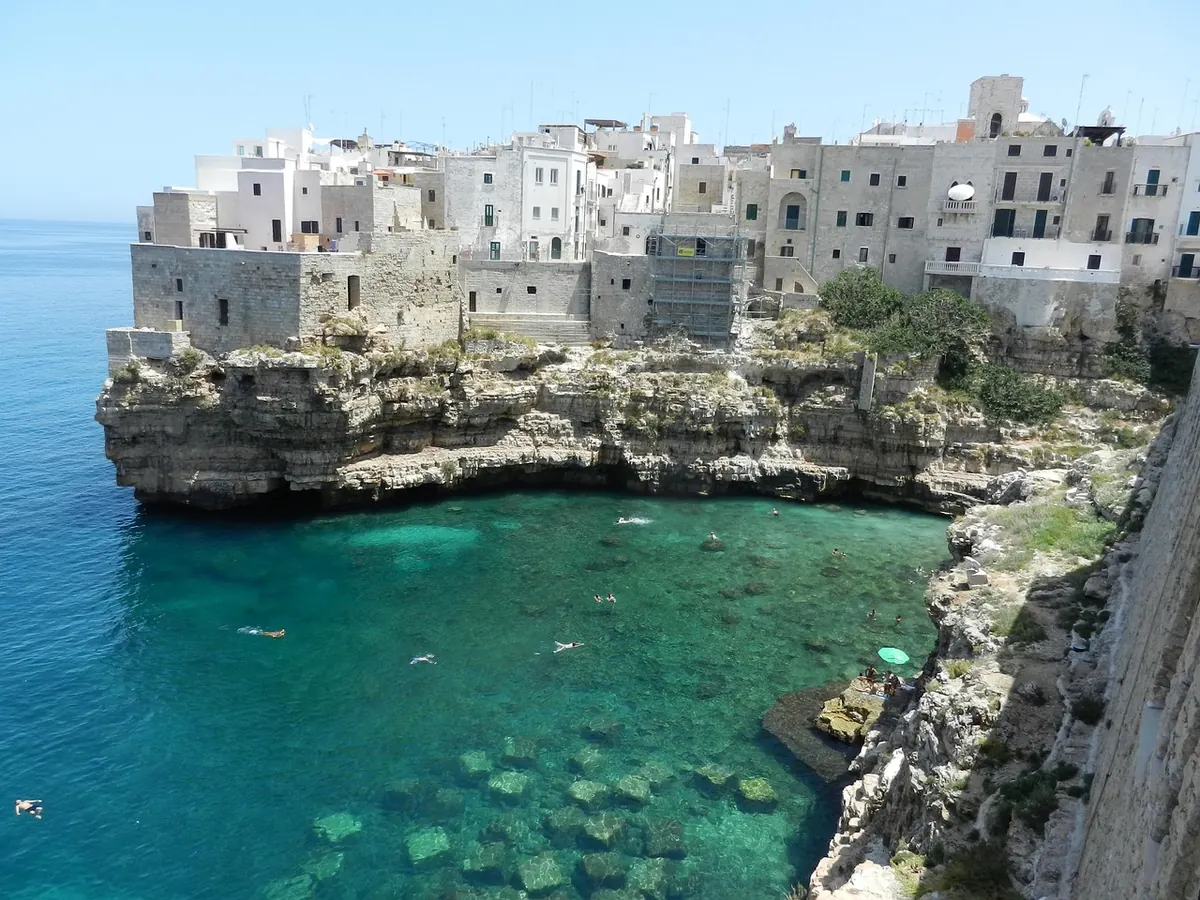
Polignano's whitewashed old town sits on cliffs above a tiny beach. Inland, the Itria Valley is dotted with cone-roofed trulli in Alberobello and white towns such as Ostuni and Locorotondo.
White houses perch on cliffs above an emerald cove, and inland, the cone-roofed trulli of Alberobello and the olive groves stretch for miles.
3. Procida
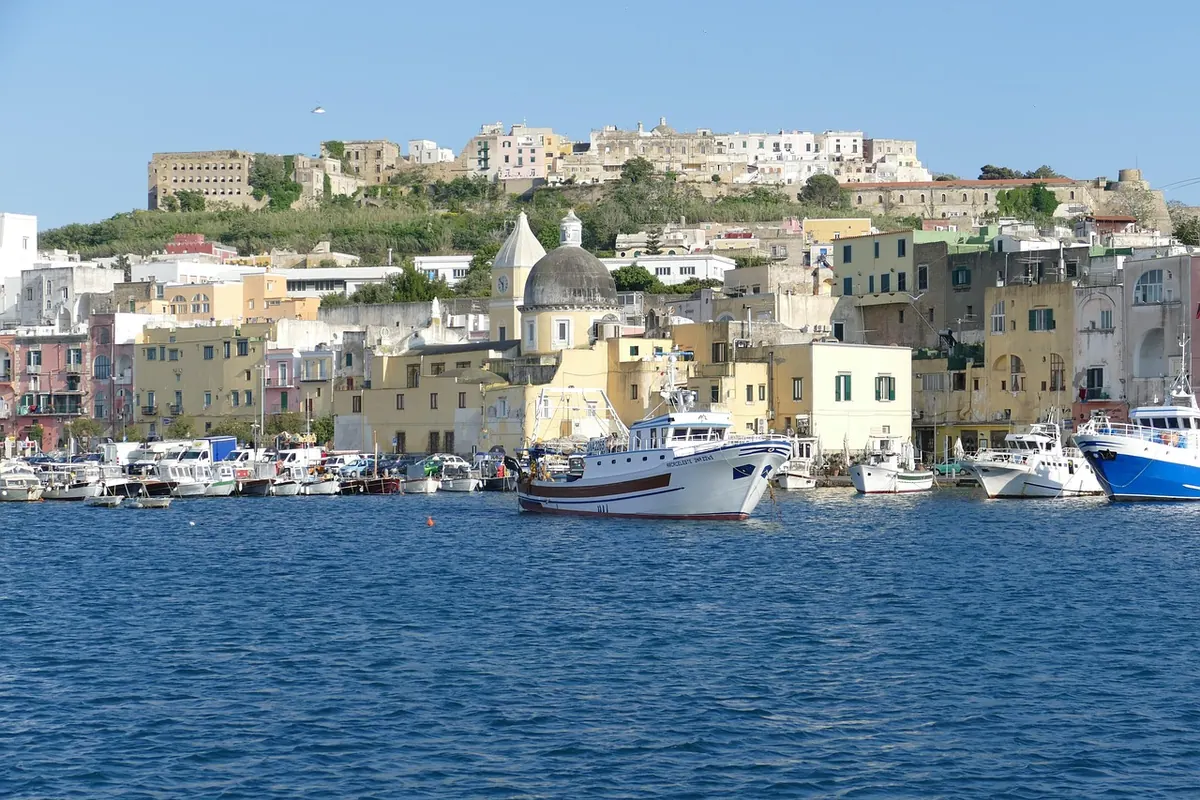
Smaller and less touristy than Capri, Procida in the Bay of Naples has pastel fishing houses at Marina Corricella. It's easily reached by ferry – see our Naples city break guide.
Pastel houses in pink, yellow and blue line the fishing harbour of Marina Corricella – quieter than Capri and Ischia, with an authentic island life.
4. Cefalù and Ortigia, Sicily
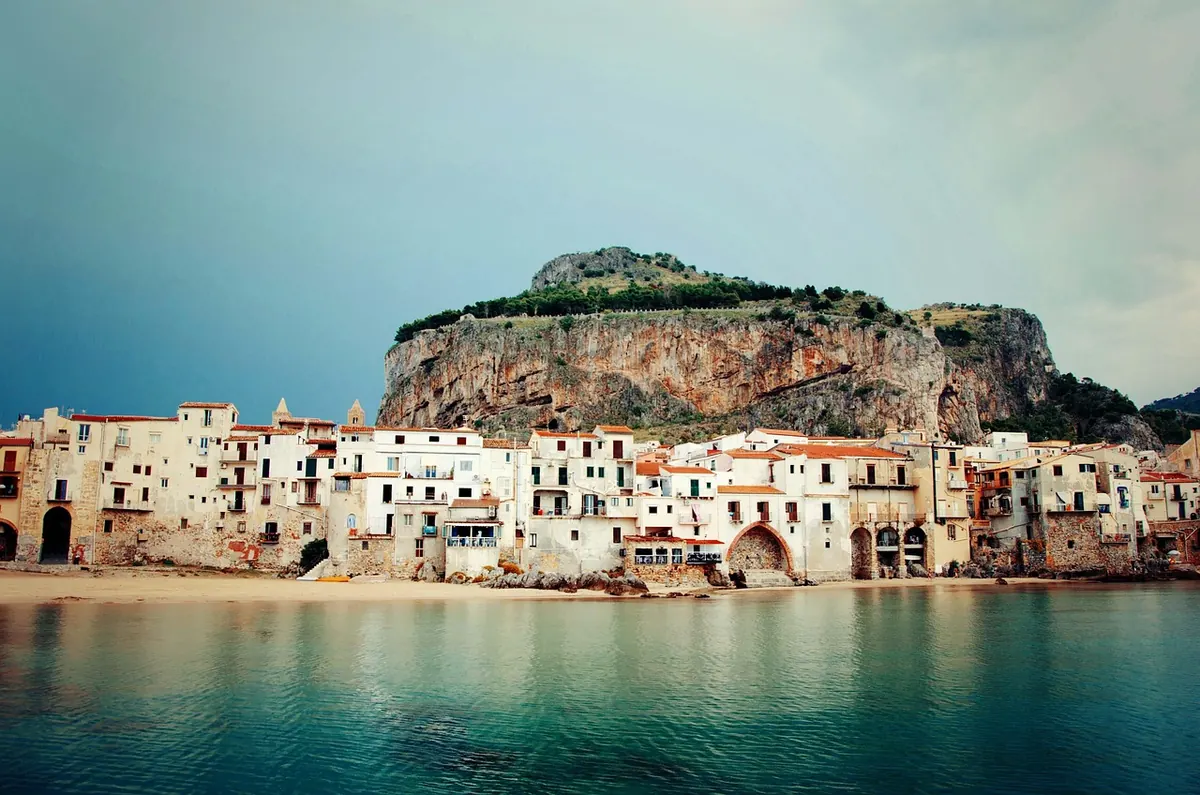
Cefalù has a Norman cathedral and a beach beneath a dramatic rock; Ortigia, the island old town of Syracuse, has Baroque squares and Greek ruins. See our Palermo guide.
In Ortigia, the baroque cathedral square glows white at night, the market is full of fish and lemons and you can swim from the rocks at the edge of town.
Central Italy
5. Civita di Bagnoregio, Lazio
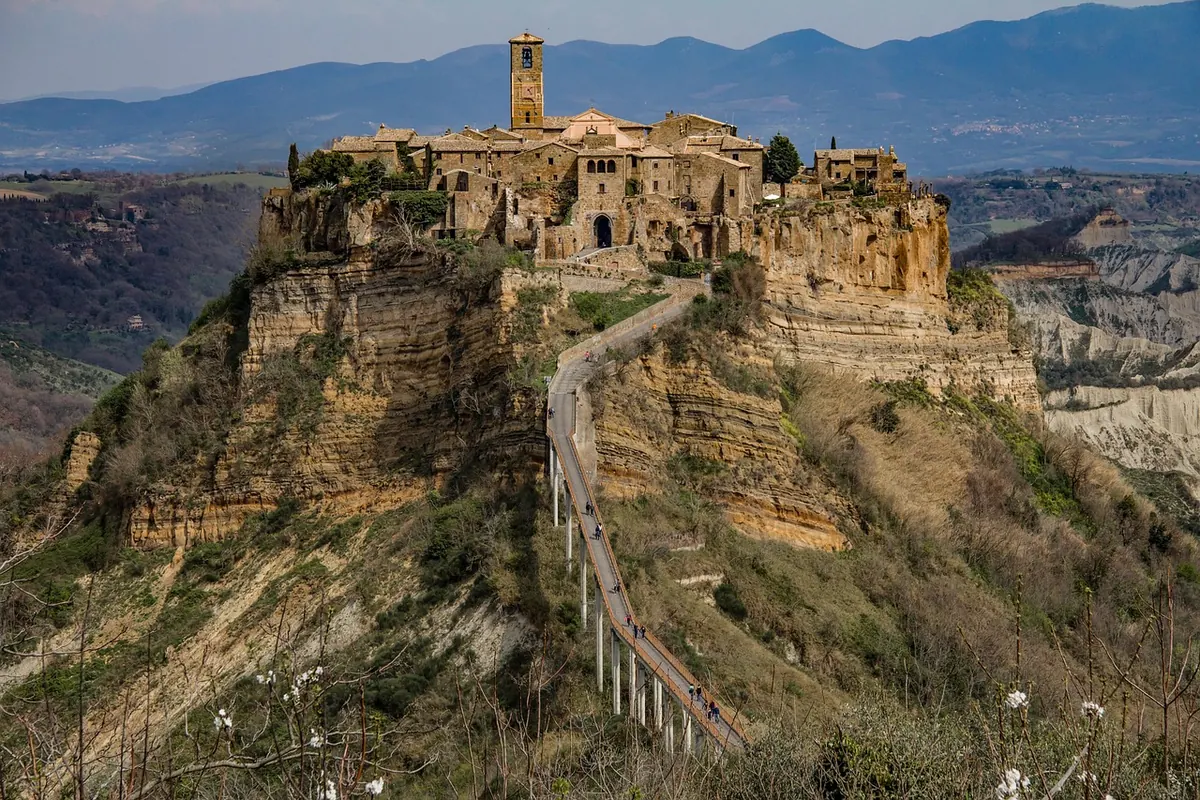
Perched on an eroding hilltop and reached by a footbridge, Civita is often called "the dying town". Its handful of lanes are magical early in the morning.
A long footbridge leads up to the 'dying town', perched on a crumbling hill above the valley – silent, ancient and magical in the morning mist.
6. Le Marche
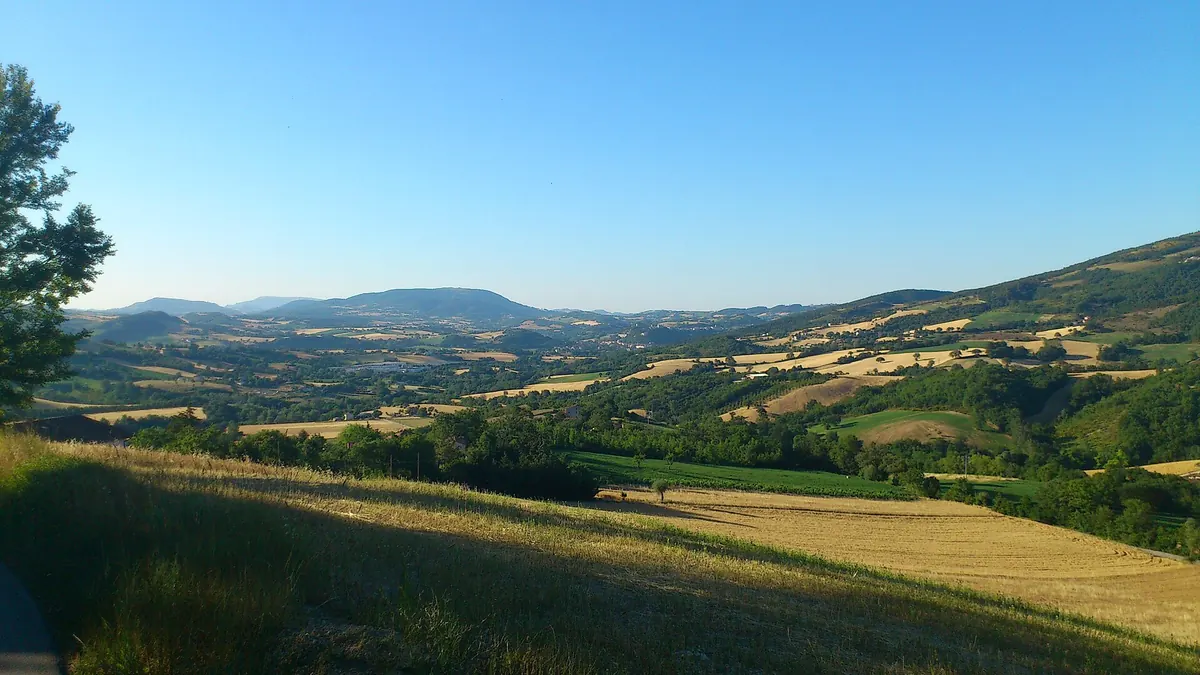
Between the Apennines and the Adriatic, Le Marche has Renaissance Urbino, hill towns, the Conero coast and Tuscan-style landscapes without the crowds.
Rolling hills, medieval villages and a coastline of white cliffs at Monte Conero – Tuscany without the crowds.
7. Orvieto and Umbria
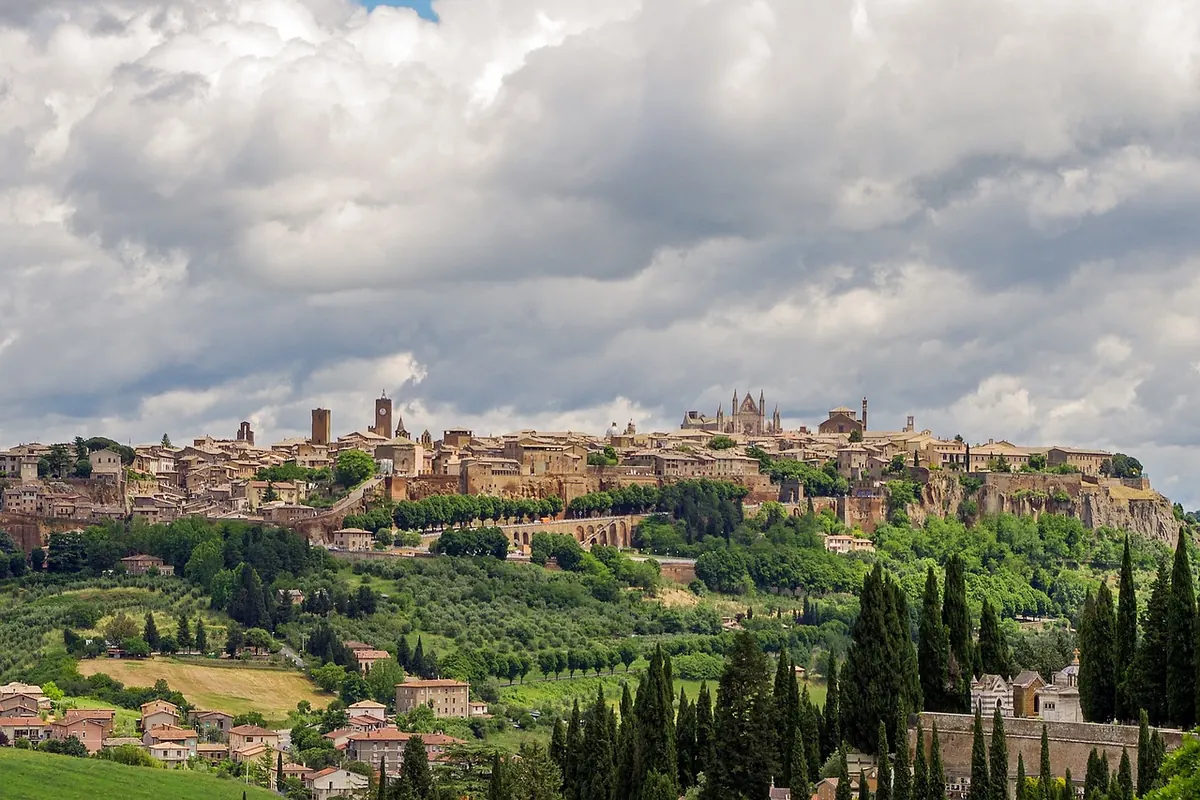
Orvieto's cathedral façade is one of Italy's most spectacular, and Umbrian towns such as Spello, Assisi and Bevagna are quieter alternatives to Tuscany.
The cathedral's facade glitters with gold mosaics, and beneath the town, a maze of Etruscan caves and wells winds through the rock.
8. Bologna
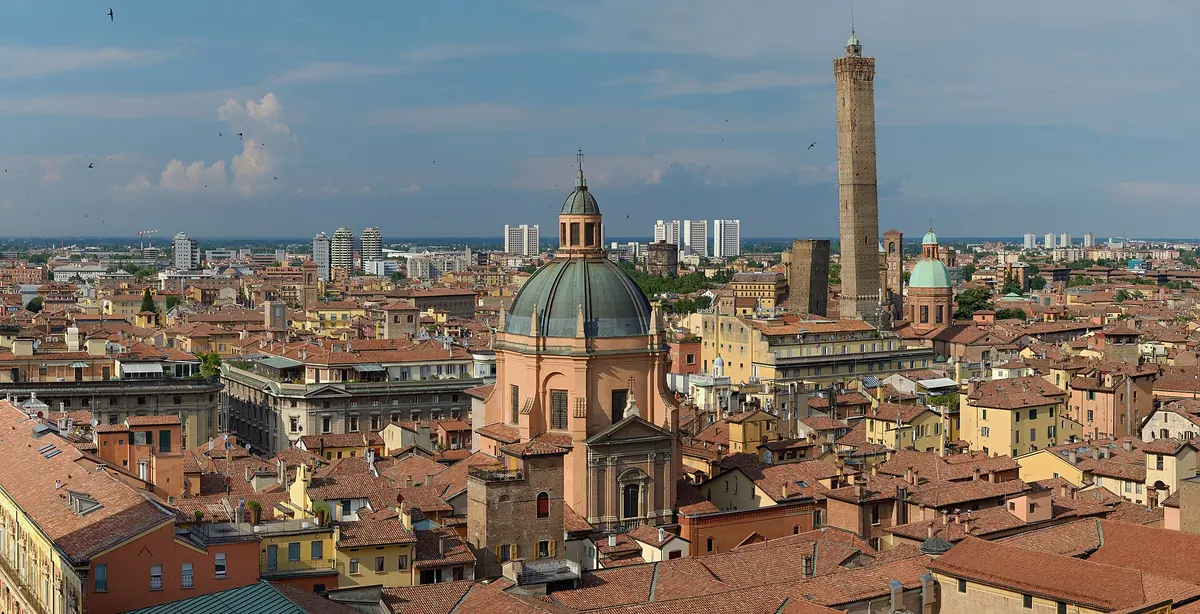
The food capital of Italy has medieval towers, kilometres of porticoes and some of the best eating in the country – tagliatelle al ragù, mortadella and tortellini.
Kilometres of porticoes shelter you from the sun and rain, the market lanes smell of mortadella and Parmesan, and the leaning towers rise above the red rooftops.
Northern Italy
9. Lake Orta, Piedmont
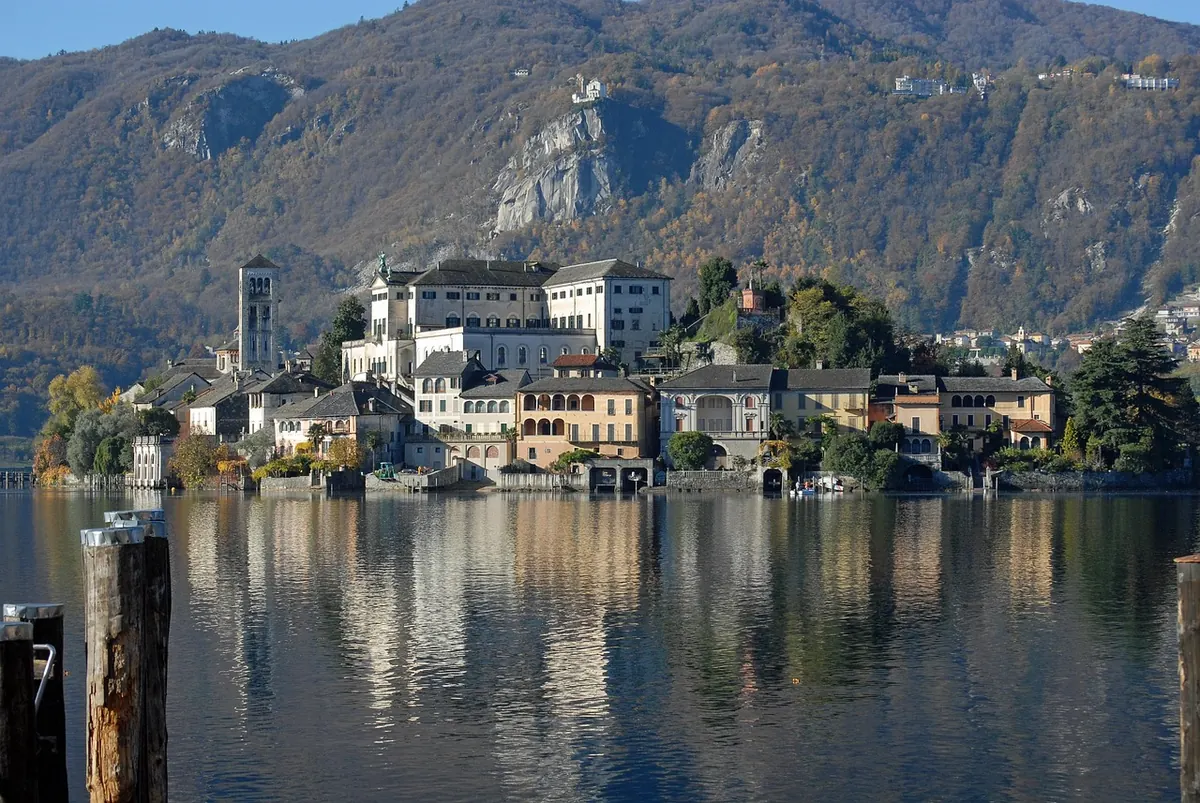
A small, romantic alternative to Lake Como, with the island of San Giulio and the village of Orta San Giulio. See also our Lake Como guide.
Isola San Giulio floats in the middle of the lake, its silence broken only by bells, and Orta's square is perfect for a quiet aperitivo.
10. Trieste
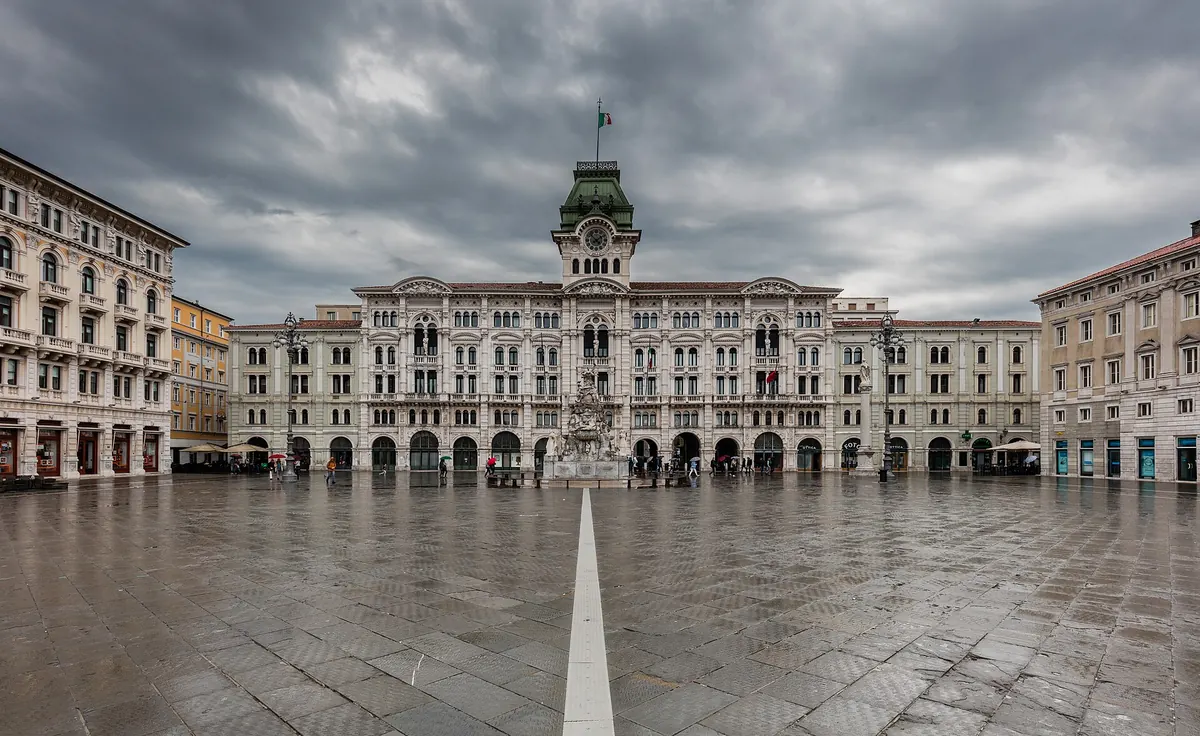
A port city with Habsburg architecture, grand cafés and a Central European feel, Trieste sits right on the Adriatic near the Slovenian border.
The vast Piazza Unità opens onto the sea, the coffee houses are grand and old-fashioned and the bora wind can be strong enough to make you hold on to the railings.
11. The Dolomites
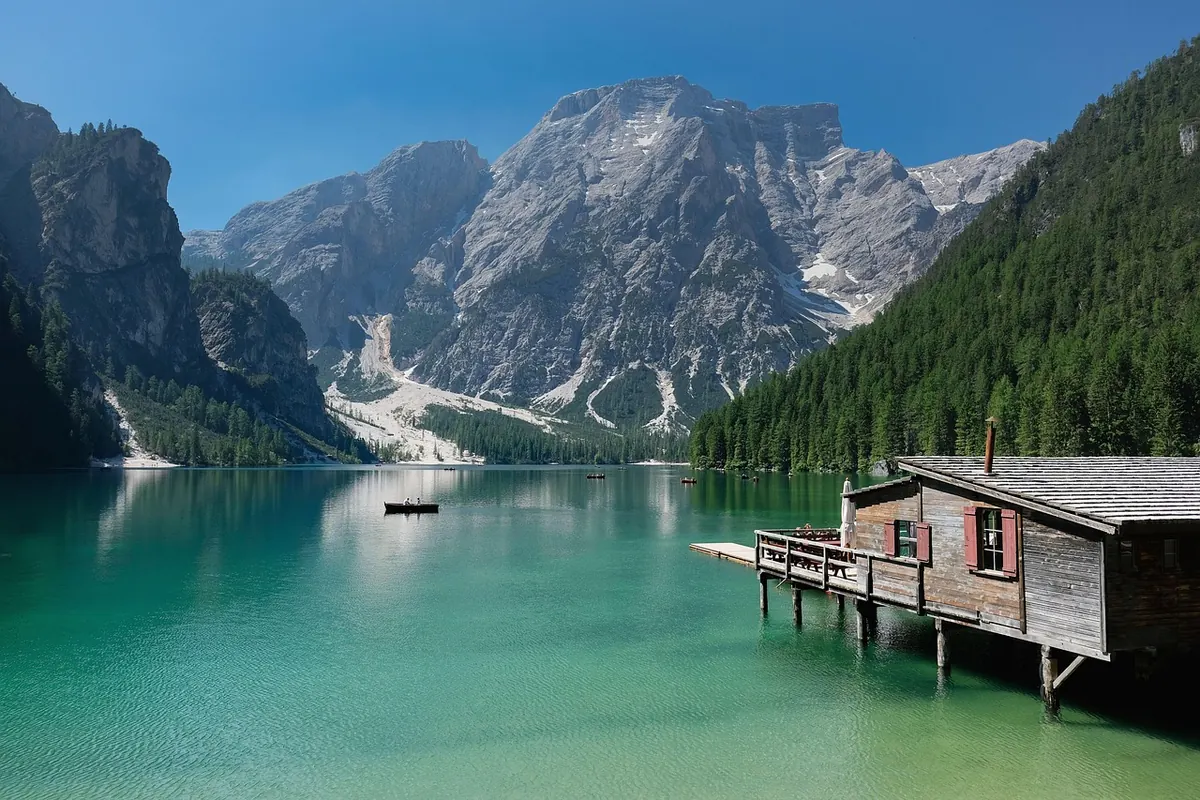
Jagged peaks, alpine pastures and lakes such as Lago di Braies make the Dolomites spectacular for hiking in summer and skiing in winter. Base yourself in Val Gardena or Cortina.
Jagged pale peaks glow pink at sunset, alpine meadows are full of flowers and mountain huts serve dumplings and strudel on sunny terraces.
12. Cinque Terre's quieter neighbours
Instead of the crowded Cinque Terre villages, try Portovenere, Tellaro or Camogli on the Ligurian coast.
Villages like Tellaro and Portovenere have the same colourful houses and blue sea, with a fraction of the crowds.
Tips
- Use trains for cities; rent a car for Puglia, Le Marche and the Dolomites.
- Travel in shoulder season for better prices.
- Eat local: each region has its own pasta, wine and specialities.
Frequently asked questions
What is the most underrated place in Italy?
Many travellers would choose Puglia, Matera, Le Marche or Trieste – all beautiful, with great food, but far fewer visitors than Tuscany or Venice.
When is the best time to visit Italy's hidden gems?
April to June and September to October offer good weather and quieter towns. Mountain areas such as the Dolomites are best in summer for hiking and winter for skiing.
Keep reading
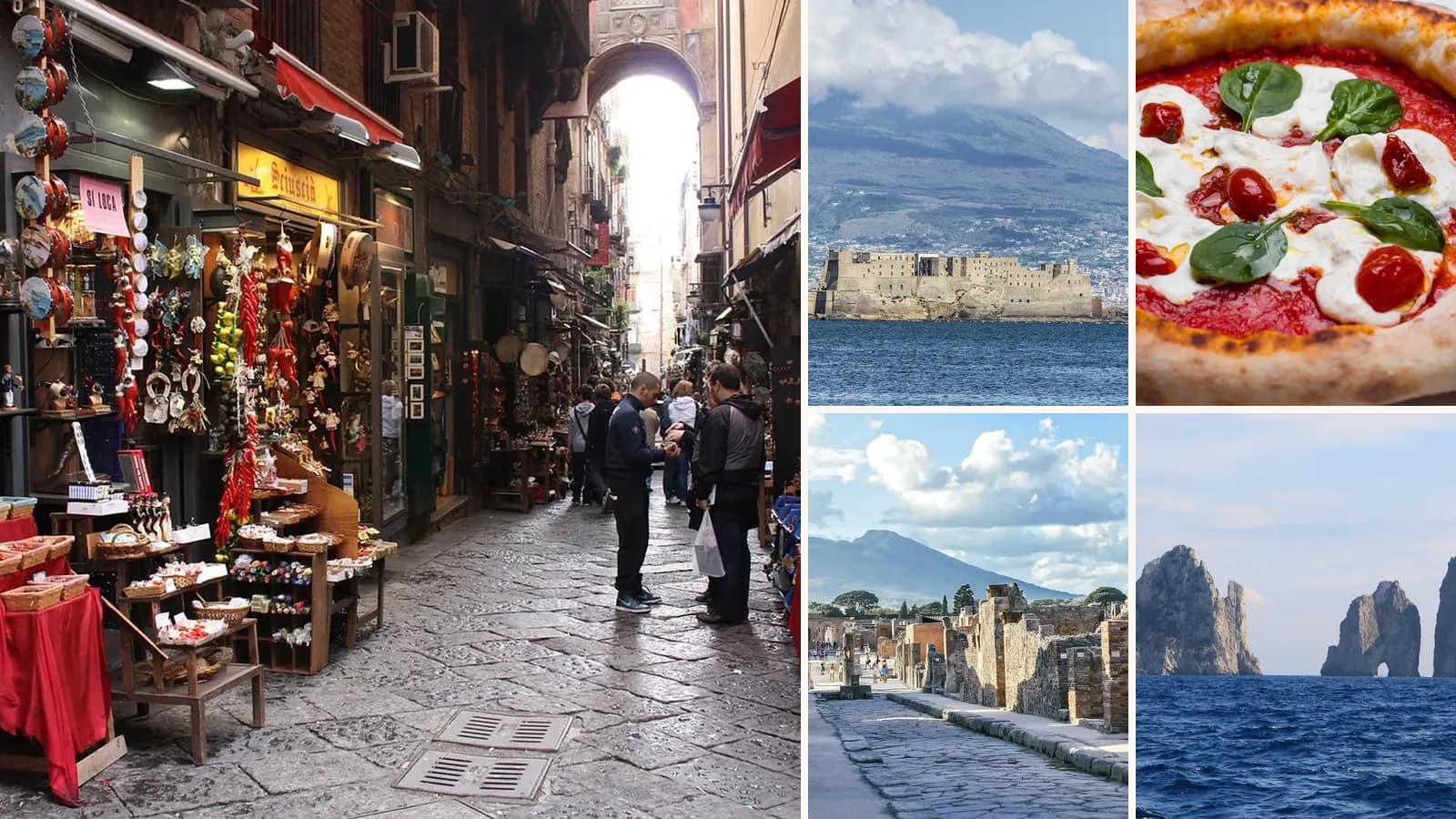
Naples City Break: Pizza, Pompeii and the Old Town
Plan a Naples city break: the historic centre, Spaccanapoli, Naples Underground, the Archaeological Museum, the Veiled Christ, pizza, Pompeii, Vesuvius and Capri.
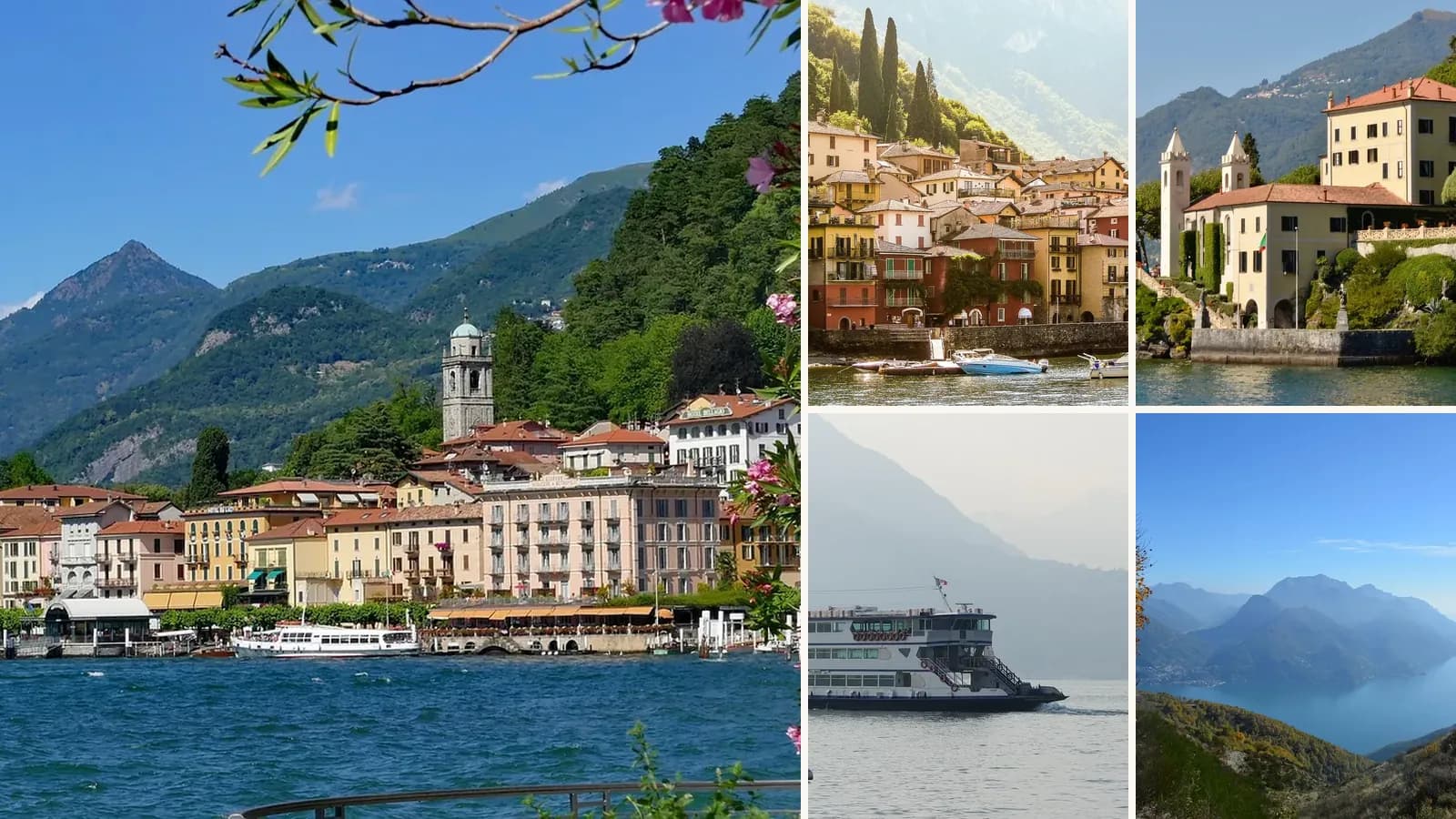
Lazy Lakeside Days: An Insider's Guide to Lake Como
An insider's guide to Lake Como: Bellagio, Varenna and Menaggio, the best villas and gardens, ferries, swimming spots, hikes and where to stay.
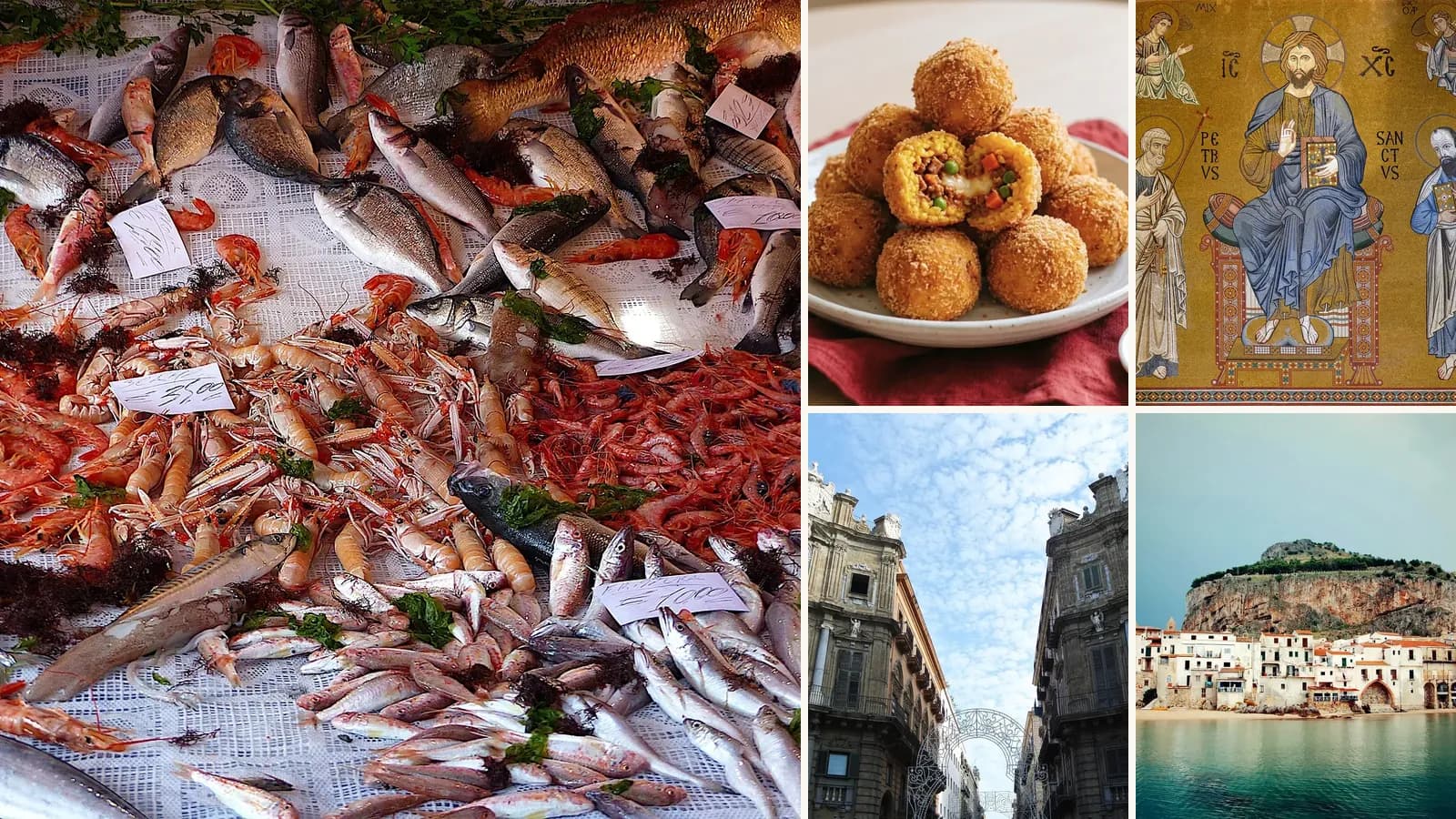
Palermo, Sicily: Markets, Street Food and the Best Things to Do
The best things to do in Palermo, Sicily: Ballarò and Vucciria markets, street food, the Norman Palace, Monreale, Quattro Canti, the catacombs, Mondello and Cefalù.
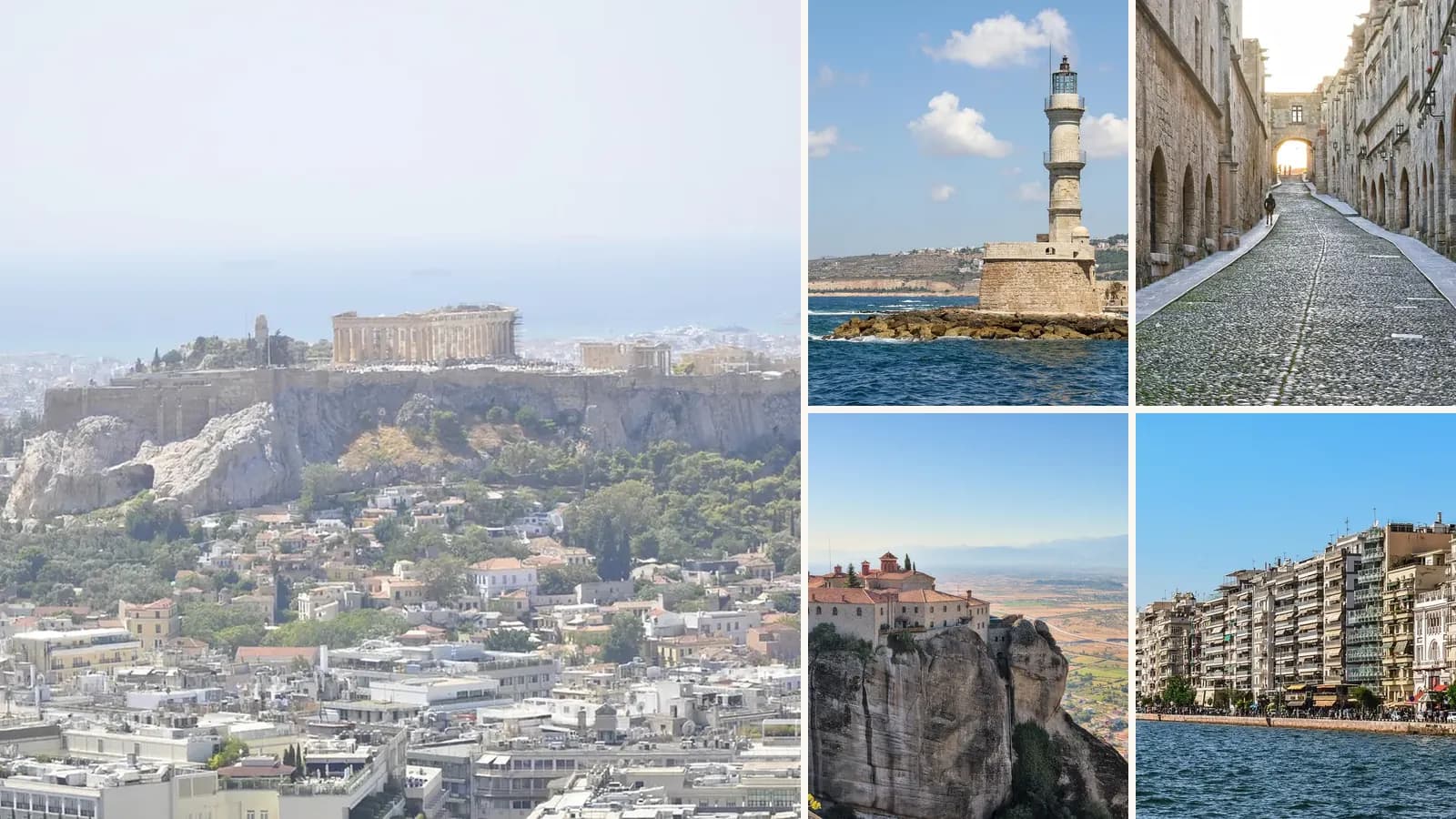
Greece in Winter: Where to Go and What to Expect
Visiting Greece in winter: Athens without crowds, Crete and Rhodes sunshine, Meteora and Zagori, skiing, Christmas, weather by region and what's open.