Marsa Alam Travel Guide: Turtles, Dugongs and the Red Sea's Best Reefs
Snorkel with turtles at Abu Dabbab, look for dugongs, dive Elphinstone and explore Wadi El Gemal – the best things to do in Marsa Alam on Egypt's southern Red Sea.

Some links in this guide are partner links: if you buy through them we may earn a small commission, at no extra cost to you. It never affects what we recommend. How we make money
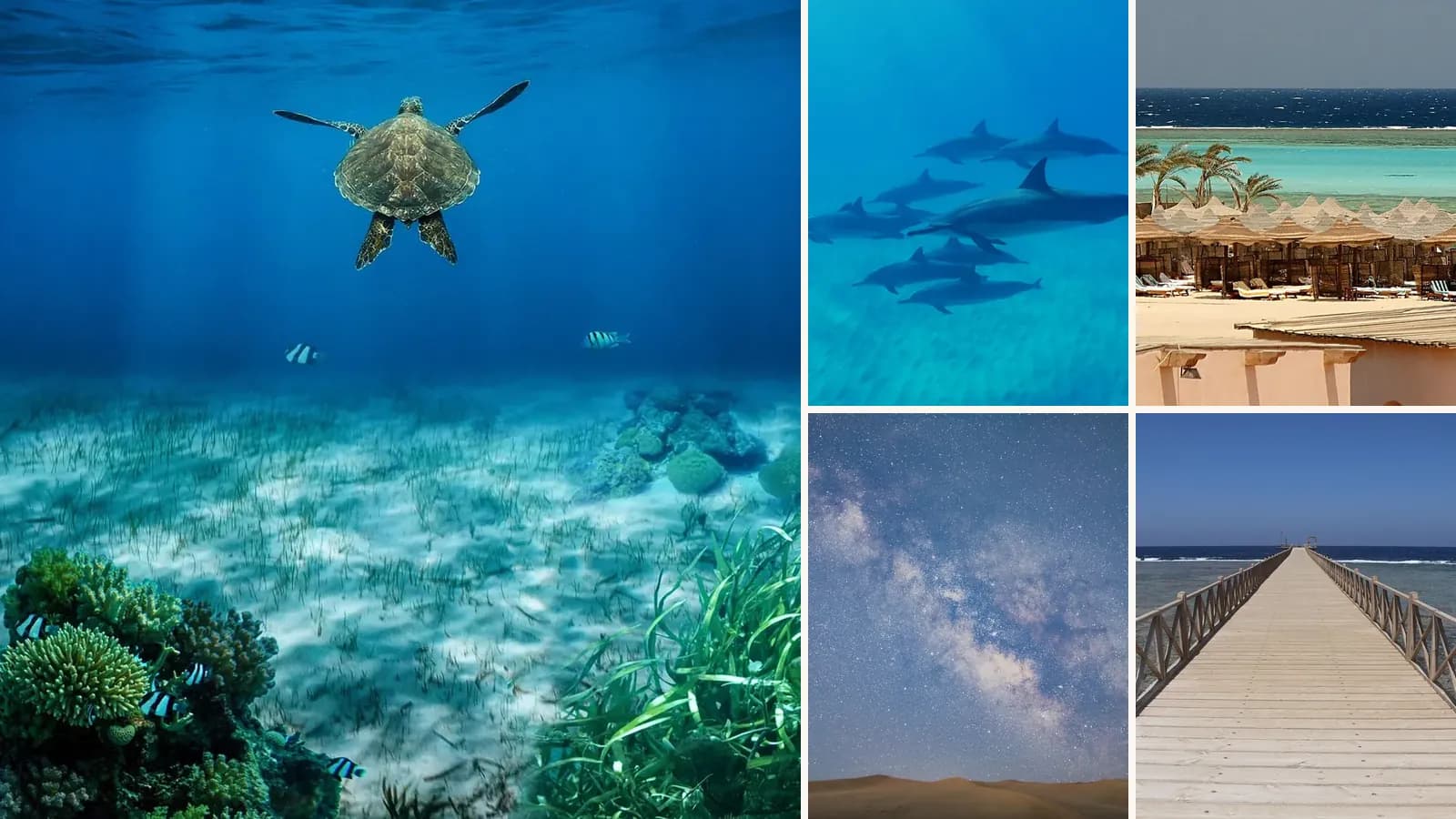
Three to four hours' drive south of Hurghada, Marsa Alam is the Red Sea at its wildest and most beautiful. Long stretches of desert coastline, mountains rising behind the beaches and coral reefs right off the shore make it a paradise for snorkellers, divers and anyone looking for peace. Until the 2000s it was little more than a small fishing town; today hotels are spread out along more than 100 km of coast, with long empty stretches of desert between them.
What draws most visitors is the marine life: green turtles grazing on seagrass, spinner dolphins resting in reef lagoons, oceanic sharks on the offshore reefs and – if you're very lucky – a dugong. On land, Wadi El Gemal National Park protects desert valleys, mangroves and ancient sites. This guide covers the ten best experiences, followed by when to go, where to stay, how to get there and practical tips.
Marsa Alam at a glance
| Quick facts | |
|---|---|
| Best time to visit | March–May and September–November; winter is mild and sunny |
| How long to stay | 7–10 days – it's a place to slow down |
| Airport | Marsa Alam International (RMF), near Port Ghalib; or Hurghada, 3–4 hours north |
| Water temperature | About 23°C in winter, up to 29–30°C in late summer |
| Best for | Snorkelling, diving, nature, couples, quiet family holidays |
In the water
1. Snorkel with turtles at Abu Dabbab
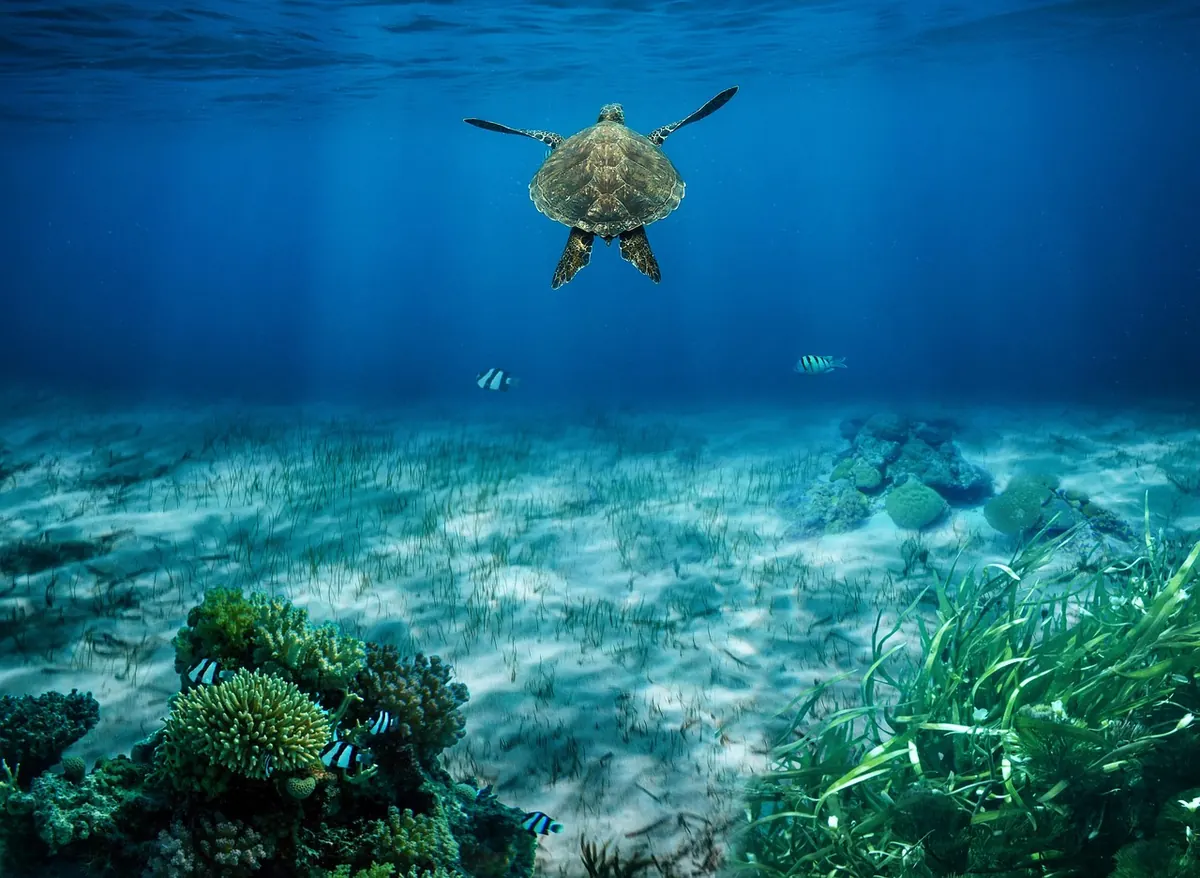
Abu Dabbab, a wide sandy bay north of Marsa Alam, is famous for its green sea turtles, which graze on the seagrass meadows in the middle of the bay, often just a few metres from swimmers. It's one of the most reliable places in the world to snorkel with turtles in the wild.
Access to the bay is managed to protect the animals, and snorkelling is usually done with a guide or within marked areas. Keep a respectful distance, never touch or chase a turtle, don't stand on the seagrass and avoid crowding around an animal when it surfaces to breathe. Go early in the morning, before the day-trip boats and buses arrive, for the calmest water and the best chance of an uncrowded encounter.
Swim out over the sandy bottom and suddenly there it is: a green turtle the size of a coffee table, tearing calmly at the seagrass and paying you no attention at all. Every few minutes it drifts up for a breath, its head breaking the surface a metre from your mask, then glides back down. The beach itself is clean, with sunbeds, showers and a café. Come early in the morning or late in the afternoon, before the day-trip boats and the crowds of snorkellers arrive.
2. Look for dugongs at Marsa Mubarak
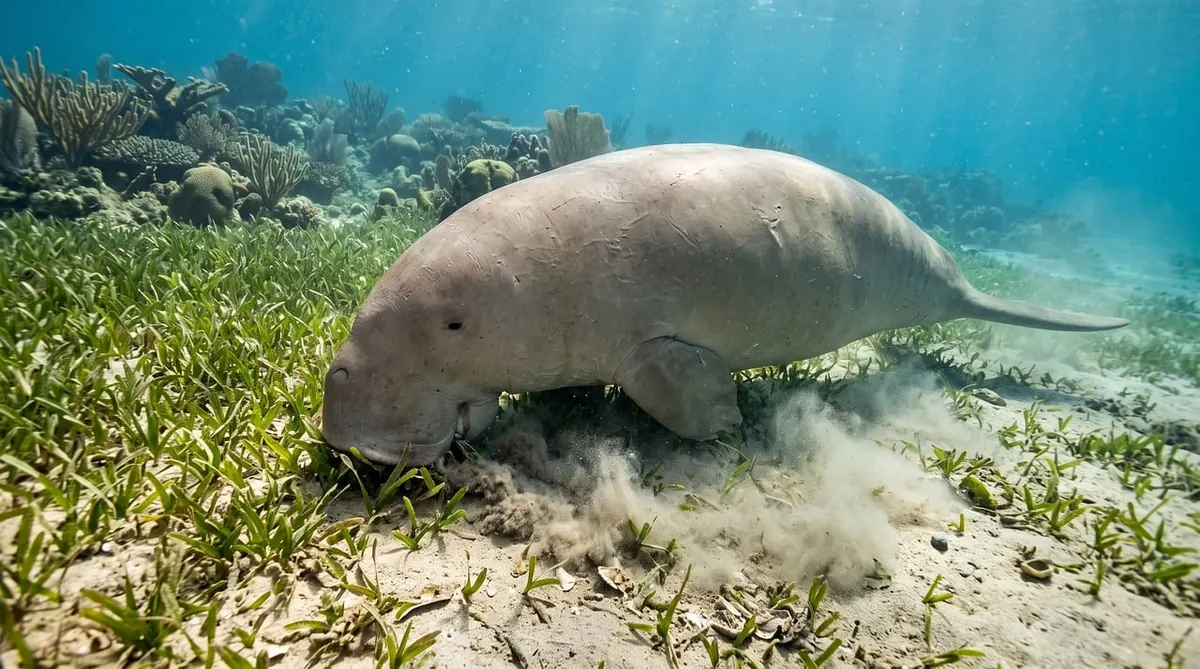
The dugong – a gentle relative of the manatee – is one of the Red Sea's rarest animals. A small number feed on the seagrass in a few sheltered bays around Marsa Alam, including Marsa Mubarak near Port Ghalib, and sightings are regularly reported by snorkellers and divers.
Sightings are never guaranteed, and the dugong population is small and vulnerable, so responsible behaviour is essential: stay calm and quiet, keep your distance and never block its path to the surface. Even without a dugong, these bays are excellent for spotting turtles, rays and fish over the seagrass.
You float face down over the seagrass, scanning the green and sand below, and most of the time you see turtles, rays and small fish. Then, if you're lucky, a long grey shape moves slowly into view, nose down in the grass, trailing a little cloud of sand – a moment you'll never forget. Hold your breath, keep still and let it decide how close to come.
3. Swim with dolphins at Samadai Reef
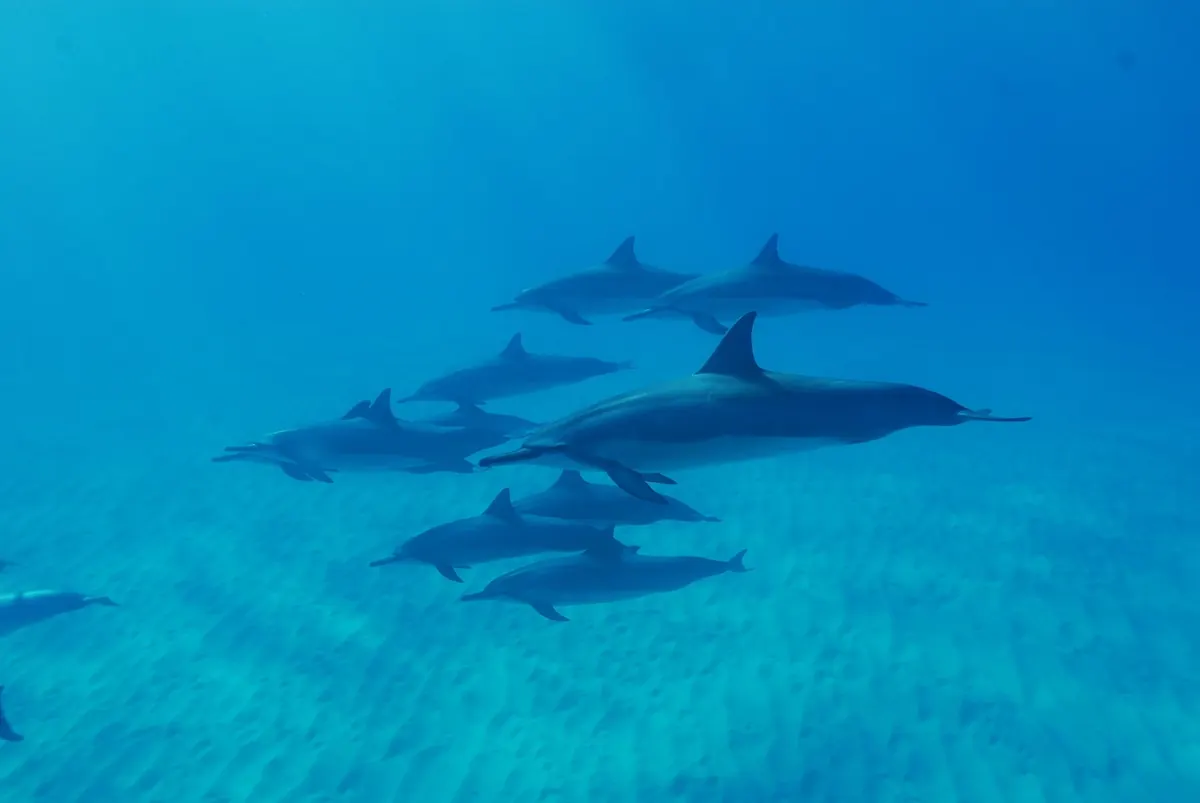
Samadai Reef, known as the Dolphin House, is a horseshoe-shaped reef south of Marsa Alam where a resident pod of spinner dolphins rests in the sheltered lagoon. To protect them, the reef is divided into zones: one is reserved for the dolphins, with no swimmers, and others are open to snorkellers and divers. The number of daily visitors is limited.
Trips leave from Port Ghalib and nearby harbours. Choose an operator that follows the rules, and remember that the dolphins choose whether to approach – if they don't, the reef itself is still beautiful, with coral pinnacles, caves and colourful fish.
The boat ties up at the edge of the reef, the engines go quiet and everyone waits. Then the dolphins appear – a pod of grey backs rising and sinking in the calm lagoon. In the water you hear their clicks and whistles before you see them glide past below you. Some days they stay and play; some days they're sleepy and keep their distance. Either way, the colours of the reef at Samadai are worth the trip.
4. Dive Elphinstone Reef
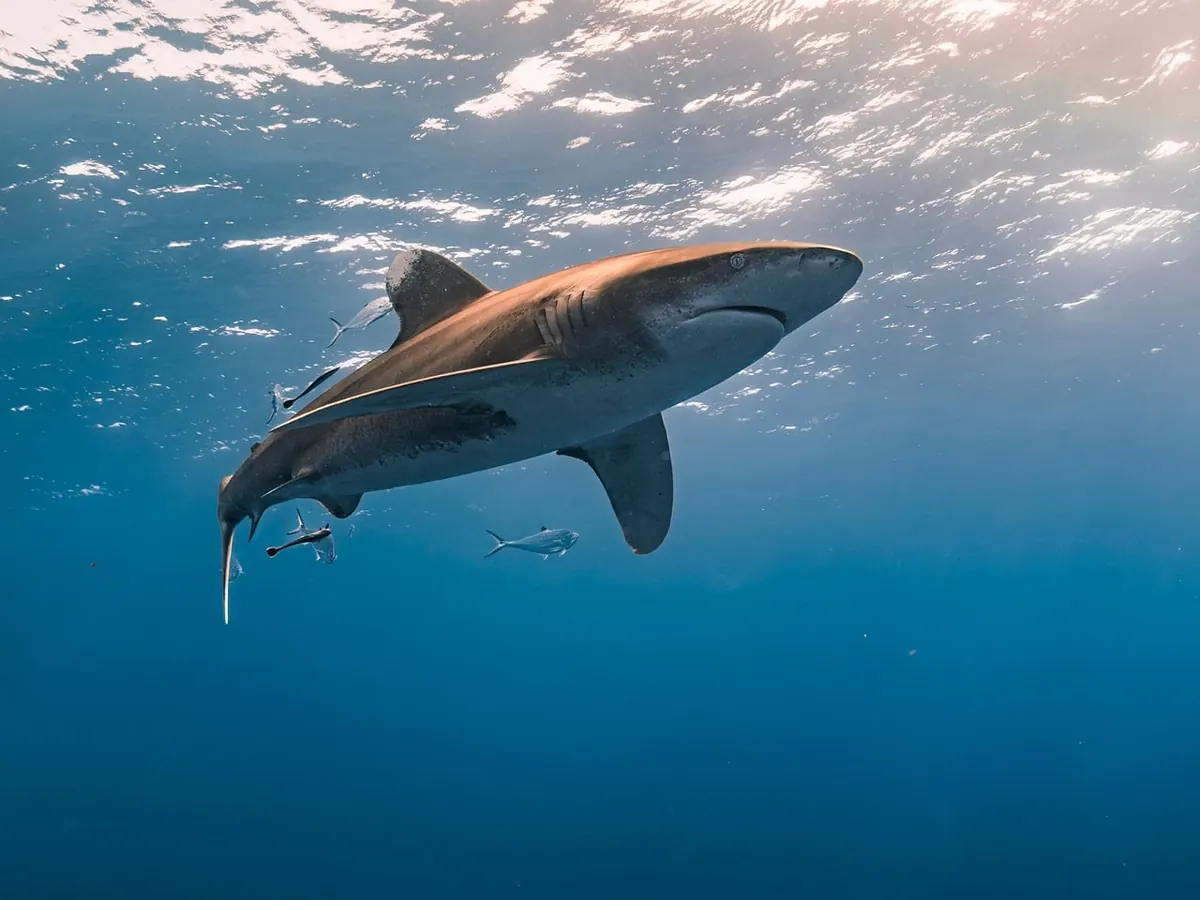
Elphinstone is one of the world's great dive sites: a long, narrow offshore reef with sheer walls covered in soft corals and plunging into deep water. It's famous for oceanic whitetip sharks, which are most often seen in the autumn and early winter, as well as hammerheads on its plateaux.
Currents and open-sea conditions mean it's for experienced divers only, with an Advanced certification and a good number of logged dives usually recommended. Dive with an established centre, listen carefully to the briefing and follow the rules for shark encounters. Liveaboards also visit Elphinstone – see our Red Sea liveaboard guide.
You roll back off the zodiac into deep, dark blue water, find the reef wall and drift along a curtain of soft corals in pink, purple and orange. Everyone keeps glancing out into the blue – and when an oceanic whitetip shark appears, slow and confident, the whole group goes still. The sea on the way out can be rough, so take seasickness tablets if you need them.
5. Island-hop at Hamata
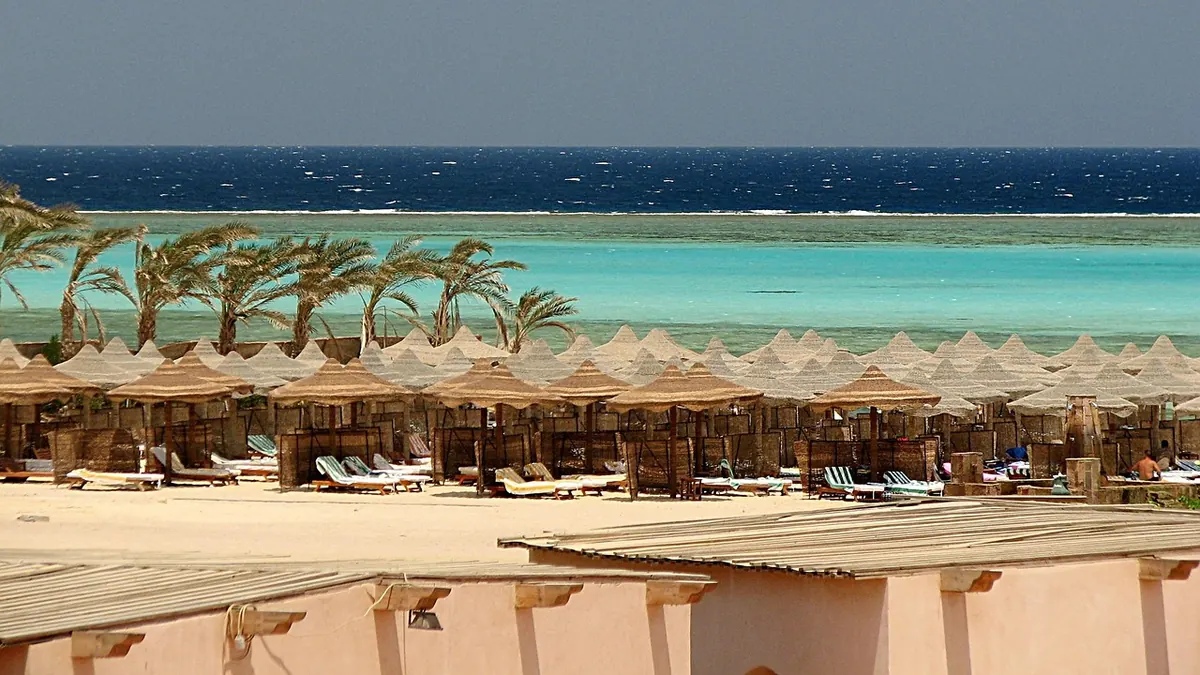
Around 120 km south of Marsa Alam, the Hamata coast is the most remote part of the Egyptian Red Sea. Boats from Hamata's small harbour visit the Qulan Islands and nearby reefs, with white-sand beaches, turquoise lagoons, shallow coral gardens and mangroves.
It's a long day from northern Marsa Alam hotels, but feels like a true desert-island adventure. Bring sun protection – there is very little shade on the islands – and check that the trip includes national park fees.
After a long, early drive south, the boat heads out to islands that look like they've been dropped from a postcard: bright white sand, turquoise shallows, nothing but a few birds and the sound of the wind. Snorkel stops show off healthy reefs with very few other boats around. There's almost no shade on the islands, so bring a hat, a long-sleeved top and plenty of sunscreen.
6. Relax on Sharm El Luli
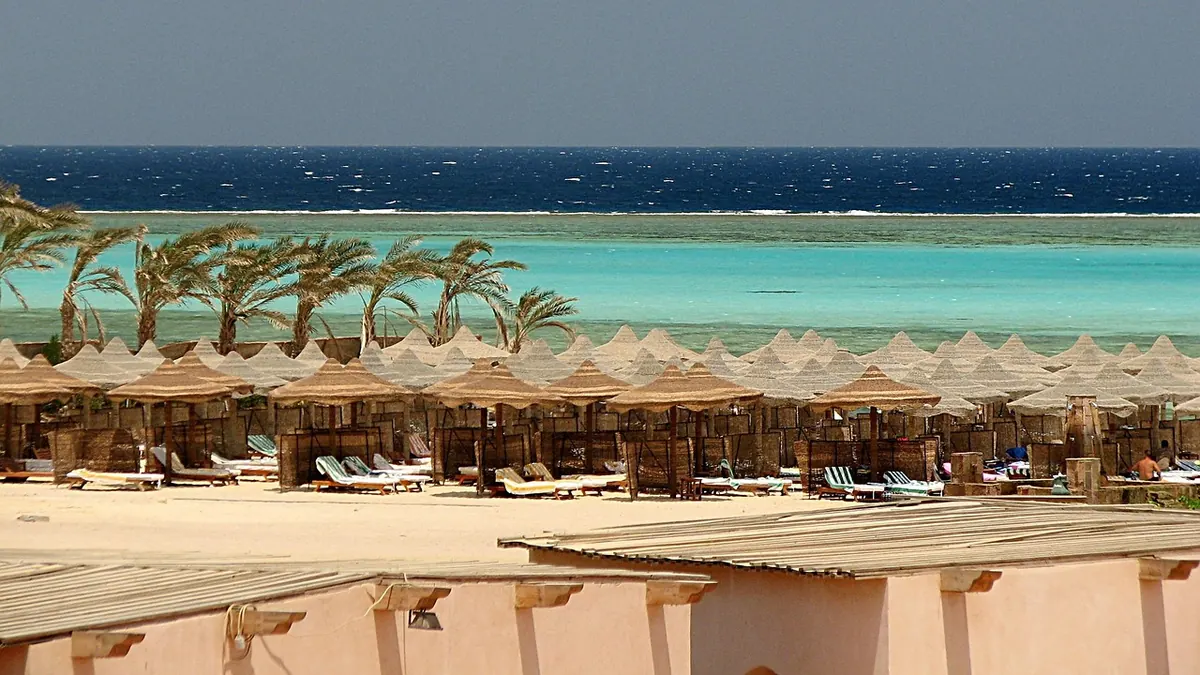
Sharm El Luli, inside Wadi El Gemal National Park, is often called one of the most beautiful beaches in Egypt: a bay of soft white sand and very clear, shallow turquoise water with a fringing reef. There are basic facilities, sunshades and a small café. It's popular with day trips, so arrive early for the calmest atmosphere. A small entry fee for the national park usually applies.
You arrive over the desert road and the bay opens below you: pearly white sand and water so clear and pale it almost looks unreal, deepening gently with no rocks underfoot. There's little here except a simple Bedouin-style shelter serving tea and coffee – so bring a parasol or sunshade, water and snacks. Coming early on a weekday means more space and a quieter beach.
On land
7. Explore Wadi El Gemal National Park
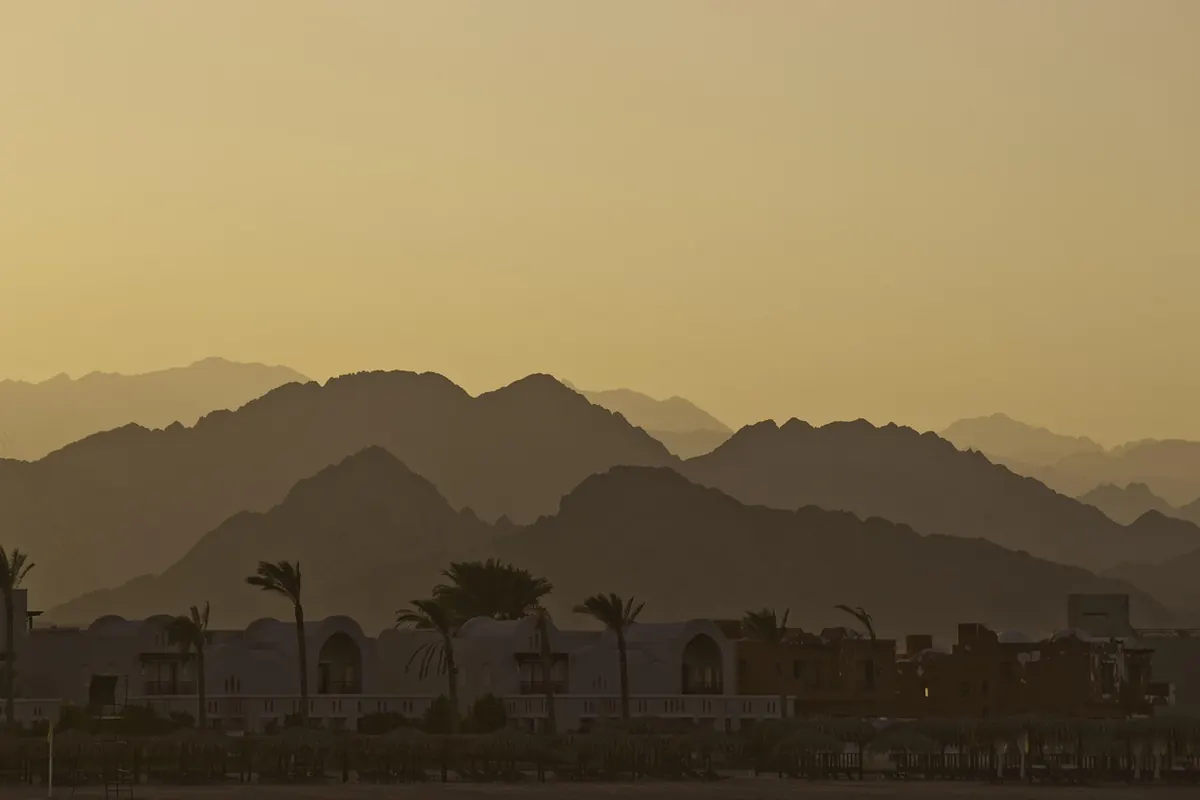
Wadi El Gemal ("Valley of the Camels") is a large protected area of desert valleys, mountains, mangroves and coastline south of Marsa Alam. Jeep trips into the wadi visit Bedouin communities, acacia trees, wells and wildlife such as gazelles and desert foxes, with tea cooked on a fire. Some trips include the ancient emerald mines of the Roman period in the mountains.
Go with a licensed guide who knows the area and respects the local Ababda community. Bring a hat, water and closed shoes.
The jeep leaves the road and bumps along a sandy valley between dark mountains, acacia trees dotting the riverbed and the silence growing deeper with every kilometre. Your guide might point out gazelle tracks or a small group of camels in the distance, and at a Bedouin stop you'll be offered strong, sweet coffee prepared over the fire.
8. Stargaze in the desert
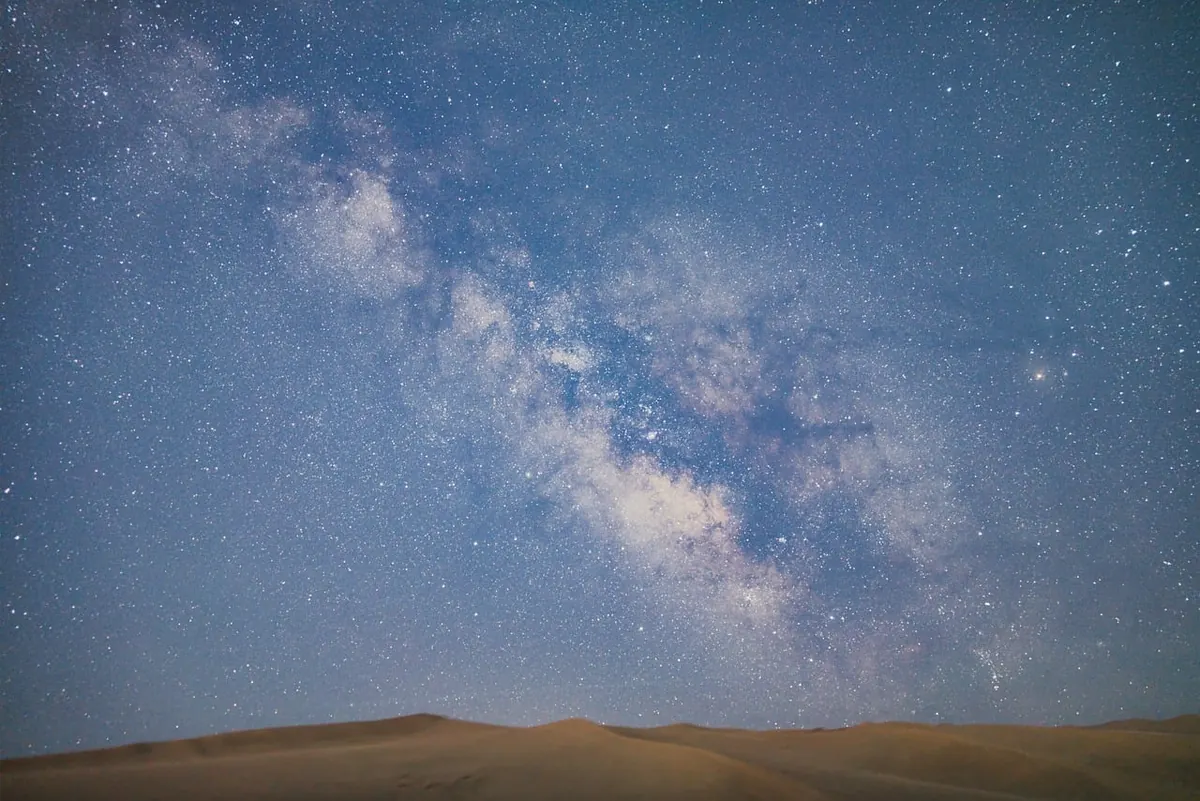
With almost no light pollution, the desert around Marsa Alam has some of the darkest skies in Egypt. Evening trips take you away from the hotels to look at the Milky Way, planets and constellations through telescopes, often with dinner at a Bedouin camp. Choose a night near the new moon for the best views, and bring a warm layer – desert nights are surprisingly cold in winter.
Leave the hotel lights behind and, after a few minutes, your eyes adjust and the sky fills with stars – the Milky Way arching overhead and shooting stars streaking across it. The only sounds are the wind and the crackle of the campfire. Desert nights are cold from November to March, so bring a warm jacket.
9. Stroll Port Ghalib marina
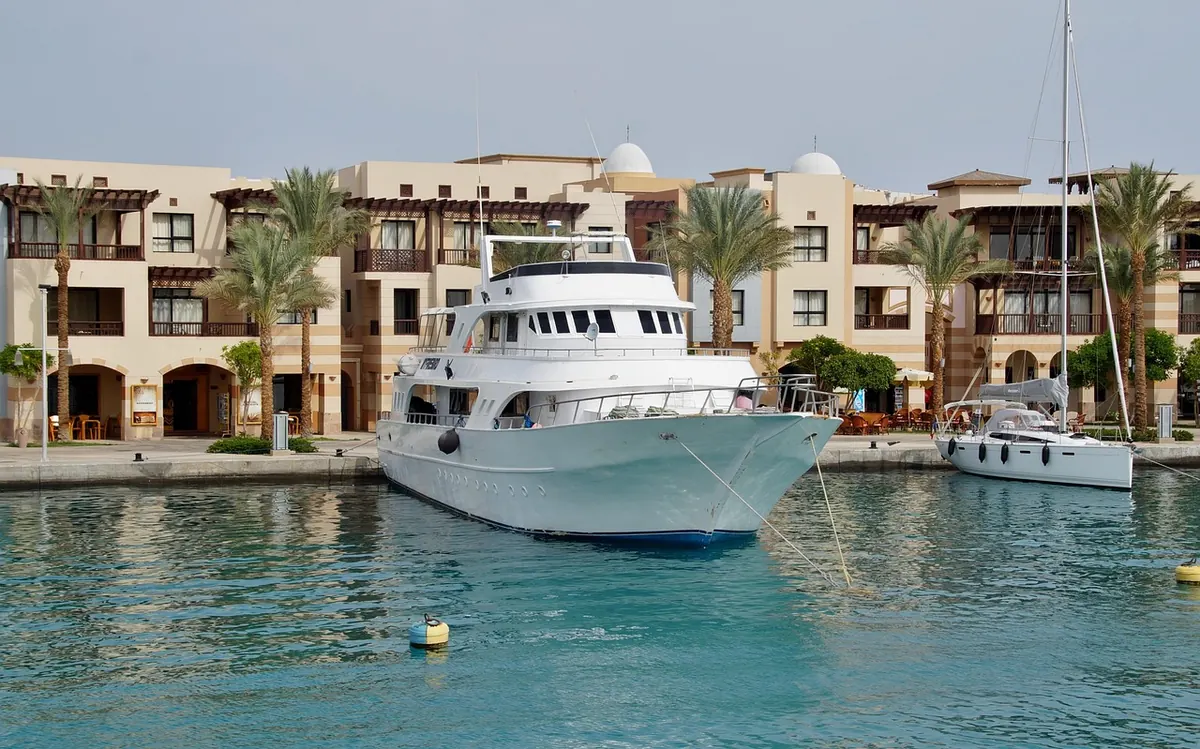
Port Ghalib, close to Marsa Alam Airport, is a purpose-built marina town with restaurants, cafés, shops and a promenade around the yacht harbour. It's the area's main place for an evening out and the departure point for many boat trips and liveaboards. Many hotels run shuttles here.
In the evening the promenade around the harbour comes alive: the lights reflect in the still water, restaurants put out tables by the boats and families walk along the quay with ice creams. It's calm, tidy and easy, a good change of scene after several days in an all-inclusive hotel.
10. Visit El Quseir old town
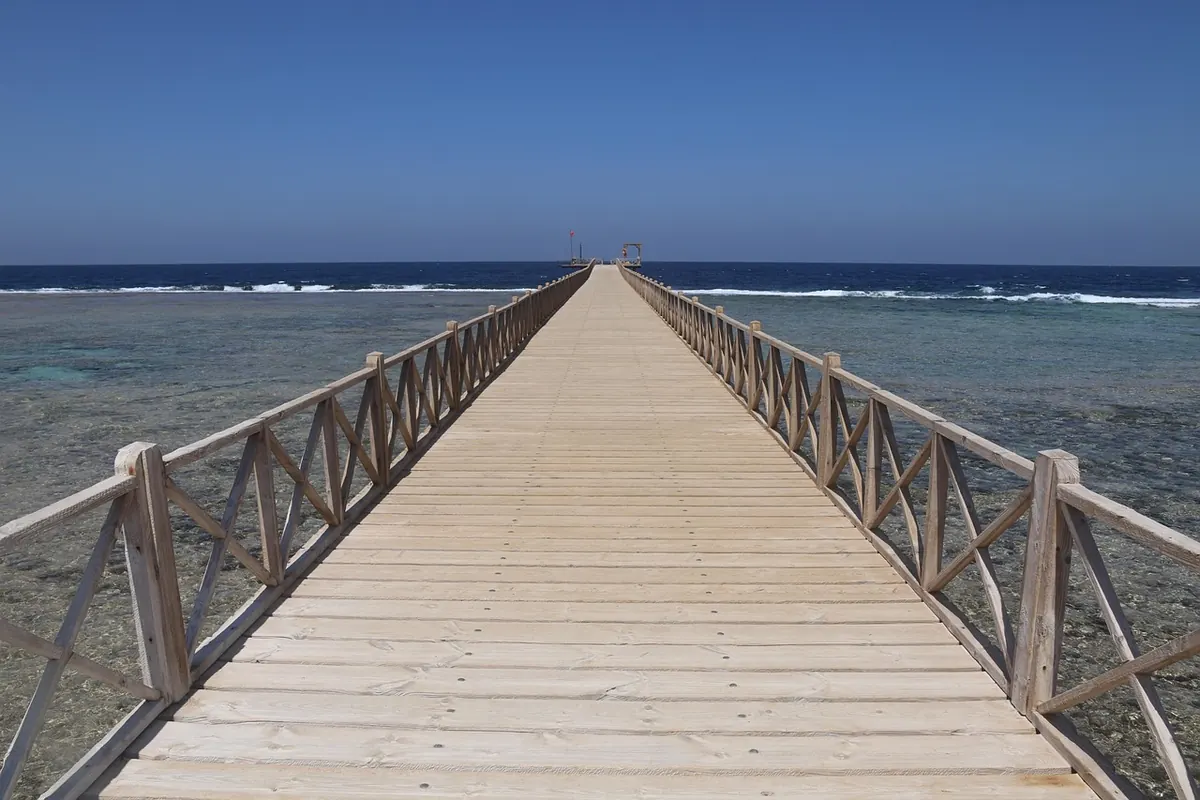
About an hour north of Marsa Alam, El Quseir is one of the oldest ports on the Red Sea, once a stop for pilgrims travelling to Mecca and for trade with Upper Egypt. Its Ottoman fortress, old merchants' houses with wooden balconies and quiet harbour make a refreshing change from resort life. A half-day trip is enough to explore the old town.
Walk the narrow lanes of old Quseir and you'll pass coral-stone houses with carved wooden lattice windows, spice shops and men sipping mint tea outside small cafés. Climb the ramparts of the Ottoman fort for views over the old harbour. Come early to see the fishing boats unload their catch – nearby cafés will grill fresh fish for you for very little money. If someone offers to show you around and you don't want a guide, a polite "no, thank you" is enough.
When to visit
- Winter (December–February): warm, sunny days of around 23–25°C and cool evenings; the water is around 23°C. Less windy than further north.
- Spring (March–May): excellent weather, calm seas and warming water – ideal for snorkelling.
- Summer (June–September): hot, often above 35°C, but with a sea breeze and the warmest water.
- Autumn (October–November): warm sea, pleasant temperatures and the best season for oceanic sharks at Elphinstone.
Where to stay
Most hotels in Marsa Alam are all-inclusive resorts, each standing on its own stretch of coast. The most important choice is the location and the house reef:
| Area | Atmosphere | Best for |
|---|---|---|
| North (Abu Dabbab, El Quseir area) | Resorts near turtle bays | Snorkellers, families |
| Port Ghalib & the airport area | Marina, restaurants, short transfer | Couples, short stays |
| Marsa Alam town & south | Quieter, closer to Samadai and Wadi El Gemal | Divers, nature lovers |
| Hamata & far south | Remote eco-lodges and dive camps | Adventurers, divers |
Before booking, check how far the hotel is from the airport, whether it has a house reef and jetty, and what's within walking distance – often, the answer is nothing but the sea and the desert.
Getting there and around
Marsa Alam International Airport has direct flights from many European cities, especially in the winter season. Transfer times vary from 10 minutes for hotels near Port Ghalib to 90 minutes or more for resorts in the far north or south. Many travellers also fly into Hurghada and take a three- to four-hour transfer south.
There is little public transport, and taxis are hard to find outside the resorts, so a pre-booked transfer is essential – the driver meets you at arrivals and waits if your flight is delayed. For excursions, hotels and local operators include pick-ups.
Practical tips
- Choose your hotel for its house reef – many Marsa Alam hotels have excellent coral right off their jetty. Look at recent guest photos and reviews of the reef.
- Pack reef shoes, a long-sleeved rash vest and reef-safe sunscreen. A mask that fits is worth bringing from home.
- Book your transfer in advance: the airport is quiet, and hotels are spread along more than 100 km of coast.
- Visa: most visitors need an Egyptian tourist visa – apply on the official e-visa portal or check whether your nationality can buy one on arrival.
- Money: carry small Egyptian pound notes for tips and markets; cards are accepted in hotels.
- Respect the reef: don't touch coral or animals, don't feed fish and use mooring buoys on boat trips.
Still choosing a resort? See Hurghada, Marsa Alam or Sharm el-Sheikh, compare the bays around Hurghada in our Red Sea family holiday guide, and plan the rest of your trip with the 15 best places to visit in Egypt.
Looking for more beach ideas? See our pick of the 10 best beaches in Africa.
Frequently asked questions
Is Marsa Alam better than Hurghada?
It depends on what you want. Marsa Alam is quieter, with more natural coastline and some of Egypt's best house reefs and marine life. Hurghada has more restaurants, nightlife and day-trip options.
Can you see dugongs in Marsa Alam?
Sometimes. A small number of dugongs feed on the seagrass in a few bays around Marsa Alam, but sightings are never guaranteed. Green turtles are much easier to see.
How do I get to Marsa Alam?
Marsa Alam International Airport has direct flights from many European cities. Alternatively, fly to Hurghada and drive south – about three to four hours depending on your hotel.
When is the best time to see turtles in Marsa Alam?
Green turtles can be seen at Abu Dabbab and other seagrass bays all year. Early morning is usually the calmest and least crowded time to snorkel.
Is Marsa Alam good for non-divers?
Yes. Many hotels have house reefs you can snorkel from the beach, and boat trips to Samadai, Hamata and Sharm El Luli are ideal for snorkellers.
Keep reading
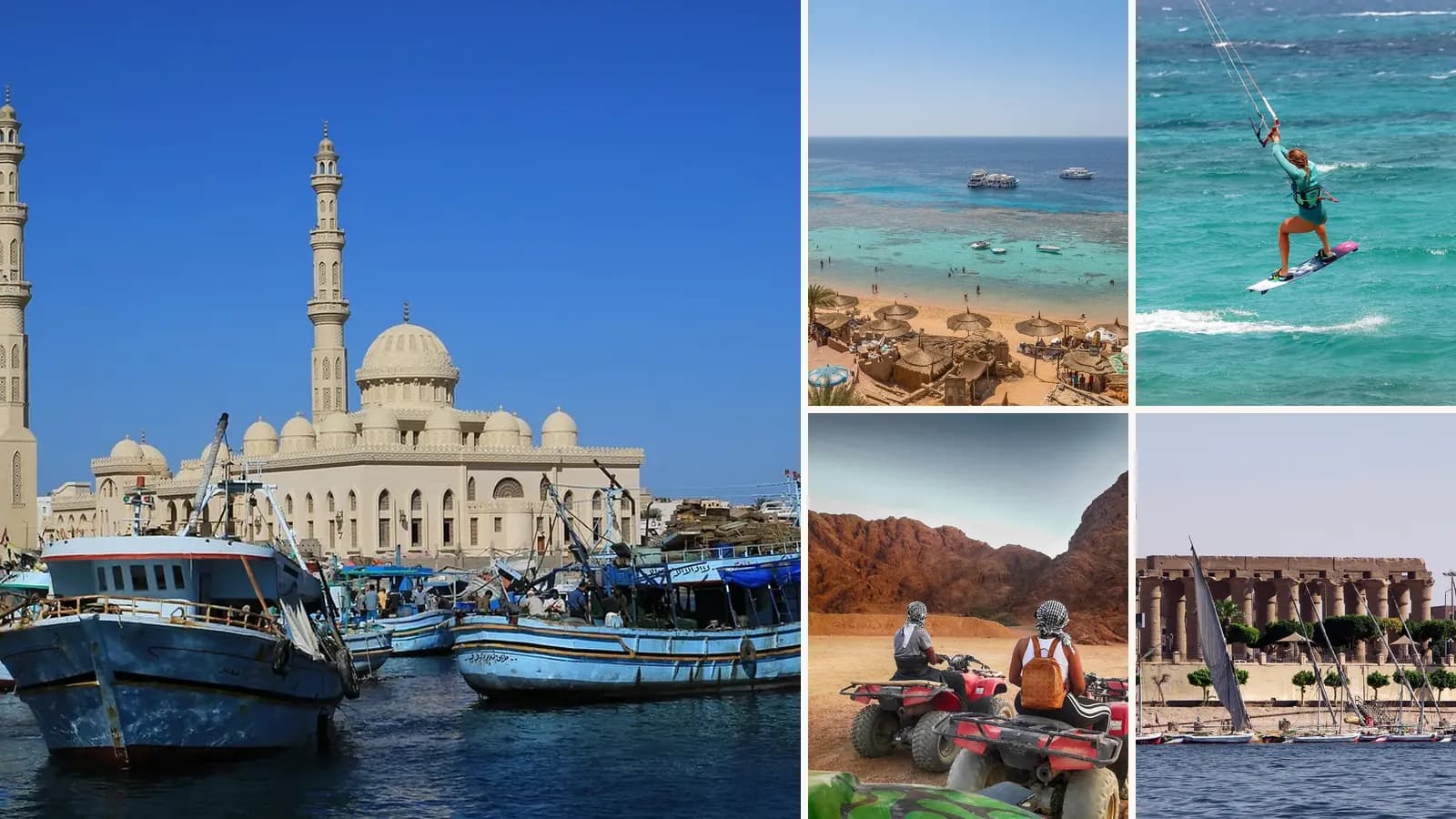
Red Sea Family Holidays in Egypt: Hurghada, El Gouna & the Best Resort Areas
Hurghada, El Gouna, Makadi Bay, Sahl Hasheesh and Soma Bay compared for families – plus the best boat trips, snorkelling, desert safaris and tips for kids.
15 Best Places to Visit in Egypt
The Pyramids and the Grand Egyptian Museum, Luxor, Aswan, Abu Simbel, a Nile cruise, the Red Sea and the desert oases – the best places to visit in Egypt, with tips.

Best eSIM for Travel: 7 Providers Compared and How to Choose
Airalo, Saily, Holafly, Ubigi and more compared: data packs vs unlimited, hotspot rules, phone numbers and which travel eSIM suits your trip.
Hurghada Travel Guide: 15 Best Things to Do on Egypt's Red Sea
Island boat trips, snorkelling, diving, desert safaris, the Marina and El Dahar old town – the best things to do in Hurghada, plus where to stay and getting around.