15 Best Places to Visit in Egypt
The Pyramids and the Grand Egyptian Museum, Luxor, Aswan, Abu Simbel, a Nile cruise, the Red Sea and the desert oases – the best places to visit in Egypt, with tips.

Some links in this guide are partner links: if you buy through them we may earn a small commission, at no extra cost to you. It never affects what we recommend. How we make money
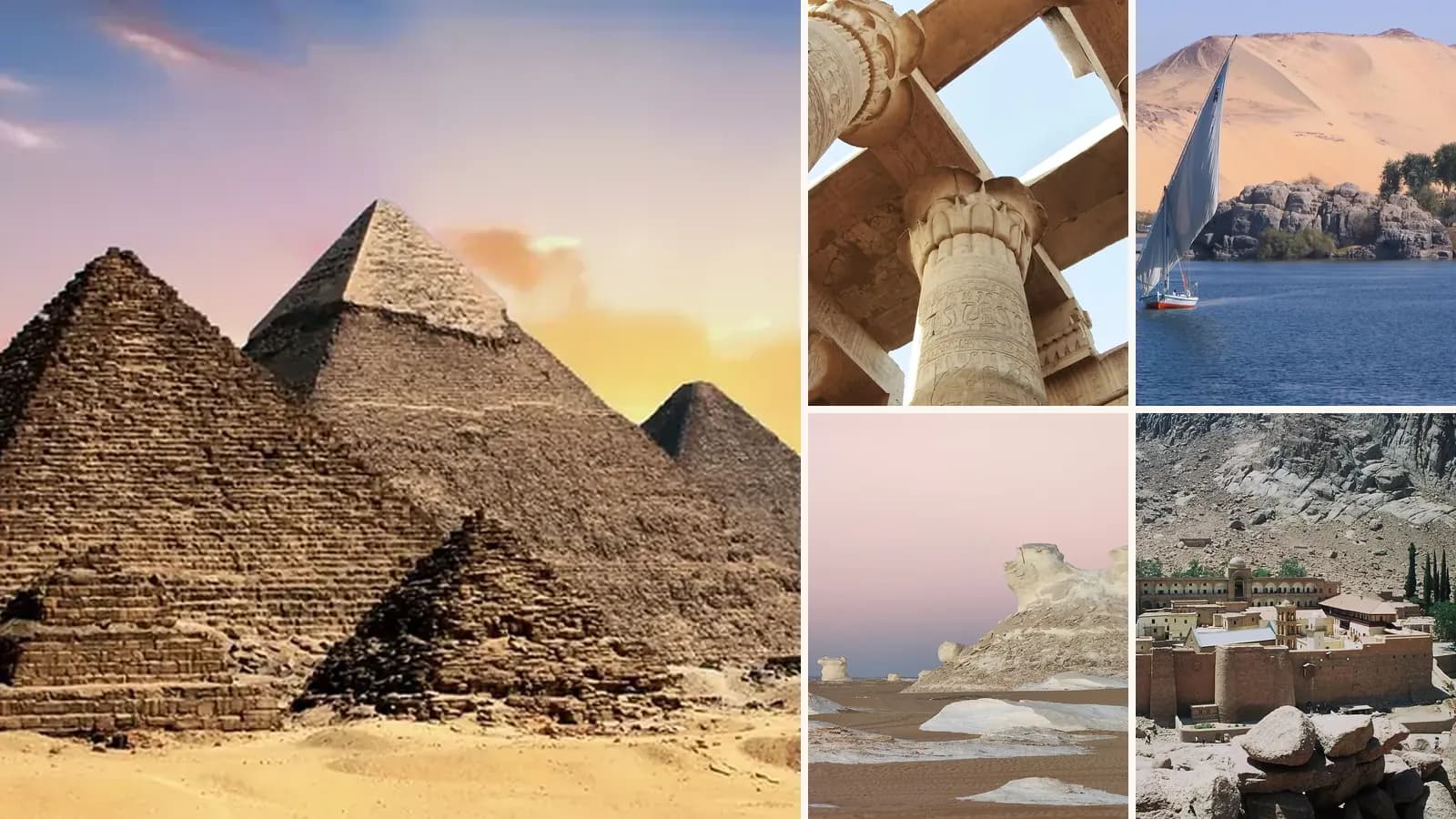
Egypt has been welcoming travellers for thousands of years – and it still has the power to astonish. Few places let you stand beside a 4,500-year-old pyramid in the morning, sail the Nile at sunset and snorkel a coral reef a few days later. These are the 15 places that should be on every Egypt itinerary.
Cairo and Giza
1. The Pyramids of Giza and the Sphinx
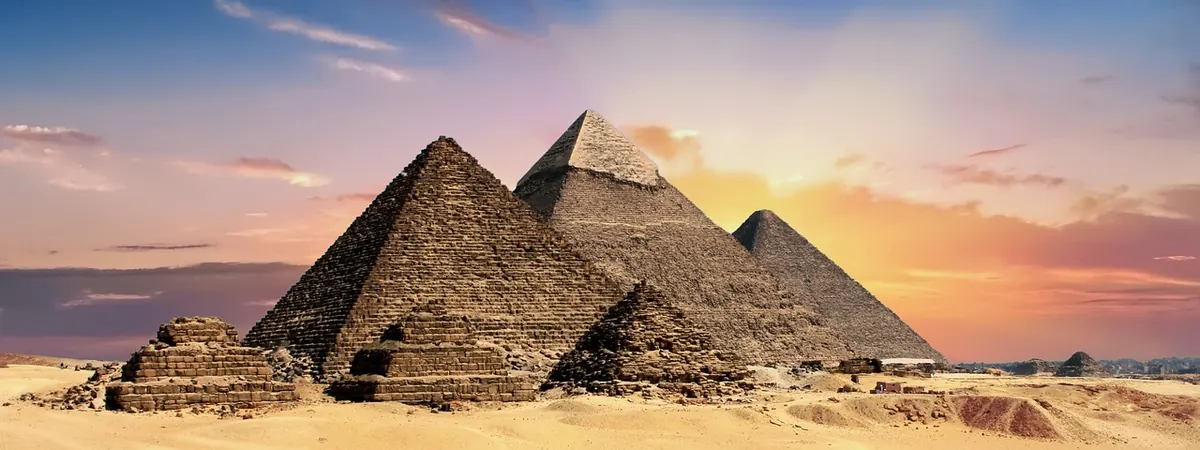
The last surviving wonder of the ancient world needs no introduction. Arrive at opening time to see the Great Pyramid before the crowds and the heat, and walk to the panoramic viewpoint for the classic shot of all three pyramids. Tickets to go inside the Great Pyramid are sold separately and are limited.
Arrive at opening time and you'll have the cool morning air, soft golden light and far fewer people around the base of the Great Pyramid. Expect a steady stream of camel men and souvenir sellers – smile, say no thank you and keep walking.
2. The Grand Egyptian Museum
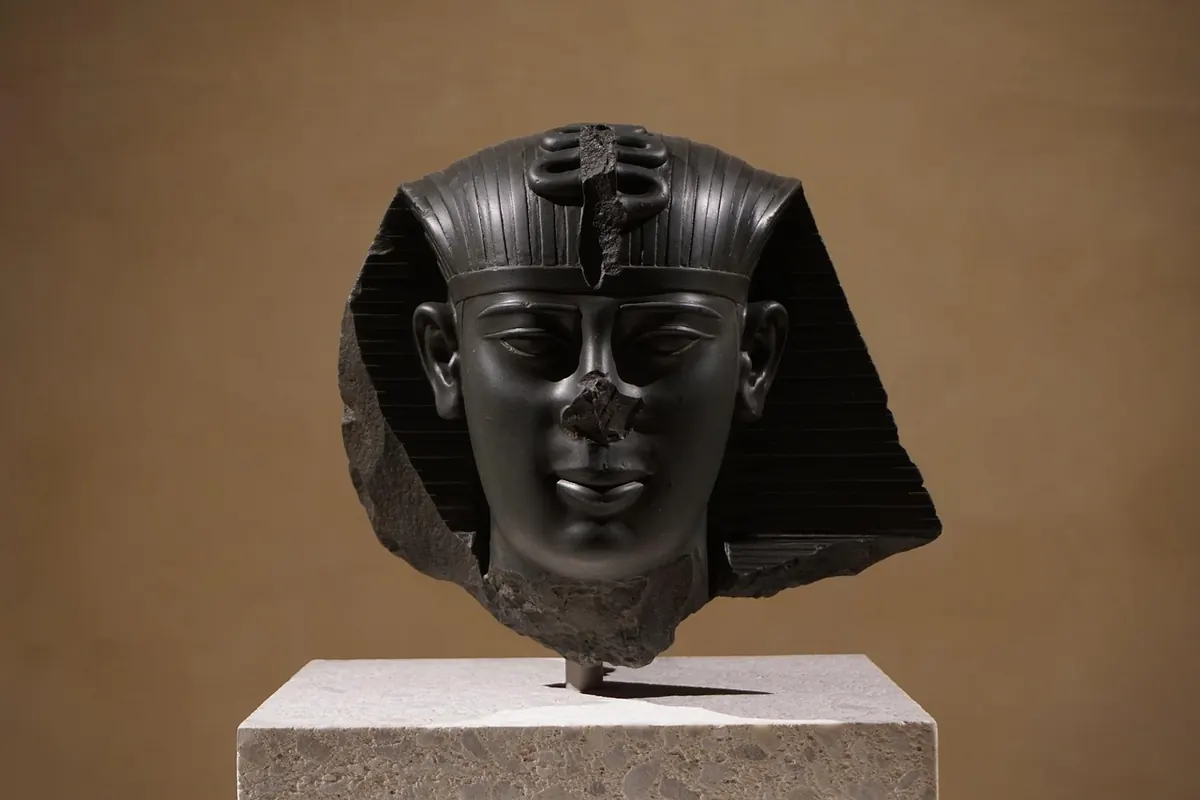
Next to the pyramids, the vast Grand Egyptian Museum is now the world's largest museum devoted to a single civilisation. Its highlights include the complete treasures of Tutankhamun displayed together for the first time and a giant statue of Ramesses II in the atrium. Book timed tickets online.
3. Islamic Cairo and Khan el-Khalili
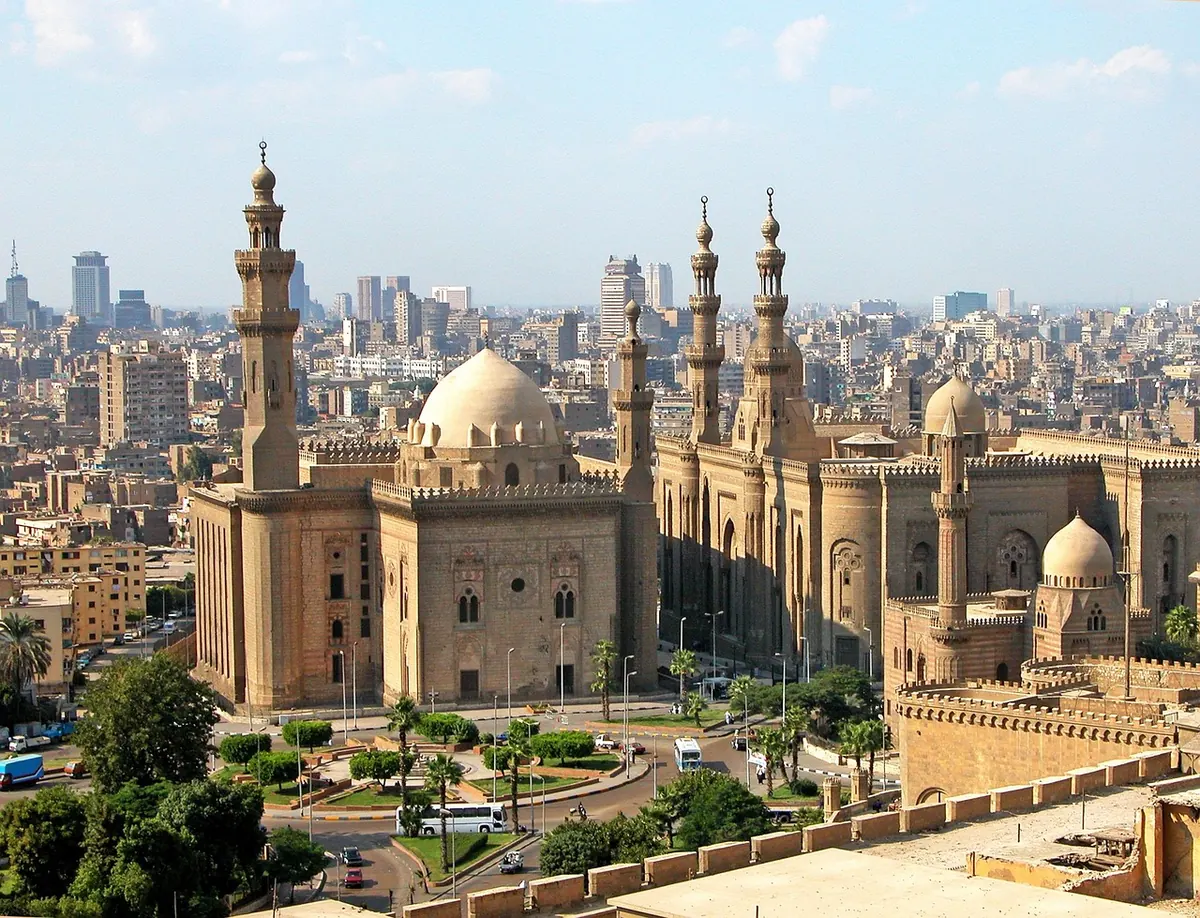
Medieval mosques, madrasas and minarets fill the streets of historic Cairo, a UNESCO World Heritage Site. Walk along Al-Muizz Street, climb to the Citadel of Saladin and get lost in the Khan el-Khalili bazaar, ending with mint tea at the historic El Fishawy café.
Minarets rise above narrow, crowded lanes where coppersmiths hammer, spice sellers scoop cumin into paper cones and tea glasses clink in tiny cafés. It's noisy, chaotic and wonderfully alive – go in the late afternoon and stay until the lamps come on.
4. Saqqara and Dahshur
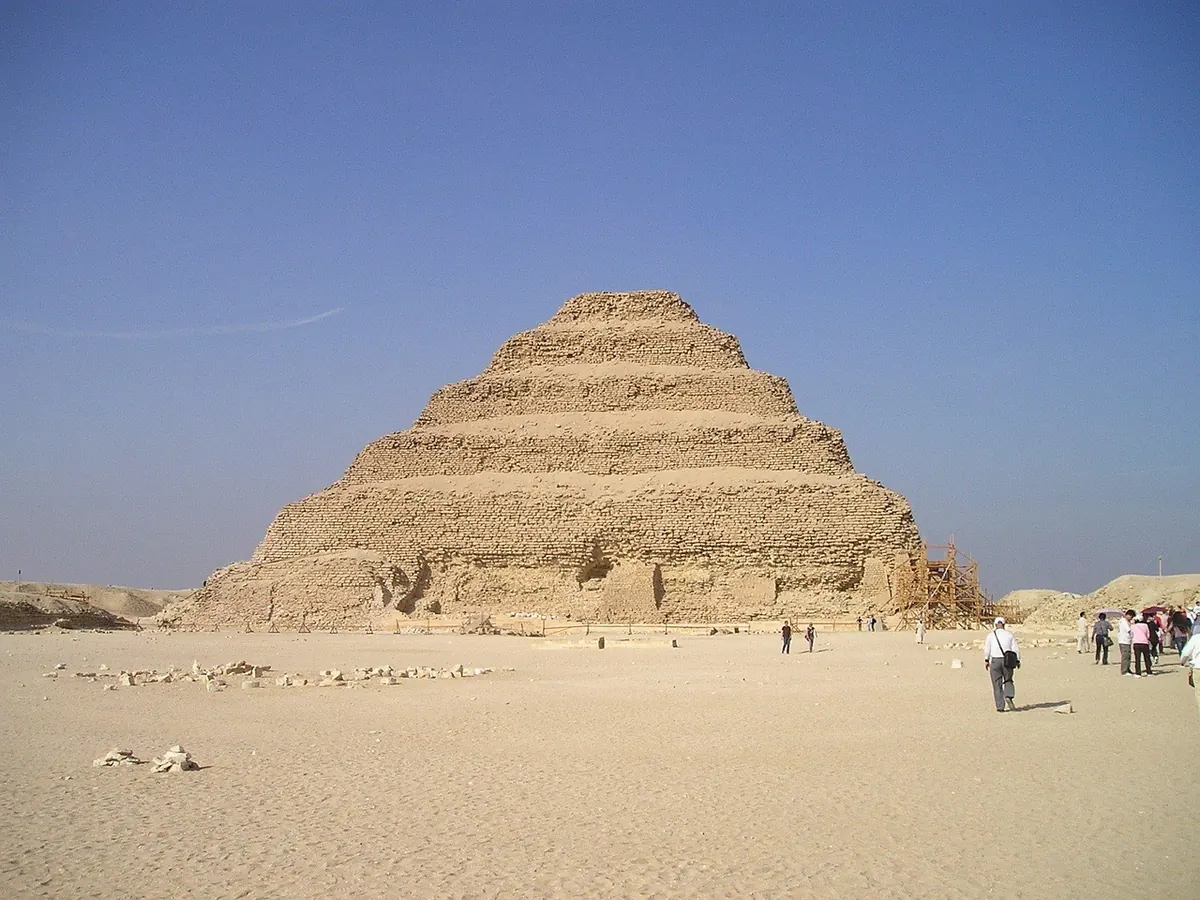
South of Giza, the Step Pyramid of Djoser at Saqqara is the oldest pyramid in Egypt. At nearby Dahshur, the Bent Pyramid and the Red Pyramid are far quieter than Giza – and you can climb inside the Red Pyramid.
After Giza, the silence here is striking. You may share the Step Pyramid or the Bent Pyramid with only a handful of other visitors, the wind blowing sand across the desert and the stone glowing in the low sun. Climbing down into the narrow, musty passage of the Red Pyramid is an adventure in itself.
Upper Egypt and the Nile
5. Luxor's temples
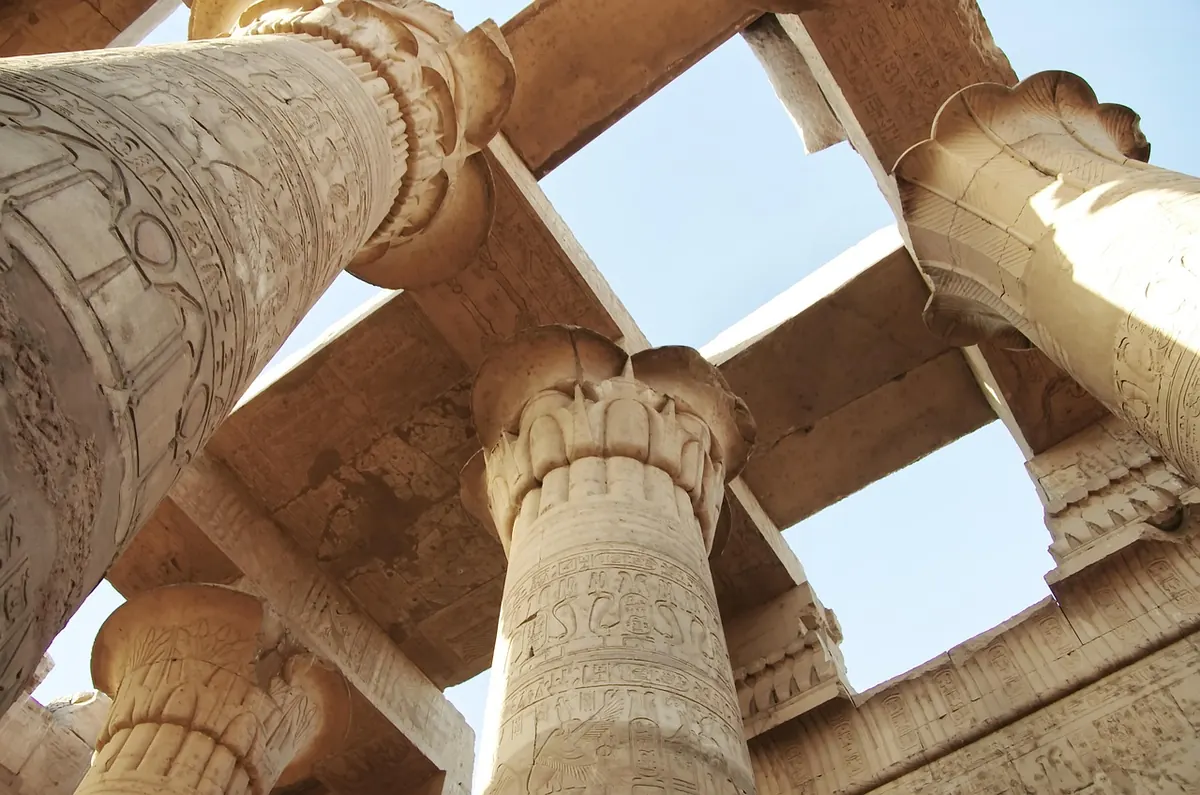
Luxor is the world's greatest open-air museum. The forest of giant columns in the Hypostyle Hall at Karnak is unforgettable, and Luxor Temple is magical when it's lit up at night.
At Karnak you walk among columns so vast they make people go quiet, while Luxor Temple after dark is lit in warm gold, with the hum of the city just beyond its walls.
6. The Valley of the Kings
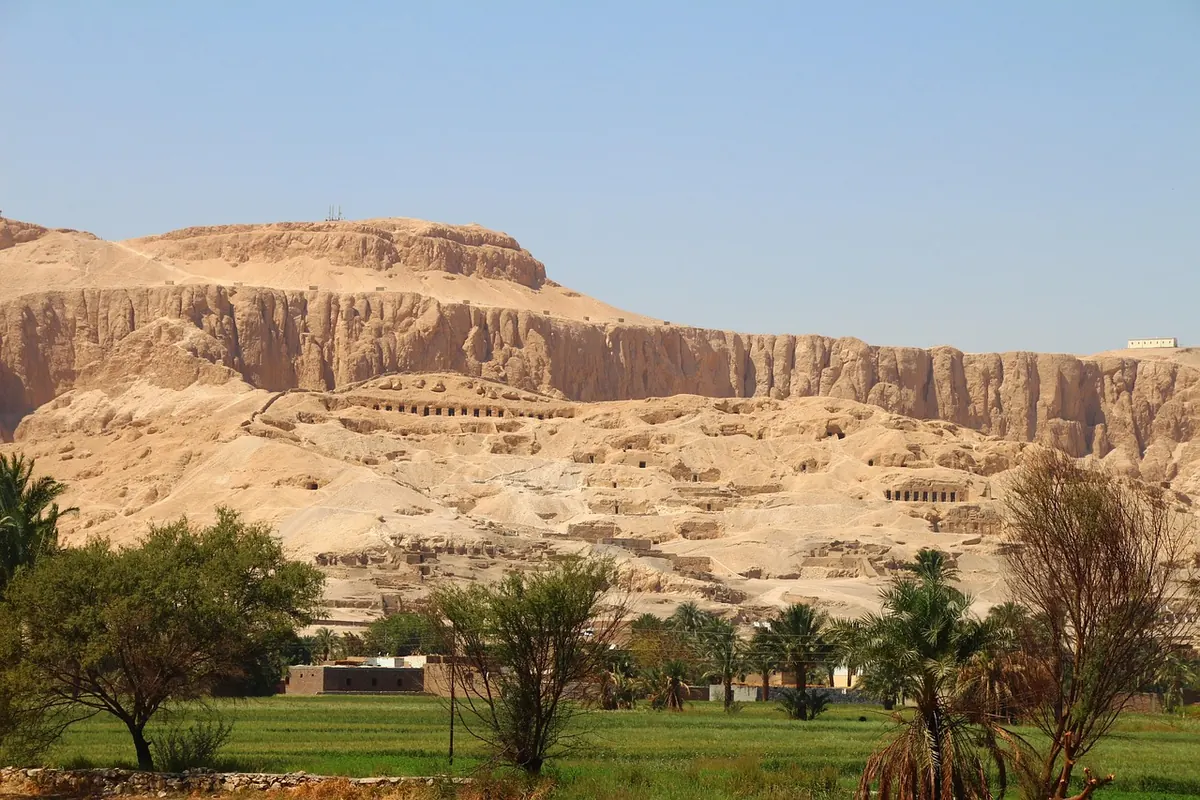
On Luxor's West Bank, the tombs of the pharaohs are carved deep into the desert hills, their walls still bright with paint. Your ticket covers several tombs; Tutankhamun's and Seti I's need extra tickets. Add the Temple of Hatshepsut and the Colossi of Memnon, and consider a sunrise hot-air balloon flight.
The valley outside is bare, bright and baking hot; then you step down into a tomb and the walls blaze with colours that look as if they were painted yesterday. Bring water, a hat and patience for the queues at the most famous tombs.
7. A Nile cruise
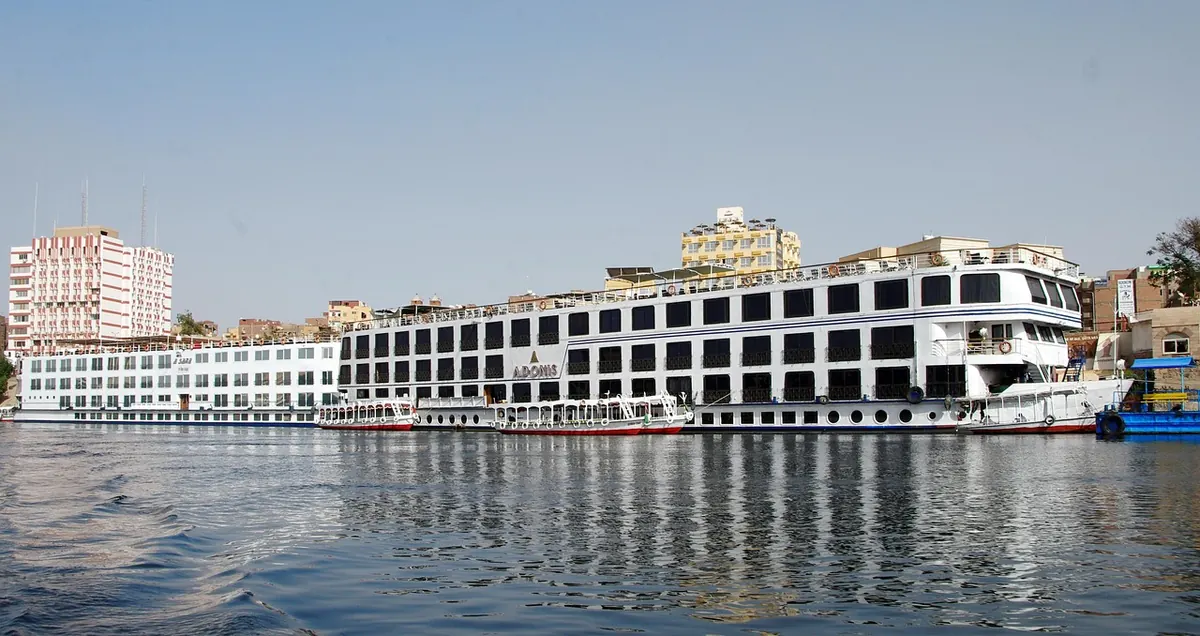
Sailing between Luxor and Aswan is one of the world's classic journeys, stopping at the temples of Edfu and Kom Ombo along the way. Choose a comfortable cruise ship or a smaller traditional dahabiya for a slower, more intimate trip.
8. Aswan
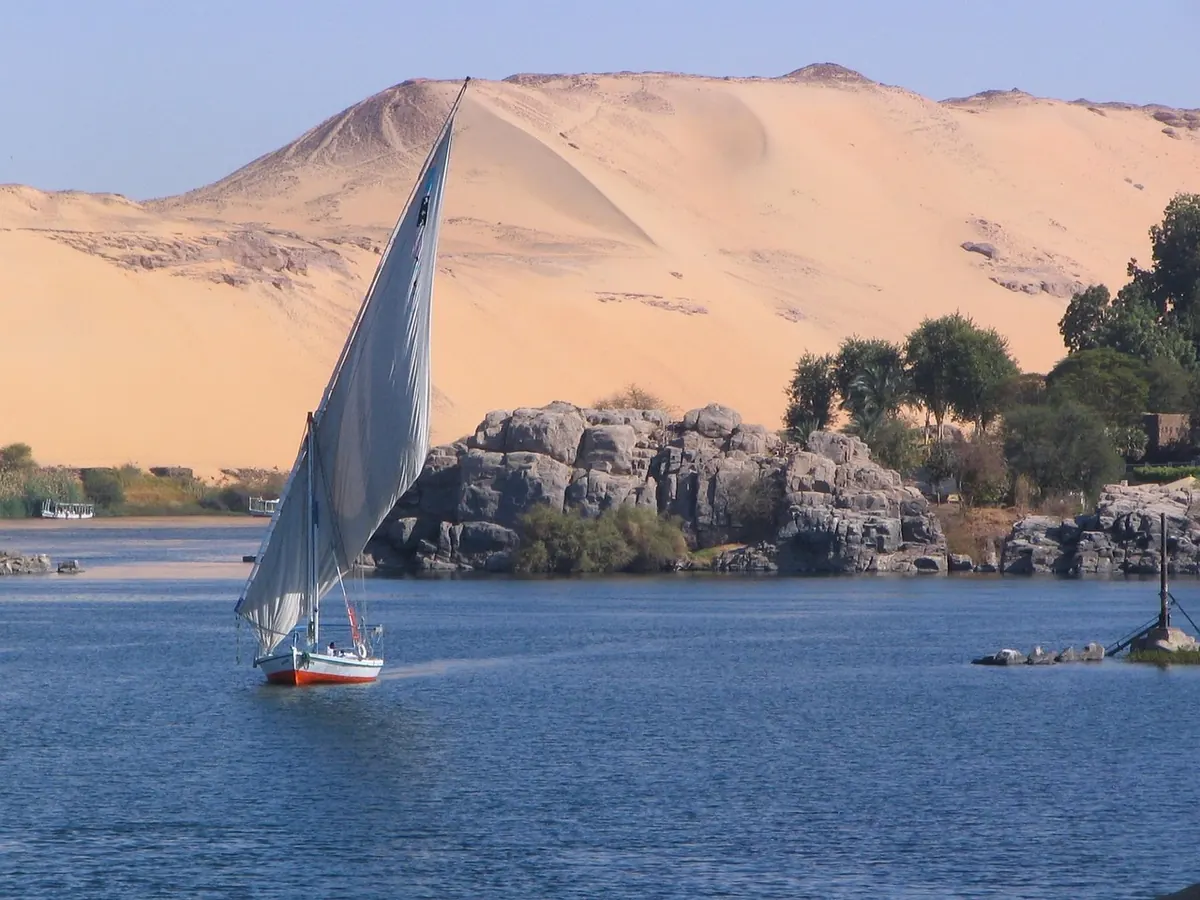
Egypt's most relaxed city has granite islands, felucca sailboats and colourful Nubian villages. Visit the island temple of Philae, the botanical garden on Kitchener's Island and a Nubian village on the West Bank.
Aswan moves at the pace of the felucca sails: granite boulders in the river, green islands, Nubian villages painted in bright colours and the golden dunes of the west bank glowing at sunset.
9. Abu Simbel
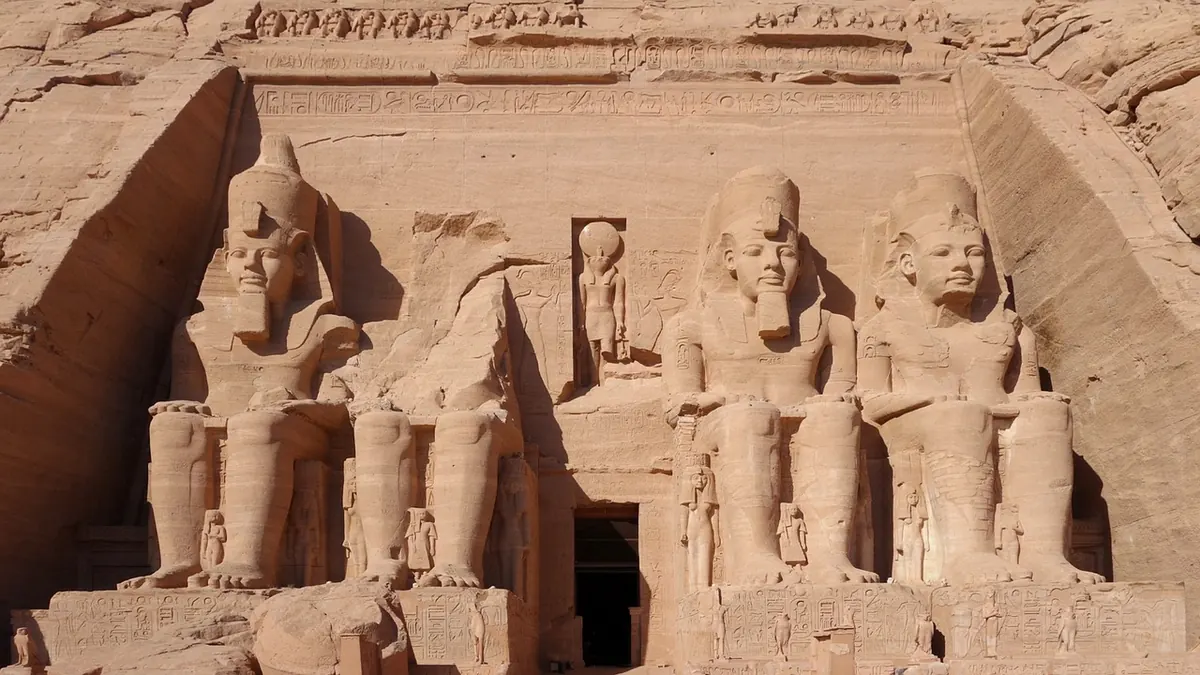
Ramesses II's colossal temples near the Sudanese border were moved block by block to save them from the rising waters of Lake Nasser. Most visitors make the trip from Aswan by road or air; staying overnight lets you see the sound-and-light show and the temples at dawn.
After a dawn drive across the desert, the four seated colossi of Ramesses II appear above Lake Nasser, glowing in the morning sun – a moment that stops almost everyone in their tracks.
The Mediterranean and the desert
10. Alexandria
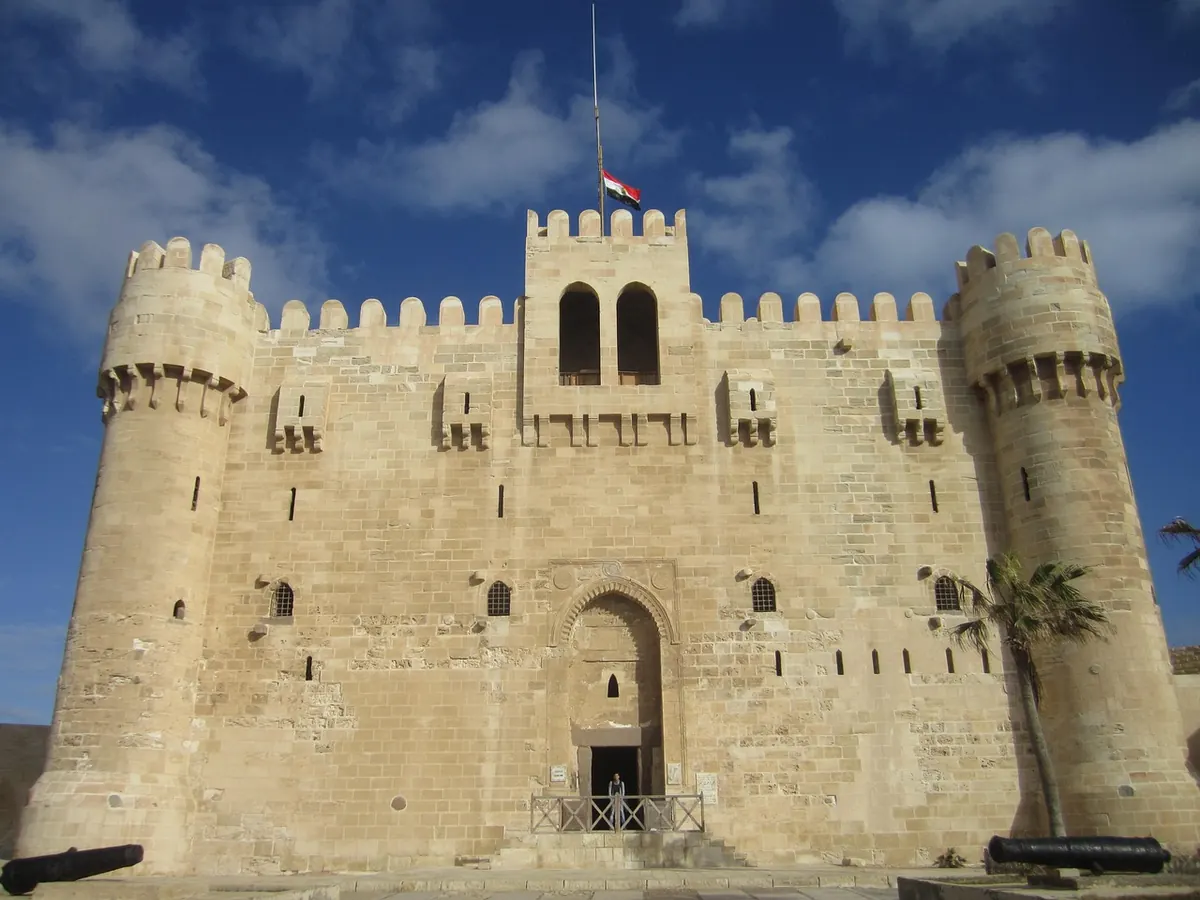
Founded by Alexander the Great, Egypt's Mediterranean city has a faded grandeur all its own. Visit the modern Bibliotheca Alexandrina, the Qaitbay Citadel on the site of the ancient lighthouse and the catacombs of Kom el-Shoqafa, then eat fresh seafood on the Corniche.
The sea breeze, the long curve of the Corniche, old cafés with marble tables and the smell of grilled fish – Alexandria feels more Mediterranean than Egyptian, faded but full of charm.
11. Siwa Oasis and the White Desert
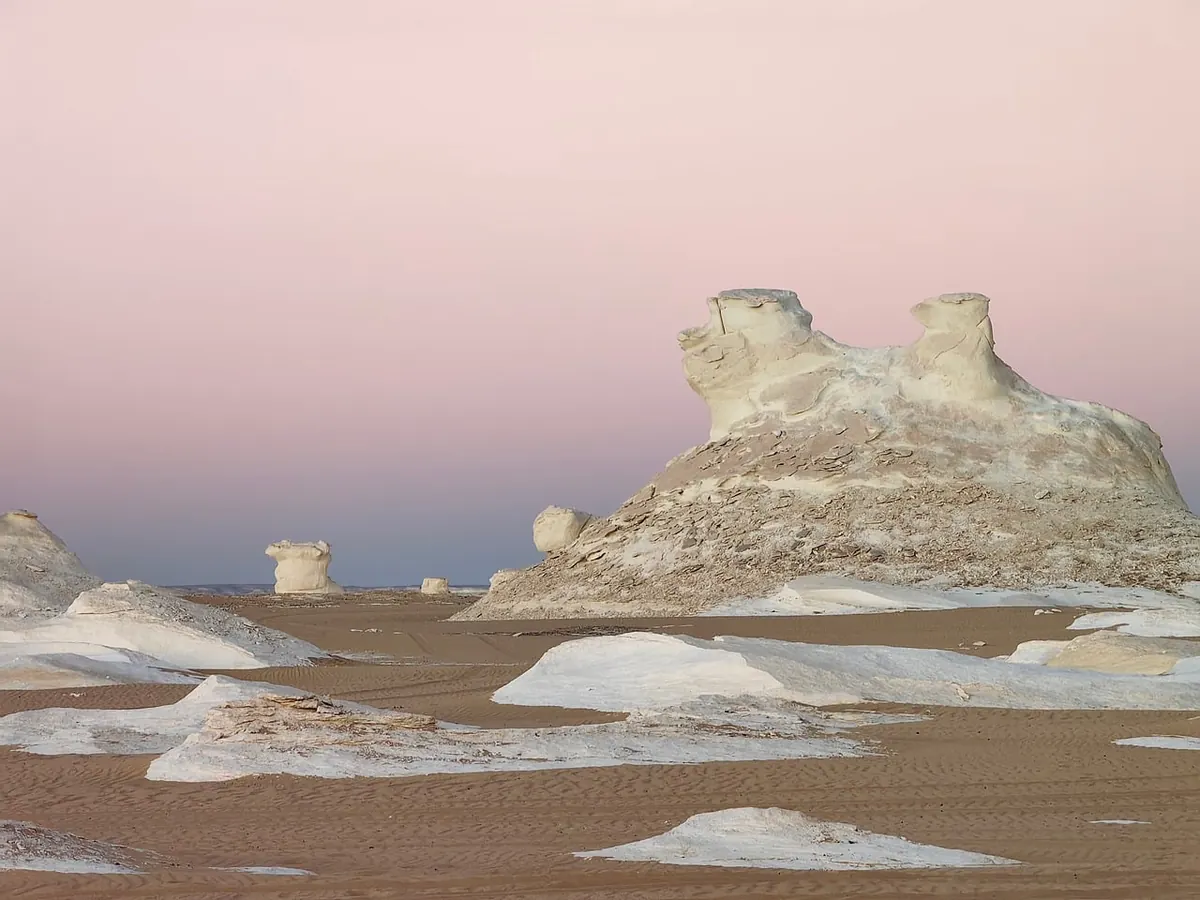
In the Western Desert, Siwa is a remote oasis of palm groves, salt lakes and a mud-brick old town. Further east, the chalk formations of the White Desert are best seen on an overnight camping trip under the stars.
In the White Desert, chalk formations shaped like mushrooms and giant birds glow pink at sunset and silver under the moon, and a night camping under the stars is completely silent. Siwa, with its palm groves, salt lakes and mud-brick fortress, feels like another world.
The Red Sea and Sinai
12. Hurghada and El Gouna
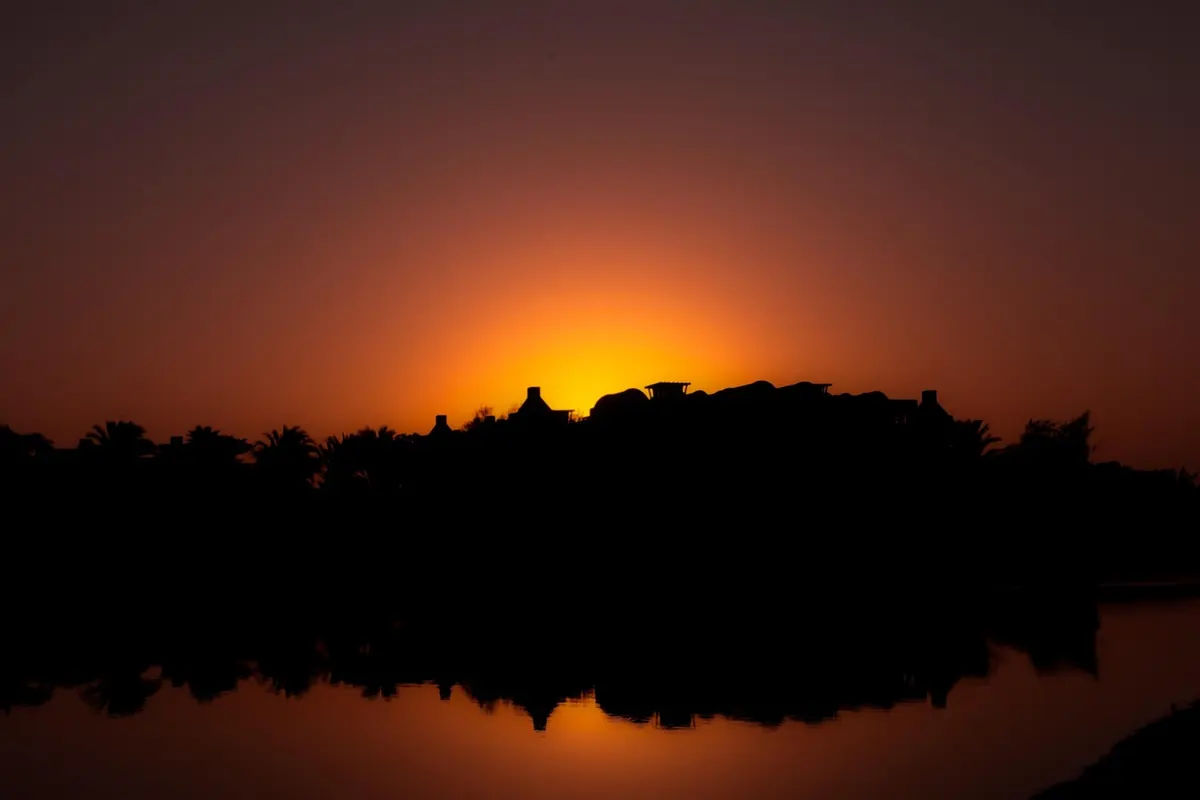
The Red Sea's busiest resort area offers warm water and easy access to coral reefs year-round. Spend your days on boat trips to the islands, snorkelling, diving and kitesurfing, and visit El Gouna, a car-light lagoon town with restaurants around a marina. Read our Hurghada travel guide and our El Gouna guide.
Mornings on the reef, afternoons by the pool and evenings at the marina – the Red Sea coast is where most visitors finally slow down after the temples.
13. Marsa Alam
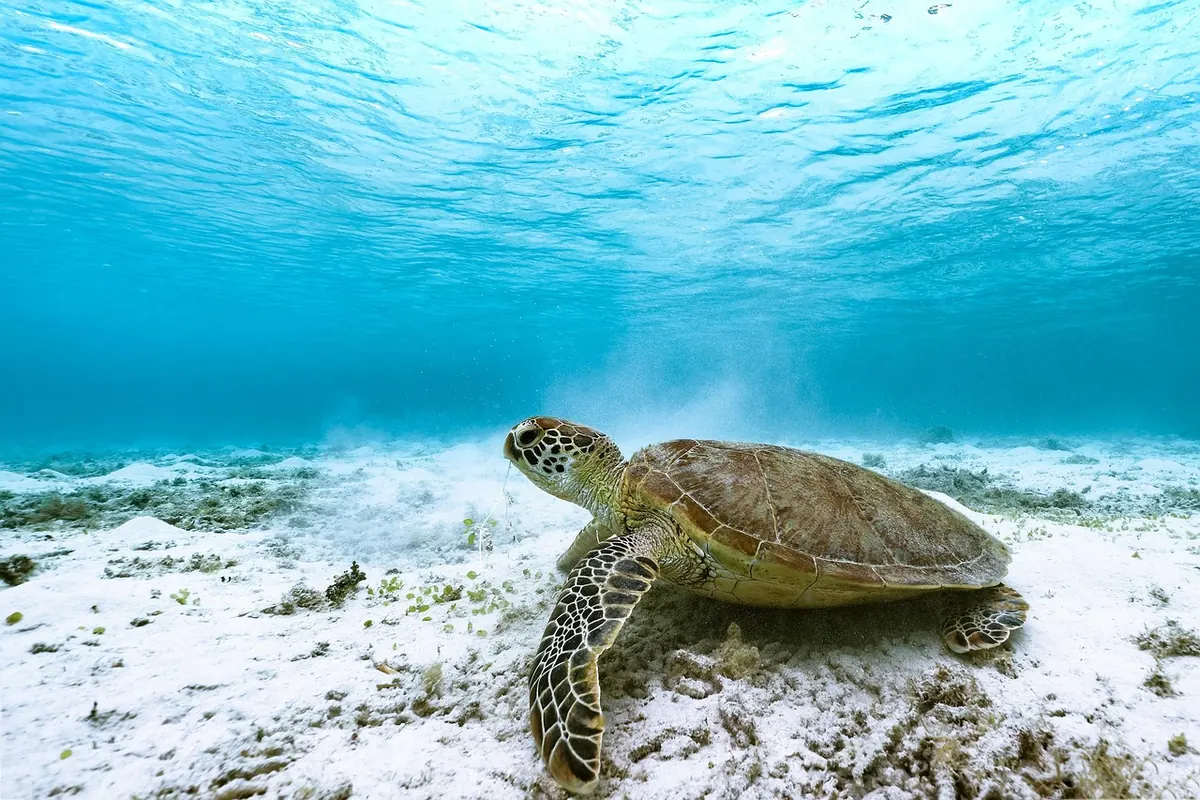
Further south, Marsa Alam is quieter and wilder, with some of the best house reefs in Egypt. At Abu Dabbab, green turtles graze on seagrass close to the shore, and lucky snorkellers may even spot a dugong.
Here the desert meets the sea with almost nothing in between: wide empty bays, turtles grazing on seagrass and some of the clearest water on the coast.
14. Sharm el-Sheikh and Ras Mohammed
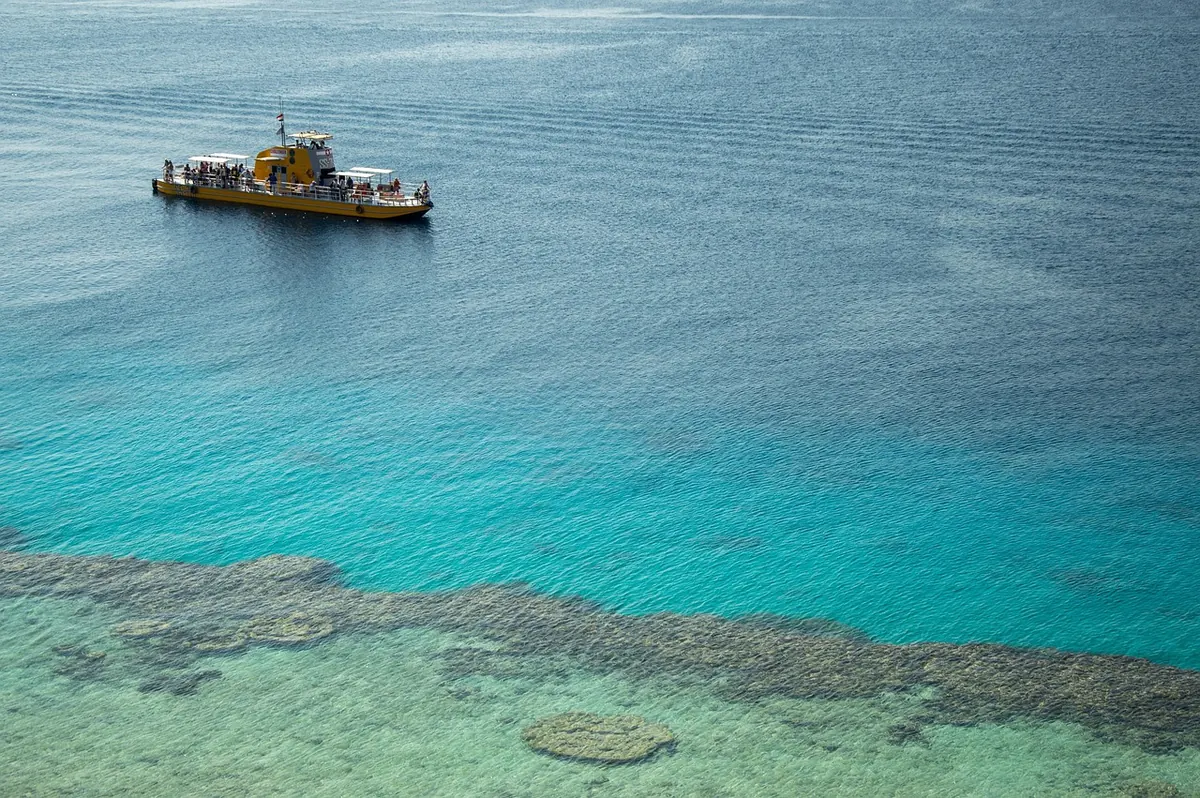
At the southern tip of Sinai, Sharm el-Sheikh is the gateway to Ras Mohammed National Park, one of the world's great dive and snorkel sites, with sheer coral walls and huge schools of fish.
Off Ras Mohammed, the reef walls plunge into deep blue and great shoals of fish hang in the current – some of the most spectacular snorkelling and diving in the world.
15. Dahab and Mount Sinai
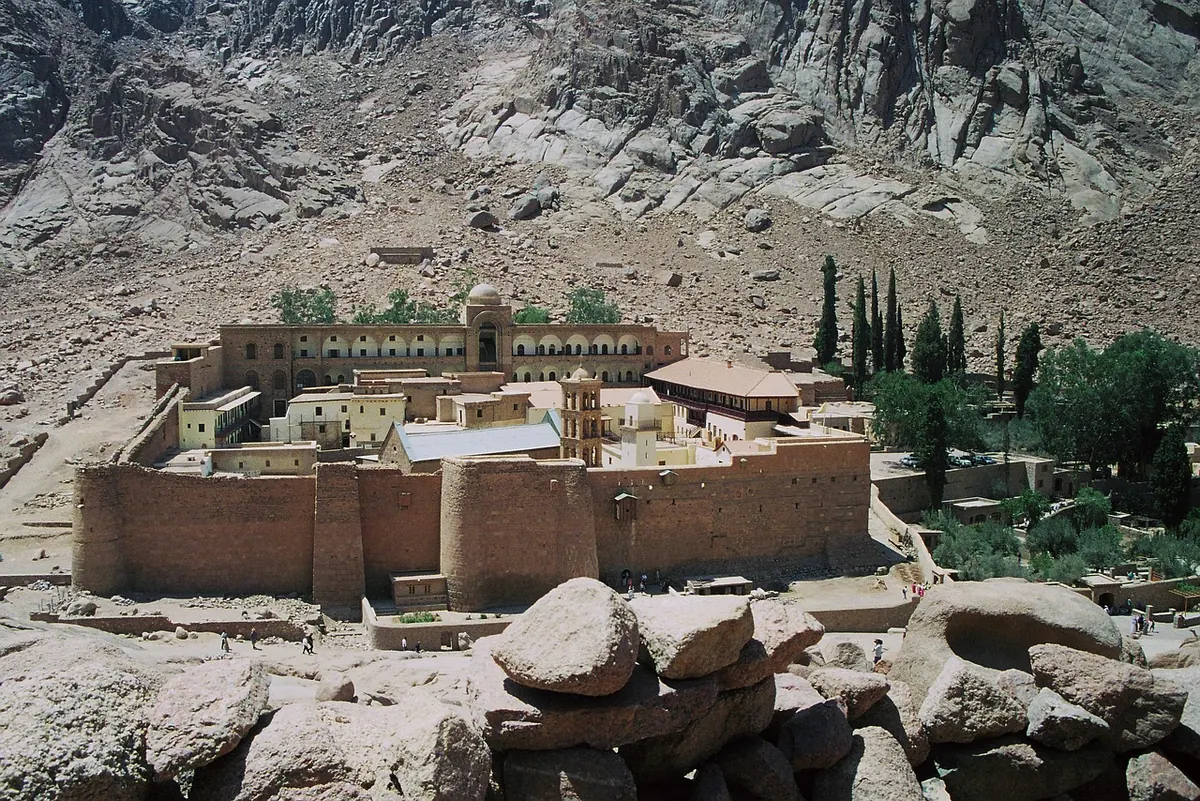
Laid-back Dahab is popular with divers and backpackers. From here, many travellers climb Mount Sinai overnight to watch the sunrise, then visit the ancient St Catherine's Monastery at the foot of the mountain.
Dahab is all cushions, sea views and slow afternoons; Mount Sinai is a cold night climb under the stars to watch the sunrise flood over a sea of jagged peaks.
Practical tips
- Visas: many nationalities can get an e-visa online or a visa on arrival. Visitors staying only in the Sinai resorts may be able to use a free Sinai-only entry stamp – check the rules before you fly.
- Money: the currency is the Egyptian pound (EGP). Carry small notes for tips (baksheesh), which are part of daily life.
- Dress: cover shoulders and knees outside the beach resorts, and bring a scarf for mosques.
- Getting around: domestic flights and overnight sleeper trains link Cairo with Luxor and Aswan. On the Red Sea, book a private transfer from the airport to your hotel.
Planning more of the region? Combine Egypt with our week-long trip to Jordan, and sort your mobile data before you fly with our guide to the best eSIMs for travel.
Frequently asked questions
When is the best time to visit Egypt?
October to April is the most comfortable for sightseeing in Cairo, Luxor and Aswan. The Red Sea resorts are good all year, though summer is very hot inland. Winter evenings in the desert can be cold.
Do I need a visa for Egypt?
Most visitors need a visa. Many nationalities can apply online through the official e-visa portal before travelling or buy a visa on arrival at the airport. Check the current rules for your passport before you fly.
How many days do you need in Egypt?
Ten days to two weeks lets you see Cairo, Luxor, Aswan and Abu Simbel and add a few days on the Red Sea. With a week, focus on Cairo and Luxor, or combine a Nile cruise with Cairo.
Is Egypt safe for tourists?
Millions of visitors travel to Egypt every year without problems, and the main tourist areas are well protected. As anywhere, follow your government's travel advice, use licensed guides and drivers, and keep an eye on your belongings in crowded places.
Keep reading
How to Take the Ultimate Whirlwind Trip to Jordan
A one-week Jordan itinerary covering Amman, Jerash, Petra, Wadi Rum, Aqaba and the Dead Sea – with tips on the Jordan Pass, getting around and the best time to go.
10 Experiences in Morocco You Shouldn't Miss
Sleep in the Sahara, get lost in Fez, walk blue Chefchaouen and trek the High Atlas – ten experiences that define a trip to Morocco.

Best eSIM for Travel: 7 Providers Compared and How to Choose
Airalo, Saily, Holafly, Ubigi and more compared: data packs vs unlimited, hotspot rules, phone numbers and which travel eSIM suits your trip.
Cairo Travel Guide: 12 Best Things to Do, from Zamalek to Islamic Cairo
Escape to Zamalek and Gezira Island, sail a felucca at sunset, explore Islamic and Coptic Cairo, the Citadel and the city's great museums – a practical guide to Cairo.