Abu Dabbab Bay, Marsa Alam: Snorkelling with Turtles (and Maybe a Dugong)
Snorkel with green turtles at Abu Dabbab Bay near Marsa Alam: where to swim, best time of day, entry fee, rules for turtles and dugongs, and how to get there.

Some links in this guide are partner links: if you buy through them we may earn a small commission, at no extra cost to you. It never affects what we recommend. How we make money
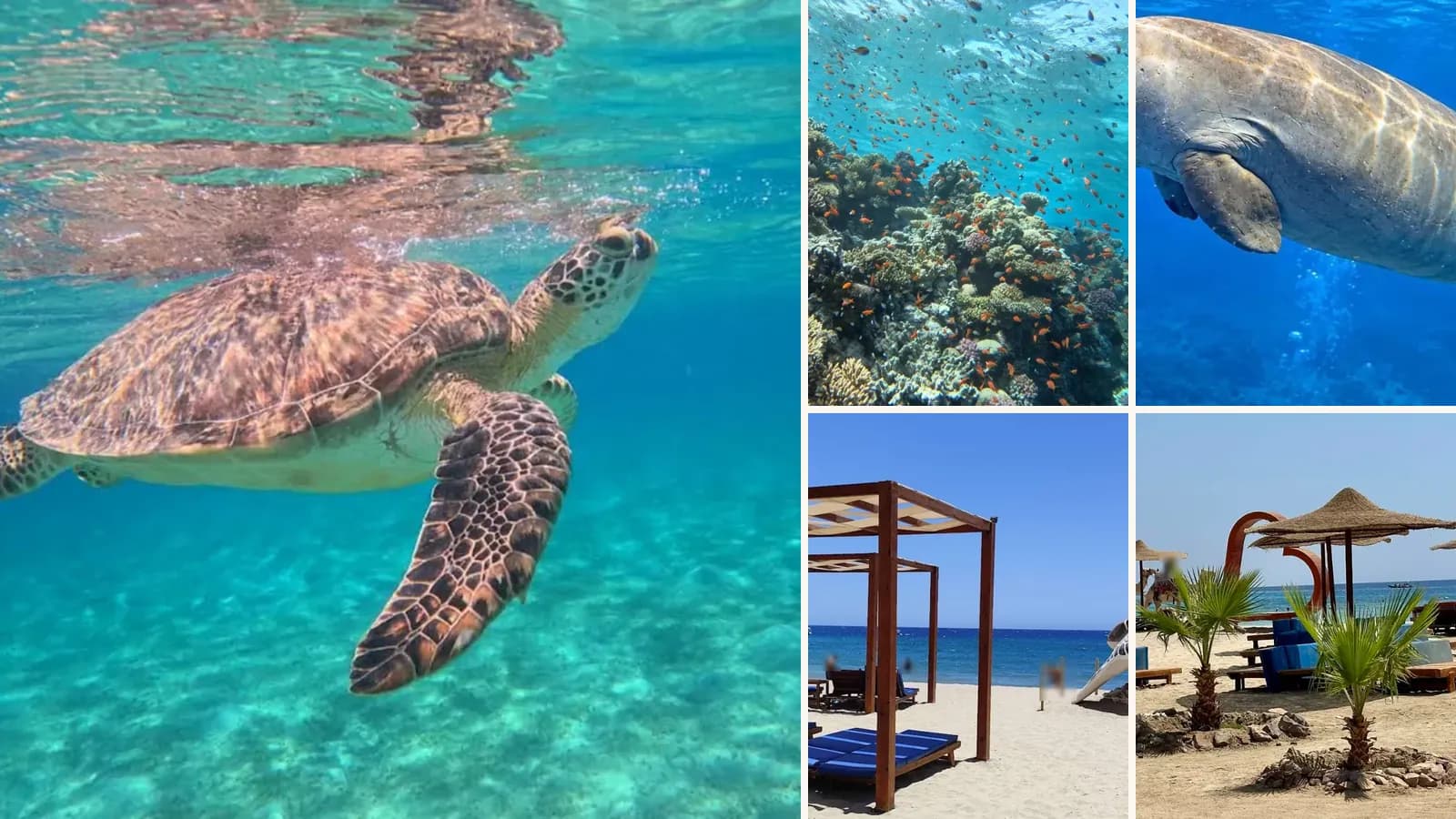
If there's one place on the Red Sea where you're almost certain to swim with a sea turtle, it's Abu Dabbab. In this wide, sandy bay north of Marsa Alam, green turtles graze on meadows of seagrass just a few metres below the surface, often only a short swim from the beach. For many visitors to Marsa Alam, it's the highlight of the whole holiday.
This guide explains how the bay works, where to swim, the best time of day, what it costs, how to behave around turtles and dugongs, and how to get there.
Abu Dabbab at a glance
| Quick facts | |
|---|---|
| Location | About 30 km north of Marsa Alam town, 30–40 minutes from Marsa Alam Airport |
| Highlights | Green sea turtles over seagrass; reefs on both sides of the bay; rare dugongs |
| Depth | Seagrass at about 2–4 m; reef edges deeper |
| Entry | Free for guests of the hotels on the bay; day visitors pay a beach fee (around €10) |
| Facilities | Sunbeds, showers, restaurants and snorkel hire on the beach |
| Best time | Early morning or late afternoon, on calm days |
How the bay works
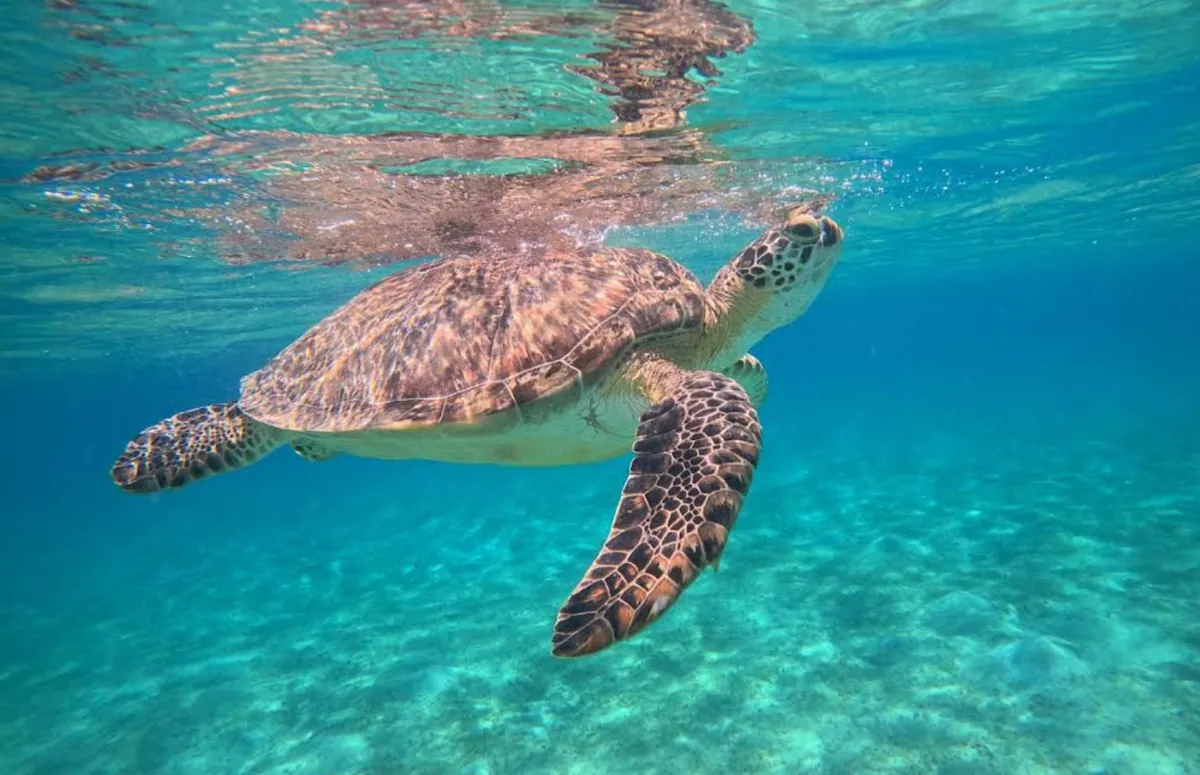
Abu Dabbab is a sheltered, sandy bay inside the Abu Dabbab marine protected area. The middle of the bay is covered in seagrass meadows – food for the turtles. Coral reefs border both ends of the bay, often called the north and south house reefs, with fish, moray eels and lionfish.
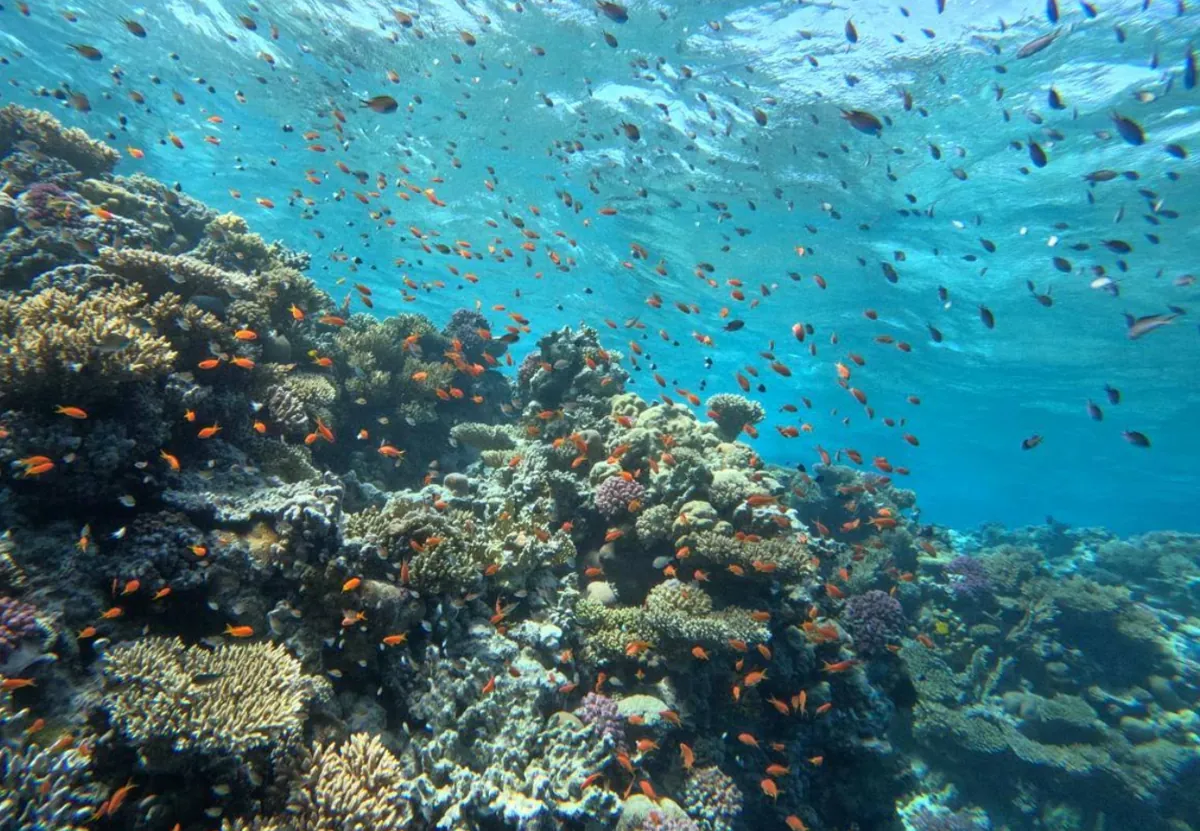
You enter the water from the sandy beach. Swim straight out from the middle of the beach to reach the seagrass and the turtles; swim towards the ends of the bay for the reefs. In the turtle area, the water is usually 2–4 metres deep and very clear on calm days.
Snorkelling with turtles
Green turtles spend most of the day calmly grazing on the seagrass, surfacing every few minutes to breathe. Float quietly above, watch them tear at the grass, and wait for the moment one drifts up past you for a breath. It's a slow, peaceful encounter – which is exactly why it must stay that way.
Rules for turtles (and dugongs):
- Keep at least a few metres away; never touch, chase or ride a turtle.
- Never block a turtle's way to the surface – they need to breathe.
- Don't stand on the seagrass or stir up the sand.
- Don't crowd around an animal; give it space and move on after a few minutes.
- Follow the instructions of the beach guards and snorkel guides.
Dugongs: a rare bonus
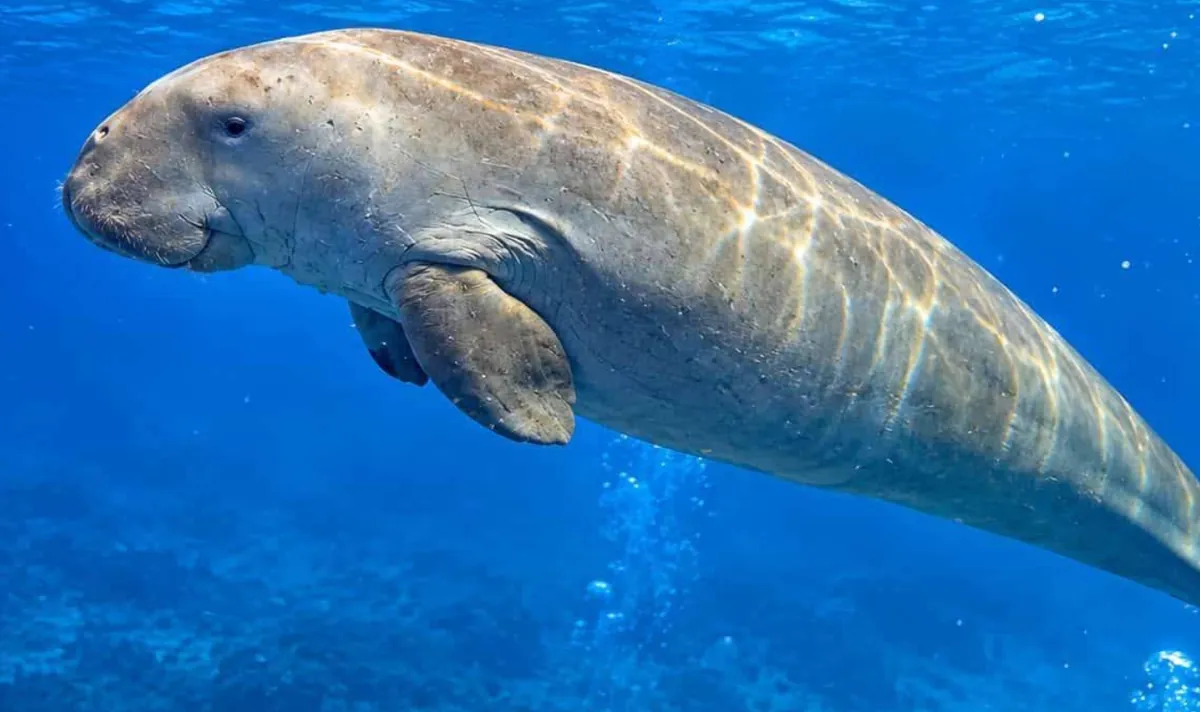
Abu Dabbab became famous in the 2000s for a resident dugong, a gentle sea cow that grazed in the bay. Sightings have become rare in recent years, and the dugong population of the Red Sea is small and vulnerable. If you're lucky enough to see one, keep calm, stay back and never swim over or in front of it. Other bays around Marsa Alam, such as Marsa Mubarak, also report occasional sightings.
Best time to go
- Early morning (before 10:00) and late afternoon are the calmest and least crowded times – before and after the tour buses and boats.
- Calm days give the best visibility; strong wind stirs up the water.
- Water temperature ranges from about 22–23°C in winter to 29–30°C in late summer; a rash vest or shorty wetsuit is useful in winter.
Hotels at Abu Dabbab
Several hotels sit directly on the bay, including Malikia Resort Abu Dabbab and the Hilton Marsa Alam Nubian Resort. Staying there means free access to the bay and the chance to snorkel early before day visitors arrive. More hotels lie along the coast a short drive north and south.
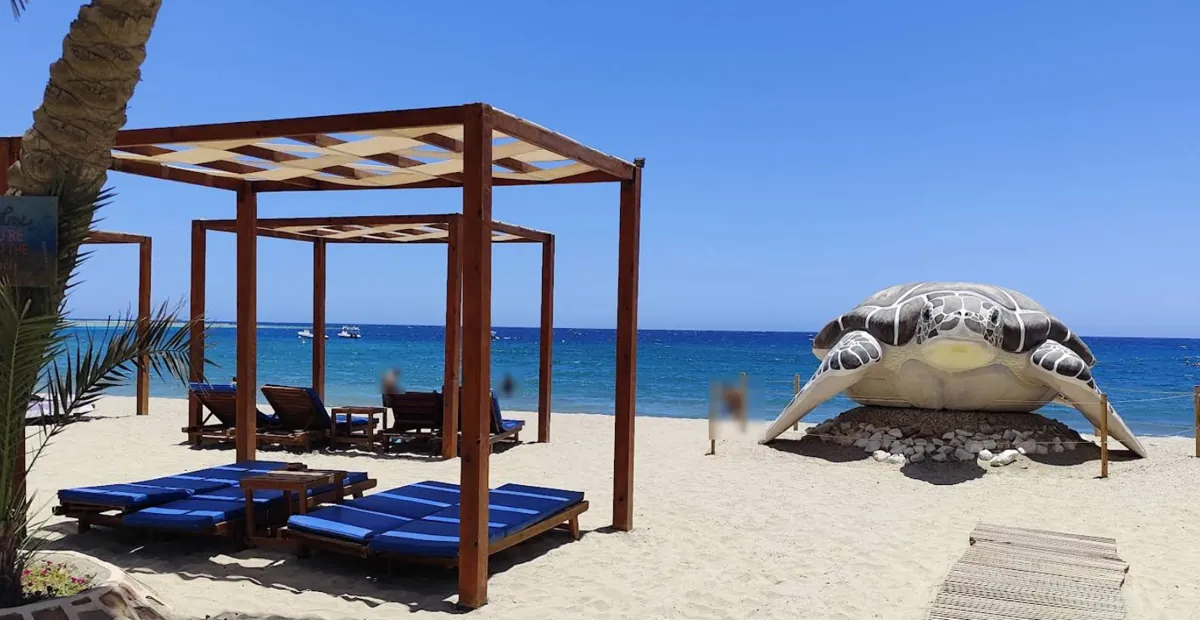
For an overview of the area, hotels and nearby beaches, see the Abu Dabbab area guide on Marsa Alam Voyage, an independent encyclopedia of the Marsa Alam coast.
Getting there
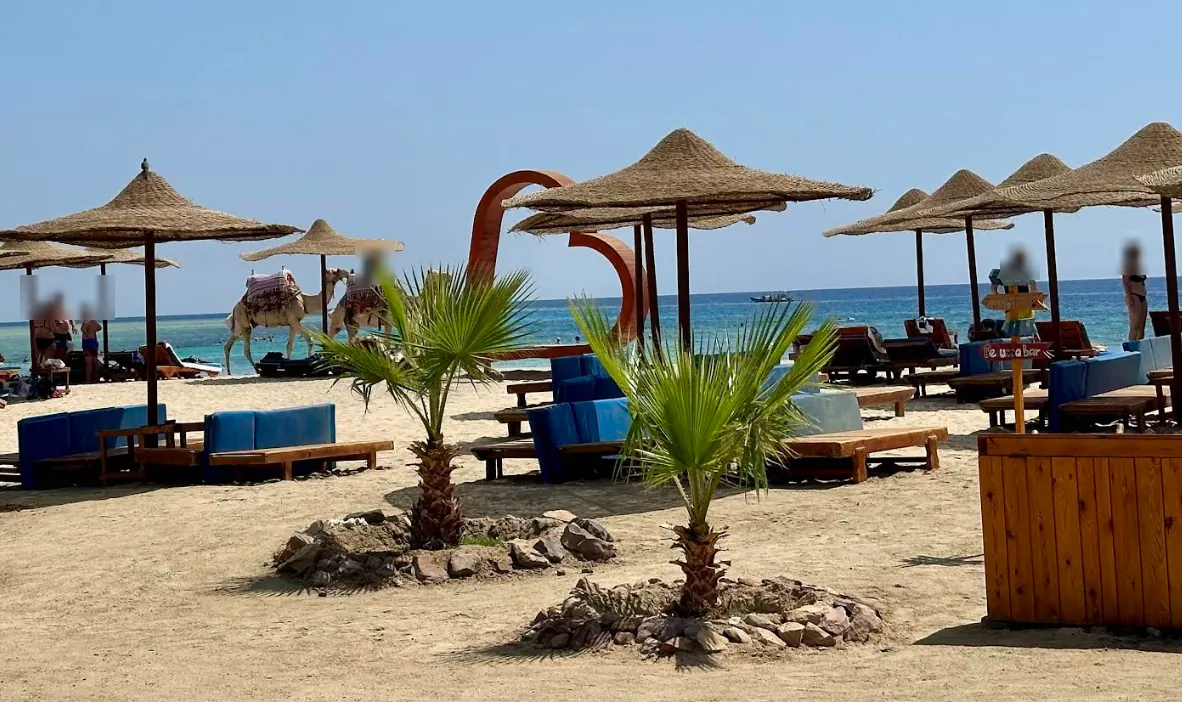
Abu Dabbab is about 30–40 minutes by car from Marsa Alam International Airport and about 30 km from Marsa Alam town. There's no public transport, so you'll need a taxi, a hotel shuttle, an organised trip or a pre-booked transfer.
- From your hotel: many Marsa Alam hotels sell half-day trips to Abu Dabbab with transport, entry and a guide.
- Independently: take a taxi, agree the fare (including waiting time) in advance and pay the beach fee at the entrance.
- From the airport: if you're staying at Abu Dabbab, book a private transfer so a driver waits for you outside arrivals.
You can book a fixed-price transfer from Marsa Alam Airport to Abu Dabbab online.
What to bring
- Mask, snorkel and fins (also available to rent on the beach)
- Reef shoes for walking in over sand and rock
- Reef-safe sunscreen, a hat and a rash vest
- Cash in euros or Egyptian pounds for the beach fee and drinks
- An underwater camera – but no flash
Planning more of your trip? Our Marsa Alam travel guide covers the ten best experiences on the coast, our Port Ghalib guide explains the marina near the airport, and Hurghada vs Marsa Alam vs Sharm el-Sheikh helps you compare resorts.
Frequently asked questions
Where is Abu Dabbab Bay?
Abu Dabbab is a sandy bay on the Red Sea coast about 30 km north of Marsa Alam town, between Marsa Alam International Airport and the town. The drive from the airport takes around 30–40 minutes.
Are turtles guaranteed at Abu Dabbab?
Not guaranteed, but very likely. Green sea turtles graze on the seagrass in the middle of the bay almost every day, usually in 2–4 metres of water.
Is there an entrance fee at Abu Dabbab?
Guests of the hotels on the bay enter free. Day visitors usually pay a beach fee of around €10 per person – check the current price on arrival.
Can you see dugongs at Abu Dabbab?
Occasionally, but sightings have become rare. Consider any dugong a bonus; the turtles are the reliable highlight.
Is Abu Dabbab suitable for beginners and children?
Yes, in calm conditions. The seagrass area is shallow and you enter from a sandy beach. Children should wear a snorkel vest and stay with an adult.
Keep reading
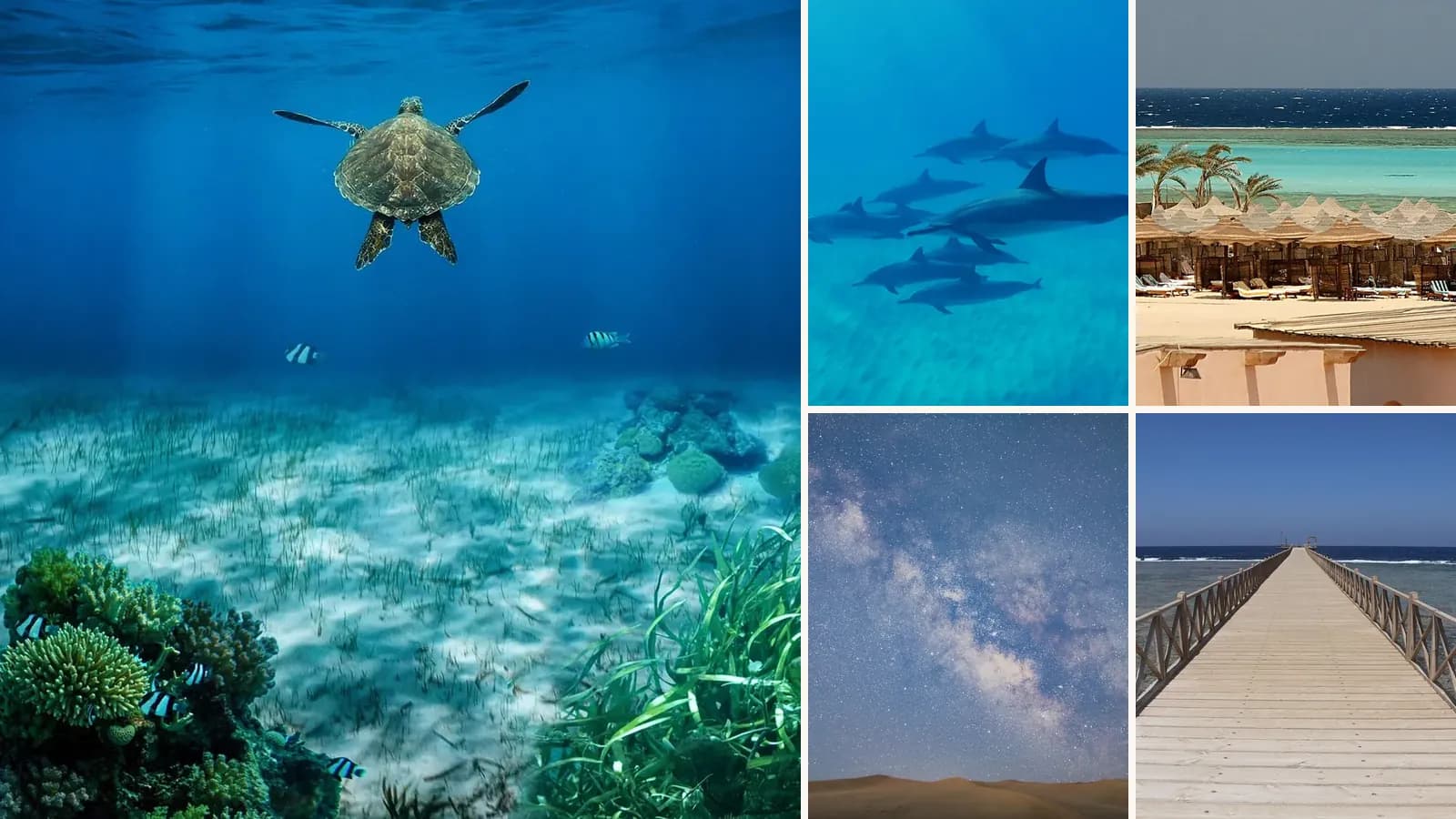
Marsa Alam Travel Guide: Turtles, Dugongs and the Red Sea's Best Reefs
Snorkel with turtles at Abu Dabbab, look for dugongs, dive Elphinstone and explore Wadi El Gemal – the best things to do in Marsa Alam on Egypt's southern Red Sea.
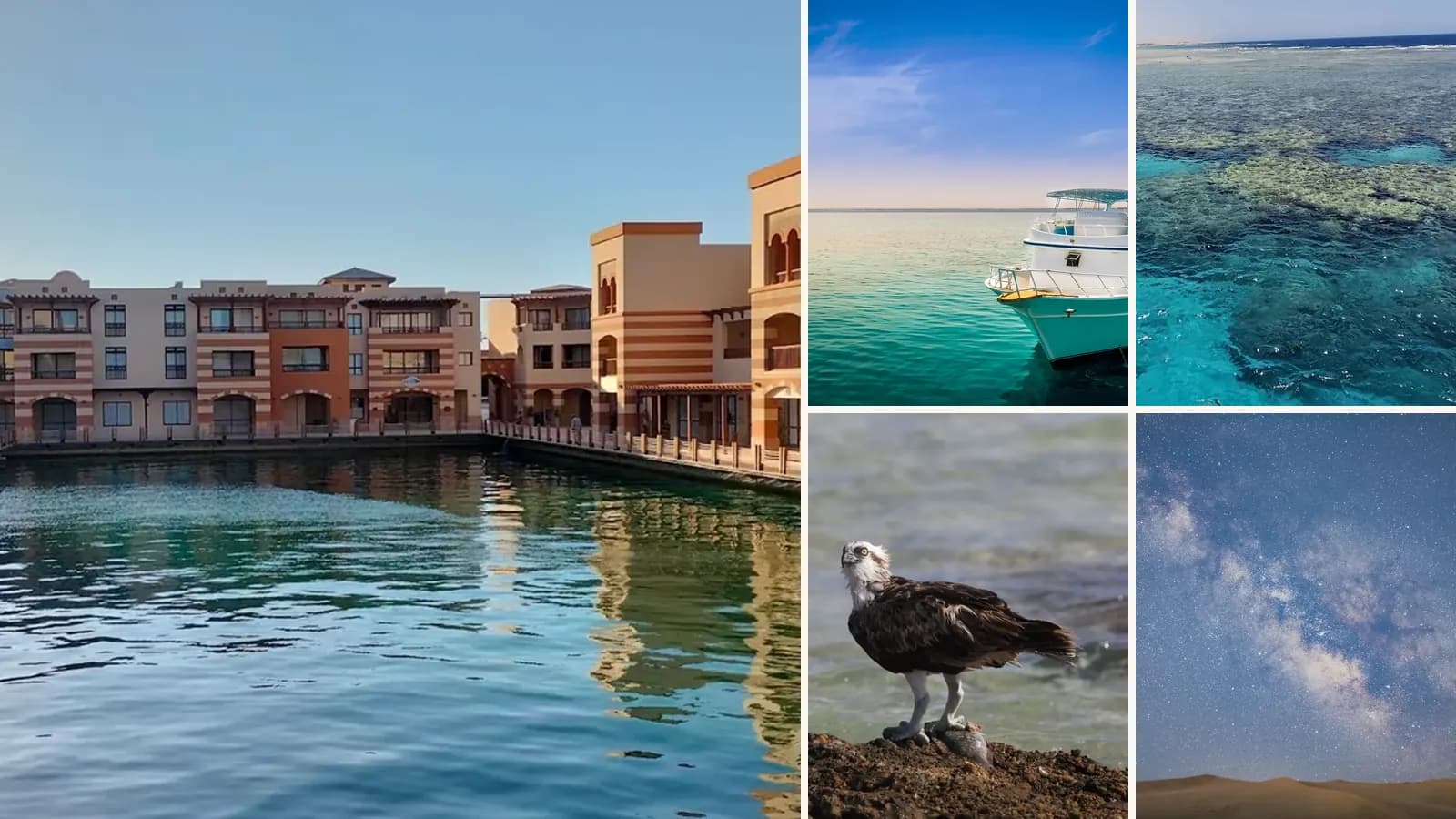
Port Ghalib Guide: Marsa Alam's Marina Town Next to the Airport
Port Ghalib next to Marsa Alam Airport: the marina promenade, liveaboard diving, Marsa Mubarak's turtles, the best hotels and how to get there.
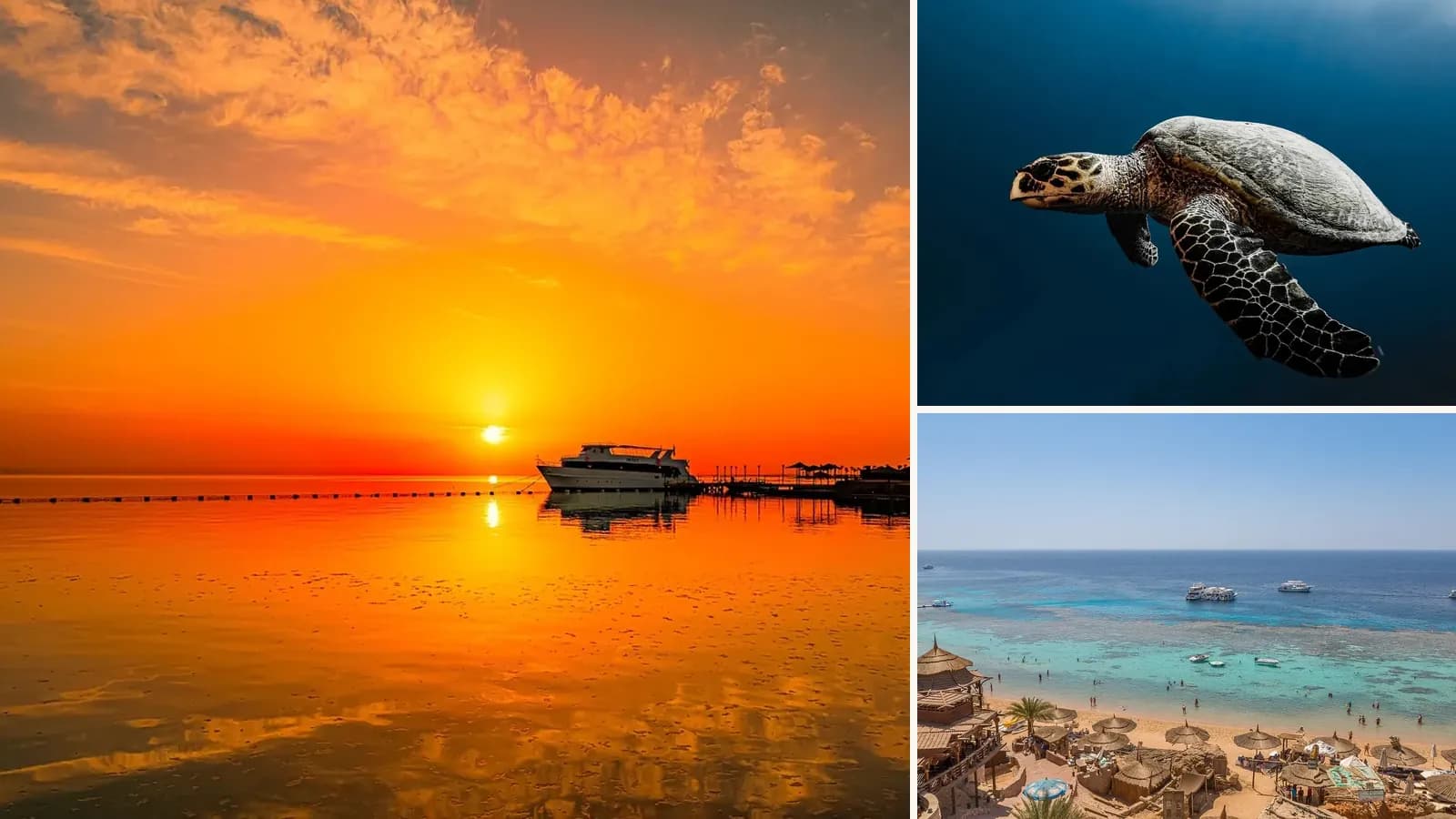
Hurghada, Marsa Alam or Sharm el-Sheikh? How to Choose Your Red Sea Resort
Comparing Egypt's three big Red Sea destinations for beaches, reefs, nightlife, families, day trips and value – and which one suits your holiday.
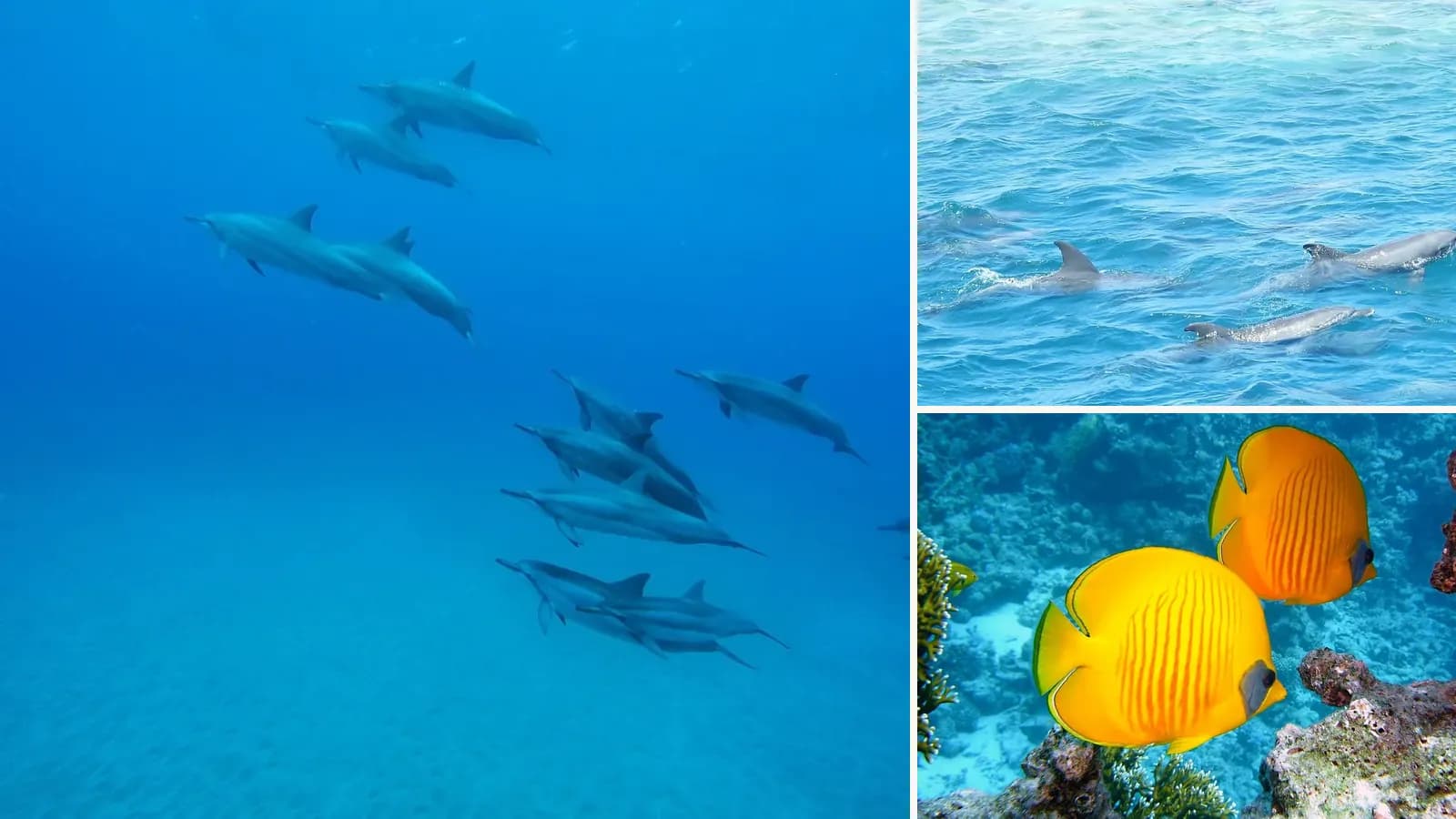
Dolphin House Hurghada: How to Swim with Wild Dolphins Responsibly
The Dolphin House trip from Hurghada: where Sha'ab El Erg is, the spinner dolphins, how the day works, rules in the water and how to pick a good operator.