Red Sea Liveaboard Guide: Routes, Wrecks and How to Choose Your Boat
Northern wrecks, the Brothers, Daedalus and Elphinstone, or the deep south – how to choose a Red Sea liveaboard from Hurghada, Port Ghalib or Sharm el-Sheikh.

Some links in this guide are partner links: if you buy through them we may earn a small commission, at no extra cost to you. It never affects what we recommend. How we make money
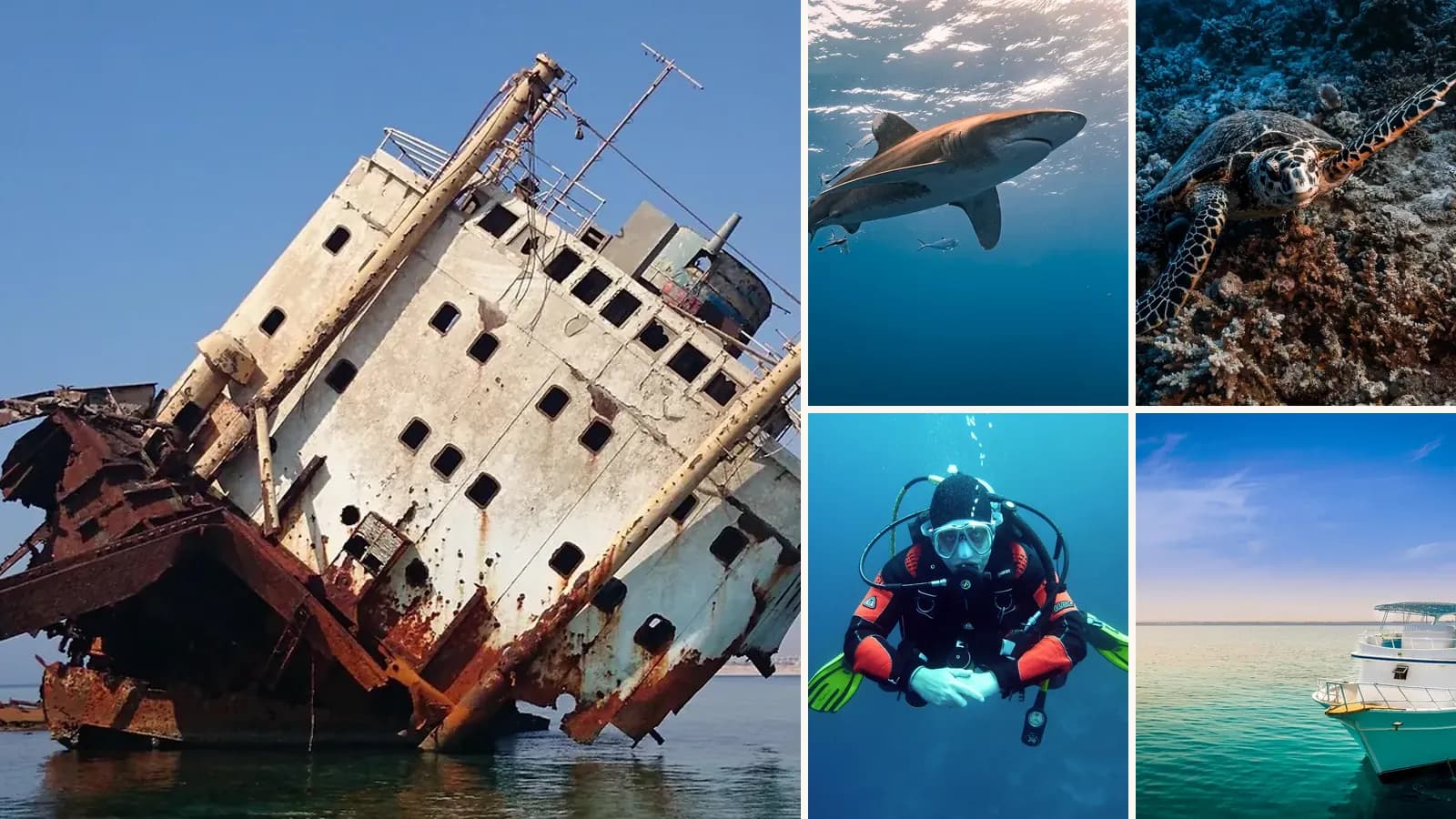
Day boats from Hurghada and Marsa Alam reach plenty of good reefs, but the Red Sea's most famous sites – remote offshore pinnacles and the wrecks of the northern straits – are best reached on a liveaboard. You eat, sleep and dive on the boat for about a week, waking up beside reefs that day boats rarely visit.
Choosing your route
1. Northern wrecks and reefs
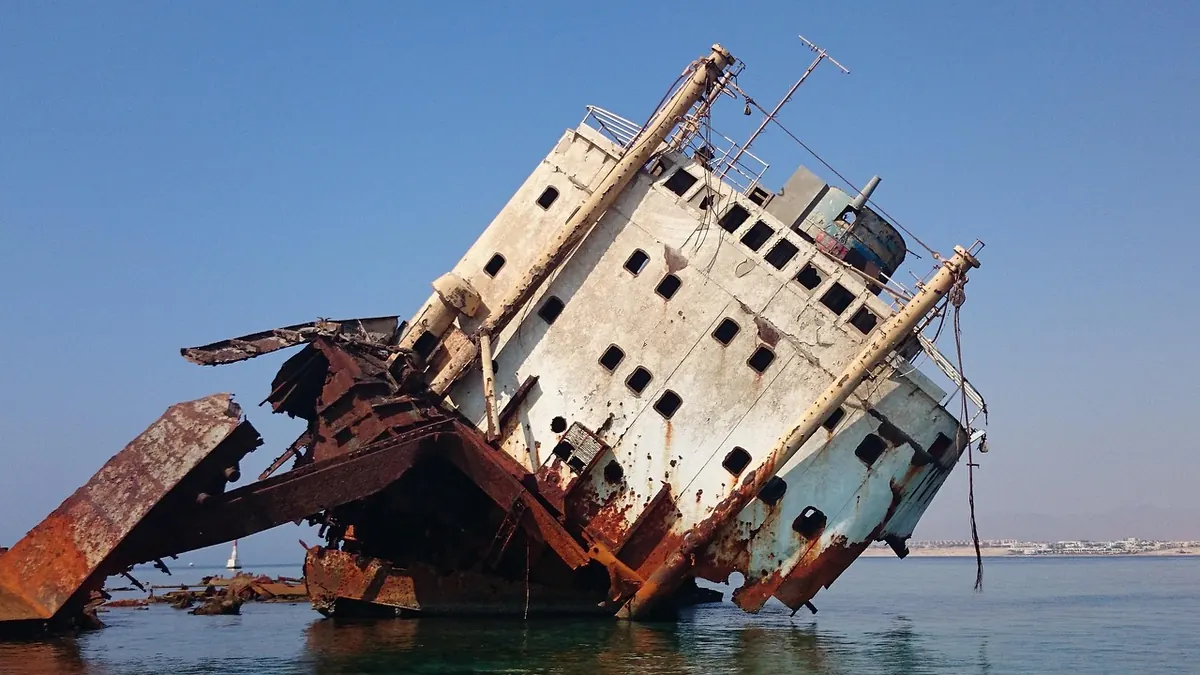
The classic first liveaboard. Routes usually leave from Hurghada and cross the Strait of Gubal to the wrecks of Abu Nuhas, the SS Thistlegorm – a British supply ship sunk in 1941 with its cargo of motorbikes and trucks still in the holds – and the reefs of Ras Mohammed. Conditions are generally manageable, and the variety of wrecks makes it ideal for keen photographers.
Days are a rhythm of dive, eat, sleep, repeat: the dive deck clattering with tanks at dawn, the silence of a wreck emerging from the blue, then hot food and sunbathing on the top deck between dives. At night, the boat rocks gently at anchor under a sky full of stars.
2. The Brothers, Daedalus and Elphinstone
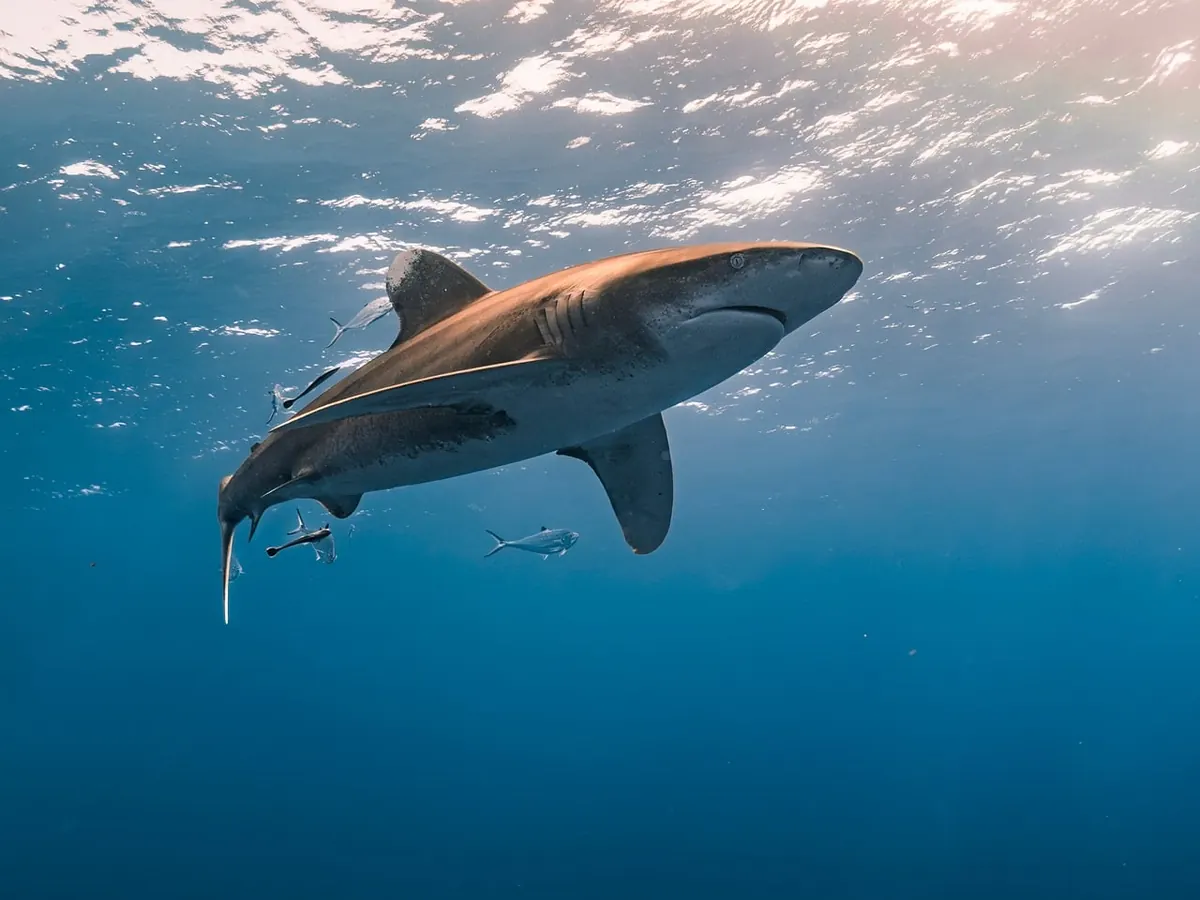
Known as "BDE", this is the Red Sea's big-animal route. These isolated reefs rise from deep water far offshore and are famous for oceanic whitetip, grey reef and hammerhead sharks. Currents and open-sea conditions mean it is for experienced divers only. Trips usually leave from Hurghada, Safaga or Port Ghalib near Marsa Alam.
The crossings to the offshore reefs can be rough, and many divers spend the first night feeling queasy – but then you drop in beside a sheer reef wall alive with soft corals, scan the blue and see the silhouette of a hammerhead or an oceanic whitetip moving slowly towards you. It's the kind of moment divers talk about for years.
3. The deep south: St John's and Fury Shoals
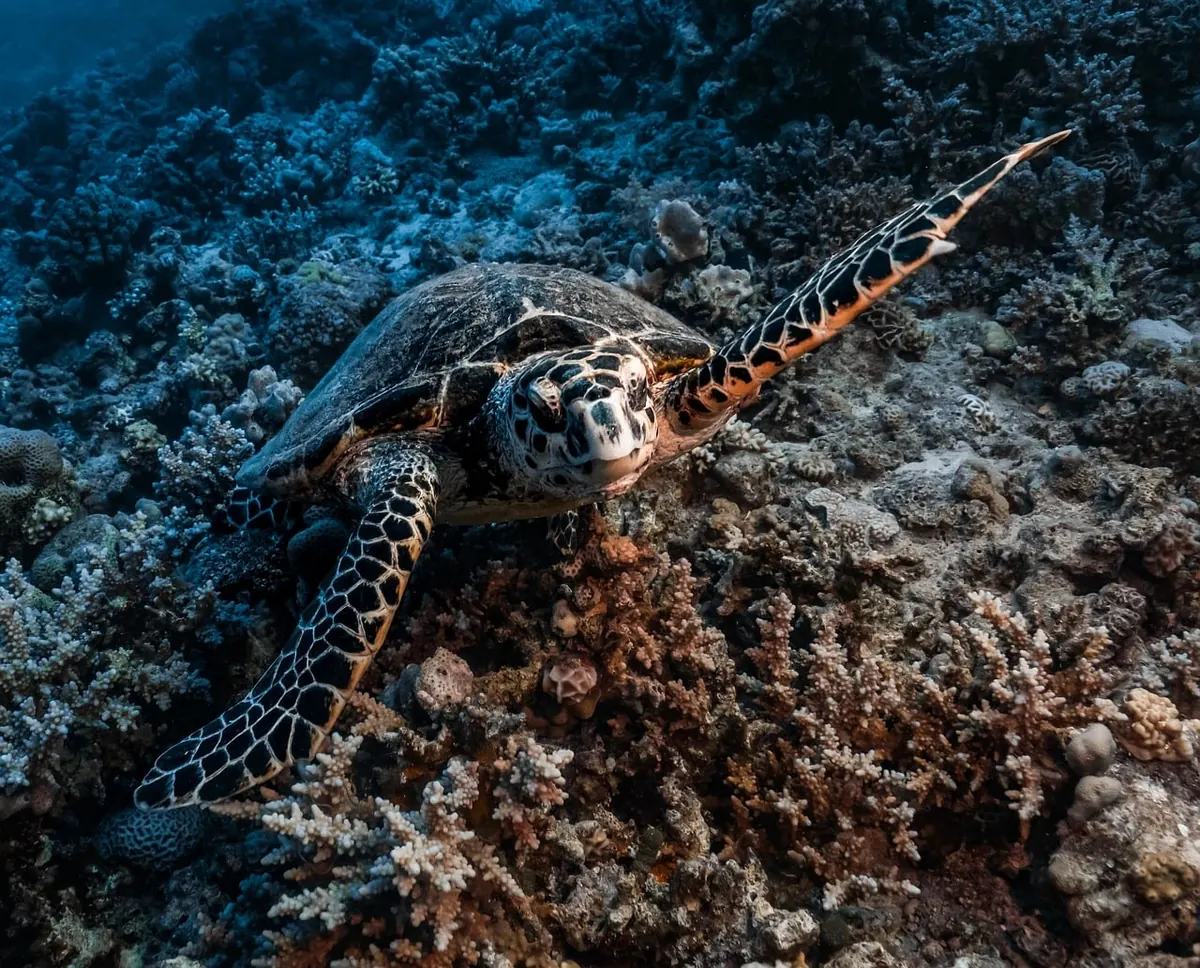
Departing from Port Ghalib or Hamata, southern routes explore labyrinths of coral pinnacles, caves and swim-throughs with some of the healthiest hard coral in Egypt. Dolphins are common, and the reefs are far from the crowds.
In the south the reefs are mazes of coral towers, caves and swim-throughs, with shafts of sunlight slanting through the openings and very few other boats around. Dolphins often play at the bow on the way between sites.
4. Combined routes
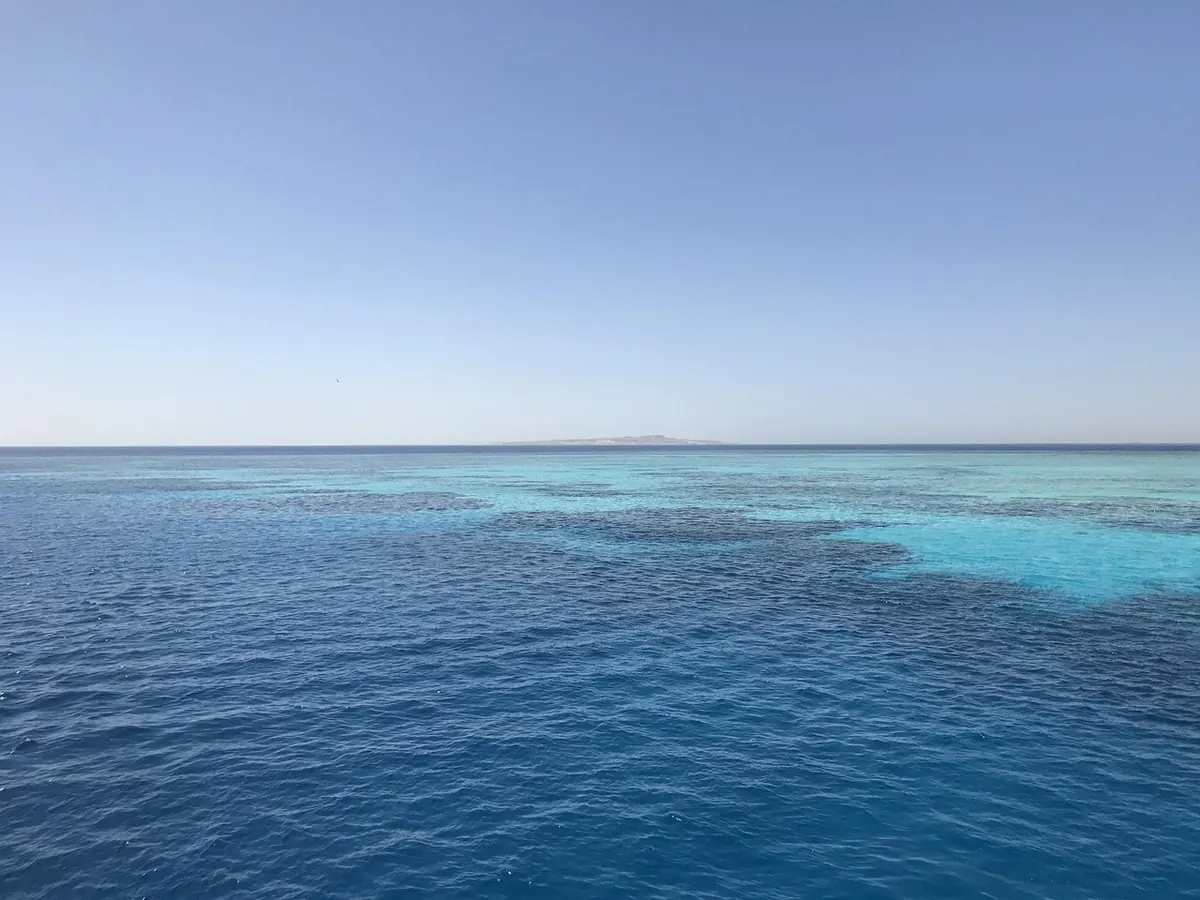
Many boats mix routes – for example northern wrecks with a few days on the offshore reefs, or Elphinstone combined with the southern reefs – which is a good choice if you want variety on a single trip.
Choosing your boat
5. Check the safety basics
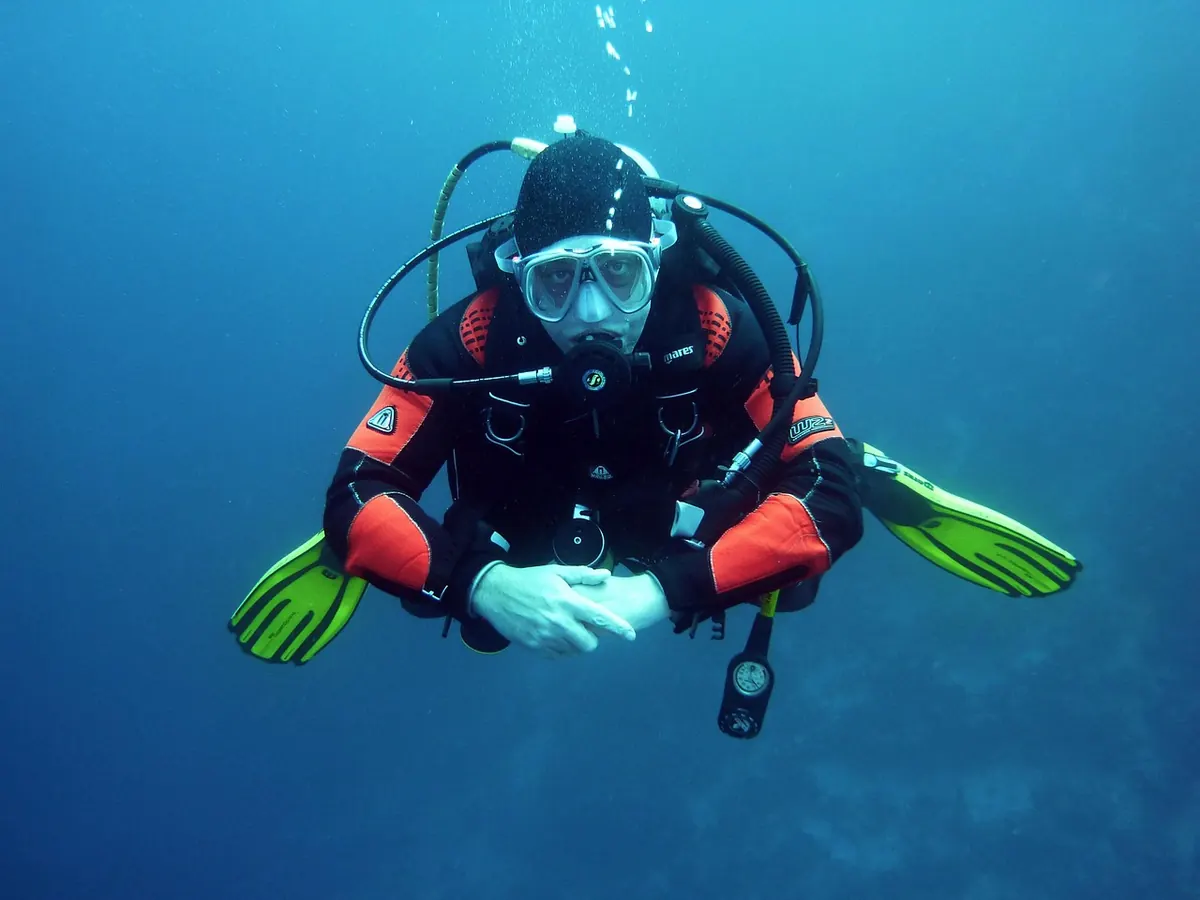
Look for boats with a good safety record, nitrox on board, a full-time dive guide team, oxygen and first-aid equipment, and a clear briefing culture. Read recent independent reviews, ask about the guide-to-diver ratio and check what happens if sea conditions force a route change.
6. Compare what's included
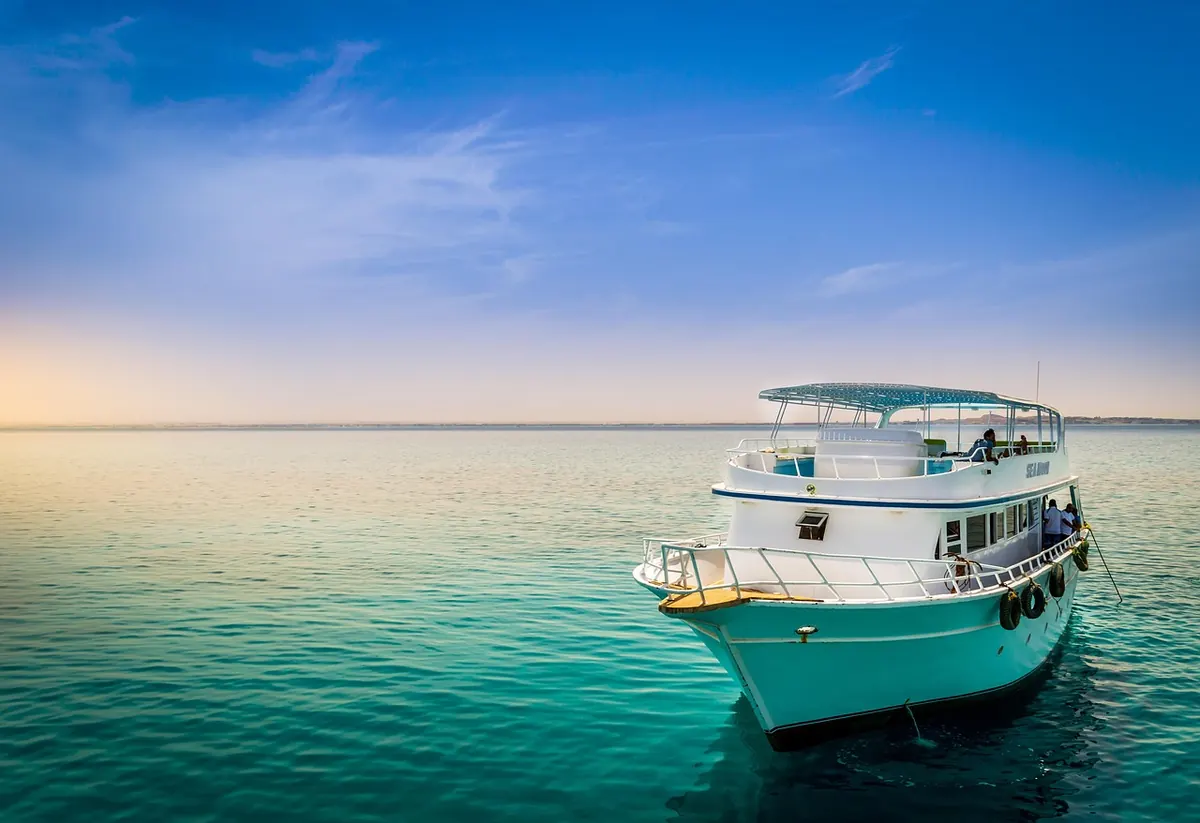
Prices often exclude marine park fees, nitrox, equipment hire and crew tips – add them up before comparing offers. Ask about cabin size, the number of divers per trip and whether transfers from the airport are included.
Routes at a glance
| Route | Typical departure | Level | Highlights |
|---|---|---|---|
| Northern wrecks & reefs | Hurghada | Beginners to advanced | Thistlegorm, Abu Nuhas, Ras Mohammed |
| Brothers, Daedalus & Elphinstone | Hurghada, Safaga, Port Ghalib | Experienced | Sharks, walls, big pelagics |
| Deep south | Port Ghalib, Hamata | Intermediate+ | Pinnacles, caves, healthy coral |
| Combination | Various | Varies | Variety in one trip |
What to expect on board
A typical liveaboard week includes three or four dives a day, with a briefing before each one and meals in between. Cabins are compact, usually with private bathrooms, and the sundeck is the social heart of the boat. Many boats offer nitrox, and some have photography stations. Expect early starts, sociable evenings and a lot of sleep – diving is tiring. Seas can be rough on offshore crossings, so take seasickness tablets if you're prone to it.
Before you go
- Certification and experience: bring your certification card and logbook; offshore routes may require proof of experience.
- Equipment: every diver needs their own dive computer and a surface marker buoy (SMB) on most routes.
- Insurance: take dive insurance that covers hyperbaric treatment and evacuation.
- Flying: plan at least 18–24 hours between your last dive and your flight home.
- Seasickness: offshore crossings can be rough – bring tablets if you're prone to it.
Getting to your boat
Hurghada boats leave from the city's marinas, Port Ghalib is about a 15-minute drive from Marsa Alam Airport, and Sharm el-Sheikh boats depart from Travco or Sharm marina. Most international divers fly into Hurghada or Marsa Alam; arrange a private transfer to the marina for the evening of your arrival, as many boats sleep at the dock the first night.
Frequently asked questions
How many logged dives do I need for a Red Sea liveaboard?
Northern wreck routes usually suit divers with Open Water or Advanced certification. Offshore routes such as the Brothers and Daedalus are for experienced divers – operators commonly ask for Advanced certification and a minimum number of logged dives, often around 50. Check each operator's requirements before booking.
When is the best time for a Red Sea liveaboard?
You can dive year-round. Water temperatures range from roughly 21–23°C in winter to 28–30°C in late summer. Shark encounters on the offshore reefs are typically best from summer into autumn.
Is a liveaboard suitable for non-divers?
Most liveaboards are designed for divers, with three or four dives a day. Some boats accept snorkelling partners, but there is little else to do on board between dives.
Keep reading
Marsa Alam Travel Guide: Turtles, Dugongs and the Red Sea's Best Reefs
Snorkel with turtles at Abu Dabbab, look for dugongs, dive Elphinstone and explore Wadi El Gemal – the best things to do in Marsa Alam on Egypt's southern Red Sea.
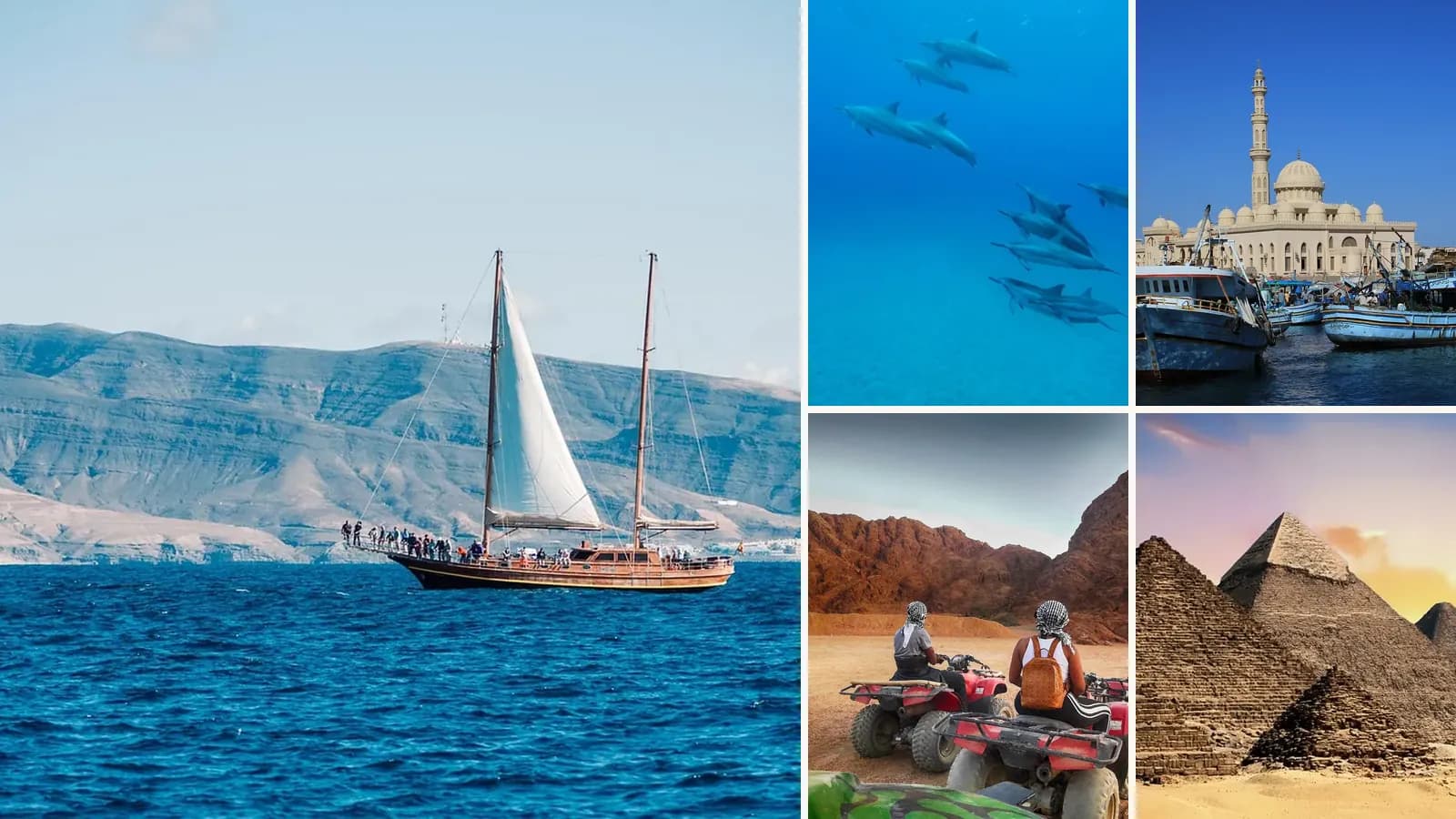
Hurghada Travel Guide: 15 Best Things to Do on Egypt's Red Sea
Island boat trips, snorkelling, diving, desert safaris, the Marina and El Dahar old town – the best things to do in Hurghada, plus where to stay and getting around.
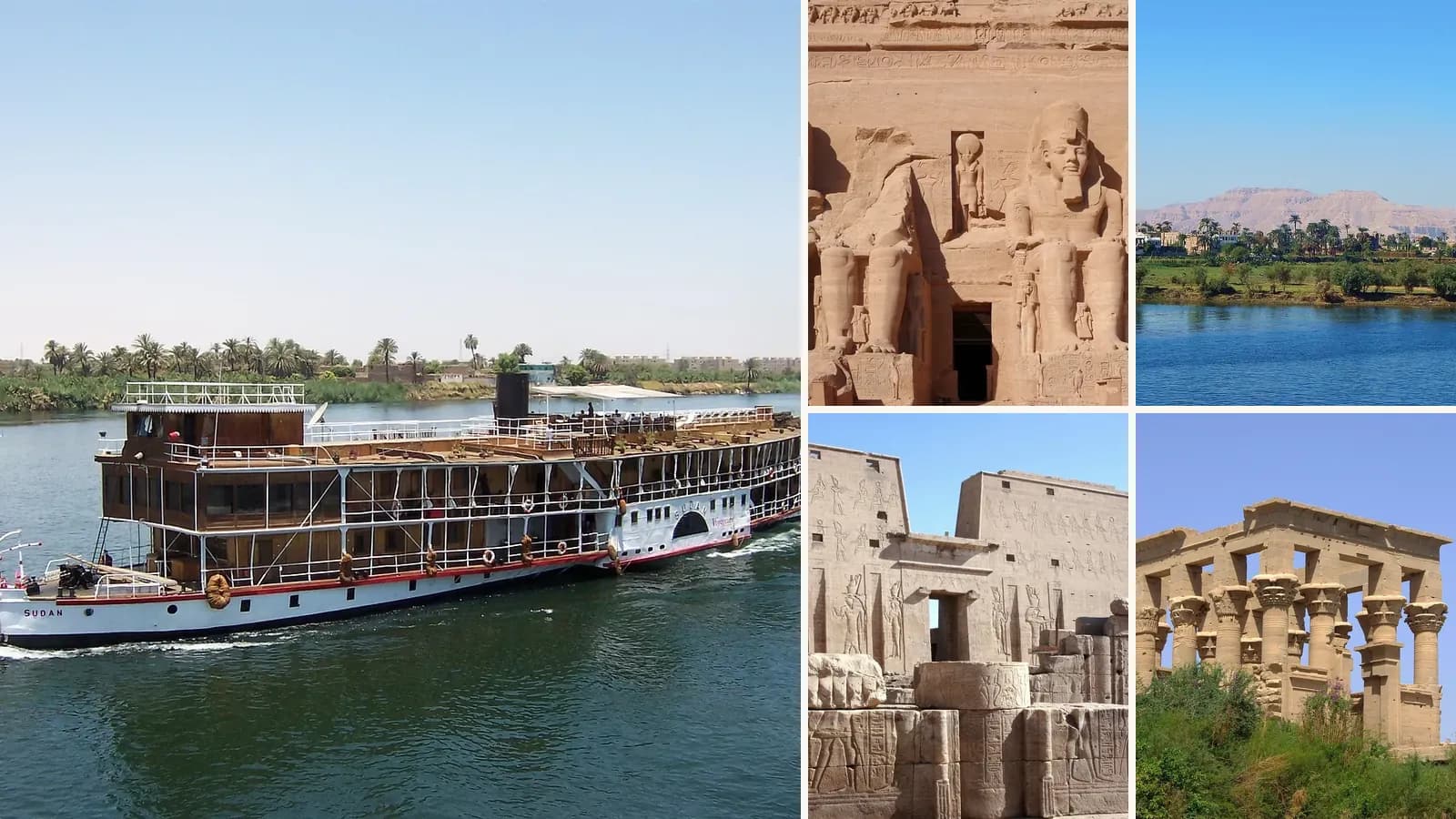
Nile Cruise Guide: How to Choose Your Boat and What You'll See
Cruise ship, dahabiya or Lake Nasser? How long to sail, when to go and the temples you'll visit between Luxor and Aswan – everything you need to plan a Nile cruise.
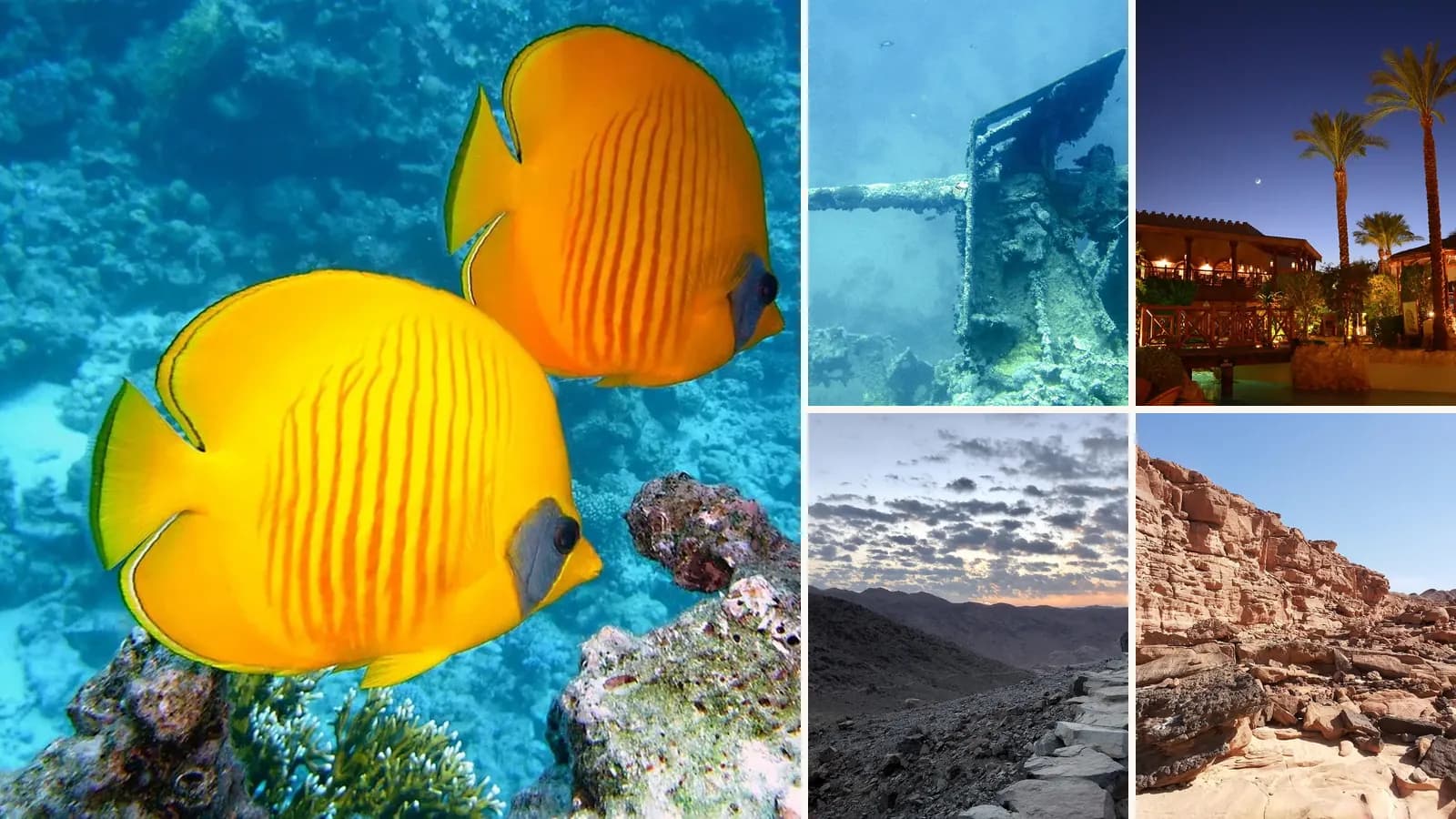
Sharm el-Sheikh Travel Guide: 10 Best Things to Do
Snorkel Ras Mohammed and Tiran, dive the Thistlegorm, climb Mount Sinai at dawn and explore Naama Bay – the best things to do in Sharm el-Sheikh.