Luxor Day Trip from Hurghada: How to Plan It and What You'll See
Is a Luxor day trip from Hurghada worth it? Travel time, a realistic itinerary for Karnak, the Valley of the Kings and Hatshepsut, and whether to stay overnight instead.

Some links in this guide are partner links: if you buy through them we may earn a small commission, at no extra cost to you. It never affects what we recommend. How we make money
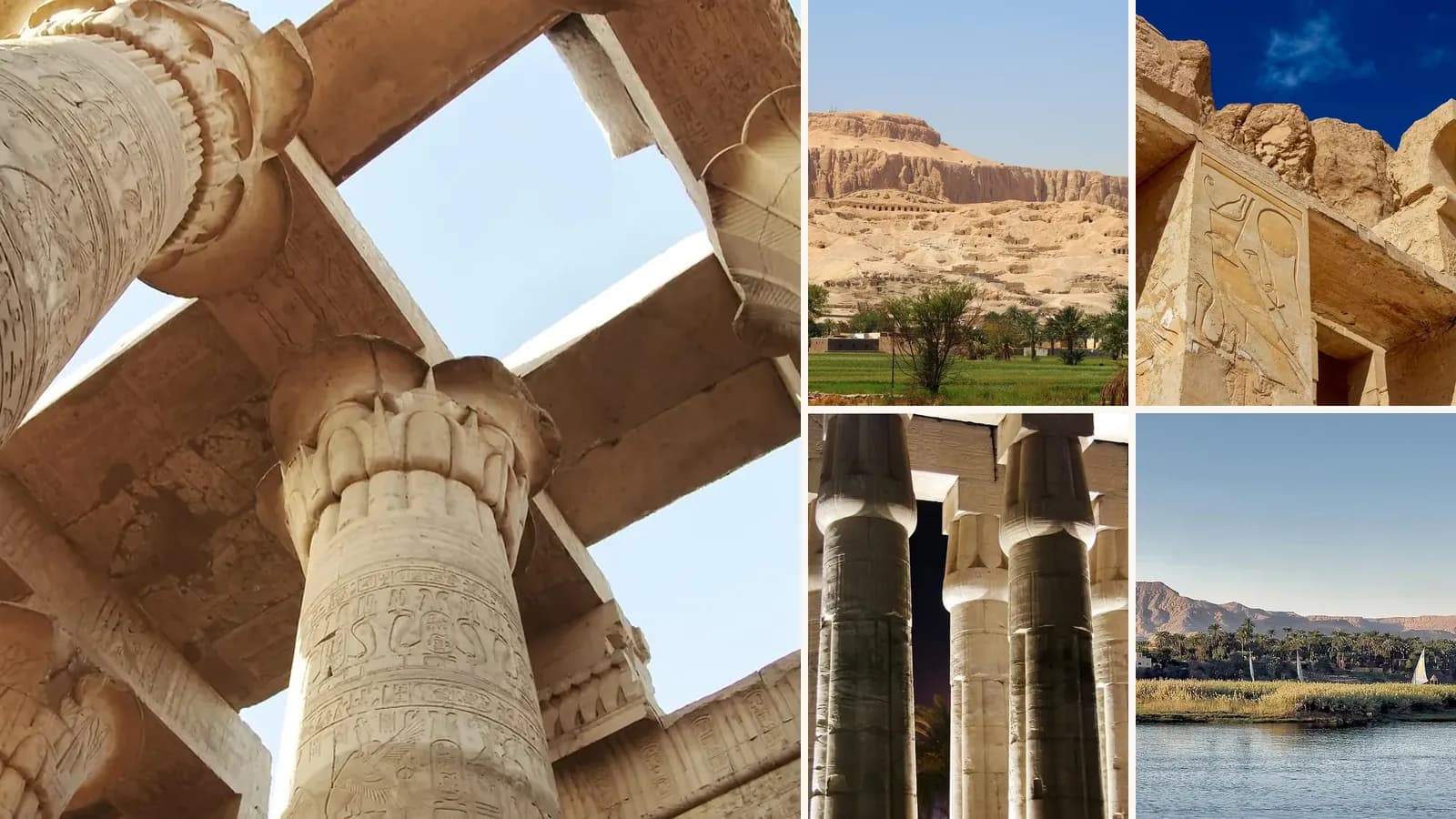
The temples and tombs of Luxor – ancient Thebes, capital of Egypt at the height of its power – are among the greatest sights on Earth, and they're within reach of a Red Sea beach holiday. Karnak, the Valley of the Kings and the Temple of Hatshepsut alone make the trip worthwhile, and a day trip from Hurghada is long but very doable.
This guide explains how the day works, what you'll see, whether to choose a day trip or an overnight stay, what to look for when booking and how to make the most of a long day in the heat.
Luxor from Hurghada at a glance
| Quick facts | |
|---|---|
| Distance | About 290 km – roughly 4 hours each way by road |
| Typical day | Pick-up 4–6am, back in Hurghada around 8–10pm |
| Must-sees | Karnak, the Valley of the Kings, the Temple of Hatshepsut |
| Best season | October–April; in summer, Luxor is extremely hot |
| Best option | Overnight trip if you can – much more relaxed |
How the day works
Most trips pick you up from your hotel between 4am and 6am and drive through the mountains of the Eastern Desert, via Safaga and Qena, to Luxor, arriving mid-morning. Breakfast is usually a packed box or a stop on the way.
You'll typically visit the West Bank first – the Valley of the Kings, the Temple of Hatshepsut and the Colossi of Memnon – while it's cooler, then cross the Nile for lunch and Karnak Temple on the East Bank in the afternoon. The drive back starts in the late afternoon, arriving in Hurghada between 8pm and 10pm depending on traffic and your hotel. Trips from Makadi Bay, Sahl Hasheesh and Soma Bay save some time because they're closer to the Luxor road.
What you'll see
1. Karnak Temple
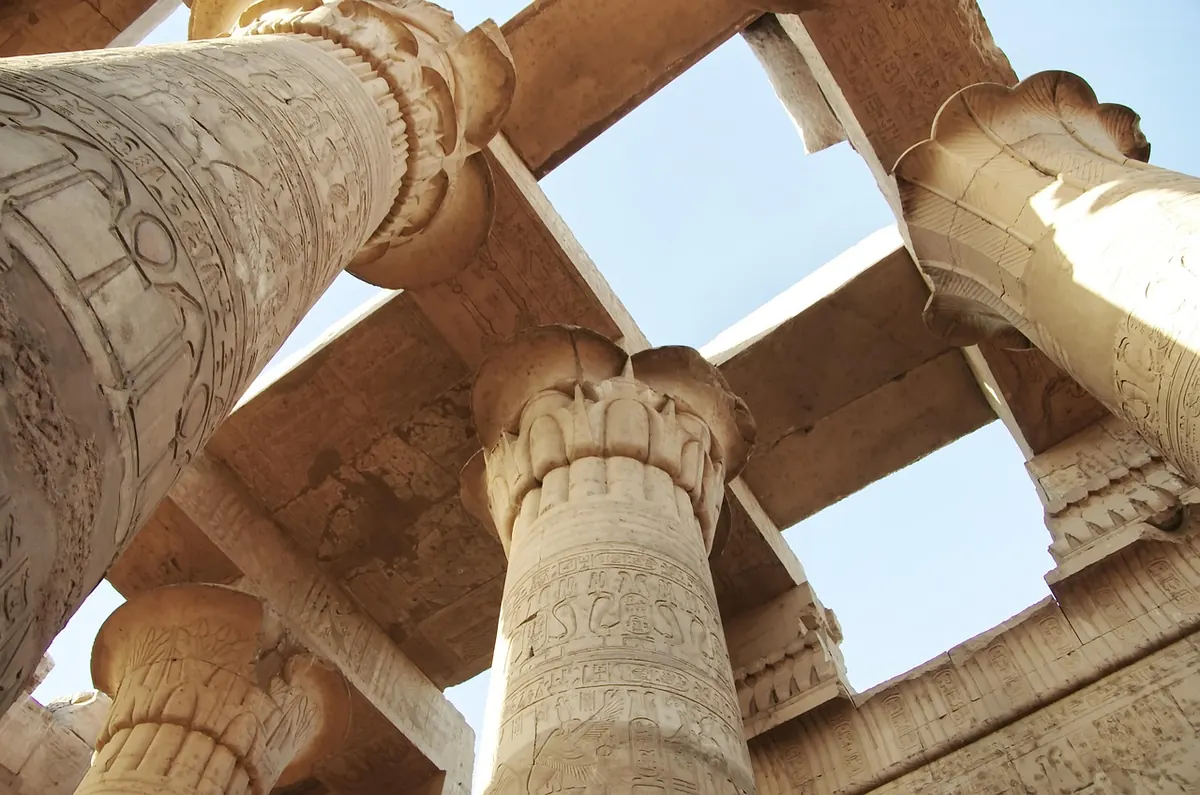
The largest temple complex ever built, developed over around 2,000 years by successive pharaohs. Walk through the avenue of ram-headed sphinxes and the vast Hypostyle Hall, with its 134 giant columns covered in carvings – some more than 20 metres tall. Look out for the obelisks of Hatshepsut and Thutmose I and the Sacred Lake.
Karnak is huge – allow at least two hours. The restored Avenue of Sphinxes, which once linked Karnak with Luxor Temple, can be walked in sections.
Nothing prepares you for the Hypostyle Hall. You walk in among columns so thick that six people holding hands couldn't circle one, and so tall that you have to tip your head right back to see the carved capitals and traces of the original blue and red paint. Sunlight falls in narrow shafts between them, and the temperature drops a couple of degrees in the shade. It's easy to lose your group in here – agree a meeting point with your guide.
2. The Valley of the Kings
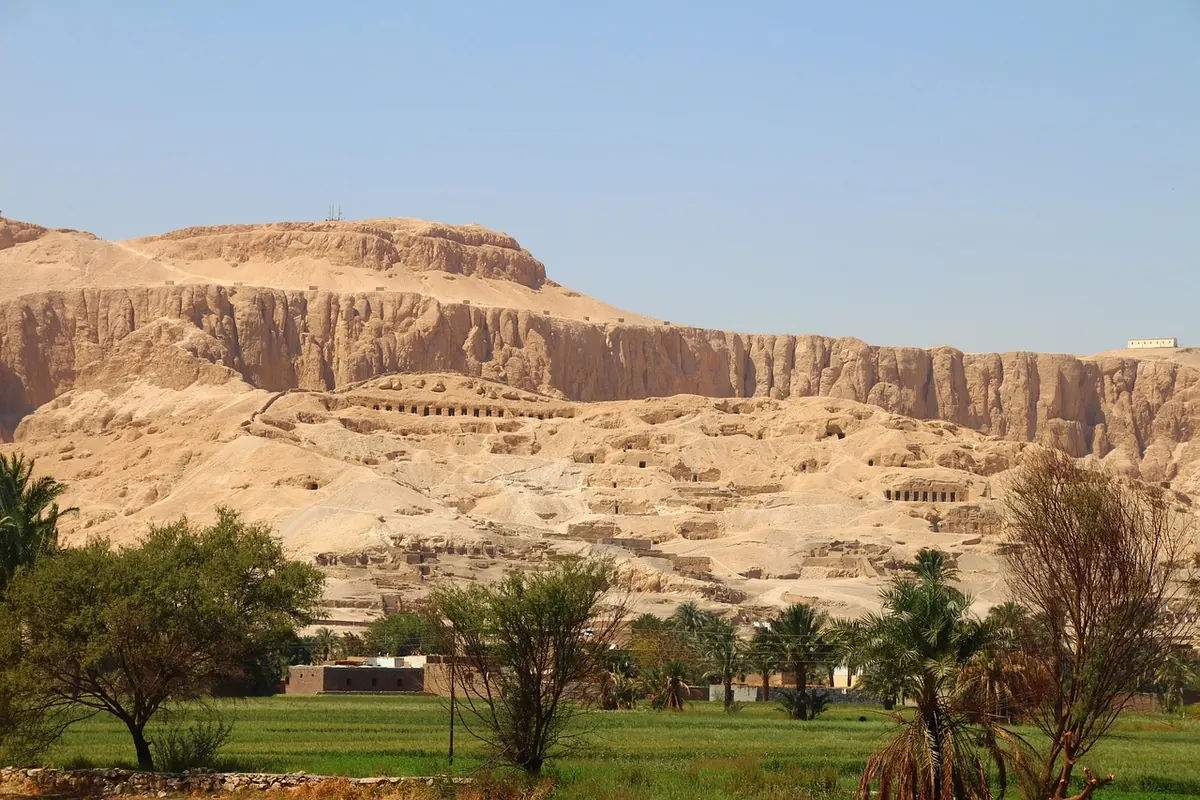
On the West Bank, the pharaohs of the New Kingdom were buried in tombs cut deep into the desert hills, their walls still bright with painted scenes of the journey to the afterlife. More than 60 tombs have been found, but only some are open at any time.
The standard ticket includes entry to several tombs from those currently open; Tutankhamun's tomb and some of the most spectacular, such as that of Seti I, need extra tickets. Photography rules vary – check before you take your phone out. There's little shade, so bring a hat and water.
A little open-air train carries you from the visitor centre into a valley of bare, sun-bleached rock with no shade at all. Then you step down a sloping corridor into a tomb, and the walls suddenly blaze with colour – blue ceilings scattered with yellow stars, rows of gods and hieroglyphs as sharp as if they were painted last year. The air inside is warm and still, so take your time and drink water between tombs. Outside, sellers can be persistent; a firm "la, shukran" (no, thank you) is enough.
3. The Temple of Hatshepsut
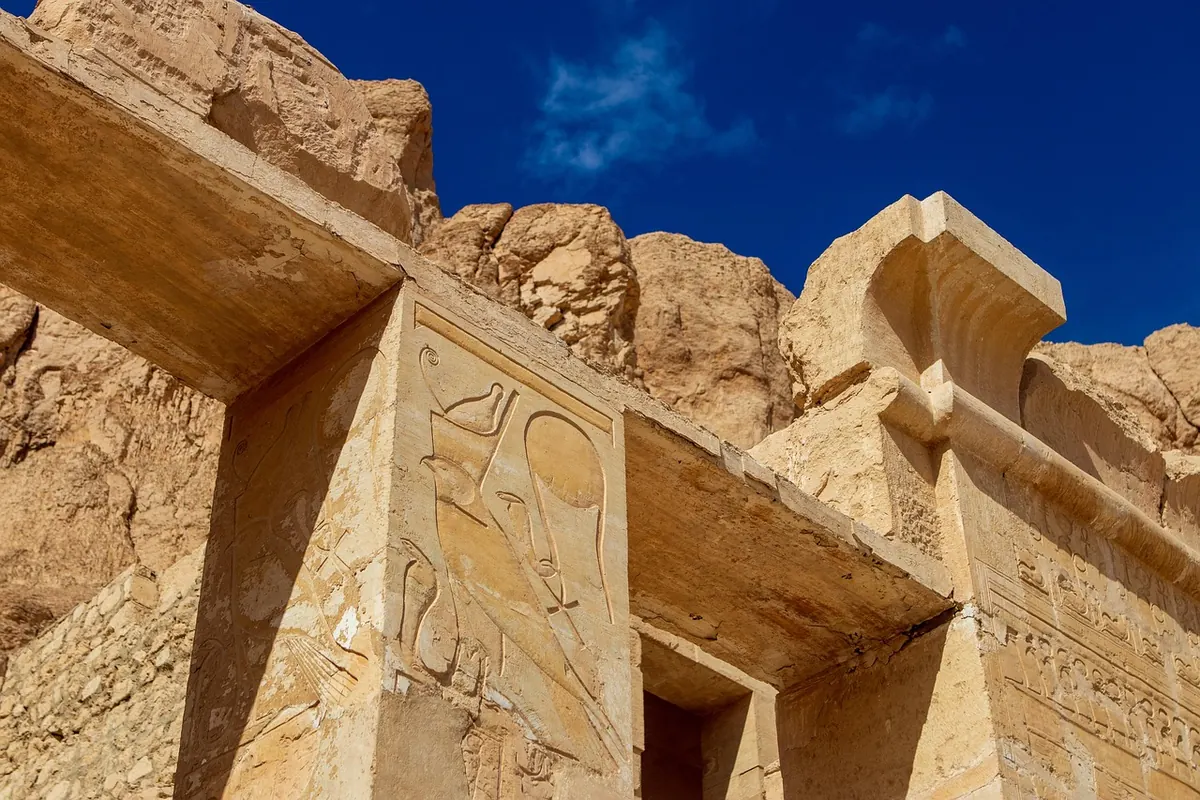
The terraced mortuary temple of Egypt's most famous female pharaoh rises against a dramatic cliff at Deir el-Bahari. Its clean, modern-looking lines surprise many visitors. Look for the reliefs of the expedition to the Land of Punt and the colonnades of the upper terrace. A small electric train runs from the ticket office to the temple.
You see it from far away: three long terraces of pale stone set against a sheer golden cliff, looking almost modern. The walk up the ramp is fully exposed to the sun, so this is the stop where your hat and water matter most. At the top, look back across the green fields towards the Nile – one of the great views of the day.
4. The Colossi of Memnon
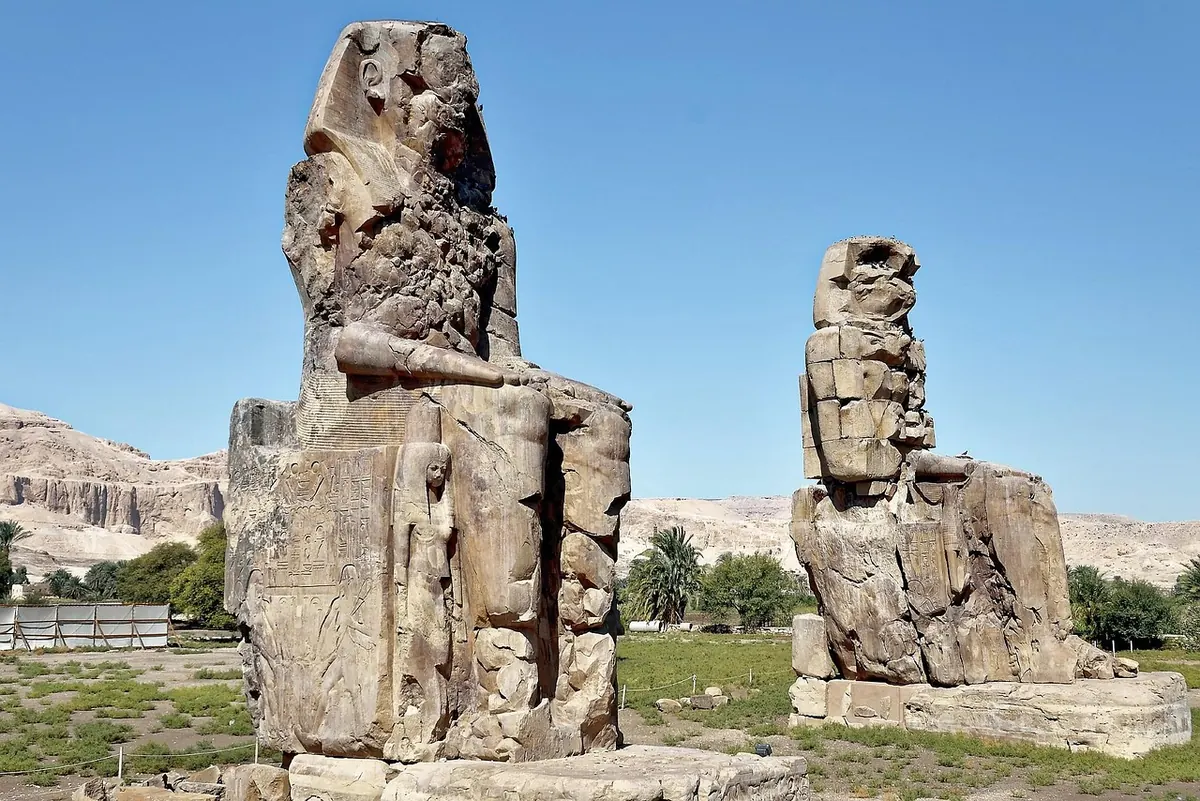
Two giant seated statues of Amenhotep III, about 18 metres tall, stand alone in the fields on the West Bank – the remains of his once-vast mortuary temple. They're a quick, free photo stop on the way to or from the Valley of the Kings.
5. Luxor Temple
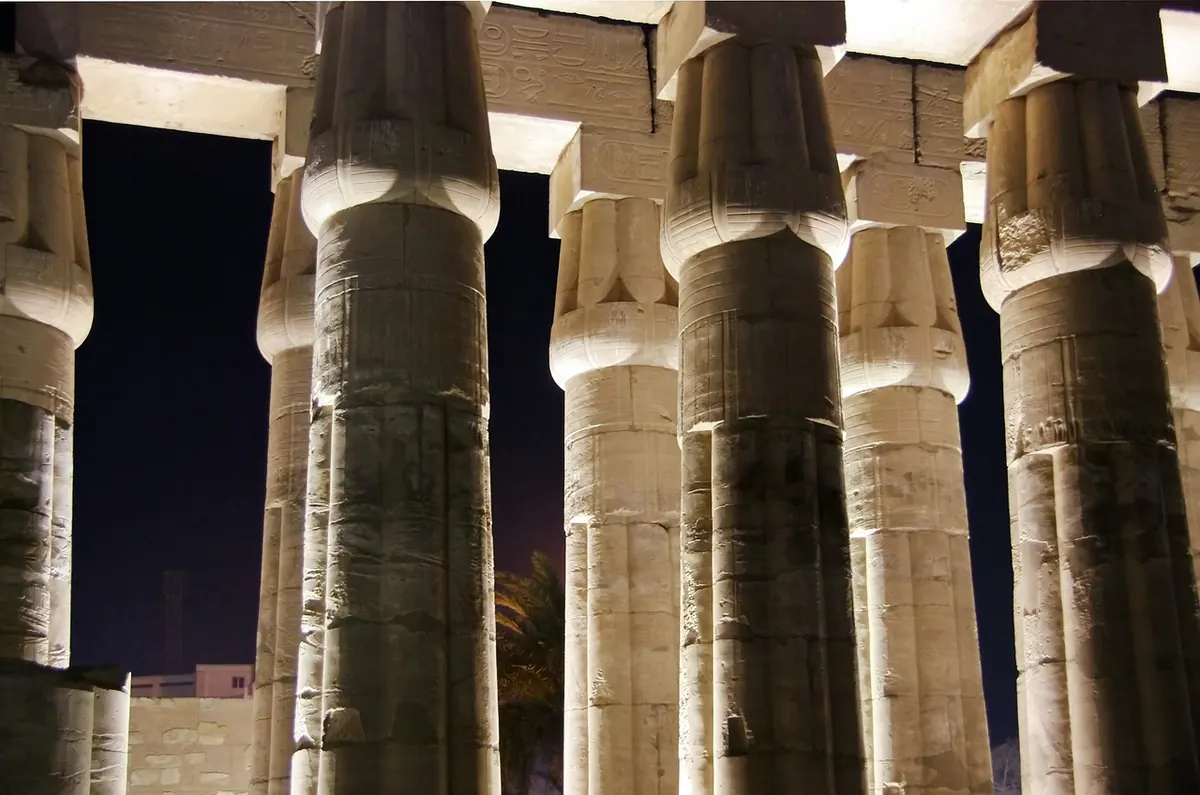
If you have time – or stay overnight – visit Luxor Temple in the evening, when it's beautifully lit and much cooler. Built mainly by Amenhotep III and Ramesses II, it has a grand entrance with a pair of seated statues and an obelisk (its twin stands in the Place de la Concorde in Paris). The Luxor Museum nearby is small but excellent.
After dark, the floodlights turn the stone honey-coloured and the giant statues of Ramesses II throw long shadows across the courtyard. The heat has gone, the crowds are thinner and the city's evening noise – horse-drawn carriages, car horns, the call to prayer – drifts over the walls. If you stay overnight, this is the moment many people remember most.
6. A felucca on the Nile
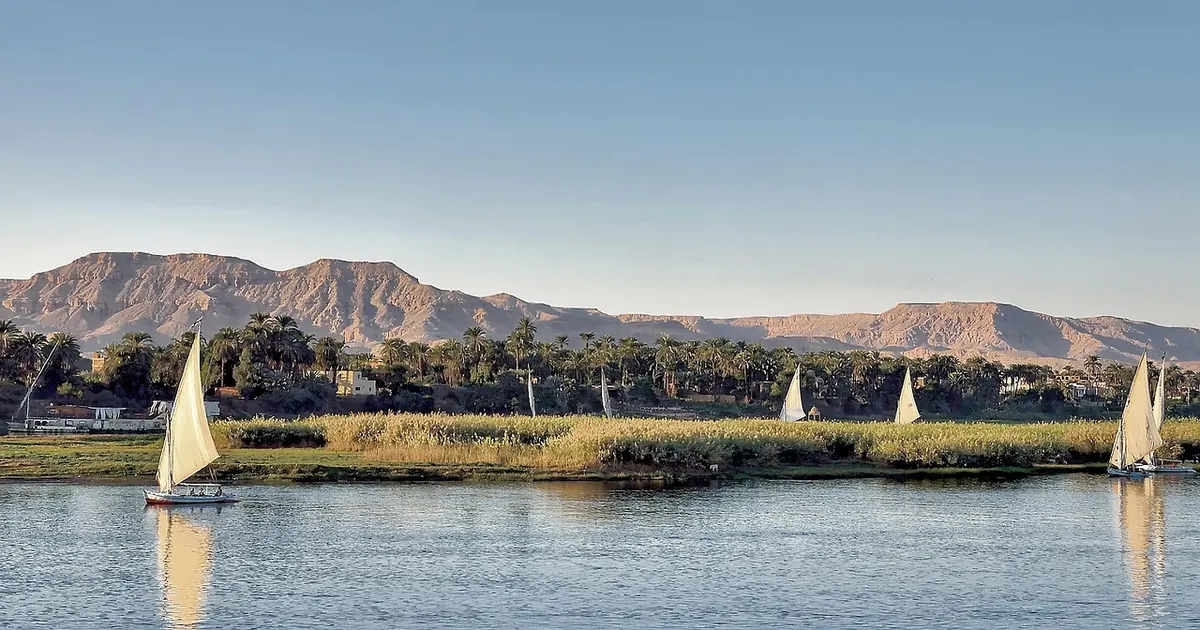
Some trips include a short sail or motorboat ride on the Nile, a relaxing break between temples, with views of the West Bank's green fields and desert hills. Agree the price and duration before setting off if you book one independently.
Day trip or overnight?
A day trip suits travellers short on time who mainly want to see Karnak and the Valley of the Kings. But it means eight hours on the road in one day, which is tiring, especially for children and older travellers. The cheapest option is a group Luxor day trip by bus; a private Luxor day trip with your own driver and guide lets you set the pace.
An overnight trip lets you add Luxor Temple at night, a sunrise hot-air balloon flight over the West Bank, the Valley of the Queens or Medinet Habu, and a much less rushed pace – highly recommended for families and anyone who loves history. Luxor has hotels for every budget, including historic hotels on the Nile. Options include a two-day Luxor trip or a Nile cruise from Hurghada.
Flying isn't usually practical from Hurghada, as there are few direct flights between the two cities.
Tips for the trip
- Choose a licensed Egyptologist guide – they make the sites come alive and save time at the ticket offices.
- Check what's included: entrance fees, lunch, drinks, the Tutankhamun tomb and the balloon flight are often extra. Ask how many people are in the group.
- Private or group? A private trip costs more but lets you choose the pace, leave earlier or skip sites; group trips are cheaper but fixed.
- Dress for the heat: light, long clothing that covers shoulders and knees, a hat, sunglasses and good shoes. Bring plenty of water and sunscreen.
- Carry small notes for tips, drinks, toilets and photo permits.
- Bring something warm for the early-morning start in winter – the desert is cold before sunrise.
Want more of ancient Egypt? See our 10-day Egypt itinerary, our guide to Nile cruises and our Aswan guide, or head back to our Hurghada travel guide.
Frequently asked questions
How long does it take to get from Hurghada to Luxor?
About four hours each way by road, depending on traffic and stops. Most day trips leave Hurghada very early in the morning and return late in the evening.
Is a Luxor day trip from Hurghada worth it?
If you only have one chance to see ancient Egypt during a beach holiday, yes – but it's a long, tiring day. An overnight trip lets you see more at a gentler pace, including Luxor Temple lit up at night.
What should I bring on a Luxor day trip?
Comfortable shoes, a hat, sunscreen, water, a light scarf or long sleeves for sun protection, your passport and cash in small notes for tips and drinks.
Is a Luxor day trip from Hurghada worth it?
Yes, if you don't mind a long day. You'll see Karnak, the Valley of the Kings and Hatshepsut's temple – some of the greatest sights in Egypt. If you can, stay one night to make it more relaxed.
Can children do a Luxor day trip?
Yes, but the long drive and heat are tiring. An overnight trip is better for families with young children, and winter is the most comfortable season.
Keep reading

Hurghada Travel Guide: 15 Best Things to Do on Egypt's Red Sea
Island boat trips, snorkelling, diving, desert safaris, the Marina and El Dahar old town – the best things to do in Hurghada, plus where to stay and getting around.
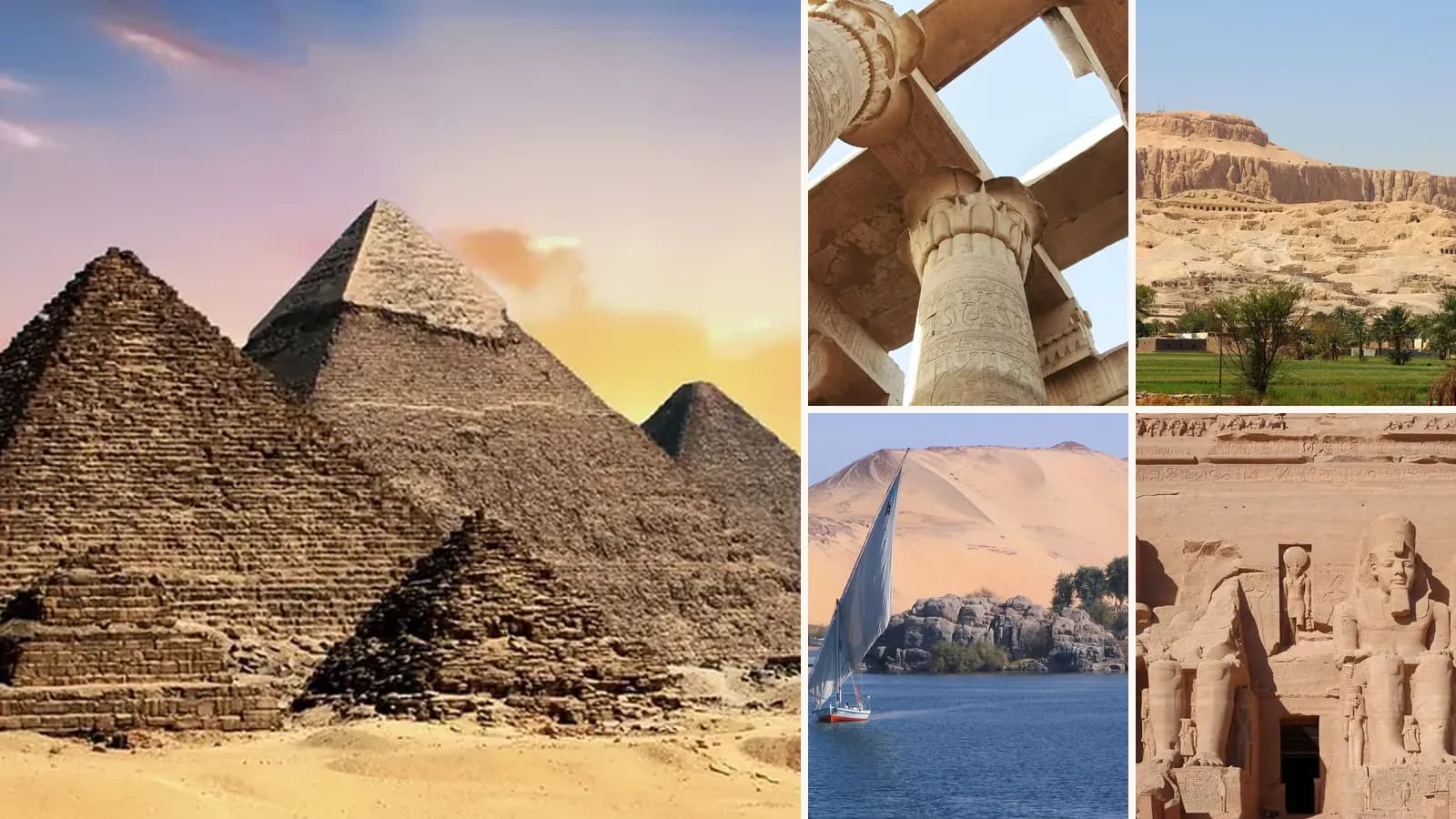
Egypt in 10 Days: A Classic Itinerary from Cairo to Abu Simbel
A day-by-day 10-day Egypt itinerary: the Pyramids and Grand Egyptian Museum, Luxor's temples and tombs, a Nile cruise, Aswan and Abu Simbel – plus how to add the Red Sea.
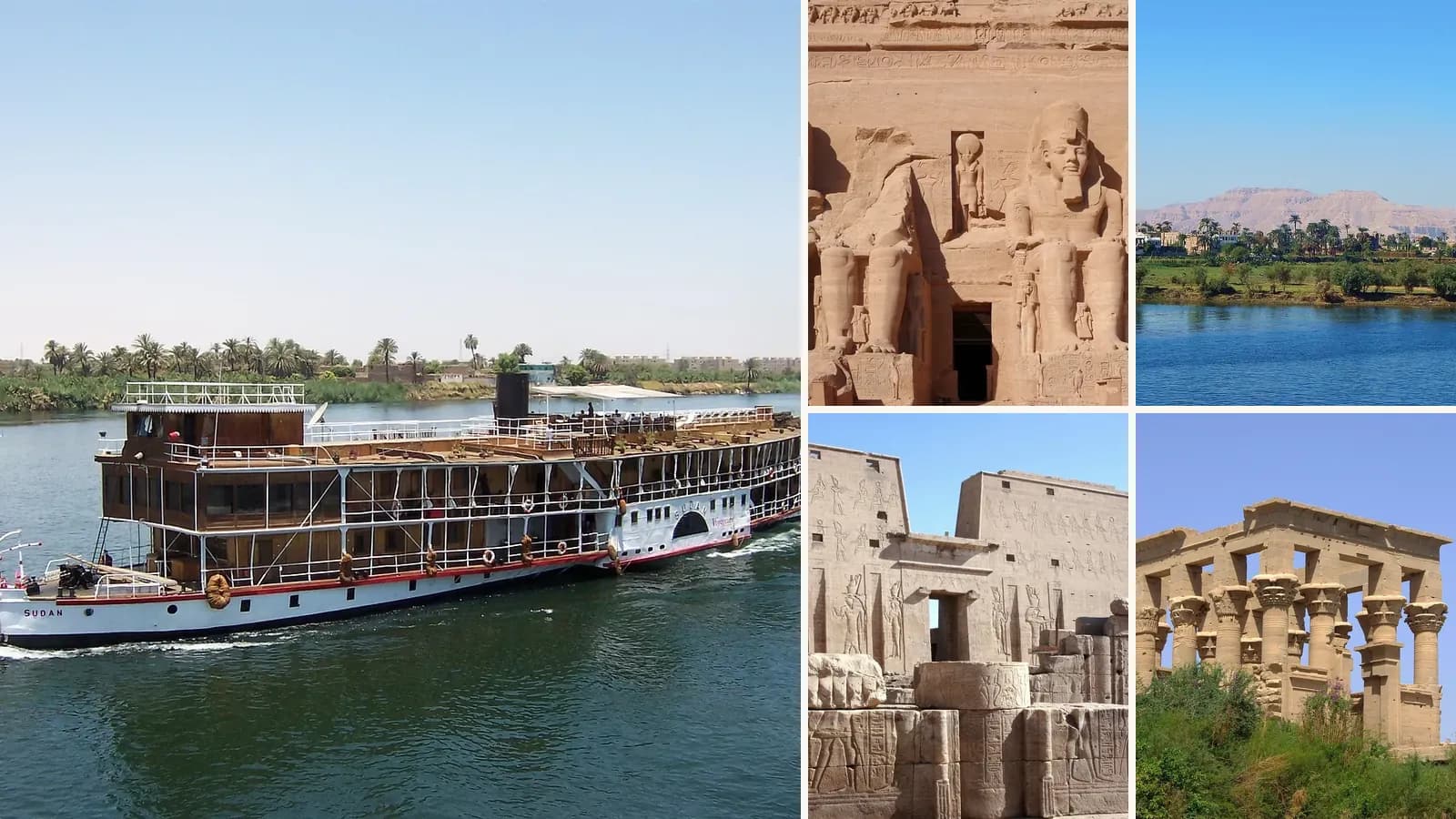
Nile Cruise Guide: How to Choose Your Boat and What You'll See
Cruise ship, dahabiya or Lake Nasser? How long to sail, when to go and the temples you'll visit between Luxor and Aswan – everything you need to plan a Nile cruise.
Hurghada Airport Transfer: Taxi, Shuttle or Private? Prices Compared (2026)
Hurghada Airport to your hotel in 2026: taxi, Uber, shuttle or private transfer compared, with real prices to Makadi, El Gouna, Sahl Hasheesh and Soma Bay.