Egypt in 10 Days: A Classic Itinerary from Cairo to Abu Simbel
A day-by-day 10-day Egypt itinerary: the Pyramids and Grand Egyptian Museum, Luxor's temples and tombs, a Nile cruise, Aswan and Abu Simbel – plus how to add the Red Sea.

Some links in this guide are partner links: if you buy through them we may earn a small commission, at no extra cost to you. It never affects what we recommend. How we make money
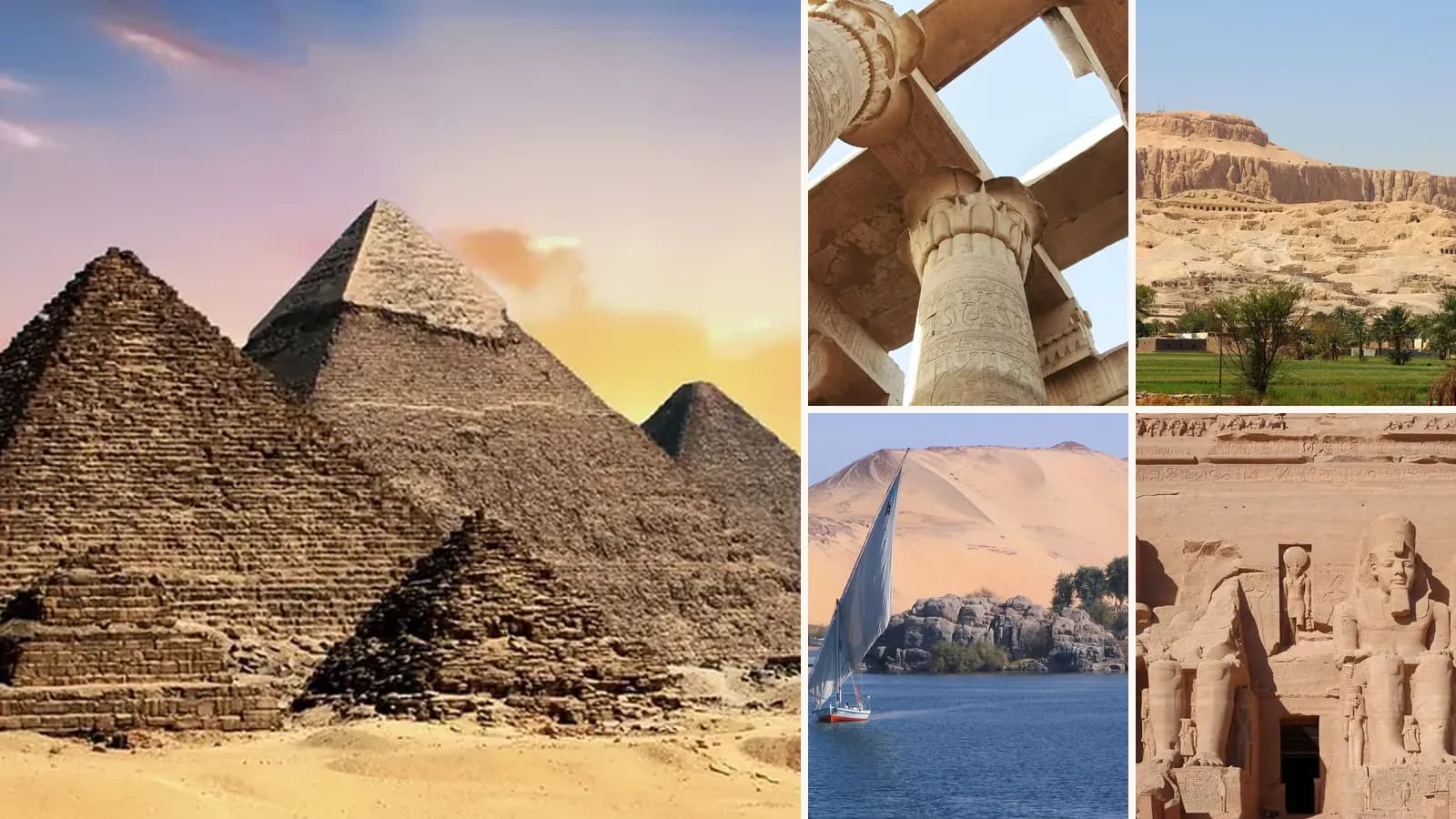
This itinerary covers Egypt's unmissable ancient sites in ten days at a pace that leaves time to enjoy them: the Pyramids and the new Grand Egyptian Museum, the temples and tombs of Luxor, a short Nile cruise, Aswan and the colossal temples of Abu Simbel. Finish with a few days on the Red Sea if you can.
The itinerary at a glance
| Days | Where | Highlights |
|---|---|---|
| 1–2 | Cairo & Giza | Pyramids, Sphinx, Islamic Cairo, Khan el-Khalili |
| 3 | Giza | Grand Egyptian Museum |
| 4–5 | Luxor | Karnak, Luxor Temple, Valley of the Kings, Hatshepsut |
| 6–8 | The Nile | Cruise via Esna, Edfu and Kom Ombo |
| 9 | Abu Simbel | Temples of Ramesses II and Nefertari |
| 10 | Aswan | Philae, Nubian village, felucca |
Days 1–2: Cairo and the Pyramids
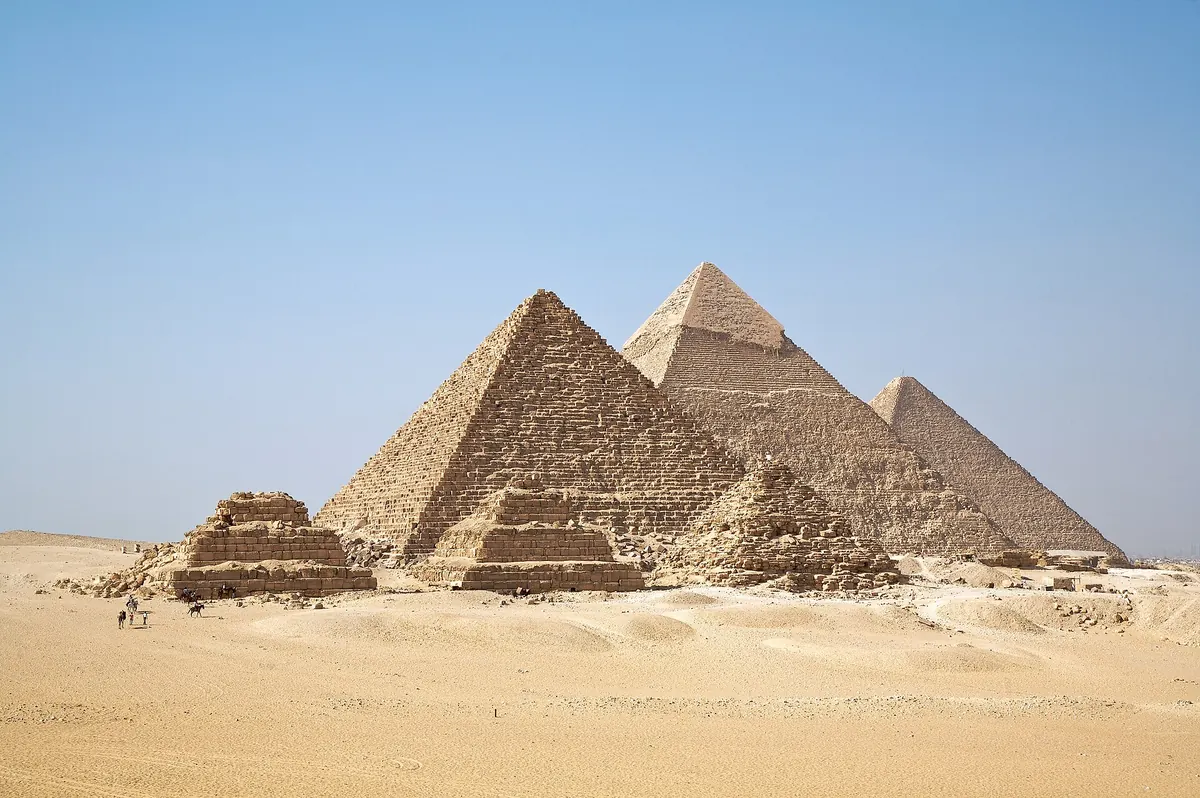
Spend your first morning at the Pyramids of Giza and the Sphinx, arriving at opening time. In the afternoon, explore Islamic Cairo – Al-Muizz Street, the Citadel and the Khan el-Khalili bazaar. On day two, head south to Saqqara's Step Pyramid and the quieter Red and Bent Pyramids at Dahshur.
Cairo hits all your senses at once: car horns, the call to prayer rising from a thousand minarets, the smell of street food and exhaust, and then – suddenly – the pyramids appearing over the rooftops at the edge of the city. Give yourself time to adjust; the noise and energy are part of the experience.
Day 3: The Grand Egyptian Museum
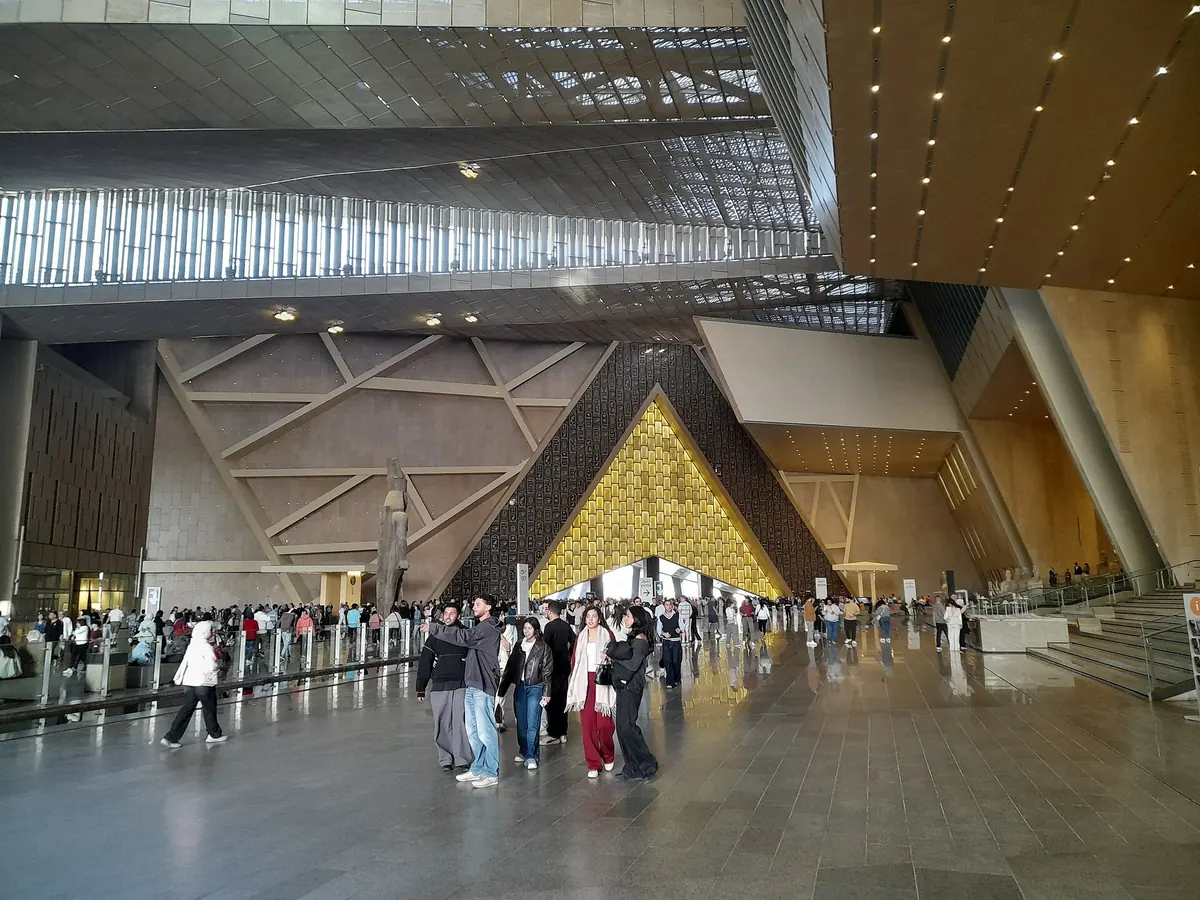
Give the Grand Egyptian Museum most of a day. The Tutankhamun galleries alone deserve a couple of hours. Book timed tickets online and take an evening flight or sleeper train to Luxor.
Inside, the atmosphere changes completely: cool, spacious and calm, with a towering Ramesses II in the atrium and the Tutankhamun treasures glowing in the dimmed galleries upstairs.
Day 4: Luxor's East Bank
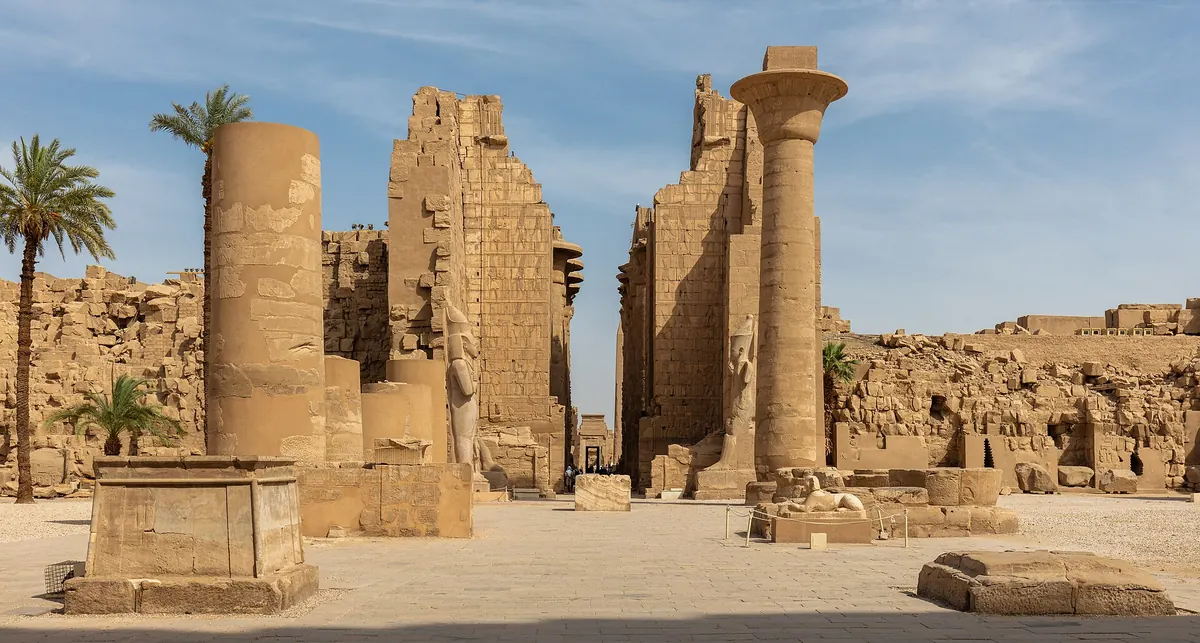
Start at Karnak, the largest temple complex ever built, before the tour groups arrive. Rest in the heat of the day, then visit Luxor Temple at dusk, when it's beautifully lit.
At Karnak, you'll walk through a forest of giant carved columns, sunlight slanting between them and the temperature dropping in their shade. In the evening, Luxor Temple glows gold under its lights.
Day 5: Luxor's West Bank
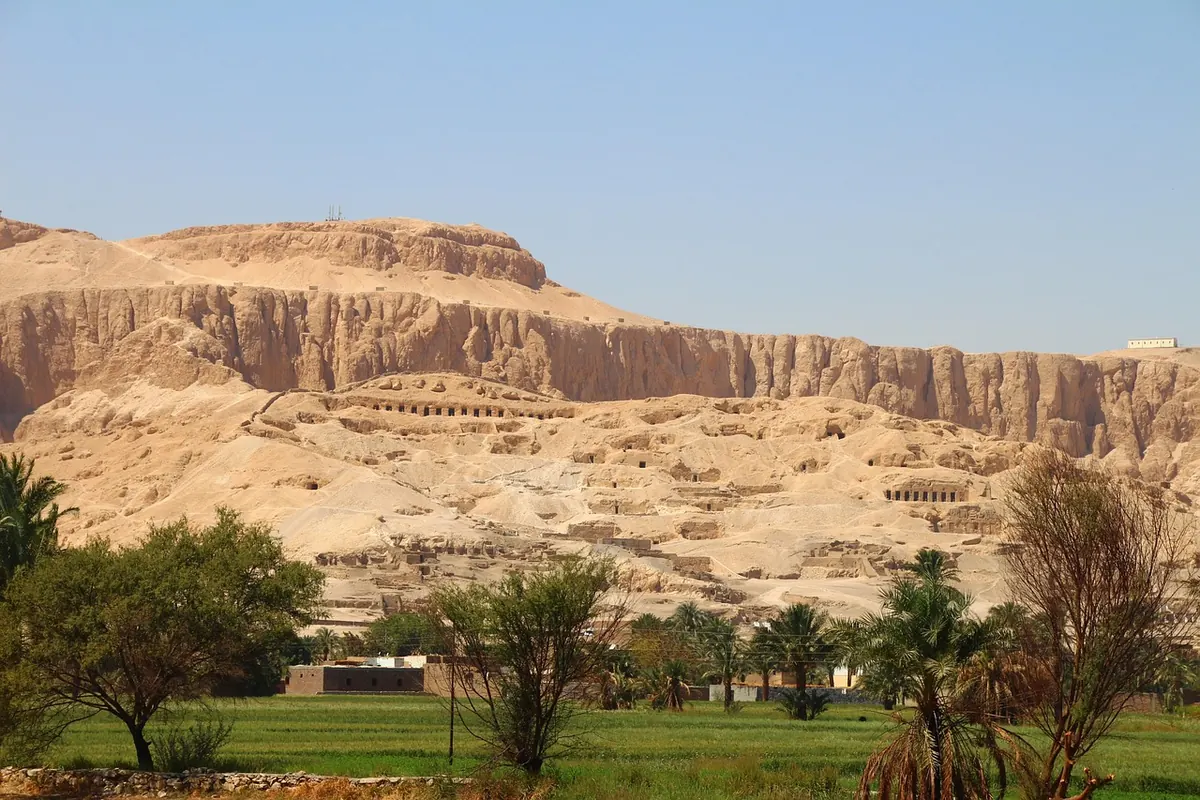
Watch the sunrise from a hot-air balloon, then visit the Valley of the Kings, the Temple of Hatshepsut and the Colossi of Memnon. If you have time, the tombs of the nobles and the workers' village at Deir el-Medina are less crowded and just as beautiful.
Start at dawn, maybe from a hot-air balloon drifting silently over green fields and desert cliffs, then step down into tombs where the colours still blaze after 3,000 years. By midday the valley is baking – be back in the shade by then.
Days 6–8: Nile cruise to Aswan
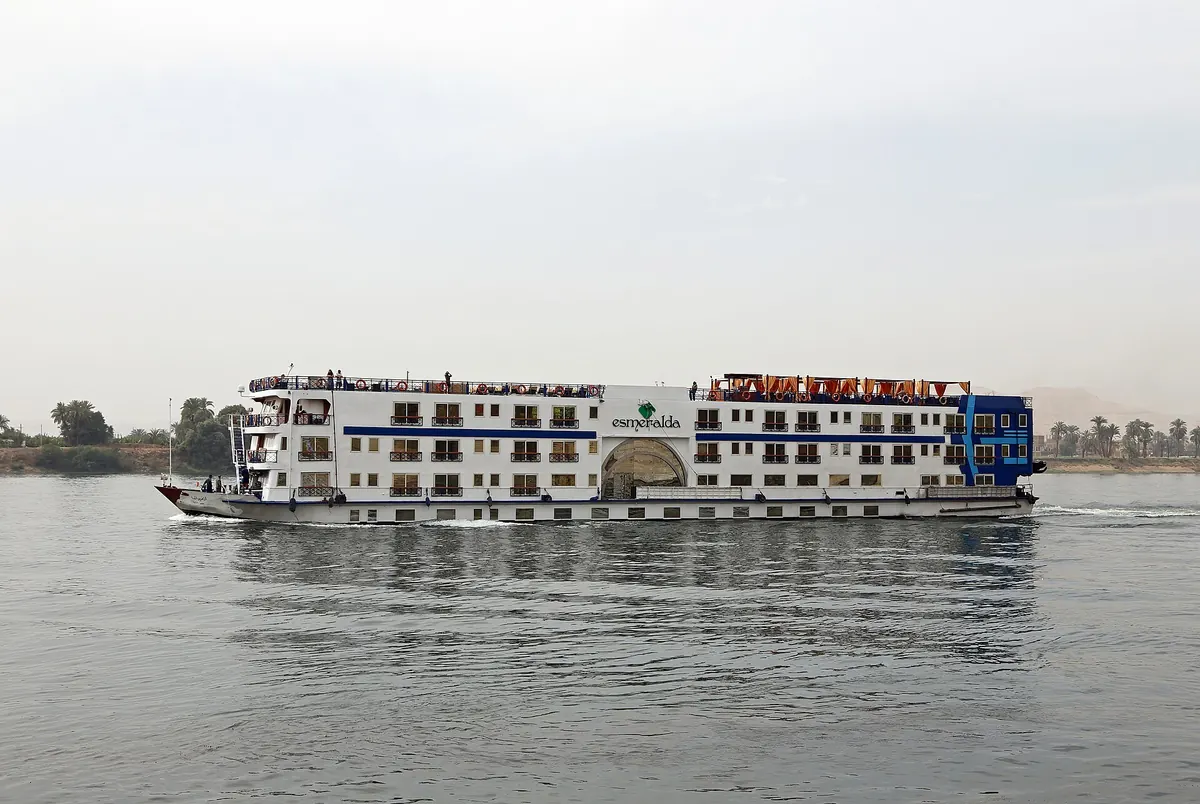
Board a three-night cruise from Luxor to Aswan, stopping at the temples of Edfu and Kom Ombo. Afternoons on the sundeck, watching villages and palm groves drift by, are the highlight. Our guide to Nile cruises explains how to choose a boat.
Life slows to the speed of the river: breakfast on deck, palm groves and villages sliding past, farmers with donkeys on the banks and children waving. Afternoons are for temple visits and sunsets that turn the water copper.
Day 9: Abu Simbel
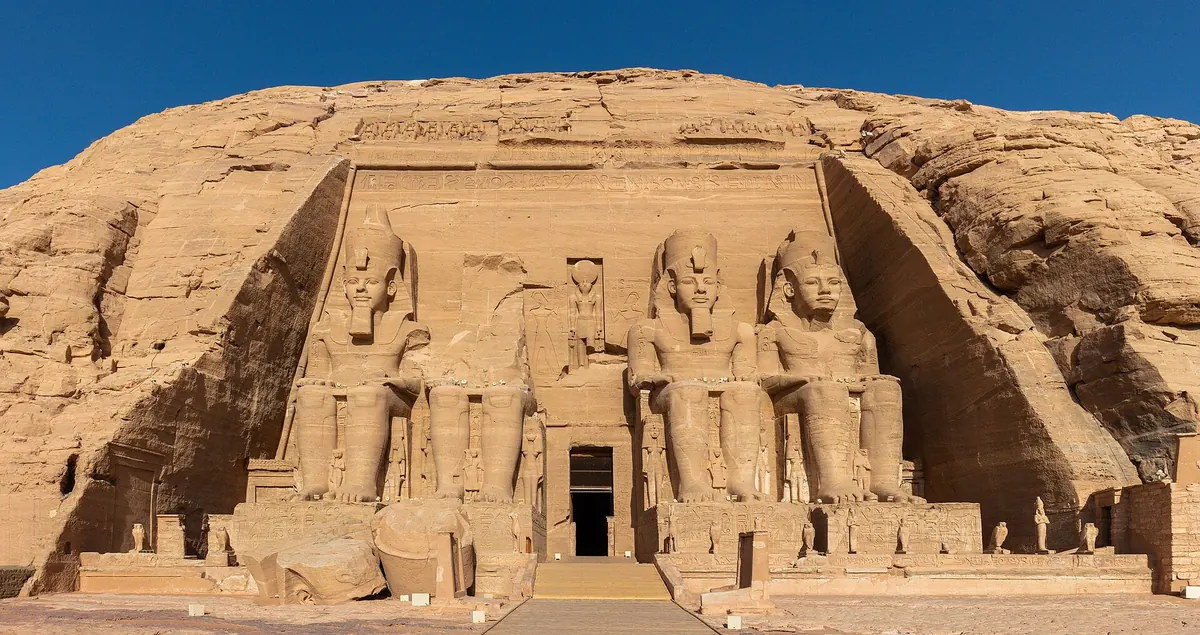
Take an early-morning trip from Aswan to the temples of Ramesses II and Nefertari at Abu Simbel, about three hours each way by road, or take a short flight.
The alarm goes off in the dark, the bus crosses the desert as the sky turns pink, and then the four colossal statues of Ramesses II appear, lit gold by the rising sun. It's a long day, but a highlight of any trip to Egypt.
Day 10: Aswan
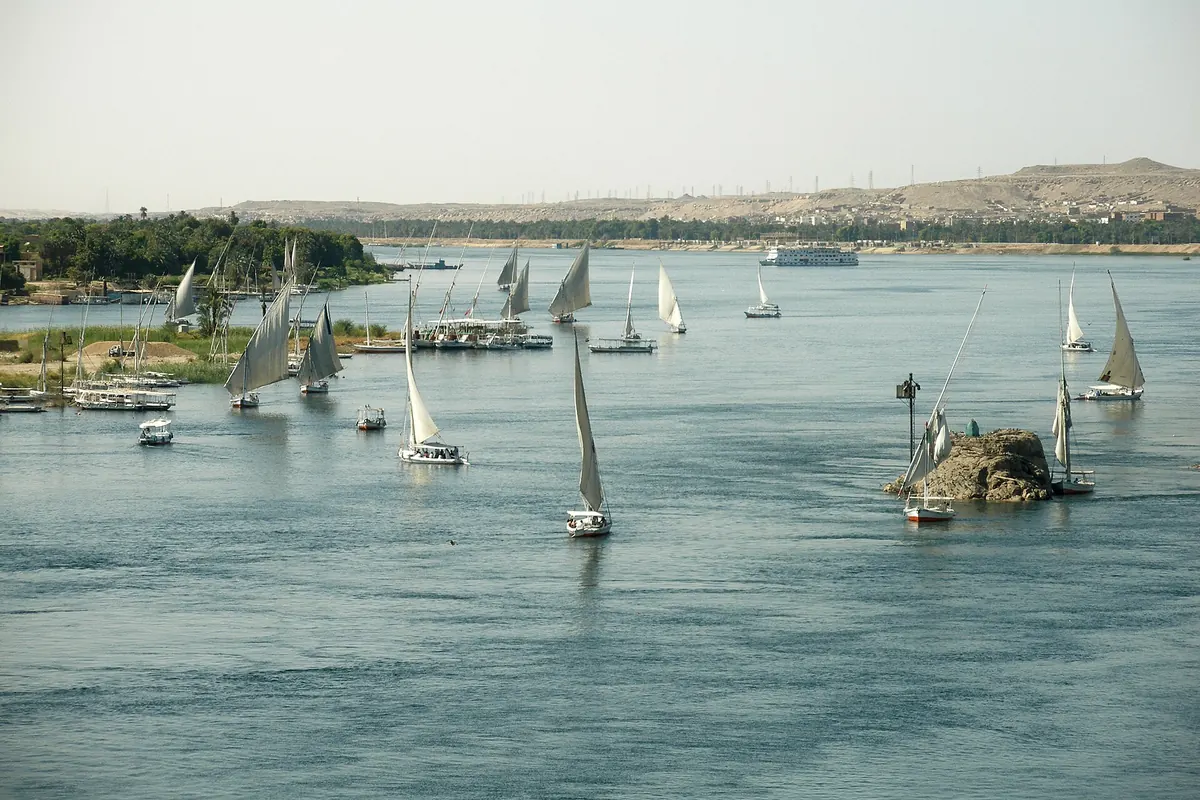
Visit the island temple of Philae, sail around Elephantine Island in a felucca and end your trip with dinner in a Nubian village on the West Bank. Fly back to Cairo for your flight home.
End the trip slowly: a felucca gliding between granite boulders and green islands, tea in a colourful Nubian village and a final sunset over the dunes of the west bank.
Getting between places
- Cairo to Luxor: a domestic flight of about an hour, or an overnight sleeper train.
- Luxor to Aswan: by Nile cruise (three to four nights), or by road or train in about three hours.
- Aswan to Abu Simbel: by road (about three hours each way, usually leaving before dawn) or a short flight.
- Aswan back to Cairo: a domestic flight of about an hour and a half, or the sleeper train.
When to go
October to April is the best time for a sightseeing trip, with warm days and cool evenings. December and January are peak season – book cruises and hotels early. From May to September, Luxor and Aswan are extremely hot, though prices are lower.
Budget and booking tips
- Book domestic flights and the Nile cruise first, as they shape the rest of the trip.
- A licensed Egyptologist guide at the major sites is well worth it.
- Many sites now offer online tickets; some tombs and halls require extra tickets.
- Carry small notes for tips, which are part of daily life in Egypt.
- Check visa requirements and use only the official e-visa portal.
Add the Red Sea
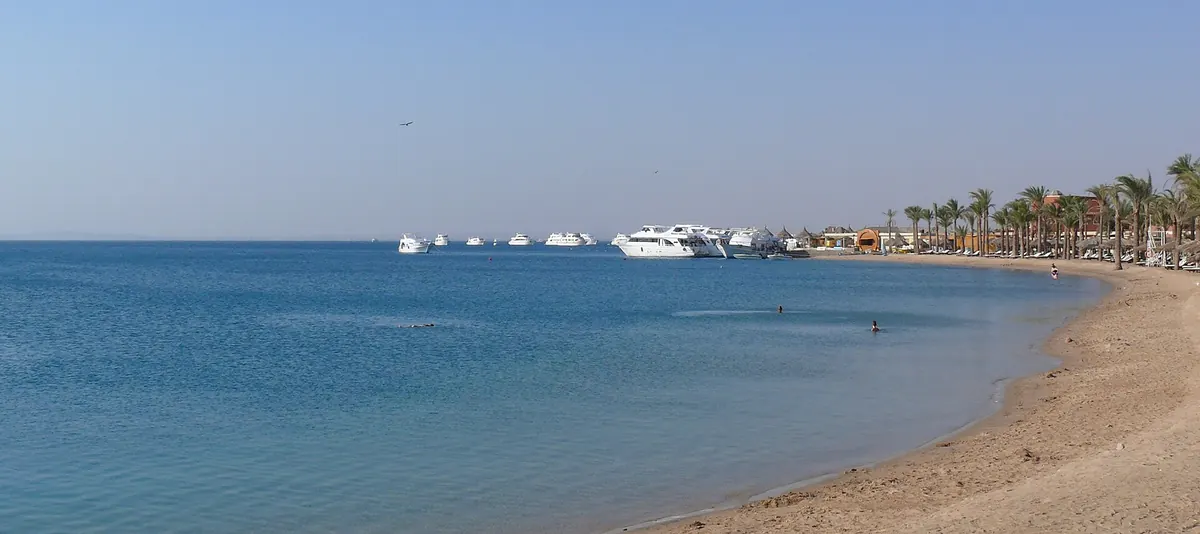
After ten days of temples, finish with a few days on the beach. Hurghada is about four hours by road from Luxor, with frequent flights home to Europe, and Marsa Alam is reachable from Edfu or Luxor overland. Spend your last days snorkelling on coral reefs, swimming with turtles or simply relaxing by the pool. Pre-book a private transfer from Luxor to the coast for a comfortable, direct journey. See our guides to Hurghada, Marsa Alam and which Red Sea resort to choose.
After ten days of temples, early starts and heat, nothing feels better than the first plunge into the clear, warm Red Sea – with fish swirling around you and nothing to do but rest.
Tips for the trip
- Buy entry tickets online where possible and carry a card – many sites no longer accept cash.
- Start early every day to beat the heat and the crowds.
- Book a licensed guide for Karnak and the Valley of the Kings.
For more ideas, see our pick of the 15 best places to visit in Egypt.
Frequently asked questions
Is 10 days enough for Egypt?
Ten days is enough for the classic highlights – Cairo, Luxor, a short Nile cruise, Aswan and Abu Simbel – at a comfortable pace. Add four or five days if you want to relax on the Red Sea afterwards.
Should I fly or take the train between Cairo and Luxor?
Flying takes about an hour and saves a day. The overnight sleeper train is a classic experience and saves a night's hotel, but it takes around ten hours.
Do I need a guide in Egypt?
You can visit most sites independently, but a licensed Egyptologist guide brings the temples and tombs to life and saves a lot of time, especially in Luxor and at Karnak.
Keep reading
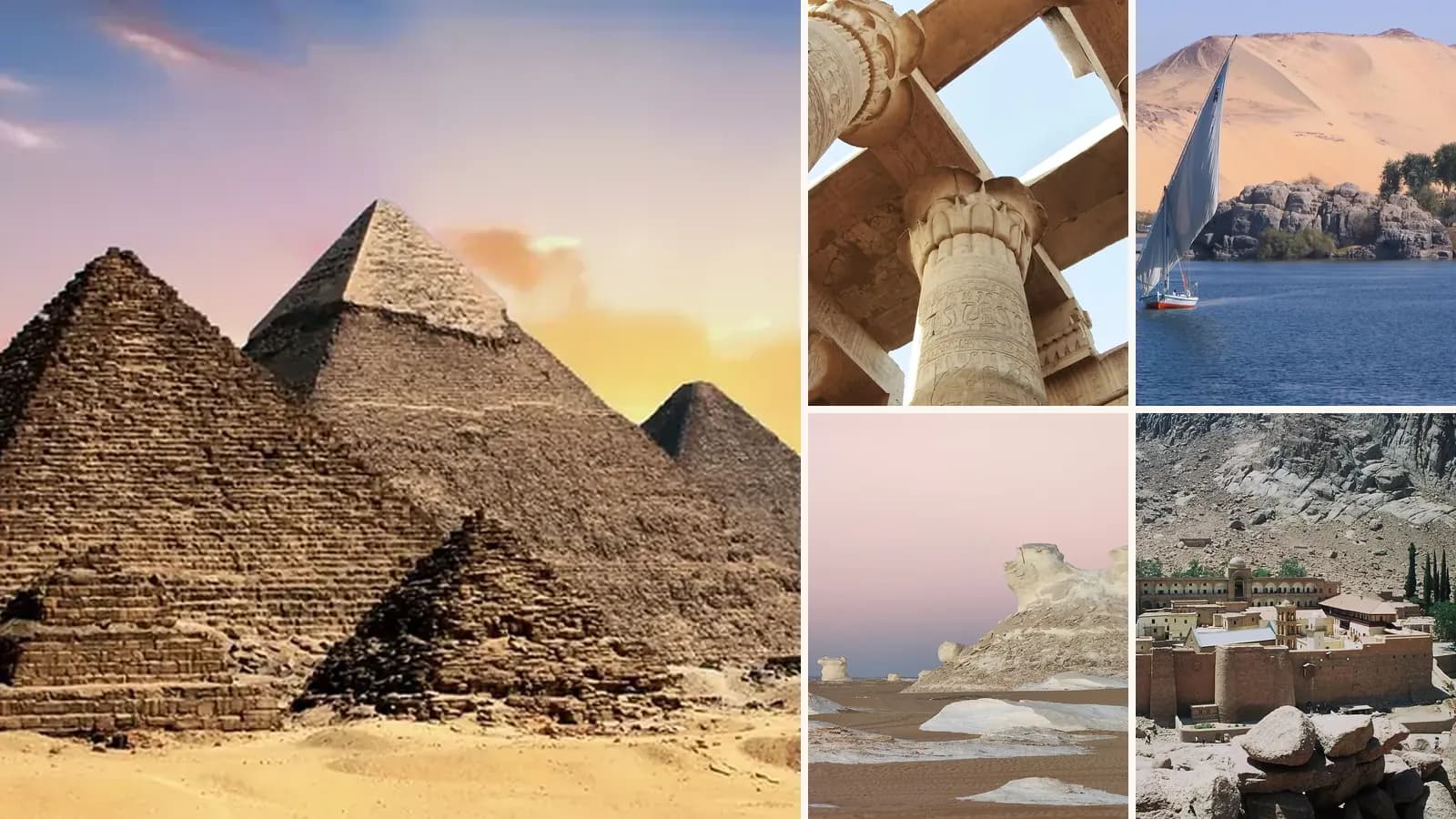
15 Best Places to Visit in Egypt
The Pyramids and the Grand Egyptian Museum, Luxor, Aswan, Abu Simbel, a Nile cruise, the Red Sea and the desert oases – the best places to visit in Egypt, with tips.
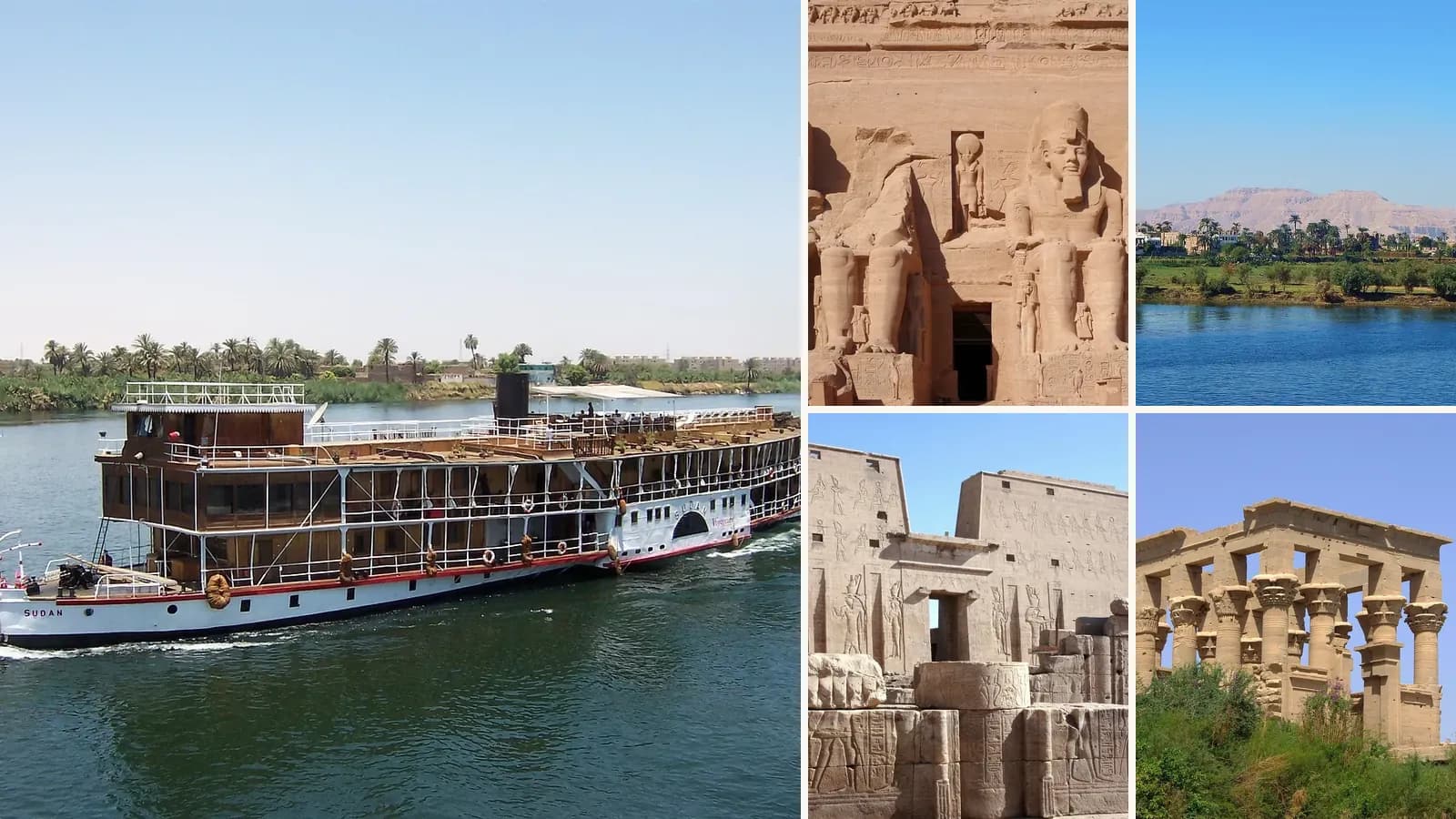
Nile Cruise Guide: How to Choose Your Boat and What You'll See
Cruise ship, dahabiya or Lake Nasser? How long to sail, when to go and the temples you'll visit between Luxor and Aswan – everything you need to plan a Nile cruise.
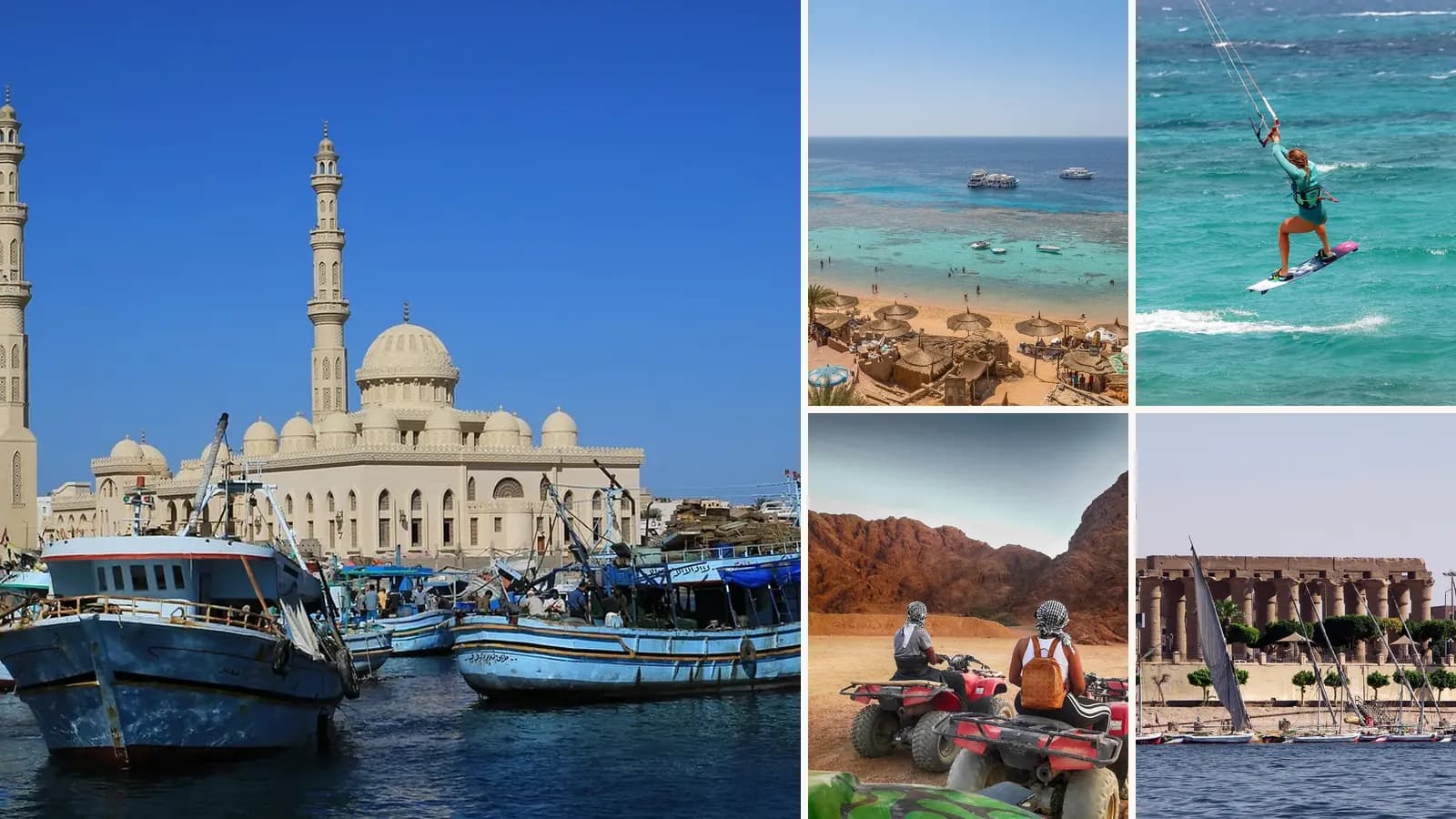
Red Sea Family Holidays in Egypt: Hurghada, El Gouna & the Best Resort Areas
Hurghada, El Gouna, Makadi Bay, Sahl Hasheesh and Soma Bay compared for families – plus the best boat trips, snorkelling, desert safaris and tips for kids.
Sharm el-Sheikh Travel Guide: 10 Best Things to Do
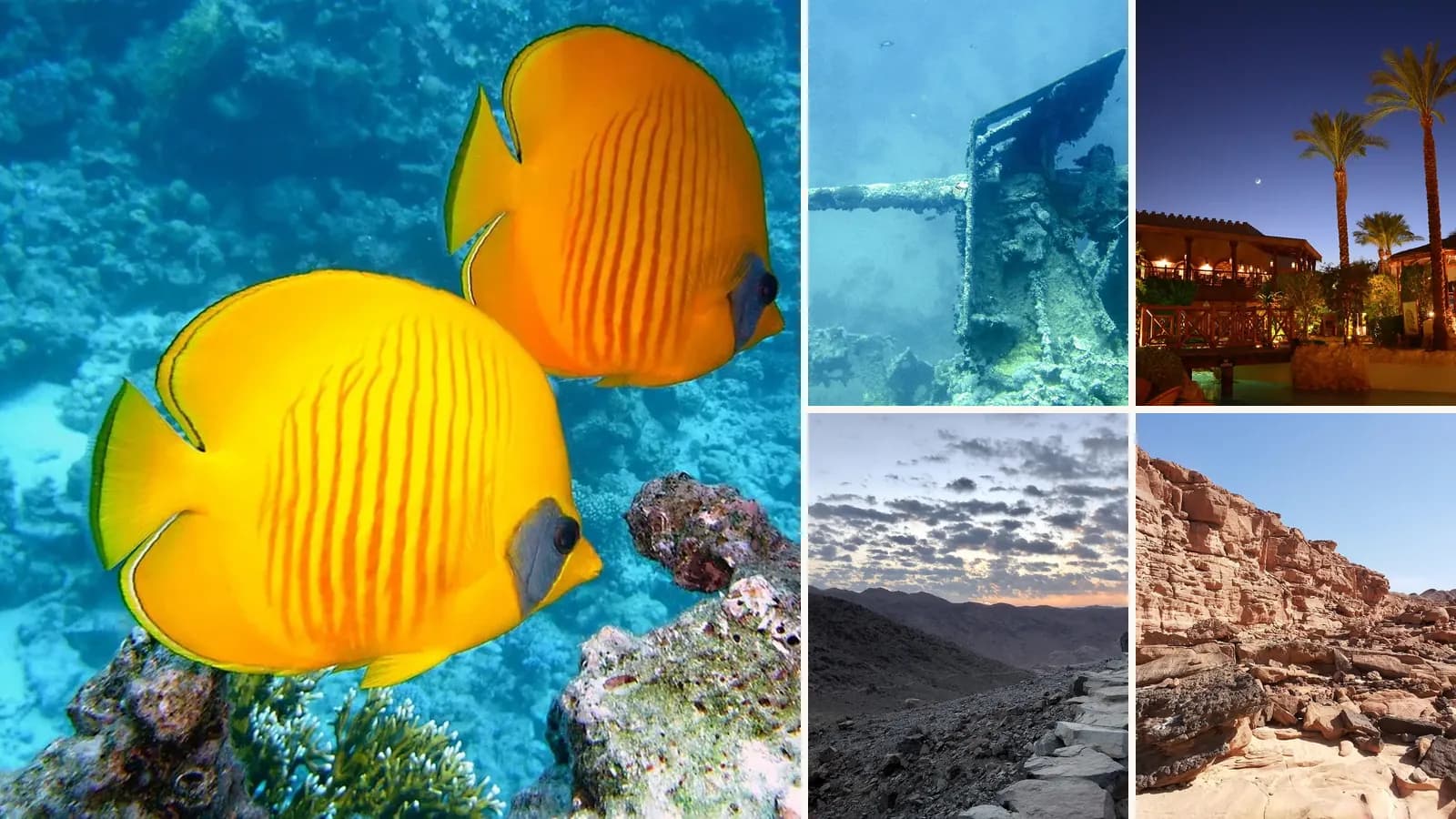
Snorkel Ras Mohammed and Tiran, dive the Thistlegorm, climb Mount Sinai at dawn and explore Naama Bay – the best things to do in Sharm el-Sheikh.