Aswan Travel Guide: Philae, Abu Simbel, Feluccas and Nubian Villages
Philae Temple, a felucca sail around Elephantine Island, a Nubian village, the Unfinished Obelisk and a day trip to Abu Simbel – the best things to do in Aswan, Egypt.

Some links in this guide are partner links: if you buy through them we may earn a small commission, at no extra cost to you. It never affects what we recommend. How we make money
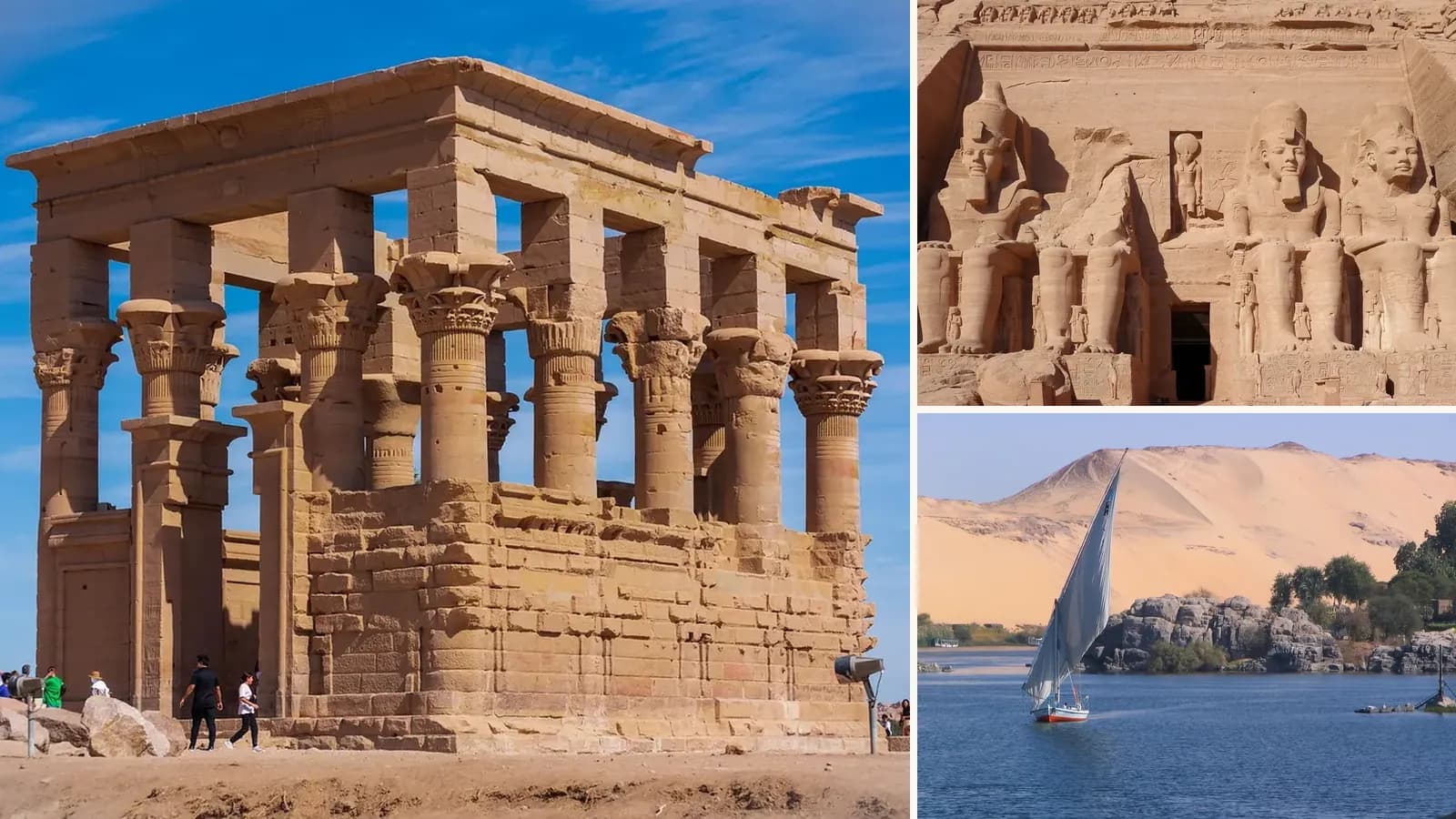
Aswan is Egypt at its most relaxed. The Nile is at its most beautiful here, flowing between granite boulders, golden dunes and palm-covered islands, with white-sailed feluccas drifting past. It's the southern end of most Nile cruises and the gateway to Abu Simbel.
Aswan at a glance
| Quick facts | |
|---|---|
| Best time to visit | October–April; summer is extremely hot |
| How long to stay | 2–3 days, plus Abu Simbel |
| Getting there | Flights to Cairo, trains and roads from Luxor, or by Nile cruise |
| Best for | Temples, Nile scenery, Nubian culture, a slower pace |
Temples and monuments
1. Philae Temple
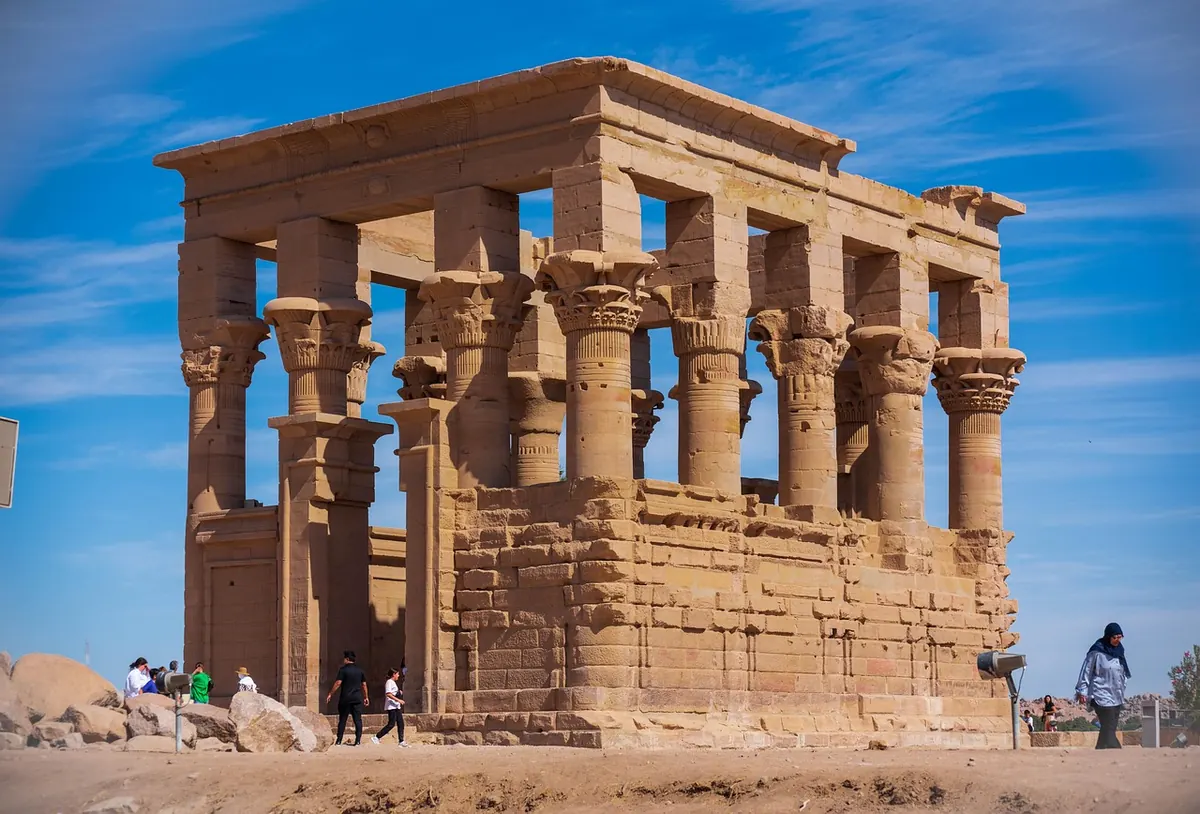
The Temple of Isis was moved, stone by stone, to Agilkia Island when the Aswan dams threatened to flood it. You reach it by a short motorboat ride, and the setting on the water is magical. A sound and light show runs in the evening.
The small motorboat putters across the water, the temple rising out of the lake ahead of you with its tall pylons and columns reflected on the surface. Inside, the carvings are crisp, the courtyards are quieter than in Luxor and the breeze off the water is a relief from the heat. Agree the boat price, including the waiting time, before you set off.
2. Abu Simbel
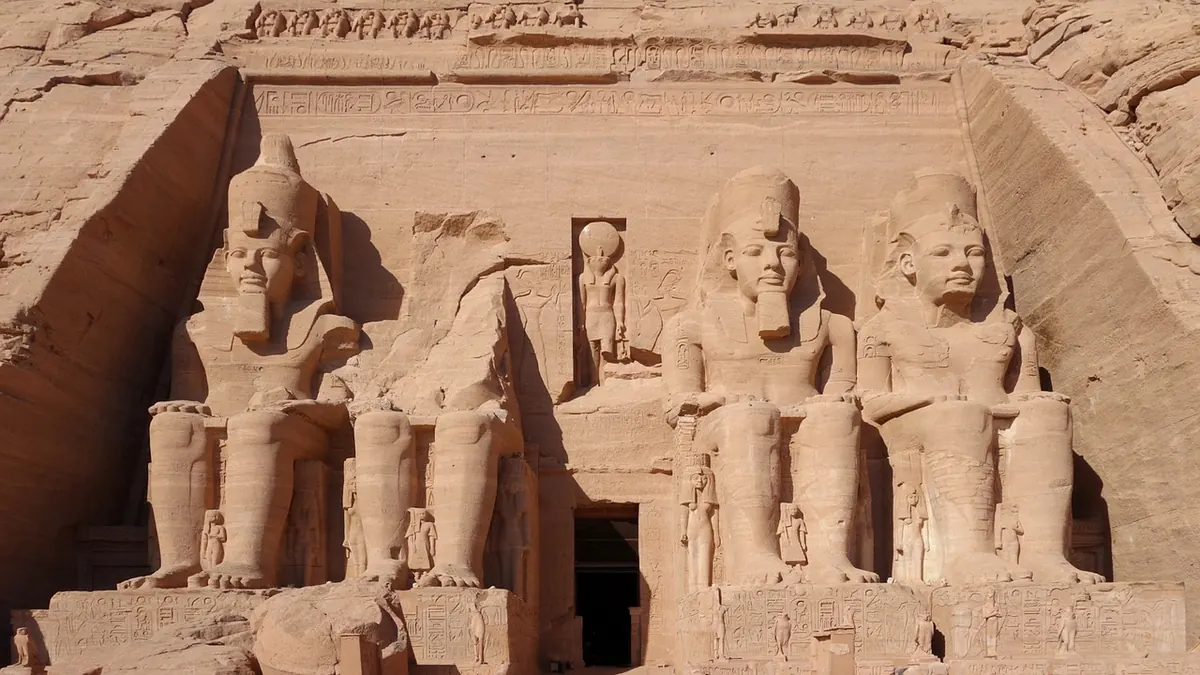
The great temples of Ramses II and Queen Nefertari, carved into a mountain near the Sudanese border, were relocated in the 1960s to save them from Lake Nasser. Twice a year, in February and October, the rising sun lights the statues deep inside the main temple.
Most trips leave Aswan in the dark, long before dawn, and you doze on the bus as the desert slowly turns pink outside the window. Then you walk around a rocky hill and the four colossal seated figures of Ramesses II appear, each taller than a five-storey building, glowing gold in the morning sun. Inside, the halls are dim and warm, lined with giant statues. It's a long day, but almost everyone says it's worth it.
3. The Unfinished Obelisk
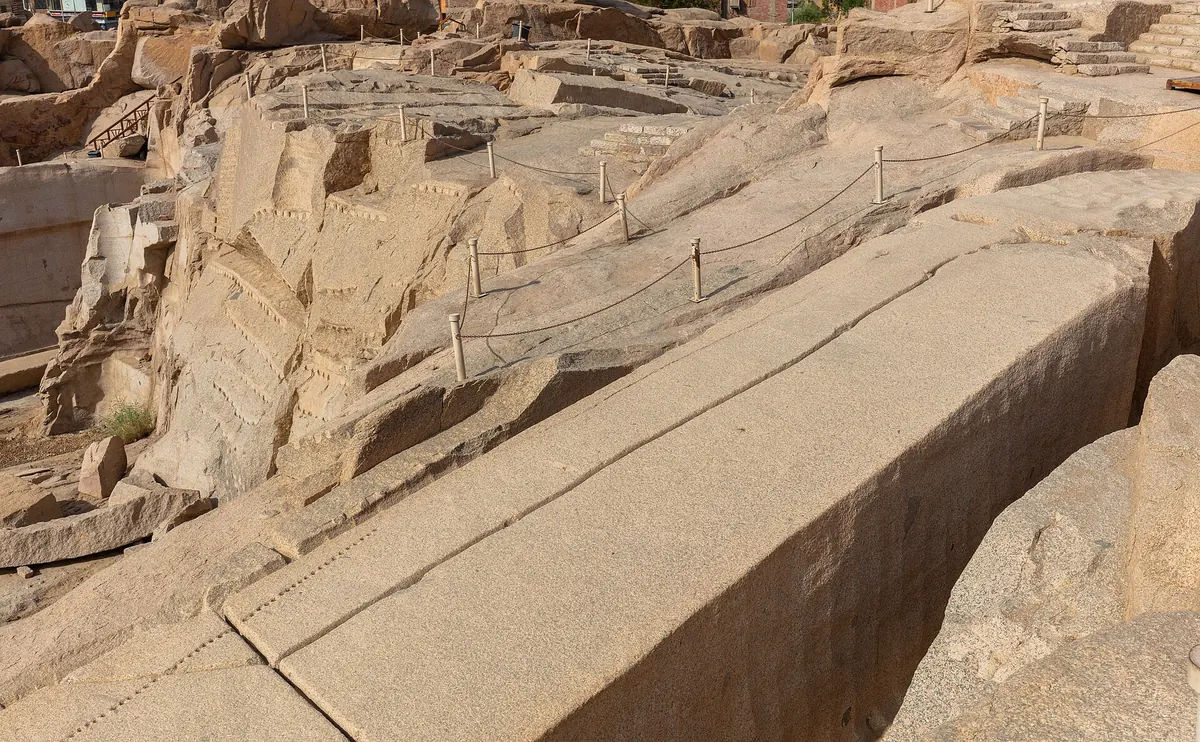
In an ancient granite quarry lies the largest known obelisk ever attempted, abandoned when it cracked. It shows exactly how the Egyptians carved stone on a massive scale.
Stand at the edge of the granite quarry and look down at the huge obelisk still lying where the ancient workers abandoned it after a crack appeared. You can see the marks of their tools in the rock. It's a short visit in an exposed, hot spot, so come early and bring water.
4. The Nubian Museum
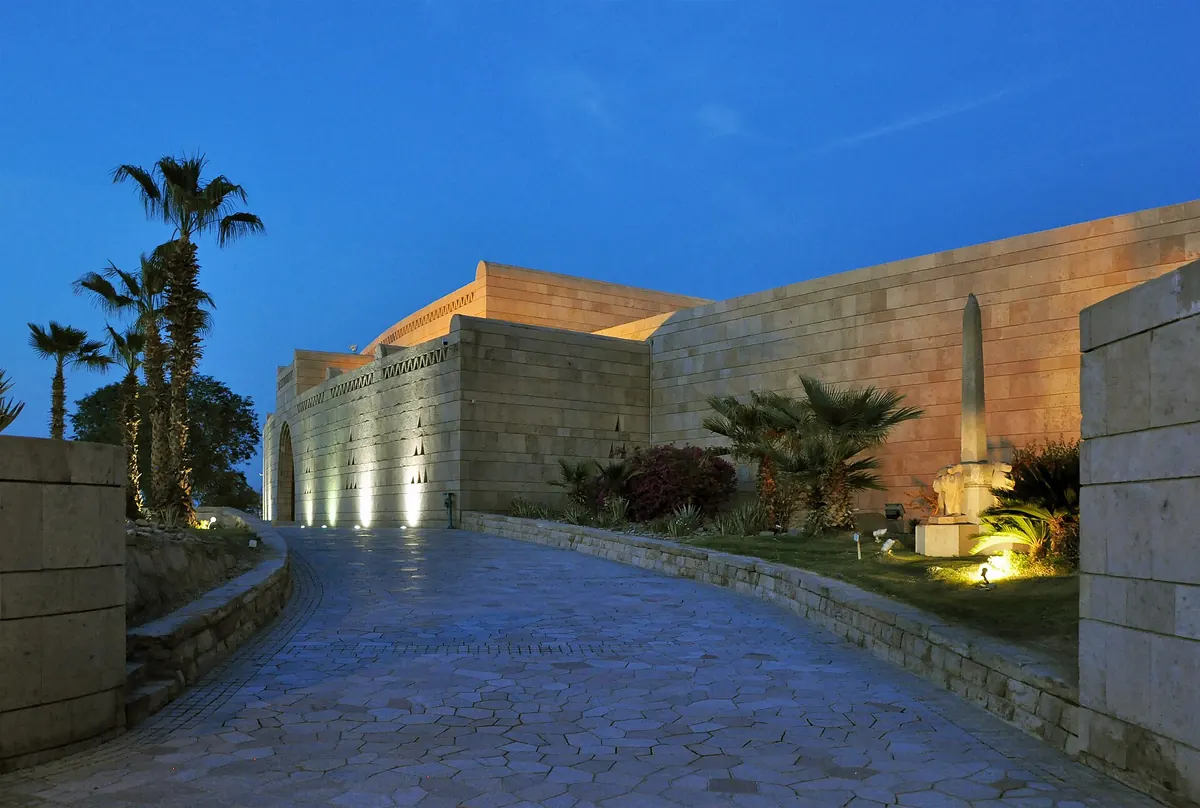
An excellent, well-presented museum telling the story of Nubia and the international campaign to save its monuments from the rising waters of Lake Nasser. Its garden is a peaceful spot in the late afternoon.
After the heat outside, the museum is cool and calm, with well-lit galleries and a lovely garden. It tells the story of Nubia and of the villages and temples flooded by Lake Nasser, giving you a much better understanding of the Nubian villages you'll see along the river.
5. The High Dam
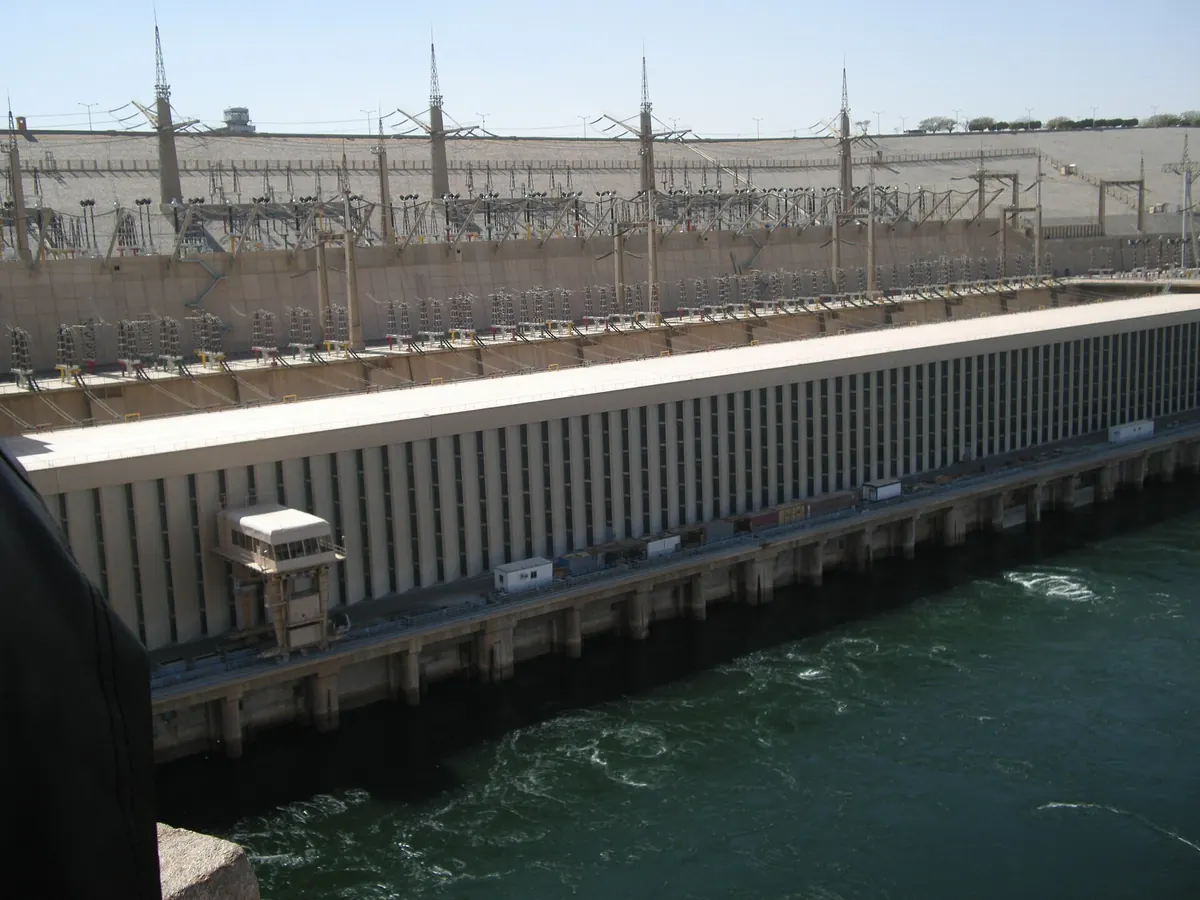
Completed in 1970, the dam created Lake Nasser, one of the largest artificial lakes in the world. Most visitors stop briefly for the view on the way to Philae or Abu Simbel.
Up on the dam, the wind blows hard and Lake Nasser stretches away to the south like an inland sea, while the Nile flows narrow and green on the other side. It's more impressive for its scale and history than its beauty – a short stop rather than a long visit.
On the Nile
6. Sail a felucca
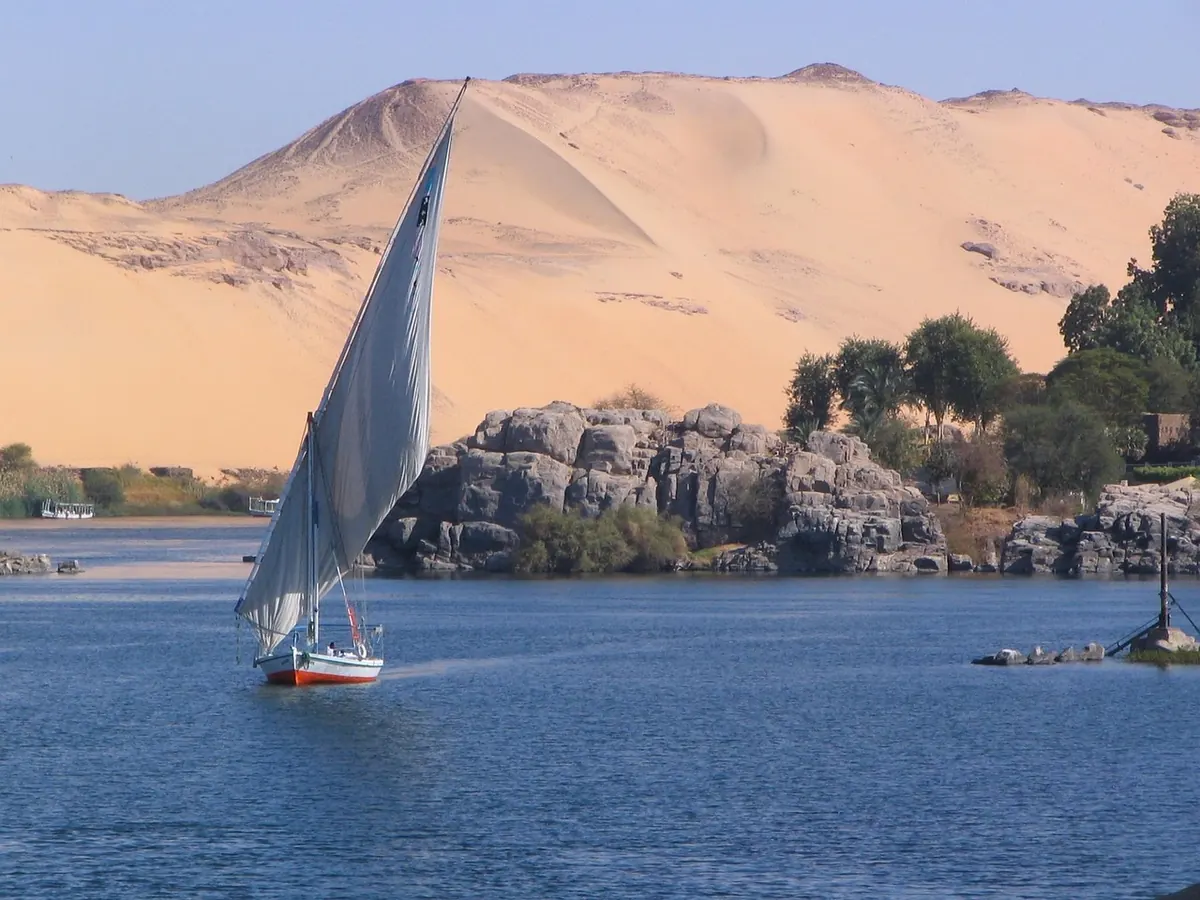
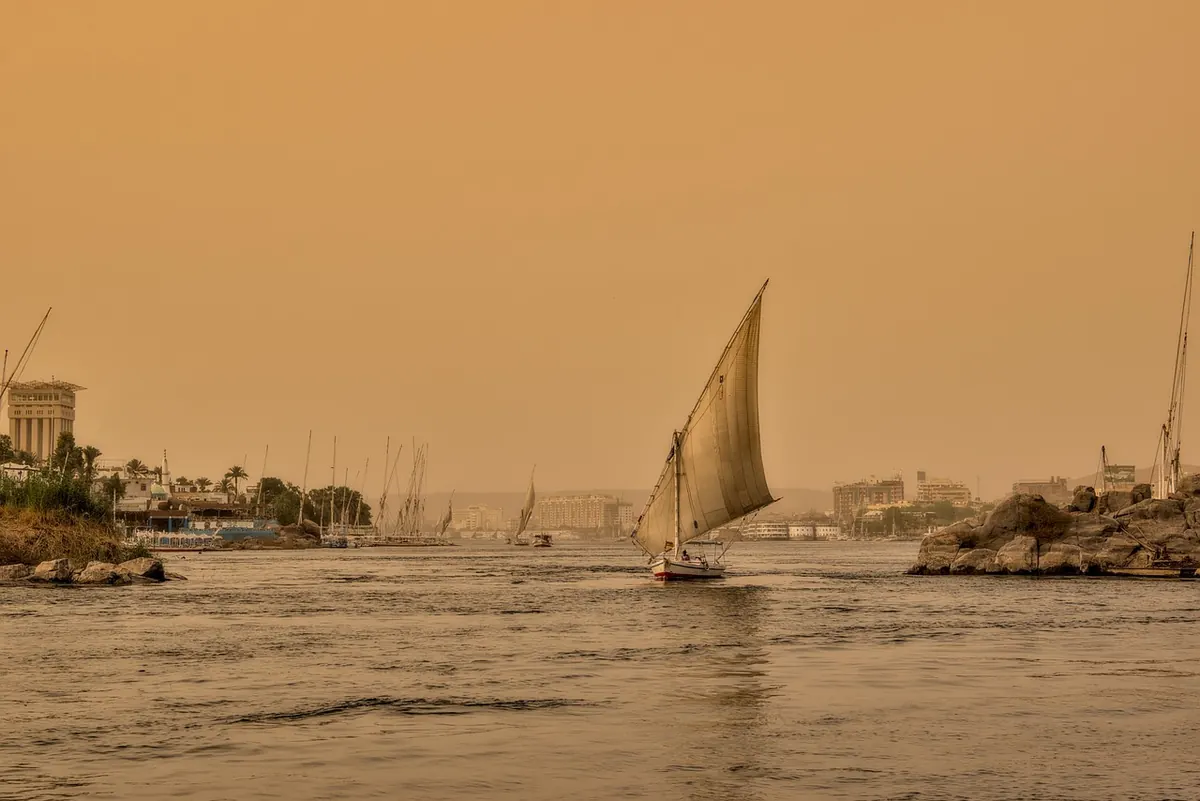
Spend an hour or two sailing between Elephantine Island, Kitchener's Island and the West Bank, ideally before sunset. Agree the price and the duration before you set off.
The captain hoists the big white sail, the engine noise of the city fades and the only sounds are the creak of the mast and water lapping against the wooden hull. You glide past granite boulders, green islands and white-domed villages, with kingfishers diving along the riverbank. Late afternoon, as the sun sets behind the desert dunes on the west bank, is pure magic.
7. Visit Kitchener's Island
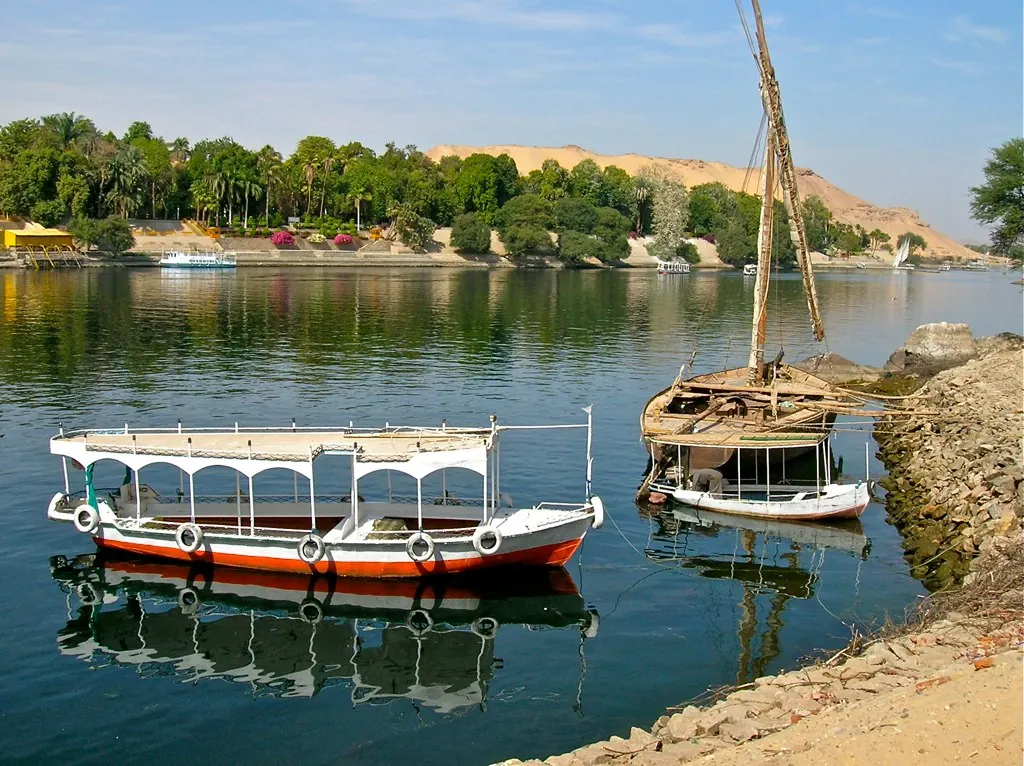
The Aswan Botanical Garden fills an island in the river with exotic trees and plants – a shady escape reached by boat.
Step off the boat into the shade of tall palms and exotic trees, with birdsong all around and glimpses of the river and dunes between the branches. After the bustle of Aswan, the Botanical Garden is a peaceful place for an hour's slow walk.
8. Explore a Nubian village
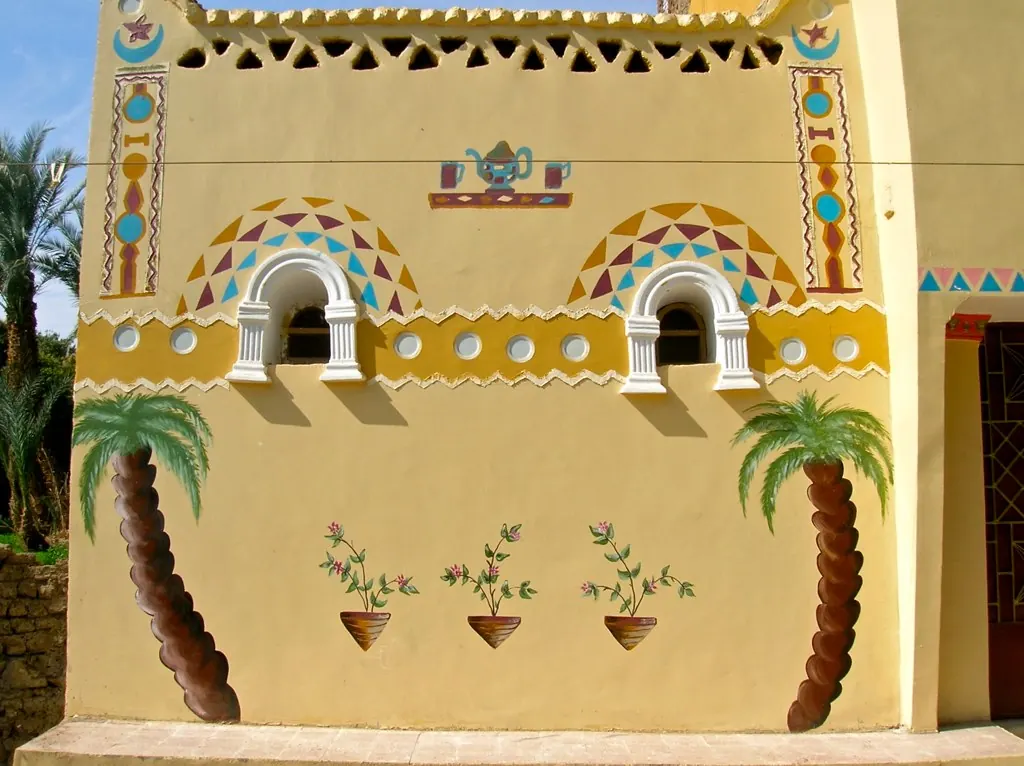
Boats take you upriver to colourful Nubian villages such as Gharb Soheil on the West Bank, where you can visit a family home, drink tea and buy local crafts.
The houses are painted in bright blues, yellows and pinks, their walls decorated with geometric patterns and pictures, and some have crocodiles kept in tanks as a curiosity for visitors. You may be invited in for tea, offered henna or shown handicrafts. It's lively and colourful but clearly set up for tourists – go with that in mind and enjoy the hospitality.
9. Climb to the Tombs of the Nobles
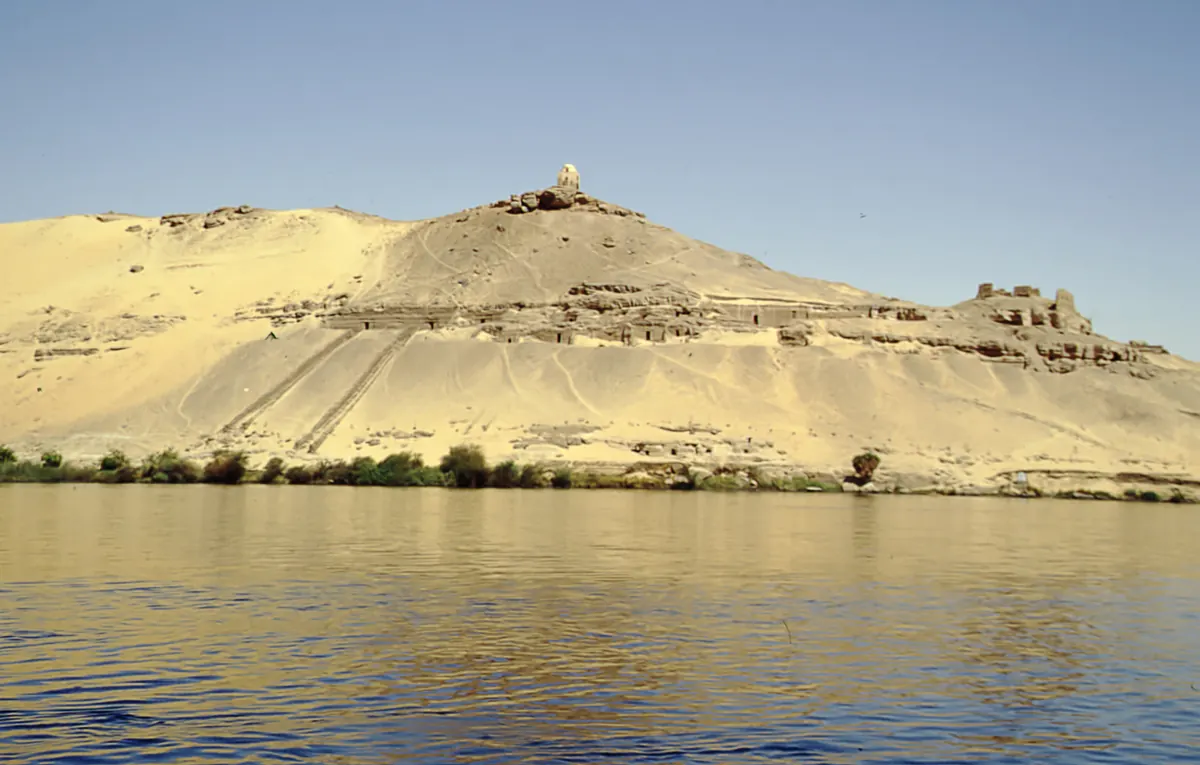
Rock-cut tombs of local governors overlook the river from the West Bank. The view across Aswan is the reward for the climb, especially in the late afternoon.
The climb up the sandy hillside is steep and hot, but at the top the view is one of the best in Egypt: the Nile spread out below, white feluccas drifting between islands and the city on the far bank. Late afternoon is the best time, when the light softens and the heat fades.
In town
10. Wander the souk and the Corniche
Aswan's market street is full of spices, baskets, scarves and dried hibiscus for karkadeh. In the evening, walk along the Corniche and watch the boats on the Nile. For a treat, have tea on the terrace of the historic Old Cataract Hotel.
In the evening the souk comes alive with piles of spices, baskets of dried hibiscus and dates, colourful scarves and the calls of shopkeepers. Then walk back along the Corniche, where families stroll by the river and the lights of the boats reflect in the dark water.
When to visit
Aswan is one of the sunniest and driest places on Earth. From October to April, days are warm and sunny and evenings pleasant – the best time to visit. From May to September, daytime temperatures often exceed 40°C; if you visit then, sightsee at dawn and in the late afternoon, and rest in the middle of the day.
A two-day itinerary
Day 1: Philae Temple in the morning, the Unfinished Obelisk and the High Dam, then a felucca sail around Elephantine Island and Kitchener's Island in the late afternoon. Dinner on a Nile-view terrace. Day 2: an early start for Abu Simbel, back by early afternoon; then a boat to a Nubian village on the West Bank for sunset and a Nubian dinner.
Where to stay
Aswan has historic hotels on the Nile, large resort hotels on Elephantine Island and simple guesthouses in Nubian villages on the West Bank, where you can wake up to river views and village life. Staying on the West Bank is peaceful but means taking a boat into town.
Nubian culture
Nubians have lived along the Nile in southern Egypt and northern Sudan for thousands of years. When Lake Nasser flooded their homeland in the 1960s, many communities were moved. Today, colourful Nubian villages near Aswan welcome visitors with tea, music, henna and crafts. Visit respectfully, ask before taking photos of people and buy crafts directly from the makers.
Getting there
Aswan has a domestic airport with flights to Cairo, and trains and roads connect it with Luxor (about three hours). Many visitors arrive by Nile cruise from Luxor. From the Red Sea, Aswan is a long day's drive – most travellers from Hurghada combine it with a Nile cruise or visit Luxor instead.
Frequently asked questions
How many days do you need in Aswan?
Two full days covers Philae, a felucca sail, a Nubian village and the main sights. Add a third day – or an early start – for Abu Simbel.
How do you get from Aswan to Abu Simbel?
Most visitors join an early-morning road trip of about three hours each way. There are also short flights from Aswan to Abu Simbel.
When is the best time to visit Aswan?
October to April, when days are warm and sunny. Summer is extremely hot, often above 40°C, so sightseeing is best in the early morning.
Should I take a Nile cruise or stay in Aswan?
Both work well. A cruise between Luxor and Aswan is the classic way to see the temples in between, while staying two or three nights in Aswan gives you time for Nubian villages, feluccas and Abu Simbel at a relaxed pace.
Keep reading
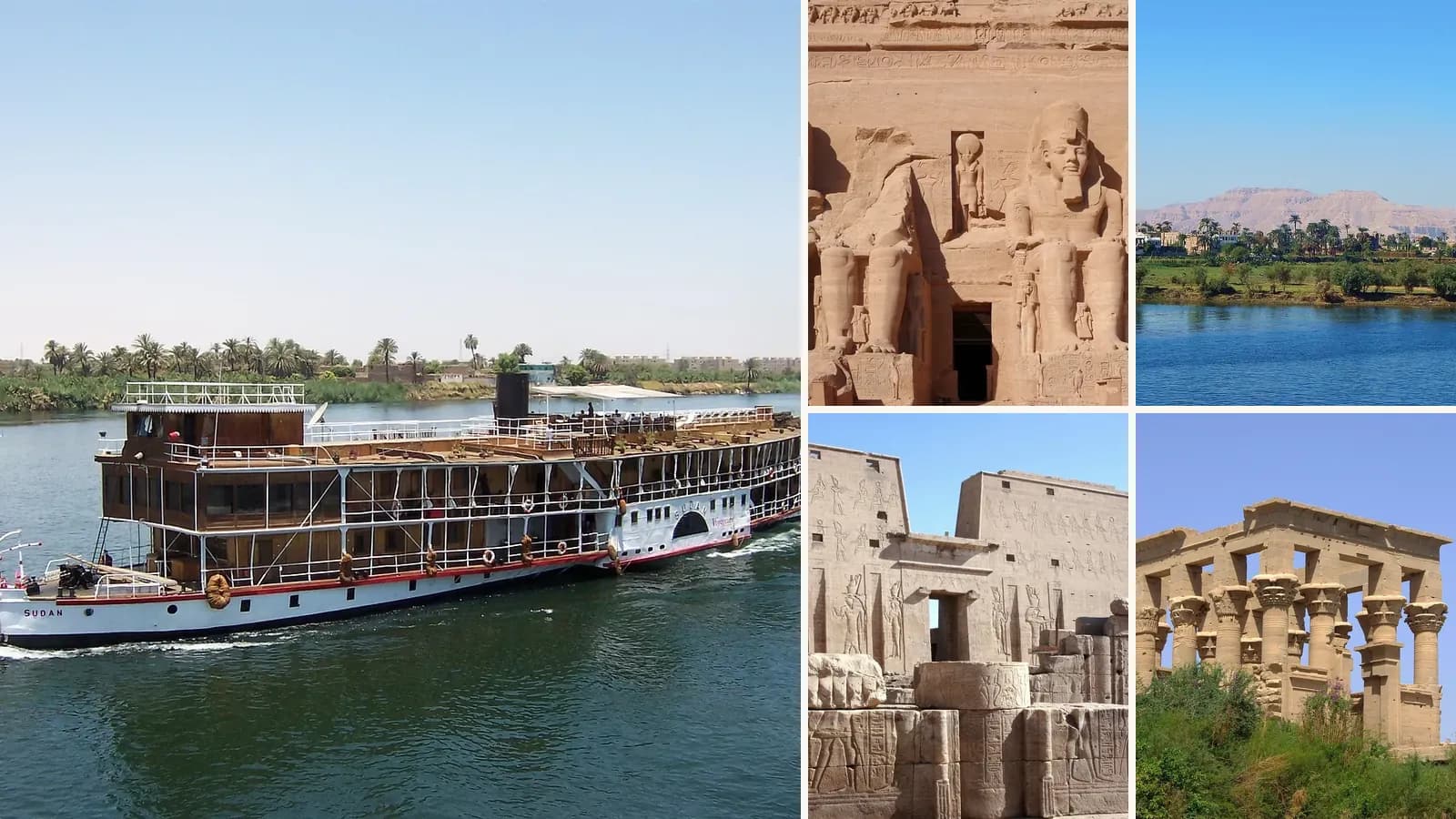
Nile Cruise Guide: How to Choose Your Boat and What You'll See
Cruise ship, dahabiya or Lake Nasser? How long to sail, when to go and the temples you'll visit between Luxor and Aswan – everything you need to plan a Nile cruise.
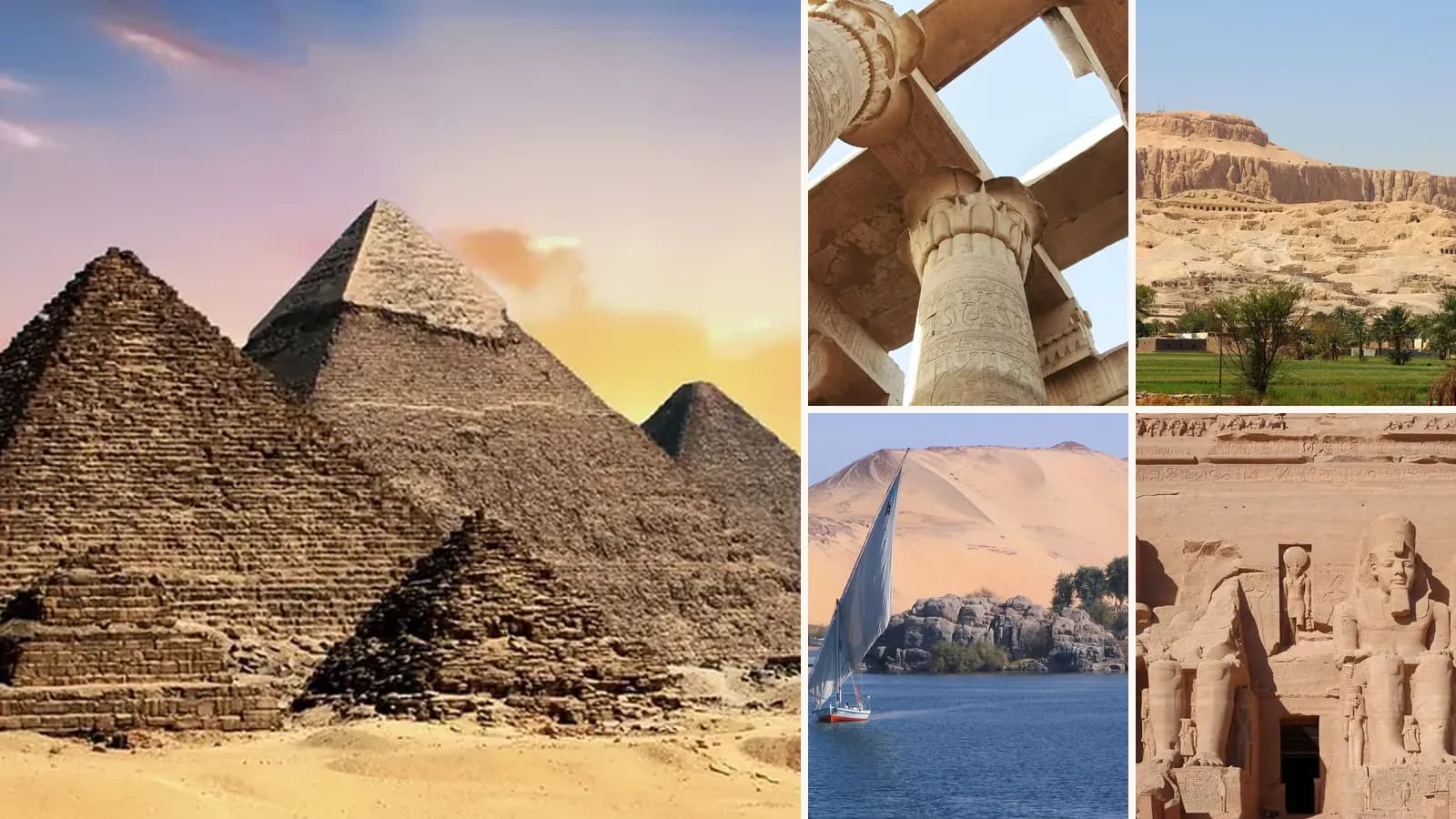
Egypt in 10 Days: A Classic Itinerary from Cairo to Abu Simbel
A day-by-day 10-day Egypt itinerary: the Pyramids and Grand Egyptian Museum, Luxor's temples and tombs, a Nile cruise, Aswan and Abu Simbel – plus how to add the Red Sea.
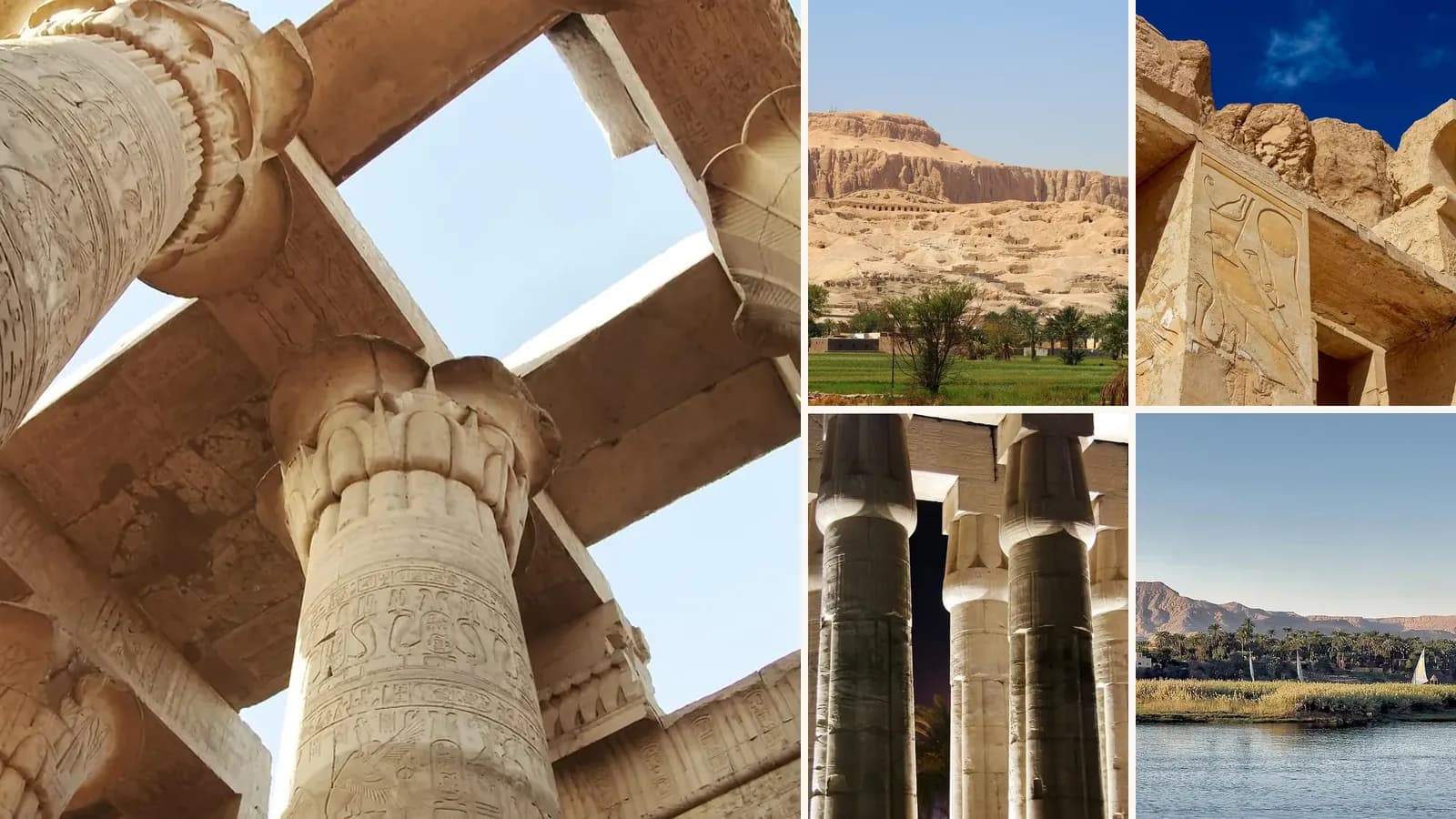
Luxor Day Trip from Hurghada: How to Plan It and What You'll See
Is a Luxor day trip from Hurghada worth it? Travel time, a realistic itinerary for Karnak, the Valley of the Kings and Hatshepsut, and whether to stay overnight instead.
Hurghada Airport Transfer: Taxi, Shuttle or Private? Prices Compared (2026)
Hurghada Airport to your hotel in 2026: taxi, Uber, shuttle or private transfer compared, with real prices to Makadi, El Gouna, Sahl Hasheesh and Soma Bay.