Nile Cruise Guide: How to Choose Your Boat and What You'll See
Cruise ship, dahabiya or Lake Nasser? How long to sail, when to go and the temples you'll visit between Luxor and Aswan – everything you need to plan a Nile cruise.
Some links in this guide are partner links: if you buy through them we may earn a small commission, at no extra cost to you. It never affects what we recommend. How we make money
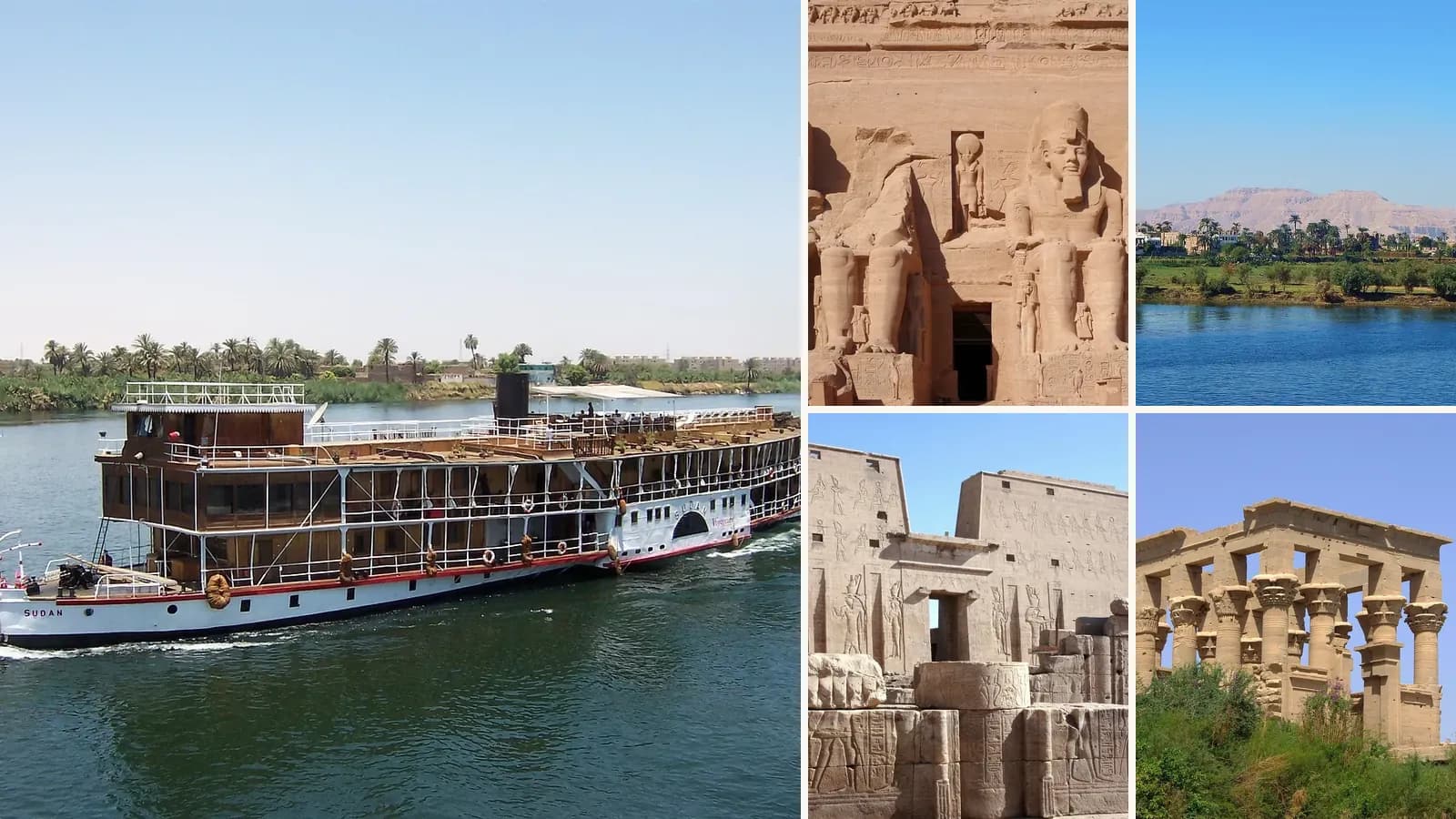
Sailing the Nile between Luxor and Aswan is one of the world's great journeys. Days drift by on the sundeck – palm groves, mud-brick villages, fishermen and desert hills – broken by visits to some of the best-preserved temples in Egypt. Here's how to choose the right boat and what to expect along the way.
Choosing your boat
1. Classic cruise ships
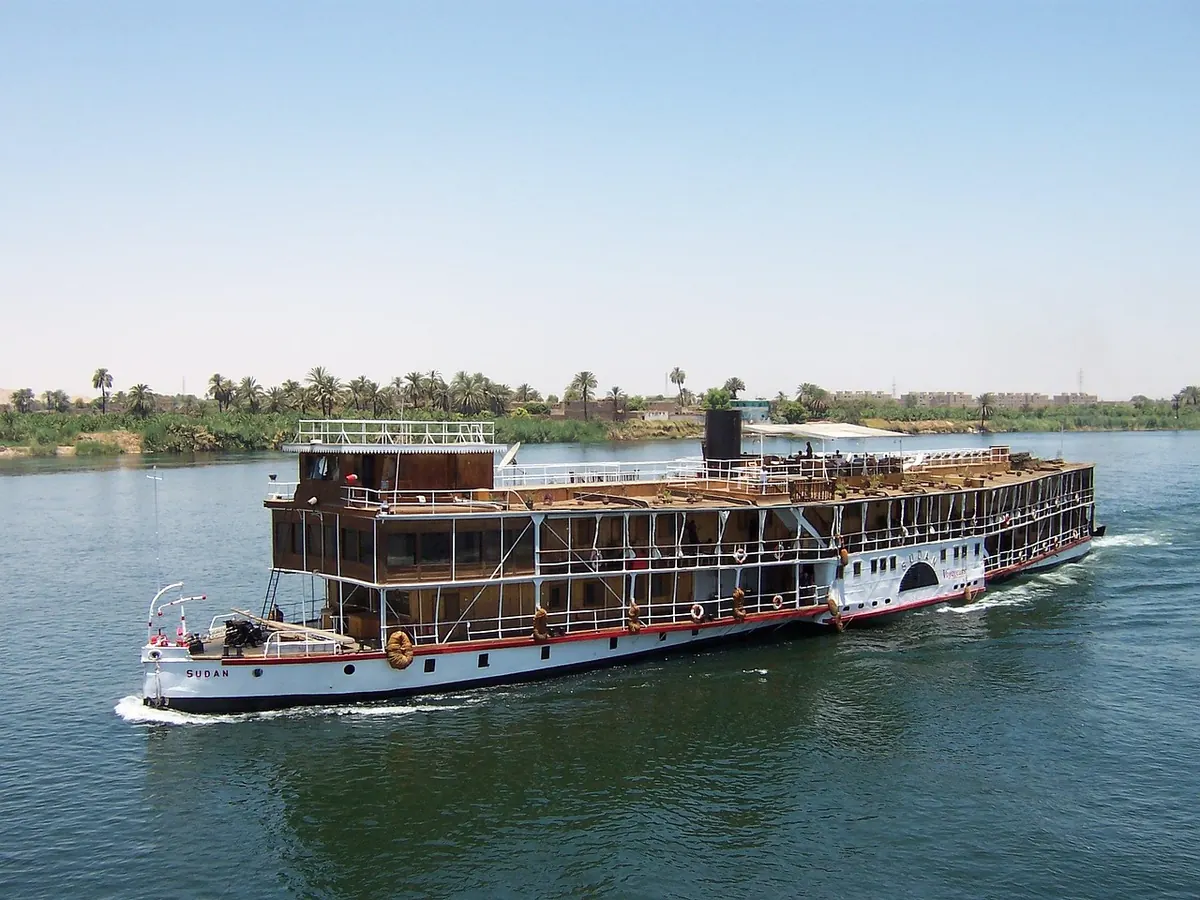
Most Nile cruises are on river ships with 40–80 cabins, a pool on the sundeck and full board. Standards range from simple to genuinely luxurious, so read recent reviews and check what's included – guided tours and entrance fees are often extra.
2. Dahabiyas
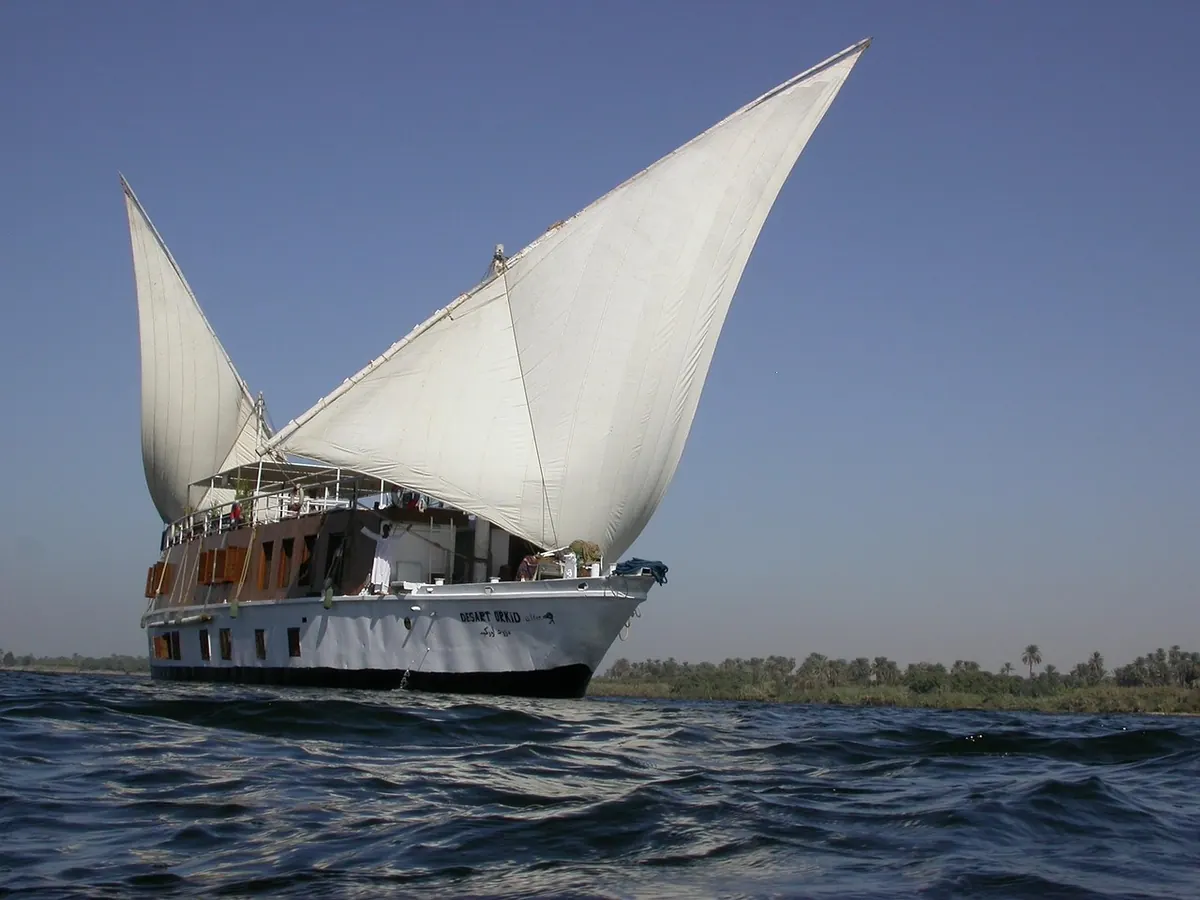
These traditional sailing boats carry around 10–20 guests. They sail rather than motor much of the way, moor at quiet islands and stop at small temples big ships skip. A dahabiya trip usually takes four or five nights, and the experience is far more personal.
3. Lake Nasser cruises
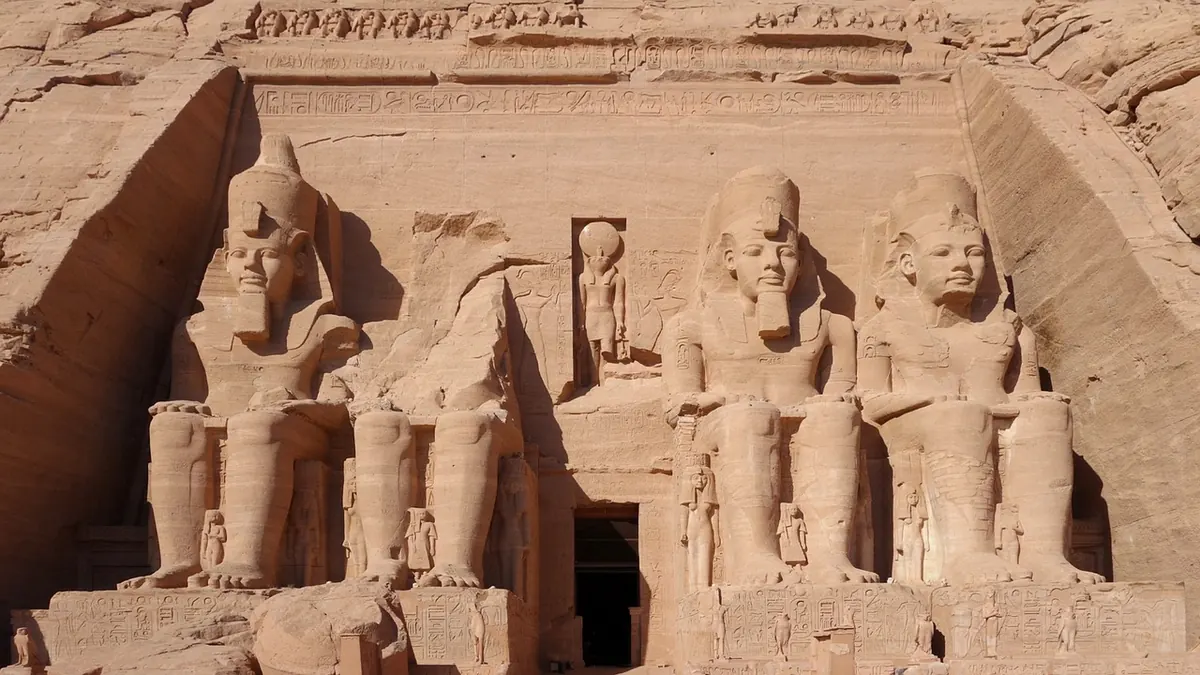
South of the Aswan High Dam, a handful of ships sail Lake Nasser between Aswan and Abu Simbel, visiting remote Nubian temples that can only be reached by water – and arriving at Abu Simbel by night.
What you'll see
4. Luxor
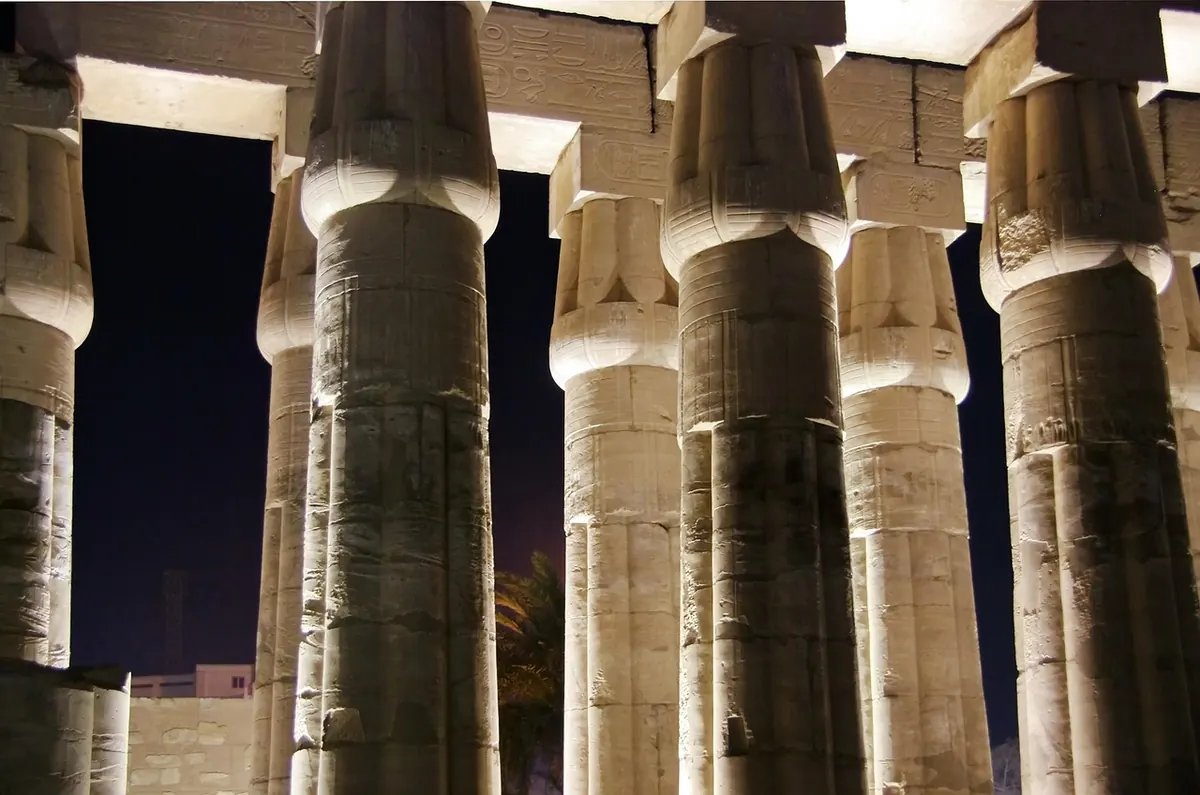
Most cruises start or end in Luxor, with visits to Karnak, Luxor Temple and the West Bank – the Valley of the Kings and the Temple of Hatshepsut.
5. The Esna lock
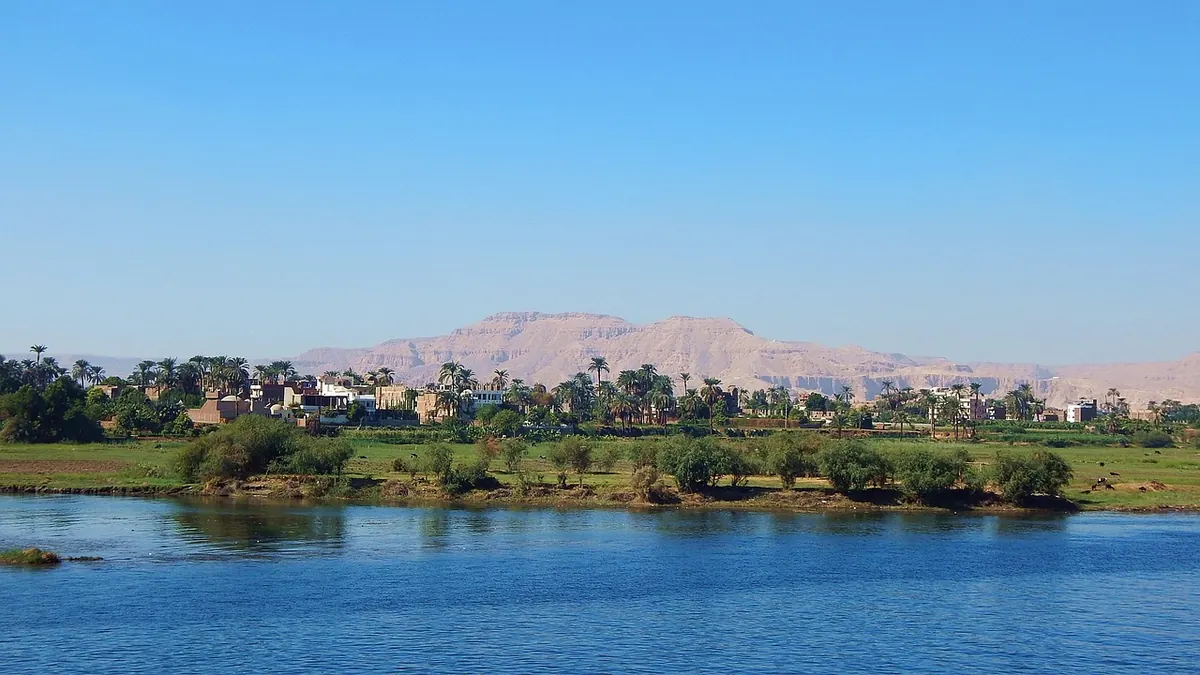
Ships pass through the lock at Esna, a slow, fascinating operation – and a chance to watch traders in small boats selling scarves and tablecloths to the decks above.
6. The Temple of Edfu
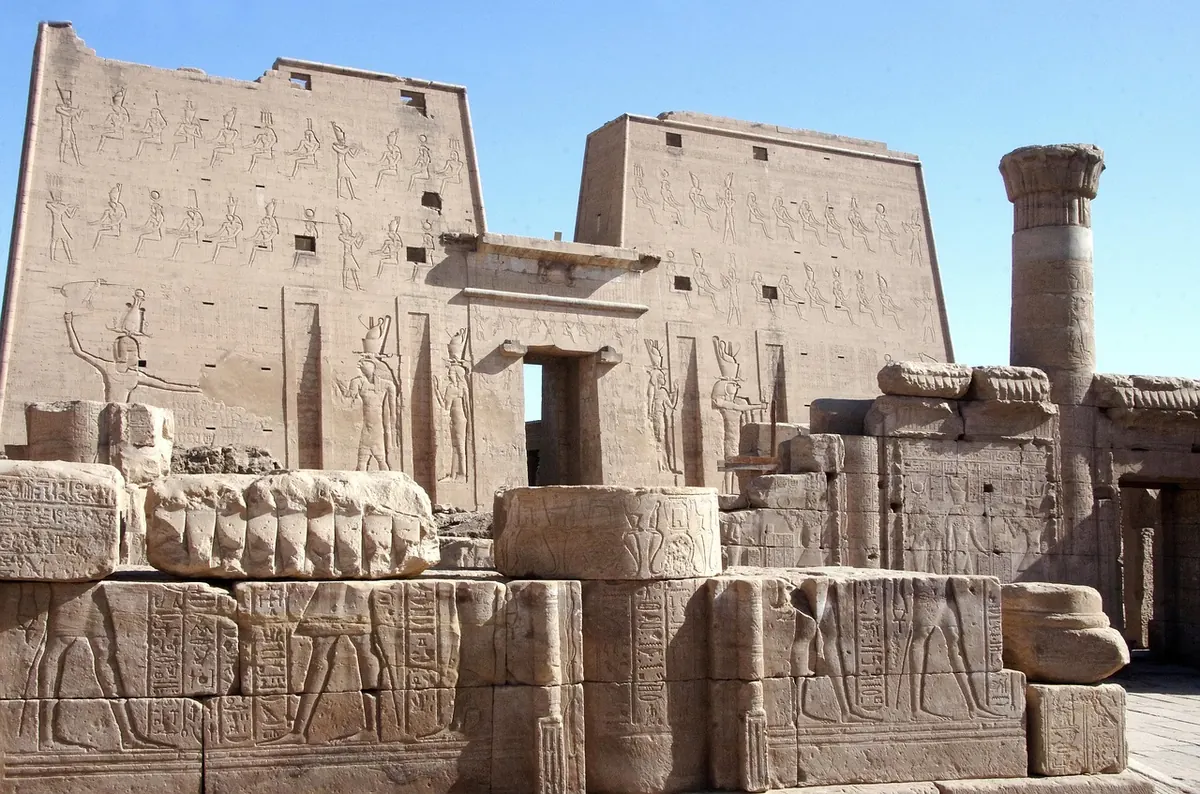
Dedicated to the falcon god Horus, Edfu is the best-preserved temple in Egypt, with its roof, walls and inscriptions largely intact.
7. Kom Ombo
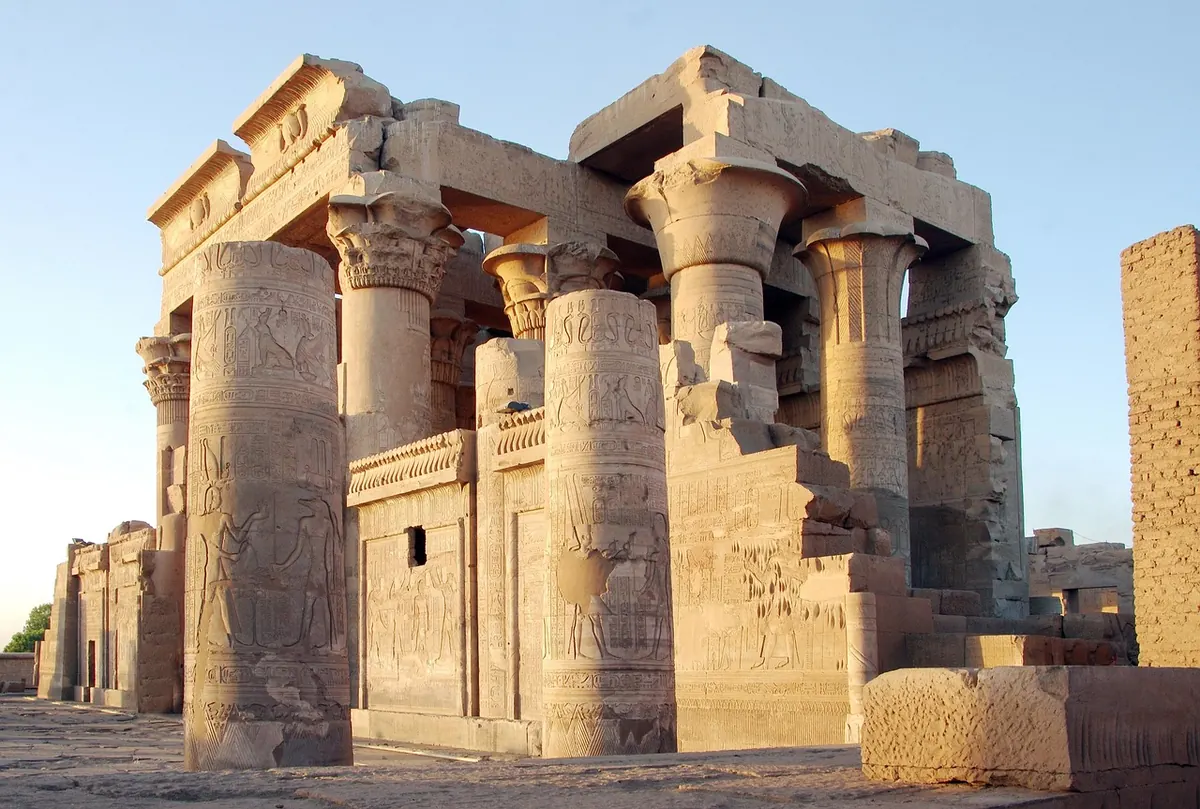
This unusual double temple, shared by the crocodile god Sobek and the falcon god Haroeris, sits right on the riverbank. A small museum next door displays mummified crocodiles.
8. Aswan
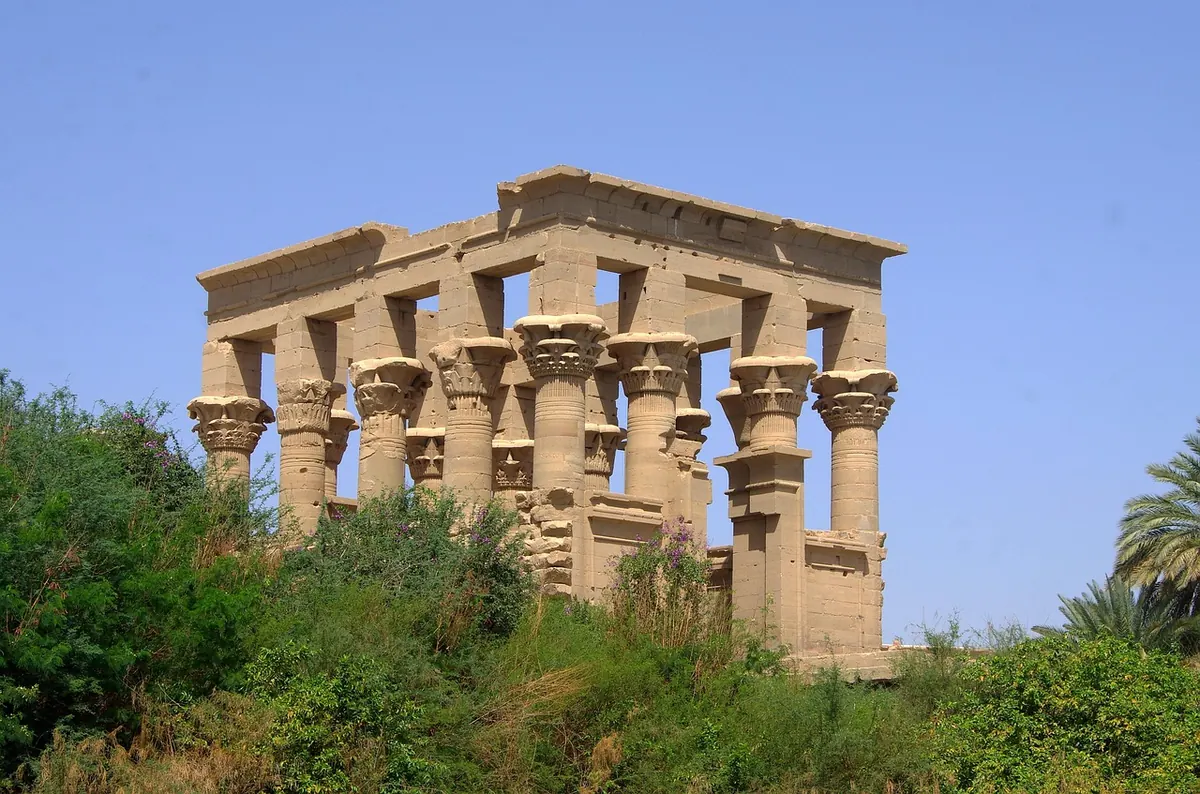
The cruise ends (or begins) in Aswan, with time for Philae, the High Dam, a felucca sail around Elephantine Island and an optional trip to Abu Simbel.
Tips for your cruise
- Choose your direction: cruises from Aswan to Luxor are usually a night shorter.
- Book a cabin on the upper decks for better views – lower-deck windows can be at water level.
- Pack layers: days are warm, but nights on deck can be cool in winter.
- Budget for tips: crew tips are customary and usually collected at the end of the cruise.
- Use a licensed Egyptologist guide – the good ones make the temples come alive.
Combine your cruise with Cairo and Abu Simbel using our 10-day Egypt itinerary, and if you're new to cruising, read our beginner's guide to picking a cruise line.
Frequently asked questions
How long is a Nile cruise?
The classic cruise between Luxor and Aswan takes three nights going upstream from Aswan to Luxor or four nights the other way. Many international river cruise lines combine a cruise with several nights in Cairo for a 10–12 day trip.
What is the best time for a Nile cruise?
October to April has pleasant daytime temperatures. December and January are the busiest and most expensive; summer cruises are cheaper but extremely hot.
What is a dahabiya?
A dahabiya is a traditional two-masted sailing boat with a handful of cabins. It's slower and more intimate than a cruise ship and can stop at small sites and sandbanks that big ships can't.
Keep reading
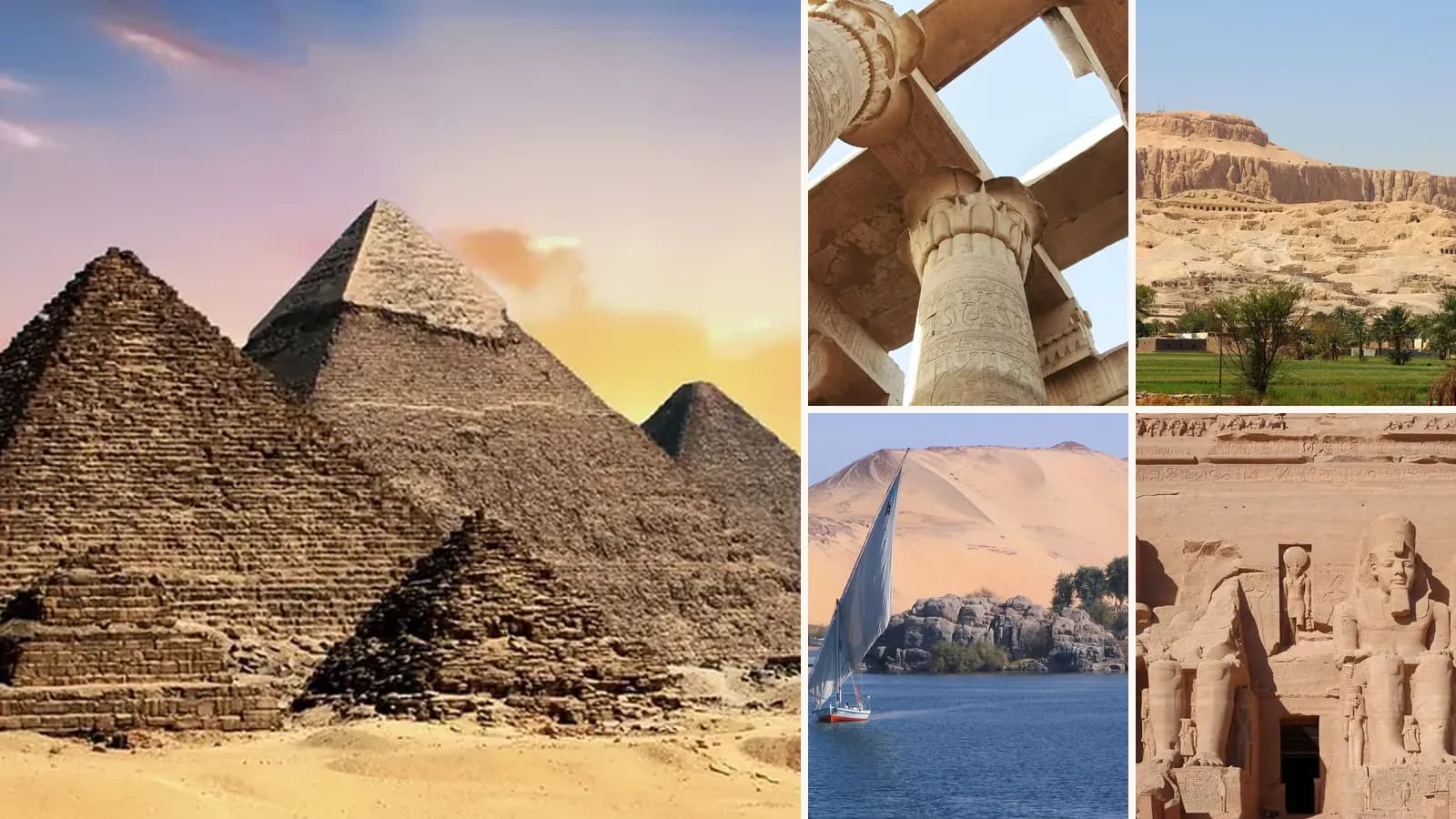
Egypt in 10 Days: A Classic Itinerary from Cairo to Abu Simbel
A day-by-day 10-day Egypt itinerary: the Pyramids and Grand Egyptian Museum, Luxor's temples and tombs, a Nile cruise, Aswan and Abu Simbel – plus how to add the Red Sea.
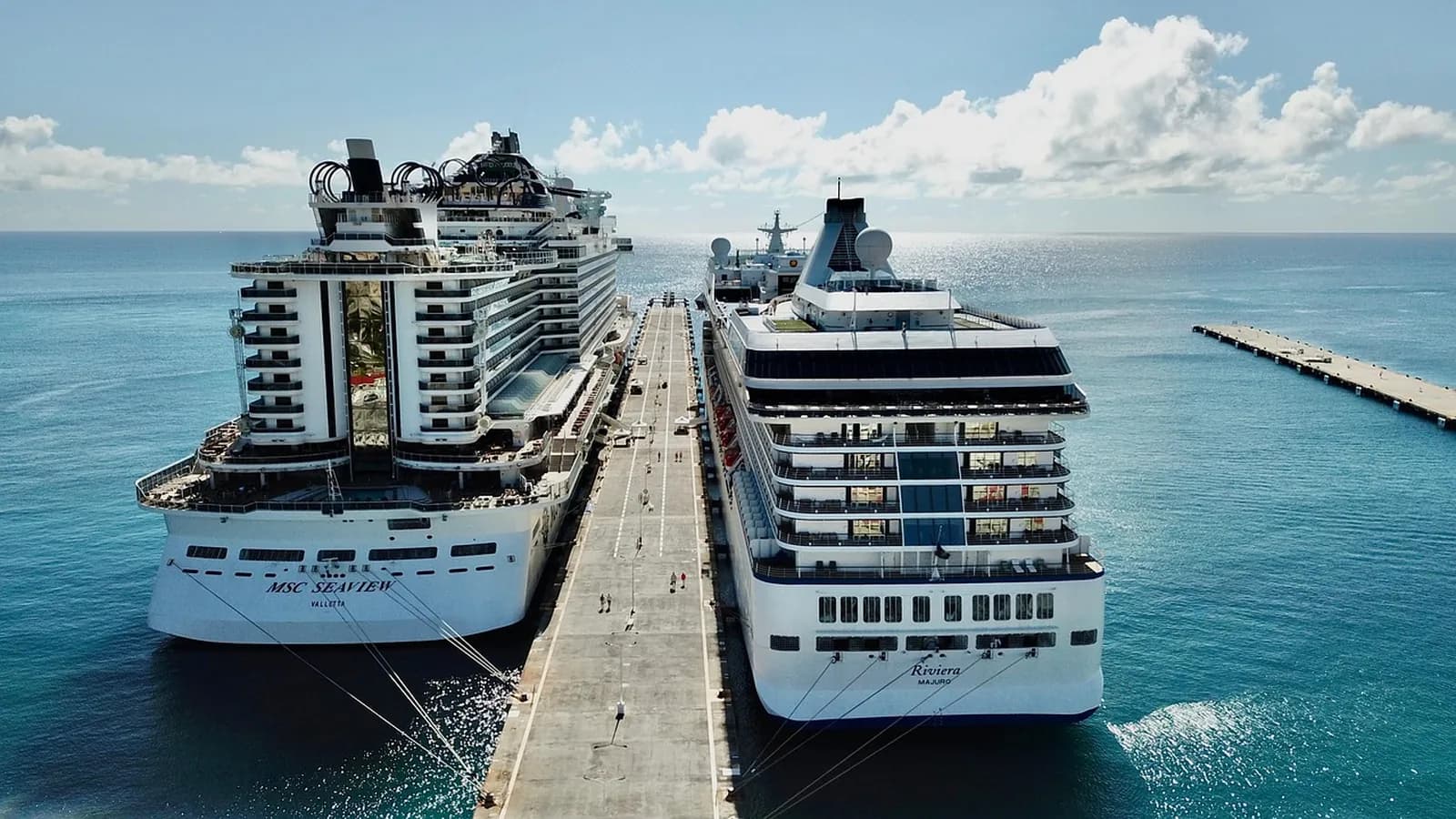
A Beginner's Guide to Picking a Cruise Line
Mega-ship, premium, luxury, adults-only, expedition or river? The main types of cruise line and how to choose the right one for you.
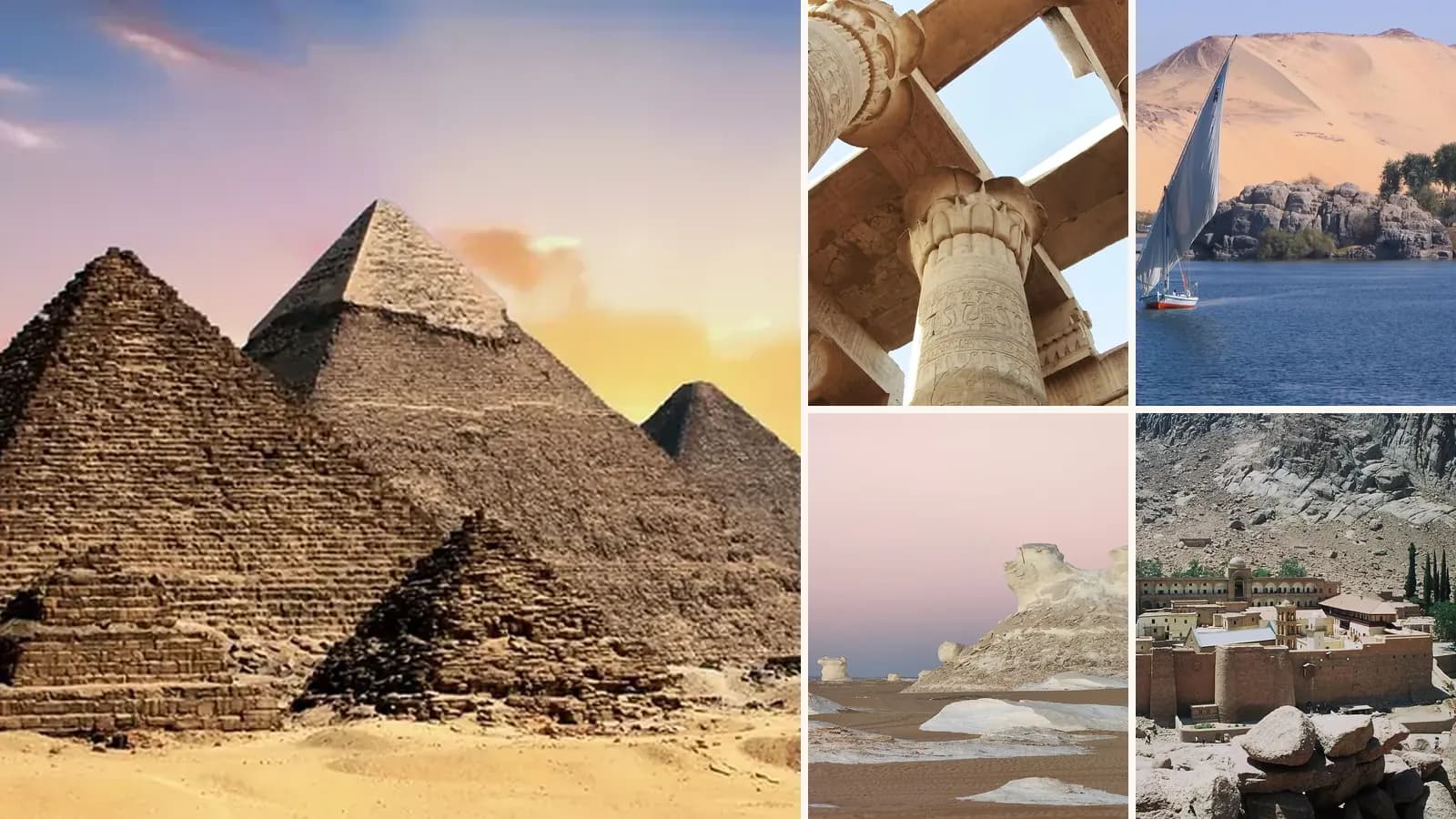
15 Best Places to Visit in Egypt
The Pyramids and the Grand Egyptian Museum, Luxor, Aswan, Abu Simbel, a Nile cruise, the Red Sea and the desert oases – the best places to visit in Egypt, with tips.
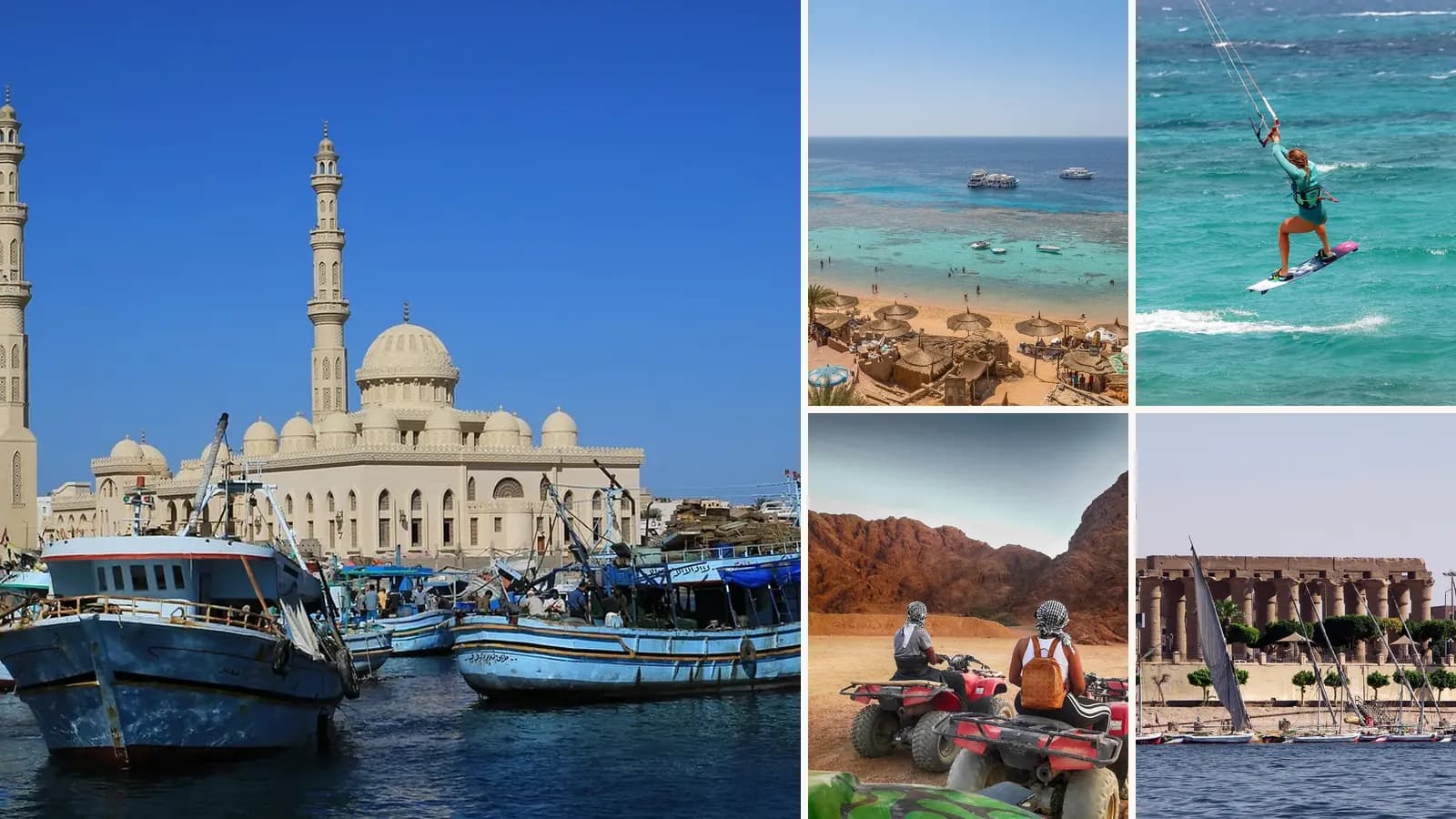
Red Sea Family Holidays in Egypt: Hurghada, El Gouna & the Best Resort Areas
Hurghada, El Gouna, Makadi Bay, Sahl Hasheesh and Soma Bay compared for families – plus the best boat trips, snorkelling, desert safaris and tips for kids.