Hurghada Travel Guide: 15 Best Things to Do on Egypt's Red Sea
Island boat trips, snorkelling, diving, desert safaris, the Marina and El Dahar old town – the best things to do in Hurghada, plus where to stay and getting around.

Some links in this guide are partner links: if you buy through them we may earn a small commission, at no extra cost to you. It never affects what we recommend. How we make money
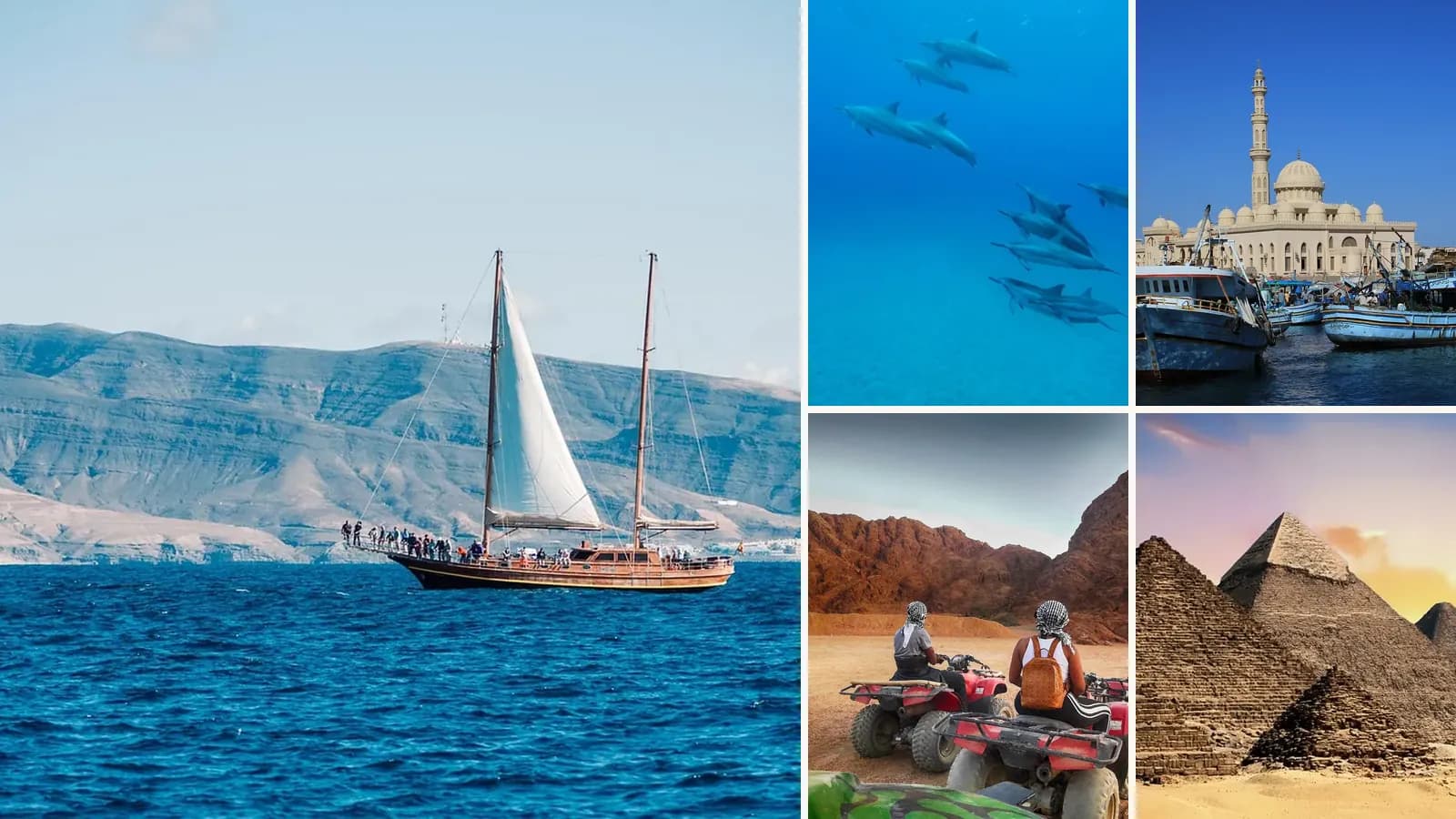
Hurghada grew from a small fishing village into Egypt's biggest Red Sea resort – and it's easy to see why. Year-round sunshine, warm clear water and some of the world's most accessible coral reefs sit just minutes from the airport. Beyond the beach there are island boat trips, desert safaris, a lively marina, a traditional old town and day trips to Luxor and Cairo.
The resort stretches for more than 60 km along the coast, from El Gouna in the north to Soma Bay in the south, so where you stay shapes your holiday as much as what you do. This guide covers the best things to do in and on the water, on land and on day trips, followed by practical advice on when to go, how long to stay, where to base yourself, getting around and staying safe.
Hurghada at a glance
| Quick facts | |
|---|---|
| Best time to visit | March–May and October–November for warm days without the summer heat |
| How long to stay | 7–10 days lets you combine beach time, two or three trips and a day in Luxor |
| Airport | Hurghada International (HRG), 10–25 minutes from most of town |
| Water temperature | About 22°C in winter, 28–30°C in late summer |
| Best for | Snorkelling, learning to dive, families, winter sun, good-value all-inclusive holidays |
In the sea
1. Take a boat trip to the Giftun Islands
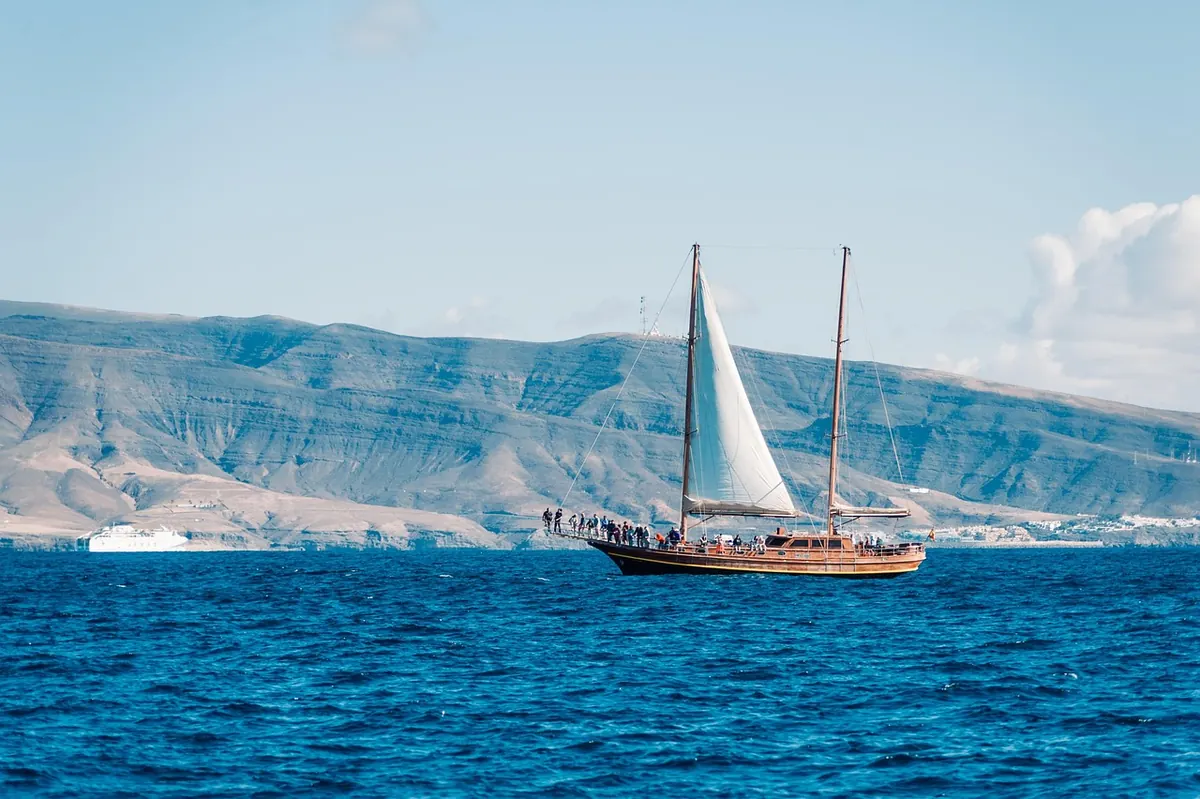
The Giftun Islands, a 30–45 minute boat ride east of Hurghada, are the town's classic day out. They are part of a protected marine area, so there are no hotels – just desert islands fringed with white sand and reefs that drop away into deep blue water.
A typical day trip picks you up from your hotel in the morning, stops at two or three reefs for snorkelling and spends an hour or two on a beach, with lunch cooked on board. Popular reef stops include Abu Ramada, Fanous and the reefs around Giftun Kebir, where you can see parrotfish, clownfish in anemones, rays and, with luck, a turtle.
Tips for choosing a trip: check whether the national park fee, snorkel equipment, drinks and transfers are included; ask how many people the boat takes (smaller boats are calmer and less crowded); and look for operators that use mooring buoys rather than dropping anchors on the reef. Bring reef-safe sunscreen, a rash vest and a towel – the sun on the water is stronger than it feels.
2. Spend a day at Orange Bay
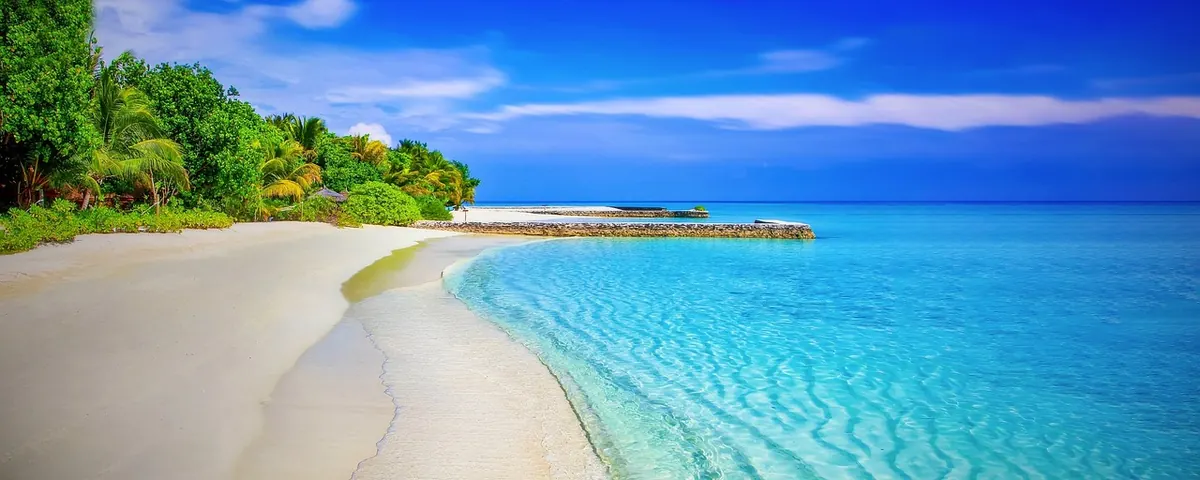
Orange Bay, on the western side of Giftun Kebir, is the beach that appears on most Hurghada postcards: powder-white sand, very shallow turquoise water and a wooden jetty out to the reef. It's run as a beach club, with sunbeds, umbrellas, a bar and toilets, which makes it easy with children.
The downside is its popularity. Around midday several boats can arrive at once, so the beach becomes busy. Trips that arrive early in the morning or stay into the late afternoon feel much calmer, and some operators combine Orange Bay with quieter snorkel stops on the way. Mahmya, on the same island, is a quieter eco-style beach club – a good alternative if you prefer fewer people.
3. Snorkel from your hotel
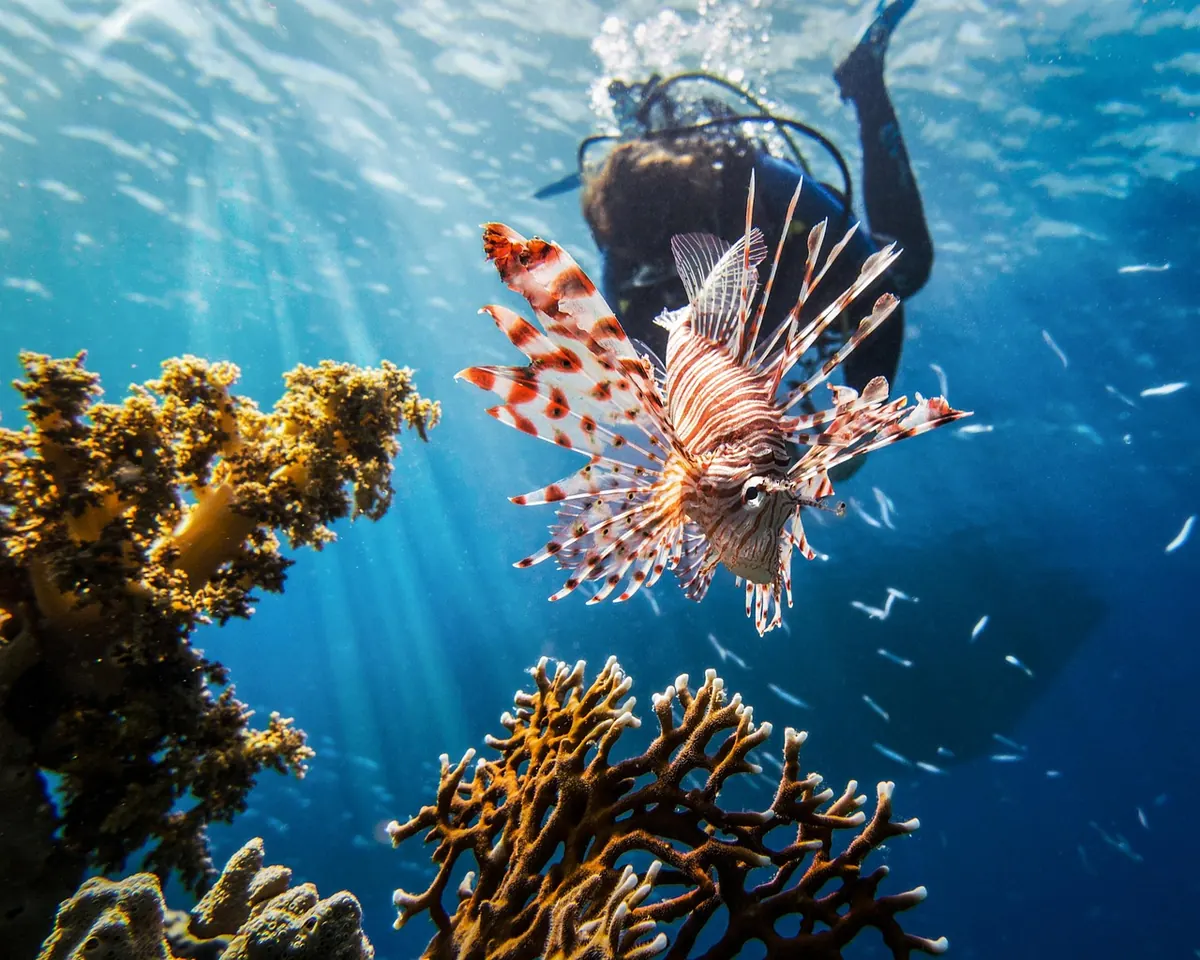
One of Hurghada's great advantages is that you don't always need a boat to see coral. Many hotels south of the centre – especially in Sahl Hasheesh, Makadi Bay and Soma Bay – have their own house reef reached by a jetty or a short swim from the beach.
A good house reef can be the highlight of a holiday: you can snorkel every morning before breakfast, see the reef at different times of day and swim at your own pace. When you book, check whether the hotel actually has a reef (not just a sandy beach), how long the jetty is and whether there are lifeguards and marked entry points. In central Hurghada many beaches are sandy or man-made, so boat trips are the better option there.
Snorkelling etiquette: never stand on coral, don't feed the fish, keep a distance from turtles and wear fins so you don't need to touch anything to stay afloat.
There's something special about walking from your breakfast table straight onto a reef. The jetty creaks under your feet, the water below is so clear you can see fish before you even jump in, and within a few kicks you're drifting over coral gardens with no boat, no schedule and no crowds.
4. Learn to dive
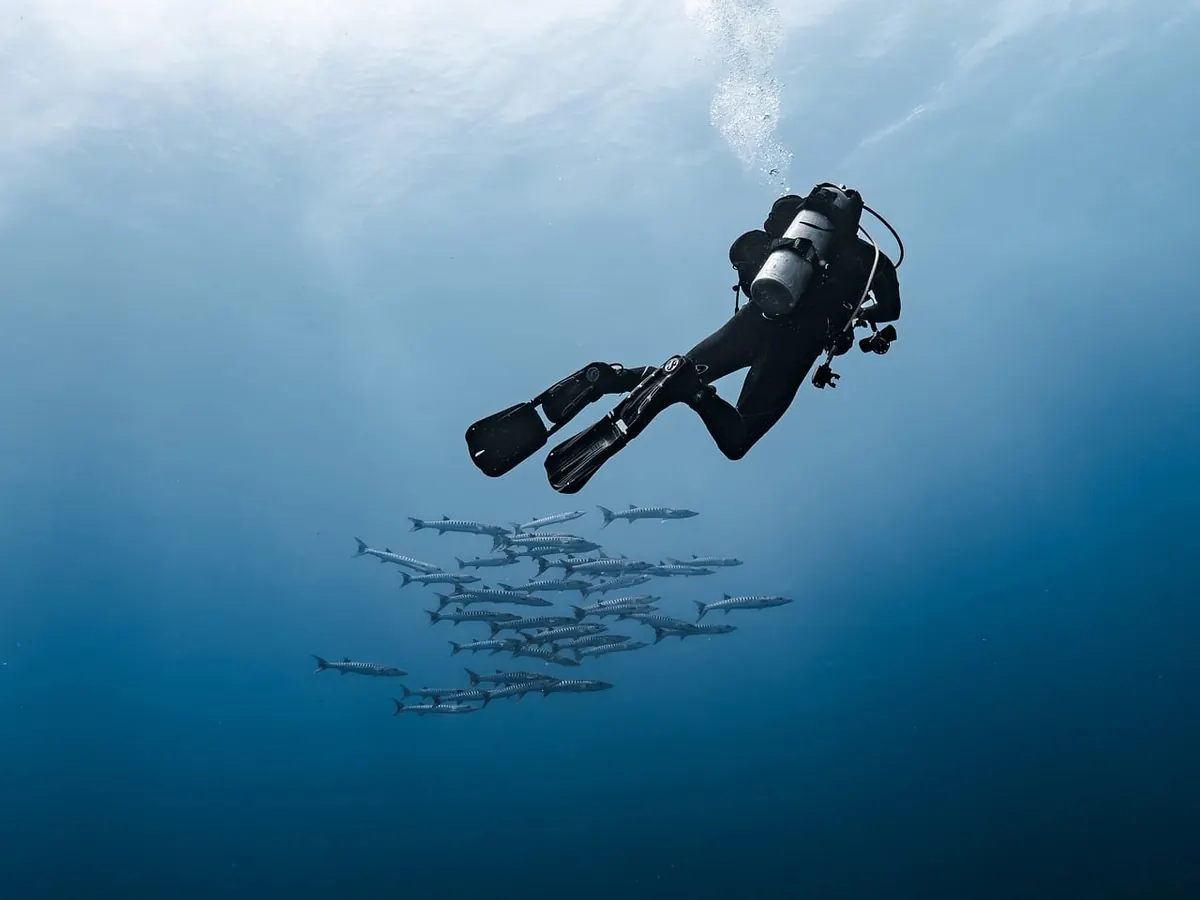
Hurghada is one of the best places in the world to learn to dive. The water is warm and clear, many dive sites are sheltered and only a short boat ride away, and there are dozens of established dive centres with multilingual instructors.
Most beginners start with a "try dive" (Discover Scuba Diving) – a short lesson in shallow water followed by a guided dive. If you enjoy it, an Open Water course usually takes three to four days and qualifies you to dive anywhere in the world. Experienced divers can explore reefs such as Carless Reef and El Fanadir, wrecks such as the El Mina, and the famous Abu Nuhas wrecks and SS Thistlegorm on longer day trips or liveaboards.
Choose a centre affiliated with PADI or SSI, with well-maintained equipment, small groups and good recent reviews. Take dive insurance, and remember not to fly within about 24 hours of your last dive.
5. Watch dolphins responsibly
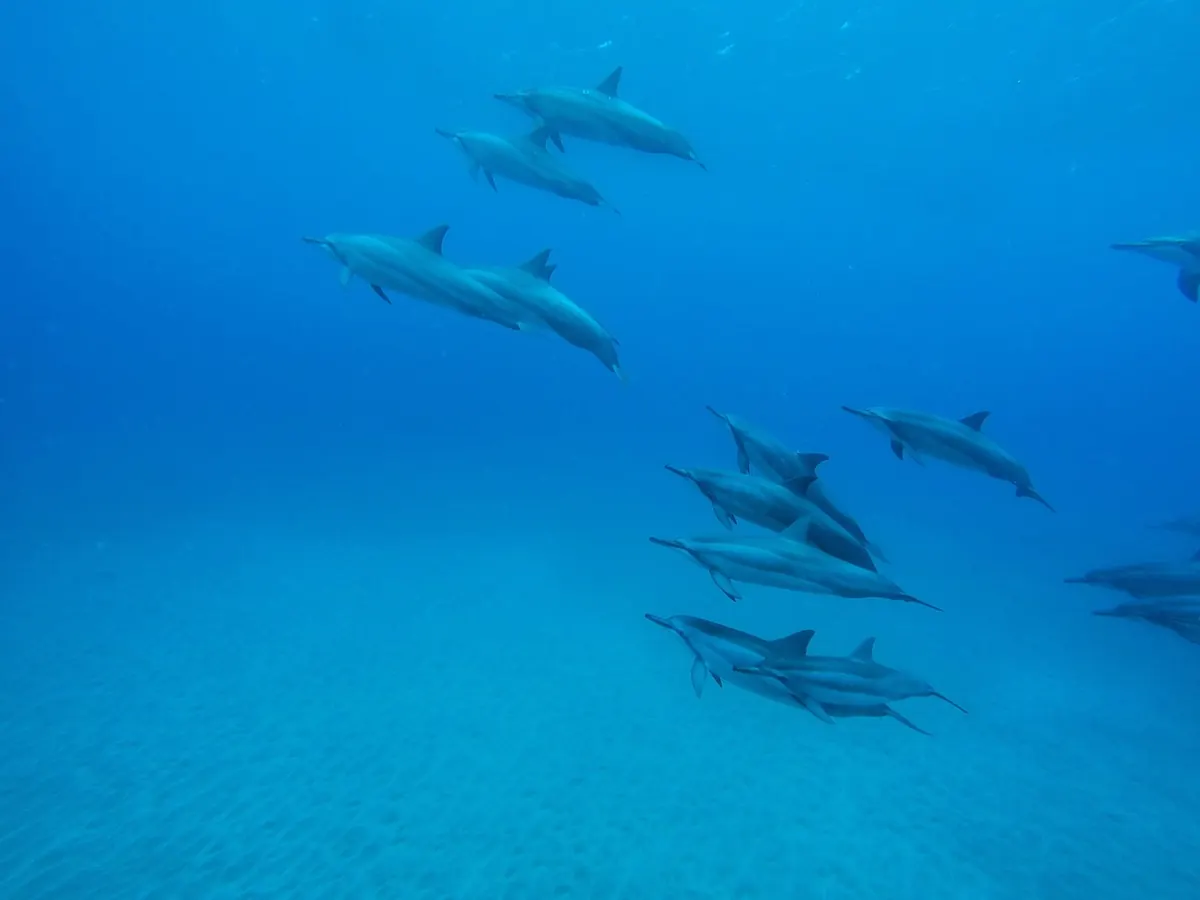
Spinner dolphins regularly rest in sheltered reef lagoons near Hurghada, and "dolphin house" boat trips are popular. Seeing them in the wild is unforgettable, but it should be done carefully: the dolphins come to these lagoons to sleep and recover, and crowds of boats and swimmers can disturb them.
Choose an operator that keeps its distance, limits the number of people in the water and never chases or encircles the dolphins. In the water, swim calmly, don't try to touch them and let them decide how close to come. Sightings are never guaranteed – a responsible trip is still a great day of snorkelling even if the dolphins don't appear.
6. Try kitesurfing or windsurfing
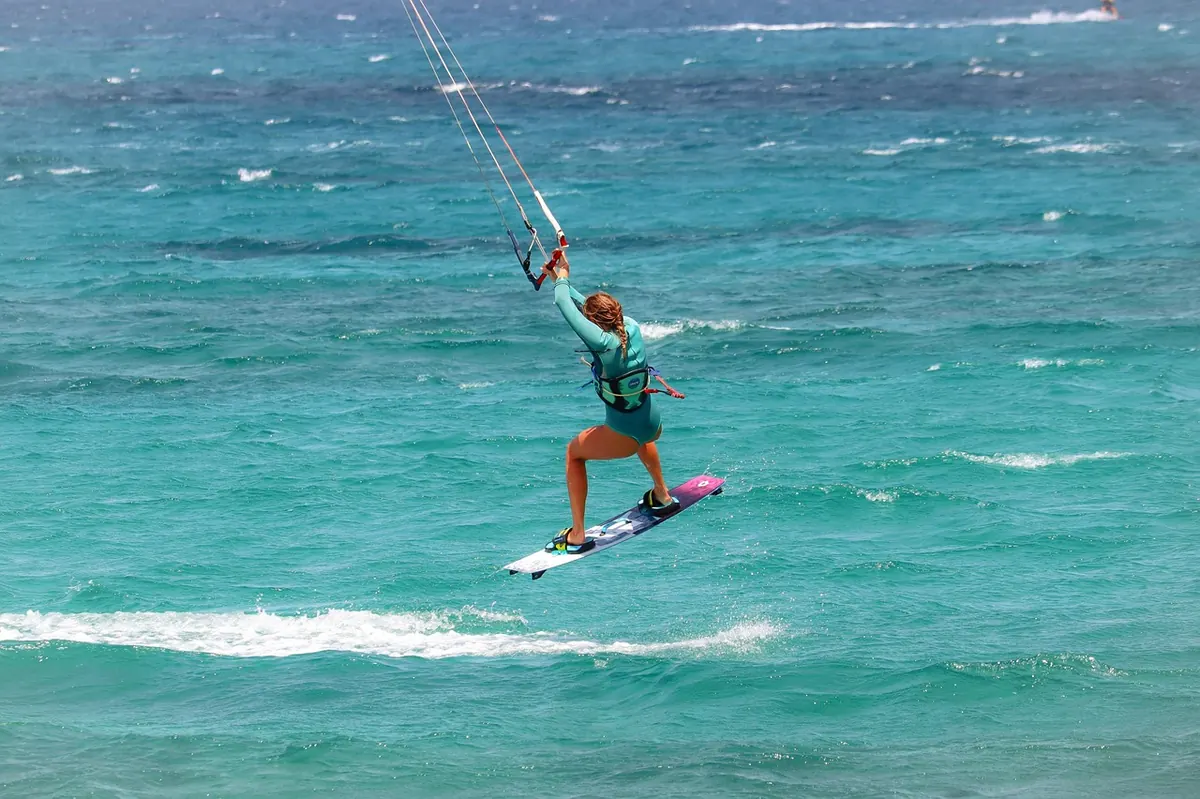
Steady, reliable winds make the Red Sea coast one of the world's best places to kitesurf and windsurf. The windiest months are typically spring and summer, but there is wind on most days for much of the year.
El Gouna, Soma Bay and several spots north of Hurghada have professional schools with flat, shallow water that's ideal for beginners. A beginner kitesurfing course takes several days; windsurfing is quicker to pick up. Schools rent all the equipment, and many have shaded beach stations with cafés.
7. See the reef from a semi-submarine
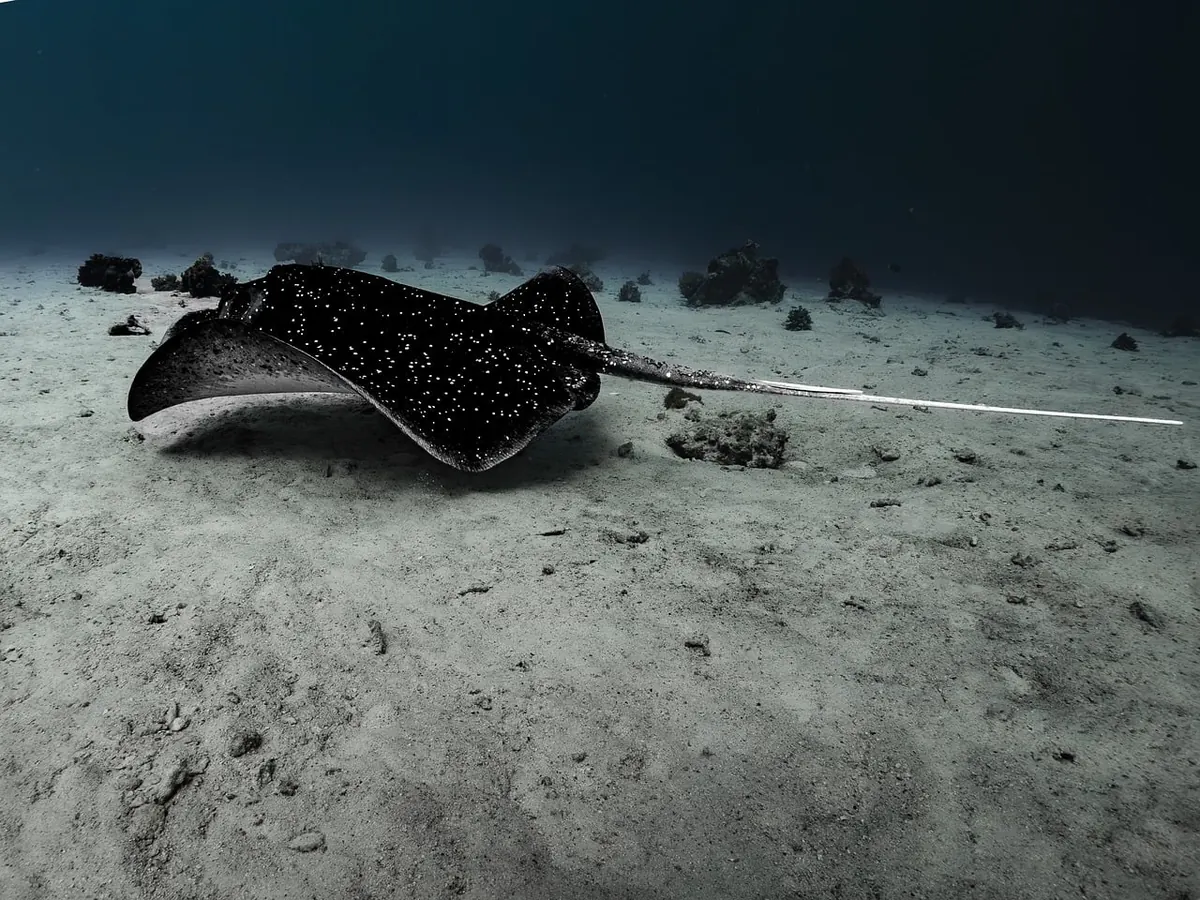
Not everyone wants to put their face in the water, and that's fine. Semi-submarines and glass-bottom boats let non-swimmers, young children and older travellers see the coral and fish through large underwater windows.
Trips usually last one to two hours and visit a nearby reef. Some include a stop where confident swimmers can snorkel while others stay on board. It's also a good option on a day when the sea is too choppy for snorkelling from the beach.
You climb down into the glass-walled cabin, the boat chugs out over the reef and the windows fill with blue light and fish. Children kneel on the benches with their noses against the glass, and when a diver feeds the fish outside, the water suddenly boils with colour. It's dry, easy and fun – perfect for non-swimmers and grandparents.
On land
8. Spend an evening at Hurghada Marina
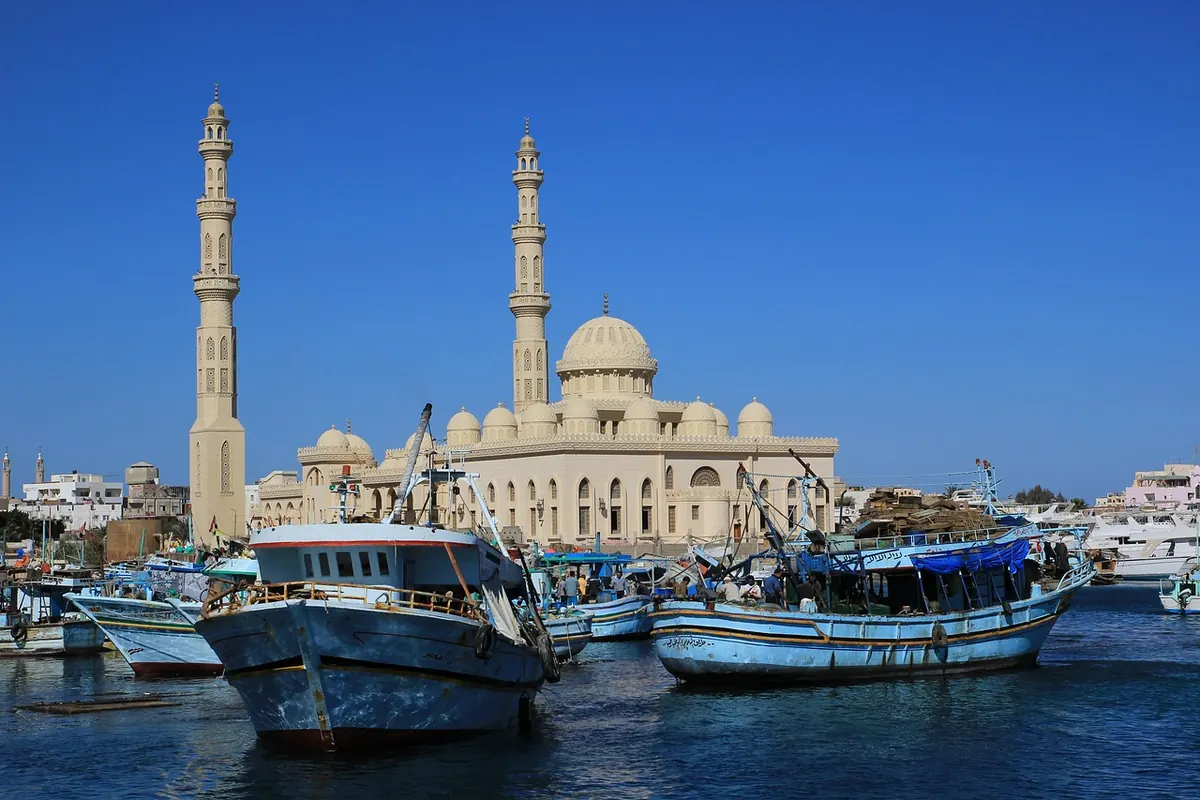
The New Marina in Sakkala is Hurghada's favourite evening spot. Restaurants, cafés, bars and ice-cream shops line a pedestrian promenade around the yacht harbour, and the whole area is lit up after dark. It's a relaxed place to walk, have dinner and watch the boats.
Prices are higher than in the old town but still reasonable by European standards. The marina is also where many day boats and fishing trips depart, so it's worth a daytime visit to compare trips.
The yachts bob gently against the quay, the promenade lights flicker on one by one and the smell of grilled seafood drifts from the restaurant terraces. It's the most polished corner of Hurghada – lovely for a sunset walk and a drink, though meals here cost more than in town.
9. Explore El Dahar, the old town
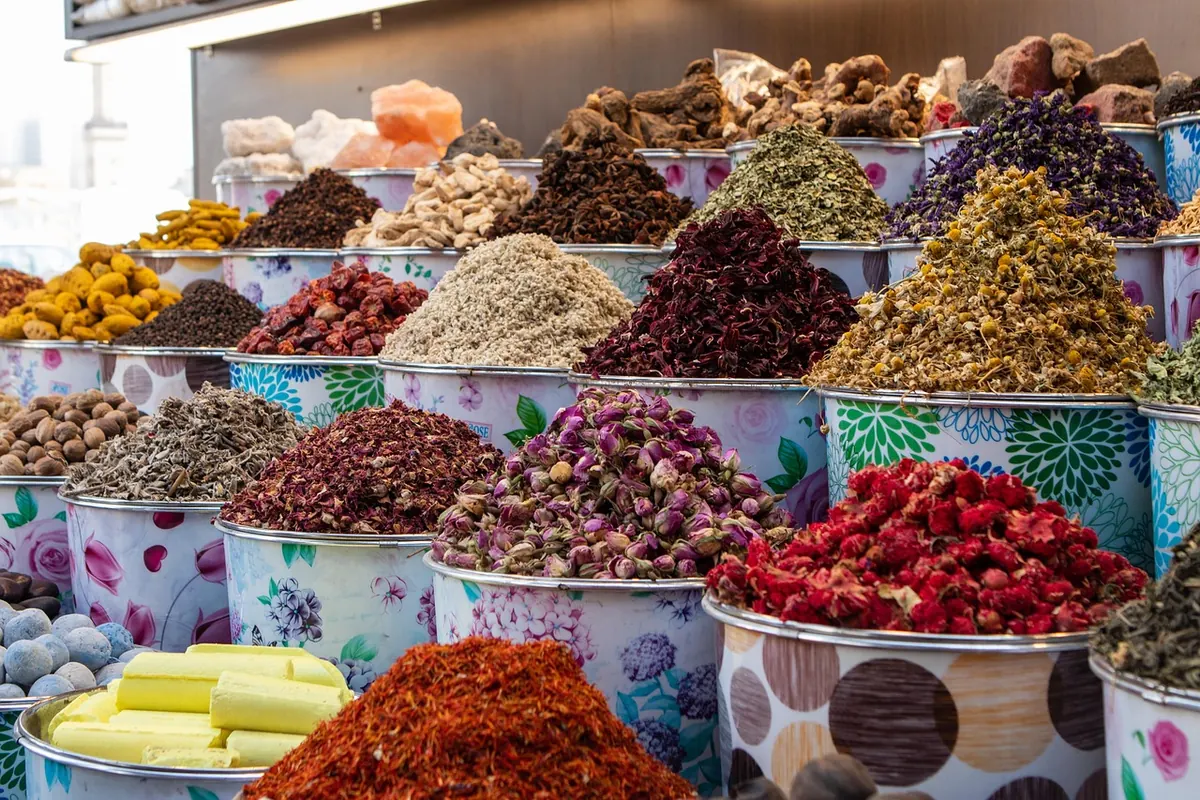
El Dahar is Hurghada's original town and still its traditional heart. This is where locals shop, eat and go to the mosque, and a visit shows a very different side of the resort.
Wander through the souk for spices, dried hibiscus (karkadeh), cotton clothes and souvenirs, and try simple local restaurants for koshari, ful, taameya (Egyptian falafel) and fresh fish cooked to order. Agree prices before buying, bargain with a smile and dress modestly out of respect – shoulders and knees covered is a good rule. Evenings are the liveliest time to visit.
Here Hurghada stops being a resort. The streets are full of the sounds of everyday life – car horns, shopkeepers calling out, the call to prayer from the minarets – and the air smells of spices, fresh bread and sugarcane juice. It's the place for a cheap, delicious local dinner and a bit of good-humoured haggling.
10. Visit the Hurghada Grand Aquarium
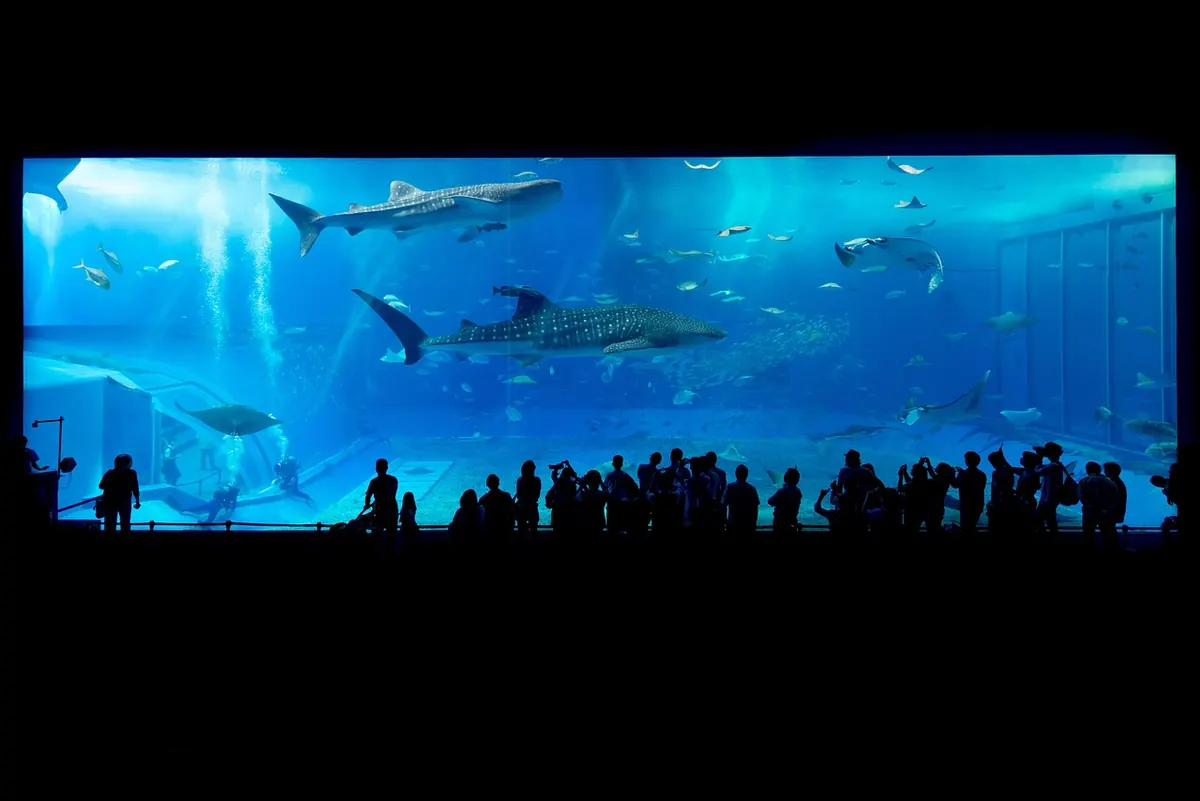
The Grand Aquarium is a good option for families on a windy or very hot day. Large tanks hold sharks, rays, moray eels, turtles and many of the fish you'll see on the reef – a helpful introduction for children before their first snorkel. There is also a small zoo area with animals from the region.
Allow two to three hours, and check the opening times and feeding sessions before you go.
Walk through the glass tunnel as sharks circle overhead and children shriek with delight at every passing ray. It's a good choice for a windy day or for little ones who can't yet snorkel. Ask about extra camera fees at the entrance.
11. Go on a desert safari
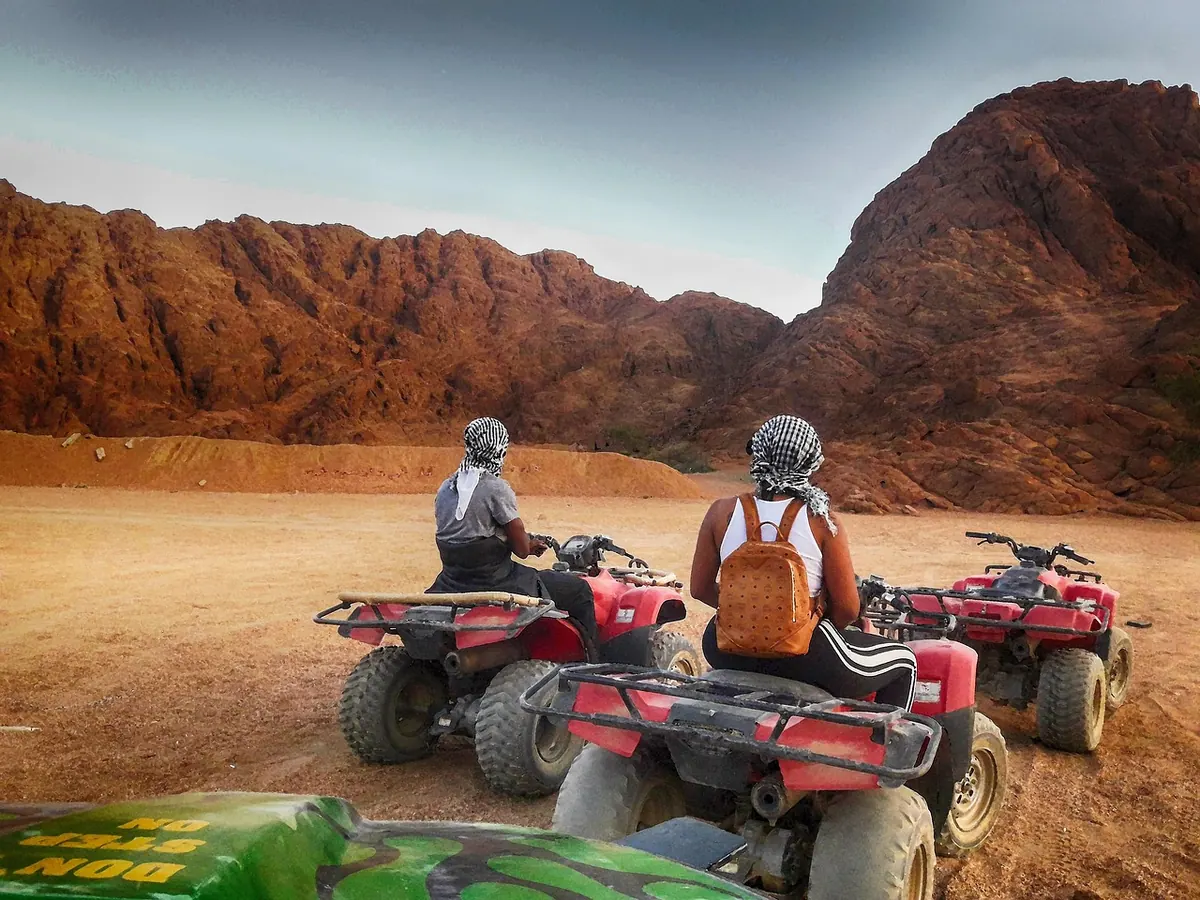
Hurghada sits at the edge of the Eastern Desert, a landscape of rocky mountains and wide sandy valleys. Afternoon safaris usually combine quad biking or a jeep ride with a camel ride, a visit to a Bedouin camp, tea and bread baked on hot coals, a sunset view and dinner with a show under the stars.
Safety varies between operators. Look for trips that provide helmets, give a proper briefing, drive in small groups at sensible speeds and use well-maintained vehicles. Bring a scarf or buff for the dust, sunglasses and a light jacket – the desert gets surprisingly cold after dark in winter.
12. Walk the El Mamsha promenade
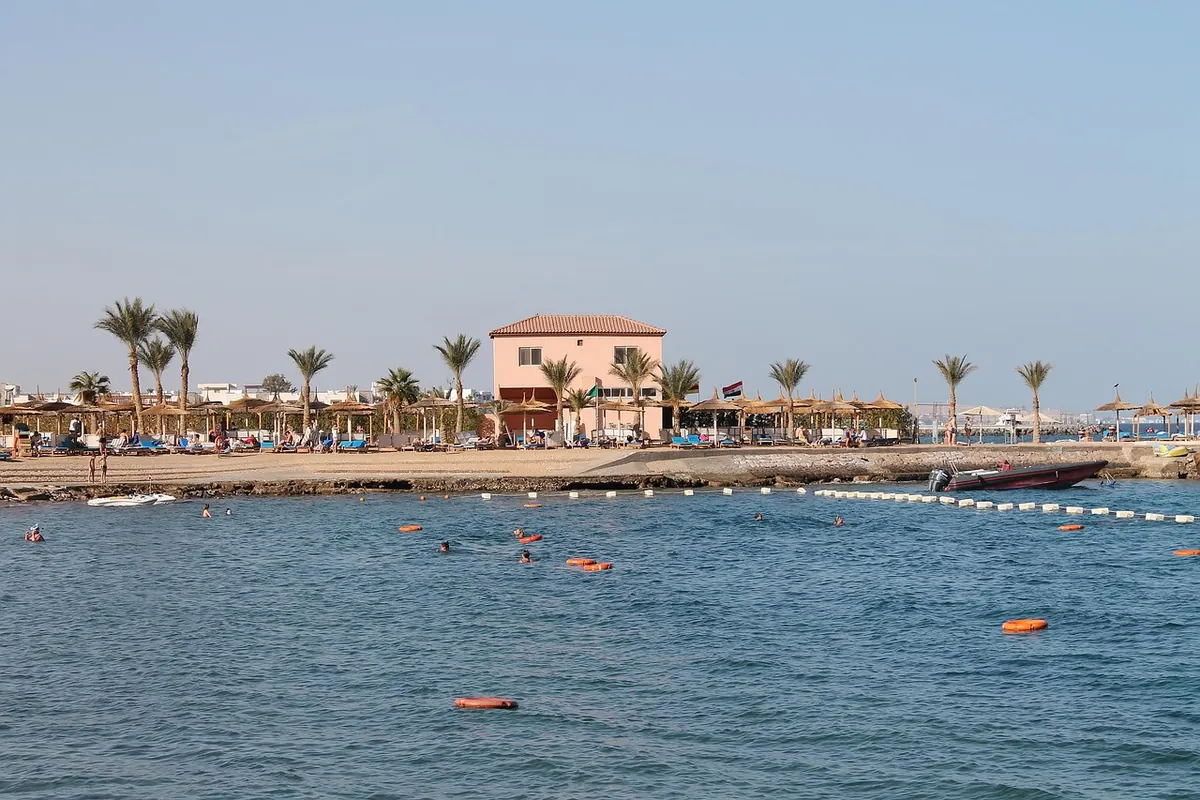
El Mamsha (the "walkway") is a long seafront promenade in the Village Road area, lined with hotels, restaurants, bars, cafés and shops. It's pleasant for an evening stroll once the heat of the day has gone, with sea views between the buildings.
The area around Sheraton Road and Village Road is where much of Hurghada's nightlife is concentrated, from quiet shisha cafés to beach bars and clubs.
Palms line the long walkway, the sea glints on one side and cafés, restaurants and shops glow on the other. In the evening it's lively and pleasant for a stroll after dinner, but some sellers can be pushy – keep walking, smile and say "la, shukran", and check menu prices before you sit down.
13. Visit El Gouna
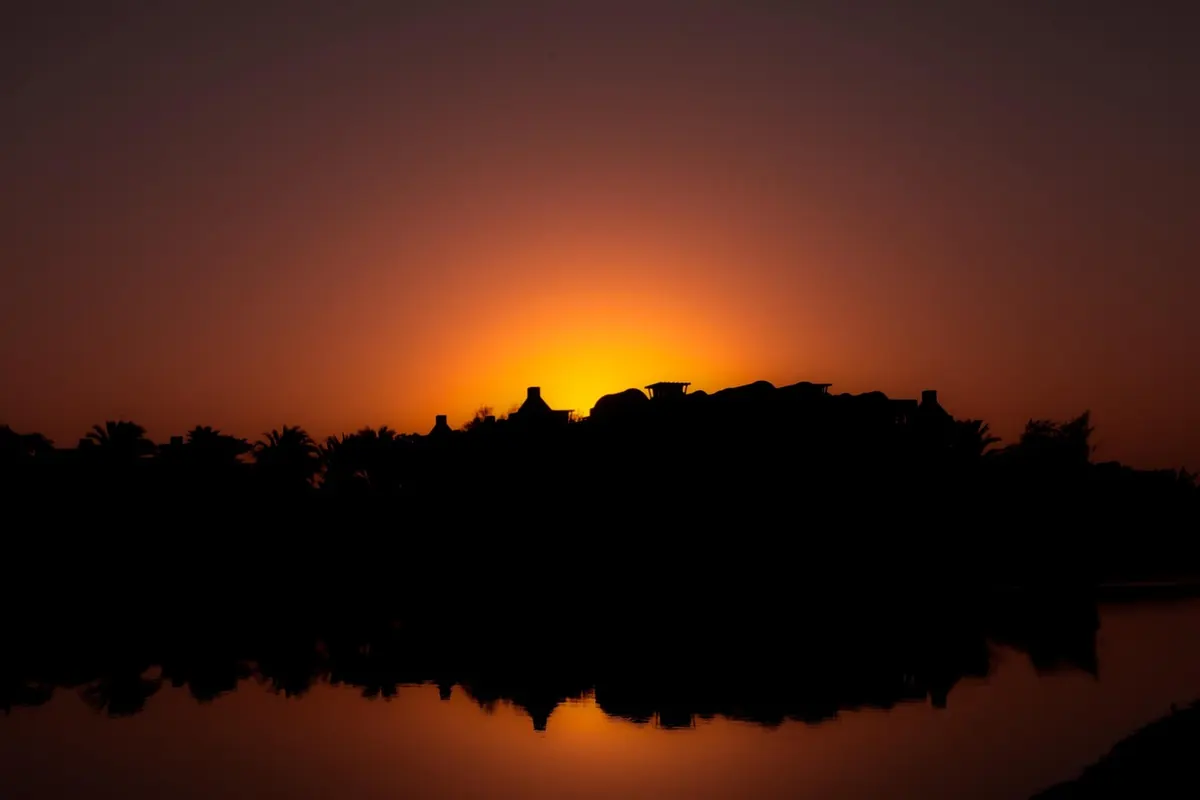
About 20–30 minutes north of Hurghada, El Gouna is a resort town built around lagoons and canals. It has a marina (Abu Tig), a walkable downtown with restaurants and shops, boutique hotels and some of Egypt's best kitesurfing.
It's worth at least a half-day visit even if you're staying elsewhere: take a boat or tuk-tuk ride along the lagoons, have lunch at the marina and stay for the sunset. See our full El Gouna travel guide.
Day trips
14. Luxor
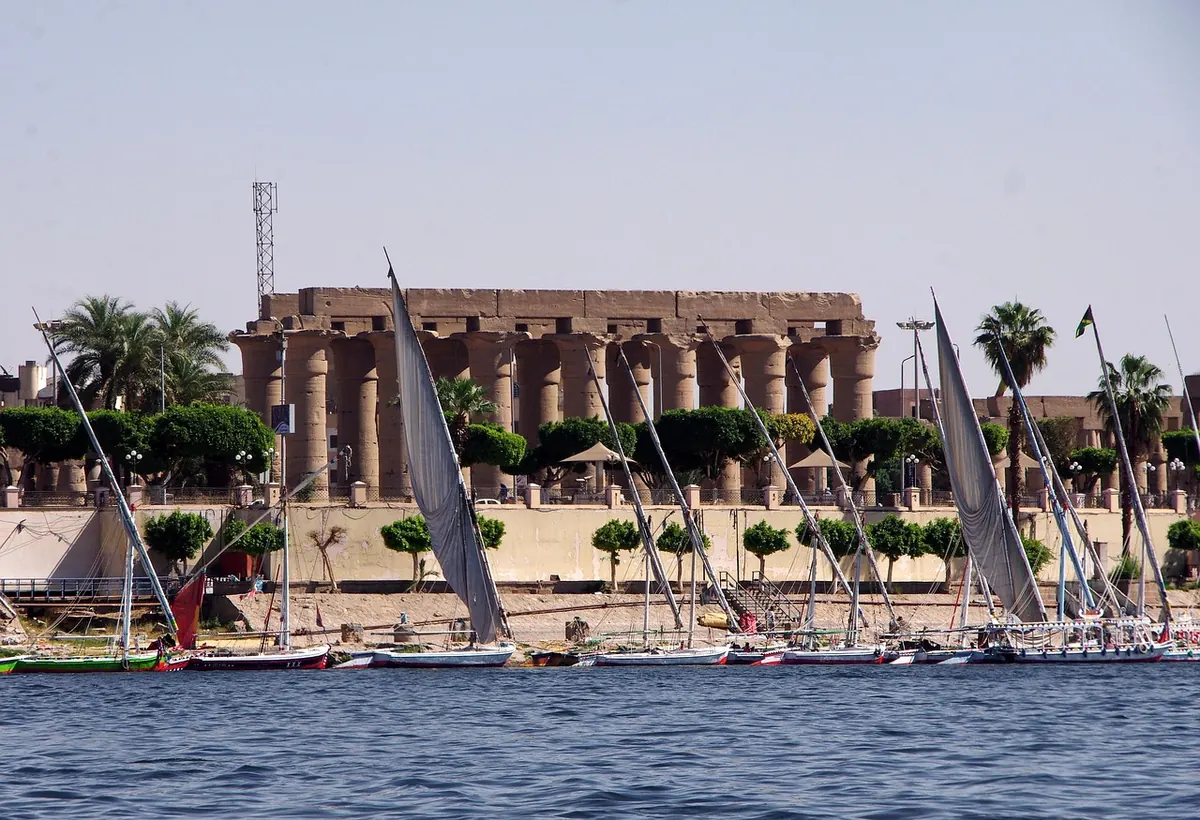
Luxor, the ancient city of Thebes, holds some of the world's greatest monuments: Karnak and Luxor temples on the east bank, and the Valley of the Kings, the Temple of Hatshepsut and the Colossi of Memnon on the west bank.
The drive takes about four hours each way, so a day trip means a very early start and a long day. If you can, stay one night – you'll have time for a sunrise hot-air balloon flight, a felucca on the Nile and a more relaxed look at the temples. See our guide to planning a Luxor day trip from Hurghada.
15. Cairo and the Pyramids
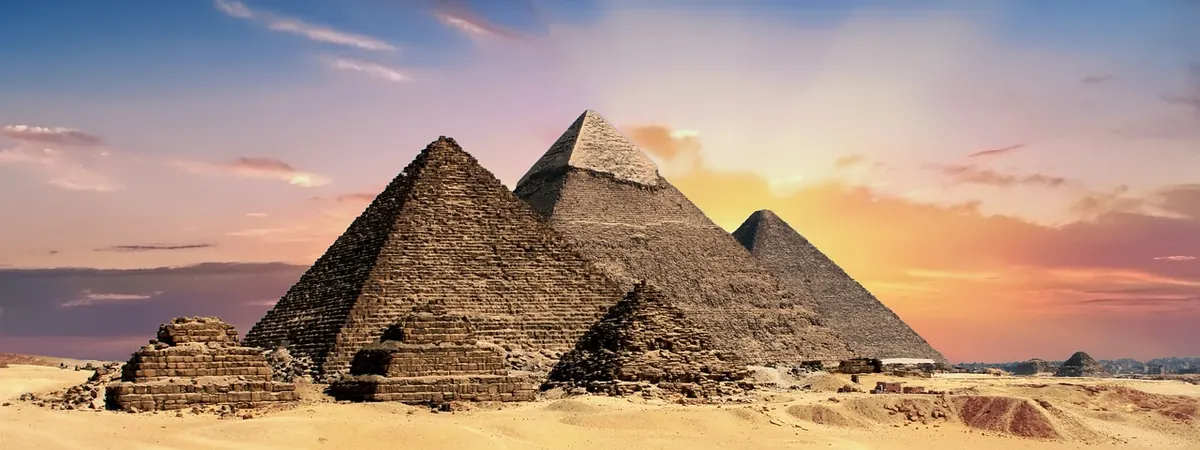
Cairo is about five to six hours away by road, or roughly an hour by plane. A two-day trip lets you see the Pyramids of Giza, the Sphinx and the Grand Egyptian Museum without rushing, with an evening in Khan el-Khalili bazaar.
Organised trips by road usually leave in the very early morning. Flying is more comfortable if you have limited time – check the current domestic flight schedules from Hurghada Airport.
When to visit Hurghada
Hurghada has sunshine almost every day of the year, but the seasons feel very different:
- Winter (December–February): warm days of around 20–24°C, cool evenings and a sea of about 22°C. Popular for winter sun; bring a jumper for boat trips and evenings.
- Spring (March–May): ideal for many travellers – warm, sunny and not yet hot. It can be windy, which is great for kitesurfing.
- Summer (June–September): hot, often above 35°C, with the warmest water. Plan activities for the morning and late afternoon.
- Autumn (October–November): warm sea and comfortable temperatures – one of the best times for snorkelling and diving.
How long to stay
- 4–5 days: beach time, one island boat trip and an evening in the Marina or El Dahar.
- 7 days: add a desert safari, a snorkelling or diving day and a day trip to Luxor.
- 10–14 days: time to relax, learn to dive or kitesurf, and visit both Luxor and Cairo.
Where to stay
| Area | Atmosphere | Best for | From the airport |
|---|---|---|---|
| Sakkala & the Marina | Lively, central | Couples, nightlife, short stays | 10–15 min |
| Village Road & El Mamsha | Beach hotels, bars | Mixed groups, budget to mid-range | 10–20 min |
| Sahl Hasheesh | Quiet bay, large resorts | House reefs, relaxing | 20–30 min |
| Makadi Bay | Sheltered, all-inclusive | Families | 30–40 min |
| El Gouna | Lagoon town, restaurants | Couples, kitesurfers, families | 30–40 min |
| Soma Bay | Remote peninsula | Peace, golf, kitesurfing | 45–60 min |
For a detailed comparison, see our guide to where to stay in Hurghada.
Getting around
Hurghada International Airport is unusually close to town, so transfers are short. On arrival, you can take a taxi, use a ride-hailing app where available or book a private transfer in advance. With taxis, agree the fare before you get in; with a pre-booked transfer the price is fixed and the driver waits for you even if your flight is late – the most relaxed option with children, luggage or a late-night arrival.
In town, taxis are plentiful and cheap, and local minibuses run along the main roads. Most resorts in Sahl Hasheesh, Makadi Bay and Soma Bay run shuttle buses into town on certain days.
Practical tips
- Visa: most visitors need a tourist visa. Apply on the official e-visa portal, or check whether your nationality can buy one on arrival.
- Money: the Egyptian pound is the local currency. Cards are widely accepted in hotels and larger restaurants; carry small notes for tips, taxis and markets.
- Tipping: tipping (baksheesh) is part of daily life – small amounts for porters, boat crews, guides and restaurant staff are appreciated.
- Dress: swimwear is fine on hotel beaches; cover shoulders and knees in town and when visiting mosques.
- Health: drink bottled water, use high-factor sunscreen and stay hydrated, especially in summer.
- Connectivity: buy a local SIM at the airport or use a travel eSIM set up before you fly.
Comparing the Red Sea resorts? Read our guide to Hurghada, Marsa Alam or Sharm el-Sheikh, and plan family time with our Red Sea family holiday guide.
Frequently asked questions
How far is Hurghada Airport from the hotels?
Hurghada International Airport is very close to town: most hotels in Hurghada are 10–25 minutes away, Sahl Hasheesh and Makadi Bay around 25–40 minutes, El Gouna around 30–40 minutes and Soma Bay about 45 minutes to an hour.
Is Hurghada good for snorkelling?
Yes. Many hotels have house reefs or jetties, and boat trips to the Giftun Islands and offshore reefs offer some of the most accessible snorkelling in the world, with clear water and colourful coral.
What is the weather like in Hurghada?
Hurghada has sunshine almost all year. Summer is hot (often above 35°C), spring and autumn are warm and pleasant, and winter days are mild at around 20–24°C, with cooler evenings and a sea temperature of about 22°C.
Do I need a visa for Hurghada?
Most visitors need an Egyptian tourist visa, available online through the official e-visa portal or on arrival at Hurghada Airport for many nationalities. Check the current rules for your passport before you travel.
Is Hurghada safe for tourists?
Hurghada is a well-established resort town and millions of tourists visit every year. Take normal precautions: use reputable tour operators, agree prices in advance and follow your government's latest travel advice.
Is Hurghada or Sharm el-Sheikh better?
Hurghada has more variety in town – a marina, an old town and easy day trips to Luxor – while Sharm el-Sheikh has some of the Red Sea's most famous reefs at Ras Mohammed and Tiran. Both are excellent for snorkelling and diving.
Keep reading
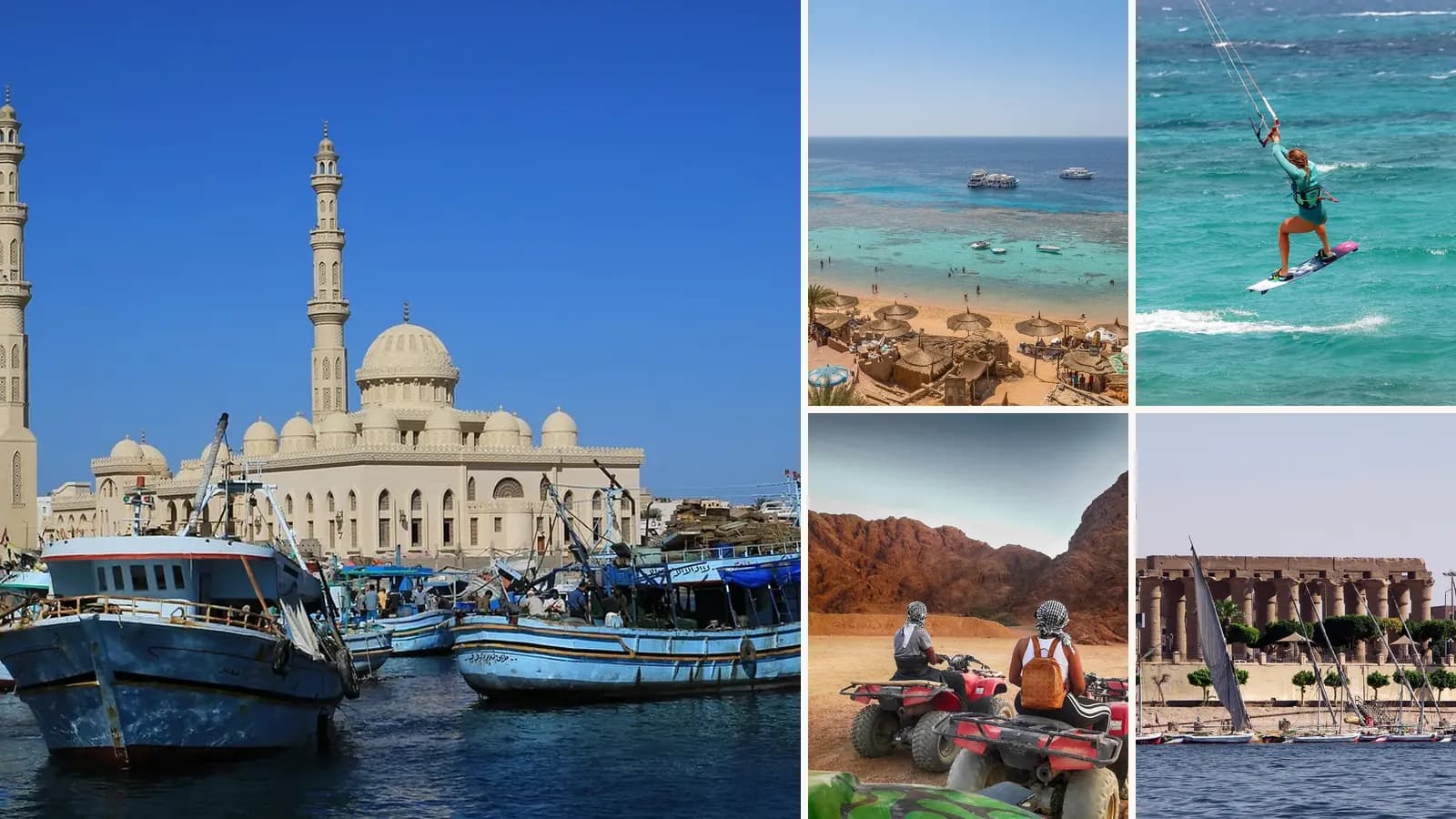
Red Sea Family Holidays in Egypt: Hurghada, El Gouna & the Best Resort Areas
Hurghada, El Gouna, Makadi Bay, Sahl Hasheesh and Soma Bay compared for families – plus the best boat trips, snorkelling, desert safaris and tips for kids.
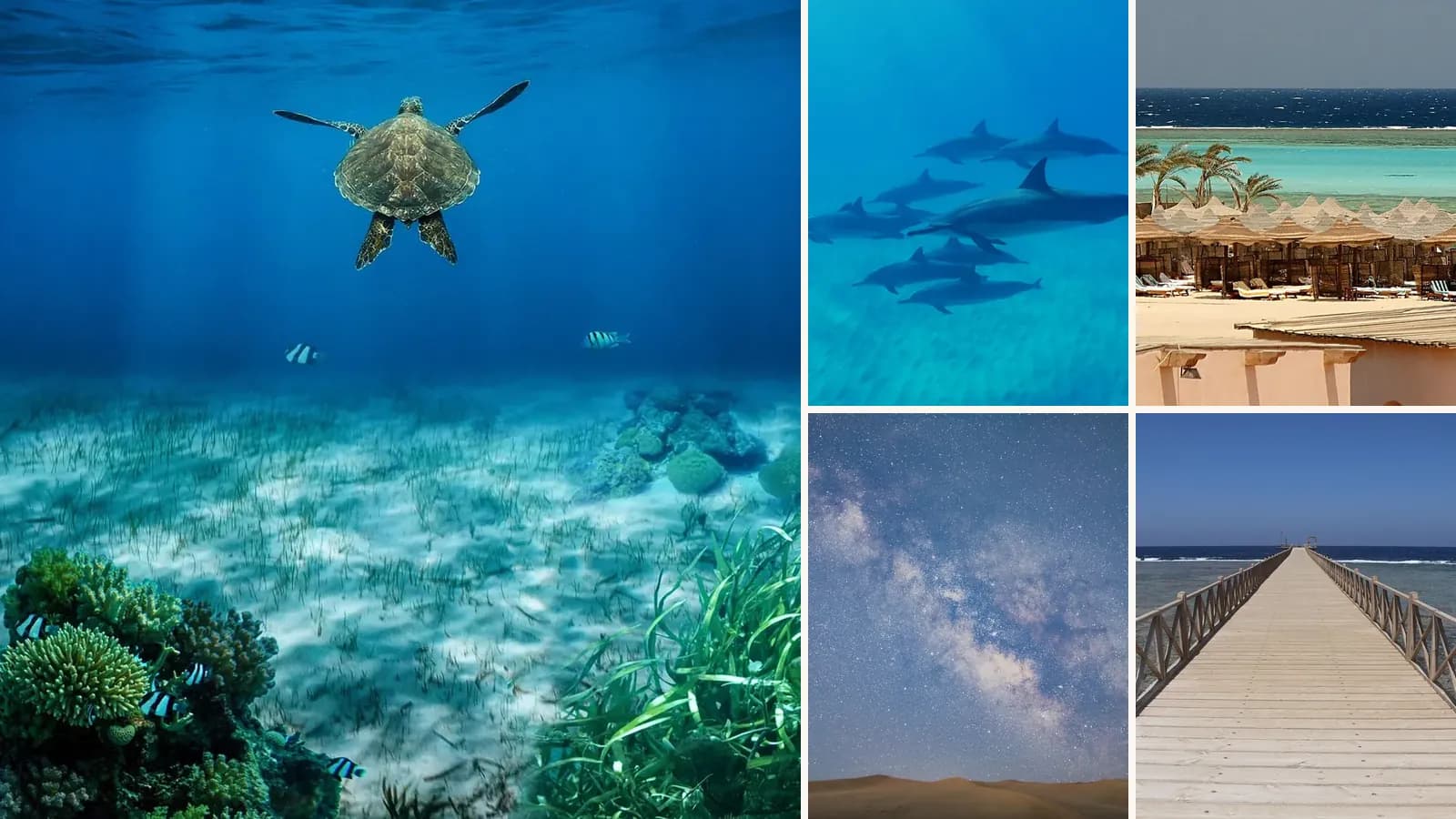
Marsa Alam Travel Guide: Turtles, Dugongs and the Red Sea's Best Reefs
Snorkel with turtles at Abu Dabbab, look for dugongs, dive Elphinstone and explore Wadi El Gemal – the best things to do in Marsa Alam on Egypt's southern Red Sea.
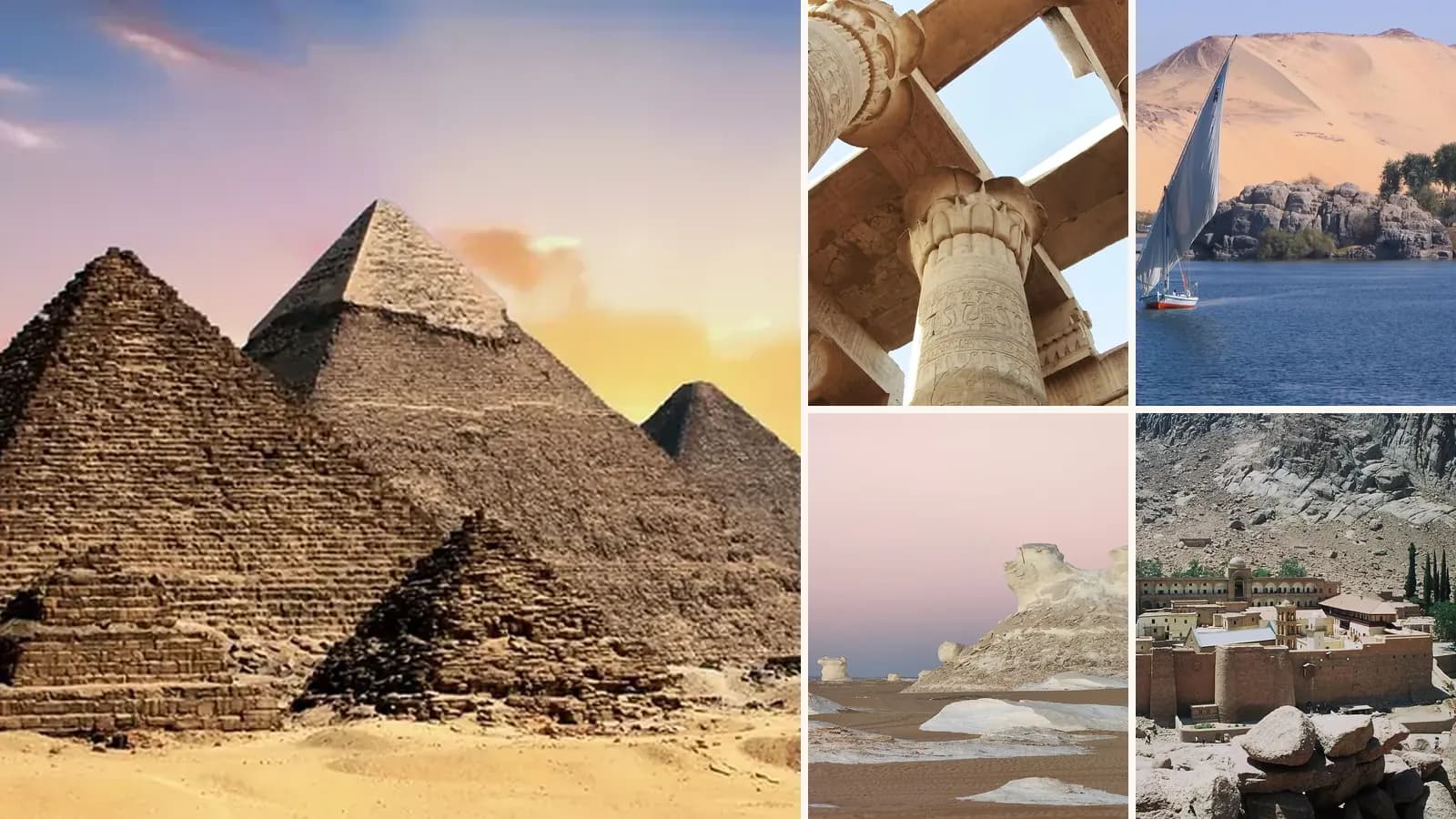
15 Best Places to Visit in Egypt
The Pyramids and the Grand Egyptian Museum, Luxor, Aswan, Abu Simbel, a Nile cruise, the Red Sea and the desert oases – the best places to visit in Egypt, with tips.
Hurghada Airport Transfer: Taxi, Shuttle or Private? Prices Compared (2026)
Hurghada Airport to your hotel in 2026: taxi, Uber, shuttle or private transfer compared, with real prices to Makadi, El Gouna, Sahl Hasheesh and Soma Bay.