Egyptian Food: 12 Dishes You Have to Try in Egypt
Koshari, ful medames, ta'ameya, molokhia, feteer, Alexandrian seafood and om ali – the Egyptian dishes and drinks you should try, and tips for eating out in Egypt.

Some links in this guide are partner links: if you buy through them we may earn a small commission, at no extra cost to you. It never affects what we recommend. How we make money
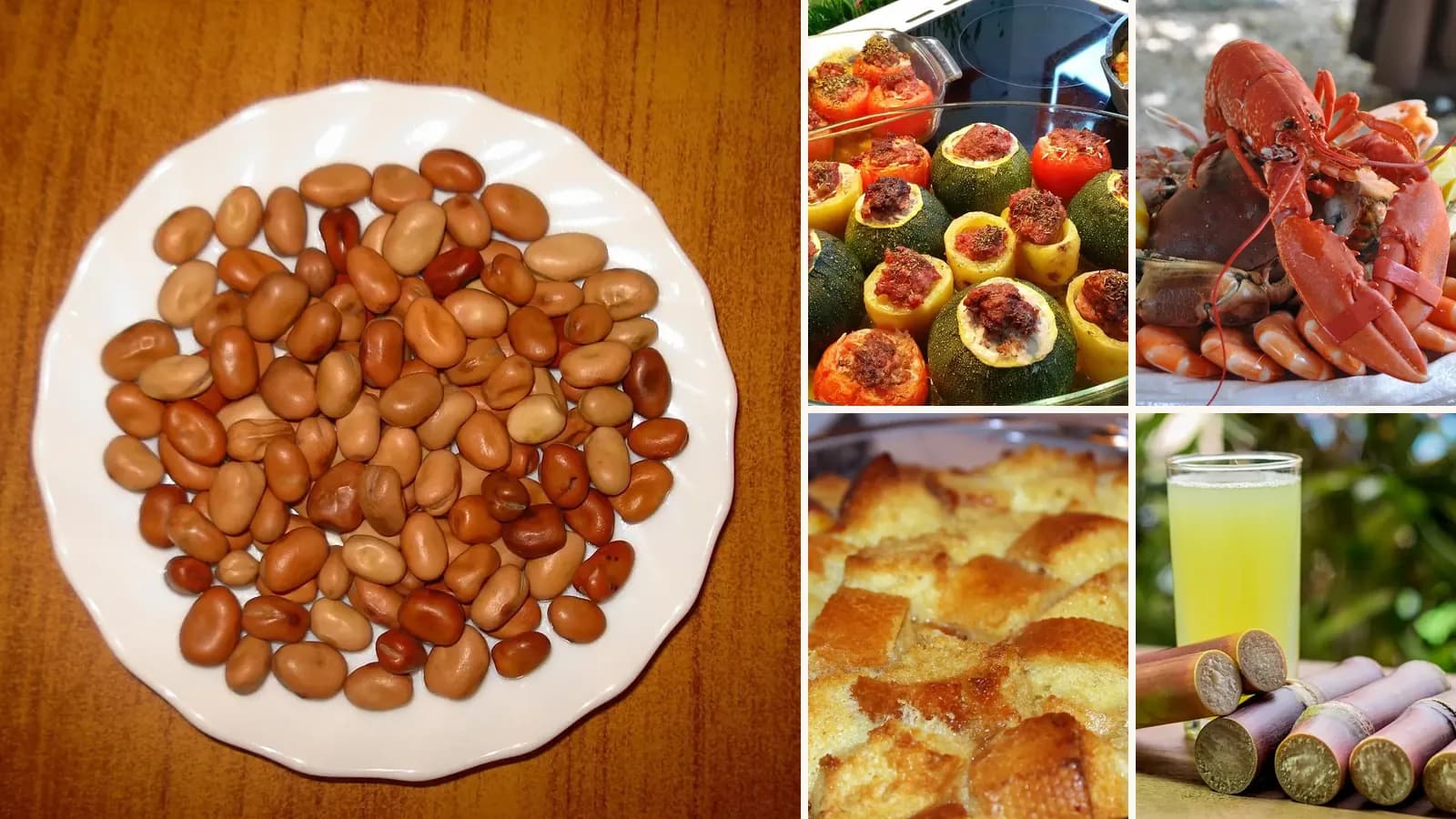
Egyptian food is hearty, generous and mostly cheap – built on beans, lentils, rice, bread and vegetables, with plenty of garlic, cumin and lemon. Much of the best food comes from street stalls and simple family restaurants. These are the dishes to look for on your trip.
Street food classics
1. Koshari
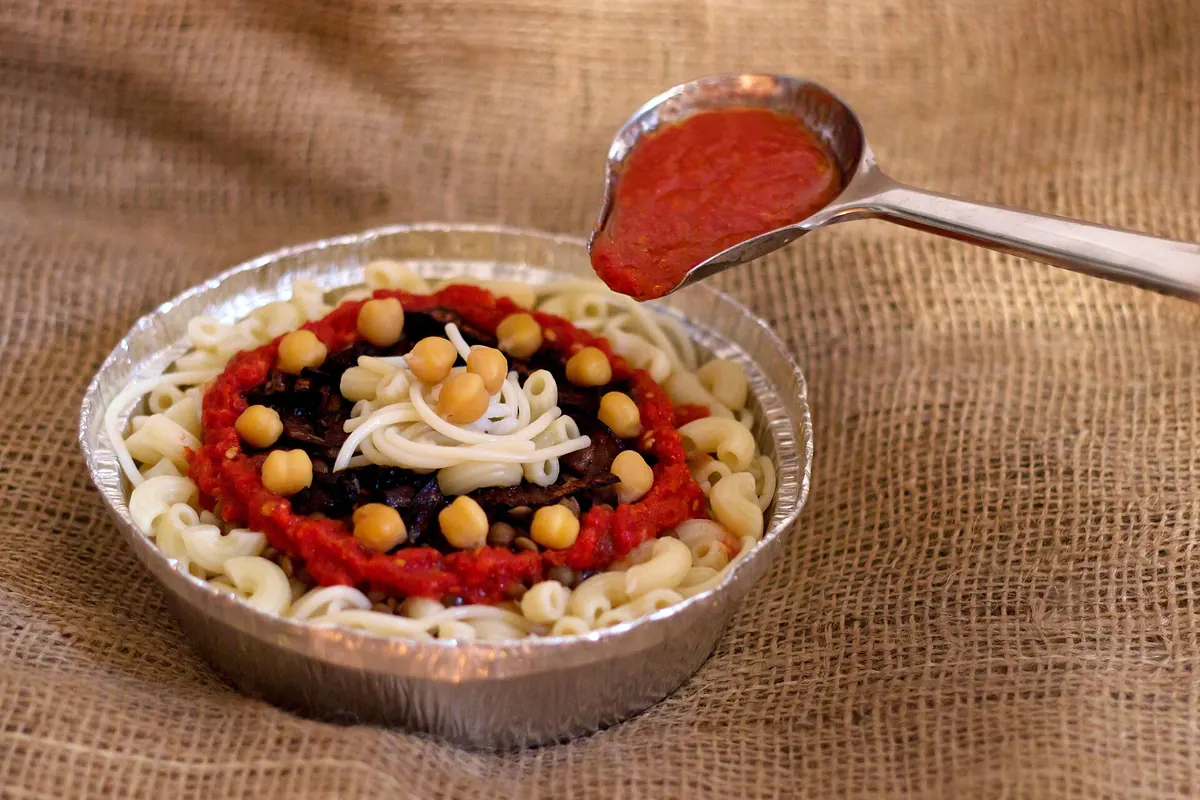
Egypt's most famous dish layers rice, lentils, macaroni and chickpeas under a spicy tomato sauce, garlicky vinegar and crispy fried onions. Specialist koshari shops serve nothing else.
The koshari shop is loud, bright and fast: the clang of metal spoons on huge pots, a server layering rice, lentils, macaroni and chickpeas into a bowl in seconds, then crowning it with crispy fried onions. At the table you add as much spicy tomato sauce, garlic vinegar and chilli as you dare. It's filling, cheap and comforting – and best eaten in a busy local place where the turnover keeps it fresh.
2. Ful medames
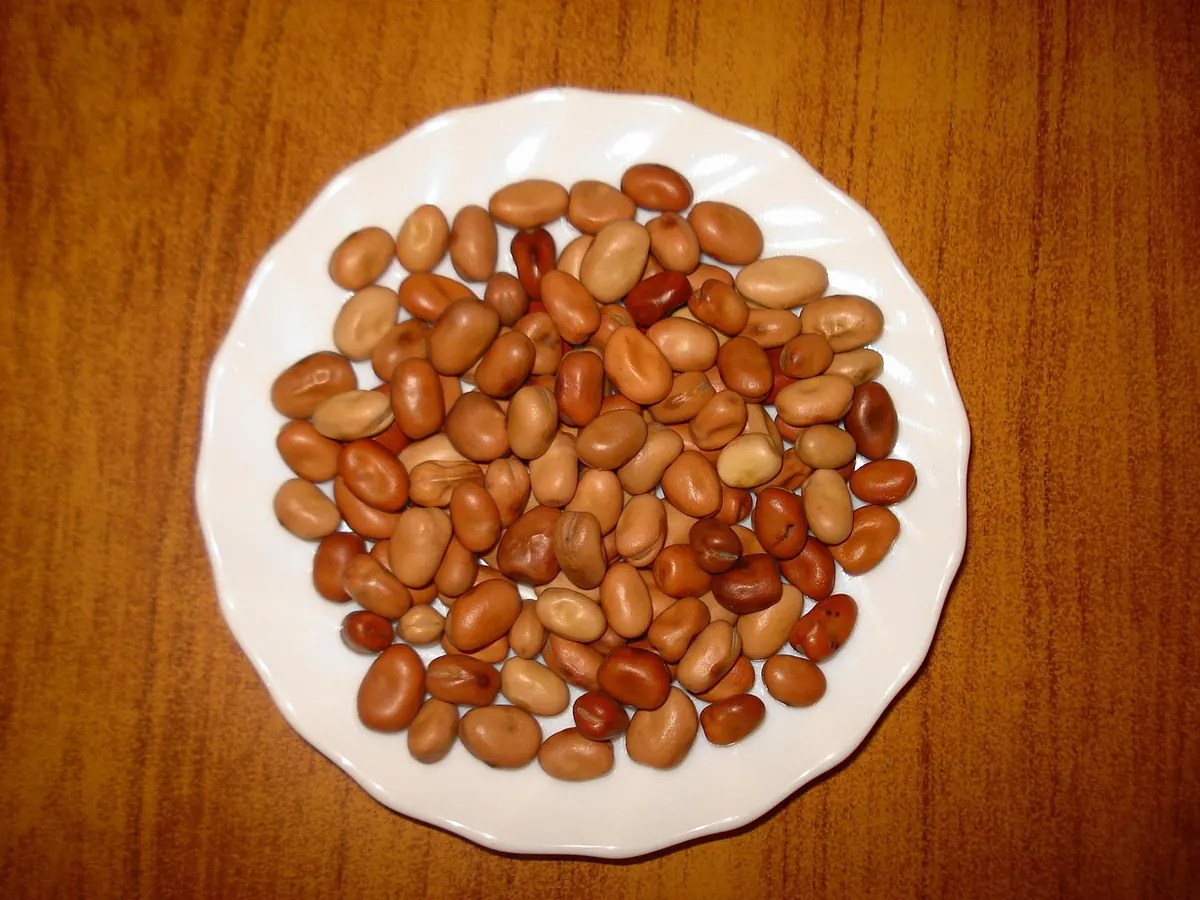
Slow-cooked fava beans mashed with oil, cumin and lemon are the breakfast of the nation, scooped up with baladi bread from street carts every morning.
Early in the morning, a cart parks on the street corner with a big copper pot of slow-cooked fava beans. The vendor ladles them out, mashes them with oil, cumin and lemon, and hands them over with warm baladi bread, pickles and fresh onions. Office workers eat standing up, chatting – this is breakfast for millions of Egyptians.
3. Ta'ameya
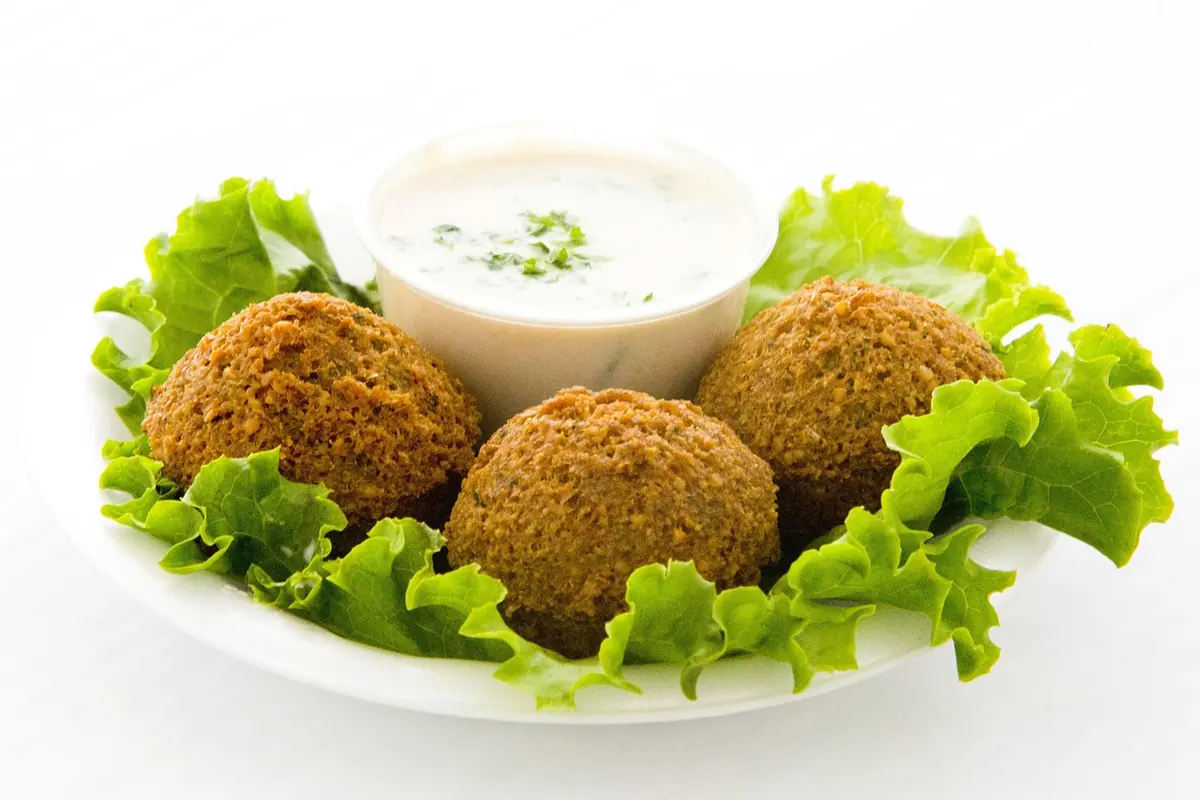
Egypt's falafel is made with fava beans rather than chickpeas, which makes it green inside, light and crisp. Eat it hot in a sandwich with tahini and salad.
You hear the sizzle before you see the stall: green patties of fava beans and herbs dropped into bubbling oil, coming out crisp and golden on the outside, bright green and fluffy inside. Wrapped in bread with tahini, salad and pickles and eaten while still too hot, it's one of the best cheap snacks in the world.
4. Hawawshi
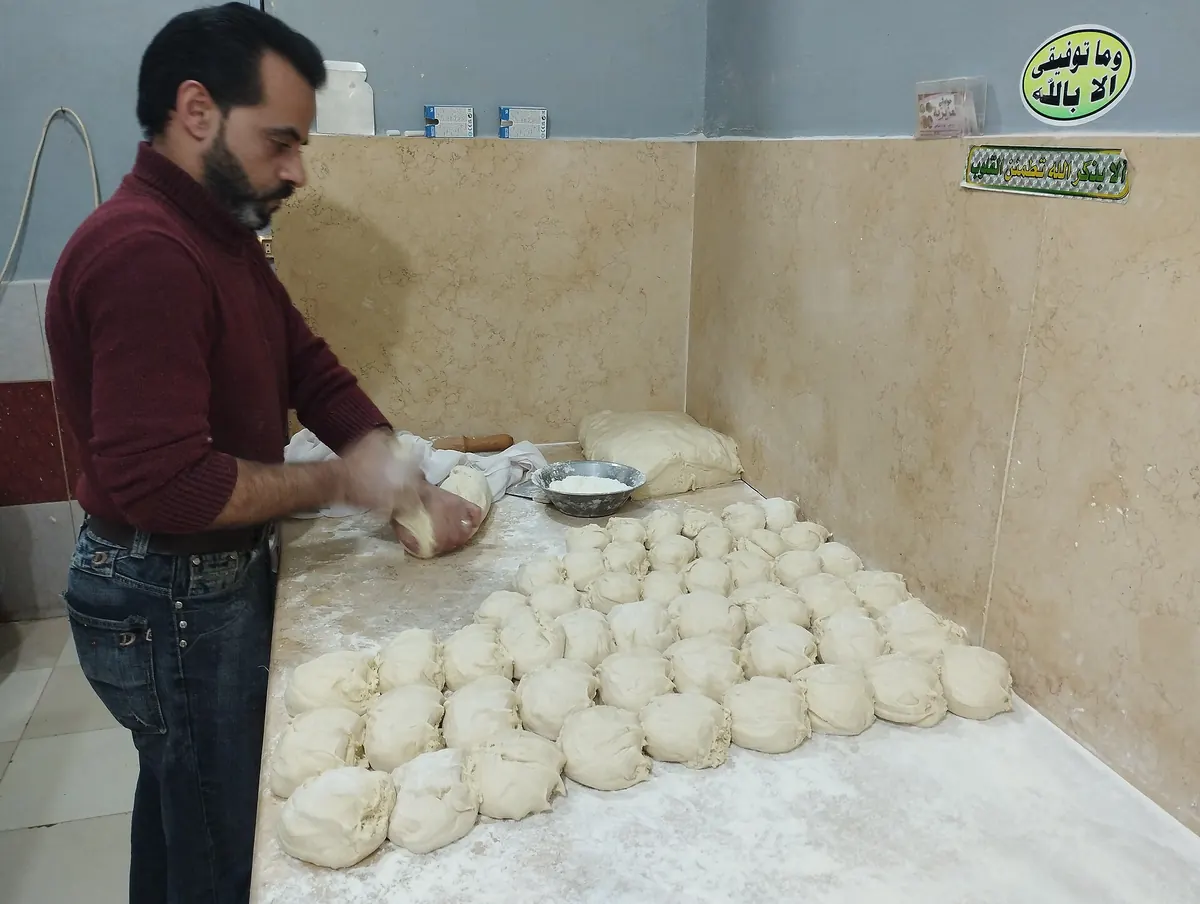
Spiced minced meat baked inside a round of bread until crisp – Egypt's answer to a meat pie, best straight from the oven.
The bread comes out of the oven crackling, its edges blistered and the smell of spiced minced meat, onion and chilli filling the room. Break it open carefully – the steam and the juices are scalding – and eat it with a squeeze of lemon and a few pickles.
5. Feteer meshaltet
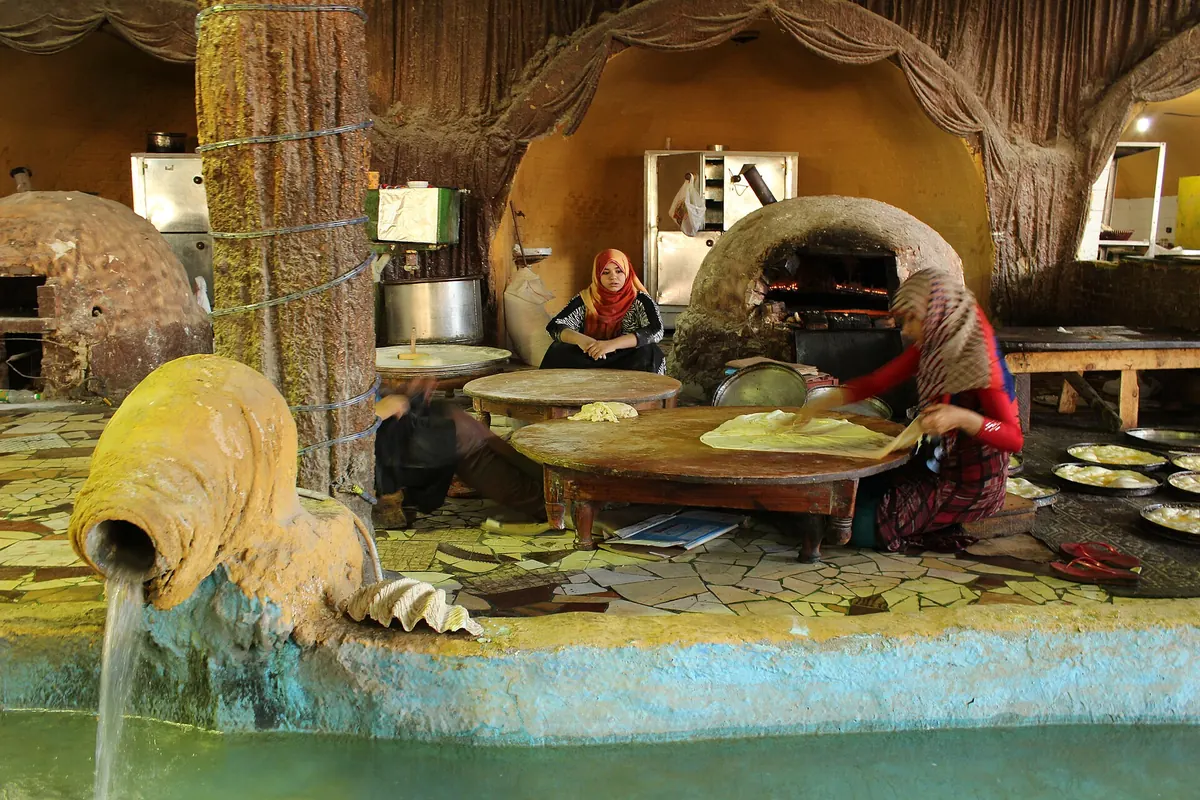
This flaky, layered pastry is served sweet with honey or cream, or savoury with cheese and meat. Watch the bakers stretch the dough until it's paper thin.
Watch the baker stretch the dough on a marble counter until it's almost transparent, fold it again and again with ghee and slide it into a wood-fired oven. It comes out puffed, flaky and glistening, and is served either sweet with honey, cream and powdered sugar or savoury with cheese and meat.
Home cooking
6. Molokhia
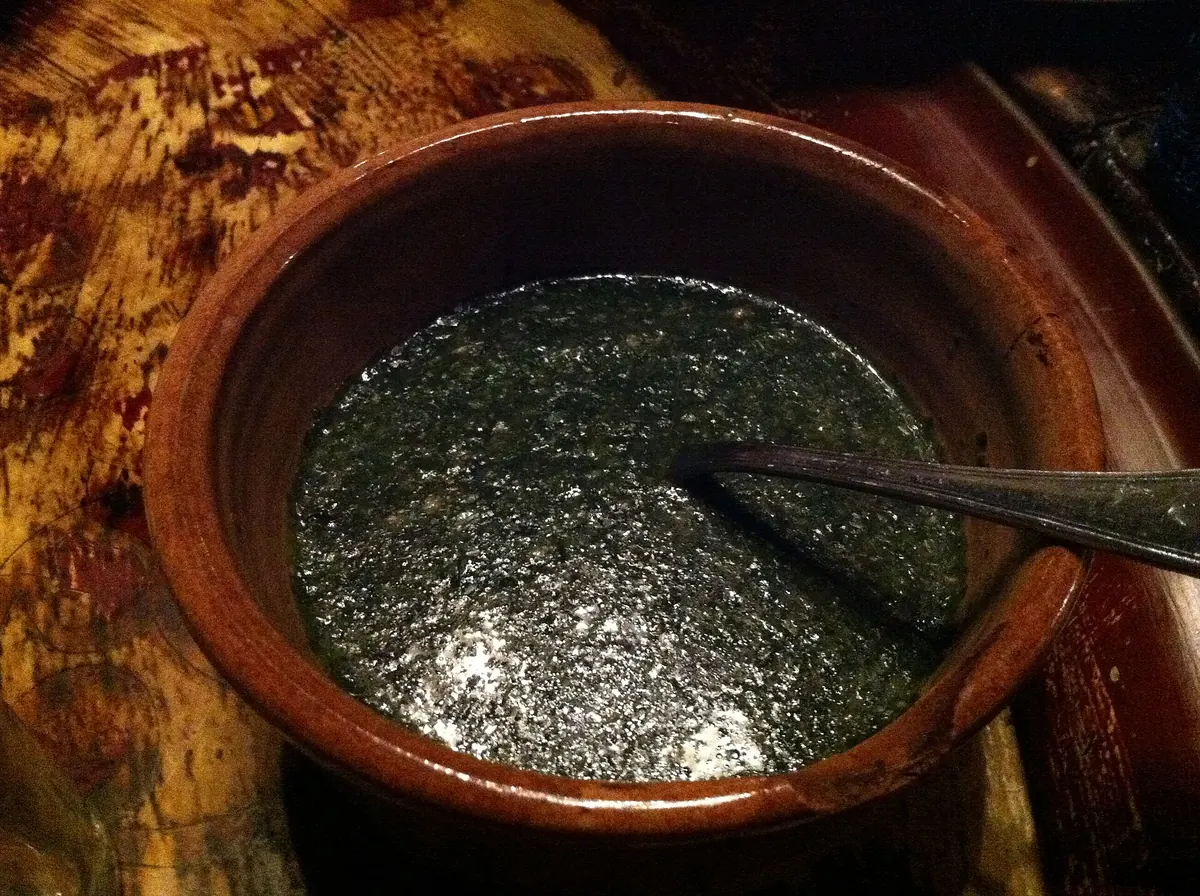
A green soup of finely chopped jute leaves with garlic and coriander, served with rice and chicken or rabbit. Its silky texture surprises first-timers.
It arrives as a deep green, silky soup – leafy, garlicky and comforting, with a texture that surprises first-timers. Egyptians spoon it over rice or scoop it up with bread, usually alongside chicken or rabbit. Listen for the hiss when the garlic and coriander are fried and poured on top; it's the smell of a home kitchen.
7. Mahshi
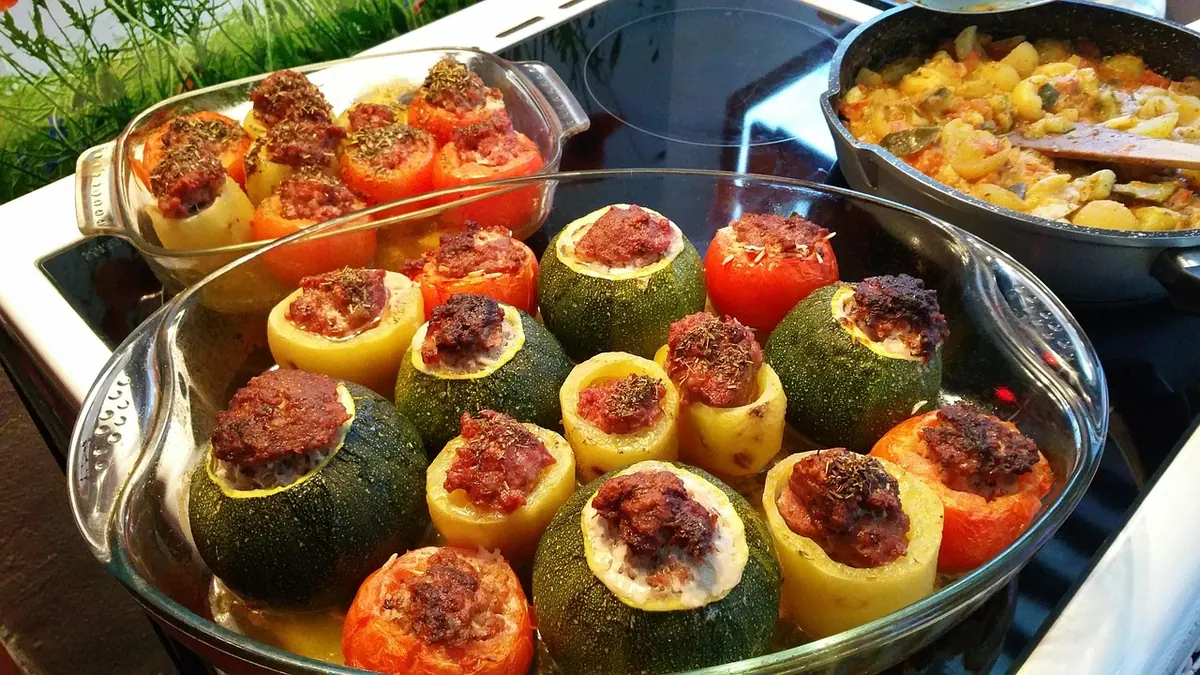
Vegetables – vine leaves, courgettes, peppers, aubergines – stuffed with herby rice and cooked in tomato sauce. It's a family favourite, especially for celebrations.
A platter arrives piled with vegetables stuffed with herby rice – vine leaves rolled tight as cigars, little courgettes, aubergines and peppers – warm, tangy with tomato and fragrant with dill and mint. It's a dish for sharing, and the vine leaves disappear first.
8. Fattah
Layers of crispy bread, rice and garlic-vinegar tomato sauce topped with lamb or beef, traditionally eaten at Eid and family feasts.
Layers of crisp bread and rice soaked in broth, with a garlicky tomato and vinegar sauce and chunks of tender meat on top – rich, festive and very filling. It's the dish of celebrations and Eid, so if a local family invites you to share it, say yes.
9. Seafood in Alexandria
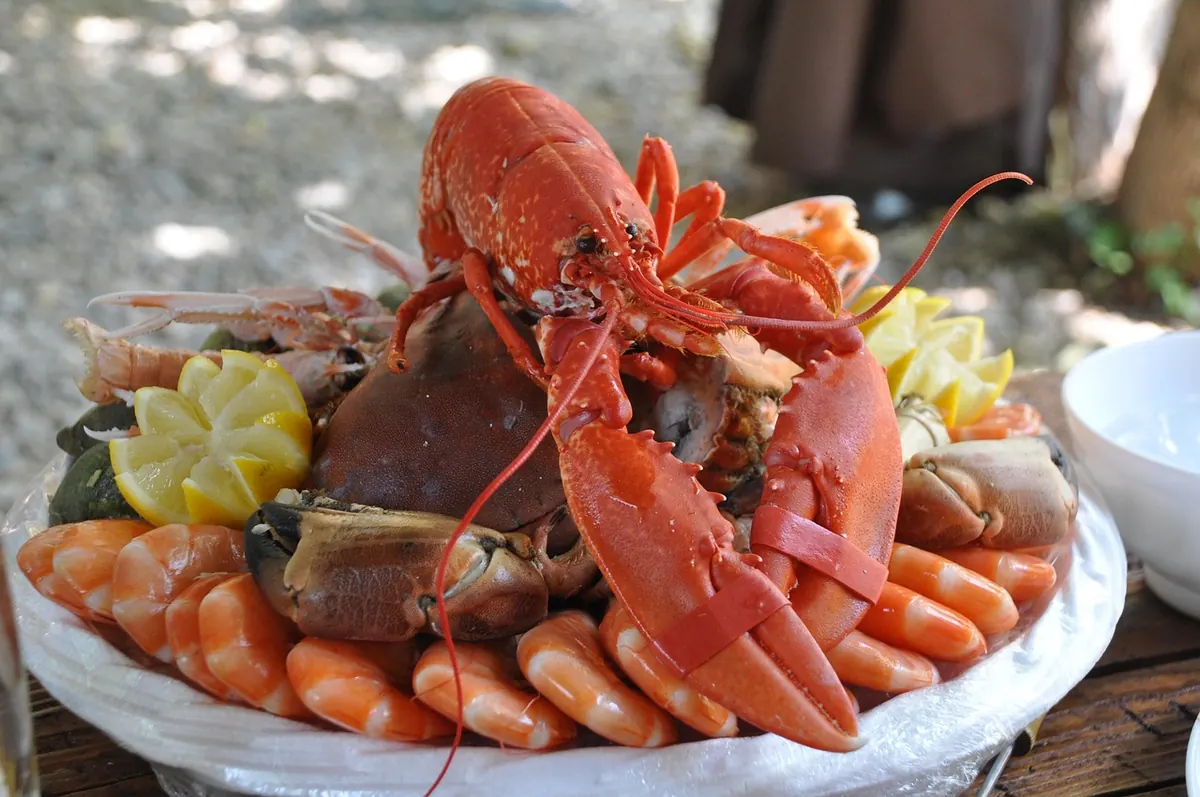
Choose your fish from the ice at a seafood restaurant, then have it grilled or fried and served with rice and salads. Sayadeya – fish cooked with caramelised onion rice – is an Alexandrian speciality.
In Alexandria you often choose your fish on ice at the entrance, pay by weight and wait while it's grilled or fried. The table fills with bread, tahini, salads and pickles, the sea breeze blows in through the open windows and the fish arrives smelling of smoke and lemon. Check the price per kilo before you choose.
Sweets and drinks
10. Om ali
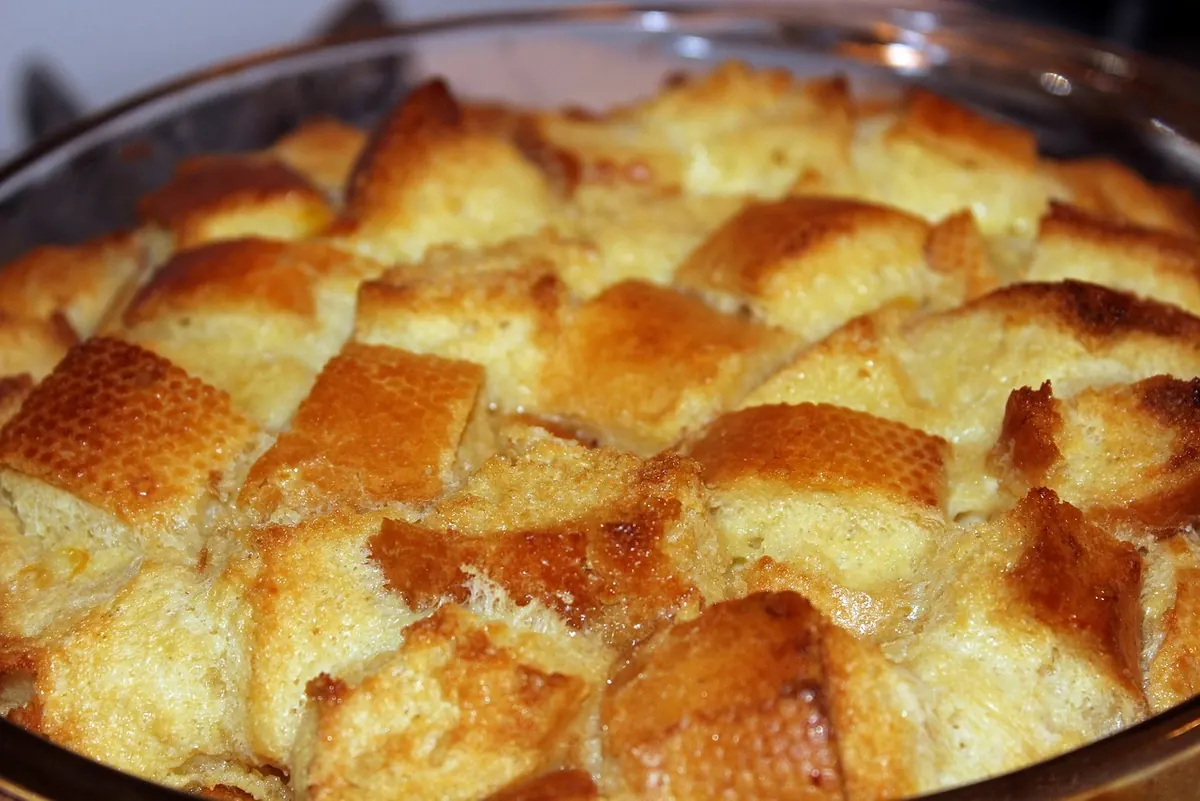
Egypt's bread-and-butter pudding is made with pastry, milk, nuts and raisins, baked until golden and bubbling.
It comes to the table in a hot clay dish, still bubbling: layers of pastry soaked in sweet milk with nuts, raisins and coconut, the top golden and crisp. Eat it with a spoon, slowly – it's rich, warming and exactly what you want on a cool desert evening.
11. Konafa and basbousa
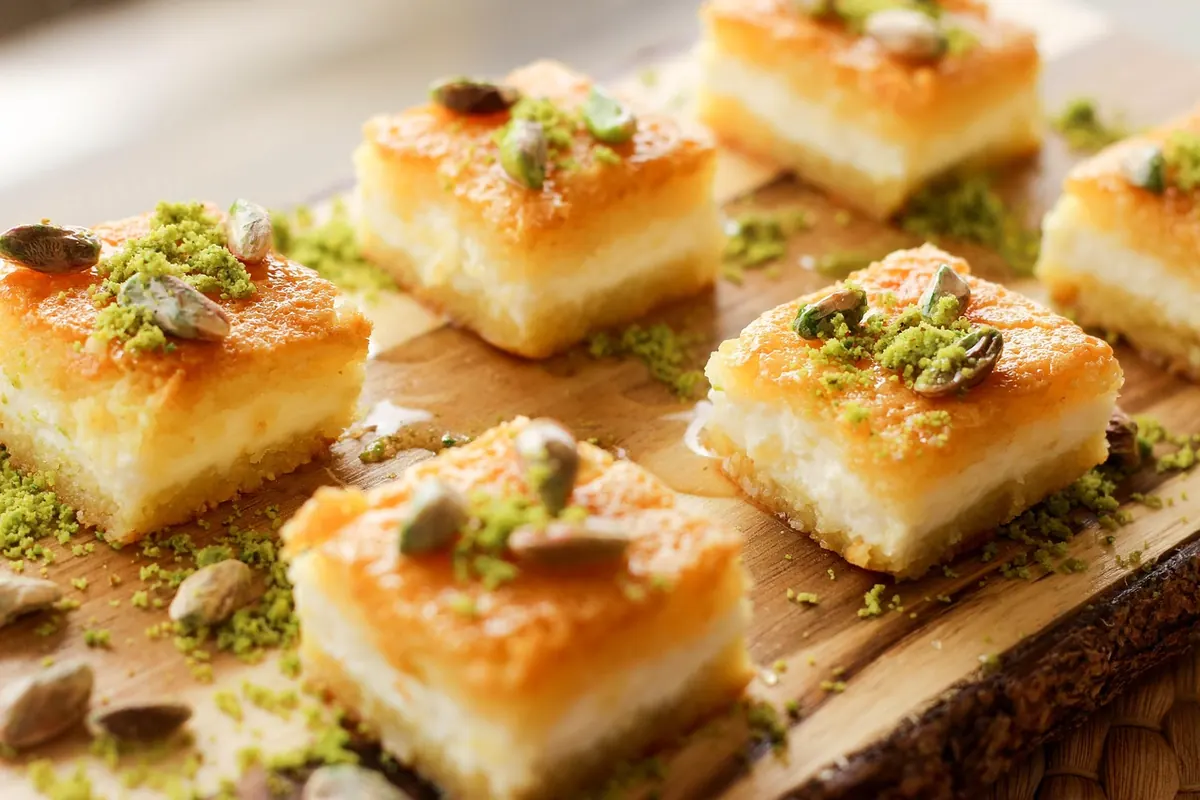
Shredded-pastry konafa filled with cream or nuts, and syrupy semolina basbousa, fill the windows of sweet shops – especially during Ramadan.
Pastry shops glow with trays of golden konafa – crunchy shredded pastry soaked in syrup and filled with cream or nuts – and squares of basbousa, the soft semolina cake glistening with syrup. During Ramadan, the shops stay open late and queues snake out of the door.
12. Fresh juice and karkadeh
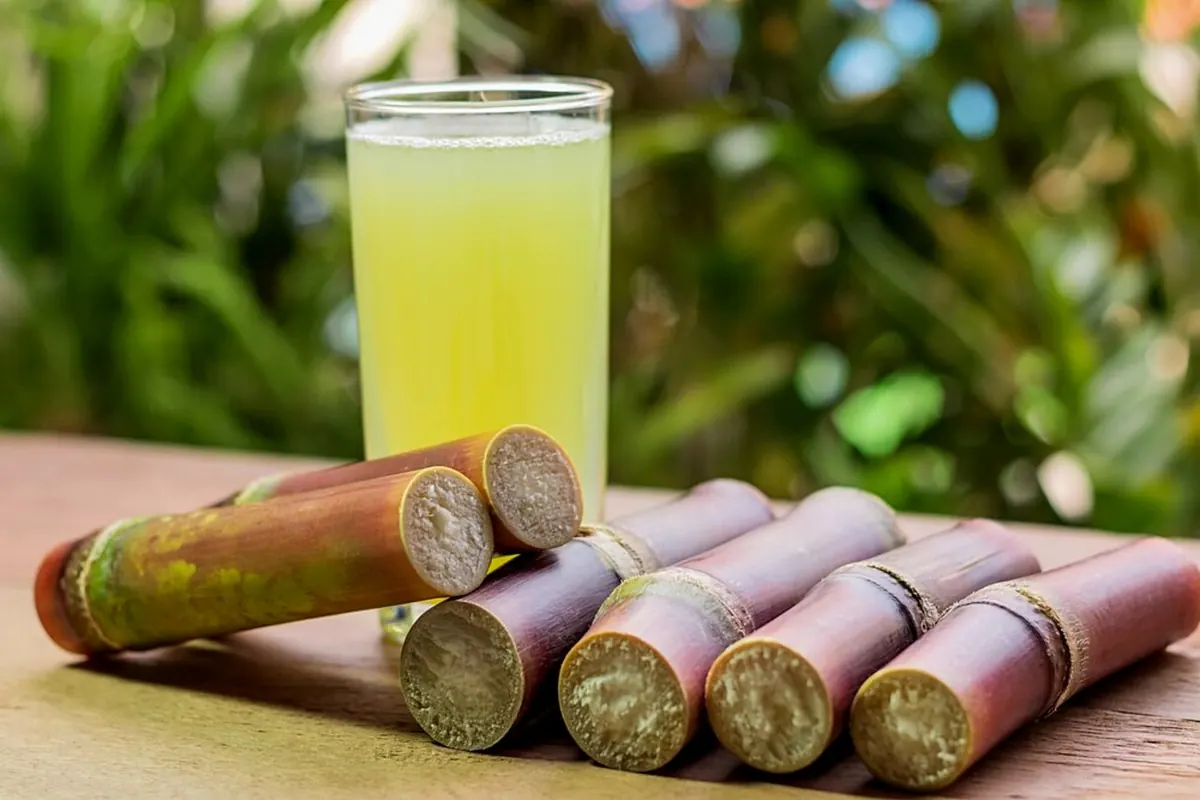
Freshly pressed sugarcane juice from street stalls is wonderfully refreshing. Try karkadeh, a deep-red hibiscus drink served hot or iced, and finish with mint tea.
Juice bars are piled high with mangoes, guavas, oranges and strawberries, and the blender never seems to stop. Order a sugarcane juice and watch it squeezed in front of you – sweet, green and ice-cold – or try karkadeh, deep red hibiscus tea that's tart and refreshing, served cold in summer and hot in winter.
Where to eat
Cairo: the capital has everything from historic koshari shops and street carts to modern Egyptian restaurants and rooftop dining with Nile views. Downtown, Zamalek and the streets around Khan el-Khalili are great places to explore on foot – or join a food tour for the best local places.
Alexandria: Egypt's Mediterranean city is famous for seafood, liver sandwiches (kebda iskandarani) and old-fashioned cafés and patisseries from its cosmopolitan past.
Luxor and Aswan: look for Nubian food in Aswan – slow-cooked stews, flatbreads and fresh fish from the Nile – and simple local restaurants away from the tourist strip in Luxor.
Red Sea resorts: in Hurghada, head to El Dahar, the old town, for koshari, fresh fish cooked to order and local cafés, or eat by the water in the Marina. In El Gouna and Marsa Alam, many hotels hold Egyptian food nights. See our Hurghada travel guide.
Vegetarian and vegan travellers
Egypt is one of the easiest countries for vegetarians. Koshari, ful, ta'ameya, mahshi, molokhia (ask for it without meat stock), salads, dips such as baba ghanoush and tahini, and many vegetable stews are traditionally vegetarian. During Coptic fasting periods, many dishes are fully vegan.
Eating etiquette
Bread is eaten with almost every meal and used to scoop food. Sharing plates is normal, and hosts often insist on serving more – it's polite to accept a little. Eat and pass food with your right hand. Tipping around 10% is common in restaurants, even when a service charge is added.
Tips for eating out
- Look for busy places – high turnover means fresh food.
- Carry small notes for street food and tips.
- Ramadan changes the rhythm: many restaurants open for iftar at sunset, and the evenings are wonderfully lively.
Hungry for more? Join a food tour in Cairo or Alexandria to discover local favourites, and see our guide to the best things to do in Cairo.
Frequently asked questions
Is Egyptian food vegetarian-friendly?
Very. Many of the most popular dishes – koshari, ful medames, ta'ameya, stuffed vegetables and lentil soup – are naturally vegetarian, and often vegan.
Is street food safe in Egypt?
Busy stalls with a high turnover are usually the safest bet. Drink bottled water, be careful with salads and unpeeled fruit for the first few days, and choose places popular with locals.
What is Egypt's national dish?
Koshari and ful medames both have a claim. Koshari is the famous one with visitors, while ful – stewed fava beans – is what millions of Egyptians eat for breakfast every day.
Is street food safe in Egypt?
Choose busy stalls where food is cooked fresh and hot in front of you, drink bottled water and be careful with raw salads and ice if you have a sensitive stomach.
What is the national dish of Egypt?
Koshari is widely considered Egypt's national dish, though ful medames and molokhia are equally loved.
Keep reading

Cairo Travel Guide: 12 Best Things to Do, from Zamalek to Islamic Cairo
Escape to Zamalek and Gezira Island, sail a felucca at sunset, explore Islamic and Coptic Cairo, the Citadel and the city's great museums – a practical guide to Cairo.
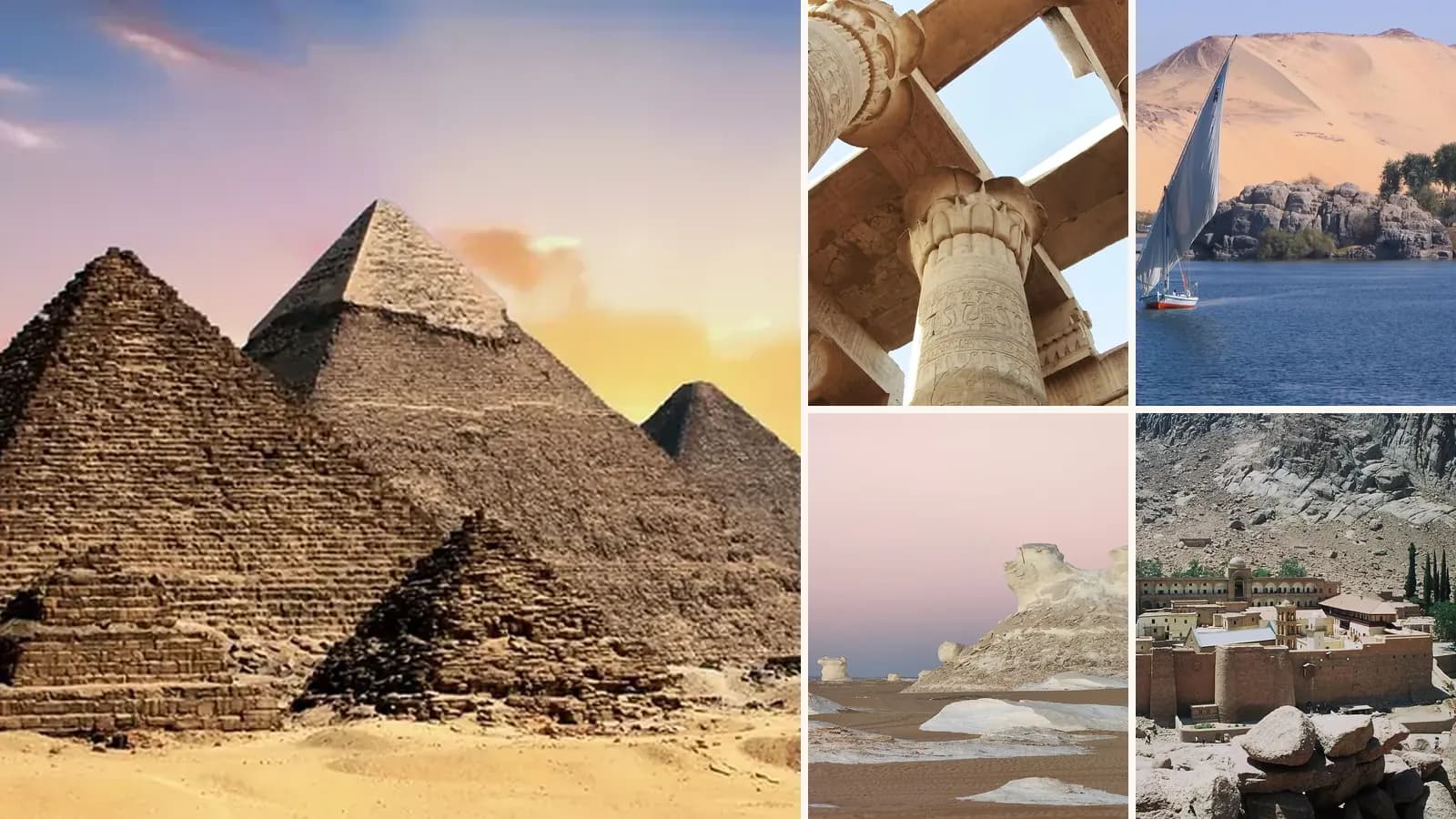
15 Best Places to Visit in Egypt
The Pyramids and the Grand Egyptian Museum, Luxor, Aswan, Abu Simbel, a Nile cruise, the Red Sea and the desert oases – the best places to visit in Egypt, with tips.
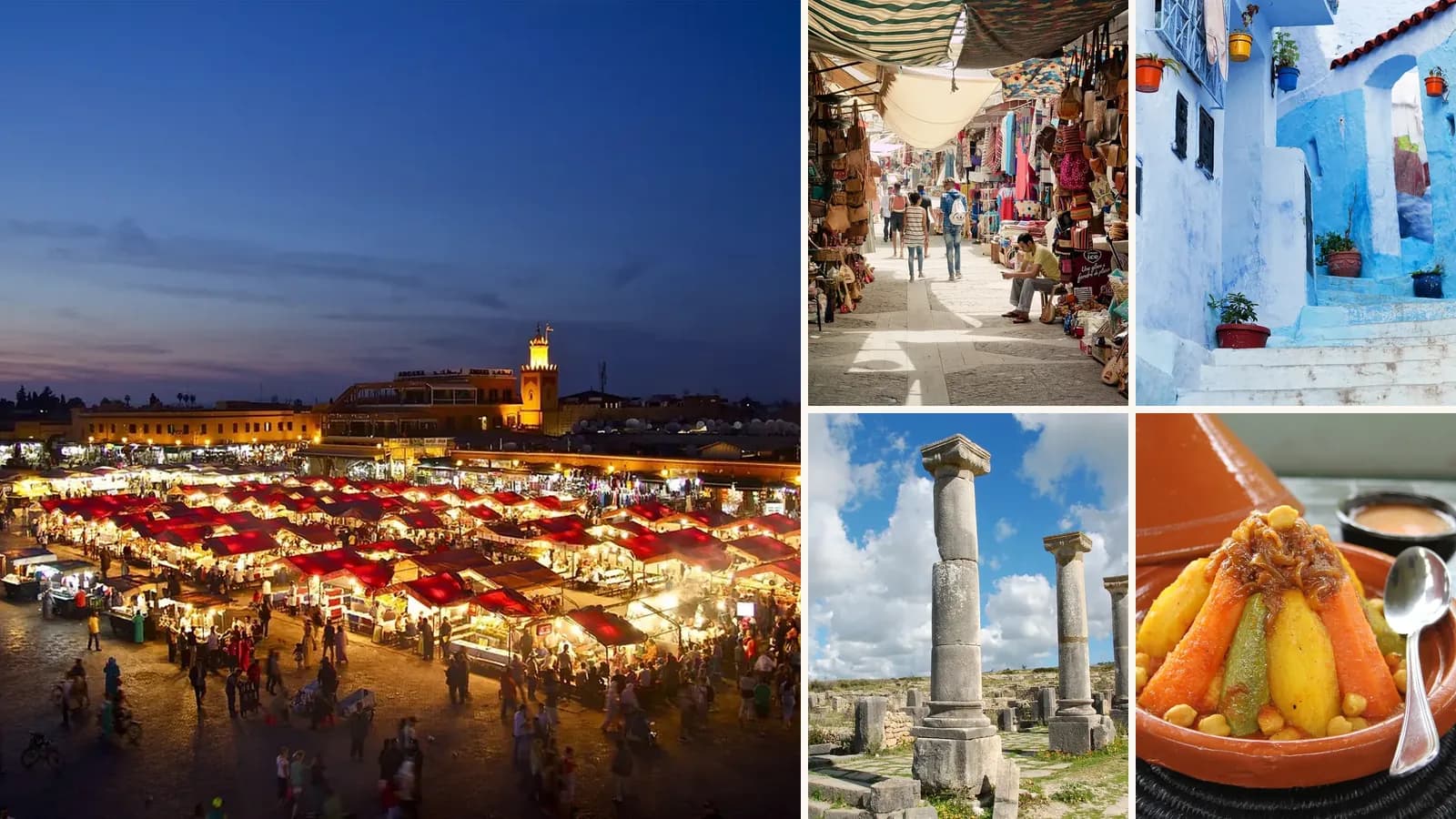
10 Experiences in Morocco You Shouldn't Miss
Sleep in the Sahara, get lost in Fez, walk blue Chefchaouen and trek the High Atlas – ten experiences that define a trip to Morocco.

Hurghada Airport Transfer: Taxi, Shuttle or Private? Prices Compared (2026)
Hurghada Airport to your hotel in 2026: taxi, Uber, shuttle or private transfer compared, with real prices to Makadi, El Gouna, Sahl Hasheesh and Soma Bay.