10 Experiences in Morocco You Shouldn't Miss
Sleep in the Sahara, get lost in Fez, walk blue Chefchaouen and trek the High Atlas – ten experiences that define a trip to Morocco.
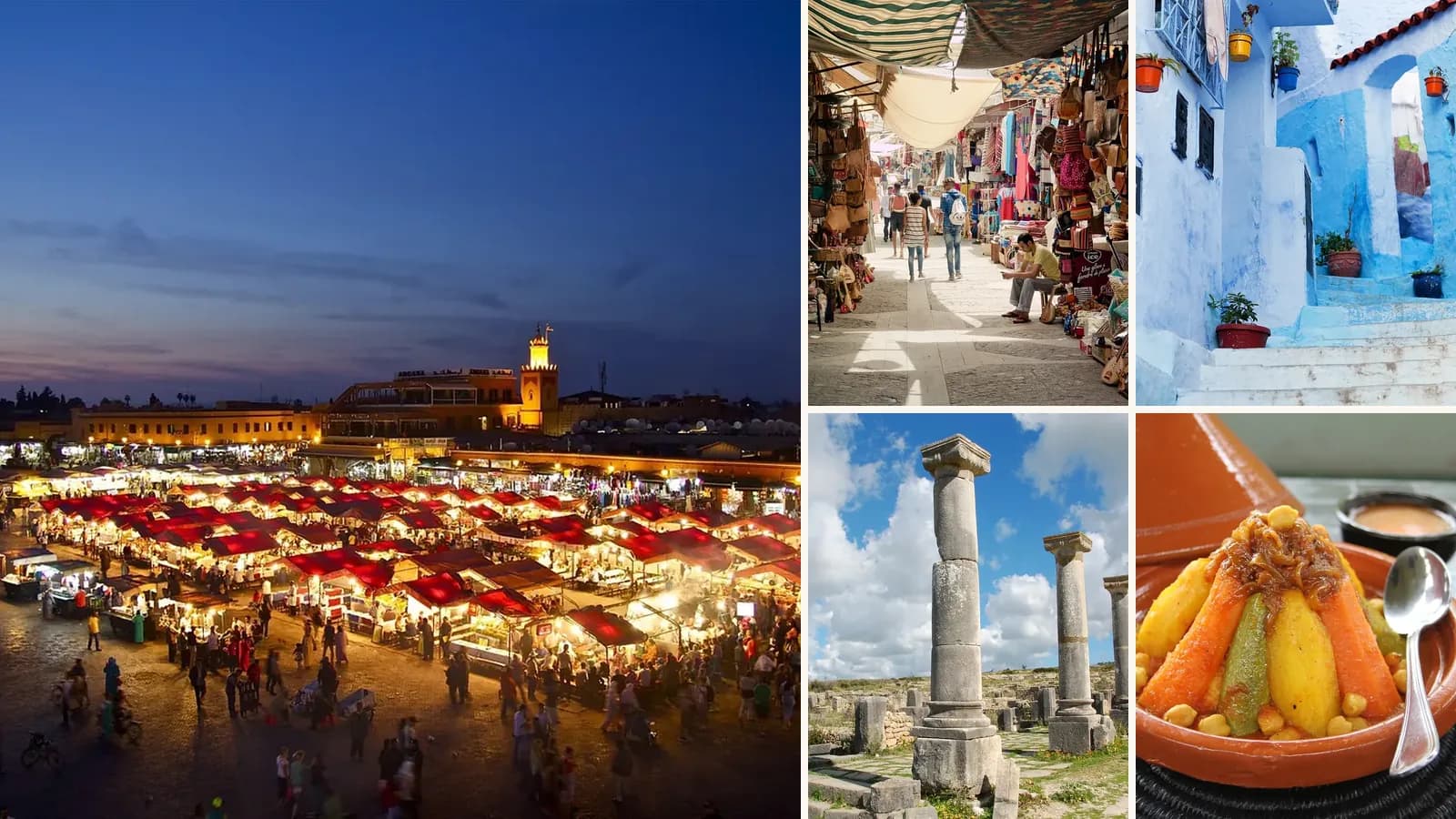
Morocco packs an astonishing variety into one country: imperial cities and labyrinthine medinas, snow-capped mountains, Atlantic beaches and the dunes of the Sahara. These are the ten experiences that make a trip unforgettable.
1. Feel the energy of Jemaa el-Fnaa in Marrakech
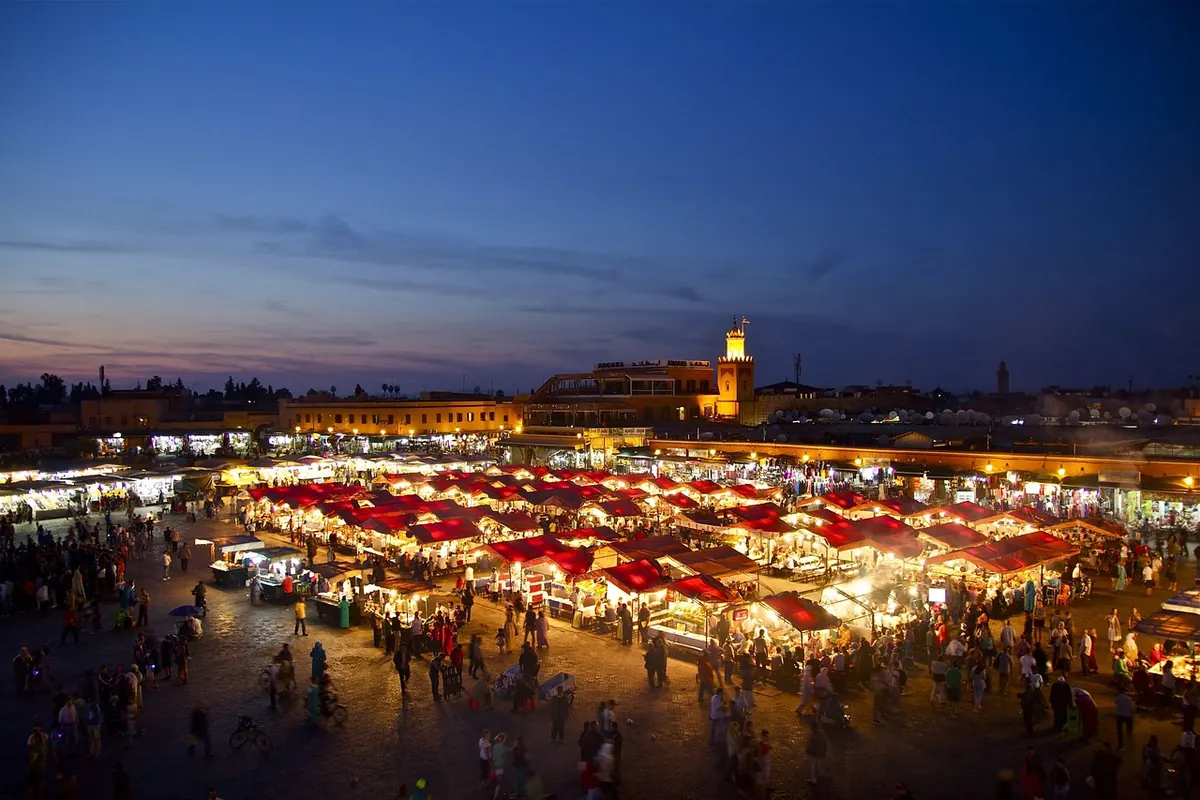
Marrakech's main square changes through the day, from orange-juice stalls and snake charmers in the morning to a huge open-air food court at night, with smoke rising from the grills and musicians playing until late. Our full Marrakech guide covers everything else the city has to offer.
2. Sleep in the Sahara
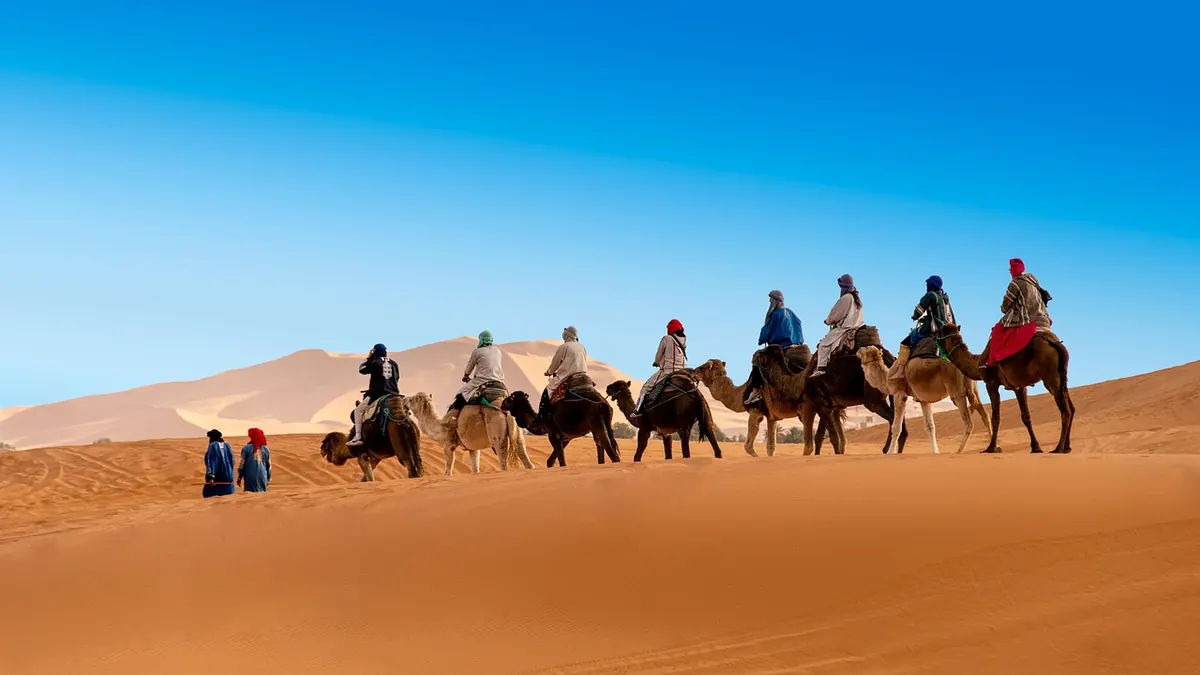
The dunes of Erg Chebbi near Merzouga are the most accessible part of the Sahara. Ride a camel at sunset, eat a tagine in a desert camp and fall asleep under a sky full of stars. From Marrakech, it's usually a two- or three-day trip.
3. Get lost in the medina of Fez
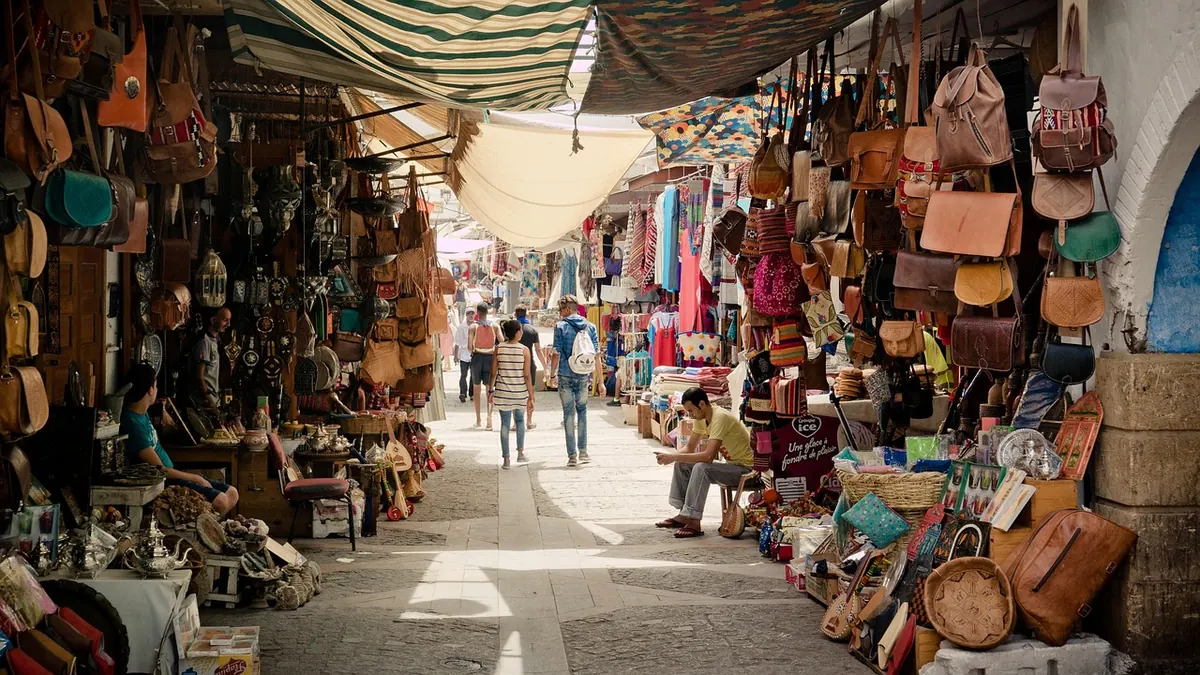
Fez el-Bali is one of the largest car-free urban areas in the world, a maze of thousands of alleys with workshops, mosques and madrasas. Hire an official guide for your first visit, then wander on your own.
4. Watch the dyers at the Chouara tannery
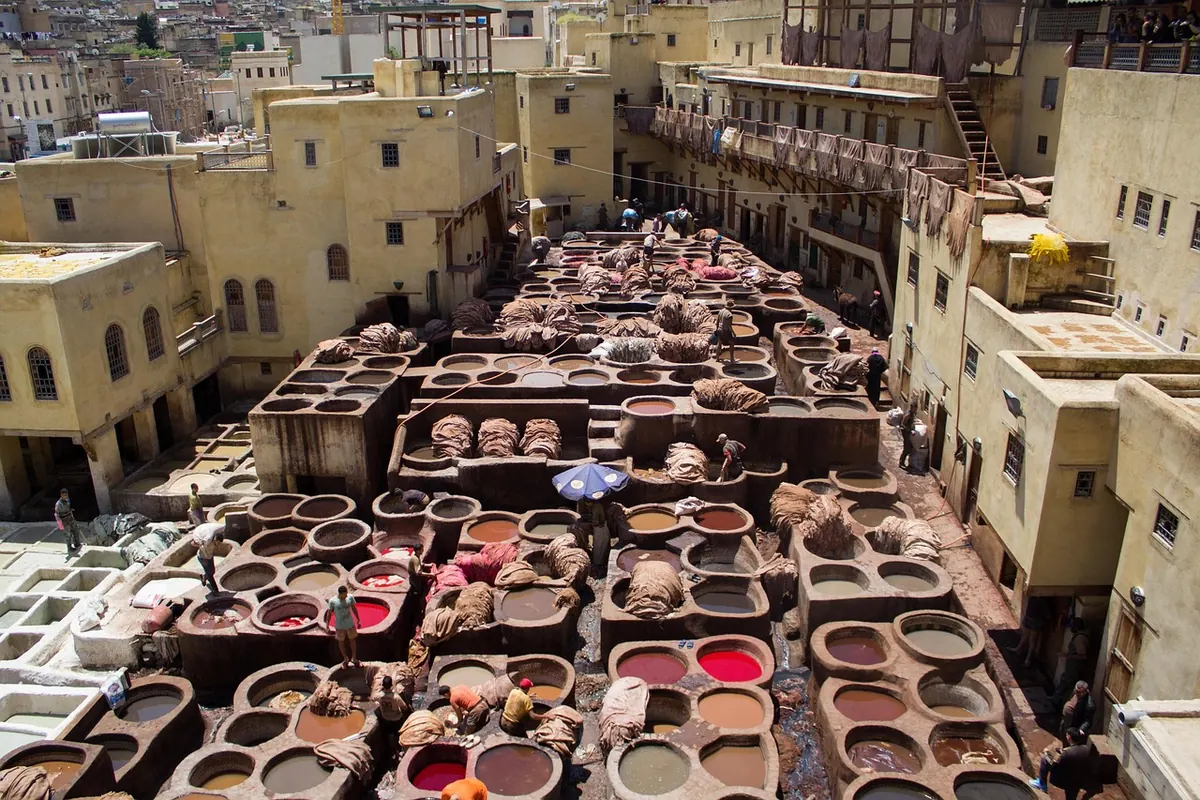
From the terraces of the leather shops around Fez's famous tannery, you can look down on stone vats of dye where hides are still processed by hand, as they have been for centuries. The smell is strong – shop owners often hand out mint leaves.
5. Walk the blue streets of Chefchaouen
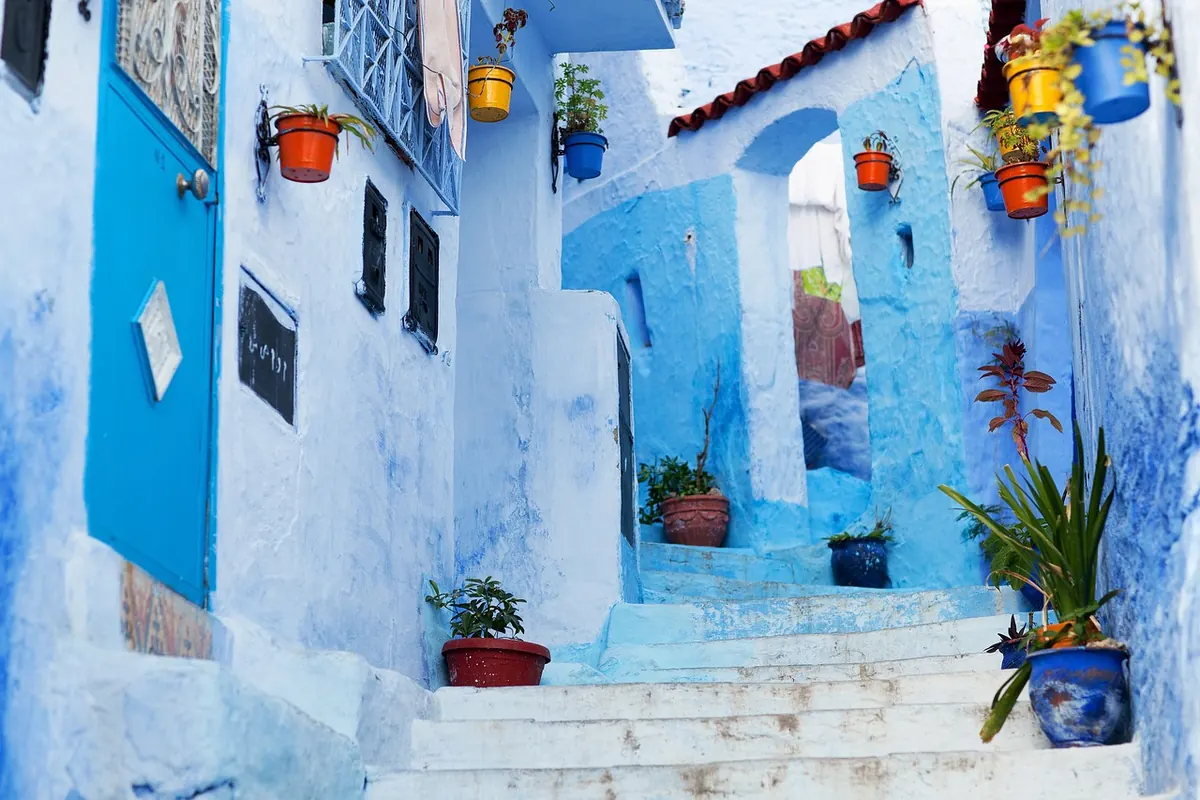
In the Rif Mountains, the old town of Chefchaouen is painted in every shade of blue. It's calmer than the big cities and a lovely place to slow down for a couple of days.
6. Visit Aït Benhaddou
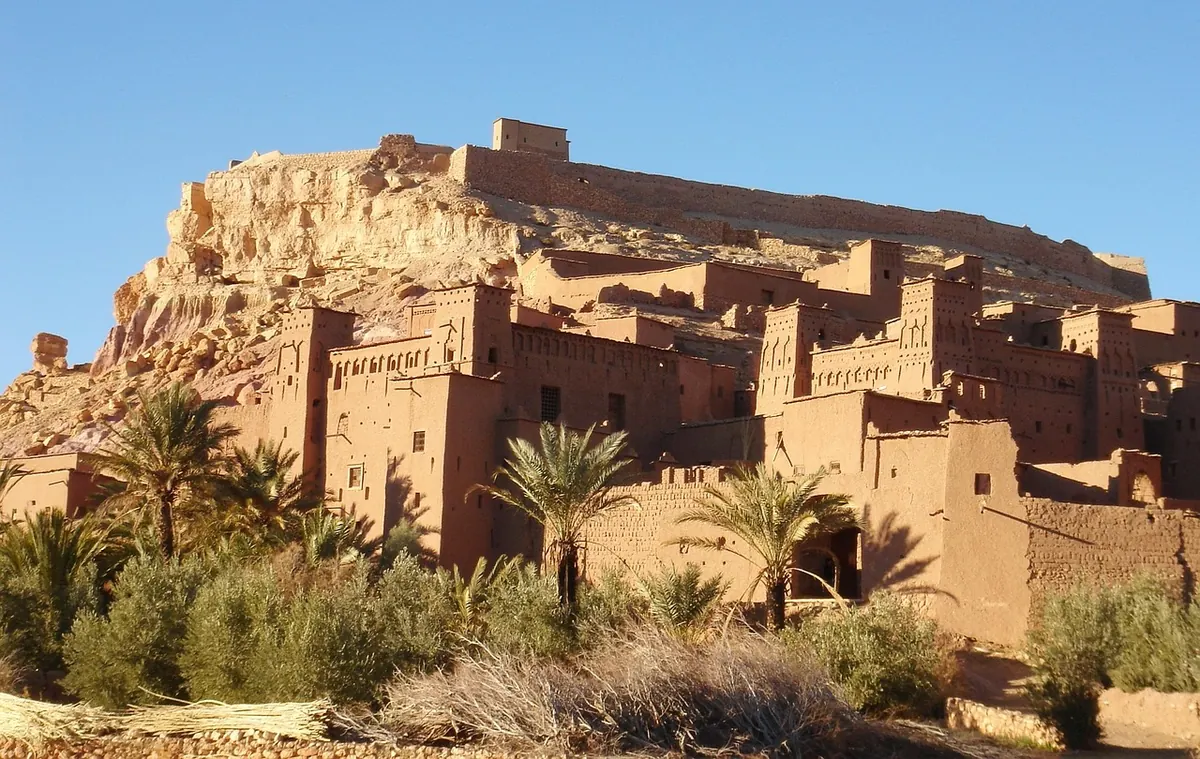
This fortified earthen village on the old caravan route between the Sahara and Marrakech is a UNESCO World Heritage Site and has appeared in many films. It's an easy stop on the road to the desert.
7. Trek in the High Atlas
The village of Imlil is the starting point for walks through Berber villages and walnut groves, and for climbing Jebel Toubkal, the highest peak in North Africa. Read more about Toubkal in our guide to incredible national parks around the world.
8. Explore Roman Volubilis and Meknes
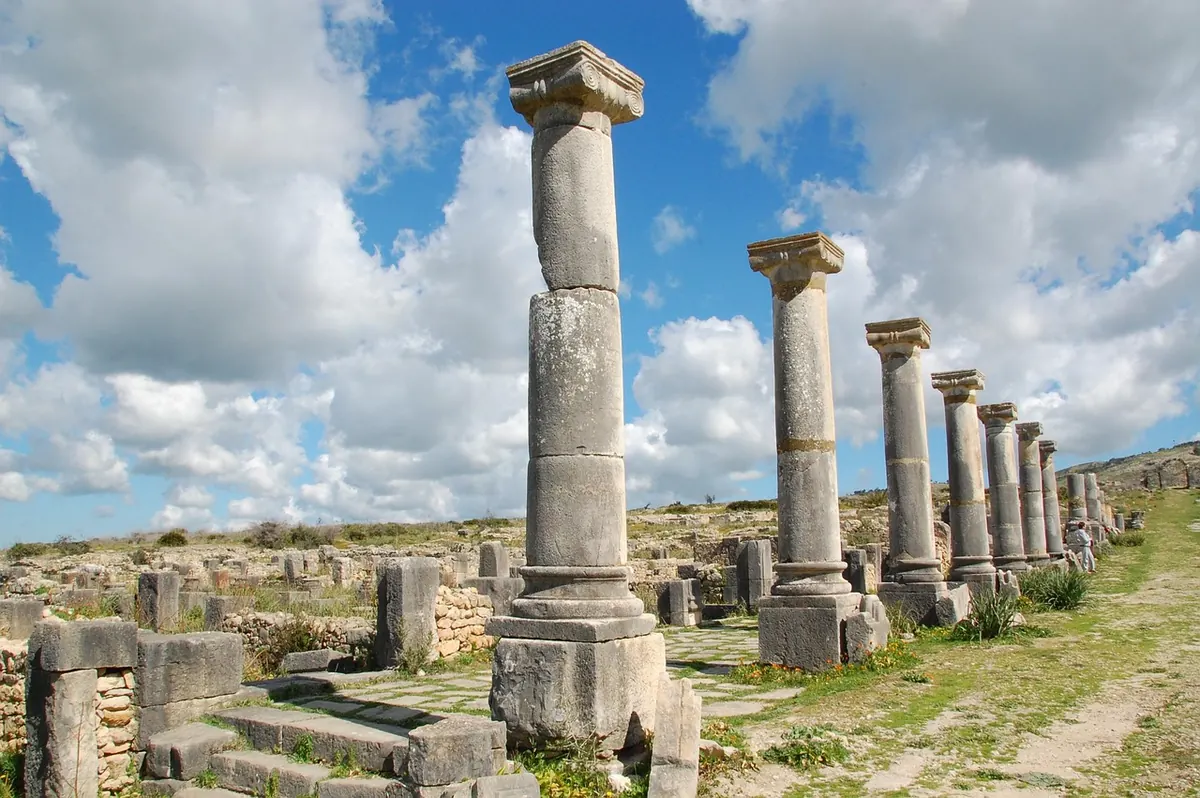
The ruins of Volubilis have some of the best-preserved Roman mosaics in North Africa. Combine them with the imperial city of Meknes, which is quieter and less touristy than Fez.
9. Relax in Essaouira
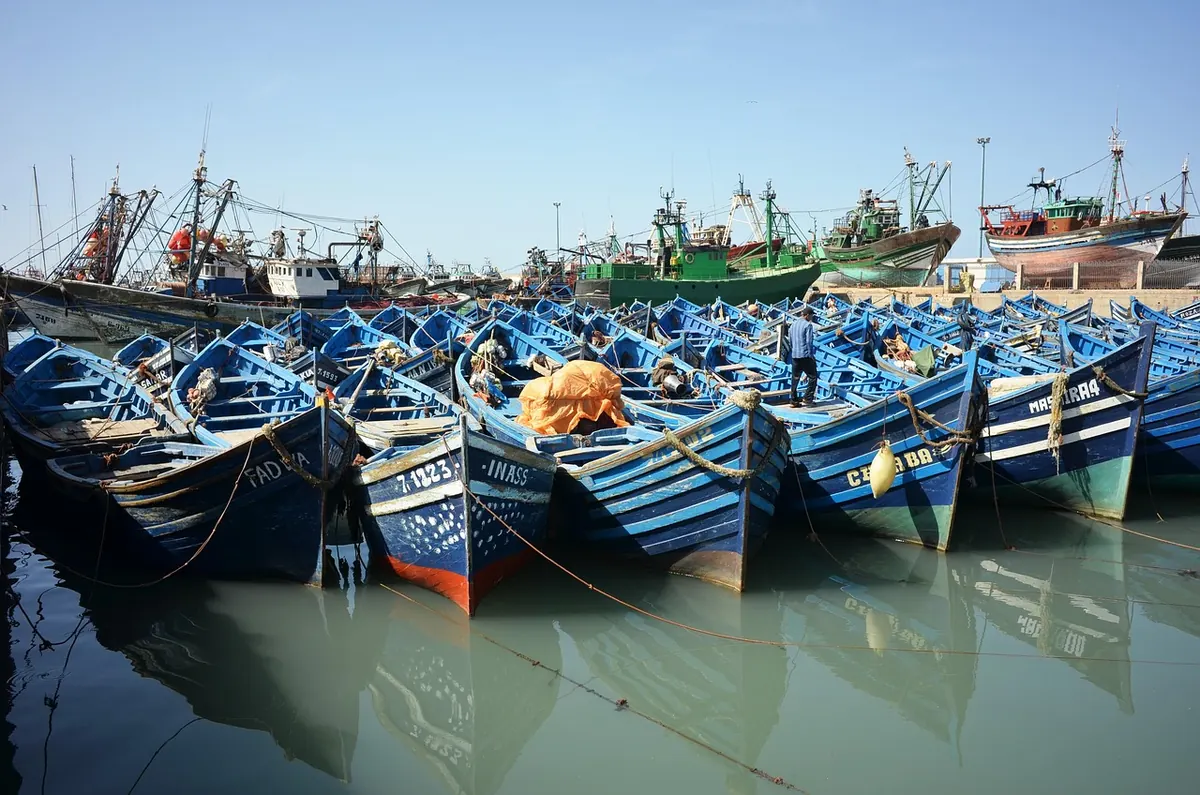
The breezy Atlantic port of Essaouira has whitewashed walls, blue fishing boats, sea-facing ramparts and excellent grilled fish. It's a favourite with windsurfers and kitesurfers.
10. Learn to cook a tagine – and take a hammam
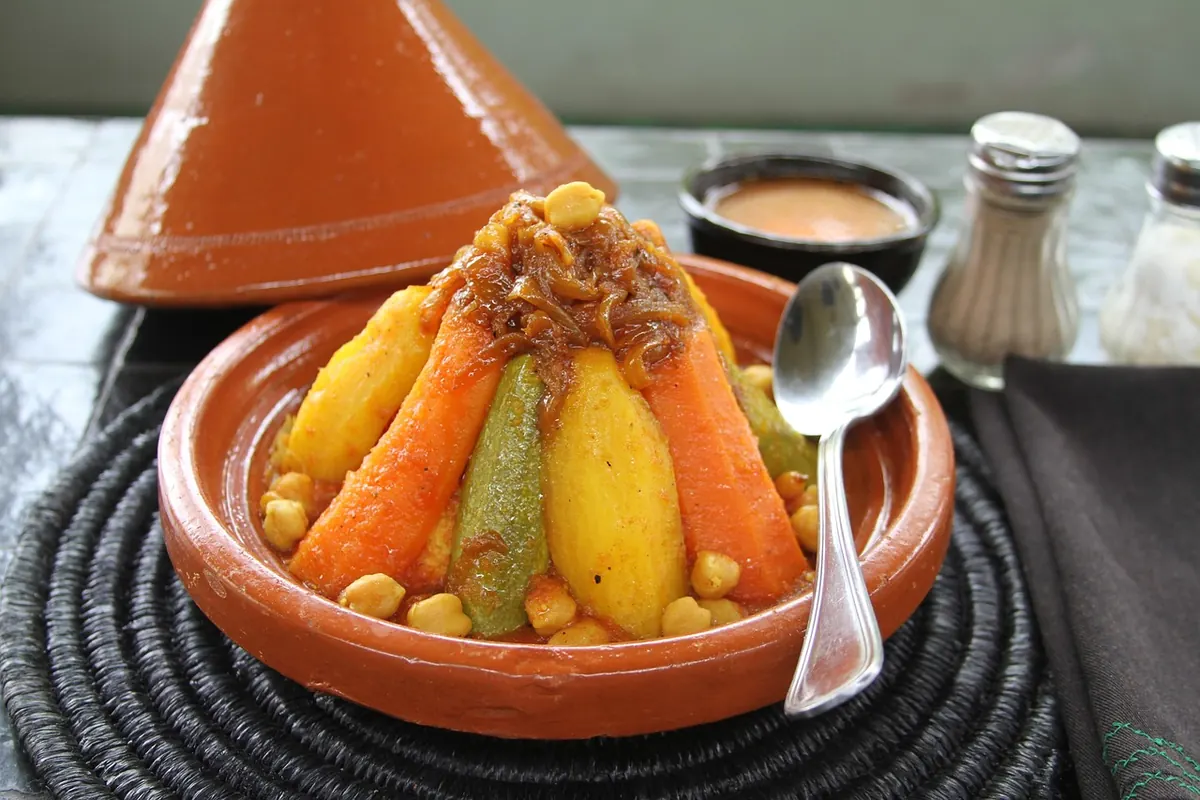
A cooking class, often starting with a market visit, is a great way to understand Moroccan food. Finish the day in a hammam, the traditional steam bath, with a vigorous scrub.
Getting around
Morocco's train network links Tangier, Rabat, Casablanca, Meknes, Fez and Marrakech, including the high-speed Al Boraq line between Tangier and Casablanca. For the mountains and the desert, join a tour or hire a driver.
Planning a wider trip to the Arab world?
Jordan offers a very different kind of desert adventure – see our whirlwind trip to Jordan.
Frequently asked questions
How many days do you need in Morocco?
Ten days to two weeks lets you combine Marrakech, a Sahara trip via the Atlas Mountains, Fez and Chefchaouen. With a week, focus on Marrakech, the desert or the coast at Essaouira.
When is the best time to visit Morocco?
Spring (March to May) and autumn (September to November) are ideal. Summer is very hot inland and in the desert, while winter nights in the desert and mountains can be freezing.
Is Morocco safe for tourists?
Morocco is one of the most visited countries in Africa and is generally safe for travelers. Expect persistent sellers and unofficial guides in the medinas, watch your belongings in crowds and check your government's latest travel advice before you go.
Keep reading
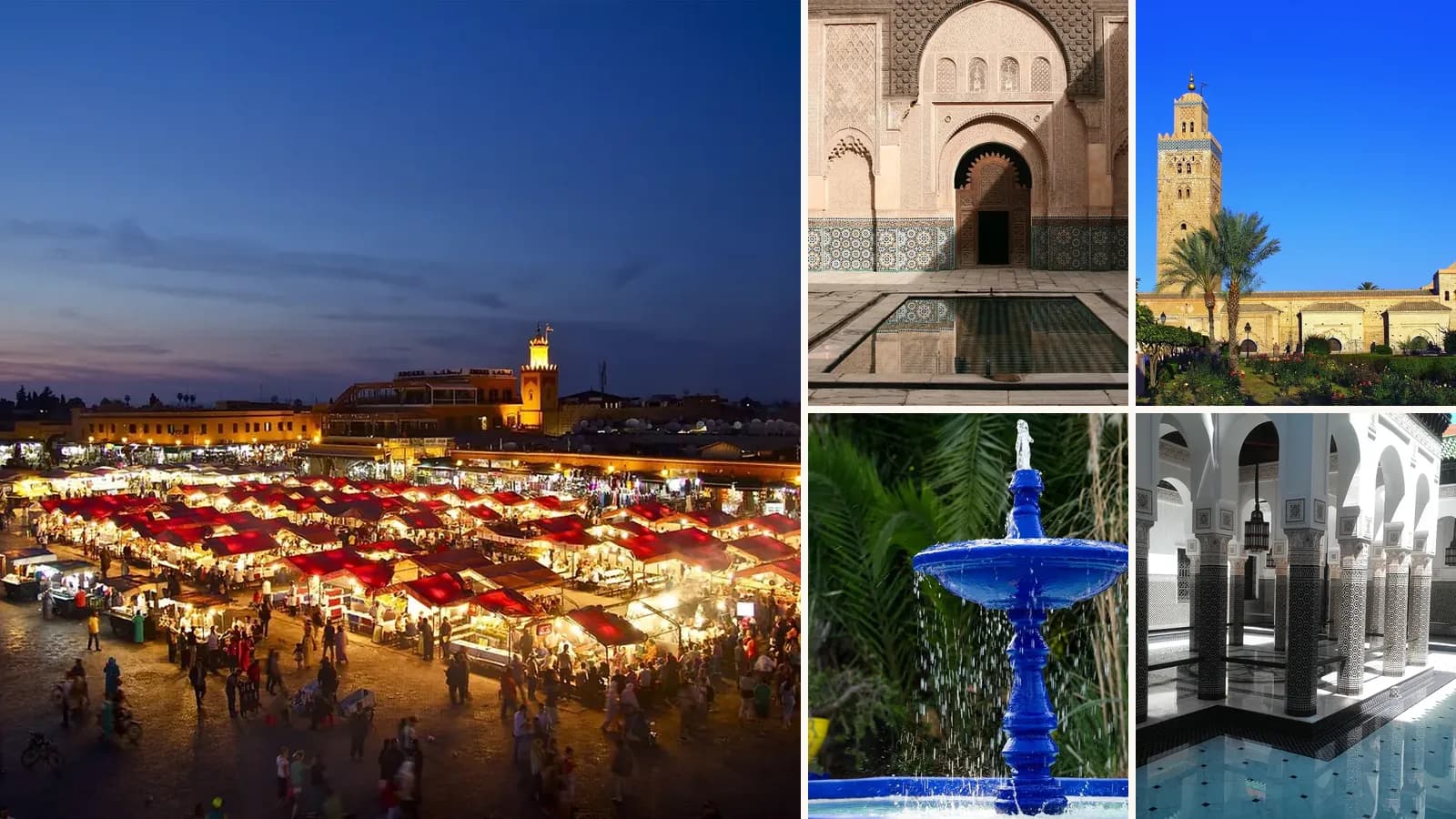
Best Things to See and Do in Marrakech: From Bustling Souks to Ornate Palaces
Jemaa el-Fnaa, the souks, Jardin Majorelle, Bahia Palace, hammams and day trips to the Atlas – the best things to do in Marrakech.
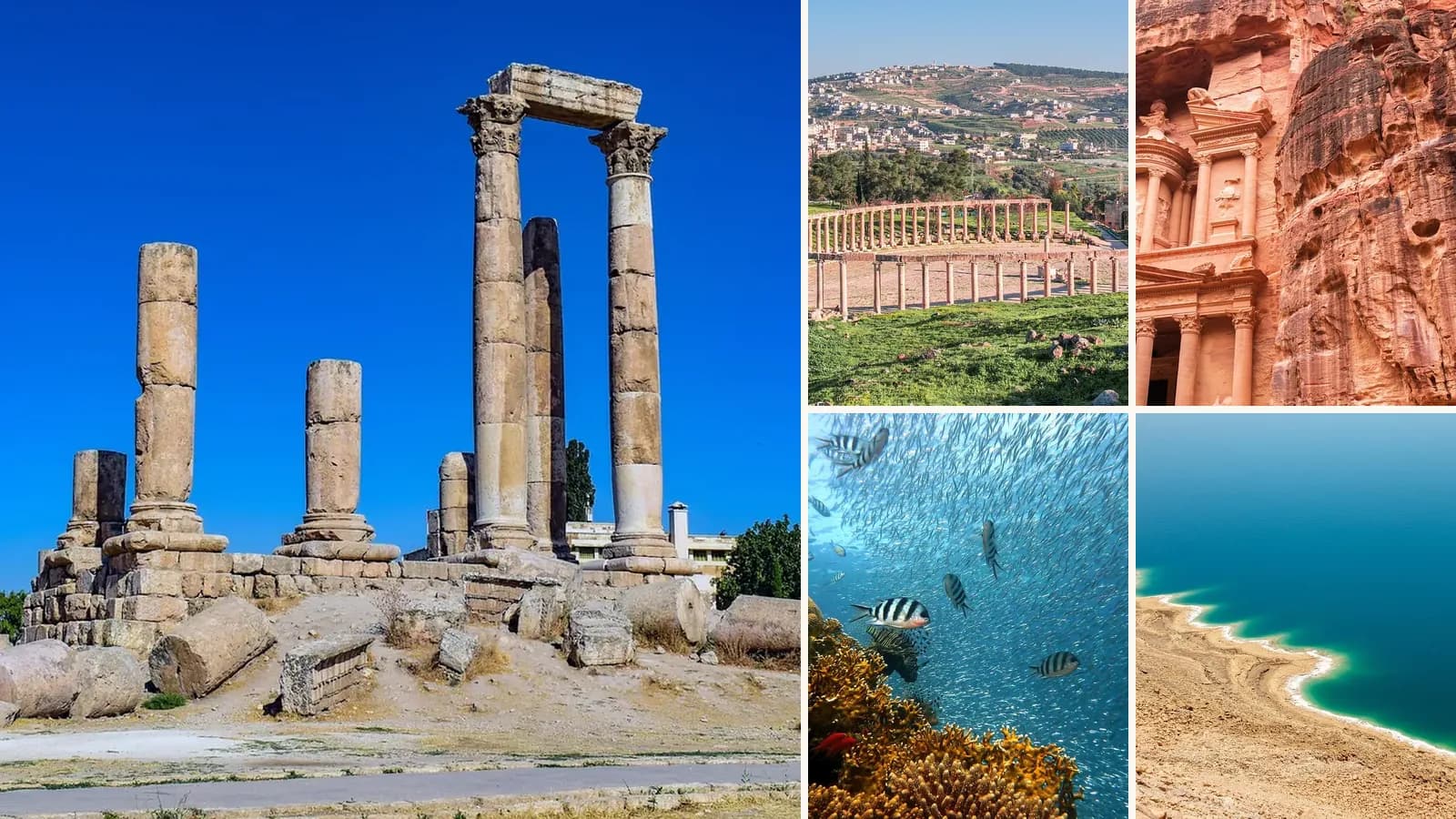
How to Take the Ultimate Whirlwind Trip to Jordan
A one-week Jordan itinerary covering Amman, Jerash, Petra, Wadi Rum, Aqaba and the Dead Sea – with tips on the Jordan Pass, getting around and the best time to go.
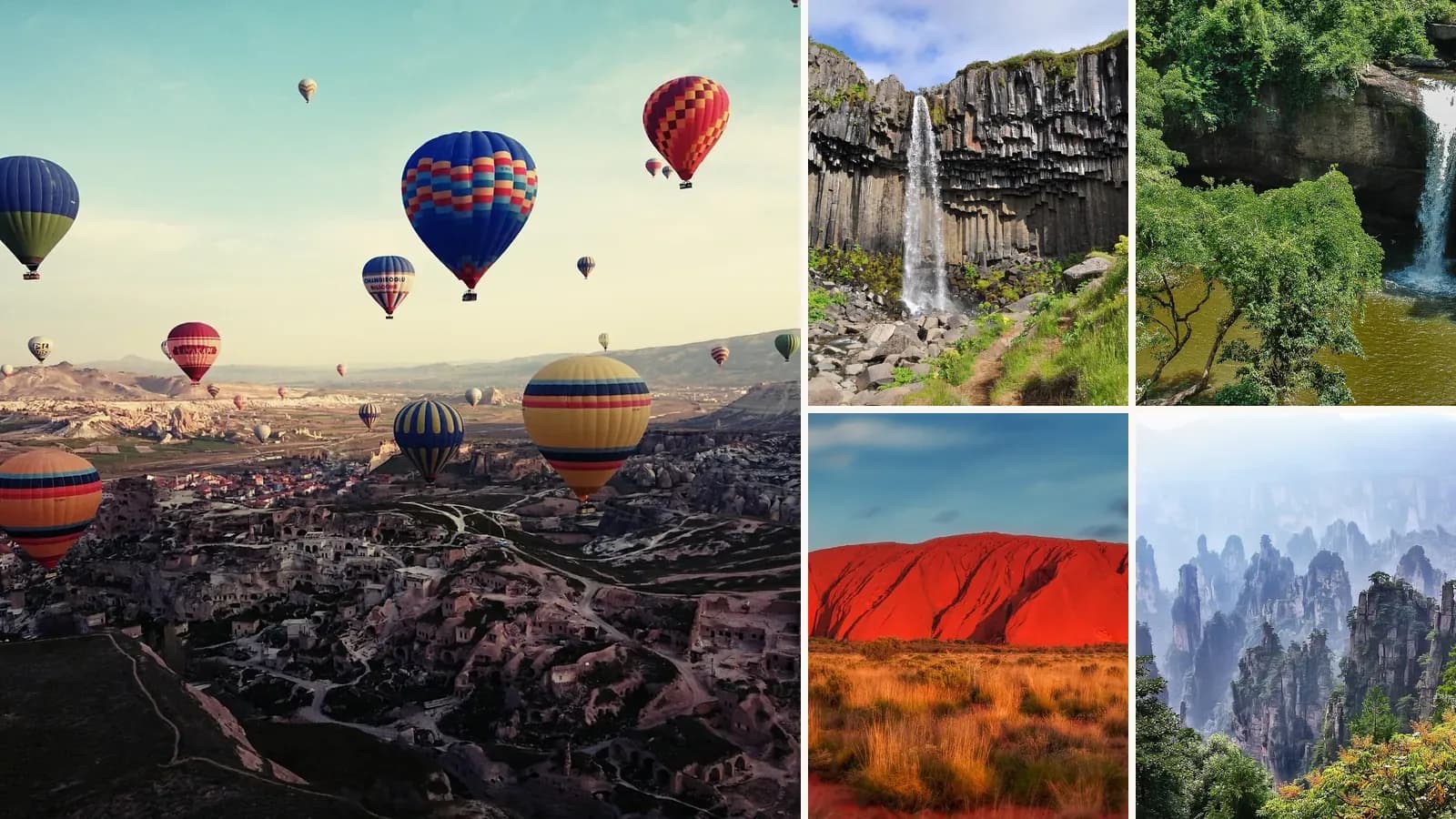
10 Incredible National Parks Around the World
From Cappadocia's fairy chimneys to Patagonia's glaciers, Uluru and Costa Rica's rainforest – ten incredible national parks around the world and how to visit them.
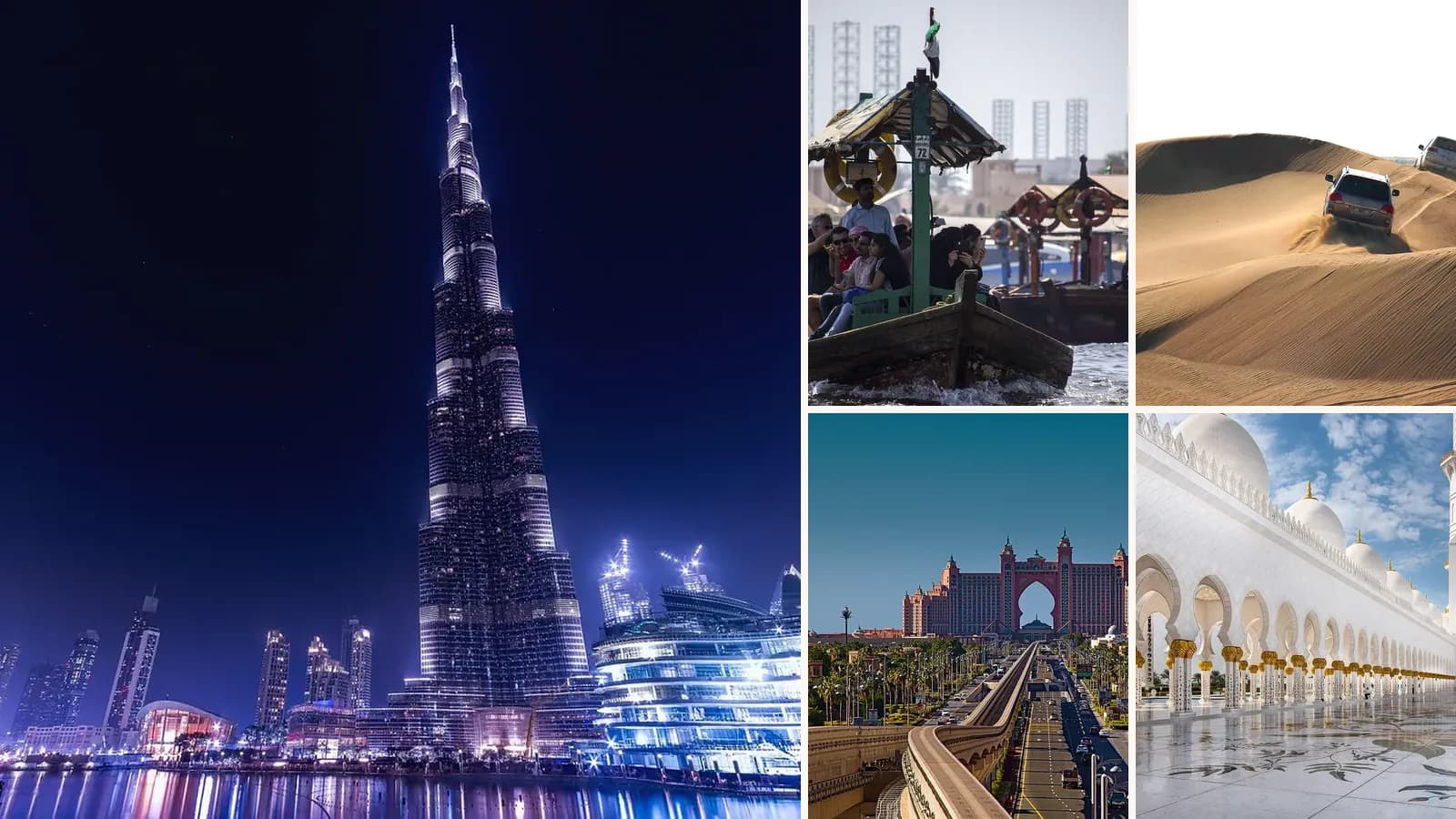
Visit Dubai: The Ultimate Travel Guide to Spending 4 Days in Dubai
A 4-day Dubai itinerary: Burj Khalifa, Old Dubai's souks and creek, the desert, beaches and the Palm – plus where to stay and getting around.