All-Inclusive Holidays: What's Really Included and How to Avoid Hidden Costs
Drinks, à la carte restaurants, room service and excursions – what all-inclusive really covers, the extras that catch people out and how to compare packages.

Some links in this guide are partner links: if you buy through them we may earn a small commission, at no extra cost to you. It never affects what we recommend. How we make money

All-inclusive holidays promise a simple deal: pay once and don't reach for your wallet again. In reality, surveys of holidaymakers – including research by the UK consumer group Which? – regularly find that many people on "all-inclusive" breaks still spend hundreds extra on food, drinks, activities and transfers, because the package didn't include what they assumed it would.
All-inclusive can be excellent value, especially for families and in destinations such as Egypt and Turkey where many resorts are far from restaurants. But only if you know exactly what you're buying. This guide explains what's usually included, the extras that catch people out, how to compare packages and where all-inclusive works best.
Board types explained
| Board type | What's included |
|---|---|
| Room only | Accommodation only |
| Bed & breakfast | Breakfast each morning |
| Half board | Breakfast and dinner, drinks usually extra |
| Full board | Breakfast, lunch and dinner, drinks usually extra |
| All-inclusive | Meals, snacks and selected drinks at set times |
| "Ultra" / "Premium" all-inclusive | A marketing term – may add imported drinks, à la carte dinners or minibar; check details |
What's usually included
1. Meals at the main restaurant

Buffet breakfast, lunch and dinner in the main restaurant are standard. Snacks, afternoon tea and late-night snacks are often included at set times – but not always, so check what's available between meals and after dinner, especially if you have children or arrive late at night.
Buffets vary hugely in quality. Recent guest reviews and photos are the best guide to the food, the choice for vegetarians or special diets, and whether dishes are cooked fresh at live stations.
2. Local drinks

Local beer, wine, spirits and soft drinks are typically included, usually during bar opening hours – often from late morning until around midnight. Imported brands, cocktails made with premium spirits and some fresh juices often cost extra. Some hotels charge for drinks at the pool bar or beach bar outside certain hours.
Ask whether bottled water is provided in the room and whether the minibar is included and refilled.
3. Pools, beach and entertainment
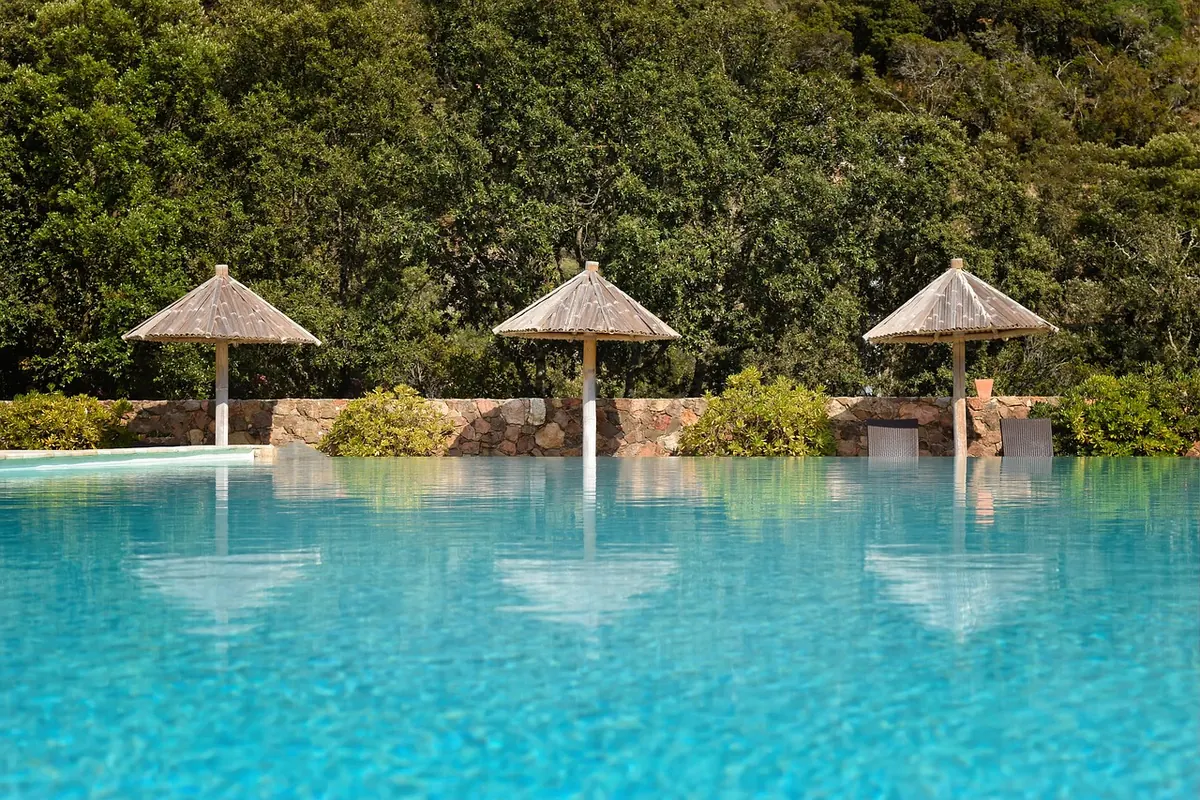
Sunbeds, umbrellas and towels at the pool and beach, kids' clubs, evening shows and some sports – such as tennis, fitness classes and beach volleyball – are normally covered. In large resorts, check whether sunbeds on the beach are limited and whether the "towel war" is an issue in peak season.
Extras that catch people out
4. À la carte restaurants

Many resorts include a limited number of à la carte dinners per stay – for example, one or two per week – and some charge a supplement or require booking on arrival. Popular restaurants book up fast, so reserve on your first day. In some hotels, à la carte restaurants are entirely extra.
5. Premium drinks and coffee

Cocktails with branded spirits, barista coffee, freshly squeezed juices, bottled wine and drinks from the minibar may cost extra. If you love good coffee or a particular spirit, check the hotel's drinks list before booking.
6. Spa, water sports and excursions
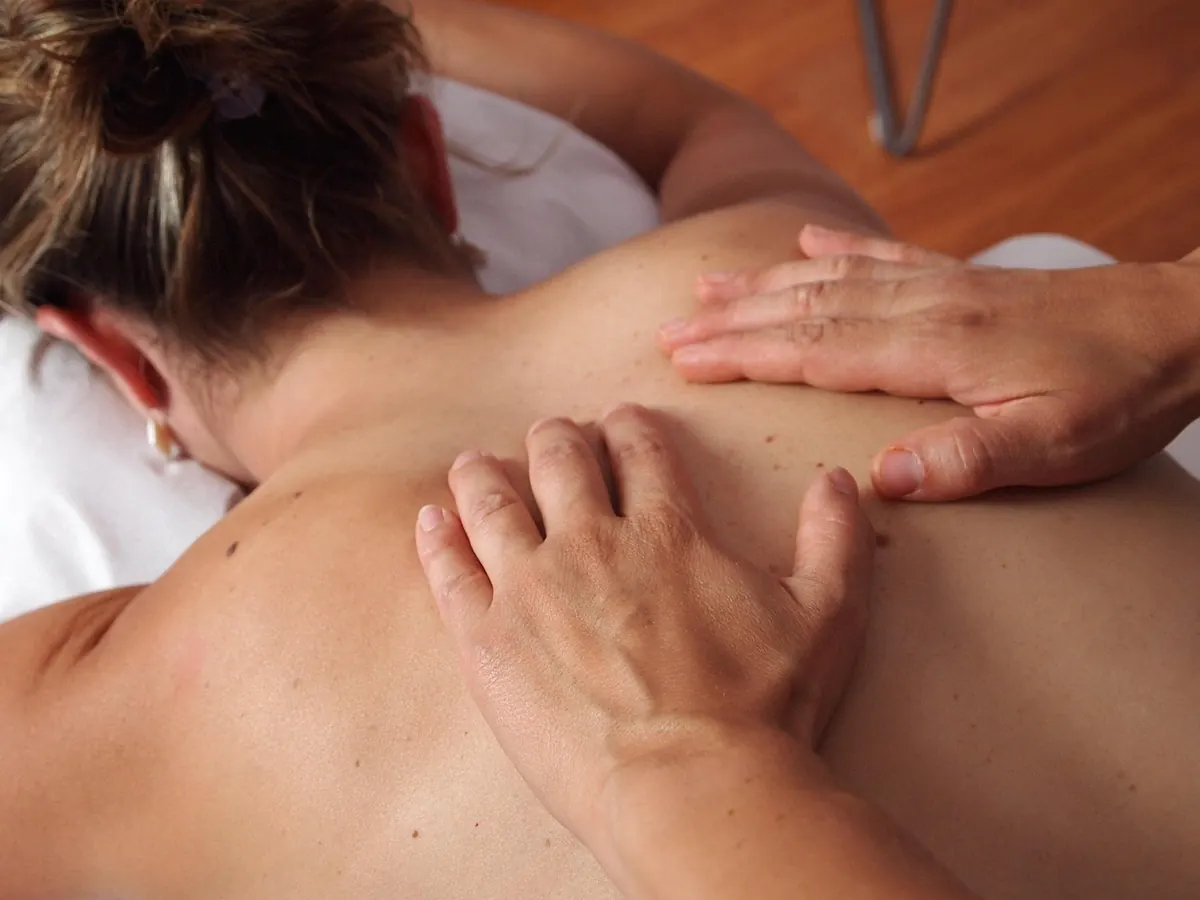
Massages and spa treatments, diving and snorkelling trips, motorised water sports and day trips are almost never included. Prices at hotel excursion desks are often higher than booking directly with reputable local operators – compare before you book, but always choose licensed companies with good reviews.
7. Transfers and tips

Airport transfers are often included in package holidays from tour operators, but not if you book the hotel and flights separately. Check how long the shared coach will take – it may stop at many hotels on the way – and compare it with a private transfer, which goes straight to your hotel.
Tipping staff is customary in places such as Egypt and Turkey. Small tips for housekeeping, waiters and bar staff are appreciated and often improve service.
How to compare packages
8. Read the hotel's own all-inclusive policy

Look for bar hours, the drinks list, the number of à la carte dinners, snack times and what happens on your day of departure (some hotels end the all-inclusive service at checkout time). These details are usually on the hotel's website or available from the tour operator.
9. Check recent reviews

Reviews from the last few months show what's really included, how good the food is and whether the hotel is busy. Look for comments about extra charges and photos taken by guests rather than the hotel's own images.
10. Do the maths

Compare the all-inclusive price with half board plus your expected spending on lunch, drinks and snacks. If you plan to explore and eat out most days, half board or bed and breakfast may be cheaper. If you'll spend most days at the hotel, all-inclusive usually wins – especially with children.
Where all-inclusive works best
All-inclusive makes the most sense in resort areas built around large hotels, often with few restaurants within walking distance. On Egypt's Red Sea coast, that includes Makadi Bay and Sahl Hasheesh near Hurghada, Marsa Alam and much of Sharm el-Sheikh. In Turkey, Antalya's Lara Beach, Belek, Side and Kemer are known for all-inclusive resorts.
In towns with lively restaurant scenes – such as central Hurghada, El Gouna, Bodrum, Fethiye or the Spanish islands – half board or bed and breakfast lets you explore local food. See our guides to where to stay in Hurghada, Antalya and Side.
Frequently asked questions
Are drinks included in all-inclusive holidays?
Usually local alcoholic and soft drinks are included at set times, but imported spirits, branded drinks, cocktails, bottled water in some places and drinks outside bar hours often cost extra. Check the hotel's exact drinks list.
Is all-inclusive worth it?
It's often good value for families and people who plan to stay in the resort, especially in Egypt and Turkey. If you want to explore and eat out, half board or bed and breakfast can be cheaper.
What is 'ultra all-inclusive'?
It's a marketing term, not a standard. It may add imported drinks, à la carte dinners or minibar refills, but every hotel defines it differently – always read the details.
Is all-inclusive worth it for families?
Usually, yes – children's snacks and drinks add up quickly, and you'll know your costs in advance. Check that the hotel has a kids' club, children's pool and suitable food.
Keep reading
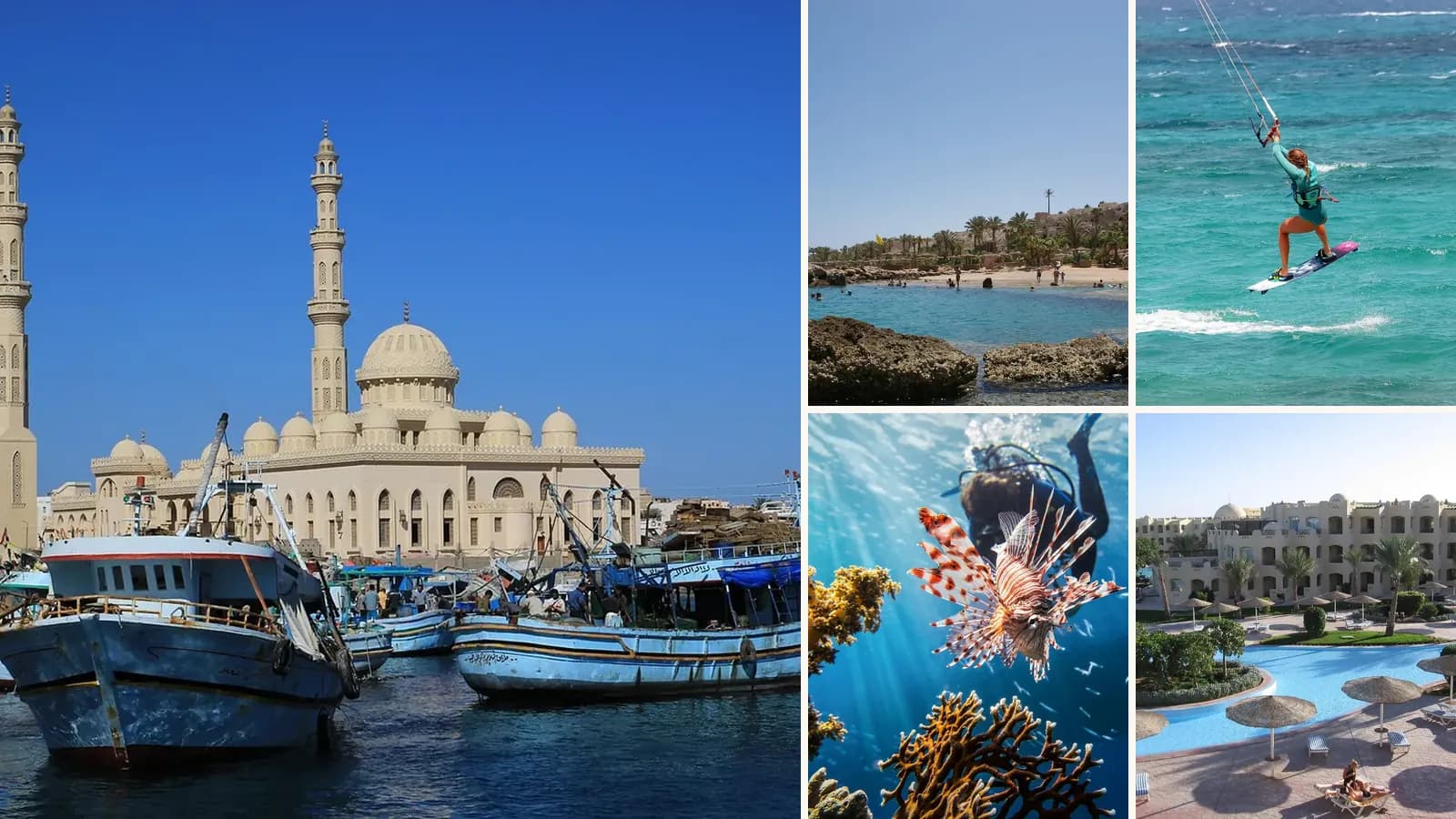
Where to Stay in Hurghada: El Gouna, Makadi Bay, Sahl Hasheesh and More
Hurghada town, El Gouna, Sahl Hasheesh, Makadi Bay or Soma Bay? The best areas to stay on Egypt's Red Sea coast, with transfer times from Hurghada Airport.

Taxis on Holiday: How to Avoid Overpaying (and When to Book a Transfer)
Agree the fare first, use official ranks and apps, carry small cash and know when a pre-booked transfer is cheaper – practical tips to avoid taxi rip-offs on holiday.

Antalya Travel Guide: Old Town, Beaches and the Best Day Trips
Kaleiçi old town, Konyaaltı and Lara beaches, Düden Waterfalls, Aspendos, Perge, Side and Belek – the best things to do in and around Antalya, plus where to stay.

The Maldives with Kids: A Family Holiday Guide
Kids' clubs, house reefs, family villas and seaplane transfers – how to plan a Maldives holiday with children, from choosing a resort to the best activities.