The Maldives with Kids: A Family Holiday Guide
Kids' clubs, house reefs, family villas and seaplane transfers – how to plan a Maldives holiday with children, from choosing a resort to the best activities.

Some links in this guide are partner links: if you buy through them we may earn a small commission, at no extra cost to you. It never affects what we recommend. How we make money
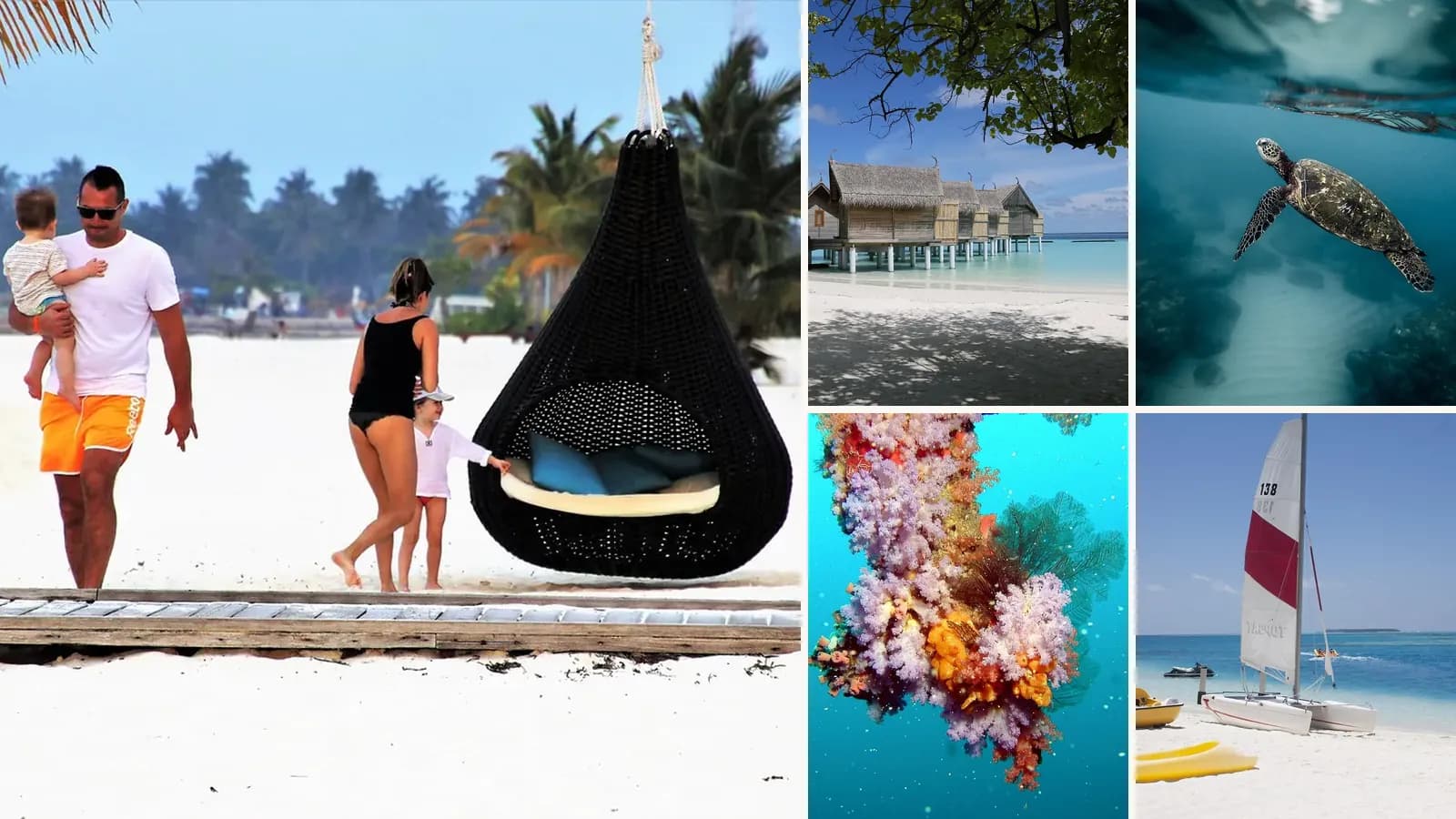
The Maldives is famous as a honeymoon destination, but many of its resorts now welcome families with open arms. With calm, shallow lagoons, colourful house reefs, turtles and dolphins, kids' clubs and marine biology programmes, it can be the holiday of a lifetime for all ages – and because each resort occupies its own island, it's also wonderfully safe and relaxed.
The key is choosing the right resort: the Maldives has more than 150 resort islands, and they vary hugely in how child-friendly they are. This guide explains how to choose a family resort, which villas work best with children, the best activities, when to go and practical tips for transfers, food and budget.
The Maldives at a glance
| Quick facts | |
|---|---|
| Best time to visit | December–April (dry season, calmest seas) |
| How long to stay | 7–10 days; long transfers make shorter stays less worthwhile |
| Airport | Velana International, near Malé |
| Getting to resorts | Speedboat, seaplane, or domestic flight plus boat |
| Best for | Families with children who love the water, couples, snorkellers, divers |
1. Choose a family-friendly resort
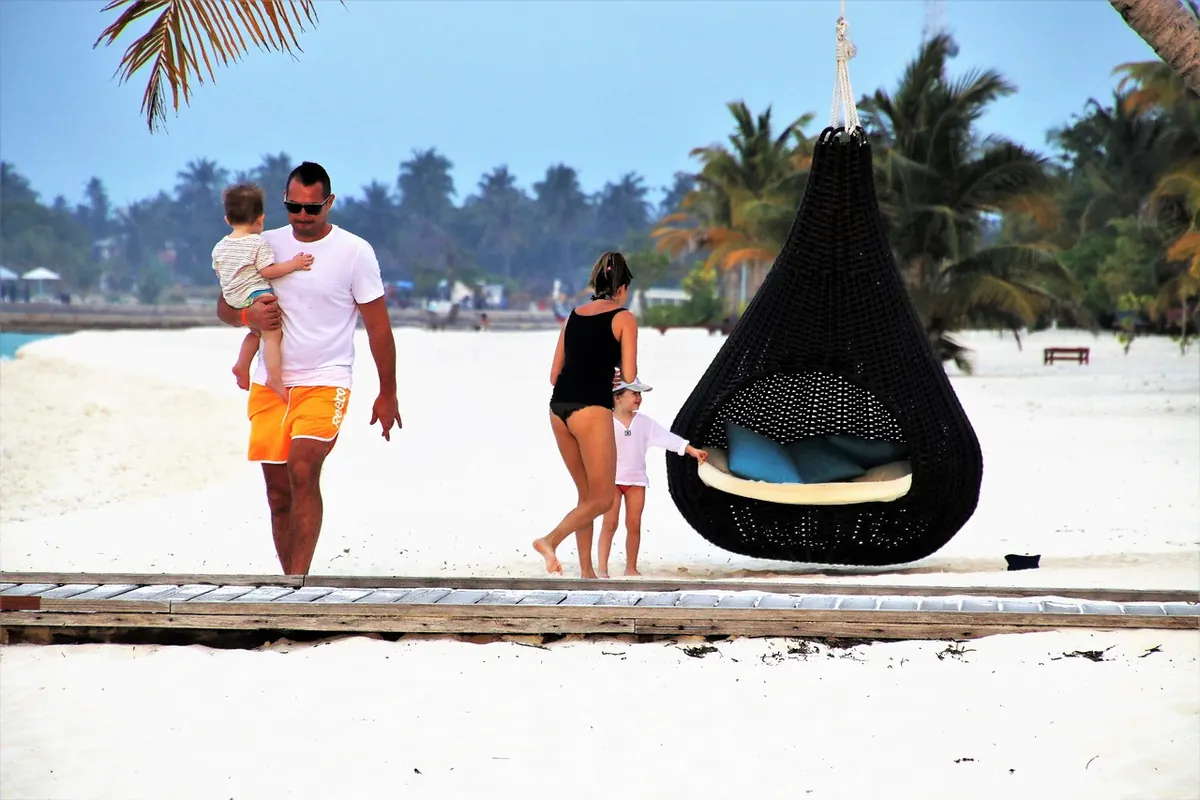
Look for a resort with a kids' club (and ideally a teens' club), family villas or interconnecting rooms, a shallow lagoon for little ones, a swimming pool, babysitting and a good choice of restaurants – your family will eat every meal on the island, so variety matters. Some resorts let children eat free or offer special family packages.
Island size matters too: larger islands have more facilities and space to explore, while smaller ones feel more intimate. Check the resort's age policies – a few are adults-only, and some don't allow children in certain villas.
2. Beach villas versus water villas
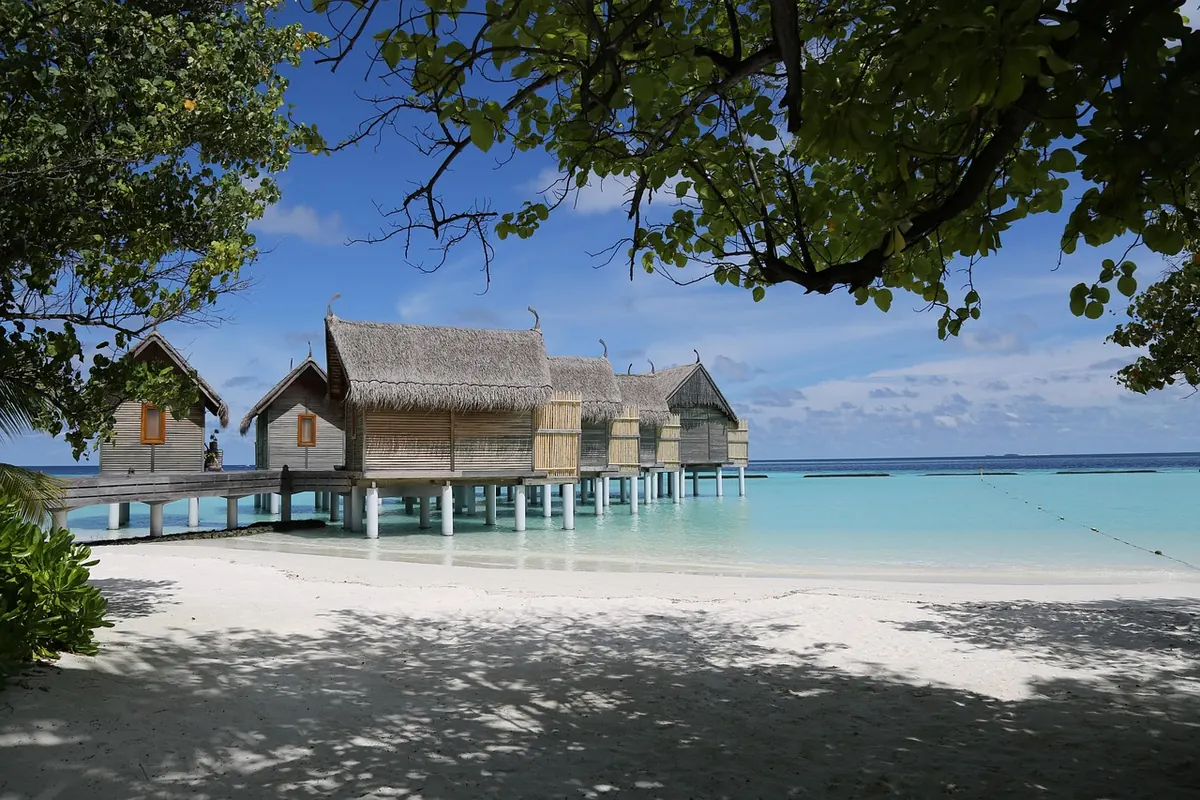
Over-water villas are the image everyone has of the Maldives, but many have steps straight into deep water and no fences, so they're best for older children who swim confidently. Beach villas give little ones direct access to the sand and shallow water and are usually more practical for families. Many resorts offer family beach villas with two bedrooms and a private pool.
3. Snorkel the house reef
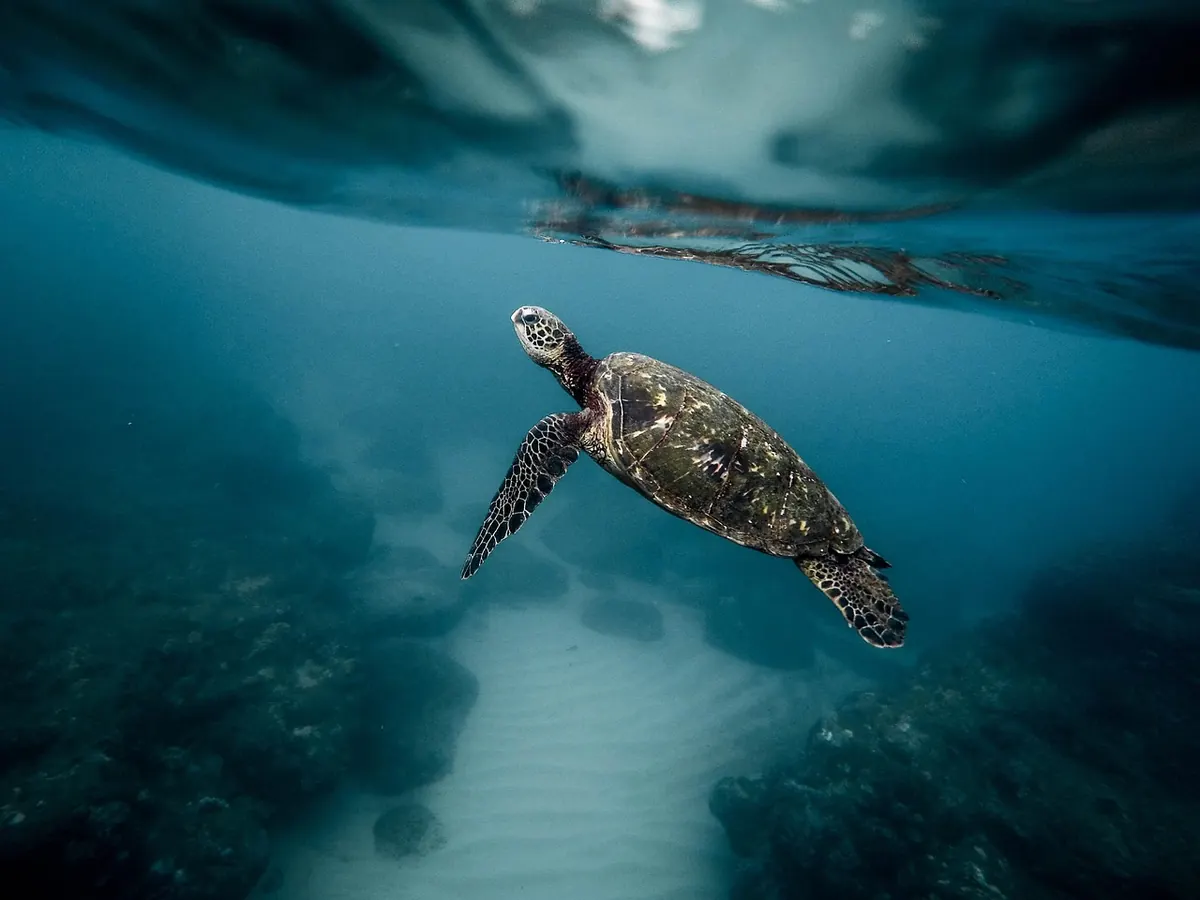
Many resorts have a house reef close to shore where children can see turtles, reef sharks, rays and tropical fish just a few metres from the beach. Guided snorkelling trips are a great introduction, and many resorts lend equipment for free. Look for resorts with easy beach access to the reef rather than deep jetty entries if your children are still learning.
Step off the beach and float over coral, with reef sharks, turtles and clouds of colourful fish just metres away.
4. Dolphin cruises and sandbank picnics
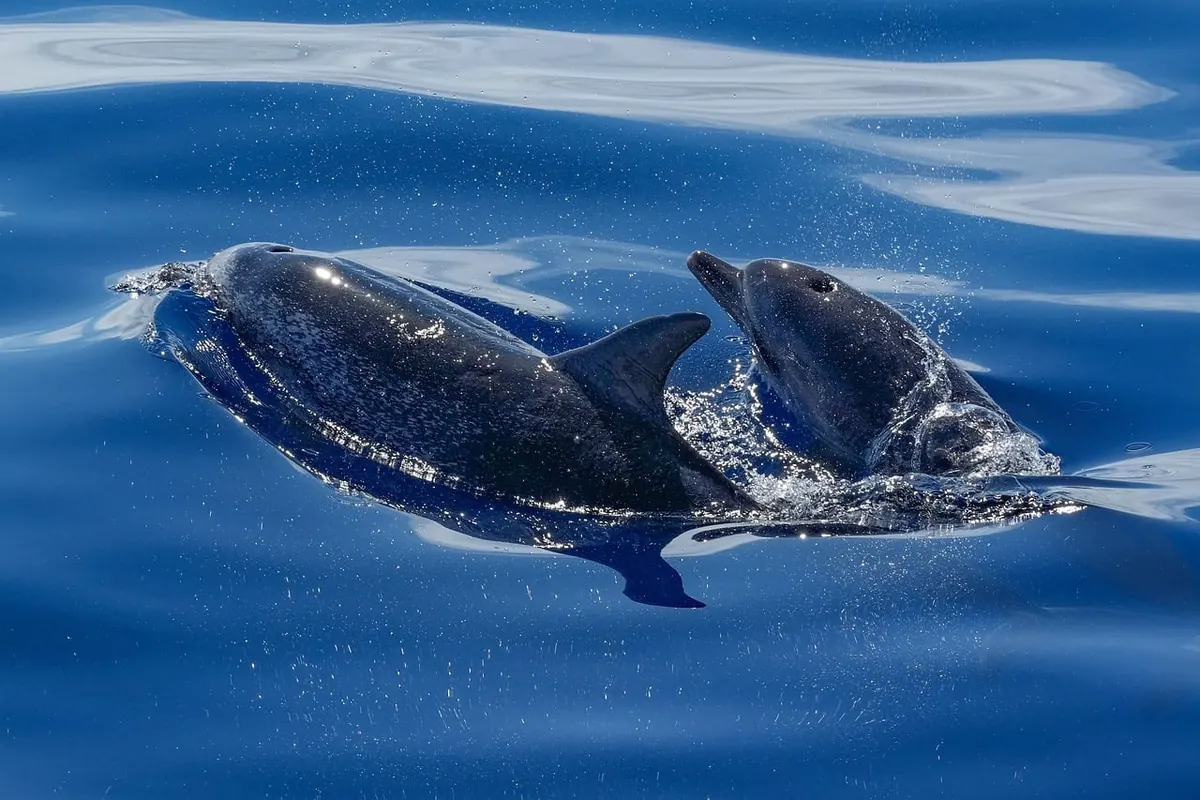
Sunset dolphin cruises on a traditional dhoni boat are a family favourite – spinner dolphins are common in many atolls. Picnics on a deserted sandbank, with nothing but white sand and turquoise water around you, are unforgettable. Some resorts also offer local island visits, giving children a glimpse of Maldivian life.
Dolphins leap beside the boat at sunset, and on a tiny sandbank, you picnic surrounded by turquoise water.
5. Marine biology programmes
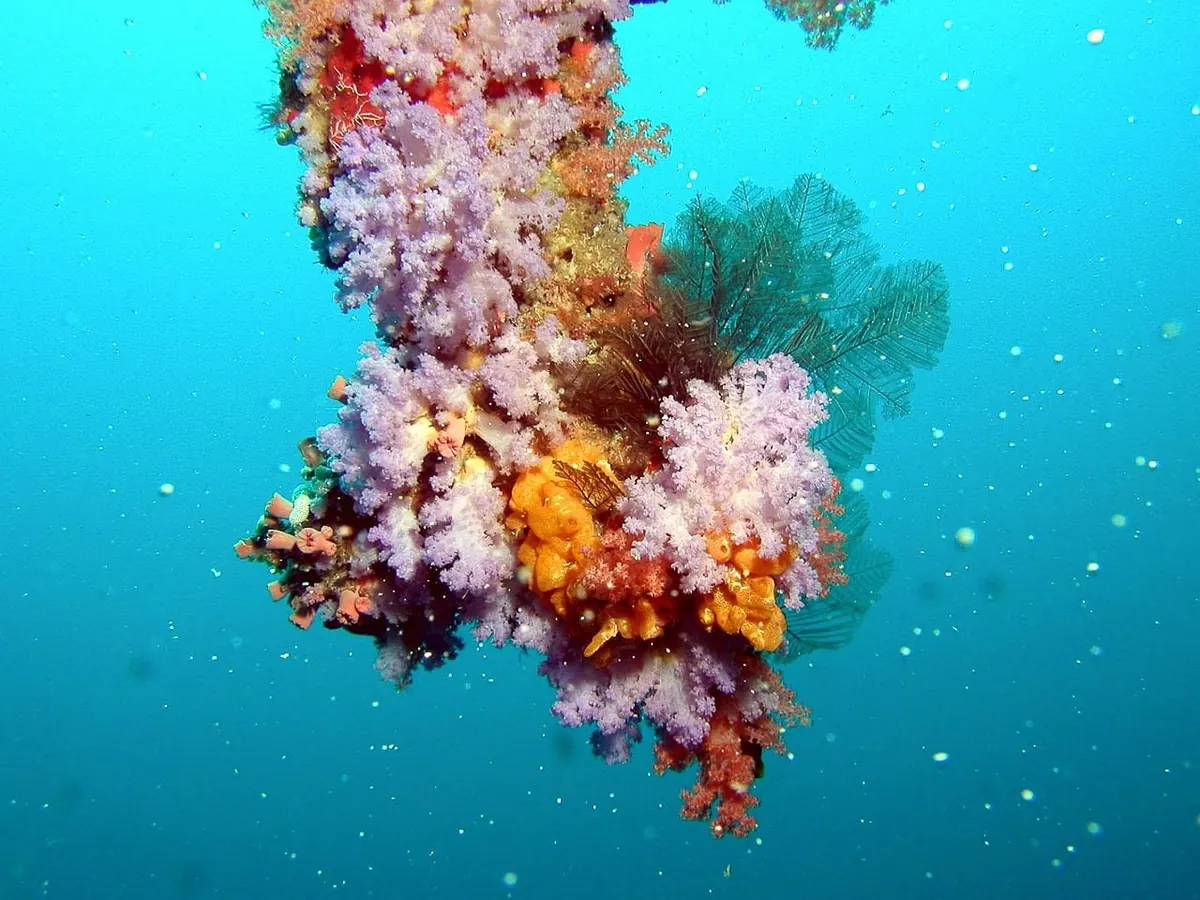
Many resorts have marine biologists who run kids' programmes: coral planting, turtle identification, fish-spotting lessons and night snorkels. Some support turtle rehabilitation centres or manta ray research. These programmes teach children to care for the reef and are often a highlight of the holiday.
Children learn to identify fish, plant coral and help with turtle projects.
6. Watersports
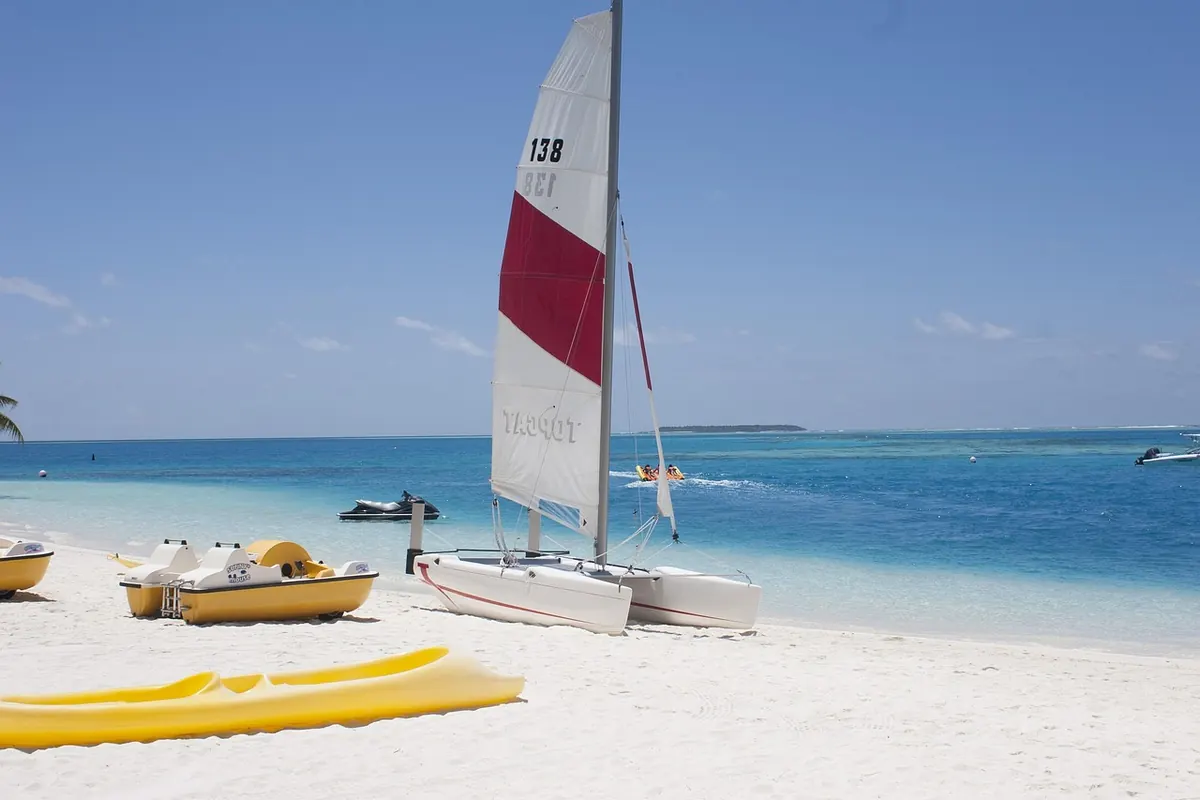
Kayaks, paddleboards and snorkel gear are often free; motorised water sports cost extra. Older children (usually from 8 or 10) can try a diving introduction or a junior Open Water course in calm, warm water.
Kayaks, paddleboards and glass-bottom boats on the calm lagoon.
Practical tips
- Food: resort restaurant prices are high, so consider half board or all-inclusive. Ask about children's menus and meal plans.
- Transfers: seaplanes only fly in daylight. If you arrive late at night, you may need to stay near Malé until the next morning. Factor transfer times – and costs – into your choice of resort.
- When to go: the dry season, roughly December to April, has the calmest seas. The wetter months (May to November) bring showers and stronger winds but lower prices; it's warm all year.
- Packing: reef-safe sunscreen, rash vests, hats and a small first-aid kit. Shops on resort islands are limited and expensive.
- Health: the sun is very strong near the equator – keep children covered and hydrated.
- Local customs: the Maldives is a Muslim country. Resorts are relaxed, but if you visit a local island, dress modestly and note that alcohol is only available on resort islands.
Comparing destinations? See our guide to luxury in Phuket or, closer to Europe, a family holiday on the Red Sea, where reefs, turtles and dolphins are just a four- to five-hour flight from much of Europe.
Frequently asked questions
Are over-water villas safe for children?
Many have steps straight into deep water and no fences, so they're not ideal for young children who can't swim. Beach villas are usually more practical for families.
When is the best time to visit the Maldives with kids?
The dry season, roughly December to April, has the calmest seas. The Maldives is warm all year, and prices drop during the wetter months.
How do you get to a resort in the Maldives?
From Velana International Airport near Malé, by speedboat, seaplane or domestic flight plus boat, depending on how far the resort is. Seaplanes only fly in daylight.
Keep reading
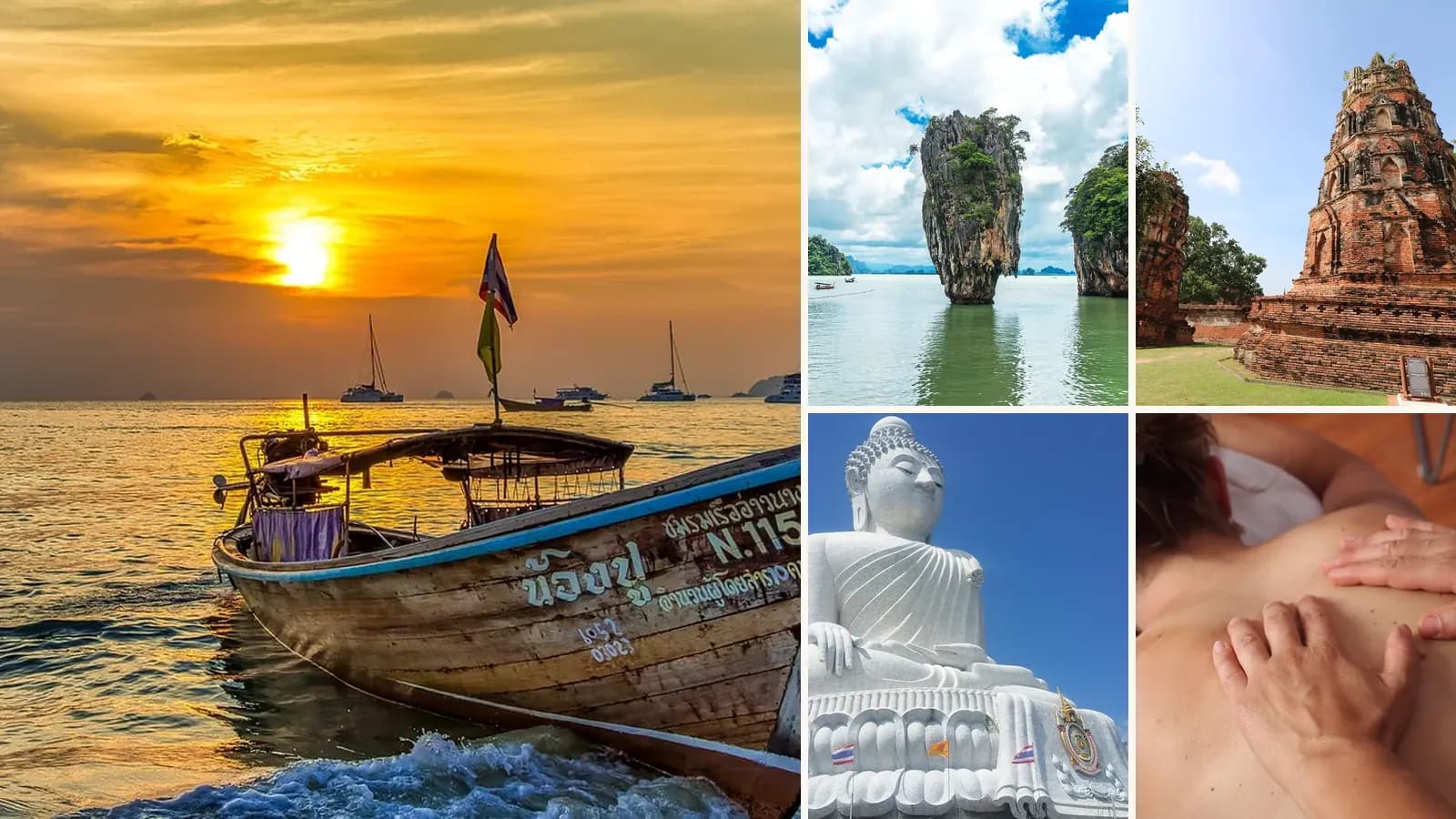
Phuket Luxury Travel Guide: Beaches, Island-Hopping and Where to Stay
Kamala, Surin and Nai Harn beaches, Phang Nga Bay, the Phi Phi Islands, Old Phuket Town and how to choose a luxury resort – a guide to Phuket for high-end travellers.
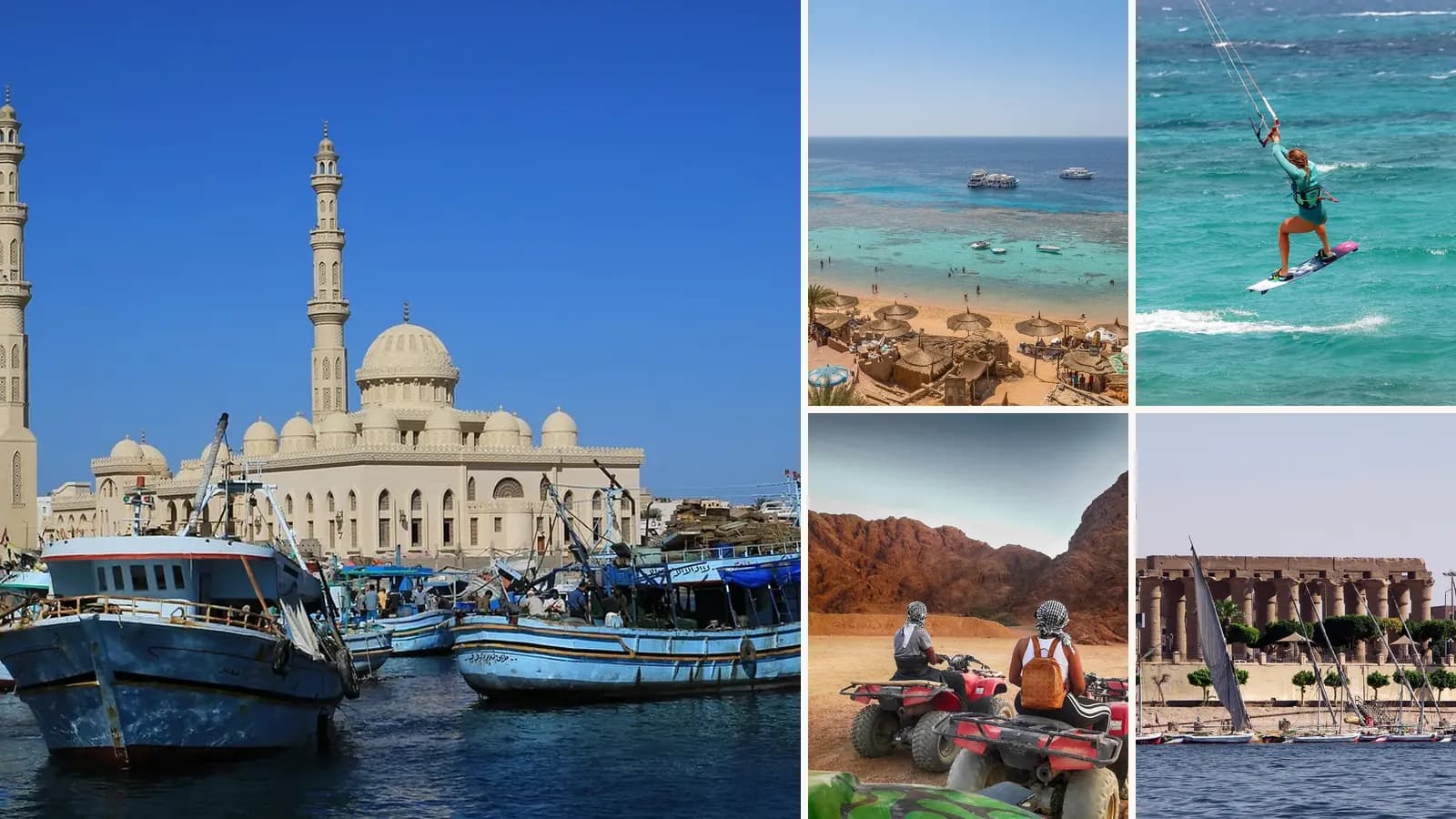
Red Sea Family Holidays in Egypt: Hurghada, El Gouna & the Best Resort Areas
Hurghada, El Gouna, Makadi Bay, Sahl Hasheesh and Soma Bay compared for families – plus the best boat trips, snorkelling, desert safaris and tips for kids.

All-Inclusive Holidays: What's Really Included and How to Avoid Hidden Costs
Drinks, à la carte restaurants, room service and excursions – what all-inclusive really covers, the extras that catch people out and how to compare packages.
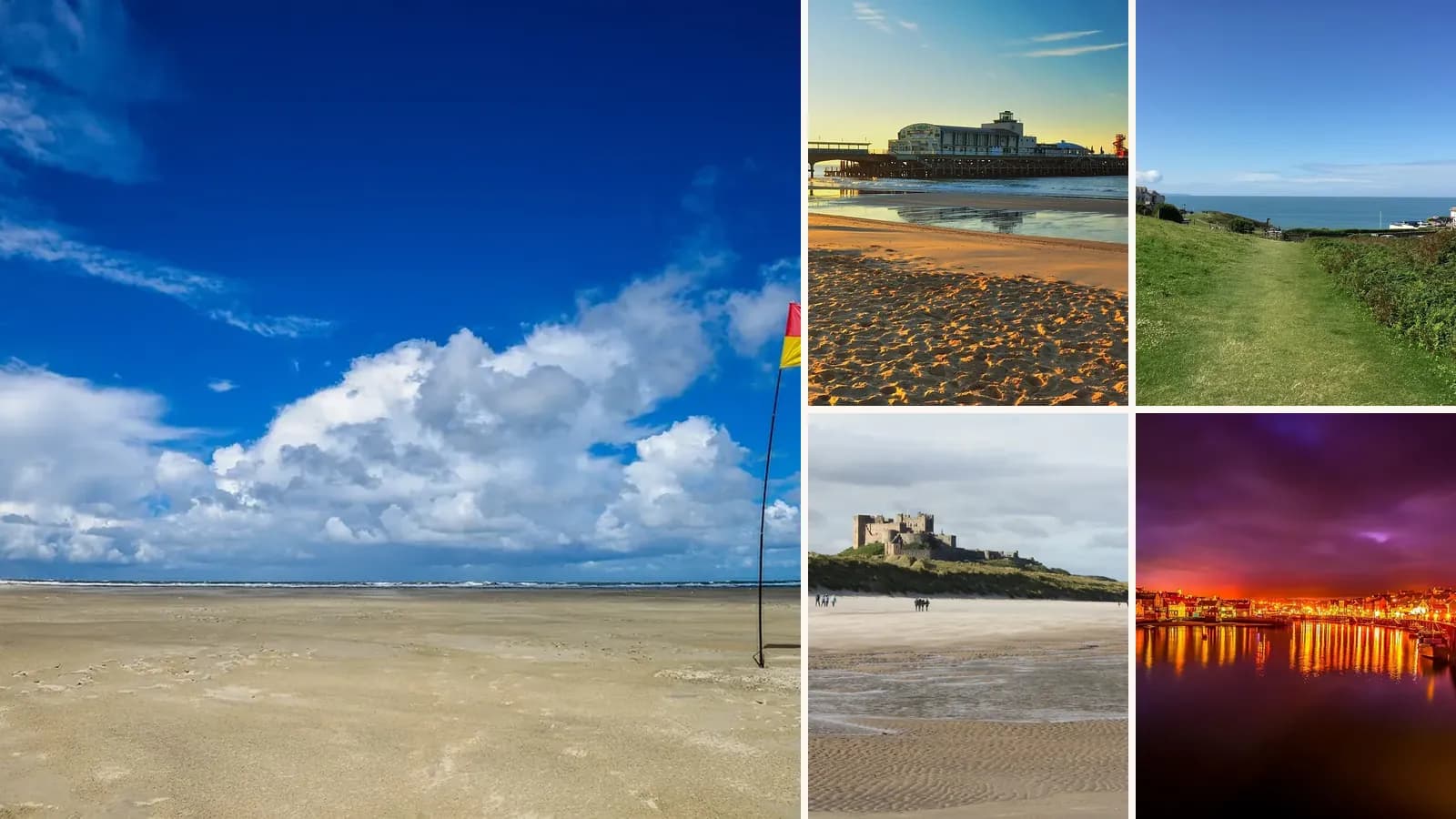
England's Blue Flag Beaches: What the Award Means and the Best to Visit
Which English beaches won Blue Flags for 2026 – Bournemouth and Poole, Cornwall, Kent, Norfolk – what the award means and the best beaches to visit.