Taxis on Holiday: How to Avoid Overpaying (and When to Book a Transfer)
Agree the fare first, use official ranks and apps, carry small cash and know when a pre-booked transfer is cheaper – practical tips to avoid taxi rip-offs on holiday.

Some links in this guide are partner links: if you buy through them we may earn a small commission, at no extra cost to you. It never affects what we recommend. How we make money

Arriving tired at an airport or cruise port, with luggage and no local currency, is exactly when travellers are most likely to pay too much for a taxi. Drivers know it, and in some destinations an unmetered ride from the airport can cost several times the normal fare. A few simple habits can save you money – and a lot of stress at the start of your holiday.
This guide explains how to check the fair price before you travel, when a pre-booked transfer is better value than a taxi, what to do on arrival, country-by-country notes for Egypt, Turkey, Spain and Greece, and what to do if something goes wrong.
Taxi, shuttle or private transfer?
| Option | Price | Best for | Watch out for |
|---|---|---|---|
| Public bus or train | Cheapest | Solo travellers with light luggage, hotels near the centre | Limited routes and times, especially at night |
| Shared shuttle | Low, per person | Couples on a budget | Several hotel stops; waiting for other passengers |
| Taxi from the rank | Varies – metered or negotiated | Short distances, cities with regulated fares | Unmetered fares, queues at peak times |
| Ride-hailing app | Shown up front | Cities where apps operate at the airport | Not available everywhere; pickup rules vary |
| Private transfer | Fixed, per vehicle | Families, groups, late flights, long distances | Book with a reputable company in advance |
Before you travel
1. Look up the normal fare

Many airports publish official taxi fares or fixed tariffs to the city centre, and tourist boards, airport websites and recent travel forums often list them too. Knowing the typical price before you land is your best protection against overcharging. Save it on your phone so you can show it if needed.
2. Decide whether a transfer makes more sense
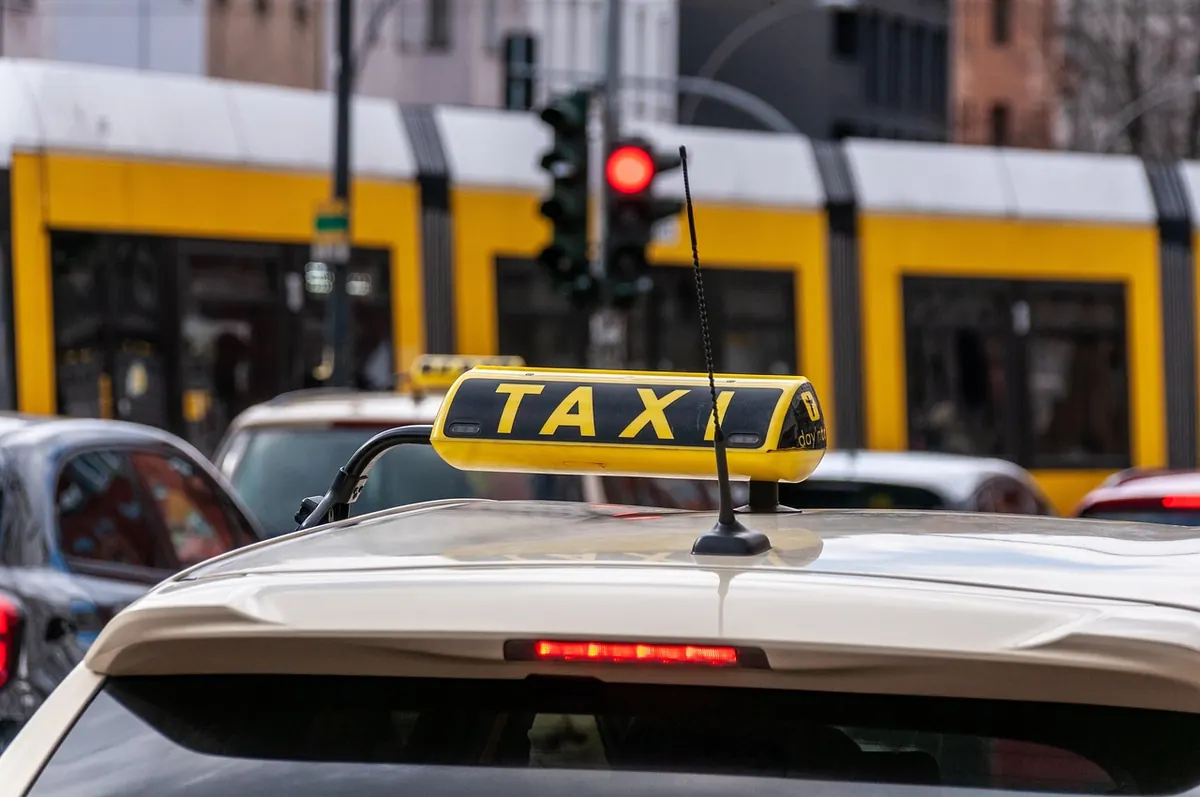
For families, groups, late-night flights or hotels far from the airport, a pre-booked private transfer is often the better deal. The price is fixed per vehicle, not per person, so for four people it can cost the same as – or less than – a taxi. The driver meets you in the arrivals hall with your name, waits if your flight is delayed, helps with luggage and can provide child seats if requested in advance.
It also takes away the stress of negotiating in a new country after a long journey. Choose a company with clear prices, good recent reviews and a way to contact them directly, such as WhatsApp.
3. Download the local apps
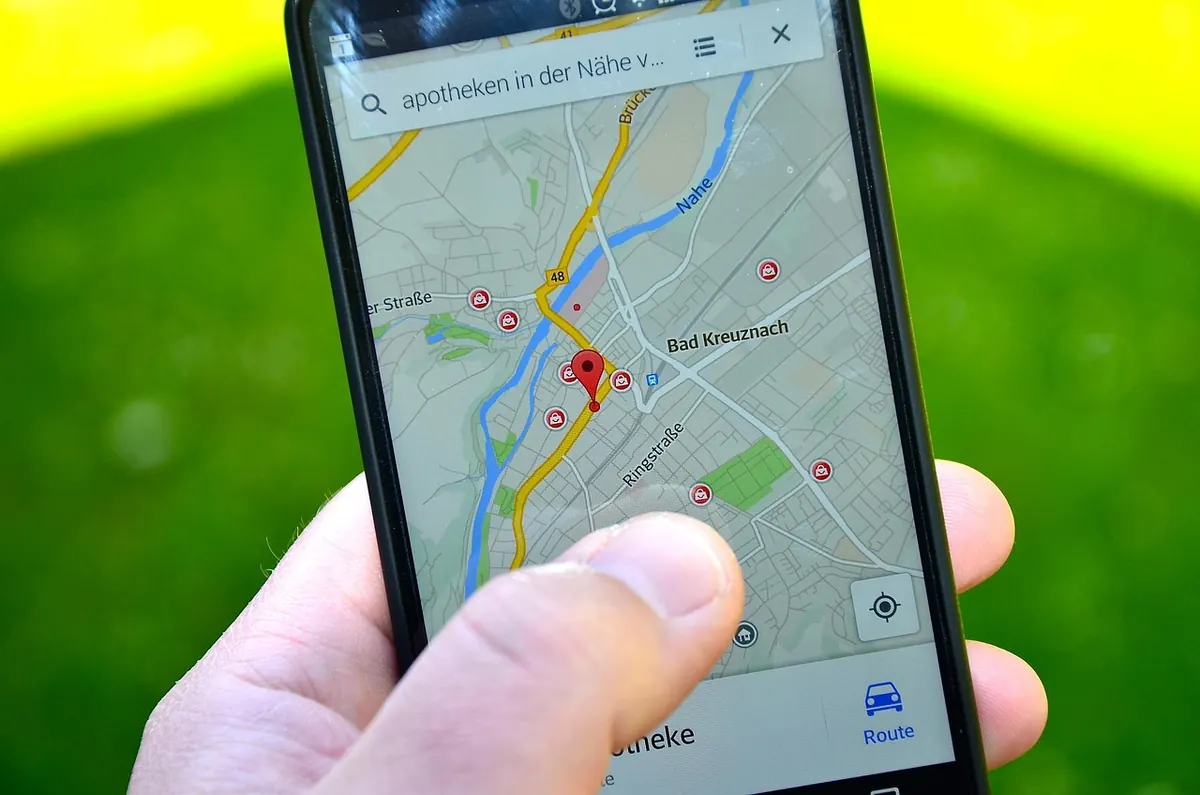
In many cities, ride-hailing or official taxi apps show the price up front and record your route, which removes most of the risk of overcharging. Check which apps actually work at your destination and whether they're allowed to pick up at the airport – not all are. Set them up with a payment method before you travel, and have a local SIM or travel eSIM so you can use them on arrival.
On arrival
4. Use the official rank

Ignore drivers who approach you inside the terminal offering a taxi – they are often unlicensed or charge inflated prices. Walk to the official taxi rank outside, where cars are licensed and fares are regulated, and join the queue. At cruise ports, use the official rank at the terminal exit.
5. Agree the fare – or insist on the meter

Before you get in, either confirm the meter will be switched on or agree a total price, including luggage and any night, weekend or airport surcharges. Write the price down or show it on your phone, and make sure it's in the local currency, not euros or dollars, unless that's what you've agreed. If a driver refuses to use the meter where it's required, take the next taxi.
6. Carry small notes
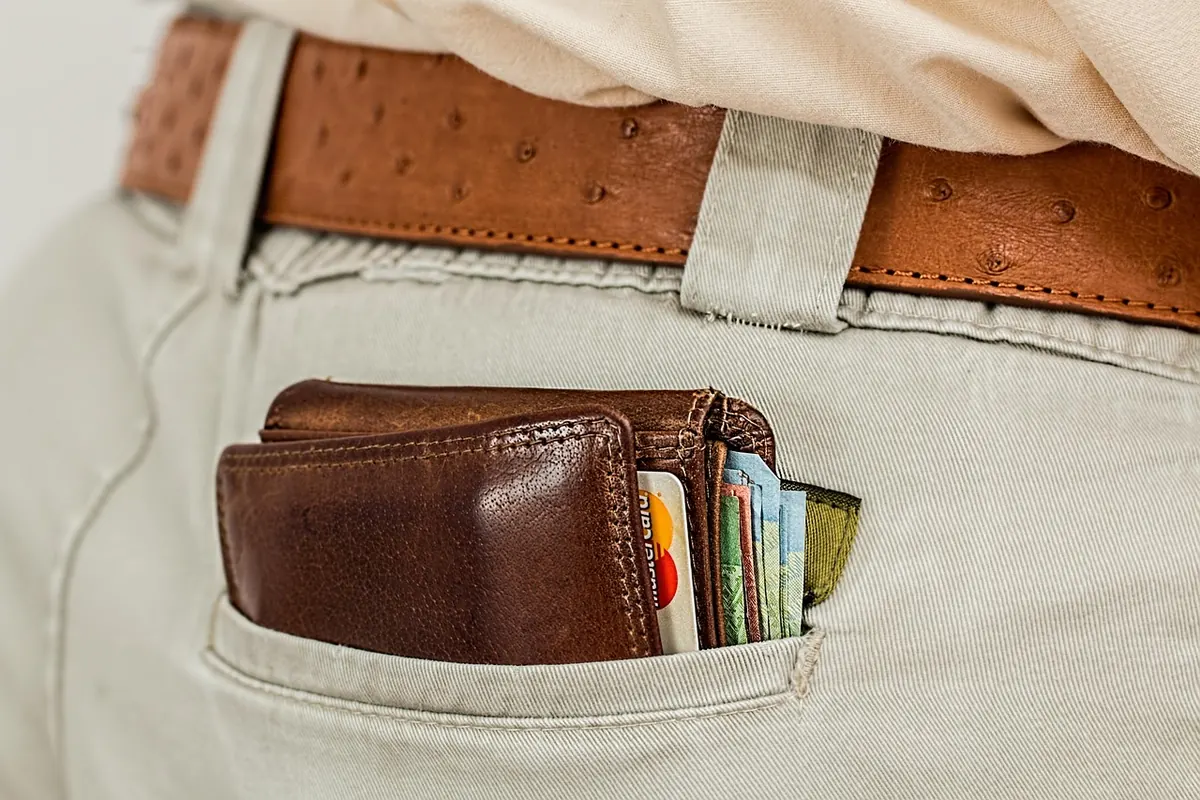
Drivers sometimes claim not to have change for large notes. Withdraw some local currency at the airport and break it into small notes – for example by buying a bottle of water – so you can pay the exact fare. Paying by card, where accepted, leaves a record.
7. Follow the route

Open a map app on your phone and follow the journey. If the driver takes a long detour, politely mention it. Most drivers are honest, but knowing roughly how long the journey should take avoids misunderstandings.
Country notes
8. Egypt

At Hurghada and Marsa Alam airports, taxis are available outside the terminal, but fares are usually negotiated rather than metered, so agree the price before setting off. Distances can be long – resorts in Makadi Bay, Soma Bay or the far north and south of Marsa Alam are 30 minutes to well over an hour away – and few taxis have child seats.
That's why most holidaymakers find a pre-booked transfer simpler: a fixed price, a driver waiting with your name and no negotiating after a long flight. In town, use metered taxis or ride-hailing apps where available, and always agree the fare first with street taxis. See our guides to Hurghada, where to stay in Hurghada and Marsa Alam.
9. Turkey

Taxis in Antalya, Dalaman and Bodrum use meters, and airport shuttle buses (such as Havaş) serve the main towns. For resorts an hour or more away, such as Side, Alanya, Kemer or Fethiye, a shared or private transfer is often better value than a metered taxi, especially for families and groups. Agree on how luggage and tolls are charged before you set off.
10. Spain and Greece

City taxis in Spain and Greece are metered and regulated, and some cities, such as Madrid, have fixed airport fares to the centre. On islands such as Corfu, Mallorca, Ibiza and the Canaries, taxis can be scarce at peak arrival times in summer, with long queues at the rank, so pre-booking a transfer saves time. On the Costa del Sol, resorts such as Marbella and Estepona are an hour or more from Málaga Airport, where a transfer is usually cheaper than a taxi for groups.
If something goes wrong
Note the taxi's licence number and the company name, ask for a receipt and take a photo of the meter if you think the fare is wrong. Stay calm and polite – arguments rarely help. Report problems to the airport, the local taxi authority or the tourist police, and tell your hotel or tour operator, who can often help. Paying by card, where accepted, makes it easier to dispute a charge later.
For more holiday money tips, see our guide to what all-inclusive really includes.
Frequently asked questions
Is it cheaper to book an airport transfer or take a taxi?
For one or two people travelling light, a metered taxi or public transport is often cheapest. For families, groups, late-night arrivals or long distances, a pre-booked private transfer is often similar in price or cheaper per person – and the price is fixed.
Should I tip taxi drivers abroad?
It depends on the country. Rounding up is common in much of Europe; in Egypt and Turkey a small tip is appreciated. Tipping is never a substitute for agreeing the fare.
How do I know if a taxi is official?
Use the official rank outside the terminal, look for the licence number and company name on the car, and avoid drivers who approach you inside the arrivals hall.
How much should an airport taxi cost?
It depends entirely on the destination. Look up the official tariff on the airport or tourist board website before you travel, and compare it with the price of a pre-booked transfer.
Keep reading

Where to Stay in Hurghada: El Gouna, Makadi Bay, Sahl Hasheesh and More
Hurghada town, El Gouna, Sahl Hasheesh, Makadi Bay or Soma Bay? The best areas to stay on Egypt's Red Sea coast, with transfer times from Hurghada Airport.

Best eSIM for Travel: 7 Providers Compared and How to Choose
Airalo, Saily, Holafly, Ubigi and more compared: data packs vs unlimited, hotspot rules, phone numbers and which travel eSIM suits your trip.

21 Tips and Tricks That Will Make Your First Cruise Go Smoothly
Going on your first cruise? From what to pack in your carry-on to booking shows, choosing excursions and avoiding seasickness – 21 tips for a smooth first sailing.

11 Tips on Packing Light for Winter Travel
Bulky coats don't need a huge suitcase. Eleven practical tips for packing light for a winter trip, from layering and fabrics to what to wear.