Canterbury Travel Guide: Cathedral, Medieval Streets and Kent's Best Pubs
Canterbury Cathedral, river punting, the medieval city walls, Chaucer's pilgrims and gastropubs in the Kent countryside – the best things to do in Canterbury.

Some links in this guide are partner links: if you buy through them we may earn a small commission, at no extra cost to you. It never affects what we recommend. How we make money
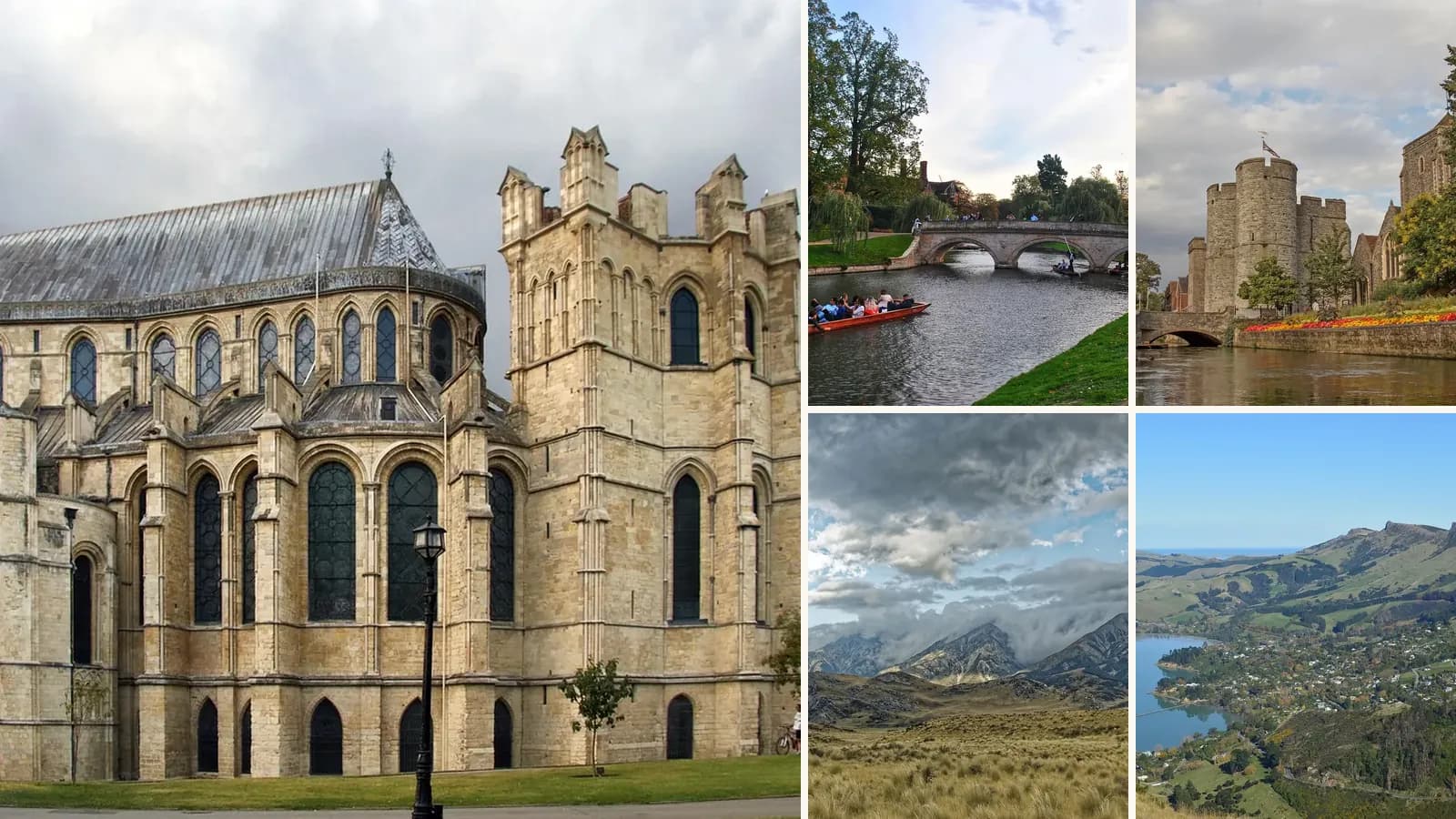
Canterbury is one of England's most historic cities. Christianity was re-established in England here in 597, when St Augustine arrived from Rome, and for centuries pilgrims travelled from all over Europe to visit the shrine of Thomas Becket, the archbishop murdered in his cathedral in 1170. Chaucer immortalised their journey in The Canterbury Tales.
Today it's a lively, compact university city with a magnificent cathedral, medieval streets, a river you can punt along and great food and drink in the surrounding Kent countryside – known as the "Garden of England" – where village pubs regularly win national awards. This guide covers the best things to do, where to eat and drink, and how to get there and around.
Canterbury at a glance
| Quick facts | |
|---|---|
| Getting there | High-speed trains from London St Pancras in under an hour |
| How long to stay | One full day; two to add the countryside or the coast |
| Best time to visit | Spring to autumn; December for the Christmas market |
| Getting around | On foot in the centre; park and ride for drivers |
| Best for | History, culture, food and drink, day trips from London |
1. Canterbury Cathedral
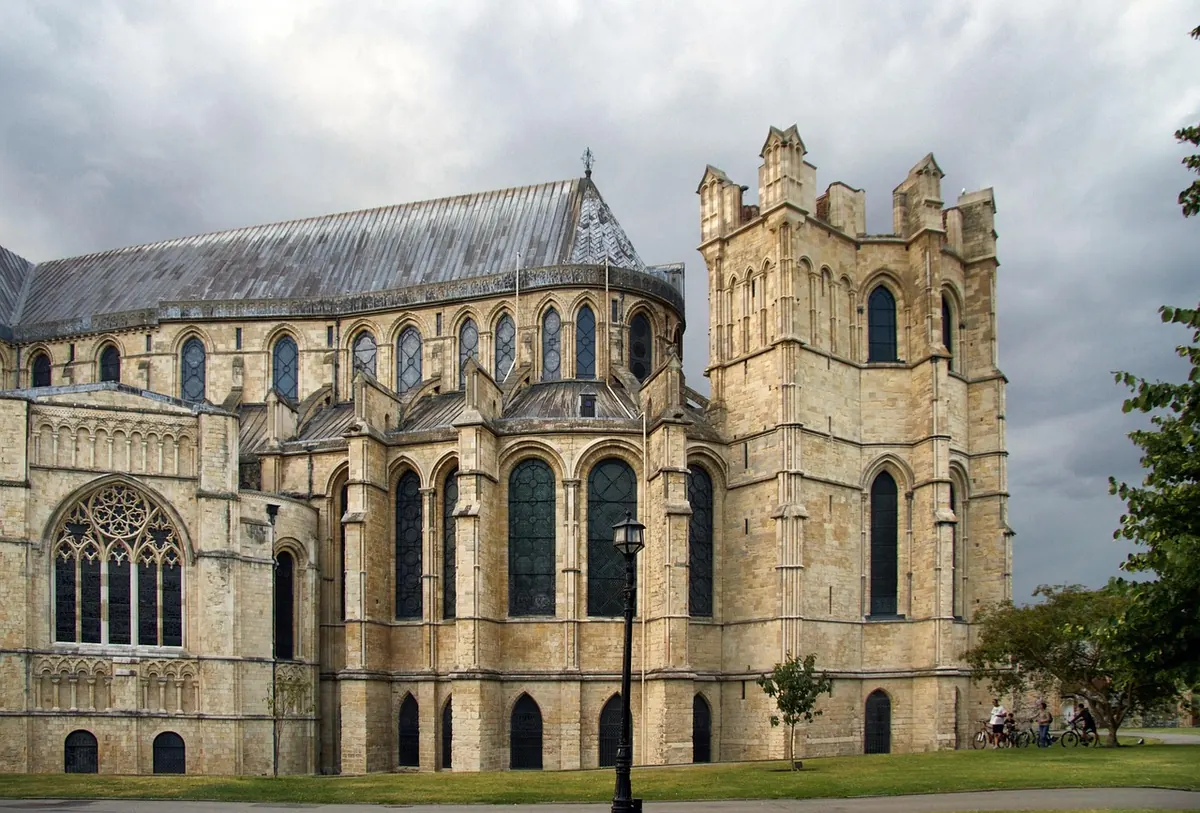
The mother church of the Church of England is part of a UNESCO World Heritage Site and one of the great cathedrals of Europe. Highlights include some of the finest medieval stained glass in England, the vast Romanesque crypt, the tomb of the Black Prince, and the Martyrdom – the spot where Thomas Becket was killed. A candle marks the site of his former shrine in Trinity Chapel.
Allow at least two hours, and consider a guided tour. Choral Evensong, held most days, is free and a moving experience in the candlelit choir.
Light falls through medieval stained glass, footsteps echo in the vast nave and a candle marks the spot where Thomas Becket was murdered.
2. The medieval streets
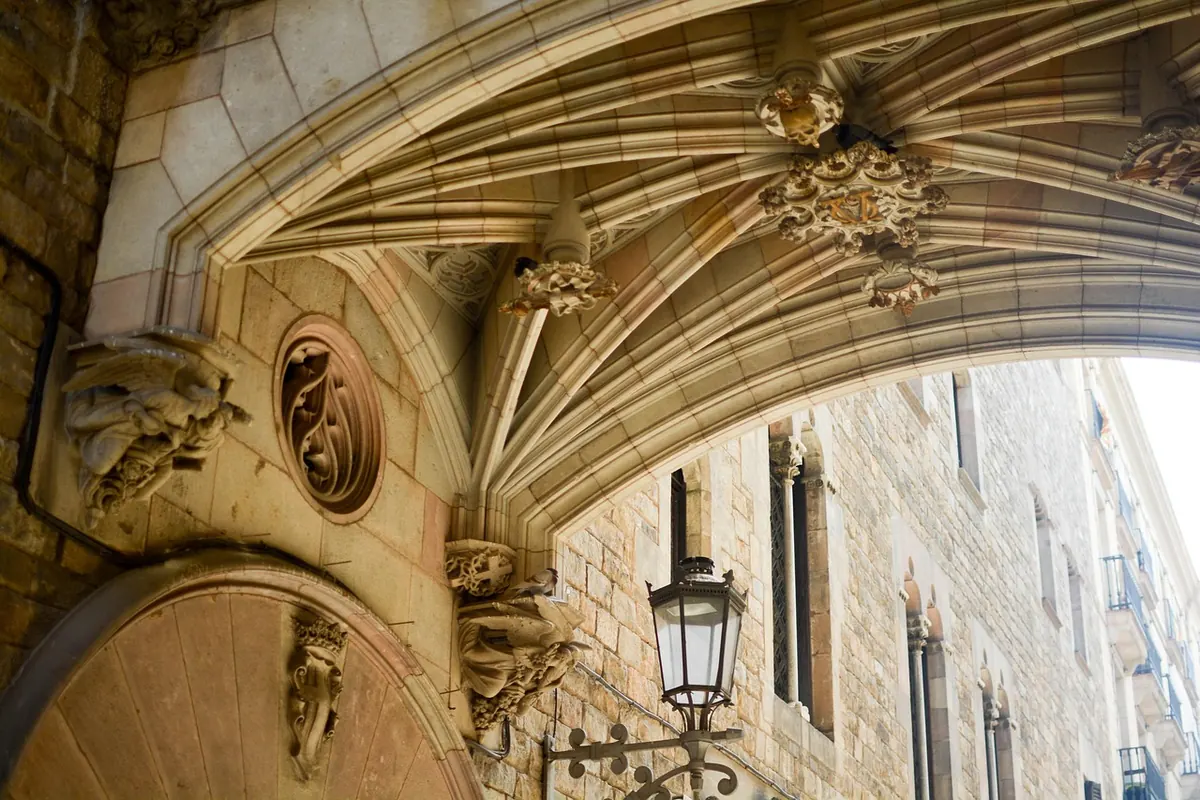
Wander the half-timbered buildings of Mercery Lane, once lined with shops selling souvenirs to pilgrims, and the Buttermarket outside Christ Church Gate, the cathedral's ornate entrance. On Palace Street, look for the Crooked House (Sir John Boys House), which leans dramatically. The streets around King's Mile are full of independent shops and cafés.
Timber-framed houses lean over the narrow lanes, and the Crooked House on Palace Street seems ready to topple.
3. River punting
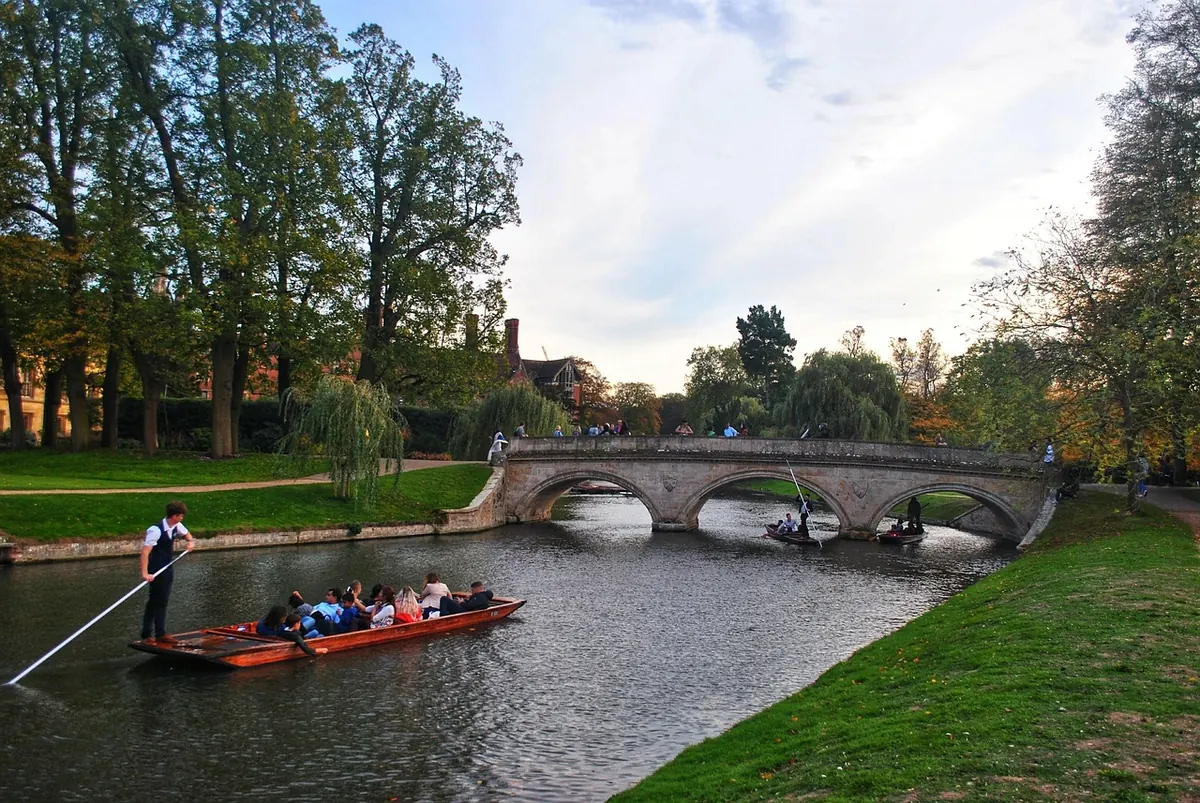
Glide along the River Stour under low bridges and past medieval buildings, weeping willows and the old Weavers' Houses on a guided punt tour – a relaxing way to see the city and hear its stories. Tours run from several points in the centre, mainly from spring to autumn.
The punter pushes off gently, and you glide under low bridges and past weeping willows, listening to stories of the city.
4. The city walls and Westgate Towers
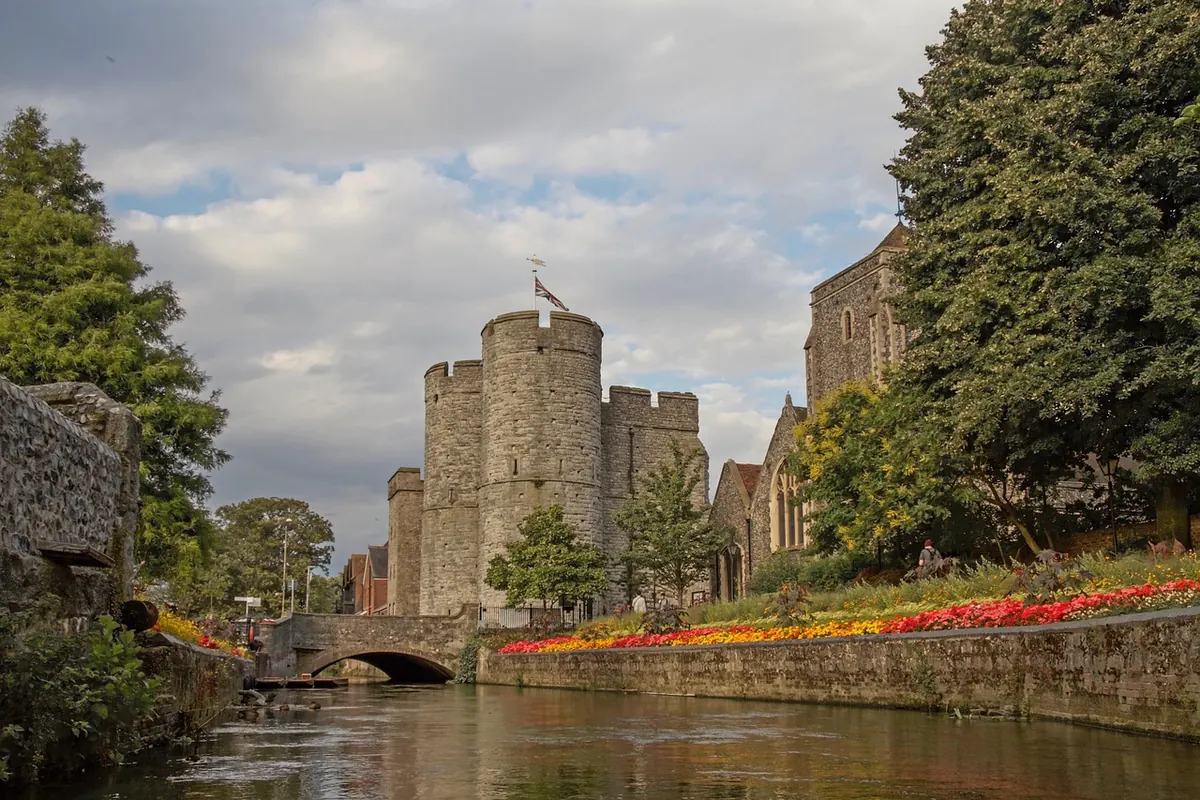
Canterbury has some of the best-preserved Roman and medieval city walls in England. Walk the sections around Dane John Gardens, and visit the Westgate – the largest surviving medieval city gate in England, built in the 14th century – with views from the top over the city. The Westgate Gardens beside the river are a peaceful spot for a picnic.
Walk along the medieval walls, then climb the Westgate Towers for views over the rooftops to the cathedral.
5. St Augustine's Abbey and St Martin's Church

Part of the UNESCO site, the ruins of St Augustine's Abbey mark the burial place of the first archbishops and the kings of Kent. A short walk away, St Martin's is considered the oldest church in continuous use in the English-speaking world, used for worship since the 6th century. Both are quieter than the cathedral and very atmospheric.
6. Countryside pubs
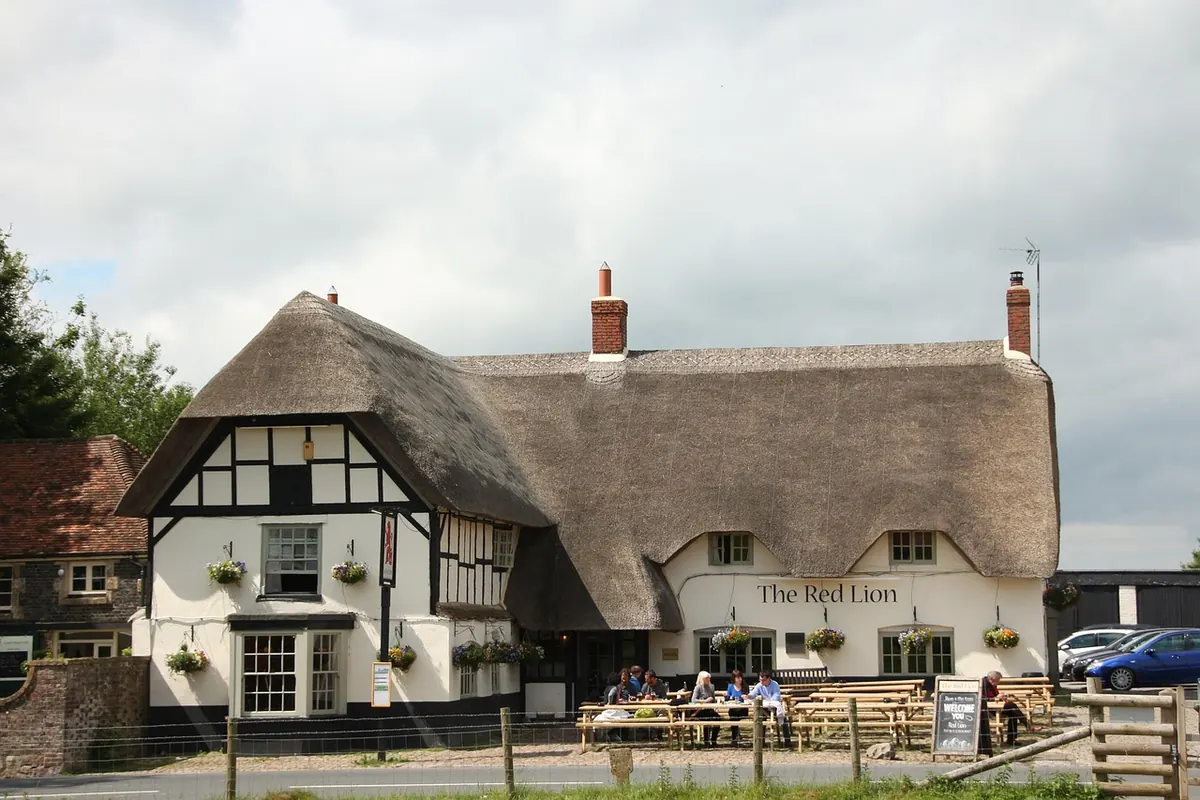
Kent's villages are full of excellent gastropubs, many in historic buildings with gardens, and the region's food awards regularly honour pubs near Canterbury. Combine a pub lunch with a walk through orchards, hop gardens and vineyards – Kent is now one of England's leading wine regions, producing award-winning sparkling wines. Book ahead for Sunday lunch.
Low beams, open fires and pints of local ale – the pubs in the surrounding villages are cosy and welcoming.
7. Day trip to Whitstable

The seaside town of Whitstable, famous for its oysters, is around 20 minutes away by road or bus. Wander the harbour with its fish market and seafood shacks, the colourful beach huts along the shingle shore and the independent shops on Harbour Street. The Whitstable Oyster Festival is held each summer. See our guide to the Kent coast.
Colourful beach huts, the harbour and fresh oysters eaten on the shingle.
When to visit
Canterbury is busy with visitors in summer and at weekends; weekdays outside school holidays are quieter. In December, a Christmas market fills the city centre, and the cathedral's carol services are popular. Spring and autumn are lovely for countryside walks.
Where to eat and drink
The city has a good mix of independent restaurants, cafés and historic pubs. Try Kentish produce – lamb, cobnuts, apples, local cheeses, Whitstable oysters and Kentish ales and sparkling wines. The Goods Shed, a farmers' market and food hall next to Canterbury West station, is a great stop.
Getting around
The city centre is compact and walkable, with most sights within a few minutes of each other. High-speed trains from London St Pancras reach Canterbury West in under an hour, and slower trains run to Canterbury East from London Victoria. Park and ride services operate from the edge of the city, as parking in the centre is limited. Buses run to Whitstable, Herne Bay and the coast.
Frequently asked questions
How do you get to Canterbury from London?
High-speed trains from London St Pancras reach Canterbury West in under an hour.
Is Canterbury worth an overnight stay?
Yes. One day covers the cathedral and old town; staying overnight lets you add a countryside pub, Whitstable or the Kent coast.
How long do you need for Canterbury Cathedral?
Allow two to three hours to see the cathedral, the crypt and the grounds, longer if you join a guided tour.
Keep reading

Mermaid Beach, Folkestone and the Best of the Kent Coast
Folkestone's Mermaid Beach, the Harbour Arm, Creative Quarter and coastal walks, plus Margate, Whitstable and Dover – a guide to Kent's seaside.
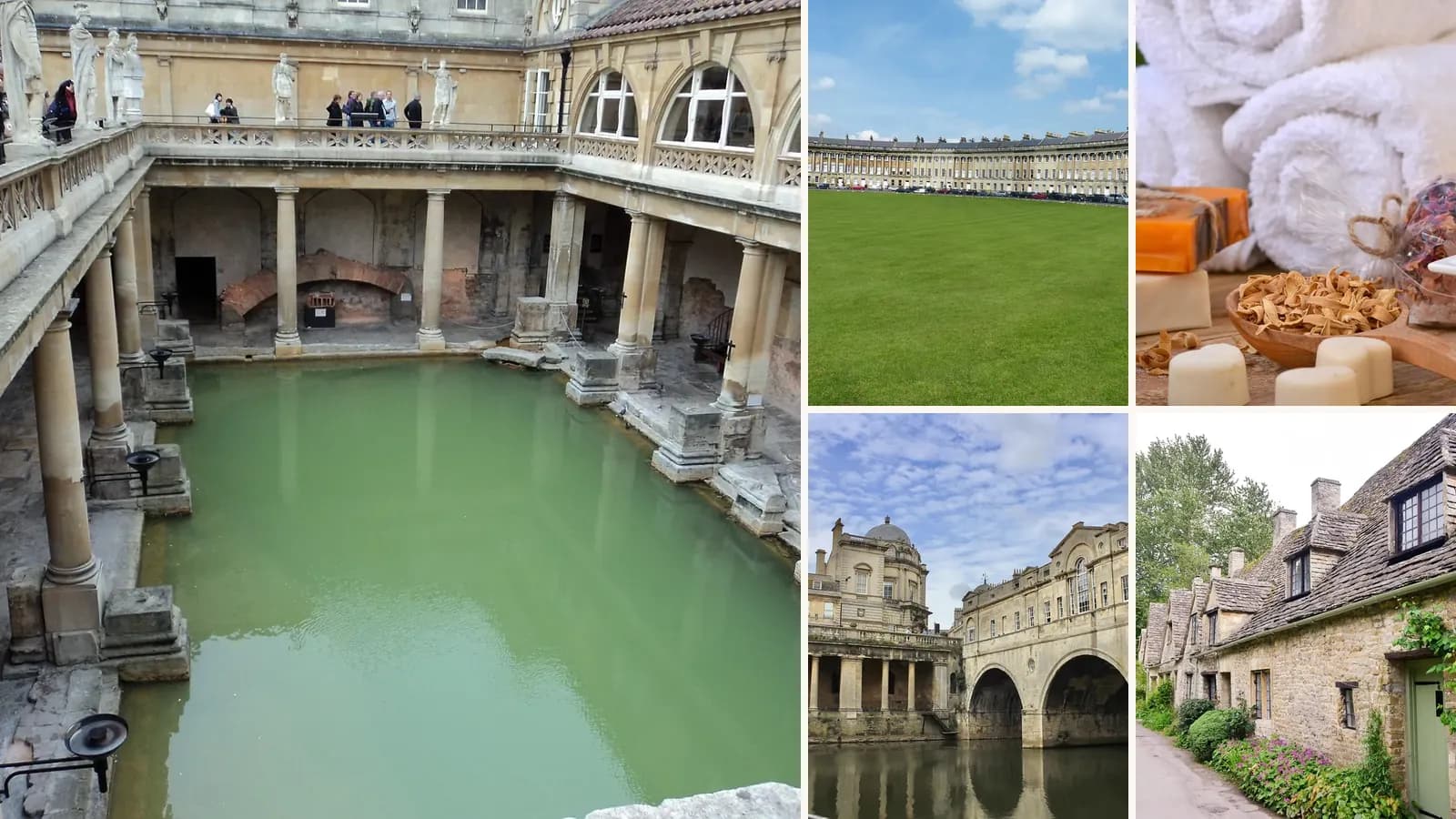
Bath Travel Guide: Roman Baths, Georgian Crescents and Jane Austen
The Roman Baths, the Royal Crescent, Bath Abbey, Thermae Bath Spa, Pulteney Bridge and the Jane Austen Centre – how to spend a perfect weekend in Bath.

London's Best Christmas Markets and Winter Events
Southbank Centre Winter Market, Hyde Park Winter Wonderland, Leicester Square, Covent Garden and more – the best Christmas markets and festive events in London.
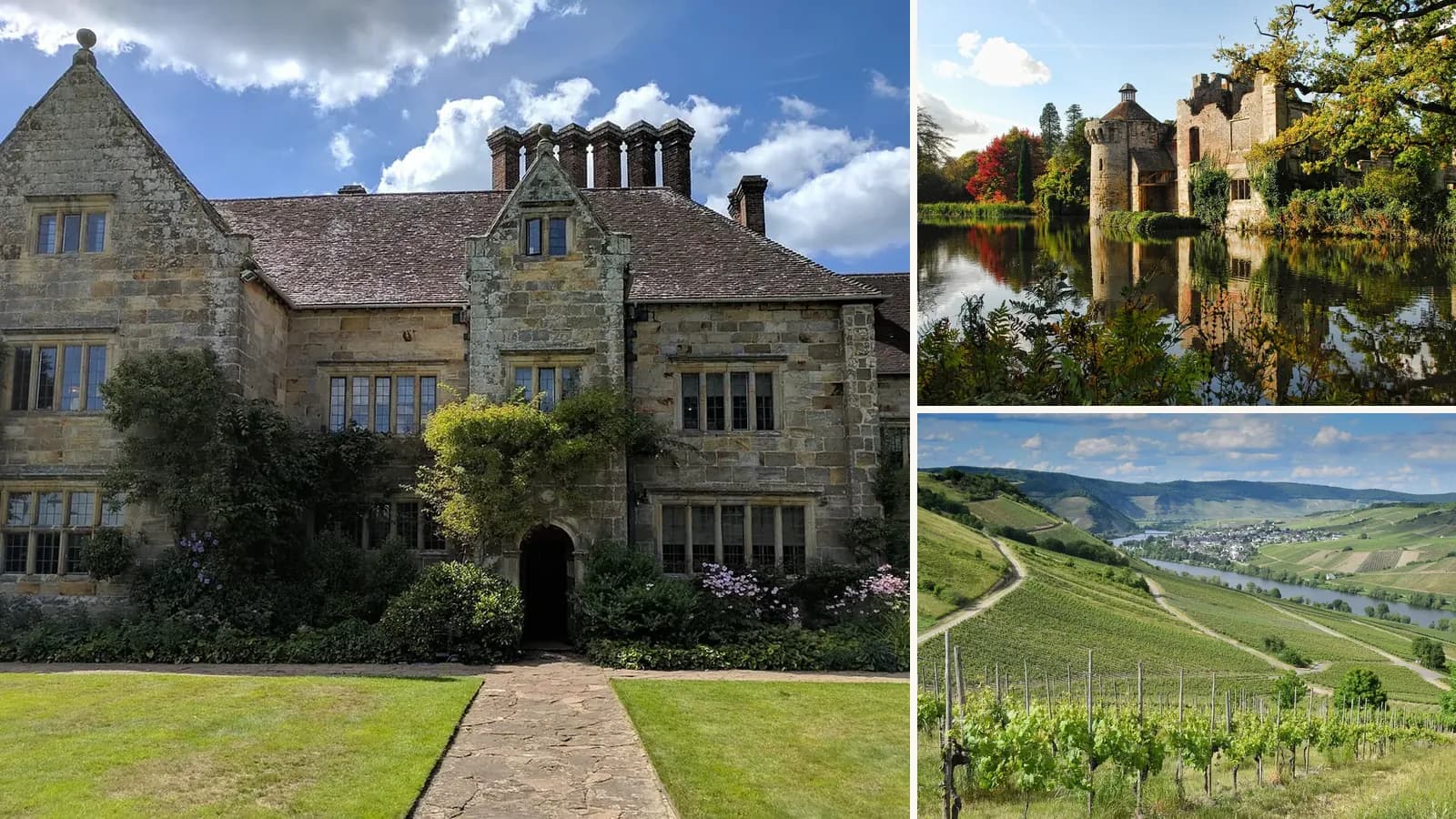
Wadhurst and the High Weald: Sussex's Prettiest Corner
Wadhurst, Bewl Water, Bateman's, Bodiam Castle, Scotney Castle and the villages of the High Weald – a guide to one of England's most beautiful countryside areas.