Wadhurst and the High Weald: Sussex's Prettiest Corner
Wadhurst, Bewl Water, Bateman's, Bodiam Castle, Scotney Castle and the villages of the High Weald – a guide to one of England's most beautiful countryside areas.

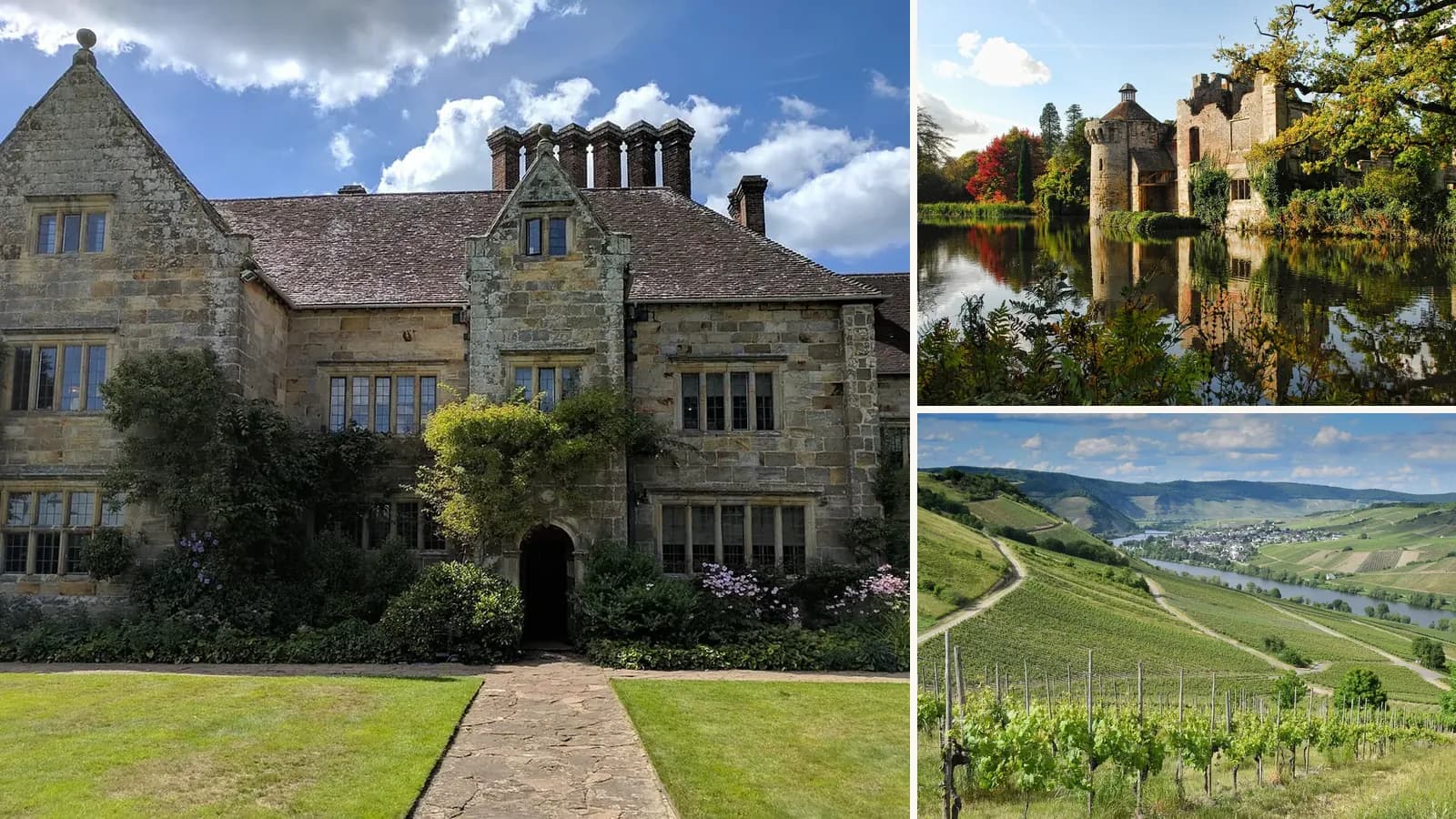
The small East Sussex town of Wadhurst has been named one of the best places to live in Britain, with judges praising it for offering almost everything needed for modern life in miniature: a high street of independent shops, a station with trains to London, good schools and beautiful countryside on the doorstep. It's home to only a few thousand people, yet it has a strong community spirit.
Wadhurst sits in the High Weald, a protected National Landscape of rolling hills, ancient woodland, small fields and historic villages covering parts of Sussex, Kent and Surrey. That makes it a lovely base for a countryside break, with castles, gardens, vineyards and country pubs all within a short drive. This guide covers the best things to see in and around Wadhurst and how to get there.
The High Weald at a glance
| Quick facts | |
|---|---|
| Getting there | Trains from London to Wadhurst in about an hour |
| How long to stay | A weekend |
| Best time to visit | Spring for bluebells and gardens; autumn for colour |
| Best for | Walking, gardens, castles, pubs, vineyards |
1. Wadhurst
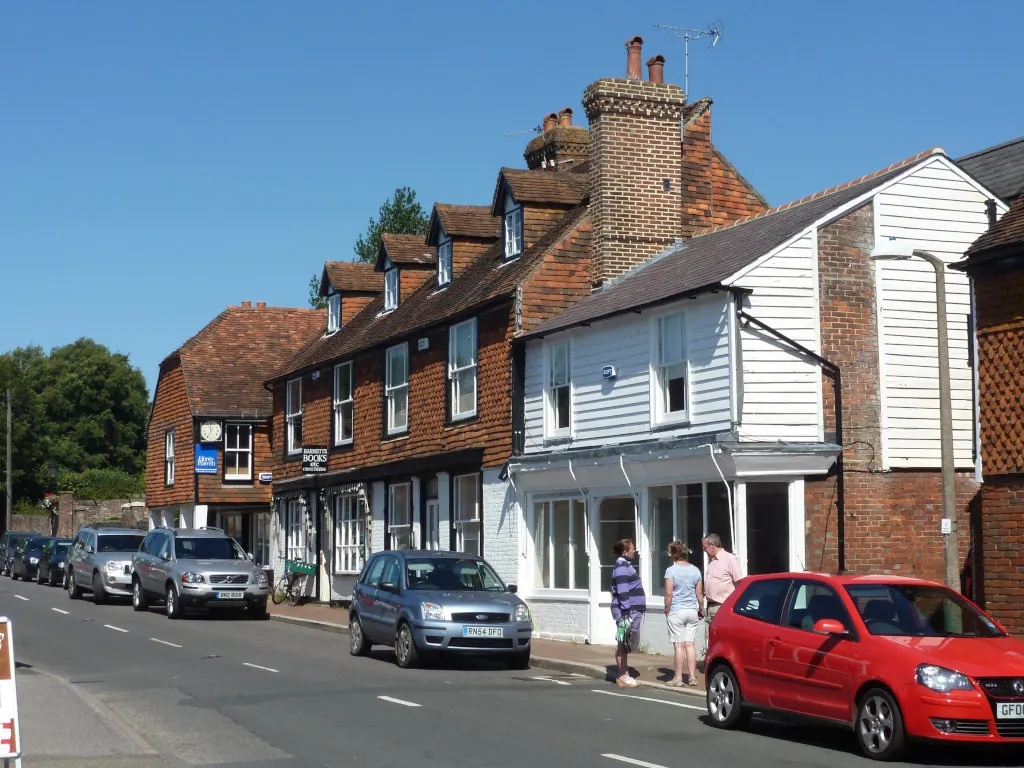
A friendly high street of independent shops, cafés, a bakery and pubs, with the historic church of St Peter and St Paul, whose floor contains iron grave slabs – a reminder of the High Weald's medieval iron industry. Footpaths lead straight from the town into rolling fields and woods, and the High Weald Landscape Trail passes nearby.
A high street of weatherboarded houses, independent shops and a friendly village atmosphere, with green countryside all around.
2. Bewl Water
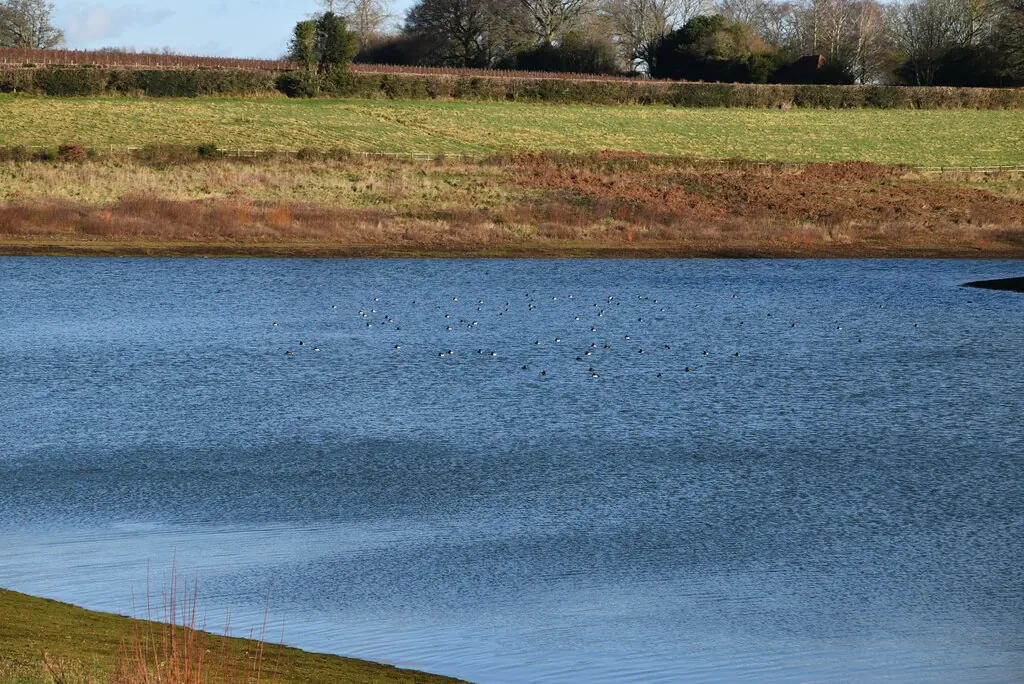
The largest stretch of open water in the south-east of England lies just outside Wadhurst. A waterside trail of about 12 miles circles the reservoir for walking and cycling (with seasonal access restrictions), and there are water sports, a café and adventure activities for families.
Walk or cycle around the reservoir, with woods and water views, and sailboats gliding across the lake.
3. Bateman's
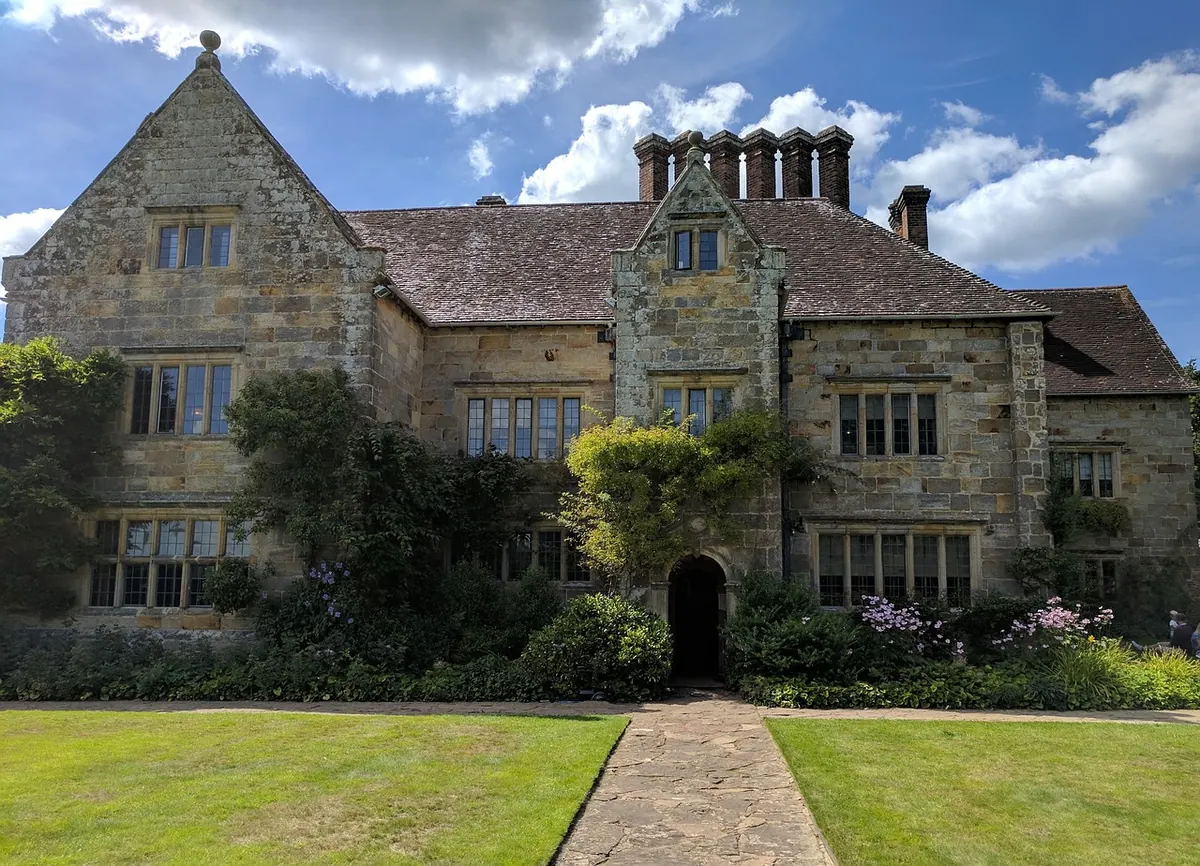
Rudyard Kipling's 17th-century home near Burwash, now cared for by the National Trust, is preserved much as he left it, with his study, books and Rolls-Royce. The gardens include a working watermill that grinds flour, and walks lead along the river.
Rudyard Kipling's sandstone house, with his study just as he left it, and a watermill in the garden.
4. Bodiam Castle
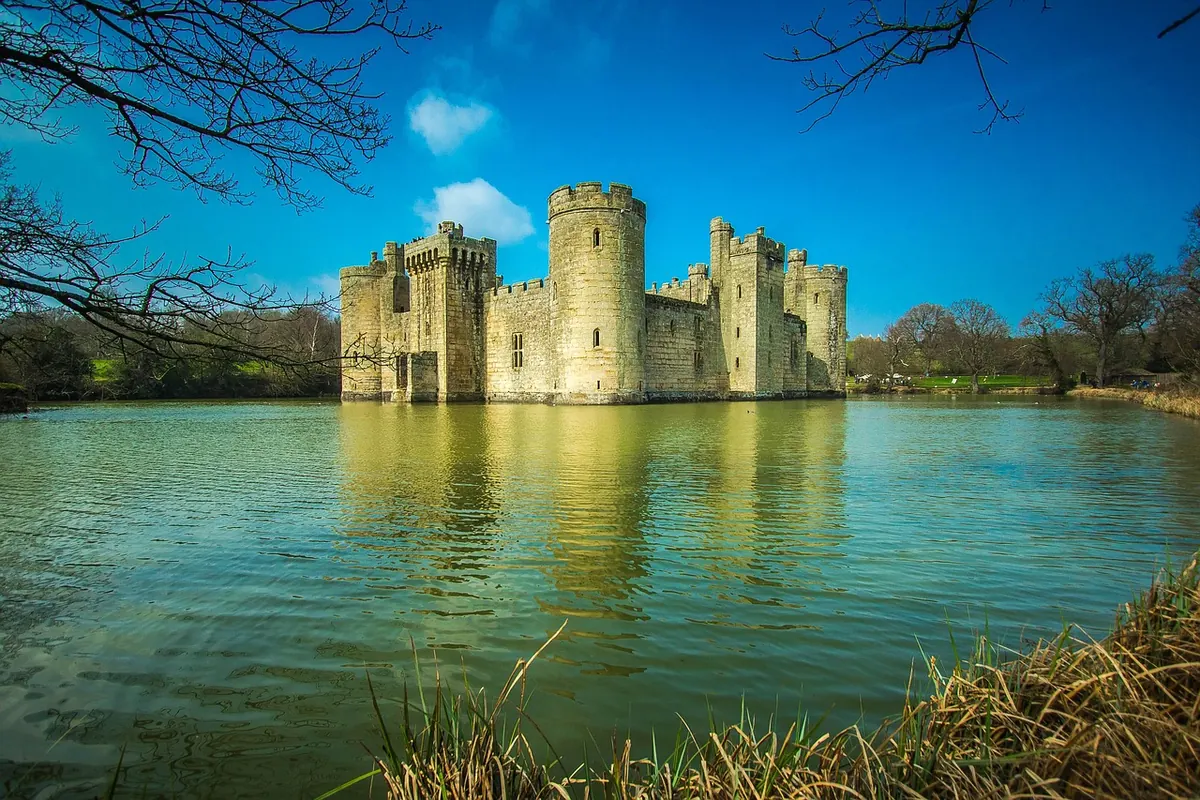
A moated 14th-century castle that looks straight out of a storybook, with round towers rising from a wide moat. Climb the spiral staircases to the battlements for views over the Rother Valley. A steam railway, the Kent & East Sussex Railway, runs to Bodiam on certain days.
A perfect moated castle, its towers reflected in the water, with swans gliding across the moat.
5. Scotney Castle
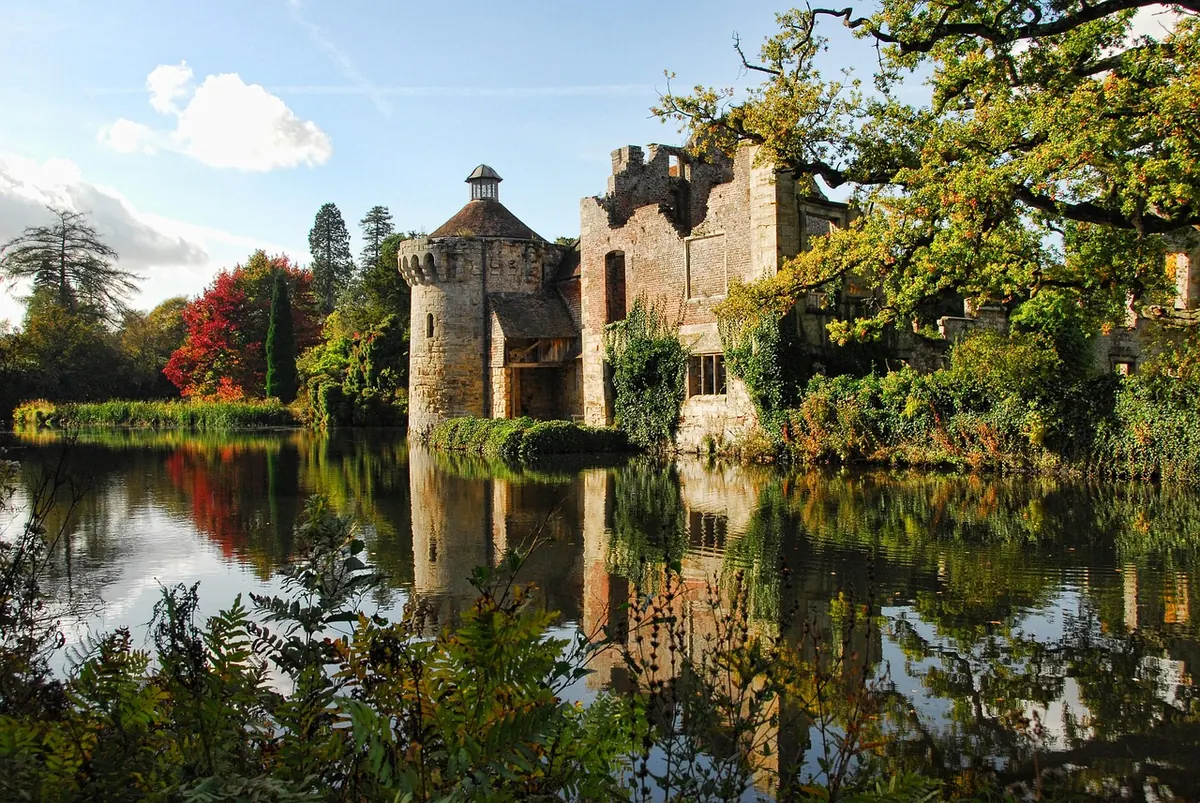
A romantic ruined 14th-century castle on an island in a lake, surrounded by beautiful landscaped gardens that are especially lovely with rhododendrons in spring and autumn colour. A Victorian country house on the hill above, with its original interiors, is also open to visitors.
A romantic ruin on a small island, surrounded by a moat and gardens of rhododendrons and azaleas.
6. Village pubs and vineyards
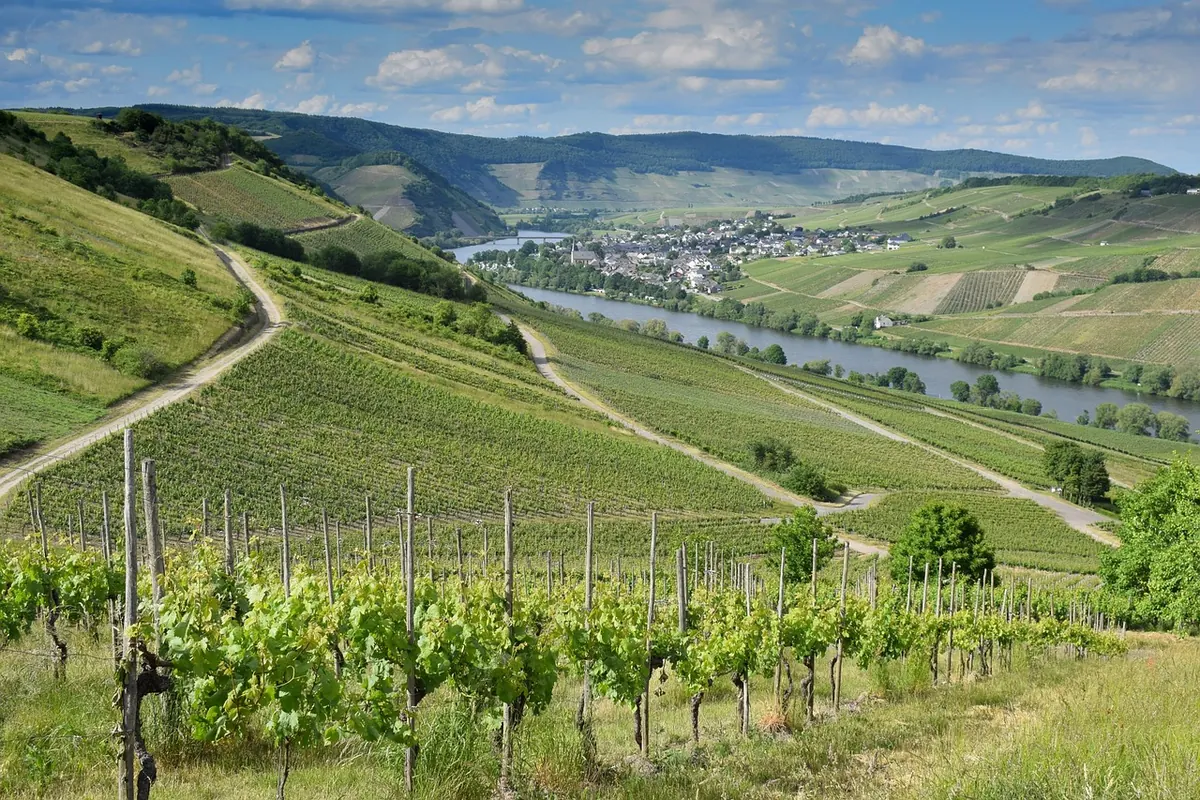
The High Weald is dotted with historic pubs – many with open fires and gardens – and a growing number of vineyards producing award-winning English sparkling wine on the chalk and sandy soils of Sussex and Kent. Several vineyards offer tours and tastings; book ahead.
English sparkling wines tasted among the vines, and pub lunches by the fire in old village inns.
7. Royal Tunbridge Wells
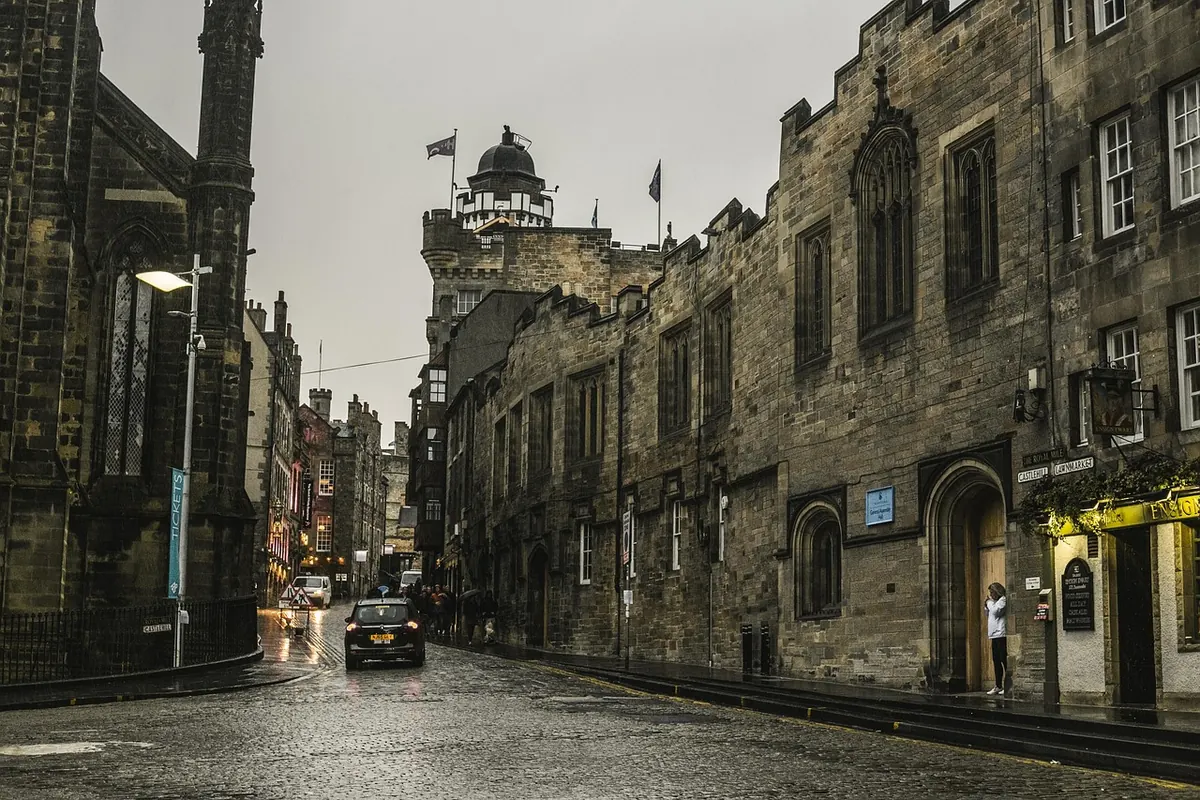
The nearby spa town grew up around a chalybeate (iron-rich) spring in the 17th century. Its colonnaded Pantiles, independent shops, restaurants and parks make it a good half-day trip, about 20 minutes from Wadhurst.
The elegant colonnaded Pantiles, the spring water and independent shops and cafés.
Getting there
Wadhurst has a railway station on the line from London Charing Cross and Cannon Street to Hastings, with journeys of about an hour. By car, it's about an hour and a half from central London. A car is useful for exploring the castles, gardens and villages of the High Weald, though many walks start from the station.
For more English villages, see our guide to Castle Combe and the Cotswolds and Canterbury.
Frequently asked questions
How do you get to Wadhurst from London?
Wadhurst has a railway station on the line from London Charing Cross and Cannon Street to Hastings, with journeys of roughly an hour.
What is the High Weald?
A protected National Landscape covering parts of Sussex, Kent and Surrey, known for rolling hills, ancient woodland, small fields and historic villages.
Keep reading
Castle Combe and the Prettiest Villages of the Cotswolds
Castle Combe, Bibury, Bourton-on-the-Water, the Slaughters, Lacock and Broadway – how to visit the Cotswolds' most beautiful villages, with tips for avoiding the crowds.
Canterbury Travel Guide: Cathedral, Medieval Streets and Kent's Best Pubs
Canterbury Cathedral, river punting, the medieval city walls, Chaucer's pilgrims and gastropubs in the Kent countryside – the best things to do in Canterbury.
The Wye Valley in Autumn: A Guide to Britain's Best Leaf-Peeping Destination
Tintern Abbey, Symonds Yat Rock, river walks and kayaking among golden woods – how to enjoy autumn colours in the Wye Valley on the England–Wales border.
Mermaid Beach, Folkestone and the Best of the Kent Coast
Folkestone's Mermaid Beach, the Harbour Arm, Creative Quarter and coastal walks, plus Margate, Whitstable and Dover – a guide to Kent's seaside.