Málaga, Alicante or Valencia? The Best Cities in Spain for Expats
Why Málaga, Alicante and Valencia top expat surveys – climate, cost of living, transport, healthcare and lifestyle compared, plus what to check before you move to Spain.
Some links in this guide are partner links: if you buy through them we may earn a small commission, at no extra cost to you. It never affects what we recommend. How we make money
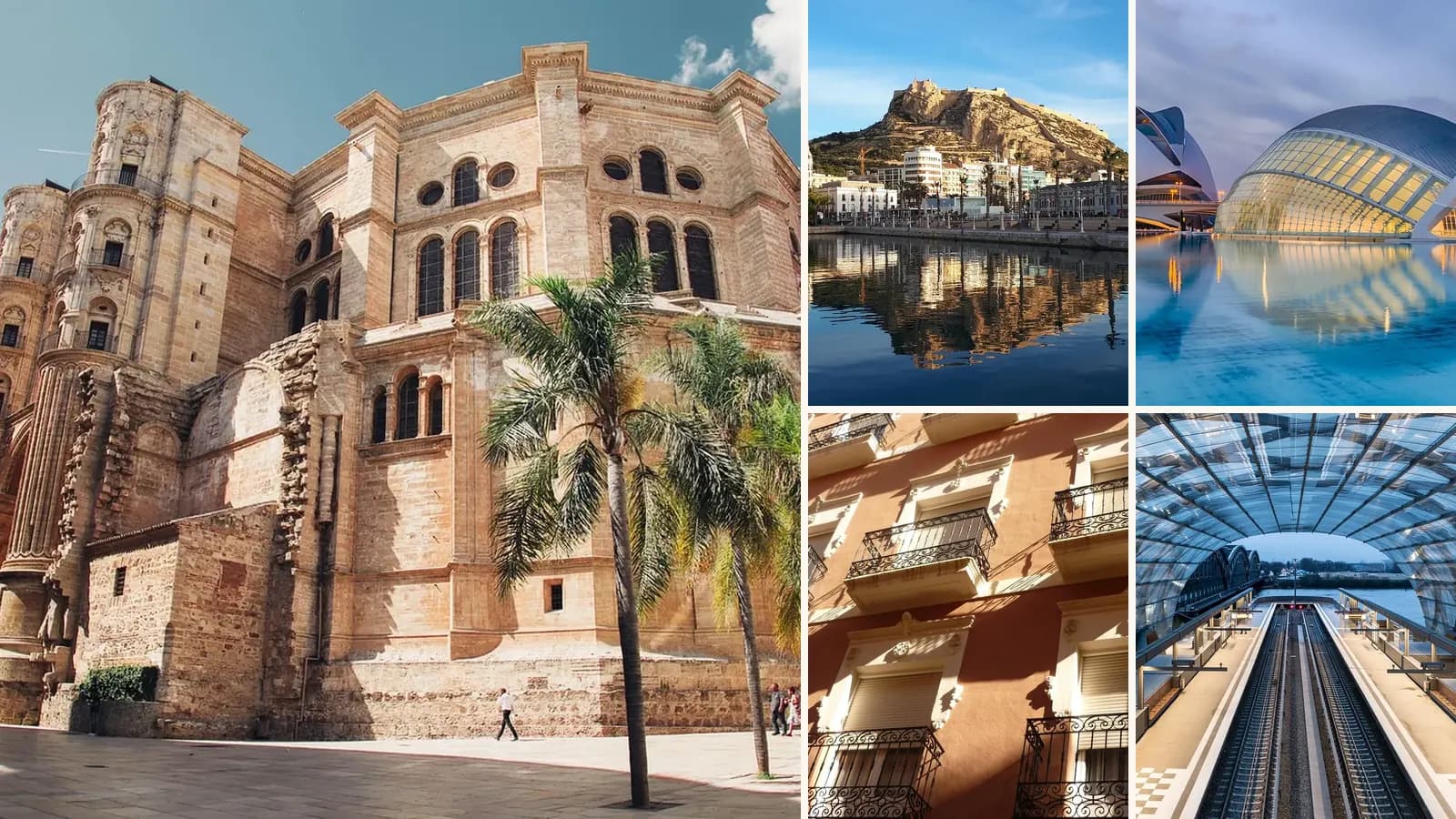
Spanish cities regularly top international expat surveys, which ask people living abroad to rate their city on friendliness, cost of living, quality of life, housing and ease of settling in. Three Mediterranean cities stand out again and again: Málaga, Alicante and Valencia. They combine sunshine, a relaxed lifestyle, good healthcare and easy connections with the rest of Europe.
Whether you're dreaming of retirement in the sun, working remotely or planning a long winter stay, this guide compares the three cities on climate, cost, transport and lifestyle, and covers the practical steps to take before you move.
The top three
1. Málaga
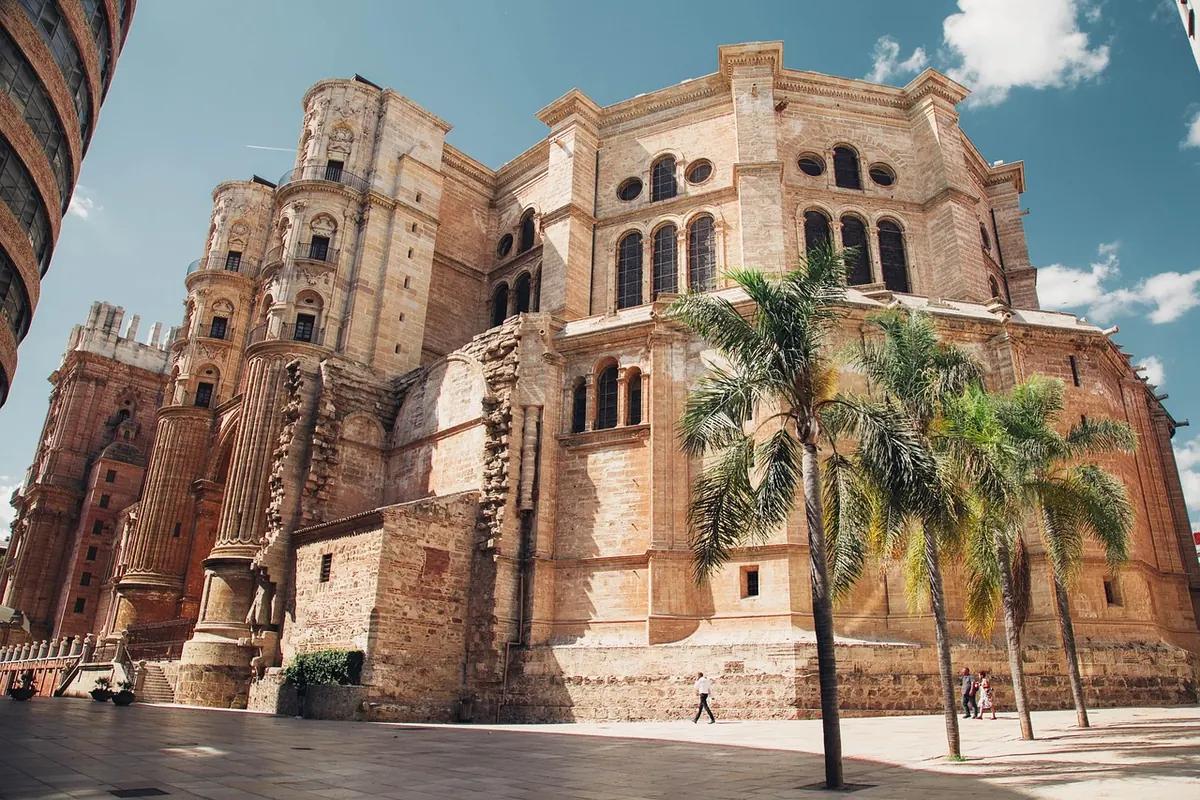
The capital of the Costa del Sol has around 300 days of sun a year, a revitalised old town, the Picasso Museum and a busy cultural calendar, beaches within walking distance and a large international community. In expat surveys, residents regularly rate the locals as friendly and the quality of life as high.
Its airport has flights all over Europe, and high-speed trains reach Madrid in under three hours. The flip side of its popularity is housing: rents and property prices have risen sharply, and many expats look at nearby towns such as Fuengirola, Benalmádena, Torremolinos or Estepona, linked by train or bus.
2. Alicante
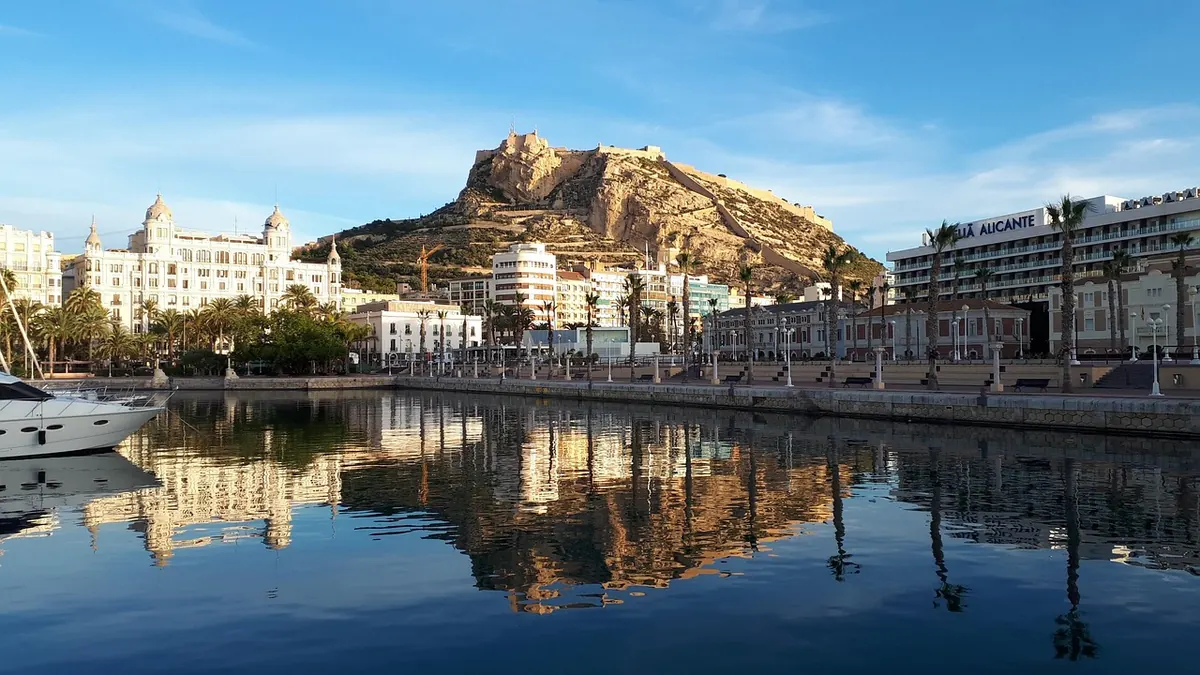
Smaller and generally more affordable than Málaga, Alicante has a lively old town, the hilltop Santa Bárbara Castle, a palm-lined promenade (the Explanada) and city beaches. The wider Costa Blanca, with towns such as Jávea, Altea and Benidorm, is on the doorstep, and the region has a long-established British and Northern European community.
Alicante's airport is one of Spain's busiest, with many direct flights, and the city has a tram network that runs along the coast.
3. Valencia

Spain's third-largest city offers big-city services at lower prices than Madrid or Barcelona. It has long city beaches, the Turia Gardens – a huge park in an old riverbed – the futuristic City of Arts and Sciences, a superb central market and a strong food scene, being the home of paella.
Valencia has the best public transport of the three, with a metro, trams and an extensive bike-lane network, and fast trains to Madrid. Summers are hot and humid; winters are mild.
What to compare
4. Climate
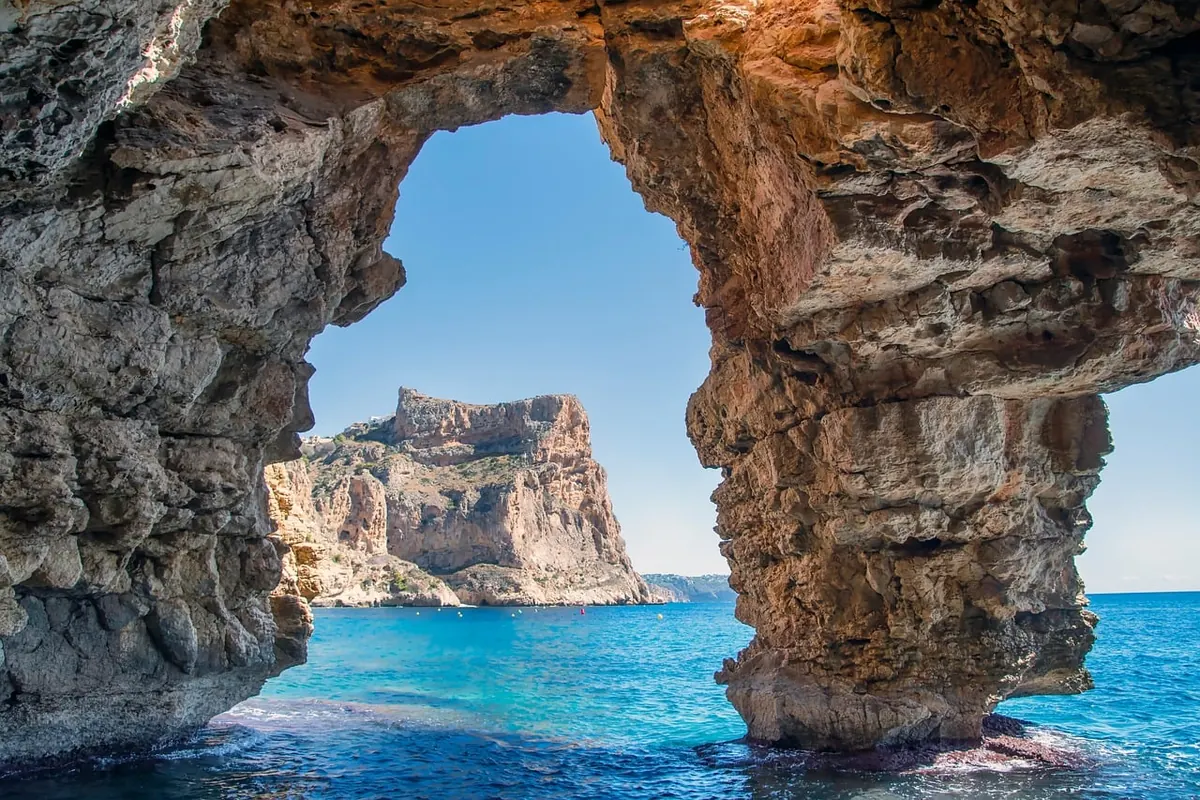
All three cities have mild winters and hot summers. Málaga is the sunniest and warmest in winter; Alicante is one of the driest places in Spain; Valencia is slightly cooler in winter and more humid in summer. If you're sensitive to heat, spend a summer there before committing – July and August can be very hot.
5. Cost of living
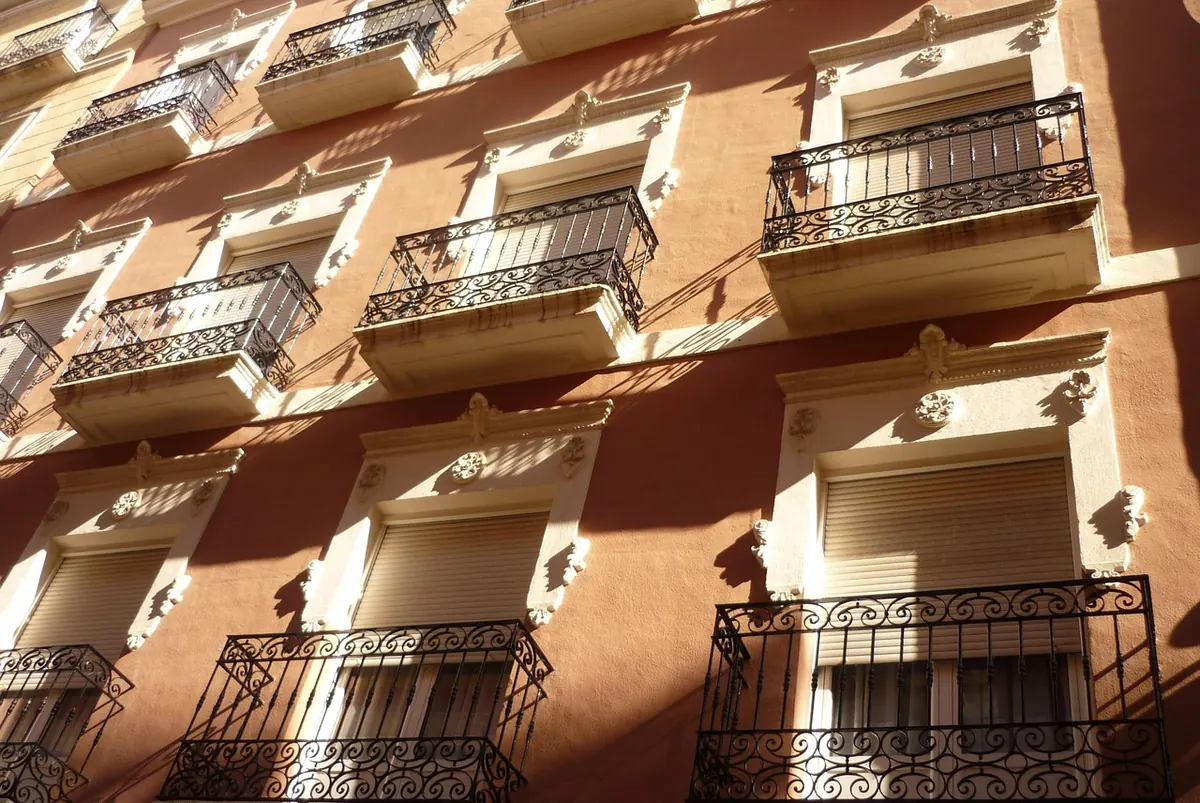
Rents and property prices have risen across Spain's coastal cities, especially in central Málaga and Valencia. Everyday costs – food, eating out and public transport – are generally lower than in Northern Europe. Compare neighbourhoods carefully, and consider towns a short train ride away, where housing is cheaper.
6. Getting around

Valencia's metro, trams and bike lanes make car-free living easy. In Málaga and Alicante, public transport works well in the centre, but a car is useful if you live outside the city or want to explore the coast and inland villages.
Before you move
- Check visa and residence rules: EU citizens can live in Spain with registration; non-EU citizens, including Britons since Brexit, need a visa or residence permit, such as the non-lucrative visa or the digital nomad visa. Rules change, so check the Spanish government's official information and consider professional advice.
- Healthcare: Spain's healthcare system is highly regarded. Residents who work or receive certain pensions can access public healthcare; others usually need private health insurance.
- Language: learning Spanish makes daily life, friendships and paperwork much easier. In Valencia and Alicante, Valencian (a form of Catalan) is also an official language.
- Paperwork: you'll need an NIE (foreigner's identity number) for most official processes, from renting a flat to opening a bank account.
- Try before you buy: spend a few weeks or months in a city, in different seasons, before signing a long lease or buying property.
- Taxes: if you become a tax resident, your worldwide income may be taxed in Spain – get advice before you move.
Thinking of the north instead? Read our guide to the Costa Brava, popular with retirees for its mild climate and closeness to France.
Frequently asked questions
Which Spanish city is best for expats?
It depends on your priorities. Málaga is sunniest and very international, Valencia is a larger city with excellent transport and lower costs than Madrid or Barcelona, and Alicante is smaller, affordable and close to the Costa Blanca beaches.
Can non-EU citizens live in Spain?
Yes, but you need the right visa or residence permit, such as a non-lucrative visa or a digital nomad visa. Rules change, so check the Spanish government's official information and consider professional advice.
Is healthcare good for expats in Spain?
Spain's healthcare system is highly regarded. Residents who work or receive certain pensions can access the public system; others usually need private health insurance.
Which is cheaper to live in: Málaga, Alicante or Valencia?
Alicante is usually the most affordable of the three for housing, followed by Valencia; central Málaga has become the most expensive. Everyday costs are similar.
Keep reading
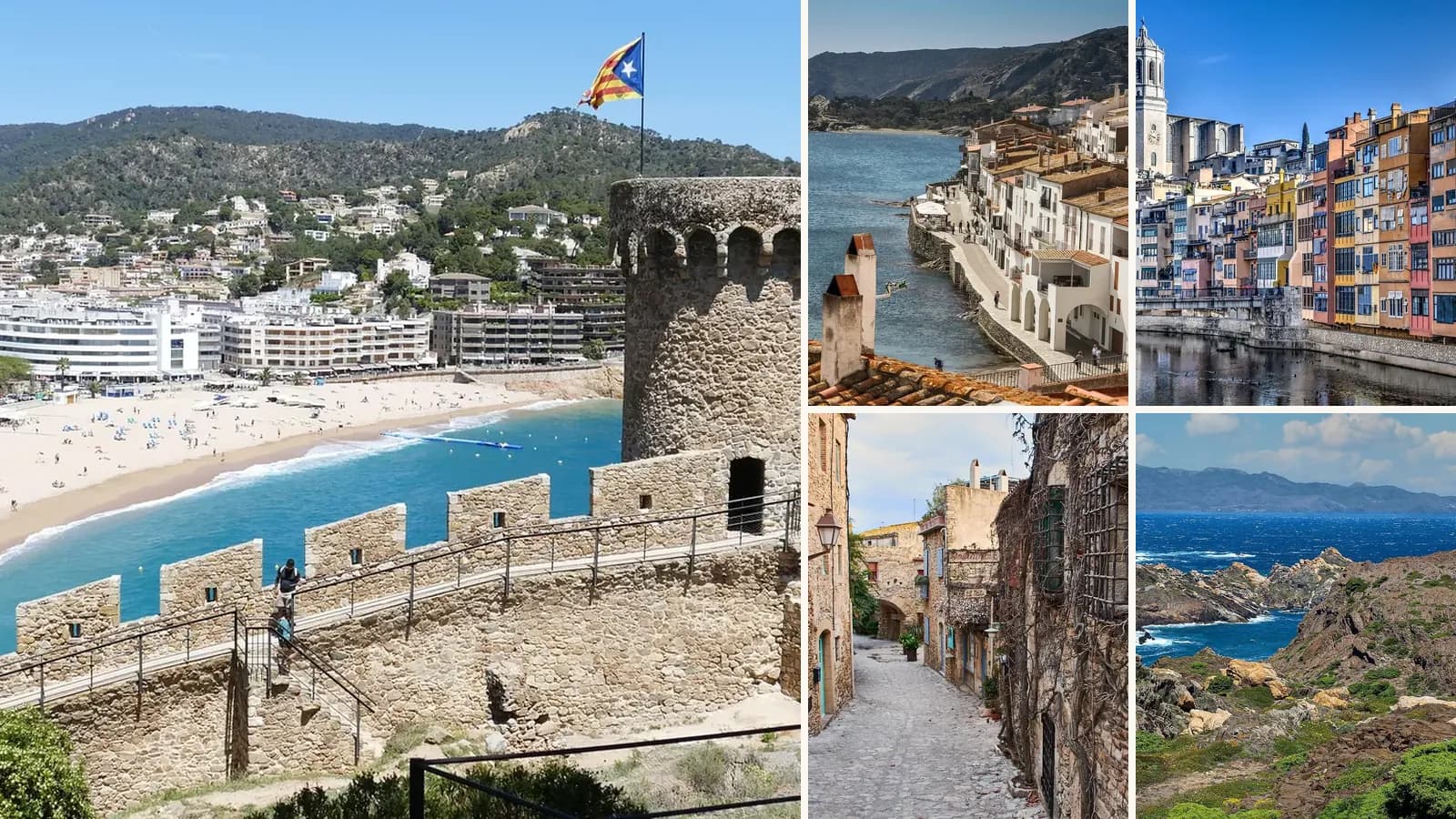
Costa Brava Travel Guide: Coves, Medieval Villages and Dalí
Tossa de Mar, Calella de Palafrugell, Cadaqués, Girona and the Dalí museum – where to go on the Costa Brava, Catalonia's rugged coast between Barcelona and France.
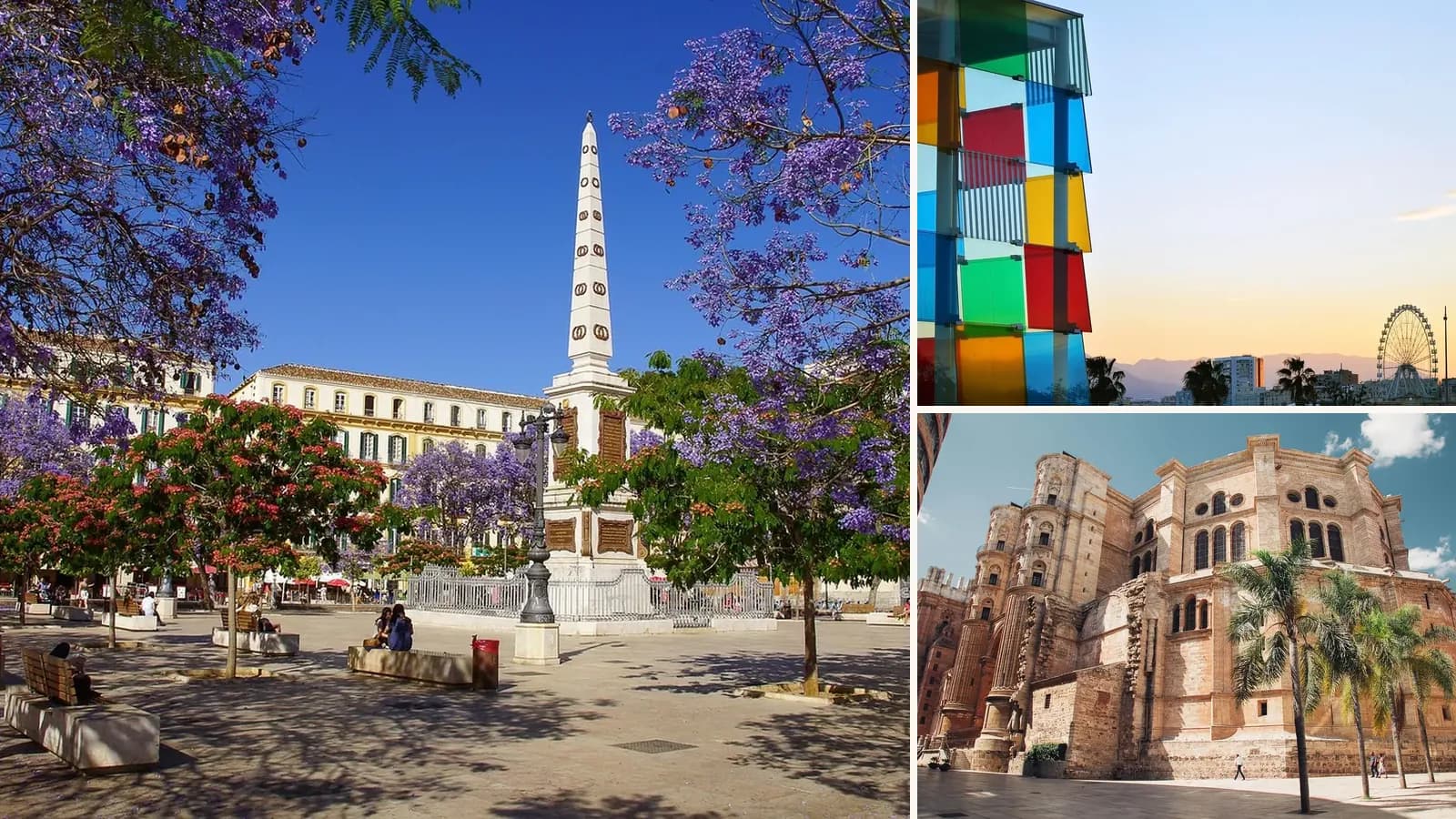
Málaga for Art Lovers: The Best Museums and Galleries
The Picasso Museum and his birthplace, the Carmen Thyssen, the Centre Pompidou, the Museo de Málaga and the Soho street art district – Málaga's best art.
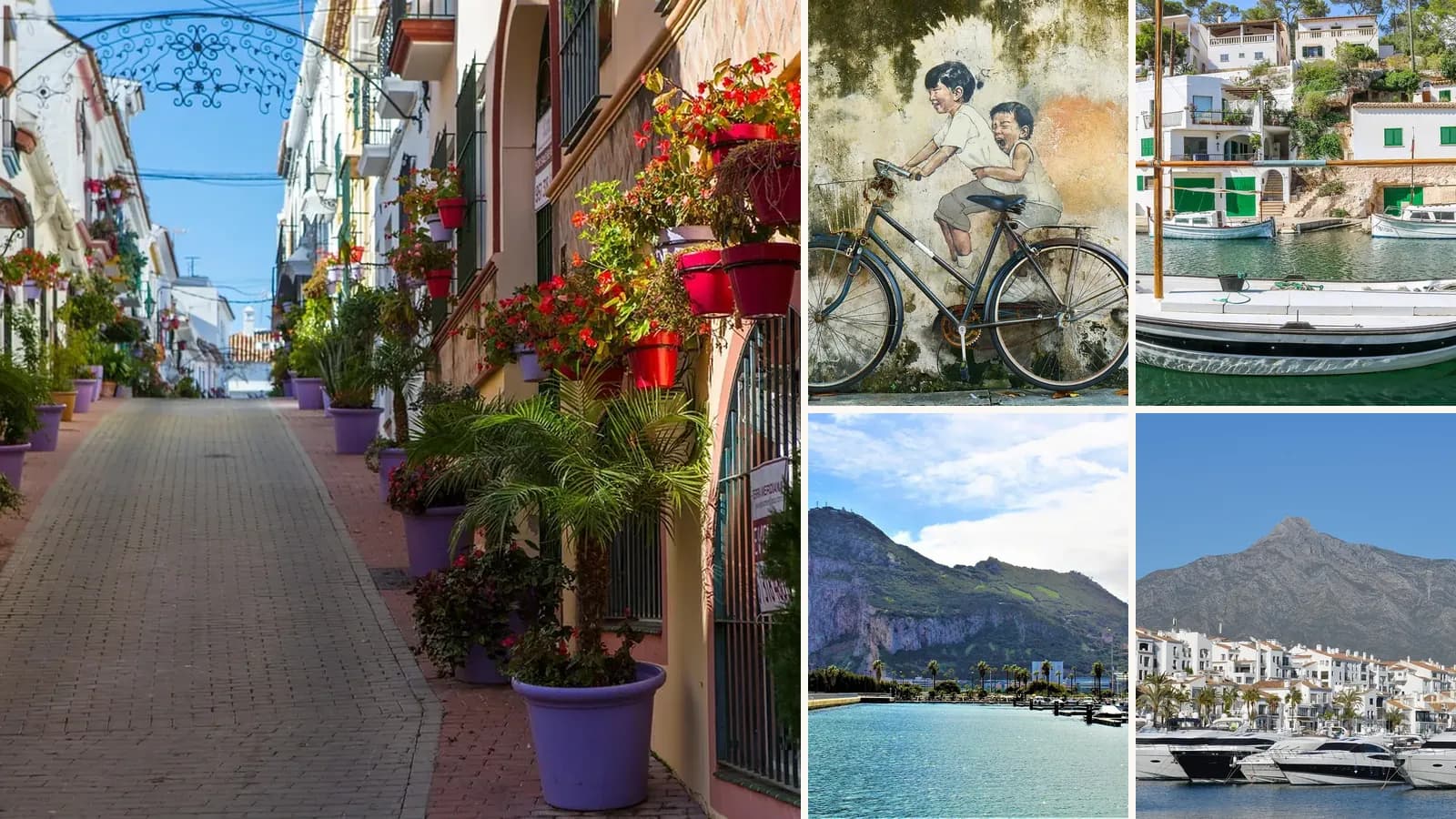
Estepona: The Costa del Sol Town Where Spaniards Go on Holiday
Flower-filled streets, a long sandy seafront, murals, a lively port and easy day trips to Gibraltar and Ronda – why Estepona is the Costa del Sol's prettiest town.
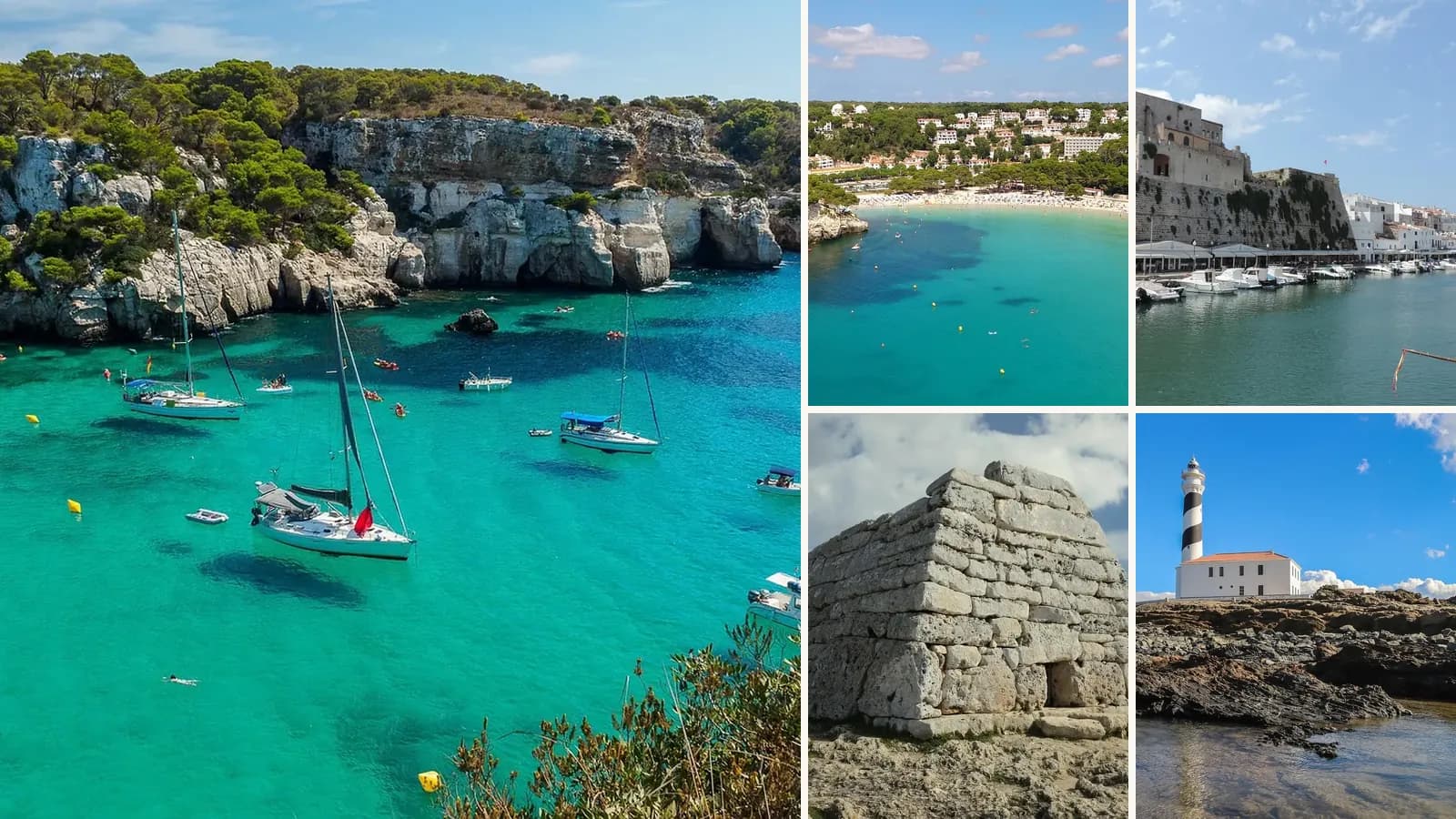
Menorca Travel Guide: 10 Reasons to Visit the Quiet Balearic Island
Turquoise coves, the Camí de Cavalls trail, Ciutadella and Mahón, ancient Talayotic sites and great seafood – why Menorca is the Balearics' most relaxing island.