SalzburgerLand Ski Guide: Austria's Best Resorts for Every Skier
Saalbach Hinterglemm, Zell am See-Kaprun, Gastein, Flachau and Obertauern – how to choose a ski resort in Austria's SalzburgerLand, with transfer and pass tips.

Some links in this guide are partner links: if you buy through them we may earn a small commission, at no extra cost to you. It never affects what we recommend. How we make money
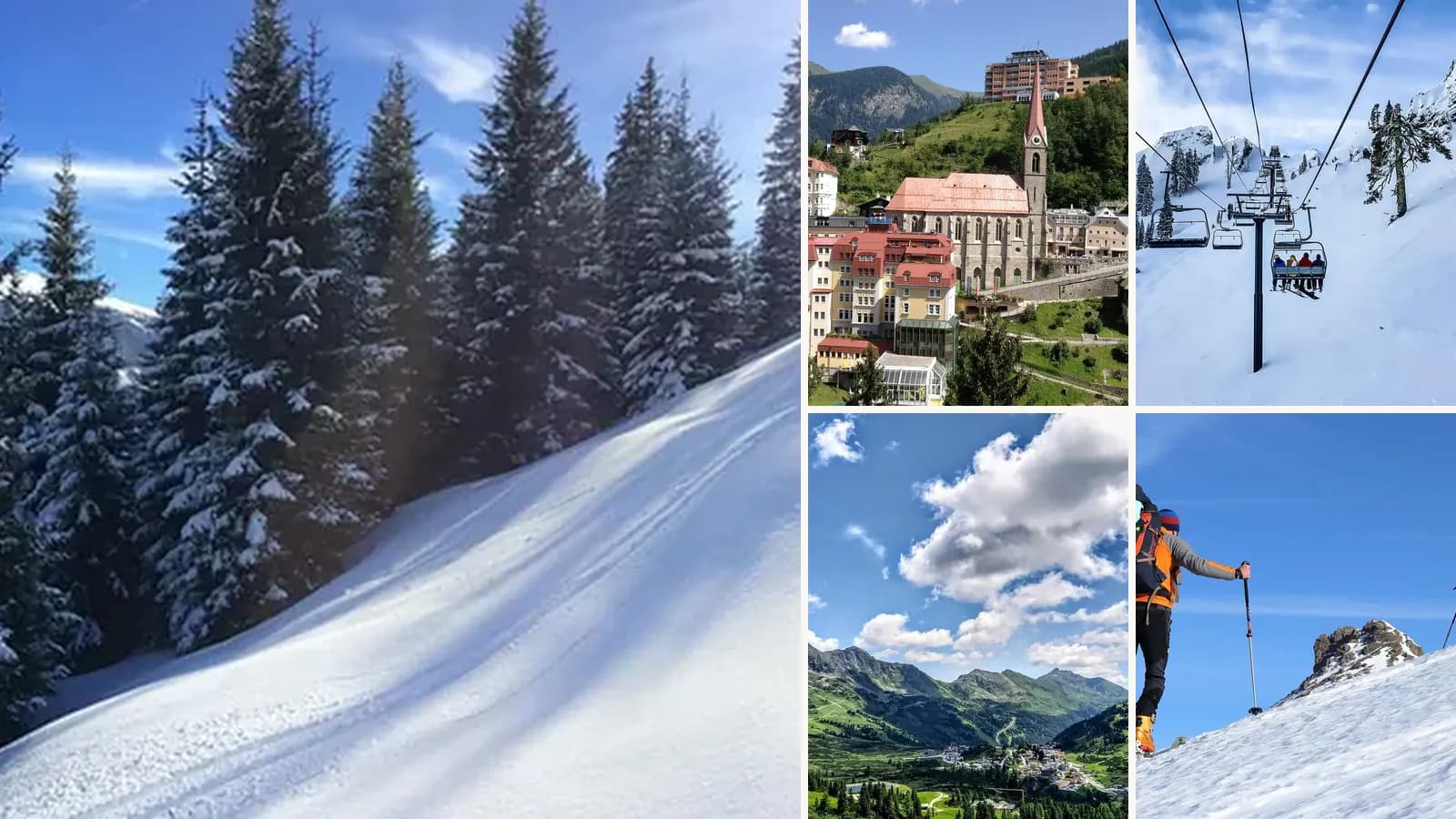
Austria's SalzburgerLand is one of the Alps' great ski regions, with around 70 resorts in more than 20 ski areas, thousands of kilometres of groomed pistes, dozens of snowparks and well over a hundred ski schools. Lifts are modern, many villages are traditional and family-run hotels give a warm welcome – and Austria's après-ski is famous across Europe.
More than half of the ski areas are less than an hour's transfer from Salzburg Airport, which makes it one of the easiest Alpine regions to reach. This guide compares the main resorts, explains lift passes, and covers activities beyond skiing, when to go and how to get there.
SalzburgerLand at a glance
| Quick facts | |
|---|---|
| Season | Roughly December to April; glacier skiing on the Kitzsteinhorn for much longer |
| Airport | Salzburg; Munich is a further option |
| Typical transfer | 45 minutes to 1.5 hours |
| Best for | Families, intermediates, beginners, après-ski, ski safaris |
1. Saalbach Hinterglemm
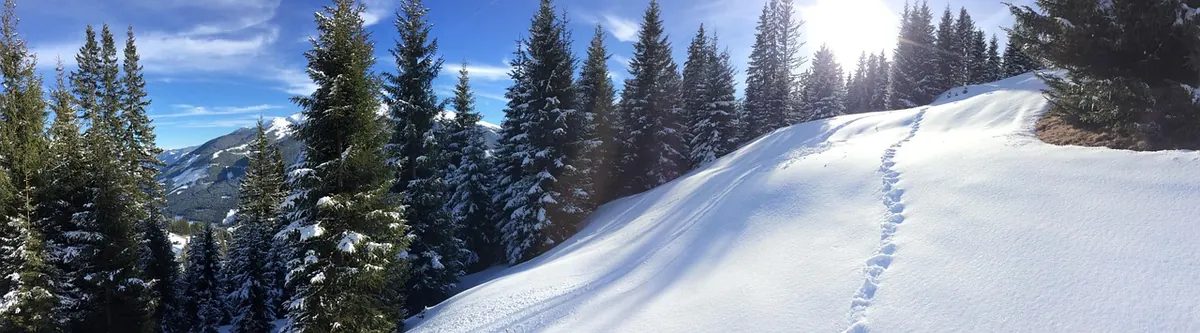
Part of the huge Skicircus Saalbach Hinterglemm Leogang Fieberbrunn, one of Austria's largest linked ski areas, with around 270 km of pistes. You can ski a big circuit around the valley in a day. Modern lifts, varied terrain for intermediates and lively après-ski bars – Saalbach is one of the party capitals of the Alps.
Endless linked slopes, lively après-ski in wooden huts and the sound of oompah bands at sunset.
2. Zell am See-Kaprun
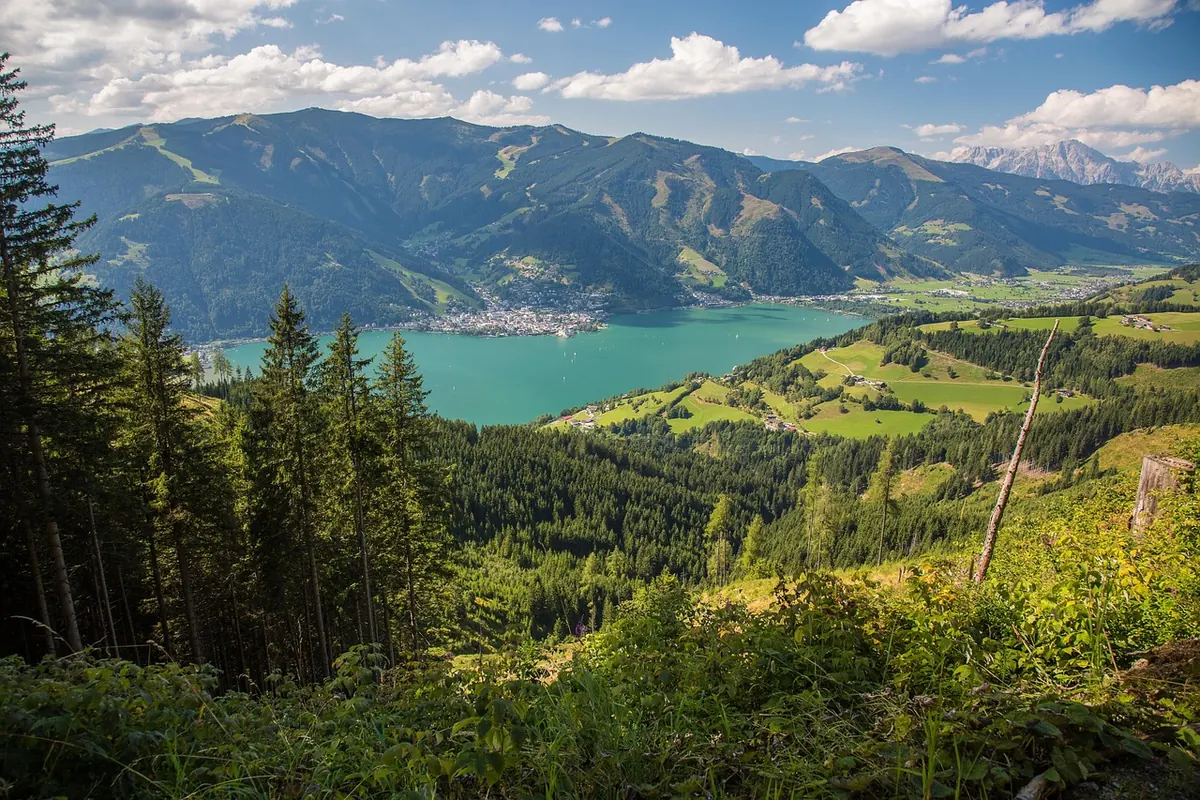
A lakeside town on the frozen Zeller See, paired with the Schmittenhöhe ski area above the town and the Kitzsteinhorn glacier above Kaprun, which offers snow-sure skiing from autumn well into spring and a viewing platform at 3,000 metres. Non-skiers have plenty to do: lake walks, the town centre and spas.
Ski on the Kitzsteinhorn glacier, then look down on the frozen lake and the town below.
3. Gastein Valley
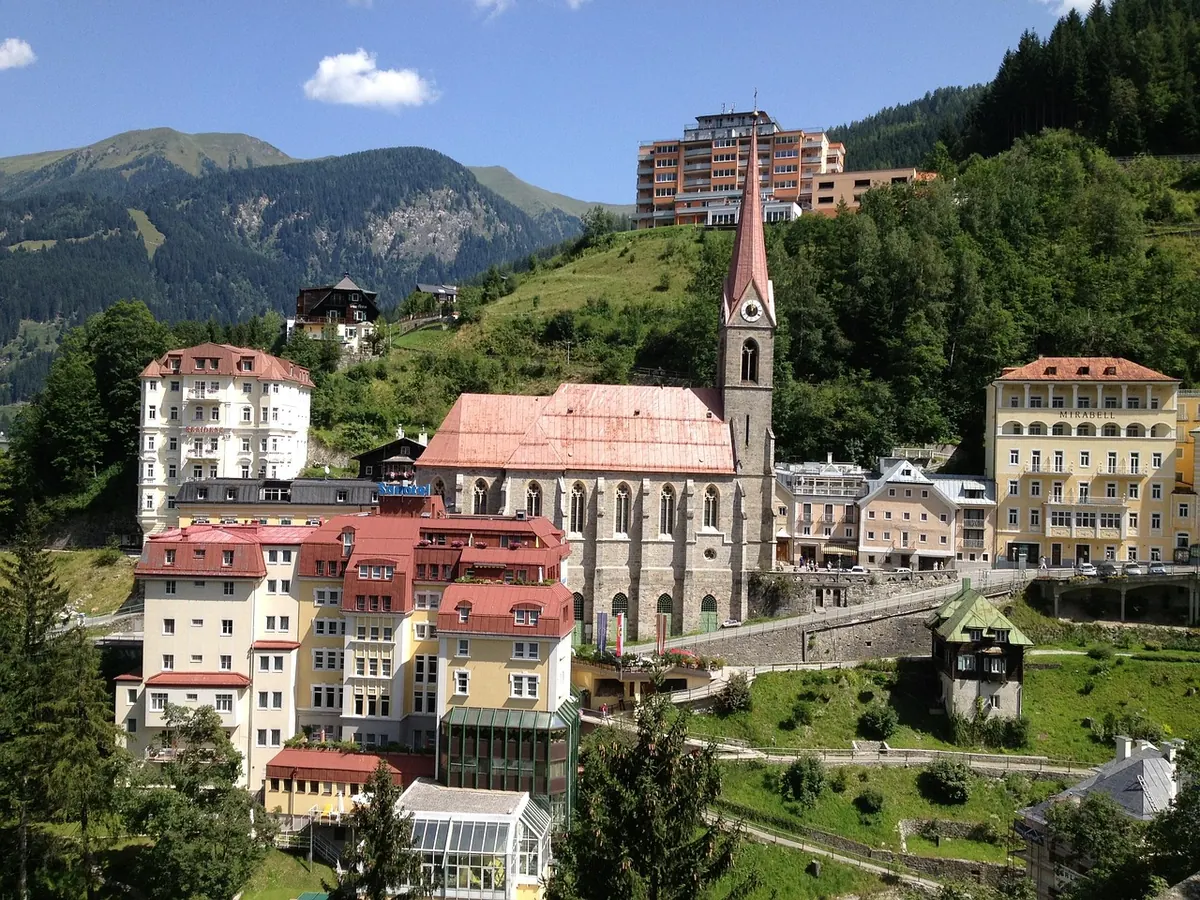
Ski by day and soak in thermal spas by evening in Bad Gastein and Bad Hofgastein, famous since the 19th century for their healing waters. Bad Gastein's Belle Époque hotels, clinging to the mountainside around a waterfall, are being restored and reopened. The ski areas include Schlossalm, Stubnerkogel and the high, snow-sure Sportgastein.
After skiing, relax in the warm thermal water of the spas, with snowy mountains around you.
4. Ski amadé: Flachau, Wagrain and Schladming
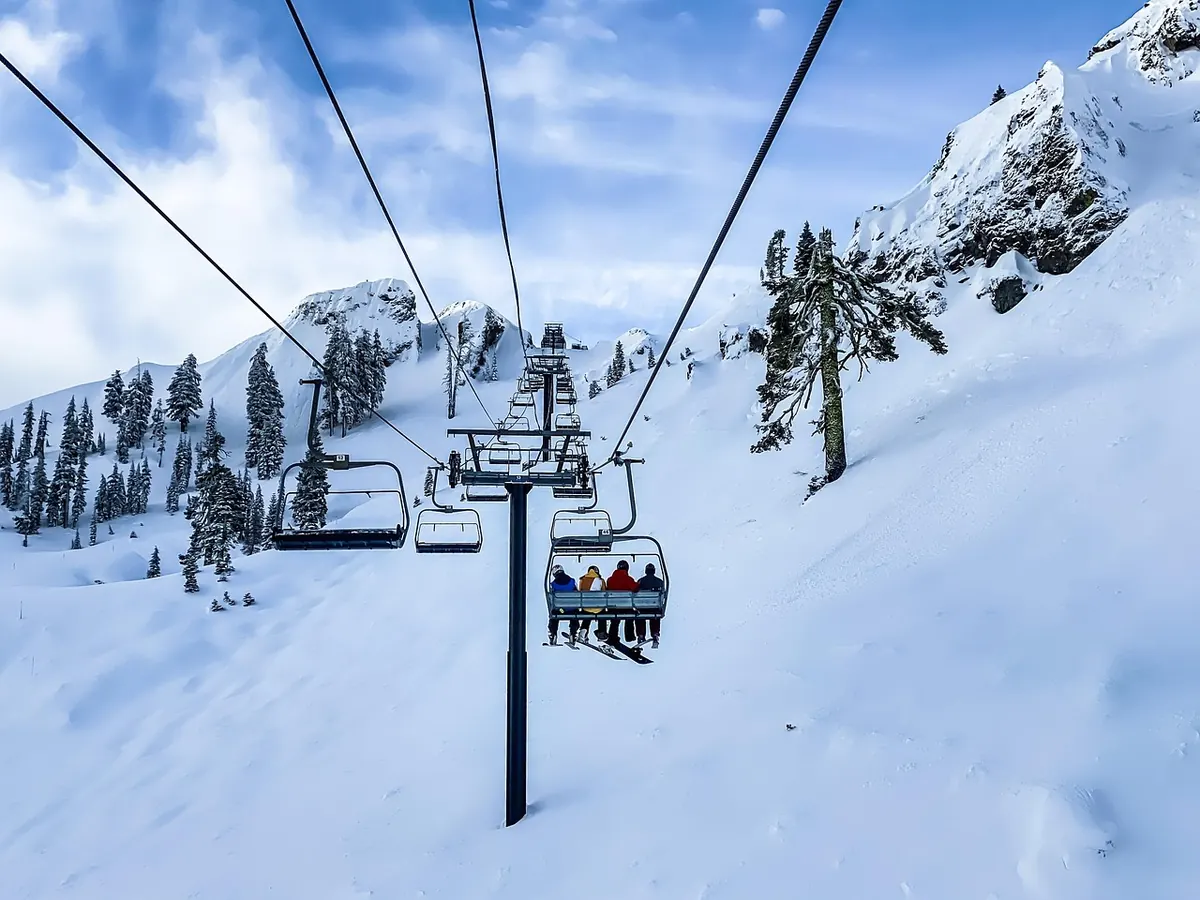
One of Austria's largest ski networks, with long, linked runs connecting several villages. Flachau is family-friendly and hosts World Cup races; Wagrain and Alpendorf have excellent snowparks; and Schladming, just over the border in Styria, is known for its night racing and lively town.
Wide, sunny slopes for every level, and night skiing under the floodlights.
5. Obertauern
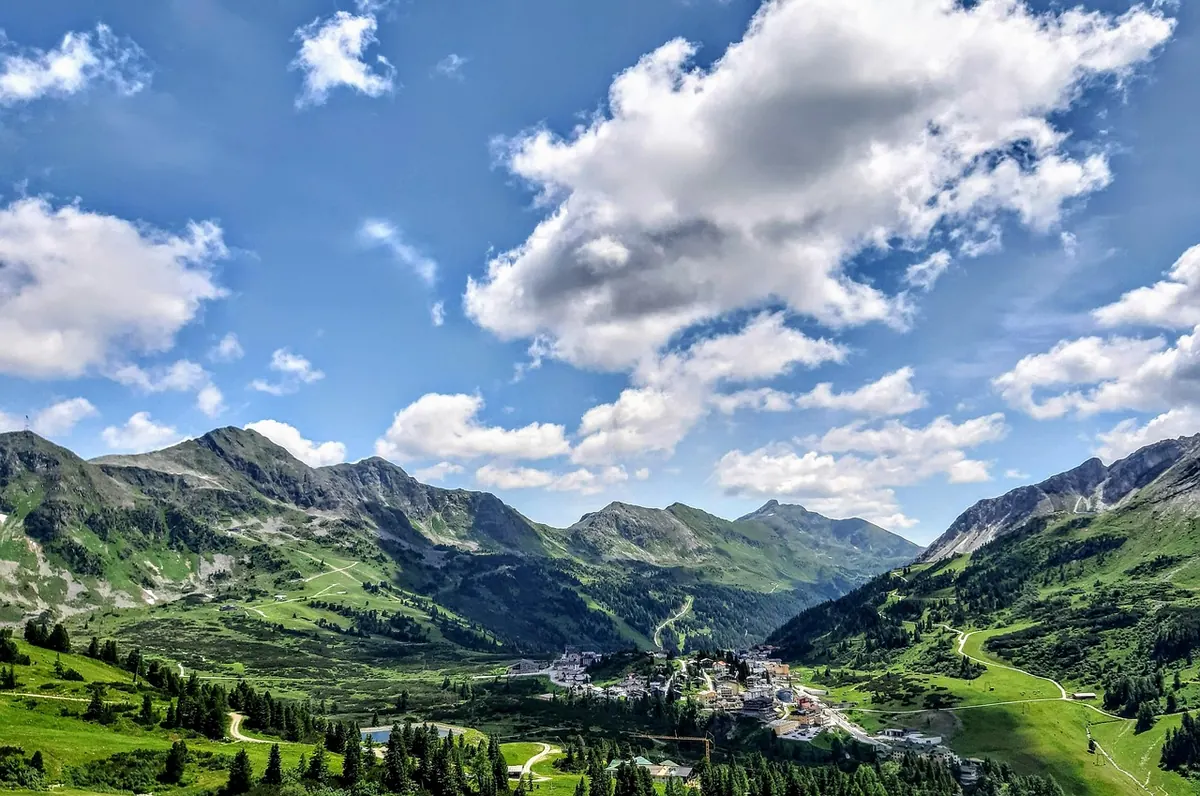
A high-altitude resort at around 1,700 metres with reliable snow from late November to early May. Its ski circuit loops around the village in both directions, so most hotels are ski-in, ski-out. Obertauern is popular with groups and has a lively après-ski scene.
Snow-sure slopes high in the mountains, with long seasons and lively bars.
6. Grossarl Valley
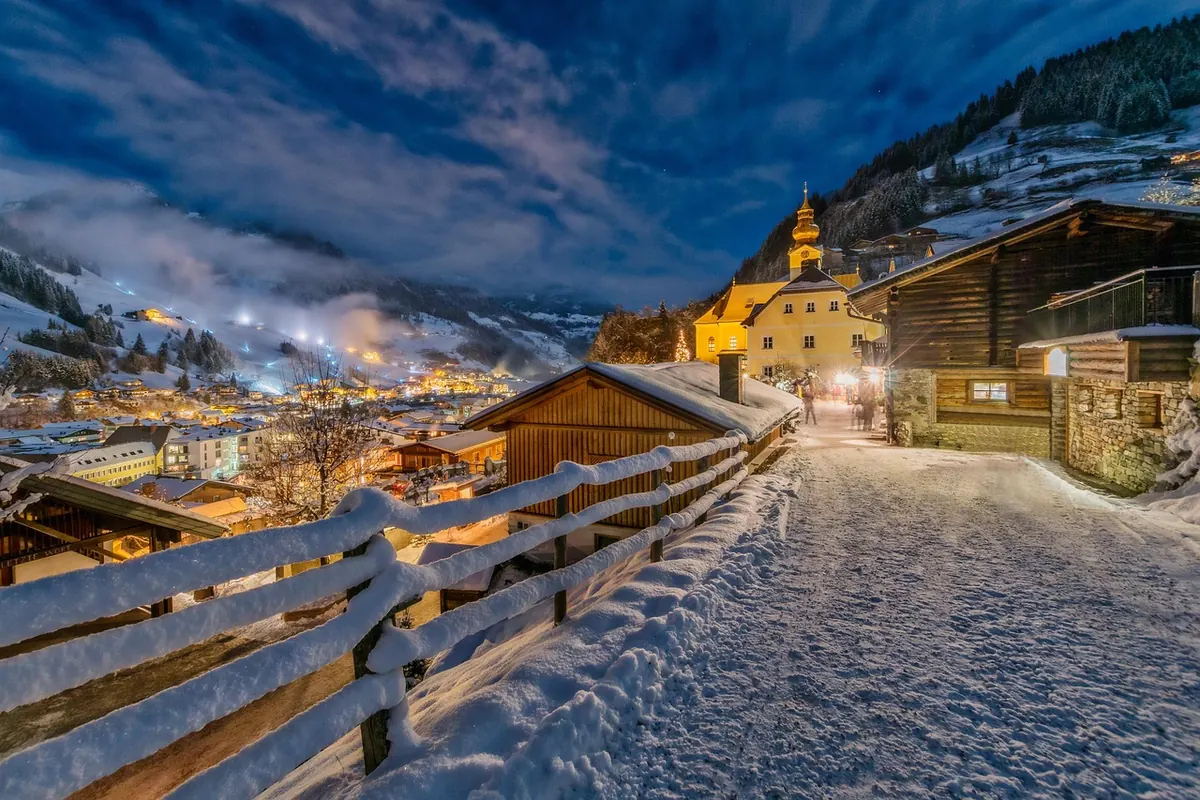
A quieter, traditional valley linked to Dorfgastein, with dozens of mountain huts serving local food, good-value family hotels and a relaxed atmosphere – ideal if you want great skiing without the crowds.
Quiet, family-friendly skiing with traditional huts serving Kaiserschmarrn.
7. Beyond skiing
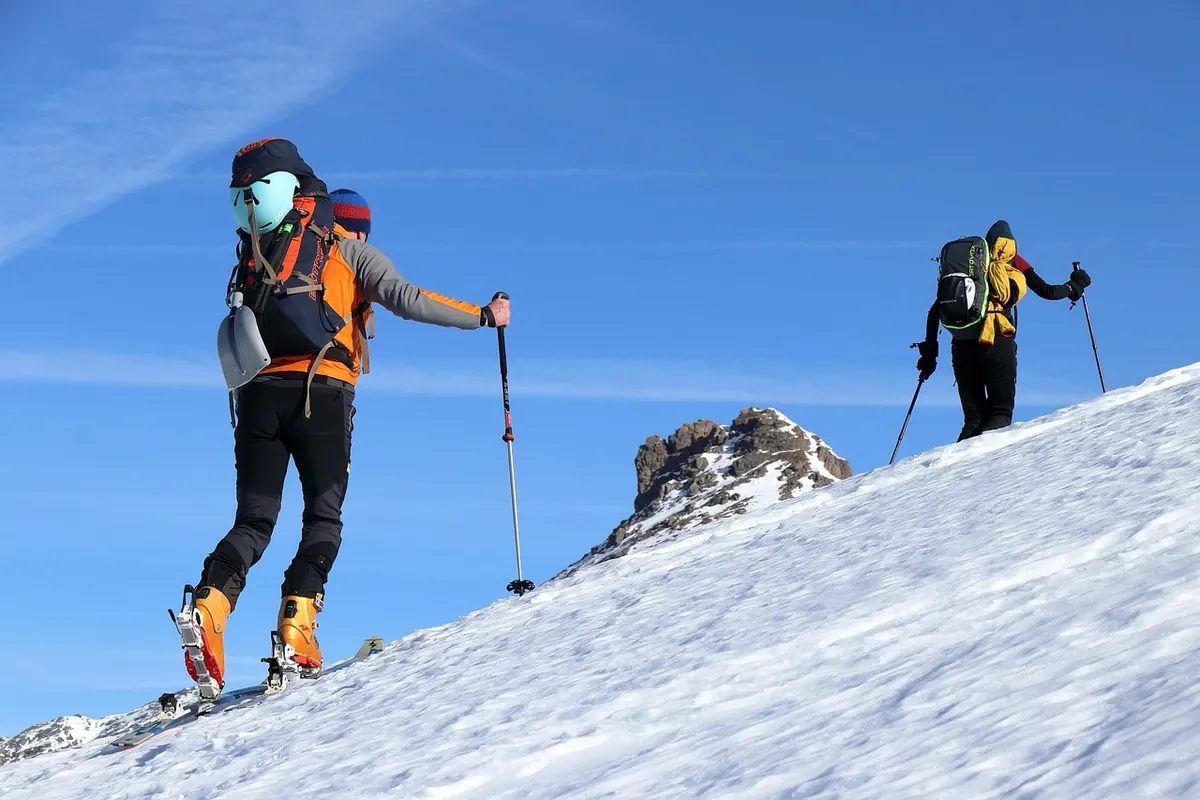
Long toboggan runs – including one of the longest floodlit runs in the world in the Wildkogel Arena – winter hiking, snowshoeing, cross-country skiing, zip lines and well-equipped spas offer plenty for non-skiers. Before or after your ski week, visit the city of Salzburg, Mozart's birthplace, and the Christmas markets around Wolfgangsee and in Salzburg's old town.
Horse-drawn sleigh rides, toboggan runs and Christmas markets in Salzburg.
Tips
- Lift passes: the Ski ALPIN CARD covers Saalbach Hinterglemm Leogang Fieberbrunn, Zell am See-Kaprun and the Kitzsteinhorn. Ski amadé has its own pass covering its villages. Buying online in advance is often cheaper.
- Book your transfer early: Saturday changeover days are busy, with traffic on mountain roads; a pre-booked private transfer gets you to the slopes faster than shared coaches.
- Choose by level: beginners and families love Flachau, Grossarl and Zell am See; intermediates will enjoy the Skicircus; experts should head for the Kitzsteinhorn and off-piste with a guide.
- Go in January or March for quieter slopes and better prices outside school holidays.
- Insurance: make sure your travel insurance covers winter sports.
Comparing ski destinations? See our guides to Courchevel on a budget and Borovets in Bulgaria.
Frequently asked questions
Which airport is best for SalzburgerLand ski resorts?
Salzburg Airport. Many resorts are within about an hour's drive; Munich Airport is another option, further away.
Is there one lift pass for the whole region?
The Ski ALPIN CARD covers Saalbach Hinterglemm Leogang Fieberbrunn, Zell am See-Kaprun and the Kitzsteinhorn glacier. Other areas, such as Ski amadé, have their own passes.
Is SalzburgerLand good for beginners?
Yes. Many resorts have excellent ski schools and gentle slopes, and family-run hotels are welcoming to first-timers.
Keep reading
Borovets, Bulgaria: A Guide to One of Europe's Best-Value Ski Resorts
Slopes for beginners and experts, ski schools, après-ski and low prices – a guide to Borovets in Bulgaria, plus Bansko and other budget ski resorts.
Courchevel on a (Relative) Budget: A Guide to the Four Villages
Courchevel 1850, Moriond, Village and Le Praz compared – where to stay in the Three Valleys' most famous resort without paying 1850 prices, plus skiing tips.
The 17 Most Charming Christmas Markets in Europe
From Strasbourg and Nuremberg to Vienna, Prague, Tallinn and Zagreb – the 17 most charming Christmas markets in Europe, with what to eat and tips for visiting.
London's Best Christmas Markets and Winter Events
Southbank Centre Winter Market, Hyde Park Winter Wonderland, Leicester Square, Covent Garden and more – the best Christmas markets and festive events in London.