Castle Combe and the Prettiest Villages of the Cotswolds
Castle Combe, Bibury, Bourton-on-the-Water, the Slaughters, Lacock and Broadway – how to visit the Cotswolds' most beautiful villages, with tips for avoiding the crowds.
Some links in this guide are partner links: if you buy through them we may earn a small commission, at no extra cost to you. It never affects what we recommend. How we make money
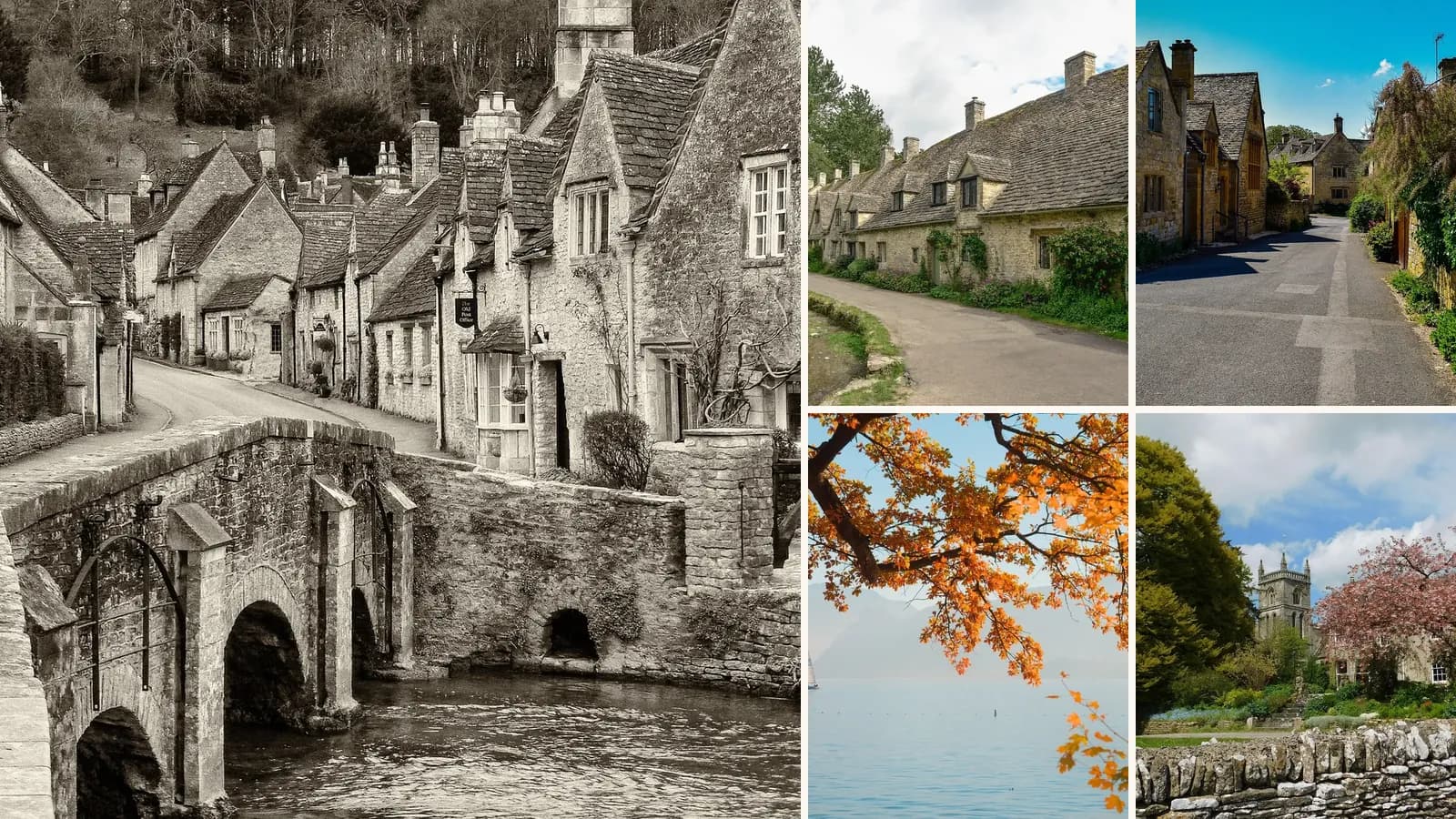
Castle Combe, in Wiltshire, regularly appears on lists of the world's most beautiful small towns. With honey-coloured stone cottages, a medieval market cross and a stream running under an old packhorse bridge, it looks almost unchanged for centuries – and it has starred in films such as War Horse and Stardust.
It's one of many picture-perfect villages in the Cotswolds, a protected National Landscape of rolling hills, dry-stone walls and wool towns that grew rich in the Middle Ages. This guide covers seven of the most beautiful villages, how to visit without the crowds, where to stay and how to get around.
The Cotswolds at a glance
| Quick facts | |
|---|---|
| Best time to visit | April–June and September–October; weekdays are quieter |
| How long to stay | 2–3 days |
| Getting there | Trains from London to Moreton-in-Marsh, Kingham or Kemble; Bath and Oxford are good bases |
| Getting around | Car or tour; some local buses |
| Best for | Villages, walking, pubs, photography, couples |
1. Castle Combe
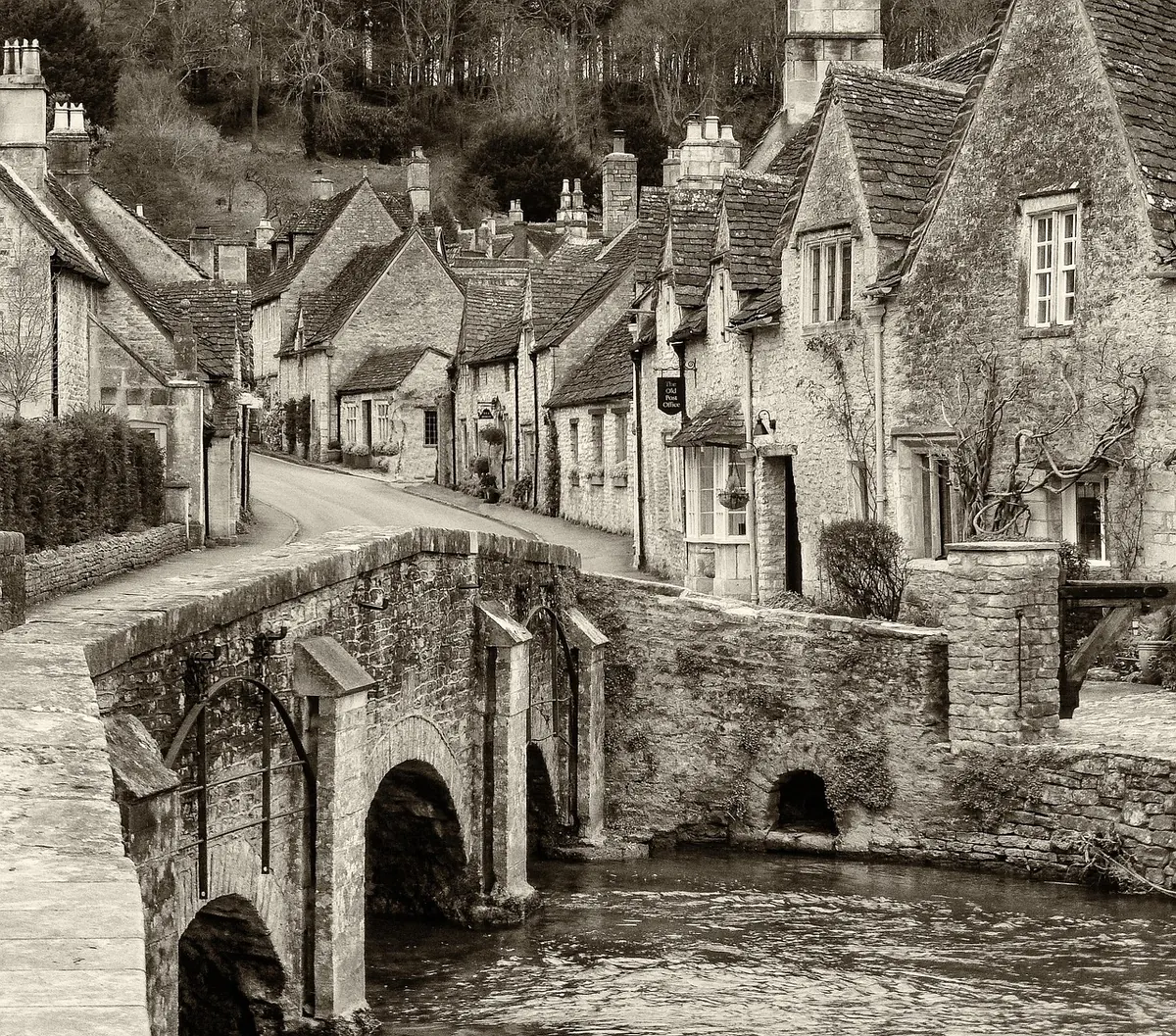
At the southern edge of the Cotswolds, Castle Combe was a wealthy wool village in the Middle Ages. Walk from the 14th-century market cross down the main street, past the church of St Andrew – home to one of England's oldest working clocks – to the bridge over the By Brook, the classic view.
There are no new houses here, and no TV aerials on the cottages, which is why film crews love it. Visitors are asked to park in the car park above the village and walk down – about five minutes. Go early in the morning or in the evening for the quietest experience.
2. Lacock
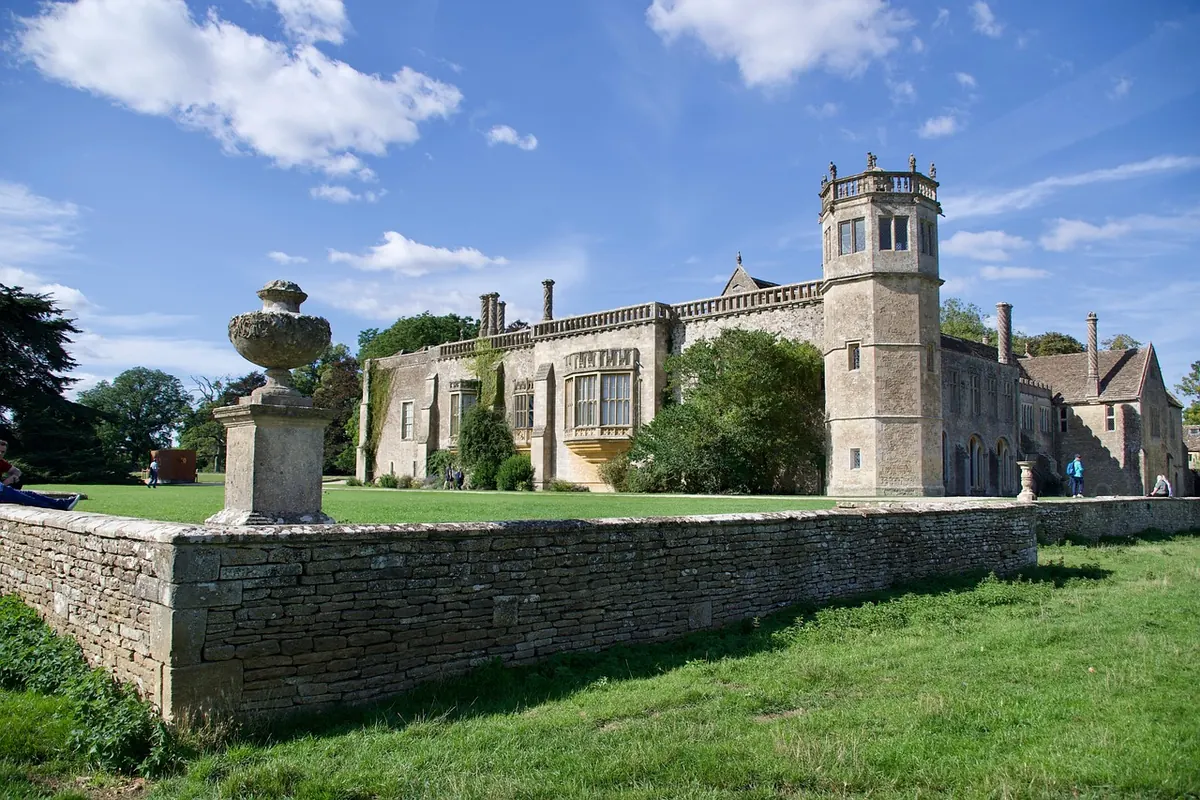
Owned almost entirely by the National Trust, Lacock looks like a living museum of English village life. Lacock Abbey, a former nunnery turned country house, is where William Henry Fox Talbot made one of the earliest photographic negatives in 1835 – the Fox Talbot Museum tells the story. The village and abbey have appeared in many films and series, including Pride and Prejudice and the Harry Potter films.
3. Bibury
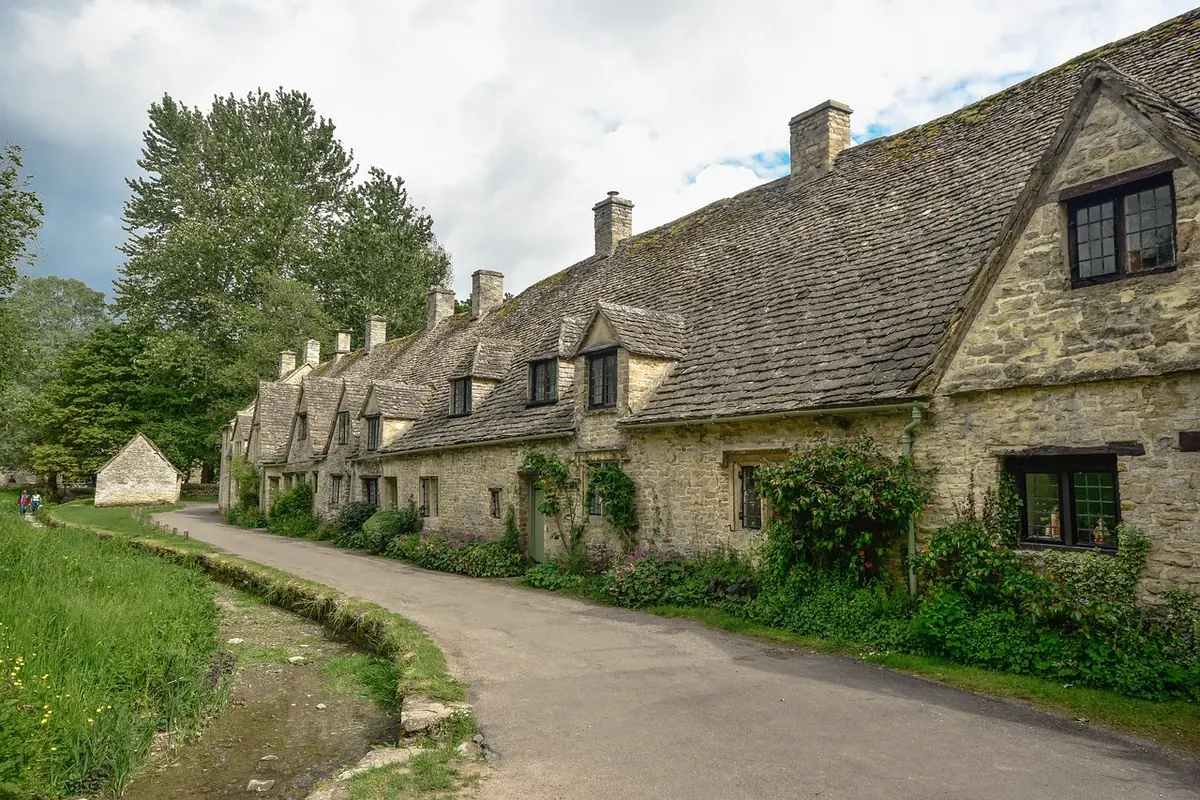
William Morris called Bibury "the most beautiful village in England". Its famous Arlington Row, a line of 17th-century weavers' cottages beside a water meadow, is one of the most photographed views in the country. It gets very busy with tour coaches in summer, so visit early or late, and respect the residents – people live in these cottages.
4. Bourton-on-the-Water
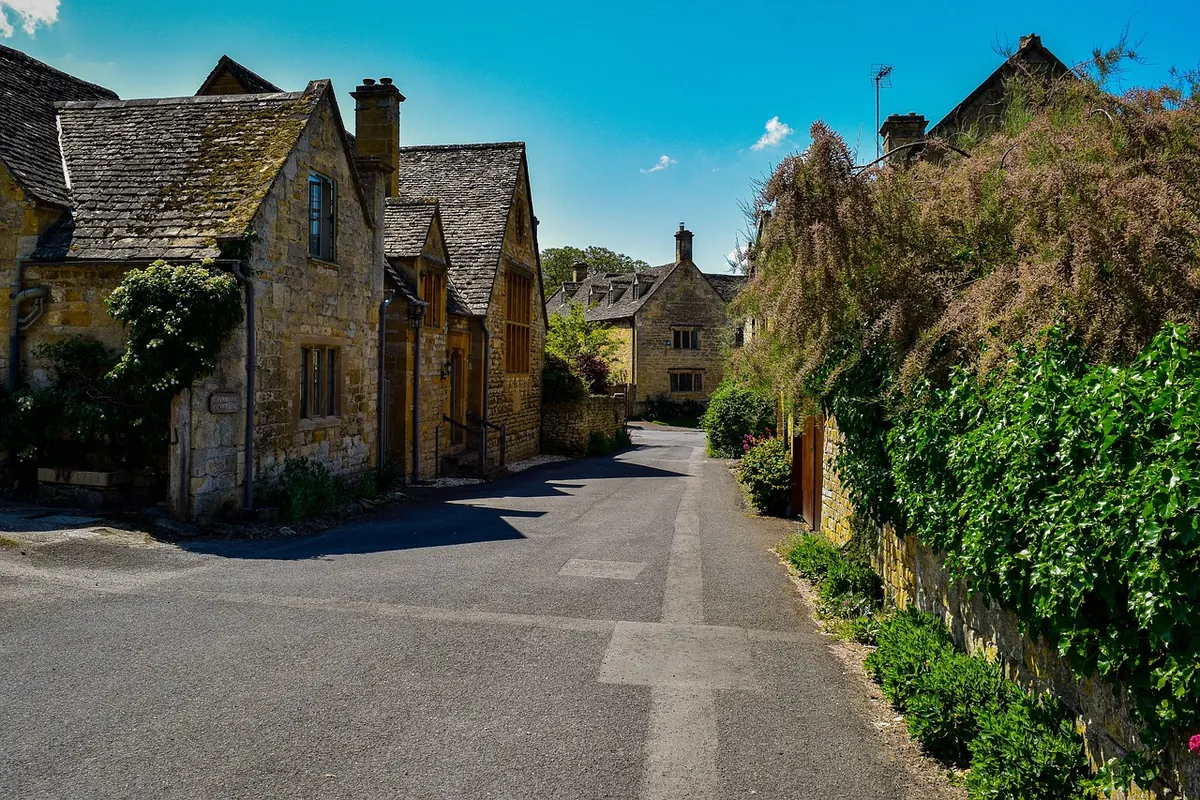
Known as the "Venice of the Cotswolds", Bourton has low stone bridges crossing the shallow River Windrush through the village green. It's lively and popular, with a model village, a motor museum and plenty of tearooms. Arrive early on summer weekends, or visit midweek.
5. Upper and Lower Slaughter

Two quiet villages linked by a short riverside footpath of about a mile through fields. Lower Slaughter has an old water mill on the stream; Upper Slaughter is a peaceful cluster of cottages around a church. Combine them with a walk from Bourton-on-the-Water.
6. Broadway
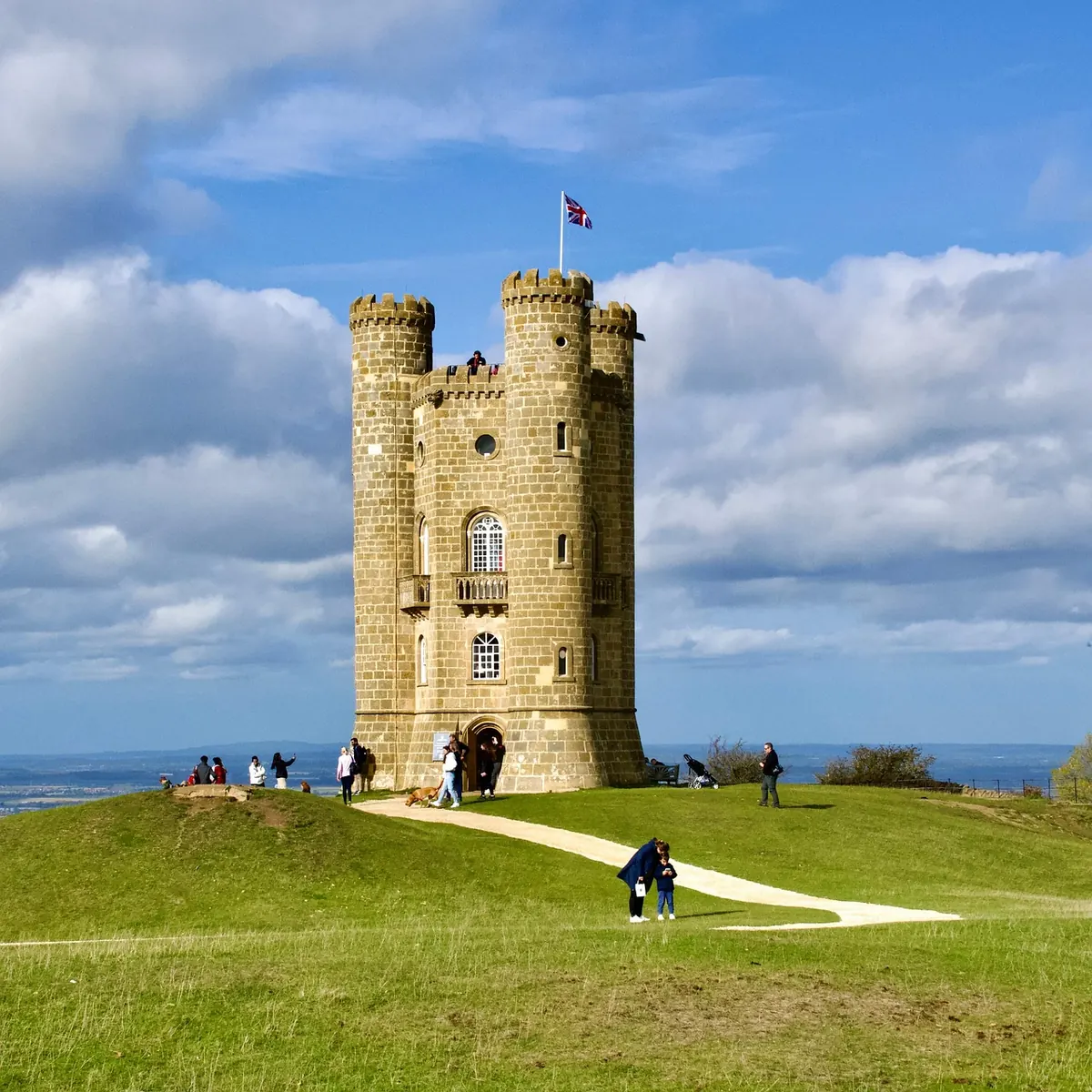
A wide high street of golden stone, lined with shops, galleries and tearooms, in the north of the Cotswolds. Above the village, Broadway Tower – an 18th-century folly – stands on one of the highest points of the Cotswolds, with views over as many as 16 counties on a clear day.
7. Chipping Campden
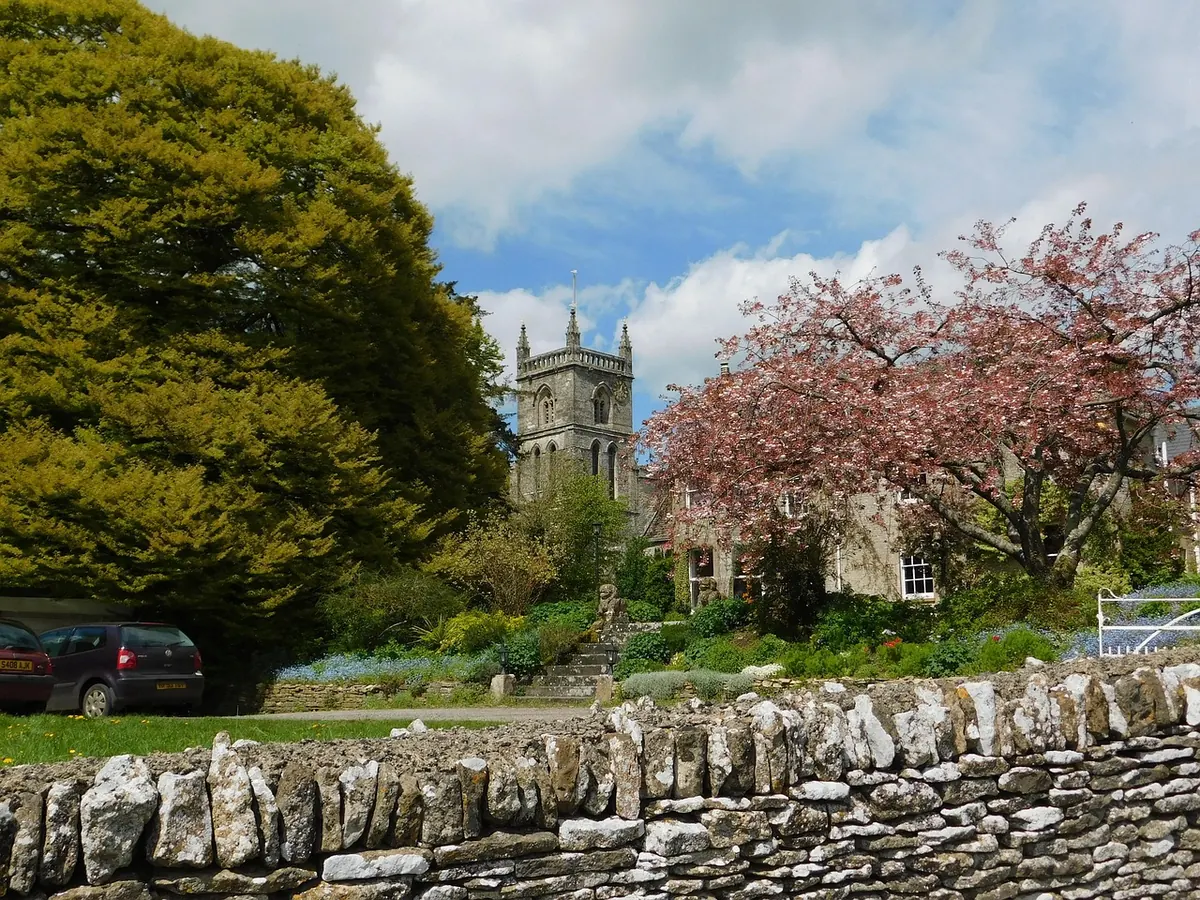
An elegant wool town with a long, curving high street, a 17th-century market hall and a fine "wool church". It's the northern start of the Cotswold Way, a long-distance footpath of about 100 miles that runs south to Bath along the edge of the hills.
Other villages worth seeing
Stow-on-the-Wold, a hilltop market town with antique shops and a church door framed by ancient yew trees; Painswick, the "Queen of the Cotswolds"; Snowshill, with its lavender fields in summer; and Tetbury, known for its antiques and royal connections.
Where to stay
Stay overnight in a village inn or a cottage to see the villages after the day-trippers leave. Bath, Oxford, Cheltenham and Stratford-upon-Avon are good bases with more choice of hotels and easy access by train. See our guide to Britain's best small hotels and B&Bs.
A two-day Cotswolds route
Day 1 (south): Castle Combe in the morning, Lacock at lunch, then Bibury in the late afternoon. Day 2 (north): Bourton-on-the-Water early, a walk to the Slaughters, lunch in Stow-on-the-Wold, then Broadway Tower and Chipping Campden.
Tips
- Respect residents: these are lived-in villages, so park in official car parks, keep noise down and don't block drives or gardens.
- Go early or late: the most popular villages are busiest from mid-morning to mid-afternoon, especially at weekends.
- Walk between villages: footpaths link many villages, and walking is the best way to see the countryside.
- Book pubs for lunch: popular village pubs fill up, especially on Sundays.
- Combine your trip: Castle Combe and Lacock pair well with Bath, and the northern Cotswolds with Oxford or Stratford-upon-Avon.
Frequently asked questions
Where is Castle Combe?
In Wiltshire, at the southern edge of the Cotswolds, about 25 minutes by car from Bath.
Can you visit the Cotswolds without a car?
It's possible – trains reach Moreton-in-Marsh, Kemble and Charlbury, and local buses and tours link some villages – but a car or a tour makes it much easier.
When is the best time to visit?
Spring and early autumn are lovely and less busy than summer weekends. Visit popular villages early in the morning or late in the afternoon.
Keep reading
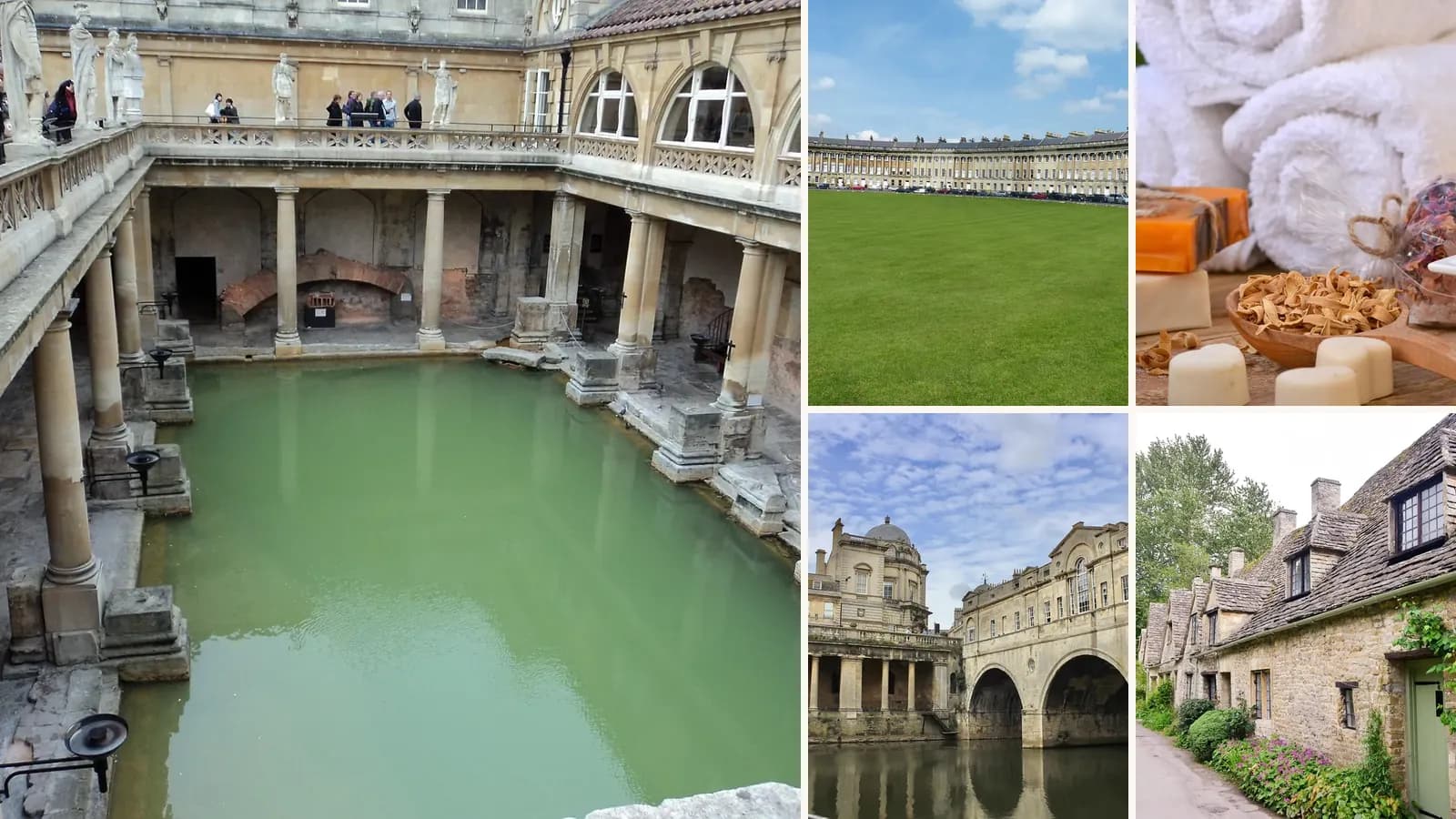
Bath Travel Guide: Roman Baths, Georgian Crescents and Jane Austen
The Roman Baths, the Royal Crescent, Bath Abbey, Thermae Bath Spa, Pulteney Bridge and the Jane Austen Centre – how to spend a perfect weekend in Bath.
Wadhurst and the High Weald: Sussex's Prettiest Corner
Wadhurst, Bewl Water, Bateman's, Bodiam Castle, Scotney Castle and the villages of the High Weald – a guide to one of England's most beautiful countryside areas.
How to Find Britain's Best Small Hotels and B&Bs
Country houses, coastal inns and townhouse B&Bs – how to find characterful small hotels in Britain, where to look and what makes a stay special.
Canterbury Travel Guide: Cathedral, Medieval Streets and Kent's Best Pubs
Canterbury Cathedral, river punting, the medieval city walls, Chaucer's pilgrims and gastropubs in the Kent countryside – the best things to do in Canterbury.