Europe's Best Night Trains: Routes, Cabins and Booking Tips
Ten of Europe's best night trains – Nightjet, the Caledonian Sleeper, the European Sleeper, Sweden's Arctic line and more – with cabin types, booking tips and costs.
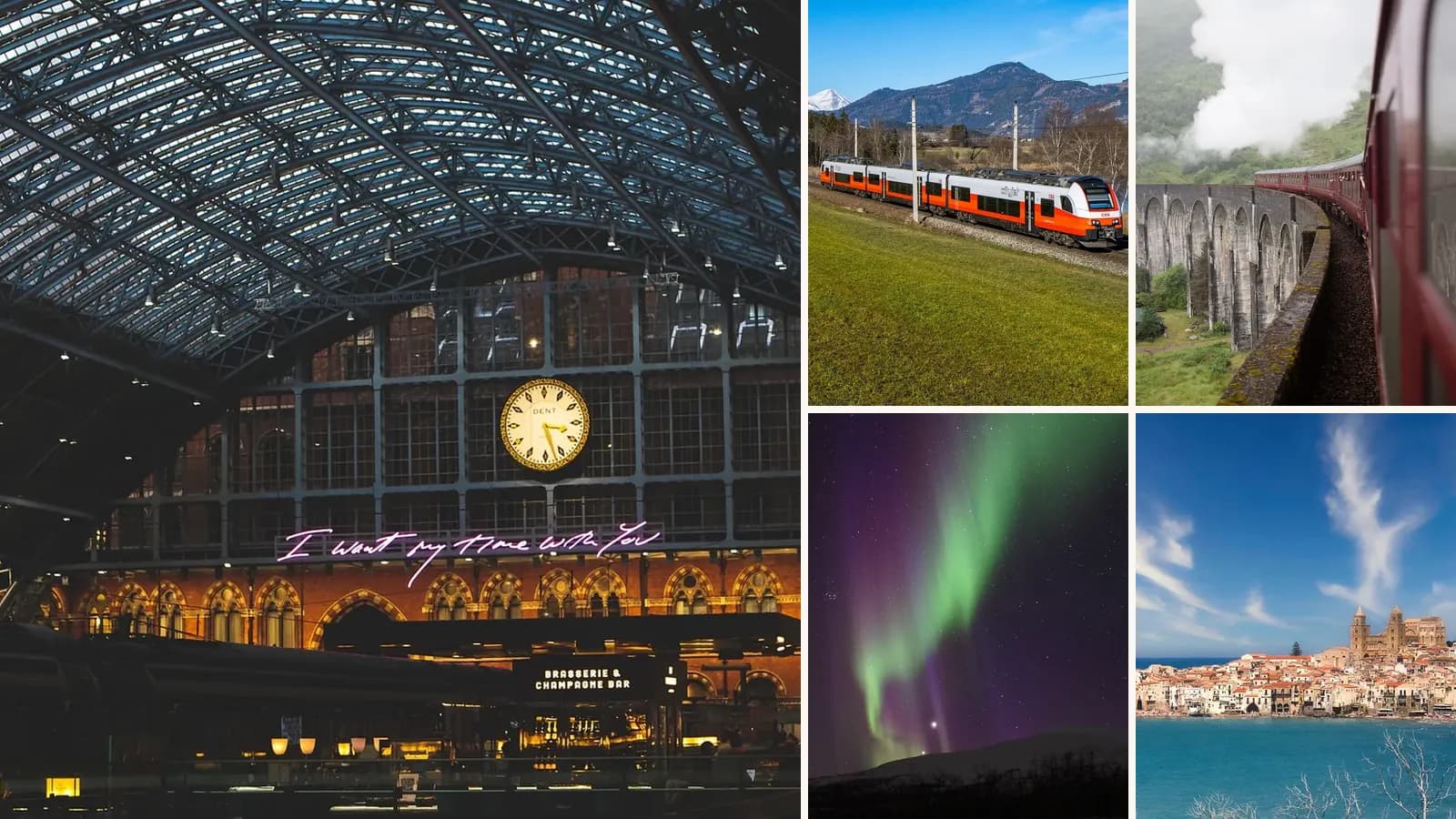
Night trains are back in Europe. After years of cuts, new routes and modern carriages have revived the romance of falling asleep in one country and waking up in another. They save a hotel night, cut your carbon footprint and deliver you to the heart of the city. Here are ten of the best night trains in Europe and how to book them. Routes and timetables change, so always check the operator's current schedule.
How night trains work
1. Seats, couchettes and sleepers
- Seats: the cheapest option, but rarely restful.
- Couchettes: shared compartments with four or six bunks, bedding provided – good value, and some trains offer women-only compartments.
- Sleepers: private or shared cabins for one to three people with real beds; the best have private showers and toilets.
- Mini-cabins: some new Nightjet trains have compact single pods for solo travellers.
The best night trains
2. Nightjet: Vienna, Munich, Zurich and beyond
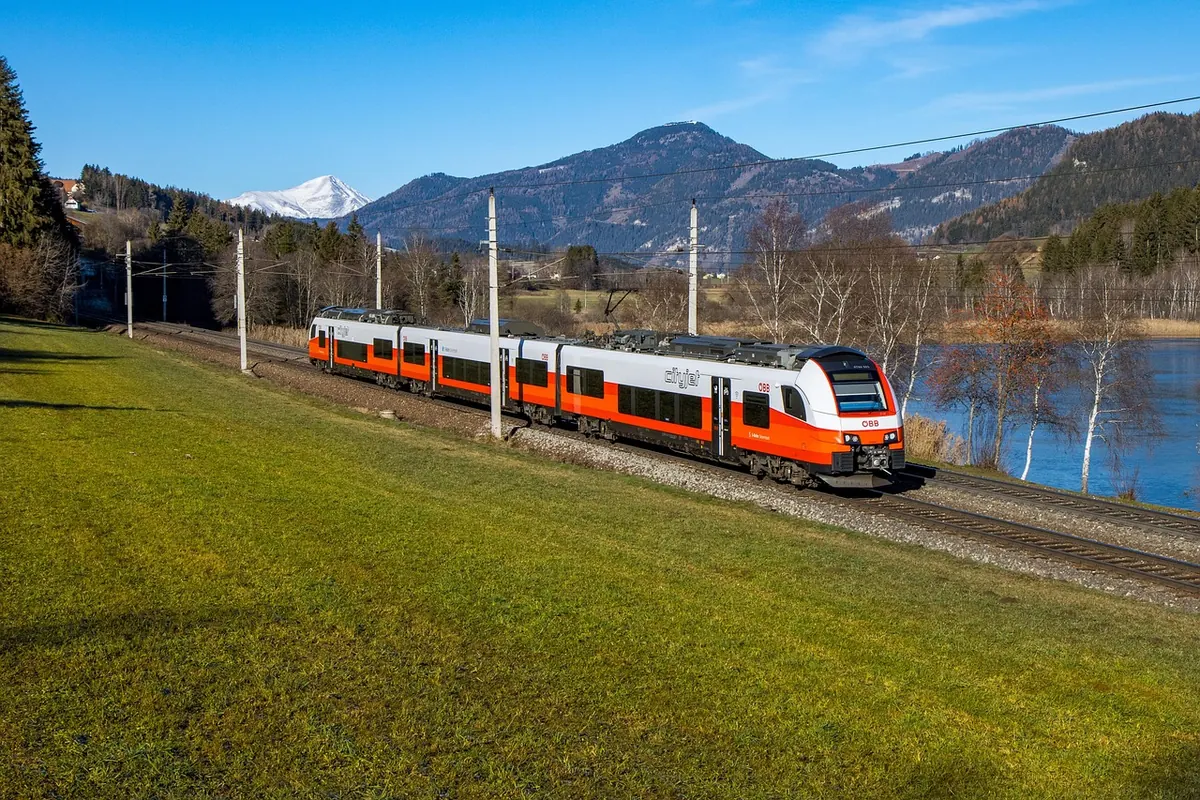
Austrian Railways' ÖBB Nightjet runs Europe's biggest night network, linking Vienna, Munich, Zurich, Hamburg, Berlin, Amsterdam, Brussels, Venice, Rome and more. New-generation trains have modern couchettes, mini-cabins and sleepers with showers.
3. The Caledonian Sleeper: London to the Scottish Highlands
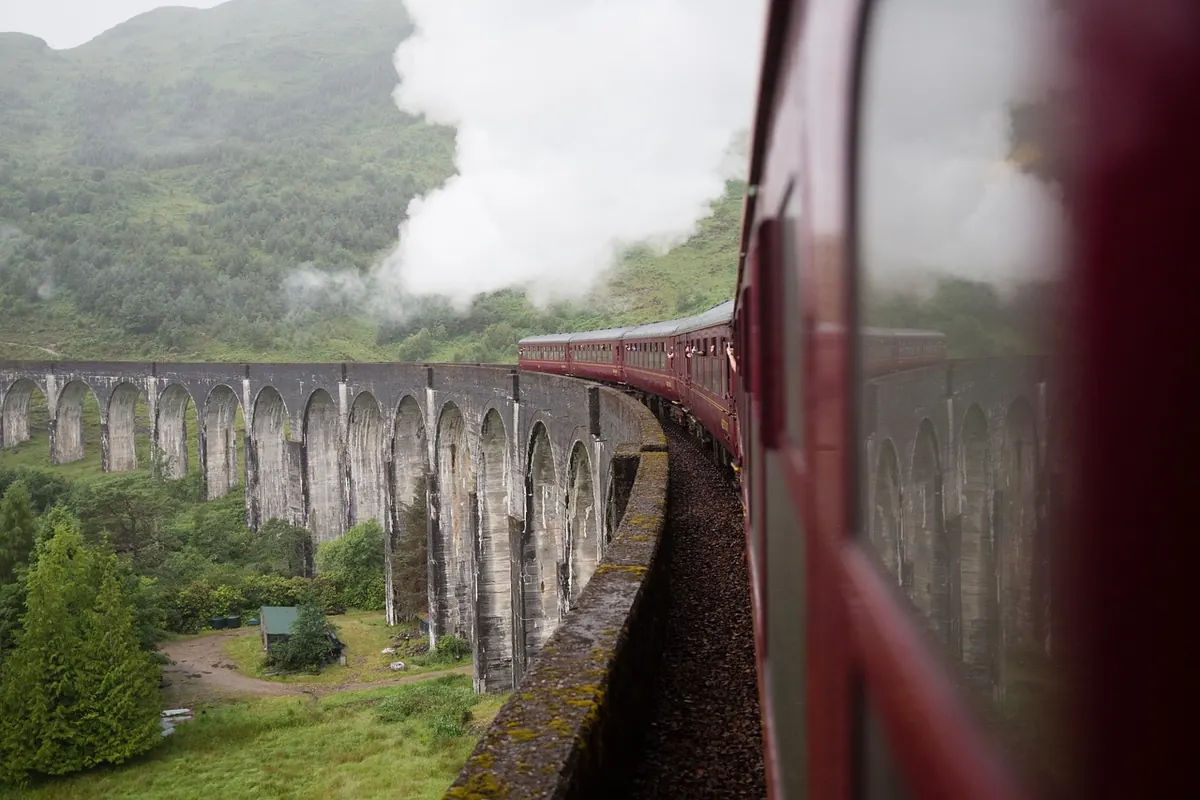
The Caledonian Sleeper runs from London Euston to Edinburgh, Glasgow, Inverness, Aberdeen and Fort William. Waking up on the Highland line to Fort William is unforgettable – combine it with our UK rail adventures.
4. The Night Riviera: London to Cornwall
The UK's other sleeper links London Paddington with Penzance, arriving in Cornwall in time for breakfast by the sea.
5. European Sleeper: Brussels, Amsterdam, Berlin and Prague
The independent European Sleeper connects Brussels and Amsterdam with Berlin, Dresden and Prague, with a mix of seats, couchettes and sleepers in classic carriages.
6. Paris to the Alps and the south of France
French night trains (Intercités de Nuit) run from Paris to destinations such as Briançon in the Alps, Nice and the Pyrenees – handy for ski trips and summer holidays.
7. Sweden's Arctic line: Stockholm to Narvik

The night train from Stockholm to Abisko and Narvik crosses Lapland, ending on the Norwegian coast. In winter, Abisko is one of the best places in the world to see the northern lights.
8. Italy's Intercity Notte
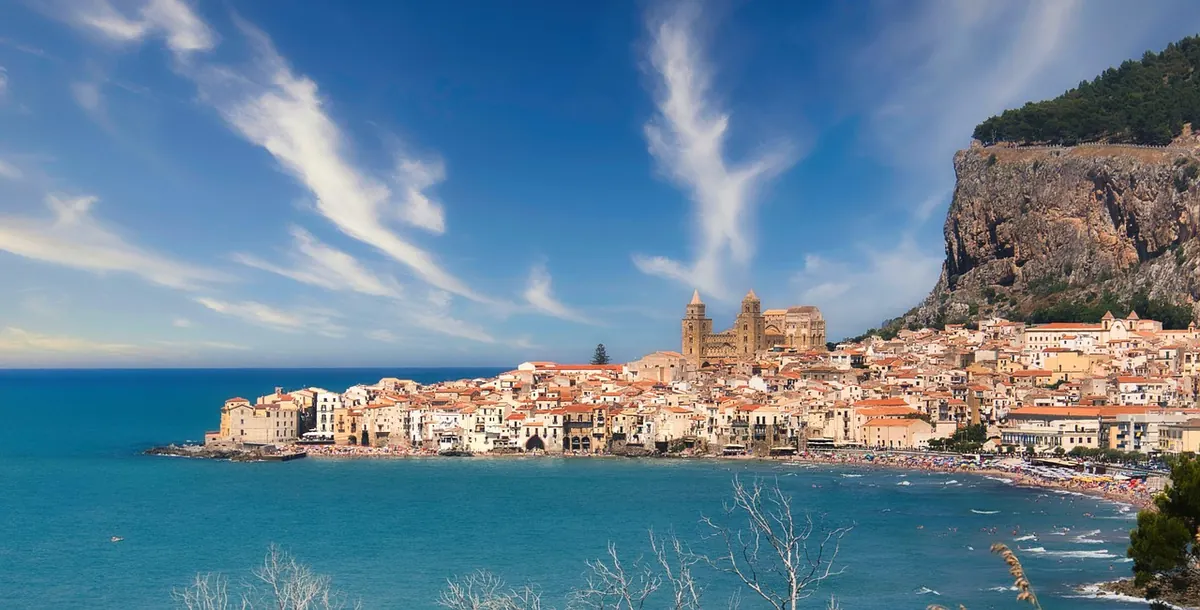
Trains run the length of Italy, from Milan and Turin to Rome, Naples, Calabria and – crossing to Sicily on a train ferry – Palermo and Syracuse. See our Palermo guide.
9. Budapest, Prague and Kraków
Overnight trains link Central European capitals, including Prague and Budapest with Kraków – a great way to tour the region. See our Kraków guide.
10. Croatia and the Balkans
In summer, seasonal night trains link Central Europe with the Croatian coast, including Rijeka and Split – an easy, flight-free way to reach the Adriatic.
Booking tips
- Book early: sleepers sell out first.
- Compare operators: some routes are sold only by the operator, others through national railways.
- Rail passes: Interrail and Eurail passes cover many trains, plus a reservation fee.
- Pack a small overnight bag: earplugs, an eye mask, water and snacks.
- Check arrival times: some trains arrive very early – plan where to leave luggage.
- More rail inspiration: see our pick of Europe's best scenic rail journeys.
Frequently asked questions
Are night trains in Europe worth it?
Yes, if you value travelling while you sleep and arriving in a city centre in the morning. You save a night's hotel and the time of a daytime journey, and the carbon footprint is far lower than flying.
What is the difference between a couchette and a sleeper?
A couchette is a shared compartment with four or six simple bunks and bedding. A sleeper is a private or semi-private cabin with proper beds, often with a washbasin or private shower.
When should I book a night train?
As early as possible – many routes open bookings a few months ahead, and private sleeper cabins sell out quickly in summer and around holidays.
Can I use an Interrail or Eurail pass on night trains?
Usually yes, but you'll need to pay a reservation fee for a seat, couchette or sleeper berth.
Keep reading
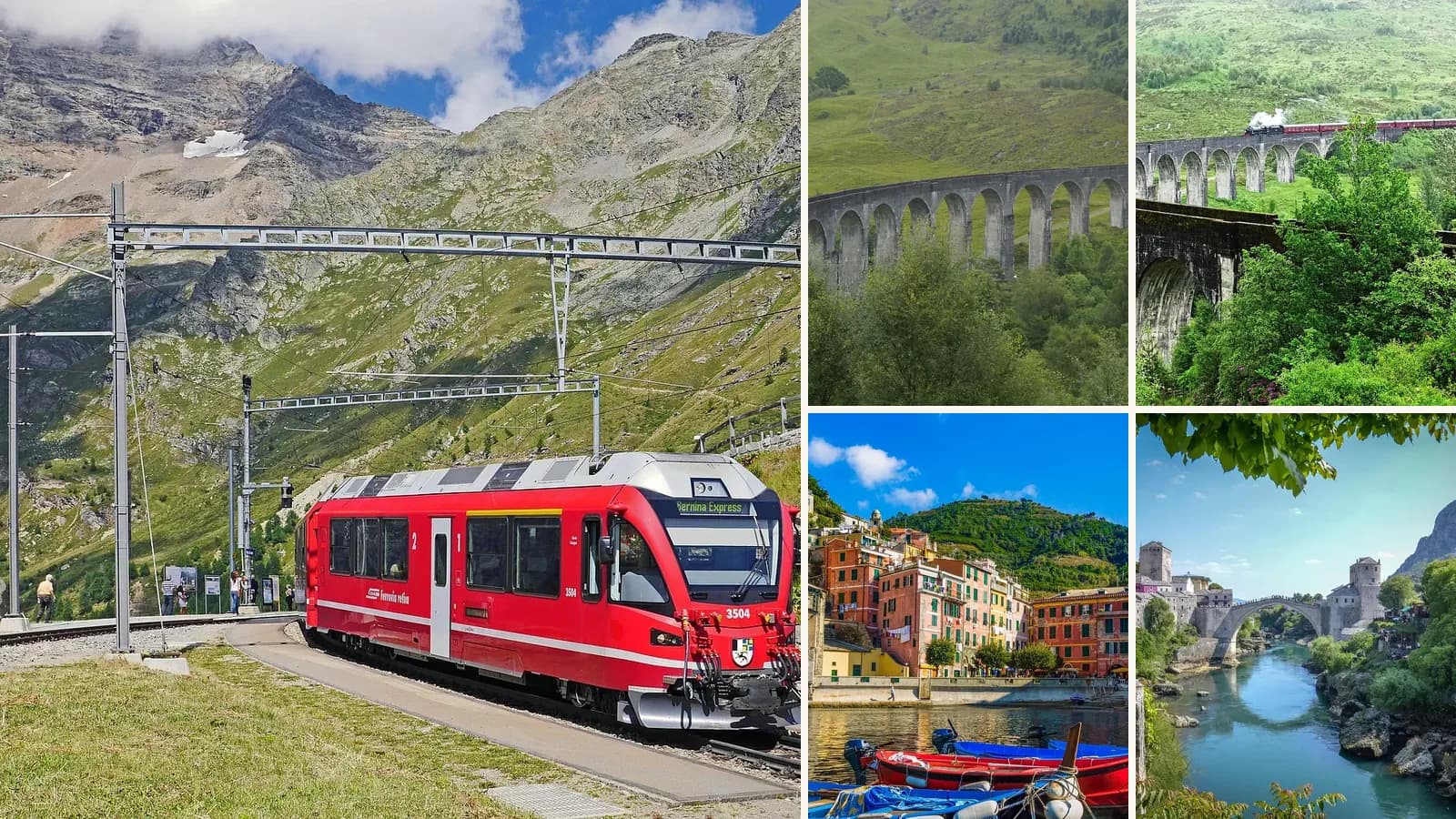
10 of the Best Scenic Rail Journeys in Europe
Alpine passes, Norwegian fjords, Scottish viaducts and Portuguese vineyards – ten of the most beautiful train journeys in Europe and tips for booking them.
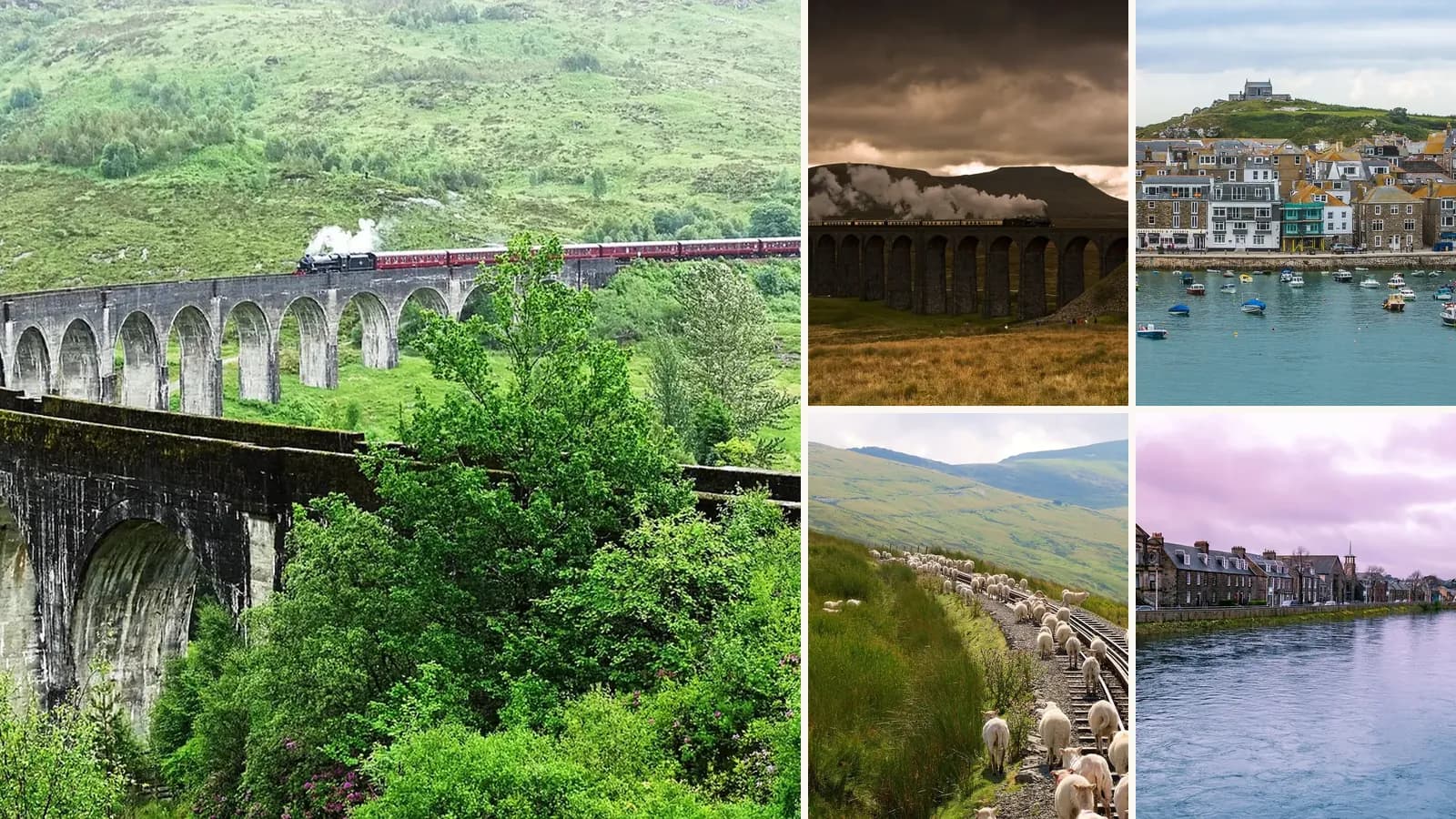
Five of the UK's Best Multi-Stop Rail Adventures
Five of the UK's best multi-stop train adventures – the Scottish Highlands, Settle–Carlisle, the Cornish Riviera, Wales and the Far North – with rail pass tips.

How Iceland Is Rethinking Tourism – and How to Visit Responsibly
Iceland's tourism boom changed the country. How it is managing crowds and protecting nature, and how to visit responsibly – with seasons, routes, safety rules and tips.
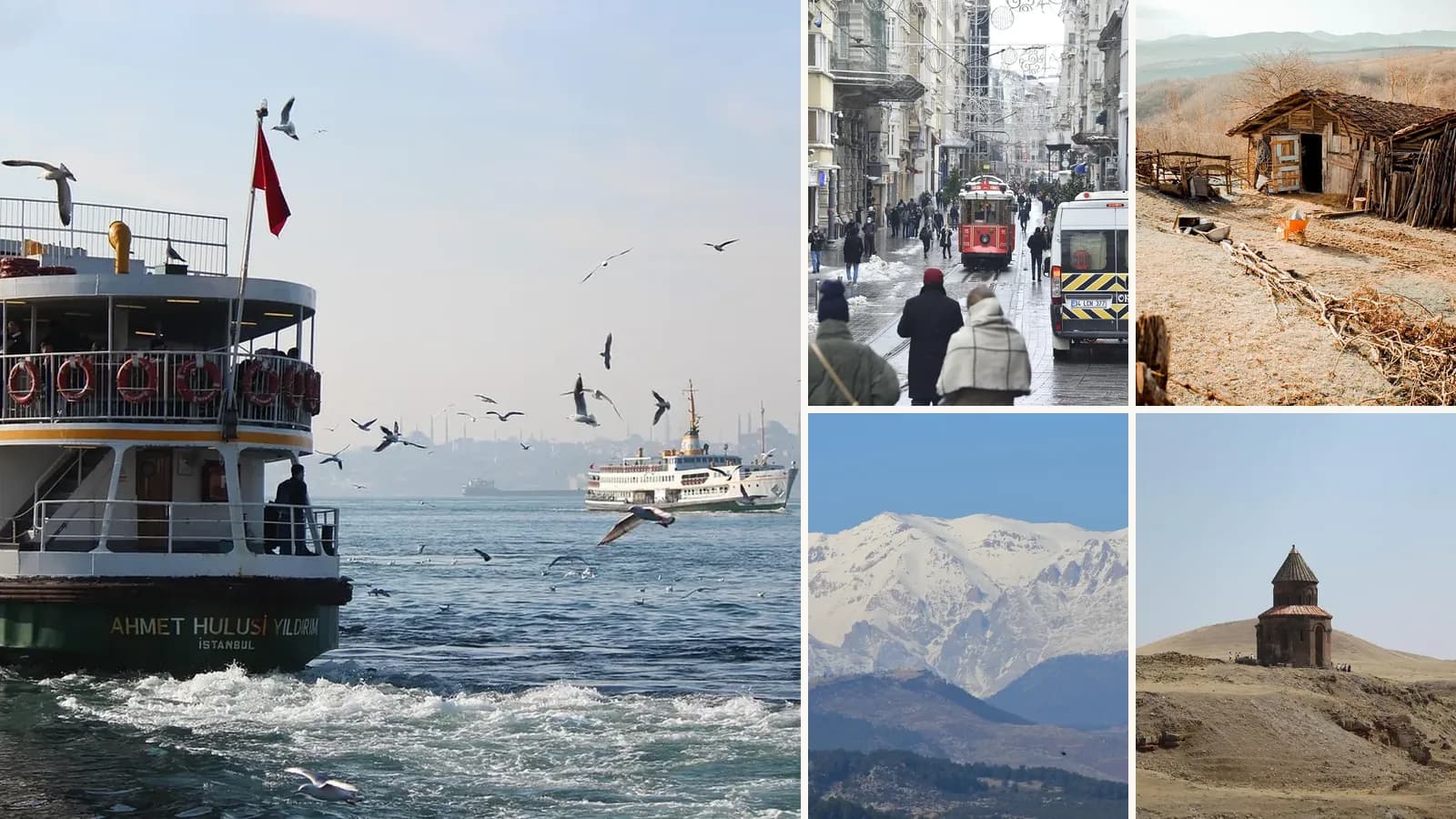
10 Books Set in Turkey to Read Before Your Trip
Ten books set in Turkey to read before you go – from Orhan Pamuk's Istanbul and Snow to Birds Without Wings, The Bastard of Istanbul and Kafka-esque classics.