Theodore Roosevelt National Park: A Guide to North Dakota's Hidden Gem
Plan a visit to Theodore Roosevelt National Park in North Dakota's badlands: the South and North Units, bison and wild horses, the best hikes and drives, and Medora.
In the badlands of western North Dakota, Theodore Roosevelt National Park protects striped canyons, grassy plateaus and the Little Missouri River – the landscape where a young Theodore Roosevelt ranched in the 1880s, an experience that shaped his later conservation work. It's one of America's least-visited national parks, which means quiet trails and some of the best wildlife watching in the West.
The park at a glance
- Location: western North Dakota, near the town of Medora.
- Units: the South Unit, the North Unit and the remote Elkhorn Ranch Unit.
- Wildlife: bison, wild horses, prairie dogs, elk, pronghorn, mule deer and bighorn sheep.
- Best time: late May to September.
- Nearest airports: Bismarck and Dickinson.
The South Unit
1. Medora and the visitor centre
The South Unit entrance is in Medora, a restored frontier town. At the visitor centre, see Roosevelt's Maltese Cross Cabin, moved here from his first ranch. In summer, the outdoor Medora Musical is a popular family evening.
2. The scenic loop drive
The South Unit's scenic loop drive passes prairie dog towns, viewpoints and areas where bison and wild horses graze. Sections have been closed for repairs after landslides, so check current conditions with the National Park Service before you go.
3. Wind Canyon and Painted Canyon
The short Wind Canyon Trail leads to a viewpoint over a bend of the Little Missouri River – lovely at sunset. Painted Canyon, off the interstate east of Medora, has a sweeping overlook of the colourful badlands.
The North Unit
4. The North Unit scenic drive
About an hour north of Medora, the North Unit is wilder and more dramatic, with deeper canyons and fewer visitors. The 14-mile scenic drive leads to the Oxbow Overlook above the river. Look for longhorn cattle, bison and bighorn sheep.
5. Hikes in the North Unit
The Caprock Coulee Trail passes unusual rock formations and climbs to views over the badlands; the short Little Mo Nature Trail is ideal for families.
The Elkhorn Ranch
6. Roosevelt's "home ranch"
The remote Elkhorn Ranch Unit, reached by gravel roads, protects the site of Roosevelt's second ranch. Little remains except foundations, but the peaceful river setting helps you understand why he called it a place of solitude. Check road conditions after rain.
Active adventures
7. Hiking, biking and riding
The long-distance Maah Daah Hey Trail links the South and North Units through the badlands and is popular with mountain bikers, hikers and horse riders. Canoeing and kayaking the Little Missouri is possible when water levels allow, usually in spring.
Practical tips
- Wildlife safety: stay at least 25 yards from bison and horses and 100 yards from predators.
- Weather: summer can be hot and stormy, winter very cold; carry water and layers.
- Camping: Cottonwood Campground (South Unit) and Juniper Campground (North Unit).
- Road trip ideas: combine with the Black Hills and Badlands National Park in South Dakota. For winter ideas, see our pick of national parks to visit in winter.
Frequently asked questions
How many days do you need in Theodore Roosevelt National Park?
Two days is enough to see the South Unit and drive the North Unit's scenic road. Add a day for longer hikes or the Elkhorn Ranch.
Can you see wild horses in Theodore Roosevelt National Park?
Yes. Herds of wild horses roam the South Unit, alongside bison, prairie dogs, elk and pronghorn.
When is the best time to visit?
Late spring to early autumn. June has green grasslands and wildflowers; September is quieter with golden colours. Winters are cold and some roads close.
Is the South Unit scenic loop drive open?
Parts of the South Unit loop have been closed for repairs after landslides in recent years. Check the National Park Service website for current road conditions.
Keep reading
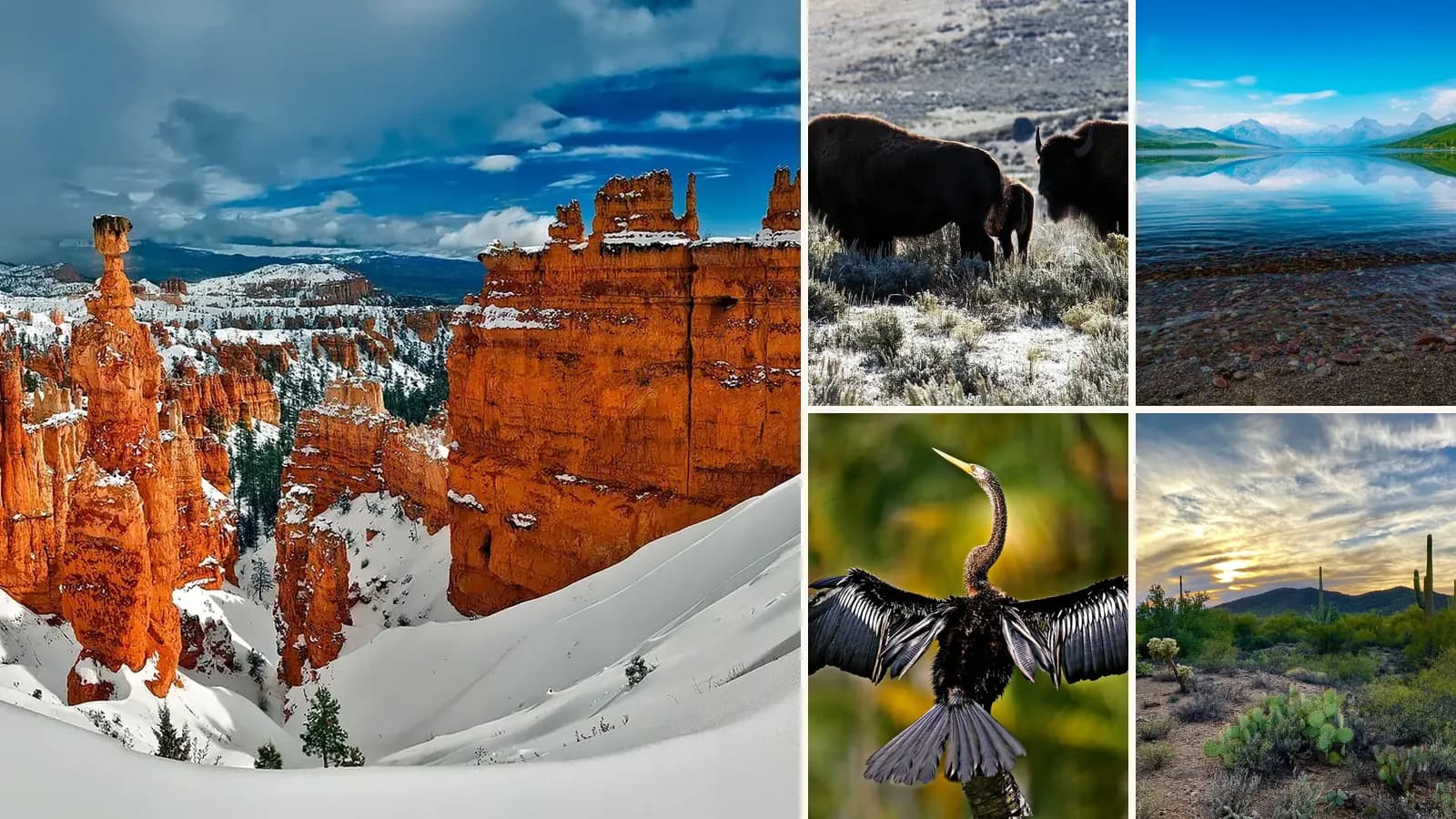
9 of the Best National Parks to Visit During Winter
Snowy Bryce Canyon, quiet Yosemite, Yellowstone by snowcoach and warm desert parks – the best US national parks for a winter trip.
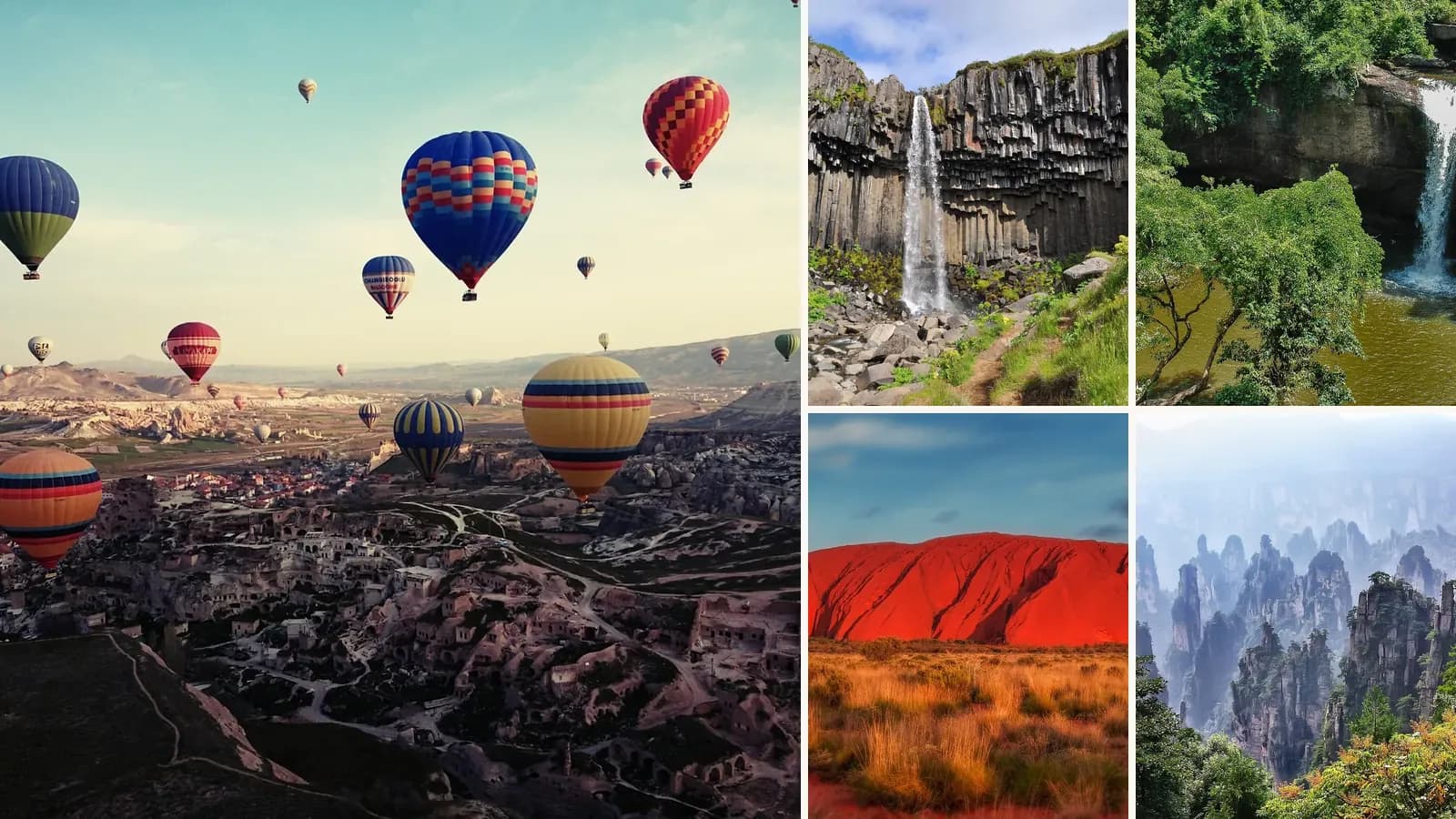
10 Incredible National Parks Around the World
From Cappadocia's fairy chimneys to Patagonia's glaciers, Uluru and Costa Rica's rainforest – ten incredible national parks around the world and how to visit them.
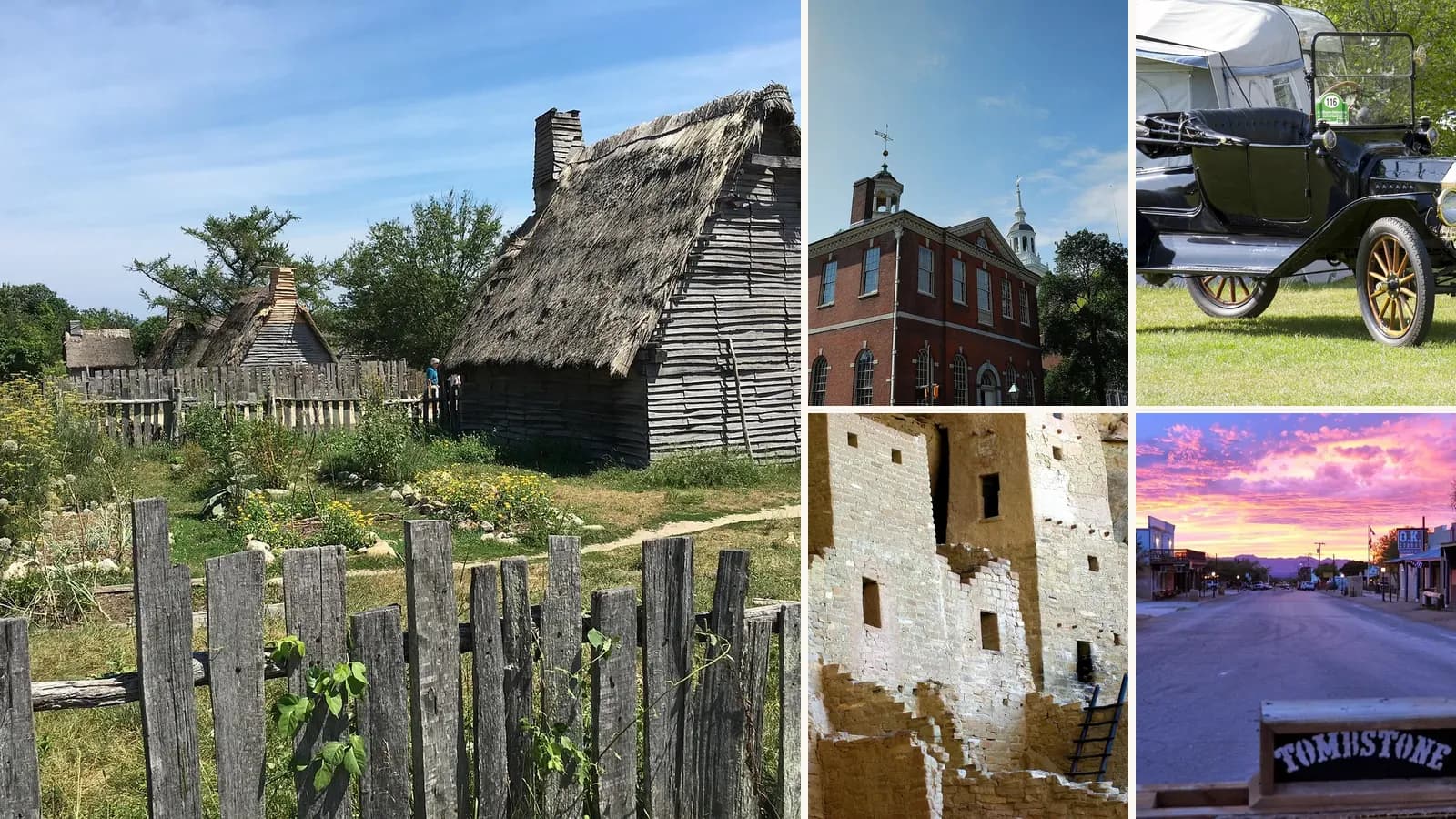
The Best Places in America to Travel Back in Time: 20 Living-History Sites
Plimoth Patuxet, Colonial Williamsburg, Mystic Seaport, Greenfield Village, Bodie ghost town and more – the best living-history sites in the USA.
Exploring Upstate New York by Canal Boat: A Guide to the Erie Canal
Rent a canal boat on the Erie Canal in upstate New York: how it works, the best stretch to cruise, locks, towns, bike paths and tips for first-timers.