Malta Travel Guide: Valletta, Gozo, the Blue Lagoon and More
Plan a trip to Malta: Valletta, Mdina, the Three Cities, Gozo, Comino's Blue Lagoon, prehistoric temples, diving, food, getting around and the best time to go.

Some links in this guide are partner links: if you buy through them we may earn a small commission, at no extra cost to you. It never affects what we recommend. How we make money
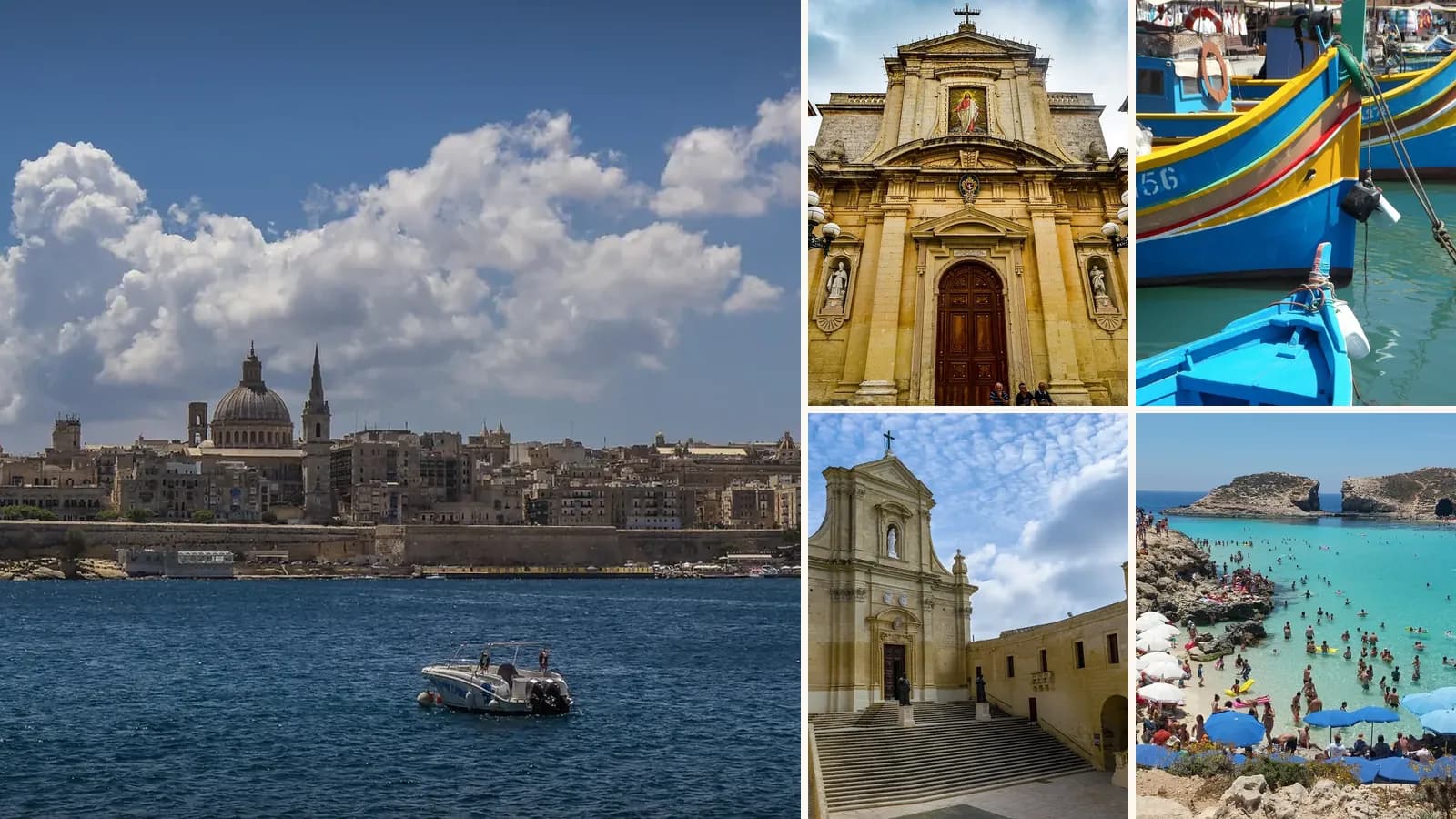
Malta is small – you can cross the main island in under an hour – but it packs in an extraordinary amount: 7,000 years of history, a fortified Baroque capital, honey-coloured villages, clear blue water and some of the Mediterranean's best diving. With sunshine for much of the year, English widely spoken and short flights from most of Europe, it's an easy island to love. This guide covers the highlights, the islands, where to stay and practical tips.
Malta at a glance
- Islands: Malta, Gozo and tiny Comino.
- Capital: Valletta, a UNESCO World Heritage Site.
- Flight time: around 3 hours from the UK and Germany.
- Currency: the euro.
- Best for: history lovers, divers, couples, city breaks and winter sun.
Malta's must-sees
1. Valletta
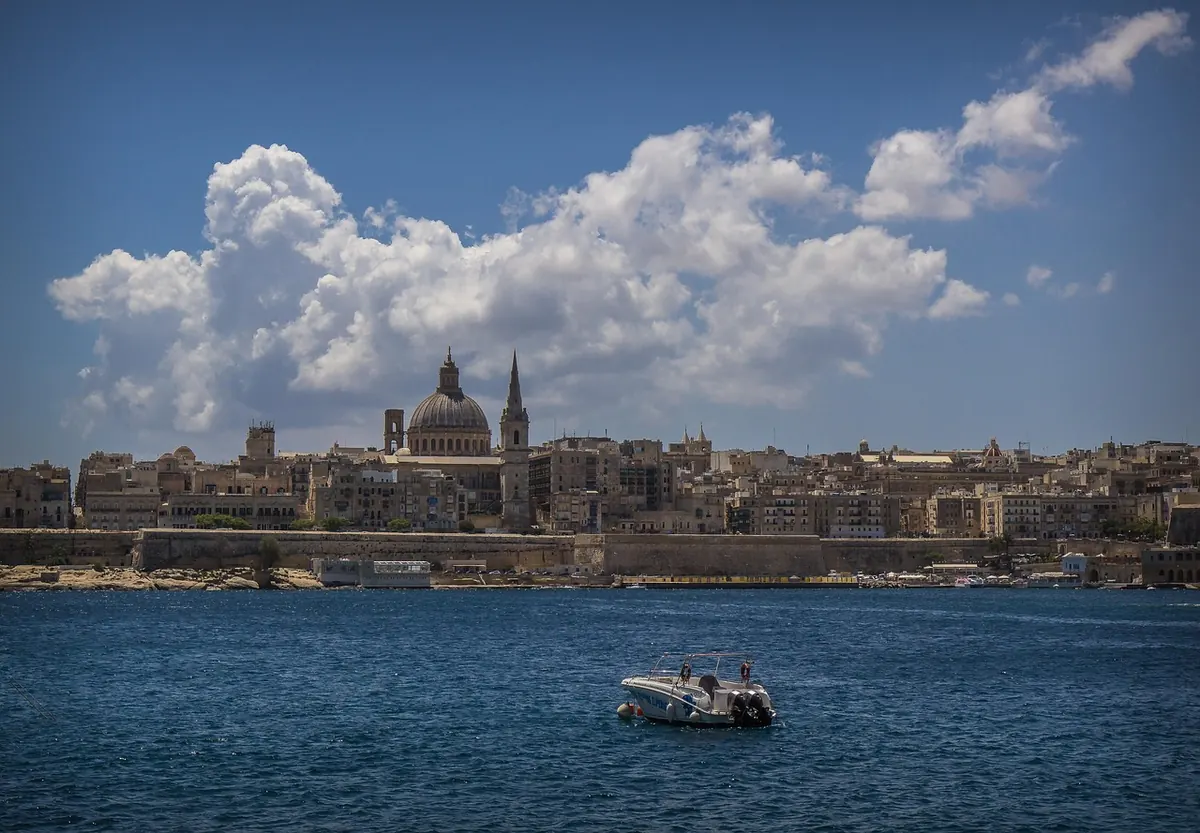
Built by the Knights of St John after the Great Siege of 1565, Valletta is a compact grid of limestone streets, wooden balconies and grand churches. Don't miss St John's Co-Cathedral, whose plain exterior hides a lavish gilded interior and two paintings by Caravaggio. Walk to the Upper Barrakka Gardens for views over the Grand Harbour, timed for the noon gun salute.
Honey-coloured streets slope steeply down to the sea, lined with colourful wooden balconies, and at noon the Saluting Battery fires its cannon over the Grand Harbour. Inside St John's Co-Cathedral, every surface glitters with gold, and Caravaggio's great painting stops people in their tracks.
2. The Three Cities
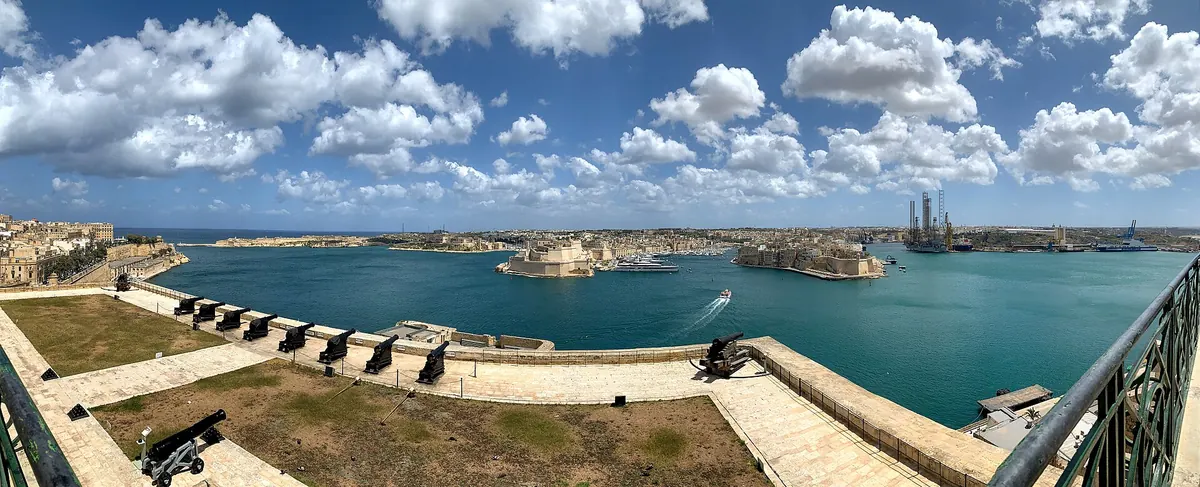
Across the Grand Harbour, Birgu (Vittoriosa), Senglea and Cospicua are quieter and more local than Valletta. Take the traditional dgħajsa water taxi across, explore Fort St Angelo and wander the narrow lanes of Birgu.
Take a traditional dgħajsa water taxi across the Grand Harbour to Birgu, where quiet lanes, washing lines and church bells feel far from the crowds.
3. Mdina and Rabat
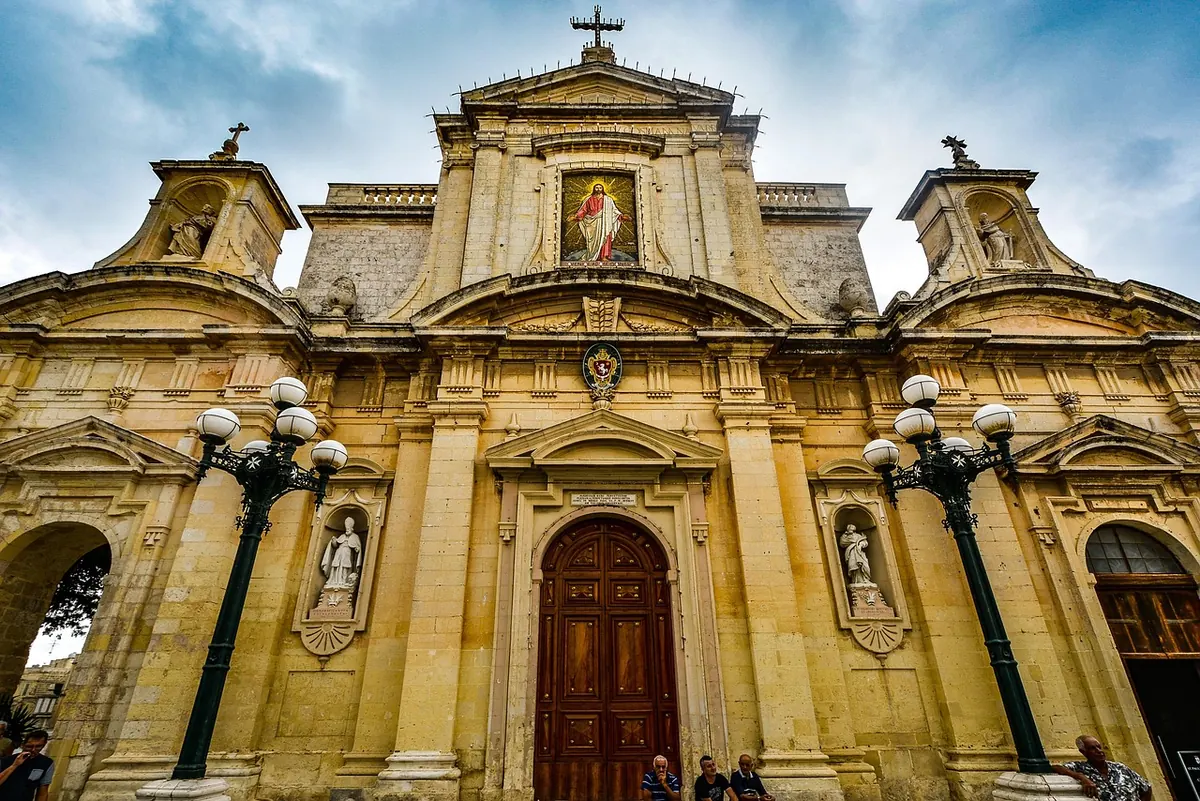
The walled hilltop city of Mdina, Malta's old capital, is nicknamed the "Silent City" – traffic is restricted and evenings are wonderfully quiet. Next door, Rabat has early Christian catacombs and St Paul's Grotto.
Inside the walls of Mdina, the 'Silent City', the narrow lanes are hushed, with only the clip-clop of horse-drawn carriages. Stop at the bastions for views across the whole island and a slice of chocolate cake at Fontanella.
4. Prehistoric temples
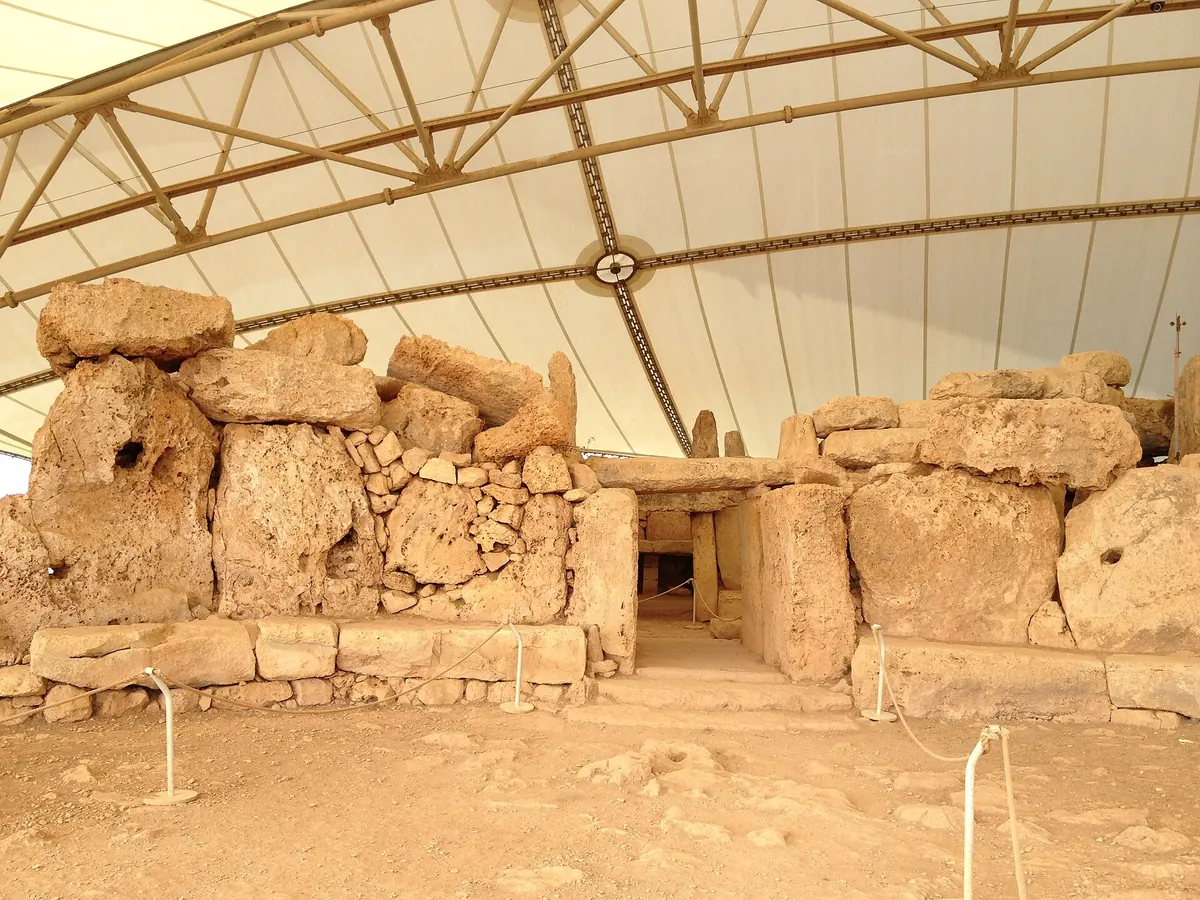
Malta's megalithic temples are older than Stonehenge and the pyramids of Egypt. Ħaġar Qim and Mnajdra sit on the cliffs above the sea, and the underground Ħal Saflieni Hypogeum is one of the world's most remarkable prehistoric sites – tickets are limited and sell out weeks ahead.
Standing among the huge stones of Ħaġar Qim, older than the pyramids, with the sea far below and the wind blowing across the cliffs, is a moving experience.
5. Marsaxlokk
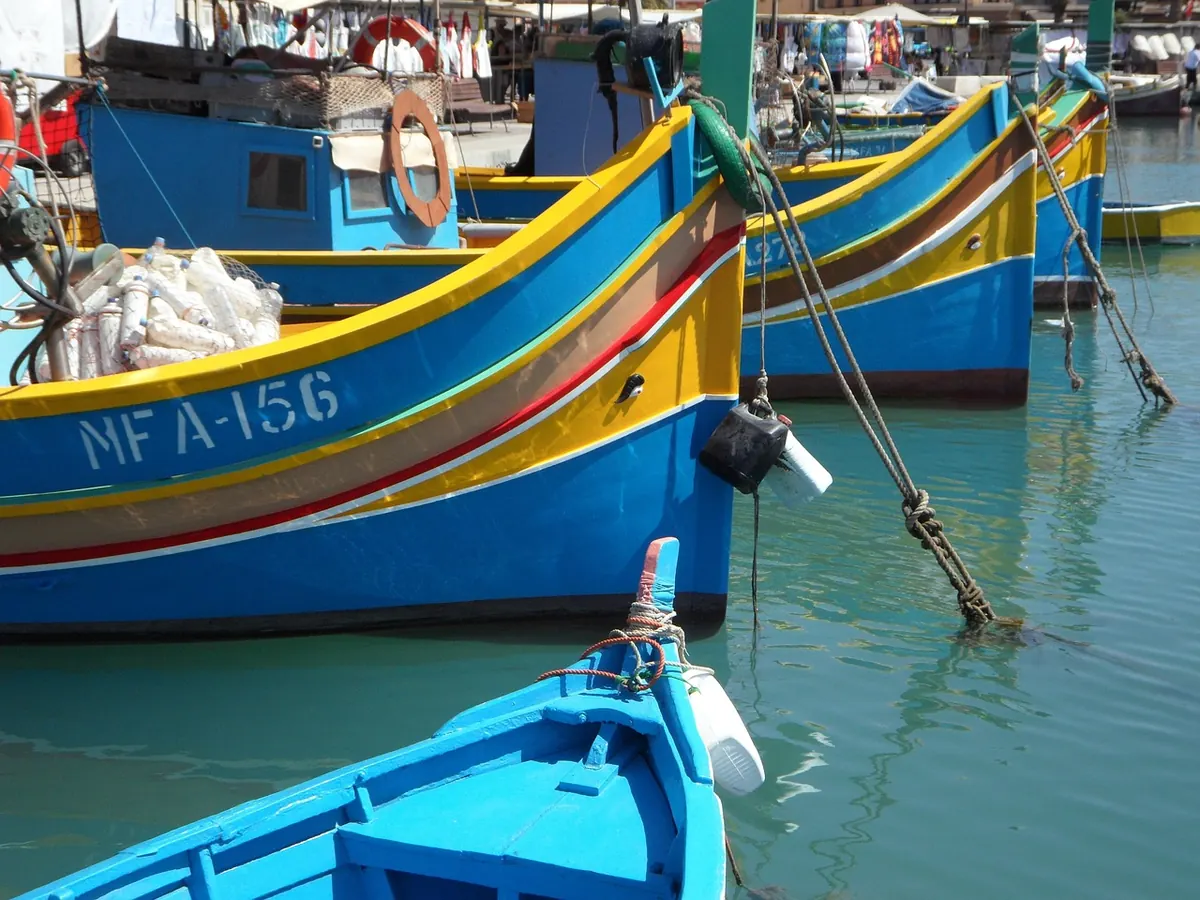
This fishing village is famous for its colourful luzzu boats, each painted with the Eye of Osiris. The Sunday fish market is lively; afterwards, eat fresh fish by the harbour.
The harbour is full of brightly painted luzzu boats with eyes on their bows, and on Sunday the fish market buzzes with stalls and seafood restaurants.
The islands
6. Gozo
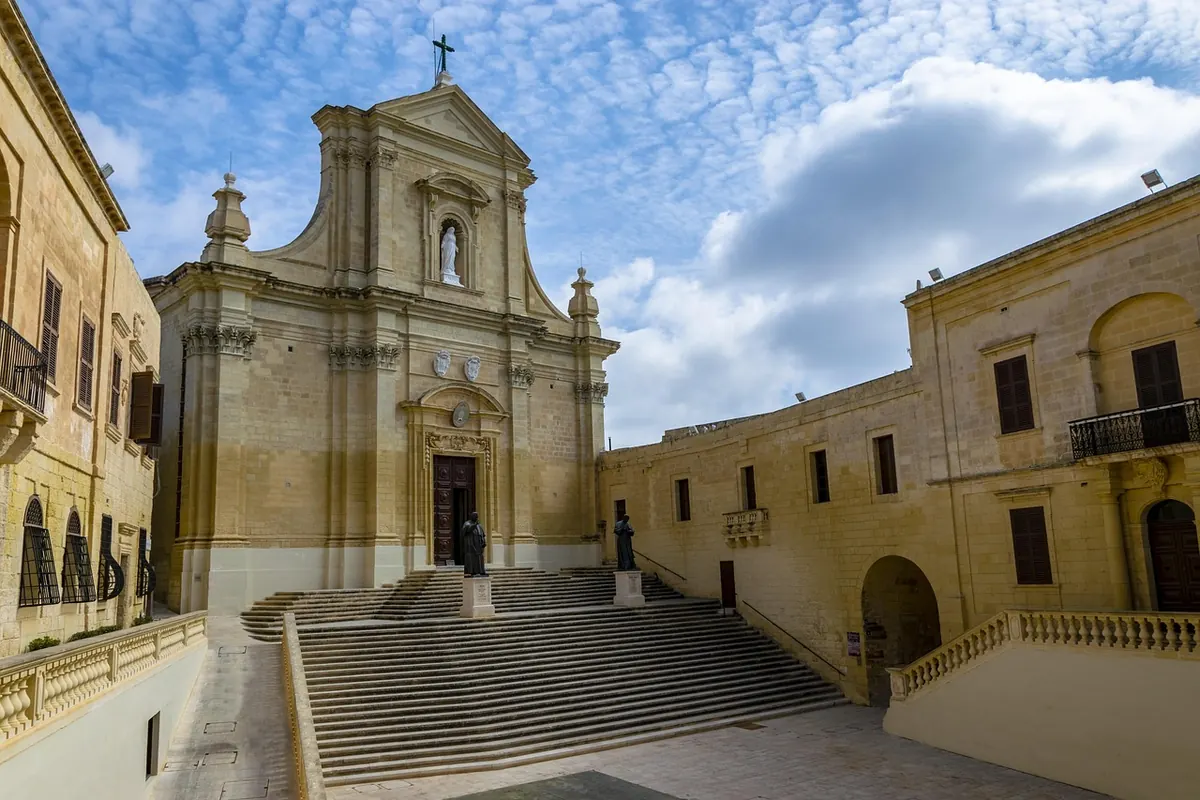
Greener and slower than Malta, Gozo is reached by a 25-minute ferry from Ċirkewwa. See the Citadel in Victoria, the Ġgantija temples – among the oldest freestanding structures on Earth – the salt pans at Xwejni and the red sand of Ramla Bay. The Azure Window collapsed in 2017, but the coast at Dwejra is still spectacular.
Gozo is greener, slower and quieter than Malta, with the citadel of Victoria on its hill, salt pans along the coast and dramatic cliffs.
7. Comino and the Blue Lagoon
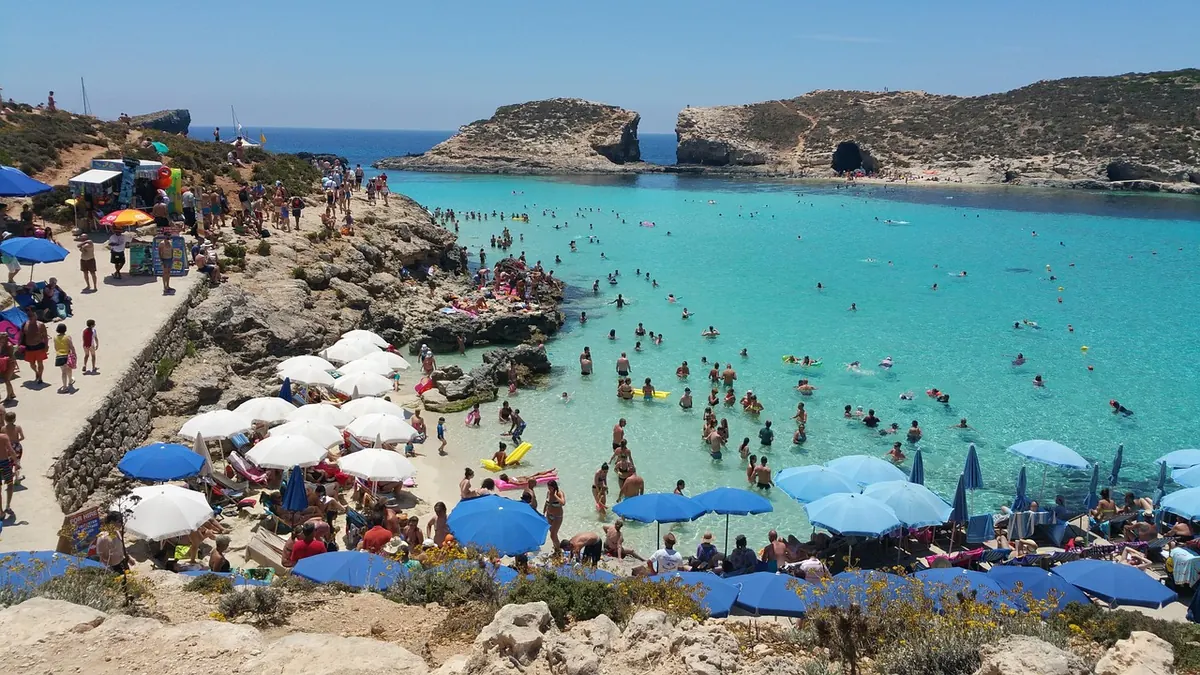
The Blue Lagoon on Comino has astonishingly clear turquoise water. It's extremely busy in summer, and visitor numbers are now managed with a booking system – check current rules, and go early or late in the day.
The water is so clear and pale it seems to glow – but from late morning, boats and crowds fill the lagoon. Come early or late in the day for the best experience.
Beaches and the sea
8. Beaches
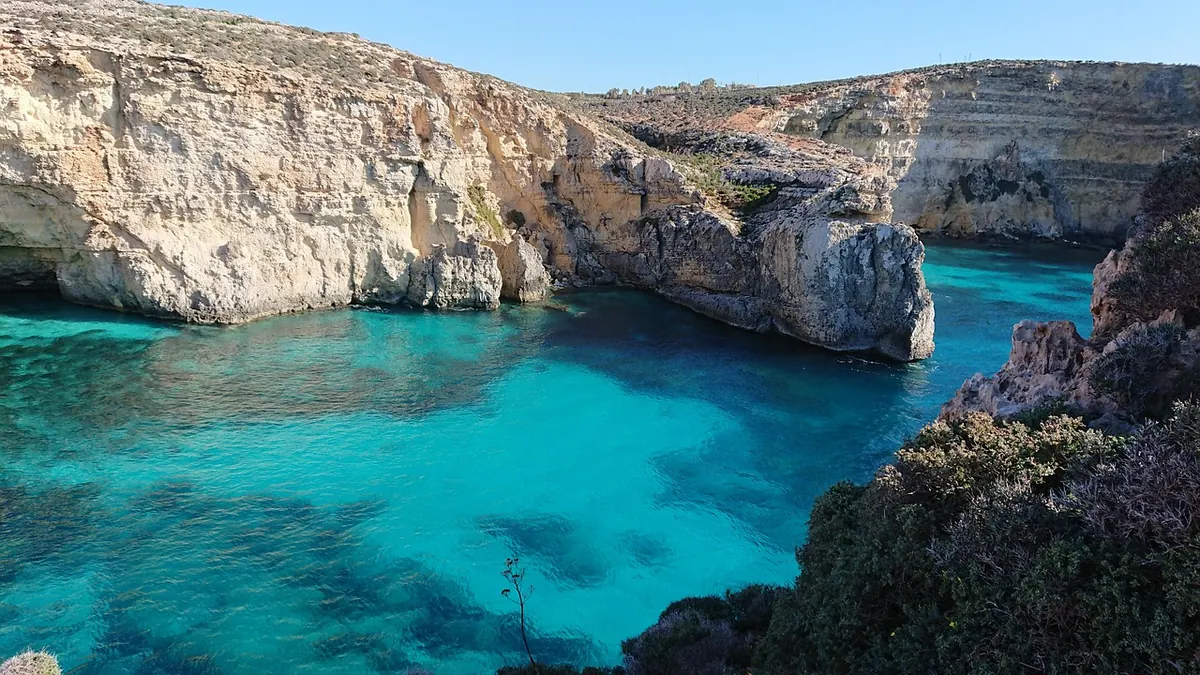
Malta has more rocky swimming spots than sandy beaches. The best sand is at Golden Bay, Għajn Tuffieħa and Mellieħa Bay in the north-west; on Gozo, Ramla Bay and San Blas are lovely.
Golden Bay and Għajn Tuffieħa are sandy and beautiful at sunset; elsewhere, you'll swim from rocks into deep, crystal-clear water.
9. Diving and snorkelling
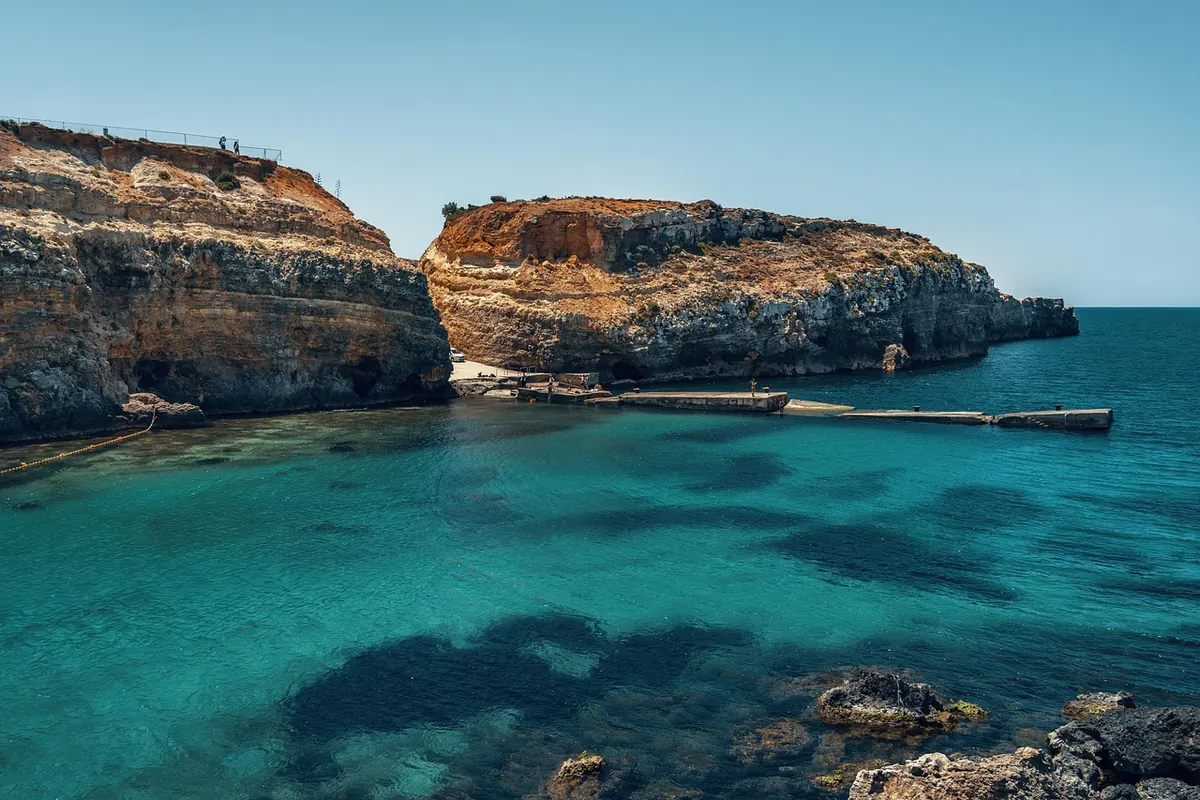
Clear water, caves, arches and wrecks make Malta one of Europe's top dive destinations. Popular sites include the Blue Hole on Gozo, the Santa Maria Caves on Comino and wrecks such as the P29 and the Um El Faroud. Beginners can try a dive in calm, sheltered bays.
Visibility is excellent, with caves, arches and wrecks to explore – the light streaming into the Blue Hole at Gozo is unforgettable.
Food and drink
10. What to eat
Try pastizzi (flaky pastries filled with ricotta or peas), ftira sandwiches, rabbit stew (stuffat tal-fenek), fresh lampuki fish in autumn and Kinnie, a bittersweet orange soft drink. Local wines and Cisk beer are worth a taste.
Crispy pastizzi from a hole-in-the-wall bakery, rabbit stew, ftira bread with tuna, capers and tomatoes – Maltese food is hearty and full of flavour.
Practical tips
- Getting around: buses cover the islands; ferries link Malta, Gozo and Comino. Cars drive on the left.
- Where to stay: Valletta or Sliema for city life, St Julian's for nightlife, Mellieħa for beaches, Gozo for peace.
- Best time: spring and autumn; summer is hot and busy.
- Thinking of staying longer? Malta is a popular choice for retirees – see our guide to the best countries to retire.
Frequently asked questions
How many days do you need in Malta?
Five to seven days lets you explore Valletta, Mdina and the Three Cities, spend a day or two on Gozo and visit Comino's Blue Lagoon without rushing.
What is the best time to visit Malta?
April to June and September to October offer warm weather and a warm sea without the peak-summer heat and crowds. Winters are mild, making Malta a good city-break destination all year.
Do you need a car in Malta?
Not necessarily. Buses cover most of Malta and Gozo, and ferries link the islands. A car gives more freedom on Gozo, but remember Malta drives on the left.
What language is spoken in Malta?
Maltese and English are both official languages, and almost everyone speaks English.
Keep reading
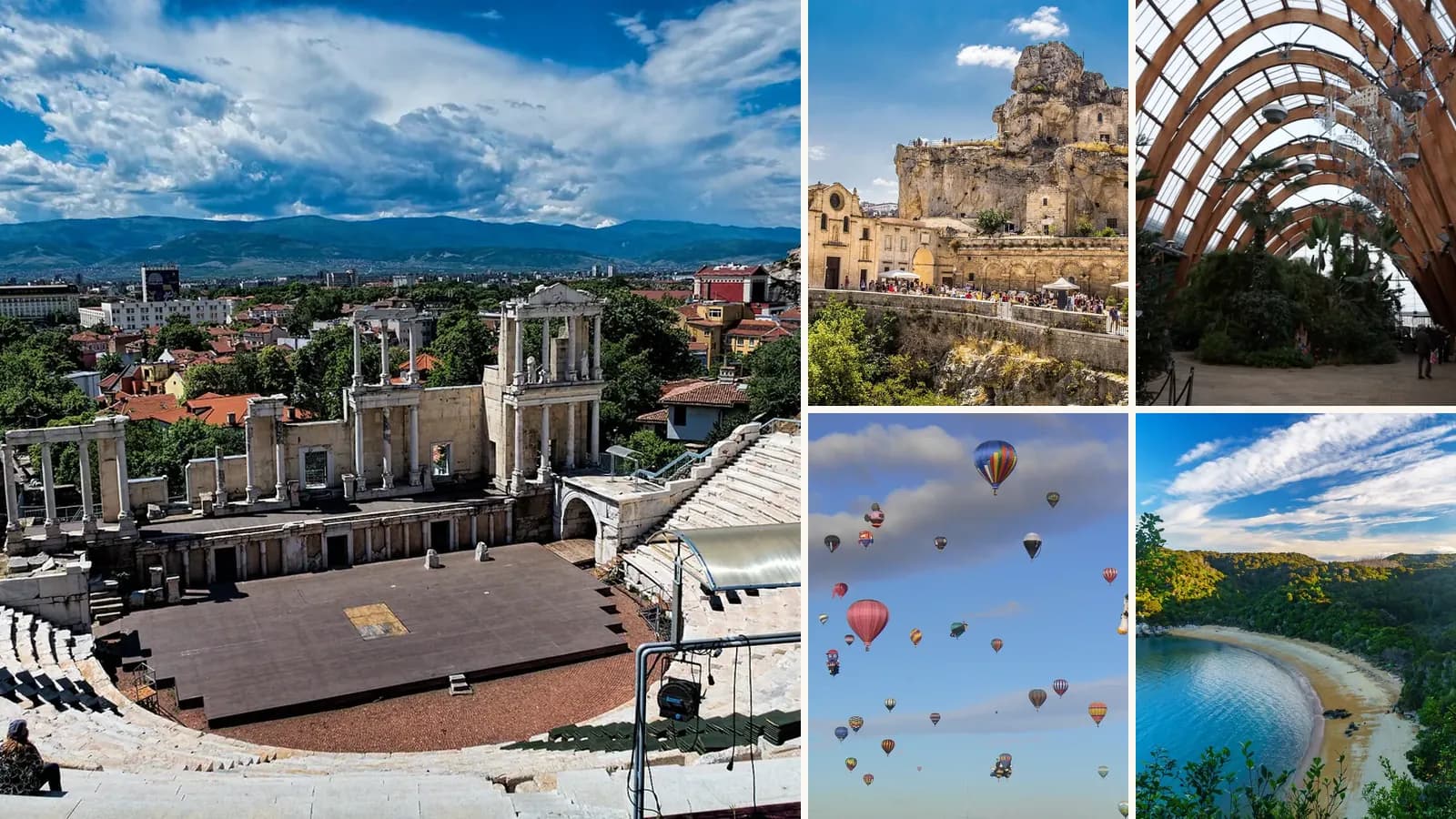
20 Stunning Alternative Cities You've Never Thought to Visit (But Really Should)
Skip the obvious capitals: 20 underrated cities from Plovdiv and Leipzig to Hobart and Valparaíso, with what makes each special and what to see first.
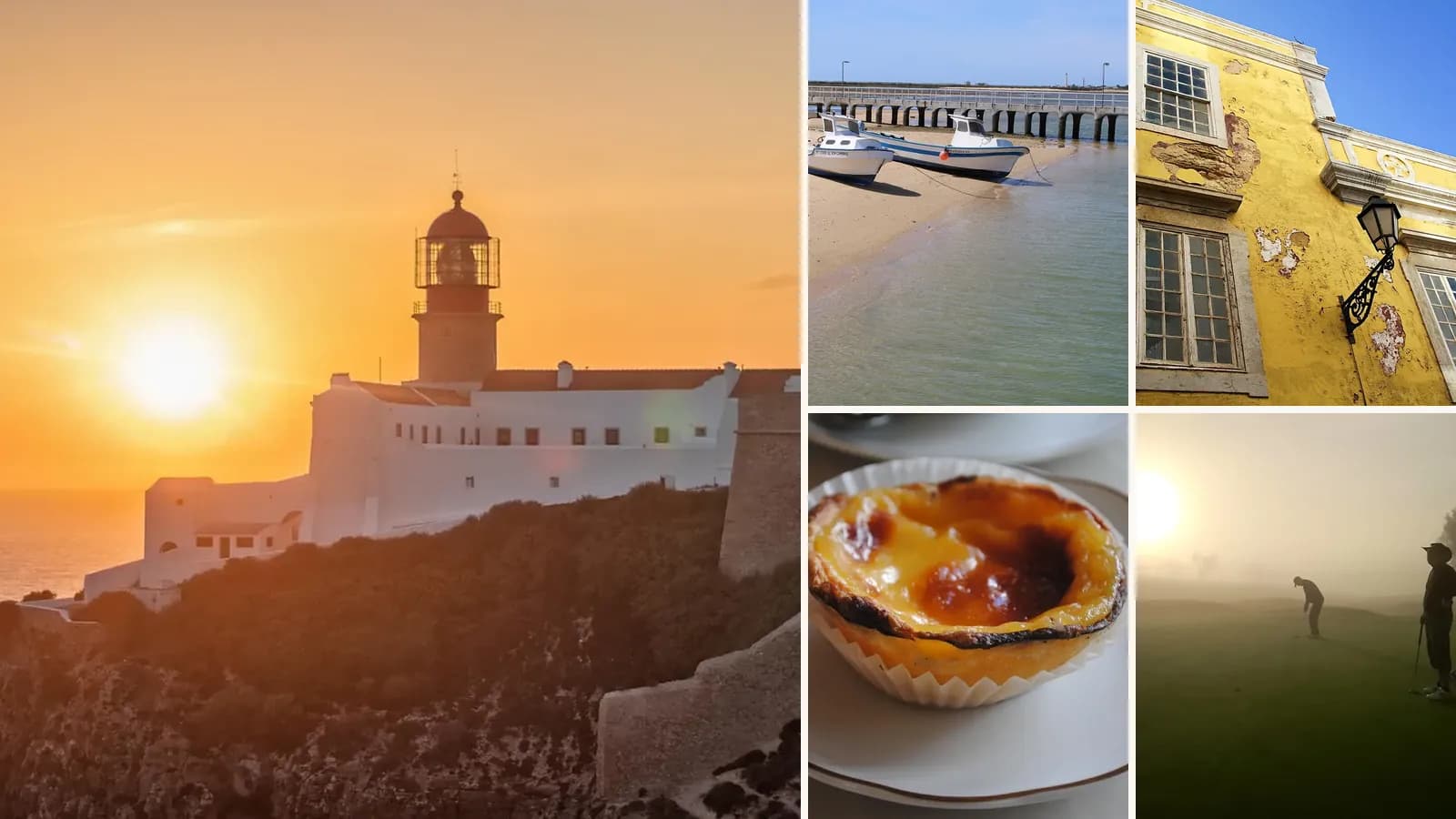
The Algarve Bucket List: 20 Things to Do in Portugal's Paradise
Benagil Cave, Ponta da Piedade, the Seven Hanging Valleys, Ria Formosa islands, piri-piri chicken and sunset at Cape St Vincent – 20 best things to do in the Algarve.
The Best Countries in the World to Retire: Beautiful, Safe and Affordable
Croatia, Spain, Portugal, Ireland, Italy, Greece, France and Cyprus – comparing the best countries to retire on safety, cost of living, healthcare, climate and visas.
Yachting on Croatia's Istrian Riviera: Routes, Marinas and Charter Tips
Charter a yacht in Istria, Croatia: a week-long route from Pula to Rovinj, Poreč and the Kvarner islands, the best marinas, charter types, winds and tips.