What Can Be Done About Mid-Flight Turbulence? What the NTSB, the FAA and Scientists Say
Why turbulence injures passengers and crew, what the NTSB recommends, whether climate change is making flights bumpier, and the simple habit that protects you.
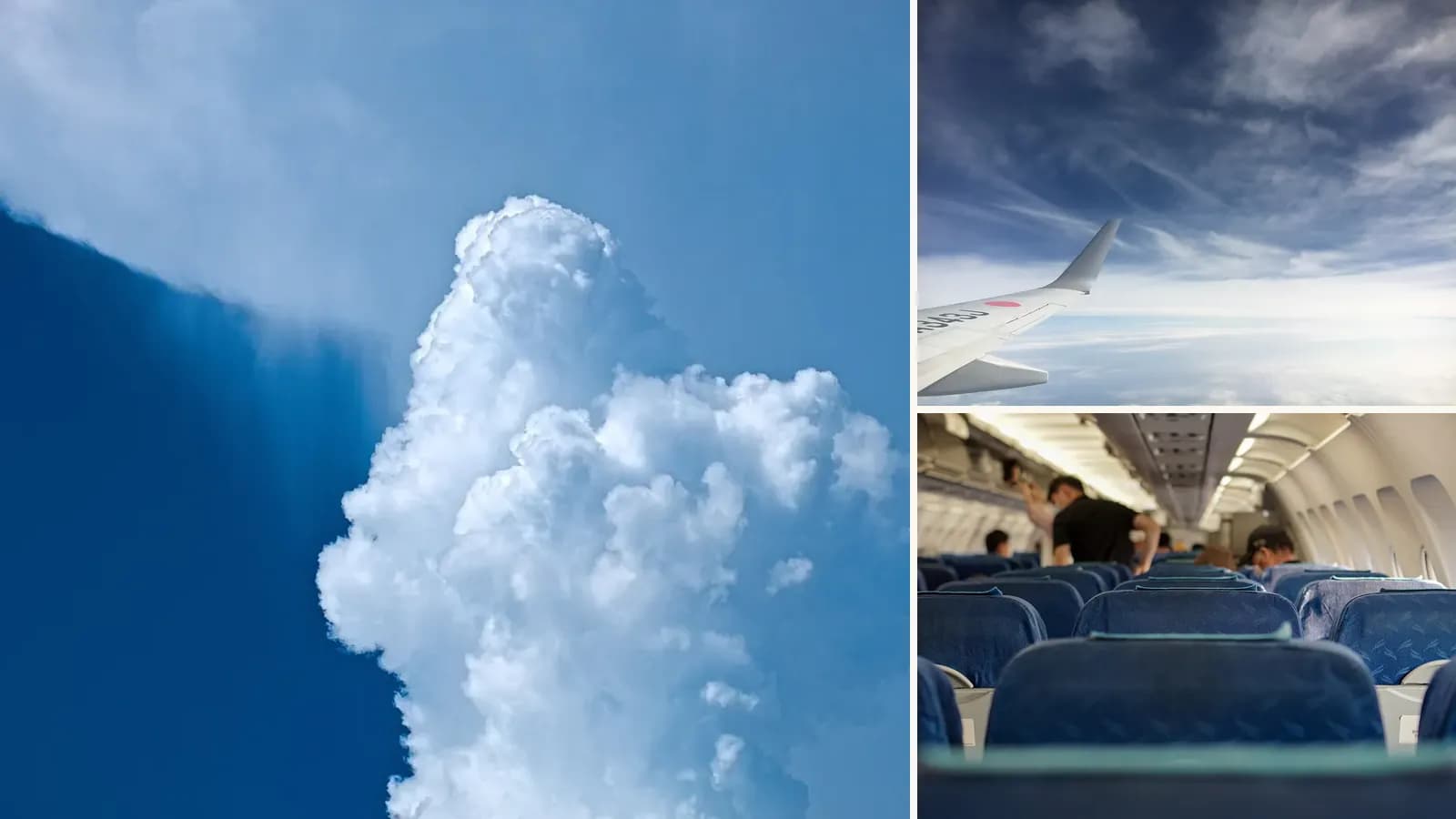
Turbulence is the most common reason people get hurt on airliners. It rarely threatens the aircraft itself, but it can throw unbelted passengers and crew against the cabin ceiling in a fraction of a second, causing broken bones, head and spine injuries and, very occasionally, deaths.
In 2021 the US National Transportation Safety Board (NTSB) published a major study of turbulence accidents, and since then a fatal incident on a Singapore Airlines flight and new climate research have kept the subject in the headlines. Here is what the experts say, and what you can do about it.
What turbulence actually is
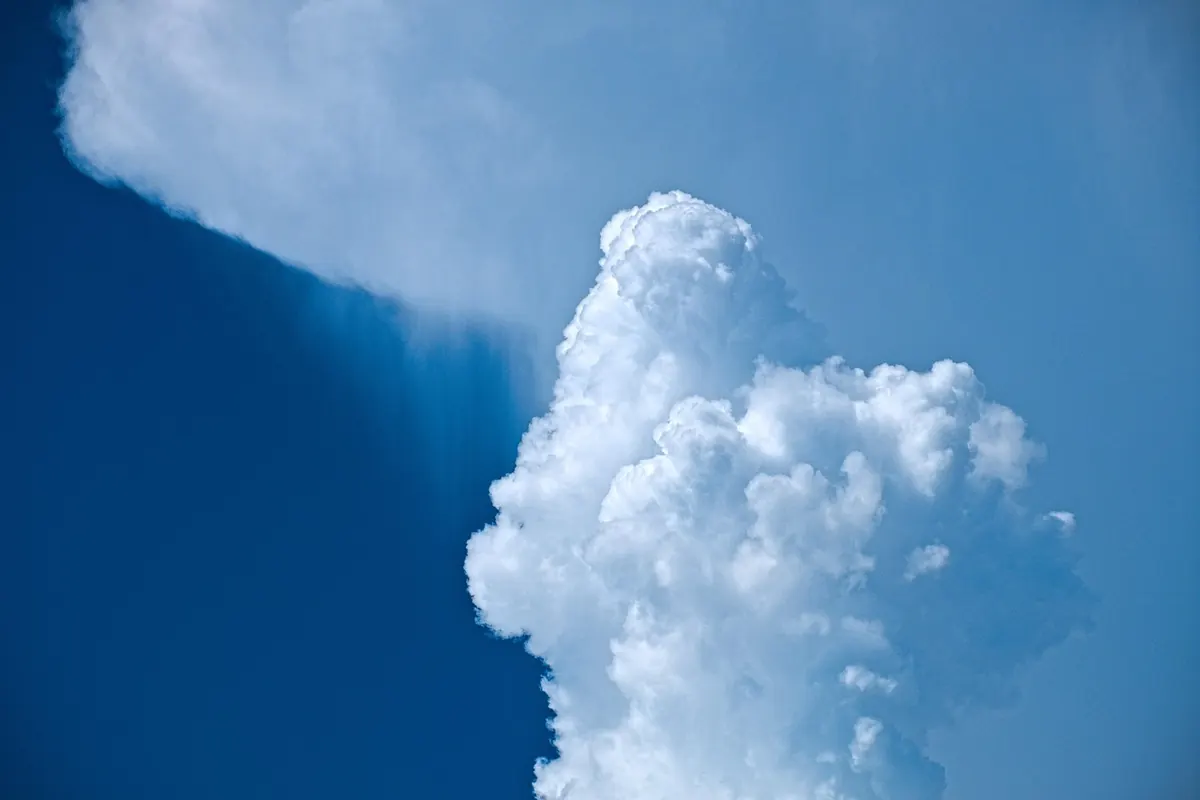
Turbulence is simply air moving in irregular ways. The aircraft flies through it the way a boat crosses choppy water. There are several kinds:
- Convective turbulence around thunderstorms and fast-growing clouds, where strong updrafts and downdrafts form.
- Clear-air turbulence, the most dangerous kind for passengers, because it happens in cloudless sky near the jet stream and does not show up on weather radar.
- Mountain wave turbulence, when strong winds flow over mountain ranges.
- Wake turbulence from other aircraft, which mostly matters close to airports.
Clear-air turbulence is driven by wind shear: two layers of air moving at different speeds next to each other. When the difference is large enough, the air breaks into eddies. If those eddies are about the size of an aircraft, the plane can rise or drop sharply with almost no warning.
How often turbulence injures people
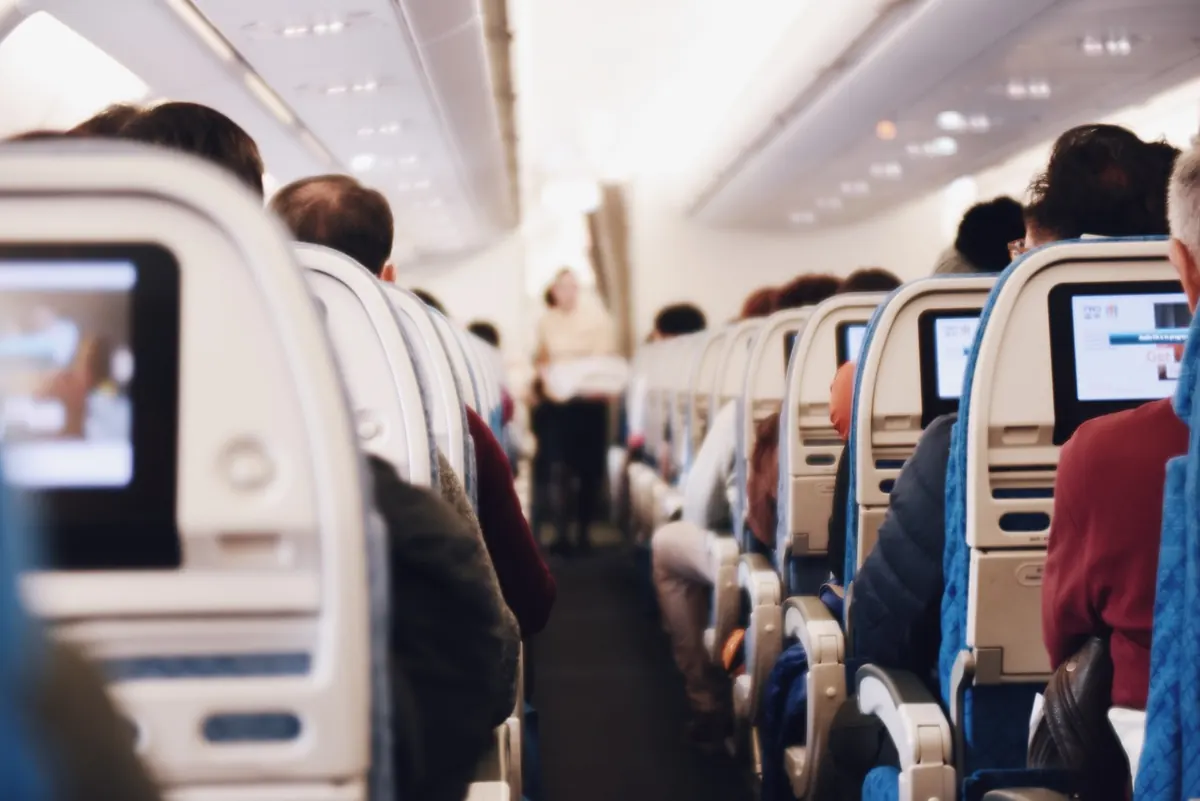
The numbers are small compared with the millions of flights each year, but they are steady.
- The NTSB's 2021 report found that turbulence caused 37.6% of all accidents on larger US commercial airlines between 2009 and 2018, with 111 turbulence accidents causing at least one serious injury.
- Flight attendants made up 78.9% of those seriously injured, because they are often standing in the aisles or galleys.
- The Federal Aviation Administration (FAA) counted 207 serious turbulence injuries on US airlines between 2009 and 2024, 166 of them crew members. The highest yearly figures in that period were 2023 (20) and 2024 (23).
Most passengers who are seriously hurt were out of their seats or sitting with their seatbelts unfastened.
The Singapore Airlines flight that changed the conversation
On 21 May 2024, Singapore Airlines flight SQ321 from London to Singapore, a Boeing 777-300ER with 229 people on board, hit extreme turbulence over Myanmar. The aircraft's vertical acceleration swung from +1.35G to -1.5G in less than a second, lifting unbelted people out of their seats. One passenger died and 79 people were injured, and the flight diverted to Bangkok.
Singapore's Transport Safety Investigation Bureau published its final report in May 2026. It concluded that the aircraft most likely flew into a powerful updraft from a rapidly developing cloud that did not appear on the onboard weather radar, and the seatbelt sign was only switched on once the turbulence had begun. The bureau recommended better recording of what the weather radar shows the crew, and guidance for pilots on spotting radar faults.
What the NTSB and airlines are doing
The NTSB's 2021 report made a long list of recommendations. The main themes:
- Share more turbulence data between pilots, airlines and air traffic control, including automatic reports from aircraft sensors rather than relying only on pilots radioing in.
- Seat flight attendants earlier during the descent and other phases where turbulence is likely, to cut crew injuries.
- Improve forecasting tools so dispatchers and pilots can plan routes around areas of expected turbulence.
- Protect small children by encouraging parents to buy a seat for children under two and use an approved child restraint rather than holding them on their lap.
Many airlines now share real-time turbulence data with each other, and some have changed their cabin procedures, for example pausing meal and hot drinks service whenever the seatbelt sign is on.
Is climate change making flights bumpier?
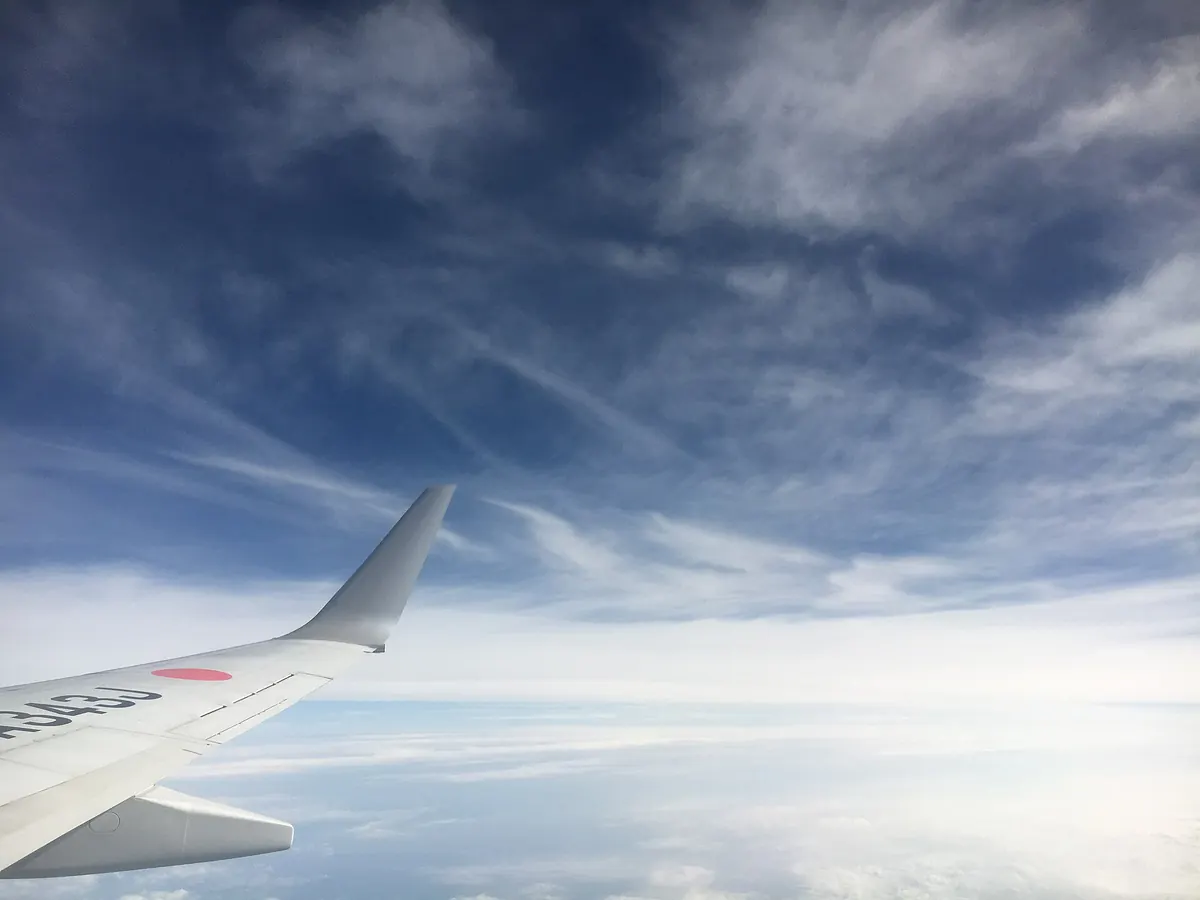
Probably, at least on some routes. A 2023 study by Mark Prosser, Paul Williams and colleagues at the University of Reading, published in Geophysical Research Letters, found that the total annual duration of severe clear-air turbulence at a typical point over the North Atlantic rose by 55% between 1979 and 2020. Moderate turbulence rose by 37%. The researchers link the change to a warming atmosphere strengthening the wind shear in the jet stream.
That does not automatically mean more injuries. Forecasting is improving too, and airlines are getting better at routing around rough air. But the trend is one reason safety agencies keep returning to the same simple advice.
How to protect yourself on a flight
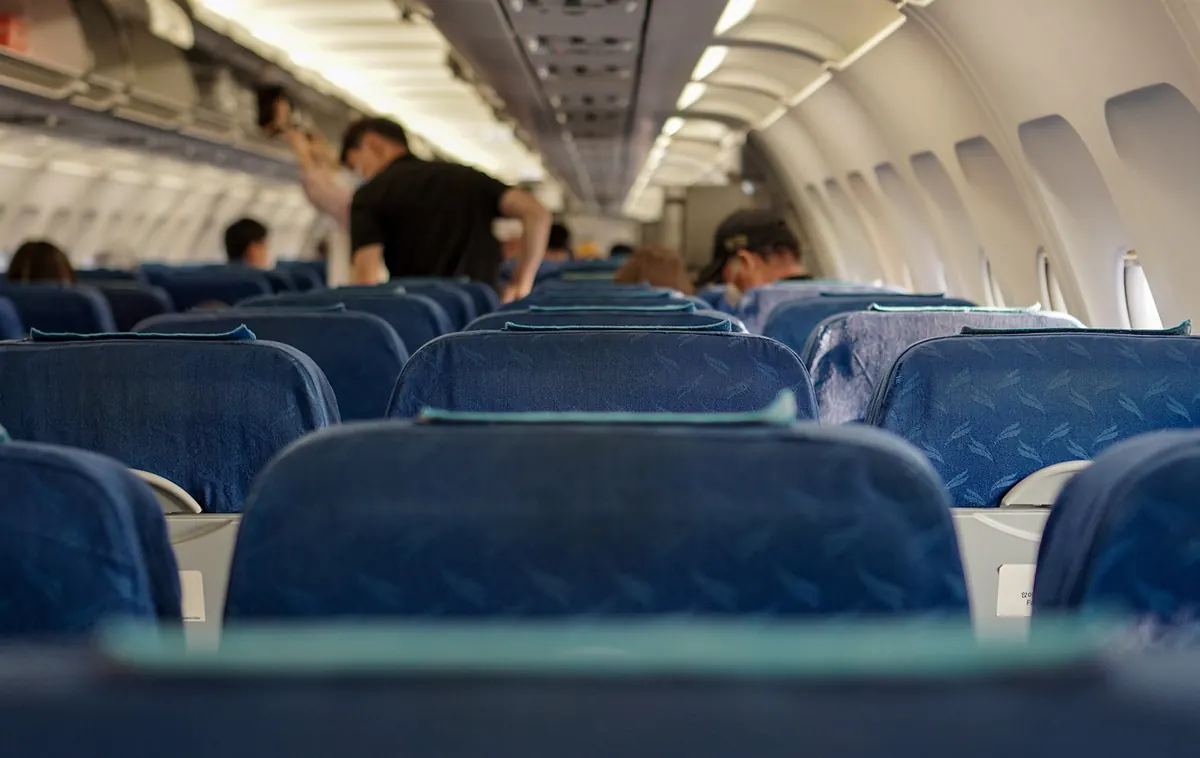
- Keep your seatbelt fastened whenever you are seated, loosely enough to be comfortable. This single habit prevents most turbulence injuries to passengers.
- Use the bathroom when the sign is off, and do not linger in the aisles.
- Buy a seat for a baby or toddler and use an approved child seat or harness. The FAA says children under two are safest this way.
- Stow heavy bags properly, in the overhead bins or under the seat in front, so nothing falls on anyone.
- Listen to the crew. If the pilots ask the cabin crew to sit down, the crew know something you do not.
- If you are a nervous flyer, a seat over the wings usually feels the motion less than one at the back of the plane. Our guide to overcoming a fear of flying has more tips.
The bottom line
Turbulence is uncomfortable, sometimes frightening, and occasionally dangerous for people who are not strapped in. The aircraft can cope with it; the cabin's occupants are the weak point. Until forecasting can see every patch of rough air in advance, the best protection is the oldest one on board: the seatbelt.
Sources: FAA turbulence facts, AGU: hazardous clear-air turbulence up 55%, Asia News Network on the SQ321 final report.
Frequently asked questions
Can turbulence make a plane crash?
It is extremely rare for turbulence to damage a modern airliner. Aircraft are built to withstand forces far beyond what turbulence normally produces. The real risk is to people who are not strapped in, who can be thrown against the ceiling or into the aisle.
How many people are hurt by turbulence?
On US airlines, the FAA recorded 207 serious turbulence injuries between 2009 and 2024. About 80% of them were crew members, who are often on their feet when turbulence hits.
Is turbulence getting worse because of climate change?
Research from the University of Reading found that severe clear-air turbulence over the North Atlantic increased by 55% between 1979 and 2020, linked to stronger wind shear in the jet stream. Better forecasting may offset some of that effect.
What is the best way to stay safe during turbulence?
Keep your seatbelt loosely fastened whenever you are in your seat, not only when the sign is on. Put children under two in their own seat with an approved child restraint, and keep heavy items in the overhead bins or under the seat.
Keep reading
10 Tips to Help You Overcome a Fear of Flying
Practical ways to manage a fear of flying: understanding turbulence, breathing techniques, choosing the right seat, talking to the crew and taking a confidence course.
6 Tips for Picking the Perfect Airplane Seat Every Time
Window, aisle, exit row or bulkhead? How to choose the best seat on the plane for sleep, legroom, a smooth ride or a quick exit – and how to get it without overpaying.
10 Ways to Get Through Airport Security Faster
Skip the stress at the checkpoint: trusted traveler programs, smart packing, the right time to arrive and the small habits that get you through security in minutes.
The Wild Landscapes of the Falkland Islands: Stone Runs, Penguin Beaches and How to Get There
The Falklands' stone runs, Gypsy Cove penguins and Stanley's coloured roofs, made famous by an RAF technician's drone film, plus flights, seasons and costs.