The Wild Landscapes of the Falkland Islands: Stone Runs, Penguin Beaches and How to Get There
The Falklands' stone runs, Gypsy Cove penguins and Stanley's coloured roofs, made famous by an RAF technician's drone film, plus flights, seasons and costs.

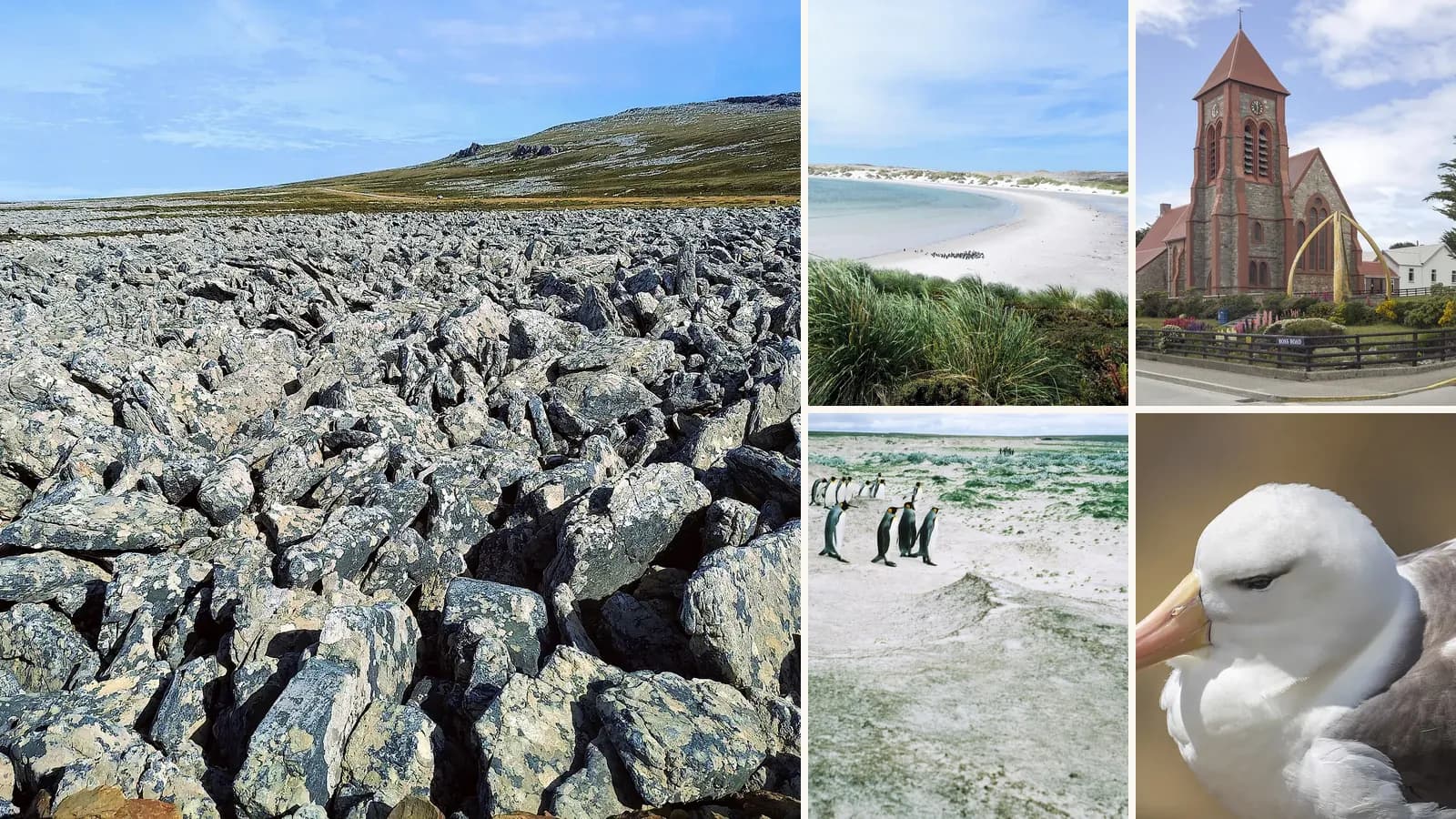
In 2019 an RAF radar technician stationed in the South Atlantic spent his days off hiking across East Falkland with a drone. His short film ran from the boulder fields of Mount Kent to the white beaches of Gypsy Cove and the coloured roofs of Stanley, and it reminded a lot of people that one of the most dramatic landscapes in the British world is also one of the least visited.
The islands have not changed much since. They are still remote, windswept and treeless, still home to penguins on almost every beach, and still harder to reach than most destinations on Earth. This guide covers the places in that film, where to see the wildlife and how to plan a trip.
What makes the Falklands so different
The Falkland Islands lie in the South Atlantic, about 300 miles (480 km) east of the South American coast. There are two main islands, East and West Falkland, and more than 700 smaller ones. Fewer than 4,000 people live here, most of them in Stanley, the only town.
Inland, the landscape is open moorland, peat bog and bare rocky ridges with almost no trees. The coast is the opposite: white sand, kelp-filled bays and some of the richest wildlife in the southern hemisphere. Five species of penguin breed here, along with black-browed albatrosses, elephant seals, sea lions and Commerson's dolphins.
The islands were declared free of landmines in November 2020, almost four decades after the 1982 conflict. Beaches that were fenced off for years, including Yorke Bay next to Gypsy Cove, are open again.
The landscapes in the drone film
Mount Kent and the stone runs
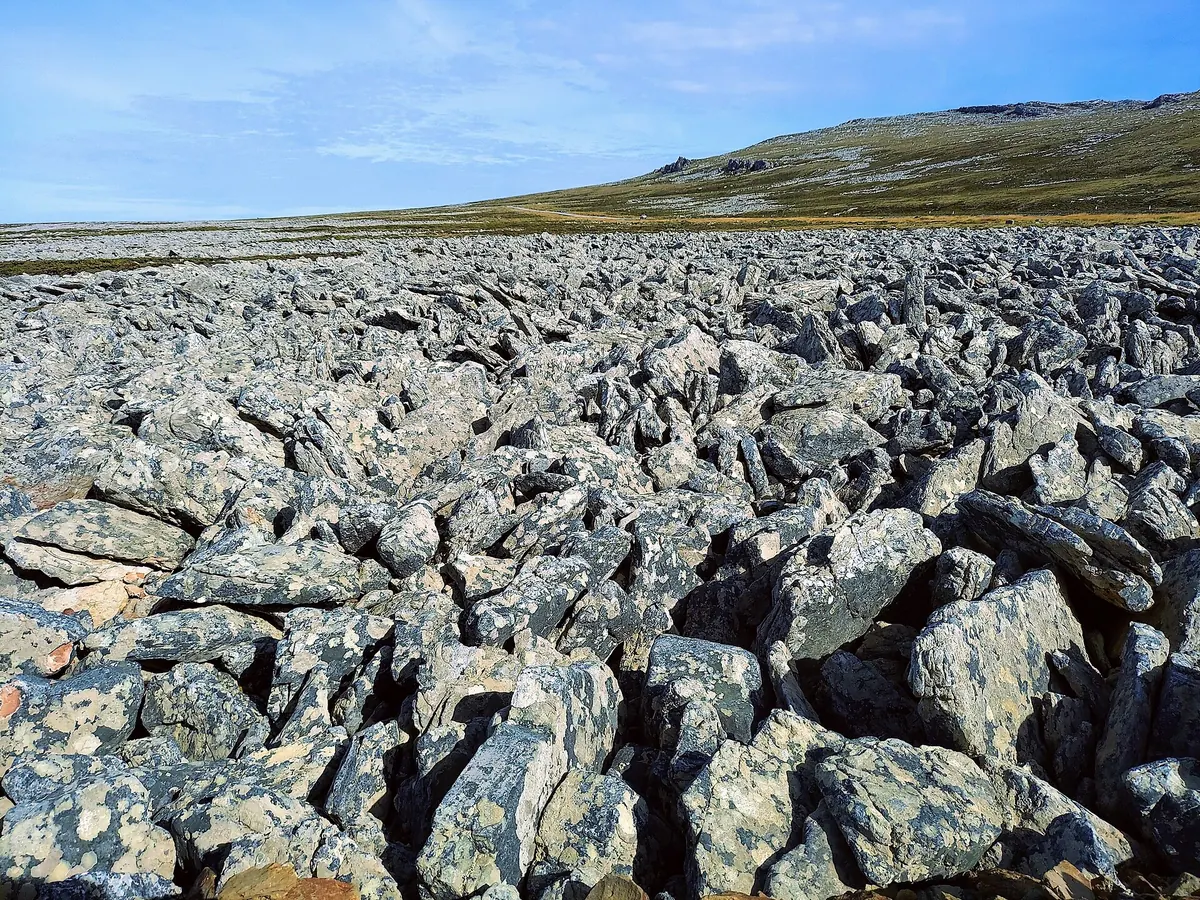
West of Stanley, Mount Kent rises above the moorland of East Falkland. Its slopes are covered in the islands' most unusual feature: stone runs, also called stone rivers. These are long streams of grey quartzite boulders that fill the valleys like frozen rivers, formed during the cold of the last ice ages.
Walking on them is slow work, as the boulders shift and the gaps between them are deep. The views from the ridges, across empty country to the sea, are the reason the drone film looked like another planet.
Gypsy Cove
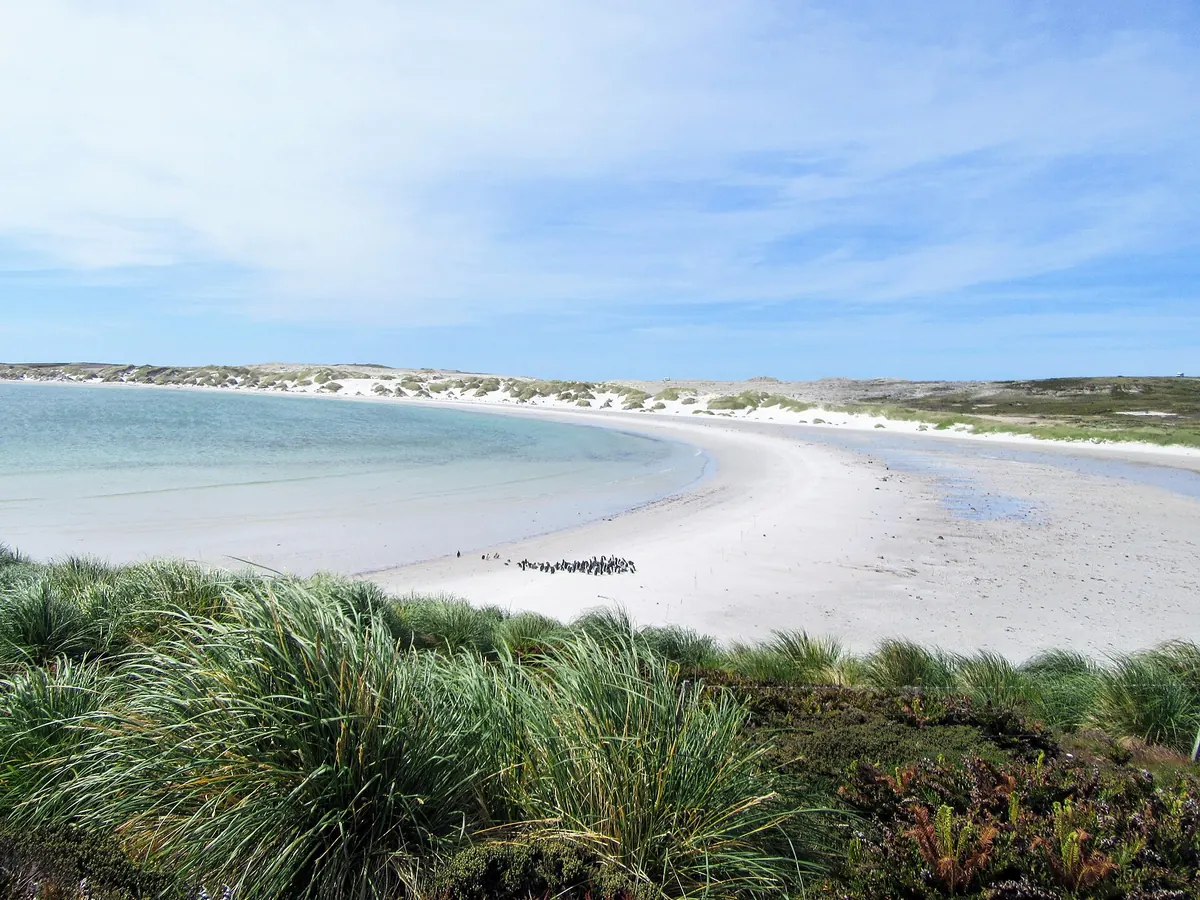
Gypsy Cove is a small white-sand bay a short drive or a long walk from Stanley. Magellanic penguins nest in burrows in the grass above the beach from spring to late summer, and you can often see Commerson's dolphins in the water and night herons on the cliffs.
Stay on the marked paths and boardwalks: the burrows collapse easily. On days when a cruise ship is in port, come early or late to avoid the crowds.
Stanley
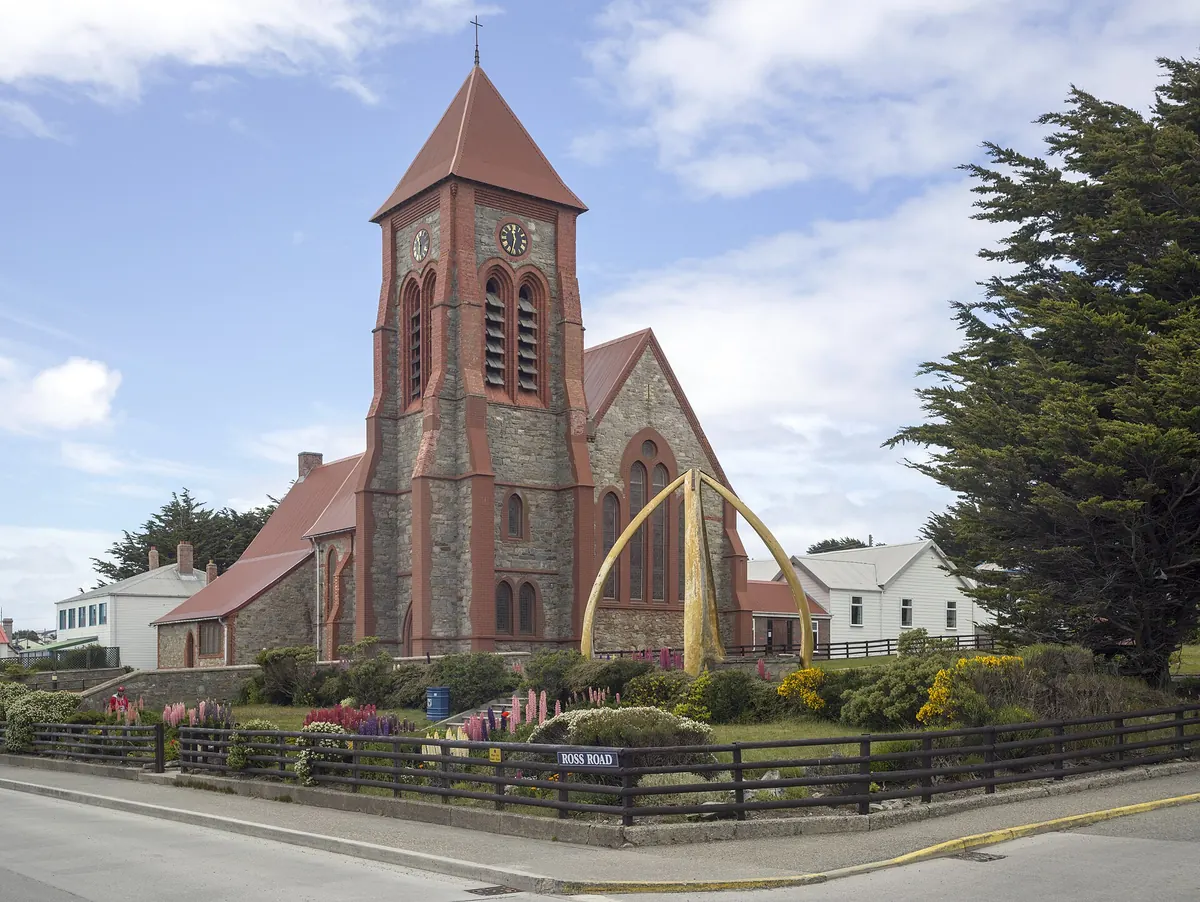
Stanley is a small harbour town of brightly painted houses with coloured tin roofs, a whalebone arch beside the Victorian Christ Church Cathedral, and a waterfront lined with the hulks of old sailing ships. The Historic Dockyard Museum tells the story of the islands, from shipwrecks and sheep farming to 1982.
It is also where you will find most of the shops, the only cash machine and the majority of the accommodation, so plan to spend at least a night or two here.
Where to see penguins and wildlife
Volunteer Point
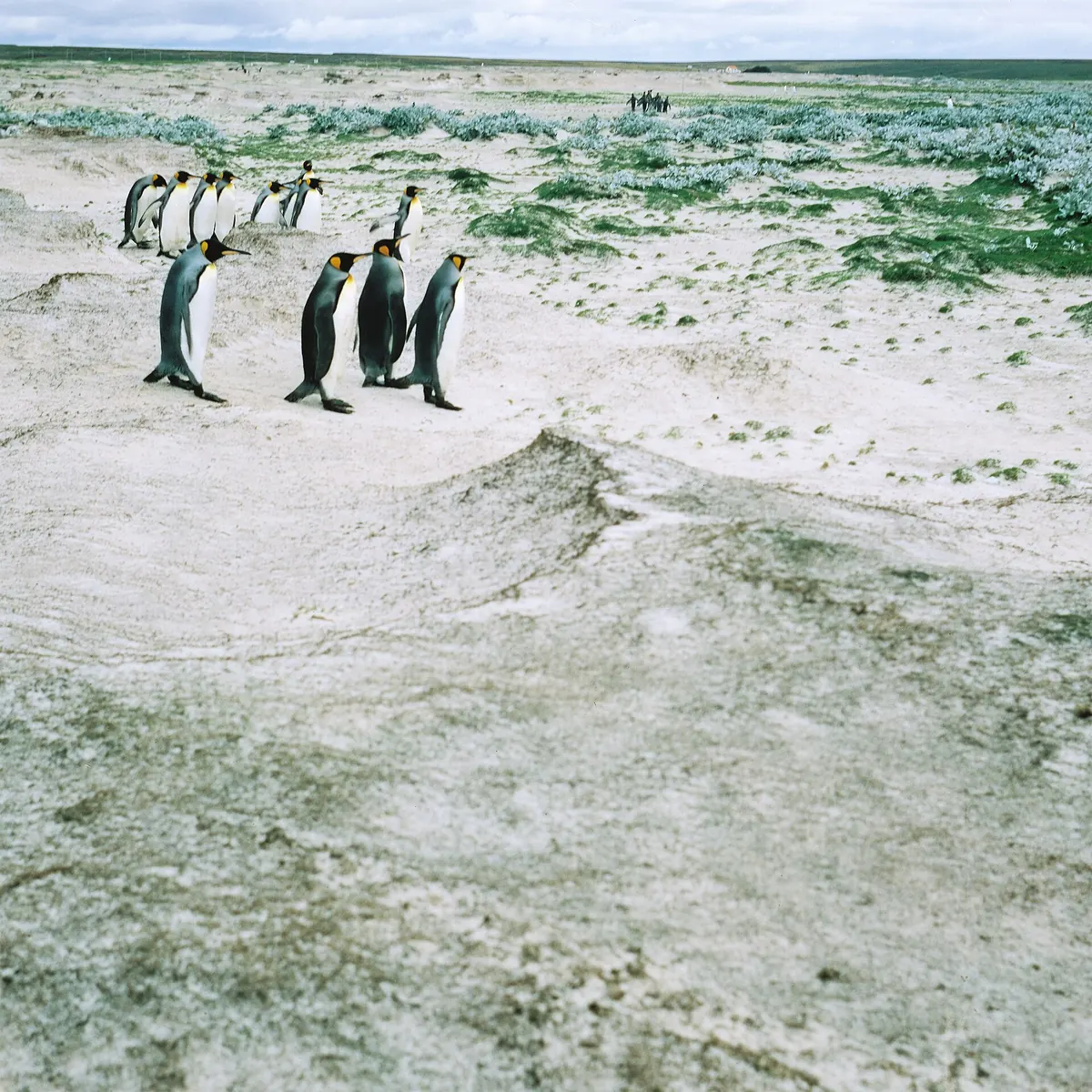
Volunteer Point, on the north-east coast of East Falkland, has the islands' largest king penguin colony, with gentoo and Magellanic penguins nearby. The drive from Stanley takes about two hours or a little more, the last part across open country, so you need a local driver-guide with a four-wheel-drive vehicle. Visit on a day without cruise ship tours if you can.
Sea Lion Island
The southernmost inhabited island of the group is small, flat and full of life: southern elephant seals on the beaches, gentoo, Magellanic and rockhopper penguins, and sea lions in the surf. Orcas are sometimes seen hunting along the coast. You reach it on a small Falkland Islands Government Air Service (FIGAS) plane and stay at the island's lodge.
Saunders Island
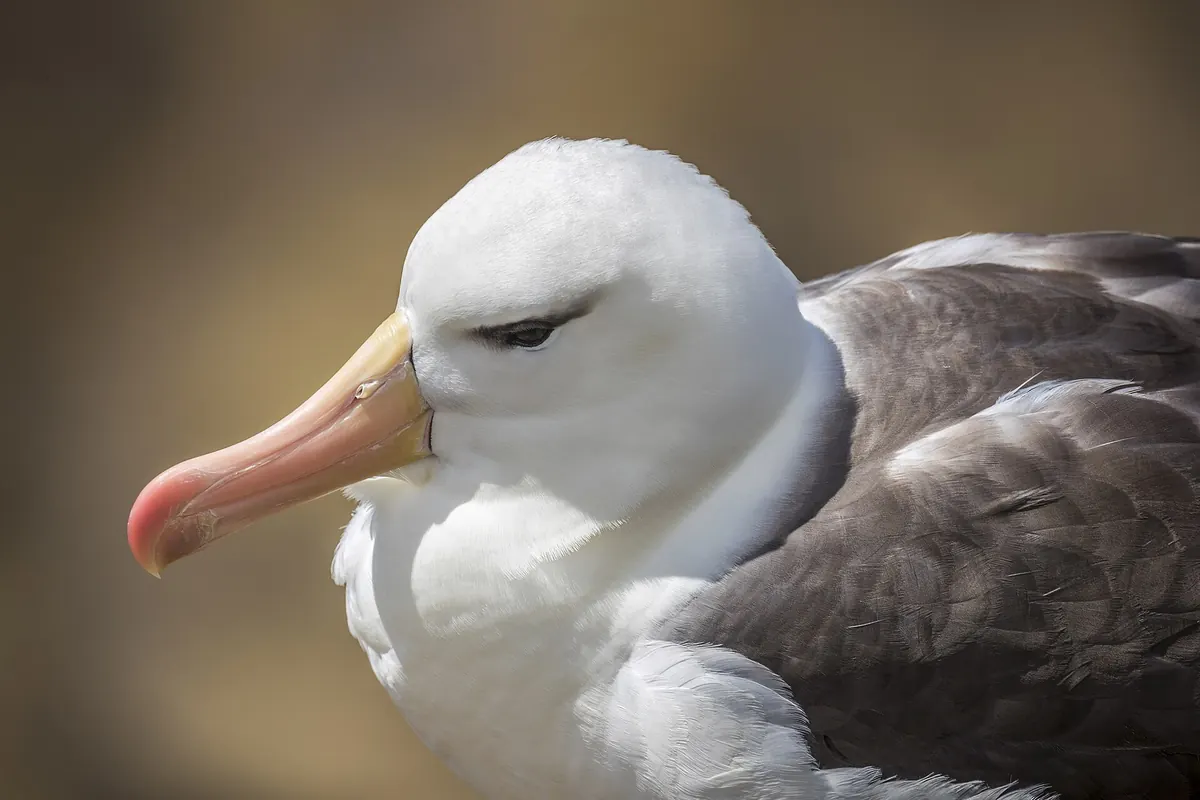
Off the north coast of West Falkland, Saunders Island has a black-browed albatross colony on the cliffs, rockhopper penguins on the rocks below, gentoo and Magellanic penguins, and a small group of king penguins on the sandy neck. Accommodation is simple self-catering cottages.
How to get to the Falkland Islands
There are two ways to fly in, and both land at Mount Pleasant Airport (MPN) on East Falkland, about an hour's drive from Stanley.
- From South America: LATAM flies once a week on Saturdays from Santiago in Chile, stopping in Punta Arenas. Some nationalities need a visa for Chile, as you have to clear Chilean immigration.
- From the UK: the Ministry of Defence airbridge leaves RAF Brize Norton in Oxfordshire twice a week, with a refuelling stop on the way. Civilians can book seats through the Falkland Islands Government Office in London. Schedules can change at short notice.
- By sea: more than forty cruise ships call at Stanley each austral summer, often on itineraries to South Georgia and Antarctica.
On arrival you need a valid passport, a return ticket, enough funds and accommodation booked in advance. Check the Falkland Islands tourism site for current schedules and entry rules before you book.
When to go
The season runs from October to March. In spring (October and November) the penguins arrive and settle into their colonies; by January and February the chicks are out and the weather is at its mildest. Many lodges outside Stanley close in winter.
The wind blows hard all year and can delay flights, both the international ones and the small FIGAS planes between islands. Leave a buffer day at the end of your trip.
Practical tips
- Money: the Falkland Islands pound is tied to sterling, and British pounds are accepted everywhere. Cards work in most places in Stanley, but carry some cash for guides and remote lodges.
- Phones: foreign SIM cards and most eSIMs do not work. Internet is satellite-based and can be expensive, so download maps before you go.
- Getting around: there is no public transport. Book a driver-guide for Volunteer Point and fly FIGAS to the outer islands, booking your island accommodation first.
- Budget: this is not a cheap destination. Flights, lodges and guided days add up, so a week with island stays usually costs several thousand pounds per person.
- Clothing: pack layers, a windproof jacket, a warm hat and sunscreen. The sun is strong even when it feels cold.
Is it worth it?
Very few people will ever stand on a Falklands beach surrounded by king penguins, or look down a stone run from the top of Mount Kent with nobody else in sight. The islands take time and money to reach, but they reward visitors who love wild places, wildlife and silence.
Frequently asked questions
How do you get to the Falkland Islands?
By air there are two routes: the weekly LATAM flight from Santiago via Punta Arenas in Chile (Saturdays), and the UK Ministry of Defence airbridge from RAF Brize Norton, which takes civilian passengers twice a week. Both land at Mount Pleasant Airport on East Falkland. Many visitors also arrive on cruise ships in the austral summer.
When is the best time to visit the Falklands?
October to March, the southern spring and summer. The penguin colonies are busy, days are long and most lodges are open. Wind is strong all year, so build spare days into your plans in case flights are delayed.
Which penguins can you see in the Falkland Islands?
Five species breed on the islands: king, gentoo, rockhopper, Magellanic and macaroni penguins. Volunteer Point has the famous king penguin colony, and Gypsy Cove near Stanley has Magellanic penguins.
Do I need a visa for the Falkland Islands?
Most visitors do not, but everyone needs a valid passport, a return or onward ticket, enough funds and pre-booked accommodation. Travellers on the UK airbridge also need the UK ETA. Check the latest rules with the Falkland Islands Government before you book.
Keep reading
10 Incredible National Parks Around the World
From Cappadocia's fairy chimneys to Patagonia's glaciers, Uluru and Costa Rica's rainforest – ten incredible national parks around the world and how to visit them.
How Iceland Is Rethinking Tourism – and How to Visit Responsibly
Iceland's tourism boom changed the country. How it is managing crowds and protecting nature, and how to visit responsibly – with seasons, routes, safety rules and tips.

Best eSIM for Travel: 7 Providers Compared and How to Choose
Airalo, Saily, Holafly, Ubigi and more compared: data packs vs unlimited, hotspot rules, phone numbers and which travel eSIM suits your trip.
What Can Be Done About Mid-Flight Turbulence? What the NTSB, the FAA and Scientists Say
Why turbulence injures passengers and crew, what the NTSB recommends, whether climate change is making flights bumpier, and the simple habit that protects you.