6 Tips for Picking the Perfect Airplane Seat Every Time
Window, aisle, exit row or bulkhead? How to choose the best seat on the plane for sleep, legroom, a smooth ride or a quick exit – and how to get it without overpaying.
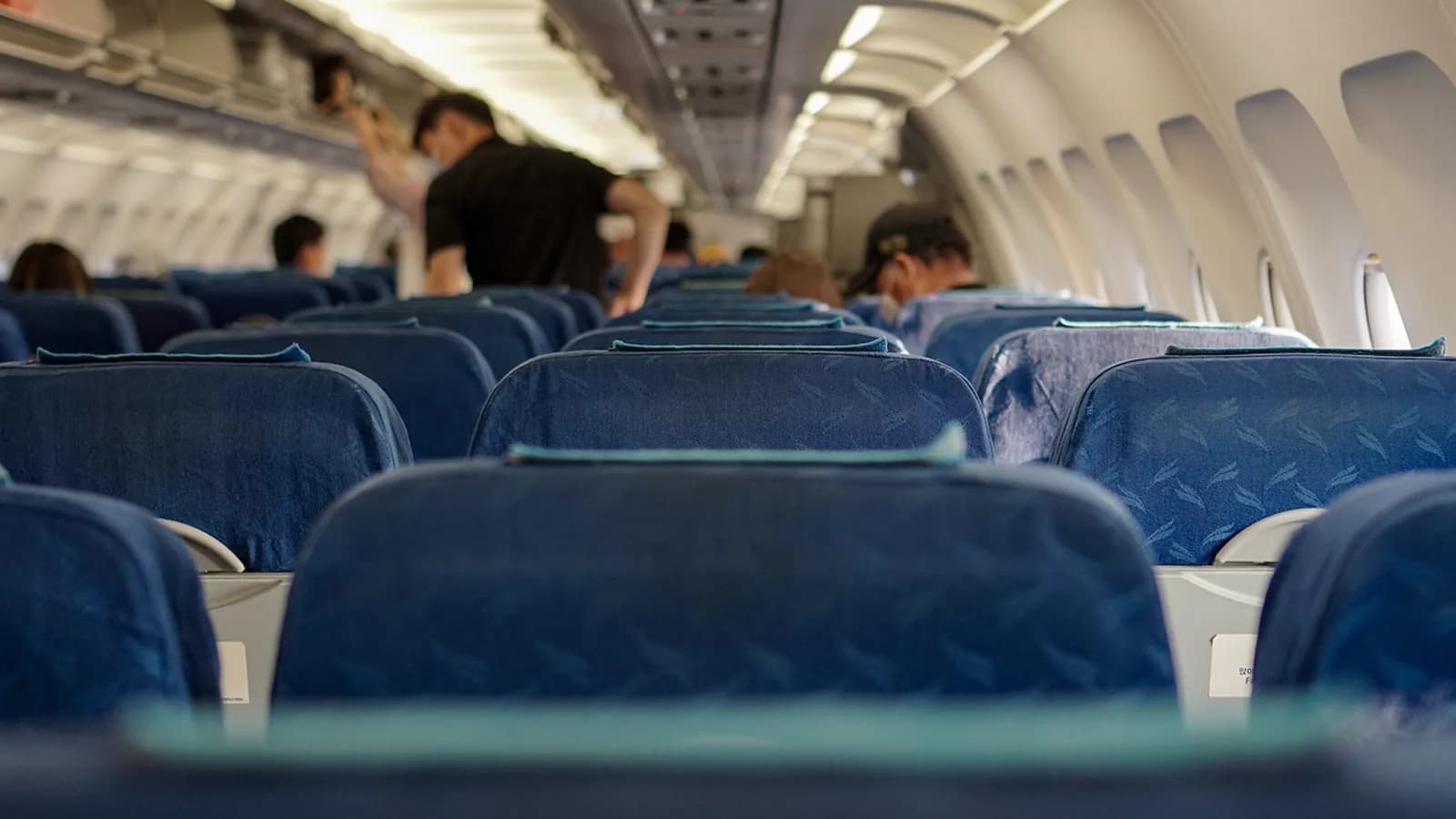
The right seat can turn a long flight from an ordeal into a chance to rest. The wrong one can mean a broken recline, a constant queue for the toilet and a neighbour's elbow in your ribs. Here's how to choose well.
1. Decide what matters most to you
There's no single best seat – it depends on what you want from the flight:
| You want… | Choose |
|---|---|
| To sleep | A window seat away from galleys and toilets |
| Freedom to get up | An aisle seat |
| The smoothest ride | A seat over the wing |
| Extra legroom | An exit row or bulkhead (often for a fee) |
| To get off quickly | A seat near the front |
| A quiet flight | A row away from the bulkhead, where bassinets for babies are often fitted |
If you're a nervous flyer, a seat over the wing is usually the calmest place to be. Read our tips for overcoming a fear of flying.
2. Study the seat map before you book
Not all seats in the same cabin are equal. Some rows don't recline, some window seats have no window, and seats in the last row often sit next to the toilets. Look at your airline's seat map and check independent seat-map websites, which list the quirks of each aircraft type. Remember that airlines sometimes change the aircraft, so check again before you fly.
3. Use status, cards and fares to your advantage
Frequent-flyer status and some airline credit cards include free seat selection or upgrades to extra-legroom seats. Some fare types include seat selection while basic fares do not – compare the total price before you book the cheapest ticket.
4. Know when paying is worth it
Paying for a seat makes most sense on long-haul flights, when you need extra legroom, or when you're traveling with children and must sit together. For a short flight, many travelers simply wait for free selection when check-in opens, usually 24 hours before departure.
5. Check in as early as possible
Set a reminder for the moment online check-in opens. The best remaining free seats go quickly, and airlines sometimes release blocked seats at this point.
6. Ask politely at the airport or on board
If you didn't get the seat you wanted, ask at the check-in desk or gate – staff can sometimes see seats that weren't available online. Once the doors close, a flight attendant may be able to move you to an empty row. A friendly request works far better than a complaint.
More flying tips
Before you get to your seat, you have to get through the airport. Here's how to get through airport security faster.
Frequently asked questions
What is the best seat on a plane for sleeping?
A window seat lets you lean against the wall and won't be disturbed by neighbours getting up. Avoid rows near the toilets and galleys, which are noisy and busy throughout the flight.
Who can sit in an exit row?
Passengers in exit rows must be willing and able to help in an emergency. Airlines usually don't allow children, people traveling with infants, or passengers who need extra assistance to sit there.
Is it worth paying for seat selection?
On long flights, for families who need to sit together, or if you need extra legroom, it's often worth it. On short flights, many travelers save money by waiting for free seat selection at check-in.
Keep reading
10 Tips to Help You Overcome a Fear of Flying
Practical ways to manage a fear of flying: understanding turbulence, breathing techniques, choosing the right seat, talking to the crew and taking a confidence course.
10 Ways to Get Through Airport Security Faster
Skip the stress at the checkpoint: trusted traveler programs, smart packing, the right time to arrive and the small habits that get you through security in minutes.

Best eSIM for Travel: 7 Providers Compared and How to Choose
Airalo, Saily, Holafly, Ubigi and more compared: data packs vs unlimited, hotspot rules, phone numbers and which travel eSIM suits your trip.
11 Tips on Packing Light for Winter Travel
Bulky coats don't need a huge suitcase. Eleven practical tips for packing light for a winter trip, from layering and fabrics to what to wear.