England's Blue Flag Beaches: What the Award Means and the Best to Visit
Which English beaches won Blue Flags for 2026 – Bournemouth and Poole, Cornwall, Kent, Norfolk – what the award means and the best beaches to visit.

Every spring, Keep Britain Tidy announces which English beaches have won a Blue Flag – the international award for clean, safe and well-managed beaches. The list changes slightly each year, but many beaches win time after time. Here's what the award means and some of the best Blue Flag beaches to visit.
What the Blue Flag means
1. The criteria
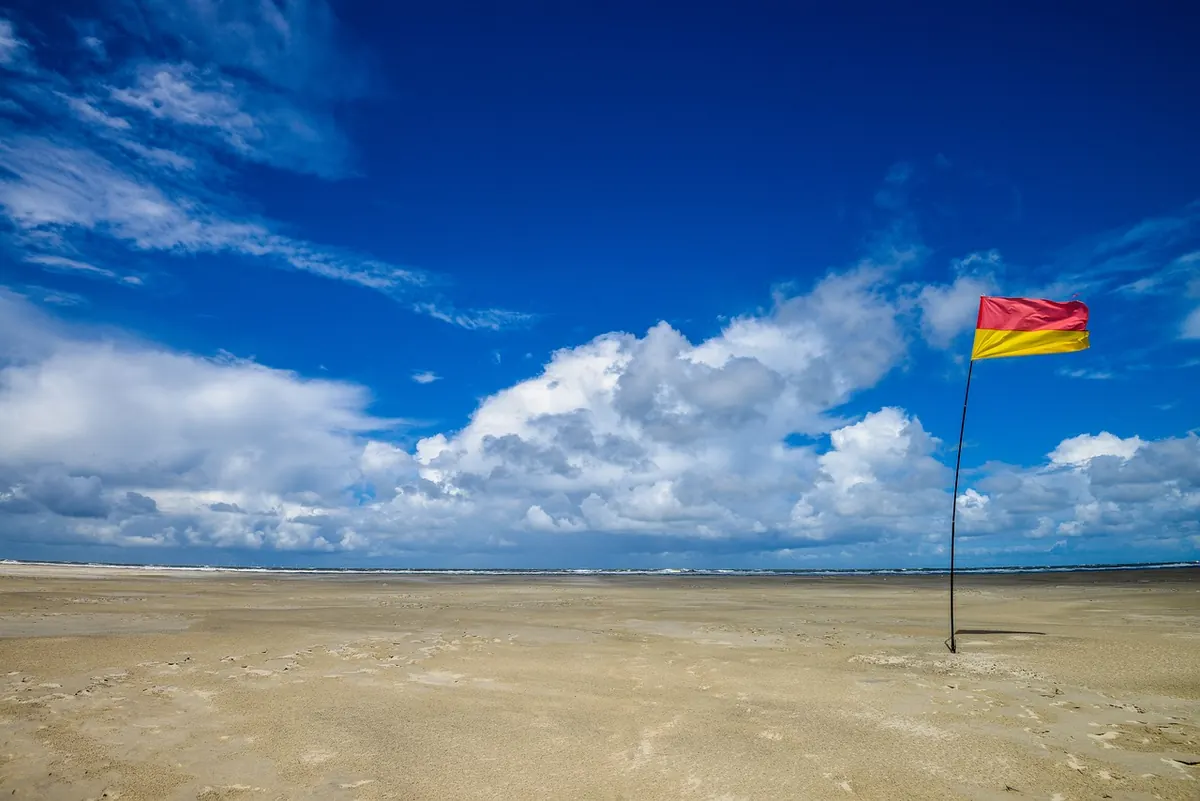
To fly a Blue Flag, a beach must meet strict criteria, including:
- Excellent bathing-water quality throughout the testing season.
- Safety: lifeguards or safety equipment and first aid.
- Environmental management: clean facilities, recycling and protection of sensitive habitats.
- Information and education: public notices about water quality and the local environment.
The award runs for one season and must be renewed every year.
Blue Flag winners for 2026: highlights
Keep Britain Tidy announced the 2026 awards on 15 May 2026. Councils confirmed these winners in some of England's favourite beach regions:
| Region | 2026 Blue Flag beaches |
|---|---|
| Bournemouth, Christchurch and Poole | Sandbanks, Shore Road, Canford Cliffs, Durley Chine, Fisherman's Walk, Highcliffe |
| Cornwall | Crooklets, Polzeath, Porthmeor, Porthminster, Porthmissen/Trevone, Porthtowan, Summerleaze, Widemouth, Gyllyngvase, Carbis Bay |
| Thanet, Kent | Minnis Bay, Botany Bay, Joss Bay, Ramsgate Main Sands |
Sandbanks in Poole has flown the Blue Flag every year since the scheme began – 2026 is its 39th year. For the full national list, see Keep Britain Tidy's website.
Beaches worth visiting
2. Bournemouth, Dorset
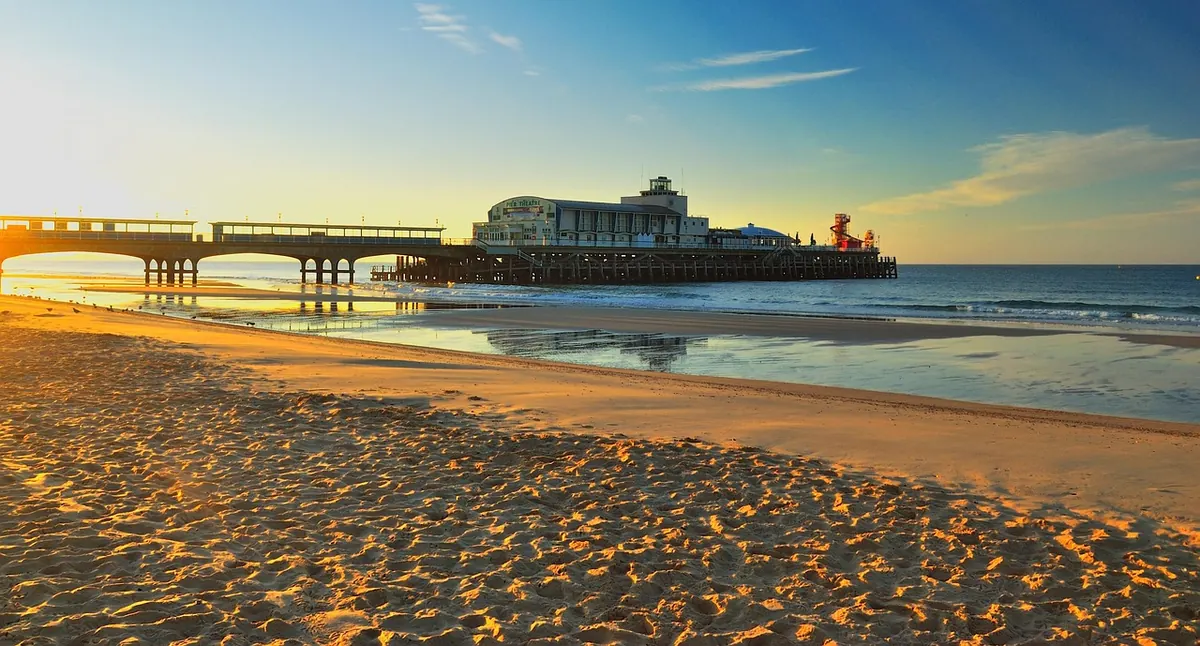
Seven miles of golden sand with piers, beach huts and a lively promenade. Six Bournemouth, Christchurch and Poole beaches fly the Blue Flag in 2026, including Durley Chine and Fisherman's Walk on the Bournemouth seafront and Sandbanks in Poole.
3. Woolacombe, Devon
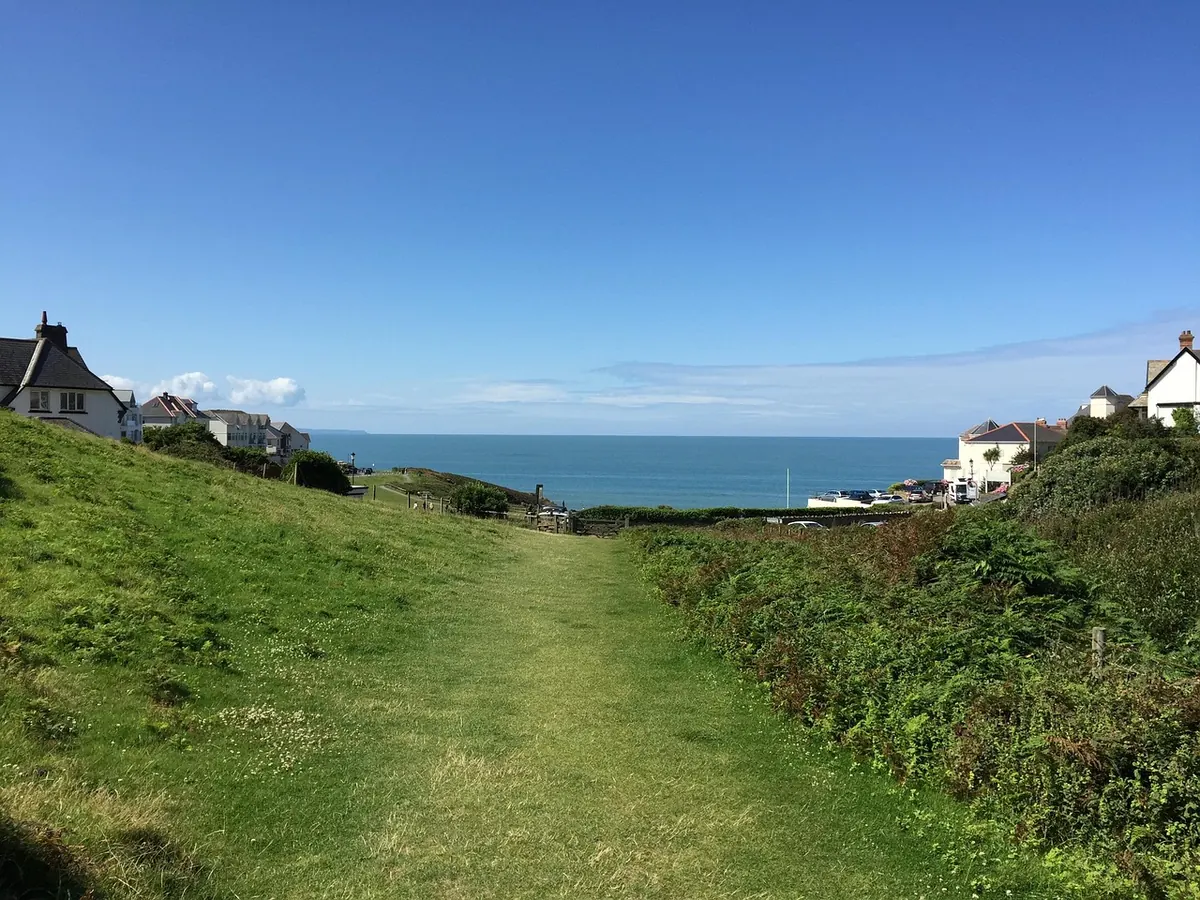
A three-mile sweep of sand popular with surfers and families on the North Devon coast. Woolacombe has won Blue Flags in many past years; check this year's list before you go if the award matters to you.
4. Weymouth, Dorset
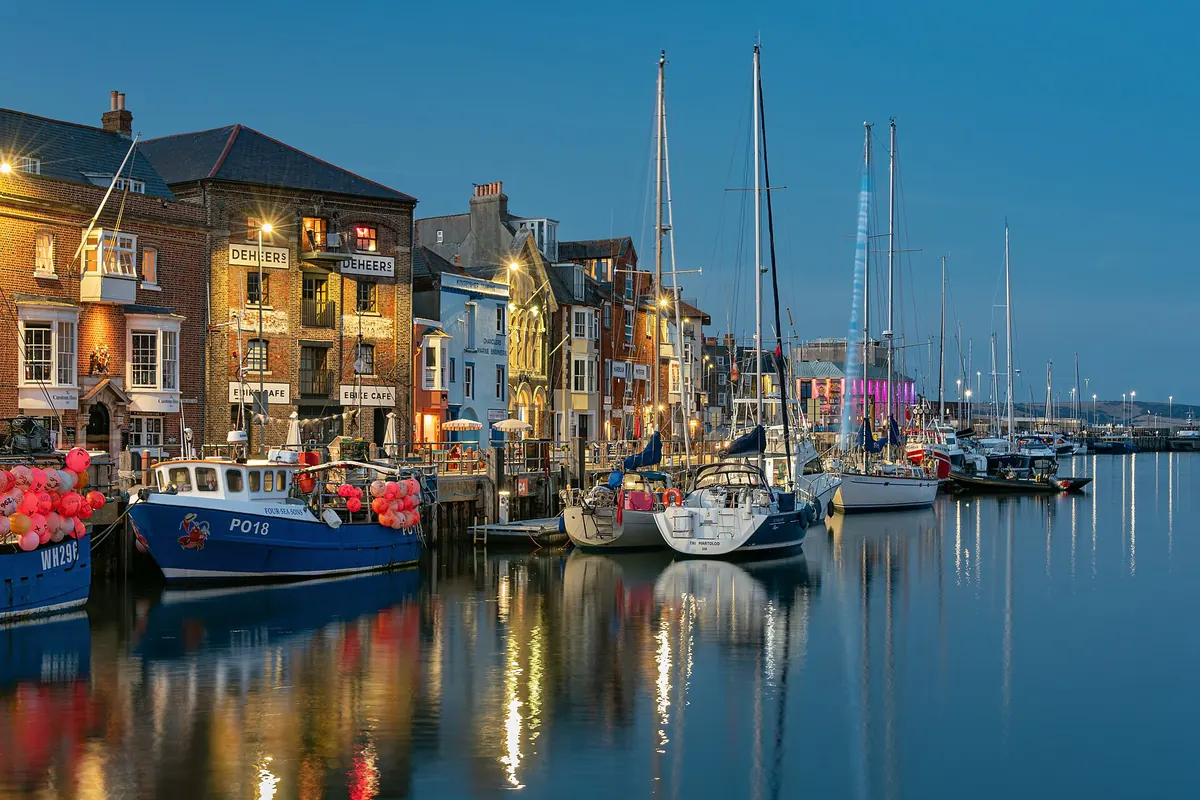
A sheltered, shallow bay with soft sand – ideal for young children – at the gateway to the Jurassic Coast, with Punch and Judy shows on the seafront in summer.
5. Bamburgh and the Northumberland coast
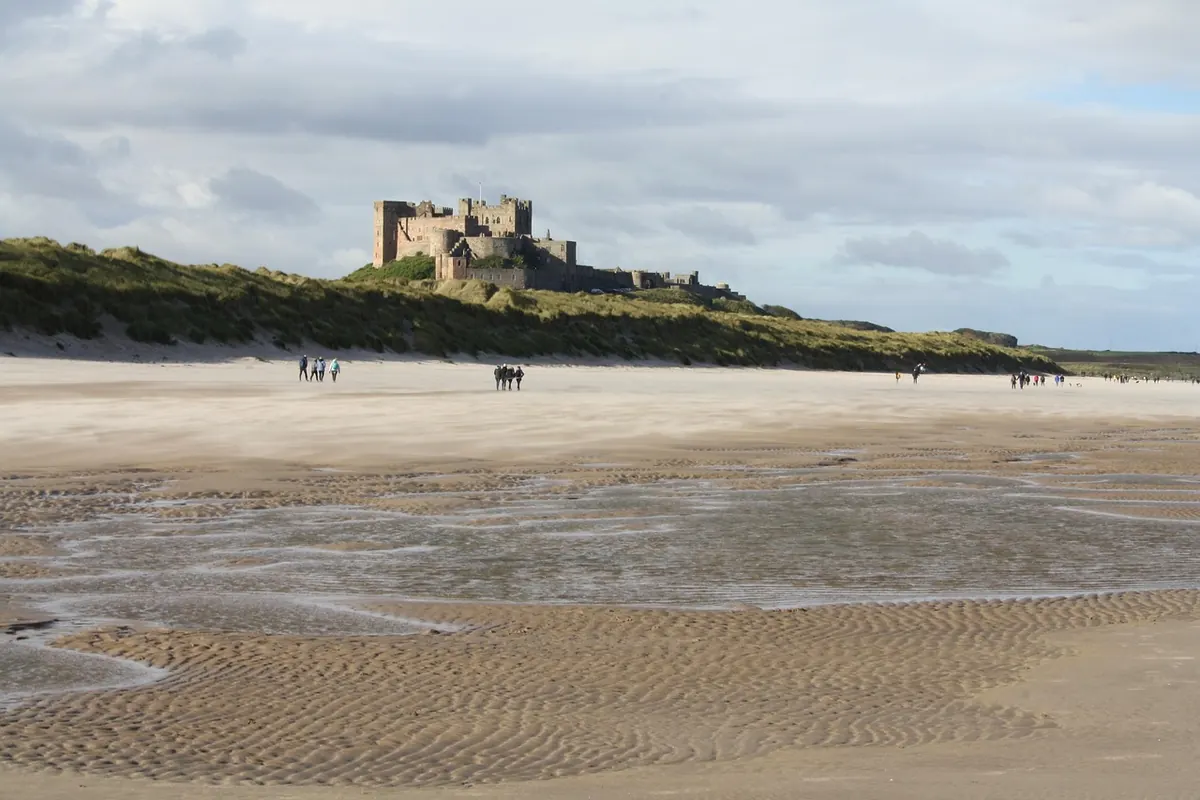
Wide, wild beaches beneath castles, with views to the Farne Islands. Not all Northumberland beaches fly the Blue Flag, but they're among England's most beautiful.
6. Cornwall
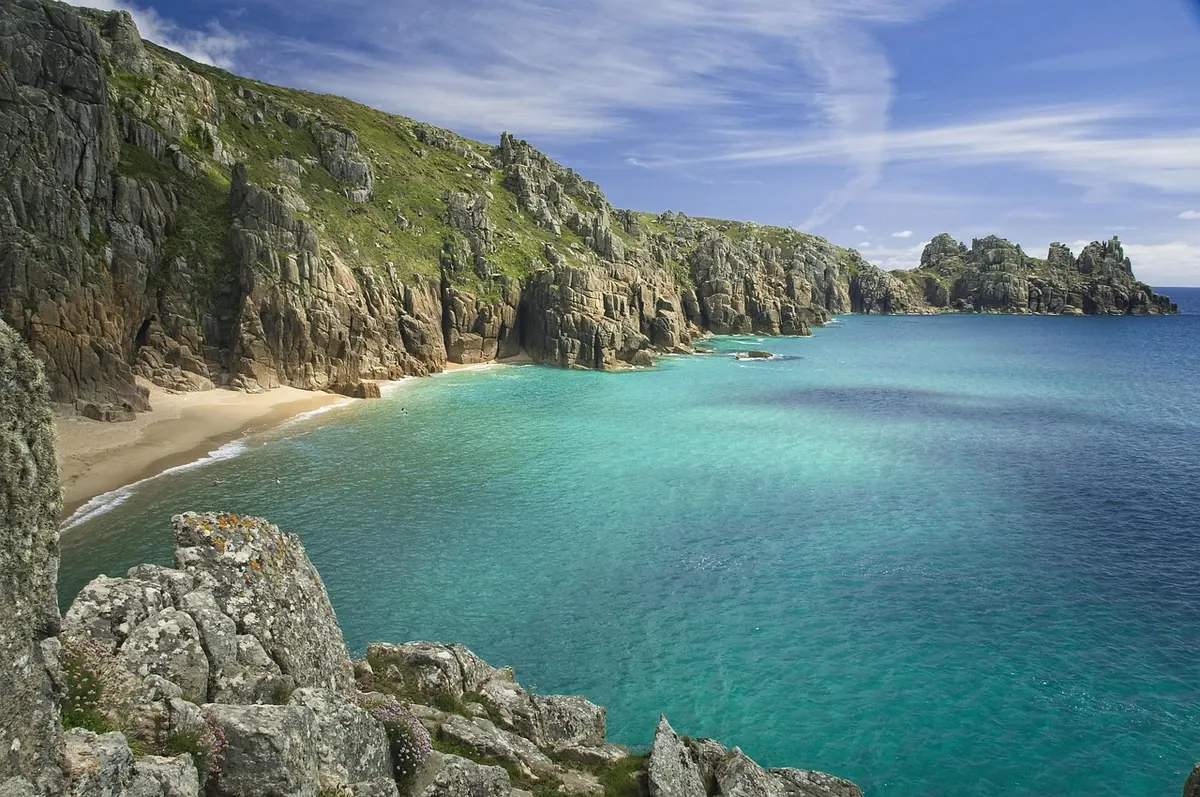
Ten Cornish beaches fly the Blue Flag in 2026, among them Polzeath, Porthmeor and Porthminster in St Ives, Carbis Bay and Gyllyngvase in Falmouth. See our active Cornwall guide.
7. Kent and the south-east
In 2026 Thanet has four Blue Flag beaches – Minnis Bay, Botany Bay, Joss Bay and Ramsgate Main Sands. See our guide to Kent's Mermaid Beach and coast.
8. Yorkshire
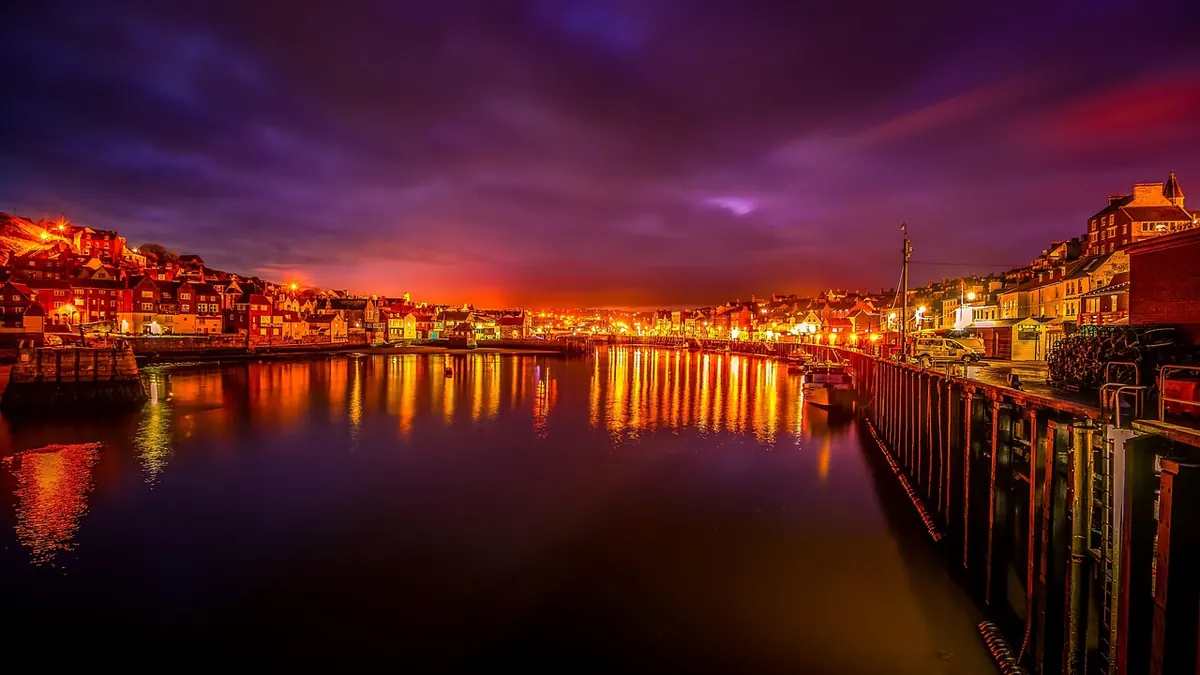
Beaches around Scarborough, Whitby and Filey have won awards in recent years, combining sand with classic seaside towns.
Tips for a beach day
- Check the current list: awards change every year – see Keep Britain Tidy's website.
- Check water-quality alerts after heavy rain.
- Swim between the flags where lifeguards are on duty.
- More seaside ideas: see our pick of the best UK seaside towns.
Frequently asked questions
What is a Blue Flag beach?
Blue Flag is an international award run by the Foundation for Environmental Education. Beaches must meet strict standards for water quality, safety, environmental management and information.
How many Blue Flag beaches are there in England?
Several dozen English beaches win the award each year. The list is announced every May by Keep Britain Tidy – the 2026 awards were announced on 15 May 2026 – and the full list is on its website.
Which beach has had a Blue Flag the longest?
Sandbanks in Poole has held Blue Flag status every year since the awards began; 2026 is its 39th year.
Does a Blue Flag mean the water is always clean?
It means the beach met the water-quality standards over the testing period. Short-term pollution can still happen after heavy rain, so check daily water-quality alerts.
Keep reading
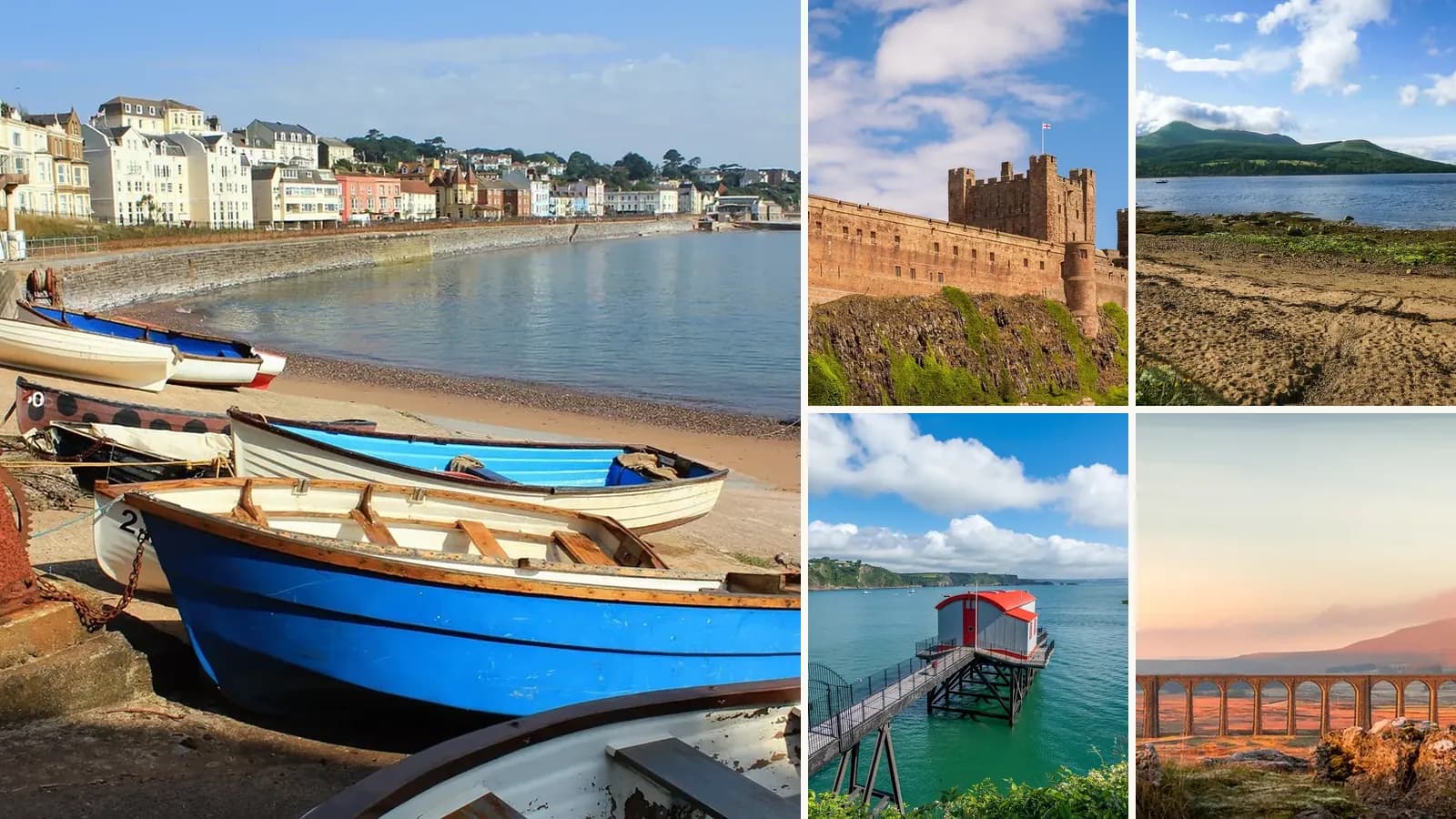
9 of the UK's Best Seaside Towns and Staycation Spots
Dawlish, Seahouses, Brodick on Arran, Hayle, Saundersfoot and more – nine of Britain's best seaside and countryside towns for a staycation, and what to do in each.
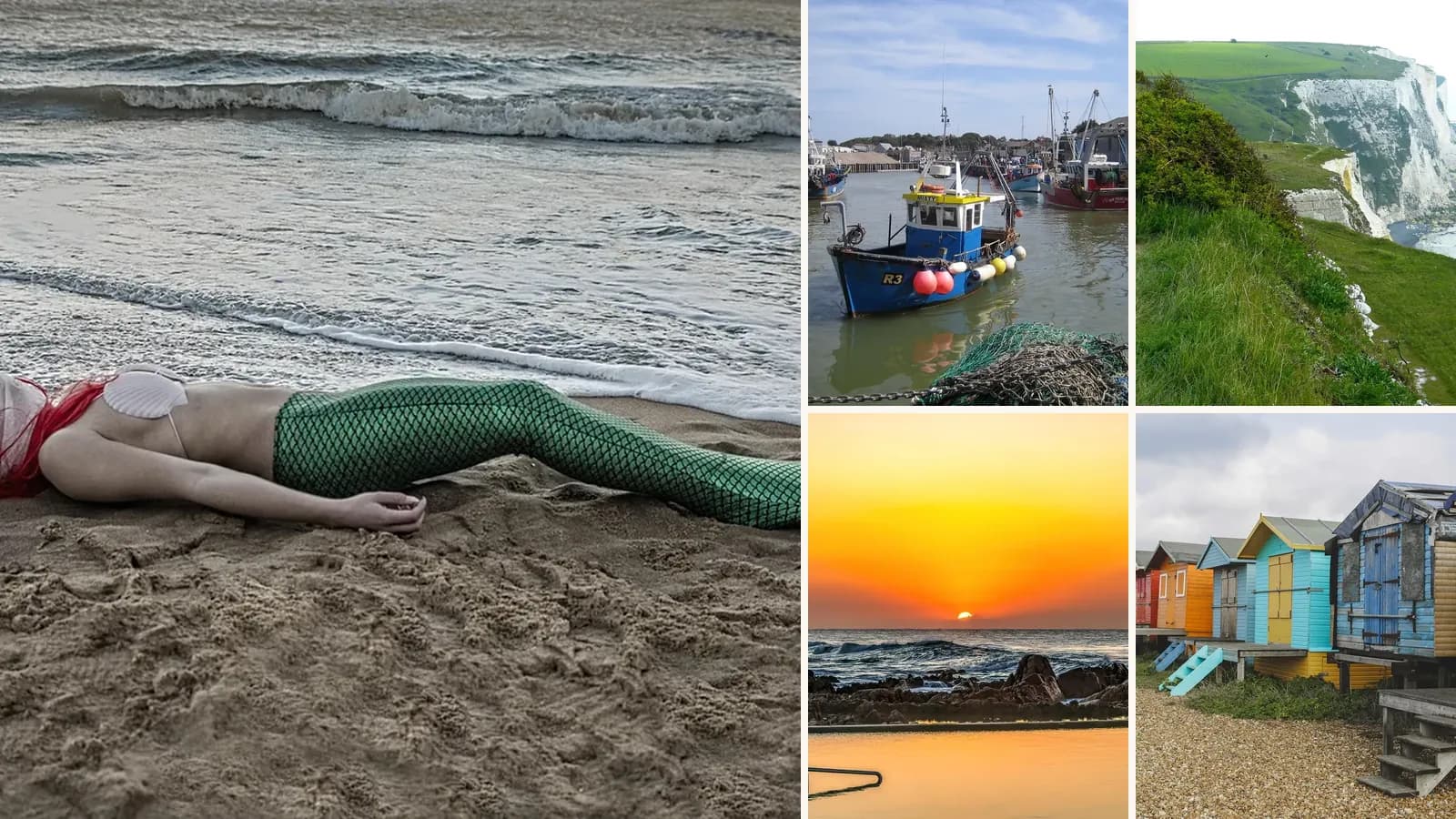
Mermaid Beach, Folkestone and the Best of the Kent Coast
Folkestone's Mermaid Beach, the Harbour Arm, Creative Quarter and coastal walks, plus Margate, Whitstable and Dover – a guide to Kent's seaside.
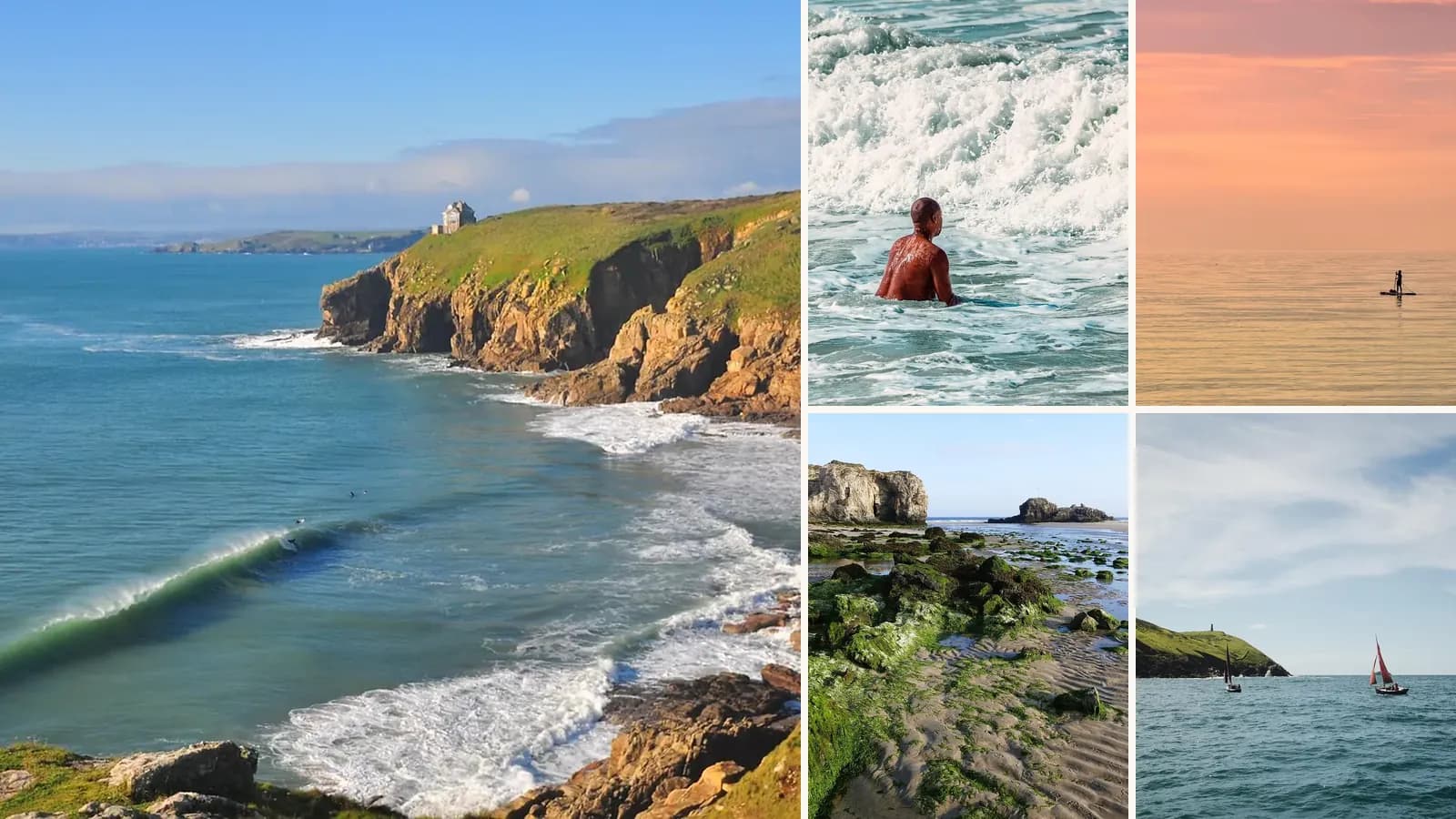
Ice Baths, Surfing and Coasteering: An Active Getaway in Cornwall
Learn to surf at Fistral, go coasteering along the cliffs, try cold-water swimming and ice baths, and walk the South West Coast Path – an active break in Cornwall.
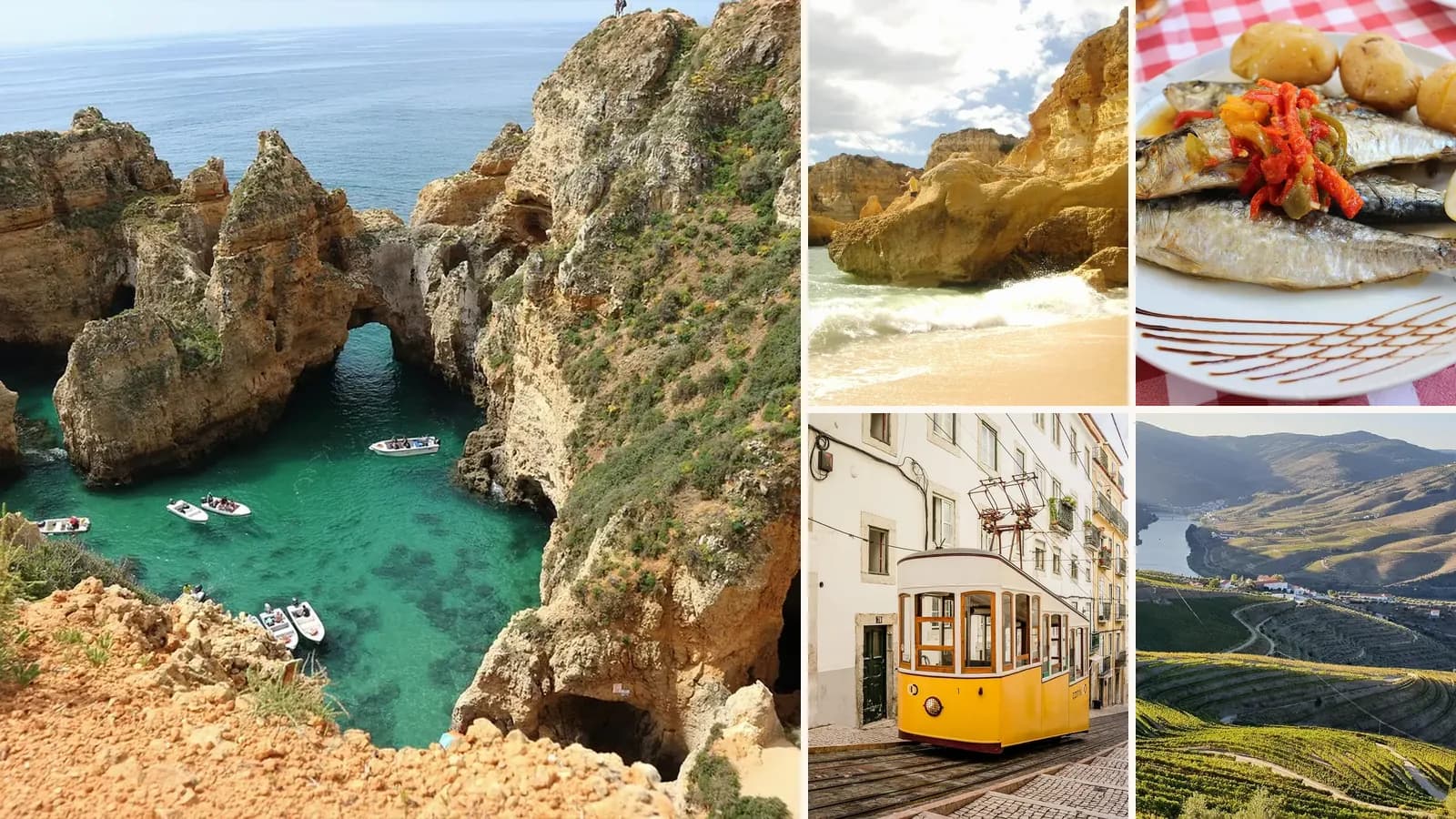
8 Reasons Portugal Is the Perfect Place to Visit
Sunshine, beaches, great value, world-class seafood, pastéis de nata and beautiful towns – eight reasons Portugal is one of Europe's best destinations, plus where to go.